Mary L. Erlain's Blog, page 9
July 2, 2025
The L.I.F.E.L.I.N.E. Model Overview: Creative Ideas

Core Concept: A Multi-faceted Framework for Essential Systems and Support
The L.I.F.E.L.I.N.E. The model aims to encapsulate various aspects of interconnectedness, support, and critical functions, drawing inspiration from the provided sources. This model can be applied to diverse fields, from community resilience to personal development.
The L.I.F.E.L.I.N.E. Model is a conceptual framework designed to analyze, assess, and strengthen critical systems and support networks across different domains. It emphasizes proactive planning, resilience, and continuous adaptation to ensure stability and well-being.
Some Creative L.I.F.E.L.I.N.E. Model Ideas:1. Localized Infrastructure For Emergency Logistics & Intervention Networks for Everyone (L.I.F.E.L.I.N.E. 1.0 – Community Resilience)Overview: Focuses on establishing robust, decentralized networks for disaster response and recovery.Key Features:Community-led Hubs: Designated local centers for resource distribution, communication, and first aid.Skill-based Volunteer Registry: Database of local residents with specific skills (medical, engineering, logistics) for rapid deployment.Redundant Communication Systems: Integration of amateur radio, satellite phones, and mesh networks alongside traditional infrastructure.2. Learning Integration Framework for Educational Lifelong Inclusion & Nurturing Environment (L.I.F.E.L.I.N.E. 2.0 – Education)Overview: Aims to create adaptable and inclusive educational systems that support continuous learning.Key Features:Personalized Learning Pathways: AI-driven platforms that tailor educational content to individual needs and learning styles.Intergenerational Mentorship Programs: Connecting elders with youth for knowledge transfer and skill development.Flexible Learning Environments: Blended online and in-person models that can adapt to disruptions (e.g., pandemics).3. Lifestyle Intervention For Enhanced Longevity & Individual Nutritional Empowerment (L.I.F.E.L.I.N.E. 3.0 – Health & Wellness)Overview: A proactive approach to public health, emphasizing preventative care and individual empowerment.Key Features:Wearable Health Tech Integration: Data from smartwatches and other devices to provide personalized health insights and alerts.Community Gardens & Food Literacy Programs: Promoting healthy eating habits and access to nutritious food.Mental Wellness Support Networks: Accessible online and in-person resources for stress management and psychological well-being.4. Legal Information For Equitable Livelihood Initiatives & Navigation Ecosystem (L.I.F.E.L.I.N.E. 4.0 – Legal & Social Justice)Overview: A framework for ensuring equitable access to legal information and support for vulnerable populations.Key Features:Pro Bono Legal Aid Platforms: Connecting individuals with legal professionals for free or low-cost assistance.Simplified Legal Language Resources: Translating complex legal documents into easily understandable formats.Digital Legal Literacy Workshops: Educating communities on their rights and responsibilities.5. Low-cost Internet For Everyone: Linking Isolated Neighborhoods Efficiently (L.I.F.E.L.I.N.E. 5.0 – Digital Inclusion)Overview: Addresses the digital divide by providing affordable and reliable internet access to underserved communities.Key Features:Community Wi-Fi Initiatives: Publicly funded or subsidized Wi-Fi networks in low-income areas.Device Donation & Refurbishment Programs: Providing affordable or free digital devices to those in need.Digital Skills Training: Workshops and resources to help individuals navigate the internet and use digital tools effectively.6. Local Investment For Economic Localized Interdependence & New Enterprises (L.I.F.E.L.I.N.E. 6.0 – Economic Development)Overview: Fosters local economic resilience through community-based investment and support for small businesses.Key Features:Community-Owned Co-operatives: Encouraging the establishment of businesses owned and operated by local residents.Micro-loan Programs: Providing small loans to local entrepreneurs who may not qualify for traditional financing.Local Currency Initiatives: Promoting the use of local currencies to keep money circulating within the community.7. Life-cycle Integrated Facility Environment Logistics for Innovative New Engineering (L.I.F.E.L.I.N.E. 7.0 – Infrastructure Management)Overview: Focuses on sustainable and resilient infrastructure development and maintenance.Key Features:Smart Grid Implementation: Utilizing technology to optimize energy distribution and reduce waste.Green Infrastructure Solutions: Incorporating natural systems (e.g., permeable pavements, green roofs) to manage stormwater and improve air quality.Predictive Maintenance Systems: Using data analytics to anticipate infrastructure failures and schedule proactive repairs.8. Leadership Initiatives For Effective Long-term Inter-agency Network Enhancement (L.I.F.E.L.I.N.E. 8.0 – Governance & Collaboration)Overview: Enhances collaboration and coordination among different governmental and non-governmental organizations.Key Features:Shared Data Platforms: Secure systems for inter-agency information sharing during emergencies.Joint Training Exercises: Regular drills and simulations involving multiple agencies to improve coordinated response.Cross-sectoral Policy Development: Bringing together diverse stakeholders to create holistic policies.9. Living In Fluid Ecological Landscapes: Interactive Nature Education (L.I.F.E.L.I.N.E. 9.0 – Environmental Stewardship)Overview: Promotes environmental awareness and sustainable practices through education and community engagement.Key Features:Citizen Science Programs: Engaging the public in data collection and monitoring of local ecosystems.Urban Reforestation Projects: Planting trees and creating green spaces in urban areas.Waste Reduction & Circular Economy Initiatives: Encouraging recycling, composting, and responsible consumption.10. Language Interpretation Facilitation Ecosystem for Linguistic Inclusion & Navigation Ease (L.I.F.E.L.I.N.E. 10.0 – Cultural & Linguistic Diversity)Overview: Ensures accessibility and understanding for individuals with diverse linguistic backgrounds.Key Features:On-demand Translation Services: Providing immediate access to professional translators for critical situations.Multilingual Public Information Campaigns: Disseminating important announcements in multiple languages.Cultural Sensitivity Training: Educating service providers on the cultural nuances of diverse communities.11. Lifelong Innovation For Elderly Living: Interactive Nurturing Environments (L.I.F.E.L.I.N.E. 11.0 – Aging in Place)Overview: Focuses on technologies and services that enable older adults to live independently and safely.Key Features:Smart Home Adaptations: Integrating voice-activated controls, fall detection sensors, and automated reminders.Telehealth & Remote Monitoring: Providing medical consultations and health tracking from home.Social Connection Platforms: Digital tools to combat loneliness and connect seniors with their communities.12. Learning Interfaces For Emergency Literacy: Information Navigation Education (L.I.F.E.L.I.N.E. 12.0 – Information Literacy)Overview: Equips individuals with the skills to critically evaluate information, especially during crises.Key Features:Fact-checking Tools & Workshops: Teaching methods to verify information and identify misinformation.Media Literacy Curricula: Integrating critical analysis of news and social media into educational programs.Emergency Alert System Enhancement: Improving the clarity and trustworthiness of public safety messages.13. Leading In Future Energy: Localized Infrastructure Network Expansion (L.I.F.E.L.I.N.E. 13.0 – Energy Transition)Overview: Accelerates the transition to sustainable energy sources at a local level.Key Features:Community Solar & Wind Farms: Promoting local ownership and investment in renewable energy projects.Energy Efficiency Retrofit Programs: Providing incentives and support for homeowners and businesses to reduce energy consumption.Battery Storage Solutions: Integrating localized energy storage to enhance grid stability and resilience.14. Livable Interconnected Food Ecosystems: Local Initiatives Nurturing Efficiency (L.I.F.E.L.I.N.E. 14.0 – Food Security)Overview: Creates resilient and accessible food systems within communities.Key Features:Vertical Farms & Urban Agriculture: Growing food in urban settings to reduce transportation costs and enhance freshness.Food Waste Reduction Programs: Initiatives to minimize food waste at all stages, from farm to consumer.Food Bank & Distribution Network Optimization: Utilizing technology to efficiently distribute food to those in need.15. Lifeline Innovation For Emergency Logistics Integration & Network Evolution (L.I.F.E.L.I.N.E. 15.0 – Advanced Disaster Management)Overview: An overarching model for integrating cutting-edge technology and practices into disaster preparedness and response.Key Features:Drone-based Damage Assessment: Rapid aerial surveys to assess infrastructure damage post-disaster.AI-powered Predictive Analytics: Using data to forecast potential disaster impacts and optimize resource allocation.Blockchain for Supply Chain Transparency: Ensuring efficient and transparent delivery of aid and resources.The post The L.I.F.E.L.I.N.E. Model Overview: Creative Ideas appeared first on Peak Development Strategies.


July 1, 2025
Mentorship as a Spiritual Calling: Creative Ideas
Embracing the Divine Mandate
The concept of mentorship, particularly within a spiritual context, is deeply rooted in various faith traditions. It’s not merely a transfer of knowledge or skills, but a profound commitment to guiding another on their journey of faith and personal growth. Viewing mentorship as a spiritual calling elevates its purpose, transforming it into a sacred act of service.
Creative Ideas for Spiritual MentorshipHere are some creative and well-thought-out ideas exploring mentorship as a spiritual calling:
The “Emmaus Road” Companion:Concept: Drawing inspiration from the Emmaus Road narrative (Luke 24:13-35), where Jesus walks alongside disheartened disciples, spiritual mentors become companions on life’s confusing and challenging paths.Application: Mentors actively listen to the mentee’s struggles, offer empathetic presence, and gently illuminate spiritual truths that bring clarity and hope, just as Jesus did by “opening the Scriptures” to the disciples. This emphasizes active listening and scriptural application.“Iron Sharpens Iron” Study Circles:Concept: Based on Proverbs 27:17, establish small, intimate groups (3-5 people) where spiritual mentors and mentees engage in reciprocal learning and growth.Application: Each session involves sharing personal spiritual insights, discussing challenging biblical passages, and offering constructive feedback on character development. The focus is on mutual sharpening and shared accountability.“Legacy Weavers” Project:Concept: Mentors guide mentees in identifying their unique spiritual gifts and passions, helping them envision and begin to build their own spiritual legacy.Application: This could involve creating a “spiritual legacy plan” document, outlining how the mentee desires to impact future generations through their faith and actions. Emphasis on purpose discovery and long-term impact.“Spiritual Autobiography” Exchange:Concept: Both mentor and mentee share their personal spiritual journeys, highlighting key turning points, challenges, and moments of divine intervention.Application: This fosters deep empathy and understanding, allowing the mentee to see how faith can navigate various life stages, and the mentor to gain fresh perspective. It’s about vulnerability and shared narrative.“Prayer Altar Builders” Initiative:Concept: Mentors teach mentees the discipline and power of prayer, moving beyond rote prayers to a vibrant, personal conversation with God.Application: This could involve joint prayer sessions, teaching different prayer methods (e.g., contemplative, intercessory), and encouraging the mentee to establish a consistent “prayer altar” in their daily life. Focus on deepening prayer life.“Discernment Guides” for Life Decisions:Concept: Mentors equip mentees with biblical principles and spiritual practices for discerning God’s will in major life decisions (career, relationships, ministry).Application: Instead of giving direct answers, mentors guide mentees through a process of prayer, Scripture study, seeking wise counsel, and quiet reflection. Emphasis on empowering self-discernment.“Faith in Action” Apprenticeship:Concept: Mentors involve mentees in practical ministry or service opportunities, allowing them to gain hands-on experience and apply their faith in real-world settings.Application: This could be serving together in a community outreach program, participating in a church initiative, or even working on a personal project that benefits others. Focus on experiential learning and service.“Spiritual Rhythms” Creation Workshop:Concept: Mentors help mentees establish sustainable spiritual disciplines and routines that nourish their souls and strengthen their relationship with God.Application: This might involve exploring various spiritual practices (e.g., Sabbath keeping, fasting, spiritual reading) and helping the mentee integrate them into their busy lives. Emphasis on sustainable spiritual habits.“Grace and Truth” Communication Coaching:Concept: Mentors model and teach mentees how to communicate effectively, embodying both grace and truth in their interactions, especially during conflict.Application: Role-playing difficult conversations, analyzing biblical examples of communication, and practicing empathetic listening are key components. Focus on relational wisdom and Christ-like communication.“Spiritual Resilience” Building Blocks:Concept: Mentors equip mentees with tools and perspectives to navigate spiritual dry spells, doubts, and setbacks, fostering unwavering faith.Application: Sharing personal stories of overcoming spiritual challenges, exploring biblical figures who faced adversity, and developing coping mechanisms rooted in faith. Emphasis on endurance and faith in trials.“Creative Expression of Faith” Exploration:Concept: Mentors encourage mentees to explore and develop their faith through various creative outlets (art, music, writing, poetry, drama).Application: This could involve joint creative projects, visiting art exhibits with spiritual themes, or simply providing a safe space for mentees to experiment with their artistic expressions of faith. Focus on holistic spiritual growth.“Intergenerational Wisdom Exchange”:Concept: Formalize opportunities for mentors from different generations to connect with mentees, fostering a rich exchange of wisdom and perspectives.Application: This could be through structured events, multi-generational small groups, or even reverse mentoring where younger individuals share insights with older mentors. Emphasis on bridging generational gaps.“Kingdom Impact Mapping”:Concept: Mentors help mentees identify areas in their sphere of influence (family, work, community) where they can actively bring about God’s Kingdom values.Application: This involves brainstorming practical ways to live out faith in daily life, identifying opportunities for positive change, and praying for specific areas of impact. Focus on missional living.“The Spiritual Director’s Compass”:Concept: Mentors act as “spiritual directors,” helping mentees pay attention to the movement of the Holy Spirit in their lives and recognize God’s presence.Application: This involves reflective questions, encouraging journaling, and discussing spiritual experiences, helping the mentee to interpret and respond to divine promptings. Emphasis on Holy Spirit guidance.“Gratitude Cultivators” Partnership:Concept: Mentors and mentees intentionally practice and encourage a spirit of gratitude, recognizing God’s blessings even amidst challenges.Application: This could involve a “gratitude journal” exchange, sharing daily blessings, and intentionally focusing conversations on thankfulness to God. Focus on positive spiritual outlook and acknowledging blessings.The post Mentorship as a Spiritual Calling: Creative Ideas appeared first on Peak Development Strategies.
June 30, 2025
The Purpose of Mentorship: Some Creative Ideas
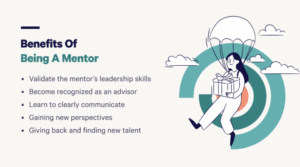
Cultivating Individual Growth and Potential
Mentorship, at its core, is a dynamic and multifaceted relationship that fosters growth, knowledge transfer, and mutual benefit. Beyond the traditional view of a senior guiding a junior, mentorship serves a multitude of purposes that enrich individuals, organizations, and even society as a whole. Here are some creative and well-thought-out ideas for the purpose of mentorship:
Igniting Latent Potential: To serve as a catalyst for individuals to discover and unlock their untapped skills, talents, and passions, guiding them beyond their perceived limitations. This goes beyond skill development to personal and professional self-actualization.Navigating Career Labyrinths: To provide a compass and map for mentees to strategically navigate complex career paths, offering insights into industry nuances, potential pitfalls, and opportunities for advancement that might otherwise remain unseen.Building Resilient Mindsets: To equip individuals with the mental fortitude and problem-solving strategies to overcome professional setbacks and challenges, transforming failures into learning opportunities and stepping stones.Fostering Holistic Well-being: To act as a supportive sounding board that addresses not only professional aspirations but also the interplay between work-life balance, mental health, and overall well-being, recognizing their impact on sustained success.Bridging Generational Gaps: To facilitate the seamless transfer of institutional knowledge and organizational culture across different generations within a workforce, ensuring continuity and shared understanding.Strengthening Organizational EcosystemsAccelerating Experiential Learning: To condense years of practical experience into actionable wisdom, allowing mentees to “leap ahead” in their learning by leveraging the mentor’s past successes and failures.Enhancing Cross-Functional Collaboration: To connect individuals from diverse departments and specialties, fostering interdisciplinary understanding and breaking down organizational silos, leading to more integrated solutions.Cultivating a Culture of Continuous Learning: To embed a pervasive mindset within an organization where learning is an ongoing, collaborative process, encouraging employees at all levels to seek and offer guidance.Developing Future-Ready Leaders: To intentionally nurture and prepare high-potential employees for leadership roles, equipping them with the strategic thinking, emotional intelligence, and decision-making skills required for tomorrow’s challenges.Shaping Broader Societal ImpactBoosting Employee Engagement and Retention: To create a supportive and inclusive work environment where employees feel valued, understood, and invested in their professional development, leading to increased job satisfaction and reduced turnover.Promoting Ethical Leadership and Integrity: To instill strong ethical principles and a sense of responsibility in emerging professionals, ensuring they become leaders who operate with honesty, accountability, and a commitment to societal good.Democratizing Access to Opportunity: To provide guidance and support to individuals from underrepresented or disadvantaged backgrounds, leveling the playing field and creating equitable pathways to success that might otherwise be inaccessible.Inspiring Innovation and Adaptability: To encourage a mindset of experimentation and continuous improvement, where mentees are empowered to challenge the status quo, embrace change, and drive innovative solutions in their respective fields.Cultivating a Pay-It-Forward Mentality: To foster a virtuous cycle where successful mentees are inspired to become mentors themselves, perpetuating a culture of generosity and support within professional communities.Building a Legacy of Wisdom: To serve as a mechanism for experienced professionals to share their accumulated wisdom and insights, leaving a lasting impact on individuals and industries, and ensuring valuable knowledge is not lost.The post The Purpose of Mentorship: Some Creative Ideas appeared first on Peak Development Strategies.
June 27, 2025
Blending Experience & Fresh Perspective: Mentoring Gen Z for Intergenerational Culture

Dynamic organizations thrive by integrating the wisdom of experience with the agility of fresh perspectives. Cultivating an intergenerational culture of shared learning and respect, particularly through effective mentoring of Gen Z, is paramount. Here are some creative and well-thought-out logical ideas to achieve this:
Reverse Mentoring Program:Description: Establish a structured program where Gen Z employees mentor senior leaders and experienced staff on topics such as emerging technologies, digital fluency, social media strategy, sustainable practices, and contemporary work methodologies.Benefit: Empowers Gen Z, provides senior staff with critical future-focused skills, and fosters mutual respect for diverse expertise.Intergenerational Project Sprints:Description: Form cross-functional project teams with deliberate generational diversity (e.g., a mix of Gen Z, Millennials, Gen X, and Boomers) to tackle key business challenges or innovation initiatives.Benefit: Encourages diverse problem-solving approaches, fosters direct knowledge transfer, and builds stronger working relationships across age groups.“Skill-Swap” Workshops:Description: Organize regular, informal sessions where employees teach a skill they excel at, irrespective of age. For example, Gen Z teaches advanced spreadsheet functions or AI tools, while experienced staff teach negotiation tactics or strategic planning.Benefit: Demystifies skills across generations, highlights individual strengths, and promotes continuous learning in a fun, reciprocal environment.Innovation Incubator with Mixed Teams:Description: Dedicate time and resources for internal “incubator” projects where cross-generational teams brainstorm, develop, and prototype new ideas, products, or processes.Benefit: Leverages diverse perspectives for breakthrough innovation, provides a safe space for experimentation, and showcases the value of varied experiences.“Legacy & Future” Storytelling Series:Description: Host regular internal events (e.g., “Lunch & Learn”) where long-tenured employees share their career journeys, key historical company moments, and lessons learned, followed by Gen Z perspectives on future trends, market shifts, and emerging opportunities.Benefit: Connects past achievements with future aspirations, fosters a sense of shared history, and validates the contributions of all generations.Cross-Generational Onboarding Buddies:Description: Pair new Gen Z hires with experienced employees from a different generation as their onboarding “buddy” or informal mentor for the first 3-6 months.Benefit: Provides Gen Z with a broader understanding of company culture and historical context, while experienced employees gain fresh insights into new perspectives and onboarding needs.Mentorship Circles:Description: Instead of traditional one-on-one, create small, dynamic groups (e.g., 5-7 people) with diverse generational representation for collaborative problem-solving, shared learning, and career development discussions.Benefit: Broadens exposure to different viewpoints, encourages peer-to-peer learning within and across generations, and scales mentoring efforts.“Gen Z Insights” Think Tank:Description: Establish a dedicated advisory group composed primarily of Gen Z employees who provide regular feedback and fresh perspectives on company initiatives, policies, branding, and market trends directly to senior leadership.Benefit: Ensures that organizational decisions are informed by the perspectives of the newest generation, making the company more relevant and agile.Experiential Learning Exchanges:Description: Implement short-term “shadowing” or “role swap” programs where Gen Z employees can shadow senior leaders in strategic meetings, and conversely, senior leaders spend time in Gen Z-dominated roles (e.g., social media management, customer support digital channels).Benefit: Builds empathy and understanding for different roles and responsibilities across the organizational hierarchy and generational lines.Digital Knowledge Hub & Collaboration Platform:Description: Create an internal, easily accessible digital platform where employees of all generations can contribute, share, and access best practices, lessons learned, process documentation, and project archives. Encourage multimedia contributions.Benefit: Facilitates asynchronous knowledge transfer, democratizes access to information, and encourages continuous learning regardless of physical location or work schedule.Collaborative Research & Development Projects:Description: Assign intergenerational teams to research and present on future industry trends, emerging technologies, competitive landscapes, or potential market disruptions.Benefit: Harnesses the combined analytical and foresight capabilities of different generations, leading to more robust strategic insights and innovative solutions.Intergenerational Hackathons/Ideation Challenges:Description: Organize short, intensive events where mixed-generational teams compete to solve a specific business problem or develop a new product/service concept within a tight deadline.Benefit: Fosters rapid innovation, encourages diverse thinking under pressure, and builds camaraderie through shared creative challenges.“Culture Co-Creation” Committees:Description: Establish standing committees or task forces composed of employees from various generations tasked with shaping company culture, values, workplace initiatives, and employee engagement programs.Benefit: Ensures that cultural development is inclusive and reflects the needs and values of the entire workforce, fostering a stronger sense of belonging.Leadership Development with a Mandatory Mentoring Component:Description: Integrate a mandatory mentoring role (either as a mentor to Gen Z or as a mentee to a more experienced leader) into all leadership development pathways and promotions.Benefit: Instills the value of intergenerational knowledge sharing at all leadership levels, making mentoring an integral part of career progression and organizational success.Mutual Respect & Communication Workshops:Description: Conduct facilitated workshops focused on understanding generational differences, communication styles, unconscious biases, and building empathy. Include role-playing and open dialogue sessions.Benefit: Equips employees with tools to navigate intergenerational interactions effectively, reduces misunderstandings, and fosters a truly inclusive and respectful workplace where all voices are valued.The post Blending Experience & Fresh Perspective: Mentoring Gen Z for Intergenerational Culture appeared first on Peak Development Strategies.
June 26, 2025
Creating a Culture of Mutual Growth Across Generations
Cultivating an environment where every generation can learn from and contribute to each other’s development is paramount for a thriving, innovative, and harmonious workplace. Here are some creative and logical ideas to foster mutual growth across generations:
Reverse Mentoring CirclesEstablish structured programs where younger employees (e.g., Gen Z, Millennials) mentor small groups of older colleagues (e.g., Baby Boomers, Gen X) on specific topics like emerging technologies, social media strategies, digital trends, or modern communication preferences. Simultaneously, encourage informal discussions where older employees share career wisdom and insights into organizational history or industry evolution.“Wisdom & Whiz” Project Sprints
Design short, intensive project sprints (e.g., 2-4 weeks) that mandate cross-generational teams. These projects should focus on innovative solutions to current business challenges, forcing diverse perspectives to collaborate under pressure and leverage each other’s unique strengths and experiences.Cross-Generational Skill Exchange Fairs
Host internal “skill swap” events where employees can sign up to teach a skill they possess (e.g., advanced Excel, public speaking, video editing, negotiation tactics) and learn a new one from a colleague. This democratizes learning and builds appreciation for diverse talents.Generational “Myth vs. Reality” Workshops
Facilitate interactive workshops designed to debunk common generational stereotypes and foster genuine understanding. These sessions can explore how historical events shaped each generation, highlight shared values, and address communication preferences through respectful dialogue and scenario-based learning.“Experience-Driven Innovation Hubs”
Create a dedicated physical or virtual “hub” where seasoned employees can share past challenges, successes, and lessons learned (e.g., in a “lessons library” or video series). Younger generations can then use these insights as a foundation to propose modern adaptations or entirely new solutions, combining historical context with fresh perspectives.“Generational Storytelling & Learning Pods”
Organize small, voluntary “pods” that meet regularly for informal storytelling sessions. Employees share personal career journeys, pivotal moments, and challenges, focusing on how their generational experiences influenced them. Each session concludes with a collective discussion on how these insights can inform current team dynamics or problem-solving.“Digital Fluency Partner Program”
Implement a structured buddy system where digitally native employees are paired with colleagues seeking to enhance specific digital skills. This goes beyond one-off training, offering ongoing, personalized support and allowing the “teachers” to develop coaching and communication skills.“Future-Fit Leadership Academy”
Develop a leadership development program that intentionally pairs aspiring and current leaders from different generations as co-learners and co-mentors. The curriculum focuses on adaptive leadership, managing diverse teams, and navigating future workplace trends, promoting a shared vision for organizational success.Inclusive Policy Design Sprints
Whenever new company policies (e.g., flexible work arrangements, benefits, professional development) are being formulated, assemble temporary design teams with mandatory generational diversity. This ensures that policies are universally effective, meet varied needs, and receive buy-in from all age groups.“Generational Insight Panels”
Periodically invite representatives from each generation to participate in facilitated panel discussions with senior leadership. These panels can share perspectives on specific company challenges, new initiatives, market trends, or employee engagement, providing leadership with holistic and diverse insights.“Perennial Professional Development Grants”
Offer internal grants for professional development, training, or conference attendance, with bonus points awarded for applications that involve cross-generational learning pairs or teams. This incentivizes collaborative skill acquisition and shared growth experiences.“Work-Life Integration Forums”
Host open discussions or workshops where employees from all generations can share strategies and best practices for balancing work with personal life, acknowledging the diverse demands at different life stages (e.g., childcare, eldercare, personal pursuits). This builds empathy and normalizes flexibility.“Cross-Generational Innovation Challenges”
Launch company-wide contests or hackathons that require mixed-generational teams to propose and develop solutions for internal operational inefficiencies or external customer needs. Prizes and recognition motivate participation and showcase the power of diverse thinking.“Shared Purpose Volunteering Initiatives”
Organize company-sponsored volunteer opportunities or community service projects where employees from all generations work side-by-side. Engaging in shared activities for a common, positive cause builds camaraderie, highlights common values, and fosters mutual respect outside of daily work tasks.“Intergenerational Onboarding Ambassadors”
For new hires, assign not just one mentor, but a small group of “ambassadors” from different generations. These ambassadors help the new employee navigate company culture, understand varied communication styles, and connect with a diverse network from their first day, fostering early cross-generational connections.
The post Creating a Culture of Mutual Growth Across Generations appeared first on Peak Development Strategies.
June 25, 2025
Ideas for Mutual Growth Opportunities With Gen Z

Mentoring is evolving beyond the traditional one-way flow of wisdom. Today, Gen Z brings invaluable perspectives on rapidly changing landscapes—from digital frontiers to societal norms. Embracing a mutual mentorship model allows organizations and individuals to tap into these insights, fostering a dynamic environment of continuous learning and innovation. This symbiotic relationship ensures that growth is not just generational but truly reciprocal.
Mutual Mentorship InitiativesHere are some well-thought-out ideas demonstrating how Gen Z can offer unique insights into tech trends, new media, and cultural shifts, creating powerful mutual growth opportunities:
Digital Fluency Exchange Program: Gen Z mentors senior colleagues on the practical application and strategic value of emerging digital platforms and tools, such as TikTok for brand engagement, Discord for community building, or advanced features in collaborative software like Miro and Notion. This bridges the digital literacy gap.Cultural Compass Sessions: Regular, informal workshops where Gen Z explains current memes, slang, viral trends, and their underlying cultural significance. This helps older generations understand contemporary consumer behavior, humor, and evolving social narratives, which is crucial for relevant marketing and communication.Agile Adaptation & Rapid Prototyping Workshops: Gen Z, often exposed to agile methodologies from early education or personal projects, can lead sessions on lean thinking, quick iteration cycles, and user-centric design principles. They can demonstrate how to quickly test ideas and adapt to feedback using accessible tools.Next-Gen Product & Service Review Panels: Establish dedicated Gen Z panels to provide unfiltered feedback on existing or conceptual products/services. Their insights into user experience (UX), relevance for younger demographics, and digital native expectations can significantly shape development.Social Impact & ESG Strategy Sounding Board: Gen Z often has a strong sense of corporate social responsibility (CSR) and environmental, social, and governance (ESG) issues. They can mentor leadership on authentic engagement with social causes, sustainable practices, and effective, transparent communication of these efforts.“Future of Work” Task Force: A cross-generational team, with significant Gen Z representation, exploring optimal hybrid work models, digital collaboration best practices, and evolving expectations for workplace flexibility, well-being, and purpose-driven employment.Personal Branding & Digital Footprint Guidance: Having grown up online, Gen Z can advise senior leaders on navigating personal branding in the digital age, managing online presence, leveraging platforms like LinkedIn for networking, and understanding the nuances of digital reputation.Micro-Learning & Gamification Design: Insights from Gen Z can transform traditional training. They can guide the creation of bite-sized, interactive learning modules and gamified experiences that resonate with their generation’s preference for rapid, engaging, and accessible knowledge acquisition.Content Creation & Digital Storytelling Labs: Gen Z mentors on creating engaging short-form video content, podcast basics, and effective digital storytelling techniques relevant for internal communications, marketing campaigns, or educational purposes. They excel at capturing attention in a crowded digital space.Data Interpretation & Digital Literacy Clinics: While not necessarily data scientists, Gen Z is adept at consuming vast amounts of information online. They can help older generations navigate identifying reliable digital sources, understanding emerging data visualization trends, and discerning credible information in a post-truth era.Emerging Tech Scouting & Foresight Sessions: Assign Gen Z employees to actively research and present on nascent technologies (e.g., Web3, advanced AI applications, metaverse concepts) that might impact the industry. They act as early trend spotters, helping the organization prepare for future shifts.Youth Market Insights Forum: Regular sessions where Gen Z presents on their spending habits, brand loyalties, media consumption patterns, and what influences their purchasing decisions. This direct insight can inform marketing, sales, and product development strategies targeted at younger demographics.Digital Wellness & Boundaries Coaching: Paradoxically, many Gen Z individuals are acutely aware of digital overload. They can share practical strategies for managing screen time, digital detoxes, and maintaining work-life boundaries in a hyper-connected world, fostering healthier digital habits across generations.Global Connectivity & Cross-Cultural Communication: Gen Z often possesses an inherent global perspective due to early exposure to international content and online communities. They can offer insights into effective digital communication and collaboration across diverse cultural backgrounds, leveraging their natural comfort with global interconnectedness.The post Ideas for Mutual Growth Opportunities With Gen Z appeared first on Peak Development Strategies.
June 24, 2025
Reverse Mentorship: What Gen Z Can Teach Us

In an era of rapid technological advancement and evolving workplace dynamics, the concept of “reverse mentorship” offers a compelling opportunity for seasoned professionals to gain invaluable insights from their younger colleagues. Moving beyond the problematic assumptions of the term itself, this approach focuses on the mutual exchange of knowledge and skills, recognizing Gen Z’s unique strengths as digital natives and drivers of cultural shifts. Here are some creative and well-thought-out logical ideas for what Gen Z can teach us:
1. Hyper-Personalized Digital Communication & StorytellingGen Z can illuminate the nuances of effective communication across diverse digital platforms, teaching senior leaders how to tailor messages for maximum impact, from concise social media updates to engaging video content, and how to leverage platform-specific trends (e.g., TikTok for employer branding, LinkedIn for professional networking).
2. Agile Learning & Unlearning for Constant AdaptationThey can demonstrate how to rapidly acquire new skills and, crucially, unlearn outdated approaches in a fast-evolving technological landscape. This fosters a mindset of continuous adaptation and resilience essential for navigating modern business challenges.
3. The “Why” Behind Work: Purpose-Driven EngagementGen Z often seeks work with a strong sense of purpose and social impact. They can guide organizations in articulating and embedding their values, fostering a culture where employees feel genuinely connected to a mission beyond just profit, which can significantly boost engagement and retention.
4. Authentic Leadership & Vulnerability in the Digital AgeThis generation values transparency and authenticity from leaders. They can teach how to foster psychological safety, admit imperfections, and build trust through genuine interactions, both online and offline, moving away from traditional, rigid hierarchical models.
5. Digital Well-being & Setting Healthy BoundariesHaving grown up immersed in technology, many Gen Zers are acutely aware of the challenges of digital overload. They can share practical strategies for managing screen time, promoting mental well-being, and establishing healthy boundaries between work and personal life in a hyper-connected world.
6. Co-Creation & Collaborative Innovation through Digital ToolsGen Z excels at leveraging collaborative digital platforms (e.g., Miro, Slack, Notion) to brainstorm, iterate, and co-create solutions. They can teach cross-functional teams how to break down silos and foster truly inclusive, dynamic problem-solving environments.
7. Data Storytelling for Persuasion and ImpactBeyond just understanding data, Gen Z often possesses an intuitive ability to translate complex data insights into compelling, digestible narratives using modern visualization tools and accessible language. This skill is vital for effective decision-making and stakeholder communication.
8. Nuances of Inclusive Language & Addressing MicroaggressionsWith a heightened awareness of diversity, equity, and inclusion, Gen Z can educate older generations on the evolving landscape of inclusive language, helping to identify and address subtle biases and microaggressions to create a more welcoming and respectful workplace culture.
9. Feedback Loops as Catalysts for Rapid DevelopmentGen Z expects continuous, real-time, and constructive feedback as a standard for professional growth. They can help integrate more agile feedback mechanisms into organizational processes, transforming feedback from an annual review into an ongoing developmental dialogue.
10. Navigating the Creator Economy & Personal BrandingMany Gen Zers are familiar with the principles of the creator economy, understanding personal branding, audience engagement, and leveraging niche platforms. They can offer insights into how individuals and organizations can build influence and adapt to decentralized work models.
11. Ethical AI & Responsible Digital CitizenshipAs the first generation to grow up alongside advanced AI, Gen Z often possesses an innate understanding of its capabilities and ethical implications. They can guide discussions on responsible AI use, data privacy, and navigating the moral complexities of emerging technologies.
12. Optimizing Hybrid & Remote Work EnvironmentsHaving experienced significant portions of their education and early careers remotely, Gen Z offers practical insights into maximizing productivity, maintaining team cohesion, and fostering a strong company culture within hybrid or fully remote work setups.
13. Skill-Stacking & Cultivating Portfolio CareersGen Z often approaches career development by continuously acquiring diverse, complementary skills rather than adhering to linear career paths. They can teach a strategic approach to skill-stacking, fostering adaptability and resilience in a dynamic job market.
14. Leveraging Micro-Communities for Niche InsightsBeyond broad social media, Gen Z understands the power of niche online communities (e.g., Discord servers, specialized forums). They can teach how to tap into these micro-communities for specialized knowledge, trend spotting, and targeted networking.
15. Gamification of Learning & Employee EngagementInfluenced by interactive digital experiences, Gen Z can inspire new approaches to workplace training and engagement by incorporating elements of gamification, making learning more enjoyable, interactive, and effective, thereby boosting participation and knowledge retention.
The post Reverse Mentorship: What Gen Z Can Teach Us appeared first on Peak Development Strategies.
June 20, 2025
Ideas for Modern Mentorship

The following ideas offer actionable strategies for mentors to foster not just career success, but also resilience, balance, and overall well-being in their mentees.
In an era where the current generation prioritizes mental well-being as much as, if not more than, traditional career progression, the role of an effective mentor has evolved. It’s no longer sufficient to focus solely on professional milestones and skill development. Instead, mentors must embrace a holistic approach, considering the mentee as a whole person with intricate personal, emotional, and professional dimensions. This paradigm shift demands creative, empathetic, and strategically integrated mentorship practices.
1. Holistic Mentee Profile & OnboardingThe some IdeasIdea: Develop an initial mentee intake form or discussion guide that goes beyond professional aspirations to include sections on personal values, preferred work-life balance, current stress levels (self-assessed), and areas where they feel their well-being could be better supported.
Why it’s effective: This proactive approach immediately signals that the mentorship will encompass the whole person, setting a foundation of trust and openness from the very beginning. It allows mentors to tailor their guidance more effectively.
Dedicated “Well-being Check-in” RitualsResilience & Mindfulness Resource HubIdea: Integrate a dedicated 5-10 minute segment into every mentorship meeting specifically for discussing well-being, stress levels, work-life balance, and self-care practices, separate from professional updates.Why it’s effective: Normalizes the conversation around mental well-being, ensuring it’s not an afterthought or only addressed in crisis. It creates a consistent, safe space for mentees to share their personal state.Boundary Setting as a Core Professional SkillIdea: Curate and share a collection of resources (e.g., articles, apps, workshops, recommended practices) focused on stress management techniques, mindfulness, emotional regulation, and building resilience. Mentors can suggest relevant resources based on mentee needs.Why it’s effective: Equips mentees with practical tools and strategies they can apply independently to manage their mental state, empowering them with self-care capabilities.Idea: Mentor guidance explicitly includes teaching mentees how to set healthy professional boundaries (e.g., managing expectations, saying no effectively, protecting personal time, digital detox) as a critical career skill, not a personal weakness.Why it’s effective: Prevents burnout, promotes sustainable career longevity, and teaches essential self-preservation skills that are increasingly vital in today’s always-on work culture.3. Purpose-Driven Goal AlignmentConfidential Mental Health Resource ListIdea: Shift goal-setting discussions to align professional objectives not just with career advancement, but also with the mentee’s personal values, sense of purpose, and desired impact, ensuring intrinsic motivation and deeper fulfillment.Why it’s effective: Connecting work to a deeper meaning fosters greater job satisfaction and resilience during challenging times, reducing feelings of aimlessness or disengagement.4. “De-loading” Strategies for High-Stress PeriodsIdea: Create a curated, confidential list of internal (e.g., EAP) and external (e.g., therapists, crisis lines, specialized support groups) mental health resources that mentors can discreetly share with mentees if signs of distress are observed or well-being concerns are raised.Why it’s effective: Provides actionable, professional support beyond the scope of mentorship itself, ensuring mentees have access to appropriate care when needed without the mentor having to act as a therapist.5. Emotional Intelligence (EQ) Development FocusIdea: Equip mentees with practical strategies for managing high-stress periods, such as proactive task prioritization, effective delegation, clear communication of workload, and scheduled recovery time, emphasizing that these are professional competencies.Why it’s effective: Offers a proactive approach to prevent overwhelm and burnout, teaching mentees how to navigate demanding phases without sacrificing their well-being.6. Mentor Mental Health First Aid (MHFA) TrainingIdea: Incorporate discussions and exercises focused on developing emotional intelligence, including self-awareness, self-regulation, empathy, and social skills, recognizing their crucial role in professional success and personal well-being.Why it’s effective: EQ is foundational for navigating complex workplace dynamics, managing personal reactions, and building strong relationships, all of which significantly impact mental health.7. “Failure as Feedback” FrameworkIdea: Provide mentors with basic Mental Health First Aid (MHFA) training to help them recognize early signs of mental health challenges, respond appropriately with empathy, and guide mentees to professional support without acting as therapists.Why it’s effective: Empowers mentors to identify and address potential issues responsibly and sensitively, creating a more supportive and informed mentorship environment.8. Work-Life Integration DiscussionsIdea: Foster a mentorship environment where setbacks and “failures” are reframed as learning opportunities and data points, de-stigmatizing mistakes and reducing the fear of failure that often impacts mental well-being and risk-taking.Why it’s effective: Reduces performance anxiety, encourages a growth mindset, and builds resilience by teaching mentees to learn from challenges rather than being demoralized by them.Idea: Engage in explicit conversations about work-life integration rather than just “balance,” exploring how professional and personal lives can complement each other, and how the mentee defines their ideal blend based on their unique circumstances.Why it’s effective: Acknowledges the fluid nature of modern work and helps mentees find personalized solutions that fit their lifestyle, promoting a more sustainable and less rigid approach to managing responsibilities.9. Celebrating “Soft Skill” & Well-being WinsReverse Mentoring on Well-being TrendsIdea: Encourage mentors to acknowledge and celebrate mentee achievements not just in professional tasks, but also in areas like improved stress management, better boundary setting, successful conflict resolution, or increased self-awareness.Why it’s effective: Reinforces the value of well-being-related skills and behaviors, motivating mentees to continue developing these crucial aspects of their personal and professional lives.Idea: Implement a reverse mentoring component where mentees are encouraged to share insights with their mentors on current generational perspectives on well-being, digital detox, flexible work, and modern mental health challenges.Why it’s effective: Bridges generational gaps, fosters mutual learning, and ensures that the mentorship program remains relevant and informed about the evolving well-being needs of the younger generation.10. Facilitated Peer Support Networks Explicit Confidentiality & Trust PledgesIdea: Facilitate the creation of informal or formal peer support groups among mentees (perhaps across different mentors) where they can share experiences, coping strategies, and offer mutual encouragement related to well-being challenges.Why it’s effective: Provides a sense of community, reduces feelings of isolation, and allows mentees to learn from the shared experiences and diverse perspectives of their peers.Idea: Establish clear guidelines and a mutual understanding of confidentiality at the outset of the mentorship, especially regarding sensitive personal and well-being discussions, perhaps even a brief “mentorship agreement.”Why it’s effective: Builds a foundational layer of trust, which is absolutely essential for mentees to feel safe enough to open up about vulnerable topics related to their mental and emotional well-being.
The post Ideas for Modern Mentorship appeared first on Peak Development Strategies.
June 19, 2025
Innovating Workplace Well-Being for Gen Z

Generation Z, often dubbed “digital natives,” is entering the workforce with unprecedented rates of anxiety and depression, coupled with a strong desire for purpose, authenticity, and a healthy work-life balance. To truly support their mental well-being and foster a thriving, productive environment, employers must move beyond traditional benefits and embrace creative, holistic strategies. The following some ideas aim to address Gen Z’s unique needs, leveraging their values and digital fluency to build a more supportive and engaging workplace.
1. Mental Health Sabbaticals & Micro-SabbaticalsBeyond standard mental health days, offer longer, structured paid breaks (e.g., 1-2 weeks after 3 years of service, or 3-5 days every 6 months) specifically designated for mental rejuvenation, digital detox, or personal growth. This signals a deep commitment to preventing burnout and recognizing the need for significant restorative time.
2. “Digital Sunset” Policy with Tech-Free ZonesImplement a clear company-wide policy discouraging non-urgent work communication after designated “digital sunset” hours (e.g., 6 PM) and on weekends. Complement this with the creation of physical “tech-free zones” in the office where devices are not allowed, encouraging genuine in-person connection and mental breaks.
3. Purpose-Driven Project IncubatorsEstablish internal “incubator” programs where Gen Z employees can propose and lead projects aligned with their personal values and the company’s CSR initiatives. This taps into their desire for meaningful work, offering autonomy and a sense of contribution beyond their daily tasks, directly combating feelings of disengagement.
4. Reverse Mentorship for Digital WellnessPair Gen Z employees as “digital wellness mentors” to older generations, teaching them about healthy tech habits, social media boundaries, and digital detox strategies. This empowers Gen Z, validates their expertise, and fosters cross-generational learning about maintaining mental well-being in a connected world.
5. Comprehensive Financial Wellness HubRecognizing Gen Z’s significant financial anxieties, create a dedicated digital hub offering personalized financial literacy courses, debt management resources, access to financial advisors, and information on student loan repayment assistance. This goes beyond basic benefits to address a core stressor holistically.
6. Authenticity & Empathy Training for All LeadersDevelop mandatory training for managers and senior leaders focused on fostering psychological safety, active listening, and empathetic communication. The goal is to equip them to genuinely connect with Gen Z, encourage open dialogue about mental health without judgment, and recognize subtle signs of distress.
7. Flexible “Flow State” Work BlocksEncourage and facilitate dedicated, uninterrupted “flow state” work blocks within the workday. This could involve company-wide “deep work” hours where meetings are banned, or providing noise-canceling headphones and quiet zones, allowing Gen Z to focus deeply and minimize digital distractions, enhancing productivity and reducing cognitive overload.
8. Skill-Based Learning & Development WalletsInstead of rigid career paths, provide Gen Z with a personalized “learning wallet” budget and autonomy to choose courses, certifications, or workshops focused on acquiring new skills (technical or soft). This aligns with their desire for continuous learning and skill acquisition over traditional promotions, fostering growth and preventing stagnation.
9. Peer-to-Peer Mental Health Ambassador NetworkTrain and empower a network of volunteer Gen Z “Mental Health Ambassadors” within the company. These peers can offer confidential support, share resources, and help destigmatize mental health conversations among their colleagues, creating a more relatable and accessible first point of contact.
10. Gamified Wellness & Connection ChallengesLeverage Gen Z’s digital native tendencies by introducing gamified wellness challenges through an internal app. Teams or individuals can earn points for mindfulness exercises, physical activity, virtual coffee chats, or digital detox achievements, with rewards for participation and healthy competition.
11. Curated “Community & Connection” InitiativesCombat loneliness, especially in hybrid or remote setups, by organizing structured virtual and in-person social events focused on shared interests (e.g., virtual book clubs, online gaming tournaments, local volunteer groups, “lunch roulette” pairings). These initiatives should prioritize genuine connection over forced networking.
12. Transparent Burnout Prevention DashboardsDevelop internal, anonymized dashboards that visualize team workload, project deadlines, and indicators of potential burnout risk (e.g., excessive after-hours logins, consistently high meeting loads). This allows teams and managers to collectively monitor and adjust work distribution proactively, fostering shared responsibility for well-being.
13. Mental Health Tech & Wellness StipendsOffer a monthly or quarterly stipend that Gen Z employees can use for subscriptions to mental wellness apps (e.g., Headspace, Calm, Better Help), fitness classes, or self-care products. This provides personalized support and empowers them to choose the resources that best suit their individual well-being needs.
The post Innovating Workplace Well-Being for Gen Z appeared first on Peak Development Strategies.
June 18, 2025
Creative Virtual Mentorship Ideas

The landscape of professional development is rapidly evolving, with a significant portion of Gen Z professionals beginning their careers in fully or hybrid remote environments. This shift necessitates a re-imagination of traditional mentorship models, moving towards digital-first strategies that foster connection, build rapport, and deliver value without the benefit of physical proximity. The following ideas offer creative and logical approaches to virtual mentorship, ensuring that the next generation receives the guidance and support they need to thrive.
Here are 15 innovative approaches to virtual mentorship:
Micro-Mentoring Pods: Instead of one-on-one, create small, themed virtual groups (e.g., “First-Year Marketing,” “Coding Best Practices”) with 3-5 mentees led by one mentor. This fosters peer learning, diversifies perspectives, and reduces individual mentor burden, encouraging collective problem-solving.“Skill-Share” & Feedback Sessions: Mentees periodically prepare and present a specific project, skill, or challenge they are working on via screen share. Mentors provide structured, constructive feedback in real-time, simulating a collaborative workspace and offering practical application of advice.AI-Powered Matchmaking & Goal Tracking: Utilize sophisticated AI algorithms to match mentors and mentees based on shared interests, specific skill gaps, career aspirations, and personality profiles. The platform can also help track and visualize progress on mutually agreed-upon virtual mentorship goals.Virtual “Coffee & Learn” Sessions: Schedule short, informal 15-20 minute video calls that are explicitly not about work tasks. These can focus on shared personal interests, current industry trends, or casual career anecdotes, designed solely to build personal rapport and mutual understanding.Gamified Mentorship Journeys: Implement a system with virtual badges, points, or leaderboards for completing mentorship milestones (e.g., attending sessions, submitting reflections, achieving specific learning goals). This leverages Gen Z’s familiarity with digital gamification to boost engagement.Reverse Mentoring Digital Exchange: Empower Gen Z mentees to mentor senior professionals on digital tools, social media trends, or emerging technologies. This flips the traditional dynamic, building reciprocal respect and leveraging the digital native expertise of Gen Z.Asynchronous “Ask Me Anything” (AMA) Channels: Establish dedicated Slack, Teams, or internal forum channels where mentees can post questions at any time, and mentors (or even other experienced colleagues) can respond when convenient. Ideal for quick queries and broader knowledge sharing.Collaborative Digital Portfolio & Project Reviews: Mentees share their work (e.g., design mockups, code repositories, marketing plans) via shared screens or collaborative online documents. Mentors can provide real-time annotations, markups, and verbal feedback, making the review process highly interactive and practical.Curated Digital Resource Hubs: Mentors actively build and maintain a shared online library (e.g., Notion page, Google Drive folder) of relevant articles, videos, podcasts, online courses, and industry reports tailored to their mentees’ development needs. This provides a valuable, accessible learning resource.“Virtual Shadowing” & Screen-Share Demos: Mentors can share their screens to walk mentees through complex processes, software applications, or problem-solving scenarios in real-time. This immersive digital experience allows mentees to observe expert workflows and ask questions on the fly.Project-Based Collaborative Mentoring: Mentors and mentees can work together on a small, low-stakes side project or a simulated real-world challenge. This hands-on collaboration provides direct application of advice, fosters teamwork, and offers concrete experience.Virtual “Open Door” Hours: Mentors schedule specific, recurring virtual times when mentees can “drop in” via video call without a formal agenda. This mimics the in-person “pop-in” for quick questions, brainstorming, or informal check-ins, reducing scheduling friction.Personalized Digital Learning Path Integration: Mentors help mentees identify and map out online courses, certifications, or specific skill development modules relevant to their career goals. They then use a shared digital platform to track progress and discuss learnings.Cross-Functional “Virtual Speed Networking” for Mentees: Organize short, structured virtual meetings where mentees are introduced to and can learn from professionals in different departments or roles across the organization. This expands their internal network beyond their direct mentor.“Digital Storytelling” Reflection Journals: Mentees maintain a private digital journal (e.g., a shared document, a simple blog platform) where they reflect on experiences, challenges, and learnings. Mentors can read and offer written comments and insights asynchronously, fostering deeper self-reflection and a continuous dialogue.The post Creative Virtual Mentorship Ideas appeared first on Peak Development Strategies.