Mary L. Erlain's Blog, page 6
August 19, 2025
Ideas for Mentoring in the Business Sector

Enhancing Mentorship Programs for Modern Businesses
Here are some creative and well-thought-out logical ideas to improve and innovate mentoring in the business sector:
Ordered
Reverse Mentoring for Digital Acumen:Concept: Pair junior employees (Gen Z, Millennials) with senior executives.Benefit: Seniors gain insights into digital trends, social media, and new technologies, while juniors develop communication and leadership skills. This bridges generational gaps and fosters a culture of continuous learning.“Flash Mentoring” Micro-Sessions:Concept: Short, focused 15-30 minute virtual or in-person sessions on specific topics (e.g., “how to nail a presentation,” “understanding Q3 financials”).Benefit: Low commitment for busy professionals, allowing for broader participation and immediate knowledge transfer without the burden of long-term relationships.Cross-Departmental Skill Swap Mentoring:Concept: Employees from different departments mentor each other on their core competencies (e.g., a marketing professional mentors an engineer on branding, while the engineer mentors on agile methodologies).Benefit: Fosters inter-departmental understanding, breaks down silos, and develops a more well-rounded workforce.AI-Powered Mentor Matching Platform:Concept: Utilize AI algorithms to match mentors and mentees based on skills, career aspirations, personality traits, and development needs.Benefit: Increases the likelihood of successful pairings, reduces administrative overhead, and provides data-driven insights into mentoring program effectiveness.“Project-Based Mentoring” Initiatives:Concept: Mentors guide mentees through a specific, real-world project within the company, providing practical application of skills and immediate feedback.Benefit: Combines learning with tangible outcomes, boosting mentee confidence and contributing directly to business objectives.“Mentoring Circles” for Collective Growth:Concept: Small groups (4-6 people) with a shared goal or challenge meet regularly, guided by one or two experienced mentors.Benefit: Fosters peer-to-peer learning, diverse perspectives, and a sense of community, reducing the pressure on individual mentors.“Alumni Mentorship Network”:Concept: Leverage former employees who have moved on to other companies or retired as external mentors.Benefit: Offers mentees fresh perspectives, broader industry insights, and a network beyond the current organization, while maintaining connections with valuable past talent.“On-Demand Expertise Library”:Concept: Create a searchable internal database of short video tutorials, articles, or audio clips from experienced employees on niche topics.Benefit: Provides instant access to specialized knowledge without requiring a formal mentoring relationship, serving as a complementary resource.“Mentorship for Social Impact Projects”:Concept: Pair employees with mentors to develop and execute corporate social responsibility (CSR) initiatives.Benefit: Develops leadership, project management, and ethical decision-making skills while contributing positively to the community and enhancing company reputation.Gamified Mentoring Challenges:Concept: Introduce challenges, badges, and leaderboards for active participation and successful outcomes in mentoring relationships.Benefit: Increases engagement, motivates both mentors and mentees, and provides a fun way to track progress and celebrate achievements.“Global Mentorship Exchange Program”:Concept: Facilitate mentoring relationships between employees in different geographical locations or international offices.Benefit: Promotes cultural understanding, broadens global business perspectives, and strengthens internal networks across borders.“Mentoring for Well-being and Resilience”:Concept: Mentors specifically focus on guiding mentees in areas of work-life balance, stress management, and building resilience in a demanding business environment.Benefit: Addresses critical employee well-being needs, reduces burnout, and fosters a supportive company culture.“Pay-It-Forward Mentorship Chain”:Concept: Once a mentee reaches a certain level of experience or achievement, they are encouraged to become a mentor themselves to a new, less experienced colleague.Benefit: Creates a sustainable, self-perpetuating mentoring culture and reinforces the value of giving back.“Structured Shadowing with Mentorship”:Concept: Mentees spend dedicated time shadowing their mentors in key meetings, client interactions, or decision-making processes, followed by debriefing sessions.Benefit: Provides direct observation of leadership in action, practical learning, and immediate context for theoretical knowledge.“Mentorship as a Leadership Development Prerequisite”:Concept: Make participation as a mentor a mandatory or highly weighted component for employees aspiring to or entering leadership roles.Benefit: Embeds mentoring into the company’s leadership pipeline, ensuring that future leaders possess strong coaching, empathy, and development skills.The post Ideas for Mentoring in the Business Sector appeared first on Peak Development Strategies.


August 18, 2025
Mentorship Ideas for Churches, Schools, and Nonprofits
Mentorship, at its core, is about guiding and nurturing growth. Here are some innovative ideas that can be adapted across churches, schools, and nonprofits to foster meaningful connections and development.
Churches1. “Wisdom Weavers” Intergenerational MentorshipA multi-generational program connecting experienced church members with younger individuals.
Skill-Based Pairing: Match mentors and mentees based on shared interests or desired skills (e.g., gardening, financial literacy, community service).Storytelling Circles: Regular gatherings where mentors share life lessons and faith journeys, fostering dialogue and connection.Legacy Projects: Mentees assist mentors in creating a “legacy project” (e.g., documenting family history, organizing church archives, developing a new ministry initiative), learning practical skills and valuing wisdom.2. “Spiritual Apprenticeship” for New MembersA structured program to integrate new members into the church community and deepen their faith.
Welcome Wagon Mentors: Assign a seasoned church member as a “spiritual guide” for new families or individuals for their first 6-12 months.Faith Formation Checkpoints: Mentors guide mentees through specific theological topics, church doctrines, or spiritual practices.Service Integration: Mentees shadow their mentors in various church ministries (e.g., ushering, children’s ministry, outreach) to find their place of service.3. “Ministry Incubation” for Aspiring LeadersA program designed to cultivate and support individuals discerning leadership roles within the church.
Shadowing Opportunities: Mentees shadow existing ministry leaders in their day-to-day operations and decision-making.Project-Based Mentorship: Mentors guide mentees through the development and execution of a small ministry project from conception to completion.Leadership Book Club: Mentors and mentees read and discuss leadership-focused books, applying principles to church contexts.Schools4. “Alumni Ascent” Career MentorshipConnecting current students with successful alumni for career guidance and networking.
Industry-Specific Speed Mentoring: Events where students can briefly interact with multiple alumni from various career fields.Internship Placement Support: Alumni mentors assist students in finding and preparing for internships within their respective industries.“Day in the Life” Shadowing: Mentees spend a day shadowing their alumni mentors at their workplaces to gain real-world insight.5. “Peer Power” Academic & Social MentorshipAn internal program where older, high-achieving students mentor younger students.
Subject-Specific Tutoring: Upperclassmen provide academic support in challenging subjects to underclassmen.Transition Guides: Mentors help new students navigate school culture, extracurriculars, and social dynamics.Study Skill Workshops: Peer mentors lead workshops on effective study habits, time management, and test-taking strategies.6. “Innovation Incubator” STEM MentorshipMentoring focused on fostering creativity and problem-solving skills in STEM fields.
Project-Based Learning: Mentors guide students through the design and execution of a STEM project (e.g., robotics, coding, sustainable energy solutions).Guest Speaker Series: Professionals in STEM fields share their experiences and inspire students.Hackathon/Design Challenge Prep: Mentors prepare students for and guide them through competitive STEM challenges.7. “Global Connect” Cross-Cultural MentorshipConnecting students with international students or community members to foster cultural understanding.
Language Exchange Partners: Students are paired with native speakers to practice language skills and learn about different cultures.Cultural Immersion Activities: Mentors introduce mentees to their cultural traditions through food, music, or festivals.Global Pen Pals/Video Calls: Students connect with peers in other countries to learn about their educational systems and daily lives.8. “Literacy Leaders” Reading MentorshipFocusing on improving reading comprehension and fostering a love for literature.
Buddy Reading Program: Older students read with and to younger students on a regular basis.Book Club Facilitation: Mentors lead small group discussions about age-appropriate books.Creative Writing Workshops: Mentors guide mentees in developing their own stories and poems.Nonprofits9. “Community Catalysts” Grassroots MentorshipEmpowering community members to become mentors for local initiatives and social change.
Neighborhood Navigators: Experienced community leaders mentor new volunteers on effective outreach and engagement strategies.Advocacy Training: Mentors guide mentees in understanding local issues and developing advocacy campaigns.Micro-Grant Project Mentorship: Mentors support mentees in developing proposals and executing small community improvement projects funded by micro-grants.10. “Impact Innovators” Social Entrepreneurship MentorshipGuiding individuals or groups in developing sustainable social enterprises.
Business Plan Development: Mentors with business acumen assist in crafting viable plans for social ventures.Funding & Pitching Guidance: Mentors help prepare mentees to seek funding and present their ideas to potential investors.Ethical Sourcing & Impact Measurement: Mentors guide mentees in establishing ethical practices and measuring their social impact.11. “Volunteer Vanguard” Skill-Based MentorshipLeveraging the expertise of seasoned volunteers to train and empower new volunteers.
On-the-Job Training: Experienced volunteers mentor new recruits in specific roles (e.g., event coordination, data entry, client support).Best Practices Workshops: Mentors lead sessions on effective volunteer techniques and conflict resolution.Leadership Progression: Mentors guide promising volunteers towards leadership roles within the organization.12. “Client Compass” Peer Support MentorshipConnecting clients who have successfully navigated challenges with those currently facing similar situations.
Shared Experience Circles: Facilitated groups where peer mentors share their journeys and offer practical advice.Resource Navigation: Mentors help new clients understand and access available services and support systems.Goal Setting & Accountability: Peer mentors provide encouragement and accountability for achieving personal goals.13. “Digital Divides” Tech Literacy MentorshipBridging the technology gap by pairing tech-savvy volunteers with individuals needing digital skills.
Basic Computer Skills: Mentors teach fundamental computer operation, internet navigation, and email usage.Online Safety & Privacy: Guidance on secure online practices and protecting personal information.Job Search & Communication Tools: Mentors assist with online job applications, video conferencing, and digital communication.14. “Green Guardians” Environmental Stewardship MentorshipFostering environmental awareness and action through practical mentorship.
Sustainable Living Practices: Mentors guide mentees in adopting eco-friendly habits at home and in the community.Community Garden & Urban Farming: Mentors teach gardening skills and promote local food initiatives.Advocacy for Environmental Policy: Mentors engage mentees in understanding and supporting environmental policies.15. “Art for All” Creative Expression MentorshipUtilizing various art forms as a tool for healing, self-expression, and community building.
Art Therapy Integration: Mentors, often trained art therapists, guide individuals through creative processes for emotional well-being.Performance & Public Speaking: Mentors help mentees develop confidence in sharing their artistic talents (e.g., music, poetry, drama).Community Art Projects: Collaborative projects where mentors guide groups in creating public art installations or murals.The post Mentorship Ideas for Churches, Schools, and Nonprofits appeared first on Peak Development Strategies.
August 15, 2025
Launching Mentorship within Existing Networks

Leveraging Internal Resources for Growth and Development
Here are some creative and well-thought-out logical ideas for launching mentorship within existing networks, focusing on maximizing internal resources and fostering organic connections.
Ordered Ideas“Skill-Swap Speed Dating” Events:Organize short, focused networking sessions where individuals identify a skill they want to learn and a skill they can teach.Participants rotate every 5-7 minutes, discussing their skill offerings and needs, leading to immediate, informal mentorship pairings.This encourages reciprocal learning and lowers the barrier to entry for formal mentorship.“Project-Based Mentorship Pods”:Instead of one-on-one, create small groups (3-5 people) around a specific, short-term project or challenge.One experienced individual acts as a guiding mentor, while peers provide support and diverse perspectives.This reduces the burden on individual mentors and fosters collaborative problem-solving.“Reverse Mentorship Micro-Challenges”:Pair junior employees with senior leaders for specific, time-bound tasks where the junior employee mentors the senior on a new technology, social media trend, or emerging market insight.This empowers younger talent, bridges generational gaps, and provides fresh perspectives to leadership.“Lunch & Learn Mentorship Spotlights”:Dedicate a portion of existing “Lunch & Learn” sessions to showcasing successful internal mentorship stories.Have a mentor-mentee pair share their journey, challenges, and successes.This demystifies the mentorship process and inspires others to participate.“Mentorship Recipe Cards”:Create easily digestible “recipe cards” or templates outlining different types of mentorship engagements (e.g., “Career Navigation,” “Skill Deep Dive,” “Leadership Shadowing”).Each card provides suggested topics, duration, and desired outcomes.This provides structure and reduces ambiguity for potential mentors and mentees.“Open-Door Office Hours for Specific Expertise”:Encourage subject matter experts to designate specific “office hours” (e.g., 30 minutes a week) where anyone can drop in with questions related to their expertise.This is less formal than traditional mentorship but can lead to deeper connections.This democratizes access to knowledge and fosters spontaneous learning.“Mentorship ‘Spark’ Challenges”:Launch short, optional challenges (e.g., “Interview Practice Buddy,” “Presentation Feedback Partner”) that encourage ad-hoc mentorship pairings for specific, immediate needs.This highlights the practical benefits of short-term mentorship and builds confidence.“Alumni Network Mentorship Integration”:Tap into the organization’s alumni network for experienced professionals willing to offer guidance to current employees.This provides external perspectives and expands the pool of potential mentors.Leverages existing relationships and provides a valuable resource without internal resource strain.“Peer Coaching Circles”:Establish small, facilitated groups of peers (at similar career stages or with common goals) who commit to coaching each other on specific challenges.A facilitator guides the initial sessions, then the group self-manages.This builds a strong support system and fosters shared learning.“Mentorship ‘Matchmaking’ AI (Internal Tool)”:Develop a simple internal tool that uses basic profile data (skills, interests, career goals) to suggest potential mentor-mentee pairings.Users can then reach out directly to suggested matches.Streamlines the matching process and provides data-driven recommendations.“Leadership Shadowing Lottery”:Offer a “lottery” system where a few employees each month get the opportunity to shadow a senior leader for a half-day or a full day.This provides direct exposure and informal mentorship opportunities.Creates highly coveted learning experiences and motivates participation.“Mentorship Resource Library & Playbook”:Create a centralized online repository with best practices, conversation starters, goal-setting templates, and success stories for both mentors and mentees.Provides clear guidance and support, ensuring consistency and quality.“Cross-Departmental Mentorship Initiatives”:Actively encourage and facilitate mentorship pairings between individuals from different departments.This fosters a broader understanding of the organization and cross-functional collaboration.Breaks down silos and promotes holistic organizational knowledge.“Mentorship ‘Hackathon’ for Problem Solving”:Organize a short, intensive event where teams (comprising individuals with varying experience levels) work together to solve a real internal company challenge.Experienced individuals naturally mentor junior team members during the process.Combines problem-solving with organic mentorship in a dynamic environment.“Recognition & Incentives for Mentors”:Implement a system to formally recognize and appreciate mentors (e.g., internal awards, leadership recognition in company communications, small professional development stipends).Motivates participation and highlights the value of mentorship to the organization.The post Launching Mentorship within Existing Networks appeared first on Peak Development Strategies.
August 13, 2025
Understanding Personality Types in Mentoring
Mentoring is a powerful tool for growth, and its effectiveness can be significantly amplified by understanding the personality types of both the mentor and the mentee. Here are some creative and well-thought-out logical ideas to leverage this understanding:
Ideas for Leveraging Personality Types in MentoringInitial Personality Assessment: Implement a brief, non-judgmental personality assessment (e.g., a simplified DISC, Big Five, or even a customized questionnaire focusing on communication styles and preferred learning methods) at the outset of the mentoring relationship. This provides a baseline understanding.Mentor-Mentee Matching Algorithm (Soft Matching): Develop a “soft matching” algorithm that suggests potential mentor-mentee pairs based on complementary (or intentionally contrasting, for specific growth) personality traits. This isn’t about rigid assignment but providing informed recommendations.Tailored Communication Strategies: Train mentors to adapt their communication style to the mentee’s personality type. For example, a mentee who is more introverted might prefer written communication and time to process, while an extroverted mentee might thrive on direct, verbal brainstorming.Personalized Goal Setting: Guide mentees to set goals that align with their inherent strengths and motivations, as revealed by their personality type. A detail-oriented mentee might excel at meticulous project planning, while a visionary might be better suited to exploring new strategic directions.Conflict Resolution Customization: Equip mentors with strategies to navigate potential conflicts or misunderstandings that might arise due to differing personality traits. Understanding a mentee’s tendency towards directness or indirectness can help a mentor address issues more effectively.Strength-Based Development Focus: Encourage mentors to help mentees identify and leverage their natural strengths, rather than solely focusing on weaknesses. This fosters a more positive and empowering mentoring experience.Preferred Learning Style Integration: Incorporate insights from personality types to determine a mentee’s preferred learning style. Some might learn best through hands-on experience (kinesthetic), others through logical analysis (analytical), or through discussion (social).Feedback Delivery Adaptation: Teach mentors to deliver feedback in a way that resonates with the mentee’s personality. A highly sensitive individual might benefit from more empathetic and constructive phrasing, while a more direct personality might prefer concise, action-oriented feedback.Motivation and Engagement Customization: Understand what intrinsically motivates different personality types. Some are driven by recognition, others by autonomy, and still others by contributing to a larger cause. Mentors can tap into these drivers.Role-Playing and Scenario Practice: Facilitate role-playing exercises where mentors and mentees can practice navigating challenging situations, considering how different personality types might react. This builds empathy and adaptability.Mentoring “Playbooks” for Personality Archetypes: Create general “playbooks” or guides for mentors, outlining common characteristics and effective mentoring approaches for broad personality archetypes (e.g., “Mentoring the Analytical Thinker,” “Guiding the Creative Innovator”).Self-Awareness for Mentors: Encourage mentors to understand their own personality type and how it might impact their mentoring style. This self-awareness helps them identify potential biases or areas where they might need to adjust their approach.Building Trust through Understanding: Emphasize that understanding personality types is not about labeling, but about fostering deeper empathy and building stronger trust. When mentees feel understood, they are more likely to be open and vulnerable.Long-Term Growth Trajectory Planning: Use personality insights to help mentees envision career paths or personal development goals that are genuinely fulfilling and sustainable for their unique makeup, rather than pursuing paths that might be misaligned.Periodic Re-evaluation and Adjustment: Recognize that personality insights are not static. Encourage mentors and mentees to periodically revisit their understanding of each other’s styles and adjust their mentoring approach as the relationship evolves or as the mentee grows. This fosters a dynamic and responsive mentoring partnership.The post Understanding Personality Types in Mentoring appeared first on Peak Development Strategies.
August 12, 2025
Cultural Sensitivity and Diversity Awareness
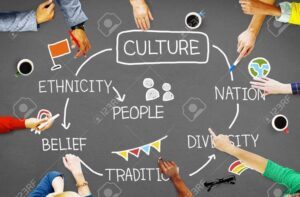
Here are creative and well-thought-out ideas to foster cultural sensitivity and diversity awareness:
Experiential Learning & Immersion“Culture Swap” Dinner Series: Organize monthly potluck dinners where participants bring a dish and share a story or tradition from their cultural background. Each month could focus on a different region or country, encouraging active participation and direct exposure to diverse cuisines and narratives.Virtual Reality (VR) Empathy Journeys: Develop or utilize existing VR experiences that simulate daily life or significant events from the perspective of individuals from different cultural, socio-economic, or ability backgrounds. This allows for an immersive and empathetic understanding of diverse realities.“Day in Their Shoes” Shadowing Program: Partner with local community organizations representing various demographics (e.g., immigrant support centers, disability advocacy groups, LGBTQ+ centers) to offer short-term shadowing opportunities. Participants gain first-hand insight into the challenges and triumphs faced by others.Interactive & Playful Approaches“Diversity & Inclusion Escape Room”: Design an escape room where puzzles and clues require knowledge of different cultural customs, historical facts, and diverse perspectives to solve. This makes learning engaging and collaborative.“Cultural Charades & Pictionary”: Create a game using culturally specific phrases, traditions, or historical figures that participants have to act out or draw. This fosters a lighthearted and interactive way to learn and recognize diverse elements.“Empathy Through Art” Workshops: Host workshops where participants create art (painting, sculpture, poetry) inspired by diverse cultural themes, personal experiences of marginalization, or stories of resilience. Art becomes a catalyst for discussion and emotional connection.Storytelling & Dialogue“Human Library” Event: Organize an event where individuals from diverse backgrounds (e.g., a refugee, a person with a disability, a member of the LGBTQ+ community, an indigenous elder) serve as “books” that attendees can “check out” for one-on-one conversations. This promotes personal connection and breaks down stereotypes.“Unpacking Unconscious Bias” Storytelling Circles: Facilitate small group discussions where participants share personal anecdotes related to experiencing or recognizing unconscious biases. The focus is on non-judgmental sharing and collective learning.“Intergenerational Dialogue Series”: Pair younger individuals with elders from diverse cultural backgrounds for structured conversations about their life experiences, historical perspectives, and evolving societal norms. This bridges generational gaps and fosters mutual understanding.Skill-Building & Practical Application“Inclusive Language Toolkit” Workshop: Conduct interactive workshops focused on the importance of inclusive language, identifying problematic terms, and practicing respectful communication in various contexts (work, social, online). This provides tangible skills for everyday interaction.“Global Etiquette & Communication” Role-Playing Scenarios: Develop role-playing exercises simulating cross-cultural communication challenges (e.g., business negotiations, social gatherings). Participants practice navigating different communication styles and etiquette, building practical cultural competence.“Allyship in Action” Training: Offer training focused on practical steps individuals can take to be effective allies for marginalized groups. This goes beyond awareness and focuses on concrete actions and advocacy.Community & Celebration“Diversity Festival & Showcase”: Organize a community-wide festival celebrating diverse cultures through food, music, dance, art, and educational booths. This creates a positive and celebratory atmosphere for learning and appreciation.“Cultural Exchange Pen Pal Program (Local & Global)”: Establish a pen pal program connecting individuals within the community from different backgrounds, or even internationally. This fosters long-term connections and a deeper understanding of diverse lives.“Inclusive Holiday & Tradition Calendar”: Create and widely distribute a calendar highlighting major holidays and significant traditions from various cultures and religions. Include brief explanations and suggestions for respectful acknowledgment, promoting awareness and appreciation throughout the year.The post Cultural Sensitivity and Diversity Awareness appeared first on Peak Development Strategies.
August 11, 2025
Building Trust and Long-Term Connections
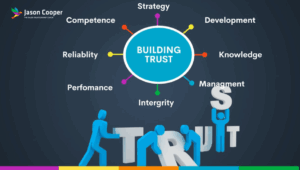
Establishing Foundational Trust
Transparent Communication Hub: Create a dedicated, easily accessible online portal or physical space where all relevant information, decisions, and progress updates are shared proactively and transparently. This could include project timelines, financial reports (if applicable), and even challenges faced, demonstrating honesty and openness.“Commitment Chronicle” Publication: Periodically publish a “Commitment Chronicle” – a concise, publicly available document (or digital summary) outlining promises made, actions taken to fulfill them, and outcomes. This acts as an auditable record of integrity and follow-through.Personalized “Welcome & Values” Kit: For new clients, partners, or team members, provide a thoughtfully curated physical or digital “Welcome & Values” kit. This goes beyond standard onboarding, including a personalized handwritten note, a small gift reflecting their interests (if known), and a clear, engaging explanation of your core values and how they translate into action.Fostering Ongoing Connection & Reciprocity“Shared Success Story” Initiative: Instead of just showcasing your achievements, actively collaborate with clients or partners to co-create “Shared Success Stories” – case studies or testimonials that highlight their journey and the positive impact of your collaboration. This elevates their profile and demonstrates genuine partnership.“Knowledge Exchange Forums” (KxFs): Host regular, informal “Knowledge Exchange Forums” – virtual or in-person sessions where participants can share insights, discuss challenges, and learn from each other. This positions you as a facilitator of growth and community, not just a service provider.Proactive “Anticipatory Solutions” Outreach: Instead of waiting for problems, use data and foresight to proactively identify potential future needs or challenges for your connections. Reach out with “Anticipatory Solutions” – resources, advice, or even new offerings that address these emerging requirements before they become urgent.“Random Act of Value” Program: Implement a “Random Act of Value” program where, without expectation of immediate return, you periodically provide unexpected value to your connections. This could be sharing a relevant article, making an introduction, or offering a small, helpful service, simply to demonstrate care.“Legacy Project” Collaboration: Identify opportunities to collaborate with long-term connections on a “Legacy Project” – something that goes beyond typical transactions and aims to create a lasting positive impact (e.g., a community initiative, an industry white paper, or a mentorship program). This builds shared purpose.Demonstrating Empathy & Understanding“Empathy Mapping” for Key Relationships: Internally, conduct “Empathy Mapping” exercises for your key relationships. Understand their pain points, aspirations, and daily challenges. Use these insights to tailor your communication and offerings, demonstrating a deep understanding of their world.Personalized “Milestone Moments” Recognition: Go beyond generic holiday greetings. Track and acknowledge personal and professional “Milestone Moments” for your connections (e.g., anniversaries, significant achievements, birthdays). A personalized message or small gesture shows you genuinely care.“Feedback Loop Amplifier”: Create a robust, multi-channel feedback system that doesn’t just collect feedback but actively amplifies it. Publicly acknowledge and address feedback (even critical) and showcase how it has led to tangible improvements. This builds trust through responsiveness.Cultivating Authenticity & Integrity“Vulnerability Vignettes” Sharing: Periodically share “Vulnerability Vignettes” – short, authentic stories about challenges faced, lessons learned, or even mistakes made within your organization. This humanizes your brand and fosters relatability and trust.“Ethical Dilemma Discussion” Series: Host an internal (or even external, with trusted partners) “Ethical Dilemma Discussion” series. Openly discuss challenging situations and how your values guide decision-making. This reinforces a commitment to integrity, even when it’s difficult.“Impact Report” Beyond Metrics: Produce an “Impact Report” that goes beyond standard financial or operational metrics. Focus on the qualitative impact your work has had on individuals, communities, or the environment, showcasing your commitment to a broader purpose.“The Unspoken Promise” Ritual: Implement a ritual (e.g., a monthly review, a pre-meeting check-in) where you explicitly articulate and reaffirm “The Unspoken Promise” – the underlying commitment to your relationship that goes beyond contractual obligations. This reinforces the long-term, value-based nature of your connection.The post Building Trust and Long-Term Connections appeared first on Peak Development Strategies.
August 8, 2025
Ideas for Boundary Setting and Accountability

Here are creative and well-thought-out logical ideas for boundary setting and accountability:
Boundary Setting
1. The “Personal Operating Manual”Concept: Each individual creates a “Personal Operating Manual” detailing their preferred communication styles, energy levels for social interaction, non-negotiables, and typical response times.Application: Share these manuals with close colleagues, family, and friends. When a boundary is crossed, you can refer back to the manual: “As per my operating manual, I need a 24-hour heads-up for impromptu meetings.”Benefit: Proactive communication, reduces assumptions, and provides a clear reference point.2. The “Energy Budget” App/TrackerConcept: A simple app or physical tracker where individuals allocate “energy units” to different activities and relationships. When an activity or request threatens to exceed their budget, it flags a potential boundary violation.Application: Before committing to something, check your “energy budget.” If you’re low, it’s a visual cue to say “no” or negotiate.Benefit: Increases self-awareness of personal capacity, prevents burnout, and empowers informed decision-making.3. “Boundary Bingo”Concept: A playful, low-stakes game (for personal use or close groups) where individuals identify common boundary challenges they face (e.g., “unsolicited advice,” “late-night texts,” “over-committing”). Each time they successfully uphold a boundary, they mark it off.Application: Creates a fun, gamified approach to practicing boundary setting without high pressure.Benefit: Builds confidence, reinforces positive behavior, and normalizes boundary discussions.4. The “Pre-Mortem” Boundary ReviewConcept: Before embarking on a new project, relationship, or commitment, conduct a “pre-mortem” where you anticipate potential boundary challenges and proactively discuss how they will be addressed.Application: For a new team project, discuss “What might go wrong regarding communication hours or scope creep, and how will we handle it?”Benefit: Prevents issues before they arise, establishes clear expectations, and builds trust through transparency.5. “Boundary Scripting Workshops”Concept: Facilitated sessions (individually or in groups) where participants practice articulating boundaries using various communication techniques (e.g., “I” statements, direct refusal, empathetic decline).Application: Role-playing scenarios like “How to say no to extra work without feeling guilty” or “How to tell a friend their behavior is impacting you.”Benefit: Develops practical communication skills, reduces anxiety around setting boundaries, and provides a safe space for practice.6. The “Boundary Buddy System”Concept: Individuals pair up with a trusted friend or colleague (their “Boundary Buddy”) who acts as a supportive accountability partner. When a boundary is tested, they can quickly consult their buddy for encouragement or a reality check.Application: “I’m about to say yes to something I don’t have time for. Remind me of my boundary!”Benefit: Provides external support, reduces feelings of isolation, and reinforces commitment to personal limits.7. “Digital Detox Zones”Concept: Designating specific times or physical spaces as “digital detox zones” where no screens or work-related communications are allowed. This is a non-negotiable boundary.Application: “Dinner is a digital detox zone,” or “My bedroom after 9 PM is a no-phone zone.”Benefit: Protects personal time, improves mental well-being, and models healthy tech habits.8. The “Boundary Meter” (Internal Check-in)Concept: A daily or hourly internal check-in where you mentally assess your “boundary meter” (e.g., green for healthy, yellow for stretched, red for violated).Application: Before accepting a new task, take a moment to check your internal meter. If it’s yellow or red, it’s a cue to pause.Benefit: Fosters mindfulness and self-awareness, allowing for proactive adjustments before reaching a breaking point.Accountability9. The “Consequence Menu”Concept: For established relationships or teams, proactively create a “consequence menu” for common boundary violations. These are not punishments but agreed-upon actions to re-establish balance.Application: For a team: “If project deadlines are consistently missed without communication, the consequence is a mandatory 15-minute daily check-in until back on track.”Benefit: Clear expectations, reduces emotional reactions, and promotes self-correction.10. “Accountability Contracts” (Self or Group)Concept: Formal or informal written agreements outlining specific goals, the boundaries needed to achieve them, and the consequences of not adhering to those boundaries.Application: A personal contract: “I will work out 3 times a week, respecting my 6 PM cutoff for work. If I miss a workout due to work, I will donate $10 to a charity I dislike.”Benefit: Increases commitment, provides a tangible reference, and leverages intrinsic motivation.11. “Feedback Loop Fridays”Concept: Dedicated, brief weekly sessions (personal reflection or team meeting) focused solely on giving and receiving constructive feedback related to boundary adherence and accountability.Application: “This week, I noticed our meeting ran over by 20 minutes twice. Can we be more mindful of our time boundary next week?”Benefit: Regularizes feedback, prevents resentment from building, and promotes continuous improvement.12. The “Reverse Accountability Partner”Concept: Instead of being accountable to someone, you are accountable for someone else’s progress in upholding a boundary. This creates a stronger sense of responsibility.Application: “My job is to ensure John takes his lunch break every day. If he doesn’t, I have to buy him coffee.” (John’s boundary, your accountability).Benefit: Creates a shared responsibility, strengthens team cohesion, and leverages social pressure positively.13. “The ‘Did I Respect My Boundaries?’ Daily Debrief”Concept: A simple end-of-day reflection where you answer a few key questions: “Did I uphold my boundaries today? Where did I succeed? Where did I falter? What will I do differently tomorrow?”Application: Journaling or a quick mental scan before bed.Benefit: Reinforces self-awareness, encourages self-correction, and builds a habit of boundary mindfulness.14. “Accountability Tokens/Chips”Concept: A tangible system where individuals earn or lose “tokens” based on their adherence to agreed-upon boundaries and commitments. These tokens could have small, pre-defined rewards or penalties.Application: In a family, “If you complete your chores by 5 PM, you get a ‘free screen time’ token.”Benefit: Gamifies accountability, provides immediate feedback, and makes abstract concepts more concrete.15. “The ‘Boundary Repair Kit'”Concept: A pre-defined set of steps or resources for repairing a boundary that has been violated. This includes apology templates, negotiation strategies, and conflict resolution techniques.Application: If a colleague consistently interrupts, the “kit” might suggest: “1. Acknowledge the behavior. 2. State your boundary clearly. 3. Suggest a solution (e.g., ‘Let’s use a talking stick’). 4. Follow up.”Benefit: Provides a structured approach to conflict, reduces emotional reactivity, and promotes effective resolution.The post Ideas for Boundary Setting and Accountability appeared first on Peak Development Strategies.
August 7, 2025
Ideas for Active Listening and Compassionate Dialogue
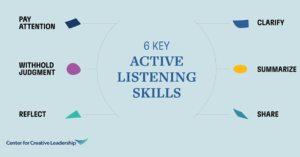
Cultivating Deeper Understanding and Connection
The “Silent Storyteller” Workshop:Participants are paired. One person tells a personal story for a set time (e.g., 3 minutes) while the other listens without interruption, eye contact, or any verbal cues.After the story, the listener writes down everything they remember and their perceived emotions.They then share their written notes with the storyteller, who can clarify or elaborate.This highlights how much we miss when we’re not fully present and encourages non-verbal attentiveness.“Perspective Palette” Art Session:Two individuals discuss a moderately complex topic where they might have differing views.Instead of debating, each person is given a small canvas and paints/draws their understanding of the other person’s viewpoint as they listen.They then present their “perspective painting” and explain what they heard and how they interpreted it visually.This encourages deep empathy and creative interpretation of another’s reality.The “Echo Chamber” Exercise (Positive Reinforcement):One person expresses a feeling or opinion. The listener’s only response is to accurately paraphrase what they heard, reflecting both content and emotion (“So, if I understand correctly, you’re feeling [emotion] because [reason]?”).The speaker confirms or corrects the paraphrase until the listener has it perfectly.This reinforces the core skill of reflective listening and ensures mutual understanding before proceeding.“Empathy Mask” Role-Play:Participants are given a scenario and a character brief (e.g., “a frustrated customer,” “a worried parent,” “a skeptical colleague”).They then engage in dialogue, but the listener must actively try to “wear the mask” of the speaker, imagining themselves in that person’s shoes and responding from that empathetic stance.The focus is on understanding the underlying needs and emotions, not just the surface words.“The Unsent Letter” Dialogue:When a conflict or misunderstanding arises, instead of confronting each other directly, each person writes an unsent letter to the other, expressing their feelings and perspective without judgment or blame.They then exchange and read these letters, followed by a structured dialogue where the focus is on clarifying understanding of the letter’s content and emotions, rather than defending their own position.“Soundscape of Emotions” Activity:Participants listen to short audio clips (e.g., someone sighing, a frustrated tone, a hopeful voice).They then discuss what emotions they perceive and why they perceive them, focusing on the nuances of vocal tone, pace, and volume as indicators of feeling.This hones sensitivity to non-verbal cues in spoken dialogue.“Compassion Coin” Conversation:Each participant in a dialogue is given a “compassion coin.” When they feel a strong urge to interrupt, offer advice, or judge, they must physically hold the coin and pause, reminding themselves to listen instead.They can only “spend” the coin (i.e., speak) after they’ve genuinely processed what the other person has said.This creates a tangible reminder for mindful listening.“Beyond the Words” Journaling:After a significant conversation, participants are encouraged to journal about not just what was said, but also what wasn’t said, what emotions were present, and what underlying needs or fears might have been driving the conversation.This promotes deeper reflection on the subtext of communication.“The ‘Yes, And…’ Challenge (Compassionate Edition):Adapted from improvisation, participants must respond to another’s statement by starting with “Yes, and…” but the “and” must add a layer of understanding or empathy to what was just said, rather than just building on the narrative.Example: “I’m so tired.” Response: “Yes, and it sounds like this exhaustion is really weighing heavily on you.”“Mindful Pause” Bell:In group discussions, a designated “mindful pause” bell is rung periodically. When it rings, everyone must stop talking and take three deep breaths, focusing on the present moment and the feelings in the room.This helps reset the atmosphere, reduce reactivity, and promote more intentional contributions.“The ‘What If’ Role Reversal”:When there’s a disagreement, individuals swap roles and argue the other person’s side as convincingly and empathetically as possible.This forces a deep dive into the other’s logic and emotional framework, fostering genuine understanding.“Narrative of Needs” Sharing:Instead of discussing problems, individuals are guided to share their “narrative of needs” – what fundamental human needs (e.g., safety, belonging, autonomy, respect) are at play for them in a given situation.The listener’s role is to identify and reflect back those perceived needs. This moves conversations from blame to shared humanity.“The Unspoken Gesture” Observation:Watch short video clips of people interacting (without sound). Participants then discuss what non-verbal cues (body language, facial expressions, gestures) they observe and what emotions or intentions they infer.This sharpens the ability to read non-verbal communication, which is crucial for compassionate dialogue.“Shared Vulnerability Circle”:In a safe, structured environment, participants share a personal vulnerability or a time they felt misunderstood.The listeners’ only role is to offer silent, supportive presence and empathy, without judgment or advice.This builds trust and demonstrates the power of compassionate listening in its purest form.“The ‘My Story, Your Story, Our Story’ Framework”:When resolving conflict, individuals first articulate their own perspective (“My Story”).Then, they articulate their understanding of the other person’s perspective (“Your Story” – as heard by them).Finally, they work together to co-create a shared understanding or path forward (“Our Story”), acknowledging both individual narratives.This ensures both active listening and compassionate co-creation.The post Ideas for Active Listening and Compassionate Dialogue appeared first on Peak Development Strategies.
August 6, 2025
Communication and Feedback
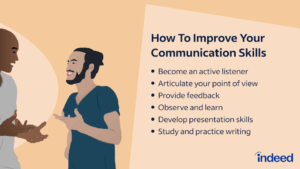
Enhancing Organizational Communication
“Feedback Fridays” with a Twist: Instead of formal reviews, dedicate the last hour of every Friday to informal, anonymous feedback submission via a digital suggestion box. Then, the leadership team spends the first 15 minutes of the following Monday addressing the top 3 most common themes, fostering transparency and quick action.“Reverse Mentorship” Communication Circles: Pair junior employees with senior leaders, but the junior employee mentors the senior leader on emerging communication trends, digital tools, and social media etiquette. This bridges generational communication gaps and encourages new perspectives.“Storytelling Sprint” Workshops: Instead of dry presentations, train employees on crafting compelling narratives about their work, challenges, and successes. These stories are then shared internally through short videos or dedicated “story walls,” making communication more engaging and relatable.“Communication Audit Gamification”: Develop a gamified system where teams earn points for identifying communication bottlenecks, proposing solutions, and implementing new communication protocols. A leaderboard encourages participation and healthy competition.“Silent Brainstorming Boards”: For complex issues or sensitive topics, create physical or digital “silent boards” where employees can post ideas and feedback anonymously over a few days. This allows for thoughtful consideration without immediate pressure and encourages introverted voices.Innovative Feedback Mechanisms“Feedback Fortunes”: At the end of team meetings or projects, provide each participant with a “fortune cookie” containing a single, actionable piece of positive feedback for another team member. This encourages peer appreciation in a fun, unexpected way.“Skill-Share Feedback Sessions”: Instead of traditional performance reviews, dedicate sessions where employees demonstrate a skill they’ve recently developed or improved upon. Peers and managers provide constructive feedback specifically on the application and impact of that skill.“Pre-Mortem Feedback”: Before starting a new project, conduct a “pre-mortem” where the team imagines the project has failed and identifies all the potential communication and feedback breakdowns that could have led to that failure. This proactively addresses potential issues.“Empathy Mapping Feedback”: When giving feedback, encourage the giver to create a simple “empathy map” of the recipient, considering what they might be thinking, feeling, saying, and doing. This helps tailor feedback to be more impactful and less confrontational.“AI-Powered Sentiment Analysis for Internal Comms”: Implement an AI tool that anonymously analyzes the sentiment of internal communications (e.g., team chat, internal forums). This provides high-level insights into overall morale and identifies areas where communication might be misconstrued.Fostering a Feedback Culture“Feedback First Aid Kits”: Provide teams with physical or digital “kits” containing resources like conversation starters, active listening tips, and a “feedback sandwich” guide to help them navigate difficult conversations and deliver constructive feedback effectively.“The ‘What Went Well, Even Better If’ Wall”: Maintain a visible, accessible wall (physical or digital) where teams can continuously post “what went well” and “even better if” observations about processes, meetings, or projects. This encourages ongoing, low-stakes feedback.“Feedback ‘Speed Dating'”: Organize short, structured one-on-one sessions where employees rotate through different colleagues to give and receive quick, targeted feedback on a specific topic or skill. This normalizes frequent feedback exchange.“The ‘Feedback Bank'”: Create a shared digital “bank” where employees can deposit positive observations or constructive suggestions about colleagues, processes, or projects at any time. Managers can then draw from this bank for performance reviews or team discussions.“Leader-Led ‘Vulnerability & Learning’ Sessions”: Senior leaders regularly host open sessions where they share their own communication challenges, mistakes, and lessons learned. This models a culture of psychological safety and encourages employees to be open about their own feedback experiences.The post Communication and Feedback appeared first on Peak Development Strategies.
August 5, 2025
Mentorship Advisory Board Ideas

Here are some creative and well-thought-out logical ideas for Mentorship Advisory Boards:
General Concepts“Skill-Specific Sprint” Advisory Board:Focus: Intensive, short-term mentorship for specific skill acquisition (e.g., public speaking, advanced data analytics, fundraising).Structure: Board members are experts in a particular skill. Mentees apply for a “sprint” focusing on that skill, receiving targeted guidance over a 3-6 month period, culminating in a demonstrable project or presentation.Benefit: Highly efficient skill transfer and measurable outcomes.“Cross-Industry Catalyst” Advisory Board:Focus: Interdisciplinary innovation and perspective broadening.Structure: Board members represent diverse industries (e.g., tech, healthcare, arts, manufacturing). Mentees are encouraged to bring challenges from their own field, and board members offer solutions or insights from their unique perspectives, fostering novel approaches.Benefit: Breaks down siloed thinking and sparks unexpected solutions.“Reverse Mentorship Revolution” Advisory Board:Focus: Mutual learning and generational knowledge exchange.Structure: Board consists of both experienced professionals and emerging talents. The “mentorship” flows both ways – senior members guide on career longevity and strategy, while junior members advise on new technologies, social trends, and digital fluency.Benefit: Keeps seasoned professionals current and empowers younger voices.“Impact Investing & Social Enterprise” Advisory Board:Focus: Guiding mentees in creating sustainable social impact.Structure: Board members are leaders in social entrepreneurship, non-profit management, and impact investing. They advise mentees on developing business models that prioritize both profit and positive societal or environmental change.Benefit: Nurtures a new generation of socially conscious leaders.“Global Expansion Gateway” Advisory Board:Focus: Navigating international markets and cultural nuances.Structure: Board comprises individuals with extensive international business experience, fluent in multiple languages and cultures. They mentor mentees looking to expand their businesses or careers globally.Benefit: Provides essential insights for global competitiveness and avoids costly missteps.Niche & Specialized Boards“Personal Branding & Digital Footprint” Advisory Board:Focus: Crafting a compelling online and offline professional identity.Structure: Board members are experts in marketing, PR, social media strategy, and personal development. They guide mentees in building a strong, authentic personal brand.Benefit: Crucial in today’s digital-first professional landscape.“Crisis Management & Resilience” Advisory Board:Focus: Preparing for and navigating professional and organizational challenges.Structure: Board members are veterans of crisis situations (e.g., economic downturns, public relations disasters, organizational restructuring). They mentor mentees on strategic foresight, adaptability, and leadership under pressure.Benefit: Builds mental toughness and strategic thinking for inevitable challenges.“Ethical AI & Technology Stewardship” Advisory Board:Focus: Guiding responsible development and deployment of emerging technologies.Structure: Board members include ethicists, technologists, legal experts, and philosophers. They mentor individuals working with AI, blockchain, or other cutting-edge tech on the ethical implications and societal responsibilities.Benefit: Promotes responsible innovation and prevents future ethical dilemmas.“Well-being & Sustainable Leadership” Advisory Board:Focus: Integrating personal well-being with professional success.Structure: Board members are leaders who exemplify work-life balance, mindfulness, and sustainable high performance. They mentor mentees on preventing burnout, fostering resilience, and leading with empathy.Benefit: Combats the culture of hustle and promotes healthier leadership models.“Public Policy & Advocacy” Advisory Board:Focus: Understanding and influencing legislative processes and public opinion.Structure: Board members are former politicians, lobbyists, policy analysts, or community organizers. They guide mentees on effective advocacy, policy development, and navigating political landscapes.Benefit: Empowers individuals to drive systemic change.Innovative Structures & Formats“Project-Based Collaborative” Advisory Board:Focus: Mentorship embedded within a real-world project.Structure: Instead of traditional meetings, mentees form project teams. Board members act as “project sponsors” or “senior consultants,” providing guidance as the project progresses from conception to completion.Benefit: Hands-on learning and immediate application of advice.“Pop-Up Micro-Advisory Board”:Focus: Rapid, targeted advice for specific, urgent challenges.Structure: Mentees submit a specific problem. A small, curated group of 2-3 relevant board members is assembled for a single, intense 1-2 hour session to brainstorm solutions.Benefit: Highly efficient, problem-specific guidance without long-term commitment.“Narrative & Storytelling” Advisory Board:Focus: Developing compelling communication and influence through storytelling.Structure: Board members are accomplished communicators, writers, public speakers, or filmmakers. They mentor mentees on crafting powerful narratives for presentations, pitches, and leadership.Benefit: Enhances communication skills, crucial for leadership and influence.“Equity & Inclusion Pathway” Advisory Board:Focus: Supporting underrepresented groups in specific industries or leadership roles.Structure: Board members are diverse leaders who have successfully navigated systemic barriers. They provide mentorship on career advancement, advocacy, and creating inclusive environments.Benefit: Directly addresses systemic inequalities and fosters diverse leadership.“Alumni Legacy & Succession” Advisory Board:Focus: Connecting current mentees with successful program alumni for continuity and future planning.Structure: Board members are former mentees who have achieved significant success. They advise on long-term career planning, navigating post-program challenges, and potentially becoming future mentors themselves.Benefit: Creates a self-sustaining ecosystem of mentorship and support.The post Mentorship Advisory Board Ideas appeared first on Peak Development Strategies.