Mary L. Erlain's Blog, page 2
October 17, 2025
Connecting with Leaders: Navigating the Weight of Decision-Making

The post Connecting with Leaders: Navigating the Weight of Decision-Making appeared first on Peak Development Strategies.


October 16, 2025
Building Confidence and Clarity Through Mutual Encouragement and Shared Humanity
Here are some creative and well-thought-out logical ideas for fostering confidence and clarity through mutual encouragement and shared humanity:
Initiatives & Programs“Human Story Mosaic” Project:Concept: A digital or physical platform where individuals share short, anonymous (or optionally named) stories of personal struggles, triumphs, and vulnerabilities.Impact: Participants realize they are not alone in their experiences, fostering empathy and reducing feelings of isolation. Comments sections or physical notes can offer encouragement.“Skill-Share & Support Circles”:Concept: Small, rotating groups where each member teaches a simple skill they possess (e.g., basic coding, a cooking technique, mindful breathing) and also shares a current challenge they’re facing.Impact: Builds confidence through teaching, receives practical support and diverse perspectives on personal challenges, and strengthens interpersonal bonds.“Empathy-Lens Workshops”:Concept: Interactive sessions using role-playing, hypothetical scenarios, and guided discussions to practice viewing situations from different perspectives.Impact: Develops deeper understanding and compassion for others, which in turn fosters a more encouraging and less judgmental environment.“Gratitude & Growth Journals (Shared Reflections)”:Concept: Participants keep personal journals focusing on gratitude and small daily achievements. Periodically, they share one anonymous entry or a key takeaway with a small group for reflection and positive feedback.Impact: Reinforces positive self-perception, encourages recognition of personal growth, and provides external validation.“Mentorship by Vulnerability”:Concept: A unique mentorship program where mentors are encouraged to share not just their successes, but also their past failures, doubts, and how they overcame them. Mentees are encouraged to do the same.Impact: Normalizes struggle, builds trust, and provides realistic guidance, fostering confidence in both parties by showing that imperfection is part of the journey.Community & Interaction Focused Ideas“Compassion Connectors Network”:Concept: Designate or train individuals within a community or organization to be “Compassion Connectors.” Their role is to actively seek out and gently engage those who seem isolated or struggling, offering a listening ear and connecting them to resources or supportive groups.Impact: Proactive outreach prevents isolation, ensures everyone feels seen and valued, and strengthens the overall fabric of shared humanity.“Affirmation Amplifiers”:Concept: Regular, low-stakes activities where individuals are prompted to give specific, genuine affirmations to others. Examples include “compliment circles,” anonymous “kudos boards,” or “shout-out sessions.”Impact: Direct positive feedback boosts confidence, encourages the habit of recognizing good in others, and creates a culture of mutual upliftment.“Shared Humanity Storytelling Nights”:Concept: Open mic nights focused on personal stories (not performances) about moments of connection, overcoming adversity, or experiencing profound empathy.Impact: Fosters a sense of belonging and shared experience, allowing individuals to feel seen and heard, and inspiring others through relatable narratives.“Collaborative Problem-Solving Sprints (Non-Work Related)”:Concept: Small groups come together to collaboratively brainstorm solutions for personal, non-urgent challenges (e.g., “I want to start a new hobby but don’t know where to begin,” “I’m struggling with time management”).Impact: Builds confidence through successful collaboration, offers diverse perspectives, and highlights the power of collective wisdom.“The ‘What I Learned From You’ Exchange”:Concept: Periodically, individuals are encouraged to share with a peer or group one specific thing they learned or gained from an interaction with another person in the community.Impact: Highlights positive influence, reinforces the value of each individual’s contribution, and promotes a culture of learning from each other.Experiential & Reflective Ideas“Silent Solidarity Walks”:Concept: Group walks where participants walk in silence, focusing on shared presence and observation. Afterwards, a brief optional sharing session about what they noticed or felt.Impact: Fosters a sense of quiet connection and shared experience without the pressure of conversation, allowing for introspection and a feeling of collective peace.“Perspective-Swap Challenges”:Concept: Small, fun challenges where individuals are asked to experience something from another’s perspective (e.g., spend an hour doing a colleague’s repetitive task, try a hobby outside their comfort zone).Impact: Builds empathy and understanding, reducing judgment and fostering a more supportive environment where differences are appreciated.“The ‘My Superpower is My Humanity’ Workshop”:Concept: A workshop focused on identifying and celebrating the unique human qualities (e.g., resilience, compassion, curiosity, creativity) within each individual, and how these contribute to the collective.Impact: Shifts focus from external achievements to inherent worth, boosting self-esteem and recognizing the power of shared human attributes.“Reflection Pods: Acknowledging Growth”:Concept: Small, rotating groups that meet to reflect on personal growth over a defined period. The focus is on acknowledging progress, not on critiquing performance.Impact: Provides a safe space for self-assessment and affirmation, allowing individuals to recognize their own clarity and confidence developing over time with peer support.“The ‘Ripple Effect’ Story Board”:Concept: A public (physical or digital) board where individuals can anonymously post how one act of kindness, encouragement, or understanding from another person positively impacted them or created a ripple effect.Impact: Visibly demonstrates the power of mutual encouragement, inspiring more acts of kindness and reinforcing the idea that small gestures can have a large, positive impact on shared humanity.
The post Building Confidence and Clarity Through Mutual Encouragement and Shared Humanity appeared first on Peak Development Strategies.
October 15, 2025
Sharing Doubts, Dilemmas, and Personal Challenges Without Judgment

Here are some logical and creative ideas designed to foster an environment where individuals can share their doubts, dilemmas, and personal challenges without fear of judgment:
1. The “Unburdening Bench”Concept: A designated physical or virtual space (e.g., a specific bench in a park, a private online forum) where individuals can anonymously or pseudonymously post their thoughts.Mechanism:
Physical: A lockbox on the bench for written notes, with a sign encouraging honest sharing and emphasizing non-judgment. Notes are periodically collected and themes summarized (without revealing individual identities) to show shared struggles.Virtual: A simple, unmoderated (initially, then lightly curated for safety) text-based platform where users can post short, anonymous entries. The focus is on expression, not solution.Benefit: Provides a low-pressure outlet for immediate release, fostering a sense of shared humanity.2. “Perspective Playground” WorkshopsConcept: Facilitated workshops using creative arts (e.g., painting, clay, music, improvisational theatre) to express internal conflicts.Mechanism: Participants create art representing their challenges, then share their interpretations with a small, supportive group. The emphasis is on understanding the feeling, not critiquing the problem. Facilitators guide discussions to focus on empathy and diverse perspectives rather than direct advice.Benefit: Allows for non-verbal expression, which can be less intimidating than verbal articulation, and promotes empathy through shared creative experiences.3. “Echo Chamber” Anonymous VoicemailConcept: A dedicated, anonymous voicemail line where individuals can record their doubts and dilemmas.Mechanism: The recordings are then played back to other anonymous callers (or a select, trusted, non-judgmental team) without identifying information. The purpose isn’t to reply directly but for the speaker to hear their own voice and for others to hear similar struggles, fostering a sense of not being alone. Themes can be summarized and shared broadly.Benefit: Offers the catharsis of verbalizing issues without the pressure of direct interaction or the fear of being identified.4. “The Human Library” – Dilemma EditionConcept: Adapting the “Human Library” concept where “books” are people with unique experiences. In this version, “books” are individuals willing to share a past dilemma they navigated (successfully or not) and the doubts they felt.Mechanism: “Readers” (listeners) can “check out” a “book” for a short, private conversation. The “book” shares their story, focusing on the internal struggle and the process, not necessarily the perfect outcome. The “reader” listens without interruption or judgment, asking only clarifying questions.Benefit: Provides real-life examples of navigating challenges, normalizes internal struggles, and offers a safe space for empathetic listening.5. “If I Knew Then…” Letter ExchangeConcept: An anonymous letter-writing initiative where individuals write a letter to their past self about a specific challenge they faced, focusing on the doubts and fears.Mechanism: Letters are submitted anonymously. A curated selection (ensuring no identifying details) is then shared back with the community, perhaps as a blog post or printed collection. Readers can then write anonymous “replies” of support or shared experience.Benefit: Encourages reflection and self-compassion, and sharing these reflections can be deeply validating for others currently facing similar issues.6. “The Compassionate Confidant” AIConcept: A sophisticated AI chatbot designed exclusively for empathetic listening and non-judgmental reflection.Mechanism: Users can freely type or speak their doubts and dilemmas. The AI is programmed to respond with active listening phrases, reflective questions, and affirmations of feelings, never offering advice or solutions. Its primary function is to be a digital mirror for self-reflection.Benefit: Provides 24/7 availability, complete anonymity, and removes the social pressure often associated with human interaction.7. “My Shadow Story” Storytelling CirclesConcept: Small, facilitated storytelling circles where participants share a personal challenge or dilemma, focusing on the internal struggle and the unseen aspects (the “shadows”).Mechanism: Strict ground rules are established: no advice, no cross-talk, only empathetic listening. After each story, the group offers a moment of silent acknowledgment or a brief, non-judgmental reflection on a feeling evoked.Benefit: Creates a deeply intimate and safe space for vulnerability, fostering a sense of shared humanity through shared difficult experiences.8. “The Unsolved Puzzle” Community BoardConcept: A physical or virtual bulletin board where individuals can post “unsolved puzzles” – dilemmas or challenges they are currently grappling with, without necessarily seeking answers.Mechanism: Posts are anonymous. The goal is simply to articulate the puzzle. Others can read them and perhaps offer a single, anonymous word of solidarity or understanding, but no advice. The focus is on the act of articulation and silent collective acknowledgment.Benefit: Normalizes the existence of ongoing, complex challenges and fosters a subtle sense of collective support without direct intervention.9. “Silent Witness” Meditation SessionsConcept: Guided meditation sessions specifically focused on acknowledging and sitting with doubts, dilemmas, and uncomfortable emotions without judgment.Mechanism: A facilitator guides participants through mindfulness exercises, encouraging them to observe their thoughts and feelings without attachment or judgment. There’s no sharing required, only internal processing.Benefit: Teaches individuals to self-regulate and accept their internal experiences, laying a foundation for healthier processing of challenges.10. “The Empathy Exchange” Role-PlayingConcept: Facilitated role-playing exercises where participants take on the role of someone else facing a common dilemma, without knowing the “right” answer.Mechanism: Scenarios are presented (e.g., “You’re a parent struggling with guilt,” “You’re an employee feeling burnt out”). Participants embody the role, expressing the internal conflict. The focus is on understanding the emotional landscape of the dilemma from various perspectives, not solving it.Benefit: Builds empathy by putting participants in others’ shoes, reducing the likelihood of judgment when real-life dilemmas are shared.11. “The Metaphorical Maze” Art InstallationConcept: A public art installation (physical or digital) representing a complex maze or labyrinth, where each turn or dead-end represents a common doubt or dilemma.Mechanism: Visitors walk through the maze, encountering prompts or visual cues that resonate with personal struggles. They can anonymously leave a small written note or digital message at points that particularly speak to them, sharing a related doubt. These notes form part of the evolving installation.Benefit: Provides a symbolic, non-threatening way to engage with universal human struggles, fostering a sense of collective understanding.12. “The Blank Canvas Confession”Concept: An online platform or physical space with a large, collaborative “blank canvas” (digital whiteboard or physical wall).Mechanism: Users can anonymously add short phrases, single words, or simple drawings representing their doubts, fears, or challenges. No names, no direct replies. The canvas evolves into a mosaic of shared human experience.Benefit: Offers a visual, anonymous, and non-linear way to contribute, highlighting the sheer volume and diversity of shared struggles.13. “The ‘Not Alone’ Newsletter”Concept: A weekly or bi-weekly newsletter composed entirely of anonymous submissions from community members sharing their current doubts or past dilemmas, along with a brief, non-judgmental editorial reflection on the shared themes.Mechanism: Submissions are lightly edited for clarity and anonymity. The newsletter emphasizes that these feelings are common and that readers are “not alone” in their experiences. No advice is given.Benefit: Provides a consistent, accessible reminder that internal struggles are universal and normal, fostering a sense of community support.14. “The ‘I Don’t Know’ Club”Concept: A regular, informal gathering (online or in person) explicitly for people to share things they “don’t know,” “aren’t sure about,” or are “struggling to figure out.”Mechanism: Participants take turns sharing a “don’t know.” The only acceptable response from others is “Thank you for sharing,” “I understand that feeling,” or a simple nod of acknowledgment. No questions, no advice, no attempts to solve.Benefit: Creates a unique space that celebrates uncertainty and vulnerability, removing the pressure to have answers or solutions.15. “The Journey Map” Personal Reflection ToolConcept: A structured journaling or digital tool designed to help individuals map out a personal challenge, focusing on the emotional journey and internal conflicts rather than just external events.Mechanism: Prompts guide users to identify moments of doubt, fear, confusion, and resilience within a specific challenge. The tool encourages self-compassion and acceptance of the messy reality of personal growth. Users can optionally share anonymous excerpts with a trusted group or community, highlighting only the emotional insights.Benefit: Empowers individuals to process their challenges internally in a structured, non-judgmental way, and allows for selective, safe sharing of insights.The post Sharing Doubts, Dilemmas, and Personal Challenges Without Judgment appeared first on Peak Development Strategies.
October 14, 2025
Ideas for Honest, Undiluted Feedback

Here are some creative and well-thought-out logical ideas for receiving honest, constructive input that’s not diluted by internal politics:
I. Anonymity & Structure“Blind Spot” Survey Platform:Implement an external, third-party survey platform specifically designed for anonymous feedback.Features could include sentiment analysis, keyword flagging, and the ability for participants to upvote/downvote common themes.This removes any perceived internal tracking or pressure.“Idea Incubator” Anonymous Submissions:Create a digital “suggestion box” or “idea incubator” where employees can submit ideas or concerns completely anonymously.A rotating, cross-departmental committee (also anonymous to the submitter) reviews and prioritizes these submissions.Focuses on the idea, not the person.“Reverse 360” Leadership Reviews:Instead of traditional 360-degree reviews where leaders choose reviewers, implement a “reverse 360” where employees anonymously select leaders they wish to provide feedback on.The platform aggregates feedback for the leader, ensuring no individual’s comments are identifiable.Empowers employees to choose who they feel comfortable critiquing.“Feedback Friday” Anonymous Prompts:Dedicate a specific time each week, e.g., “Feedback Friday,” for anonymous, prompt-based input.Prompts could be specific to recent initiatives, team dynamics, or company culture, ensuring focused feedback.Regularity normalizes the process and reduces the feeling of a “one-off” attack.II. External & Impartial Facilitation“Expert Panel” Consultations:Engage external industry experts or consultants to conduct interviews and focus groups with employees.Their impartiality and lack of vested interest in internal politics lead to more candid responses.Their professional distance provides a safe space.“Ombudsman Office” with Confidentiality Guarantee:Establish an independent ombudsman office or designate an external ombudsman.This individual acts as a neutral third party, mediating disputes and collecting confidential feedback without disclosing identities.Guaranteed confidentiality builds immense trust.“Simulated Boardroom” Sessions:Organize simulated boardroom or leadership team sessions where a diverse group of employees (potentially anonymous to each other) acts as “consultants” to present unvarnished feedback to actual leaders.The “role-playing” aspect can reduce personal inhibitions.Gamification can make difficult conversations easier.III. Technology & Data-Driven ApproachesAI-Powered Sentiment Analysis on Internal Communications:Utilize AI tools to analyze the sentiment of internal communications (e.g., team chat, project management comments – with strict privacy protocols and anonymization).This provides an aggregated, high-level view of morale and potential issues without individual attribution.Identifies underlying issues before they escalate.“Pulse Check” Micro-Surveys with Trend Tracking:Implement frequent, very short “pulse check” surveys (e.g., 2-3 questions) focusing on specific areas.Track trends over time rather than individual responses, allowing for early detection of declining sentiment or emerging problems.Small, frequent inputs are less daunting than large surveys.Blockchain-Verified Anonymous Voting/Polling:Explore blockchain technology for anonymous voting or polling on critical decisions or issues.The inherent immutability and anonymity of blockchain ensure that votes cannot be tampered with or traced back to individuals.Provides verifiable, untraceable input on sensitive topics.IV. Culture & Process Shifts“Challenge the Premise” Workshops:Host structured “Challenge the Premise” workshops where employees are encouraged and rewarded for identifying flaws, risks, or alternative perspectives on proposed initiatives.This frames critique as a valuable contribution to strengthening ideas, rather than personal opposition.Shifts the mindset from “criticism” to “constructive improvement.”“Pre-Mortem” Analysis Sessions:Before launching a project, conduct “pre-mortem” sessions where the team imagines the project has failed and identifies all potential reasons for failure.This proactive, hypothetical scenario encourages open discussion of risks and weaknesses without fear of being seen as negative.Focuses on preventing failure rather than assigning blame.“Open Door, Closed Mouth” Policy for Leaders:Train leaders to adopt an “open door, closed mouth” policy when receiving feedback.This means actively listening without interrupting, defending, or justifying, and thanking the person for their input, regardless of content.Creates a safe space for speaking truth to power.“Feedback Circles” with Rotating Facilitators:Implement small, cross-functional “feedback circles” where members give and receive input on specific topics.A rotating, neutral facilitator ensures everyone has a voice and keeps discussions constructive, without a manager present.Peer-to-peer feedback can be less intimidating.“Devil’s Advocate” Role Assignment:For significant decisions or initiatives, formally assign a “Devil’s Advocate” role to a team member (or external party).This person’s sole responsibility is to identify weaknesses, challenge assumptions, and present counter-arguments, making it an official, valued contribution rather than dissent.Normalizes and institutionalizes critical thinking.The post Ideas for Honest, Undiluted Feedback appeared first on Peak Development Strategies.
October 13, 2025
Ideas Reflecting Deeper Purpose & Ethos
Cultivating Meaningful Engagement
Ordered
“Purpose-Driven Peer Mentorship Circles”: Establish small, interdisciplinary peer mentorship groups where individuals share challenges and insights related to integrating their personal purpose with professional endeavors.Facilitated by internal champions who embody the organization’s ethos.Regular, structured meetings with actionable takeaways.“Impact Storytelling Initiative”: Develop a platform or program to collect and share compelling narratives of how the organization’s work, and individual contributions, create tangible positive impact.Utilize various media: video, written articles, interactive presentations.Emphasize the human element and real-world consequences.Fostering Intellectual & Ethical GrowthOrdered “Ethical Dilemma Simulation Workshops”: Design interactive workshops where participants engage with realistic ethical dilemmas relevant to their field, encouraging critical thinking and collaborative problem-solving based on the organization’s ethos.Incorporate diverse perspectives and potential outcomes.
Facilitated debriefing sessions to solidify learning.
“Cross-Functional ‘Purpose Sprints'”: Organize short, intensive projects where teams from different departments collaborate on a challenge directly tied to the organization’s deeper purpose, fostering interdisciplinary understanding and shared commitment.Define clear, measurable impact goals for each sprint.
Encourage innovative solutions that push boundaries.
“Philosophical ‘Deep Dive’ Seminars”: Host regular, curated seminars or discussions led by internal or external experts on topics that explore the philosophical underpinnings of the organization’s work, values, and societal role.Examples: ethics of AI, the future of work, sustainable economic models.
Encourage open debate and intellectual curiosity.
Strengthening Community & BelongingOrdered “Shared Purpose ‘Co-Creation Spaces'”: Design physical or virtual spaces dedicated to collaborative brainstorming and project development around initiatives that directly embody the organization’s ethos, open to all employees.Equipped with tools for ideation, prototyping, and knowledge sharing.Regular showcases of progress and outcomes. “Values-Aligned Onboarding and Integration Framework”: Revamp the new hire onboarding process to heavily emphasize the organization’s deeper purpose and values, ensuring new team members understand and resonate with its ethos from day one.Include testimonials from long-term employees about their purpose alignment.Assign “purpose buddies” for initial guidance and support. “Community Impact Leave Program”: Offer employees paid time off specifically for volunteering with non-profit organizations or engaging in community service initiatives that align with the organization’s broader social or environmental purpose.Encourage team-based volunteering activities.Celebrate and share the impact of these efforts internally.Driving Sustainable Impact & InnovationOrdered “Ethical AI & Technology Review Board”: Establish an internal board composed of diverse stakeholders to review and guide the development and deployment of new technologies, ensuring they align with ethical principles and the organization’s deeper purpose.Develop clear guidelines and assessment criteria.Provide recommendations for responsible innovation. “Sustainable Supply Chain ‘Organizational Values Assessment”: Implement a comprehensive audit process for the organization’s supply chain, assessing not only environmental impact but also labor practices, ethical sourcing, and alignment with the organization’s broader values.Partner with suppliers who share similar ethical commitments.Promote transparency and continuous improvement. “Long-Term ‘Purpose-Driven’ Research & Development Fund”: Allocate a dedicated fund for experimental research and development projects that may not have immediate commercial returns but hold significant potential for advancing the organization’s deeper purpose.Encourage out-of-the-box thinking and risk-taking.Share learnings, even from “failed” experiments.Cultivating Leadership & AdvocacyOrdered “Ethos Ambassador Program”: Identify and empower individuals across the organization to serve as “Ethos Ambassadors,” championing the deeper purpose and values in their daily work and interactions.Provide training in communication and advocacy skills.Regular forums for ambassadors to share best practices.13.”Leadership Development with a Purpose Lens”: Integrate explicit training on purpose-driven leadership, ethical decision-making, and fostering a values-aligned culture into all leadership development programs.
Case studies of leaders who embody the organization’s ethos.360-degree feedback focusing on purpose alignment. “External ‘Ethos’ Thought Leadership Series”: Launch a public-facing series (e.g., webinars, white papers, conference appearances) where organizational leaders and experts share insights on topics related to the organization’s deeper purpose, positioning it as a thought leader in ethical and impactful practices.Engage with broader societal conversations.Showcase the organization’s commitment to positive change beyond its direct products/services.The post Ideas Reflecting Deeper Purpose & Ethos appeared first on Peak Development Strategies.
October 10, 2025
Rebuilding Trust: Intentional Strategies

Here are some creative and well-thought-out logical ideas for organizations to intentionally rebuild trust after a breach:
I. Transparency & Accountability Focused Initiatives“Open Ledger” Policy: Implement a public-facing, regularly updated log detailing the steps taken to address the trust breach, including internal investigations, corrective actions, and preventative measures. This demonstrates unwavering commitment to transparency.“Accountability Forum” Series: Host live, moderated online or in-person forums where leadership directly answers questions from affected parties and stakeholders. This fosters direct communication and shows a willingness to face scrutiny.“Remediation Roadmaps” with Milestones: Publish clear, actionable plans outlining the specific steps, timelines, and measurable milestones for repairing the damage caused by the trust breach. This provides a concrete path to recovery and allows for progress tracking.Third-Party Audits & Certifications: Engage independent, reputable third parties to audit internal processes and systems relevant to the trust breach, and then publicly share the results and any subsequent certifications. This lends objective credibility to rebuilding efforts.“Whistleblower Protection Plus” Program: Enhance existing whistleblower policies with additional incentives, guarantees of anonymity, and clear pathways for reporting concerns without fear of retaliation. This encourages internal accountability and demonstrates a commitment to ethical conduct.II. Empathy & Communication Driven Approaches“Personal Apology Initiative”: For significant breaches, implement a system for direct, personalized communication (e.g., individualized emails, phone calls, or even in-person meetings where appropriate) from relevant leaders to directly affected individuals. This humanizes the apology and shows genuine remorse.“Feedback Loop Reinforcement”: Establish dedicated channels for continuous feedback from stakeholders regarding the trust rebuilding process, and publicly demonstrate how this feedback is being incorporated into ongoing efforts. This empowers stakeholders and ensures their voices are heard.“Story of Our Learning” Campaign: Share internal narratives and lessons learned from the trust breach, highlighting how the organization has evolved and improved as a direct result. This transforms a negative event into a story of growth and resilience.“Empathy Training for All Leaders”: Mandate comprehensive empathy and active listening training for all leadership roles, emphasizing how to genuinely connect with and understand the perspectives of those impacted by the breach. This ensures that future interactions are handled with greater sensitivity.“Crisis Communication Playbook – Public Edition”: Develop and publicly share a simplified version of the organization’s crisis communication plan, demonstrating proactive preparation for future challenges and commitment to transparent communication. This builds confidence in the organization’s ability to handle future issues.III. Proactive & Future-Oriented Solutions“Trust Innovation Lab”: Establish an internal or external innovation lab dedicated to developing new technologies, processes, or policies specifically designed to prevent future trust breaches and enhance ethical conduct. This positions the organization as a leader in trust-building.“Ethical AI & Data Governance Framework”: If applicable, develop and publicly commit to a robust framework for ethical AI and data governance, demonstrating foresight and a commitment to responsible technological advancement. This addresses emerging areas of trust and shows proactive responsibility.“Community Reinvestment Program”: Launch a significant, long-term community reinvestment or social impact program directly linked to the nature of the trust breach, demonstrating a commitment to giving back and repairing harm. This translates apologies into tangible, positive action.“Predictive Trust Analytics”: Invest in advanced analytics tools to identify potential areas of trust erosion within the organization (e.g., employee sentiment, customer feedback patterns) before they escalate into significant breaches. This shifts from reactive to proactive trust management.“Trust Champion Network”: Designate and empower a network of internal “Trust Champions” across various departments who are trained to identify, report, and address potential trust issues at their source, fostering a culture of continuous trust-building. This decentralizes trust responsibility and embeds it throughout the organization.The post Rebuilding Trust: Intentional Strategies appeared first on Peak Development Strategies.
October 9, 2025
Breaking the Cycle: Gen Z’s Call for a Healthier Workplace

Gen Z is challenging inherited workplace norms like avoidance, perfectionism, and over-functioning, not to be difficult, but to foster a more authentic and sustainable work environment. By naming these patterns, we can initiate change that heals not just workflows, but individuals and organizations as a whole.
Creative & Logical Ideas for Addressing Avoidance, Perfectionism, and Over-functioning
I. Addressing AvoidanceAvoidance often stems from fear of failure, discomfort with conflict, or a lack of clear direction.
“Micro-Commitment” System:Concept: Break down daunting tasks into extremely small, actionable steps (e.g., “open email,” “write one sentence”).Benefit: Reduces the perceived “cost” of starting, building momentum and reducing procrastination.Implementation: Integrate into project management tools or daily check-ins.“Psychological Safety Pacts”:Concept: Teams collaboratively define and commit to norms that encourage vulnerability, asking for help, and admitting mistakes without fear of retribution.Benefit: Creates an environment where discomfort is openly discussed rather than avoided.Implementation: Regular team discussions, documented and visible team agreements.“Feedback Loop Facilitators”:Concept: Designate specific individuals (not necessarily managers) trained to facilitate difficult conversations and provide structured, constructive feedback, reducing the avoidance of crucial discussions.Benefit: Provides a safe, neutral space for addressing issues head-on.Implementation: Peer-led initiatives, dedicated HR support.“Decision-Making Playbooks”:Concept: Develop clear, concise playbooks or flowcharts for common decision-making scenarios, empowering employees to act without overthinking or endlessly deferring.Benefit: Reduces analysis paralysis and the avoidance of making choices.Implementation: Internal knowledge base, visual guides.“Scheduled ‘Think & Plan’ Blocks”:Concept: Encourage and normalize dedicated, uninterrupted time in calendars for planning, strategizing, and problem-solving, preventing reactive work that often leads to avoidance of deeper issues.Benefit: Proactive problem-solving reduces the need to avoid complex tasks later.Implementation: Calendar blocking, leadership modeling.II. Addressing PerfectionismPerfectionism can lead to delays, burnout, and an inability to delegate.
“Minimum Viable Product (MVP) Mindset”:Concept: Apply agile principles to all tasks, emphasizing shipping a functional, acceptable version first, then iterating.Benefit: Shifts focus from flawless execution to continuous improvement, reducing the pressure for initial perfection.Implementation: Project kickoff discussions, regular check-ins on progress vs. perfection.“Pre-Mortem Failure Analysis”:Concept: Before starting a project, conduct a “pre-mortem” where the team imagines the project has failed and brainstorms all possible reasons why.Benefit: Proactively identifies potential pitfalls, allowing for risk mitigation without demanding unattainable perfection.Implementation: Workshop format during project planning.“Good Enough” Guidelines:Concept: For specific tasks, explicitly define what “good enough” looks like and how much effort is appropriate.Benefit: Provides clear boundaries, reducing the urge to endlessly refine.Implementation: Task-specific rubrics, communicated expectations.“Celebrate the ‘Done,’ Not Just the ‘Perfect'”:Concept: Shift recognition and reward systems to acknowledge timely completion and iterative progress, not solely flawless outcomes.Benefit: Reinforces the value of progress over stagnation caused by perfectionism.Implementation: Team shout-outs, performance reviews.“Error Budgeting”:Concept: For appropriate tasks, establish an “error budget” – a small, acceptable margin for mistakes or less-than-perfect outcomes.Benefit: Normalizes imperfections and encourages experimentation without fear of severe consequences.Implementation: Specific project parameters, leadership buy-in.III. Addressing Over-functioningOver-functioning often stems from a fear of letting others down, a desire for control, or a lack of clear boundaries.
“Delegation Skill-Building Workshops”:Concept: Provide practical training on effective delegation, including how to set clear expectations, provide resources, and empower others.Benefit: Equips individuals with the skills to offload tasks, reducing their burden and fostering team growth.Implementation: Regular L&D sessions, mentorship programs.“Role Clarity & Boundary Setting Sessions”:Concept: Facilitate team discussions to explicitly define roles, responsibilities, and individual boundaries (e.g., “I will respond to emails within 24 hours, not immediately”).Benefit: Prevents individuals from overstepping or feeling obligated to pick up slack outside their purview.Implementation: Team charters, regular team check-ins.“Capacity Modeling & Load Balancing”:Concept: Implement tools or processes to visualize team capacity and distribute workload more equitably, preventing single individuals from becoming overloaded.Benefit: Ensures sustainable workloads and prevents burnout.Implementation: Project management software, regular workload reviews.“The ‘No’ Practice”:Concept: Encourage and normalize the practice of respectfully declining additional requests when capacity is full, with leadership modeling this behavior.Benefit: Empowers employees to protect their time and energy, preventing over-commitment.Implementation: Leadership communication, internal guidelines on saying “no” constructively.“Impact vs. Effort Matrix for Prioritization”:Concept: Train teams to use a matrix to evaluate tasks based on their potential impact and required effort, encouraging them to prioritize high-impact, low-effort tasks and strategically de-prioritize or delegate others.Benefit: Focuses energy on what truly matters, reducing the urge to tackle everything.Implementation: Project planning tools, regular prioritization exercises.The post Breaking the Cycle: Gen Z’s Call for a Healthier Workplace appeared first on Peak Development Strategies.
October 7, 2025
Bridging Generational Divides: Strategic Ideas for Building Inclusive Cultures

Cultivating Mutual Respect Through Understanding
The quote highlights a critical truth: understanding generational values is paramount for fostering a truly inclusive and productive workplace. By moving beyond assumptions and actively seeking to understand what respect means to each individual, we can build cultures where every generation feels valued and belongs.
Here are some creative and well-thought-out logical ideas, categorized for clarity, to bridge these generational divides:
I. Fostering Open Dialogue & Understanding
“Respect Roundtable” Sessions:Organize monthly cross-generational discussion groups where participants openly share their perspectives on “what respect looks like to them” in various work scenarios (e.g., communication styles, feedback delivery, work-life balance).Focus: Active listening and empathy-building.Generational Persona Mapping Workshops:Facilitate interactive workshops where teams create anonymous personas representing each generation, detailing their core values, communication preferences, and ideal work environments.Output: Shared understanding and documented insights for leadership.Reverse Mentorship Programs with a Twist:Pair junior Gen Z employees with senior Boomers, and junior Millennials with senior Gen X, and vice versa.Twist: The mentorship focuses explicitly on generational insights and values, not just skill transfer. Gen Z teaches Boomers about digital transparency, Boomers teach Gen Z about loyalty in career progression.“My Story, My Values” Storytelling Initiative:Encourage employees to share brief personal anecdotes (via internal blog, video, or presentation) about how their generational values have shaped their professional journey.Goal: Humanize each generation and reveal common ground.“Ask Me Anything” (AMA) Sessions with Leadership:Regularly scheduled AMAs where leaders explicitly address questions about company culture, decision-making, and future strategy, demonstrating the transparency Gen Z desires.Emphasis: Openness and direct answers.II. Adapting Work Structures & Practices
Flexible Work Design Sprints:Form cross-generational teams to design and pilot flexible work arrangements that cater to different needs (e.g., compressed workweeks for Millennials, hybrid models for Gen X, remote-first options for Gen Z).Outcome: Solutions that genuinely address diverse preferences.“Loyalty Ladder” Recognition Program:Develop a multi-tiered recognition program that rewards long-term commitment and institutional knowledge (appealing to Boomers) while also acknowledging contributions that drive innovation and adaptability (appealing to other generations).Key: Values both tenure and impact.Transparent Performance & Development Pathways:Implement clear, publicly accessible frameworks for career progression, skill development, and performance feedback. This satisfies Gen Z’s need for transparency and Millennials’ desire for growth.Benefit: Reduces ambiguity and fosters trust.“Innovation Hub” with Cross-Generational Teams:Create a dedicated space or initiative where employees from all generations can collaborate on new projects or problem-solving, leveraging diverse perspectives.Focus: Harnessing collective intelligence and breaking down silos.“Values-Aligned Decision-Making” Framework:Develop and communicate a clear framework for how significant organizational decisions are made, explicitly linking them back to company values.Impact: Reinforces transparency and demonstrates integrity, appealing to Gen Z and fostering loyalty among Boomers.III. Enhancing Communication & Feedback
Multi-Channel Communication Strategy Audit:Conduct an audit of all internal communication channels (email, Slack, intranet, town halls) to ensure messages are accessible and effective across all generational preferences.Consideration: Some prefer formal emails, others quick chats, some detailed documentation.“Feedback Fusion” System:Implement a feedback system that allows for both formal, structured reviews (Boomers/Gen X) and informal, real-time feedback (Millennials/Gen Z), with an emphasis on constructive dialogue.Hybrid Approach: Caters to varied comfort levels with feedback.“Context-Rich Communication” Training:Provide training for all employees on how to effectively communicate by providing sufficient context for different generational audiences, reducing assumptions and misunderstandings.Example: Explaining why a decision was made, not just what the decision is.Leadership “Listen & Learn” Tours:Senior leaders regularly schedule informal meetings or “tours” across different departments and teams, specifically asking employees, “What’s working well, and what could be better?”Purpose: Demonstrates humility and a genuine desire to understand employee experiences.“Culture Co-Creation” Committees:Establish committees composed of members from each generation to actively participate in shaping and evolving company culture initiatives.Empowerment: Gives everyone a voice in building the environment they want to belong to.The post Bridging Generational Divides: Strategic Ideas for Building Inclusive Cultures appeared first on Peak Development Strategies.
October 6, 2025
Ideas for Shifting Workplace Culture: From Endurance to Empathy

Here are some creative and well-thought-out logical ideas to shift the workplace conversation from “bounce back” to “build better,” from endurance to empathy, and from surviving to thriving, by prioritizing emotional safety as carefully as performance:
Cultivating Empathy and Support Systems Facilitated Peer Support NetworksEstablish structured, professionally guided small groups where employees can share challenges, offer mutual support, and practice active listening in a judgment-free environment. These sessions provide a formalized space for connection and reflection, helping to reduce isolation and strengthen interpersonal trust across teams. Leadership Training in Crisis Response and Emotional Support
Deliver immersive training for managers focused on recognizing signs of emotional strain, responding with empathy and precision, and confidently navigating workplace crises. Through scenario-based learning and inclusive frameworks, leaders develop the skills to foster psychological safety, uphold healthy boundaries, and support team members during vulnerable moments—without overextending themselves. This approach repositions managers as proactive stewards of wellbeing, not just task-oriented supervisors. Discretionary Time-Off for Restoration and Resilience
Implement a flexible time-off model that includes a designated pool of discretionary credits for personal restoration, emotional recalibration, or unstructured breaks. No explanation required. This initiative affirms that wellbeing is dynamic and that trust-based flexibility enhances engagement, reduces burnout, and reinforces a culture of care. By normalizing unscheduled time away, organizations signal that rest is essential to sustainable performance—not a privilege, but a practice. Reverse Mentorship on Wellbeing and Boundaries
Create intentional pairings between Gen Z employees and senior leaders to exchange perspectives on emotional wellbeing, work-life boundaries, and evolving expectations around psychological safety. These cross-generational dialogues foster mutual understanding, challenge outdated norms, and empower younger voices to shape inclusive, future-ready cultures.
Designated Recharge Spaces and Focus Time
Establish dedicated physical or virtual spaces—such as quiet rooms, reflection zones, or scheduled “no-meeting” blocks—where employees can pause, reset, or engage in focused work without interruption. These intentional pauses support sustainable performance and reinforce the value of restoration as part of a healthy work rhythm.
Regular Capacity Conversations and Task Planning
Introduce structured, recurring check-ins between managers and team members to assess workload, clarify priorities, and adjust responsibilities before stress escalates. These conversations shift the culture from reactive recovery to proactive alignment—ensuring that expectations are clear, capacity is respected, and support is timely.
Culture and Communication Guide for Onboarding
Embed a clear, values-aligned guide into the onboarding experience that outlines expectations for respectful dialogue, collaborative problem-solving, and available support channels. This sets a consistent tone for trust and transparency from day one, reinforcing that a supportive culture is intentional—not assumed.
Evolving Language and Cultural Norms Empathy-Centered Communication Standards
Establish and promote clear organizational guidelines that prioritize empathetic communication—emphasizing active listening, inclusive language, and constructive feedback. This approach elevates dialogue beyond conventional professionalism, fostering deeper understanding, psychological safety, and relational trust across teams. “Failure as a Learning Lab” Framework
Reposition failure as a catalyst for growth by framing it as a structured learning environment where experimentation is encouraged and insights are shared transparently. This initiative reduces fear around risk-taking and mistakes, reinforcing a culture where innovation and resilience are nurtured through reflection—not reprimand. Storytelling for Connection Channels
Launch internal platforms—such as a dedicated Slack channel or employee blog—where individuals can voluntarily share personal narratives of challenge, growth, and vulnerability. These spaces cultivate authenticity, normalize emotional transparency, and strengthen cross-functional connection by reminding teams that resilience is a shared journey.V. Leadership & Accountability“Lead by Example” Emotional Transparency:Encourage leaders to model emotional transparency by openly discussing their own challenges, learning from mistakes, and demonstrating healthy boundaries.When leaders show vulnerability, it creates a safe space for others to do the same, shifting the culture from quiet suffering to open dialogue.“Team Support Specialists” Program:Identify trusted individuals within each team who are trained to recognize signs of emotional strain, interpersonal tension, or breakdowns in trust. These specialists serve as confidential sounding boards and proactive advocates for a culture of care. By equipping them with the tools to foster safety, navigate sensitive dynamics, and model restorative practices, organizations signal that wellbeing is a shared responsibility—not just a policy, but a lived commitment.By distributing this responsibility, organizations foster a culture where care and accountability are co-owned—not just directed from the top.
The post Ideas for Shifting Workplace Culture: From Endurance to Empathy appeared first on Peak Development Strategies.
October 3, 2025
Ideas for Pre-Public Testing
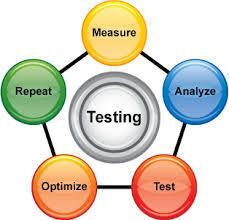
Test Strategies
“Shadow Launch” with Internal Stakeholders:Concept: Deploy the new strategy or product to a small, diverse group of internal employees or trusted partners who can provide real-world feedback without the pressure of public scrutiny.Why it works: Identifies usability issues, unexpected bottlenecks, and communication gaps before they impact actual customers. Think of it as a highly controlled beta test.“Red Team” Adversarial Simulation:Concept: Assemble a dedicated team (the “Red Team”) whose sole purpose is to find flaws, exploit weaknesses, and challenge assumptions within the proposed strategy. This team should think like an adversary or a highly critical customer.Why it works: Proactively uncovers vulnerabilities, biases, and unintended consequences that might be missed by those too close to the project.“A/B/n” Internal Pilot Programs:Concept: Instead of just one internal test, run multiple variations (A, B, C, etc.) of the strategy or messaging with different internal departments or small groups. Track key metrics for each variation.Why it works: Allows for data-driven comparison of different approaches, revealing which performs best under controlled conditions before a wider rollout.“Reverse Engineering” Success Workshop:Concept: Facilitate a workshop where participants imagine the strategy has already failed spectacularly in the public domain. Then, they reverse-engineer the reasons for failure, identifying the critical missteps that led to that outcome.Why it works: Shifts perspective from “how to succeed” to “how to avoid failure,” often uncovering risks and blind spots not considered in typical planning.“Stakeholder Scenario Planning”:Concept: Identify all key external stakeholders (customers, investors, regulators, media, competitors). For each, develop plausible “what if” scenarios related to the strategy’s launch and brainstorm their likely reactions and the optimal response.Why it works: Prepares the team for various eventualities, building resilience and contingency plans for different public receptions.Messaging
“Blind Read” & “Tone Check” Panels:Concept: Present the proposed messaging (press releases, ad copy, internal comms) to individuals who have no prior knowledge of the initiative. Ask them to summarize their understanding, identify key takeaways, and describe the tone/feeling conveyed.Why it works: Reveals if the message is clear, concise, and resonates as intended, or if it’s confusing, misleading, or carries an unintended tone.“Negative Spin” Challenge:Concept: Task a team with taking the carefully crafted public message and deliberately trying to find negative interpretations, misrepresentations, or potential for backlash.Why it works: Identifies potential PR crises, areas where the message could be twisted, or where additional context/clarification is needed to prevent misunderstandings.“Elevator Pitch” Internal Competition:Concept: Challenge various internal teams to distill the core message into a compelling 30-second “elevator pitch”. Award creativity and clarity.Why it works: Ensures the message is simple, memorable, and can be articulated consistently by anyone within the organization, leading to a unified voice.“Social Media Mockup & Response”:Concept: Create mock-ups of how the message would appear on various social media platforms (Twitter, LinkedIn, Instagram). Then, simulate public comments and challenging questions, and practice crafting appropriate responses.Why it works: Prepares the communications team for the fast-paced, often unfiltered nature of social media, allowing them to refine responses and anticipate viral trends.“Analyst/Influencer Simulation Interviews”:Concept: Have senior leaders or spokespeople conduct mock interviews with internal colleagues playing the role of tough industry analysts, skeptical journalists, or influential bloggers.Why it works: Polishes communication skills, ensures consistent messaging under pressure, and identifies areas where more data or clearer explanations are needed.Decisions
“Devil’s Advocate” Decision Review:Concept: Designate a specific individual or team to argue against the proposed decision, even if they personally agree with it. Their role is to highlight risks, alternative perspectives, and potential downsides.Why it works: Prevents groupthink, forces a deeper analysis of the decision’s implications, and ensures all angles have been considered.“Pre-Mortem” Analysis:Concept: Gather the decision-making team and ask them to imagine it’s one year in the future and the decision has been a catastrophic failure. Then, work backward to identify all the reasons that led to that failure.Why it works: Proactively identifies potential pitfalls, allows for mitigation strategies to be developed, and surfaces hidden assumptions or biases.“Decision Matrix with Weighted Criteria”:Concept: For complex decisions, create a matrix listing all viable options. For each option, evaluate it against a set of pre-defined, weighted criteria (e.g., cost, risk, impact on customers, alignment with values). Assign scores and calculate a total.Why it works: Provides a structured, objective, and transparent way to compare options, reducing emotional or subjective biases in the decision-making process.“Ethical Implications Brainstorm”:Concept: Dedicate a session to explicitly discuss the ethical ramifications of the decision. Consider its impact on all stakeholders, including vulnerable groups, and potential long-term societal effects.Why it works: Ensures decisions align with organizational values and societal expectations, preventing future reputational damage or legal issues.“Decision Rehearsal” with Key Implementers:Concept: Before finalizing a major decision, “walk through” its implementation step-by-step with the teams who will be responsible for executing it. Identify practical challenges, resource needs, and potential roadblocks.Why it works: Uncovers unforeseen operational complexities, ensures feasibility, and builds buy-in from those who will be directly affected by and responsible for the decision.The post Ideas for Pre-Public Testing appeared first on Peak Development Strategies.