Mary L. Erlain's Blog, page 8
July 16, 2025
Spirituality and Skepticism in Zoomers

Generation Z, often referred to as Zoomers, exhibits a fascinating paradox: a growing interest in spirituality juxtaposed with a pervasive skepticism towards traditional institutions and dogma. This dynamic creates a fertile ground for exploring innovative approaches to understanding and engaging with their unique worldview. Here are 15 creative and well-thought-out ideas that delve into this intersection:
Research & Analysis“Spiritual Nomad” Digital Ethnography: Conduct a multi-platform digital ethnography analyzing Gen Z’s online spiritual practices. This would involve tracking hashtags, forums, TikTok trends, and YouTube channels related to astrology, mindfulness, witchcraft, and other alternative spiritualities. The goal is to identify emerging communities, shared language, and the role of social media in spiritual exploration.AI-Powered Sentiment Analysis of Spiritual Content: Utilize AI to analyze the sentiment and emotional tone of user-generated content across various spiritual and skeptical online communities frequented by Gen Z. This could reveal underlying anxieties, desires for connection, and points of tension between spiritual exploration and critical thinking.Cross-Cultural Comparative Study of Digital Religion: Expand existing digital religion studies to specifically compare Gen Z’s digital religious activities in atheistic societies like China (as highlighted in the provided text) with those in more theistic nations. This would shed light on how societal context shapes the expression of digital spirituality and skepticism.Longitudinal Study on “Spiritual Bypassing” and Mental Health: Investigate the potential for “spiritual bypassing” (using spiritual practices to avoid unresolved emotional issues) within Gen Z, and its correlation with mental health outcomes. This would require a longitudinal study tracking individuals’ engagement with spiritual practices and their psychological well-being over time.Neurological Correlates of Digital Spiritual Experiences: Explore the neurological effects of engaging with digital spiritual content (e.g., guided meditations via apps, virtual reality spiritual journeys) on Gen Z individuals. This could involve fMRI or EEG studies to understand the brain activity associated with these experiences and compare them to traditional religious practices.Engagement & Intervention“Skeptical Sanctuary” Online Platform: Develop an online platform that combines spiritual exploration with critical thinking. It would offer curated content on various spiritual practices, but also provide resources for critical analysis, debunking myths, and fostering healthy skepticism, perhaps featuring “Ask Me Anything” sessions with both spiritual leaders and scientific experts.Gamified Spiritual Journeys: Create interactive, gamified experiences that allow Gen Z to explore different spiritual traditions and philosophical concepts. This could involve “quests” to learn about ancient rituals, “challenges” to practice mindfulness, or “dialogue trees” to engage with ethical dilemmas from various spiritual perspectives, all while encouraging critical reflection.Podcast Series: “Beyond Belief: Zoomers on the Spiritual Frontier”: Launch a podcast featuring interviews with Gen Z individuals who are actively exploring diverse spiritual paths, as well as those who identify as staunch skeptics. The aim is to create a space for open, non-judgmental dialogue about their journeys, doubts, and discoveries.Collaborative Art Installations: “Doubt & Devotion”: Fund and support collaborative art installations created by Gen Z artists that visually represent the tension and harmony between spirituality and skepticism. These installations could be interactive, inviting viewers to contribute their own thoughts and experiences.“Ethical AI for Spiritual Guidance” Hackathon: Host a hackathon challenging Gen Z developers and ethicists to design AI tools that provide spiritual guidance or support without promoting dogma or exploiting vulnerability. This could lead to innovative and ethically sound applications for digital spiritual exploration.Educational & Policy IdeasCurriculum Development: “Critical Spirituality & Worldviews”: Advocate for the development of high school and university curricula that teach about diverse spiritual and philosophical worldviews, emphasizing critical thinking, media literacy, and the historical and social contexts of belief systems.“Digital Detox & Inner Reflection” Workshops: Partner with schools and community centers to offer workshops for Gen Z focusing on digital well-being, mindful technology use, and practices for inner reflection that don’t necessarily align with traditional religious frameworks, but foster self-awareness and emotional resilience.Policy Recommendations for Ethical AI in Spiritual Tech: Develop policy recommendations for regulating AI and digital platforms that offer spiritual or self-help content, ensuring transparency, preventing manipulation, and protecting user data and mental well-being.Cross-Generational Dialogue Series: “Bridging the Belief Gap”: Organize facilitated dialogue sessions bringing together Gen Z individuals with older generations (Millennials, Gen X, Boomers) to discuss their differing perspectives on religion, spirituality, and skepticism. This could foster empathy and understanding across generational divides.“Spirituality in the Gig Economy” Study: Research how the pressures and uncertainties of the gig economy influence Gen Z’s spiritual seeking and skeptical tendencies. This could explore whether spiritual practices offer a coping mechanism for economic precarity, and if skepticism arises from a distrust of traditional pathways to stability.The post Spirituality and Skepticism in Zoomers appeared first on Peak Development Strategies.


July 15, 2025
Mental Health and Identity in Gen Z
Here are some creative and well-thought-out logical ideas exploring the intersection of mental health and identity in Generation Z:
“Digital Detox Diaries”: A Social Media Campaign & ChallengeConcept: A multi-platform social media campaign encouraging Gen Z to participate in structured digital detox periods (e.g., 24 hours, weekend, a week).Focus: Sharing personal experiences, challenges, and benefits of stepping away from screens. Weekly themes could focus on specific identity aspects (e.g., “My Identity Beyond the Likes,” “Reclaiming My Time,” “Authenticity Over Algorithms”).Outcome: Fostering self-awareness, reducing social comparison anxiety, and promoting healthier digital habits.“AI Therapist Companion App (Ethical Considerations)”: A Speculative Design ProjectConcept: Design and prototype an AI-powered mental health companion app tailored for Gen Z, emphasizing ethical AI use, data privacy, and user control.Focus: How AI could offer immediate, non-judgmental support, personalized coping strategies, and connect users with human professionals when needed, while critically examining the impact on identity formation and human connection.Outcome: Sparking conversations about the future of mental health support, AI’s role in personal development, and the importance of ethical technology.“Micro-Content Mental Health PSAs”: TikTok/Reels SeriesConcept: Create short, engaging video Public Service Announcements (PSAs) for platforms like TikTok and Instagram Reels.Focus: Each video addresses a specific mental health challenge related to Gen Z identity (e.g., imposter syndrome in academic/career pursuits, anxiety from global crises, body image issues due to social media filters). Use trending sounds/formats to maximize reach.Outcome: Normalizing mental health conversations, offering quick tips, and directing users to reputable resources in a format Gen Z readily consumes.II. Community & Connection Focused Ideas“Identity & Wellness Workshops: Beyond the Screen”: Local Community ProgramsConcept: Partner with local community centers, schools, or youth organizations to host in-person workshops.Focus: Sessions would explore various facets of Gen Z identity (e.g., LGBTQ+ identity, racial/ethnic identity, neurodiversity) and how these intersect with mental well-being. Activities could include art therapy, group discussions, and skill-building for real-world connections.Outcome: Building supportive communities, fostering a sense of belonging, and providing safe spaces for identity exploration and mental health support.“Intergenerational Mental Health Dialogue Series”: Podcast/WebinarConcept: A series featuring conversations between Gen Z individuals and members of older generations (Millennials, Gen X, Boomers) about mental health, identity, and societal pressures.Focus: Highlighting similarities and differences in mental health experiences across generations, fostering empathy, and bridging generational gaps in understanding. Topics could include “The Evolution of Anxiety,” “Identity in a Changing World,” or “Work-Life Balance: Then vs. Now.”Outcome: Promoting mutual understanding, reducing stigma, and demonstrating the universal aspects of mental health struggles while acknowledging unique generational contexts.III. Creative Expression & Storytelling Focused Ideas“Peer Support Networks: Curated Online Spaces”: Discord/Forum CreationConcept: Develop and moderate dedicated online peer support groups on platforms popular with Gen Z (e.g., Discord servers, private forums).Focus: Groups would be tailored to specific identity groups or shared experiences (e.g., “LGBTQ+ Mental Wellness,” “Students Navigating Climate Anxiety,” “Artists & Mental Health”). Emphasize moderation for safety and positive interaction.Outcome: Providing accessible, anonymous, and identity-affirming spaces for Gen Z to share experiences, offer support, and reduce feelings of isolation.“My Mental Health, My Story”: A Digital Zine/Anthology ProjectConcept: Collect and publish anonymous or pseudonymous submissions from Gen Z individuals in the form of short essays, poems, digital art, or comics.Focus: Empowering Gen Z to share their personal mental health journeys, how their identities influence these experiences, and their coping mechanisms. The project would be curated to reflect diverse identities and experiences.Outcome: Destigmatizing mental health by showcasing vulnerability, fostering a sense of shared experience, and providing an artistic outlet for expression.“Soundscapes of Identity & Calm”: Curated Playlists/PodcastsConcept: Create curated playlists or short podcast episodes featuring music, spoken word, and ambient sounds designed to promote mental well-being and reflect diverse identities.Focus: Collaborating with Gen Z artists and musicians to create content that resonates with their peers. Examples could include “Queer Joy & Calm,” “Sounds for Racial Healing,” or “Neurodivergent Rhythms.”Outcome: Offering accessible tools for emotional regulation and self-expression, and celebrating the intersection of identity and art in promoting mental health.IV. Education & Advocacy Focused Ideas“Interactive Narrative Game: ‘Choose Your Own Wellness Journey'”: Digital Game DevelopmentConcept: Develop a simple, text-based or visual interactive game where players make choices that impact their character’s mental well-being and identity development.Focus: Presenting realistic scenarios that Gen Z faces (e.g., social media dilemmas, academic pressure, identity exploration, seeking help) and showing the consequences of different choices.Outcome: A low-stakes, engaging way to explore complex mental health topics, practice decision-making skills, and build empathy for diverse experiences.“Decoding the Crisis: A Gen Z Explainer Series”: Educational Videos/InfographicsConcept: Create a series of educational content (short videos, animated explainers, infographics) that break down complex mental health concepts and their connection to Gen Z’s unique context.Focus: Explaining terms like “climate anxiety,” “doomscrolling,” “financial stress,” “identity formation,” and “intersectionality” in an accessible way, using Gen Z’s language and visual style.Outcome: Increasing mental health literacy, empowering Gen Z to understand their experiences, and providing tools for self-advocacy.“Youth Mental Health Policy Hackathon”: Collaborative EventConcept: Organize a “hackathon” where Gen Z individuals come together to brainstorm and develop innovative policy recommendations or community initiatives aimed at improving youth mental health.Focus: Empowering Gen Z to be part of the solution, focusing on issues like school mental health services, affordable care access, or policies addressing online harassment.Outcome: Generating actionable ideas, fostering leadership skills, and providing a platform for Gen Z’s voices to be heard by policymakers and community leaders.V. Workplace & Future Focused Ideas“Mental Health First Aid for Gen Z”: Specialized Training ProgramConcept: Develop and deliver a specialized “Mental Health First Aid” training program tailored specifically for Gen Z, focusing on peer-to-peer support and recognizing signs of distress.Focus: Training participants to identify mental health challenges in their peers, initiate supportive conversations, and connect them with professional help, with an emphasis on cultural sensitivity and identity-affirming approaches.Outcome: Creating a network of informed peer supporters, reducing the stigma of seeking help, and fostering a culture of care within Gen Z communities.“Future of Work & Wellness Forum”: Career-Focused EventConcept: Host a virtual or in-person forum bringing together Gen Z, employers, and mental health professionals to discuss the intersection of work, identity, and mental well-being.Focus: Addressing Gen Z’s desire for purpose-driven work, flexible arrangements, and mental health support in the workplace. Topics could include “Redefining Success,” “Managing Burnout in the Digital Age,” and “Inclusive Work Environments.”Outcome: Shaping future workplace norms, advocating for mental health-friendly policies, and preparing Gen Z for a healthier career trajectory.“Financial Wellness & Mental Health Literacy”: Online Course/WorkshopConcept: Develop an online course or workshop specifically for Gen Z addressing the link between financial stress and mental health, and providing practical tools.Focus: Covering topics like budgeting, understanding student loans, saving for the future, and how financial insecurity impacts identity and well-being, while offering strategies for managing anxiety related to money.Outcome: Equipping Gen Z with essential life skills, reducing financial anxiety, and promoting long-term mental health resilience.“Purpose & Passion Project Incubator”: Mentorship ProgramConcept: Create a mentorship program connecting Gen Z individuals with professionals and community leaders who can help them identify and pursue purpose-driven projects or career paths.Focus: Addressing Gen Z’s reported lack of life direction and purpose. Mentors would help guide participants in developing projects that align with their values and identities, fostering a sense of accomplishment and meaning.Outcome: Boosting self-efficacy, reducing feelings of aimlessness, and empowering Gen Z to find meaning and purpose, which are crucial for overall mental well-being.The post Mental Health and Identity in Gen Z appeared first on Peak Development Strategies.
July 14, 2025
Understanding the Digital Natives

Unique Needs and Traits of Gen Z
Here are some creative and well-thought-out logical ideas outlining the unique needs and traits of Generation Z, drawing from the provided sources:
Digital Fluency & Mobile-First Mentality: Gen Z are the first true digital natives, having grown up with the internet and mobile devices as an integral part of their lives. They seamlessly navigate various platforms, expecting fast, responsive, and intuitive mobile experiences.Need: Brands must prioritize mobile optimization for all content and interactions.Trait: Innate comfort and reliance on digital tools for information, communication, and commerce.Authenticity & Transparency Seekers: This generation has a finely tuned radar for inauthenticity and “wokevertising.” They value genuine connections and transparent communication from brands.Need: Brands to be honest, open, and consistent in their messaging and actions.Trait: Skepticism towards traditional advertising and a preference for real, unpolished content.Socially Conscious & Value-Driven Consumers: Gen Z strongly believes in social responsibility and expects brands to align with their values, taking a stand on issues like environmental protection, diversity, equity, and inclusion.Need: Brands to demonstrate genuine commitment to social causes and ethical practices.Trait: Purchase decisions are often influenced by a brand’s societal impact and values.Visual & Interactive Content Preference: Accustomed to platforms like TikTok, Instagram, and YouTube, Gen Z prefers short-form video, engaging visuals, and interactive experiences over static, text-heavy content.Need: Brands to create dynamic, visually captivating content that is easily digestible.Trait: Shorter attention spans and a preference for immersive, entertaining content formats.Savvy Savers & Pragmatic Spenders: Despite stereotypes, Gen Z is financially astute, prioritizing saving, investing, and seeking good deals. They are not impulsive buyers and often have stable income sources.Need: Brands to offer value, highlight sales, and provide transparent pricing.Trait: Financial caution shaped by witnessing economic uncertainty, leading to thoughtful spending habits.User-Generated Content (UGC) & Influencer Trust: Gen Z trusts recommendations from peers and micro-influencers more than traditional advertising. UGC is highly valued for its authenticity.Need: Brands to encourage and leverage UGC, and collaborate authentically with relatable influencers.Trait: High trust in peer reviews and content that feels genuine and relatable.Privacy Concerns & Data Sensitivity: This generation is more aware and protective of their personal data. They dislike invasive ads and are hesitant to share personal information for personalized experiences.Need: Brands to be transparent about data collection and minimize reliance on personal data for advertising.Trait: Strong desire for privacy and discomfort with feeling monitored or targeted.Social Media as a Search Engine: Beyond communication, Gen Z uses social media platforms like TikTok and Instagram for product research, recommendations, and inspiration, often bypassing traditional search engines.Need: Brands to optimize their presence and content on these visual search platforms.Trait: Reliance on social platforms for discovery and information gathering.Voice Search Adoption: Growing up with voice assistants, Gen Z frequently uses voice commands for queries, expecting quick, conversational, and relevant answers.Need: Brands to optimize for long-tail, conversational keywords and provide concise answers.Trait: Comfort and efficiency in interacting with technology through spoken language.Mental Health Awareness & Prioritization: Gen Z is highly prone to anxiety and emphasizes mental well-being. They seek support and appreciate brands that acknowledge and contribute to mental health initiatives.Need: Brands to be sensitive to mental health issues and offer supportive, positive messaging.Trait: Openness about mental health challenges and a desire for supportive environments.Quest for Flexibility & Work-Life Balance: While ambitious, Gen Z prioritizes work-life balance and seeks roles that offer growth, satisfaction, and flexibility, including side gigs and freelancing.Need: Employers and brands to understand and cater to their desire for autonomy and meaningful work.Trait: A pragmatic approach to work, valuing personal well-being alongside career progression.Strong Desire for Experiences (e.g., Travel): Gen Z values experiences over material possessions, with travel being a significant priority. They seek unique cultural activities and visually appealing destinations.Need: Brands in travel and leisure to highlight unique experiences and photo opportunities.Trait: A focus on creating memories and personal growth through diverse experiences.Podcast Engagement for Intimacy & Depth: Podcasts offer Gen Z an intimate and engaging way to consume content, often favoring shows by friends or celebrities.Need: Brands to explore podcast advertising and content creation for deeper engagement.Trait: A desire for authentic, community-centric audio content that fosters connection.AI Adoption with a Demand for Transparency: Gen Z is quick to adopt AI tools for problem-solving and creativity but demands transparency from companies regarding AI usage.Need: Brands to be clear about their use of AI and its benefits.Trait: Early adopters of new technologies, but with an emphasis on ethical and transparent implementation.Hybrid Experiences & In-Person Connections: Despite their digital immersion, Gen Z still values in-person communication and experiences. They appreciate customer-first, cross-channel marketing that blends online and offline interactions.Need: Brands to offer seamless hybrid experiences that bridge the digital and physical worlds.Trait: A recognition of the value of both digital convenience and real-world interactions.The post Understanding the Digital Natives appeared first on Peak Development Strategies.
July 11, 2025
Self-Leadership Ideas in Cross-Generational Contexts
Cultivating Individual Growth & Awareness
Here are some creative and well-thought-out logical ideas for fostering self-leadership within cross-generational contexts, drawing upon the provided source materials:
“Generational GPS” Personal Mapping:Idea: Encourage individuals to create a “Generational GPS” for themselves, mapping their own values, communication preferences, work-life balance needs, and technology comfort levels. This self-assessment would explicitly compare and contrast their personal traits with general generational stereotypes, fostering self-awareness and debunking internal biases.Rationale: The sources emphasize challenging stereotypes and understanding individual needs. This idea promotes self-reflection on personal traits versus broad generational labels, aligning with the idea that “not all members of a generation fit neatly into the same box.”“My Communication Playbook” Development:Idea: Guide employees to develop a personal “Communication Playbook.” This playbook would outline their preferred communication channels (e.g., email for detailed reports, quick chat for urgent matters), response time expectations, and how they prefer to receive feedback. It would also include a section on how they adapt their communication for different generational styles.Rationale: Directly addresses the “Communication Styles” challenge. It empowers individuals to take ownership of their communication, making it easier for others to interact effectively with them and for them to consciously adapt to others’ preferences.“Values in Action” Personal Statement:Idea: Facilitate a workshop where individuals articulate their core professional values and create a “Values in Action” statement. This statement would describe how they live these values in their daily work and how they perceive these values might be expressed differently by other generations (e.g., “I value sustainability through eco-friendly practices, while a colleague might value it through community activism”).Rationale: Builds on the concept that “Generations may value the same things but express those values in various ways.” This encourages individuals to understand their own values deeply and recognize varied expressions in others, promoting empathy and reducing conflict.Bridging Gaps Through Shared Experiences“Cross-Generational Skill Swap” Initiative:Idea: Implement a formal or informal “skill swap” program where employees volunteer to teach a skill they excel at (e.g., a Boomer teaching effective meeting facilitation, a Gen Zer teaching a new social media tool) to a colleague from a different generation.Rationale: Directly supports “cross-generational mentorship and reverse mentoring programs.” It fosters learning, mutual respect, and demonstrates the value each generation brings in practical, hands-on ways.“Work-Life Integration Stories” Forum:Idea: Create an internal platform (e.g., a dedicated Slack channel, a monthly brown bag lunch) where employees can share personal stories and strategies for achieving work-life integration. This would encourage open dialogue about diverse approaches to balance, flexible work, and personal well-being across generations.Rationale: Addresses the “Work/Life Balance” variation. By sharing personal experiences, individuals can see that “older generations don’t appreciate flexibility” is a stereotype, and everyone can learn from diverse approaches to avoid burnout.Empowering Adaptive Leadership & Collaboration“Tech Adoption Triumphs & Trials” Sharing Sessions:Idea: Host regular “Tech Adoption Triumphs & Trials” sessions where employees can share their experiences (both successes and challenges) with new technologies. This creates a psychologically safe space for asking questions and celebrating progress, regardless of prior tech comfort.Rationale: Directly tackles “Rates of Technology Adoption.” It fosters psychological safety, allowing individuals to admit struggles and celebrate learning, creating shared understanding and support.“Adaptive Feedback Loop” Personal Practice:Idea: Encourage individuals to proactively seek feedback on their own cross-generational interactions. This involves asking colleagues from different generations how their communication or work style impacts them, and then actively adjusting their approach.Rationale: Aligns with the need for leaders to be “flexible” and “broker compromises.” This empowers every individual to act as a micro-leader in their interactions, fostering a “give-and-take for both sides.”“Project Pulse Check” with Generational Lenses:Idea: For team projects, introduce a “Project Pulse Check” where team members briefly discuss their individual contributions and challenges, specifically considering how their generational context (values, communication, tech comfort) might influence their work or interactions.Rationale: Promotes deeper understanding within teams, allowing for proactive adjustments to collaboration styles. It moves beyond stereotypes to consider how individual generational experiences shape project dynamics.Fostering Continuous Learning & Inclusivity“Benefit Navigator” Personal Planning:Idea: Provide tools or workshops that help employees personally navigate and select benefits that best suit their current life stage and financial needs, encouraging them to think beyond traditional generational assumptions about benefits.Rationale: Addresses “Benefit Participation” and the need to avoid assumptions based on birth year. This empowers individuals to make informed choices, aligning with the idea that “70% of Gen Z employees said they value choosing their benefits.”“Generational Insight Journaling” Prompt Series:Idea: Distribute monthly journaling prompts that encourage reflection on cross-generational interactions. Prompts could include: “Describe a recent positive interaction with someone from a different generation and what made it successful,” or “Identify a generational stereotype you hold and brainstorm how it might be inaccurate.”Rationale: Promotes continuous self-reflection and challenges unconscious biases, a key theme in debunking stereotypes. It encourages a “learning mindset.”“Inclusive Language Audit” Personal Toolkit:Idea: Provide individuals with a personal “inclusive language audit” toolkit, including resources on age-inclusive language and common phrases that might unintentionally alienate certain generations. Encourage self-correction and peer feedback on language use.Rationale: Supports “creating a culture of respect and civility.” Language is a powerful tool, and self-auditing promotes conscious effort towards inclusivity.Creative Engagement & Recognition“Micro-Learning Modules on Generational Nuances”:Idea: Develop short, digestible micro-learning modules (e.g., 5-minute videos, interactive quizzes) on specific generational nuances (e.g., “Understanding Gen Z’s Feedback Preferences,” “The Silent Generation’s Approach to Stability”). Employees can access these as needed for self-directed learning.Rationale: Offers practical, accessible training that addresses generational differences without resorting to stereotypes, promoting “thoughtful conversation conducted in good faith.”“Cross-Generational ‘Hackathon’ for Workplace Challenges”:Idea: Organize a “hackathon” where diverse, cross-generational teams collaborate to solve a specific workplace challenge (e.g., “How can we improve internal communication?”, “How can we make our onboarding more engaging?”).Rationale: Encourages team-building and promotes collaboration, leveraging diverse perspectives for creative solutions. It’s a practical application of “bridging the generation gap without widening it.”“Generational Allyship Recognition Program”:Idea: Implement a peer-to-peer recognition program specifically for acts of “generational allyship” – where an employee actively supports, understands, or advocates for a colleague from a different generation.Rationale: Reinforces positive cross-generational interactions and behaviors, making inclusivity a celebrated and tangible action. It helps “foster a culture of respect and civility.”“My Legacy/My Future” Project:Idea: Create a voluntary “My Legacy/My Future” project where older employees can document their career wisdom and experiences, and younger employees can outline their aspirations and how they envision contributing to the organization’s future. These could be shared in an internal knowledge base.Rationale: Fosters knowledge sharing and mutual appreciation. It allows older generations to feel their experience is valued (“stronger knowledge retention”) and younger generations to articulate their ambition, connecting past and future contributions.The post Self-Leadership Ideas in Cross-Generational Contexts appeared first on Peak Development Strategies.
July 10, 2025
Bridging Generational Gaps with Empathy
I. Workplace & Professional Development Focused Ideas
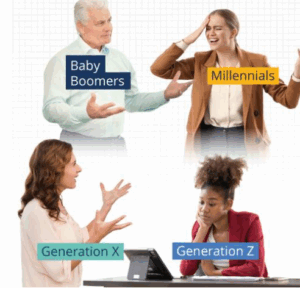
Empathy is the cornerstone of understanding, especially when navigating the diverse landscapes of generational differences. By fostering empathy, we can transform potential friction into opportunities for growth, collaboration, and mutual respect. Here are some creative and well-thought-out ideas to bridge generational gaps with empathy:
“Reverse Mentorship with a Twist” Program:Concept: Pair younger employees (Gen Z/Millennials) with older, more experienced leaders (Gen X/Boomers) not just for technology or social media insights, but for cultural and value exchange. The “twist” is that the younger mentor actively teaches the older mentee about their generation’s unique perspectives on work-life balance, purpose-driven work, and emotional expression in the workplace, as discussed by Mimi Nicklin and the “Empathy Revolution” insights.Empathy Component: Encourages older generations to “stay curious” about younger workers’ motivations and priorities, fostering understanding rather than judgment.“Generational Storytelling Circles”:Concept: Regular, facilitated sessions where employees from different generations share personal stories related to their career journey, key life experiences, and how societal shifts impacted their view of work. Similar to the idea of “story stewardship” from Brené Brown’s research, focusing on listening and believing each other’s narratives.Empathy Component: Builds narrative trust and allows individuals to see the “why” behind different work habits or priorities, moving beyond stereotypes.“Empathy-Driven Project Teams”:Concept: When forming project teams, explicitly prioritize generational diversity. Before starting the project, dedicate time to an “Empathy Charter” where team members discuss their preferred communication styles, feedback preferences, and individual motivations, leveraging the insights from the MEA program on recognizing generational characteristics.Empathy Component: Proactively addresses potential communication clashes and encourages team members to adapt their approach based on empathetic understanding of their colleagues.“Values-Alignment Workshop for All Generations”:Concept: A workshop focused on identifying and discussing core professional and personal values across generations. The goal is to find common ground and shared aspirations (e.g., impact, security, learning) rather than focusing on differences, as highlighted by Mimi Nicklin’s point about being “more alike than different.”Empathy Component: Shifts focus from generational “demands” to universal human desires, fostering a sense of shared humanity and purpose.II. Community & Social Interaction Focused Ideas
“Situational Empathy Training Simulations”:Concept: Develop short, interactive simulations based on common intergenerational workplace scenarios (e.g., a Gen Z employee challenging a traditional process, a Boomer struggling with new tech). Participants role-play and then debrief, discussing the underlying emotions and perspectives from each generational viewpoint, similar to the “recognizing perspectives” domain of global competency.Empathy Component: Provides a safe space to practice perspective-taking and emotional recognition in a practical context.“Cross-Generational Skill-Share Workshops”:Concept: Organize community workshops where individuals from different generations teach each other skills. Examples: a Gen Z teaching social media marketing, a Boomer teaching traditional crafting, a Millennial teaching financial literacy, or a Gen X teaching basic home repairs.Empathy Component: Breaks down barriers by valuing diverse knowledge and fostering mutual respect through shared learning experiences.“Intergenerational Digital Storytelling Project”:Concept: Pair younger and older community members to create digital stories (short videos, podcasts) about their lives, local history, or shared experiences. The younger generation assists with technology, while the older generation provides content and wisdom.Empathy Component: Encourages active listening, curiosity, and appreciation for lived experiences across the age spectrum, as emphasized by “Believing the Answer” in the context of empathy building.“Community Service with a Generational Mix”:Concept: Organize community service events that specifically require collaboration across age groups. For instance, a park cleanup where physical tasks are shared, or a food drive where different generations handle collection, sorting, and distribution.Empathy Component: Working towards a common goal naturally breaks down perceived differences and fosters a sense of shared purpose and contribution.“Empathy Walks”:Concept: Structured walks where individuals from different generations are paired and given prompts for conversation that encourage sharing personal experiences, challenges, and hopes. The focus is on deep, non-judgmental listening.Empathy Component: Facilitates one-on-one connection in a relaxed setting, promoting genuine curiosity and understanding of individual contexts.III. Educational & Personal Growth Focused Ideas
“Generational ‘Ask Me Anything’ (AMA) Panels”:
Concept: Host moderated panels where representatives from each generation (Boomers, Gen X, Millennials, Gen Z) answer questions from the audience about their experiences, challenges, and perspectives on topics like technology, work, family, and social issues.
Empathy Component: Provides a platform for direct dialogue, dispelling myths and allowing for nuanced understanding of generational viewpoints.
“Empathy Journaling for Intergenerational Reflection”:
Concept: Encourage individuals (students, employees, family members) to keep a journal where they reflect on interactions with people from different generations. Prompts could include: “What assumption did I make about X generation today, and what did I learn that challenged it?” or “How might person Y’s generational context influence their current perspective?”
Empathy Component: Develops self-awareness of biases and promotes conscious perspective-taking, a core aspect of empathy.
“The ‘What You Don’t Know About My Generation’ Showcase”:
Concept: A creative event (e.g., a school fair, a company talent show) where individuals showcase aspects of their generation that are often misunderstood or stereotyped. This could involve presentations, performances, or art installations.
Empathy Component: Challenges preconceived notions and celebrates the unique contributions and complexities of each generation, fostering mutual respect.
“Problem-Solving Challenges: Diverse Perspectives Required”:
Concept: Present complex, real-world problems (e.g., local community issues, business challenges) that require input from multiple generational perspectives to solve effectively. Teams are explicitly designed to be generationally diverse.
Empathy Component: Highlights how diverse experiences lead to richer solutions and demonstrates the value of understanding different approaches.
“Empathy-Focused Media Literacy Workshops”:
Concept: Workshops that analyze how different generations are portrayed in media (news, social media, entertainment) and discuss the impact of these portrayals on intergenerational relationships. Emphasize critical thinking about stereotypes and “prevalence inflation,” as mentioned in the “Empathy Revolution” source.
Empathy Component: Equips individuals with tools to deconstruct biased narratives and cultivate a more nuanced understanding of other generations.
“The ‘Shared Humanity’ Art Project”:
Concept: A collaborative art project where people from different generations contribute to a single piece that visually represents their shared experiences, hopes, and fears, transcending generational labels. This could be a mural, a quilt, or a digital collage.
Empathy Component: Focuses on the fundamental truth that “we’re all far more alike than we are different,” promoting unity and connection through creative expression.
The post Bridging Generational Gaps with Empathy appeared first on Peak Development Strategies.
July 9, 2025
Generational Awareness in the Workplace
1. “Generation Gap Buster” Workshop Series
Here are some creative and well-thought-out ideas to foster generational awareness in the workplace, leveraging insights from the provided sources:
Description: A series of interactive workshops designed to explore the nuances of each generation, moving beyond stereotypes. Each session would focus on one generation, featuring guest speakers from that age group sharing their experiences, communication preferences, and motivational factors. Learning Objective: To build empathy and dismantle preconceived notions about different generations. Key Takeaways: Deeper understanding of historical contexts that shaped each generation, preferred communication methods, and work motivations.
2. “Reverse Mentorship Remix” Program
Description: Beyond traditional reverse mentorship, this program pairs individuals from every generation with someone from a different generation. For example, a Baby Boomer could mentor a Gen Z on career longevity, while the Gen Z could teach the Baby Boomer about social media marketing. The “remix” comes from rotating pairings periodically. Learning Objective: To facilitate mutual learning and skill-sharing across all generational divides. Key Takeaways: Practical skill development, enhanced interpersonal connections, and appreciation for diverse skill sets.
3. “Digital Natives & Analog Masters” Tech Exchange
Description: A hands-on exchange where digital natives (Millennials, Gen Z) offer informal “tech clinics” on modern tools and platforms, while “analog masters” (Baby Boomers, Gen X) share their expertise on traditional skills like effective face-to-face negotiation or in-depth research methods. Learning Objective: To bridge technology gaps and highlight the value of both traditional and modern skill sets. Key Takeaways: Increased comfort with various technologies, appreciation for different problem-solving approaches.
4. “My Work, My Way” Communication Charter
Description: Facilitate team discussions where each member openly shares their preferred communication methods (e.g., email, IM, phone call, in-person) and response time expectations. The team then collectively drafts a “communication charter” for optimal inter-generational collaboration, which is displayed prominently. Learning Objective: To establish clear communication guidelines that respect individual preferences across generations. Key Takeaways: Reduced miscommunication, improved team efficiency, and a culture of open dialogue.
5. “Values & Visions” Cross-Generational Panels
Description: Organize regular panel discussions featuring employees from different generations, discussing their perspectives on core workplace values (e.g., work-life balance, diversity, purpose, job security). This helps illuminate both shared values and how they are expressed differently. Learning Objective: To uncover common ground in values while acknowledging diverse expressions and priorities. Key Takeaways: Enhanced understanding of what motivates colleagues, identification of shared organizational goals.
6. “Generational Bingo” Icebreaker
Description: Create a Bingo card with squares like “Has worked at the same company for over 10 years,” “Knows how to use TikTok,” “Remembers dial-up internet,” “Prefers in-person meetings,” etc. Employees mingle to find colleagues who fit the descriptions, fostering informal conversations and discovery. Learning Objective: To encourage informal inter-generational interaction and break down initial barriers. Key Takeaways: Lighthearted discovery of commonalities and differences, fostering initial connections.
7. “Historical Context Corner” Newsletter Feature
Description: A recurring segment in the internal company newsletter or intranet that briefly highlights a significant historical event or cultural shift that impacted a specific generation, and how that might influence their workplace perspective. Learning Objective: To provide context for generational differences and promote a deeper understanding of colleagues’ backgrounds. Key Takeaways: Appreciation for the varied experiences that shaped each generation’s worldview.
8. “Flexibility & Focus” Workspace Design Challenge
Description: Engage employees from all generations in a collaborative challenge to design an ideal office space that caters to diverse work styles (e.g., quiet zones for focused work, collaborative hubs, flexible seating). This can be a theoretical exercise or a real-world redesign project. Learning Objective: To ensure office environments are inclusive and support the preferences of all generations. Key Takeaways: Practical solutions for a multi-generational workspace, increased sense of ownership in the work environment.
9. “Motivational Menu” Benefits Showcase
Description: Instead of a generic benefits presentation, create an interactive “motivational menu” where different generations can explore how various company benefits and programs align with their specific motivational factors (e.g., professional development for Millennials, job security for Baby Boomers, social impact for Gen Z). Learning Objective: To highlight how company offerings can cater to diverse generational needs and motivations. Key Takeaways: Increased awareness and utilization of benefits, understanding of what truly motivates different colleagues.
10. “Cross-Generational Project Teams” Mandate
Description: Implement a policy that all major projects or initiatives must include at least one member from each of the primary working generations (Gen Z, Millennials, Gen X, Baby Boomers). This ensures diverse perspectives are integrated from the outset. Learning Objective: To leverage diverse thinking for innovation and problem-solving. Key Takeaways: More holistic solutions, enhanced team collaboration, and practical application of generational strengths.
11. “Wisdom & Wonder” Knowledge Transfer Sessions
Description: Structured sessions where experienced employees (e.g., Baby Boomers, Gen X) conduct “wisdom sharing” on topics like navigating corporate politics, historical company context, or client relationship building. Younger employees can then lead “wonder sessions” on emerging trends, new technologies, or innovative methodologies. Learning Objective: To facilitate formal knowledge transfer and mutual learning across generations. Key Takeaways: Preservation of institutional knowledge, exposure to new ideas and approaches.
12. “Gamified Feedback Loop” for Inter-Generational Understanding
Description: Develop a simple internal app or platform where employees can anonymously provide feedback on inter-generational interactions. Gamification elements (e.g., points for constructive feedback, badges for positive inter-generational collaboration) could encourage participation. Learning Objective: To create a safe space for feedback and continuous improvement in inter-generational dynamics. Key Takeaways: Actionable insights for managers, a culture of continuous learning and adaptation.
13. “Generational Storytelling” Lunch & Learn
Description: Monthly “Lunch & Learn” sessions where employees from different generations share personal anecdotes about their career journeys, significant life events that shaped their work ethic, or memorable workplace experiences. Learning Objective: To humanize generational differences through personal narratives and build connections. Key Takeaways: Greater empathy, appreciation for individual journeys, and a sense of shared humanity.
The post Generational Awareness in the Workplace appeared first on Peak Development Strategies.
July 8, 2025
Exploring the Interplay Between Generations and Global Shifts
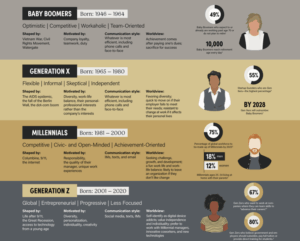
Here are some creative and logical ideas exploring the fascinating relationship between generational traits and the world events that shape them:
The “Silent Echoes” Podcast Series:Concept: A podcast that pairs a member of the Silent Generation with a Gen Z individual. Each episode focuses on a specific historical event (e.g., the Great Depression, the rise of the internet) and discusses how it shaped the older generation’s values, followed by the younger generation’s perception and understanding of that event through a modern lens.Goal: Highlight the enduring impact of historical events and foster intergenerational dialogue.“Workplace Time Capsule” Project:Concept: Companies create digital “time capsules” where employees from different generations contribute artifacts (e.g., a Boomer’s first resume, a Millennial’s remote work setup photo, a Gen Z’s favorite productivity app) and short reflections on how world events influenced their career paths and workplace values.Goal: Illustrate the evolution of workplace dynamics and values across generations.Interactive “Generational Impact Map”:Concept: An online, interactive map that allows users to click on different world events (e.g., 9/11, the fall of the Berlin Wall, the 2008 financial crisis) and see how each event disproportionately impacted specific generations, leading to distinct societal traits and values.Goal: Visually demonstrate the direct correlation between historical events and generational characteristics.“Future Forward” Policy Think Tank:Concept: A collaborative initiative bringing together representatives from each generation to discuss current global challenges (e.g., climate change, AI ethics, global health crises). The goal is to develop policy recommendations that leverage the unique perspectives and strengths of each generation.Goal: Promote intergenerational problem-solving for contemporary issues.“Values Through the Ages” Documentary Series:Concept: A series of short documentaries, each focusing on a core human value (e.g., community, independence, security) and tracing how that value has been shaped, challenged, or reinterpreted by different generations in response to significant world events.Goal: Uncover the fluid nature of values across time and generations.“Generational Storytelling” Workshops:Concept: Workshops where individuals from different generations are guided to share personal stories related to specific world events, emphasizing how these events influenced their life choices, beliefs, and interactions with others.Goal: Facilitate empathy and understanding through shared narratives.“Tech Evolution & Social Impact” Exhibition:Concept: A museum exhibition showcasing the evolution of technology (from early radios to smartphones) alongside major world events, illustrating how technological advancements, often spurred by global events, shaped the social behaviors and expectations of each generation.Goal: Connect technological progress with generational social development.“Beyond the Headlines” Educational Curriculum:Concept: A curriculum for high school and college students that delves deeper than typical history lessons, exploring not just what happened in major world events, but how those events fostered specific traits and values within the generations living through them.Goal: Provide a nuanced understanding of history’s impact on human development.“Intergenerational Mentorship Program: World Events Edition”:Concept: A structured mentorship program where older generations (Boomers, Gen X) mentor younger generations (Millennials, Gen Z) on navigating complex world events, drawing lessons from their own historical experiences.Goal: Transfer wisdom and coping mechanisms across generational divides.“The Global Citizen Survey: A Generational Lens”:Concept: An annual survey designed to capture how different generations perceive and react to current global issues (e.g., international conflicts, economic shifts, environmental policies), highlighting generational divides and common ground.Goal: Provide data-driven insights into generational perspectives on global affairs.“Art of Resilience” Community Project:Concept: A community art project where each generation contributes a piece of art (e.g., painting, sculpture, digital art) that visually represents how they experienced and adapted to a particular world event, fostering a collective narrative of resilience.Goal: Express generational experiences and coping strategies through creative outlets.“Economic Footprints: Generational Wealth & World Crises”:Concept: An analysis and visualization project that explores how major economic events (e.g., recessions, market booms) impacted the financial stability, career choices, and wealth accumulation patterns of different generations.Goal: Highlight the economic legacy of world events on generational well-being.“Media & Messaging: A Generational Shift” Study:Concept: A research study examining how different generations consumed and were influenced by media during pivotal world events (e.g., radio during WWII, TV during Vietnam, internet during 9/11, social media during COVID-19), and how this shaped their collective traits.Goal: Understand the role of media in shaping generational identity and response to events.“Bridging the Divide: Generational Dialogue Forums”:Concept: Facilitated public forums designed to bring together individuals from various generations to discuss controversial or challenging world events, encouraging respectful dialogue and the sharing of diverse perspectives.Goal: Foster constructive conversation and reduce intergenerational misunderstandings.“The Legacy Project: Personal Histories, Global Impact”:Concept: A digital archive where individuals from all generations can submit personal anecdotes, photographs, and reflections on how specific world events impacted their lives, contributing to a rich, crowdsourced historical record.Goal: Create a living testament to the human experience of world events across generations.The post Exploring the Interplay Between Generations and Global Shifts appeared first on Peak Development Strategies.
July 7, 2025
Generational Understanding: Profiles of the Four Generations Creative Ideas

“Boomer Bridge Builders”: An initiative where experienced Boomers mentor younger generations on life skills, financial literacy, and career navigation, emphasizing the value of their institutional knowledge and practical wisdom. This tackles the perception of Boomers being out of touch by showcasing their continued relevance.
“Legacy Lens”: A digital storytelling platform where Boomers can share their personal histories, significant life events, and the societal changes they’ve witnessed. This fosters empathy and understanding of theomer’s formative experiences and their impact on current norms.
Generation X
“The Unplugged Experience”: Organized retreats or workshops designed to help Boomers disconnect from digital distractions and reconnect with nature, hobbies, or face-to-face social interactions. This acknowledges their potential for digital fatigue while promoting well-being and shared experiences with other generations.
“The X-Factor Exchange”: A series of intergenerational workshops focusing on problem-solving through a Gen X lens – resourcefulness, adaptability, and independent thinking. This highlights their unique ability to navigate ambiguity and find pragmatic solutions.
“Analog Revival Clubs”: Groups dedicated to resurrecting and teaching traditional skills and crafts (e.g., carpentry, knitting, basic car repair) that Gen X often learned growing up. This offers a tangible way for them to share practical knowledge and build community across generations.
Millennials (Gen Y)
“Work-Life Balance Blueprint”: Gen X often pioneered the concept of work-life balance. This idea involves creating resources and workshops where Gen Xers share strategies for managing demanding careers alongside personal lives, offering valuable lessons for younger, often overwhelmed, generations.
“Purpose-Driven Partnerships”: A platform connecting Millennials with non-profit organizations and social enterprises where their desire for meaningful work and impact can be channeled. This leverages their idealism and entrepreneurial spirit for collective good.
“Experience Economy Architects”: Events or ventures designed by Millennials that prioritize experiences over material possessions, such as pop-up art installations, immersive dining experiences, or community-based skill-sharing workshops. This taps into their value system and creates engaging opportunities for intergenerational connection.
“Digital Literacy Mentors (Reverse Mentoring)”: Millennials teach older generations about new technologies, social media etiquette, and digital trends. This empowers Millennials as experts and bridges the digital divide, fostering mutual respect.
“Digital Activism Incubator”: A program where Gen Z individuals can develop and launch social justice campaigns using digital tools and platforms. This leverages their innate understanding of online communication for meaningful societal change.
Generation Z (Zoomers)
“Authenticity Alliances”: Initiatives that encourage open dialogue and vulnerability across generations, with Gen Z leading discussions on mental health, identity, and personal expression. This embraces their comfort with authenticity and creates safe spaces for sharing.
Cross-Generational Understanding
“Future Forward Forums”: Gen Z-led discussions and workshops on emerging technologies, sustainable practices, and the future of work. This positions them as critical thinkers and innovators who are shaping tomorrow’s world.
“Generational Story Swap”: Events where individuals from different generations pair up and share personal stories based on common themes (e.g., first job, biggest challenge, favorite memory). This humanizes each generation and fosters empathy.
“Skill Share Sprint”: A rapid-fire workshop series where each generation teaches a unique skill to the others – a Boomer might teach gardening, a Gen Xer basic coding, a Millennial digital marketing, and a Gen-Zer TikTok trends. This highlights diverse strengths and promotes learning.
“Collaborative Community Projects”: Intergenerational teams work together on local community initiatives, such as urban gardening, public art installations, or support programs for vulnerable populations. This fosters a sense of shared purpose and demonstrates the power of collective action across age groups.
The post Generational Understanding: Profiles of the Four Generations Creative Ideas appeared first on Peak Development Strategies.
July 4, 2025
Why Gen Z Needs Mentorship Now?

Gen Z, a generation shaped by rapid technological advancements, global uncertainties, and a constant influx of information, faces unique challenges as they enter the workforce and navigate their personal and professional lives. Mentorship, therefore, is not just beneficial, but critical for their holistic development and success. Here are some creative and logical reasons why Gen Z needs mentorship now:
1. Bridging the Digital-Social DivideDespite being digital natives, Gen Z often struggles with in-person communication and soft skills due to a reliance on digital interactions. Mentors can provide crucial guidance on:
Effective face-to-face communication: Practicing active listening, non-verbal cues, and constructive dialogue.Professional networking beyond LinkedIn: Building genuine connections in real-world settings.Navigating workplace dynamics: Understanding unspoken rules, hierarchy, and collaboration nuances.2. Navigating a Volatile, Uncertain, Complex, and Ambiguous (VUCA) WorldGen Z has grown up amidst unprecedented global economic uncertainty, the COVID-19 pandemic, and rapid technological shifts. Mentors offer a steady hand and perspective:
Resilience building: Sharing experiences of overcoming setbacks and adapting to change.Strategic decision-making: Guiding through complex choices in an unpredictable environment.Long-term perspective: Helping to see beyond immediate gratification and build sustainable careers.3. Demystifying Traditional Workplace NormsMany traditional workplace expectations might be alien to a generation that values flexibility, transparency, and purpose. Mentors can act as cultural translators:
Understanding corporate culture: Explaining unwritten rules, expectations, and values.Professional etiquette: Guidance on meetings, email communication, and dress codes (if applicable).Advocacy and negotiation skills: Empowering them to speak up and negotiate effectively.4. Cultivating a Growth Mindset Amidst Instant GratificationAccustomed to instant information and feedback, Gen Z can find long-term growth processes challenging. Mentors can foster a growth mindset:
Patience and perseverance: Illustrating that significant achievements require sustained effort.Learning from failure: Sharing personal stories of setbacks and the lessons learned.Continuous skill development: Encouraging lifelong learning and adaptability.5. Harnessing Entrepreneurial Spirit and Desire for ImpactGen Z often possesses a strong entrepreneurial drive and a desire to make an immediate impact. Mentors can channel this energy effectively:
Strategic planning for initiatives: Guiding idea generation into actionable steps.Resource navigation: Connecting them with relevant tools, networks, and opportunities.Balancing innovation with practicality: Helping to ground ambitious ideas in realistic execution.6. Addressing Mental Health and Burnout AwarenessGen Z is more open about mental health challenges and susceptible to digital fatigue. Mentors can provide psychological safety and support:
Work-life integration: Strategies for maintaining balance and preventing burnout.Stress management techniques: Sharing coping mechanisms and self-care practices.Creating a safe space for vulnerability: Encouraging open dialogue about struggles without judgment.7. Accelerating Skill Acquisition and Professional DevelopmentWith a thirst for knowledge, Gen Z can rapidly acquire skills with the right guidance. Mentors can offer tailored learning pathways:
Identifying critical skills: Pinpointing key competencies for their chosen field.Practical application of knowledge: Translating theoretical learning into real-world scenarios.Access to industry insights: Providing insider perspectives and trends.8. Fostering Purpose-Driven Career AlignmentGen Z seeks meaning and alignment with their values in their work. Mentors can help in self-discovery and alignment:
Exploring personal values: Guiding them to identify what truly motivates them.Connecting work to purpose: Helping them see how their contributions align with larger goals.Ethical considerations in the workplace: Discussing social consciousness and responsible practices.9. Leveraging Digital Fluency for Strategic AdvantageWhile digitally savvy, Gen Z may lack the strategic application of digital tools in a professional context. Mentors can guide them to maximize their tech skills:
Strategic use of social media: Professional branding and networking.Data literacy and analysis: Interpreting and utilizing digital information effectively.Digital etiquette and security: Best practices for online professionalism and safety.10. Building Authentic Professional RelationshipsBeyond transactional interactions, Gen Z desires genuine connections. Mentors can model and facilitate meaningful relationship building:
Active listening and empathy: Developing stronger interpersonal bonds.Trust and transparency: Understanding the importance of integrity in professional relationships.Mentorship as a two-way street: Encouraging reverse mentoring and mutual learning.11. Navigating Career Mapping and MobilityWith a higher propensity for job hopping, Gen Z needs guidance on strategic career moves. Mentors can offer long-term career vision:
Identifying transferable skills: Recognizing how diverse experiences build a valuable profile.Strategic job search and interviewing: Beyond online applications.Understanding career trajectories: Mapping out potential paths and growth opportunities.12. Cultivating Financial Literacy and PrudenceHaving witnessed economic downturns, Gen Z faces unique financial pressures. Mentors can provide practical financial guidance:
Budgeting and savings strategies: Essential for early career professionals.Understanding benefits and compensation: Navigating salaries, 401(k)s, and health plans.Long-term financial planning: Investing, debt management, and wealth building.13. Enhancing Diversity, Equity, and Inclusion (DEI) UnderstandingGen Z is the most diverse generation and highly values DEI. Mentors can deepen their understanding and advocacy for inclusive workplaces:
Unconscious bias awareness: Recognizing and addressing personal biases.Allyship and advocacy: Supporting underrepresented groups.Creating inclusive environments: Contributing to a culture where all feel valued.14. Preparing for Leadership RolesAs Gen Z enters management positions, they need preparation for the responsibilities that come with it. Mentors can offer leadership development:
Delegation and team management: Effective strategies for leading others.Conflict resolution and negotiation: Handling difficult conversations.Inspiring and motivating teams: Building strong, cohesive units.15. Providing a Sense of Belonging and SupportIn an increasingly isolated world, mentorship offers a crucial community and support system:
Reducing feelings of loneliness: Providing a trusted confidant in the workplace.Sense of validation and encouragement: Affirming their efforts and progress.Safe space for questions: Encouraging curiosity and learning without fear of judgment.The post Why Gen Z Needs Mentorship Now? appeared first on Peak Development Strategies.
July 3, 2025
Faith-Based Mentoring Principles: Creative Ideas
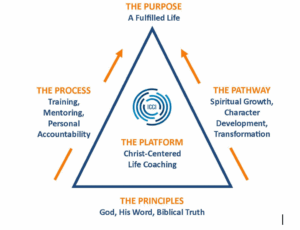
Here are some creative and well-thought-out ideas for faith-based mentoring principles, drawing from the provided sources:
Christ-Centered Growth: The core of faith-based mentoring is to guide the mentee towards a deeper relationship with Christ, fostering spiritual formation and biblical application in all areas of life.Mentee-Driven Purpose: While rooted in faith, the mentoring relationship should prioritize the mentee’s specific growth needs and desires, allowing them to actively participate in setting the direction and duration.Authentic, Relational Guidance: Mentors serve as guides, not fixers, sharing their own real-life experiences, including vulnerabilities and triumphs, to build trust and demonstrate God’s grace. This fosters a reciprocal relationship.Biblical Grounding & Application: While mentors don’t need to be Bible experts, the goal of Christian mentoring is life change through the application of biblical truth. Mentors should be willing to learn alongside their mentees when unfamiliar with a particular area.Fluid & Adaptable Process: Recognize that growth is not linear. Mentoring relationships can be flexible in schedule and duration, adapting to the mentee’s life stages and evolving needs, with the understanding that God often uses multiple mentors in a person’s life.Practical & Relational Applications (Expanding on DTS and GCU)Innovative & Broadened Perspectives (Integrating all sources)Intentional & Purposeful Engagement: Move beyond “hanging out” by establishing clear, mutually agreed-upon purposes for the relationship, whether formal, informal, or focused on specific skills or spiritual disciplines. Time spent together should be intentional and valuable.Community & Interdependence: Emphasize that faith-based mentoring is best “walked out in community and within community.” Highlight the imago Dei and the inherent human desire for healthy, loving, and interdependent relationships, echoing the Trinity’s communal nature.Blessing Through Assignment: Encourage mentors to “bless their mentees by coming alongside them with assignments that promote healthy growth.” This could involve practical tasks, spiritual disciplines, or reflective exercises that align with the mentee’s purpose.Intergenerational Leadership Nurturing: Frame mentoring as a vital tool for establishing “intentional relationships with mentees [that] nurtures healthy inter-generational leadership,” building upon the biblical examples of Jesus, Paul, and Timothy.Long-Term Faithfulness & Perseverance: Instill the principle that faith-based mentoring is a “work in progress” that requires “faithfulness long-term.” Prepare for “both valley and mountaintop experiences,” demonstrating God’s unwavering commitment even through challenges.Diverse Mentoring Modalities: Promote the understanding that “there are many ways to mentor,” moving beyond the traditional one-on-one. Encourage exploration of:Group MentoringDistance MentoringCoaching RelationshipsOne-Time ConsultationsPassive Mentoring (serendipitous encounters)Holistic Development (Beyond Spiritual): While Christ-centered, acknowledge that spiritual growth can deepen “leadership and vocational skills” and address “deeper heart issues.” This opens the door for mentoring in areas like:Career guidanceFinancial stewardshipRelationship healthEmotional well-being (with discernment for professional counseling needs)Risk Mitigation & Ethical Practices: Integrate the “Elements of Effective Practice for Mentoring™” by emphasizing the importance of:Realistic Expectations (on both mentor and mentee)ConfidentialityAvoiding the “Fixer” or “Parent” RoleCreating inclusive and safe program spaces for all.The “Who” Over the “How”: While practicalities are important, emphasize the biblical focus on “the who” in mentoring—the relationship itself, guided by God’s Spirit, rather than rigid adherence to a specific methodology. The relationship is a conduit for God’s work.Imitative Faith & Chain Reaction: Highlight the concept of “Christianity is an imitative faith” and the “chain reaction” of mentoring seen throughout biblical history. Encourage mentees to eventually become mentors themselves, continuing the cycle of discipleship and spiritual formation.The post Faith-Based Mentoring Principles: Creative Ideas appeared first on Peak Development Strategies.