Mary L. Erlain's Blog, page 7
August 1, 2025
Reverse Mentorship Ideas
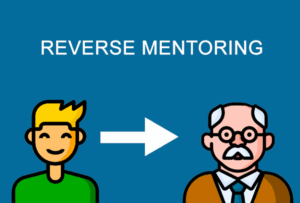
Here are some creative and well-thought-out logical ideas for reverse mentorship, focusing on diverse applications and benefits:
Idea CategoriesTechnology & Digital Literacy“Digital Native” Deep Dive:Concept: Younger employees (mentors) teach senior leaders (mentees) about emerging technologies, social media platforms, AI tools, or specific software they use daily.Focus: Not just how to use, but why it’s relevant, its impact on consumer behavior, and potential business applications.Outcome: Bridges generational tech gaps, informs strategic decisions, and fosters innovation.Cybersecurity Savvy for Seniors:Concept: Junior cybersecurity or IT professionals mentor executives on best practices for personal and corporate digital security, phishing awareness, data privacy, and safe online habits.Focus: Practical, hands-on understanding of threats and preventative measures often overlooked by those less digitally immersed.Outcome: Reduces organizational risk, enhances personal security, and creates a more security-conscious leadership.“App Innovation Sprint”:Concept: A reverse mentorship program where junior employees introduce senior leaders to new productivity apps, collaboration tools, or industry-specific mobile applications.Focus: Exploring how these tools could streamline workflows, improve communication, or provide competitive advantages.Outcome: Leaders gain exposure to cutting-edge tools, potentially leading to widespread adoption and increased efficiency.Culture & Engagement“Voice of the New Generation”:Concept: Recent graduates or early-career professionals mentor senior leaders on current workplace expectations, work-life balance trends, diversity and inclusion perspectives, and preferred communication styles.Focus: Understanding the motivations, values, and career aspirations of the incoming workforce.Outcome: Helps leaders adapt management styles, improve retention, and foster a more inclusive and attractive work environment.“Unfiltered Feedback Loop”:Concept: A structured reverse mentorship where junior employees provide candid, anonymous (or semi-anonymous) feedback to senior leaders on company culture, policies, and initiatives from their ground-level perspective.Focus: Creating a safe space for honest insights that might not emerge through traditional channels.Outcome: Leaders gain invaluable qualitative data, identify blind spots, and can make more informed decisions to improve employee satisfaction.“Social Impact & Purpose Alignment”:Concept: Younger employees, often highly attuned to social responsibility, mentor leaders on current social justice issues, sustainability practices, and corporate ethical considerations.Focus: How the company’s actions align with societal values and the expectations of a purpose-driven workforce and customer base.Outcome: Informs CSR strategies, enhances brand reputation, and strengthens employee engagement through shared values.Business Acumen & Strategy“Market Pulse Check”:Concept: Front-line employees (e.g., customer service, sales, junior marketing) mentor senior product or strategy leaders on current customer pain points, emerging market trends, and competitive insights from their direct interactions.Focus: Providing real-time, ground-level market intelligence that might not be captured in formal reports.Outcome: Leads to more responsive product development, refined marketing messages, and agile business strategies.“Cross-Functional Insights Exchange”:Concept: Junior employees from one department mentor senior leaders from another department, providing a fresh perspective on inter-departmental challenges, bottlenecks, or opportunities for collaboration.Focus: Breaking down silos and fostering a holistic understanding of organizational operations.Outcome: Improves cross-functional efficiency, identifies process improvements, and enhances overall organizational synergy.“Agile Mindset Immersion”:Concept: Junior employees (especially from tech or project management roles) mentor senior leaders on agile methodologies, scrum principles, and iterative development processes.Focus: Practical application and benefits of agile beyond theoretical understanding, demonstrating how it can accelerate innovation and adaptability.Outcome: Leaders gain a deeper appreciation for agile, potentially leading to broader adoption and more flexible strategic planning.Personal Development & Well-being“Work-Life Integration for Leaders”:Concept: Junior employees, who often prioritize work-life balance and mental well-being, mentor senior leaders on strategies for managing stress, setting boundaries, and integrating personal life with professional demands.Focus: Sharing practical tips and perspectives on maintaining well-being in a demanding environment.Outcome: Promotes healthier leadership habits, sets a positive example for the organization, and reduces burnout.“Personal Branding in the Digital Age”:Concept: Younger employees, adept at navigating social media and online presence, mentor senior leaders on developing and managing their professional personal brand online (e.g., LinkedIn, industry-specific platforms).Focus: Strategic use of digital platforms to enhance professional reputation and thought leadership.Outcome: Leaders become more effective communicators and influencers in the digital space.“Learning New Skills – Together”:Concept: A reverse mentorship where mentor and mentee jointly learn a new skill (e.g., a new programming language, video editing, a data visualization tool). The junior employee acts as a guide and peer, while the senior leader experiences learning from a different perspective.Focus: Shared learning, breaking down hierarchical barriers, and fostering a growth mindset.Outcome: Builds stronger relationships, encourages continuous learning, and demonstrates vulnerability in leadership.Niche & Future-Focused“Gen Z Consumer Insights”:Concept: The youngest employees (Gen Z) mentor marketing, product development, and sales leaders on their generation’s unique consumer behaviors, brand loyalties, media consumption habits, and purchasing drivers.Focus: Direct, first-hand understanding of a crucial and growing market segment.Outcome: Informs targeted marketing campaigns, product positioning, and future business strategies.“Sustainability Practices & Innovation”:Concept: Employees passionate about environmental issues or with expertise in sustainable practices mentor leaders on integrating eco-friendly initiatives into operations, supply chains, and product design.Focus: Practical steps and innovative ideas for reducing environmental footprint and meeting ESG goals.Outcome: Drives corporate sustainability efforts and fosters a more environmentally conscious culture.“Gamification & Engagement Strategies”:Concept: Junior employees, often familiar with gamified experiences in their personal lives, mentor HR or L&D leaders on applying gamification principles to employee training, onboarding, or engagement programs.Focus: How to make internal processes more engaging, interactive, and effective.Outcome: Leads to more dynamic and impactful internal programs, increasing participation and knowledge retention.The post Reverse Mentorship Ideas appeared first on Peak Development Strategies.


July 31, 2025
Ideas for Peer Mentorship
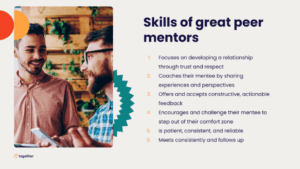
Peer mentorship programs offer invaluable support, guidance, and community building within various settings. The following are ideas aimed to enhance the effectiveness, engagement, and reach of such programs through creative and logical approaches.
Ordered“Skill-Share Sprint” Mentorship:Concept: Instead of long-term commitments, pairs focus on a single, specific skill (e.g., public speaking, coding a specific function, resume building) for a concentrated 2-4 week period.Benefit: Low commitment, high impact, allows mentees to acquire diverse skills from various mentors over time.Logistics: Matching based on skill gap/offering.“Reverse Mentorship for Innovation”:Concept: Junior peers mentor senior peers on new technologies, social media trends, or contemporary perspectives.Benefit: Fosters intergenerational learning, keeps senior staff updated, and empowers junior staff.Logistics: Identify areas where senior staff need fresh insights.“Project-Based Pod Mentorship”:Concept: Small groups (3-5 people) with a shared project or goal (e.g., developing a new product, preparing for a major exam) are assigned a mentor.Benefit: Collaborative learning, shared accountability, and mentor guidance applied to real-world scenarios.Logistics: Group formation based on project interests or academic needs.“Challenge-Driven Mentorship”:Concept: Mentees present a specific challenge they’re facing (academic, professional, personal growth). Mentors provide structured guidance and resources to overcome it.Benefit: Highly practical, addresses immediate needs, and teaches problem-solving skills.Logistics: Mentors act as facilitators and resource providers.“Micro-Mentoring Modules”:Concept: A library of short, pre-recorded video modules or written guides from experienced peers on common topics (e.g., “Navigating Your First Internship,” “Time Management for Students,” “Networking Basics”).Benefit: On-demand learning, accessible to a wider audience, and supplements live mentorship.Logistics: Curated content, regularly updated.“Blind Spot Buddy System”:Concept: Mentees anonymously submit areas they feel they lack insight or confidence. Mentors are matched to help illuminate these “blind spots” without judgment.Benefit: Encourages vulnerability, addresses sensitive topics, and builds trust.Logistics: Confidential matching process.“Gamified Progression Path Mentorship”:Concept: Mentorship structured with “levels” or “badges” for completing specific developmental milestones (e.g., “Networking Ninja,” “Presentation Pro”). Mentors guide mentees through these paths.Benefit: Increases engagement, provides clear goals, and celebrates achievements.Logistics: Defined progression paths and recognition system.“Cross-Disciplinary Exchange Mentorship”:Concept: Mentees from one discipline are paired with mentors from a completely different one (e.g., engineering student mentored by a marketing professional).Benefit: Broadens perspectives, encourages innovative thinking, and develops transferable skills.Logistics: Focus on soft skills and general professional development.“Mentorship Office Hours & Drop-In Sessions”:Concept: Designated times where mentors are available for quick questions, advice, or informal chats without prior booking.Benefit: Low barrier to entry, immediate support, and builds a sense of community.Logistics: Scheduled recurring slots, virtual or in-person.“Storytelling & Narrative Mentorship”:Concept: Mentors share personal anecdotes, failures, and successes related to specific challenges. Mentees learn through vicarious experience and feel less alone.Benefit: Builds empathy, provides relatable examples, and offers practical wisdom.Logistics: Encouraging mentors to share their journey openly.“The ‘Pay-It-Forward’ Chain Mentorship”:Concept: Once a mentee reaches a certain level of proficiency or success, they are encouraged to become a mentor themselves, creating a continuous cycle.Benefit: Sustains the program, develops leadership skills in former mentees, and reinforces learning.Logistics: Clear criteria for transitioning from mentee to mentor.“Mentorship for Social Impact Projects”:Concept: Mentors guide peers in developing and implementing social impact initiatives within their community or organization.Benefit: Applies mentorship to real-world change, fosters civic responsibility, and builds valuable project management skills.Logistics: Partner with relevant community organizations.“Virtual Reality (VR) / Metaverse Mentorship Spaces”:Concept: Utilizing VR platforms for immersive and interactive mentorship sessions, allowing for virtual whiteboards, shared environments, and role-playing scenarios.Benefit: Enhances engagement, offers unique learning experiences, and overcomes geographical barriers.Logistics: Requires VR equipment and platform access.“Alumni-as-Mentor Network”:Concept: Former students or employees (alumni) are invited back as mentors, sharing their post-graduation/post-employment experiences.Benefit: Provides real-world insights, expands networking opportunities for current peers, and strengthens alumni connections.Logistics: Robust alumni outreach and engagement strategy.“Mentorship ‘Speed Dating’ / Carousel”:Concept: Short, structured rotations where mentees interact with multiple mentors for brief periods to gain diverse perspectives or find the best long-term fit.Benefit: Efficient matching, exposes mentees to various styles, and reduces initial commitment anxiety.Logistics: Prepared questions/topics for each short interaction.The post Ideas for Peer Mentorship appeared first on Peak Development Strategies.
July 30, 2025
Ideas for Group & Cohort Mentorship
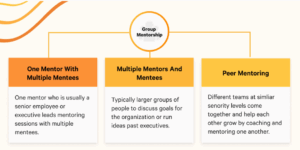
Here are some innovative ideas designed to enhance the effectiveness and engagement of group and cohort mentorship programs:
Core Program Design & Structure“Topic-Sprint” Cohorts:Description: Instead of long-term, open-ended mentorship, create short, intensive cohorts (e.g., 4-6 weeks) focused on a very specific skill or challenge (e.g., “Navigating Your First Management Role,” “Mastering Presentation Skills,” “Building Your Personal Brand”).Benefit: High engagement due to focused objectives, clear start/end dates, and immediate applicability of learned skills. Mentors can rotate based on expertise.Reverse Mentorship Pods:Description: Each cohort includes a mix of senior and junior professionals, but specific sessions or projects involve the junior members mentoring the senior members on topics like social media trends, emerging technologies, or Gen Z workplace dynamics.Benefit: Fosters mutual respect, breaks down hierarchical barriers, and ensures knowledge transfer in both directions.Peer-Led “Mastermind” Groups:Description: Within a larger cohort, establish smaller, self-directed “mastermind” groups (4-5 mentees) that meet independently between formal mentor sessions. These groups set their own agendas, share challenges, and hold each other accountable. Mentors can occasionally drop in.Benefit: Develops leadership skills within the mentee group, fosters strong peer bonds, and increases ownership of learning outcomes.Engagement & Interaction Mechanisms“Challenge-Based” Mentorship:Description: Present the cohort with a real-world problem or case study relevant to their industry/goals. The mentor guides them through the problem-solving process, encouraging collaboration and critical thinking.Benefit: Applies theoretical knowledge to practical scenarios, promotes active learning, and simulates real work environments.“Skill-Share & Show-and-Tell” Sessions:Description: Dedicate specific cohort meetings for mentees (or even mentors) to present a skill they’ve recently learned, a project they’re working on, or a challenge they’ve overcome, followed by Q&A and feedback.Benefit: Encourages practical application, builds presentation skills, and allows for shared learning from diverse experiences.“Virtual Office Hours” & Asynchronous Q&A:Description: Beyond scheduled meetings, mentors host dedicated “virtual office hours” where mentees can drop in for quick questions. Complement this with an asynchronous platform (e.g., Slack channel, dedicated forum) for ongoing questions and discussions.Benefit: Provides flexible access to mentors, accommodates different time zones, and encourages continuous learning outside of formal sessions.“Speed Mentoring” Mixers:Description: Periodically, organize events where different cohorts or mentors can briefly connect with other mentors/mentees in short, focused bursts (e.g., 5-7 minutes per pairing) to exchange ideas or seek quick advice.Benefit: Expands networking opportunities beyond the immediate cohort, exposes mentees to diverse perspectives, and offers fresh insights.Impact Measurement & Growth“Growth Metric” Tracking & Visualization:Description: Work with mentees at the beginning to define 1-3 personal growth metrics (e.g., public speaking confidence score, networking connections, project completion rate). Track progress visually throughout the cohort.Benefit: Provides tangible evidence of progress, motivates mentees, and helps mentors tailor guidance.“Alumni Network” Integration:Description: Create a formal or informal network for past cohort participants. Offer opportunities for alumni to return as guest speakers, peer mentors for new cohorts, or participate in advanced workshops.Benefit: Builds a sustainable community, provides ongoing support, and creates a pipeline for future mentors.“Mentor-Mentee Matching Algorithm” with Dynamic Adjustments:Description: Utilize a sophisticated algorithm that considers skills, goals, personality traits, and industry experience for initial matching. Allow for “re-matching” opportunities or “guest mentor” sessions if initial pairings aren’t optimal.Benefit: Increases the likelihood of successful mentor-mentee relationships and provides flexibility for evolving needs.Unique Experiential Components“Shadow a Leader” Program:Description: As part of the cohort experience, arrange for mentees to spend a half-day or full-day observing a leader (not necessarily their direct mentor) in a different department or organization.Benefit: Provides invaluable real-world exposure, broadens understanding of different roles, and offers a unique perspective on leadership in action.“Community Impact Project” Cohorts:Description: The entire cohort collaborates on a pro-bono project for a non-profit or community organization, applying their developing skills under mentor guidance.Benefit: Develops teamwork, project management, and problem-solving skills in a practical setting while contributing positively to society.“Storytelling & Personal Narrative” Workshops:Description: Integrate sessions focused on helping mentees craft and articulate their professional story, elevator pitch, and career aspirations effectively. Mentors provide feedback.Benefit: Enhances communication skills, builds confidence, and helps mentees clearly define and convey their value.“Failure Forum” & Resilience Building:Description: Dedicate a session where mentors and mentees openly share past failures, lessons learned, and strategies for bouncing back. Emphasize that failure is a part of growth.Benefit: Normalizes setbacks, builds resilience, fosters a psychologically safe environment, and promotes a growth mindset.“Cross-Industry Exploration” Sessions:Description: Invite guest speakers from entirely different industries to share insights on transferable skills, emerging trends, and career paths that might not be immediately obvious to the cohort.Benefit: Broadens horizons, sparks innovative thinking, and helps mentees identify unexpected career opportunities or skill applications.The post Ideas for Group & Cohort Mentorship appeared first on Peak Development Strategies.
July 29, 2025
One-to-One Mentorship Ideas

Here are some creative and well-thought-out logical ideas for one-to-one mentorship, focusing on diverse applications and benefits:
Professional & Career DevelopmentThe “Reverse Shadow” Mentorship: Instead of the mentee shadowing the mentor, the mentor shadows the mentee for a day or two. This provides the mentor with a first-hand understanding of the mentee’s daily challenges, workflows, and environment, allowing for more targeted and empathetic guidance.The “Project Partner” Mentorship: The mentor and mentee collaborate on a small, shared project (e.g., developing a simple internal tool, researching a niche topic, or preparing a joint presentation). This hands-on approach fosters practical skill development, problem-solving, and direct feedback in a low-stakes environment.The “Scenario Simulation” Mentorship: The mentor presents the mentee with realistic, hypothetical work scenarios (e.g., a difficult client negotiation, a team conflict, a budget cut). The mentee then strategizes and articulates their approach, receiving immediate, constructive feedback and alternative perspectives from the mentor.The “Skill Swap” Mentorship: A mutually beneficial exchange where the mentor shares their expertise in one area, and the mentee shares their expertise in another (e.g., a seasoned executive learning social media strategy from a junior employee, while teaching leadership principles). This fosters mutual respect and continuous learning.The “Career Compass” Mentorship: Beyond immediate job skills, this mentorship focuses on long-term career mapping. The mentor helps the mentee explore different career paths, identify necessary skills for future roles, and build a strategic network that aligns with their aspirations over several years.Personal Growth & Well-beingThe “Habit Hacker” Mentorship: Focused on developing specific positive habits (e.g., time management, mindful eating, consistent exercise, effective communication). The mentor acts as an accountability partner, providing strategies, encouragement, and gentle course correction over a defined period.The “Narrative Reframing” Mentorship: The mentor helps the mentee identify and challenge limiting beliefs or negative self-talk. Through guided conversations and exercises, the mentee learns to reframe their personal narrative, fostering greater self-confidence and resilience.The “Digital Detox & Focus” Mentorship: In an increasingly connected world, this mentorship guides the mentee in establishing healthier digital boundaries and improving their focus. The mentor shares strategies for reducing distractions, optimizing digital tool usage, and cultivating deep work periods.The “Financial Literacy & Planning” Mentorship: A mentor with strong financial acumen guides the mentee through personal budgeting, saving, investing basics, and debt management. This practical mentorship empowers the mentee to make informed financial decisions for their future.The “Mindfulness & Emotional Intelligence” Mentorship: The mentor introduces and practices mindfulness techniques with the mentee, helping them to better understand and manage their emotions. This fosters improved interpersonal relationships and stress reduction.Specialized & Niche ApplicationsThe “Community Impact” Mentorship: The mentor and mentee identify a local community issue and work together to develop a small initiative or solution (e.g., organizing a local clean-up, creating a resource guide for newcomers, or volunteering at a charity). This fosters civic engagement and practical problem-solving.The “Side Hustle Launchpad” Mentorship: For mentees looking to start a side business or pursue a passion project, the mentor provides guidance on ideation, market research, basic business planning, and initial execution. This is a highly practical and outcome-oriented mentorship.The “Public Speaking & Presentation” Mentorship: The mentor provides one-on-one coaching for public speaking. This includes developing content, practicing delivery, managing nerves, and receiving direct, actionable feedback on presentations or speeches.The “Cross-Generational Wisdom” Mentorship: Specifically pairs a very experienced individual (e.g., a retiree) with a younger mentee, focusing on transferring life wisdom, ethical considerations, and long-term perspectives that transcend specific job skills. This bridges generational gaps and fosters holistic personal development.The “Crisis Resilience” Mentorship: A mentor who has successfully navigated significant personal or professional crises provides empathetic support and strategic guidance to a mentee currently facing a challenging period. The focus is on coping mechanisms, finding resources, and building personal resilience in adversity.The post One-to-One Mentorship Ideas appeared first on Peak Development Strategies.
July 28, 2025
Setting Expectations and Measurable Outcomes
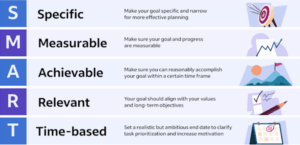
Here are some creative and well-thought-out logical ideas for setting expectations and measurable outcomes, formatted with proper markdown:
General Frameworks & MethodologiesThe “SMARTIE” Goal Framework:Specific: Clearly define what needs to be achieved.Measurable: Quantifiable metrics for success.Achievable: Realistic and attainable within given resources.Relevant: Aligned with broader objectives and values.Time-bound: Defined start and end dates.Inclusive: Consider all stakeholders’ perspectives.Ethical: Ensure outcomes are morally sound and responsible.This expands on the traditional SMART framework by adding critical ethical and inclusive dimensions.Outcome-Driven Road mapping (ODR):Instead of feature-driven roadmaps, focus on the desired outcomes (e.g., “Increase customer retention by 10%”) and then brainstorm potential initiatives to achieve them.Measurable outcomes are the starting point, not an afterthought.The “Inverse Pyramid” Expectation Setting:Start with the ideal, aspirational outcome (the tip of the pyramid).Then, define the key milestones needed to reach it.Finally, establish the daily/weekly actions that contribute to those milestones.This provides a clear line of sight from daily tasks to grand vision.Innovative Measurement Techniques“Sentiment Snapshot” Surveys:Beyond quantitative metrics, use short, anonymous surveys (e.g., a 3-question pulse check) at key junctures to gauge team morale, confidence in reaching goals, and perceived roadblocks.Measures the qualitative “health” of the expectation-setting process.“Pre-Mortem” Analysis for Outcomes:Before a project or initiative even begins, imagine it has failed spectacularly.Brainstorm all the reasons why it might have failed.Use these insights to proactively set expectations and build in safeguards, contingency plans, and more robust measurement criteria.Identifies potential pitfalls and helps define realistic outcomes.“Outcome-to-Effort Ratio” Tracking:For each major outcome, track the estimated and actual effort (time, resources) invested.Calculate a ratio (e.g., “Outcome achieved / Effort expended”).Helps refine future expectation settings for efficiency and resource allocation.Stakeholder Engagement & Communication“Expectation Contract” Agreements:For critical projects or roles, co-create a concise, agreed-upon document outlining mutual expectations, key deliverables, success metrics, and communication protocols.Ensures explicit, documented alignment and reduces ambiguity.“Feedback Loop Ladders”:Establish tiered feedback mechanisms:Daily Stand-ups: Quick checks on progress and blockers.Weekly Reviews: Deeper dive into metrics and adjustments.Monthly Retrospectives: Holistic look at what worked/didn’t work in expectation setting.Creates continuous opportunities to recalibrate expectations and outcomes.“Visual Progress Dashboards”:Create easily accessible, visual dashboards (e.g., Trello, Asana, custom internal tools) that display progress towards measurable outcomes in real-time.Promotes transparency, accountability, and collective understanding of goal attainment.Personal & Team Development“Skill-to-Outcome Mapping”:For individual development, map desired skill improvements directly to tangible outcomes (e.g., “Improve public speaking skills” measured by “Successfully deliver 3 client presentations with a positive feedback score of 4+/5”).Connects personal growth to concrete, measurable results.“Reverse Mentoring for Expectations”:Have junior team members or new hires lead sessions on their expectations of the project, team, or organization.Provides fresh perspectives and helps leaders understand baseline assumptions that might need clarification.“The ‘What If’ Scenario Planning”:Regularly engage in “What if X happens?” exercises related to project outcomes.Example: “What if our key supplier fails? How does that impact our delivery expectation and what’s our measurable fallback plan?”Builds resilience and proactive expectation management.Gamification & Recognition“Outcome Achievement Badges/Milestones”:Introduce a system of digital badges or public recognition for achieving specific, measurable outcomes.Gamifies goal attainment and fosters a sense of accomplishment.“Peer-to-Peer Expectation Setting & Review”:Implement a system where peers help each other set realistic expectations and provide constructive feedback on progress towards measurable outcomes.Leverages collective intelligence and builds a supportive environment.“The ‘Outcome Story’ Celebration”:Beyond just reporting numbers, encourage teams to share the story behind a successfully achieved outcome.What challenges were overcome? What was the impact? How did it feel?Reinforces the value of setting clear expectations and celebrating the measurable impact.The post Setting Expectations and Measurable Outcomes appeared first on Peak Development Strategies.
July 25, 2025
Ideas for Mentorship Forms, Templates & Surveys
The post Ideas for Mentorship Forms, Templates & Surveys appeared first on Peak Development Strategies.
July 22, 2025
Vision, Goals, and Confidentiality Standards in Mentorship
The post Vision, Goals, and Confidentiality Standards in Mentorship appeared first on Peak Development Strategies.
July 21, 2025
Creative Mentorship Program Design
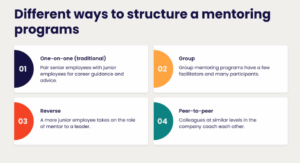
Here are some creative and well-thought-out logical ideas for mentorship program design:
I. Innovative Matching & Structure“Skill Swap” Mentorship Circles:Concept: Instead of traditional one-way mentorship, create circles where each participant identifies a skill they want to learn and a skill they can teach. The circle then facilitates reciprocal learning, making everyone both a mentor and a mentee.Why it’s creative: Challenges the hierarchical norm, fosters mutual growth, and leverages diverse internal expertise.Logical application: Ideal for cross-functional skill development and fostering a collaborative learning culture.“Flash Mentoring Blitz” Events:Concept: Organize short, intensive virtual or in-person events where mentees rotate through multiple “flash mentors” for 15-20 minute sessions focused on specific, quick-hit challenges or questions.Why it’s creative: High-impact, low-commitment, and provides diverse perspectives quickly.Logical application: Great for addressing immediate needs, exposing mentees to many senior leaders, and breaking down perceived barriers to mentorship.“Project-Based Mentorship Pods”:Concept: Form small, cross-departmental pods (3-5 people) around a specific, short-term internal project or innovation challenge. A senior leader mentors the entire pod, guiding them through the project lifecycle while fostering collaboration and shared learning.Why it’s creative: Integrates mentorship directly into tangible work, provides real-world application, and builds team cohesion.Logical application: Excellent for leadership development, fostering innovation, and solving specific business problems.“Reverse Shadowing” Program:Concept: Instead of the mentee shadowing the mentor, the mentor shadows the mentee for a set period (e.g., a day or half-day). The mentor observes the mentee’s daily work, challenges, and interactions, providing context-rich feedback afterward.Why it’s creative: Provides mentors with invaluable insight into current challenges faced by junior employees, bridging generational/experience gaps.Logical application: Promotes empathy, helps senior leaders understand evolving workplace dynamics, and can inform strategic decisions.II. Engagement & Development Enhancements“Alumni Bridge” Mentorship:Concept: Connect current employees with company alumni who have moved on to diverse career paths or industries. This offers mentees broader career perspectives, external insights, and networking beyond the current organizational structure.Why it’s creative: Taps into an often-untapped resource, offers unique external viewpoints, and strengthens alumni relations.Logical application: Valuable for career exploration, understanding industry trends, and gaining diverse professional network connections.“Mentorship Storytelling Circles”:Concept: Beyond formal meetings, create informal “storytelling circles” where mentors and mentees share their personal career journeys, challenges, and breakthroughs. This builds deeper connections and offers relatable lessons.Why it’s creative: Fosters psychological safety, encourages vulnerability, and provides organic learning through shared experiences.Logical application: Strengthens trust, builds community, and provides a platform for informal knowledge transfer.“Challenge-Based Learning Paths”:Concept: Design mentorship paths around specific, predefined “challenges” (e.g., “Leading a Difficult Conversation,” “Navigating Cross-Functional Conflict,” “Developing a Strategic Plan”). Mentors guide mentees through resources and practical application related to that challenge.Why it’s creative: Provides a clear, actionable framework for development and makes the mentorship highly goal-oriented.Logical application: Ensures practical skill acquisition, makes progress measurable, and keeps sessions focused.“Mentorship Micro-Modules”:Concept: Provide mentors and mentees with short, curated “micro-modules” (e.g., 5-10 minute videos, short articles, quick exercises) on topics like active listening, giving feedback, goal setting, or confidentiality. These can be consumed before sessions.Why it’s creative: Elevates the quality of interactions by equipping both parties with foundational skills, without heavy training burdens.Logical application: Ensures consistent best practices, saves time on basic explanations during sessions, and provides ongoing support.“Gamified Mentorship Journey”:Concept: Introduce elements of gamification (points, badges, leaderboards for participation/completion of milestones, small rewards) to encourage consistent engagement and celebrate achievements within the program.Why it’s creative: Adds a fun, motivating layer to the program and can boost participation rates.Logical application: Drives engagement, encourages completion of program milestones, and creates a positive, competitive spirit.III. Measurement & Sustainability“Public ‘Ask Me Anything’ (AMA) with Mentors”:Concept: Host regular, open Q&A sessions with a panel of mentors from various departments/levels. Employees can submit questions anonymously or live, providing broader access to mentorship insights.Why it’s creative: Democratizes access to senior wisdom, addresses common pain points, and showcases the value of the mentor pool.Logical application: Increases visibility of the program, provides quick answers to common questions, and encourages broader engagement.“Mentorship Impact Portfolio”:Concept: Encourage mentees to create a “portfolio” (digital or physical) documenting their learning journey, key takeaways from sessions, skills developed, and goals achieved. This can be shared with their manager (with permission) or used for self-reflection.Why it’s creative: Shifts focus from just attendance to tangible outcomes, provides a clear record of development, and empowers mentees.Logical application: Offers a concrete way to measure mentee growth, aids in performance reviews, and demonstrates ROI.“Pay-It-Forward Mentoring Chain”:Concept: Integrate a “pay-it-forward” principle where successful mentees are encouraged, after a certain period, to become mentors themselves, thus perpetuating the cycle.Why it’s creative: Creates a self-sustaining program, builds a pipeline of new mentors, and reinforces the value of giving back.Logical application: Ensures program longevity, reduces recruitment burden for new mentors, and strengthens organizational culture.“Data-Driven Relationship Health Checks”:Concept: Utilize anonymous, periodic pulse surveys (e.g., every 2-3 months) to gauge the health of mentor-mentee relationships (e.g., meeting frequency, perceived value, communication quality) without revealing specifics. Use aggregate data to identify common issues or successes.Why it’s creative: Provides real-time insights into program effectiveness and allows for proactive intervention or celebration.Logical application: Enables continuous improvement, identifies struggling pairs early, and validates successful strategies.“Cross-Organizational Mentorship Exchange”:Concept: Partner with a non-competing organization in a different industry or sector to facilitate a reciprocal mentorship exchange program. This offers truly external perspectives and broadens professional networks.Why it’s creative: Breaks organizational silos, provides fresh external insights, and fosters unique professional relationships.Logical application: Ideal for leadership development, fostering innovation through diverse thinking, and expanding talent networks.“Mentorship ‘Shark Tank’ for Internal Projects”:Concept: For high-potential employees or project teams, organize a “Shark Tank”-style event where they pitch an internal project idea to a panel of senior leaders (acting as mentors). The “mentors” provide critical feedback and guidance, potentially offering resources or sponsorship for promising ideas.Why it’s creative: Combines mentorship with practical application, leadership exposure, and potential for internal innovation.Logical application: Develops strategic thinking, presentation skills, and provides a platform for employees to contribute to organizational growth.The post Creative Mentorship Program Design appeared first on Peak Development Strategies.
July 18, 2025
Mentorship as a Source of Belonging and Hope

This document explores innovative and practical ways in which mentorship can foster a sense of belonging and instill hope in individuals, drawing inspiration from various existing mentoring models and research.
Some Creative and Logical IdeasThe ideas presented are built upon the understanding that effective mentorship goes beyond skill transfer, actively cultivating psychological safety, mutual respect, and a forward-looking perspective.
“Narrative Weaving” Mentorship:Concept: Instead of a traditional goal-setting approach, mentors and mentees collaboratively “weave” their personal and professional narratives. This involves sharing past experiences, current challenges, and future aspirations, identifying common threads and shared values.Belonging Aspect: Highlights shared human experiences, reducing feelings of isolation and fostering empathy.Hope Aspect: Creates a tapestry of resilience, demonstrating how past hurdles have been overcome and illustrating potential future pathways. “Reverse Shadowing” for Empathy:Concept: Mentees spend a designated period “shadowing” their mentors not just in professional tasks, but also in activities that reveal the mentor’s broader life context (e.g., community involvement, personal projects, even mundane errands, if appropriate and agreed upon). Similarly, mentors might engage in activities that are typical for the mentee’s current life stage or challenges.Belonging Aspect: Breaks down hierarchical barriers, fosters deeper understanding of each other’s worlds, and humanizes the relationship.Hope Aspect: Provides a realistic view of how mentors navigate challenges and integrate different life aspects, offering practical strategies and inspiration.“Legacy Project” Mentorship:Concept: Mentors and mentees collaborate on a shared project that has a lasting impact beyond their individual growth (e.g., developing a community initiative, creating a resource for future mentees, contributing to a social cause).Belonging Aspect: Fosters a sense of shared purpose and contribution to a larger community or cause, extending the feeling of belonging beyond the dyad.Hope Aspect: Creates tangible evidence of positive change, inspiring belief in their collective and individual agency.“Cultural Navigator” Mentorship for Diverse Backgrounds:Concept: Mentors with shared cultural or minority backgrounds actively help mentees navigate the implicit rules, cultural nuances, and potential systemic challenges within a specific environment (e.g., workplace, academic institution, new country). This goes beyond explicit policies to address unspoken expectations and power dynamics.Belonging Aspect: Validates lived experiences, provides a safe space for discussing sensitive topics, and affirms identity.Hope Aspect: Equips mentees with practical strategies and a sense of agency to overcome barriers, fostering belief in their ability to thrive.“Storytelling Circles” (Group Mentorship Variation):Concept: Instead of one-on-one, small groups of mentees and a mentor engage in structured storytelling sessions where they share personal challenges, triumphs, and lessons learned. The mentor facilitates and shares their own relevant stories.Belonging Aspect: Creates a collective narrative, demonstrating shared struggles and successes, and fostering peer support.Hope Aspect: Hearing diverse pathways to resilience and success instills a sense of possibility and shared strength.“Future Self Letter” Exchange:Concept: Mentors and mentees write letters to their “future selves” (e.g., 1, 3, or 5 years out), outlining their hopes, fears, and anticipated achievements. These letters are shared and discussed, serving as a basis for ongoing reflection and goal refinement.Belonging Aspect: Deepens intimacy and trust through vulnerability, creating a shared vision of personal evolution.Hope Aspect: Encourages forward-thinking, reinforces commitment to goals, and provides a tangible record of progress and aspirations.“Strength-Based Spotlight” Mentorship:Concept: Mentors intentionally focus on identifying and amplifying the mentee’s existing strengths, rather than solely addressing areas for improvement. This involves specific feedback, opportunities to leverage strengths, and celebrating small victories.Belonging Aspect: Builds confidence and self-worth, making mentees feel seen and valued for who they are.Hope Aspect: Shifts focus from perceived deficiencies to inherent capabilities, fostering a positive self-image and belief in future success.“Advocacy Ally” Mentorship (Beyond Traditional Sponsorship):Concept: Mentors not only offer guidance but also actively advocate for their mentees within their networks and organizations. This might involve introducing them to key individuals, recommending them for opportunities, or speaking up on their behalf.Belonging Aspect: Creates a strong sense of being supported and championed, reinforcing the mentee’s place within a professional community.Hope Aspect: Opens doors to opportunities that might otherwise be inaccessible, demonstrating tangible pathways to advancement.“Mindful Reflection” Mentorship:Concept: Incorporates elements of mindfulness and self-compassion into mentoring sessions. Mentors guide mentees through reflective exercises to acknowledge emotions, reduce self-criticism, and cultivate inner resilience.Belonging Aspect: Fosters a sense of internal belonging and self-acceptance, reducing the pressure to conform and promoting authenticity.Hope Aspect: Develops coping mechanisms for stress and setbacks, promoting a sustainable and optimistic outlook.“Intergenerational Skill Share” Mentorship:Concept: Mentors and mentees actively exchange skills and knowledge, acknowledging that learning is bidirectional. For example, a senior mentor might teach industry insights, while a younger mentee might share digital literacy or social media expertise.Belonging Aspect: Breaks down age-based hierarchies, fostering mutual respect and valuing diverse contributions.Hope Aspect: Highlights the continuous nature of learning and adaptation, promoting a growth mindset for both parties.“Community of Practice” Mentorship:Concept: Mentorship is facilitated within a broader “community of practice” where multiple mentors and mentees interact, share resources, and learn from each other’s experiences. This can involve workshops, online forums, and informal gatherings.Belonging Aspect: Creates a strong collective identity and a network of support beyond a single mentor-mentee pair.Hope Aspect: Provides diverse perspectives, problem-solving strategies, and a sense of shared journey, reinforcing that challenges are surmountable.“Ethical Dilemma Discussion” Mentorship:Concept: Mentors and mentees engage in discussions about real-world ethical dilemmas relevant to their field or personal lives. The focus is on exploring different perspectives, developing moral reasoning, and building integrity.Belonging Aspect: Establishes a foundation of trust and shared values, fostering a sense of belonging to an ethical community.Hope Aspect: Equips mentees with the tools to navigate complex situations with integrity, promoting confidence in their decision-making and a belief in positive outcomes.“Crisis Navigation” Mentorship (Proactive Support):Concept: Mentors proactively discuss potential future challenges or “crises” (e.g., job loss, major setbacks, difficult personal transitions) and help mentees develop contingency plans and emotional resilience. This is not about predicting negativity but building preparedness.Belonging Aspect: Reinforces the mentor’s unwavering support, showing that they are there for both good times and bad.Hope Aspect: Transforms fear of the unknown into a sense of preparedness and agency, fostering a belief in one’s ability to overcome adversity.“Shared Vulnerability” Mentorship:Concept: Mentors intentionally share appropriate personal vulnerabilities or past failures, demonstrating that imperfection is part of growth. This models authenticity and creates a safe space for mentees to do the same.Belonging Aspect: Deepens connection through shared humanity and reduces the pressure for mentees to present a perfect facade.Hope Aspect: Shows that setbacks are not endpoints but learning opportunities, fostering resilience and a belief in future success despite imperfections.“Dream Weaver” Mentorship:Concept: Mentors help mentees articulate and visualize their boldest, most audacious dreams, even those that seem unrealistic. The focus is on imaginative exploration and breaking free from self-imposed limitations, followed by brainstorming initial, small steps towards these grand visions.Belonging Aspect: Creates a shared space for limitless possibility, fostering a sense of being understood and supported in their deepest aspirations.Hope Aspect: Ignites passion and motivation by connecting present actions to inspiring future visions, demonstrating that even grand dreams can begin with small, actionable steps.The post Mentorship as a Source of Belonging and Hope appeared first on Peak Development Strategies.
July 17, 2025
Creating Safe, Authentic Mentoring Spaces
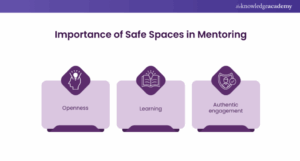
Here are some creative and well-thought-out logical ideas for fostering safe and authentic mentoring spaces:
1. “Truth Serum” Icebreakers (Optional Anonymity)Begin sessions with a light-hearted but revealing icebreaker. Instead of typical “tell me about your weekend,” use prompts like “Share one professional challenge you faced this week that taught you something, even if it felt like a failure” or “What’s one skill you’re secretly struggling to master?” Offer the option for anonymous submissions at the start of a group session to encourage vulnerability, then discuss themes as a group.
2. “Vulnerability Vault” ProtocolEstablish a clear and explicit “Vulnerability Vault” agreement at the outset of the mentoring relationship or program. This goes beyond standard confidentiality. It explicitly states that personal struggles, failures, or sensitive ideas shared within the mentoring space are treated with the utmost respect and will not be used for judgment, gossip, or negative consequences outside the agreed-upon boundaries. Reiterate this protocol regularly.
3. “Mentor as Mirror” ExerciseEncourage mentors to regularly reflect back their mentees’ feelings and ideas without judgment. Instead of immediately offering solutions, mentors can practice phrases like, “It sounds like you’re feeling frustrated with X. Is that right?” or “What I’m hearing is that you’re exploring Y. Can you tell me more about that?” This validates the mentee’s experience and ensures they feel truly heard.
4. “Shared Struggles” StorytellingFacilitate a session where mentors (and potentially mentees) share their own past professional struggles or failures. This “lead by example” approach, as highlighted in the source, normalizes imperfection and demonstrates that even experienced professionals face challenges. It creates a powerful sense of camaraderie and psychological safety.
5. “Boundary Setting Blueprint” WorkshopConduct a mini-workshop or provide a template for both mentors and mentees to collaboratively define their individual and relational boundaries. This includes communication frequency, preferred contact methods, topics that are off-limits, and how to respectfully address unmet expectations or conflicts. This proactive approach prevents misunderstandings and builds trust.
6. “Feedback Feast” FrameworkImplement a structured framework for giving and receiving feedback that prioritizes psychological safety. This could involve the “SBI” (Situation, Behavior, Impact) model for constructive feedback, or a “Start, Stop, Continue” approach. Emphasize that feedback is a gift for growth, not a critique of worth. Train both parties in this framework.
7. “Co-Creation Agenda” ApproachEmpower mentees to co-create the agenda for each mentoring session. While mentors can offer guidance, the mentee drives the topics and questions. This shifts the dynamic from a didactic one to a collaborative partnership, ensuring the mentee’s needs are at the forefront and they feel ownership over their development.
8. “Safe Exit Strategy” ProtocolClearly communicate and normalize the process for ending a mentoring relationship, whether it’s at the end of a defined program or if a mismatch occurs. Provide a graceful and respectful “safe exit strategy” that allows either party to express concerns or conclude the relationship without fear of repercussions or awkwardness, as suggested by the source.
9. “Authenticity Prompts” DeckCreate a deck of “authenticity prompts” or conversation starters designed to encourage deeper, more vulnerable discussions. Examples: “What’s a belief you hold about your career that you’re starting to question?” or “Describe a time you felt truly aligned with your values at work, and a time you didn’t.”
10. “Digital Detox” SessionsFor virtual mentoring, encourage “digital detox” sessions where both parties commit to minimizing distractions. This could involve turning off notifications, closing other tabs, and using video to enhance non-verbal communication. Acknowledge the challenge of virtual connection and proactively mitigate it.
11. “Mentoring Micro-Goals” AccountabilityBreak down larger mentoring goals into smaller, actionable “micro-goals” for each session. This creates a sense of continuous progress and allows for more frequent “wins,” which boosts confidence and reinforces the safety of the space. Celebrate these small victories explicitly.
12. “Peer Mentoring Pods” for Shared ExperienceAlongside one-on-one mentoring, establish “peer mentoring pods” where mentees at similar stages can share experiences and offer mutual support. This creates an additional layer of psychological safety, as individuals can connect with others facing similar challenges, normalizing their experiences and reducing feelings of isolation.
13. “Resource Round-Up” ContributionEncourage both mentors and mentees to contribute to a shared “resource round-up” related to their discussions. This could be a shared document of articles, podcasts, or tools. It fosters a learning-oriented environment and reinforces the idea that knowledge sharing is a two-way street, empowering the mentee to contribute.
14. “Cognitive Adaptability Challenge”Inspired by the concept of cognitive adaptability, design specific activities that encourage both mentors and mentees to explore different perspectives and challenge their own assumptions. This could be a “devil’s advocate” exercise or a discussion on a controversial industry topic, conducted within the safe space to practice open-mindedness.
15. “Gratitude Garden” RecognitionConclude mentoring relationships or significant milestones with a “gratitude garden” activity. Both mentor and mentee share specific instances where they felt supported, learned something valuable, or appreciated the other’s authenticity. This formalizes appreciation and leaves a positive, lasting impression of the safe space created.
The post Creating Safe, Authentic Mentoring Spaces appeared first on Peak Development Strategies.