Setting Expectations and Measurable Outcomes
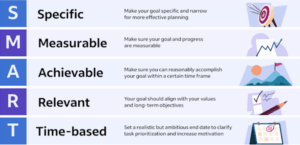
Here are some creative and well-thought-out logical ideas for setting expectations and measurable outcomes, formatted with proper markdown:
General Frameworks & MethodologiesThe “SMARTIE” Goal Framework:Specific: Clearly define what needs to be achieved.Measurable: Quantifiable metrics for success.Achievable: Realistic and attainable within given resources.Relevant: Aligned with broader objectives and values.Time-bound: Defined start and end dates.Inclusive: Consider all stakeholders’ perspectives.Ethical: Ensure outcomes are morally sound and responsible.This expands on the traditional SMART framework by adding critical ethical and inclusive dimensions.Outcome-Driven Road mapping (ODR):Instead of feature-driven roadmaps, focus on the desired outcomes (e.g., “Increase customer retention by 10%”) and then brainstorm potential initiatives to achieve them.Measurable outcomes are the starting point, not an afterthought.The “Inverse Pyramid” Expectation Setting:Start with the ideal, aspirational outcome (the tip of the pyramid).Then, define the key milestones needed to reach it.Finally, establish the daily/weekly actions that contribute to those milestones.This provides a clear line of sight from daily tasks to grand vision.Innovative Measurement Techniques“Sentiment Snapshot” Surveys:Beyond quantitative metrics, use short, anonymous surveys (e.g., a 3-question pulse check) at key junctures to gauge team morale, confidence in reaching goals, and perceived roadblocks.Measures the qualitative “health” of the expectation-setting process.“Pre-Mortem” Analysis for Outcomes:Before a project or initiative even begins, imagine it has failed spectacularly.Brainstorm all the reasons why it might have failed.Use these insights to proactively set expectations and build in safeguards, contingency plans, and more robust measurement criteria.Identifies potential pitfalls and helps define realistic outcomes.“Outcome-to-Effort Ratio” Tracking:For each major outcome, track the estimated and actual effort (time, resources) invested.Calculate a ratio (e.g., “Outcome achieved / Effort expended”).Helps refine future expectation settings for efficiency and resource allocation.Stakeholder Engagement & Communication“Expectation Contract” Agreements:For critical projects or roles, co-create a concise, agreed-upon document outlining mutual expectations, key deliverables, success metrics, and communication protocols.Ensures explicit, documented alignment and reduces ambiguity.“Feedback Loop Ladders”:Establish tiered feedback mechanisms:Daily Stand-ups: Quick checks on progress and blockers.Weekly Reviews: Deeper dive into metrics and adjustments.Monthly Retrospectives: Holistic look at what worked/didn’t work in expectation setting.Creates continuous opportunities to recalibrate expectations and outcomes.“Visual Progress Dashboards”:Create easily accessible, visual dashboards (e.g., Trello, Asana, custom internal tools) that display progress towards measurable outcomes in real-time.Promotes transparency, accountability, and collective understanding of goal attainment.Personal & Team Development“Skill-to-Outcome Mapping”:For individual development, map desired skill improvements directly to tangible outcomes (e.g., “Improve public speaking skills” measured by “Successfully deliver 3 client presentations with a positive feedback score of 4+/5”).Connects personal growth to concrete, measurable results.“Reverse Mentoring for Expectations”:Have junior team members or new hires lead sessions on their expectations of the project, team, or organization.Provides fresh perspectives and helps leaders understand baseline assumptions that might need clarification.“The ‘What If’ Scenario Planning”:Regularly engage in “What if X happens?” exercises related to project outcomes.Example: “What if our key supplier fails? How does that impact our delivery expectation and what’s our measurable fallback plan?”Builds resilience and proactive expectation management.Gamification & Recognition“Outcome Achievement Badges/Milestones”:Introduce a system of digital badges or public recognition for achieving specific, measurable outcomes.Gamifies goal attainment and fosters a sense of accomplishment.“Peer-to-Peer Expectation Setting & Review”:Implement a system where peers help each other set realistic expectations and provide constructive feedback on progress towards measurable outcomes.Leverages collective intelligence and builds a supportive environment.“The ‘Outcome Story’ Celebration”:Beyond just reporting numbers, encourage teams to share the story behind a successfully achieved outcome.What challenges were overcome? What was the impact? How did it feel?Reinforces the value of setting clear expectations and celebrating the measurable impact.The post Setting Expectations and Measurable Outcomes appeared first on Peak Development Strategies.


No comments have been added yet.