Mary L. Erlain's Blog, page 11
May 27, 2025
Ideas for Mentorship with Curiosity and Care

In a fast-changing world, mentorship that prioritizes active listening, curiosity, and genuine care has become more crucial than ever. This generation faces unique challenges—mental health struggles, economic uncertainty, and rapid technological shifts. Here are 15 creative ideas to enhance mentorship practices for today’s youth.
1. Host “Listening Circles”Create small group sessions where mentors actively listen to mentees share their experiences, struggles, and aspirations. The focus should be on listening without interruption or judgment, fostering an environment of trust.
2. Practice Empathy MappingMentors can use empathy maps to visualize their mentee’s emotions, thoughts, behaviors, and needs. This exercise helps mentors better understand their mentees’ perspectives and challenges.
3. Introduce Story-Sharing SessionsEncourage both mentors and mentees to share personal stories of resilience, failure, and growth. This reciprocal exchange builds connection while showing mentees they’re not alone in their journey.
4. Incorporate Reflective Listening TechniquesTrain mentors in reflective listening skills where they paraphrase what the mentee says to confirm understanding. For example:
Mentee: “I feel overwhelmed at school.”Mentor: “It sounds like balancing your workload is really stressful right now.”5. Leverage Technology for ConnectionUse apps like Slack or WhatsApp to maintain ongoing communication with mentees between meetings. Send check-ins or voice messages that show genuine interest in their progress.
6. Create Curiosity-Driven QuestionsMentors can ask open-ended questions that spark deep reflection:
“What excites you most about the future?”“If you could change one thing about your current situation, what would it be?”7. Engage in Active Co-LearningAdopt a co-learning approach where both mentor and mentee explore new topics together (e.g., coding languages or mindfulness practices). This fosters mutual growth and curiosity.
8. Develop Personalized Mentorship PlansTailor mentorship strategies based on each mentee’s specific goals, interests, and challenges rather than using a one-size-fits-all approach.
9. Integrate Cross-Cultural Empathy TrainingProvide workshops on ethnocultural empathy so mentors can better understand the cultural backgrounds of their mentees—especially important in diverse mentoring relationships.
10. Host “Ask Me Anything” (AMA) SessionsEncourage an open dialogue by hosting AMA-style sessions where mentees can ask any questions—personal or professional—without fear of judgment.
11. Foster Peer Mentoring OpportunitiesPair mentees with slightly older peers who’ve recently navigated similar challenges (like transitioning from high school to college). These peer mentors often bring relatable insights.
12. Model Vulnerability as a StrengthMentors should share their own vulnerabilities (e.g., mistakes made early in their careers). This demonstrates that imperfection is normal—and growth is possible through learning from setbacks.
13. Practice Mindful Listening ExercisesBegin mentorship meetings with mindfulness techniques such as deep breathing or grounding exercises to help both mentor and mentee stay fully present during conversations.
14. Explore Strengths-Based ApproachesFocus on identifying and celebrating a mentee’s strengths rather than solely addressing weaknesses or areas for improvement.
For example:
Instead of saying: “You need to improve time management,” say: “You’re great at problem-solving—how might we apply that skill to managing your time?”15. Offer Experiential Learning Opportunities TogetherTake learning beyond conversation by engaging in activities like volunteering together, attending workshops, or shadowing professionals in real-world environments.
ConclusionThese ideas emphasize how mentorship grounded in active listening, curiosity, empathy, and care can profoundly impact this generation’s ability to thrive personally and professionally. By adopting these strategies, mentors can build meaningful relationships that empower young individuals to reach their full potential while feeling truly heard and understood.
The post Ideas for Mentorship with Curiosity and Care appeared first on Peak Development Strategies.


May 26, 2025
The Role of Empathy and Active Listening in Mentoring Gen Z

Empathy and active listening are critical components for mentoring Gen Z effectively. This generation values meaningful connections, personalized guidance, and a sense of being understood. Below are some creative and logical ideas to incorporate empathy and active listening into mentoring relationships with Gen Z.
1. Create a Safe Space for Open CommunicationFoster an environment where mentees feel comfortable expressing their thoughts, emotions, and challenges.Avoid judgment and ensure confidentiality to build trust.2. Practice Reflective ListeningRepeat or paraphrase what the mentee has said to show understanding.Use phrases like, “What I hear you saying is…” to confirm clarity.3. Acknowledge Their EmotionsValidate their feelings by saying things like, “It’s okay to feel this way,” or “I understand why that would be frustrating.”Avoid dismissing their concerns as trivial.4. Customize Mentorship PlansTailor your guidance based on their individual goals, challenges, and aspirations.Show empathy by understanding their unique needs instead of using a one-size-fits-all approach.5. Encourage Two-Way FeedbackActively seek feedback from your mentee about how they feel the mentorship is going.Demonstrate empathy by acting on their suggestions or concerns.6. Be Present in ConversationsEliminate distractions during meetings—put away your phone or close your laptop.Maintain eye contact and use body language that conveys attention.7. Share Your Own ExperiencesBuild rapport by sharing personal stories of both success and failure.Highlight lessons learned rather than just offering theoretical advice.8. Ask Open-Ended QuestionsUse questions like “How do you feel about this?” or “What do you think could be done differently?” to encourage deeper discussions.Avoid leading questions that may limit their responses.9. Respect Their BoundariesBe mindful of how much personal information they are comfortable sharing.Let them set the pace for emotional conversations while remaining supportive.10. Incorporate Active Listening ToolsUse techniques such as summarizing key points or asking clarifying questions to show genuine interest.Say things like, “Can you elaborate on that point?” to dive deeper into discussions.11. Mentor with Cultural AwarenessAcknowledge generational differences without judgment; understand their digital-first upbringing and its impact on their worldview.Respect diverse perspectives within Gen Z regarding identity, values, and societal norms.12. Promote Emotional Intelligence DevelopmentTeach them how to recognize and regulate emotions in challenging situations.Model empathetic behavior so they can learn through observation.13. Focus on Growth Rather Than PerfectionReassure them that mistakes are part of learning by sharing examples from your own career missteps.Celebrate progress over perfection to reduce anxiety around performance expectations.By combining empathy with active listening techniques tailored for Gen Z’s unique traits, mentors can forge stronger connections while empowering these young professionals to thrive personally and professionally.
The post The Role of Empathy and Active Listening in Mentoring Gen Z appeared first on Peak Development Strategies.
May 23, 2025
Communication Gap Between Generations

Bridging the communication gap between generations in the workplace or other environments is essential for fostering understanding, collaboration, and innovation. Below are some creative and logical ideas to help address this challenge.
1. Host Intergenerational WorkshopsOrganize workshops where employees or participants from different generations share their unique communication styles, preferences, and challenges. This fosters empathy and understanding of diverse perspectives.
2. Create Mentorship PairingsEstablish a reverse mentoring program, where younger employees mentor older colleagues on technology or modern trends, while older employees provide guidance on soft skills, industry insights, or leadership strategies.
3. Implement a Communication Preference SurveyConduct surveys to learn about individual communication preferences (e.g., email, instant messaging, phone calls). Share the results across teams so everyone understands how their colleagues prefer to interact.
4. Leverage Technology PlatformsUse tools like Slack, Microsoft Teams, or Work vivo that cater to both traditional and modern communication methods. These platforms allow for synchronous (instant messaging) and asynchronous (emails) collaboration.
5. Storytelling SessionsHost storytelling sessions where employees from different generations share personal or professional stories. This can help highlight shared values while embracing generational differences.
6. Celebrate Shared Goals Through Team-Building ActivitiesOrganize team-building exercises such as escape rooms or problem-solving challenges that require collaboration across generations. These activities foster camaraderie and break down barriers.
7. Create Cross-Generational Project TeamsAssign diverse project teams intentionally mixing members from different age groups to encourage collaborative learning and innovative problem-solving.
8. Teach Active Listening SkillsOffer training sessions focused on active listening techniques so individuals can better understand one another without preconceived biases based on generational stereotypes.
9. Use Humor as a BridgeIncorporate humor into meetings or team interactions by sharing light-hearted content (memes, videos) that appeals across generations—this helps create common ground and eases tension.
10. Provide Flexible Communication TrainingOffer optional training on topics like email etiquette for younger generations or social media literacy for older ones. Ensure these training sessions are inclusive rather than judgmental.
11. Encourage “Get-To-Know-You” InterviewsPair up employees from different generations to interview each other about their work experiences, motivations, and values—then share insights with the larger group during meetings.
12. Celebrate Generational Diversity DaysHost events celebrating generational diversity where participants showcase music, trends, technology tools, or traditions from their respective eras to build appreciation for one another’s backgrounds.
13. Develop Inclusive Feedback LoopsEncourage open feedback loops by creating safe spaces for employees of all ages to express concerns about communication gaps without fear of judgment or criticism.
14. Focus on Commonalities Instead of DifferencesDesign exercises (like personality assessments) that emphasize shared traits rather than generational divides—for instance: teamwork preferences, conflict resolution styles, etc.
15. Adopt “Communication Ambassadors” RolesNominate individuals from each generation within your organization as communication ambassadors. Their role is to advocate for effective practices while mediating misunderstandings between groups when needed.
By implementing these ideas thoughtfully and inclusively, organizations can create a harmonious environment where every generation feels heard and valued!
The post Communication Gap Between Generations appeared first on Peak Development Strategies.
May 22, 2025
Bridging the Gap: Mentors Decoding Gen Z’s Communication Style

Boomers and Gen Z often face challenges in understanding each other due to differences in language, communication preferences, and cultural influences. Below are some creative and well-thought-out ideas to help mentors decode Gen Z’s communication style and adapt their own effectively.
1. Learn the LingoMentors should take time to familiarize themselves with popular Gen Z slang and internet terms.
Example: Understand terms like “vibe check,” “slay,” or “no cap” to better interpret conversations.
Gen Z prefers visual formats like memes, GIFs, and emojis for expression.
Use appropriate emojis in casual communication.Consider sending lighthearted GIFs to build rapport.3. Be Direct but BriefGen Z values concise communication.
Avoid lengthy emails or overly formal language.Get straight to the point while maintaining professionalism.4. Incorporate Technology into MentorshipLeverage platforms Gen Z uses daily, such as Slack, Discord, or WhatsApp, for quick communication.
Example: Set up a mentorship group chat where mentees feel comfortable asking questions casually.
Mentors can follow trends on platforms like TikTok or Instagram to stay relevant and find ways to relate.
Share professional advice through relatable reels or posts.Understand how Gen Z expresses themselves online.6. Ask Questions Without JudgmentInstead of assuming meaning, ask clarifying questions about unfamiliar terms or phrases they use.
Example: “I noticed you said something was ‘a whole mood.’ Can you explain what that means?”
Recognize that humor differs between generations—Gen Z often enjoys absurdist or self-deprecating humor (e.g., memes).
Try sharing relatable workplace memes when appropriate.Be open-minded about their jokes, even if they seem unconventional.8. Encourage Collaboration Through Digital ToolsIntroduce collaborative tools like Miro boards, Google Docs, or Trello for brainstorming sessions instead of relying solely on traditional methods (e.g., paper handouts).
9. Normalize Mental Health DiscussionsGen Z is highly vocal about mental health topics compared to previous generations.
Create a safe space for them to share feelings without stigma.Use empathetic phrases like “It’s okay to take a mental health day.”10. Use Analogies That Resonate with Their WorldviewWhen explaining concepts, reference pop culture moments, viral trends, or gaming metaphors they’re familiar with.
Example: Compare teamwork dynamics to multiplayer video games like Fortnite.
Mentorship should be a two-way street! Acknowledge that mentors can also learn from Gen Z’s perspectives and digital skills.
12. Schedule Time for Feedback LoopsGen Z appreciates transparency and regular feedback over yearly performance reviews:
Schedule short bi-weekly check-ins.Ask what mentorship techniques are working for them and what’s not.13. Avoid Dismissing Digital Natives’ SkillsUnderstand that many Gen Z individuals grew up with tech at their fingertips—they may have innovative approaches older generations lack familiarity with (e.g., social media marketing hacks).
14. Show Authenticity Over FormalityGen Z values authenticity over rigid professionalism:
Share personal anecdotes when relevant.Don’t be afraid to admit mistakes; it builds trust!15. Celebrate Their IndividualityEach mentee has unique traits influenced by their generation but also their personality:
Ask about their hobbies or passions outside work/school.Encourage them to integrate those interests into problem-solving strategies.By combining these ideas with an open mind and adaptability, mentors can effectively bridge the generational gap between Boomers and Gen Z while fostering meaningful connections!
The post Bridging the Gap: Mentors Decoding Gen Z’s Communication Style appeared first on Peak Development Strategies.
May 21, 2025
Ideas for Building Safe Spaces and Effective Mentorship for Gen Z

Gen Z thrives in environments where they feel seen, heard, and respected. Below are creative and logical ideas to foster these safe spaces and build strong mentorship relationships.
1. Host “Listening Circles”Create structured sessions where Gen Z mentees can openly share their thoughts, experiences, and challenges. Use a no-judgment rule to ensure everyone feels respected.
2. Incorporate Active Listening ExercisesTeach mentors the skill of active listening by focusing on body language, paraphrasing what’s been said, and avoiding interruptions. This ensures mentees feel truly heard.
3. Use Anonymous Feedback ChannelsProvide a way for mentees to give feedback anonymously about their mentorship experience or any challenges they face. This creates psychological safety.
4. Establish Mentorship AgreementsAt the beginning of the relationship, co-create a mentorship agreement outlining mutual expectations, boundaries, and communication preferences.
5. Leverage Technology for ConnectionUse platforms like Slack, Discord, or private Instagram groups to stay connected in an informal yet professional way. These platforms often feel more approachable for Gen Z.
6. Encourage StorytellingMentors can share personal stories of vulnerability or past failures to create relatability and trust. This makes it easier for mentees to open up about their own struggles.
7. Build Peer Support NetworksIn addition to one-on-one mentorship, create small peer groups where Gen Z individuals can discuss challenges together under the guidance of a mentor.
8. Prioritize Inclusivity in Every InteractionEnsure that your mentorship environment is inclusive by respecting pronouns, cultural differences, and individual identities—key aspects that matter deeply to Gen Z.
9. Celebrate Small WinsRecognize even minor achievements during mentorship sessions as this builds confidence and reinforces the value of progress over perfection.
10. Conduct “No Agenda” Check-insOccasionally hold informal check-ins with no agenda or goals other than seeing how the mentee is doing emotionally or mentally.
11. Provide Mental Health ResourcesNormalize discussions around mental health by sharing relevant resources (e.g., apps like Calm or BetterHelp) or even hosting workshops with professionals.
12. Incorporate Creative Expression ActivitiesAllow mentees to express themselves creatively through journaling, art projects, or creating vision boards as part of their personal growth journey.
13. Empower Mentees with Decision-Making AuthorityAsk mentees what they want from the mentorship experience rather than imposing a rigid structure on them—this ensures they feel ownership over their development.
14. Teach Emotional Intelligence (EQ)Introduce emotional intelligence concepts such as self-awareness, empathy, and conflict resolution during mentoring sessions to help them grow holistically.
15. Co-Design Goals CollaborativelyWork together with your mentee to design achievable short-term goals and long-term aspirations that align with their unique values and passions.
By combining these strategies into your mentorship approach, you’ll create an environment where Gen Z feels empowered to open up, embrace vulnerability, and thrive!
The post Ideas for Building Safe Spaces and Effective Mentorship for Gen Z appeared first on Peak Development Strategies.
May 20, 2025
How to Build Trust and Psychological Safety with Gen Z Mentees
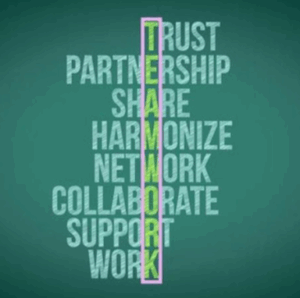
Building trust and psychological safety with Gen Z mentees requires intentionality, empathy, and a modern approach that aligns with their values and expectations. Below are some creative and well-thought-out ideas to achieve this:
1. Foster Open CommunicationEncourage open dialogue by creating a safe space for mentees to express their thoughts, questions, or concerns without fear of judgment. Actively listen to what they say, and ask follow-up questions like “How do you feel about this?” or “What would you suggest?”
2. Practice AuthenticityGen Z values authenticity above all else. Be genuine in your interactions and avoid overly formal or rehearsed communication. Share your own experiences—including failures—so they see you as relatable and approachable.
Start With EmpathyUnderstand the unique challenges Gen Z faces, such as economic uncertainty, social pressures, or mental health struggles. Use empathetic phrases like “I understand how that could be challenging” to validate their experiences.
4. Be TransparentTransparency builds trust. Share insights into your decision-making process, explain why certain advice is being given, and invite them to challenge your perspective constructively.
5. Celebrate Small WinsRecognize both big achievements and small milestones in their journey. For example:
Send a quick congratulatory message after a successful presentation.Highlight their progress during mentoring sessions.This shows you value their efforts and contributions.
6. Provide Constructive Feedback RespectfullyWhen offering feedback, focus on growth rather than criticism:
Start with positive reinforcement.Provide actionable suggestions for improvement.End with encouragement like “I know you can handle this.”Avoid language that might feel dismissive or overly critical.
7. Show VulnerabilityLeaders who admit mistakes or uncertainties foster psychological safety by showing that perfection isn’t required for success. Share moments where you learned from failure to encourage mentees to take calculated risks without fear of judgment.
8. Adapt Your Mentorship StyleEvery mentee is different—some prefer structured guidance while others thrive in open-ended conversations. Ask them directly: “How do you learn best?” Tailor your mentorship style accordingly.
9. Create Inclusive SpacesCelebrate diversity of thought, identity, and experience within the mentoring relationship:
Use inclusive language.Be mindful of cultural sensitivities.Encourage discussions about how diversity enriches problem-solving.This helps mentees feel valued for who they are.
10. Incorporate Technology ThoughtfullyAs digital natives, Gen Z appreciates tech-savvy approaches:
Use collaborative tools like Google Docs or Notion for shared goals.Host virtual check-ins if face-to-face meetings aren’t feasible.Leverage apps for setting reminders or tracking progress.Ensure tech complements the relationship rather than replacing meaningful human connection.
11. Encourage Risk-Taking Without Fear of FailureCreate an environment where mentees feel comfortable experimenting with new ideas or approaches by reframing failure as a learning opportunity:
Use phrases like: “What did you learn from this experience?”Celebrate attempts regardless of outcomes to reduce perfectionism-related anxiety.12. Mentor Through Questions Instead of DirectivesInstead of giving instructions outright, guide them by asking thought-provoking questions:
“What do you think would happen if we tried X?”“How does this align with your long-term goals?”This empowers them to think critically and develop confidence in decision-making.
13. Model Psychological Safety Through Your BehaviorSet an example by demonstrating vulnerability, admitting when you don’t have all the answers, and welcoming feedback—even from them! Show that it’s okay not to have everything figured out immediately.
14. Be Consistent and ReliableTrust is built over time through consistency:
Stick to agreed-upon meeting schedules.Follow through on promises (e.g., providing resources).Avoid canceling or rescheduling frequently—it sends the wrong message about priorities.Reliability demonstrates respect for their time and effort.
15. Invest in Their Long-Term GrowthTake a genuine interest in helping them achieve their personal goals—not just immediate tasks at hand:
Offer resources like books or courses tailored to their interests.Connect them with relevant contacts within your network.This investment shows commitment beyond short-term gains and builds lasting trust between mentor and mentee.
By implementing these strategies thoughtfully, mentors can create an environment where Gen Z mentees feel empowered to be themselves, take risks, grow professionally—and most importantly—thrive under guidance rooted in trust and psychological safety!
The post How to Build Trust and Psychological Safety with Gen Z Mentees appeared first on Peak Development Strategies.
May 16, 2025
Models to Short Attention Spans and Visual, Fast-Paced Learning

In a world where attention spans are decreasing and visual, fast-paced learning is on the rise, mentorship models must adapt to stay effective. Below are some creative and logical ideas that leverage bite-sized content, video chats, and informal check-ins to modernize mentorship.
1. Micro-Learning ModulesBreak down mentorship lessons into short 5-10 minute micro-learning sessions. These can be shared via videos, slideshows, or interactive infographics.
2. “Mentor in Your Pocket” Video SeriesCreate a library of short video clips (1-3 minutes) featuring mentors sharing quick tips, advice, or anecdotes. These can be accessed anytime by mentees.
3. Scheduled Bite-Sized Check-InsReplace lengthy meetings with frequent 10-minute check-ins via video calls or messaging platforms. Focus on one specific goal or challenge during each session.
4. Gamified Mentorship ChallengesIntroduce gamification elements, such as weekly challenges or tasks that mentees can complete for rewards (e.g., badges or recognition). Keep these challenges simple and engaging.
5. Visual Roadmaps for GrowthDesign visual progress maps that track a mentee’s journey. Use graphics like flowcharts or timelines to illustrate milestones and next steps clearly.
6. Storytelling Through Short AnimationsUse short animated videos (2-5 minutes) to explain concepts, share success stories, or highlight lessons learned from mentor experiences.
7. Live “Ask Me Anything” SessionsHost monthly live Q&A sessions where mentees can ask mentors questions in real time through video chat or live streams.
8. Curated Playlists of ResourcesDevelop bite-sized content playlists, including short articles, videos, podcasts, and infographics tailored to specific topics the mentee wants to learn about.
9. Quick Feedback LoopsEncourage mentors to provide instant feedback using voice notes or short text messages after observing specific tasks completed by the mentee.
10. Group-Based Mini WorkshopsOrganize small group sessions (15-20 minutes) where multiple mentees learn together through collaborative activities facilitated by a mentor.
11. Virtual Reality (VR) SimulationsLeverage VR technology for immersive learning experiences where mentees can practice skills in simulated environments guided by their mentor’s voice-over instructions.
12. Interactive Polls and Quizzes During SessionsIncorporate live polls or quizzes during video calls to keep mentees engaged while assessing their understanding of key topics in real time.
13. Infographic Summaries After Each SessionAfter every mentoring session, provide an infographic summary highlighting key takeaways and actionable steps for easy reference later.
14. Use Social Media Stories for LessonsMentors can share quick lessons via platforms like Instagram Stories, TikTok videos, or LinkedIn posts—keeping content relatable and visually appealing.
15. Digital Reflection Journals with PromptsCreate a shared digital journal where mentors provide weekly prompts, and mentees reflect on their progress using brief written entries or voice recordings.
By implementing these innovative approaches, mentorship programs can become more adaptable to modern learning preferences while maintaining meaningful connections between mentors and mentees!
The post Models to Short Attention Spans and Visual, Fast-Paced Learning appeared first on Peak Development Strategies.
May 15, 2025
Meeting Gen Z Where They Are

In an era where Gen Z is deeply embedded in digital platforms like TikTok, Instagram, and Snapchat, traditional mentorship methods must evolve to meet them where they are. Below are some creative and well-thought-out ideas for mentorship that align with the habits, values, and preferences of this generation.
Create Short-Form Content for MicrolearningDevelop bite-sized videos (60 seconds or less) on professional advice, career tips, or personal development.Use platforms like TikTok or Instagram Reels to deliver these lessons in an engaging format.Include relatable storytelling and trends to capture attention.2. Gamify the Mentorship ExperienceIntroduce gamification elements such as:Badges for completing learning modules.Leaderboards for participation in group activities.Rewards for achieving mentorship milestones.This taps into Gen Z’s love for gaming mechanics while keeping them motivated.3. Host Virtual Mentorship Q&A SessionsLeverage live streaming features on TikTok or Instagram for real-time Q&A sessions between mentors and mentees.Allow mentees to submit questions ahead of time or interact during the session through comments.4. Leverage Reverse MentoringPair younger Gen Z employees with older professionals in reverse mentoring programs.Let Gen Z teach mentors about emerging technologies, social media trends, and cultural shifts while receiving career guidance in return.5. Utilize Personalized AI RecommendationsCreate a mentorship platform that uses AI to match mentees with suitable mentors based on shared interests, goals, and skills.Offer tailored resources such as articles, videos, and training materials relevant to their aspirations.6. Launch a TikTok Mentorship ChallengeEncourage mentees to document their learning journey through a “Mentorship Challenge” hashtag on TikTok.Include weekly themes such as “Career Growth Week” or “Leadership Skills Week.”Celebrate achievements by featuring top posts.7. Integrate Augmented Reality (AR) ExperiencesUse AR tools to simulate workplace scenarios or role-playing exercises.Examples include virtual office tours or practicing public speaking in immersive environments.8. Create Collaborative Digital WorkspacesUse platforms like Notion, Slack, or Discord to foster collaboration between mentors and mentees.Incorporate shared project boards, discussion threads, and feedback loops to encourage teamwork.9. Offer Flexible Communication OptionsAllow mentees to choose how they want to communicate with mentors—whether through video calls, direct messages on social platforms, or asynchronous voice notes via apps like WhatsApp.10. Incorporate Mental Health Support into MentorshipRecognize that mental health is a priority for Gen Z by integrating discussions around well-being into the mentorship process.Provide access to mindfulness tools or create safe spaces for open conversations about stress management.11. Host Interactive Social Media Polls & SurveysUse Instagram Stories or Twitter polls to gather input from mentees about what topics they want covered during mentoring sessions.This approach makes them feel heard while tailoring content to their needs.12. Encourage Group-Based Mentorship ProgramsOrganize group mentorship circles where multiple mentees can learn from one mentor together.Foster peer-to-peer collaboration within these groups by assigning joint tasks or projects related to career development.13. Celebrate Achievements PubliclyHighlight mentee success stories through short-form videos shared across company social media channels (with permission).Showcase progress using celebratory posts that resonate with Gen Z’s desire for recognition and validation.14. Teach Through Relatable StorytellingEncourage mentors to share personal stories of failure and success through short video clips on platforms like YouTube Shorts or TikTok.Focus on authenticity—Gen Z connects more with raw narratives than polished presentations.15. Promote Diversity Through Inclusive Mentoring PracticesEnsure your program supports diversity by matching mentors and mentees from varied backgrounds (e.g., race, gender identity, neurodiversity).Host workshops on inclusivity led by diverse industry leaders who can share valuable insights directly applicable to modern workplaces.Final ThoughtsBy meeting Gen Z where they are—on digital platforms like TikTok—and embracing their love of technology, inclusivity, flexibility, and authenticity—mentorship programs can create meaningful connections that drive both personal growth and organizational success!
The post Meeting Gen Z Where They Are appeared first on Peak Development Strategies.
May 14, 2025
Ideas for Ongoing, Honest, and Growth-Focused Feedback for Gen Z

Forget the annual review—Gen Z thrives on continuous, meaningful feedback. Below are some innovative ideas to implement ongoing and growth-focused feedback systems tailored to this purpose-driven generation.
1. Weekly One-on-One Check-InsSchedule short weekly meetings with a clear agenda that focuses on:
Progress updatesChallenges facedImmediate feedbackGrowth opportunitiesThis fosters transparency and builds trust while keeping communication consistent.
2. Real-Time Feedback via Digital PlatformsUse tools like Slack, Microsoft Teams, or dedicated performance management apps (e.g., Lattice or 15Five) to provide instant, actionable feedback after tasks or projects are completed.
3. Gamify FeedbackIntroduce gamification elements such as:
Badges for achievementsLeaderboards for performance metricsRewards for completing skill-building milestonesGamified systems make feedback engaging and motivating.4. Create a Peer Feedback Loop
Encourage team members to provide constructive peer-to-peer feedback through structured channels like:
Anonymous surveysGroup retrospectivesThis approach promotes collaboration and mutual growth.5. Introduce Monthly “Growth Sprints”
Design monthly personal development goals aligned with company objectives. Provide ongoing coaching throughout the sprint and hold a review session at the end to discuss outcomes.
6. Use Micro-Mentorship MomentsInstead of formal mentorship programs, encourage leaders to share quick, actionable advice during casual interactions or right after observing a teachable moment.
7. Establish a Feedback Culture Through WorkshopsHost regular workshops focused on giving and receiving effective feedback. Teach employees techniques like active listening, nonviolent communication, and growth-oriented framing.
8. Implement “Ask Me Anything” (AMA) SessionsOrganize AMA sessions where Gen Z employees can ask managers direct questions about their performance, career paths, or company decisions in an open forum.
9. Utilize Video FeedbackReplace lengthy written reviews with short video messages from managers highlighting strengths and areas for improvement. Videos feel more personal and authentic than text-based reviews.
10. Offer Self-Assessment ToolsProvide employees with digital tools that allow them to evaluate their own progress before manager discussions:
Skills assessment quizzesSelf-reflection promptsThis encourages accountability and introspection.11. Host “Feedback Fridays”
Dedicate Fridays to informal yet structured feedback sessions where teams reflect on the week’s wins, challenges, and lessons learned in a casual setting over coffee or lunch.
12. Celebrate Small Wins RegularlyAcknowledging incremental progress is key for Gen Z’s motivation:
Share shoutouts during team meetings.Use recognition platforms like Bonusly or Kudos. Small wins keep momentum alive between larger milestones.13. Create Personalized Development Plans (PDPs)Work collaboratively with each employee to design PDPs that include:
Long-term career goalsShort-term skill-building targetsReview these plans quarterly and adjust as needed based on feedback loops.14. Promote Reverse Feedback Opportunities
Encourage Gen Z employees to give honest feedback about leadership styles, processes, or workplace culture through anonymous surveys or open forums—then act on it visibly!
Final Thoughts
By implementing these creative strategies, organizations can create a culture of continuous learning and transparent communication that resonates deeply with Gen Z’s expectations for growth-focused environments!
The post Ideas for Ongoing, Honest, and Growth-Focused Feedback for Gen Z appeared first on Peak Development Strategies.
May 13, 2025
Creative Ideas for Leading Gen Z Effectively

Gen Z is redefining workplace dynamics, preferring collaborative and supportive leadership styles over traditional hierarchical models. Below are some innovative ideas to engage and lead Gen Z effectively, tailored to their preferences for mentorship, coaching, and mutual respect.
1. Adopt a Coaching MindsetShift from being a “boss” to a “coach.” Focus on helping team members identify their strengths and areas for growth rather than issuing directives.
2. Foster Two-Way CommunicationEncourage open dialogue where feedback flows both ways. Create safe spaces where Gen Z employees feel heard and valued.
3. Personalized Growth PlansWork with individuals to create customized career development plans that align with their personal goals and passions.
4. Promote Peer-to-Peer MentorshipCreate mentorship programs where experienced team members guide newer employees in an informal, collaborative way.
5. Ask Questions Instead of Giving OrdersUse Socratic questioning techniques to guide problem-solving and decision-making instead of dictating solutions.
6. Celebrate Small Wins FrequentlyRecognize achievements, no matter how small, through personalized shout-outs or public acknowledgment during meetings.
7. Provide Opportunities for AutonomyAllow Gen Z team members the freedom to approach tasks creatively and independently while offering guidance as needed.
8. Leverage Technology for CollaborationUtilize platforms like Slack, Trello, or Asana to streamline communication and foster real-time collaboration in ways that feel natural to digital natives.
9. Incorporate Purpose-Driven LeadershipTie projects or company goals back to a larger mission or societal impact—something Gen Z values deeply in their work.
10. Create Learning Pods or WorkshopsHost regular workshops focused on skills development where employees can learn from each other or external experts in an interactive format.
11. Be Transparent About Decision-MakingExplain the reasoning behind decisions openly and involve team members in brainstorming sessions whenever possible.
12. Encourage Experimentation Without Fear of FailureNormalize failure as part of innovation by creating an environment where mistakes are viewed as learning opportunities rather than shortcomings.
13. Offer Flexible Work StructuresProvide options like remote work, flexible hours, or hybrid setups that align with individual needs while maintaining accountability.
14. Use Empathy as a Leadership ToolUnderstand the unique challenges faced by your team members (e.g., mental health struggles) and offer support systems such as wellness programs or flexible leave policies.
15. Lead by Example Through VulnerabilityModel authentic behavior by sharing your own challenges and growth experiences—it fosters trust and encourages others to open up as well.
Final ThoughtsBy embracing these strategies, leaders can cultivate environments where Gen Z thrives under mentorship-driven leadership rather than top-down management approaches. This creates stronger teams built on trust, collaboration, and shared purpose!
The post Creative Ideas for Leading Gen Z Effectively appeared first on Peak Development Strategies.