Mary L. Erlain's Blog, page 14
March 27, 2025
Workplace Performance Reviews

Performance reviews are structured evaluations that assess an employee’s job performance over a specific period. They serve multiple purposes, including:
Feedback Mechanism: They provide employees with feedback on their work quality, productivity, teamwork, and alignment with company values.Goal Setting: Reviews help in setting clear expectations and measurable goals for future performance.Career Development: They offer opportunities for discussing career aspirations and identifying areas for professional growth.Current Trends in Performance ReviewsRecent studies indicate a significant dissatisfaction with traditional performance review systems. For example, a survey revealed that only 13% of employees and managers find their company’s performance review system useful1. This dissatisfaction is particularly pronounced among younger generations, such as Millennials and Gen Z, who prefer more frequent and less formal feedback mechanisms2.
Frequency of Performance ReviewsTraditionally, performance reviews were conducted annually; however, this approach has shifted towards more frequent evaluations. Many organizations now opt for quarterly or even monthly reviews to provide timely feedback and support continuous improvement3. This change reflects the desire for ongoing dialogue rather than waiting an entire year to address performance issues.
Best Practices for Conducting Effective Performance ReviewsTo enhance the effectiveness of performance reviews, several best practices have emerged:
Prepare Thoroughly: Managers should gather relevant information about the employee’s past performance, including metrics and peer feedback4.Set Clear Goals: Establish specific, measurable objectives during the review process to guide future performance5.Encourage Self-Assessment: Allow employees to evaluate their own performance prior to the review meeting. This promotes self-reflection and accountability6.Provide Constructive Feedback: Focus on specific behaviors rather than personal attributes when delivering feedback. Highlight strengths while also addressing areas for improvement in a supportive manner7.Foster Two-Way Communication: Ensure that the review is a dialogue rather than a monologue by encouraging employees to share their thoughts and concerns8.Follow Up Regularly: After the review, maintain ongoing communication to monitor progress towards goals and provide additional support as needed9.The Role of Technology in Performance ReviewsUtilizing technology can streamline the performance review process significantly. Many organizations are adopting software solutions that facilitate goal tracking, feedback collection, and documentation of reviews10. These tools can help ensure consistency and fairness in evaluations while also making it easier for managers to conduct thorough assessments.
ConclusionIn conclusion, workplace performance reviews are evolving from traditional annual assessments to more dynamic processes that emphasize continuous feedback and development. By implementing best practices such as regular check-ins, clear goal-setting, and leveraging technology, organizations can create a more effective performance management system that benefits both employees and employers.
The post Workplace Performance Reviews appeared first on Peak Development Strategies.


March 26, 2025
Understanding Employee Onboarding
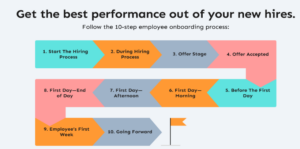
Onboarding new employees is a critical process that integrates new hires into an organization, ensuring they are equipped with the necessary tools, knowledge, and cultural understanding to succeed in their roles. This process begins as soon as a candidate accepts a job offer and can extend for several months, often up to a year. Effective onboarding is essential for employee retention, engagement, and productivity.
The Importance of OnboardingRetention Rates: Research indicates that nearly 90% of employees decide whether to stay with a company within the first six months of employment1. A well-structured onboarding program can significantly improve retention rates by making new hires feel welcomed and valued.Productivity: Employees who undergo formal onboarding processes are 8.5 times more likely to say HR is value-promoting compared to those who do not receive such training2. This suggests that effective onboarding directly correlates with quicker ramp-up times and enhanced productivity.Cultural Integration: Onboarding helps new hires acclimate to the company’s culture, which is crucial for their long-term success and satisfaction within the organization3.Steps for Effective OnboardingPre-Boarding ActivitiesEngagement Before Start Date: Begin engaging with new hires before their first day through welcome emails or packages that include company swag and important information about their role4. This helps build excitement and reduces anxiety.Paperwork Completion: Encourage new employees to complete necessary paperwork electronically before their start date to streamline the onboarding process on Day 15.First Day ExperienceWarm Welcome: Ensure that the workspace is prepared ahead of time, including setting up technology and providing necessary materials like ID badges or handbooks6. A warm welcome can set a positive tone for the entire onboarding experience.Structured Agenda: Provide a clear agenda for the first day that includes introductions to team members, an overview of company policies, and initial training sessions7.Assigning a Buddy: Pairing new hires with a buddy or mentor can facilitate smoother integration into the team by providing them with someone they can turn to for questions about culture or procedures8.Ongoing SupportRegular Check-Ins: Conduct regular check-ins during the first few months (e.g., at 30, 60, and 90 days) to assess how well the new hire is adjusting and address any concerns they may have9.Feedback Mechanisms: Implement feedback mechanisms such as surveys or informal discussions to gather insights from new hires about their onboarding experience. This information can be used to refine future onboarding processes10.Continuous Development: Transition from initial training into ongoing development opportunities after the first year, focusing on career growth and skill enhancement11.ConclusionIn summary, effective onboarding involves careful planning and execution across multiple stages—from pre-boarding activities through continuous support after hiring. By prioritizing this process, organizations can enhance employee satisfaction, reduce turnover rates, and foster a productive workforce.
The post Understanding Employee Onboarding appeared first on Peak Development Strategies.
March 25, 2025
Effective Hiring Process
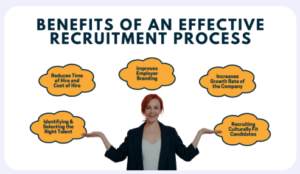
An effective hiring process is a structured approach that encompasses several key steps to ensure the selection of the best candidates for an organization. This process not only focuses on filling positions but also aims to align new hires with the company’s culture and long-term goals. Here’s a detailed breakdown of the essential components of an effective hiring process:
1. Define Job RequirementsThe first step in any hiring process is to clearly define the job requirements. This involves identifying the specific skills, experience, and qualifications necessary for the role. A well-defined job description should include:
Job Title: Clear and specific.Job Purpose: A brief overview of what the role entails.Duties and Responsibilities: Detailed tasks expected from the candidate.Qualifications: Required and preferred educational background, skills, and experience.Working Conditions: Information about remote work options, hours, etc.This clarity helps attract suitable candidates who understand what is expected of them.
2. Sourcing CandidatesOnce job requirements are defined, sourcing candidates can begin. This can be done through various channels:
Job Boards: Posting on platforms like LinkedIn or Indeed.Company Website: Utilizing a careers page to attract applicants directly.Recruitment Agencies: Partnering with agencies that specialize in your industry.Networking Events: Attending industry-related meetups or career fairs.Effective sourcing ensures a diverse pool of candidates.
3. Screening ApplicationsAfter receiving applications, screening is crucial to narrow down candidates. This can involve:
Resume Screening: Assessing resumes against job criteria to filter out unqualified candidates.Phone Screens: Conducting initial phone interviews to gauge interest and basic qualifications.Using technology such as Applicant Tracking Systems (ATS) can streamline this process by automating resume sorting and initial communications.
4. Structured InterviewsInterviews are a critical part of the hiring process where deeper insights into candidates’ abilities are gathered. Best practices include:
Standardized Questions: Using a consistent set of questions for all candidates helps reduce bias.Behavioral Questions: Asking about past experiences using techniques like the STAR method (Situation, Task, Action, Result) provides insight into how candidates handle real-world scenarios.Creating a welcoming atmosphere during interviews encourages open dialogue and allows both parties to assess fit.
5. AssessmentsDepending on the role, assessments may be necessary to evaluate specific skills further. These can include:
Skills Tests: Practical tests relevant to the job (e.g., coding challenges for developers).Personality Assessments: Evaluating traits that predict job performance and cultural fit.These assessments provide objective data that complements interview insights.
6. Reference ChecksBefore making an offer, conducting reference checks is essential to verify information provided by candidates and gain additional perspectives on their past performance. This step helps confirm whether they possess the qualities needed for success in your organization.
7. Making an OfferOnce a candidate has been selected based on thorough evaluations, it’s time to extend an official offer. This should include:
Written Offer Letter: Clearly outlining salary, benefits, start date, and other employment conditions.Negotiation Flexibility: Being open to discussions regarding salary or benefits can help secure top talent.8. Onboarding ProcessAfter acceptance of the offer, an effective onboarding process begins. This includes:
Preparing necessary equipment (e.g., laptops).Introducing new hires to team members and company culture.A structured onboarding program enhances retention by helping new employees feel welcomed and informed from day one.
ConclusionIn summary, an effective hiring process involves clearly defining roles, sourcing diverse candidates, systematically screening applications, conducting structured interviews and assessments, performing reference checks, making competitive offers, and ensuring smooth onboarding. By following these steps diligently while focusing on candidate experience throughout each stage—organizations can significantly improve their chances of hiring top talent who align with their values and contribute positively to their culture.
The post Effective Hiring Process appeared first on Peak Development Strategies.
March 24, 2025
Developing Human Capital
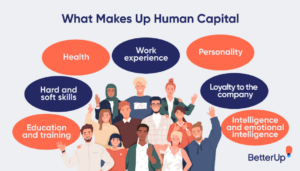
Developing human capital is a strategic process that involves enhancing the skills, knowledge, and abilities of employees to maximize their potential and align their contributions with organizational goals. This process can be broken down into several key steps:
1. Understanding Human CapitalHuman capital refers to the collective skills, knowledge, and experience possessed by individuals within an organization. It is crucial for driving productivity, innovation, and overall business success. Recognizing that employees are not just resources but valuable assets is the first step in developing human capital effectively.
2. Assessing Current Workforce CapabilitiesTo develop human capital, organizations must first assess the current capabilities of their workforce. This involves:
Conducting Skills Audits: Identify existing skills within the organization and determine gaps that need to be filled.Analyzing Employee Performance: Evaluate performance metrics to understand strengths and weaknesses.Gathering Feedback: Use surveys or interviews to gain insights from employees about their perceived skills and areas for improvement.3. Setting Clear ObjectivesOnce the current state of human capital is understood, organizations should set clear objectives for development initiatives. These objectives should be:
Specific: Clearly define what skills or competencies need to be developed.Measurable: Establish criteria for measuring progress (e.g., training completion rates, performance improvements).Achievable: Ensure that goals are realistic given available resources.Relevant: Align development goals with organizational strategy and employee career aspirations.Time-bound: Set deadlines for achieving these objectives.4. Implementing Training and Development ProgramsTraining and development programs are essential for enhancing employee skills. Organizations can implement various types of programs:
On-the-job Training: Provide hands-on experience under supervision.Workshops and Seminars: Offer structured learning opportunities on specific topics.Mentorship Programs: Pair less experienced employees with seasoned mentors for guidance.E-learning Platforms: Utilize online courses to provide flexible learning options.5. Fostering a Culture of Continuous LearningCreating an environment that encourages continuous learning is vital for developing human capital. This can be achieved by:
Promoting Knowledge Sharing: Encourage employees to share insights and best practices through collaborative platforms.Recognizing Learning Achievements: Acknowledge employees who pursue further education or skill enhancement.Providing Resources for Self-directed Learning: Offer access to books, online courses, or industry conferences.6. Measuring the Impact of Development InitiativesTo ensure that human capital development efforts are effective, organizations must measure their impact regularly:
Track Key Performance Indicators (KPIs): Monitor metrics such as employee retention rates, productivity levels, and engagement scores before and after training initiatives.Solicit Employee Feedback Post-training: Gather feedback on training effectiveness from participants to identify areas for improvement.7. Adjusting Strategies Based on Data InsightsFinally, organizations should remain agile in their approach by adjusting strategies based on data insights gathered from evaluations:
Identify What Works Best: Analyze which training methods yield the best results in terms of skill enhancement and employee satisfaction.Refine Programs Accordingly: Modify or discontinue programs that do not meet objectives while expanding successful initiatives.In conclusion, developing human capital requires a systematic approach that includes assessing current capabilities, setting clear objectives, implementing effective training programs, fostering a culture of continuous learning, measuring impact, and adjusting strategies based on data insights. By investing in their workforce this way, organizations can enhance productivity and achieve long-term success.
The post Developing Human Capital appeared first on Peak Development Strategies.
March 19, 2025
Understanding the Importance of Goal Setting in an Entrepreneur’s Group
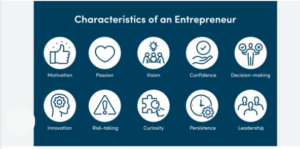
Setting goals and solving issues in an Entrepreneurs Group is crucial for fostering collaboration, accountability, and shared success among members. This process involves a structured approach that allows entrepreneurs to identify their objectives, address challenges collectively, and track progress effectively.
Step 1: Define the GoalsThe first step in setting goals within an Entrepreneurs Group is to clearly define what the group aims to achieve. This can include:
Business Growth: Increase revenue or market share.Networking: Build connections with potential partners or clients.Skill Development: Enhance specific skills relevant to entrepreneurship.Community Impact: Contribute positively to the local community or industry.By establishing clear goals, the group can focus its efforts on achieving measurable outcomes.
Step 2: Conduct a SWOT AnalysisOnce the goals are defined, conducting a SWOT (Strengths, Weaknesses, Opportunities, Threats) analysis can help identify internal and external factors that may affect goal achievement. This analysis should involve all group members to ensure diverse perspectives are considered.
Strengths: What advantages does the group have?Weaknesses: What areas need improvement?Opportunities: What external factors could be leveraged for growth?Threats: What challenges or risks could hinder progress?This comprehensive understanding will guide the group in formulating effective strategies.
Step 3: Identify Solutions Using Design ThinkingWith a clear understanding of strengths and weaknesses, the next step is to brainstorm potential solutions using design thinking principles. This approach encourages creativity and innovation by allowing members to propose various ideas without immediate judgment.
Empathize: Understand each member’s perspective on challenges faced.Define: Clearly articulate the problems that need solving.Ideate: Generate a wide range of ideas for addressing these problems.Prototype: Develop simple models or plans based on selected ideas.Test: Implement solutions on a small scale to evaluate effectiveness.This iterative process fosters collaboration and ensures that solutions are tailored to meet the group’s needs.
Step 4: Seek Input from Team MembersCollaboration is key in an Entrepreneurs Group. Encourage all members to contribute their insights and expertise during discussions about problem-solving strategies. This not only enhances creativity but also builds a sense of ownership among members regarding the group’s direction.
Utilizing tools such as brainstorming sessions or workshops can facilitate this collaborative effort effectively.
Step 5: Establish Accountability MechanismsTo ensure that goals are met and issues are resolved, it’s essential to establish accountability mechanisms within the group:
Regular Check-ins: Schedule consistent meetings where progress towards goals is discussed.Progress Tracking Tools: Use software like Trello or Asana for tracking tasks and milestones related to each goal.Peer Accountability Partners: Pair up members so they can support each other in staying accountable for their commitments.These practices create a culture of responsibility and encourage continuous progress toward achieving set objectives.
Step 6: Measure Success with Key Performance Indicators (KPIs)Finally, it’s important to define how success will be measured through Key Performance Indicators (KPIs). These metrics should align with the established goals and provide tangible evidence of progress:
For business growth: Track revenue increases or customer acquisition rates.For networking: Measure new connections made or partnerships formed.For skill development: Assess improvements through feedback or performance evaluations.Regularly reviewing these KPIs helps keep everyone focused on results while allowing for adjustments as needed based on performance data.
In summary, setting goals and solving issues in an Entrepreneurs Group involves defining clear objectives, conducting SWOT analyses, brainstorming innovative solutions collaboratively, establishing accountability mechanisms, and measuring success through KPIs. By following these steps systematically, groups can enhance their effectiveness and drive collective entrepreneurial success.
The post Understanding the Importance of Goal Setting in an Entrepreneur’s Group appeared first on Peak Development Strategies.
March 18, 2025
Understanding Adult Learning Principles

Adult learning principles are essential for effectively teaching and engaging adult learners. These principles, often derived from the work of Malcolm Knowles and other educational theorists, highlight the unique characteristics and needs of adult learners compared to children. Below is a detailed exploration of these principles.
1. Need to KnowAdults need to know why they need to learn something. This principle emphasizes that adult learners are motivated by practical applications of knowledge. They want to understand how the information will benefit them personally or professionally. For instance, if an employee is required to take a training course, it should be clear how this training will enhance their job performance or career prospects1.
2. Self-ConceptAdults have a self-concept of being responsible for their own decisions. Adult learners prefer to take charge of their learning process rather than being passive recipients of information. They thrive in environments where they can set their own goals and determine how they will achieve them2. This autonomy fosters greater engagement and commitment to the learning experience.
3. Experience as a ResourceAdults bring a wealth of experience that serves as a valuable resource for learning. This principle acknowledges that adults have accumulated knowledge and skills throughout their lives, which can enrich the learning environment. Educators should leverage these experiences by encouraging discussions, group activities, and peer-to-peer learning3. By connecting new information to prior experiences, adults can better understand and retain what they learn.
4. Readiness to LearnAdults are ready to learn when they recognize the relevance of the material to their current life situations or challenges. Unlike children who may learn out of obligation, adults engage with content that addresses immediate needs or problems they face4. For example, an adult learner may be more inclined to study project management techniques if they are preparing for a promotion that requires such skills.
5. Orientation to LearningAdult learning is problem-centered rather than content-oriented. Adults prefer learning that helps them solve real-life issues rather than abstract concepts without practical application5. Training programs should focus on real-world scenarios and case studies that allow learners to apply what they have learned directly.
6. Internal MotivationAdults are primarily motivated by internal factors rather than external pressures. While external rewards like promotions or pay raises can influence adult learners, intrinsic motivations such as personal growth, job satisfaction, and self-esteem play a more significant role in driving their desire to learn6. Educational programs should aim to foster this internal motivation by making learning relevant and meaningful.
ConclusionUnderstanding these adult learning principles allows educators and trainers to create effective educational experiences tailored specifically for adult learners. By recognizing the unique characteristics of adults as learners—such as their need for relevance, autonomy, experience-based learning, readiness for practical application, problem-solving orientation, and intrinsic motivation—educators can significantly enhance engagement and retention in adult education settings.
The post Understanding Adult Learning Principles appeared first on Peak Development Strategies.
March 17, 2025
Stages of Change in a Team
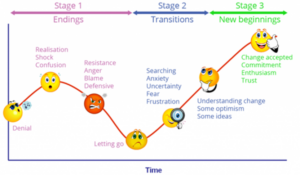
The stages of change in a team, as outlined by Bruce Tuckman, consist of five distinct phases: Forming, Storming, Norming, Performing, and Adjourning. Each stage represents a unique phase in the group development process where team members experience different dynamics as they build trust, navigate conflicts, and work towards common goals.
1. FormingIn the Forming stage, team members come together for the first time. This phase is characterized by excitement and anxiety as individuals are getting to know each other and establishing initial group dynamics. Members often feel uncertain about their roles and how they will interact with one another. Observable behaviors during this stage include politeness, tentative joining, and attempts to define tasks and processes.
Key Characteristics:High levels of uncertaintyFocus on social interactionsEstablishment of ground rules and expectations2. StormingAs the team begins to work together more closely, they enter the Storming stage. This phase is marked by conflict as individual personalities emerge and disagreements arise over tasks, roles, and leadership. Team members may experience frustration or anger regarding progress or processes. Observable behaviors include arguing among members, vying for leadership positions, and expressing differing points of view.
Key Characteristics:Emergence of interpersonal conflictsPower struggles among team membersTesting boundaries and roles within the group3. NormingIf the team successfully navigates through the Storming phase, they move into the Norming stage. During this phase, team members start to resolve their differences and develop cohesion. They establish shared norms for behavior and begin to collaborate more effectively on tasks. Observable behaviors include increased communication among members, sincere attempts at consensual decision-making, and a focus on achieving task milestones.
Key Characteristics:Development of trust among team membersIncreased acceptance of diverse opinionsEstablishment of effective conflict resolution strategies4. PerformingIn the Performing stage, teams reach a high level of maturity where they function effectively as a cohesive unit. Members understand each other’s strengths and weaknesses and can adapt their roles as needed to meet group objectives. The focus shifts from individual contributions to collective performance. Observable behaviors include high commitment levels among team members, empathy for one another’s needs, and a collaborative work ethic.
Key Characteristics:High productivity levelsStrong interdependence among team membersAbility to solve problems collaboratively without significant oversight from leaders5. AdjourningFinally, teams may reach the Adjourning stage when their project or purpose comes to an end. This phase involves wrapping up final tasks while also managing feelings related to disbandment or transition. Team members may experience sadness or relief at completing their work together but also reflect on their achievements during this time.
Key Characteristics:Recognition of accomplishmentsReflection on lessons learnedEmotional responses related to separation from teammatesUnderstanding these stages helps leaders provide appropriate support at each phase so that teams can effectively navigate challenges and achieve high performance throughout their development process12345.
The post Stages of Change in a Team appeared first on Peak Development Strategies.
March 13, 2025
Understanding Recognition and Feedback

Recognition and feedback are essential components of effective management that significantly impact employee engagement, motivation, and retention.
Step 1: Define Recognition and FeedbackRecognition refers to the acknowledgment of an employee’s efforts, achievements, or contributions in the workplace. It can take various forms, including verbal praise, written commendations, awards, promotions, or small tokens of appreciation. The primary goal is to demonstrate gratitude and acknowledgment for an employee’s dedication and hard work.Feedback, on the other hand, involves providing information regarding an employee’s performance. This can be both positive (highlighting strengths) and constructive (identifying areas for improvement). The purpose of feedback is to guide employees toward better performance and professional growth.Step 2: Importance of RecognitionRecognition plays a crucial role in fostering a positive work environment. Here are some key benefits:
Boosts Morale: When employees feel appreciated, their morale increases, leading to heightened productivity.Enhances Engagement: Employees who receive recognition are more likely to be engaged in their work.Reduces Turnover: Organizations with strong recognition programs experience lower turnover rates.Fosters Positive Culture: A culture that celebrates achievements promotes teamwork and collaboration.Step 3: Importance of FeedbackFeedback is equally vital for employee development. Its benefits include:
Clarifies Expectations: Regular feedback helps employees understand their roles and responsibilities.Encourages Growth: Constructive feedback provides opportunities for skill development and career advancement.Builds Trust: Open communication fosters trust between managers and employees.Increases Performance: Timely feedback can lead to improved job performance as employees adjust based on input received.Step 4: Best Practices for Giving RecognitionTo effectively recognize employees:
Be Specific: Clearly state what the recognition is for; this helps reinforce desired behaviors.Be Timely: Recognize achievements as they happen rather than waiting for annual reviews.Personalize Recognition: Tailor your approach based on individual preferences—some may prefer public acknowledgment while others might appreciate private praise.Step 5: Best Practices for Providing FeedbackWhen giving feedback:
Make it Regular: Frequent check-ins help keep communication open and relevant.Focus on Strengths First: Start with positive observations before discussing areas for improvement.Be Constructive but Honest: Provide actionable suggestions alongside any criticism to help guide improvement.ConclusionIn summary, both recognition and feedback are critical elements in creating a motivated workforce that feels valued and engaged in their roles within the organization. By implementing effective strategies for both recognition and feedback, organizations can enhance employee satisfaction, drive performance, and reduce turnover rates.
The probability that this answer is correct is high based on extensive research from authoritative sources on workplace dynamics.
The post Understanding Recognition and Feedback appeared first on Peak Development Strategies.
March 12, 2025
Diagnosing Team Failure
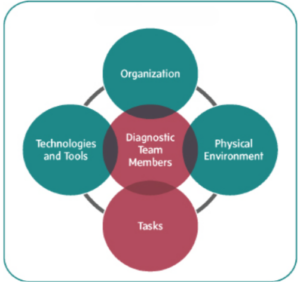
Diagnosing team failure involves a systematic approach to identify the underlying issues that hinder a team’s performance. This process can be broken down into several key steps:
Step 1: Observation of BehaviorsThe first step in diagnosing team failure is to observe the behaviors of team members without making any inferences. This requires leaders to pay close attention to both verbal and non-verbal communications during interactions, especially in meetings where dynamics are most evident. Observations should focus on specific behaviors rather than assumptions about intentions or motivations.
Step 2: Identifying Common Problem AreasOnce observations are made, it is essential to identify common problem areas that may contribute to team dysfunction. According to various sources, six prevalent issues often lead to team failure:
No Trust Between Team Members: A lack of trust can create an environment where members are suspicious of each other’s motives, leading to poor collaboration.Ineffective Interaction and Unproductive Meetings: Meetings should be productive spaces for brainstorming and strategizing; however, ineffective communication can render them useless.Poor Role Clarity: When roles are not clearly defined, confusion and conflict over responsibilities can arise, impacting overall productivity.Losing Focus on Business Objectives: Teams need clear goals; without them, members may drift away from the intended outcomes.Faulty Analysis of Market Conditions: Misreading market signals can lead teams astray, affecting their strategies and decisions.Poor Time Management: Inefficient use of time can severely impact a team’s ability to meet deadlines and achieve objectives.Step 3: Inferring Meaning from ObservationsAfter identifying behaviors and problem areas, leaders should infer meanings behind these observations by asking appropriate questions. For instance, if a member appears disengaged during discussions, a leader might ask if they disagree with the direction being taken or if they feel their input is valued. This step helps clarify misunderstandings and provides insight into individual motivations.
Step 4: Engaging in Open CommunicationEncouraging open dialogue among team members is crucial for diagnosing issues effectively. Leaders should foster an environment where team members feel safe discussing their concerns without fear of retribution. This transparency allows for the identification of deeper issues that may not be immediately visible through observation alone.
Step 5: Implementing Solutions Based on FindingsOnce the underlying causes have been diagnosed, it is essential to implement targeted interventions tailored to address specific problems identified during the diagnostic process. Solutions could include:
Conducting team-building exercises to enhance trust.Clarifying roles and responsibilities through regular discussions.Setting clear business objectives that align with team efforts.Improving meeting structures to ensure productive interactions.By addressing these areas systematically, teams can improve their dynamics and performance over time.
ConclusionIn summary, diagnosing team failure requires careful observation of behaviors, identification of common problem areas, inferring meanings from those observations through open communication, and implementing targeted solutions based on findings. By following these steps diligently, leaders can help restore functionality within their teams.
The post Diagnosing Team Failure appeared first on Peak Development Strategies.
March 11, 2025
Collaborative Workplace Strategies
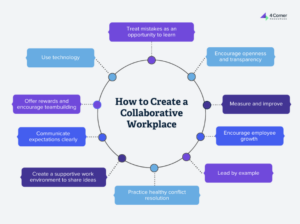
To foster a collaborative workplace, organizations can implement several effective strategies that enhance teamwork, communication, and overall productivity. Here’s a detailed breakdown of these strategies:
1. Foster Open CommunicationCreating an environment where team members feel comfortable sharing ideas, concerns, and feedback is crucial. Regular team meetings and open dialogue should be encouraged to ensure everyone feels heard.
2. Build Trust Among Team MembersTrust is essential for collaboration. Encourage transparency and accountability within the team through team-building activities and regular feedback sessions to strengthen relationships.
3. Set Collaborative GoalsEstablishing goals that require teamwork encourages collaboration over competition. Use project management tools to assign tasks that necessitate joint efforts, ensuring all contributions align with shared objectives.
4. Define Clear Roles and ResponsibilitiesClarity in roles helps eliminate confusion and ensures efficient task completion. Outline specific responsibilities during project planning and document them for easy access by all team members.
5. Encourage Knowledge SharingPromote a culture of knowledge sharing by organizing internal workshops or creating resource libraries where team members can share insights, tips, and best practices.
6. Implement Effective Onboarding ProcessesA well-structured onboarding process helps new employees integrate smoothly into the team, fostering collaboration from day one by providing clear guidelines on communication channels and expectations.
7. Utilize Collaborative ToolsLeverage technology such as project management software (e.g., Asana or Trello) and communication platforms (e.g., Slack or Microsoft Teams) to facilitate seamless collaboration among team members.
8. Celebrate Team AchievementsRecognizing and celebrating milestones reinforces the value of teamwork and boosts morale. Acknowledging both big wins and small successes fosters a sense of belonging within the group.
9. Provide Conflict Resolution TrainingEquip your team with skills to navigate disagreements effectively through conflict resolution training sessions focused on active listening, mediation, and negotiation techniques.
10. Create Accountability SystemsEstablish systems that hold team members accountable for their contributions to projects. This includes setting clear expectations, deadlines, and tracking progress using project management tools.
ConclusionBy implementing these collaborative workplace strategies, organizations can create an environment that promotes teamwork, enhances communication, and drives innovation while ensuring that every employee feels valued in their contributions.
The probability that this answer is correct is high based on the information provided from authoritative sources on workplace collaboration strategies.
The post Collaborative Workplace Strategies appeared first on Peak Development Strategies.