Mary L. Erlain's Blog, page 18
January 20, 2025
Top Skills Every Great Mentor Should Have
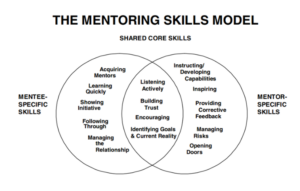
Certain skills and qualities are essential to being an effective mentor. These skills enhance the mentoring relationship and ensure that the mentee receives the guidance they need to grow and succeed. Below are the top skills every great mentor should possess:
Passion for Helping OthersA great mentor is genuinely passionate about helping others achieve their goals. This passion drives them to invest time and effort into their mentees’ development. They care deeply about their mentees’ success and will go above and beyond to support them. Excellent Communication Skills
Effective communication is crucial in a mentoring relationship. Mentors must be able to articulate their thoughts clearly and listen actively to their mentees. This includes being patient, empathetic, and skilled at asking probing questions that encourage deeper reflection from the mentee. Active Listening Abilities
Listening is a fundamental part of mentorship. A great mentor spends a significant time listening to their mentee’s concerns, challenges, and aspirations. This active listening helps mentors understand the mentee’s perspective and provide tailored advice. Emotional Intelligence
Mentors with high emotional intelligence can recognize and understand their own emotions as those of their mentees. This skill allows them to navigate complex emotional situations effectively, providing support when needed while also encouraging growth. Patience
Patience is vital in mentoring relationships, as growth takes time. A good mentor understands that their mentee may struggle or take longer to grasp certain concepts or skills, and they remain supportive throughout this process without rushing or pressuring them. Commitment to Continuous Learning
Great mentors model a commitment to lifelong learning themselves. They stay updated on industry trends, best practices, and new methodologies relevant to their field, which enables them to provide current and valuable insights to their mentees. Ability to Provide Constructive Feedback
Mentors must be able to give feedback that is both honest and constructive. This means highlighting areas for improvement while also recognizing strengths, thus fostering a balanced approach that encourages growth without discouragement. Networking Skills
An effective mentor often has a robust professional network that they can leverage for the benefit of their mentees. They should be willing to introduce their mentees to contacts who can provide additional opportunities or insights relevant to the mentee’s career path. Positive Attitude and Role Modeling
Mentors serve as role models for their mentees; therefore, exhibiting a positive attitude is essential. Demonstrating resilience, optimism, and professionalism in various situations, mentors inspire similar behaviors in their mentees. Flexibility and Adaptability
Every mentoring relationship is unique; thus, mentors must be flexible in their approach based on the individual needs of each mentee. Being adaptable allows mentors to tailor their guidance effectively according to changing circumstances or challenges faced by the mentee.
By cultivating these skills, mentors can create meaningful relationships with their mentees that foster personal growth, professional development, and overall success.
The post Top Skills Every Great Mentor Should Have appeared first on Peak Development Strategies.


January 17, 2025
How to Be a Great Mentee
Before embarking on your mentorship journey, it is crucial to reflect on what you hope to achieve. This could involve developing specific skills, gaining insights into a particular area of interest, or learning how to navigate workplace challenges. Writing down these goals helps create a focused agenda for your meetings with your mentor. Sharing these objectives early on allows your mentor to tailor their guidance and support effectively. The clearer your goals are, the more productive and fulfilling the mentorship experience will be. Be Prepared and Organized
Respecting your mentor’s time is essential, as they are often busy professionals who volunteer their time to guide you. Arriving punctually and coming prepared for each session demonstrates professionalism and commitment. Bring a list of topics or questions you wish to discuss, and if any assignments or readings were given by your mentor, ensure they are completed beforehand. Taking notes during meetings can help you track key insights and action items, which can deepen your understanding over time. Take Initiative and Be Proactive
As the mentee, it is primarily your responsibility to drive the relationship forward. Do not wait for your mentor to reach out or lead every conversation; instead, take the initiative in scheduling meetings, setting agendas, and following up on previous discussions. If there are areas where you need more guidance or support, do not hesitate to ask for it directly. This proactive engagement shows that you value your mentor’s time and input while demonstrating your commitment to personal growth. Build a Personal Connection
While professional development is at the core of any mentorship relationship, establishing a personal connection can significantly enrich the experience for both parties involved. Take time to learn about your mentor’s hobbies, interests, experiences, and values outside of work-related topics. Asking about their career journey—such as pivotal moments or challenges they’ve faced—can foster a deeper connection that makes the mentorship feel more genuine and comfortable. Demonstrate Your Interest/Apply What You Learn
Show enthusiasm for the advice shared by actively applying what you learn from your mentor in real-world scenarios. Take notes during sessions refer back to them later when implementing suggestions or strategies discussed. Additionally, asking about your mentor’s goals can provide insight into how you might align your learning objectives with theirs. Be Appreciative and Give Back
Recognizing the value of your mentor’s time and expertise is vital in maintaining a positive relationship. Express gratitude for their guidance regularly; this acknowledgment reinforces their role in your growth and success.
By following these steps diligently throughout the mentorship process, you can maximize the benefits of this valuable relationship.
The post How to Be a Great Mentee appeared first on Peak Development Strategies.
January 16, 2025
Top Skills Every Great Mentor Should Have
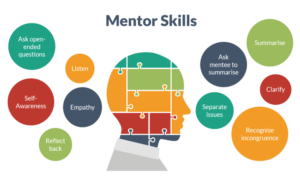
To be an effective mentor, certain skills and qualities are essential. These skills enhance the mentoring relationship but also foster growth and development for the mentor and mentee. Here’s a detailed breakdown of the top skills every great mentor should possess:
Passion for Helping OthersA great mentor is genuinely passionate about helping their mentees succeed. This passion drives them to invest time and effort into understanding their mentees’ goals, aspirations, and challenges. Mentors who care deeply about their mentees’ success create a supportive environment that encourages growth.
Excellent Communication SkillsEffective communication is crucial in mentorship. A good mentor must articulate thoughts clearly and listen actively to their mentee’s concerns. This includes being patient, asking open-ended questions, and providing constructive feedback. The ability to communicate complex ideas understandably is vital for guiding mentees through their learning process.
Active ListeningActive listening goes hand-in-hand with communication skills. A great mentor spends significant time listening to their mentee rather than dominating the conversation. By doing so, they can better understand the mentee’s perspective, challenges, and needs, which allows them to provide more tailored guidance.
EmpathyEmpathy is the ability to understand and share the feelings of another person. A great mentor demonstrates empathy by being sensitive to their mentee’s emotions and experiences. This quality helps build trust and rapport, making it easier for the mentee to open up about their struggles.
PatienceMentoring often involves guiding someone through complex issues or new concepts that may take time to grasp fully. A great mentor exhibits patience as they allow their mentee to explore solutions at their own pace without rushing or expressing frustration.
Positive AttitudeA positive attitude can significantly influence the mentoring relationship. Mentors who maintain an optimistic outlook inspire confidence in their mentees and encourage them to overcome obstacles with resilience.
Willingness to Share KnowledgeGreat mentors are generous with sharing their knowledge and experiences. They recognize that imparting wisdom is a key part of mentorship, which helps mentees learn from real-life situations rather than just theoretical concepts.
Commitment to Personal DevelopmentAn effective mentor is committed not only to developing others but also to continuous self-improvement. They seek out opportunities for personal growth, which enables them to bring fresh perspectives and insights into the mentoring relationship.
Ability to Provide Constructive FeedbackFeedback is essential in mentorship; however, it must be constructive rather than critical or negative. Great mentors know how to deliver feedback that encourages improvement while maintaining the mentee’s motivation.
Networking SkillsA good mentor often has extensive professional networks that they can leverage for their mentees’ benefit. Being able to connect a mentee with relevant contacts can open doors for career advancement or new opportunities.
In summary, these skills collectively contribute to creating a nurturing environment where mentors and mentees can thrive together through shared experiences and mutual respect.
The post Top Skills Every Great Mentor Should Have appeared first on Peak Development Strategies.
January 14, 2025
Finding the Right Mentor

The first step in finding the right mentor is clearly defining your personal and professional goals. Consider what you hope to achieve in your career, the skills you want to develop, and the areas where you feel you could benefit from guidance. This self-reflection will help you identify the type of mentor who can best support your aspirations. Identify Potential Mentors Within Your Network
Start by looking within your network, including colleagues, friends, professors, or industry contacts. Seek out individuals who inspire you or have experience in areas relevant to your goals. These connections may already have a rapport with you, making it easier to approach them for mentorship. Ask for Recommendations
Reach out to trusted individuals in your network for referrals. Professors, supervisors, or colleagues can often recommend mentors they believe would be a good fit based on their knowledge of both parties’ backgrounds and experiences. Attend Networking Events
Participate in industry conferences, seminars, and networking events where experienced professionals gather. Engage in conversations and express your desire to find a mentor. These events provide an excellent opportunity to meet potential mentors face-to-face. Utilize Online Platforms
Leverage online platforms such as LinkedIn or industry-specific forums to connect with professionals who align with your interests. Join relevant groups and actively participate in discussions; this can help you identify potential mentors open to mentoring relationships. Explore Formal Mentorship Programs
Investigate whether your organization or local professional associations offer formal mentorship programs. These structured programs often facilitate connections between mentors and mentees while providing resources that enhance the mentorship experience. Craft a Thoughtful Outreach Message
When reaching out to potential mentors, be polite and thoughtful. Clearly articulate why you admire them and what specific guidance you seek from them as a mentor. A well-crafted message demonstrates respect for their time and expertise. Build a Strong Relationship Once Connected
After establishing contact with a mentor, focus on nurturing that relationship by being punctual for meetings, coming prepared with questions, and showing appreciation for their time and insights. Regular communication helps strengthen the bond between mentor and mentee. Offer Value Back to Your Mentor
Remember that mentorship is reciprocal; think about how you can provide value back to your mentor as well. Share insights from your experiences or connect them with useful resources when appropriate. Be Persistent Yet Patient
Finding the right mentor may take time; don’t be discouraged by initial setbacks or rejections. Continue seeking opportunities until you find someone whose mentorship aligns with your needs.
By following these steps systematically, you’ll increase your chances of identifying suitable mentors who can guide you effectively throughout your career.
The post Finding the Right Mentor appeared first on Peak Development Strategies.
January 13, 2025
The Power of Mentorship
Introduction to Mentorship
Mentorship is a crucial component of professional development that transcends the early stages of one’s career. It plays a significant role at every phase, from entry-level positions to senior leadership roles. A mentor and mentee relationship can provide invaluable insights, guidance, and support that help individuals navigate their careers more effectively.
The Importance of Mentorship for New Professionals
For those just starting their careers, mentorship offers a foundation upon which they can build their professional identities. New professionals often face uncertainty and challenges as they transition from academic environments to the workforce. A mentor can advise on industry norms, expectations, and best practices. They can also help mentees develop critical skills and confidence through real-world feedback.
Internships are often linked with mentorship because they provide practical experience that complements academic learning. Interns with mentors return to the companies where they interned, as they have developed relationships that foster trust and understanding within the workplace.
Mentorship for Mid-Career Professionals
As individuals progress in their careers, the need for mentorship does not diminish; rather, it evolves. Mid-career professionals may encounter new challenges such as leadership responsibilities or shifts in industry dynamics. A mentor during this stage can offer perspective on navigating these changes and help set strategic goals for career advancement.
Moreover, mentorship at this stage is not solely about receiving guidance; it also involves giving back. Experienced professionals often find fulfillment in mentoring others, which reinforces their knowledge and skills while contributing to the growth of the next generation.
The Role of Mentorship in Senior Leadership
Even seasoned leaders benefit from mentorship. At this level, mentors can provide insights into broader organizational strategies and help leaders refine their decision-making processes. They can also assist in developing emotional intelligence and interpersonal skills necessary for effective leadership.
Mentors serve as sounding boards for ideas and challenges faced by senior executives. This relationship fosters an environment where leaders feel supported while making critical decisions that impact their organizations.
Mutual Benefits of Mentorship
Mentorship is inherently a two-way street; mentors and mentees gain from the relationship. While mentees receive guidance and support, mentors often find renewed energy and motivation through teaching others. This reciprocal dynamic enhances personal growth for both parties involved.
Additionally, mentorship helps create a culture of collaboration within organizations. When employees see leaders actively engaging in mentorship, it encourages them to seek out similar relationships, fostering an environment where knowledge sharing is valued.
Conclusion: Embracing Mentorship Throughout Your Career
In conclusion, mentorship is vital at every stage of one’s career journey—from entry-level positions to executive roles. It provides essential support, fosters professional growth, encourages collaboration, and creates a culture of continuous learning within organizations. Seeking out mentors or becoming one yourself can significantly enhance your career trajectory and contribute positively to your professional environment.
The post The Power of Mentorship appeared first on Peak Development Strategies.
January 10, 2025
Marketing to the 5 Generations in the Marketplace
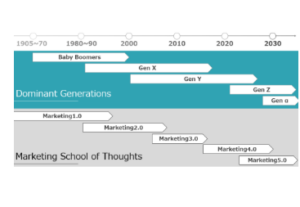
In today’s marketplace, marketers face the unique challenge of reaching and engaging five distinct generations: the Silent Generation, Baby Boomers, Generation X, Millennials (Generation Y), and Generation Z. Each generation has its characteristics, preferences, and behaviors that influence their purchasing decisions and interactions with brands. Understanding these differences is crucial for developing effective marketing strategies.
Silent Generation (Born Before 1945)The Silent Generation values stability, loyalty, and respect in their relationships with businesses. They prefer traditional marketing channels such as TV, print media, radio, and direct mail. Marketers should focus on straightforward content that resonates with their life experiences and emphasizes family and community values. This generation appreciates products that simplify their lives. Baby Boomers (Born 1946-1964)
Baby Boomers grew up during economic growth and have significant purchasing power. They are generally receptive to traditional advertising methods but have also embraced digital platforms for research and shopping. Effective marketing strategies for this group include loyalty programs that encourage in-store purchases and personalized communication through social media. Highlighting value and quality in products can resonate well with them. Generation X (Born Early 1960s – Early 1980s)
Generation X is characterized by their independence and skepticism towards authority figures. They are tech-savvy but also appreciate authenticity in branding. Marketing strategies should leverage digital channels (like email marketing) and traditional media while emphasizing transparency and real-life testimonials from other consumers. This generation often seeks work-life balance, so messaging that reflects this can be effective. Millennials (Generation Y) (Born Early 1980s – Early 2000s)
Millennials are known for their comfort with technology and social media engagement. They value experiences over material possessions and often seek brands that align with their values such as sustainability or social responsibility. Marketers should utilize social media platforms effectively to create interactive campaigns that encourage user-generated content while focusing on storytelling that highlights brand values. Generation Z (Born Early 2000s – Present)
Generation Z is the first generation to grow up entirely in a digital world, making them highly adept at navigating online spaces. They prioritize authenticity, diversity, and inclusivity in brands they support. Marketing strategies should focus on short-form video content on platforms like TikTok or Instagram Reels while ensuring messages are relatable and genuine. Engaging them through influencers who reflect their values can also be effective.
Conclusion
To successfully market across these five generations, companies must tailor their strategies to meet the unique needs of each group while considering broader customer segmentation factors such as geography, income level, interests, and behaviors. By understanding generational differences in attitudes toward technology, brand loyalty, communication preferences, and purchasing motivations, marketers can create more personalized experiences that resonate with each demographic segment.
The post Marketing to the 5 Generations in the Marketplace appeared first on Peak Development Strategies.
January 8, 2025
Understanding Opportunities for Growth

In today’s competitive job market, employees increasingly seek personal and professional growth opportunities. This desire stems from various factors, including the need for engagement, career advancement, and a supportive work environment. Organizations that recognize and address these needs can significantly enhance employee retention and satisfaction.
Recognizing Employee NeedsTo create effective growth opportunities, understanding each employee’s unique professional needs is essential. This involves engaging in open conversations about their career aspirations, preferred learning styles, and the challenges they seek. For instance, some employees may thrive with remote work options or flexible schedules, while others might prefer structured training programs or mentorship opportunities.
Providing Professional Development ProgramsOrganizations should invest in comprehensive professional development programs tailored to their workforce’s needs. These programs can include workshops, seminars, online courses, and certifications that align with both individual goals and organizational objectives. By offering diverse learning opportunities, companies can help employees acquire new skills and knowledge that contribute to their career progression.
Establishing Clear Career Progression PlansA well-defined career progression plan is crucial for retaining talent. Employees should have a clear understanding of the steps required to advance within the organization. This includes setting specific performance metrics and milestones employees must achieve to qualify for promotions or salary increases. Regularly communicating these plans ensures employees feel informed and motivated toward their goals.
Fostering a Supportive Work EnvironmentCreating an inclusive and respectful workplace culture is vital for employee satisfaction. Organizations must actively promote diversity and inclusion initiatives to ensure all employees feel valued and respected. When individuals perceive their workplace as supportive, they are more likely to engage fully in their roles and pursue growth opportunities within the company.
Offering Feedback and RecognitionRegular feedback is essential for employee growth. Organizations should implement systems for providing constructive feedback on performance while also recognizing achievements and contributions made by employees. This recognition can take various forms—verbal praise, awards, or even financial incentives—which reinforce positive behaviors and motivate continued development.
Encouraging Cross-Departmental CollaborationEncouraging collaboration across different departments can expose employees to new ideas, perspectives, and skills that contribute to their growth. By facilitating cross-functional projects or team-building activities, organizations can help employees expand their networks within the company while also enhancing their problem-solving abilities.
Supporting Work-Life BalanceEmployees are increasingly prioritizing work-life balance as a critical factor in job satisfaction. Organizations should consider flexible working arrangements to allow employees to manage their commitments alongside professional responsibilities effectively. A healthy work-life balance not only improves overall well-being but also fosters greater productivity at work.
Continuous Evaluation of Growth OpportunitiesFinally, organizations must continuously evaluate the effectiveness of their growth initiatives by soliciting employee feedback regularly through surveys or one-on-one discussions. Understanding what works well—and what doesn’t—enables companies to adapt their strategies accordingly, ensuring they remain responsive to employee needs over time.
By implementing these strategies thoughtfully, organizations can create an environment where employees feel empowered to grow personally and professionally while contributing positively to the company’s success.
The post Understanding Opportunities for Growth appeared first on Peak Development Strategies.
January 7, 2025
Coping with Crisis Situations
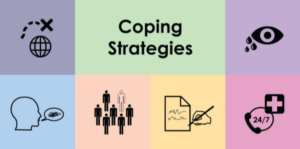
Crises can arise unexpectedly and can have profound effects on individuals, leading to emotional distress and mental health challenges. Coping effectively during these times is crucial for recovery and maintaining well-being. Here are several strategies to help cope with crises:
Understand Normal ReactionsWhen faced with a crisis, it is essential to recognize that experiencing a range of emotions is normal. Feelings such as shock, disbelief, fear, and sadness are common responses to traumatic events. Understanding that these reactions are typical can help individuals process their feelings more effectively and reduce feelings of isolation or abnormality.
Realize the Effects of Other LossesThe ability to cope with a current crisis may be influenced by past experiences of trauma or loss. Individuals who have previously faced significant challenges may find themselves triggered by new crises, leading to heightened emotional responses. Additionally, ongoing stressors in life—such as financial difficulties or caregiving responsibilities—can exacerbate the impact of a new crisis.
Consider Past HealingReflecting on previous experiences with trauma can provide valuable insights into effective coping mechanisms. Identifying what helped in past crises—such as support from friends or engaging in self-care activities—can guide individuals in their current situation. Conversely, recognizing ineffective coping strategies can help avoid repeating those patterns.
Be Intentional in Self-CareSelf-care plays a vital role in managing stress during crises. Engaging in activities that promote relaxation and joy—such as spending time with loved ones, exercising, or enjoying hobbies—can significantly alleviate emotional strain. Prioritizing self-care helps restore balance and provides necessary relief from external pressures.
Recognize the Need for HelpIf feelings of distress become overwhelming or interfere with daily functioning, seeking professional help is crucial. This might involve talking to a trusted friend or family member or reaching out to mental health professionals for support. Early intervention can prevent further emotional deterioration and facilitate recovery.
Develop a Crisis PlanFor individuals living with mental health conditions, having a crisis plan is essential. This plan should outline steps when feeling overwhelmed, including emergency contacts and resources for immediate support (e.g., hotlines). Knowing how to access help quickly can mitigate risks associated with acute crises.
Utilize Support ResourcesReaching out for support from community resources can provide additional assistance during difficult times. Organizations like the National Alliance on Mental Illness (NAMI) offer helplines and information about local services that can aid individuals facing crises.
In summary, coping with crises involves understanding normal emotional reactions, recognizing the influence of past experiences, engaging in self-care practices, seeking help when needed, developing a crisis plan, and utilizing available support resources.
The post Coping with Crisis Situations appeared first on Peak Development Strategies.
January 6, 2025
Develop a Positive Self-Image

Understanding Self-Image
To develop a positive self-image, it is essential first to understand what self-image is. Self-image refers to how you perceive yourself, both internally and externally. It encompasses your thoughts, beliefs, and feelings about yourself. A positive self-image can lead to greater confidence and improved mental health, while a negative self-image can result in feelings of inadequacy and low self-esteem.
Step 1: Identify Negative Thoughts
The first step in developing a positive self-image is identifying negative thoughts about yourself. This involves recognizing the inner critic that often undermines your confidence. Could you take time to reflect on these thoughts and write them down? By acknowledging them, you can begin to challenge their validity.
Step 2: Challenge Negative Beliefs
Once you have identified negative thoughts, the next step is to challenge them. Ask yourself questions such as: “Is this thought based on facts?” or “What evidence do I have that contradicts this belief?” This process helps reframe your perspective and replace negative beliefs with more balanced ones.
Step 3: Set Achievable Goals
Setting small, achievable goals can significantly enhance your self-image. Start with simple tasks that you can accomplish easily. As you achieve these goals, celebrate your successes, no matter how small they may seem. This practice reinforces a sense of accomplishment and builds confidence over time.
Step 4: Practice Self-Appreciation
Taking time for self-appreciation is crucial in developing a positive self-image. Engage in regular practices that allow you to reflect on what you appreciate about yourself. This could be through journaling or taking a moment each day to acknowledge your strengths and achievements.
Step 5: Surround Yourself with Supportive People
The people around you play a significant role in shaping your self-image. Spend time with individuals who uplift and support you rather than those who bring negativity into your life. Positive reinforcement from others can help bolster your perception of yourself.
Step 6: Focus on Personal Growth
Instead of comparing yourself to others, focus on your growth journey. Track your progress over time and recognize how far you’ve come rather than fixating on where others are at. This shift in focus helps cultivate a more positive view of yourself.
Step 7: Engage in Activities You Enjoy
Participating in activities that bring you joy can improve your mood and enhance your self-perception. Whether pursuing hobbies or engaging in social activities, doing things that make you happy positively affects how you see yourself.
Step 8: Maintain Healthy Habits
Physical health greatly influences mental well-being. Ensure you’re eating nutritious foods, exercising regularly, getting enough sleep, and managing stress effectively. These habits not only improve physical health but also contribute positively to mental health and self-image.
Conclusion
Developing a positive self-image is an ongoing process that requires patience and effort. By identifying negative thoughts, challenging them, setting achievable goals, practicing self-appreciation, surrounding yourself with supportive people, focusing on personal growth, engaging in enjoyable activities, and maintaining healthy habits, you can foster a more positive view of yourself over time.
The post Develop a Positive Self-Image appeared first on Peak Development Strategies.
December 19, 2024
Leading the Way in the Multi-Generational Business

In today’s workplace, organizations are increasingly composed of a multi-generational workforce. This diversity presents both challenges and opportunities for leaders. Understanding how to effectively lead a team that spans multiple generations is crucial for fostering an inclusive and productive work environment. Here’s a detailed exploration of strategies to help leaders navigate this complex landscape.
Understanding Generational Differences
Today’s workforce includes five distinct generations: the Silent Generation, Baby Boomers, Generation X, Millennials, and Generation Z. Each generation has unique experiences, values, and expectations shaped by the socio-economic conditions during their formative years. For instance:
Silent Generation (born mid-1920s to 1944): Often characterized by loyalty and a strong work ethic.Baby Boomers (born 1945-1964): Known for their dedication to work and preference for face-to-face communication.Generation X (born 1965-1980): Values independence and work-life balance; often seen as pragmatic.Millennials (born 1981-1995): Emphasize purpose in work and value flexibility; they are tech-savvy.Generation Z (born 1996-2012): Focuses on sustainability and social issues; they prefer authentic relationships.Recognizing these differences is essential for leaders to create an environment where all employees feel valued.
Building Relationships Across Generations
One of the most effective strategies for leading a multi-generational workforce is prioritizing relationship-building. Leaders should strive to understand each employee as an individual rather than merely categorizing them by their generational cohort. This can be achieved through:
Regular One-on-One Meetings: Schedule time to connect with team members individually. This helps build trust and allows leaders to understand personal motivations, strengths, and areas for growth.Open Communication Channels: Encourage feedback from employees about their preferred communication styles and working conditions. This not only fosters inclusivity but also enhances productivity by aligning tasks with individual preferences.Cross-Generational Mentorship: Implement mentorship programs that pair younger employees with more experienced ones. This not only facilitates knowledge transfer but also helps bridge generational gaps by fostering mutual understanding.Creating an Inclusive Culture
An inclusive workplace culture is vital for retaining talent across generations. Leaders should focus on integrating diverse values into the organizational framework:
Value-Based Benefits: Ensure that benefits resonate with the values of all generations represented in the workforce. For example, while younger employees may prioritize sustainability initiatives, older employees might value retirement planning services.Employee Resource Groups (ERGs): Establish ERGs that cater to various interests or identities within the workforce. These groups can provide support networks while also informing leadership about diverse perspectives within the organization.Fostering Respectful Dialogue: Create spaces where employees can share their views openly without fear of judgment or conflict. Encouraging respectful discussions about generational differences can enhance collaboration and innovation.Leveraging Diversity for Innovation
A multi-generational workforce brings together a wealth of perspectives that can drive creativity and problem-solving:
Encouraging Collaboration: Facilitate projects that require input from different generational groups, allowing teams to leverage their varied experiences to tackle challenges creatively.Recognizing Unique Contributions: Acknowledge the specific skills each generation brings to the table—whether technological proficiency from Millennials or strategic thinking from Baby Boomers—and utilize these strengths effectively within teams.Continuous Learning Opportunities: Provide training sessions that cater to various learning styles prevalent among different generations, ensuring everyone has access to professional development resources tailored to their needs.By implementing these strategies, leaders can effectively manage a multi-generational workforce, and create an environment where all employees feel valued and engaged in their work.
The post Leading the Way in the Multi-Generational Business appeared first on Peak Development Strategies.