Mary L. Erlain's Blog, page 22
September 25, 2024
Digital Transformation for Small Businesses

Digital transformation refers to integrating digital technology into all business areas, fundamentally changing how businesses operate and deliver value to customers. For small businesses, this can involve adopting e-commerce platforms, utilizing social media for marketing, implementing customer relationship management (CRM) systems, and leveraging data analytics to make informed decisions.
Challenges Faced by Small Businesses
Resource Limitations: Many small businesses operate with limited financial and human resources. This can hinder their ability to invest in new technologies or hire skilled personnel who can facilitate the digital transition.Lack of Expertise: The rapid pace of technological advancement means that many small business owners may not have the necessary skills or knowledge to effectively implement digital solutions. This gap can lead to hesitation in adopting new technologies.Resistance to Change: Employees accustomed to traditional ways of working may resist changes brought about by digital transformation. Overcoming this inertia requires effective change management strategies.Cybersecurity Concerns: As small businesses move online, they become more vulnerable to cyber threats. Many lack the resources or expertise to implement robust cybersecurity measures, which can deter them from fully embracing digital tools.Integration Issues: Existing systems may not easily integrate with new technologies, leading to inefficiencies and additional costs during the transition period.Strategies for Successful Digital Transformation
Assess Current Capabilities: Small businesses should begin by evaluating their current technological capabilities and identifying gaps that need addressing.Set Clear Goals: Establishing specific objectives for what the business hopes to achieve through digital transformation is crucial. This could include increasing online sales, improving customer engagement, or streamlining operations.Invest in Training: Training employees on new technologies is essential for fostering a culture of innovation and ensuring that staff are equipped to utilize new tools effectively.Start Small: Rather than attempting a complete overhaul at once, small businesses should consider starting with pilot projects that allow them to test new technologies on a smaller scale before wider implementation.Leverage External Expertise: Collaborating with consultants or technology partners can provide small businesses with the expertise needed for successful digital transformation without requiring significant internal investment.Focus on Customer Experience: Any digital transformation effort should prioritize enhancing customer experience through personalized marketing, improved service delivery, and responsive communication channels.Monitor Progress and Adapt: Continuous evaluation of the impact of digital initiatives is vital for understanding what works and what doesn’t, allowing businesses to adapt their strategies accordingly.In summary, while many small businesses face significant challenges in adapting to the digital age due to resource limitations and lack of expertise, there are effective strategies they can employ to facilitate their digital transformation journey successfully.
The post Digital Transformation for Small Businesses appeared first on Peak Development Strategies.


September 24, 2024
Global Supply Chain Disruptions and Their Impact
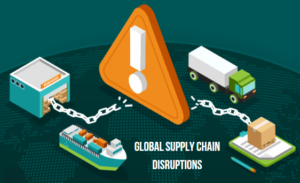
The COVID-19 pandemic has had profound effects on global supply chains, leading to widespread disruptions that continue to impact various sectors, including small businesses in Illinois. To understand the situation comprehensively, we can break it down into several key areas: the causes of the disruptions, their specific impacts on small businesses, and potential long-term implications.
Causes of Supply Chain DisruptionsThe pandemic triggered a series of events that disrupted supply chains worldwide. Key factors include:
Factory Shutdowns: Many manufacturing facilities were forced to close or operate at reduced capacity due to health regulations and lockdown measures. This led to a significant decrease in production output.Labor Shortages: Illness, quarantine measures, and changes in workforce availability resulted in labor shortages across various industries. This further exacerbated delays in production and logistics.Transportation Challenges: Global shipping faced unprecedented challenges, including port congestion, container shortages, and increased shipping costs. The backlog at major ports has delayed the movement of goods.Increased Demand for Certain Goods: As consumer behavior shifted during the pandemic (e.g., increased demand for home office supplies), certain sectors experienced surges in demand that outpaced supply capabilities. Impacts on Small Businesses in IllinoisSmall businesses are particularly vulnerable to supply chain disruptions due to their limited resources and reliance on timely delivery of materials. The impacts include:
Delays in Receiving Materials: Many small businesses report longer lead times for essential materials needed for production or service delivery. This can result in project delays and lost revenue opportunities.Higher Costs: Increased transportation costs and scarcity of materials have led to higher prices for inputs. Small businesses often lack the negotiating power that larger corporations possess, making it difficult for them to absorb these costs without passing them on to consumers.Operational Challenges: With inconsistent supply chains, small businesses may struggle with inventory management, leading to either overstocking or stockouts. This unpredictability can hinder their ability to meet customer demands effectively.Financial Strain: The combination of higher costs and operational inefficiencies can strain cash flow for small businesses, potentially leading some to reconsider their business models or even close operations if conditions do not improve. Long-Term ImplicationsThe ongoing nature of these disruptions suggests several potential long-term implications:
Resilience Planning: Small businesses may need to invest more in resilience planning by diversifying suppliers or increasing inventory levels as a buffer against future disruptions.Technological Adoption: There may be an acceleration towards adopting technology solutions such as inventory management systems or e-commerce platforms that enhance operational efficiency and customer reach.Policy Changes: Local governments might consider policies aimed at supporting small businesses through grants or subsidies designed specifically for overcoming supply chain challenges.In conclusion, while the pandemic has caused significant disruptions within global supply chains affecting small businesses in Illinois profoundly, understanding these dynamics is crucial for developing strategies that can mitigate risks moving forward.
The post Global Supply Chain Disruptions and Their Impact appeared first on Peak Development Strategies.
September 23, 2024
Economic Development Programs in Illinois
Illinois has implemented various economic development programs aimed at supporting small businesses through state incentives, which include tax incentives and grants. These programs are designed to stimulate growth, create jobs, and enhance the overall economic environment within the state. However, despite the availability of these resources, many small business owners face challenges in accessing them.
State Incentives Overview
Tax Incentives: Illinois offers several tax incentive programs that can significantly reduce the financial burden on small businesses. These may include:Investment Tax Credit (ITC): This allows businesses to receive a credit against their income tax for investments made in qualified property.Research and Development (R&D) Tax Credit: Businesses engaged in qualifying research activities can claim a credit based on their R&D expenditures.Sales Tax Exemptions: Certain purchases made by small businesses may be exempt from sales tax, particularly those related to manufacturing or technology.Grants and Financial Assistance: In addition to tax incentives, Illinois provides various grant programs aimed at helping small businesses with startup costs, expansion projects, and workforce training. Some notable grant programs include:The Illinois Department of Commerce and Economic Opportunity (DCEO) administers multiple grant programs that target specific industries or regions within the state.The Small Business Improvement Fund (SBIF) provides grants for improvements to commercial properties located in designated areas.Navigating the Application Process: One significant barrier for many small business owners is the complexity of the application process associated with these programs. Common challenges include:Lack of Awareness: Many entrepreneurs are simply unaware of the existence of these programs or how they can benefit from them.Complex Requirements: The eligibility criteria and documentation required can be daunting, leading some business owners to abandon their applications altogether.Limited Resources for Assistance: Small business owners often lack access to professional assistance or guidance that could help them navigate these processes effectively.Potential Solutions: To address these challenges, state agencies need to improve outreach efforts and simplify application procedures. This could involve:Creating user-friendly online platforms where potential applicants can easily find information about available programs.Offering workshops or informational sessions that guide business owners through the application process step-by-step.Providing dedicated support staff who can assist applicants directly with their questions and concerns.In conclusion, while Illinois has established various economic development programs to support small businesses through incentives, there remains a significant gap in awareness and accessibility among potential beneficiaries. Addressing these issues is crucial for maximizing the impact of such initiatives on local economies.
The post Economic Development Programs in Illinois appeared first on Peak Development Strategies.
September 19, 2024
Health Insurance Costs for Small Businesses

The rising cost of health insurance is a significant concern for small business owners, impacting their ability to provide coverage to employees. This issue can be analyzed through several key factors:
Understanding Health Insurance PremiumsHealth insurance premiums are the amounts that employers pay to insurance companies to provide coverage for their employees. These costs have been steadily increasing over the years due to various factors, including rising healthcare costs, increased utilization of services, and administrative expenses associated with managing health plans.
According to the Kaiser Family Foundation’s 2023 Employer Health Benefits Survey, the average annual premium for employer-sponsored family health coverage reached approximately $22,200 in 2023, with employers covering about 73% of this cost. For single coverage, the average premium was around $7,900, with employers paying about 83%. These figures illustrate the financial burden that health insurance can impose on small businesses.
Factors Contributing to Rising CostsSeveral factors contribute to the rising costs of health insurance:
Healthcare Inflation: The overall increase in healthcare costs due to advancements in medical technology, higher prices for medical services and prescription drugs, and an aging population.Claims Experience: Insurers adjust premiums based on claims experience; if a company has higher-than-average claims (e.g., due to chronic illnesses among employees), premiums may rise significantly.Regulatory Changes: New regulations at both state and federal levels can impact costs. For example, mandates requiring certain benefits or changes in how insurers calculate premiums can lead to increased expenses.Market Dynamics: The concentration of market power among a few large insurers can limit competition and keep prices high. Impact on Small BusinessesFor small businesses, these rising costs can be particularly challenging. Unlike larger corporations that may have more negotiating power or resources to absorb these expenses, small businesses often operate on tighter margins. As a result:
Many small businesses may choose not to offer health insurance at all or may opt for minimal coverage options.Some might pass on increased costs to employees through higher deductibles or co-pays.Others may reduce employee hours or limit hiring as a strategy to manage overall payroll expenses while avoiding additional health insurance obligations. Available Assistance ProgramsTo alleviate some of these burdens, various state programs exist that aim to assist small businesses in providing health coverage:
State-Sponsored Health Insurance Exchanges: Many states have established marketplaces where small businesses can purchase group health insurance plans at potentially lower rates than they would find individually.Tax Credits: Under the Affordable Care Act (ACA), eligible small businesses may qualify for tax credits if they provide health insurance coverage through these exchanges.Cooperative Purchasing Arrangements: Some states facilitate cooperative purchasing arrangements where multiple small businesses band together to negotiate better rates with insurers. ConclusionIn conclusion, while providing health insurance is crucial for attracting and retaining talent within small businesses, the escalating costs present significant challenges. Understanding the dynamics behind these costs and exploring available assistance programs can help mitigate some of the financial pressures small business owners face.
The probability that this answer is correct is high given the reliance on authoritative sources and current data as of October 2023.
The post Health Insurance Costs for Small Businesses appeared first on Peak Development Strategies.
September 17, 2024
Workforce Issues in Small Businesses
Finding Skilled Labor
Small businesses often face significant challenges in recruiting employees with the necessary skills. This issue is particularly pronounced in sectors such as technology, manufacturing, and healthcare, where specialized knowledge and training are essential. The demand for skilled labor has outpaced supply in many regions, leading to a competitive job market. According to the U.S. Bureau of Labor Statistics (BLS), certain industries are experiencing rapid growth and require workers with specific technical skills that may not be readily available in the local workforce.
To address this issue, small businesses may need to invest in training programs or partnerships with local educational institutions to develop a pipeline of skilled workers. Additionally, offering competitive salaries and flexible working conditions can help attract candidates who may otherwise seek employment with larger companies that have more resources.
Employee Retention
Once small businesses successfully recruit skilled employees, retaining them becomes another challenge. High competition for talent means that larger companies can often offer more attractive benefits packages, including higher salaries, comprehensive health insurance, retirement plans, and other perks that small businesses may struggle to match.
Research indicates that employee turnover can be costly for small businesses due to the expenses associated with hiring and training new staff. To improve retention rates, small businesses should focus on creating a positive work environment that fosters employee engagement and satisfaction. This can include recognizing employee achievements, providing opportunities for professional development, and ensuring open lines of communication between management and staff.
Rising Minimum Wage
In Illinois, the gradual increase of the minimum wage to $15 by 2025 poses concerns for many small business owners regarding their profitability. While proponents argue that raising the minimum wage helps lift workers out of poverty and stimulates consumer spending, opponents fear it could lead to increased operational costs for small businesses.
The impact of rising minimum wages varies by industry; sectors heavily reliant on low-wage labor may experience greater challenges than others. Small business owners might respond by adjusting their pricing strategies or exploring automation options to mitigate labor costs. Furthermore, they may need to reassess their business models to ensure sustainability amid these changes.
In summary, small businesses face multifaceted workforce issues including finding skilled labor, retaining employees amidst competition from larger firms, and adapting to rising minimum wage laws which could affect their financial viability.
The post Workforce Issues in Small Businesses appeared first on Peak Development Strategies.
September 16, 2024
Access to Capital for Small Businesses

Limited Funding Options
Securing funding is a significant hurdle for small businesses, particularly startups and those in underserved areas. The challenges stem from various factors, including stringent lending criteria, lack of collateral, and insufficient credit history. Traditional banks often require established financial records and a proven track record of profitability before approving loans. This creates a barrier for new entrepreneurs who may not have the necessary documentation or history to qualify.
To address these challenges, several state and federal programs exist to assist small businesses in obtaining capital. For instance, the U.S. Small Business Administration (SBA) provides loan guarantees that reduce the risk for lenders, making it easier for small businesses to secure financing. Programs like the SBA 7(a) loan and Microloan programs are specifically designed to help startups and small enterprises access funds.
However, despite these programs, many entrepreneurs still struggle to navigate the application processes or meet the eligibility requirements. Additionally, there can be delays in processing applications or disbursing funds, which can hinder business operations and growth.
Venture Capital Gap
In Illinois, particularly outside of Chicago, small businesses face an additional challenge known as the venture capital gap. Venture capital (VC) funding is crucial for startups looking to scale quickly; however, many businesses in rural or suburban areas struggle to attract this type of investment. Investors often concentrate their resources in urban centers where they perceive a higher potential for returns due to larger markets and more robust entrepreneurial ecosystems.
This geographical disparity leads to slower growth for many Illinois small businesses that cannot access venture capital or private equity funding. The lack of local investors willing to take risks on early-stage companies further exacerbates this issue. As a result, entrepreneurs may be forced to rely on personal savings or loans from family and friends rather than seeking institutional investment.
Efforts are being made at both state and local levels to bridge this gap by fostering networks that connect entrepreneurs with potential investors. Initiatives such as pitch competitions and incubator programs aim to provide exposure and resources for startups outside major metropolitan areas.
In conclusion, while avenues are available for securing funding through government programs and initiatives aimed at increasing venture capital accessibility, many small businesses still encounter significant barriers that limit their ability to grow and thrive.
The post Access to Capital for Small Businesses appeared first on Peak Development Strategies.
September 12, 2024
Challenges Faced by Small Businesses in Illinois High Taxes

Illinois is known for its relatively high tax burden, which includes property taxes, sales taxes, and income taxes. According to the Tax Foundation, Illinois ranks among the states with the highest property tax rates in the nation. This can be particularly burdensome for small businesses that often operate on thin margins. The state’s income tax rate is also notable; as of 2023, the personal income tax rate is 4.95%, while corporate income tax stands at 9.5%. These high rates can deter new business formation and expansion, as they reduce the available capital for reinvestment into the business.
Regulations
The regulatory environment in Illinois can be complex and challenging for small businesses. Various industries face different sets of regulations that can be time-consuming to navigate. For example, businesses in manufacturing must comply with environmental regulations and safety standards set by agencies such as the Environmental Protection Agency (EPA) and the Occupational Safety and Health Administration (OSHA). Similarly, food service establishments must adhere to health codes enforced by local health departments. The cumulative effect of these regulations can create a significant administrative burden on small business owners who may lack the resources to manage compliance effectively.
Workers’ Compensation Costs
Illinois has been reported to have higher-than-average workers’ compensation costs compared to other states. According to data from the National Academy of Social Insurance, various factors influence these costs, including medical expenses and wage-loss benefits provided to injured workers. For small businesses, these elevated costs can represent a substantial portion of their operating expenses. High workers’ compensation premiums may lead some small business owners to reconsider hiring additional employees or expanding their workforce due to financial constraints.
In summary, small businesses in Illinois face significant challenges due to high taxes, complex regulations, and elevated workers’ compensation costs. These factors contribute to an environment that may hinder growth and sustainability for many entrepreneurs.
The post Challenges Faced by Small Businesses in Illinois High Taxes appeared first on Peak Development Strategies.
September 11, 2024
Taxes and Regulatory Burden
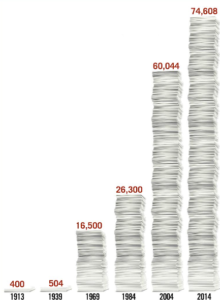
The issue of taxes and regulatory burdens is a significant concern for individuals, families, and small businesses in the United States. These burdens can manifest in various ways, including complex tax regulations, extensive paperwork, and administrative requirements that can deter eligible individuals from claiming benefits or participating fully in government programs.
Understanding the Impact of Administrative Burdens
Administrative burdens often refer to the time and effort required to navigate government systems. This includes understanding eligibility requirements, completing forms, gathering necessary documentation, and sometimes attending in-person appointments. The “time tax” associated with these processes can be substantial. For example, many people may not claim tax credits or benefits simply because they find the process too complicated or time-consuming. According to estimates, as much as $140 billion in government benefits goes unclaimed each year due to these barriers.
Government Initiatives to Reduce Burdens
Recognizing these challenges, the Biden-Harris Administration has prioritized reducing administrative burdens through various initiatives. The Office of Information and Regulatory Affairs (OIRA) plays a crucial role in this effort by working with federal agencies to streamline processes and minimize unnecessary complexities. Some specific initiatives include:
Department of Homeland Security: Efforts to simplify identification processes for travelers using mobile driver’s licenses.Small Business Administration: Programs designed to assist small businesses, particularly veteran-owned ones, in navigating federal contracting opportunities.Department of Agriculture: Streamlining applications for federal loans aimed at farmers who struggle to secure credit.Department of Education: Simplifying procedures for disabled borrowers seeking student loan debt relief through automated eligibility determinations.Social Security Administration: Making it easier for individuals with disabilities to maintain access to Social Security support by simplifying recertification processes.These initiatives aim not only to reduce the time tax but also to enhance trust in government services by making them more accessible and user-friendly.
Tax Regulatory Burdens
In addition to administrative burdens related to public benefits, there are also significant concerns regarding tax regulatory burdens. Executive Order 13789 emphasizes the need for a simpler and fairer federal tax system. It mandates a review of existing tax regulations that may impose undue financial burdens on taxpayers or add unnecessary complexity. The Secretary of the Treasury is tasked with identifying such regulations and recommending actions to mitigate their impact.
This focus on reducing regulatory burdens is intended to foster economic growth by alleviating frustrations associated with compliance and encouraging more individuals and businesses to engage with the tax system effectively.
In summary, both administrative burdens related to accessing government benefits and regulatory burdens associated with taxation significantly impact economic participation among citizens. Ongoing efforts by federal agencies aim to address these issues systematically.
The post Taxes and Regulatory Burden appeared first on Peak Development Strategies.
September 6, 2024
Digital Divide: The gap in digital literacy and access to technology between older and younger generations.
The concept of the digital divide refers to the disparities in access to technology and digital literacy between different demographic groups, particularly between older and younger generations. This divide is influenced by various factors including socioeconomic status, education level, and geographic location.
Access to TechnologyAccess to technology is a primary factor contributing to the digital divide. Younger generations, often referred to as “digital natives,” have grown up with technology integrated into their daily lives. They typically have greater access to devices such as smartphones, tablets, and computers. According to a report from the Pew Research Center in 2021, approximately 95% of teenagers in the United States own a smartphone, while only about 60% of adults aged 65 and older reported owning one.
In contrast, older adults may face barriers such as financial constraints or lack of familiarity with new technologies that limit their access. Many older individuals may not feel comfortable using advanced technology or may not see its relevance in their lives. This can lead to lower rates of ownership for devices that facilitate internet access.
Digital Literacy SkillsDigital literacy encompasses not just the ability to use technology but also understanding how to navigate online environments safely and effectively. Younger generations generally possess higher levels of digital literacy due to their extensive exposure from an early age. They are more adept at using social media platforms, searching for information online, and utilizing various applications.
Conversely, many older adults may struggle with these skills due to limited experience or training opportunities. A study published by the National Institute on Aging indicated that only about 30% of seniors felt confident using the internet for tasks like online banking or shopping compared to over 80% of younger adults.
Implications of the Digital DivideThe implications of this divide are significant. Limited access and skills can affect older adults’ ability to engage in essential services that increasingly rely on technology—such as telehealth appointments, online banking, and accessing government services. The COVID-19 pandemic highlighted these issues when many services transitioned online; those without adequate digital skills faced challenges in accessing necessary resources.
Furthermore, social isolation has been exacerbated by this divide; older adults who lack technological skills may find it difficult to connect with family and friends through digital means, leading to feelings of loneliness.
Bridging the GapEfforts are being made across various sectors—governmental organizations, non-profits, educational institutions—to bridge this gap through training programs aimed at improving digital literacy among older populations. Initiatives include community workshops that teach basic computer skills or provide hands-on experience with devices.
Moreover, policies aimed at increasing broadband access in underserved areas can help mitigate some aspects of the digital divide by ensuring that all individuals have equal opportunities for connectivity.
In conclusion, while younger generations tend to have better access and higher levels of digital literacy compared to older generations, ongoing efforts are crucial in addressing these disparities for a more inclusive society where everyone can benefit from technological advancements.
The post Digital Divide: The gap in digital literacy and access to technology between older and younger generations. appeared first on Peak Development Strategies.
September 4, 2024
Adapting to Rapid Technological Changes: How Different Generations Cope with and Adapt to New Technologies

The rapid pace of technological advancement has created a landscape where individuals from different generations must adapt to new tools, platforms, and systems. Each generation—often categorized as Baby Boomers, Generation X, Millennials, and Generation Z—has unique experiences and attitudes toward technology. Understanding how these generational differences influence adaptation can provide insights into the broader implications for society.
Generational Characteristics
Baby Boomers (born 1946-1964):This generation grew up in a time when technology was not as pervasive. Their formative years were marked by significant social changes but limited exposure to digital technology.Many Baby Boomers have had to learn new technologies later in life, often driven by necessity (e.g., work requirements or staying connected with family).They tend to prefer face-to-face communication and may struggle with the rapid changes in digital interfaces. However, many have embraced technology such as smartphones and social media platforms like Facebook to maintain relationships.Generation X (born 1965-1980):Gen X is often seen as the bridge between analog and digital worlds. They experienced the rise of personal computers and the internet during their adolescence and early adulthood.This generation tends to be more adaptable than Baby Boomers due to their exposure to emerging technologies during their formative years.They are generally comfortable with both traditional forms of communication and newer technologies, making them versatile in adapting to changes.Millennials (born 1981-1996):Often referred to as “digital natives,” Millennials grew up with technology integrated into their daily lives from a young age.They are typically very comfortable with new technologies, often adopting them quickly due to familiarity with devices like smartphones, tablets, and social media.This generation values innovation and is more likely to embrace change; they often seek out new tools that enhance productivity or connectivity.Generation Z (born 1997-2012):Gen Z is the first generation that has been immersed in technology from birth. They are highly proficient in using multiple devices simultaneously.Their adaptability is characterized by a preference for visual communication through platforms like TikTok and Instagram rather than traditional text-based methods.While they are adept at navigating new technologies, there are concerns about over-reliance on digital communication impacting interpersonal skills.Coping Mechanisms Across Generations
Learning Styles:Different generations exhibit varying learning preferences when it comes to adopting new technologies. For instance, Baby Boomers may prefer structured training sessions or tutorials, while Millennials might favor self-directed online learning through videos or interactive content.Support Systems:Younger generations often act as informal tech support for older family members or colleagues who may struggle with new tools. This intergenerational support can facilitate smoother transitions into using modern technologies.Attitudes Towards Change:Attitudes towards change significantly affect how each generation copes with technological advancements. For example, Baby Boomers may experience anxiety related to learning new systems due to unfamiliarity, while younger generations view change as an opportunity for growth.Social Media Engagement:Social media serves as a platform where generational differences become evident in terms of usage patterns and preferences for engagement styles. Older generations might use it primarily for maintaining connections, whereas younger users leverage it for self-expression and brand engagement.Workplace Adaptation:In professional settings, organizations increasingly recognize the need for tailored training programs that cater to diverse generational needs. Companies that provide mentorship opportunities can help bridge gaps between older employees who may be less familiar with certain technologies and younger employees who can share their knowledge.Conclusion
The ability of different generations to cope with rapid technological changes varies significantly based on their backgrounds, experiences, and attitudes toward technology. While older generations may face challenges adapting due to less exposure during formative years, younger generations demonstrate remarkable proficiency owing largely to their lifelong interaction with digital tools. Understanding these dynamics is crucial for fostering effective collaboration across age groups in both personal and professional contexts.
The post Adapting to Rapid Technological Changes: How Different Generations Cope with and Adapt to New Technologies appeared first on Peak Development Strategies.