Mary L. Erlain's Blog, page 19
December 13, 2024
Industry Trends and Insights in Coaching and Personal Development

Emerging Techniques in Coaching
The coaching industry is witnessing a significant evolution, driven by advancements in technology, shifts in societal needs, and an increasing emphasis on mental health and well-being. One of the most notable emerging techniques is the integration of digital tools into coaching practices. Platforms such as virtual reality (VR) and artificial intelligence (AI) are utilized to create immersive coaching experiences that enhance engagement and learning. For instance, VR can simulate real-life scenarios for clients to practice skills like public speaking or conflict resolution in a safe environment.
Another technique gaining traction is coaching through mindfulness. This approach emphasizes self-awareness and emotional regulation, helping clients develop resilience against stressors. Mindfulness-based coaching incorporates meditation and breathing exercises to foster a deeper connection with oneself, which can lead to improved decision-making and personal growth.
Tools Enhancing Coaching Practices
In addition to emerging techniques, various tools are reshaping how coaches interact with their clients. Coaching apps have become increasingly popular, providing clients with resources for tracking their goals, journaling their thoughts, and accessing guided meditations or exercises between sessions. These apps not only facilitate ongoing engagement but also allow coaches to monitor progress more effectively.
Moreover, the use of data analytics in coaching is on the rise. Coaches are leveraging data-driven insights to tailor their approaches based on individual client needs. By analyzing patterns in client behavior or feedback collected through surveys, coaches can refine their strategies for better outcomes.
Philosophies Influencing Coaching Trends
The philosophical underpinnings of coaching are also evolving. The shift towards a more holistic approach recognizes the interconnectedness of various life domains—personal, professional, physical, and emotional. This perspective encourages coaches to consider the whole person rather than focusing solely on specific goals or challenges.
Additionally, there is a growing emphasis on inclusive coaching practices, which prioritize diversity and equity within the coaching relationship. Coaches are increasingly trained to recognize biases and adapt their methodologies to support clients from diverse backgrounds effectively.
Conclusion
Staying abreast of these trends allows coaches to remain relevant in a rapidly changing landscape while providing valuable insights that resonate with clients’ evolving needs. As technology continues to advance and societal values shift towards greater inclusivity and holistic well-being, the future of coaching promises exciting developments that will enhance personal development journeys for individuals worldwide.
The post Industry Trends and Insights in Coaching and Personal Development appeared first on Peak Development Strategies.


December 12, 2024
Common Misconceptions About Coaching

Coaching is often surrounded by various misconceptions that can hinder individuals from seeking the support they need. Understanding what coaching truly entails is essential for both potential clients and practitioners. Below, we will explore some of the most common misconceptions about coaching, clarifying what coaching is and what it isn’t.
Coaching is the Same as TherapyOne of the most prevalent misconceptions is that coaching and therapy are interchangeable. While both involve helping individuals improve their lives, they serve different purposes and are based on distinct methodologies.
Therapy typically focuses on healing psychological issues, addressing past traumas, and dealing with mental health disorders. It often involves a licensed mental health professional who uses specific therapeutic techniques to help clients understand and resolve their emotional difficulties.Coaching, on the other hand, is future-focused and goal-oriented. Coaches work with clients to identify personal or professional goals and develop actionable plans to achieve them. Coaching does not delve into past traumas but instead emphasizes personal growth, accountability, and skill development. Coaches Have All the AnswersAnother misconception is that coaches possess all the answers to their clients’ problems. This belief can lead potential clients to think that hiring a coach will provide them with direct solutions without any effort on their part.
In reality, effective coaching involves collaboration between the coach and the client. Coaches facilitate self-discovery by asking powerful questions that encourage clients to reflect on their thoughts, feelings, and behaviors. The process helps clients uncover their insights and develop personalized strategies for overcoming challenges.
Coaching is Only for People in CrisisMany people believe that coaching is only beneficial for those experiencing significant life crises or transitions. This misconception can deter individuals who may benefit from coaching but do not feel they are in a crisis.
Coaching can be valuable for anyone looking to enhance their performance set new goals, or navigate changes in their personal or professional lives. Whether someone wants to improve their leadership skills, achieve work-life balance, or pursue a new career path, coaching provides support at various stages of life.
Coaches Are Just Motivational SpeakersSome individuals equate coaching with motivational speaking, assuming that coaches merely inspire others without providing practical tools or strategies for change.
While motivation plays a role in coaching, effective coaches go beyond inspiration by offering structured frameworks and techniques tailored to individual needs. They help clients create actionable plans and hold them accountable for following through on commitments.
Anyone Can Call Themselves a CoachThe lack of regulation in the coaching industry leads many to believe anyone can become a coach without formal training or qualifications. This misconception can undermine the credibility of trained professionals.
While there are no universal licensing requirements for coaches, reputable coaches typically undergo extensive training through accredited programs (such as those recognized by the International Coach Federation). These programs equip coaches with essential skills in communication, ethics, and various coaching methodologies.
Coaching Guarantees ResultsA common myth surrounding coaching is that it guarantees success or results within a specific timeframe. This expectation can lead to disappointment if outcomes do not materialize as quickly as anticipated.
Coaching is a process that requires commitment from both parties—the coach must guide effectively while the client must actively engage in self-reflection and action-taking. Results depend on numerous factors including individual effort, readiness for change, and external circumstances; thus there are no guarantees.
Conclusion
Addressing these misconceptions about coaching helps clarify its purpose and value in personal development contexts. By understanding what coaching truly involves—its distinctions from therapy, its collaborative nature, and its applicability beyond crises—individuals may feel more empowered to seek out these services for personal growth and achievement of goals.
The post Common Misconceptions About Coaching appeared first on Peak Development Strategies.
December 10, 2024
Success Stories and Case Studies in Coaching
Introduction to Success Stories
Sharing success stories from a coaching practice is an effective way to illustrate the transformative power of coaching. These narratives not only serve as testimonials but also provide potential clients with relatable examples of how coaching can lead to significant personal and professional growth. Below, I will detail specific cases that highlight the challenges faced by clients, the strategies employed during coaching sessions, and the outcomes achieved.
Case Study 1: Overcoming Career Stagnation
Client Background:
A 35-year-old marketing professional, Sarah, approached me feeling stuck in her career. Despite having a solid job at a reputable company, she felt unfulfilled and was unsure about her next steps.
Challenges Faced:
Sarah struggled with self-doubt and lacked clarity regarding her career goals. She often compared herself to peers who seemed to be advancing more quickly, which exacerbated her feelings of inadequacy.
Strategies Employed:
Goal Setting: We began by identifying her core values and long-term aspirations through guided exercises.Strengths Assessment: Utilizing tools like the StrengthsFinder assessment helped Sarah recognize her unique skills and talents.Action Plan Development: Together, we created a step-by-step action plan that included networking strategies, skill enhancement through online courses, and setting up informational interviews with industry leaders.Outcomes Achieved:
Within six months, Sarah secured a promotion within her company that aligned more closely with her interests. She reported increased confidence in her abilities and satisfaction in her work life. Additionally, she expanded her professional network significantly, leading to new opportunities for collaboration.
Case Study 2: Enhancing Personal Relationships
Client Background:
John, a 42-year-old father of two, sought coaching to improve his relationship with his spouse. He felt disconnected due to work-related stress and poor communication habits.
Challenges Faced:
John’s primary challenge was his inability to express emotions effectively. This led to misunderstandings and conflicts at home. He also struggled with time management between work commitments and family life.
Strategies Employed:
Communication Skills Training: We practiced active listening techniques and role-playing scenarios to enhance John’s ability to communicate openly.Time Management Workshops: Implementing tools like time-blocking helped him prioritize family time amidst his busy schedule.Mindfulness Practices: Introducing mindfulness exercises allowed John to manage stress better and approach conversations with a calm mindset.Outcomes Achieved:
After three months of coaching, John reported a marked improvement in his relationship with his spouse. They began having regular date nights and established open lines of communication that fostered intimacy and understanding. John also noted an increase in overall family happiness as he became more present during family activities.
Case Study 3: Transitioning Careers Successfully
Client Background:
Emily was a 28-year-old teacher looking to transition into corporate training but felt overwhelmed by the prospect of changing careers.
Challenges Faced:
Emily faced fears related to leaving a stable job for an uncertain future in corporate training. She had doubts about whether her teaching skills would translate effectively into the corporate world.
Strategies Employed:
Skill Transfer Analysis: We analyzed Emily’s teaching skills that could be applicable in corporate settings (e.g., presentation skills, and curriculum development).Networking Strategy: I encouraged Emily to connect with professionals in corporate training through LinkedIn groups and local meetups.Mock Interviews: We conducted mock interviews tailored for corporate roles which helped build her confidence.Outcomes Achieved:
Within four months, Emily successfully landed a position as a corporate trainer at a well-known company. She expressed excitement about utilizing her teaching background while embracing new challenges in this role.
The post Success Stories and Case Studies in Coaching appeared first on Peak Development Strategies.
December 5, 2024
Turning Adversity into Success
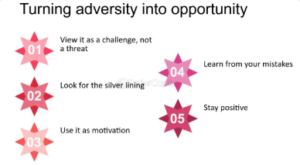
Adversity is an inevitable part of life, and how we respond to it can significantly influence our path to success. The process of turning adversity into success involves several key steps that can help individuals and organizations navigate challenges effectively.
Embrace the Reality of AdversityThe first step in transforming adversity into success is to acknowledge and embrace the current situation. Denial or retreating to a comfort zone can hinder progress. By facing the reality of challenges head-on, individuals can better understand the root causes of their difficulties. This acceptance allows for a clearer assessment of options and potential paths forward.
Cultivate Self-CompassionDuring tough times, many people struggle with self-criticism rather than showing empathy towards themselves. Practicing self-compassion is crucial for emotional well-being and resilience. It involves treating oneself with kindness during moments of failure or hardship, which fosters confidence and encourages individuals to keep moving forward despite setbacks.
Develop Emotional IntelligenceMastering one’s emotions is essential for effective problem-solving during adverse situations. Emotional intelligence involves recognizing, understanding, and managing one’s emotions as well as empathizing with others’ feelings. By becoming more aware of emotional triggers and learning to respond rather than react impulsively, individuals can maintain control over their actions and decisions.
Utilize Humor as a Coping MechanismIncorporating humor into challenging situations can be a powerful tool for reframing perspectives on adversity. While it may not always be appropriate depending on the context, finding moments of levity can help alleviate stress and promote resilience. Laughter fosters positive emotions that enhance flexibility in thinking and problem resolution.
Engage in Wellness ActivitiesMaintaining mental and physical wellness through activities such as meditation, exercise, and healthy eating is vital during times of adversity. These practices reduce stress levels, clear the mind, and improve overall decision-making capabilities by allowing individuals to approach problems rationally rather than emotionally.
Set Clear GoalsEstablishing meaningful goals provides direction amidst the chaos. Goal-setting helps prioritize actions that align with personal values and aspirations while creating a roadmap for overcoming obstacles. By focusing on achievable objectives, individuals can channel their efforts effectively toward success.
Practice PersistencePersistence is critical when navigating adversity; it keeps individuals motivated despite setbacks or failures encountered along the way. Much like inertia in physics—where an object at rest remains at rest unless acted upon by an external force—overcoming initial resistance requires determination to push through challenges until desired outcomes are achieved.
By following these steps—embracing reality, cultivating self-compassion, developing emotional intelligence, utilizing humor, engaging in wellness activities, setting clear goals, and practicing persistence—individuals can transform adversity into opportunities for growth and success.
The post Turning Adversity into Success appeared first on Peak Development Strategies.
December 4, 2024
Accountability: Your Actions to Achieve Success

Understanding Accountability
Accountability is the practice of taking responsibility for one’s actions and decisions, particularly in the context of achieving personal and professional goals. It involves not only recognizing what needs to be done but also committing to follow through on those commitments. This concept is crucial for success because it fosters a mindset that encourages individuals to own their outcomes, learn from their experiences, and improve over time.
Setting Clear Goals
The first step in fostering accountability is to set clear, specific goals. Utilizing the SMART criteria—Specific, Measurable, Achievable, Relevant, and Time-bound—can significantly enhance your ability to stay focused and motivated. For instance, instead of a vague goal like “get fit,” a more defined goal would be “run a 5K in under 25 minutes by June 1st.” This clarity helps you understand exactly what you are working towards and allows you to measure your progress effectively.
Tracking Progress
Once goals are established, it is essential to keep track of your progress regularly. This can involve maintaining a journal or using digital tools that help monitor your advancements toward your objectives. Regular reviews enable you to identify areas where you may be falling behind and allow for timely adjustments. For example, if you’re saving money for a specific purchase, reviewing your budget monthly can help ensure you’re on track.
Communicating with Others
Sharing your goals with others increases accountability significantly. Engaging with mentors, coaches, or accountability partners can provide support and encouragement while also offering valuable feedback. Research suggests that sharing goals can increase the likelihood of achieving them by up to 95%. For example, discussing your public speaking aspirations with a friend can lead to constructive criticism that enhances your skills.
Taking Responsibility for Actions
A critical aspect of accountability is taking responsibility for one’s actions. It’s easy to deflect blame or make excuses when faced with setbacks or failures. However, true accountability requires acknowledging mistakes and learning from them. If you miss a deadline at work, instead of blaming external factors, take ownership of the situation by apologizing and devising a plan to prevent future occurrences.
Seeking Feedback
Regularly seeking feedback from peers or mentors is vital for self-improvement. Constructive criticism helps identify strengths and weaknesses in performance areas relevant to your goals. For instance, if you’re aiming to enhance your leadership skills, asking colleagues for input on your management style can provide insights into how you can improve.
Practicing Self-Discipline
Self-discipline plays an integral role in maintaining accountability. It involves controlling impulses and distractions that may derail progress toward goals. Establishing boundaries—such as dedicated work hours free from interruptions—can help reinforce focus on tasks.
Being Accountable to Yourself
Ultimately, being accountable means holding yourself responsible for meeting the standards you’ve set for yourself. This includes setting high expectations regarding behavior and performance and consistently striving to meet them. For example, if you’ve committed to exercising three times per week, using reminders or tracking workouts can help maintain this commitment.
Conclusion: The Importance of Accountability
In summary, accountability is fundamental for success in various life aspects. Setting clear goals, tracking progress diligently, communicating openly with others about objectives, taking responsibility for actions taken (or not taken), seeking feedback regularly, practicing self-discipline rigorously, and holding oneself accountable consistently—all contribute significantly toward personal growth and achievement.
The post Accountability: Your Actions to Achieve Success appeared first on Peak Development Strategies.
December 2, 2024
5 Strategies to Balance Entrepreneurship

The post 5 Strategies to Balance Entrepreneurship appeared first on Peak Development Strategies.
November 25, 2024
Being an Entrepreneur is not for Everyone…
Are you one of the Corporate Fatalities from this year’s right-sizing initiative?” Does the idea of running a small company seem idyllic? What could be more exciting than building a business from the ground up? You’ll bootstrap it, call all the shots, and make all the rules. You’re certain that your years of corporate expertise will guarantee success in running a small business.
Unfortunately, many of these start-ups can’t stay afloat. They fail because their founders don’t know what they don’t know. The particular demands of small-business life can be quite different than their previous experience in the corporate sector. Would-be entrepreneurs should ask themselves two questions. First, do I have what this takes? And second, does this give me what I want?
Here are some of the harsh realities corporate refugees repeatedly encounter.
You have to be all things to all peopleCorporate executives have a seemingly endless supply of support. It’s their prerogative to do what they do best and delegate the rest. They can find it down the hall or in the London branch or get it from an outside consultant when they lack expertise. Entrepreneurs don’t have those options. Consequently, they can’t afford to be specialists. It’s not enough to be brilliant at product development, sales, and marketing if you are barely literate in cash flow. The downside of making all the decisions is that you must make all the decisions—long into the enterprise. And that requires familiarity with all aspects of your company’s industry and operations.
You’re constantly being distracted by small problemsEntrepreneurs must be proficient at tasks that don’t play to their strengths and do things they once considered beneath them. I’ve seen many new company owners get frustrated that they can’t spend more time on high-level strategy because they have to do things like choose network equipment and decide whether to lease employee parking spaces in a local lot. Most small companies run so leanly that the CEO must be prepared to step in for anyone at any moment, even if that means operating a piece of machinery.
You lose influence and prestigePerforming menial tasks can chip away at your ego, and so can a decline in public recognition. Former executives shouldn’t be surprised when their decisions no longer ripple the markets or the press—but still, many miss the high profile. And because money is always an issue, entrepreneurs must spend considerable time rattling their cups and defending themselves and their decisions to investors and potential investors. Perpetual fund-raising does little to promote self-esteem.
You’re unnervingly vulnerableSmall companies are far more affected than large ones by the loss of a single customer or a sudden spike in oil prices. Minor crises can shake the foundations, and entrepreneurs find their worlds constantly hammered by external forces. You have little control over your time. Executives often view small-company life as a kinder, gentler alternative to 60-hour corporate workweeks. Once in control, these dreamers believe they can design balanced lives for themselves and their employees. But the buck does stop with you. Uninterrupted vacations and weekends may not have been a part of your past – but guess what – they aren’t going to be a part of your present, either. Entrepreneurs can travel to the mountains of Tibet, and still, the message will reach them: “We’re about to lose the Jamison account. What do we do now?”
So what traits do executives who make it in small businesses have in common? Versatility, obviously, and resilience. But I’ve observed that the happiest executives turned entrepreneurs are those who can reset their definitions of success—not by lowering their sights but by narrowing their horizons. That means getting satisfaction from a first product run, acceptance by a distributor, or a single customer well served. Executives who consider these victories trivial when compared with the sometimes world-changing influence of their large-company positions should consider other options for their next gig.
The post Being an Entrepreneur is not for Everyone… appeared first on Peak Development Strategies.
November 20, 2024
Employee Flexibility Needs – Consulting Services

Introduction to Employee Flexibility Needs
In recent years, the landscape of work has undergone significant changes, particularly with the rise of remote work and flexible hours. This shift has been driven by employee demands for better work-life balance, advancements in technology, and a reevaluation of traditional workplace norms. However, while these changes offer numerous benefits, they also present unique challenges for small businesses that traditionally rely on in-person presence.
The Rise of Remote Work and Flexible Hours
The demand for remote work has surged, especially following the COVID-19 pandemic. Many employees have expressed a preference for working from home or having flexible schedules that allow them to manage personal responsibilities alongside their professional duties. According to a survey conducted by McKinsey & Company in 2022, approximately 58% of employees reported that they would prefer to continue working remotely at least part-time even after the pandemic restrictions were lifted. This trend is particularly pronounced in sectors such as technology, finance, and professional services.
For small businesses in industries like retail or hospitality, which typically require a physical presence for operations, this shift can pose significant challenges. These businesses often interact face-to-face with customers and team members to maintain service quality and operational efficiency. As such, implementing remote work policies may not be feasible without careful consideration of how it impacts customer service and team dynamics.
Balancing Flexibility with Productivity
While offering flexibility can enhance employee satisfaction and retention rates, it can also lead to potential productivity issues if not managed effectively. The challenge lies in balancing providing employees with the autonomy they desire and ensuring that business operations remain efficient.
Coordination Challenges: When employees work remotely or have varying schedules, coordinating meetings, and collaborative projects can become difficult. Miscommunication may arise if team members are not available simultaneously or if there is a lack of clarity regarding project timelines.Monitoring Performance: Small business owners may find it challenging to monitor employee performance when staff are working remotely or on flexible schedules. Traditional metrics of productivity may need to be re-evaluated to accommodate new working arrangements.Maintaining Company Culture: A strong company culture is vital for employee engagement and morale. Remote work can dilute this culture if employees do not have regular opportunities for face-to-face interaction with colleagues.To address these challenges effectively, small businesses can consider several strategies:
Implementing Clear Communication Protocols: Establishing guidelines for communication can help ensure that all team members are aligned on expectations and project statuses.Utilizing Technology Tools: Leveraging collaboration tools such as Slack, Microsoft Teams, or Zoom can facilitate better communication among remote workers.Setting Clear Goals and Metrics: Defining clear performance metrics tailored to remote work can help maintain accountability without micromanaging employees.Encouraging Regular Check-ins: Scheduling regular one-on-one meetings between managers and employees can foster open dialogue about workload management and remote workers’ challenges.By proactively addressing these issues through thoughtful consulting services focused on flexibility needs, small businesses can create an environment where employee satisfaction and productivity thrive.
Conclusion
In conclusion, while the rise in demand for remote work and flexible hours presents challenges for small businesses reliant on in-person presence—especially in sectors like retail or hospitality—there are effective strategies that can be implemented to balance flexibility with productivity. By focusing on clear communication protocols, utilizing technology tools effectively, setting measurable goals, and encouraging regular check-ins between management and staff, small businesses can navigate this evolving landscape successfully.
The post Employee Flexibility Needs – Consulting Services appeared first on Peak Development Strategies.
November 18, 2024
Understanding Gen Z’s Openness About Mental Health and Workplace

Mental health awareness has evolved significantly over the past few decades. Previous generations, such as Baby Boomers and Generation X, often faced stigma surrounding mental health issues. Discussions about mental well-being were typically avoided in both personal and professional settings. This cultural backdrop created an environment where individuals felt pressured to conceal their struggles rather than seek help.
The Rise of Gen ZGeneration Z, born approximately between 1997 and 2012, is the first generation to grow up with widespread access to information through the Internet and social media. This exposure has fostered a more open dialogue about various topics, including mental health. Research indicates that Gen Z is more likely to discuss their mental health struggles openly compared to previous generations. They are also more informed about mental health issues due to increased visibility in media and advocacy efforts.
Factors Contributing to OpennessSeveral factors contribute to Gen Z’s openness regarding mental health:
Access to Information: The internet provides vast resources on mental health, allowing individuals to educate themselves about various conditions and coping strategies.Social Media Influence: Platforms like Instagram, Twitter, and TikTok have become spaces for sharing personal experiences related to mental health, creating communities that support openness.Cultural Shifts: There is a growing recognition of the importance of mental well-being in society, leading to reduced stigma around discussing these issues. Expectations in the WorkplaceAs Gen Z enters the workforce, they bring with them expectations for a supportive work environment that prioritizes mental health:
Normalization of Mental Health Discussions: They expect employers to create a culture where discussing mental health is normalized rather than stigmatized.Access to Resources: Gen Z seeks access to mental health resources such as counseling services, workshops on stress management, and wellness programs.Flexible Work Arrangements: Many members of this generation value work-life balance highly and prefer flexible schedules that allow them time for self-care and stress management. Strategies for EmployersTo meet these expectations effectively, employers can implement several strategies:
Normalize Discussions Around Mental Health: Encourage open conversations about mental well-being during meetings or company-wide communications.Offer Access to Mental Health Resources: Provide employees with resources such as Employee Assistance Programs (EAPs), therapy sessions, or wellness apps.Implement Flexible Schedules: Allow employees flexibility in their work hours or remote work options so they can manage their stress levels effectively.Create a Supportive Environment: Foster an inclusive workplace culture where employees feel safe discussing challenges without fear of judgment or repercussions.By adopting these strategies, organizations can support their employees’ well-being and enhance overall productivity and job satisfaction.
Conclusion
In summary, Gen Z’s openness about mental health struggles stems from historical shifts in societal attitudes towards these issues combined with their unique upbringing in a digital age. Their expectations for workplace support reflect a broader cultural movement towards prioritizing mental well-being.
The post Understanding Gen Z’s Openness About Mental Health and Workplace appeared first on Peak Development Strategies.
November 14, 2024
Understanding Gen Z’s Entrepreneurial Spirit and Innovation

By creating an environment that values experimentation and innovation, organizations can tap into the unique strengths of Generation Z, ultimately driving growth and adaptation in an ever-evolving marketplace.
The post Understanding Gen Z’s Entrepreneurial Spirit and Innovation appeared first on Peak Development Strategies.