Mary L. Erlain's Blog, page 16
February 21, 2025
Mentorship Challenges: How to Overcome Common Obstacles
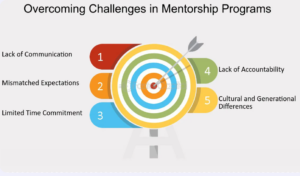
One of the primary challenges in establishing a mentorship program is generating interest among potential participants. To overcome this obstacle, it is essential to effectively communicate the benefits of mentorship to employees. This can be achieved through targeted marketing efforts that highlight success stories and testimonials from previous participants. Engaging the communication and marketing teams can help create awareness about the program, emphasizing its importance and inviting everyone to participate.
Creating the Right Mentor and Mentee MatchMatching mentors with mentees is critical for the success of any mentoring program. A poor match can lead to disengagement and dissatisfaction on both sides. To mitigate this challenge, organizations should implement a structured matching process that considers various factors such as interests, goals, backgrounds, and personalities. Utilizing mentorship matching software can streamline this process by automating the pairing based on predefined criteria, ensuring that both mentors and mentees are well-suited for each other.
Setting the Right ExpectationsUnrealistic expectations can hinder the effectiveness of mentoring relationships. It is crucial to set clear expectations at the outset of the program for both mentors and mentees. This involves providing comprehensive training sessions that outline roles, responsibilities, and desired outcomes for each participant. By establishing a mutual understanding of what each party hopes to achieve from the relationship, organizations can foster a more productive mentoring environment.
Keeping Mentors and Mentees EngagedMaintaining engagement throughout the mentoring relationship is vital for its success. Low engagement often stems from frustration or lack of structure within the program. To combat this issue, organizations should provide ongoing support and resources for both mentors and mentees. Regular check-ins, feedback sessions, and opportunities for networking can help sustain interest and motivation among participants.
Providing Training and ResourcesTraining is essential for equipping mentors with the necessary skills to guide their mentees effectively. Organizations should offer comprehensive training programs that cover key topics such as communication skills, active listening, goal setting, and providing constructive feedback. Additionally, providing access to resources such as articles, workshops, or online courses can enhance both mentors’ and mentees’ experiences.
By addressing these common challenges with strategic solutions—such as effective communication strategies for generating interest; structured matching processes; clear expectation-setting; ongoing engagement initiatives; and robust training programs—organizations can create successful mentorship programs that benefit all participants involved.
The post Mentorship Challenges: How to Overcome Common Obstacles appeared first on Peak Development Strategies.


February 20, 2025
The Art of Giving Constructive Feedback in Mentorship
Understanding Constructive Feedback
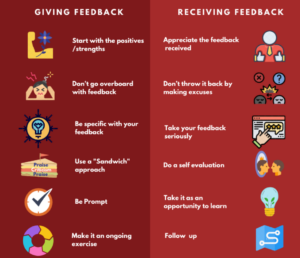
Constructive feedback is a vital component of effective mentorship. It involves providing specific, actionable insights that help mentees understand their strengths and areas for improvement. The goal is to foster growth and development while maintaining a supportive relationship. To achieve this, mentors must balance honesty with diplomacy, ensuring that feedback is delivered in a way that encourages rather than discourages.
Creating an Open Environment
To give constructive feedback effectively, mentors should first establish an open and honest environment. This can be achieved by:
Setting Clear Expectations: From the outset of the mentoring relationship, both parties should agree on the importance of open communication. This includes being transparent about goals, challenges, and areas needing improvement.Encouraging Active Listening: Mentors should practice active listening during feedback sessions. This means fully engaging with what the mentee says without interrupting or dismissing their concerns. By doing so, mentors demonstrate respect for the mentee’s perspective and create a safe space for dialogue.Fostering Trust: Building trust is essential for effective feedback exchange. Mentors can share their own experiences—both successes and failures—to show vulnerability and relatability. This transparency helps mentees feel more comfortable discussing their challenges.Delivering Feedback Effectively
When it comes to delivering constructive feedback, mentors should consider the following strategies:Be Honest but Tactful: While it’s important to provide honest assessments, mentors should frame their feedback in a way that is tactful and considerate of the mentee’s feelings. Instead of simply pointing out flaws, mentors can highlight strengths before addressing areas for improvement.Use S.M.A.R.T Criteria: Feedback should be Specific, Measurable, Achievable, Relevant, and Time-bound (S.M.A.R.T). For example, instead of saying “You need to improve your presentation skills,” a mentor might say “I suggest practicing your presentation three times before the meeting next week to enhance your delivery.”Encourage Self-Reflection: After providing feedback, mentors can ask open-ended questions that encourage mentees to reflect on their performance and identify solutions themselves. Questions like “What do you think went well?” or “What could you do differently next time?” promote critical thinking.Follow Up Regularly: Constructive feedback should not be a one-time event; it requires ongoing dialogue. Mentors should schedule follow-up sessions to discuss progress on previously addressed issues and provide additional guidance as needed.Expressing Gratitude
Finally, expressing gratitude plays a crucial role in the mentoring process. When mentees acknowledge the value of the feedback they receive—whether through verbal appreciation or by implementing suggestions—it reinforces positive behavior and motivates mentors to continue investing in their development.
In summary, giving constructive feedback in mentorship involves creating an open environment where honest communication thrives, delivering insights tactfully using S.M.A.R.T criteria, encouraging self-reflection among mentees, and maintaining regular follow-ups while fostering gratitude within the relationship.
The post The Art of Giving Constructive Feedback in Mentorship appeared first on Peak Development Strategies.
February 19, 2025
Structuring Effective Mentorship Sessions: Tips for Mentors and Mentees

Before each mentorship session, both mentors and mentees should establish clear objectives. This involves discussing what the mentee hopes to achieve in the short and long term. Setting SMART (Specific, Measurable, Achievable, Relevant, Time-bound) goals can help provide direction and focus during the sessions. For instance, a mentee might aim to improve their public speaking skills or gain insights into a specific industry trend.
Prepare an AgendaCreating an agenda for each session can enhance productivity and ensure that all important topics are covered. The agenda should include discussion points, questions to be addressed, and any materials that need to be reviewed beforehand. Both parties should contribute to this agenda to ensure it reflects their priorities.
Foster Open CommunicationEffective communication is crucial in mentorship relationships. Mentors should encourage mentees to express their thoughts, concerns, and feedback openly. This two-way communication fosters trust and allows for more meaningful discussions. Active listening is also essential; mentors should listen attentively to understand the mentee’s perspective fully.
Share Experiences and InsightsMentors should share relevant experiences from their own careers that relate to the topics being discussed. This not only provides practical examples but also helps mentees learn from real-life situations rather than theoretical concepts alone. Sharing successes as well as failures can provide valuable lessons.
Encourage QuestionsMentees should feel comfortable asking questions throughout the session. Encouraging curiosity helps deepen understanding and engagement with the material being discussed. Mentors can prompt this by asking open-ended questions that invite further exploration of topics.
Provide Constructive FeedbackFeedback is a critical component of mentorship sessions. Mentors should offer constructive feedback on the mentee’s progress towards their goals while also recognizing achievements and strengths. This balanced approach helps build confidence in the mentee while guiding them toward improvement.
Follow Up on Action ItemsAt the end of each session, both parties should review any action items or commitments made during the discussion. Establishing accountability ensures that both mentor and mentee are engaged in the process and working towards achieving set objectives before the next meeting.
Reflect on ProgressRegularly reflecting on progress is vital for both mentors and mentees. Setting aside time at the beginning or end of each session to discuss what has been learned since the last meeting can help reinforce key takeaways and adjust future goals as necessary.
Maintain FlexibilityWhile structure is important, flexibility within sessions allows for organic discussions that may arise based on current events or personal developments in either party’s life or career path. Being adaptable ensures that mentorship remains relevant and responsive to changing needs.
By following these tips, mentors can create effective sessions that foster growth for both themselves and their mentees while ensuring a productive mentoring relationship.
The post Structuring Effective Mentorship Sessions: Tips for Mentors and Mentees appeared first on Peak Development Strategies.
February 18, 2025
Mentorship Best Practices

Own the Opportunity
Mentees should take charge of their mentorship experience by identifying their initial development and career goals. This involves being proactive in scheduling meetings with their mentor, creating a clear agenda for each session, and being open to discussing both short-term and long-term goals as well as any obstacles or successes they encounter. Seeking feedback is crucial, and mentees should be willing to discuss how the mentoring relationship is progressing. Following through on commitments or renegotiating them when necessary is also important, as is maintaining confidentiality regarding all topics discussed.
Build Your Mentoring Action Plan (MAP)
Creating a Mentoring Action Plan (MAP) can help mentees clarify what skills they want to develop and what organizational knowledge they need. They should define success criteria for skill enhancement, brainstorm developmental activities that could aid in this process, assess feasibility, and determine how they will apply their learning in real-world scenarios.
Establish a Meeting Schedule
The frequency and duration of meetings between mentors and mentees are critical for building strong relationships. It is recommended that mentors and mentees meet at least once a month for a minimum of one hour over the course of a year. Mentees should outline their desired timeline for the mentoring relationship during the first meeting to align expectations.
Best Practices for Mentors
Mentors play an essential role in guiding their mentees effectively. They should ask insightful questions to help mentees identify goals or obstacles, engage intentionally in conversations, provide constructive feedback, share experiences transparently, encourage self-reflection, be empathetic and patient, remain attentive during meetings, inspire confidence in problem-solving abilities, and demonstrate cultural awareness.
Components of a Successful Mentoring Program
To ensure the effectiveness of a mentoring program within an organization, it is vital to define clear objectives that are specific, measurable, attainable, relevant, and time-bound (SMART). Securing leadership buy-in is also crucial for program support. A strong program manager who can provide ongoing support and promote the program is essential. Flexibility within the structure of the program allows it to cater to individual needs while maintaining necessary formalities.
In summary, successful mentorship relies on active participation from both mentors and mentees through structured yet flexible practices that foster growth and development.
The post Mentorship Best Practices appeared first on Peak Development Strategies.
February 17, 2025
Tech Mentorship: Staying Ahead in a Rapidly Evolving Industry

In the rapidly evolving tech industry, mentorship plays a crucial role in helping individuals stay ahead of trends and developments. Here’s a detailed exploration of how tech mentorship can facilitate growth and adaptability in this fast-paced environment.
Embrace Lifelong Learning Through MentorshipMentorship encourages a culture of lifelong learning. A mentor can guide their mentee to explore new programming languages, tools, and technologies that are emerging in the tech landscape. This relationship fosters an environment where continuous education is prioritized. For instance, mentors can recommend resources such as online courses or articles that align with current industry trends, ensuring that mentees remain informed and skilled.
Mentors help individuals identify their passions within the tech field. By sharing their experiences and insights, mentors can assist mentees in selecting a niche—be it artificial intelligence, cybersecurity, or software development—that resonates with them. This focused approach allows mentees to dive deep into their chosen area, becoming specialists rather than generalists. Such specialization is increasingly valuable in the job market.
Networking Opportunities Provided by MentorsA significant advantage of having a mentor is access to their professional network. Mentors often introduce their mentees to industry contacts, which can lead to job opportunities or collaborations on projects. Networking through mentorship not only expands one’s professional circle but also opens doors to new ideas and innovations that may not be readily available otherwise.
Developing Problem-Solving SkillsMentorship fosters critical thinking and problem-solving skills essential for navigating challenges in the tech industry. A mentor can present real-world scenarios for discussion, encouraging mentees to think creatively about solutions. This hands-on approach helps prepare individuals for unexpected situations they may encounter in their careers.
Encouraging AdaptabilityThe tech industry is characterized by rapid change; hence adaptability is key to success. Mentors can instill a mindset of flexibility in their mentees by sharing experiences about how they adapted to changes throughout their careers. They can also encourage exploration of emerging technologies like blockchain or quantum computing, preparing mentees for future shifts in the industry landscape.
Building Confidence Through SupportHaving a mentor provides emotional support during challenging times in one’s career journey. This support system helps build confidence as mentors offer constructive feedback and encouragement, allowing mentees to take risks and pursue innovative ideas without fear of failure.
Final Thoughts on Tech Mentorship
In conclusion, mentorship is an invaluable resource for anyone looking to thrive in the rapidly evolving tech industry. It promotes lifelong learning, helps identify niches, facilitates networking opportunities, enhances problem-solving skills, encourages adaptability, and builds confidence—all essential components for success in this dynamic field.
The post Tech Mentorship: Staying Ahead in a Rapidly Evolving Industry appeared first on Peak Development Strategies.
February 14, 2025
Mentorship in the Nonprofit Sector: Driving Mission-Driven Success

Mentorship plays a crucial role in the nonprofit sector by fostering personal and professional development among individuals involved with these organizations. This development is essential for driving mission-driven success, as it enhances the capabilities of staff, volunteers, and program participants. Here’s a detailed exploration of how mentorship contributes to this success.
Enhancing Skill DevelopmentMentoring programs provide structured environments where individuals can learn from experienced mentors. This relationship allows junior staff and volunteers to acquire new skills more rapidly than they would through trial and error alone. By sharing their experiences, mentors help mentees avoid common pitfalls and navigate challenges effectively. This expedited learning process not only builds individual competencies but also strengthens the organization as a whole.
Fostering Leadership QualitiesLeadership development is a critical outcome of effective mentorship programs. As mentees engage with their mentors, they cultivate essential leadership skills that prepare them for future roles within the organization. Mentors often share insights about inspiring teams, managing projects, and making strategic decisions, which equips mentees with the knowledge necessary to lead effectively in their own right. This ripple effect creates a robust leadership pipeline that ensures organizational sustainability.
Promoting Collaboration and TrustMentorship encourages synergistic collaborations among staff members by fostering an environment of mutual respect and trust. When individuals from diverse backgrounds come together through mentoring relationships, they contribute unique perspectives that enhance problem-solving capabilities within the organization. This collaborative spirit not only improves team dynamics but also drives innovation, allowing nonprofits to adapt more readily to changing circumstances.
Supporting Volunteer DevelopmentIn many nonprofits, volunteers are vital to achieving mission objectives. Mentorship programs can significantly enhance volunteer development by pairing less experienced volunteers with seasoned mentors who guide them through their roles. This support helps volunteers build confidence and competence while ensuring they are well-prepared to contribute meaningfully to the organization’s goals.
Strengthening Community ConnectionsMentorship extends beyond individual growth; it also strengthens community ties by connecting professionals across various sectors within the nonprofit landscape. By facilitating networking opportunities through mentorship programs, organizations can foster collaboration among different entities working toward similar missions. This interconnectedness enhances resource sharing and collective impact on community issues.
Increasing Member Engagement and RetentionFor nonprofit associations, offering mentorship as a membership benefit can boost recruitment and retention rates significantly. Members who have access to mentoring relationships are more likely to feel engaged with the organization’s mission and activities, leading to higher satisfaction levels and long-term commitment.
Addressing Diversity, Equity & Inclusion (DEI)Effective mentorship programs can play a pivotal role in promoting diversity, equity, and inclusion within nonprofits by empowering underrepresented groups through tailored support systems. By creating inclusive mentoring relationships, organizations can help break down barriers that hinder career advancement for these individuals while fostering a culture of belonging.
In summary, mentorship in the nonprofit sector is instrumental in driving mission-driven success by enhancing skill development, fostering leadership qualities, promoting collaboration and trust among team members, supporting volunteer growth, strengthening community connections, increasing member engagement and retention rates, and addressing DEI initiatives.
The post Mentorship in the Nonprofit Sector: Driving Mission-Driven Success appeared first on Peak Development Strategies.
February 13, 2025
Mentorship for Entrepreneurs: Building a Business with Expert Advice

Understanding Mentorship in Entrepreneurship
Mentorship plays a crucial role in the entrepreneurial journey, providing guidance and support that can significantly impact the success of a business. A mentor is typically an experienced individual who offers advice, shares knowledge, and helps navigate challenges that entrepreneurs may face. This relationship is built over time and focuses on personal and professional development.
Benefits of Having a Business Mentor
Learning from Experience: One of the primary benefits of mentorship is the opportunity to learn from someone else’s experiences. Mentors often share their successes and failures, allowing mentees to avoid common pitfalls and make informed decisions.Expanding Networks: Mentors can introduce entrepreneurs to valuable contacts within their industry. This expanded network can lead to new opportunities, partnerships, and clients that might not have been accessible otherwise.Accountability: A mentor serves as a source of accountability for entrepreneurs. They can help set goals and provide motivation to achieve them, ensuring that business owners stay focused on their objectives.Tailored Advice: Unlike generic advice found in books or online resources, mentors provide personalized guidance based on their understanding of the mentee’s specific situation and goals.How to Find a Business Mentor
Finding the right mentor involves several steps:
Leverage Your Existing Network: Start by reaching out to your current connections, including alumni networks from educational institutions or former colleagues. These individuals may know potential mentors or be willing to offer guidance themselves.Utilize SCORE: SCORE is a nonprofit organization dedicated to helping small businesses through mentoring and educational workshops. Entrepreneurs can connect with qualified mentors who offer free advice tailored to their needs.Explore Small Business Development Centers (SBDCs): SBDCs provide consulting services and training for small businesses across the United States. They can connect entrepreneurs with experienced mentors who understand local market dynamics.Attend Networking Events: Participating in industry-specific meetups or networking events can help entrepreneurs meet potential mentors in person. Engaging with others in your field fosters relationships that could lead to mentorship opportunities.Join Incubators or Accelerators: These programs often include mentorship as part of their offerings, providing structured support for startups or growing businesses.Professional Associations: Joining associations related to your industry can also facilitate connections with experienced professionals who may be open to mentoring relationships.Qualities of an Effective Mentor
When seeking a mentor, consider the following qualities:
Similar Values: Look for someone whose approach aligns with your business philosophy.Effective Communication Skills: A good mentor should communicate openly and respectfully while being able to provide constructive feedback.Relevant Experience: Ensure that your mentor has substantial experience in areas relevant to your business needs.Building a Relationship with Your Mentor
Once you identify a potential mentor, focus on building a genuine relationship rather than immediately asking for mentorship. Engage in conversations about shared interests, seek advice on specific issues, and demonstrate your commitment to learning and growth.
In conclusion, mentorship is an invaluable resource for entrepreneurs looking to build successful businesses. By leveraging expert advice from seasoned professionals, entrepreneurs can navigate challenges more effectively and enhance their chances of success.
The post Mentorship for Entrepreneurs: Building a Business with Expert Advice appeared first on Peak Development Strategies.
February 12, 2025
Introduction to Creative Mentorship

Creative mentorship plays a vital role in supporting the growth of artists, musicians, and designers in their respective careers. It provides guidance, support, and valuable industry insights, enabling individuals to navigate the challenges of their chosen field and achieve long-term success. A mentor can help individuals set and achieve realistic goals, identify their strengths and weaknesses, and develop a tailored strategy for their career.
Benefits of Creative MentorshipThe benefits of creative mentorship are numerous. It can help individuals build confidence and self-esteem, develop their unique style and technique, and gain valuable industry knowledge and insights. A mentor can also provide emotional support and guidance, helping individuals to maintain a healthy work-life balance and stay motivated and focused on their goals. Additionally, creative mentorship can provide networking and collaboration opportunities, introducing individuals to valuable industry contacts and potential collaborators.
Types of Creative MentorshipThere are various types of creative mentorship available, including one-on-one mentoring, group mentoring, and online mentoring. One-on-one mentoring provides individuals with personalized guidance and support, while group mentoring offers a collaborative environment where individuals can learn from each other. Online mentoring provides flexibility and convenience, allowing individuals to access mentoring services from anywhere in the world.
ConclusionIn conclusion, creative mentorship is a valuable resource for artists, musicians, and designers looking to grow and develop their careers. It provides guidance, support, and valuable industry insights, enabling individuals to achieve their goals and succeed in their chosen field. By investing in creative mentorship, individuals can gain confidence, develop their unique style and technique, and build a successful and sustainable career.
Creative mentorship is a supportive and guiding relationship between an experienced professional and an individual looking to grow and develop their career in the creative industries, providing valuable industry insights, guidance, and support to help individuals achieve their goals and succeed in their chosen field.
The post Introduction to Creative Mentorship appeared first on Peak Development Strategies.
February 11, 2025
Mentorship in STEM: Encouraging Diversity and Innovation
Introduction to Mentorship in STEM
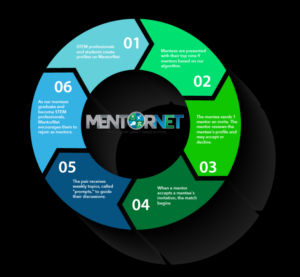
Mentorship plays a crucial role in fostering diversity and innovation within the fields of science, technology, engineering, and mathematics (STEM). As these fields continue to evolve and expand, the need for diverse perspectives becomes increasingly important. Mentorship not only supports individual growth but also enhances the overall effectiveness of STEM communities by bridging gaps that underrepresented groups face.
The Importance of Diversity in STEM
Diversity in STEM is essential for several reasons. First, it promotes a wider range of ideas and solutions to complex problems. When individuals from different backgrounds collaborate, they bring unique perspectives that can lead to innovative breakthroughs. Second, diverse teams are more effective at addressing the needs of a broader population, ensuring that technological advancements benefit everyone rather than just a select few. However, despite the recognized benefits of diversity, significant barriers remain for underrepresented groups in STEM.
Barriers Faced by Underrepresented Groups
Underrepresented groups—including women, racial and ethnic minorities, individuals with disabilities, and those from socioeconomically disadvantaged backgrounds—often encounter numerous obstacles when pursuing careers in STEM. These barriers may include:
Socioeconomic Challenges: Limited access to quality education and resources can hinder early exposure to STEM experiences.Lack of Role Models: The absence of relatable mentors can diminish motivation among young students who may not see themselves represented in these fields.Cultural Biases: Stereotypes and biases can create an unwelcoming environment for individuals from diverse backgrounds.The Role of Mentorship in Overcoming Barriers
Mentorship serves as a powerful tool to address these challenges by providing guidance, support, and encouragement to underrepresented students. Effective mentorship programs can take various forms:
Formal Mentorship Programs: Structured initiatives where students are paired with mentors based on shared interests or career goals.Informal Mentorship Relationships: Naturally occurring connections that develop over time through mutual respect and shared experiences.Both types of mentorship can help build confidence in students while equipping them with essential skills for career advancement.
Strategies for Effective Mentoring
To maximize the impact of mentorship on diversity within STEM fields, several strategies should be implemented:
Institutional Support: Academic institutions must prioritize mentoring initiatives by allocating resources toward learning communities that foster engagement among diverse populations.Welcoming Environments: Faculty members should actively invite underrepresented students into research opportunities within their laboratories.Commitment to Student Success: All stakeholders—including faculty members, administrators, and staff—must commit to supporting each student’s journey rather than accepting high failure rates as inevitable.Increased Interaction Opportunities: Facilitating interactions between first-year students and faculty through mentored learning communities can enhance retention rates among diverse student populations.Conclusion: The Path Forward
In conclusion, mentorship is vital for encouraging diversity and innovation within STEM fields. By addressing barriers faced by underrepresented groups through structured support systems and fostering inclusive environments, we can promote greater participation in these critical areas. This commitment not only benefits individual students but also enriches the entire STEM community by harnessing the full potential of diverse perspectives.
The post Mentorship in STEM: Encouraging Diversity and Innovation appeared first on Peak Development Strategies.
February 10, 2025
Finding a Mentor in Your Industry
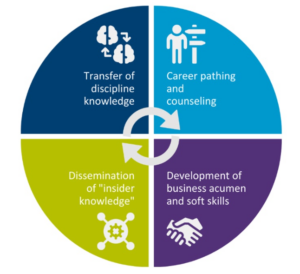
Finding a mentor in your industry is crucial for professional growth and development. Here are some effective strategies to help you identify and connect with a suitable mentor:
Define Your Goals and NeedsBefore seeking a mentor, it is essential to clarify what you hope to achieve through the mentorship. Consider your career goals, the skills you want to develop, and the areas where you need guidance. This self-assessment will help you identify the type of mentor who can best support your journey.
Leverage Professional NetworksUtilize platforms such as LinkedIn, industry-specific forums, or professional organizations to expand your network. Engaging with professionals in your field can lead to potential mentorship opportunities. Attend networking events, workshops, and conferences where you can meet experienced individuals who might be open to mentoring.
Seek RecommendationsAsk colleagues, friends, or professors if they know anyone in your industry who would make a good mentor. Personal recommendations can often lead to fruitful connections that may not be readily available through public channels.
Research Potential MentorsOnce you’ve identified potential mentors, research their backgrounds, experiences, and areas of expertise. Look for individuals who have successfully navigated similar career paths or possess skills that align with your goals. Understanding their journey will help you approach them with informed questions and demonstrate genuine interest.
Initiate ContactWhen reaching out to a potential mentor, craft a thoughtful message expressing your admiration for their work and explaining why you are seeking their guidance. Be specific about what you hope to learn from them and how their experience aligns with your aspirations.
Be Open to Different Formats of MentorshipMentorship does not always have to be formal or long-term; it can also take place through short-term projects or informal coffee meetings. Be open to various formats of mentorship that fit both your schedule and that of the potential mentor.
Demonstrate Commitment and Respect Their TimeIf a potential mentor agrees to meet with you, come prepared with questions and topics for discussion that reflect your commitment to learning from them. Show respect for their time by being punctual and concise during meetings.
Build a Relationship Over TimeMentorship is often built on trust and mutual respect; therefore, focus on developing a genuine relationship rather than just seeking advice when needed. Regularly check in with your mentor even outside of scheduled meetings to maintain rapport.
Give BackAs you grow in your career, consider how you can give back to your mentor or the community by sharing insights or helping others find mentors themselves. This reciprocal relationship strengthens professional networks.
By following these strategies diligently, you can effectively find a mentor who will guide you through the complexities of your industry while fostering personal growth.
The post Finding a Mentor in Your Industry appeared first on Peak Development Strategies.