Mary L. Erlain's Blog, page 15
March 10, 2025
Building Solid Teams Using Personality Assessments
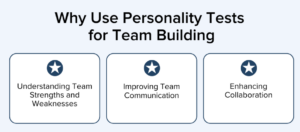
Building solid teams is essential for organizational success, and one effective method to achieve this is through the use of personality assessments. These assessments provide valuable insights into individual team members’ traits, preferences, and working styles, which can enhance collaboration, communication, and overall team dynamics. Below is a detailed exploration of how personality assessments can be utilized to build strong teams.
Understanding Personality AssessmentsPersonality assessments are tools designed to evaluate an individual’s personality traits and behaviors. They help identify how individuals think, feel, and behave in various situations. Commonly used assessments include:
Myers-Briggs Type Indicator (MBTI): Categorizes individuals into 16 distinct personality types based on preferences in four areas: Introversion/Extraversion, Sensing/Intuition, Thinking/Feeling, and Judging/Perceiving.DiSC Assessment: Measures four primary traits: Dominance, Influence, Steadiness, and Conscientiousness.Enneagram: Identifies nine core personality types based on emotional drives and motivations.Clifton Strengths: Focuses on identifying individual strengths rather than weaknesses.These assessments can reveal critical information about team members’ communication styles, decision-making processes, and conflict resolution approaches.
Benefits of Using Personality Assessments1. Improved Self-AwarenessOne of the primary benefits of personality assessments is that they promote self-awareness among team members. By understanding their own personalities and how they interact with others, employees can better manage their behaviors and adapt their communication styles to suit different situations. This heightened self-awareness leads to more effective collaboration as individuals learn to recognize their strengths and areas for improvement.
2. Enhanced Team DynamicsPersonality assessments facilitate discussions about individual differences within the team. When team members share their assessment results with each other, it fosters mutual understanding and respect. For example:
A team member who scores high in Dominance may prefer quick decision-making and assertive communication.Conversely, a member who scores high in Steadiness may value harmony and take time to process information before responding.By recognizing these differences, teams can create strategies that leverage each member’s strengths while accommodating their unique working styles.
3. Better Conflict ResolutionUnderstanding personality types helps teams navigate conflicts more effectively. When conflicts arise due to differing perspectives or communication styles, knowledge gained from personality assessments can guide team members in addressing issues constructively. For instance:
An introverted team member may need time to process feedback before responding during a conflict discussion.An extroverted member might prefer immediate dialogue.By acknowledging these preferences, teams can establish ground rules for conflict resolution that respect individual needs.
4. Tailored Task AssignmentsPersonality assessments allow leaders to assign tasks based on individual strengths. For example:
A person identified as a “Strategist” through Clifton Strengths might excel at planning projects.Someone categorized as an “Achiever” could be motivated by setting goals and meeting deadlines.By aligning tasks with individuals’ natural inclinations, organizations can enhance productivity while ensuring that employees feel fulfilled in their roles.
5. Increased Employee EngagementWhen employees understand their own personalities as well as those of their colleagues, they are more likely to feel valued within the organization. This sense of belonging fosters higher engagement levels as employees see how their contributions fit into the larger picture of the team’s success. Engaged employees are typically more productive and committed to achieving organizational goals.
Implementing Personality Assessments in TeamsTo effectively implement personality assessments within teams:
Select Appropriate Assessments: Choose reliable tools that align with your team’s objectives. Ensure that selected tests have robust psychometric properties.Facilitate Group Discussions: After completing the assessments, organize sessions where team members share insights from their results. Encourage open dialogue about how these insights can inform teamwork.Create Action Plans: Develop action plans based on assessment outcomes that outline strategies for improving collaboration and addressing potential challenges.Monitor Progress: Regularly revisit assessment results during performance reviews or team meetings to assess progress toward goals related to teamwork dynamics.Provide Continuous Support: Offer ongoing training or workshops focused on leveraging personality insights for personal development and improved teamwork.ConclusionIn conclusion, utilizing personality assessments is a powerful strategy for building solid teams within organizations. By enhancing self-awareness among employees, improving team dynamics through mutual understanding, facilitating better conflict resolution strategies, tailoring task assignments according to strengths, and increasing employee engagement levels—organizations can foster a collaborative environment conducive to success.
The post Building Solid Teams Using Personality Assessments appeared first on Peak Development Strategies.


March 6, 2025
The Five Dysfunctions of a Team
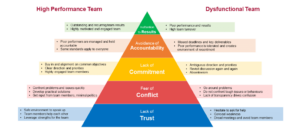
The Five Dysfunctions of a Team is a framework introduced by Patrick Lencioni in his book The Five Dysfunctions of a Team: A Leadership Fable. This model identifies the primary challenges that teams face when trying to work cohesively and effectively. These dysfunctions are interrelated and build upon one another, forming a pyramid structure where each dysfunction contributes to the next. Below is an explanation of each dysfunction, step by step, starting from the foundational issue.
1. Absence of TrustAt the base of the pyramid lies absence of trust, which occurs when team members are unwilling to be vulnerable with one another. Vulnerability in this context means admitting mistakes, weaknesses, or asking for help without fear of judgment or reprisal. Without trust, team members may avoid open communication and collaboration.
Root Cause: Lack of vulnerability among team members.Impact: Team members hesitate to share ideas or admit errors, leading to poor collaboration and inefficiency.Solution: Building trust requires time and effort through activities like team-building exercises, open communication, and creating an environment where vulnerability is encouraged.2. Fear of ConflictThe second dysfunction arises from a fear of conflict, which stems from the absence of trust. When team members do not feel safe being vulnerable, they avoid engaging in healthy debates or constructive disagreements about ideas or decisions.
Root Cause: A desire to maintain artificial harmony instead of addressing issues openly.Impact: Important discussions are avoided, leading to unresolved issues and suboptimal decisions.Solution: Encouraging healthy conflict involves fostering an environment where differing opinions are welcomed and seen as opportunities for growth rather than threats.3. Lack of CommitmentWhen teams avoid conflict (the second dysfunction), it leads to the third dysfunction: lack of commitment. Without open debate and clarity on decisions, team members may struggle to fully commit to goals or strategies because they don’t feel invested in them.
Root Cause: Ambiguity around decisions due to lack of discussion.Impact: Team members may appear disengaged or fail to follow through on agreed-upon actions.Solution: Achieving commitment requires clarity in decision-making processes and ensuring that all voices are heard during discussions so that everyone feels aligned with the team’s goals.4. Avoidance of AccountabilityThe fourth dysfunction is avoidance of accountability, which occurs when there is no clear commitment (the third dysfunction). If team members are not fully committed to goals or decisions, they are less likely to hold themselves or others accountable for their actions.
Root Cause: Lack of clear expectations or shared responsibility within the team.Impact: Poor performance goes unchecked, deadlines are missed, and standards decline over time.Solution: Teams must establish clear expectations and regularly review progress toward goals. Peer-to-peer accountability should be encouraged rather than relying solely on leaders for enforcement.5. Inattention to ResultsAt the top of the pyramid lies the final dysfunction: inattention to results, which occurs when individual needs (e.g., ego, career advancement) take precedence over collective team success. This often happens when accountability is lacking (the fourth dysfunction).
Root Cause: Prioritizing personal achievements over group objectives.Impact: The team’s overall performance suffers as individuals focus on their own interests rather than shared goals.Solution: Teams should define measurable outcomes tied directly to collective success and ensure that these results remain at the forefront during discussions and evaluations.Summary Pyramid StructureTo summarize how these five dysfunctions interconnect:
Absence of Trust → Leads to Fear of Conflict.Fear of Conflict → Leads to Lack of Commitment.Lack of Commitment → Leads to Avoidance of Accountability.Avoidance of Accountability → Leads to Inattention to Results.Each layer builds upon the previous one; therefore, addressing these issues requires starting at the foundation (trust) before moving upward.
ConclusionIn summary:
Absence of Trust,Fear of Conflict,Lack of Commitment,Avoidance of Accountability,Inattention to ResultsThese five dysfunctions highlight common barriers that prevent teams from achieving high performance and cohesion. By systematically addressing each level—starting with building trust—teams can overcome these challenges and work more effectively together.
The post The Five Dysfunctions of a Team appeared first on Peak Development Strategies.
March 5, 2025
Understanding Time and Stress Management

Time and stress management are crucial skills that can significantly impact your overall well-being and productivity. By effectively managing your time, you can reduce stress levels, enhance focus, and create a balanced lifestyle. Below is a detailed exploration of how to manage both time and stress effectively.
Step 1: Recognizing the Importance of Time ManagementTime management involves organizing and planning how to divide your time between specific activities. Good time management enables you to work smarter rather than harder, allowing you to accomplish more in less time. This leads to reduced stress as you meet deadlines without feeling overwhelmed.
Benefits of Effective Time Management:Increased Productivity: You can complete tasks more efficiently.Reduced Stress: Meeting deadlines becomes easier, leading to lower anxiety levels.More Free Time: You gain extra hours for leisure activities or self-care.Improved Quality of Work: Focused work leads to better outcomes.Step 2: Identifying Your PrioritiesTo manage your time effectively, it’s essential to prioritize tasks based on their urgency and importance. One effective method is the Eisenhower Matrix, which categorizes tasks into four quadrants:
Urgent and Important: Tasks that require immediate attention.Important but Not Urgent: Tasks that are significant but can be scheduled later.Urgent but Not Important: Tasks that need attention but are not critical.Neither Urgent nor Important: Tasks that can be eliminated or delegated.By focusing on what truly matters, you can allocate your time more wisely.
Step 3: Setting SMART GoalsSetting clear goals is vital for effective time management. Use the SMART criteria:
Specific: Clearly define what you want to achieve.Measurable: Establish criteria for measuring progress.Achievable: Set realistic goals that are attainable.Relevant: Ensure your goals align with broader objectives.Time-bound: Set deadlines for each goal.This structured approach helps maintain focus and motivation.
Step 4: Planning Your ScheduleUtilize tools such as calendars or planners to organize your tasks. Regularly update these tools to reflect changes in priorities or deadlines. Here are some strategies:
Create a daily or weekly planner outlining all tasks.Allocate specific blocks of time for focused work (time blocking).Schedule breaks to recharge during long work sessions.Planning ahead reduces the likelihood of last-minute rushes that lead to stress.
Step 5: Avoiding ProcrastinationProcrastination often stems from fear of failure or feeling overwhelmed by tasks. To combat this:
Break larger projects into smaller, manageable steps.Set short-term deadlines for each step to create a sense of urgency.Use techniques like the Pomodoro Technique (25 minutes of focused work followed by a 5-minute break) to maintain concentration.By tackling tasks incrementally, you reduce feelings of overwhelm.
Step 6: Implementing Relaxation TechniquesManaging stress is equally important as managing time. Incorporate relaxation techniques into your routine:
Deep Breathing Exercises: Helps calm the nervous system and reduce anxiety.Mindfulness Meditation: Encourages present-moment awareness, reducing stress levels.Physical Activity: Regular exercise releases endorphins, improving mood and reducing tension.These practices help maintain mental clarity and emotional balance amidst busy schedules.
Step 7: Seeking Support When NeededDon’t hesitate to reach out for help when feeling overwhelmed by responsibilities:
Talk with friends or family about your stressors; sharing concerns can lighten the load.Consider professional counseling if stress becomes unmanageable; therapists can provide tailored strategies for coping with stress effectively.ConclusionEffective time management combined with healthy stress management techniques creates a balanced lifestyle where productivity flourishes while maintaining mental well-being. By prioritizing tasks, setting realistic goals, planning schedules, avoiding procrastination, implementing relaxation techniques, and seeking support when needed, individuals can navigate their responsibilities with greater ease and confidence.
The post Understanding Time and Stress Management appeared first on Peak Development Strategies.
March 4, 2025
Understanding Team Cohesion and Effectiveness
Building cohesive and effective teams in the workplace is a multifaceted process that involves understanding common dysfunctions as outlined by Patrick Lencioni in his book “The Five Dysfunctions of a Team.” This framework provides insights into the challenges teams face and offers strategies for overcoming these obstacles. Additionally, integrating change management expertise can further enhance team dynamics.
The Five Dysfunctions of a TeamLencioni identifies five key dysfunctions that can hinder team performance:
Absence of Trust: This is the foundational dysfunction where team members are unwilling to be vulnerable with one another. Without trust, open communication is stifled, leading to misunderstandings and conflicts.Fear of Conflict: Teams that lack trust often avoid healthy conflict. This fear prevents the discussion of differing opinions and ideas, which are essential for innovation and problem-solving.Lack of Commitment: When team members do not engage in open discussions or conflicts, they may feel less committed to decisions made by the group. This lack of buy-in can lead to ambiguity regarding team goals and responsibilities.Avoidance of Accountability: In teams where commitment is lacking, individuals may hesitate to hold one another accountable for their actions or performance. This avoidance can lead to decreased productivity and morale.Inattention to Results: Finally, when personal interests take precedence over collective goals, the team’s overall performance suffers. Members may prioritize their own success rather than working towards shared objectives.Strategies for Building Cohesive TeamsTo address these dysfunctions effectively, organizations can implement several strategies:
1. Foster TrustVulnerability-Based Trust: Encourage team members to share personal experiences and challenges to build deeper connections.Team-Building Activities: Engage in exercises that promote collaboration and understanding among team members.2. Encourage Healthy ConflictCreate Safe Spaces for Discussion: Establish an environment where differing opinions are welcomed and valued.Facilitate Open Dialogue: Use structured meetings or brainstorming sessions to allow all voices to be heard without judgment.3. Enhance CommitmentClarify Goals and Roles: Ensure that every team member understands their responsibilities and how they contribute to the team’s objectives.Involve Everyone in Decision-Making: Allow team members to participate in discussions about key decisions, fostering a sense of ownership.4. Promote AccountabilitySet Clear Expectations: Define what accountability looks like within the team context.Regular Check-ins: Implement regular progress reviews where team members can discuss their contributions openly.5. Focus on Collective ResultsAlign Individual Goals with Team Objectives: Ensure that personal goals support overall team success.Celebrate Team Achievements: Recognize collective accomplishments to reinforce the importance of teamwork over individual success.Integrating Change Management ExpertiseChange management plays a crucial role in building effective teams by facilitating transitions during organizational changes:
Communication Plans: Develop clear communication strategies that keep all stakeholders informed during changes.Training Programs: Provide training sessions that equip teams with skills necessary for adapting to new processes or structures.Feedback Mechanisms: Establish channels through which team members can express concerns or suggestions during transitions.By combining Lencioni’s insights on team dysfunctions with robust change management practices, organizations can create an environment conducive to high-performing teams.
The post Understanding Team Cohesion and Effectiveness appeared first on Peak Development Strategies.
March 3, 2025
Understanding Customer Driven Focused (CDF) in Customer Service

Definition of CDF
Customer Driven Focused (CDF) refers to a business philosophy that prioritizes the needs and satisfaction of customers at every level of the organization. This approach emphasizes understanding the customer’s perspective and ensuring that all aspects of the business, from product development to customer service, are aligned with delivering exceptional value and satisfaction to customers.
Application of CDF in Manufacturing Contexts
In the context of an organization that manufactures large steel components for farm equipment, implementing CDF involves recognizing that these products are not just standalone items but integral parts of a larger system that contributes to agricultural productivity. For instance, when a company produces a steel part used in a tractor, it is essential to understand how this part affects the overall performance of the machinery and, consequently, the efficiency of farming operations.
Connecting Products to Outcomes: Instead of merely focusing on the profit margin associated with each steel part, CDF encourages organizations to consider how their products impact farmers’ ability to cultivate crops effectively. This means understanding how downtime due to equipment failure can affect crop yields and ultimately food supply.Customer Feedback Integration: A CDF approach would involve actively seeking feedback from customers—farmers and equipment operators—about their experiences with the machinery that incorporates these steel parts. This feedback can inform product design improvements, enhance durability, or lead to innovations that better meet customer needs.Holistic Customer Experience: CDF extends beyond just product quality; it encompasses every interaction a customer has with the organization. This includes sales processes, technical support, warranty services, and after-sales care. Each touchpoint should be designed to enhance customer satisfaction and build long-term relationships.Training for Employees: To successfully implement CDF principles, organizations must invest in training programs for employees at all levels. These programs should focus on developing skills related to empathy, communication, problem-solving, and responsiveness—all crucial for fostering a customer-centric culture.Long-term Profitability through Satisfaction: The ultimate goal of adopting a CDF approach is long-term profitability driven by total customer satisfaction. When customers feel valued and understood, they are more likely to remain loyal and recommend the company’s products to others.Perception Management: Understanding that “perception is in the eyes of the beholder” means recognizing that each customer’s experience is unique. Organizations must strive to manage perceptions positively by ensuring consistent quality and service across all interactions.In summary, Customer Driven Focused (CDF) is about embedding a customer-centric mindset throughout an organization’s operations—from product design through sales and support—ensuring that every decision made considers its impact on customer satisfaction.
The post Understanding Customer Driven Focused (CDF) in Customer Service appeared first on Peak Development Strategies.
February 28, 2025
Leadership and Management Skills
Developing leadership and management skills is essential for professionals aiming to advance their careers and effectively guide teams. These skills not only enhance personal growth but also contribute significantly to organizational success. Below, I will outline the key components of effective leadership and management, as well as strategies for improvement.
Understanding Leadership and Management
Leadership and management are often intertwined, yet they represent different aspects of guiding a team or organization.
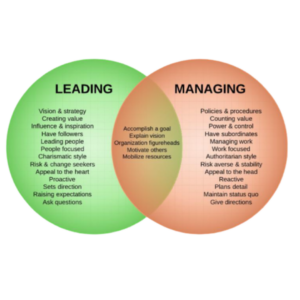
Leadership involves influencing and motivating individuals to achieve a common goal. It requires vision, inspiration, and the ability to foster an environment where team members feel valued and engaged.Management, on the other hand, focuses on organizing resources, controlling processes, and ensuring that tasks are completed efficiently to meet specific objectives.While effective managers can be strong leaders, it is possible to manage without leading effectively. Recognizing this distinction is crucial for anyone looking to develop their skills in these areas.
Key Traits of Effective Leaders
To become a successful leader, certain traits should be cultivated:
Conflict Management: The ability to navigate disagreements constructively is vital for maintaining team harmony.Motivation: Inspiring others to perform at their best can lead to higher productivity levels.Delegation: Knowing how to assign tasks appropriately ensures that responsibilities are shared effectively.Communication Skills: Clear communication fosters understanding and collaboration among team members.Critical Thinking: Analyzing situations critically allows leaders to make informed decisions.Initiative: Taking proactive steps demonstrates commitment and encourages others to follow suit.Charisma: A positive attitude can influence team morale significantly.Self-Discipline: Maintaining focus on goals while managing time effectively is crucial for success.Strategies for Developing Leadership Skills
Improving leadership skills requires intentional effort:
Engage in Continuous Learning: Participate in workshops, courses, or seminars focused on leadership development.Seek Feedback: Regularly ask for input from peers or mentors about your leadership style and effectiveness.Practice Active Listening: Show genuine interest in team members’ ideas and concerns; this builds trust and respect.Set Clear Goals: Establish measurable objectives for both personal development and team performance.Embrace Challenges: Take on new responsibilities or projects that push you out of your comfort zone; this fosters growth.Improving Management Skills
To enhance management capabilities:
Strengthen Decision-Making Abilities: Utilize frameworks like the “three C’s” (Constructive conflict, Consideration, Closure) during decision-making processes to ensure comprehensive involvement from stakeholders.Foster Team Collaboration: Encourage open dialogue among team members to promote diverse perspectives when tackling problems.Monitor Performance Metrics: Regularly assess progress towards goals using relevant metrics; this helps identify areas needing improvement.By focusing on these strategies, individuals can cultivate both leadership and management skills that will serve them well throughout their careers.
The post Leadership and Management Skills appeared first on Peak Development Strategies.
February 27, 2025
Work Ethic & Time Management
Understanding Work Ethic
Work ethic refers to the belief in the moral benefit and importance of work and its inherent ability to strengthen character. It encompasses a set of values centered on the importance of doing work, which includes qualities such as diligence, responsibility, reliability, and professionalism. A strong work ethic is often characterized by an individual’s commitment to their job, willingness to put in extra effort, and dedication to achieving high-quality results.
The Connection Between Work Ethic and Time Management
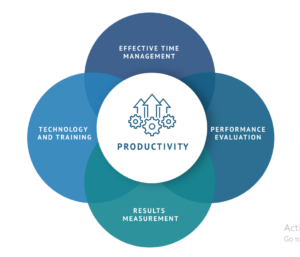
Time management is a critical component of a strong work ethic. It involves planning how to allocate time effectively to maximize productivity and achieve goals. Individuals with a robust work ethic tend to prioritize their tasks efficiently, ensuring that they meet deadlines while maintaining high standards of quality in their output. Here’s how these two concepts interrelate:
Prioritization: Those with a strong work ethic understand the importance of prioritizing tasks based on urgency and significance. They are more likely to use tools like the Eisenhower Matrix to distinguish between what needs immediate attention versus what can be scheduled for later or delegated.Discipline: Effective time management requires discipline—an essential trait of a good work ethic. Individuals who manage their time well are typically disciplined in adhering to schedules, avoiding distractions, and focusing on completing tasks within designated time frames.Goal Setting: A solid work ethic drives individuals to set clear goals for themselves. Good time management practices help them break down these goals into manageable tasks with specific timelines, making it easier to track progress and stay motivated.Efficiency: People with a strong work ethic strive for efficiency in their tasks. They recognize that effective time management leads not only to completing tasks faster but also allows for higher quality outcomes due to reduced stress and better focus.Accountability: A good work ethic fosters accountability; individuals take responsibility for their actions and outcomes. This sense of accountability encourages them to manage their time wisely so they can deliver on commitments without excuses.Continuous Improvement: Those who value hard work often seek ways to improve both their skills and processes over time. By managing their time effectively, they can allocate periods for learning new skills or refining existing ones without compromising their primary responsibilities.Work-Life Balance: Strong time management skills contribute significantly to achieving a healthy work-life balance a key aspect of maintaining a positive work ethic over the long term. By efficiently managing their workload during working hours, individuals can ensure they have adequate personal time outside of work commitments.In summary, there is a profound connection between work ethic and time management; each reinforces the other in creating an environment conducive to productivity and success.
The post Work Ethic & Time Management appeared first on Peak Development Strategies.
February 26, 2025
The Evolution of Business Networking: From Traditional to Modern Approaches

Business networking has undergone significant transformations over the centuries, evolving from informal connections among artisans in small communities to sophisticated global networks facilitated by technology. This evolution can be broken down into several key phases:
Historical Foundations of NetworkingIn the early days of commerce, particularly during the Colonial era, networking was primarily a local affair. Artisans and tradespeople relied on one another for referrals and support within their communities. For example, a blacksmith would depend on a wheelwright for certain tasks, and vice versa. This interdependence created a network based on mutual benefit and local trust.
As transportation improved in the 19th century, businesses began to expand their reach beyond local markets. The advent of railroads and steamships allowed for long-distance trade, enabling entrepreneurs to establish contacts across regions and even internationally. This period marked the beginning of more structured networking as businesses sought referrals and partnerships that could enhance their market presence.
The Rise of Formal Networking PracticesThe post-war period in the 20th century saw the formalization of business networking practices. With increased travel accessibility, conventions and meetings became commonplace venues for professionals to share ideas and build relationships. The Rolodex emerged as a symbol of networking success; it represented an individual’s connections and potential for referrals.
During this time, word-of-mouth referrals became crucial in helping customers choose between competing businesses. Networking events proliferated, allowing professionals from various sectors to meet face-to-face, exchange information, and foster collaborations that would drive business growth.
Technological Advancements in NetworkingAs technology advanced towards the late 20th century, traditional networking methods began to evolve significantly. The introduction of personal computers and mobile phones transformed how individuals maintained their professional relationships. Social media platforms like LinkedIn emerged as virtual business cards that allowed users to connect with others without needing physical interactions.
This shift not only made networking more efficient but also expanded its reach globally. Professionals could now maintain relationships with contacts across different countries without incurring travel costs or time constraints.
Impact of COVID-19 on Networking PracticesThe COVID-19 pandemic brought about unprecedented changes in how businesses operated, including networking practices. With physical gatherings restricted, many organizations turned to virtual platforms such as Zoom for meetings and conferences. This transition required individuals to adapt quickly to new technologies while maintaining their professional connections remotely.
Social media platforms gained increased importance during this time as they provided avenues for communication and engagement despite physical distancing measures. As people navigated these challenges, they learned new ways to network effectively online.
The Future: Hybrid Networking ModelsLooking ahead, it is likely that business networking will continue to embrace hybrid models that combine both in-person and virtual elements. According to experts like Austin Titus from Network Lead Exchange, this approach allows professionals greater flexibility in how they connect with others while maximizing the benefits of both formats.
Networking will likely remain essential for business growth as companies seek innovative ways to collaborate across industries and geographies while leveraging technology’s capabilities.
In summary, the evolution of business networking reflects broader societal changes influenced by technological advancements and shifting economic landscapes, transitioning from localized artisan networks to complex global systems facilitated by digital tools.
The post The Evolution of Business Networking: From Traditional to Modern Approaches appeared first on Peak Development Strategies.
February 25, 2025
The Future of Mentoring in Organizations
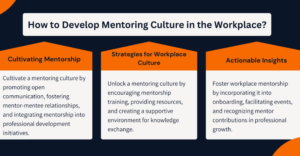
As of 2025, mentoring remains a cornerstone of organizational development strategies due to its proven impact on employee engagement, retention, and cultural resilience. This trajectory aligns with predictions made by HR professionals in 2022, who emphasized that 62% expected a heightened focus on mentoring within two years (i.e., by 2024). While this timeframe has elapsed, the structural and cultural shifts required to institutionalize mentoring ensure its continued relevance in 2025. Below is an analysis of key trends and frameworks shaping this future:
1. HR Professionals as Architects of Mentoring CultureHR leaders are uniquely positioned to predict and shape mentoring’s future due to their role in aligning talent strategies with organizational goals. Their emphasis on mentorship stems from its dual ability to address human needs (e.g., belonging, professional growth) and business objectives (e.g., knowledge transfer, leadership pipelines). By prioritizing mentorship cultures—where formal programs coexist with organic peer-to-peer guidance—organizations foster environments where employees feel valued and supported.
2. Core Components of a Sustainable Mentoring CultureLois J. Zachary’s 9 Hallmarks of a Mentoring Culture provide a blueprint for organizations aiming to institutionalize mentorship:
InfrastructureA robust infrastructure includes:
Leadership buy-in: Executives must champion mentorship as a strategic priority.Budget allocation: Funding for technology platforms (e.g., AI-driven matching tools), program management staff, and training resources.Time investment: Dedicated hours for mentors/mentees to engage without productivity trade-offs.Without these elements—termed “slippery business” by Zachary—programs risk becoming superficial or short-lived.
AlignmentAll components (e.g., leadership messaging, program design) must synchronize to avoid conflicting priorities. For example:
Mentorship goals should align with broader DEI initiatives or succession planning efforts.Metrics (e.g., promotion rates for mentees) must reflect organizational KPIs.AccountabilityClear expectations prevent ambiguity:
Roles defined upfront (e.g., mentors commit to monthly check-ins).Progress tracked via goal-setting frameworks like SMART objectives or OKRs.Zachary highlights failure cases where lack of accountability led to program stagnation—such as non-profits assuming participation without clarifying responsibilities.
CommunicationTransparent dialogue ensures clarity:
Regular updates from program administrators reinforce expectations.Feedback loops allow mentees/mentors to voice challenges (e.g., mismatched pairs).3. Balancing Human Needs and Organizational GoalsMelissa Richardson’s The Ripple Effect identifies human needs critical to cultural resilience:
Belonging: Mentorship combats isolation by connecting employees across hierarchies.Voice: Mentees gain confidence to share ideas; mentors refine leadership skills through active listening.Opportunity: Structured programs democratize access to career development resources historically reserved for high-potential employees.Organizations that neglect these needs risk disengagement and attrition—especially among younger generations prioritizing purpose-driven workplaces.
4. Emerging Trends in Mentorship DesignModern programs emphasize flexibility:
Hybrid models: Blending virtual mentorship platforms with in-person workshops accommodates remote/hybrid workforces.Reverse mentoring: Junior employees mentor executives on topics like digital fluency or Gen Z workplace preferences.Peer-to-peer networks: Informal mentorship flourishes when employees self-organize around shared interests (e.g., ERGs).5 Measuring SuccessKey performance indicators include:
Retention rates among mentees vs non-participants (+15–20% improvements reported in organizations with strong cultures).Promotion velocity for underrepresented groups participating in DEI-focused programs.Employee Net Promoter Scores (eNPS) tied to perceived support for growth.The post The Future of Mentoring in Organizations appeared first on Peak Development Strategies.
February 24, 2025
Building Long-Term Relationships Beyond the Mentorship Program
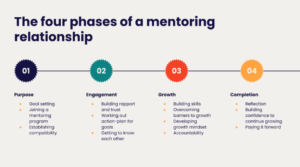
To build long-term relationships beyond a mentorship program, it is essential to focus on several key elements that foster connection, trust, and mutual growth. Here’s a detailed breakdown of how to achieve this:
Establish Clear Goals and ExpectationsAt the outset of any mentoring relationship, both parties should articulate their goals and expectations. This clarity helps in aligning efforts and understanding what each party hopes to gain from the relationship. Mentees should be specific about their needs and how they envision the mentor’s role in helping them achieve those goals. This sets a foundation for accountability and progress.
Maintain Open CommunicationEffective communication is vital for nurturing any relationship. Regular check-ins, updates on progress, and open discussions about challenges can help maintain engagement. Both mentors and mentees should feel comfortable sharing feedback—positive or constructive—to ensure that both parties are benefiting from the relationship.
Show Appreciation and Acknowledge ContributionsRecognizing the time and effort invested by mentors fosters goodwill and strengthens bonds. Simple gestures such as thank-you notes or acknowledging their contributions during meetings can go a long way in showing appreciation. This acknowledgment encourages mentors to continue investing in the relationship.
Be Proactive in Seeking GuidanceMentees should take initiative by reaching out for advice or insights even after formal mentorship has ended. This proactive approach demonstrates commitment to personal growth and keeps the lines of communication open, allowing for continued interaction.
Offer Value in ReturnMentorship is often viewed as a one-way street; however, offering something in return can enhance the relationship significantly. Mentees can share insights from their own experiences, provide feedback on projects, or connect mentors with valuable contacts within their network.
Foster Trust Through ConfidentialityTrust is fundamental to any lasting relationship. Mentees must respect confidentiality regarding discussions held during mentoring sessions, which creates a safe space for open dialogue about challenges and aspirations.
Create Opportunities for CollaborationFinding ways to collaborate on projects or initiatives can deepen relationships beyond traditional mentoring roles. Joint ventures allow both parties to learn from each other while working towards common goals.
Stay Engaged Over TimeEven after formal mentorship ends, staying engaged through occasional check-ins or sharing relevant articles can keep the connection alive. This ongoing engagement shows that you value the mentor’s insights beyond just immediate needs.
By focusing on these strategies, individuals can cultivate meaningful relationships that extend well beyond structured mentorship programs.
The post Building Long-Term Relationships Beyond the Mentorship Program appeared first on Peak Development Strategies.