Mary L. Erlain's Blog, page 12
May 9, 2025
Mentoring Styles That Resonate with Gen Z

Mentoring Generation Z requires a shift from traditional management approaches to coaching styles that are more collaborative, personalized, and purpose-driven. Below are 15 creative and well-thought-out ideas for adopting mentoring styles that truly resonate with Gen Z.
1. Adopt a Collaborative Coaching MindsetTransition from giving directives to working alongside your mentees.Use open-ended questions to foster problem-solving skills and encourage autonomy.Example: Instead of saying, “Do this,” ask, “What approach do you think would work best here?”2. Personalize the Mentorship ExperienceTailor your coaching style to fit the individual’s personality, career goals, and learning preferences.Conduct one-on-one sessions to understand their aspirations better.Example: If a mentee prefers hands-on learning, create interactive projects instead of lengthy discussions.3. Incorporate Technology into MentorshipLeverage digital tools like Slack, Zoom, or mentorship platforms for seamless communication.Use gamification in learning—e.g., badges for achieving milestones or completing skill modules.Example: Share resources through apps or collaborative platforms like Notion or Trello.4. Provide Continuous FeedbackReplace annual reviews with frequent check-ins and real-time feedback.Create an environment where constructive criticism is welcomed and celebrated as part of growth.Example: Host bi-weekly informal coffee chats to discuss progress and areas for improvement.5. Encourage Self-Reflection and AutonomyEmpower Gen Z employees by encouraging them to set their own goals and evaluate their progress.Help them build self-awareness by asking reflective questions like, “What went well?” or “What could you improve?”Example: Provide tools like journaling prompts or reflection templates for self-assessment.6. Focus on Purpose-Driven CoachingHighlight how their roles align with the organization’s mission and values.Show them how their contributions make a tangible impact on larger objectives.Example: Create storytelling sessions where senior leaders share how their work ties into the company’s vision.7. Promote Work-Life BalanceRespect their need for flexibility and mental health awareness by modeling healthy work-life boundaries yourself.Offer advice on time management while emphasizing the importance of downtime.Example: Suggest wellness practices such as mindfulness apps or encourage taking regular breaks.8. Develop Soft Skills Alongside Hard SkillsFocus on teaching leadership, communication, emotional intelligence, and teamwork skills in addition to technical knowledge.Organize workshops on conflict resolution or effective collaboration strategies.Example: Role-play scenarios where they practice giving constructive feedback to peers.9. Be Authentic and TransparentShare your own professional challenges, failures, and successes to build trust and relatability.Avoid sugar coating situations; instead, provide honest insights about the realities of the workplace.Example: During mentoring sessions, recount personal anecdotes about overcoming obstacles in your career.By implementing these creative mentoring strategies tailored specifically for Gen Z employees’ needs and preferences, organizations can foster engagement while building stronger relationships rooted in trust and mutual respect!
The post Mentoring Styles That Resonate with Gen Z appeared first on Peak Development Strategies.


May 8, 2025
Effective Mentorship Approaches
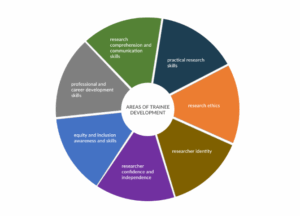
Mentorship programs thrive when they are structured with thoughtful approaches that cater to the needs of both mentors and mentees. Below are some creative and well-thought-out ideas for effective mentorship approaches.
1. Goal-Oriented MentoringEstablish SMART (Specific, Measurable, Achievable, Relevant, Time-bound) goals at the beginning of the relationship.Ensure both mentor and mentee align on career aspirations or skill development objectives.2. Reverse MentoringPair younger employees with senior leaders to provide insights on emerging trends, technology, and cultural shifts.Foster mutual learning where both parties gain unique perspectives.3. Peer MentoringMatch colleagues of similar experience levels who can share insights and collaborate on challenges.Encourage shared learning through brainstorming sessions or joint problem-solving.4. Flash MentoringConduct one-time mentoring sessions focused on specific skills or challenges.Ideal for busy professionals or addressing immediate needs like interview preparation or project feedback.5. Group MentoringForm groups where one mentor guides multiple mentees simultaneously.Encourage collaboration among mentees while benefiting from shared experiences.6. Skill-Based MentorshipFocus mentorship on developing a specific skill (e.g., public speaking, coding, leadership).Create a roadmap for learning and track measurable progress over time.7. Storytelling ApproachEncourage mentors to share personal anecdotes about overcoming challenges or achieving success.Use storytelling to make lessons relatable and memorable for mentees.8. Hybrid Mentorship ModelsCombine in-person meetings with virtual interactions to accommodate different schedules and locations.Leverage technology like video calls, messaging apps, and mentorship software for seamless communication.9. Diversity-Focused MentorshipDesign mentorship programs to support underrepresented groups in the workplace.Promote inclusivity by pairing diverse mentor-mentee pairs based on cultural backgrounds or experiences.10. Shadowing OpportunitiesAllow mentees to observe their mentors during work tasks or decision-making processes.Provide hands-on exposure to real-world scenarios within the mentor’s role.11. Challenge-Based LearningAssign mentees real-world challenges relevant to their roles.Guide them through solving these challenges while providing constructive feedback along the way.12. Rotational Mentorship ProgramsEnable mentees to learn from multiple mentors across departments or expertise areas over time.Broaden their knowledge base and network within the organization.13. Empathy-Centered ApproachFocus on building trust by prioritizing open communication and active listening between mentors and mentees.Address emotional intelligence as part of professional development discussions.14. Feedback-Driven SessionsIntegrate regular feedback loops into mentoring sessions where both parties evaluate progress and refine goals together.Use tools like self-assessments or peer reviews to gather additional input.Each of these approaches can be tailored based on organizational goals, participant preferences, and industry needs!
The post Effective Mentorship Approaches appeared first on Peak Development Strategies.
May 7, 2025
Mentorship that Aligns with Gen Z Values

Gen Z places high importance on aligning their personal values—such as social justice, sustainability, and inclusivity—with the guidance they receive. Below are 15 well-thought-out ideas to help mentors connect more effectively with this generation.
1. Create a Personal Value Alignment SessionMentors can host value alignment sessions to discuss shared beliefs and goals. This could involve:
Exploring each other’s core values.Identifying causes or initiatives both parties are passionate about.Establishing how mentorship will reflect these priorities.2. Incorporate Social Justice Discussions into MentorshipRegularly discuss current events related to social justice.Share actionable steps mentors and mentees can take to make a difference.Encourage mentees to engage in activism or advocacy aligned with their passions.3. Model Sustainable PracticesMentors can lead by example:
Use reusable products during meetings (e.g., coffee cups, notebooks).Conduct virtual meetings to reduce carbon footprints.Introduce mentees to sustainable business models or eco-conscious organizations.4. Promote Diversity in NetworksMentors should:
Introduce mentees to diverse professionals from underrepresented backgrounds.Advocate for inclusive hiring practices within their industry.Highlight success stories of individuals breaking barriers in traditionally exclusive fields.5. Host Inclusive Storytelling WorkshopsOrganize storytelling workshops where:
Mentees share their unique experiences, challenges, and cultural identities.Mentors listen actively and provide feedback on how those stories can inspire leadership.6. Co-Create a Purpose-Driven Career RoadmapHelp mentees map out career paths that align with their values:
Identify companies with strong commitments to ESG (Environmental, Social, Governance) standards.Explore opportunities in nonprofit organizations or B Corps.Discuss long-term impacts of their work beyond financial gain.7. Support Volunteering Initiatives TogetherMentor-mentee pairs can strengthen bonds by volunteering together for causes such as:
Environmental clean-ups.Fundraising for marginalized communities.Educational programs supporting underserved populations.8. Embrace Intersectionality in Goal SettingEncourage mentees to set goals that consider overlapping aspects of identity (e.g., race, gender, sexuality). For example:
A mentor might help an LGBTQ+ mentee explore inclusive workplace policies when choosing a job.9. Facilitate Access to Mental Health ResourcesNormalize conversations around mental health by:
Sharing personal experiences or struggles if comfortable.Recommending inclusive mental health services that cater to diverse groups.10. Teach Advocacy SkillsProvide tools and strategies for mentees who want to advocate for change within their organizations or communities:
How to write impactful petitions or proposals.Effective communication techniques for persuading decision-makers.11. Showcase Examples of Value-Driven LeadershipShare inspiring stories of leaders who champion social justice, sustainability, or inclusivity within their industries:
Example: Highlight Patagonia’s environmental activism or Microsoft’s diversity initiatives.12. Develop an Ethical Decision-Making FrameworkWork together on creating frameworks that help mentees make ethical decisions in challenging situations:
Assess how actions align with personal values.Evaluate potential consequences on people and the planet.13. Celebrate Milestones That Reflect ValuesInstead of only focusing on professional milestones (e.g., promotions), celebrate achievements like: 1. Starting a community initiative. 2. Reducing environmental impact at work/home. 3. Successfully advocating for policy changes at school/workplace.
14. Leverage Technology for Good CausesTeach Gen Z mentees how technology can amplify their impact: Example: Using social media platforms for raising awareness. Example: Building apps or tools that address societal challenges.
15. Create a Safe Space for Dialogue on Bias and PrivilegeMentors should acknowledge systemic inequalities and invite open discussions about privilege and bias without judgment: 1. Encourage self-reflection about privilege in various contexts (race, gender, ability). 2. Provide resources like books, podcasts, or workshops focused on equity and inclusion.
By weaving these ideas into mentorship programs, mentors can create meaningful connections with Gen Z while fostering personal growth rooted in shared values!
The post Mentorship that Aligns with Gen Z Values appeared first on Peak Development Strategies.
May 6, 2025
Creative and Logical Ideas for the Values-Driven Generation: Purpose, Authenticity, and Diversity
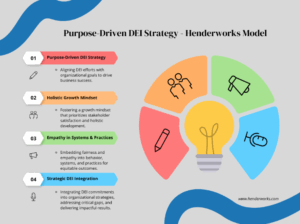
The post Creative and Logical Ideas for the Values-Driven Generation: Purpose, Authenticity, and Diversity appeared first on Peak Development Strategies.
May 5, 2025
Creative Ideas for Mentoring Gen Z in a Digital World
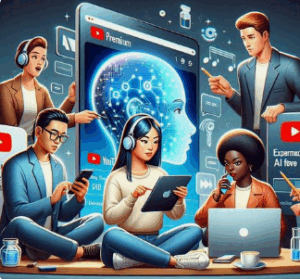
Born into a connected and fast-paced digital environment, Gen Z demands innovative mentoring approaches that cater to their tech-savvy and collaborative nature. Below are 15 creative and logical ideas to evolve mentoring practices for this digitally native generation.
Create a Virtual Mentorship PlatformDesign a dedicated mentorship platform or app where mentors and mentees can connect, communicate, and track progress in real time. Features could include:
Video chat
Goal tracking
Feedback loops
Learning resources
Leverage Gamification for EngagementUse gamification techniques such as:
Progress badges for achieving milestones
Leaderboards to encourage friendly competition
Rewards systems for active participation
This approach taps into Gen Z’s love for gaming mechanics while keeping them motivated.
Microlearning ModulesDeliver mentorship lessons through bite-sized content like short videos, infographics, or mini-podcasts that fit into Gen Z’s fast-paced lifestyle. These modules can focus on:
Personal development tips
Career advice
Leadership skills
Incorporate Social Media-Based MentorshipUse platforms like Instagram, TikTok, or LinkedIn to share quick insights or host live Q&A sessions with mentors. This keeps the mentoring process accessible on platforms they already use.
AI-Powered Personalized Mentorship RecommendationsImplement AI tools to analyze mentees’ goals, preferences, and learning styles to recommend:
Relevant mentors within the network.
Tailored resources (articles, videos, courses).
Host Virtual Collaboration ProjectsEncourage virtual teamwork by organizing group projects where mentees collaborate across locations. Examples include:
Building a mock startup idea.
Developing solutions to real-world challenges.
This fosters problem-solving skills and teamwork in an online environment.
Use Augmented Reality (AR) or Virtual Reality (VR)Integrate immersive technologies such as AR/VR into mentorship programs for interactive experiences like:
Simulating workplace scenarios.
Offering virtual office tours.
Conducting role-playing exercises.
Launch Digital Networking EventsHost virtual networking events where mentees can connect with industry leaders via breakout rooms or speed networking sessions on platforms like Zoom or Gather Town.
On-Demand Mentorship SessionsAllow mentees to book one-on-one mentorship sessions on-demand using scheduling tools like Calendly or integrated features within a custom app.
Encourage Peer-to-Peer Digital MentoringFacilitate peer-mentoring programs where Gen Z members mentor each other based on complementary skill sets using digital collaboration tools such as Slack or Microsoft Teams.
Integrate Interactive Feedback ToolsUse real-time feedback tools like polls, quizzes, and surveys during mentorship sessions to make learning more interactive and adaptive based on mentee input.
Develop Podcasts Featuring Mentor StoriesCreate podcasts where mentors share personal stories of growth and lessons learned in bite-sized episodes that resonate with younger audiences.
Build Communities Around Shared InterestsCreate niche digital communities (e.g., Discord servers) where mentees with similar career interests can interact regularly with both peers and mentors.
Utilize Data Analytics for Progress TrackingImplement data dashboards that track key performance indicators (KPIs) for mentee progress—such as completed tasks, acquired skills, and goal achievements—allowing both parties to see measurable growth over time.
Offer Digital Certifications After Program CompletionAward digital certificates or badges upon completing specific mentorship milestones or programs that can be shared on LinkedIn profiles or resumes as verifiable achievements.
By embracing these ideas rooted in technology and innovation, mentoring programs can effectively engage Gen Z while meeting their expectations of fast access, virtual collaboration, and personalized learning opportunities!
The post Creative Ideas for Mentoring Gen Z in a Digital World appeared first on Peak Development Strategies.
May 2, 2025
How Gen Z’s Tech Fluency Shapes Mentoring Needs

Generation Z, also known as digital natives, has grown up immersed in technology. Their tech fluency fundamentally alters how they engage with mentors and mentorship programs. Below are 15 creative and logical ideas to adapt mentoring strategies for this unique generation.
1. Leverage Digital Platforms for MentorshipMentors should utilize platforms like Slack, Microsoft Teams, or mentorship-specific apps to create consistent communication channels. These tools allow for real-time interaction and make mentoring accessible anytime, anywhere.
2. Introduce Reverse MentoringGen Z’s tech expertise can be leveraged through reverse mentoring, where younger mentees teach older mentors about emerging technologies, social media trends, or innovative tools. This fosters mutual respect and learning.
3. Gamify the Mentorship ProcessIncorporate gamification into mentorship programs by using leaderboards, challenges, and rewards to engage Gen Z mentees. Gamified experiences align with their preference for interactive and goal-oriented activities.
4. Focus on Micro-Mentoring SessionsInstead of lengthy sessions, offer short (10–15 minute) micro-mentoring opportunities tailored to specific questions or challenges. This aligns with Gen Z’s preference for bite-sized content and flexibility.
5. Use AI-Powered Learning ToolsIntegrate AI-driven platforms like chatbots or recommendation engines that provide personalized insights, resources, and feedback based on the mentee’s progress or interests.
6. Offer Multimedia ResourcesSupplement mentoring with multimedia content such as video tutorials, podcasts, and infographics. Visual and audio formats resonate well with Gen Z’s consumption habits on platforms like YouTube and TikTok.
7. Provide On-Demand Access to MentorsDevelop a system where mentees can schedule quick virtual check-ins with mentors through apps or booking systems—offering flexibility while respecting their fast-paced lifestyles.
Encourage Collaborative Learning CommunitiesCreate group mentoring environments where peers can share knowledge collectively using online forums or collaboration tools like Trello or Notion.
9. Incorporate Real-World Applications of TechnologyShowcase how technical skills translate into solving real-world problems within industries like healthcare, sustainability, or finance—areas that align with Gen Z’s purpose-driven mindset.
10. Focus on Lifelong Learning PathsHighlight the importance of adaptability by encouraging mentees to continuously learn new technologies through online courses (e.g., Coursera), certifications (e.g., Google Skills), or workshops offered within the mentorship program.
11. Utilize Data Analytics for Progress TrackingUse analytics tools to track mentees’ development over time—providing actionable insights into skill growth areas while demonstrating tangible progress toward goals.
12. Emphasize Soft Skill Development via Tech-Enabled ToolsHelp Gen Z improve emotional intelligence (EQ), leadership skills, and interpersonal communication by leveraging virtual role-playing simulations powered by AI or VR technology.
13. Promote Social Media Etiquette TrainingGiven Gen Z’s extensive use of social platforms, mentorship should include guidance on professional networking etiquette via LinkedIn or industry-relevant social spaces like GitHub communities.
14. Adapt Communication Styles Using Preferred ChannelsSince Gen Z prefers texting over emails or phone calls, mentors should adapt communication styles by integrating WhatsApp groups or even direct messaging via Instagram when appropriate for informal updates.
15. Encourage Purpose-Driven Projects Powered by TechnologyAlign mentorship goals with socially impactful projects that leverage technology—for instance:
Building apps for nonprofitsDesigning eco-friendly solutionsSupporting diversity initiatives through data visualizationThese projects allow mentees to apply their tech skills meaningfully while aligning with their values of making a positive impact on society.
ConclusionBy tailoring mentorship strategies to align with Generation Z’s tech fluency and digital-first mindset, organizations can foster meaningful relationships that drive both personal growth for the mentee and innovation within the workplace environment!
The post How Gen Z’s Tech Fluency Shapes Mentoring Needs appeared first on Peak Development Strategies.
May 1, 2025
Creative and Logical Ideas for Mentoring Gen Z

Gen Z is often misunderstood due to stereotypes like being “lazy” or “entitled.” However, they are entrepreneurial, socially conscious, and tech-savvy. Effective mentorship begins with recognizing their unique strengths and challenges. Below are 15 well-thought-out ideas to mentor Gen Z effectively:
Understanding Gen Z’s Strengths and Values1. Acknowledge Their Entrepreneurial SpiritGen Z thrives on creating something of their own. Encourage them to brainstorm side projects or startups, even within traditional career paths.Share your own entrepreneurial journey or provide resources (like books or podcasts) that align with their interests.2. Leverage Their Tech-SavvinessAssign tasks that allow them to use technology creatively, such as building social media strategies, automating workflows, or analyzing data trends.Ask for their input on how technology can improve existing systems—they often have fresh ideas.3. Support Their Social ConsciousnessHelp them integrate their values into their work by mentoring on topics like corporate social responsibility (CSR) or sustainable business practices.Offer guidance on aligning passion projects with professional goals.Building a Relationship Based on Mutual Respect4. Practice Active ListeningInstead of assuming what they want, ask open-ended questions about their goals and concerns.Reflect back what you hear to ensure mutual understanding.5. Avoid StereotypingRefrain from labeling them as “lazy” or “entitled”—instead, recognize their drive for purpose-driven work and independence.Validate their feelings and experiences without judgment.6. Be Transparent About Your Own JourneyShare your successes and failures to create an authentic relationship.Let them see the challenges you’ve overcome—it helps them trust you more.Teaching Practical Skills in a Modern Context7. Focus on Financial LiteracyMany Gen Z individuals are eager to learn about managing finances but may lack formal education in this area.Teach budgeting, investing basics, and how to build multiple income streams.8. Encourage Networking Skills in the Digital AgeShow them how to build meaningful connections online through LinkedIn or industry-specific platforms.Mentor them on balancing digital networking with face-to-face interactions.9. Help Them Develop ResilienceProvide tools for dealing with rejection and failure in a healthy way (e.g., mindfulness practices or reframing techniques).Share stories of how resilience has played a role in your success.Encouraging Innovation and Creativity10. Give Them Ownership Over ProjectsAllow mentees to take the lead on certain tasks while offering guidance when needed.Celebrate small wins to boost confidence and creativity.11. Teach Design Thinking PrinciplesIntroduce methods like brainstorming, prototyping, testing solutions, and iterating based on feedback.This approach resonates well with Gen Z’s preference for innovation over rigid structures.12. Create Opportunities for Cross-Generational CollaborationPair Gen Z mentees with older professionals who can share wisdom while learning from younger perspectives.This fosters mutual respect and encourages knowledge sharing across generations.Adapting Mentorship Techniques for the Modern World13. Utilize Digital Tools for MentorshipUse platforms like Slack, Zoom, or Trello to communicate efficiently with mentees who prefer virtual interaction.Create shared spaces for tracking progress toward goals collaboratively.14. Customize Your Approach Based on Individual NeedsRecognize that not all Gen Z individuals are alike—some may need help with soft skills while others seek technical expertise.Adapt your mentorship style based on personality assessments or direct feedback.Inspiring Long-Term Growth15. Help Them Define Success Beyond Traditional MetricsEncourage mentees to think beyond money or titles when setting career goals—focus on impact, fulfillment, and personal growth instead.Guide discussions around work-life balance and mental health as part of long-term success planning.By embracing these ideas, mentors can build meaningful relationships with Gen Z while helping them thrive in both personal and professional domains!
The post Creative and Logical Ideas for Mentoring Gen Z appeared first on Peak Development Strategies.
April 30, 2025
Who is Gen Z?

Generation Z, often referred to as Gen Z, represents individuals born roughly between the mid-1990s and early 2010s. They are digital natives, having grown up in a world dominated by technology and social media. However, this generation has been subject to numerous stereotypes—many of which fail to capture their true essence. Below are 15 creative and well-thought-out ideas that challenge misconceptions about Gen Z while embracing the reality of who they are.
1. Gen Z: The First True Digital NativesStereotype: “Gen Z is addicted to technology.”Reality: Gen Z uses technology as a tool for education, activism, and self-expression. Their digital fluency allows them to innovate, connect globally, and create impactful change.2. Work Ethic RedefinedStereotype: “Gen Z doesn’t want to work.”Reality: Gen Z values purpose-driven work over traditional notions of loyalty to a single employer. They’re motivated by meaningful careers that align with their personal values.3. Mental Health AdvocatesStereotype: “Gen Z is weak because they talk about mental health.”Reality: By prioritizing mental health discussions, Gen Z is fostering healthier workplaces and breaking generational stigmas surrounding mental well-being.4. Social Media as a Tool for AdvocacyStereotype: “Gen Z only cares about Instagram likes.”Reality: Platforms like TikTok and Twitter have become vehicles for social justice movements (e.g., #MeToo, BLM), showcasing their ability to mobilize collective action.5. The “Cancel Culture” MisunderstandingStereotype: “Gen Z wants to cancel everything.”Reality: Rather than being overly sensitive, Gen Z demands accountability from public figures and institutions—a reflection of their commitment to justice and inclusivity.6. Flexible Learning EnthusiastsStereotype: “They only learn through TikTok videos.”Reality: While adept at consuming bite-sized content online, Gen Z also values formal learning avenues such as online courses, workshops, and hands-on projects.7. A Generation of Lifelong LearnersStereotype: “Gen Z isn’t interested in personal growth.”Reality: With tools like Udemy and Coursera, they actively seek new skills—especially in areas like critical thinking, communication, and AI literacy.8. Politically Engaged TrailblazersStereotype: “Gen Z doesn’t care about politics or voting.”Reality: This generation has some of the highest rates of activism among youth populations—fighting for climate action, gun control reform, gender equality, and more.9. Breaking Traditional Career ModelsStereotype: “They’re job hoppers with no loyalty.”Reality: Job-hopping reflects their desire for professional growth rather than complacency—they seek roles that offer development opportunities over stagnation.10. AI Skeptics with Digital MaturityStereotype: “Gen Z blindly embraces AI because they’re tech-obsessed.”Reality: While familiar with AI tools like Chat GPT or DALL-E, they maintain skepticism about misinformation risks or overreliance on automation in workplaces.11. Fashion Rebels Challenging NormsStereotype: “Why does Gen Z dress so badly?” (as per Google searches)Reality: Gen Z’s fashion choices reflect creativity and individuality—breaking free from outdated beauty standards by embracing thrift culture or gender-neutral styles.The post Who is Gen Z? appeared first on Peak Development Strategies.
April 15, 2025
Creative and Logical Problem-Solving Ideas
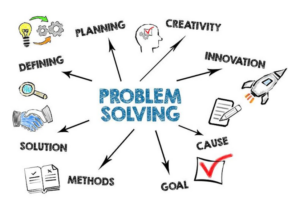
SCAMPER is an acronym for creative thinking:
Substitute : Replace parts of the problem with alternatives. Combine : Merge ideas or elements for a new solution. Adapt : Adjust existing solutions for this scenario. Modify : Change aspects like size, shape, or function. Put to another use : Repurpose existing resources creatively. Eliminate : Remove unnecessary components to simplify the issue. Reverse : Reimagine processes in reverse order.6. Prototyping and TestingBuild small-scale models or pilot programs to test potential solutions before full implementation.Use feedback from testing to refine your approach iteratively.7. Decision Matrix AnalysisList all possible solutions and evaluate them based on weighted criteria such as cost, feasibility, and impact.Assign scores and select the option with the highest total value.8. Break Problems into Smaller PartsDivide complex problems into smaller, more manageable tasks (chunking).Solve each subproblem individually before integrating them into a larger solution.9. Use Analogies for InsightCompare your problem with similar scenarios from other fields (e.g., nature, engineering).Draw parallels that may inspire innovative approaches.10. Ask for Feedback from OutsidersSeek input from individuals who are not directly involved in the problem but have relevant expertise or fresh perspectives.This avoids “groupthink” and encourages unbiased opinions.By automating repetitive tasks or analyzing data trends, technology can save time while offering actionable insights for solving problems effectively!
The post Creative and Logical Problem-Solving Ideas appeared first on Peak Development Strategies.
April 11, 2025
Microsoft Outlook as a Time Management Tool
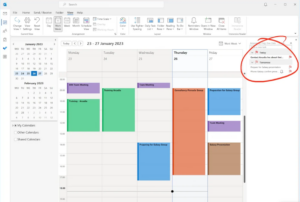
Microsoft Outlook is more than just an email and calendar application. When optimized, it can become a powerful tool for managing your time effectively, increasing productivity, and reducing stress. Below are 15 creative and logical ideas to maximize the potential of Microsoft Outlook as a time management tool.
1. Use the Four Ds Framework for Email ManagementWhen processing emails in your inbox, apply the “Four Ds” method:
Delete: Remove unnecessary messages.Do: Act immediately on tasks that take less than two minutes.Delegate: Forward tasks that others can handle.Defer: Flag or categorize emails for later review.This approach ensures that your inbox remains uncluttered and focused on actionable items.
2. Turn Off NotificationsEmail notifications can disrupt focus and reduce productivity. To stay focused:
Go to File > Options > Mail > Message Arrival, and disable pop-ups, sounds, and envelope icons.Check your inbox at set intervals rather than constantly being interrupted.3. Set Up the To-Do BarDisplay your tasks alongside your inbox using the To-Do Bar:
Navigate to the View Tab > Layout Section > To-Do Bar, then select “Tasks.”This allows you to track pending items without switching screens.4. Convert Emails into TasksTransform actionable emails into tasks directly from your inbox:
Hover over an email and click the red flag icon to add it to your To-Do list.Right-click on flags to assign follow-up dates (e.g., Today, Tomorrow).This ensures no task slips through the cracks.
5. Incorporate the Eisenhower MatrixOrganize tasks by urgency and importance:
Quadrant 1: Urgent & Important – Handle immediately (add to today’s To-Do list).Quadrant 2: Important but Not Urgent – Schedule in your calendar.Quadrant 3: Urgent but Not Important – Delegate these tasks.Quadrant 4: Neither Urgent nor Important – Delete or deprioritize them.Outlook’s task categorization tools align perfectly with this system.
6. Create Categories for Better OrganizationUse color-coded categories for emails, meetings, and tasks:
Examples include @Email, @Meeting, @Phone, @Read.Categorize by project names or priority levels (e.g., “High Priority” or “1-on-1 Manager”).This allows quick identification of related items across different folders.
7. Leverage Search FoldersSet up search folders to consolidate important data automatically:
Create folders based on specific senders (e.g., boss or key clients) or keywords like “Urgent.”Use search folders for meeting preparation by gathering relevant emails quickly.8. Add Daily Tasks Directly to Your CalendarIntegrate daily tasks into your calendar view:
Go to View Tab > Layout Section > Daily Task List, then select “Normal.”Tasks will appear at the bottom of each day in your calendar for better planning.9. Automate Repetitive Actions with Quick StepsQuick Steps allow you to automate common email actions with one click:
Examples include moving messages to specific folders or forwarding them with pre-written text.Set up Quick Steps under the Home tab in the Ribbon menu.For example: A “Defer” Quick Step could flag an email for follow-up while moving it into a dedicated folder.
10. Master Rules for Email SortingCreate rules that sort incoming messages automatically:
Move newsletters into a designated folder (e.g., “Contact Groups”).Ensure meeting requests always go directly into your inbox.By automating low-priority email handling, you can focus on critical communications first.
11. Schedule Follow-Ups with AppointmentsSometimes follow-ups require more than just adding them as a task; they need scheduling:
Drag an email onto the Calendar icon in Outlook’s navigation pane.A new appointment window will open where you can set reminders or block time for action items.12. Set Up Favorites in Your Navigation PaneKeep essential folders at hand by adding them as Favorites:
Suggested favorites include Inbox, Sent Items, Deleted Items, and reference folders like “1-Reference.”Favorites make navigation quicker and reduce mental clutter when filing emails.
13. Batch Process Emails Using Focused InboxEnable Focused Inbox to prioritize high-value messages automatically:
Focused Inbox separates important messages from less critical ones (e.g., promotions).Spend dedicated blocks of time addressing each category instead of switching contexts repeatedly throughout the day.
14. Track Time Spent on Tasks Using AppointmentsIf tracking work hours is part of your workflow:
Turn appointments into timesheets using tools like Time watch’s Outlook plugin.This feature allows professionals to track billable hours directly within their calendars seamlessly.
15. Regularly Review Your Calendar & Task ListsAt least once per week:
Clean up overdue tasks by rescheduling them or marking them complete.Review upcoming meetings and deadlines in advance.Adjust priorities based on new developments.A weekly review ensures alignment between long-term goals and day-to-day activities managed via Outlook.
Final ThoughtsBy leveraging Microsoft Outlook’s built-in tools—like Tasks, Calendar integrations, rules automation, categories, Quick Steps—you can transform it into a comprehensive time management system tailored to your needs! Start small by implementing one or two strategies today; over time, you’ll notice significant improvements in productivity and reduced stress levels!
The post Microsoft Outlook as a Time Management Tool appeared first on Peak Development Strategies.