Mary L. Erlain's Blog, page 10
June 17, 2025
Strategies for the Remote and Hybrid Worl
The shift to remote and hybrid work environments has fundamentally reshaped how organizations nurture talent and foster growth. While the essence of mentorship remains crucial, the traditional, often organic, interactions that fueled these relationships are now less frequent. Intentionality, leveraging technology, and adapting communication styles are paramount to ensuring effective mentorship thrives in this new landscape.
Innovative Mentoring Ideas for Hybrid and Remote EnvironmentsHere are some creative and logical ideas to elevate mentoring programs in a remote or hybrid setting, drawing inspiration from leading experts and successful practices:
“Virtual Shadowing” via Asynchronous Video SeriesConcept: Mentors record short, focused video clips (e.g., using Loom) showcasing specific tasks, decision-making processes, or problem-solving approaches throughout their day.Benefit: Mentees can “shadow” mentors asynchronously, gaining insights into daily work and asking questions at their convenience, overcoming geographical and scheduling barriers. This replicates on-the-job training in a flexible format.Hybrid “Mentoring Meetup Zones”Concept: Designate specific, technologically advanced spaces within the physical office that are optimized for seamless hybrid interactions, equipped with high-quality cameras, microphones, and large screens.Benefit: When mentors and mentees coordinate their in-office days, these zones provide an equitable and engaging environment for both in-person and remote participants to connect, ensuring remote mentees feel fully included.“Micro-Mentoring Moments” via Dedicated Chat ChannelsConcept: Create opt-in, topic-specific instant messaging channels (e.g., on Slack or Teams) where mentees can post quick questions or dilemmas, and mentors (or even peer mentors) can offer brief, real-time advice.Benefit: This replicates the spontaneous “tap on the shoulder” or “desk-side” questions common in traditional offices, facilitating quick guidance and informal learning.AI-Powered “Mentoring Matchmaker” with Skill Gap AnalysisConcept: Utilize an internal AI tool that not only matches mentors and mentees based on stated goals and interests but also analyzes skill gaps identified through performance reviews or learning platforms to suggest highly relevant and impactful pairings.Benefit: Ensures more strategic and effective matches, leading to goal-oriented mentorship journeys that directly address development needs.“Reverse Mentoring Sprints” on Digital FluencyConcept: Pair junior employees (especially Gen Z) with senior leaders or experienced colleagues for short, focused “sprints” where the junior employee mentors the senior on new digital tools, social media, or emerging work methodologies.Benefit: Fosters intergenerational connection, mutual learning, and helps bridge digital literacy gaps across the organization, while empowering junior staff.“Virtual Coffee Roulette” with Senior LeadersConcept: Implement a system that randomly pairs mentees or junior employees with different senior leaders or experienced professionals for brief (15-20 minute) informal virtual coffee chats.Benefit: Broadens mentees’ internal networks beyond their direct team or formal mentor, encouraging spontaneous interaction and exposure to diverse perspectives and career paths.“Project-Based Mentorship Pods”Concept: Instead of a single 1:1 pairing, create small, short-term “pods” (e.g., one mentor, 2-3 mentees) focused on a specific project, challenge, or skill development area.Benefit: Encourages peer learning among mentees, provides diverse perspectives for the mentor, and offers a structured yet collaborative environment for practical application of skills.“Hybrid Mentoring Playbooks” for Best PracticesConcept: Develop a comprehensive digital “playbook” or toolkit for both mentors and mentees, outlining best practices for virtual communication, managing digital fatigue, setting clear hybrid expectations, and maximizing in-person interactions.Benefit: Provides clear guidance and resources, addressing common challenges of remote/hybrid mentorship and promoting effective engagement.“Onsite Co-Working Days” with Mentoring FocusConcept: Encourage mentor-mentee pairs to coordinate their in-office days using desk booking software. Designate these co-located days for deeper, in-person mentoring conversations, collaborative whiteboarding sessions, or joint work.Benefit: Maximizes the value of physical presence by allocating dedicated time for high-impact, face-to-face interactions that are harder to replicate virtually.“Asynchronous Feedback Loops” for Skill DevelopmentConcept: Mentees submit work samples, project updates, or presentations via a shared platform. Mentors then provide detailed, asynchronous feedback through comments, tracked changes, or recorded video responses.Benefit: Allows mentees to review and implement feedback at their own pace, fostering deeper understanding and skill development without the pressure of real-time interaction, accommodating different learning styles and time zones.“Hybrid Mentorship Circles” for Affinity GroupsConcept: Establish small, ongoing virtual circles or communities of practice for mentees and mentors around shared interests, roles, or diversity, equity, and inclusion (DEI) topics. These circles can meet regularly online and occasionally co-locate for deeper bonding.Benefit: Fosters a sense of community, shared experience, and provides multiple touchpoints for support and learning, extending beyond traditional 1:1 relationships.“Mentee-Led Agenda Setting” and Goal Tracking ToolsConcept: Empower mentees to take ownership of their development by requiring them to set the agenda for each session, propose discussion topics, and actively track their progress against mutually agreed-upon goals using a shared digital platform.Benefit: Increases mentee engagement and accountability, ensuring the mentorship is purposeful and aligned with their specific development needs.“Virtual ‘Open Door’ Hours” for MentorsConcept: Mentors designate specific virtual “office hours” where mentees can “drop in” via video call for quick questions, informal chats, or immediate guidance, mimicking the traditional open-door policy.Benefit: Creates accessibility and encourages spontaneous interactions, making mentors feel more approachable even when physically remote.“Storytelling & Experience Sharing” WebinarsConcept: Organize regular virtual webinars or “fireside chats” where mentors from various departments or senior leaders share their career journeys, significant challenges, and key lessons learned.Benefit: Provides broader exposure and inspiration to a larger mentee audience, fostering a culture of continuous learning and growth across the organization.Gamified Mentorship Milestones & RecognitionConcept: Introduce a gamified element where mentor-mentee pairs earn “badges” or points for completing key milestones (e.g., first in-person meeting, successful project collaboration, mentee achieving a specific goal). Publicly recognize top-performing pairs in virtual team meetings.Benefit: Boosts engagement, provides positive reinforcement, and celebrates the success of mentoring relationships, making the process more enjoyable and visible.The post Strategies for the Remote and Hybrid Worl appeared first on Peak Development Strategies.


June 10, 2025
Ideas for Modern Workplace & Hybrid Realities

Design flexible office spaces that adapt to the needs of hybrid workers. Implement hot desking systems with desk booking software to ensure employees can collaborate effectively when on-site while optimizing real estate use.
2. Biophilic Design IntegrationIncorporate natural elements like plants, organic materials, and natural lighting into office spaces to improve cognitive function, creativity, and overall well-being.
3. Dedicated No-Work ZonesCreate stress-relief zones where employees can relax, play games, or engage in creative activities. These spaces help recharge their minds and foster innovative thinking.
4. Hybrid Work Technology SuiteAdopt a consolidated hybrid work tech stack that integrates desk booking, meeting room scheduling, workplace analytics, visitor management, and communication tools to streamline operations and enhance employee experiences.
5. Diversity-Driven Collaboration SpacesDesign inclusive collaboration areas equipped with technology and tools that cater to diverse teams. Ensure accessibility for employees from various backgrounds and abilities.
6. WFH Allowance ProgramsProvide remote work stipends to help employees create ergonomic home office setups that fuel productivity and creativity. This includes funding for furniture, technology, or even internet upgrades.
7. Collective Idea Boards (Physical & Digital)Install collective whiteboards in offices or virtual brainstorming platforms where team members can freely contribute ideas. Encourage cross-departmental collaboration by making these boards accessible to all.
8. Customized Hybrid SchedulesDevelop formalized hybrid schedules tailored to team needs while balancing flexibility with in-person collaboration days for building relationships and improving culture.
9. Leadership Training for Hybrid Work ManagementOffer training programs for managers on how to lead distributed teams effectively, ensuring they avoid micromanagement while fostering trust and clear communication.
10. Virtual Rewards & Recognition ProgramsRecognize achievements through virtual ceremonies or rewards like gift cards or subscriptions. This boosts morale for remote workers who may feel isolated from traditional workplace celebrations.
11. Inspiration-Focused EventsHost in-person seminars or webinars featuring motivational speakers who inspire creativity and innovation among employees across hybrid setups.
12. AI-Powered Collaboration ToolsLeverage artificial intelligence tools to simulate brainstorming sessions or test new ideas virtually before implementation, enabling risk-free experimentation for hybrid teams.
13. Intentional Meeting PracticesAdopt asynchronous communication methods where possible but reserve synchronous meetings only for critical discussions that require real-time interaction—reducing unnecessary Zoom fatigue.
The post Ideas for Modern Workplace & Hybrid Realities appeared first on Peak Development Strategies.
June 9, 2025
Ideas for Mentors to Fuel Gen Z’s Freelancing and Startup Aspirations

Many members of Gen Z dream of stepping into the entrepreneurial world through freelancing or launching startups. As a mentor, you can help nurture their ambitions by fostering skills like experimentation, calculated risk-taking, and creative problem-solving. Below are some well-thought-out ideas to inspire your mentorship journey.
1. Host Failure Workshops
Encourage Gen-Zers to embrace failure as a learning opportunity. Organize workshops where they share past failures, analyze what went wrong, and brainstorm how to pivot or improve.
2. Encourage Mini-Experiments
Suggest they test ideas with small-scale experiments before committing fully. For example:
Launching a product prototype on social media.Running a low-cost marketing campaign to validate demand.3. Build Accountability Circles
Create small groups where mentees regularly share progress, challenges, and next steps. Accountability fosters discipline and helps them stick to goals.
4. Introduce Them to Low-Risk Side Hustles
Guide them in starting low-risk freelance gigs or side hustles while maintaining their current commitments (e.g., school or jobs). Examples include:
Freelance writing.Graphic design.Social media management.5. Teach Problem-Solving Frameworks
Introduce structured methods like:
Design Thinking: Empathize, define, ideate, prototype, test.Lean Startup Methodology: Build-measure-learn feedback loops.This equips them with tools for tackling challenges creatively.
6. Connect Them with Industry Experts
Leverage your network to arrange Q&A sessions or informal chats with successful freelancers and startup founders who can share real-world insights.
7. Simulate Real-Life Scenarios
Run mock exercises where they handle challenges such as:
Negotiating contracts with clients.Pitching investors for funding.Managing project deadlines under pressure.8. Promote the Importance of Financial Literacy
Teach key concepts like:
Budgeting for irregular income streams.Pricing services competitively yet sustainably.Tax obligations for freelancers/startups.9. Offer Guidance on Personal Branding
Help them craft a strong online presence by focusing on:
Creating an engaging LinkedIn profile.Building a portfolio website showcasing their work.Developing consistent messaging across platforms.10. Support Crowdsourced Projects
Encourage participation in collaborative projects like hackathons or open-source initiatives that foster creativity and teamwork while building their skillset.
11. Create an “Idea Journal” Challenge
Ask mentees to document one new idea daily in a journal—whether it’s a business concept, product improvement, or creative solution to an everyday problem.
12. Share Lessons on Calculated Risk-Taking
Discuss historical examples of entrepreneurs who took calculated risks (not reckless gambles) and succeeded due to preparation and insight.
For instance:
Jeff Bezos launched Amazon despite leaving Wall Street.Sara Blakely bootstrapped Spanx without external funding initially.13. Help Them Build MVPs (Minimum Viable Products)
Guide mentees in creating simple MVPs that demonstrate core functionality without requiring significant investment of time or money upfront.
Example:
A no-code landing page built using tools like Wix or Webflow.A demo app prototype created using Figma or Adobe XD.14. Organize “Pitch Your Idea” Competitions
Host friendly competitions where mentees present startup ideas within a set time limit (e.g., five minutes). Provide constructive feedback on their pitches afterward.
15. Emphasize Resilience and Long-Term Thinking
Teach them that success rarely happens overnight by sharing stories of perseverance from renowned entrepreneurs who faced setbacks but kept going (e.g., Oprah Winfrey’s early career rejections).
By implementing these strategies as a mentor, you’ll not only fuel Gen Z’s passion for freelancing and entrepreneurship but also equip them with practical tools for success!
The post Ideas for Mentors to Fuel Gen Z’s Freelancing and Startup Aspirations appeared first on Peak Development Strategies.
June 6, 2025
Entrepreneurial Mindset: Encouraging Innovation and Autonomy
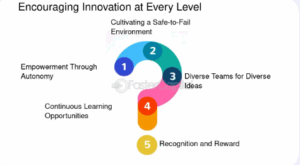
Here are some creative and logical ideas to foster an entrepreneurial mindset by encouraging innovation and autonomy:
1. Create Innovation LabsEstablish dedicated spaces where employees or team members can brainstorm, prototype, and test their ideas. These labs should have the tools, resources, and time needed for experimentation.
2. Host Regular HackathonsOrganize hackathons or innovation sprints where teams work on solving specific challenges or developing new ideas within a set timeframe. This encourages creativity under pressure.
3. Implement a “20% Time” RuleAdopt a policy like Google’s famous “20% time,” allowing employees to dedicate part of their working hours to personal projects or innovative ideas that align with company goals.
4. Empower Employees Through OwnershipDelegate decision-making authority to employees for specific projects or tasks, giving them ownership over outcomes and fostering a sense of autonomy.
5. Reward Risk-TakingCelebrate calculated risks even if they fail. Highlight lessons learned from failures in team meetings to promote a culture where taking initiative is valued over playing it safe.
6. Develop Intrapreneurship Programs
Encourage employees to act as entrepreneurs within the organization by pitching ideas for new products, services, or processes. Provide funding and mentorship for the best proposals.
7. Provide Continuous Learning OpportunitiesOffer workshops, courses, and certifications focused on innovation techniques such as design thinking, agile practices, or creative problem-solving.
8. Promote Cross-Department CollaborationBreak down silos by creating opportunities for different departments to collaborate on shared challenges. This fosters diverse perspectives that can lead to groundbreaking solutions.
9. Introduce an Idea Submission PlatformSet up an easy-to-use digital platform where employees can submit innovative ideas at any time. Encourage others to vote or comment on these submissions to build momentum around the best concepts.
10. Recognize and Celebrate Innovators PubliclyCreate awards or recognition programs that spotlight individuals who bring forward successful innovations or demonstrate entrepreneurial behavior in their roles.
11. Encourage Mentorship Programs
Pair less experienced team members with seasoned innovators or intrapreneurs within your organization to help them develop entrepreneurial skills and confidence.
12. Experiment with Flexible Work ModelsAllow employees greater flexibility in how they work (e.g., remote work options, flexible hours) so they can focus more effectively on creative tasks without being bogged down by rigid schedules.
13. Leverage Gamification TechniquesIncorporate gamified elements into innovation initiatives — such as leaderboards, badges, or rewards — to motivate participation and spark healthy competition among team members.
14. Host Industry-Specific Innovation ChallengesEngage your team in solving industry-related problems through structured challenges that require innovative thinking while aligning with broader organizational goals.
15. Foster Psychological SafetyEnsure your workplace culture supports open communication where employees feel safe sharing unconventional ideas without fear of judgment or repercussions.
The post Entrepreneurial Mindset: Encouraging Innovation and Autonomy appeared first on Peak Development Strategies.
June 5, 2025
Mentorship in Communication, Emotional Intelligence, and Confidence for Gen Z

While Gen Z excels in leveraging technology, many seek guidance in honing their communication skills, improving emotional intelligence, and building confidence. Below are some creative, actionable ideas to mentor them effectively.
Communication Skills1. Interactive Storytelling WorkshopsHost workshops where mentees craft and share personal stories. This helps improve public speaking, narrative-building, and self-expression.2. Role-Playing Difficult ConversationsUse role-playing exercises to simulate tough scenarios (e.g., negotiating a raise or resolving conflict). Provide constructive feedback to refine their approach.3. Digital Communication AuditsReview emails, texts, and social media posts with mentees to assess tone, clarity, and professionalism in digital communication.4. Podcast Creation ProjectsEncourage mentees to create podcasts on topics they’re passionate about. This builds confidence in expressing ideas clearly while refining verbal communication skills.5. Non-Verbal Communication ChallengesConduct sessions focusing solely on non-verbal cues like body language, eye contact, and facial expressions to enhance interpersonal effectiveness.Emotional Intelligence6. Emotion Mapping ExercisesGuide mentees through mapping out emotions they experience during the day. Discuss triggers and strategies for managing those emotions constructively.7. Empathy Immersion ActivitiesAssign tasks that require stepping into someone else’s shoes (e.g., volunteering or interviewing individuals from diverse backgrounds) to develop empathy.8. Active Listening BootcampsRun intensive workshops where participants practice active listening techniques like paraphrasing or summarizing conversations before responding.9. Mindfulness MentorshipTeach mindfulness practices such as meditation or journaling to help mentees manage stress and stay emotionally grounded during challenging situations.10. Conflict Resolution LabsCreate simulations of real-world conflicts where mentees must apply emotional intelligence principles to resolve issues collaboratively.Confidence Building11. Micro-Wins ChallengeDesign a challenge where mentees set small daily goals (e.g., initiating a conversation with a stranger) to build confidence incrementally over time.12. Personal Branding WorkshopsHelp mentees identify their unique strengths and craft an authentic personal brand that aligns with their goals and values.13. “Fail Forward” SessionsOrganize group discussions about past failures and lessons learned, normalizing setbacks as part of growth while fostering resilience.14. Public Speaking ClubsStart small public speaking groups where mentees present short talks regularly, receiving supportive feedback from peers and mentors alike.15. Strengths-Based Feedback LoopsOffer regular one-on-one feedback sessions that focus on celebrating strengths while identifying specific areas for growth in a positive manner.Implementation TipsBegin each mentorship session by setting clear objectives.Foster a safe space for vulnerability—ensure participants feel supported when discussing challenges.Combine virtual tools (e.g., Zoom) with in-person activities for flexibility.Use gamification elements like badges or rewards for completing milestones.Encourage peer-to-peer mentoring alongside mentor-led initiatives to amplify impact.
By focusing on these strategies, mentors can empower Gen Z to become more effective communicators, emotionally intelligent leaders, and confident individuals ready to navigate the complexities of the modern world! Click the link to my Blog to read more: peak-ds.com
#genzisourfuture #genz #coaching #everyone #genzcommunity #worklife #work #worklifebalance #business #workfromhome #instagood #motivation #entrepreneur #office #leadership #lifestyle #teamwork
The post Mentorship in Communication, Emotional Intelligence, and Confidence for Gen Z appeared first on Peak Development Strategies.
June 4, 2025
Mentoring for Skill-Building: From Soft Skills to Leadership
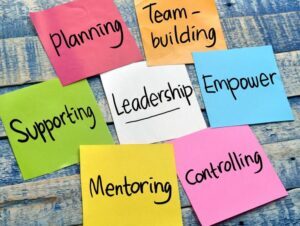
Below are some creative and logical ideas for mentoring programs aimed at building skills, ranging from soft skills to leadership development.
1. Role-Playing ScenariosCreate realistic role-playing exercises where mentees practice soft skills like communication, negotiation, or conflict resolution. For leadership development, simulate decision-making scenarios that require strategic thinking and team management.
2. Shadowing Senior LeadersAllow mentees to shadow senior leaders during their day-to-day work. This exposure helps mentees observe real-world applications of leadership skills such as delegation, adaptability, and stakeholder management.
3. Soft Skills Workshops with Mentor-Led BreakoutsHost workshops focusing on specific soft skills like active listening, empathy, or public speaking. Following the sessions, mentors can lead small group discussions to provide personalized feedback and guidance.
4. Reverse Mentoring ProgramsPair junior employees with senior leaders in a reverse mentoring setup. Junior employees can teach tech-savvy or modern communication trends while gaining insights into leadership styles and strategies.
5. Personalized Skill-Building PlansEncourage mentors to collaborate with mentees on tailored skill-building plans. These plans should outline specific soft skills or leadership competencies to focus on, along with actionable steps and timelines for improvement.
6. Cross-Functional MentoringPair mentees with mentors from different departments to expose them to diverse perspectives. This approach builds collaboration skills while offering insights into organizational dynamics crucial for future leaders.
7. Book Clubs with Leadership ThemesOrganize book clubs where mentors and mentees read and discuss books on soft skills (e.g., emotional intelligence) or leadership (e.g., “Leaders Eat Last” by Simon Sinek). Discussions can lead to actionable takeaways for professional growth.
8. Feedback Loops for Communication SkillsIntroduce structured feedback loops where mentees present ideas or proposals to their mentor regularly. The mentor provides constructive feedback on clarity, tone, body language, and overall communication effectiveness.
9. Leadership Simulation GamesUse gamification techniques by incorporating simulation games that challenge mentees’ problem-solving and decision-making abilities under time constraints—essential traits of effective leaders.
10. 360-Degree Feedback ExercisesEncourage mentees to gather feedback from peers, supervisors, and direct reports about their soft skills or emerging leadership qualities. Mentors can help analyze the results and create an improvement plan.
11. Real-Time Problem-Solving ChallengesAssign real-world challenges aligned with the organization’s goals where mentees must solve problems collaboratively with their mentor’s guidance. This fosters critical thinking and teamwork.
12. Public Speaking Practice SessionsMentors can guide mentees through mock presentations or speeches tailored to their roles within the organization. Constructive critique improves confidence in public speaking—a key leadership skill.
13. Cultural Intelligence Training Through MentorshipDevelop cross-cultural awareness by pairing mentors from diverse backgrounds with mentees who wish to improve cultural sensitivity—an essential skill in globalized workplaces.
14. Networking Mentorship EventsHost networking events exclusively for mentorship participants where they practice relationship-building under their mentor’s guidance while expanding professional connections—critical for both soft skills and leadership growth.
15. Mentor-Mentee Goal Alignment MeetingsSchedule regular check-ins focused on aligning short-term skill-building goals (e.g., mastering adaptability) with long-term career aspirations (e.g., stepping into a managerial role). This ensures steady progress in both areas simultaneously.
By integrating these innovative approaches into your mentoring program, you can create a holistic environment that fosters personal growth in both soft skills and leadership capabilities!
The post Mentoring for Skill-Building: From Soft Skills to Leadership appeared first on Peak Development Strategies.
June 3, 2025
Mentorship in Building Adaptable Careers for Gen Z

In an era of AI disruption and economic uncertainty, traditional mentorship approaches may no longer suffice. Gen Z craves guidance that equips them to navigate a rapidly changing professional landscape. Here are some creative and logical ideas for fostering mentorship programs that help Gen Z build adaptable careers:
1. Hybrid Mentorship ProgramsCreate mentorship models that combine human mentors with AI tools. Human mentors provide emotional intelligence, empathy, and context-specific advice, while AI offers data-driven insights, personalized career paths, and skill assessments.
2. Reverse Mentorship InitiativesEncourage two-way learning by allowing Gen Z mentees to mentor their senior counterparts on emerging trends like digital tools, generative AI, and social media strategies. This fosters mutual growth and respect across generations.
3. Skill-Based Career RoadmapsReplace fixed career plans with dynamic skill roadmaps tailored to individual strengths and industry trends. These roadmaps should be regularly updated based on new technologies and market shifts.
4. AI-Powered Career SimulationsLeverage AI-driven simulations or gamified platforms where mentees can “test-drive” different career scenarios. This helps them explore how diverse roles evolve under various economic conditions.
5. Micro-Mentorship NetworksRather than assigning one mentor per mentee, create networks of micro-mentors specializing in specific areas like leadership development, technical skills, or personal branding. Mentees can seek targeted advice from different experts as needed.
6. Adaptability Training WorkshopsHost workshops focusing on adaptability skills such as critical thinking, emotional resilience, and navigating change—skills crucial for thriving in an unpredictable job market.
7. Mentorship Through Side ProjectsEncourage mentees to take up side projects or entrepreneurial ventures under the guidance of mentors who can offer feedback on risk management, innovation, and execution strategies.
8. Dynamic Goal-Setting SessionsFacilitate regular goal-setting sessions where mentees identify short-term objectives aligned with long-term adaptability goals. These sessions should focus on developing transferable skills rather than static milestones.
9. AI-Enhanced Learning PlatformsProvide access to AI-powered platforms like LinkedIn Learning or Coursera that recommend courses based on individual interests and future job market demands.
10. Peer-Led Mentorship CirclesForm small groups where Gen Z employees mentor each other while being overseen by a senior facilitator. This encourages collaborative problem-solving and shared learning experiences.
11. Scenario Planning & Future-Proofing ExercisesIntroduce scenario planning exercises where mentees analyze potential future industry disruptions (e.g., automation) and brainstorm ways to adapt their skillsets accordingly.
12. On-Demand Mentorship AppsDevelop or adopt apps that allow mentees to schedule quick consultations with available mentors anytime they face career dilemmas or need immediate advice.
13. Crisis Resilience CoachingIntegrate resilience coaching into mentorship programs by teaching strategies for navigating layoffs, pivoting industries, or managing economic downturns effectively.
14. Purpose-Driven MentoringFocus mentorship conversations on aligning careers with personal values such as sustainability or social impact—an area highly valued by Gen Z professionals seeking meaningful work.
15. Hackathons & Problem-Solving EventsOrganize hackathons where mentees tackle real-world challenges alongside mentors from diverse fields. This builds problem-solving capabilities while exposing them to cross-functional collaboration opportunities.
By implementing these innovative mentorship ideas, organizations can empower Gen Z professionals to thrive in an ever-changing workforce while building resilient careers that align with their values and aspirations!
The post Mentorship in Building Adaptable Careers for Gen Z appeared first on Peak Development Strategies.
June 2, 2025
Helping Gen Z Navigate Career Uncertainty and Rapid Change

Here are some creative and logical ideas to help Generation Z adapt to career uncertainty and thrive in a rapidly changing professional landscape:
1. Encourage Personalized Career ExplorationUse career assessments like the Myers-Briggs Type Indicator (MBTI) or Holland Code to help Gen Z discover their strengths, interests, and passions.Offer opportunities for job shadowing, internships, or project-based learning that align with their preferences.2. Promote Lifelong Learning Through UpskillingProvide access to online courses, certifications, or workshops in emerging fields such as artificial intelligence, sustainability, or remote work management.Partner with educational platforms like Coursera or LinkedIn Learning to offer tailored skill-building programs.3. Build Resilience Through CoachingIntroduce one-on-one coaching sessions focused on developing soft skills such as adaptability, communication, and emotional intelligence.Help young professionals reframe challenges as opportunities for growth and encourage a growth mindset.4. Create Transparent Career Progression PlansDevelop clear frameworks that outline potential career paths within your organization.Share specific milestones and criteria for promotions or lateral moves to reduce uncertainty about future opportunities.5. Foster Psychological Safety in the WorkplaceEncourage open communication by creating an environment where questions are welcomed without fear of judgment.Celebrate learning from mistakes and emphasize the value of experimentation.6. Provide Financial Literacy TrainingOffer workshops on budgeting, saving for retirement, managing student loans, and understanding workplace benefits.Equip young professionals with tools to make informed financial decisions that alleviate anxiety about their future.7. Prioritize Mental Health SupportIntegrate mental health resources into employee wellness programs, such as access to therapy or mindfulness apps.Train managers to recognize signs of burnout or anxiety and provide empathetic support when needed.8. Establish Mentorship ProgramsPair early-career professionals with experienced mentors who can provide guidance on navigating workplace challenges.Include reverse mentoring opportunities where Gen Z employees can share insights on digital trends with senior staff.9. Embrace Flexible Work ModelsOffer hybrid work arrangements that allow employees to balance personal commitments while maintaining productivity.Provide autonomy over schedules while setting clear expectations for deliverables.10. Focus on Purposeful WorkAlign organizational goals with societal impact initiatives that resonate with Gen Z’s values (e.g., sustainability efforts).Regularly communicate how individual contributions tie into larger company missions.11. Cultivate Digital Savviness Without OverloadTeach healthy technology habits by encouraging intentional use of digital tools rather than constant multitasking.Promote “digital detox” practices during downtime to prevent burnout caused by screen fatigue.12. Help Them Build a Personal BrandConduct workshops on crafting professional LinkedIn profiles, creating portfolios, and networking online.Emphasize the importance of showcasing authenticity while maintaining professionalism in digital spaces.13. Provide Clarity Amid Economic UncertaintyShare regular updates about how global market trends may impact the organization and industry.Offer training sessions on interpreting economic news (e.g., inflation rates or trade policies) so employees feel more informed.14. Encourage Intentional Community BuildingOrganize team-building activities that foster genuine connections among colleagues beyond just work tasks.Support involvement in external communities through volunteering or recreational clubs aligned with employee interests.15. Celebrate Small Wins Along the JourneyRecognize incremental achievements through shoutouts during meetings or personalized notes from leadership.Create platforms where employees can share their successes and lessons learned publicly within the organization.By implementing these ideas thoughtfully, organizations can empower Gen Z professionals to navigate uncertainty confidently while fostering a sense of purpose and belonging in their careers!
The post Helping Gen Z Navigate Career Uncertainty and Rapid Change appeared first on Peak Development Strategies.
May 30, 2025
Logical Ideas for Career Development & Growth

Career development is essential for both personal satisfaction and professional success. Below are some well-thought-out ideas to help individuals advance in their careers while contributing positively to their organizations.
1. Create a Personalized Career RoadmapDefine short-term, mid-term, and long-term career goals.Identify the skills, certifications, or experiences needed to achieve these goals.Regularly review and adjust the roadmap as your interests and industry trends evolve.2. Seek Out Mentorship OpportunitiesPair up with a mentor who has expertise in your field or desired role.Actively seek advice on overcoming challenges and navigating career transitions.Reverse mentorship: Offer your unique skills (e.g., tech-savviness) to mentor senior colleagues.3. Participate in Cross-Departmental ProjectsCollaborate with teams outside your primary department to expand your skill set.Learn about different aspects of the organization’s operations.Build relationships across departments to increase visibility within the company.4. Invest in Continuous LearningEnroll in online courses, workshops, or certification programs relevant to your career goals.Explore microlearning platforms like LinkedIn Learning or Coursera for flexible skill-building.Stay updated on industry trends through webinars, podcasts, and industry publications.5. Attend Networking EventsParticipate in professional networking events (online or offline) specific to your industry.Engage with thought leaders by asking insightful questions during panel discussions or Q&A sessions.Leverage platforms like LinkedIn to maintain connections after events.6. Develop Leadership Skills EarlyVolunteer for team lead roles or special projects within your organization.Attend leadership workshops focused on communication, decision-making, and conflict resolution.Practice mentoring junior colleagues to hone leadership abilities.7. Build a Personal BrandDevelop an online presence showcasing your expertise through blog posts, videos, or social media updates.Share case studies of successful projects you’ve worked on (if allowed by your employer).Network consistently online by engaging with professionals in your field via platforms like Twitter or LinkedIn.8. Learn Emotional Intelligence (EQ) SkillsEmotional intelligence is critical for managing relationships effectively:
Attend workshops that focus on improving self-awareness and empathy.Practice active listening and conflict resolution techniques during team interactions.9. Take Advantage of Stretch AssignmentsVolunteer for challenging assignments that push you out of your comfort zone. Example: Leading a new initiative or taking on an unfamiliar project domain. Outcome: This will build confidence while broadening your expertise.The post Logical Ideas for Career Development & Growth appeared first on Peak Development Strategies.
May 29, 2025
Ideas for Authentic Mentorship for Gen Z
Gen Z thrives on authenticity and relatability, especially when learning from mentors. Below are some well-thought-out ideas that leverage honest storytelling, transparency, and meaningful connections to create impactful mentorship experiences.
1. Host “Failure Story” SessionsCreate safe spaces where mentors openly share their biggest failures and the lessons learned. These sessions normalize failure as part of growth and encourage mentees to embrace challenges.
2. Use “Reverse Mentorship” to Learn TogetherEncourage reverse mentorship, where Gen Z mentees teach mentors about trends, technology, or culture while mentors provide life or career advice. This dynamic creates mutual respect and authenticity.
3. Incorporate Vulnerability into Professional SettingsMentors can share personal struggles they faced in the workplace (e.g., burnout, imposter syndrome). By being vulnerable, they demonstrate that it’s okay to face difficulties while pursuing success.
4. Create a Podcast Series on “Lessons from the Hardest Moments”Develop a podcast featuring mentors who discuss their toughest moments in life or work and how they overcame them. Make it conversational to keep it engaging for Gen Z listeners.
5. Share “Unpolished” Journeys on Social MediaMentors can use platforms like Instagram Stories or TikTok to document their real-time experiences—both wins and setbacks—to show the messy but rewarding journey of personal growth.
6. Develop Interactive Storytelling WorkshopsHost workshops where mentors guide mentees through storytelling exercises based on their own failures and successes. Use this format to help mentees craft their own authentic narratives.
7. Highlight “What I Wish I Knew” InsightsMentors can focus on sharing practical advice tied directly to mistakes they made early in their careers (e.g., poor time management or ignoring self-care). These insights resonate deeply with younger audiences.
8. Use Humor to Normalize FailureInject humor into mentorship by sharing funny or embarrassing anecdotes about mistakes made during professional journeys. Humor helps break down barriers and makes learning more enjoyable.
9. Build Peer-Led Support NetworksEncourage group mentorship settings where peers share authentic experiences alongside seasoned professionals, fostering collective learning rooted in honesty and empathy.
10. Gamify Real-Life Problem SolvingDesign activities where mentees solve real-world problems based on scenarios from the mentor’s past failures or tough decisions. Gamifying these experiences makes them engaging and memorable.
11. Host “Authenticity Panels” with Diverse MentorsOrganize panel discussions featuring mentors from various industries who talk candidly about their unique paths, including struggles with identity, confidence, or external pressures.
12. Document Progress Instead of PerfectionMentors can track progress (instead of just outcomes) when teaching new skills or guiding projects—showing that growth happens incrementally rather than instantly.
13. Encourage Journaling Through Failure PhasesIncorporate reflective journaling into mentorship programs so both mentors and mentees can process setbacks together in real-time while celebrating small wins along the way.
14. Create a Digital “Fail Forward” LibraryBuild an online repository where mentors submit stories of failure paired with actionable takeaways for mentees to explore anytime they need inspiration or guidance.
15. Celebrate Failures Publicly as Learning OpportunitiesTurn traditional recognition upside-down by hosting events like “Failure Awards,” where both mentors and mentees are applauded for bold attempts that didn’t go as planned but led to valuable lessons.
Closing ThoughtsThese ideas aim to foster genuine connections between Gen Z mentees and their mentors by focusing on shared humanity over unattainable perfectionism. By embracing vulnerability, authenticity becomes the foundation for deeper learning experiences!
The post Ideas for Authentic Mentorship for Gen Z appeared first on Peak Development Strategies.