Mary L. Erlain's Blog, page 21
October 14, 2024
Support Career Growth and Development

Why: Understanding Gen Z’s Ambitions
Generation Z, typically defined as individuals born between 1997 and 2012, is characterized by their ambition and eagerness to learn. This generation has grown up in a rapidly changing world, influenced by technology and social media, which has shaped their expectations regarding work and career development. Research indicates that Gen Z values personal growth and professional development highly; they are less likely to remain with an employer long-term if they perceive a lack of opportunities for advancement. According to a study published by the National Society of High School Scholars (NSHSS), 76% of Gen Z respondents indicated that they would leave a job if they felt there was no opportunity for growth.
Strategy: Creating Personalized Development Plans
To effectively support the career growth of Gen Z employees, organizations should implement personalized development plans tailored to individual interests and career goals. This approach involves several key components:
Assessment of Interests and Goals: Begin by conducting assessments or surveys to understand each employee’s aspirations, strengths, and areas for improvement. Tools such as personality assessments or career interest inventories can be beneficial in this process.Setting Clear Objectives: Collaborate with employees to set specific, measurable, achievable, relevant, and time-bound (SMART) objectives that align with their ambitions and the organization’s goals.Access to Training and Workshops: Provide access to various training programs that cater to different skill levels and interests. This could include technical skills training, leadership workshops, or soft skills development sessions. Online platforms like Coursera or LinkedIn Learning can be valuable resources for continuous learning.Mentorship Programs: Establish mentorship initiatives where experienced employees guide younger staff members. Mentorship can foster knowledge transfer while also providing Gen Z employees with insights into navigating their careers within the organization.Exploration of Different Roles: Encourage job shadowing or rotational programs that allow Gen Z employees to explore various roles within the organization. This exposure can help them identify potential career paths they may not have previously considered.Regular Feedback Mechanisms: Implement regular check-ins and feedback sessions to discuss progress toward goals, address any challenges faced, and adjust development plans as necessary.Recognition of Achievements: Recognize milestones achieved in personal development plans through awards or public acknowledgment within the organization. Celebrating accomplishments reinforces motivation among Gen Z employees.By adopting these strategies, organizations can create an environment conducive to growth that meets the expectations of Generation Z while simultaneously benefiting from their innovative ideas and fresh perspectives.
The post Support Career Growth and Development appeared first on Peak Development Strategies.


October 11, 2024
Emphasize Purpose and Meaning in Work

Why: Understanding Gen Z’s Motivations
Generation Z, individuals born between the mid-to-late 1990s and the early 2010s, is characterized by a strong desire for meaningful work. This cohort has grown up in a world marked by significant social, political, and environmental challenges, which have shaped their values and expectations regarding employment. Research indicates that Gen Z prioritizes purpose over profit; they are more likely to seek out employers whose missions align with their personal beliefs and values. According to studies conducted by various organizations, including Deloitte and McKinsey, Gen Z employees are motivated by roles that allow them to contribute positively to society or the environment.
Strategy: Communicating Purpose in the Workplace
Companies must articulate the purpose behind their tasks and projects to engage Gen Z employees effectively. Here are several strategies to emphasize purpose and meaning in work:
Define Company Mission and Values: Organizations should have a well-defined mission statement that reflects their core values. This mission should be communicated consistently across all levels of the organization. When employees understand how their work aligns with these values, they are more likely to feel connected to their roles.Showcase Impact: Companies need to demonstrate how individual contributions lead to broader societal or environmental outcomes. For instance, if an employee’s project reduces waste or enhances community engagement, this impact should be highlighted through internal communications or recognition programs.Encourage Employee Involvement: Companies can foster a sense of ownership among Gen Z employees by involving them in decision-making processes related to projects that have social or environmental implications. This involvement not only empowers employees but also reinforces the significance of their contributions.Provide Opportunities for Growth: Offering professional development opportunities that align with personal values can enhance job satisfaction among Gen Z workers. Training programs focused on sustainability practices or community service initiatives can help employees see how they can grow while contributing positively.Celebrate Successes: Regularly recognizing and celebrating achievements related to purpose-driven goals can reinforce the importance of these efforts within the company culture. This could include awards for innovative projects that benefit society or public acknowledgment of teams making strides toward sustainability.Foster Open Communication: Creating an environment where employees feel comfortable discussing their values and how they relate to their work is crucial. Regular feedback sessions can help ensure that employees feel heard and valued with the company’s mission.By implementing these strategies, organizations can create a workplace culture that resonates with Generation Z’s desire for meaningful work, ultimately leading to higher engagement levels and retention rates.
The post Emphasize Purpose and Meaning in Work appeared first on Peak Development Strategies.
October 9, 2024
Training and Development in Small Businesses
Limited Training Resources:
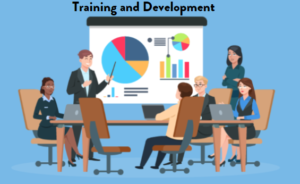
Small businesses often face significant challenges regarding employee training and development. One of the primary obstacles is the limitation of resources, both financial and temporal. Many small businesses operate on tight budgets, which can restrict their ability to invest in comprehensive training programs. According to an Association for Talent Development (ATD) report, organizations prioritizing employee development are more likely to see improved performance and retention rates. However, small businesses may struggle to allocate funds for ongoing training initiatives due to competing financial obligations such as payroll, rent, and operational costs.
Additionally, time constraints can hinder training efforts. Small business owners and managers often wear multiple hats, juggling various responsibilities that leave little room for structured training sessions. This lack of dedicated time for employee development can result in skill gaps within the workforce, as employees may not receive the necessary training to keep up with industry standards or technological advancements.
Employee Growth
The absence of formal development programs can also impact employee growth and motivation. In small businesses where resources are limited, employees may find it challenging to identify clear pathways for advancement within the organization. Without structured career development opportunities, employees might feel stagnant in their roles, leading to decreased job satisfaction and increased turnover rates.
Research indicates that employees who perceive growth opportunities are more likely to remain engaged and committed to their employer. A study published in the Journal of Business Research found that organizations that invest in employee development enhance individual performance and foster a culture of loyalty among staff members. Conversely, when small businesses fail to provide adequate training and professional development opportunities, they risk losing valuable talent to competitors who offer better career advancement prospects.
To address these challenges, small businesses can explore alternative methods for employee training that require fewer resources yet yield positive results. For instance, leveraging online learning platforms or implementing mentorship programs can provide cost-effective solutions for skill enhancement without overwhelming existing staff or budgets.
In conclusion, while limited resources pose significant challenges for small businesses regarding employee training and development, recognizing the importance of investing in staff growth is crucial. By finding innovative ways to facilitate learning and career advancement within budgetary constraints, small businesses can cultivate a motivated workforce equipped with the skills necessary for success.
The post Training and Development in Small Businesses appeared first on Peak Development Strategies.
October 8, 2024
Evolving Educational Needs

The educational landscape is continuously evolving, necessitating a shift in approaches to accommodate the diverse learning styles and needs of different generations. Each generation—Baby Boomers, Generation X, Millennials, and Generation Z—has unique characteristics shaped by the socio-economic conditions and technological advancements during their formative years.
Generational Learning Styles:Baby Boomers (born approximately 1946-1964) often prefer traditional learning environments that emphasize face-to-face interaction and structured learning. They value experience-based learning and may benefit from mentorship programs.Generation X (born approximately 1965-1980) tends to be self-reliant and values flexibility in learning. They are comfortable with technology but also appreciate hands-on experiences. Blended learning approaches that combine online resources with in-person instruction can be effective for this group.Millennials (born approximately 1981-1996) are digital natives who thrive in collaborative learning environments. They favor interactive content, social media integration, and real-world applications of knowledge. Educational institutions need to incorporate technology effectively to engage this generation.Generation Z (born approximately 1997-2012) has grown up with smartphones and instant access to information. They prefer personalized learning experiences that allow for self-directed study and immediate feedback. Adaptive learning technologies can cater to their individual needs.Adapting Educational Approaches: To meet these varying preferences, educational institutions must adopt a more flexible curriculum that incorporates multiple teaching methods—such as project-based learning, gamification, and experiential education—that resonate with different generational cohorts.Lifelong Learning
In today’s rapidly changing world, the concept of lifelong learning has gained significant importance across all generations. Continuous education is essential not only for personal development but also for professional adaptability in an increasingly competitive job market.
Importance of Continuous Education: The fast pace of technological advancement means that skills can quickly become obsolete. Lifelong learning enables individuals to stay relevant by acquiring new competencies throughout their lives. This is particularly crucial as industries evolve due to automation, artificial intelligence, and other innovations.Generational Approaches to Learning:Baby Boomers may focus on formal education opportunities such as workshops or degree programs to enhance their skills.Generation X often seeks online courses or certifications that fit their busy schedules while balancing work and family commitments.Millennials typically leverage online platforms like MOOCs (Massive Open Online Courses) for continuous education due to their preference for flexibility and accessibility.Generation Z is inclined towards micro-learning formats—short bursts of information delivered through mobile apps or social media—which align with their fast-paced lifestyles.Institutional Support for Lifelong Learning: Organizations must foster a culture of continuous improvement by providing resources such as training programs, mentorship opportunities, and access to educational materials tailored to various generational needs.In conclusion, adapting educational approaches to meet the evolving needs of different generations while promoting lifelong learning is crucial in preparing individuals for future challenges.
World Economic Forum: An international organization focused on improving the state of the world through public-private cooperation; it provides reports on future job skills and the importance of continuous education in a changing economy.The post Evolving Educational Needs appeared first on Peak Development Strategies.
October 7, 2024
Managing Employee Burnout – Consulting Services

Employee burnout is a state of emotional, physical, and mental exhaustion caused by prolonged and excessive stress. It can manifest in various ways, including decreased productivity, lack of motivation, and increased absenteeism. In small businesses, where resources are often limited and employees may wear multiple hats, the risk of burnout can be particularly high.
Identifying Causes of Burnout in Small Businesses
Heavy Workloads: In smaller teams, each employee may be required to take on several roles due to a lack of personnel. This can lead to overwhelming workloads that exceed an individual’s capacity to manage effectively. When employees feel they cannot meet the demands placed upon them, it can result in chronic stress and eventual burnout.Work-Life Balance: Small businesses often struggle with resource allocation, which can hinder employees’ ability to maintain a healthy work-life balance. Without adequate support or staffing, employees may find themselves working longer hours or taking work home, leading to increased stress levels and dissatisfaction with their jobs.Consulting Services for Managing Burnout
To address these issues effectively, consulting services can provide tailored strategies for small businesses:
Workload Assessment: Consultants can conduct assessments to identify workload distribution among team members. This involves analyzing tasks and responsibilities to ensure that no single employee is overloaded. By redistributing tasks or hiring additional staff if feasible, businesses can alleviate pressure on individual employees.Implementing Flexible Work Arrangements: Encouraging flexible work schedules or remote work options can significantly improve work-life balance for employees. Consultants can help design policies that allow for flexibility while ensuring that business operations remain efficient.Promoting Open Communication: Establishing a culture of open communication is crucial in identifying signs of burnout early on. Consultants can facilitate training sessions on effective communication strategies that empower employees to express their concerns regarding workload and stress levels without fear of repercussions.Creating Wellness Programs: Implementing wellness programs focused on mental health can provide employees with tools to manage stress better. These programs might include workshops on time management, mindfulness practices, or access to counseling services.Regular Check-ins and Feedback Loops: Setting up regular check-ins between management and staff allows for ongoing feedback regarding workloads and job satisfaction levels. This proactive approach helps identify potential burnout risks before they escalate into more significant issues.Encouraging Time Off, Promoting the importance of taking breaks and vacations is essential in preventing burnout. Consultants can advise business owners on how to create policies that encourage time off without guilt or stigma attached.Training Leadership on Employee Well-being: Training managers and team leaders on recognizing signs of burnout and understanding its impact is vital for fostering a supportive workplace environment.By implementing these strategies through consulting services tailored specifically for small businesses facing employee burnout challenges, organizations can create healthier work environments that enhance productivity while supporting employee well-being.
The post Managing Employee Burnout – Consulting Services appeared first on Peak Development Strategies.
October 4, 2024
Creating Competitive Compensation Packages for Small Businesses

Small businesses often face significant challenges when it comes to offering competitive salaries. Larger corporations typically have more financial resources, allowing them to provide higher base salaries and more comprehensive benefits packages. This disparity can deter highly skilled candidates from considering positions at smaller firms. To address this issue, small businesses need to focus on several strategies:
Market Research: Conducting thorough market research is essential to understand the salary ranges for specific roles within the industry. Tools like salary surveys and compensation benchmarking reports can help small businesses gauge where they stand in comparison to competitors.Value Proposition: Small businesses should emphasize their unique value propositions, such as a positive work culture, opportunities for professional growth, and a more personalized work environment. Highlighting these aspects can make positions more attractive even if the salary is lower than that offered by larger companies.Flexible Work Arrangements: Offering flexible working hours or remote work options can be an appealing alternative to higher salaries. Many candidates prioritize work-life balance over monetary compensation.Career Development Opportunities: Investing in employee development through training programs or mentorship can enhance job satisfaction and loyalty, making the overall compensation package more attractive.Incorporating Bonuses and Incentives
While small businesses may not have the financial capacity to offer large bonuses or stock options, there are still ways to create incentive structures that motivate employees:
Performance-Based Bonuses: Even modest performance-based bonuses tied to individual or team achievements can incentivize employees without requiring a large financial outlay.Non-Monetary Incentives: Recognizing employee efforts through non-monetary rewards such as additional time off, gift cards, or public acknowledgment can foster motivation and engagement.Profit-Sharing Plans: Implementing a profit-sharing plan allows employees to benefit directly from the company’s success without requiring upfront costs associated with stock options.Tailored Incentives: Understanding what motivates individual employees is crucial; some may prefer additional vacation days while others might appreciate professional development opportunities or wellness programs.By strategically addressing salary competitiveness and incorporating creative bonuses and incentives, small businesses can develop compelling compensation packages that attract and retain top talent despite their limited resources.
The post Creating Competitive Compensation Packages for Small Businesses appeared first on Peak Development Strategies.
October 3, 2024
Employee Flexibility Needs – Consulting Services Introduction
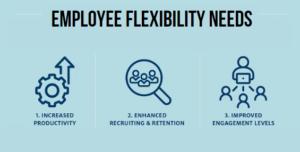
In recent years, the demand for remote work and flexible hours has significantly increased, driven by technological advancements and changing employee expectations. This shift poses unique challenges for small businesses, particularly in sectors that traditionally rely on in-person interactions, such as retail and hospitality. Understanding these challenges is crucial for developing effective consulting services that can help small businesses navigate the complexities of employee flexibility.
Remote Work and Flexibility Challenges
Impact on Small Businesses: Small businesses often have limited resources compared to larger corporations. The transition to remote work or flexible hours can strain their operational capabilities. For instance, in industries like retail or hospitality, where customer service is paramount, having employees physically present can be essential for maintaining service quality.Coordination Issues: When employees work remotely or have flexible schedules, coordinating tasks and communication can become challenging. This may lead to delays in decision-making processes and hinder collaboration among team members. For example, if a retail store manager cannot easily communicate with staff who are working different hours or remotely, it could result in mismanagement of inventory or scheduling conflicts.Productivity Concerns: While flexibility can enhance job satisfaction and employee morale, it may also lead to productivity issues if not managed properly. When working remotely, employees might struggle with distractions at home or find it difficult to separate work from personal life. Additionally, some employees may underperform without clear guidelines and expectations regarding performance metrics.Balancing Flexibility with Productivity
Establishing Clear Policies: Small businesses should establish clear policies regarding remote work and flexible hours to mitigate potential productivity issues while offering flexibility. These policies should outline expectations for communication, availability during work hours, and performance metrics.Utilizing Technology: Leveraging technology can facilitate better coordination among team members working remotely or on flexible schedules. Tools such as project management software (e.g., Trello or Asana) and communication platforms (e.g., Slack or Microsoft Teams) can help streamline workflows and maintain transparency regarding task progress.Regular Check-ins: Implementing regular check-ins between managers and employees can foster accountability while allowing employees to voice any concerns they may have about their workload or flexibility arrangements. These meetings provide an opportunity for feedback and adjustments to be made as necessary.Training Programs: Offering training programs focused on time management and self-discipline can empower employees to maximize their productivity while enjoying the benefits of flexibility. Such programs could include workshops on setting boundaries between work and personal life when working from home.Feedback Mechanisms: Establishing feedback mechanisms allows employees to share their experiences regarding remote work or flexible hours openly. This feedback can inform future policy adjustments and help create a more supportive workplace culture that values both flexibility and productivity.By addressing these challenges through thoughtful consulting services tailored to the specific needs of small businesses, consultants can assist organizations in successfully implementing flexible work arrangements without compromising operational efficiency.
The post Employee Flexibility Needs – Consulting Services Introduction appeared first on Peak Development Strategies.
October 2, 2024
Workplace Culture Development in Small Businesses
Creating a strong workplace culture is vital for the success of small businesses. A positive culture fosters employee satisfaction, enhances productivity, and can lead to better retention rates. However, building this culture can be challenging due to various factors:
Resource Constraints: Small businesses often operate with limited resources, stretching employees thin. When team members are overworked, it becomes difficult to maintain a positive atmosphere.Communication Challenges: Effective communication is crucial for fostering a positive culture. In small teams, informal communication may dominate, leading to misunderstandings or lack of clarity regarding roles and responsibilities.Leadership Influence: The behavior and attitudes of leadership significantly impact workplace culture. Leaders must model the values they wish to instill within their teams.To build a positive culture, small businesses should prioritize open communication, recognize employee contributions regularly, and create an inclusive environment where everyone feels valued.
Employee Engagement
Employee engagement is critical in maintaining morale and productivity within small teams. When employees wear many hats due to limited staffing, it can lead to several issues:
Burnout: Employees overloaded with tasks may experience burnout, negatively affecting their performance and overall job satisfaction.Disengagement: If workloads are unbalanced or if employees feel undervalued, they may become disengaged from their work. This disengagement can manifest as decreased productivity and increased turnover rates.Recognition and Feedback: Regular feedback and recognition play essential roles in keeping employees engaged. Small businesses should implement systems for acknowledging achievements and providing constructive feedback.To enhance employee engagement, small businesses should strive for workload balance among team members and foster an environment where employees feel heard and appreciated.
Conflict Resolution
In small businesses without dedicated HR departments, managing interpersonal conflicts can be particularly challenging:
Lack of Formal Processes: Without established procedures for addressing grievances or conflicts, issues may fester and disrupt team dynamics.Impact on Team Dynamics: Unresolved conflicts can lead to a toxic work environment that affects collaboration and productivity among team members.Training in Conflict Management: Small business owners should consider training themselves or their managers in conflict resolution techniques to effectively address disputes when they arise.Implementing clear channels for communication about grievances and encouraging open dialogue can help mitigate conflicts before they escalate.
In summary, developing a strong workplace culture in small businesses involves focusing on building a positive environment through effective communication, ensuring employee engagement by balancing workloads, and establishing conflict resolution strategies even without formal HR support.
The post Workplace Culture Development in Small Businesses appeared first on Peak Development Strategies.
September 30, 2024
Recruiting Talent: Overcoming Challenges for Small Businesses

Recruiting talent is a critical aspect of business success, particularly for small businesses that often face unique challenges in the hiring process. Below, we will explore these challenges in detail and how a specialized consulting service can assist business owners in navigating them effectively.
Limited Resources for Hiring
Small businesses typically operate with tighter budgets and fewer human resources compared to larger corporations. This limitation can hinder their ability to conduct extensive recruitment campaigns or offer competitive salaries and benefits. For instance, while larger companies may have dedicated HR teams and substantial marketing budgets to attract candidates, small businesses might rely on informal networks or low-cost job boards.
To address this challenge, a unique hiring process can be implemented that maximizes the effectiveness of limited resources. This could involve leveraging social media platforms for outreach, utilizing employee referrals, and optimizing job descriptions to attract the right candidates without incurring high costs. Additionally, focusing on building a strong employer brand can help small businesses stand out even with fewer resources.
Attracting Skilled Workers
In competitive industries, attracting skilled workers is another significant hurdle for small businesses. Larger companies often have established reputations and can offer more attractive compensation packages, including bonuses, health benefits, retirement plans, and career advancement opportunities. As a result, candidates may gravitate toward these larger firms rather than considering smaller enterprises.
To counteract this issue, small businesses should emphasize their unique selling propositions (USPs). These could include a positive company culture, opportunities for professional development, flexible work arrangements, or the chance to make a meaningful impact within the organization. By clearly communicating these advantages during the recruitment process and through branding efforts, small businesses can appeal to candidates who value factors beyond just salary.
Specialized Roles
Many small businesses require employees with niche skills that are not easily found in the general labor market. This need for specialized roles complicates the recruitment process further as it narrows down the candidate pool significantly. For example, a tech startup may need software developers with specific programming languages or frameworks that are less common.
To effectively recruit for specialized roles, it is essential to adopt targeted sourcing strategies. This might include networking within industry-specific groups or forums where potential candidates congregate or collaborating with educational institutions that offer relevant training programs. Additionally, offering internships or apprenticeships can help cultivate talent within the community while providing potential hires with hands-on experience.
Conclusion
In summary, small businesses face several challenges when recruiting talent due to limited resources, competition from larger firms for skilled workers, and the need for specialized roles. However, business owners can successfully navigate these obstacles by implementing a unique hiring process that emphasizes their strengths and strategically targets potential candidates.
By reaching out to learn more about my consulting services regarding hiring processes tailored specifically for small businesses facing these challenges, you can gain insights into effective strategies to enhance your recruitment efforts.
The post Recruiting Talent: Overcoming Challenges for Small Businesses appeared first on Peak Development Strategies.
September 26, 2024
Access to Health and Safety Guidance

The COVID-19 pandemic has significantly altered the landscape of health and safety regulations for businesses. As organizations navigate the recovery phase, it is essential to understand the new guidelines that have emerged in response to the pandemic. This involves a multi-faceted approach that includes compliance with updated health regulations, addressing employee well-being, and adapting business operations to meet changing customer demands.
Understanding New Health and Safety RegulationsIn response to COVID-19, many governments and health organizations have issued new health and safety regulations aimed at minimizing the risk of virus transmission in workplaces. These regulations often include:
Social Distancing Measures: Businesses are required to implement social distancing protocols, which may involve rearranging workspaces, limiting the number of employees on-site, or utilizing remote work options where feasible.Personal Protective Equipment (PPE): Depending on the nature of the business, there may be requirements for employees to wear masks or other protective gear. Employers must provide adequate PPE and ensure its proper use.Sanitation Protocols: Enhanced cleaning procedures are now standard practice. This includes regular disinfection of high-touch surfaces and providing hand sanitizers throughout the workplace.Health Screenings: Some businesses may need to conduct daily health screenings for employees before they enter the workplace, including temperature checks or symptom questionnaires. Managing Reduced Customer DemandMany businesses are still experiencing reduced customer demand as a result of ongoing concerns about COVID-19. To address this challenge, companies can consider:
Flexible Business Models: Adapting services or products to meet consumer needs can help maintain revenue streams. For example, restaurants may offer takeout or delivery options instead of dine-in services.Digital Transformation: Investing in online platforms can help businesses reach customers who prefer shopping from home. This includes e-commerce solutions and digital marketing strategies.Customer Engagement: Maintaining communication with customers through newsletters or social media can keep them informed about safety measures taken by the business and any changes in service offerings. Managing Remote WorkforcesAs many organizations have shifted to remote work during the pandemic, managing a remote workforce presents unique challenges:
Communication Tools: Utilizing technology such as video conferencing tools (e.g., Zoom, Microsoft Teams) ensures effective communication among team members who are working remotely.Employee Well-being: Employers should prioritize mental health support by offering resources such as counseling services or wellness programs tailored for remote workers.Performance Monitoring: Establishing clear performance metrics can help managers assess productivity while allowing flexibility in how employees achieve their goals.Conclusion
Navigating post-pandemic recovery requires a comprehensive understanding of new health and safety regulations while addressing reduced customer demand and managing remote workforces effectively. By implementing these strategies thoughtfully, businesses can adapt to the evolving landscape while ensuring compliance with necessary guidelines.
The post Access to Health and Safety Guidance appeared first on Peak Development Strategies.