Mary L. Erlain's Blog, page 5
September 2, 2025
Passing Down Wisdom Through Generations

The post Passing Down Wisdom Through Generations appeared first on Peak Development Strategies.


September 1, 2025
The Mutual Growth of Mentor and Mentee

The post The Mutual Growth of Mentor and Mentee appeared first on Peak Development Strategies.
August 29, 2025
Emotional Intelligence & Stress Management
Emotional Intelligence Focused Ideas
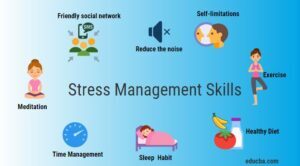
“Emotion Detective” Workshops:Concept: Mentees engage in scenario-based role-playing to identify and label a wide range of emotions in themselves and others. Mentors provide real-time feedback on accuracy and nuance.Benefit: Develops emotional vocabulary and observational skills.“Empathy Mapping for Impact”:Concept: Mentees create empathy maps for various stakeholders (colleagues, clients, family members) to understand their perspectives, feelings, and pain points. Discussions with mentors focus on how this understanding influences communication and decision-making.Benefit: Enhances perspective-taking and social awareness.“Feedback Fortress: Building Resilience Through Constructive Criticism”:Concept: Structured sessions where mentees practice receiving and giving constructive feedback, focusing on managing their emotional responses and delivering messages effectively. Mentors model best practices and facilitate reflection.Benefit: Improves self-regulation and social skills in challenging interactions.“Mindful Pause for Emotional Check-in”:Concept: Mentors guide mentees through short, daily mindfulness exercises specifically designed to help them identify their current emotional state before starting tasks or interactions.Benefit: Fosters self-awareness and proactive emotional management.“Influence Through Understanding: The Art of Persuasion with EQ”:Concept: Case studies and discussions on successful negotiations or influencing attempts, analyzing how emotional intelligence played a crucial role in achieving desired outcomes. Mentees develop their own EQ-driven persuasion strategies.Benefit: Applies emotional intelligence to practical leadership and influence.Stress Management Focused Ideas“Stress Signature Discovery & Management Plan”:Concept: Mentees work with mentors to identify their unique stress triggers, physical and emotional symptoms, and develop personalized “stress signature” profiles. They then co-create a tailored stress management plan with specific coping mechanisms.Benefit: Promotes individualized and effective stress coping strategies.“The ‘Unwind’ Toolkit Workshop”:Concept: Practical, hands-on sessions introducing various stress-reduction techniques (e.g., progressive muscle relaxation, diaphragmatic breathing, quick mindfulness exercises, stretching). Mentees build a personal “unwind toolkit.”Benefit: Provides a diverse array of accessible stress-relief tools.“Time Management as Stress Prevention”:Concept: Mentors guide mentees in optimizing their time management skills, focusing on prioritization, delegation, and boundary setting, framed as proactive stress prevention rather than just productivity.Benefit: Reduces stress by improving organizational habits and reducing overwhelm.“Resilience Rebuilders: Learning from Setbacks”:Concept: Mentees reflect on past stressful or challenging experiences, identifying what worked, what didn’t, and how they can build greater resilience for future stressors. Mentors share their own experiences and lessons learned.Benefit: Develops coping mechanisms and a growth mindset towards adversity.“Digital Detox & Focus Sprints”:Concept: Mentees are encouraged to implement structured “digital detox” periods and “focus sprints” (e.g., Pomodoro Technique) to reduce digital overload and improve concentration, thereby lowering stress levels. Mentors share strategies for effective implementation.Benefit: Manages digital distractions and promotes focused work, reducing mental fatigue.Integrated Emotional Intelligence & Stress Management Ideas“The ‘React vs. Respond’ Challenge”:Concept: Mentees analyze stressful situations where they typically react impulsively. Mentors help them deconstruct these reactions and develop strategies for a more thoughtful and emotionally intelligent response, focusing on self-regulation.Benefit: Bridges emotional self-regulation with effective stress response.“Boundary Setting with Empathy”:Concept: Discussions and role-playing exercises on how to set healthy personal and professional boundaries, not just to manage stress but also to communicate needs effectively while considering others’ perspectives (applying EQ).Benefit: Combines self-care (stress management) with respectful communication (EQ).“Post-Stress Debrief & Learn”:Concept: After a particularly stressful event or period, mentees engage in a structured debrief with their mentor. The focus is on identifying emotional triggers, assessing coping strategies used, and learning how to apply emotional intelligence for future similar situations.Benefit: Turns stressful experiences into learning opportunities for both EQ and stress resilience.“Cultivating a ‘Gratitude & Growth’ Mindset for Well-being”:Concept: Mentors introduce practices like gratitude journaling or daily reflections on small wins and personal growth, demonstrating how these practices positively impact emotional well-being and reduce perceived stress.Benefit: Fosters a positive emotional state that acts as a buffer against stress.“Mentee-Led ‘Well-being Exchange'”:Concept: Mentees periodically lead short sessions or share resources on a specific emotional intelligence or stress management technique they’ve found effective. This empowers them and fosters a community of learning.Benefit: Reinforces learning through teaching and builds a supportive network for ongoing well-being.The post Emotional Intelligence & Stress Management appeared first on Peak Development Strategies.
August 28, 2025
Networking and Social Capital

Creative and Well-Thought-Out Logical Ideas
Here are some creative and logical ideas for mentorship focus areas within networking and social capital:
Strategic Network Mapping:Mentor’s Role: Guide the mentee in identifying key individuals and organizations within their desired industry or career path. Help them create a visual map of their existing network and pinpoint critical gaps.Mentee’s Action: Develop a detailed network map, categorizing connections by influence, industry, and potential for collaboration.Elevator Pitch Refinement & Delivery:Mentor’s Role: Provide constructive feedback on the mentee’s personal and professional elevator pitches. Conduct mock scenarios for various networking situations.Mentee’s Action: Craft multiple versions of their elevator pitch, tailored to different audiences and contexts, and practice delivering them confidently.Informational Interview Mastery:Mentor’s Role: Share best practices for identifying, scheduling, conducting, and following up on informational interviews. Potentially facilitate introductions.Mentee’s Action: Successfully conduct a series of informational interviews, focusing on learning about different roles, industries, and company cultures.LinkedIn Optimization for Connection:Mentor’s Role: Review and provide actionable advice on the mentee’s LinkedIn profile, emphasizing how to use it as a tool for proactive networking and relationship building, not just job searching.Mentee’s Action: Revamp their LinkedIn profile to highlight their value proposition and actively engage with industry content and connections.Event Navigation & Engagement:Mentor’s Role: Advise on how to identify relevant networking events (online and offline), prepare for them, initiate conversations, and gracefully exit interactions.Mentee’s Action: Attend at least three targeted networking events, setting specific goals for connections made and insights gained.“Give-First” Mentality Development:Mentor’s Role: Instill the importance of providing value to others before expecting anything in return. Brainstorm ways the mentee can offer assistance or share resources within their network.Mentee’s Action: Identify and execute three “give-first” initiatives within their network, such as sharing relevant articles, making introductions, or offering assistance.Follow-Up & Relationship Nurturing Strategies:Mentor’s Role: Discuss effective strategies for following up after initial connections, including personalized messages, remembering details, and maintaining long-term relationships.Mentee’s Action: Implement a systematic follow-up plan for new connections and re-engage with dormant contacts, focusing on building genuine rapport.Personal Brand Storytelling:Mentor’s Role: Help the mentee articulate their unique professional story, emphasizing their strengths, experiences, and aspirations in a compelling narrative that resonates with potential connections.Mentee’s Action: Develop a concise and engaging personal brand story that can be adapted for various networking scenarios.Social Capital Audit & Leverage:Mentor’s Role: Guide the mentee in assessing the strength and diversity of their existing social capital. Help them identify how to leverage existing relationships for new opportunities.Mentee’s Action: Conduct a self-assessment of their social capital and outline a plan for strategically leveraging existing connections.Cross-Functional & Inter-Industry Networking:Mentor’s Role: Encourage the mentee to look beyond their immediate industry or department for networking opportunities, highlighting the value of diverse perspectives and connections.Mentee’s Action: Actively seek out and connect with individuals from different industries or functional areas, exploring potential cross-pollination of ideas.Navigating Professional Associations & Boards:Mentor’s Role: Share insights on identifying and engaging with relevant professional associations, potentially discussing pathways to leadership roles within these organizations.Mentee’s Action: Research and join at least one professional association, actively participating in its events or committees.Conflict Resolution & Network Repair:Mentor’s Role: Discuss strategies for gracefully handling professional disagreements or repairing strained relationships within a network, emphasizing the importance of maintaining reputation.Mentee’s Action: Reflect on any past professional conflicts and, if appropriate, develop a plan for respectful reconciliation or understanding.Mentorship & Sponsorship Identification:Mentor’s Role: Help the mentee understand the difference between mentors and sponsors, and guide them in identifying potential individuals who could serve in these roles.Mentee’s Action: Research and identify at least two potential mentors or sponsors within their desired field, understanding what value they could offer.Digital Footprint & Online Reputation Management:Mentor’s Role: Advise on maintaining a professional and positive online presence across various platforms, recognizing its impact on social capital.Mentee’s Action: Conduct an audit of their own digital footprint and make necessary adjustments to ensure it aligns with their professional brand.The Art of the Introduction (Giving & Receiving):Mentor’s Role: Teach the mentee how to effectively make introductions for others and how to gracefully accept and follow up on introductions made for them.Mentee’s Action: Practice making thoughtful introductions between two individuals who could benefit from connecting, and proactively follow up on any introductions made for them.The post Networking and Social Capital appeared first on Peak Development Strategies.
August 27, 2025
Conflict Resolution & Problem-Solving

Here are some logical and well-thought-out ideas for conflict resolution and problem-solving, formatted with proper markdown:
Conflict ResolutionOrderedThe “Future Story” Workshop: Instead of dwelling on past grievances, facilitate a workshop where conflicting parties collaboratively write a positive, shared future story that outlines how they will interact and achieve common goals. This shifts focus from blame to constructive collaboration.“Role Reversal” Simulation: Parties in conflict are asked to genuinely embody the perspective of the other person for a set period. This can involve writing a letter from their adversary’s point of view or debating an issue from the opposing side. Followed by a facilitated debrief.The “Silent Agreement” Protocol: Introduce a structured process where parties write down their desired outcomes and non-negotiables privately before any discussion. These are then exchanged and compared, often revealing common ground or areas for compromise that were previously obscured by emotional rhetoric.“Conflict Canvas” Mapping: Develop a visual canvas (similar to a business model canvas) where each party maps out: their core needs, fears, interests, proposed solutions, and non-negotiables. This visual representation helps identify overlaps and discrepancies more clearly.“Values Alignment” Exercise: When conflict stems from differing priorities, conduct an exercise where individuals identify their top 3-5 core values. Then, collaboratively explore how these values can be honored and integrated into a shared solution, fostering understanding and respect.“Mediated Storytelling Circles”: Instead of direct debate, parties take turns telling their individual “story” of the conflict to a neutral mediator, without interruption or rebuttal from the other side. This promotes empathy and ensures each perspective is fully heard before problem-solving begins.“The ‘What If’ Scenario Planning”: For recurring conflicts, develop a series of pre-emptive “what if” scenarios and collaboratively brainstorm solutions for each. This builds a shared toolkit for future disagreements, reducing reactive responses.“Emotional Temperature Check-ins”: Implement regular, brief check-ins focused solely on emotional states before delving into problem-solving. This acknowledges feelings and prevents emotional baggage from derailing constructive dialogue.Problem-SolvingOrdered“Solution Safari” Brainstorming: Instead of limiting brainstorming to internal ideas, encourage teams to actively seek solutions from completely unrelated industries or fields. For example, how would a chef solve a software bug? Or a gardener optimizing a supply chain?“The ‘Pre-Mortem’ Analysis”: Before implementing a solution, conduct a “pre-mortem” where the team imagines the solution has failed spectacularly. They then work backward to identify all the reasons why it failed, proactively addressing potential pitfalls.“Reverse Brainstorming: How to Make it Worse?”: To uncover hidden problems and solutions, ask the team to brainstorm all the ways to make the problem significantly worse. This often reveals the inverse solutions needed to improve the situation.“Constraint-Led Innovation Challenge”: Introduce artificial, seemingly impossible constraints to the problem (e.g., “solve this without using any money,” or “solve it in 1 hour”). These constraints often force highly creative and unconventional solutions.“The ‘Five Whys’ Plus ‘Five Hows'”: Extend the traditional “Five Whys” (root cause analysis) with “Five Hows” (solution generation). Once the root cause is identified, ask “How can we address this root cause?” five times, drilling down into actionable steps.“Persona-Based Problem-Solving”: Create detailed personas representing different stakeholders affected by the problem. Then, for each persona, brainstorm solutions specifically tailored to their needs and perspectives, leading to more holistic outcomes.“Gamified Problem-Solving Sprints”: Transform problem-solving into a game with points, challenges, and leaderboards. Teams compete to generate the most innovative or effective solutions within a time limit, fostering engagement and a playful approach to complex issues.The post Conflict Resolution & Problem-Solving appeared first on Peak Development Strategies.
August 26, 2025
Ideas for Goal Setting & Vision Casting

Interactive & Immersive Approaches
“Vision Quest” Digital Escape Room: Create an online, interactive escape room where each puzzle solved unlocks a new aspect of personal vision or a goal-setting principle. The final “escape” reveals a personalized vision statement or a roadmap.Augmented Reality (AR) Goal Visualization: Develop an AR app where users can “place” their future goals (e.g., a dream home, a degree certificate, a healthy body image) into their current environment, providing a tangible and motivating visual.Gamified Goal-Setting RPG: Design a role-playing game where users create an avatar representing their future self. Each goal achieved or milestone reached earns “experience points” and “level-ups,” unlocking new skills or opportunities within the game, mirroring real-life progress.Community & Collaborative Strategies
“Vision Board Exchange” Workshops: Instead of individual vision boards, host workshops where participants create sections of a collective vision board, then exchange and combine them to form unique, personalized, and diverse visions. This fosters collaboration and exposes individuals to different aspirations.Intergenerational Mentorship for Vision Casting: Pair younger individuals with older, experienced mentors. The mentors guide the mentees in envisioning their future, while the mentees, in turn, help the mentors reflect on their past goals and achievements, creating a mutually beneficial learning environment.“Goal-Setting Sprint” Accountability Pods: Organize small, self-selecting groups (pods) for short, intense goal-setting and execution sprints (e.g., 30 days). Each pod sets collective and individual goals, with daily check-ins and peer accountability.Innovative & Psychological Frameworks
“Reverse Engineering Your Legacy” Exercise: Instead of starting with immediate goals, prompt individuals to imagine their ideal obituary or a significant accomplishment at the end of their life. Then, work backward, identifying the major milestones and goals needed to achieve that legacy.“The Future Self Interview”: Encourage participants to write a detailed interview with their future, successful self (e.g., 5, 10, 20 years from now). They act as both the interviewer and the interviewee, answering questions about challenges overcome, lessons learned, and the journey to achieving their vision.“Sensory Visioning Journey”: Guide individuals through a meditation or visualization exercise where they engage all five senses to experience their future success. What do they see, hear, smell, taste, and feel when they achieve their goals? This deepens emotional connection to the vision.Practical & Action-Oriented Tools
“Goal Card Deck” with Action Prompts: Create a deck of cards, each representing a different goal category (e.g., career, health, relationships). On the back of each card, include specific action prompts or questions to break down the goal into actionable steps.“Milestone Marker” Physical Progress Tracker: Design a visually appealing, re-usable physical tracker (e.g., a large poster with magnetic markers, a string with beads) where individuals can physically move a marker or add a bead for each small milestone achieved, providing a tangible sense of progress.“The ‘Why’ Tree”: Encourage individuals to draw a tree where the “roots” represent their core values and beliefs. The “trunk” is their overarching vision, and the “branches” are their specific goals. Each leaf on a branch represents a specific action, connecting every action back to their foundational “why.”Technology-Enhanced & Personalized Solutions
AI-Powered Vision Statement Generator (with User Input): Develop an AI tool that, after users answer a series of probing questions about their values, aspirations, and skills, generates multiple drafts of personalized vision statements for them to refine.Personalized “Success Playlist” Generator: Based on identified goals and desired emotional states, an algorithm curates a personalized music playlist designed to motivate, focus, or relax, serving as an auditory anchor for goal achievement.“Goal-Tracking Blockchain” for Immutable Progress: While complex, imagine a system where major goal achievements are timestamped and recorded on a private blockchain, creating an immutable, verifiable record of progress and serving as a secure digital ledger of personal accomplishments.The post Ideas for Goal Setting & Vision Casting appeared first on Peak Development Strategies.
August 25, 2025
Skills Development & Leadership Training
Innovative Approaches to Empowering Individuals and Teams
Here are some logical and creative ideas designed to enhance skills development and foster effective leadership:
Ordered“The Leadership Labyrinth” Interactive Simulation:A gamified, immersive online experience where participants navigate complex organizational challenges, make real-time decisions, and witness the immediate impact of their leadership styles.Focuses on critical thinking, strategic planning, and adaptive leadership.Cross-Functional “Skill Swap” Program:Pairs employees from different departments to teach each other a core skill relevant to their respective roles (e.g., a marketing specialist teaches a finance analyst about customer segmentation, and vice versa).Promotes empathy, interdepartmental understanding, and broadens individual skill sets.“Reverse Mentorship” for Digital Fluency:Junior employees or recent graduates mentor senior leaders on emerging technologies, social media trends, and digital communication strategies.Bridges generational gaps, fosters continuous learning, and ensures organizational relevance in the digital age.“Leadership in a Box” DIY Challenge Kits:Monthly kits containing a real-world business case study, relevant articles, a short video lecture, and practical exercises to be completed individually or in small teams.Offers flexible, self-paced learning with tangible application opportunities.“Emotional Intelligence Expedition” Workshop Series:A series of experiential workshops utilizing role-playing, group discussions, and guided mindfulness exercises to develop self-awareness, self-regulation, motivation, empathy, and social skills.Crucial for effective communication, conflict resolution, and building strong team dynamics.“Innovation Incubator” Project-Based Learning:Small teams are tasked with developing a novel solution to a real organizational problem within a defined timeframe, culminating in a pitch to leadership.Cultivates creativity, problem-solving, project management, and presentation skills.“The Art of Constructive Feedback” Micro-Learning Modules:Short, focused video lessons and interactive quizzes covering specific aspects of giving and receiving feedback effectively, including active listening, non-verbal cues, and framing criticism constructively.Enhances communication and fosters a culture of continuous improvement.“Resilience Rhythms” Stress Management & Well-being Training:Workshops focusing on practical techniques for stress reduction, mindfulness, time management, and maintaining work-life balance.Supports employee well-being, reduces burnout, and improves overall productivity.“Data Storytelling for Leaders” Workshop:Teaches leaders how to effectively communicate insights derived from data using compelling narratives, visualizations, and persuasive arguments.Transforms data into actionable intelligence and strengthens decision-making.“Ethical Dilemma Debates” Case Study Series:Facilitated discussions around complex ethical scenarios relevant to the industry or organization, encouraging participants to analyze, debate, and justify their decisions.Develops moral reasoning, integrity, and responsible leadership.“The Persuasion Playbook” Negotiation Skills Training:Hands-on training using simulated negotiation scenarios, role-playing, and expert feedback to develop effective bargaining strategies, active listening, and conflict resolution skills.Essential for securing resources, building partnerships, and achieving desired outcomes.“Future-Proofing Your Skills” Trend Analysis & Adaptability Workshop:Explores emerging industry trends, technological advancements, and shifting market demands, helping participants identify future skill requirements and develop personal learning plans.Promotes continuous learning and adaptability in a rapidly changing environment.“Inclusive Leadership Immersion” Program:A deep dive into unconscious bias, cultural competence, and fostering an equitable and inclusive work environment. Includes guest speakers, personal reflection exercises, and practical strategies for creating diverse teams.Crucial for building strong, high-performing teams and attracting top talent.“Strategic Storyboarding for Vision Communication”:Trains leaders to visualize and articulate their strategic vision using storyboarding techniques, making complex ideas more accessible and inspiring for their teams.Enhances clarity, engagement, and alignment around organizational goals.“The Agile Leader’s Toolkit” Workshop:Introduces agile methodologies and principles beyond software development, demonstrating how leaders can apply them to project management, team collaboration, and organizational change.Fosters flexibility, responsiveness, and continuous improvement in leadership practices.The post Skills Development & Leadership Training appeared first on Peak Development Strategies.
August 22, 2025
Career & Professional Guidance

Enhancing the Journey to Professional Success
Here are some creative and well-thought-out logical ideas for career and professional guidance:
Ordered“Skill-Tree” Career Mapping:Idea: Develop an interactive online platform that visualizes career paths as a “skill tree,” similar to video game progression. Users would identify their desired end-goal (e.g., “Senior AI Engineer”) and the platform would map out prerequisite skills, certifications, and experiences needed, showing branching paths and alternative routes.Logical Basis: Gamification increases engagement. Visualizing progression makes complex career paths digestible and actionable.AI-Powered “Mentor Matchmaker”:Idea: An AI system that analyzes a user’s skills, career aspirations, personality traits, and learning style to recommend suitable mentors from a global database. It would also suggest conversation starters and ideal meeting frequencies based on the mentor-mentee dynamic.Logical Basis: Personalized mentorship is highly effective but often hard to find. AI can bridge this gap by optimizing compatibility.“Reverse Interview” Simulation Platform:Idea: Instead of traditional mock interviews, this platform allows job seekers to practice asking insightful questions to a simulated interviewer (AI or human). It would provide feedback on question quality, relevance, and strategic impact, helping candidates assess company culture and role fit.Logical Basis: Empowering candidates to ask better questions during interviews leads to more informed decisions and a stronger impression.“Gig Economy Navigator” for Skill Diversification:Idea: A service that helps professionals identify transferable skills from their primary career and explore lucrative short-term or project-based opportunities in the gig economy. It would offer guidance on pricing services, marketing personal brands, and managing multiple income streams.Logical Basis: The gig economy is growing; professionals need guidance to leverage it effectively for skill development and supplementary income.“Industry Immersion Pods” (Virtual & Augmented Reality):Idea: Create VR/AR experiences that allow users to virtually “shadow” professionals in various industries and roles. Users could experience a day in the life of a surgeon, a software developer, or a marketing manager, providing realistic insights beyond job descriptions.Logical Basis: Experiential learning is powerful. VR/AR can offer unprecedented levels of immersion for career exploration.“Resilience & Redirection” Workshop Series:Idea: A series of workshops focused on navigating career setbacks (layoffs, failed ventures, burnout). It would combine psychological support, practical job search strategies, and mindfulness techniques to help individuals pivot and rebuild their professional lives.Logical Basis: Career paths are rarely linear. Developing resilience is crucial for long-term professional success.“Portfolio-as-a-Service” for Non-Traditional Roles:Idea: A platform that helps individuals in non-traditional or creative roles (e.g., content creators, community managers, UX designers) build dynamic, project-based portfolios that showcase their impact and problem-solving abilities, rather than just chronological work history.Logical Basis: Traditional resumes often fail to capture the breadth and depth of skills in modern, project-based roles.“Ethical Career Compass” Framework:Idea: A structured framework and associated tools that guide individuals in evaluating potential employers and career paths based on their personal ethical values (e.g., environmental impact, social justice, data privacy). It would provide resources for researching company ethics.Logical Basis: Professionals increasingly seek purpose-driven work. Aligning values with career choices leads to greater job satisfaction.“Future-Proofing Skill Audit” with Predictive Analytics:Idea: A service that uses AI and predictive analytics to analyze current skills against emerging industry trends and job market demands. It would identify potential skill gaps and recommend specific courses, certifications, or projects to “future-proof” a career.Logical Basis: Proactive skill development is essential in a rapidly changing job market.“Cross-Generational Mentorship Circles”:Idea: Facilitate small, structured mentorship groups comprising individuals from different career stages and generations (e.g., Gen Z, Millennials, Gen X, Boomers). This fosters reciprocal learning, where younger professionals gain traditional wisdom and older professionals learn about new technologies and work cultures.Logical Basis: Each generation brings unique perspectives and skills. Structured cross-generational interaction can unlock valuable insights.“Digital Detox & Career Re-evaluation Retreats”:Idea: Organize immersive, short-term retreats in natural settings where professionals can disconnect from digital distractions, engage in guided introspection, and participate in workshops focused on career purpose, values, and long-term planning.Logical Basis: Burnout is prevalent. Disconnecting allows for clearer thinking and a renewed sense of purpose.“Personalized Learning Path Aggregator”:Idea: An intelligent platform that aggregates and curates learning resources (online courses, articles, books, podcasts) from various providers based on a user’s specific learning goals, preferred learning styles, and budget. It would track progress and recommend next steps.Logical Basis: The vastness of online learning can be overwhelming. Personalization makes it manageable and effective.“Salary Negotiation Simulator with Real-Time Feedback”:Idea: An interactive simulator (web-based or app) where users can practice salary negotiation scenarios with an AI. It would provide real-time feedback on tone, word choice, confidence levels, and strategic framing, helping users optimize their earning potential.Logical Basis: Many professionals struggle with salary negotiation. Practice in a safe environment builds confidence and improves outcomes.“Community-Driven ‘Skill Exchange’ Marketplace”:Idea: A platform where professionals can “barter” their skills for learning new ones. For example, a graphic designer might offer to create a logo in exchange for a few hours of coding lessons from a developer. This fosters peer-to-peer learning and networking.Logical Basis: Informal learning and networking are powerful. This formalizes and incentivizes skill sharing within a community.“Post-Retirement Purpose Planning”:Idea: Guidance services specifically tailored for individuals approaching or in retirement, focusing on identifying new passions, volunteer opportunities, part-time work, or entrepreneurial ventures that provide purpose and intellectual stimulation beyond traditional employment.Logical Basis: Retirement is a significant life transition. Planning for meaningful engagement beyond work is crucial for well-being.The post Career & Professional Guidance appeared first on Peak Development Strategies.
August 21, 2025
Creating Scalable Mentoring Movements

Innovative Approaches to Foster Growth and Development
Here are some creative and well-thought-out logical ideas for creating scalable mentoring movements, focusing on leveraging technology, community, and structured processes.
Idea Categories
1. Technology-Driven Solutions
AI-Powered Matchmaking Platform: Develop an advanced AI algorithm that analyzes mentor and mentee profiles (skills, experience, goals, personality traits) to suggest optimal matches, reducing manual effort and improving match quality. This platform could also track progress and suggest timely interventions.Gamified Mentoring Pathways: Implement a gamified system where mentors and mentees earn points, badges, and unlock new resources as they progress through structured mentoring milestones. Leaderboards and friendly competitions can incentivize engagement and consistent participation.Micro-Mentoring Modules & On-Demand Support: Break down traditional long-term mentoring into smaller, focused “micro-mentoring” sessions (e.g., 30-minute deep dives on specific topics). A platform could facilitate on-demand scheduling for mentees to connect with relevant mentors for quick guidance on immediate challenges.Virtual Reality (VR) & Augmented Reality (AR) Mentoring Environments: Create immersive VR/AR spaces for mentoring sessions, particularly beneficial for geographically dispersed participants. This could include virtual whiteboards, collaborative project spaces, or simulated real-world scenarios for practical application of advice.Blockchain-Secured Credentialing for Mentors: Implement a blockchain system to verify and store mentor qualifications, experience, and feedback. This builds trust, ensures credibility within the movement, and allows for transparent recognition of mentor contributions.2. Community & Peer-Based Models
“Mentoring Circles” with Rotating Leadership: Establish small, themed mentoring circles (e.g., “Leadership Development,” “Career Transition”). Within each circle, members take turns acting as a “lead mentor” for specific topics, fostering peer-to-peer learning and distributed leadership.Reverse Mentoring & Skill Swaps: Encourage seasoned professionals to be mentored by younger, digitally native individuals on topics like social media, new technologies, or evolving work methodologies. Simultaneously, facilitate skill swaps where individuals mentor each other on complementary skills.Community-Driven Content & Resource Library: Empower mentors and mentees to contribute to a shared, curated library of resources (articles, templates, workshops, success stories). This crowdsourced knowledge base becomes a valuable, self-sustaining asset for the entire movement.Alumni Network Integration for Lifelong Mentorship: Integrate the mentoring movement with existing alumni networks (university, corporate). This provides a continuous pipeline of experienced mentors and creates a long-term support system for mentees as they progress in their careers.“Pay-It-Forward” Mentoring Chain: Institute a system where successful mentees are encouraged, once they’ve reached a certain level of experience, to become mentors themselves, creating a self-perpetuating cycle of mentorship.3. Structured & Scalable Processes
Standardized Mentoring Curriculum & Tools: Develop a flexible, yet standardized curriculum that outlines key mentoring stages, common challenges, and recommended resources. Provide mentors with a toolkit of templates, conversation starters, and evaluation forms to ensure consistency and quality.Tiered Mentorship Levels & Certification: Create a tiered system for mentors (e.g., “Associate Mentor,” “Senior Mentor,” “Master Mentor”) based on experience, training completed, and mentee success rates. Offer certification programs to validate their expertise and commitment.Data-Driven Impact Measurement & Feedback Loops: Implement robust systems to collect data on mentoring effectiveness (mentee satisfaction, skill development, career progression). Use this data to continuously refine the program, identify best practices, and demonstrate ROI to stakeholders.Automated Onboarding & Training for Mentors & Mentees: Develop a comprehensive, self-paced online onboarding program for new mentors and mentees. This includes video tutorials, FAQs, and interactive modules to ensure everyone understands expectations and program guidelines.Regional Hubs & Local Champions: While digital, establish regional or industry-specific “hubs” with dedicated local champions. These champions act as community organizers, facilitating in-person meetups (where feasible), providing localized support, and tailoring the global movement to specific contexts.The post Creating Scalable Mentoring Movements appeared first on Peak Development Strategies.
August 20, 2025
Using Media to Share Mentorship

Here are some creative and well-thought-out logical ideas for using media (blogs, podcasts) to share mentorship:
Blog-Centric Ideas“My First Year” Series:Concept: A blog series where seasoned mentors share their personal experiences and lessons learned during their first year in a specific industry or role.Format: Weekly blog posts, each focusing on a different challenge or triumph. Could include “What I Wish I Knew” sections.Value: Provides relatable, actionable advice for newcomers, showcasing the growth journey.“Reverse Mentorship Spotlight”:Concept: A blog that highlights instances where junior professionals mentored senior leaders on topics like new technologies, social media, or evolving cultural trends.Format: Interview-style blog posts with both the “mentor” and “mentee” sharing their perspectives and the mutual benefits.Value: Breaks traditional mentorship molds, encouraging reciprocal learning and demonstrating the value of diverse perspectives.“The Mentorship Playbook”:Concept: A comprehensive, multi-part blog series that breaks down the fundamentals of effective mentorship for both mentors and mentees.Format: Each post could cover a specific skill (e.g., “Active Listening for Mentees,” “Setting Boundaries as a Mentor”) with practical tips and exercises.Value: Acts as a practical guide, demystifying the mentorship process and equipping individuals with necessary skills.“Problem-Solving Scenarios”:Concept: A blog that presents common career or personal challenges as hypothetical scenarios, followed by advice from multiple mentors.Format: “Scenario X: How Would You Advise?” followed by 2-3 short, distinct responses from different mentors, offering diverse viewpoints.Value: Provides varied solutions to common dilemmas, encouraging critical thinking and demonstrating different mentorship approaches.“Mentorship Mailbag”:Concept: A blog series where readers can submit anonymous questions to a panel of mentors, who then provide written responses.Format: Regular posts featuring 3-5 selected questions and the mentors’ advice. Could include follow-up discussions in the comments.Value: Addresses specific, real-world concerns of the audience, creating a direct connection and fostering community.“Career Crossroads Chronicles”:Concept: A blog featuring stories of individuals who navigated significant career transitions with the help of a mentor.Format: Personal narratives detailing the challenge, the mentor’s role, and the outcome. Emphasize the impact of mentorship.Value: Inspires and empowers those facing similar decisions, demonstrating the transformative power of guidance.“The Unsung Heroes of Mentorship”:Concept: A blog dedicated to highlighting exceptional mentors and their contributions, often from less visible roles or industries.Format: Feature articles on individual mentors, their philosophy, and testimonials from their mentees.Value: Recognizes and celebrates the dedication of mentors, encouraging others to step into the role.Podcast-Centric Ideas“Mentor-Mentee Duets”:Concept: A podcast featuring conversations between an established mentor and their current or past mentee.Format: Each episode is a joint interview, discussing their journey together, specific challenges overcome, and the evolution of their relationship.Value: Offers an authentic, two-sided perspective on the mentorship dynamic, showcasing its real-time impact.“The 10-Minute Mentor”:Concept: A short-form podcast (10-15 minutes) where a different mentor each episode provides actionable advice on a single, focused topic.Format: Concise, direct advice with a clear takeaway. Examples: “How to Ask for a Raise,” “Building Your Network,” “Overcoming Imposter Syndrome.”Value: Highly digestible, practical advice for busy listeners, perfect for quick learning on the go.“Mentorship Mythbusters”:Concept: A podcast that debunks common misconceptions about mentorship and provides realistic expectations.Format: Each episode tackles a myth (e.g., “Your Mentor Should Solve All Your Problems,” “Mentorship is a One-Time Thing”) with expert insights and anecdotes.Value: Educates listeners, sets healthy expectations, and promotes a more effective approach to mentorship.“Audio Diaries: A Mentee’s Journey”:Concept: A serialized podcast following a mentee’s progress over several months, with periodic audio updates and reflections on their mentorship experience.Format: Raw, unscripted audio entries from the mentee, perhaps with occasional commentary from their mentor or a host.Value: Provides a real-time, intimate look at the challenges and triumphs of a mentorship journey, fostering relatability.“Global Mentorship Voices”:Concept: A podcast that interviews mentors and mentees from diverse cultural backgrounds and geographic locations.Format: Focus on how mentorship practices and expectations vary across different cultures and industries worldwide.Value: Broadens perspectives, highlights the universal importance of guidance while acknowledging cultural nuances.“The Mentorship Masterclass”:Concept: A podcast series where renowned leaders and experts share their philosophies on mentorship and how it shaped their careers.Format: In-depth interviews with high-profile individuals, focusing on their personal experiences as both mentors and mentees.Value: Offers insights from the top, inspiring listeners and providing a blueprint for success through mentorship.“Soundboard of Success: Mentorship Case Studies”:Concept: A podcast that presents detailed audio case studies of successful mentorship relationships, including challenges and pivotal moments.Format: Interviews with both parties, potentially including audio clips of actual conversations (with consent) or reenactments.Value: Provides concrete examples of how mentorship works in practice, offering tangible learning opportunities.“The Mentorship Matchmaker”:Concept: A unique podcast that features conversations with individuals looking for a mentor, followed by advice on how to find the right fit and approach potential mentors.Format: Listener submissions or short interviews, followed by expert advice on networking, defining goals, and initiating mentorship relationships.Value: Directly addresses a common pain point – how to find a mentor – and empowers listeners to take action.The post Using Media to Share Mentorship appeared first on Peak Development Strategies.