Creating a Culture of Mutual Growth Across Generations
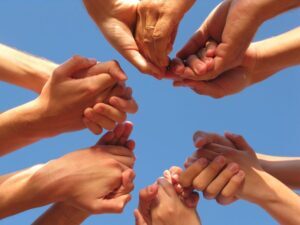
Cultivating an environment where every generation can learn from and contribute to each other’s development is paramount for a thriving, innovative, and harmonious workplace. Here are some creative and logical ideas to foster mutual growth across generations:
Reverse Mentoring CirclesEstablish structured programs where younger employees (e.g., Gen Z, Millennials) mentor small groups of older colleagues (e.g., Baby Boomers, Gen X) on specific topics like emerging technologies, social media strategies, digital trends, or modern communication preferences. Simultaneously, encourage informal discussions where older employees share career wisdom and insights into organizational history or industry evolution.“Wisdom & Whiz” Project Sprints
Design short, intensive project sprints (e.g., 2-4 weeks) that mandate cross-generational teams. These projects should focus on innovative solutions to current business challenges, forcing diverse perspectives to collaborate under pressure and leverage each other’s unique strengths and experiences.Cross-Generational Skill Exchange Fairs
Host internal “skill swap” events where employees can sign up to teach a skill they possess (e.g., advanced Excel, public speaking, video editing, negotiation tactics) and learn a new one from a colleague. This democratizes learning and builds appreciation for diverse talents.Generational “Myth vs. Reality” Workshops
Facilitate interactive workshops designed to debunk common generational stereotypes and foster genuine understanding. These sessions can explore how historical events shaped each generation, highlight shared values, and address communication preferences through respectful dialogue and scenario-based learning.“Experience-Driven Innovation Hubs”
Create a dedicated physical or virtual “hub” where seasoned employees can share past challenges, successes, and lessons learned (e.g., in a “lessons library” or video series). Younger generations can then use these insights as a foundation to propose modern adaptations or entirely new solutions, combining historical context with fresh perspectives.“Generational Storytelling & Learning Pods”
Organize small, voluntary “pods” that meet regularly for informal storytelling sessions. Employees share personal career journeys, pivotal moments, and challenges, focusing on how their generational experiences influenced them. Each session concludes with a collective discussion on how these insights can inform current team dynamics or problem-solving.“Digital Fluency Partner Program”
Implement a structured buddy system where digitally native employees are paired with colleagues seeking to enhance specific digital skills. This goes beyond one-off training, offering ongoing, personalized support and allowing the “teachers” to develop coaching and communication skills.“Future-Fit Leadership Academy”
Develop a leadership development program that intentionally pairs aspiring and current leaders from different generations as co-learners and co-mentors. The curriculum focuses on adaptive leadership, managing diverse teams, and navigating future workplace trends, promoting a shared vision for organizational success.Inclusive Policy Design Sprints
Whenever new company policies (e.g., flexible work arrangements, benefits, professional development) are being formulated, assemble temporary design teams with mandatory generational diversity. This ensures that policies are universally effective, meet varied needs, and receive buy-in from all age groups.“Generational Insight Panels”
Periodically invite representatives from each generation to participate in facilitated panel discussions with senior leadership. These panels can share perspectives on specific company challenges, new initiatives, market trends, or employee engagement, providing leadership with holistic and diverse insights.“Perennial Professional Development Grants”
Offer internal grants for professional development, training, or conference attendance, with bonus points awarded for applications that involve cross-generational learning pairs or teams. This incentivizes collaborative skill acquisition and shared growth experiences.“Work-Life Integration Forums”
Host open discussions or workshops where employees from all generations can share strategies and best practices for balancing work with personal life, acknowledging the diverse demands at different life stages (e.g., childcare, eldercare, personal pursuits). This builds empathy and normalizes flexibility.“Cross-Generational Innovation Challenges”
Launch company-wide contests or hackathons that require mixed-generational teams to propose and develop solutions for internal operational inefficiencies or external customer needs. Prizes and recognition motivate participation and showcase the power of diverse thinking.“Shared Purpose Volunteering Initiatives”
Organize company-sponsored volunteer opportunities or community service projects where employees from all generations work side-by-side. Engaging in shared activities for a common, positive cause builds camaraderie, highlights common values, and fosters mutual respect outside of daily work tasks.“Intergenerational Onboarding Ambassadors”
For new hires, assign not just one mentor, but a small group of “ambassadors” from different generations. These ambassadors help the new employee navigate company culture, understand varied communication styles, and connect with a diverse network from their first day, fostering early cross-generational connections.
The post Creating a Culture of Mutual Growth Across Generations appeared first on Peak Development Strategies.


No comments have been added yet.