
Terri Cole's Blog, page 4
September 23, 2025
The Cost of Love: What Real Love Asks of You
Do you ever think about ‘the cost’ of real love?
I’m talking about the kind of love that stretches, challenges, and asks you to grow.
That’s what we’re getting into in this episode of The Terri Cole Show. Because while love is beautiful, meaningful, and deeply fulfilling, it also asks something of us.
And that’s not a bad thing. But it’s something we rarely talk about.
https://www.youtube.com/watch?v=RoSg-GfMzec
Prefer the audio? Listen here.
Love Asks Something of YouRomantic, platonic, familial, and creative love: your love for people, your work, and your calling all have a cost.
Not in a negative way. But in the sense that to love deeply, you have to show up fully. And that’s not always easy.
I’ve been thinking about this a lot because this month marks the 10th anniversary of my podcast and YouTube show, The Terri Cole Show. A decade of doing what I love. A decade of showing up.
And just like in my 28-year marriage or in my friendships that have lasted even longer, it takes something to keep loving well.
Whether it’s with your partner, your people, or your purpose, it takes devotion, consistency, and presence.
The Love Story We’re SoldMost of us grew up with the fantasy that real love should be easy.
The media sells us effortless love: the kind where everything clicks, with no conflict, no compromise, no hard conversations: just joy, puppies, and great sex!
But the truth is, every real love story has a cost. And not the kind rooted in suffering, betrayal, or self-abandonment.
The cost is growth.
Love Makes You StretchTo love someone well, whether it’s a friend, a partner, or a family member, means letting yourself be seen.
And that’s vulnerable.
When I was younger, I wore masks in relationships. I shape-shifted to be the “cool girl,” the easygoing one. I’d take on someone else’s music taste, style, and preferences. Whatever it took to fit.
That wasn’t love. That was a performance.
It wasn’t until I got into therapy in my early 20s, stopped drinking, and started building emotional skills that I even knew what authentic love could feel like. Love that sees you, holds you, and still asks something of you, but in a good way.
Vulnerability Has a CostEven in healthy love, being vulnerable can feel terrifying. If you grew up with insecure or unsafe attachments, you may have learned to guard your heart at all costs.
That’s why I don’t preach blanket vulnerability. I believe in voluntary vulnerability.
You get to choose who earns access to your tender heart. Not everyone deserves it. When you give it to the right person, someone emotionally trustworthy, you get connection, understanding, and intimacy.
I remember early in my relationship with Vic, I asked him, “If I ever do something that bugs you, will you tell me?” He was confused at first. “Why? Did something happen?”
I said no. I just wanted him to know he could be honest with me.
A few months later, he told me something small. It was about hair in the shower drain. And you know what? I’ve cleaned the drain every single time I wash my hair, since. Because he felt safe enough to say it, and I wanted him to know that his comfort mattered to me.
That’s what vulnerability can create.
Compromise Has a CostLove also asks us to compromise.
Not in a way that betrays your needs or integrity, but in a way that protects the relationship.
When both people are willing to bend a little, it becomes less about “me vs. you” and more about “us.”
And yes, compromise costs something. But it also builds something.
Boundaries Are Love in ActionShowing up fully means bringing your whole self to the table, including your preferences, desires, and limits.
When you hide those things, you build resentment.
When you share them, you build clarity.
Boundaries are bridges, not walls. They make real connections possible.
Love Requires TendingEvery relationship is a living, breathing thing. It needs attention.
It needs texts, calls, and follow-ups.
Not everyone wants or needs the same amount of connection. But the people you care about? They deserve to know it.
And long-term love, whether romantic or otherwise, needs repair. You’re going to get it wrong sometimes. You’ll say the wrong thing. Snap when you’re overwhelmed.
It’s not about being perfect. It’s about owning it, coming back, and trying again.
I said something snippy to Vic the other night. Nothing huge. But I paused, reflected, then came back and said, “Hey, I’m sorry. That wasn’t about you. I’m just overwhelmed from writing.”
That’s what love asks of us: honesty, accountability, and willingness.
The Deepest Payoff: BelongingWhat you get back from love, when it’s mutual, healthy, and real, is a profound sense of belonging.
I belong in my marriage.
I belong in my friendships.
I belong in my work.
I belong to myself.
And that belonging is worth every ounce of effort.
Love Brings Growth and JoyLove stretches us. It makes us more compassionate, more present, more ourselves.
Even when we want to run, real love gives us a reason to stay.
And it multiplies joy.
When someone I love is happy, I feel it too. My friends’ wins feel like my own. Their joy expands mine.
Love doesn’t diminish you. It expands you.
And Yes, There’s LossOne of the reasons I wanted to talk about this is that I recently lost a very close friend—someone I loved for over 25 years.
Being present with her through her final days was one of the hardest things I’ve ever done.
But I would never trade the joy, the sisterhood, the friendship we had just to avoid the grief.
Not for a second.
Love costs. But it gives more than it takes.
So, be brave.
Let yourself love. Let yourself be loved. Let it stretch you.
And thank you for letting me show up here for a full decade with my whole self.
Download the guide for actionable tools to help you navigate love with more clarity and courage.
I hope it supports you in some small way.
And as always, take care of you.


763 The Cost of Love: What Real Love Asks of You
Listen & Subscribe on iTunes/Apple Podcasts
Listen & Subscribe on Spotify
Listen & Subscribe Stitcher.
Listen & Subscribe Google.
Listen & Subscribe PlayerFM.
Intro“The myth that good relationships just maintain themselves is completely untrue.” – Terri Cole
Do you ever think about ‘the cost’ of real love?
I’m talking about the kind of love that stretches, challenges, and asks you to grow.
That’s what we’re getting into in this episode of The Terri Cole Show. Because while love is beautiful, meaningful, and deeply fulfilling, it also asks something of us.
And that’s not a bad thing. But it’s something we rarely talk about.
Highlights:9:40 The risk of rejection that comes with vulnerability11:50 The mental health skills that open the door to real love14:00 Why you should look inside before looking outside23:00 How love can be worth the pain of lossLinks Mentioned:Find the downloadable guide I made to go along with today’s episode here.
Sign up for the Terri Cole Membership at terricole.com/tcm
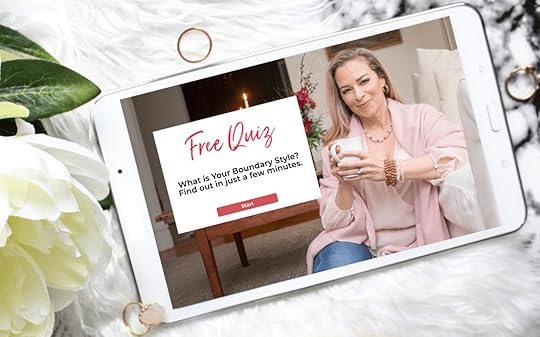
Take the boundary quiz and learn more about your Boundary Style
I WROTE A BOOK ABOUT BOUNDARIES! Boundary Boss is THE essential guidebook for authentically expressing your desires, setting healthy limits and bringing more satisfaction, joy and peace into all of your personal and professional relationships. Purchase your copy now!
TAKE THE BOUNDARY STYLE QUIZ I always say, ya can’t change anything until you become aware of it, so take the quiz and discover your unique boundary style!
FOLLOW ME ON SOCIAL Instagram is my jam and one of my favorite ways to connect with you. I put out new content there every, single day ?
JOIN OUR FREE FACEBOOK GROUP Become a part of our powerful community of real love revolutionaries!
SIGN UP FOR THE NEWSLETTER Want love notes from me delivered straight to your inbox? I share things to inspire and empower you each week, plus what I’m reading, watching, cooking…you get the idea ?
September 20, 2025
762 Release Chronic Pain and Anxiety with Nicole J. Sachs
Listen & Subscribe on iTunes/Apple Podcasts
Listen & Subscribe on Spotify
Listen & Subscribe Stitcher.
Listen & Subscribe Google.
Listen & Subscribe PlayerFM.
Intro“We’ve had a limited understanding of our health. I believe our society and the collective consciousness is ready to disrupt it.” – Nicole J. Sachs
Discover how psychotherapist Nicole Sachs turned her chronic pain diagnosis into a journey of mind-body healing. In this episode, Nicole shares her powerful methods like Journal Speak and the ANSR framework to release repressed emotions, calm anxiety, and restore nervous system balance.
If you’ve struggled with chronic pain, anxiety, or stress-related illness, this episode offers practical tools for self-healing, emotional resilience, and long-term personal growth. Learn how addressing your inner world can transform your physical health and empower your life.
Highlights:3:00 Nicole’s back pain origin story8:45 How Nicole’s new book, Mind your Body, illuminates the healing that can come through the mind-body connection10:55 Why empowerment shouldn’t stop with modern medicine14:30 Embodying anxiety in an affirming way19:50 A new technique to help you connect with your emotions: Journal-speak32:00 The ANSR framework36:55 Nicole’s biggest personal boundary struggleConnect with Nicole J. SachsNicole J. Sachs, LCSW, is a speaker, writer, psychotherapist, retreat leader, and podcaster who has dedicated her work and her practice to the treatment of chronic pain and anxiety. She is the author of the books MIND YOUR BODY (Penguin/RandomHouse, 2/25) and The Meaning of Truth (2016) and creator of the online courses “Freedom from Chronic Pain,” “Freedom From an Anxious Life,” and “The Sarno x SachsSolution” practitioner training. Her brands, BreakAwake and The Cure for Chronic Pain,include a website,podcast, YouTube channel, membership community, and newsletter. Sachs is on faculty at the Omega Institute for Holistic Studies in New York
Find Nicole at
https://www.yourbreakawake.com
https://www.instagram.com/nicolesachslcsw
I WROTE A BOOK ABOUT BOUNDARIES! Boundary Boss is THE essential guidebook for authentically expressing your desires, setting healthy limits, and bringing more satisfaction, joy, and peace into all of your personal and professional relationships. There are super JUICY bonuses when you pre-order, so what are you waiting for?
TAKE THE BOUNDARY STYLE QUIZ I always say, ya can’t change anything until you become aware of it, so take the quiz and discover your unique boundary style!
FOLLOW ME ON SOCIAL Instagram is my jam and one of my favorite ways to connect with you. I put out new content there every, single day.
JOIN OUR FREE FACEBOOK GROUP Become a part of our powerful community of real love revolutionaries!
SIGN UP FOR THE NEWSLETTER Want love notes from me delivered straight to your inbox? I share things to inspire and empower you each week, plus what I’m reading, watching, cooking…you get the idea?
September 18, 2025
761 Raising Confident, Connected Kids with Alyssa Campbell
Listen & Subscribe on iTunes/Apple Podcasts
Listen & Subscribe on Spotify
Listen & Subscribe Stitcher.
Listen & Subscribe Google.
Listen & Subscribe PlayerFM.
Intro“Our book’s not a one-size fits all solution. It’s about understanding who you are and who the kid in front of you is so that you know the right way to respond to them.” – Alyssa Campbell
Parenting isn’t just about managing your child’s emotions—it starts with regulating your own. In this conversation, Alyssa Blask Campbell shares how unresolved childhood wounds affect the way we parent, and why emotional regulation is the foundation for healthier family dynamics.
Through her FACTS framework, she explains practical tools backed by neuroscience to support both adults and kids. If you’re interested in personal growth, psychology, or self-help strategies, this interview will shift the way you think about parenting and give you new tools for everyday life.
Highlights:3:15 How recognizing her own inconsistency brought Alyssa to write her first book 5:10 Why Alyssa’s first book became a bestseller8:20 The way conflict with children can emotionally activate parents11:35 The five steps to regulate your nervous system25:00 How the neuroceptive sense responds to traumaConnect with Alyssa CampbellAlyssa Campbellis a mother of two, bestselling author of Tiny Humans, Big Emotions, Founder and CEO of Seed & Sew, and host of the Voices of Your Village podcast. Alyssa has a master’s degree in early childhood education and strives to change the way adults experience children’s emotions so we can respond with intention to raise emotionally intelligent humans. Her recent book, Big Kids, Bigger Feelings: Navigating Defiance, Meltdowns, Anxiety to Raise Confident, Connected Kids (HarperCollins Publishers, September 16, 2025) is an essential guide to supporting children’s social and emotional growth through the elementary school years (ages 5–12), a critical but often-overlooked developmental stage
Website: https://www.seedandsew.org/
I WROTE A BOOK ABOUT BOUNDARIES! Boundary Boss is THE essential guidebook for authentically expressing your desires, setting healthy limits, and bringing more satisfaction, joy, and peace into all of your personal and professional relationships. There are super JUICY bonuses when you pre-order, so what are you waiting for?
TAKE THE BOUNDARY STYLE QUIZ I always say, ya can’t change anything until you become aware of it, so take the quiz and discover your unique boundary style!
FOLLOW ME ON SOCIAL Instagram is my jam and one of my favorite ways to connect with you. I put out new content there every, single day.
JOIN OUR FREE FACEBOOK GROUP Become a part of our powerful community of real love revolutionaries!
SIGN UP FOR THE NEWSLETTER Want love notes from me delivered straight to your inbox? I share things to inspire and empower you each week, plus what I’m reading, watching, cooking…you get the idea?
September 16, 2025
Why You Snap (And How to Stop): Breaking Free From Emotional Reactivity
Do you ever snap at someone, shut down, or blurt something sharp… then immediately regret it and think, what was that about?!
Yeah. Me too.
If you’re nodding your head yes, you’re definitely not alone. What you are, most likely, is emotionally activated by something from your past. And in this episode of The Terri Cole Show, I break down why this happens, how to spot it, and what to do instead.
Think of this as a practical way to feel a little less out of control and a little more like yourself again.
Prefer the audio? Listen here.
Why We React (Even When We Don’t Want To)Let’s start with the root: emotional activation.
I use the term “activation” instead of “triggered,” because for some, even the word trigger can be… well, triggering. What we’re talking about here are past wounds, unmet needs, or unresolved experiences that get poked by something in our present.
Examples?
If you have a mother wound, even a small comment about your parenting might sting more than it should.If you grew up around manipulation, you might either overreact to it now or get pulled into it without realizing.Add in unresolved trauma, especially from childhood, and you’ve got a perfect recipe for disproportionate reactions.
What Reactivity Feels Like: Hijacked by the PastEmotional reactivity often comes with a full-blown nervous system response: fight, flight, freeze, or fawn. These were once essential survival mechanisms, but in our modern lives, they often get activated in situations that aren’t life-threatening.
That moment you snap at your partner after a long day?
That icy silence you give instead of saying what you feel?
That sudden wave of defensiveness when someone offers feedback?
These aren’t random; they’re clues.
We’re not reacting to just this moment. We’re reacting to every moment that came before it that looks or feels similar. That’s the hijacking.
Signs You’re Reacting (Not Responding)How do you know when it’s happening?
Regretting what you said almost immediatelyPassive-aggressive behaviorSaying yes when you want to say noDisproportionate anger or offenseBeing overly defensiveWhen you’re reacting, you’re not choosing. You’re just acting.
In my 20s, I lived in this place. Constantly defensive. Saying hurtful things I didn’t mean. Feeling justified in the moment, but later? Full of regret. That was emotional immaturity, yes. But it was also emotional insecurity rooted in unhealed pain.
Defensiveness, by the way, often shows up when we feel like we’re being attacked even if we aren’t. When you’re carrying old wounds, simple interactions can start to feel like battles. And when you’re always preparing to defend yourself, there’s very little room for connection.
How Conditioning Teaches Women to Hide Their HurtI think many of us can be tough on ourselves when we overreact or say something we regret. But the truth is, reacting is a very human experience. There are usually good reasons for what you’re doing. Reasons that make sense once you slow down and look a little deeper.
So please hear this: You have many good reasons for reacting the way you do. Your brain makes sense. And the critical part is that it is possible to change.
What To Do Instead: The Practice of RespondingThis isn’t about perfection, it’s about progress.
Here’s how we begin shifting out of reactivity and into intentional response:
Pause and BreatheLiterally. Right now, try it. Inhale… 1, 2, 3. Exhale. Soften your shoulders.
When something activates you, commit to taking a full minute before responding. If it’s a text or email, give yourself 24 hours. You are allowed to take that time.
Bonus Grounding Exercise: 5-4-3-2-1
Name 5 things you see4 things you can touch3 things you hear2 things you smell1 thing you tasteIt brings your attention back to your body, back to now. It hands you the wheel again.
Name the FeelingWhat just happened? What are you actually feeling?
Last night, I snapped at my husband over something ridiculously small. What to watch on TV. (He never watches without me, and the decision fatigue was real.) But when I paused, breathed, and examined it, I realized I wasn’t mad about the show.
I was feeling alone. Tired. Worn out from writing my book. Like everything was on me.
That’s what it was really about.
So I owned it. I said, “I’m sorry. That wasn’t fair. I’m feeling overwhelmed, and I just took it out on you.”
And of course, in true Pisces form, he was all chill and love. But the bigger win? I didn’t stay hijacked. I came back to myself.
Identify the Activation PointIs this about now? Or does it feel familiar?
That familiar feeling is a flag. Something old is driving the emotional bus.
Name it. Acknowledge it. You don’t need to psychoanalyze every detail, just gently recognize the echo.
Talk It Out or Act It OutWhen something goes sideways, you have two choices: talk it out or act it out.
One leads to clarity. The other leads to confusion.
Sometimes we don’t apologize. We just bring our partner a cup of tea or act extra cheerful. That falls under the defense mechanism of undoing. It’s not the worst thing in the world—but it’s not a specific repair either.
Talking it out creates resolution. Acting it out keeps the tension alive under the surface.
Self-Soothe Before Re-EngagingWalk. Journal. Hug a tree. Seriously. Get grounded before you respond.
Self-soothing doesn’t mean stuffing your feelings. It means creating space to hear them clearly.
Boundaries Make Everything BetterOne of the most powerful tools for reducing emotional reactivity? Boundaries.
When your space, time, and energy are protected, you’re less likely to explode, implode, or overextend. When you know where you end and others begin, there’s more room for response and less urgency to react.
Let’s make this real:
“I need a moment before we continue this conversation.”“I’m not in a space to respond thoughtfully right now. I’ll circle back.”“I don’t feel good about saying yes, so I’m going to say no.”These phrases are bridges, not walls. They build safety, not separation.
And remember: Reactivity often spikes when boundaries have been crossed. The earlier you recognize that signal, the faster you can reclaim your peace.
Every Pause Is a Radical Act of Self-LoveReactivity creates regret. Responding creates respect.
Every time you pause, breathe, and reflect before speaking or acting, you’re giving yourself a little more room to move through the hard stuff.
Because when your past tries to hijack the moment, you don’t have to let it.
You can slow it down, pause, and reflect. And you can choose something different.
If you want a guide to walk you through this, I created one for you here.
Are you emotionally reactive? Did this resonate? I want to hear from you.
Leave a comment. Let’s yak it out.
And as always, take care of you.
4 FAQ Questions:Q1: What’s the difference between being “triggered” and “emotionally activated”? A: Emotional activation is a gentler term for when past wounds or unmet needs get poked by something in the present. While “triggered” can feel harsh or clinical, activation acknowledges that your nervous system is responding to familiar patterns without judgment.
Q2: How long should I pause before responding when I feel activated? A: At minimum, take one full minute to breathe before responding. For texts or emails, give yourself 24 hours when possible. Remember: you’re allowed to take that time, and it’s better than responding from a reactive place.
Q3: What if I’ve already reacted poorly – is it too late to fix it? A: It’s never too late! You can always circle back with an apology and explanation. Try: “I’m sorry, that wasn’t fair. I was feeling [overwhelmed/hurt/tired] and took it out on you.” Talking it out creates resolution; acting it out keeps tension alive.
Q4: How do boundaries help reduce emotional reactivity? A: When your time, energy, and space are protected, you’re less likely to explode or overextend. Boundaries create breathing room between you and others, giving you space to respond thoughtfully rather than react impulsively.
760 Are You Reacting or Responding? Here’s the Difference!
Listen & Subscribe on iTunes/Apple Podcasts
Listen & Subscribe on Spotify
Listen & Subscribe Stitcher.
Listen & Subscribe Google.
Listen & Subscribe PlayerFM.
Intro“When you feel like your own feelings are running you over like a freight train, that’s when you know you have to slow down.” – Terri Cole
Have you ever reacted in ways you later regret? In this episode we’ll explore what emotional reactivity really is, why it’s often tied to old wounds and unmet needs, and how you can break free from the cycle.
You’ll learn practical tools to pause, breathe, set healthy boundaries, and respond with clarity instead of reacting on autopilot—building more peace, emotional intelligence, and self-respect in your daily life.
Highlights:5:45 Why do we react emotionally?8:20 What is happening inside when we are activated or triggered12:30 Spotting the signs of reacting vs. responding17:40 Tools to help you turn a reaction into a responseLinks Mentioned:Find the downloadable guide I made to go along with today’s episode here.
Sign up for the Terri Cole Membership at terricole.com/tcm
Take the boundary quiz and learn more about your Boundary Style
I WROTE A BOOK ABOUT BOUNDARIES! Boundary Boss is THE essential guidebook for authentically expressing your desires, setting healthy limits and bringing more satisfaction, joy and peace into all of your personal and professional relationships. Purchase your copy now!
TAKE THE BOUNDARY STYLE QUIZ I always say, ya can’t change anything until you become aware of it, so take the quiz and discover your unique boundary style!
FOLLOW ME ON SOCIAL Instagram is my jam and one of my favorite ways to connect with you. I put out new content there every, single day ?
JOIN OUR FREE FACEBOOK GROUP Become a part of our powerful community of real love revolutionaries!
SIGN UP FOR THE NEWSLETTER Want love notes from me delivered straight to your inbox? I share things to inspire and empower you each week, plus what I’m reading, watching, cooking…you get the idea ?
September 11, 2025
759 The Power of Paying it Forward with Caitlin Crosby
Listen & Subscribe on iTunes/Apple Podcasts
Listen & Subscribe on Spotify
Listen & Subscribe Stitcher.
Listen & Subscribe Google.
Listen & Subscribe PlayerFM.
Intro“There’s a throughline I’ve found among a lot of my female entrepreneur friends: The issues we may have with employees are the same issues we have with our romantic partners.” – Caitlin Crosby
On today’s episode, I invite Caitlin Crosby on to The Terri Cole Show for a dive into ambition, betrayal, and boundary setting as a female entrepreneur. Caitlin shares her personal story of overcoming the betrayal of a trusted CFO and how she learned to trust her instincts. Plus, we chat about how the same struggles we have in professional life often pop up in our personal lives as well.
Highlights:3:40 Caitlin’s “Marvel origin story”10:20 How and why Caitlin started The Giving Keys15:00 The impact of trusting your intuition and making big moves20:00 What a business betrayal taught Caitlin about her other relationships25:30 Caitlin’s struggles as a woman in business33:15 How Caitlin makes time to take care of herself38:00 Caitlin’s biggest boundary struggleConnect with Caitlin CrosbyCaitlin Crosby, named among Oprah’s Super Soul 100 list of visionaries elevating humanity is the Founder & CEO of The Giving Keys, a give-back Pay It Forward jewelry and lifestyle company, 2x Best Selling Author, as well as a speaker, (a 2xTEDx, Stanford, United States Institute of Peace in DC) former singer-songwriter and actress. The Giving Keys pay-it-forward model has prompted over 3 million customers to pass on their key and its encouraging word on to someone who needs it more, starting a worldwide movement.
Caitlin was a pioneer in the woman-owned, Social Enterprise space, launching The Giving Keys 16 years ago, and has employed over 150 people who were transitioning out of homelessness.Caitlin has been featured in Forbes, Kenneth Cole’s Courageous Class, Gap, and Levi’s campaigns, The Today Show, People Magazine, Elle, Teen Vogue, The View, HarpersBazaar, Create & Cultivate 100, Oprah’s O Magazine, and more. Caitlin lives with her two children Brave and Love in Los Angeles. You can connect with her on Instagram@caitlincrosby and @thegivingkeys.
Website: https://www.thegivingkeys.com/
I WROTE A BOOK ABOUT BOUNDARIES! Boundary Boss is THE essential guidebook for authentically expressing your desires, setting healthy limits, and bringing more satisfaction, joy, and peace into all of your personal and professional relationships. There are super JUICY bonuses when you pre-order, so what are you waiting for?
TAKE THE BOUNDARY STYLE QUIZ I always say, ya can’t change anything until you become aware of it, so take the quiz and discover your unique boundary style!
FOLLOW ME ON SOCIAL Instagram is my jam and one of my favorite ways to connect with you. I put out new content there every, single day.
JOIN OUR FREE FACEBOOK GROUP Become a part of our powerful community of real love revolutionaries!
SIGN UP FOR THE NEWSLETTER Want love notes from me delivered straight to your inbox? I share things to inspire and empower you each week, plus what I’m reading, watching, cooking…you get the idea?
September 9, 2025
How to Set Boundaries With Emotionally Immature Parents (Scripts Included)
If you grew up with parents who were inconsistent, critical, self-absorbed, or just not emotionally equipped to deal with conflict, those patterns can stay with you right into your adult life. It’s difficult to have immature parents. It can impact your confidence, relationships, and even your sense of safety, as it’s challenging to trust what’s happening when you don’t feel like you can trust the adults in your life.
But you can learn to set boundaries with all the people, even your folks.
Prefer the audio? Listen here.
What Emotionally Immature Parents Look LikeWhen I talk about emotionally immature parents, I mean parents who avoid emotional topics or shut down when feelings come up. They make everything about them, even your pain. They struggle with empathy, overreacting, or becoming defensive to any perceived criticism, making meaningful conversations challenging.
Immature parents can also have unpredictable moods, creating that walking-on-eggshells dynamic that we see in so many families, or they rely on you in completely inappropriate ways. I can’t tell you how many therapy clients I’ve had over the years who were decision makers in their family at eight years old, deciding where the family would go on vacation or whether their parents should have another child.
One of my friends told me a story the other day about how when her little brother was born, her mom said, “He’s yours now.” When you have immature parents, it often means the children get handed power they don’t even want. It’s like giving a four-year-old keys to the van, and they’re like, “Hello, I’m four.” It creates a sense of insecurity because you’re not on stable ground with immature parents.
How You Probably Adapted (And Why It Matters Now)If you grew up with immature parents, you likely adapted in one way or another. You could have become the pleaser, learning to keep the peace by suppressing your own needs, wants, and desires. You could be the performer, working to earn love and approval through achievement (super common in my therapy practice). Or the caretaker, who is taking on adult responsibilities way too young, which is parentification.
Having immature parents puts children in the position of being emotionally parentified. Even if you weren’t making dinner, if you had immature parents, you knew you were the most grown-up person in that house, even as a kid. And children are so dialed in to what’s happening.
These adaptations are incredible when you think about it. They’re like genius survival strategies. We could figure that out at seven or five or eight. I’m just amazed at our minds and the human condition. But as adults, these brilliant survival strategies keep you locked into high-functioning codependent relationships a lot of times. We become overfunctioners, highly capable, hyper-independent, but deeply uncomfortable letting others meet our needs. And that’s not good for our relationships.
Why Boundary Setting Feels ImpossibleIf you’ve ever tried setting a limit with an emotionally immature parent, you probably know it doesn’t go well because the pushback is real. Common reactions include guilt-tripping (“After all I’ve done for you”), playing the victim (“Oh, I guess I’m just the worst mother in the world”), anger (“I can’t believe you’d be so ungrateful”), or minimizing your concerns by basically telling you that you’re overreacting.
This happens due to what I call, silent agreements or unspoken contracts that have been in place, probably for decades. You learned in childhood that you’re expected to prioritize their comfort over your wellbeing, so there will definitely be pushback when you try to change the dance in adulthood.
You can’t teach someone how to be a better parent if they don’t want to learn, but here’s the thing: your job isn’t to teach them how to be more emotionally mature. Your job is to protect yourself, which is precisely what boundaries are about.
Let’s Talk About What Boundaries Really AreThink of boundaries as your own personal rules of engagement, letting other people know what’s okay with you and what’s not okay with you. Having healthy boundaries requires you to know your preferences, your limits, and your deal-breakers. Knowing them is not enough. You have to know them and then be able to communicate them when you choose to, which can be very difficult when you know it will create drama.
The Step-by-Step Guide to Boundaries That Stick
Step 1: Get Clear Where You Need a BoundaryThis is an essential step because you need to know where you need a boundary to create it.
Take a resentment inventory specifically around your parents and get precise about what you’re holding resentment for. You can’t just say “they meddle in my life” because you have to say “when they came to my workplace when I told them not to” or “when they criticized my parenting in front of my kids.” Our resentment basically shows us where we need a boundary or where a boundary we’ve established is being violated.
Step 2: Preplan Your ApproachWe’re going to strategically figure out the best time and place to have the conversation. If they try to make you feel guilty or say “Oh, I’m the worst mother in the world,” you’ll keep sticking to what you have to say.
Step 3: Write Your Boundary ScriptCreate a script with concise language specific to you and your situation, informing the other person of your preference, your request, or your limit. You’re going to stick to your own side of the street using “I” statements, not blaming language.
You don’t have to have perfect words to execute. You just have to do it. It’s okay if you do it badly. It’s okay if you do it messily. It’s okay if you’re sweating. You’re just going to do it.
Some sentence starters to make it easier:
“I’d like to make a simple request…”“I wanted to bring to your attention…”“I wanted you to be aware of how I feel about…”For more practical boundary scripts you can use, grab the free guide here.
Step 4: Handle the Defensive Reactions
When someone becomes defensive (because they probably will), you have a couple of choices. You can acknowledge the fact: “I see that this is upsetting to you, and yet I still have to ask you not to come over to my house without calling me first.”
If they start to retaliate or interrupt, you’re going to put your hand up and say, “Please let me finish before you interject, and then I’ll be all ears for what you want to say.”
We want to not let this devolve into a fight because somebody interrupting you and being defensive is trying to get you to stop saying what you’re saying. Your job is going to stay neutral and stick to what you want to tell them.
Step 5: Visualize and ExecuteOnce you have your script written out, you’re going to visualize it going well, meaning you deliver what you want to say the way you want to say it. We don’t have the power to dictate how it’s received, and that’s not your job. If they don’t like it, that’s okay. You’re still going to be okay. It’s still a win if you do it.
Your healing comes in asserting yourself, even if they don’t understand. I’ll sometimes say to people, “You don’t have to understand why I feel the way I do, but if you want an important place in my life, you have to care about the way I feel. So please stop trying to talk me out of my feelings.”
Step 6: Expect Discomfort and Add Consequences When NeededYou’re going to expect discomfort. There’s going to be discomfort, and it’s okay. Some people call it an extinction burst, where the old behavior flares up before it dies down because they may push back harder than usual.
If this is a repeated problem, if it’s what we call a boundary repeat offender, then you want to add a consequence to the boundary. “I’ve asked you several times to call me before you come over, and if it happens again, I’ll have to take the keys back.” They’re going to say you’re being dramatic, but consequences, especially with repeat offenders, are almost the only thing that will make a difference. Because a boundary for a repeat offender without any consequence is like a light suggestion instead of an actual limit that you’re setting.
Scripts for Real SituationsScenario 1: The Drop-In Visit They say: “I was in the neighborhood, so I just stopped by.” Your script: “I appreciate you wanting to see me. In the future, please call first so I can make sure it’s a good time.”
Scenario 2: The Guilt Trip They say: “I guess I won’t see you anymore since you’re so busy.” Your script: “I love you and I want to see you. Here are the times that work for me.”
Scenario 3: Getting Too Personal. They say, “When are you going to have kids?” Your script: “I’m not discussing that. Let’s talk about something else.”
Download my free guide to get more scripts and sentence starters on how to set boundaries with emotionally immature parents.
Moving Forward With HopeIf this brings up feelings for you, just remember that you are not alone or at fault. Your parents are the way they are, but you can change how you interact with them, and setting boundaries with them is not rejecting them. It’s a way of self-protection and self-respect.
Your parents may never become mature, and they may never become the attuned caregiver you wish they were in your childhood, but you can become that for yourself. When you do that work, you stop the generational cycle, and there’s nothing more powerful than being a cycle breaker.
Your needs matter in this life, and whether you had parents who could care about that when you were a kid or not, your voice matters now. How you feel matters. What you think matters. It’s never too late to change the way you interact with your parents and anyone else in your life.
Have an amazing week and as always, take care of you.
FAQ: Your Most Asked Questions About Boundaries With Immature ParentsQ: What if setting boundaries makes my parents upset or angry? A: If they’re upset, that doesn’t mean you did it wrong. Remember, it’s the action of doing it that makes you successful, not their reaction. Their emotions are their responsibility to manage, not yours.
Q: How do I know if I should add consequences to my boundaries? A: If this is a repeated problem with what I call a “boundary repeat offender,” then consequences become important. A boundary without consequences for repeat violations can become just a light suggestion rather than a meaningful limit.
Q: What if other family members tell me I’m being too harsh or dramatic? A: Family systems often resist change, and other members may try to pressure you back into your old role. Focus on your own well-being and remember that protecting yourself isn’t harsh – it’s necessary for healthy relationships.
Q: How long should I expect it to take for things to improve? A: Every situation is different. Some people adjust to new boundaries quickly, others take longer, and some may not adjust at all. Focus on consistently maintaining your boundaries rather than trying to control their timeline for acceptance.
758 How to Set Boundaries with Immature Parents
Listen & Subscribe on iTunes/Apple Podcasts
Listen & Subscribe on Spotify
Listen & Subscribe Stitcher.
Listen & Subscribe Google.
Listen & Subscribe PlayerFM.
Intro“It’s hard to have immature parents. It can impact your confidence, it can impact your relationships, and even your ability to feel safe in yourself — because it’s so hard to trust what’s going on if you didn’t feel you could trust the adults in your life.” – Terri Cole
Growing up with emotionally immature parents often leaves lasting patterns like people-pleasing, hyper-independence, or caretaking. In this episode, we explore why setting healthy boundaries with parents who are critical, inconsistent, or self-absorbed feels so hard—and why it’s essential for your healing.
Emotionally immature parents can make boundaries feel impossible. In this episode, I’ll walk you through a step-by-step guide to create boundaries that actually work—from scripting conversations to handling guilt-tripping or anger. If you’ve ever wondered how to protect your peace and finally prioritize your own well-being, this episode will give you the clarity and tools you need.
Highlights:5:38 Understanding emotionally immature parents9:30 Common reactions to setting boundaries with emotionally immature parents12:00 The steps to setting boundaries anyway15:50 What to say when somebody reacts defensivelyLinks Mentioned:Find the downloadable guide I made to go along with today’s episode here.
Sign up for the Terri Cole Membership at terricole.com/tcm
Take the boundary quiz and learn more about your Boundary Style
I WROTE A BOOK ABOUT BOUNDARIES! Boundary Boss is THE essential guidebook for authentically expressing your desires, setting healthy limits and bringing more satisfaction, joy and peace into all of your personal and professional relationships. Purchase your copy now!
TAKE THE BOUNDARY STYLE QUIZ I always say, ya can’t change anything until you become aware of it, so take the quiz and discover your unique boundary style!
FOLLOW ME ON SOCIAL Instagram is my jam and one of my favorite ways to connect with you. I put out new content there every, single day ?
JOIN OUR FREE FACEBOOK GROUP Become a part of our powerful community of real love revolutionaries!
SIGN UP FOR THE NEWSLETTER Want love notes from me delivered straight to your inbox? I share things to inspire and empower you each week, plus what I’m reading, watching, cooking…you get the idea ?
September 6, 2025
757 How She Grew a Gut Health Empire with Lifeway’s Julie Smolyansky
Listen & Subscribe on iTunes/Apple Podcasts
Listen & Subscribe on Spotify
Listen & Subscribe Stitcher.
Listen & Subscribe Google.
Listen & Subscribe PlayerFM.
Intro“I made a promise to my girls the day they were born that I would take more risks and be braver with my own personal story.” – Julie Smolyansky
In this inspiring conversation, Julie Smolansky, CEO of Lifeway, shares her journey of resilience, healing, and leadership. From escaping the Soviet Union with her family to unexpectedly becoming a CEO at 27 after her father’s sudden passing, Julie opens up about overcoming trauma, sexism, and self-doubt while building a successful business rooted in the mind-gut connection.
She also reveals her passion for advocacy—producing The Hunting Ground to raise awareness about unreported crimes on campus, co-founding Test400k to fight for justice, and navigating the painful boundaries of addiction within her own family. This interview is a powerful reminder that growth, empowerment, and mental health are possible when we honor our truth and lead with courage.
Highlights:3:35 Julie’s origin story17:00 How kefir helped Julie Smolyansky get through her worst mental health crisis21:15 When Julie became the youngest CEO of a publicly traded company26:15 Julie’s advocacy for trauma survivors35:10 The next steps in Julie’s business and personal missions38:00 Julie’s most challenging boundary struggleConnect with Julie SmolyanskyAfter the sudden loss of her father and Lifeway founder Michael Smolyansky in 2002, Julie Smolyansky became the youngest female CEO of a publicly traded company when she took over Lifeway Foods at the age of 27. Since then, Julie has propelled the business forward with innovative product development and marketing, bringing kefir into the U.S. mainstream, growing the company from $6 million to almost $200 million in 2024, and expanding distribution to Mexico, Ireland, France, South Africa, UAE,various regions of Central and South America, and the Caribbean.
Julie has been named to Fortune’s 40 Under 40, recognized among Fortune’s 55 Most Influential Women on Twitter, featured as one of the Best Instagrammers on the 40 Under 40 list, was honored as a 2020 Champion of Wellness by VeryWell, was recently named the winner of a Gold Stevie® Award in the Female Executive of the Year–Consumercategory, in the 18th annual Stevie Awards for Women in Business, and won Gold Globee for the 17th Annual 2024 Globee® Awards for Achievement (Women in Business), and was recently recognized as one of the 2025 Top Women in Grocery: Senior-Level Executives. A University of Illinois at Chicago graduate, Julie is an emeritus member of the United Nations Foundation Global Entrepreneurs Council and a 2015 Young Global Leader of the World Economic Forum. She has produced documentaries such as “The Homestretch,” “Honor Diaries,” “The HuntingGround,” “On the Record,” and “October H8TE.”
In 2013, Julie co-founded Test 400k, a non-profit organization advocating to end the backlog of 400,000 untested rape kits in the U.S. Julie released her first book, The Kefir Cookbook: An Ancient Healing Superfood for Modern Life, Recipes from My Family Table and Around the World, in March 2018. She is the mother of two girls.
Websites: lifewaykefir.com and test400k.org
Instagram: instagram.com/juliesmolyansky
I WROTE A BOOK ABOUT BOUNDARIES! Boundary Boss is THE essential guidebook for authentically expressing your desires, setting healthy limits, and bringing more satisfaction, joy, and peace into all of your personal and professional relationships. There are super JUICY bonuses when you pre-order, so what are you waiting for?
TAKE THE BOUNDARY STYLE QUIZ I always say, ya can’t change anything until you become aware of it, so take the quiz and discover your unique boundary style!
FOLLOW ME ON SOCIAL Instagram is my jam and one of my favorite ways to connect with you. I put out new content there every, single day.
JOIN OUR FREE FACEBOOK GROUP Become a part of our powerful community of real love revolutionaries!
SIGN UP FOR THE NEWSLETTER Want love notes from me delivered straight to your inbox? I share things to inspire and empower you each week, plus what I’m reading, watching, cooking…you get the idea?
Terri Cole's Blog

- Terri Cole's profile
- 101 followers

