
Pamela D. Toler's Blog, page 30
April 11, 2023
Gertrude Whitney–A Guest Post by Rebecca Bratspies
Rebecca Bratspies is a longtime resident of Astoria Queens. When not geeking out about New York City history, she is a Professor at CUNY School of Law, where she is the founding director of the Center for Urban Environmental Reform. A scholar of environmental justice, and human rights, Rebecca has written scores of law review articles. Her most recent book is Naming New York: The Villains, Rogues and Heroes Behind New York Place Names. Her co-authored textbook Environmental Justice: Law Policy and Regulation is used in schools across the country. Bratspies is perhaps best known for her environmentally-themed comic books Mayah’s Lot, Bina’s Plant, and Troop’s Run, made in collaboration with artist Charlie LaGreca-Velasco. These widely adopted comic books bring environmental literacy to a new generation of environmental leaders.
Rebecca serves on NYC’s Environmental Justice Advisory Board, and EPA’s Children’s Health Protection Advisory Committee, is a scholar with the Center for Progressive Reform and a member of the NYC Bar Environmental Committee. ABA-SEER honored her work with its 2021 Commitment to Diversity and Justice Award. She was named the Center for International Sustainable Development Law’s 2022 International Legal Specialist for Human Rights Award, and her environmental justice advocacy has been awarded the PSC-CUNY “In It Together” Award, and the Eastern’ Queens Alliance’s Snowy Egret Award.
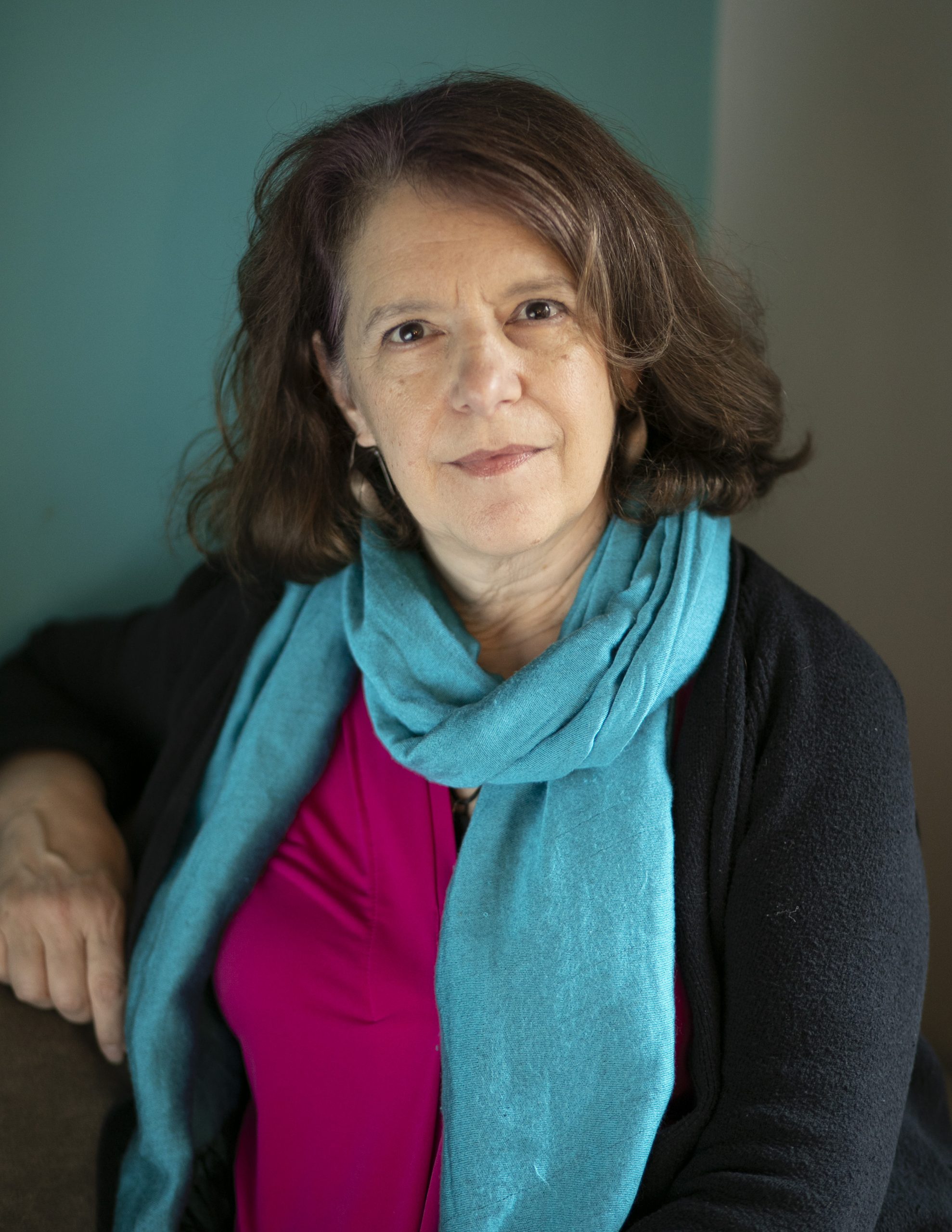
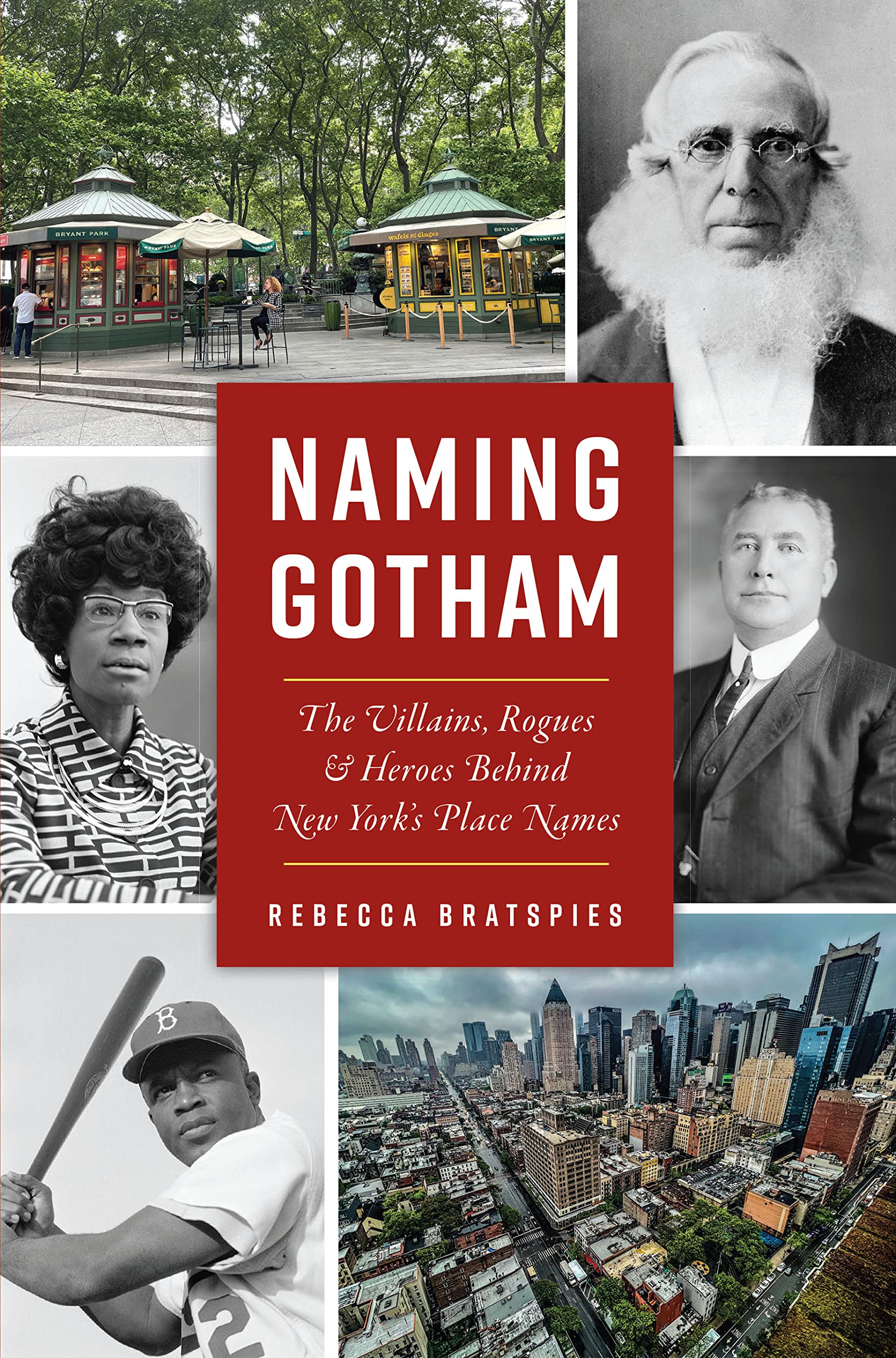
Today she’s sharing one of the many stories of unexpected or forgotten New Yorkers from her book, Naming New York: The Villains, Rogues and Heroes Behind New York Place Names.
Take it away, Rebecca!
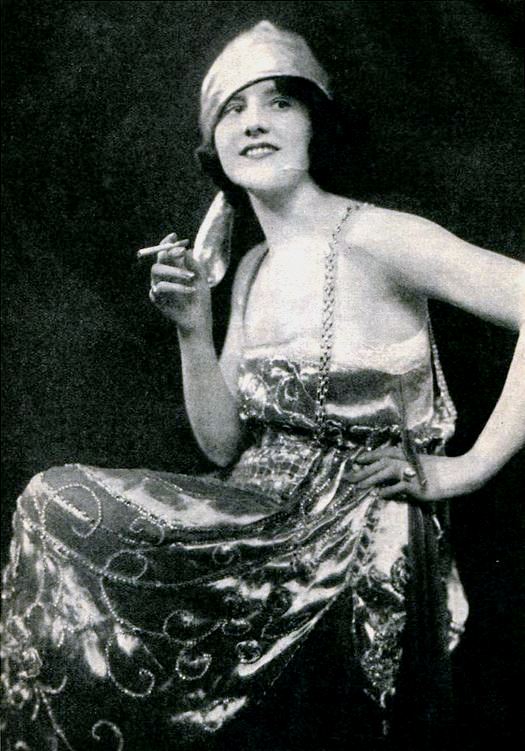
Gertrude Vanderbilt Whitney (1875-1942) was a woman ahead of her time. As the eldest daughter of the eldest son of the richest family in American (her parents were Cornelius Vanderbilt II and Alice Claypoole Gwynne) she was heiress to a vast fortune. She grew up in an opulent 137-room Fifth Avenue mansion, attended the Brearley school, and spent summers at the Breakers—the family’s massive Newport Rhode Island summer home. But, from an early age, it was clear that Gertrude’s ambitions did not fit neatly into the society life scripted for “Miss Vanderbilt.”
As a child, Gertrude longed to be a boy. She went so far as to cut off her hair, an act she described as an attempt to rid herself of the main difference she saw between herself and her brothers. She was punished severely. As she grew into a teen and a young adult, Gertrude’s diary revealed her torment over the idea that people only pretended to like her because of her wealthy family.
As a young woman, Gertrude shared a romance with Ester Hunt, daughter of architect Richard Morris Hunt. In her journal, Gertrude wrote “I loved her more yesterday afternoon than I have ever done before. I felt more thrill at her touch, more happiness at her kiss.” Gertrude’s disapproving mother forbade her to see Esther and began a campaign to launch Gertrude into New York society, surrounding her with young men deemed eligible.
The strategy seemed to work, Gertrude was rapidly married off to the boy next door—the wealthy, well-connected Harry Payne Whitney. The two had virtually nothing in common and led mostly separate lives. Harry was a sportsman, who cared mostly about horses, playing polo, and hunting. Gertrude was an artist, in fact a sculptor. Gertrude and Esther continued a steamy correspondence until Esther’s death in 1901.
Gertrude had to fight to be taken seriously as an artist. Drawing and painting were considered appropriate activities for young women of her class (at least until they had children) but only as a mild kind of hobby. Neither her husband nor her family supported her artistic ambition and the wider world continually reminded Gertrude that serious art “wasn’t done by people in my position.” And, regardless of social class, women were definitely not supposed to sculpt.
Concerned that her society name and her female gender would brand her a dilettante, Gertrude did her earliest work under a pseudonym. But after her (male nude) sculpture Aspiration was selected for the 1901 Pan-American Exposition, Gertrude began working under her own name. She proved to be a talented sculptor, and her work was exhibited in major art shows across the country.
During World War I, Gertrude personally funded the construction and staffing of a 225-bed hospital just behind the front lines in France. During the Winter and spring of 1914-1915, she frequently visited the hospital, bringing supplies, assisting the administration, and sketching the patients.
After the war, Gertrude translated those wartime experiences into her art. She sculpted the Washington Heights War Memorial at 168th St and Broadway, panels for the New York victory arch, and a statue in St. Nazaire, France where the first contingent of the American Expeditionary Force landed. She also designed a massive cubist Columbus statue in Huelva Spain. This statute towers 114 feet over the harbor that launched Columbus’s 1492 voyage. She viewed these statues as “links which will serve to bind Europe and the United States even closer.” Her last sculptures were a Monument to Peter Stuyvesant, and Spirit of Flight, commissioned for the 1939 World’s Fair in Flushing Meadow.
Gertrude’s best work is generally considered to be her design for the 1922 Titanic Memorial. The dramatic statue of a partially clothed young man standing with arms spread wide likely inspired the iconic scene in the 1997 Titanic movie. For Gertrude, this project was extremely personal because her older brother Alfred had died in similar circumstances with the 1915 sinking of the Lusitania. The Titanic memorial, which was unveiled by First Lady Helen Taft in 1931, bears an inscription dedicated “to the brave men who perished in the Titanic. They gave their lives that women and children might be saved.” This inscription makes it clear that the statute was intended to commemorate the first-class male passengers who died in the wreck, conveniently forgetting the scores of women and children, mostly traveling third-class, who also died.
Early in her career, Gertrude scandalized New York society by setting up her art studio at 19 Macdougal Alley in Greenwich Village. Headlines blared Daughter of Cornelius Vanderbilt Will Live in Dingy New York Alley. Nevertheless, Whitney built her studio, and apparently enjoyed a riotous bohemian lifestyle there—a sharp contrast to her otherwise aristocratic uptown existence.
Over time, Gertrude purchased the entire block of Macdougal Alley and turned it into the Whitney Studio club. She used the space to host exhibits, shining a spotlight on young artists like Edward Hopper, Robert Henri, Georgia O’Keefe, and George Bellows. She was a strong supporter of avant garde art, particularly the Ash Can School. Gertrude supported promising young artists with housing and stipends, and often purchased their work. She made a special point of supporting women artists.
Gertrude amassed an enormous collection of American art. In 1929, she offered to donate most of this collection to the Metropolitan Museum of Art—along with a $5 million endowment. The Met infamously declined the gift. Whitney responded by turning the Whitney Studio into the Whitney Museum of American Art, the first museum dedicated to contemporary American art. Today the Whitney possesses the world’s largest collection of American Art.
Gertrude’s work won her significant recognition. She was awarded honorary degrees from Russell Sage College, Rutgers University, Tufts, and NYU. She was awarded the French Legion of Honor in 1926, and perhaps most surprisingly was named to the National Dairy Association National Honor Roll in 1941 for developing a herd of 14 cows that produced 427 pounds of butter.
Gertrude died on April 18, 1942. She was 67 years old.


April 7, 2023
In which I vote
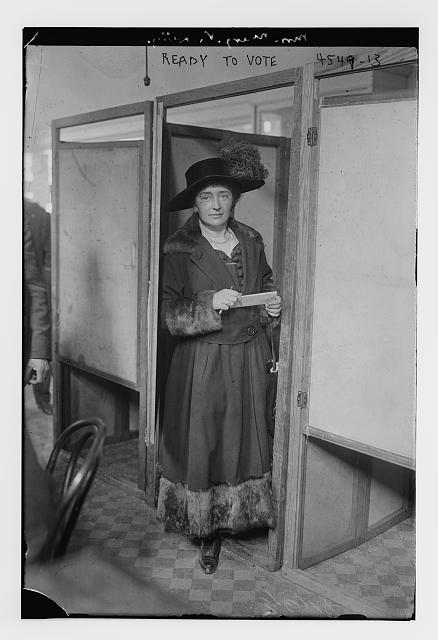
I am writing this on Tuesday morning. Earlier today I walked across the street to vote.* Those of you who have hung around here on the Margins know how much I love to vote, but I approached the polls today with a serious lack of enthusiasm. The day was cold and wet and the choices on the ballot were uninspiring. It was clear watching from my office window** that I was not the only unenthusiastic voter in the 4th ward. Instead of the usual mass of poll watchers lining the sidewalk, there was one lone man in a clear plastic poncho. Voters came one at a time, with long gaps in between.
I sucked it up and headed out, because voting is important. (Normally I would say thrilling, but I wasn’t feeling it.)
The man in the clear poncho met me on the sidewalk at the appropriate distance from the polling place door. I was pleased to be able to tell him that I planned to vote for his candidate and told him how impressed I was that he was out in what was really unpleasant weather.
He smiled. “I’ve been here since 5:30.”
I walked into the school auditorium feeling a little better because one man cared enough about local politics to stand in the rain at 5:30 in the morning talking to voters.
Once inside, there was no energy in the room. I was the only voter. The election judges were drooping. (In fact, the woman next to the machine you feed the ballots into was asleep.) I voted: two quick marks, one for mayor and one for alderman. When I handed my ballot sleeve and marker back to the election judge, he said, almost by rote, “Thank you for voting.”
Back in the days when I lived in a predominately Black neighborhood, the right answer to that was “It’s a privilege.” I decided to go for it.
“It’s a privilege,” I said and smiled. I felt better even as I said it.
Three election judges sat up straight and smiled back. “Yes, it is,” one of them one of them said, with an emphatic nod. “It surely is.”
I bopped back across the street, happier than when I walked out the door. Because voting is a privilege. One worth defending.
* Yes, my polling place is directly across from my front door.
**Again, right across from the polling place
April 4, 2023
From the History in the Margins Archives: The 6888th Delivers the Mail
I know you’re tired of hearing it–and believe me, I’m tired of saying it–but I am deep deep deep in book mode. My manuscript is due May 1 (I’ll let you do the math) and I have a lot of work yet to do. So for the next few weeks, you can expect a couple of guest posts, a review of a book that I’m really excited about sharing, and more posts from the archives. Up first, this post from 2019 that I think is a nice way to keep the Women’s History Month excitement going for a few more days.
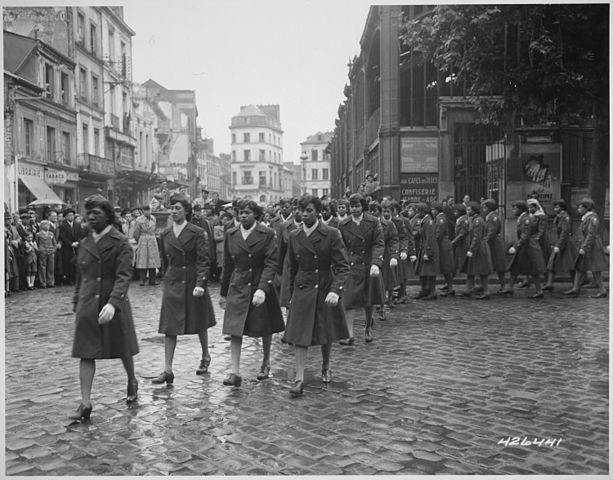
In 1945, the U.S. military was seriously behind in delivering the mail to Americans stationed in the European theater. There was a two-year backlog of letters and packages addressed to some seven million soldiers and aid workers. The thankless job of sorting through a warehouse full of undelivered mail was assigned to the 855 African-American women of the 6888th Central Postal Directory Battalion, also known as the “Six Triple Eight,” under the command of Major Charity Adams Early.
Part of the Women’s Army Corps (WAC), the women of the 6888th took the motto “No mail, low morale.” They arrived in Birmingham, England in February 1945, and set to work in unheated and poorly lit warehouses that were stuffed to the ceiling with undelivered packages and letters. (Including undelivered goodies that made the local rodent population very happy.) For three months, they worked three eight hour shifts each day, seven days a week, sending out 65,000 letters each shift.
The sheer volume of undelivered mail was a challenge. But it wasn’t the only challenge. Some of the mail was, shall we say, optimistically addressed: ”Junior. US Army” Even properly addressed mail was difficult to deliver. There were, for instance, 7,500 Robert Smiths stationed in the European theater and frontline soldiers were constantly on the move. In order to make their job easier, they created a system of information cards with serial numbers, one for each soldier—similar to a library card catalog back in the days when catalogs used actual cards.
The 6888th was the only all African-American female unit sent overseas during World War II. Despite the fact that they were making a valuable contribution to the war effort, the battalion suffered the same racial discrimination in the Army as they did in civilian life. They slept in segregated barracks and ate in segregated mess halls. As Major Early recalled, “ We didn’t mix it up. We were segregated in two ways, because we were black and because we were women.” Although white WACS and African-American soldiers were welcomed to a local club for American enlisted personnel run by the American Red Cross, the women of the Six Triple Eight were not allowed to use its facilities. When the Red Cross offered them alternative segregated facilities, Major Early and her women boycotted them and ran their own. Some members of the battalion felt they were treated better by the local people than by their fellow American soldiers.
Once the backlog in Birmingham was cleared, Six Triple Eight was transferred first to Rouen, and later to Paris, to deal with more stashes of undelivered mail.
In February, 1946, with the war over, they returned to the United States and the unit was disbanded. But for twelve months, neither snow, nor sleet, nor broken windows, nor badly addressed envelopes kept them from moving the mail on its appointed rounds.
From the History in the Margins Archives: The 6888th Deliver the Mail
I know you’re tired of hearing it–and believe me, I’m tired of saying it–but I am deep deep deep in book mode. My manuscript is due May 1 (I’ll let you do the math) and I have a lot of work yet to do. So for the next few weeks, you can expect a couple of guest posts, a review of a book that I’m really excited about sharing, and more posts from the archives. Up first, this post from 2019 that I think is a nice way to keep the Women’s History Month excitement going for a few more days.
In 1945, the U.S. military was seriously behind in delivering the mail to Americans stationed in the European theater. There was a two-year backlog of letters and packages addressed to some seven million soldiers and aid workers. The thankless job of sorting through a warehouse full of undelivered mail was assigned to the 855 African-American women of the 6888th Central Postal Directory Battalion, also known as the “Six Triple Eight,” under the command of Major Charity Adams Early.
Part of the Women’s Army Corps (WAC), the women of the 6888th took the motto “No mail, low morale.” They arrived in Birmingham, England in February 1945, and set to work in unheated and poorly lit warehouses that were stuffed to the ceiling with undelivered packages and letters. (Including undelivered goodies that made the local rodent population very happy.) For three months, they worked three eight hour shifts each day, seven days a week, sending out 65,000 letters each shift.
The sheer volume of undelivered mail was a challenge. But it wasn’t the only challenge. Some of the mail was, shall we say, optimistically addressed: ”Junior. US Army” Even properly addressed mail was difficult to deliver. There were, for instance, 7,500 Robert Smiths stationed in the European theater and frontline soldiers were constantly on the move. In order to make their job easier, they created a system of information cards with serial numbers, one for each soldier—similar to a library card catalog back in the days when catalogs used actual cards.
T he 6888th was the only all African-American female unit sent overseas during World War II. Despite the fact that they were making a valuable contribution to the war effort, the battalion suffered the same racial discrimination in the Army as they did in civilian life. They slept in segregated barracks and ate in segregated mess halls. As Major Early recalled, “ We didn’t mix it up. We were segregated in two ways, because we were black and because we were women.” Although white WACS and African-American soldiers were welcomed to a local club for American enlisted personnel run by the American Red Cross, the women of the Six Triple Eight were not allowed to use its facilities. When the Red Cross offered them alternative segregated facilities, Major Early and her women boycotted them and ran their own. Some members of the battalion felt they were treated better by the local people than by their fellow American soldiers.
Once the backlog in Birmingham was cleared, Six Triple Eight was transferred first to Rouen, and later to Paris, to deal with more stashes of undelivered mail.
In February, 1946, with the war over, they returned to the United States and the unit was disbanded. But for twelve months, neither snow, nor sleet, nor broken windows, nor badly addressed envelopes kept them from moving the mail on its appointed rounds.
March 31, 2023
Women’s History Month comes to an end, again
Back in November, I wondered whether I should run this interview series again this year. As I may have mentioned a time or ten, I’m trudging toward the first big deadline on this book. And while it may not be obvious, putting this series together takes time and energy. I changed my mind several times before I came to the conclusion that doing this project each year is important to me. (Not to mention fun.) I hope it is important to some of you, too. (Not to mention fun.)
Over the last few months I’ve had a chance to interact with some of my history-writing heroes, and find some new ones. I’ve added books to my TBR list and followed new people on Twitter.* I’ve promoted people who are doing wonderful work in our shared project of putting women back into history. And I’ve enjoyed being part of the online celebration of Women’s History Month. (And I’ve tried to answer some really hard questions—this year people posed some doozies!) I hope you’ve enjoyed it as much as I have.
As always, I feel a little deflated as the month comes to an end—it’s a little like the first week of January after the holiday season is over. And yet, much as I love the sense of celebration, I wish we didn’t need Women’s History Month, or Black History Month, or any of the other history months and heritage months that now mark our calendars. I wish history as we learn it would include people who were not as a center as a matter of course. That we didn’t have to put up big flashing signs that say “WE WERE THERE” once a year to remember. I don’t think that’s coming any time soon. In fact, I fear that Women’s History Month and its sister celebrations are more important than they ever were.
Dang it.
*And yes, I realize Twitter could crash and burn at any moment. But I haven’t found any social media format that suits me quite so well.
***
Over the next few weeks, you can expect a couple of guest posts, a review of a book that I’m really excited about sharing, and more posts from the archives. May 1 is coming really soon.
March 30, 2023
Talking About Women’s History: Three Questions and an Answer with Melissa Estes Blair
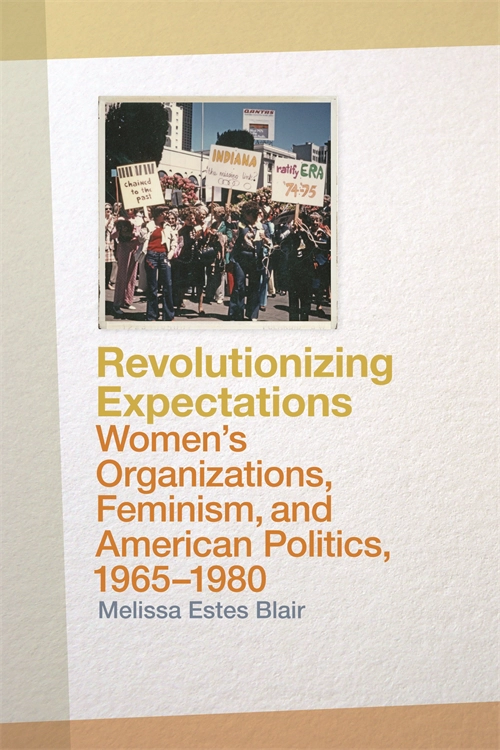
Melissa Estes Blair is an associate professor and department chair of history at Auburn University in Auburn, AL. She received her Ph.D from the University of Virginia, and her B.A. from the University of Kentucky. Her research focuses on women and politics in the twentieth-century United States. Her first book, Revolutionizing Expectations: Women’s Organizations, Feminism, and American Politics 1965-1980 examined the role of mainstream women’s organizations such as the YWCA and League of Women Voters in the feminist movement of the 1970s. Her forthcoming second book, Bringing Home the White House: The Hidden History of Women Who Shaped the Presidency in the Twentieth Century, is a group biography of the directors of the Women’s Division of the Democratic and Republican National Committees in the middle decades of the 20th century. It will be released September 1, 2023 by University of Georgia Press. An early version of part of that work appeared in the 2020 edited collection Suffrage at 100 published by Johns Hopkins University Press.
Take it away, Melissa!

Photo credit Miranda Beason
We’re all familiar with the challenges of finding sources for writing about women from the distant past. What are the challenges of writing about women from the mid-twentieth century?
A lot of scholars of the 20th century talk about drowning in paper, and that’s true for women’s history, even at the local level. Whether I was looking at records of YWCA and League of Women Voters chapters for my first book or DNC and RNC records for my current project, there was just so much stuff. And when you are traveling to archives and don’t have a ton of time, you have to triage pretty quickly to make your best educated guesses to ensure that you get through the best material.
The other big obstacle, especially when you are working on local or unknown women, is that even with all that paper it can be hard to figure out who’s who. If the meeting minutes and the mailing list of the LWV chapter, for example, list women by last name only (“In attendance were Mesdames Smith, Jones, Roberts…”) and the mailing list is “Mrs. William Smith,” but then the meeting minutes say “Dorothy suggested that…”, it can be quite hard to match all those names up. That, in turn, makes it hard to follow women into different aspects of their lives like paid employment or other organizations, or to find them for oral history. I did my dissertation research in the 2000s and wrote about the 1960s and 1970s. I’m sure many of the women I wrote about were still alive. But it was actually really hard to find them, because of the ways in which women’s names have historically been recorded. That’s one big reason there isn’t very much oral history in my first book, in spite of my chronological proximity to the topic.
What aspects of women’s history surprise your students most? What outrages them?
Almost everything surprises my students, which feeds into what outrages them. They are always appalled by how little they know, especially when it becomes clear that there are ample sources to teach about women throughout American history. Often these discussions go hand in hand. The last time I taught my women’s history class, for example, the students were particularly angry that none of them had heard about the women’s bread riots against the Confederacy during the Civil War. Their frustration with their lack of knowledge enabled us to have a really great discussion about the uses & misuses of history, how the history of white southerners’ frustrations with the Confederacy during the war were suppressed during the Lost Cause era and how that still shapes the education that my (majority Southern) students had received. Their outrage fuels amazing discussions because they are so eager to learn.
When did you first become interested in women’s history? What sparked that interest?
I have been interested in history pretty much my whole life, thanks to my mother. She is a native Virginian and a history lover, so when we would go to Virginia to visit her parents, we would often do a little bit of historical sight-seeing, whether it was a trip to Colonial Williamsburg or just an afternoon on the grounds at Maymont, a Gilded Age mansion in Richmond. (Side note: Maymont is now one of the best house museums I’ve ever seen, but when I was a kid the house wasn’t open, just the grounds).
It’s hard for me to pin down when women’s history became my focus. I am exactly the right age for the original American Girl dolls, and I devoured those books, which of course narrated historical events from a girl’s perspective. I took a lot of feminist literature classes in college (I was a history & English double major), and that really grew my interest in gender studies broadly. But history has always been my passion, so I combined that interest in women’s experiences that I got from Dr. Ellen Rosenman and other professors at the University of Kentucky English department with my love of history when I got to graduate school.
A question for you: You seem to be a scholar of pretty much everything. How do you do it? How do you manage to keep through lines in such big projects?
There is a reason historians tend to sink their roots into a specific time and space. It is both terrifying and thrilling to drop the safety net of an academic field and explore scholarly foreign territory. And yet, as with any kind of foreign travel, the unknown slowly becomes familiar, freeing you up to push your boundaries one step further.
Since I chose not to follow the academic path long before I finished my doctorate, I have always been free to follow my curiosity where it lead me. And sometimes it seems like I’m curious about everything. That can lead me to really deep dives into specific topics, that are very similar to the type of research that an academic historian does. It also allows me to go wide—moving across fields to look at the ways different ideas or events are connected. Then once I have that web of linked ideas, I can go deep again in what biographer Eric Washington calls a “galaxy of rabbit holes.” Over time, one set of linked ideas connects with another, creating a very personal field of scholarship.
For example, like your students, I had not heard about the women’s bread riots against the Confederacy, so I paused in the middle of working on this post to go down the bread-riot rabbit hole. The bread riots throughout the south were fascinating in themselves, but they linked in my mind to other bread riots I’ve written about: in eighteenth -century France, in England in 1819 and in Russia in 1917—not to mention the related potato riots in Germany during World War I and Weimar Germany and the constant fear of bread riots in classical Rome, leading to the concept of “bread and circuses.” There are some obvious things that link them all together—economic instability for one. But I suspect that if I started going down those rabbit holes I would find something else that was interesting. Will I do it? Not for the next five weeks for sure. Maybe not ever. At a minimum I will probably play with the ideas in a newsletter down the road.
***
Wanted to know more abut Melissa Estes Blair and her work?
Check out her website: https://www.melissablairhistorian.com/
Follow her on Instagram: @MelissaBlairHistorian
***
Come back tomorrow for one last Women’s History Month post, in which I hope to wind things up in a meaningful way. No promises.
March 29, 2023
Talking About Women’s History: Three Questions and an Answer with Diana Parsell
Diana Parsell is a writer, editor, and former journalist in the Washington, D.C., area. She has worked for publications and websites including National Geographic and The Washington Post, and for science organizations in Washington and Southeast Asia. A graduate of the University of Missouri School of Journalism and Johns Hopkins University’s M.A. program in nonfiction writing, Parsell was one of the founding editors of the online Washington Independent Review of Books. In support of her debut book, Eliza Scidmore: The Trailblazing Journalist Behind Washington’s Cherry Trees (March 2023, Oxford University Press), she received a
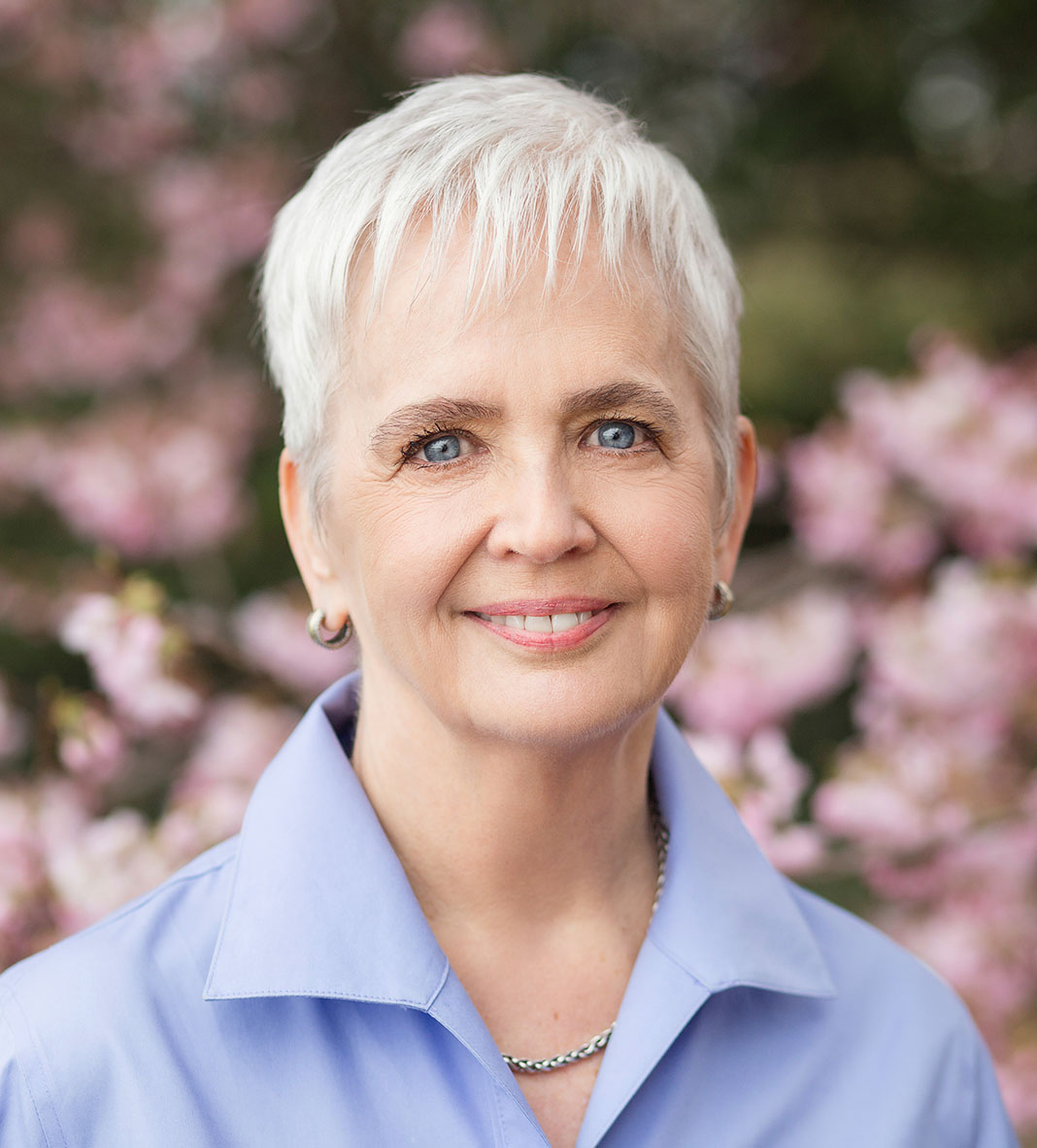
Photo credit: Lisa Damico Portraits
What was the most surprising thing you found doing historical research for your work?
Given the meager knowledge of my subject, the 19th-century author and travel writer Eliza Scidmore, it surprised me greatly to eventually uncover so much unknown information about her. Today, people know her mainly as the woman who fought a century ago to have Japanese cherry trees planted in Washington, D.C. But personal details about her have always been sketchy. There had never been a biography of her, and I learned early on that most of her personal papers were destroyed after her death. Because of this, I had little to go on when I started looking into her life. I didn’t know whether I would even find enough for a book. Because I’m not trained as a historian or scholar, I began with little understanding of standard techniques for doing historical research. I simply followed one clue after another. Over several years, this led me to an unexpected wealth of material, much of it buried in archives and “hiding in plain sight” in public records and databases. Digitization and other advances in research tools enabled me to uncover valuable primary sources that had long been overlooked.
Major breakthroughs occurred along the way. As one example, I was a couple years into the research when I discovered that Scidmore wrote her newspaper work under a pen name. That opened the floodgates to hundreds of articles she published. This body of work, never previously examined in full, proved enormously important. For one thing, it showed that Scidmore deserves greater recognition as one of America’s pioneering female journalists—a contemporary of the early newspaperwomen historian Alice Fahs describes in Out on Assignment (University of North Carolina Press, 2011). The newspaper datelines provided a core chronology of Scidmore’s life and early travels. And of course, the columns gave me her own words, as well as insight into her character and personality.
Another major surprise was discovering the significance of Scidmore’s reporting on China. In a couple of monographs that turned up, two different scholars described her as one of a handful of Western writer-travelers who “opened” China to mass tourism at the end of the nineteenth century. Even though I knew she published a book on China, this perspective offered a whole new dimension. In the end, I found so much material relevant to her travels in China that had I not been limited by a tight word count, I could have written a lot more about this important and little-known aspect of her life.
Writing about a historical figure like Eliza Scidmore requires living with her over a period of years. What was it like to have her as a constant companion?
I came to my research on Scidmore motivated by many questions. Among them, I hoped to find out what inspired her obsessive efforts to have Japanese cherry trees planted in Washington’s newly developed Potomac Park a century ago. More personally, it was questions about her personal life that intrigued me. I had read in general about her accomplishments: pioneering traveler to Alaska and author of the first tourist guide on the region; first woman elected to the board of the National Geographic Society (in 1892); activist in the burgeoning U.S. conservation movement, in affiliation with John Muir and others; recognized expert on Japan and author of a half-dozen travel books. I couldn’t help but wonder how she managed to achieve so much, at a time when few women had careers and society frowned on female ambition. I came to realize that Scidmore was still in her twenties when she first pitched her idea for cherry trees in Washington to the men in charge of the city’s public parks. What would have given a young woman of that era the confidence and audacity to make such a bold move. Who was she and where did she come from? What influences led her to act as she did, not just on D.C.’s cherry trees but in her larger life?
These, then, were the kinds of questions that ultimately drove my research. Searching for the answers made her not just an inviting companion in the decade it took me to write this book, but a subject in whom I hoped to better understand what it takes for women to succeed in a male-dominated world. She became a compelling figure because of questions I had about her that resonated with my own experience and that of other women I knew. Questions of how to make a life when one’s instincts don’t accord with family or societal expectations; how to reconcile a hunger for freedom and creative expression with the need to make a living; how to stay true to one’s values in a society that values conformity.
In writing the first-ever biography of Scidmore, I tried to make the writing accessible to general audiences, to spread her story as widely as possible. But I was also quite conscientious about documenting my sources thoroughly as a “blueprint” for further studies and analysis of her life and career. I feel sure she’ll continue to be in my life for some time, and I can’t wait to learn even more about her.
What work(s) of women’s history have you read lately that you loved?
One book that comes immediately to mind is Carolyn Fraser’s Pulitzer Prize-winning Prairie Fires: The American Dreams of Laura Ingalls Wilder. I found it impressive for the marriage of biographical insights and Fraser’s geographical rendering of the American plains as the backdrop of pioneer life. I’m a big proponent of master biographer Robert Caro’s conviction that place and setting play a crucial role in shaping a subject’s feelings, drives, motivations and insecurities. Fraser addressed this masterfully. I also loved A Woman of No Importance, by Sonia Purnell, and All the Frequent Troubles of Our Days by Rebecca Donner. Both of these elevate biography to a higher order in using the dramatic techniques of storytelling to illuminate critically important historical events.
As far as a top recent favorite of women’s history, however, my hands-down choice is Gillian Gill’s Virginia Woolf and the Women Who Shaped Her World. Like many women with strong literary leanings, I’ve read a lot of Woolf’s work. I’ve also read biographies about her. But nothing I’d read before matched the level of insight and analysis I got from Gill’s book. Focusing on Woolf’s heritage, she describes various women in the family who greatly affected Woolf’s growth and development–as both an unconventional woman of her day and a radical writer. Reading this book made me want to go back and reread all of Woolf’s work!

A question from Diana: Given how far history has lagged in giving us the important stories of women, as well as other marginalized groups, do you have any ideas for strategies on how to move the narrative forward in leaps, instead of through individual efforts and incremental progress?
I wish I did. Unfortunately, I suspect the only way this happens is one story at a time, until the narrative reaches the point at which “women’s history” is accepted as mainstream history. (I picture this as a narrative rockslide, where erosion occurs over time and then BAM! it happens. Though, of course, this would be positive and non-destructive.*)
*Am I getting loopy as I approach the deadline on this book? Why yes, yes I am.
***
Want to know more about Diana Parsell and her work?
Check out her website: www.dianaparsell.com
Follow her on Twitter: @DianaParsell
***
Come back tomorrow for three questions and an answer with historian Melissa Blair.
March 28, 2023
Talking About Women’s History: Three Questions (or Four, or six–depending on how you count) and an Answer with Katie Nelson and Olivia Meikle
If you’ve been hanging out here on the Margins for a while, you’ve probably read an earlier interview with women’s history co-conspirators Katie Nelson and Olivia Meikle, a pair of sisters who just keep finding new ways to explore women’s history and take the rest of us along with them. They are the hosts of the and co-authors of The Book of Sisters. (Rumor has it that they have a couple of new books in the works: A Stinky History of Toilets (coming soon) and A History of the World in 70 Lost Women.
Katie Nelson has a PhD in History from the University of Warwick and taught World History, Study Abroad, and The Meaning of Life at Weber State University for a decade. After diving into local history as Executive Director of the Weber County Heritage Foundation, she now writes books, leads tours, and podcasts full-time. Katie loves trying ALL the foods, exploring life’s big questions, and curating travel adventures for curious folks.
Olivia Meikle teaches Women’s & Gender Studies at Naropa University. She’s also the author of Around the World in 80 Diapers, a website empowering parents to travel internationally with their kids. She has an MA in English Literature and Women’s & Gender Studies from the University of Colorado, Boulder.
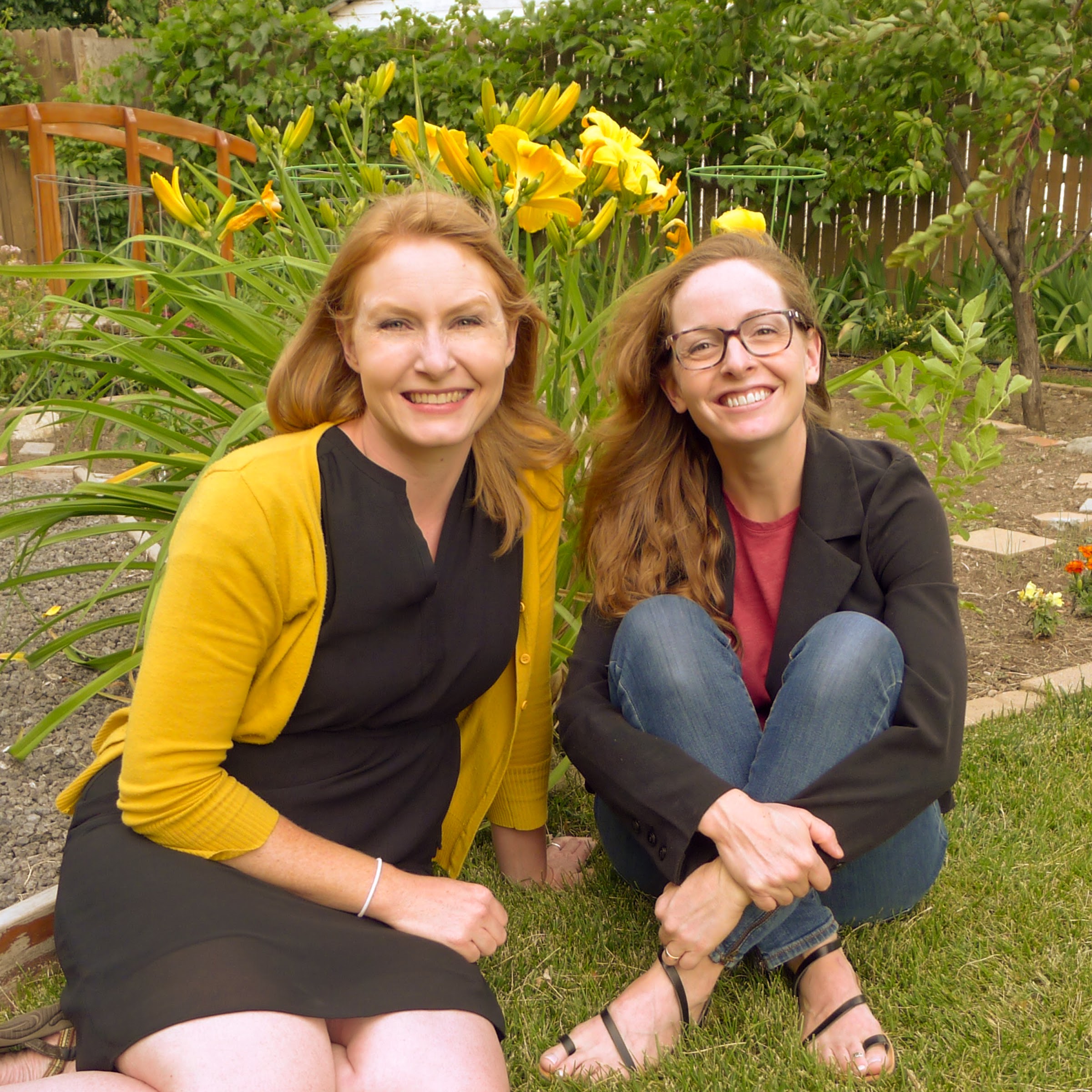
Photo credit Marc Nelson
It seems like every year you add a new and exciting way to explore fascinating women who have been left out of the historical narrative. Women’s history tours are the latest addition to the What’s Her Name empire. What inspired you to take this new step in women’s history?
Katie: I taught Study Abroad at Weber State University for a decade, guiding students across Europe. It was one of the great privileges of my life to witness the transformative power of educational travel through my students, year after year. I started recording podcast interviews on the fly while I was abroad; I was just encountering so many interesting stories! After more and more listeners kept saying things like “one day I want to visit the place where you recorded that episode…”, the next step was clear. We needed to create a new kind of study abroad, for curious grown ups. Our tours are built around episodes we’ve recorded, and rooted in authentic human connection (“don’t be hurry up”). We really get a self-selecting group of adventurers. If I say, “would you like to travel to obscure places no one knows about, to learn about women no one’s ever heard of?” The lovely, wonderful people who answer heck yes! are our people.
Once you’ve chosen the main destination, say Mexico, is it hard to find women-centric places to include on the tour?
Katie: Not at all, but I think it’s because we’ve learned where and how to look…i.e., not in the usual guidebooks, and not in the usual destinations. It turns out, the trickiest thing is trying to convey to hotels, drivers, and other guide-types that no, in fact, we do NOT want an itinerary that’s exactly like all the other commercial tours. Yes, we really do want to take a group to this obscure spot no one else cares about. We don’t fit any tourist stereotypes. Tourism professionals don’t know what to do with us. Which is how I like it! We have to be our own travel agents.
Olivia: Adding on to Katie’s answer: That’s actually one of my favorite things about our tours! There’s something magical about seeing all these ‘jaded, tourist-weary travel professionals’ we’re working with – drivers, site guides, hotel staff, etc – go from baffled, to amused, to intrigued, to absolutely, totally delighted as they watch our select little groups dive wholeheartedly into these totally unique (and undeniably odd) adventures. Most of the time they end up ‘diving in’ with us, becoming an integral part of the group on our weird little sidetracks off the tourist map, discovering new hidden treasures in their own backyards, and having as much fun as the rest of us. It’s such a joyous thing to experience, and I’ll never get tired of it.
What do you find most challenging or most exciting about researching historical women?
Katie: I love finding kindred spirits across time and across the world. Every once in a while, I’ll discover a women I instantly connect to. Even if she lived centuries ago in a completely different cultural world, I feel a profound kinship. Emilie du Chatelet, May Alcott, Zazil-Ha, Bouboulina…I found all of them through the podcast. Somehow the human story becomes my story, and vice versa–we’re all in it together.
Olivia: The answers to both these questions are kind of the same – I’m always amazed seeing how many women overcame incredible odds to accomplish the things they wanted to do! And seeing their courage and determination, and absolute refusal to give in to the obstacles and the forces trying to stop them, is never-endingly inspiring. But the flip side of that is this: it’s often incredibly disheartening to recognize so many of those exact same obstacles still working against women today, in exactly the same ways they were 100 or 700 (or 1700…) years ago. Reading about the obstacles placed in the way of a 16th century Afghani woman’s goals, then turning on the TV to see those exact same roadblocks popping up again in 2023 America can feel a bit depressing, to say the least.
But lately I find myself returning often to a quote from my favorite “hometown heroine” from my little Colorado mining town, 20th century Labor Activist (and first female Assistant Secretary of the Treasury in the US!) Josephine Roche: “If you believe in something, you may have to take a beating for many years before you accomplish your goal.” Roche certainly did that, for many, many years. But after all those years of struggle, she truly did revolutionize workers’ rights in this country forever. And so (at least most days) I still really do believe: If she [all these incredible, unstoppable “Shes” of history] can do it, then so can I.
What work of women’s history have you read lately that you loved? (Or for that matter, what work of women’s history have you loved in any format? )
Olivia: There were a couple of new books this year that absolutely blew my mind – Keith O’Brien’s brilliant and infuriating Paradise Falls, on the history of the Love Canal Disaster in the 1970s, was one I’d been eagerly anticipating for months but it was even more mind-blowing (and heart-wrenching) than I’d expected, and the amount of new information he was able to dig up on one of the stories I’ve been mild-to-moderately obsessed with for 20+ years was astonishing.
Then another book which just came out last month that I absolutely loved is Carolyn Whitzman’s Clara at the Door with a Revolver. A glorious deep-dive history of a “cross-dressing, maybe-bisexual, working class, Black woman tailor” put on trial for the murder of her well-to-do white male neighbor – in 1894! Fascinating, unexpected, extremely thought-provoking and incredibly well written, this book was a wild WILD ride of the best kind. I’d lined up an interview with the (absolutely delightful) author for the podcast before I’d even finished the book, because it was so obvious that this story was going to be one we simply had to share.
What do you find most challenging or most exciting about researching historical women?
A question from Katie and Olivia: Is there any particular site/location from women’s history that you dream to see someday?
I may be the only person in the world who has this on her bucket list: The Gene Stratton Porter historic site in Indiana.
I got a copy of one of her novels when I was nine or ten. I don’t remember if I bought it myself or if it was a quirky birthday present from someone. I fell hard for the story. It remains my favorite of her books. I re-read it every year or so.
The more I learn about her, the more amazing she is. She was a best-selling novelist in the early twentieth century, an early conservation activist, and one of the first women to form a movie production company.
We have driven past the signs for the historic site several times, but we’ve never been able to stop. One of these days we’ll make it.

Want to know more about Katie Nelson and Olivia Meikle and the amazing work they do?
Listen to the podcast:
Follow them on Twitter:
Follow them on Facebook:
Follow them on Instagram:
* * *
Come back tomorrow for three questions and an answer with biographer Diana Parsell
March 27, 2023
Talking About Women’s History: Three Questions and an Answer with Julia Scheeres
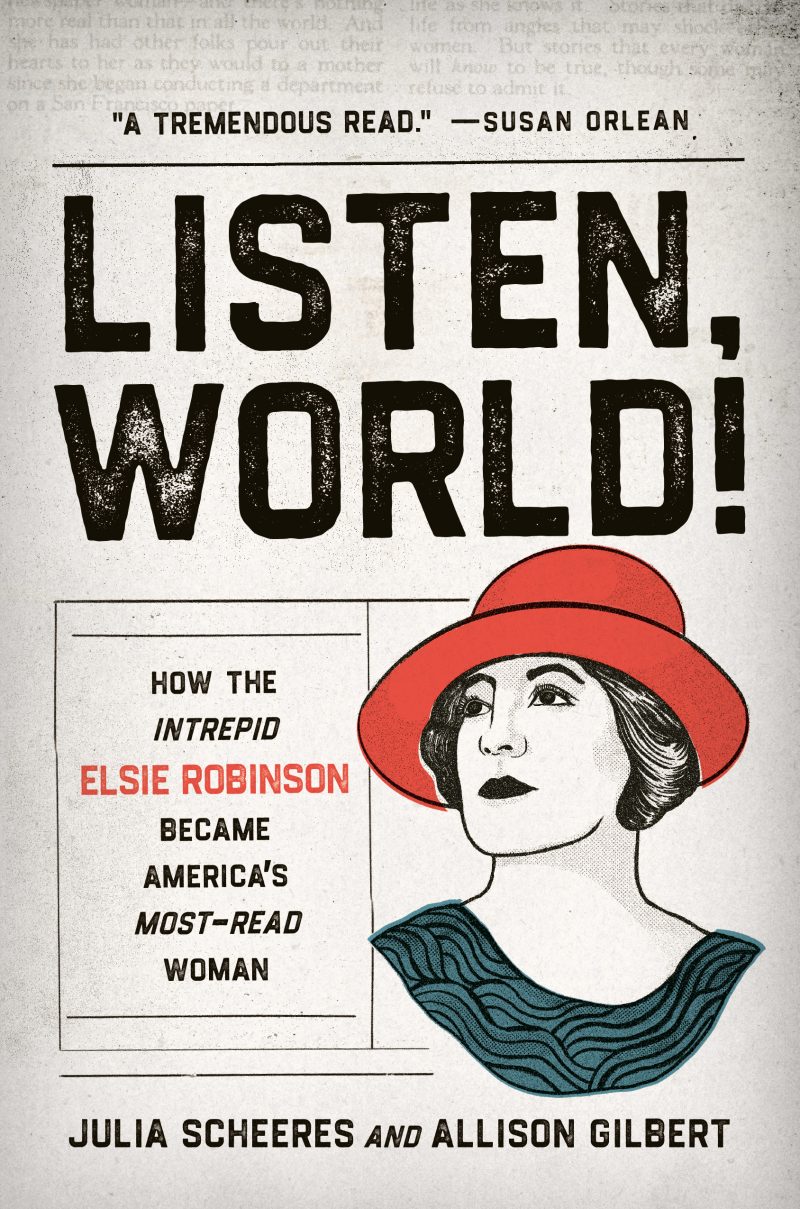
Julia Scheeres is the co-author with Allison Gilbert of Listen World! How the Intrepid Elsie Robinson Became America’s Most Read Woman.
Scheeres grew up in Indiana as one of six siblings that included two adopted Black brothers. .
After graduating with a B.A. in Spanish from Calvin College, she moved to Valencia, Spain, for four years, where she worked as a translator and an English teacher. Next she moved to Los Angeles, where she attended U.S.C., received an M.A. in Print Journalism, and worked for the Los Angeles Times. She also worked as a reporter for United Press International, El Financiero de Mexico, and Wired News. She quit daily journalism to write her first book, but has continued publishing in many outlets, including the New York Times, O Magazine, Elle, Narrative, Pacific Standard, Newsweek, The Guardian and more.
Her first book, a memoir, titled Jesus Land, led to the closure of the abusive reform school that she and her brother David attended as teens — which she profiled in the book. Her second book, A Thousand Lives, converted her into a Jonestown scholar. She has discussed the tragedy in dozens of documentaries, articles and podcasts. Her third book, Listen World!, is radical departure: a rollicking and inspirational biography of syndicated Hearst newspaper columnist Elsie Robinson.
In addition to writing, she teaches narrative nonfiction and memoir through Stanford Continuing Studies, works privately with clients on manuscripts, and generates content for corporate clients. She is also the founder, with her two teenage daughters, of Sustainabar, a business that makes zero-waste bars of household cleaning and beauty products.
Take it away, Julia!
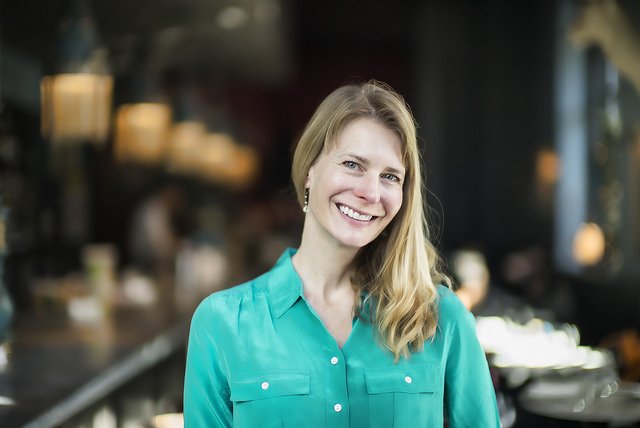
Photo credit: Christopher Michael
We’re all familiar with the challenges of finding sources for writing about women from the distant past. What are the challenges of writing about women from the early and middle twentieth century?
In Elsie’s case, the lack of a personal archive – she didn’t leave her papers to an institution. Nobody was still alive who worked with her, so we couldn’t interview them for their perspective. So we had to dig through lawsuits and read between the lines of her memoir and columns to see what was happening in her interior life. She had her outward persona — which was one of swagger and bravery — but we were able to recount a more personal, private story by triangulating information, so to speak.
What inspired you to write about Elsie Robinson? How did you come across her story?
My coauthor, a former CNN producer contacted me to help her write it. She brought the research chops, I brought the writing skills. Once I started learning about Elsie’s life, I fell in love and wanted to tell her story.
My coauthor reached out to me to help her write this book at a perfect time. My first two books are rather sad. One is a memoir that ends in tragedy and the second is a narrative history of the Jonestown mass murder-suicides. I couldn’t stand working on another sad subject after my brother died of colon cancer in his mid 50s. Elsie’s story was so inspiring. The obstacles in her way as a woman at the turn of the 20th century were profound. She wrote a lot about grief. I found great wisdom in her words and great inspiration in her personal story.
What do you find most challenging or most exciting about researching historical women?
It was fun to research the condition of women in the late 1880s – 1956, when Elsie died. The bizarre Victorian courting rituals, the dearth of knowledge about female anatomy. (Girls worried they’d get pregnant if they held hands with a boy, for example). We learned about many female heroes along the way, including Ida Craddock, who was prosecuted and jailed for writing tracts about women’s sexual response in the 1910’s — for example, how men could please, and not rape, their wives on their wedding night. About Alice B. Stockham, the fifth American woman to get an M.D., who wrote Tokology: A Book for Every Woman which offered women much-needed practical advice about pregnancy and childbirth. About Clelia Moser, a Stanford physician who conducted a groundbreaking survey in the late 1890s confirming that women enjoyed sex just as much as men.
Question from Julia: How do you define women’s history?
At its most basic, women’s history is the act of putting women back into the historical narrative, whether that means shining a light on the story of individual women or looking at the lives and accomplishments of groups of women. Because we were there, y’all. We were there.
***
Want to know more about Julia Scheeres and her work?
Check out her website: https://www.juliascheeres.com/
Follow her on Twitter: https://twitter.com/JuliaScheeres
Follow her on Instagram: https://www.instagram.com/jkscheeres/
Read an excerpt from Listen, World!: https://msmagazine.com/2023/03/16/elsie-robinson/
***
Come back tomorrow for three answers (or six, depending how you count) and a question with Olivia Meikle and Katie Nelson, two of my favorite women’s history co-conspirators
March 24, 2023
Belva Lockwood: a guest post by Jack French
Once or twice a year, long-time friend of the Margins Jack French reaches out with an interesting story and an offer to share. I’ve learned to say yes. Whether it’s the woman who invented Monopoly, a pair of WASP pilots, or a book recommendation, it’s always worth reading, and it’s often appropriate for Women’s History Month. He’s back, with another story of a woman I hadn’t heard of before. (I can’t tell you more without spoilers.)
Take it away, Jack!
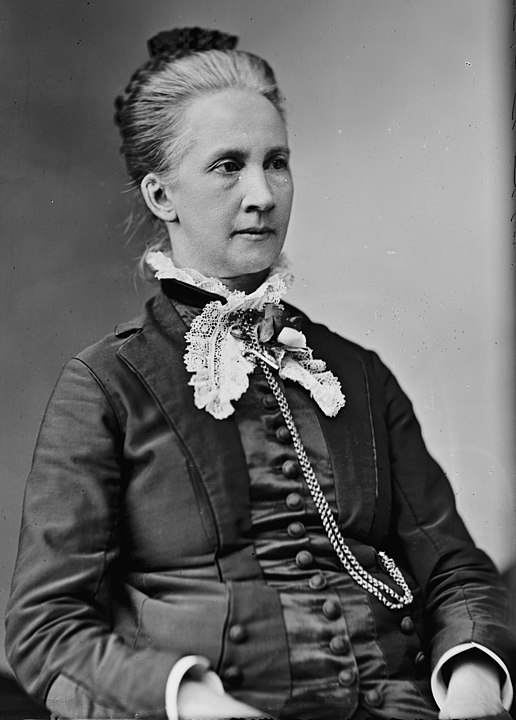
Photo by Matthew Brady, courtesy of the Library of Congress
Belva Ann Bennett was born October 24, 1830 into a modest farm family in Royalton, NY. Her parents apparently had a penchant for quirky names as two of Belva’s four siblings were named Cyrene and Inverno. In that pre-Civil War era, women were barred from nearly all professions (medicine, law, dentistry, banking, federal employment, etc.) but Belva would rise from her humble beginnings to become the first woman lawyer to argue in the Supreme Court and also the first woman to legitimately run for U.S. president….twice!
Despite her ambitions as a teenager, Belva was virtually limited to three options: domestic service, teaching, or getting married. She originally chose the latter two. At age 14 she accepted a teaching position, where she resented being paid half of what her male counterparts received for doing the identical work. In 1848 she married Uriah McNall, four years her senior.
The couple were farmers and also ran a small mill. They had one daughter before her husband died of injuries from a mill accident. The young widow sold the mill, and now, convinced that education would improve her lot, enrolled in college in Lima, NY, graduating in 1857. However she then had difficulty in finding a suitable position and was forced to accept a teaching job, again at half the salary of male teachers.
Later she became acquainted with both Susan B. Anthony and Dr. Mary Walker, and Belva would remain a champion of women’s rights as long as she lived. Anthony convinced her to move to Washington, DC for better prospects. By then Belva had aspirations of becoming a lawyer. In the Nation’s Capital, she met and married Ezekiel Lockwood in 1868. A 65 year old dentist, he was four years older than her father. But he was a loving husband and fully supported her quest for a law career. They resided in D.C. and operated a rental agency.
After being turned down at several East Coast law schools because of her gender, Belva fortunately found a new law school locally which admitted women on a limited basis: the National Law University in D.C. (which years later would merge into George Washington University.) In early 1871, National Law University accepted 15 women as students, but only two of them would eventually graduate: Lydia Hall and Belva Lockwood. However the institution refused to award them their diplomas.
Both successfully passed the three day exam (oral and written) for the D.C. bar, but since they had no diplomas, they were not admitted. Belva boldly wrote a personal letter to President Ulysses Grant, who was the honorary president of the university, requesting her diploma be released to her. It worked. Two weeks later her law diploma was in her hands and she was admitted to the D.C. bar on September 24, 1873, the second woman to achieve that distinction. The first was Charlotte Ray, the daughter of a nationally prominent African-American minister and publisher. She was admitted to the D.C. bar in 1872, shortly after graduating from Howard University Law School. However so few people would engage a woman of color as their attorney, Ray had to give up her practice and become a teacher.
Lockwood was moderately successful in her law practice, but some of her cases required argument in the Court of Claims, which had a separate bar. It would take Belva years of struggle to achieve that goal. Although she succeeded in getting a hearing to the bar of Court of Claims, it was a painful experience. After a lengthy discussion before a panel of five judges, she was told by the presiding judge: “Mistress Lockwood, you are a woman!” Later Belva would write: “For the first time in my life I began to realize that it was a crime to be a woman, but it was too late to put in a denial and I at once pleaded guilty to the charge.”
After weeks of deliberation the bar association concluded “A woman is without legal capacity to take the office of attorney” and therefore her request for admission was denied. However Belva was not to be stopped. She poured over the Supreme Court’s rulings on such matters, one of which concluded that any attorney in good standing before the highest court of State or Territory for three years shall be admitted to that court when presented by a member of the bar. But when the three years were up for her, she was still denied bar admission unless there was legislation for such approval. During this time, Ezekiel died in April 1877, leaving her a widow again.
But Belva then became a lobbyist in her own behalf. She located friendly faces in Congress, gave speeches, found allies in the press, and uncovered weak spots in her opposition. Her two year relentless campaign was successful. The bill admitting women to the Supreme Court bar was signed into law on February 7, 1879. Three weeks later, she became the first woman to be admitted to the bar of the Supreme Court.
Her astonishing victory opened the legal doors to all women in local, state, territory, and federal courts. Elizabeth Cady Stanton extolled her triumph, dubbing her a true “Portia”, Shakespeare’s brilliant lady lawyer. Her legal business continued to thrive. Very late in life she would be on the team whose arguments in the Supreme Court resulted in a multi-million dollar award for the Cherokee Nation.
In 1884 she consented to be the Presidential nominee for the Equal Rights Party, thus becoming the first woman to run for that office. “I can’t vote, but you can vote for me” was one of her slogans. Some of the press treated her fairly but others preferred lampooning her in cartons. She lost to Grover Cleveland, but four years later she ran again, this time defeated by Benjamin Harrison.
She continued her legal practice and pushed for women’s suffrage until she died at the age of 86 in 1917, just three years short of being able to vote. Sadly, the history books have ignored her, despite her impressive accomplishments. As her biographer, Jill Norgren, explains, there is “…a preference in history for Founding Fathers and fighting generals…”
PRIMARY SOURCES:
Belva Lockwood: The Woman Who Would be President by Jill Norgren, (New York University Press, 2007)
“Struggles and Accomplishments of Belva Lockwood” (2011) by Maryann Freedman, https://buffaloah.com/h/lock/lock.html
 Jack French is a researcher, feminist, and author in Northern Virginia; his website is: http://www.jackfrenchlectures.com/ His book, Private Eyelashes: Radio’s Lady Detectives (Bear Manor Media, 2004) won the Agatha Award for Best Non-Fiction and was voiced as a Talking Book by the Library of Congress.
***
Women’s History Month isn’t over yet! Come back on Monday for Three Questions and an answer with Julia Scheeres, co-author of Listen, World!


