David Gessner's Blog, page 96
January 15, 2012
Do Not Taunt Happy Fun Ball
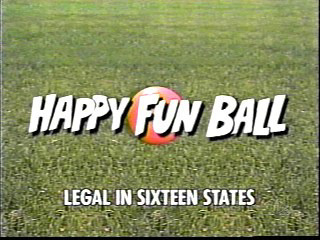 There have been a lot of fine commercials in the history of Saturday Night Live, but my favorite has always been Happy Fun Ball (written by the brilliant Jack Handey and voiced by the great Phil Hartman). Now my daughter Hadley has discovered the happy fun and we repeat phrases from the mock-ad to each other (like "certain types of skin.")
Enjoy: HAPPY FUN BALL!


January 14, 2012
January 13, 2012
Jerry
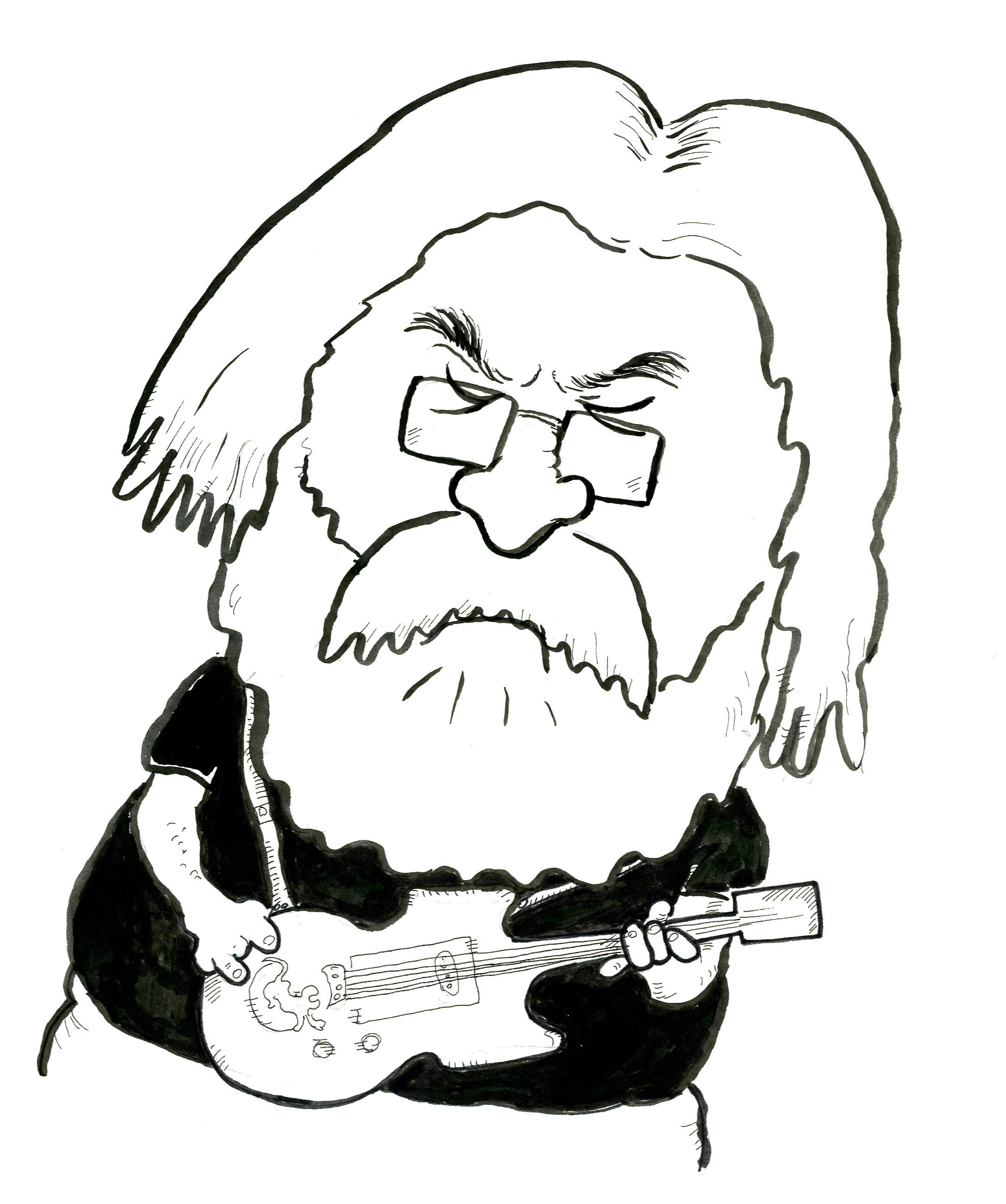
Not long ago Bill made a bold attempt to attract Deadheads to Bill and Dave's with his great post, Further, in Portland, Maine.
It occurred to me that that post deserved an official Bill and Dave's cartoon. So here it is:
January 10, 2012
Bad Advice Wednesday (Creative Nonfiction: What Kind of Roast Chicken IS This, Anyway?)
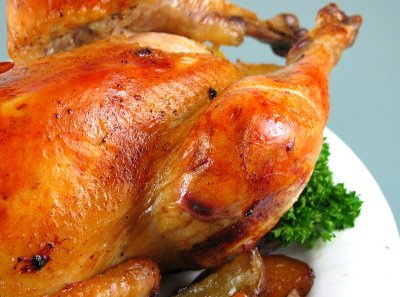
Eat This Image!
Andrea Zeeman, a very sweet and gentle friend of mine was, back in the day, a food stylist. Not a chef, not a cook, not a sandwich maker. What she did was prepare food to be photographed—whole menus for food magazines, sample dishes for cookbooks, convincing chef's creations for Hollywood. She was brilliant at her work and made a good living because she was indispensable. And the reason the likes of Gourmet Magazine couldn't live without her was that even the most beautiful, most appetizing dishes photographed as they were, fresh out of the oven, no matter how renowned the chef, looked . . . plain. And sometimes ugly. Or even sickening. Roasted chickens—plump and gorgeous on sterling platters—looked gray and scrawny, the silver mere metal. Mashed potatoes—steaming, fresh, delicious—looked dull and sludgy. Salads, forget it. Salads looked like so many leaves raked into a pile. Ice cream just melted into pools under the photographer's lights. The food stylist knows what the chef does not—that food for photos, aimed at the palate of the imagination, is not the same as food to be eaten.
So dear Andrea in her special kitchen would baste turkeys in motor oil to get the exact golden brown that on film signaled perfection. She'd spray green beans with Lemon Pledge, and buff each bean with a chamois, hours of work till the bean bowl was full. She made ice cream out of lard, with run-proof chips made from broken Guinness Stout bottles. She mixed concoctions of rice and shaving cream in her blender to make convincing mashed potatoes, whipping up disgusting, odiferous white mounds that on film (with a dollop of molasses and a pat of yellow shoe polish) looked delicious, just perfect.
They weren't perfect, of course. They were actually poison, in many cases. But what my ingenious friend was up to was this: bringing the truth of those meals to a flat page, trying with every tool at her disposal to fool the eyes and thence the taste buds of tens of thousands of magazine readers and movie goers into perceiving the delicious truth of an actual meal, when to simply photograph the actual meal would result in a kind of lie, rendering a magnificent creation as a limpish and ugly arrangement of soulless foods.
You've guessed where I'm going by now: food styling is "creative nonfiction."
Straight photography? Maybe that would be traditional journalism (even noting how often news photos are posed or staged). A painting in oils? Maybe a painting is more like fiction in this model. Of course it would be easy to push my little metaphor too far, though I'd like to say that poems are sculptures. And it is a little metaphor, terribly reductive: creative nonfiction is no mere advertising game, but the stuff of the greatest literary art.
When I've talked about food styling in my classes, some sensibly skeptical listener always says, "But wait! Wouldn't the writer of creative nonfiction do something interesting with the actual potatoes?"
Well, maybe eat them. But the actual potatoes can never, never, never, never, never, never, never, never, never, get onto the page, except as a spill. What the writer of creative nonfiction gets onto the page is words, words alone, and not potatoes, no matter how hard she may try.
What the writer of nonfiction has is paper and a system of funny inked markings that somehow he is supposed to turn into a representation of reality that people will call true, a representation to which the taste buds of the soul will respond passionately. But the marks on the page are never the reality they evoke or attempt to evoke, and never can be. A page of words is not your father, no matter how carefully those words are arranged to approximate him, or induce a dream of him into a reader's skull. A column of words and numbers is not last night's baseball game. Only the game itself is the game, and the game is history, gone forever, irretrievably gone. A carefully built sentence, added to another sentence and another to make a carefully built paragraph, then added to more paragraphs to make an idea clear, or to set forth an argument, is a beautiful thing—but it is not the idea itself, nor the argument.
Words and numbers on paper, whether put there by a memoirist, journalist, or essayist (or historian, scientist, and philosopher, to move into wider realms) are always attempts to recover some form of experience, and are always a form of memory, as is knowledge itself. And memory is always faulty, no matter how well-meaning, honest, careful, factual-minded, and exact its owner. Even the best science books are repositories of fiction after a few decades pass. (The best books of old essays, by contrast, are still true, even hundreds of years past the writing—but that's another matter).
All writers of nonfiction use every tool at their disposal—voice, language, drama, passion, characters, literary talent—and every scrap of learning, to make their marks on paper create something in their readers' minds that approximates experience, whether that experience be the writer's father, a baseball game, an idea, or a roasted free-range chicken stuffed with oranges for fragrance (and to keep the breast meat moist).
Don't kid yourself–the truth is not a simple thing.
(Adapted from the introduction to Contemporary Creative Nonfiction: The Art of Truth. Ed. Bill Roorbach. New York, Oxford: The Oxford University Press, 2001.)
Missy and Me
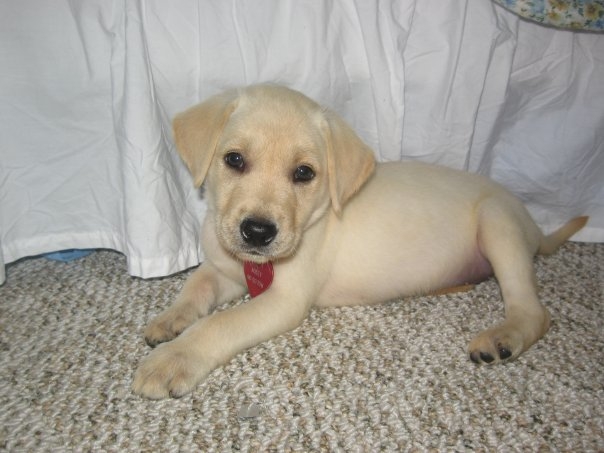
Who me?
The strange thing was that by the time I finally got around to watching Marley and Me, we had already committed to getting the yellow lab from the kennel. My daughter loves dogs and so we let her watch the film along with us (though not the sad end) and we laughed as a family, taking what we were seeing as light comedy, not understanding that for us it was in fact the equivalent of the witches' prophecies in Macbeth. I, for one, saw the minor atrocities committed by Marley as a fiction born of the imagination of a sports writer with a gift for comedy and then doubly exaggerated by a Hollywood machine that insists on always over-doing it. Understanding dawned much too late. When exactly did it come? Perhaps it was the day I looked into the back seat of our car and  saw that Missy, our new yellow lab, had chewed right through the backseat seat belts, the belts themselves severed and the now-beheaded buckles lying useless on the seats. Perhaps it was the time when she took my black leather journal, the one in which I kept all the notes for my book about the Gulf oil spill, and tore around the back yard, excited about the prospect of an hour's worth of keep-away. Or perhaps it was earlier when, as a cute little puppy, she ate the siding off our house.
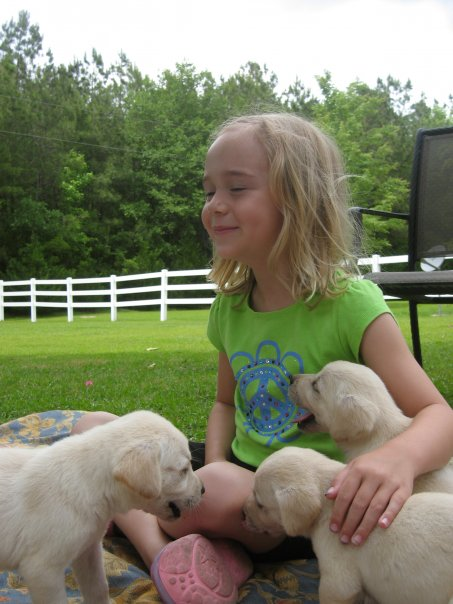 The omens were not good. At the kennel my daughter Hadley, then six, sat on a couch with all the new pups from Link and Ali's litter, and she naturally chose the little affectionate one who crawled right up into her lap and licked her face. Later several people–more crones from Macbeth–would warn us too late that you "never pick the friendliest one". Then there was the matter of her name. When Hadley was little I helped her get to sleep with a series of stories that we called "Dad's Used-to-Be Dogs." The premise was that all the dogs that I had had through childhood would get together, via time machine of course, and head out on adventures. Hadley loved all my childhood dogs, from the Lassie-like collie, Macker, to the scrappy mutt Hound, but she was particularly fascinated by our wild black lab Missy. This earlier Missy could jump over the eight foot fence in our backyard, and belonged, if not on a farm then on a racetrack. One day my mother mistakenly slammed her tail in the sunroom screen door, and Missy flew around the house, spraying blood everywhere. The tail never healed right and hardened to bone, becoming a cudgel-like weapon that she constantly waved, smashing lamps and vases. Missy the First was never tamed, let alone trained, and Hadley loved to hear the stories of her smashing things.
The new Missy would live up to the old name. She is a sweet dog, and continues to seek and give affection just as she did that first day Hadley met her. But she is also as remorseless as a sociopath. If she has jumped up on the counter to eat some food that you had foolishly imagined was your own, you can yell "NO!" right in her ear and she will just look over at you, curious. We are not a tough love family, and, except for a few enraged outbursts on my part, we perhaps under-scolded Missy as a puppy. But I doubt the dog whisperer himself would have had much luck. From the start Missy was on a mission to eat every shoe in the house, wound and de-stuff every stuffed animal, tear up every blanket, quilt, and comforter, and destroy every supposedly indestructible Frisbee or chew toy we bought for her.
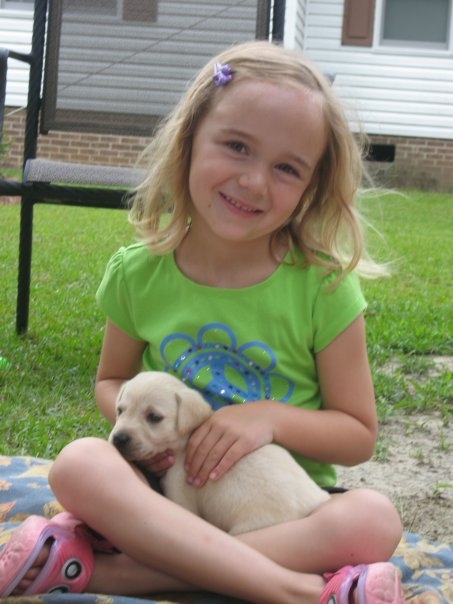
Final choice.
I have come to love Missy, it's true, but I still suspect that her dog S.A.T. scores would not be particularly high. Calling her name to come has never had much impact on her behavior. She might look up. When we hike together we sometimes see deer and snakes, or at least I see deer and snakes. Her eyesight is weak and on more than one occasion she has stood almost toe-to-toe with a deer without noticing and has also obliviously loped over a copperhead that crossed our trail. More crucially, for her, she has never been able to understand the difference between fetch and keep-away. She loves fetch and could play it all day. Could, except for the fact that as she starts to bring back the stick she can never quite give it up, and runs off to try to keep it from you. And so the game ends with Missy denying herself her greatest pleasure: retrieving.My wife and daughter don't like it when I attack Missy's intelligence. But when their beloved dog turns her wrath, and teeth, on them—or rather on their belongings—their fury can make mine seem mild. Recently Missy destroyed Nina's best shoes and she left me a note saying that I had to keep the dog away from her lest she murder it. And when Missy gets hold of one of Hadley's favorite stuffed animals, the banshee howls of outrage and accusation are deafening.
And yet.
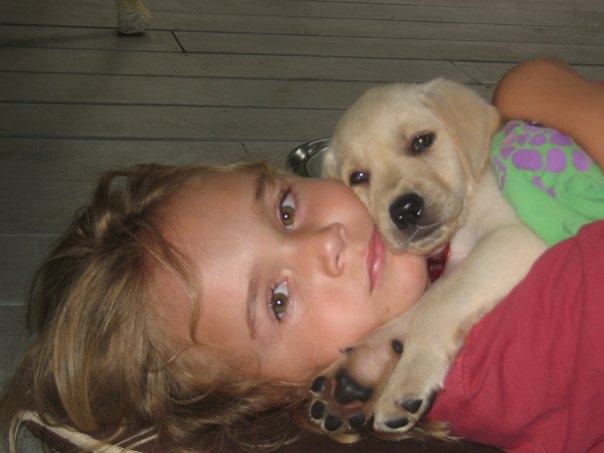
Well, you know what the "and yet" is, or at least if you're a dog owner you do…. Like a certain sappy movie, this little essay must now makes its turn. Missy and I go for long walks at least a few times a week, either along the Cape Fear River in Carolina Beach State Park or in the woods behind the college where I teach. She is great on the trail, never wandering off and looking back to see where I will turn before I even know I will, the same kinesthetic sense that makes her such a pain in the ass during keep-away put to good use in the woods. She swims like a canine dolphin, joyously and in all weather, most recently in Cape Cod Bay in January. She keeps close at all times, especially at night in bed when she spoons us, and is so sweet with Hadley that she could, and often does, put her head in the dog's mouth without being bitten. And despite occasional recidivist bouts of chewing and a consistent belief that all food is hers, she is getting better, mellower, and the episodes come less often. Also, as we learned on the trip toMassachusetts, she is a great traveler, happy to be in the car as long as we are. 
She will never fulfill my early fantasies and become a great Frisbee dog, since it's tough to be a champion retriever when you won't bring the Frisbee back. But if she won't win any trophies or ace her dog S.A.T.s, she has become our dog, a pretty good dog I think, and we are her people. We love her and in a far less-qualified manner, she loves us back. One thing that Marley and Me got right was the way that dogs, no matter how poorly they behave, eventually weave their way into the fabric of a family.
Which is a pretty funny metaphor come to think of it, considering just how much fabric Missy has ripped apart.
January 9, 2012
Why Portland, Oregon, is the Coolest Literary City in the West
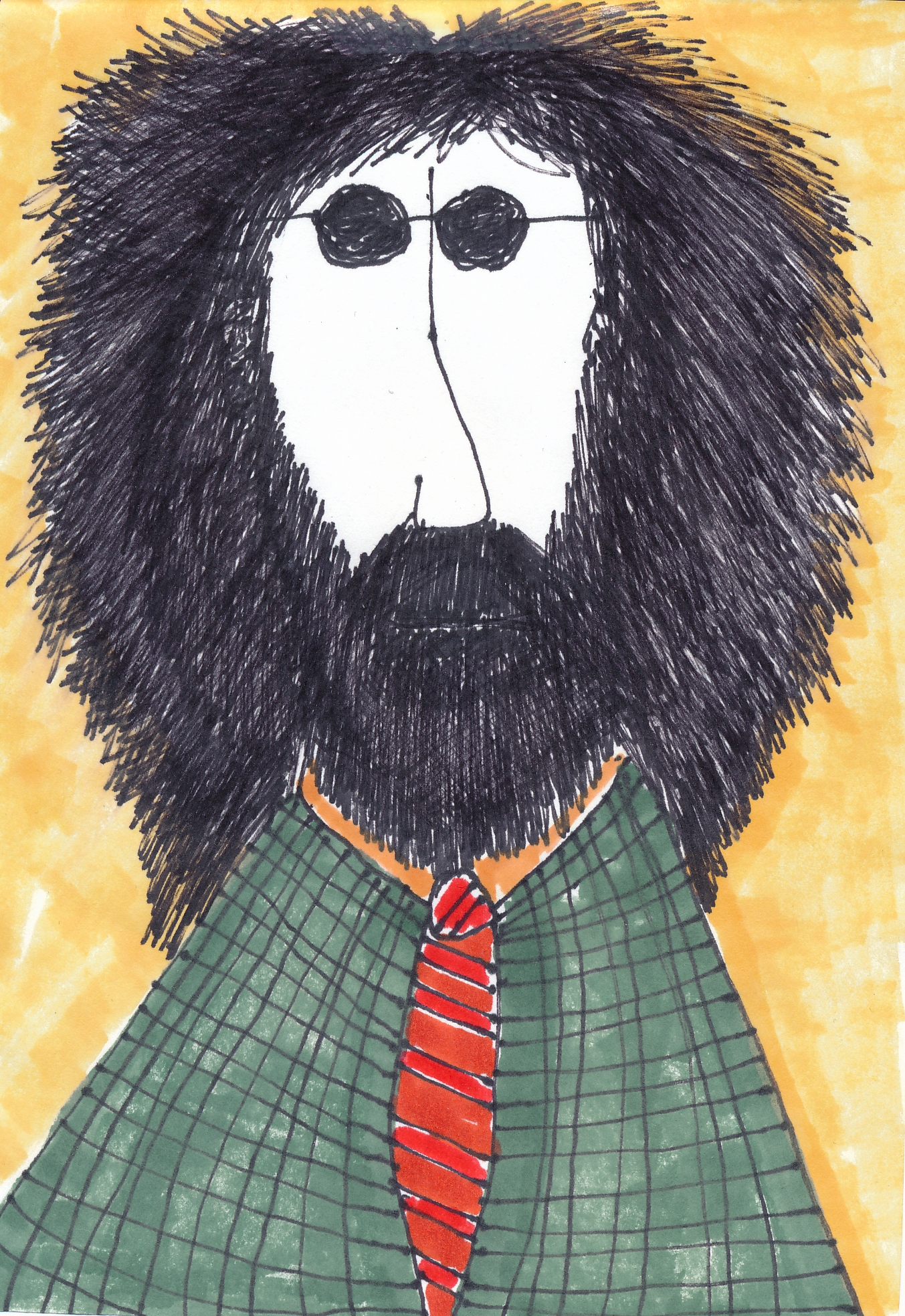 Today's special guest star is Brian Doyle. Brian is an old friend and the author of many books, most recently the novel Mink River and the short story collection Bin Laden's Bald Spot.
Most importantly, he is the first guest star to draw his own portrait. Here is what he has to say:
Why Portland, Oregon, is the Coolest Literary City in the West
I have worshipped the holy air where Erickson's Workingman's Club used to burble and roar, on Burnside Street between Second and Third avenues, because it was in that echoing wooden emporium, in that that legendary saloon with its vast planked floors punctured by many thousands of hobnails, that the second-greatest Portland writer of them all, the glorious Stewart Holbrook, once held court, chaffing and razzing, teasing and grinning, listening and lecturing, until he ceased to imbibe, because visions of snakes and bats were granted unto him, though there were technically no snakes and bats in his immediate personal zip code, so he desisted from the water of life and its many devious and wondrous cousins, and retired posthaste, but not before mulling and then milling a thousand stories from the dense air of Erickson's, which is why every time I shuffle past where it used to be I stop and bow, for which reverence I once got stared at by a suspicious cop, who told me to move along, which I did.
I have shaken the enormous horny hand of the late Ken Kesey on Morrison Street. I have shaken the deft hand of the genius Barry Lopez on Davis Street. I have shaken the tiny hand of the polymath Ursula Le Guin on Fifteenth Avenue near where she has lived for many years. I have shaken the hand of tall quiet gentle John Daniel on Princeton Avenue where he lived for many years. I have shaken the brave papery hand of the late Alvin Josephy on Salmon Street, and that was a hand that once belonged to the United States Marine Corps and clutched a rifle in the heat and blood and rage and fear and courage and chaos and fury of Guadalcanal and Iwo Jima, a fact of which I was very much aware at the time, despite the kind eye and amused seamed face of that most interesting Oregon writer, whose hand was as warm and friendly as he was.
I have walked the streets in northeast Portland where Beverly Cleary was a girl, and you cannot tell me that there was ever a finer writer in the history of Portland than Beverly Cleary, because not only do her many books sing and laugh and ramble and burst with real people and excellent dogs and joy and tears and the dense emotional thickets of childhood, but they have been read by millions of children, which is a remarkable thing to say, and I might argue, if we were in a good pub with excellent ale, that waking the hearts and brains and story sensors of children is the very best thing any writer can do, which is another reason why Robert Louis Stevenson is the best writer in the history of the English language, because who among us who were raised in the ocean of that ancient tongue has not been lulled to peaceful slumber, and lulled his or her children to ditto, by the thin grinning Scot's glorious Child's Garden of Verses?
I rest my case.
But I am wandering away from my city. I have wandered the shaggy rumpled streets of Saint Johns, with that loveliest of bridges leaping above me as I wondered which lanes and alleys once held the young Gary Snyder in their stony embrace. I have ambled southeast Portland where the lean leathery smiling Robin Cody lives. I have wandered past The Oregonian building on Broadway where Ben Hur Lampman hatched his inimitable small lyrical essays and the deadpan storycatcher Steve Duin does so today. I have shuffled past the spot in Washington Park where John Reed grew up. I have rambled along Vista Avenue thinking I was swimming through the air where once the polymath Charles Erskine Scott Wood wandered and pondered.
And I have read and heard and seen and laughed with and been startled by and awakened by and moved by Kim Stafford and Sallie Tisdale and Molly Gloss and Diana Abu-Jaber and Charles D'Ambrosio and Gus Van Sant and about a hundred more Portland writers I cannot remember at the moment because I am a man inundated by children and thus rimrocked by laundry and riddled by dishes to be done.
Suffice it to say that this city, my city, Stumptown and Timbertown, Puddletown and the City of Roses, the city hatched by a coin flip and blessed by the rain, the city riven by waters and huddled by hills, the city with the greatest independent bookstore in the world, the city where a mayor once exposed his woodpecker to a naked statue, the city where you can still to this day catch a salmon bigger than a child in the river that runs through it, the city that wasn't supposed to be a great city because the great city was supposed to be miles upriver but it didn't happen that way, well, suffice it to say that this city is a city stuffed with stories unending and wonderful, salty and moist, hilarious and haunting, and some of the greatest writers this country ever hatched have lived and worked here, spinning their tales and yarns, which makes me inordinately proud; I mean, really, in the end, what have we to exchange that matters, except stories of grace and courage, laughter and love? You know what I mean? Yes – you do.
January 7, 2012
Where's Bildo?
I'm on a top-secret mission for Orion Magazine. Any guesses where?
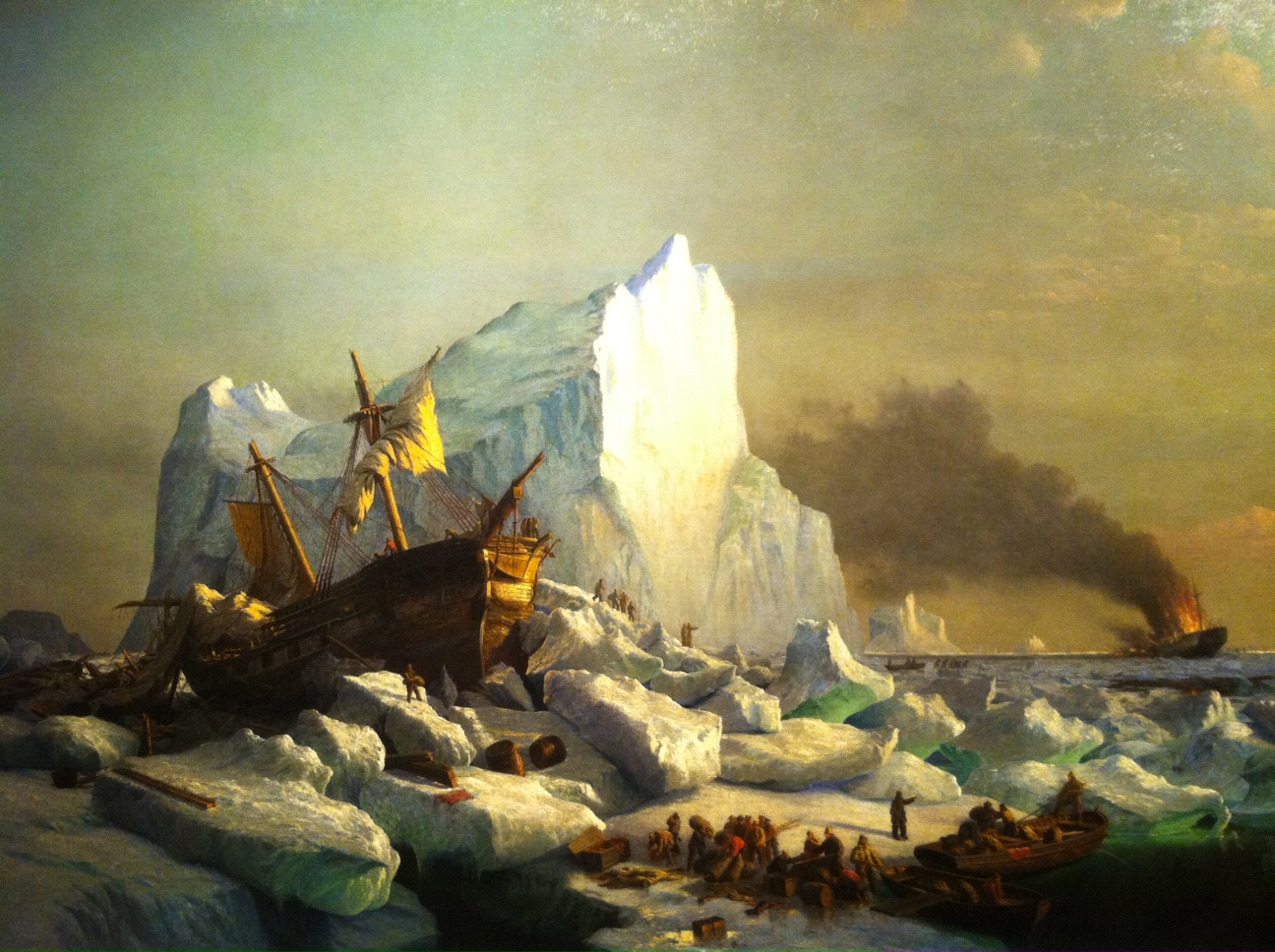
Bad Advice Goes Aground
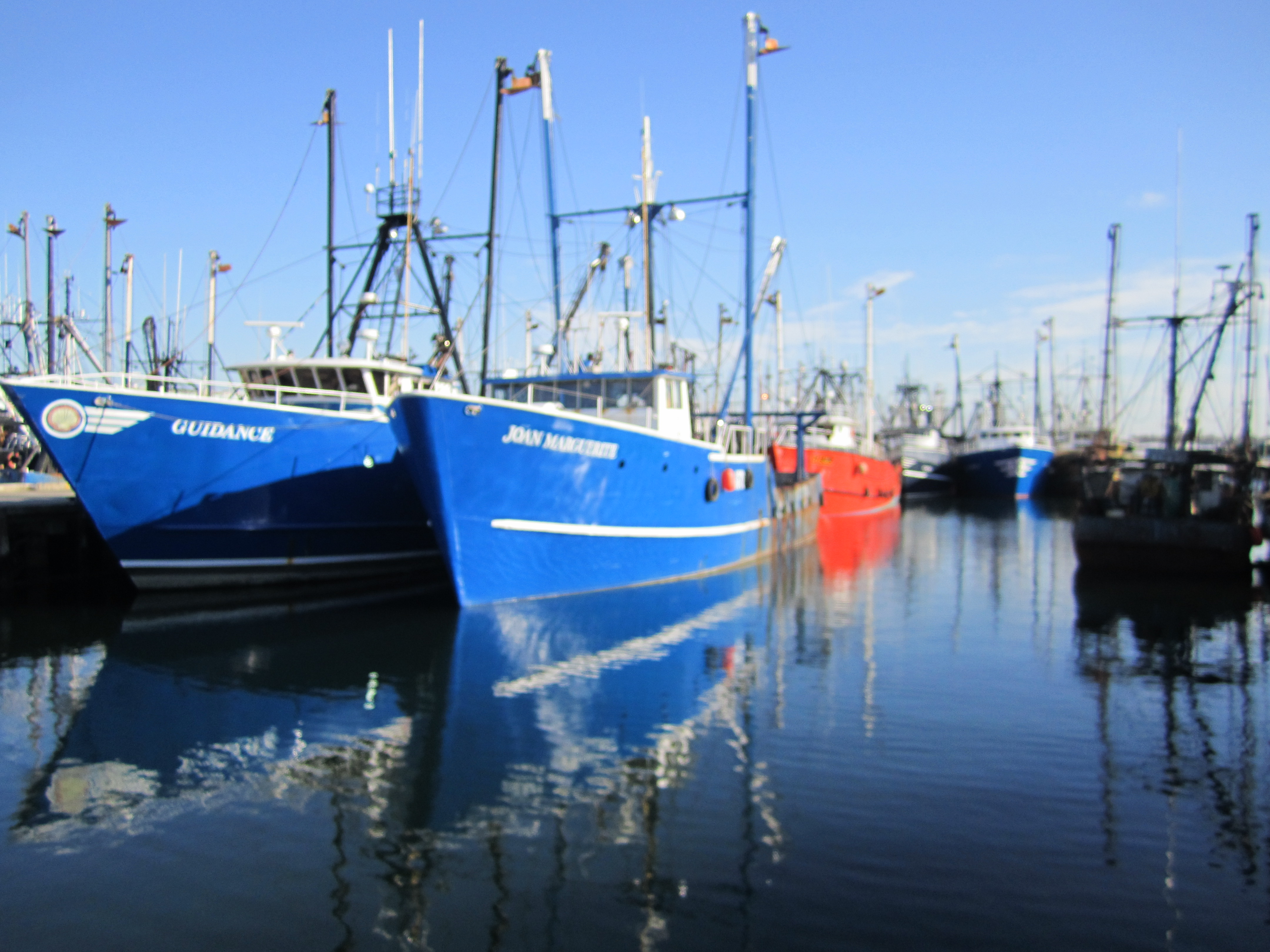
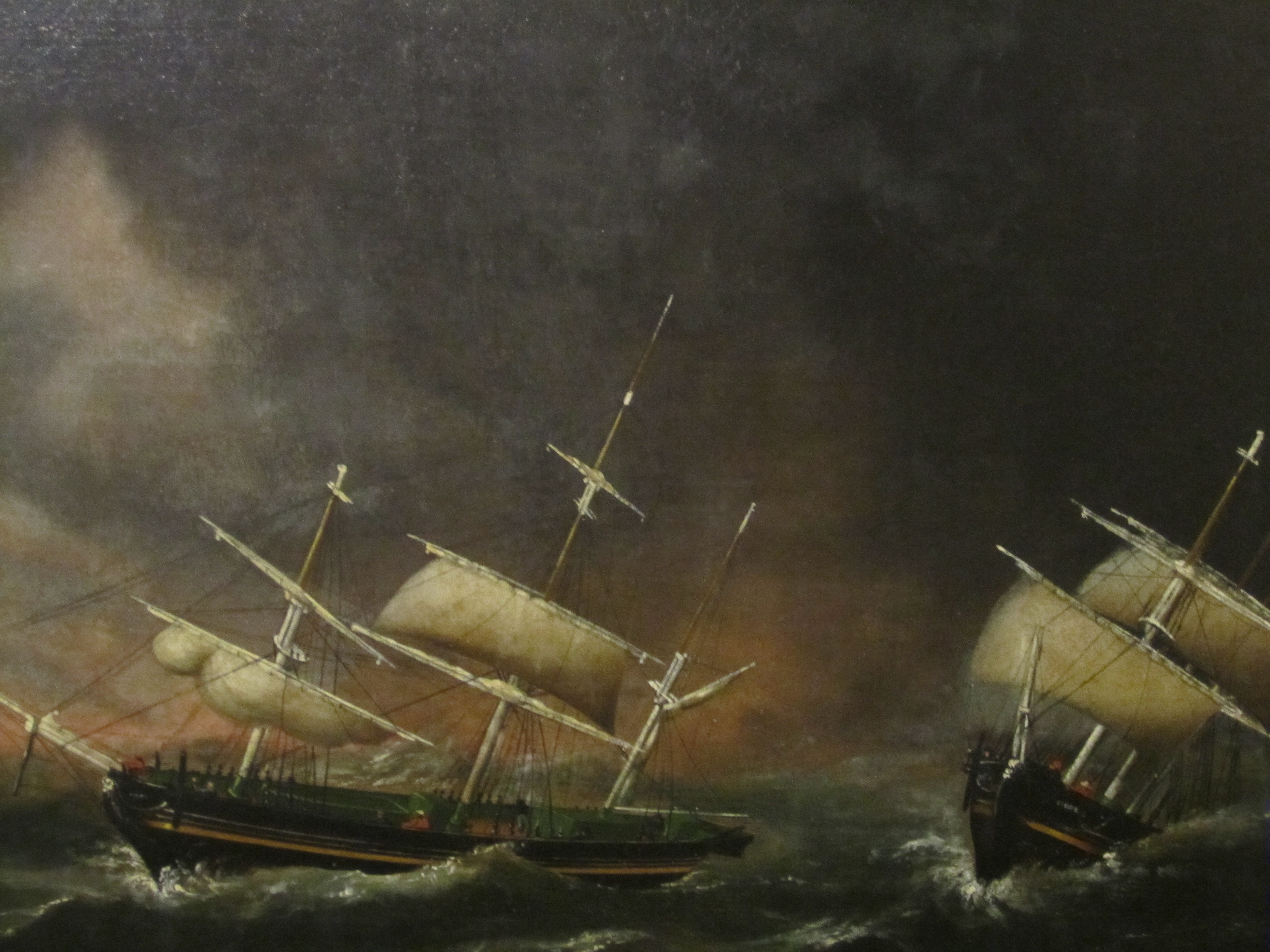
The New Bill and Dave's Bad Advice Vessel GUIDANCE

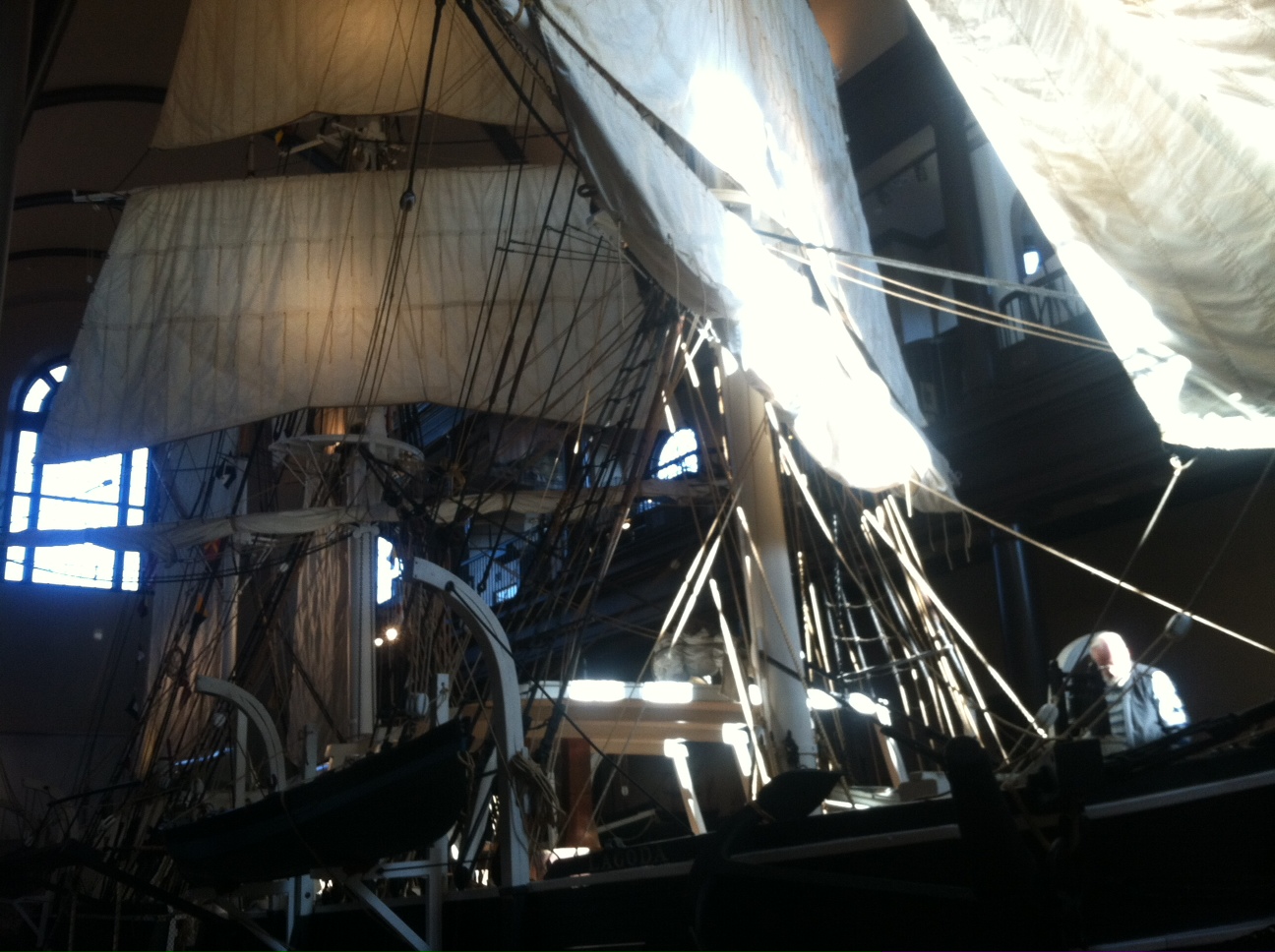
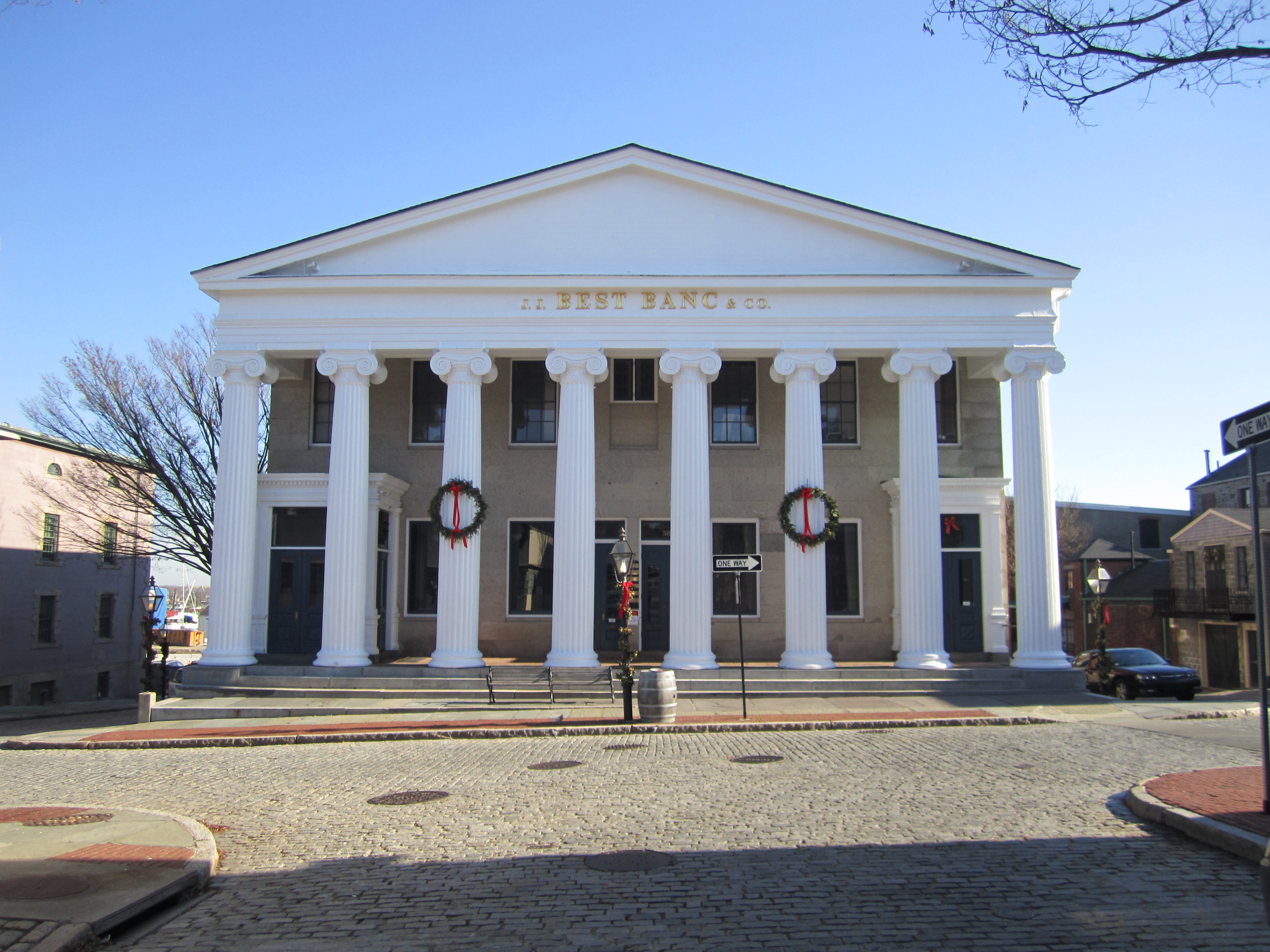
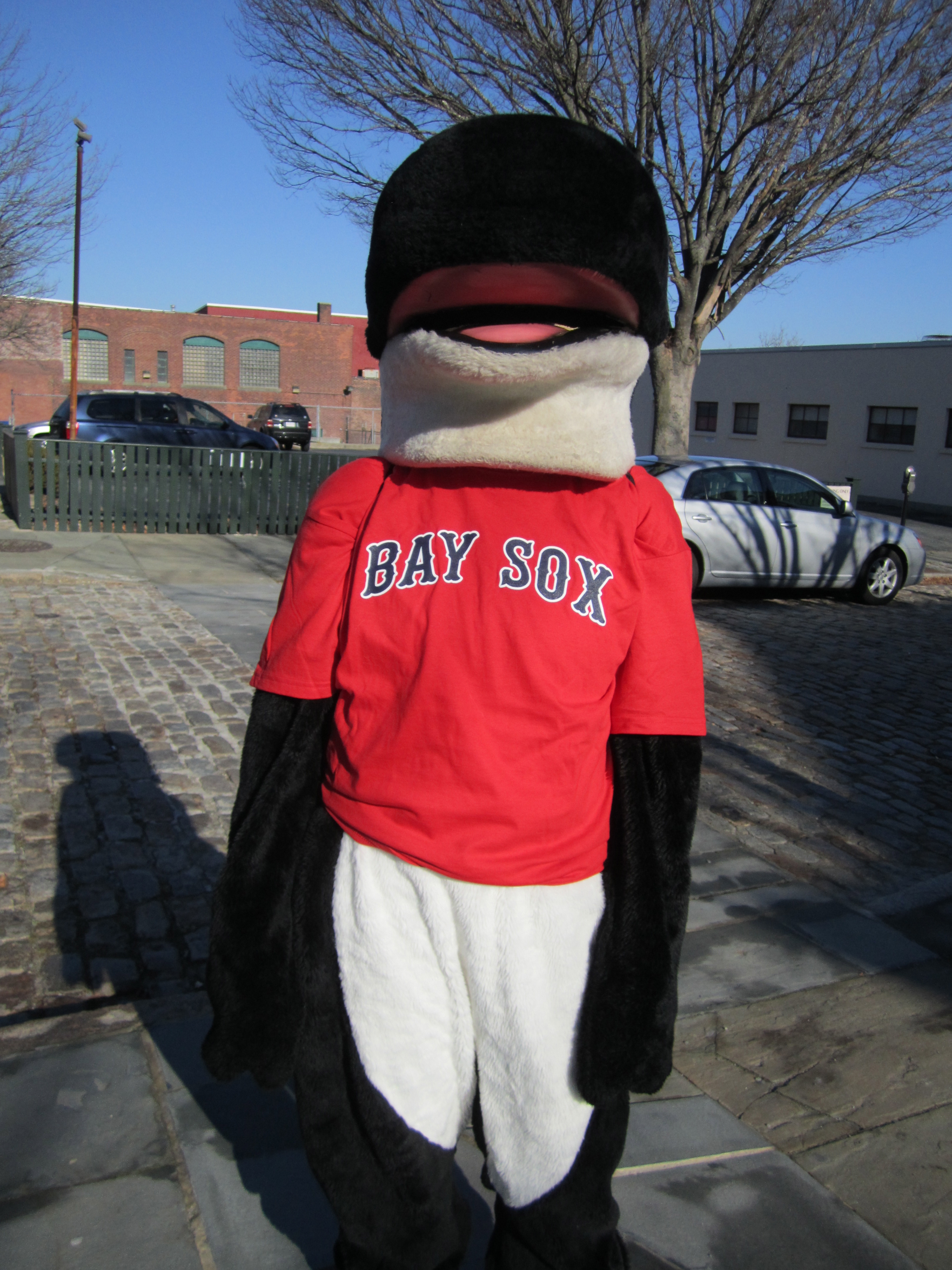
read that shirt carefully...
January 4, 2012
Bad Advice Wednesday: Spend a Week with Bill and Dave
 So today's bad advice is really bad advice:
Come spend some time in the mountains writing and drinking with Bill and Dave.
(Quick disclaimer: the following may sound like an advertisement but I'm hoping you'll see it as more invitation than ad.)
The invitation is to spend a week with us, with Bill and Dave, in the mountains of Western North Carolina. We have recently been invited to co-teach a master class from June 17th to June 23rd at Doe Branch Ink, a mountain retreat 30 miles north of Asheville in the Blue Ridge Mountains. I taught there last year and it was great. Great food, great people, great hikes, great (brutal) bikes rides up nearby mountains, great talk about writing, great spaces to write in woods (and at desks). These sorts of weeks are usually about building a small community, something we have tried to do in a virtual way at this site, and often it is the time away from class that proves most valuable. And there are other benefits too. For instance you'll be able to see Bill try to out-prance the local clog dancers.
Don't let the fact that we call it a "master class" scare you too much either. The idea is to get a bunch of people together who really care about writing and are committed to the writing life. Here is the copy that Bill wrote for the Doe Branch website:
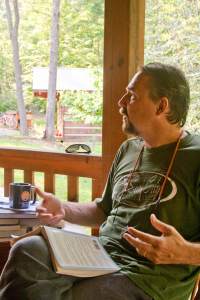
That's me last year. (Bill, note book in my lap.)
David Gessner returns to Doe Branch Ink, teaming up with his longtime friend and collaborator Bill Roorbach to offer a master class in prose—nonfiction and fiction—inspired by our beautiful setting. They'll give talks, lead walks, offer exercises and readings to help each participant develop fresh ideas and make new starts to carry forward into the months and years to come. You'll explore the spectacular surroundings, but also consider your craft, find your own unique voice. Where do book ideas come from, and how are they developed? What are the ten skills every writer must hone? How do we best use nature as both foreground and background in our paragraphs and pages, our essays and stories and books? We'll leave plenty of time for writing, and take time in both large and small groups to hear and discuss your new ideas and work-in-progress, and to nurture the images and metaphors that can only arrive in a place like this. And of course we'll meet at cocktail hour for wide-ranging talk and humor, and, above all, warm and lasting fellowship.
This is an outstanding opportunity to spend a week immersed in both the writing life and the natural world.
I think that's a pretty fair description (good job, Bill). To that I'll only add a page from my journal on June 8th of last year when I was at Doe Branch:
A Day in the Life
June 8, 2011
1. Got up late (7) and hiked down to the creek.
2. Sat on bench at overlook and scribbled down ideas for novel and young adult adventure book. Drank coffee.
3. Took a morning dip at the "swimming indentation" (not quite big enough to call a hole).
4. Girls got up late. 9-ish (Hadley world record.)
5. Taught writing class with Nina and students Jim and Carol. Quite satisfying week in this regard. Both talented and keenly interested.
6. Went white water rafting on French Broad (?) with Logan (son of Doe Branch Ink prez) and Hadley (8) in boat.
7. Jumped off Jump Hill and swam with Hadley.
8. Big thunderstorm.
9. Went to hear blue grass at Zuma's in town.
10. Hadley becomes local clog-dancing champion. Local champ bitter at first but then magnanimous, joining her for final dance.
11. Power went out from storm.
12. Stayed up late drinking beer in front of cabin with Logan and Nick.
13. Down at creek to dip and write this morning.
January 1, 2012
Happy New Year from Bill and Dave's
Rough skating in 2012?
.
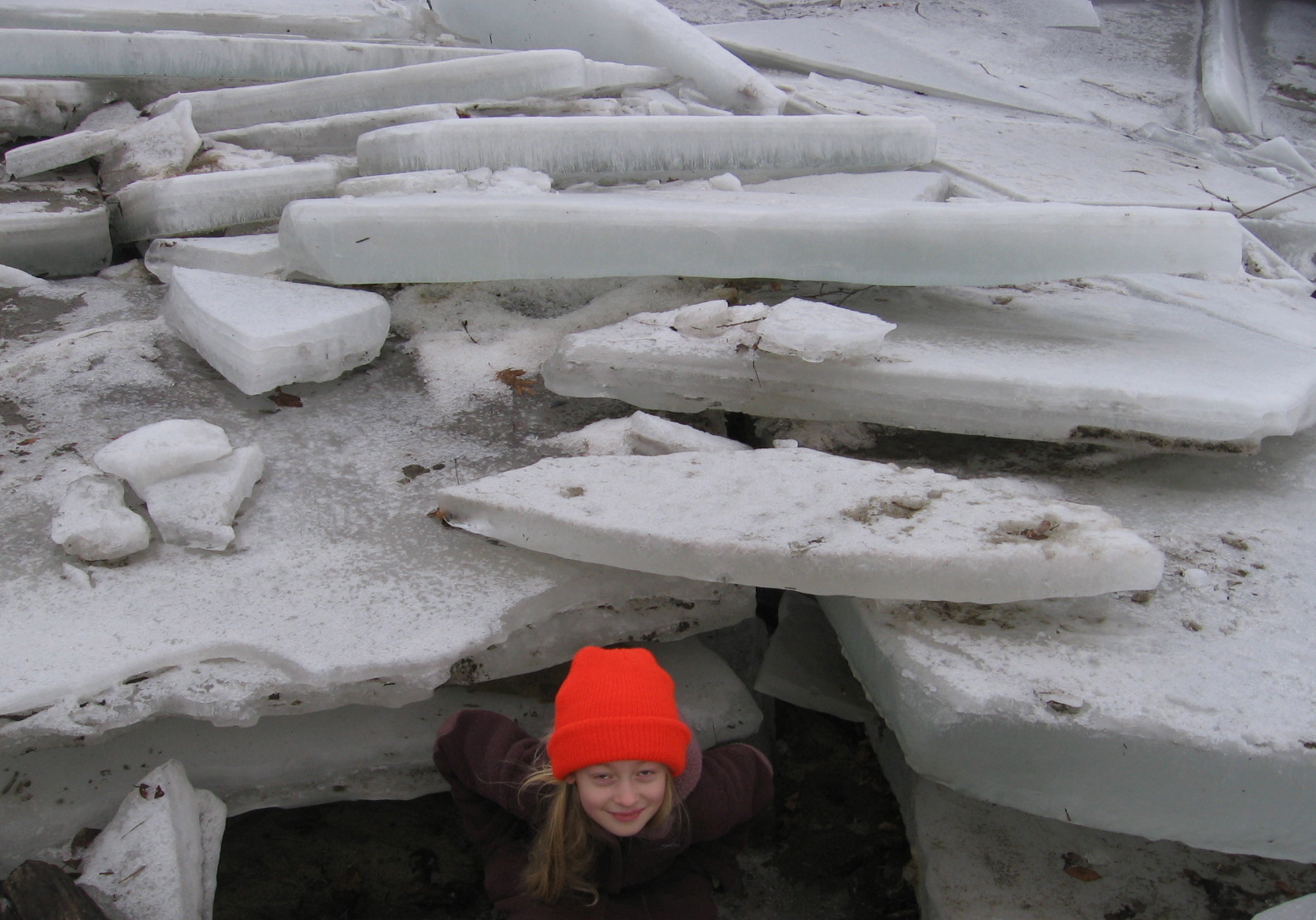
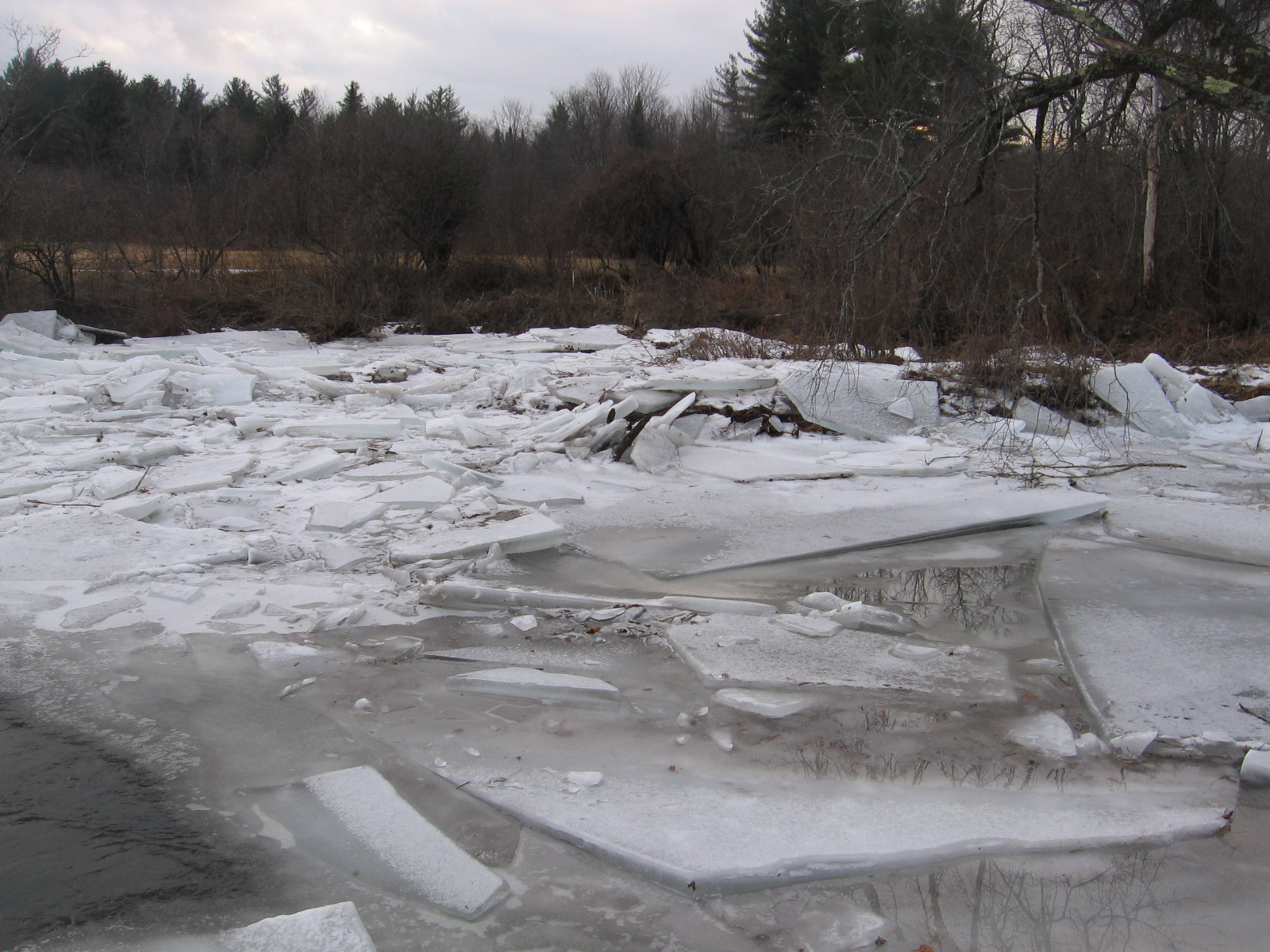
Happy New Year! Elysia and I were out till all hours dancing with twenty or thirty kids who are all suddenly huge and take up a lot more room on the dance floor than in years past. There were parents involved, too (Elysia says, Uh, Dad, there were parents going nuts on the dance floor!), and great costumes. We slept this morning till all hours, too! Juliet is in NYC to look after her dad and see the Dark Star New Year's Eve show. 2012 sounds like the future to me, who wrote 1998 on a check a few weeks ago. After a breakfast of chocolate-chip pancakes, Elysia and I ventured out wrapped for cold weather, but found it mild. The stream was frozen last week, but a warm rain Wednesday washed straight off the frozen earth of mountain and valley—zero absorption–and broke the stream ice out, lovely plates and planes of ice to explore. It all refroze, last few days, but today a little overflow will leave clean pools to freeze, and we're hoping for some ice skating before the next snow. Then again, we're hoping for some serious snow. We should be skiing to the stream by now, and skiing on the stream, and just skiing in general! Some photos below, with a camera I dropped in a puddle, a little creaky and foggy, apologies, dead flash. Note the spot, fifth photo below, where the first Bad Advice Live was filmed last summer! Hard to imagine a gentle swim right now, but it will soon be that time again. And then this time, then that, then this, then that, unto always….

#
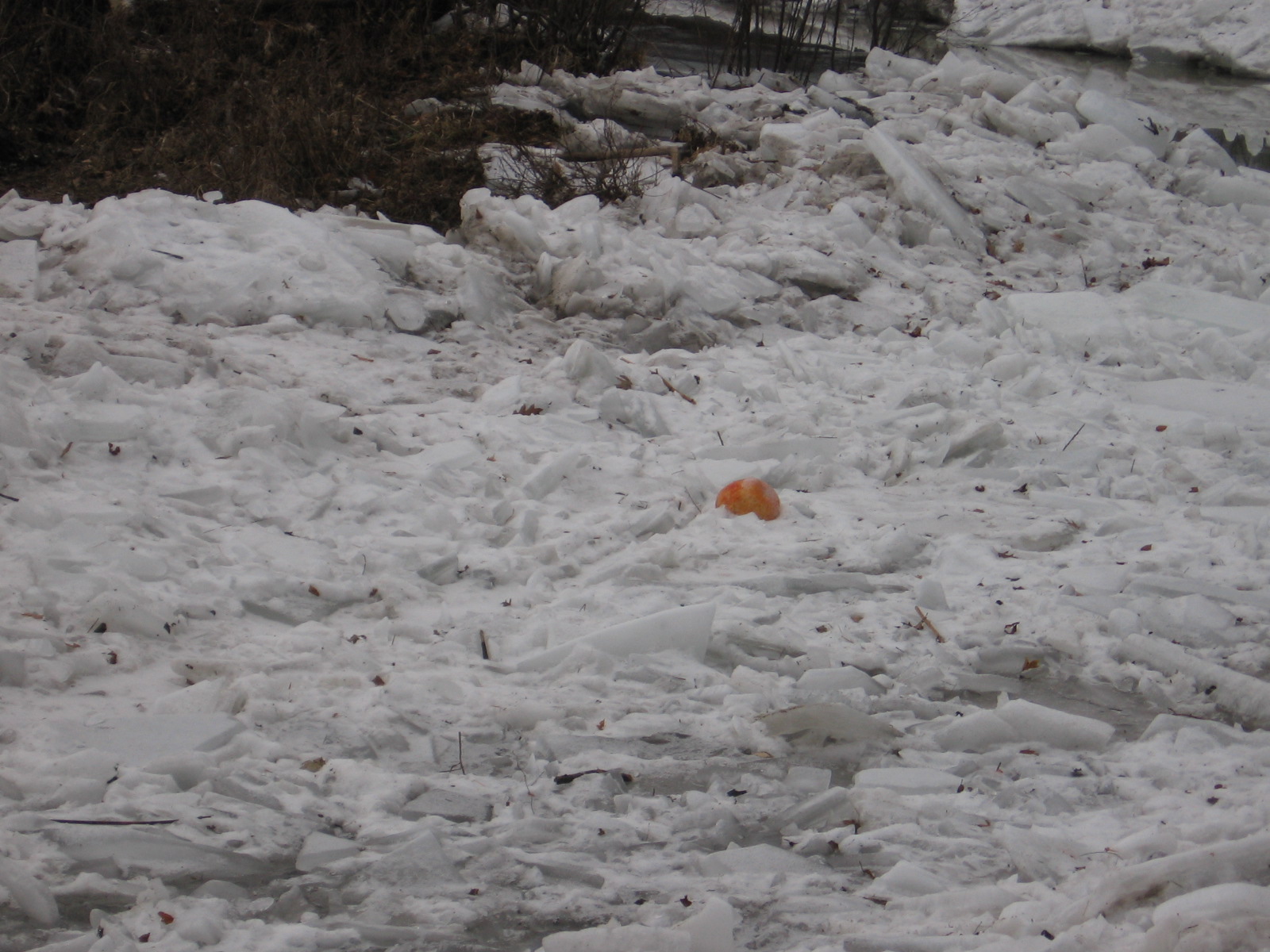
That's a pumpkin, not Elysia's hat.
#
#
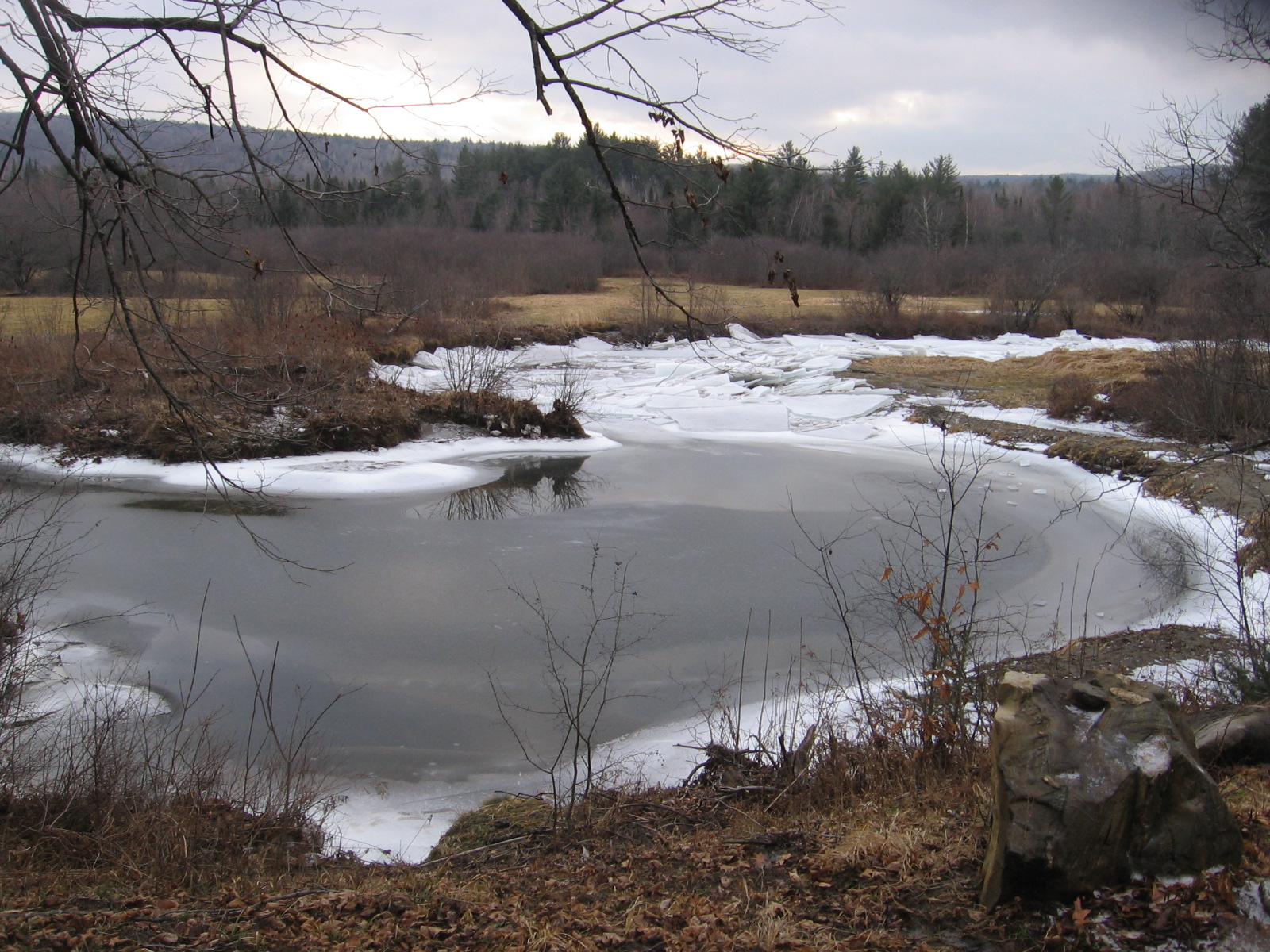
Good skating by Tuesday?
#
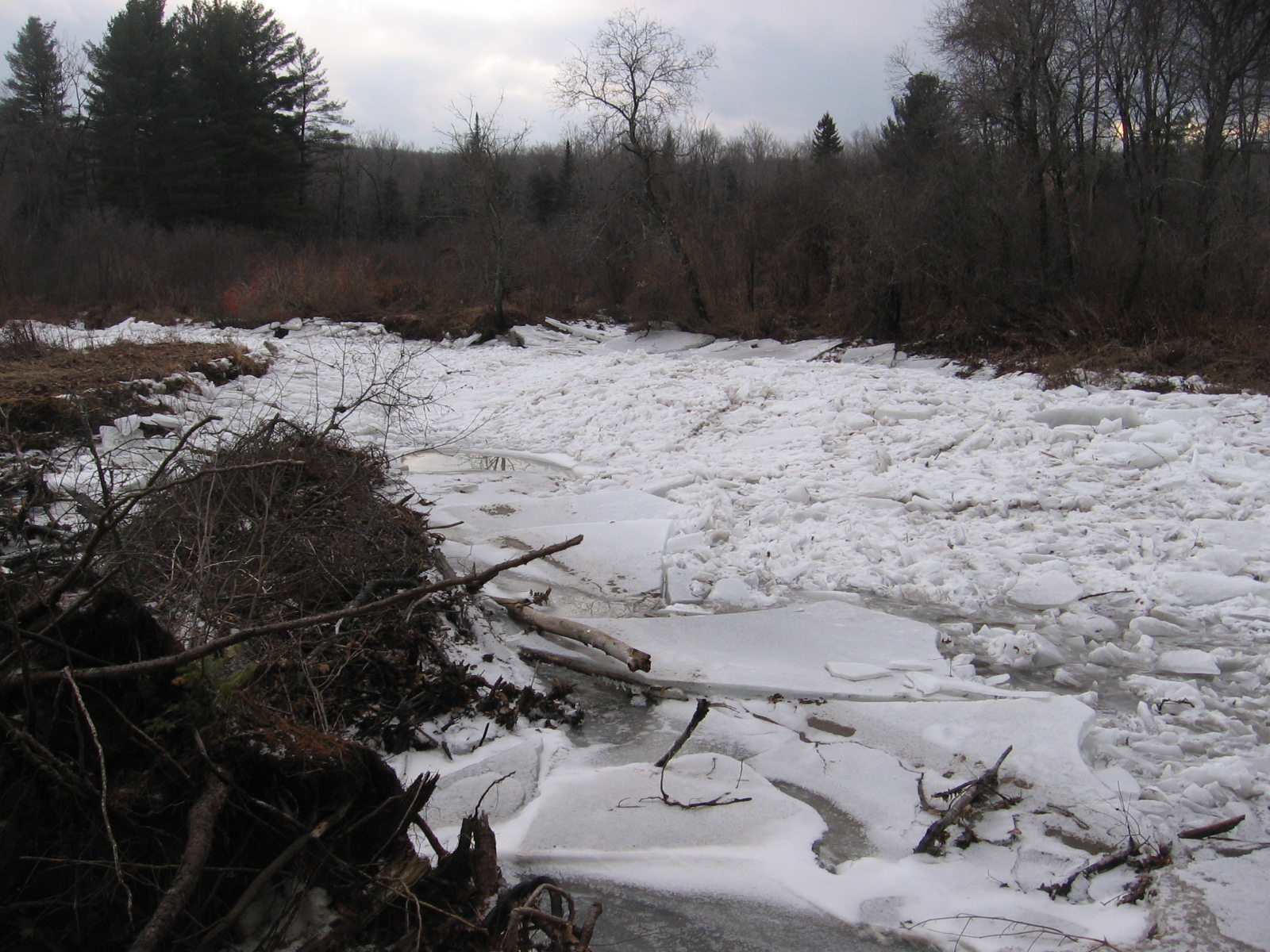
This is where Dave and I filmed the first live Bad Advice last summer!
#
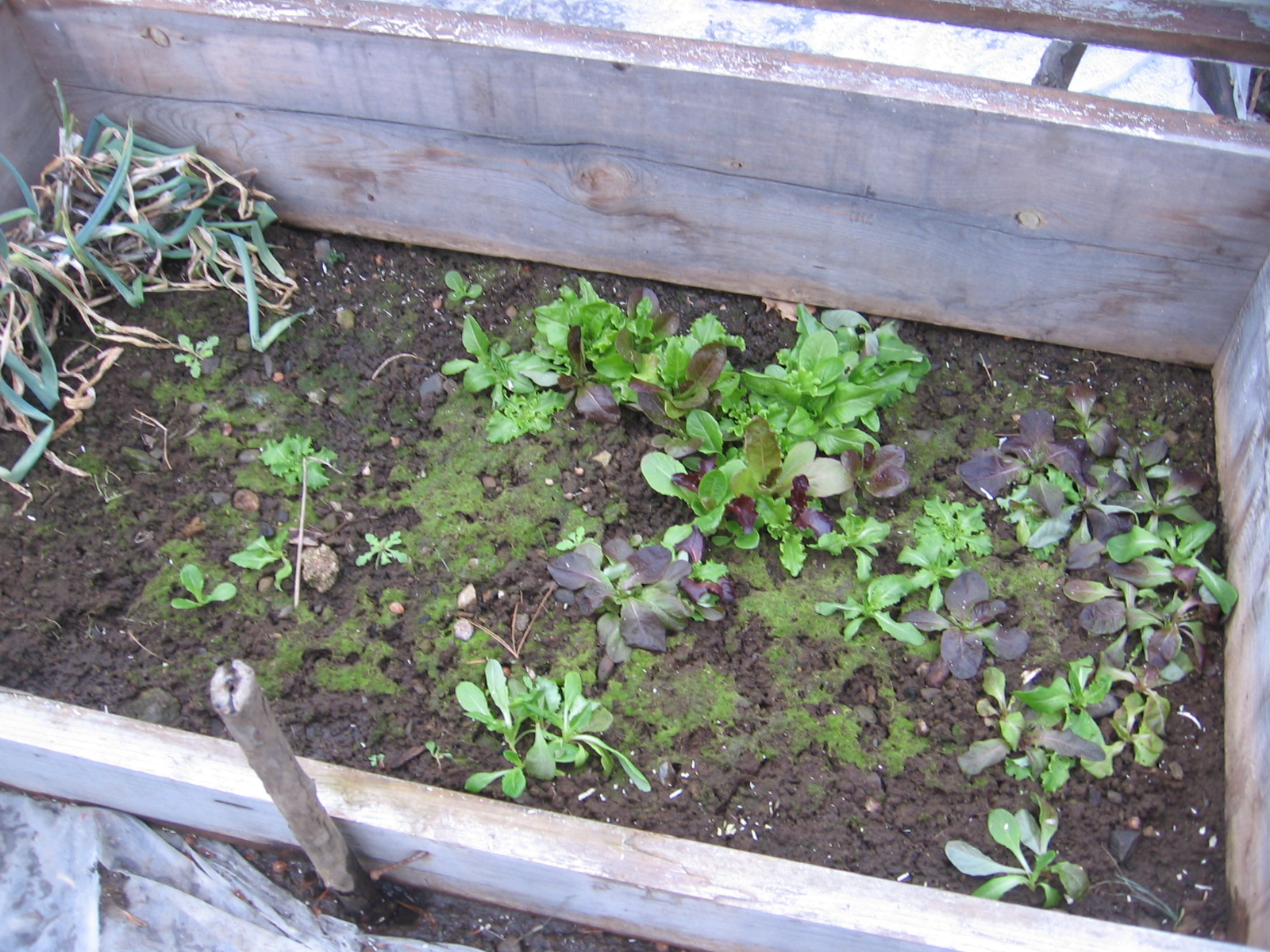
Lettuce in January? Unheard of, coldframe or no! And this is a stealth global climate change call-to-action post!
#

December 30, 2011
Back on the Cape: An Elemental Interlude
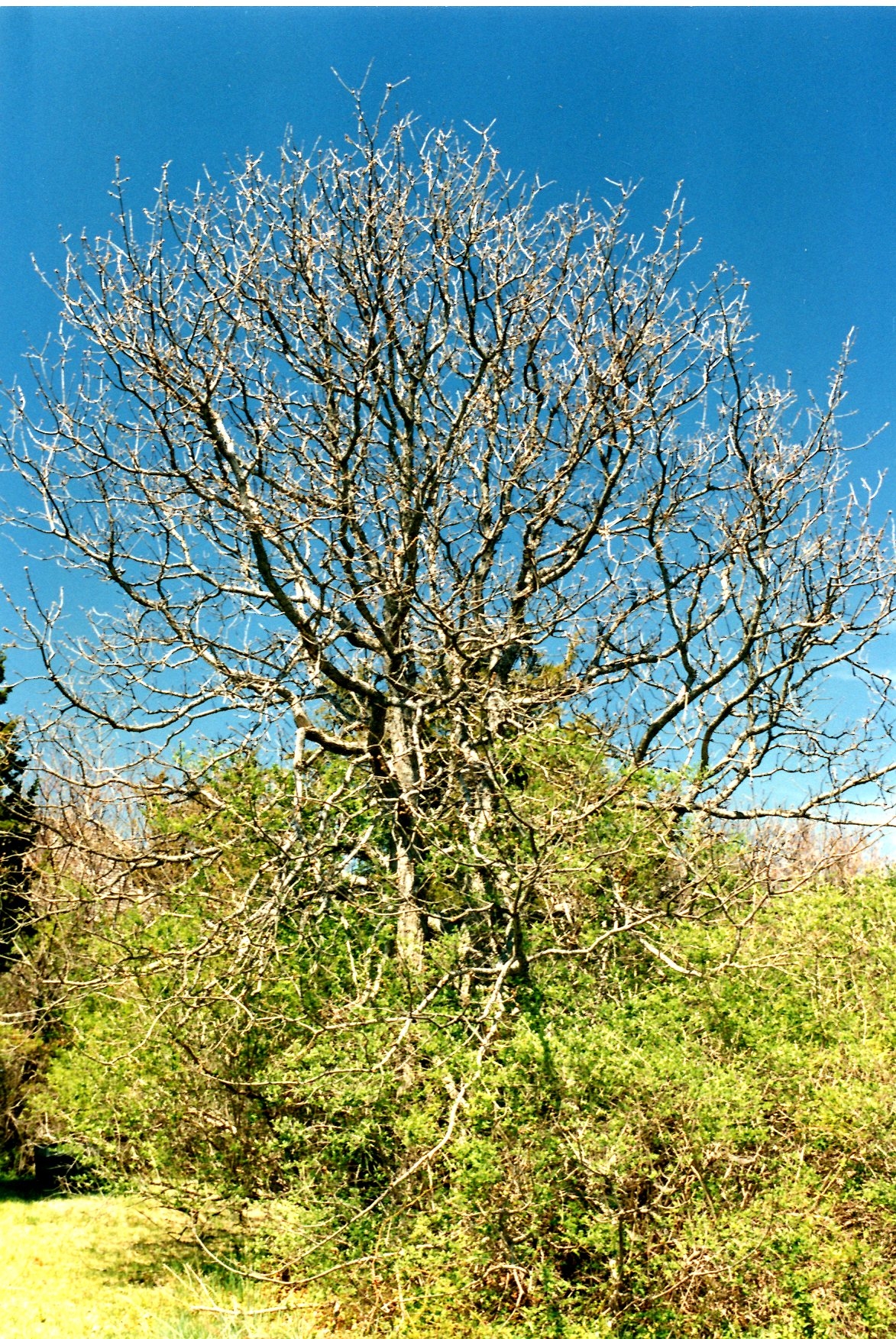
My Favorite Tree (from a bit earlier in the year)
Back on Cape Cod. A happy four words, especially this time of year. You feel like you've stepped into the pages of a story by Hawthorne. The leafless pines and oaks, strain upward (though never too proudly), like gnarled hands against a sky bulked up with clouds. Occasional shafts of light shoot down through the clouds like light I have never seen anywhere else. (The closest I got was at a stopover once in Iceland—the same strange light spraying down on a purple landscape.) The cranberry bog a purple all its own. The frozen whitecaps of the Bay letting you know it's not summer anymore and that you wouldn't last a minute out there.I am taking my first true break in a year and a half and I have to say I am loving it. Eating a lot, walking the dogs through the deserted summer camp near Slough Pond, sleeping a good nine hours, not checking the internet (much), reading Hadley the adventure book I wrote and gave her for Christmas. And, while it may not go with the rest, drinking beer while staring up at those black branches from the hot tub that comes along with the house where we are dog-sitting And reading, too, of course. After a fall of hearing myself talk—at readings, in class, on radio interviews—I am pretty sick of my own words. How nice to wake up and turn not to the pages of a writer named David Gessner, but to Mary Oliver's poems and Jackson Benson's biography of Wallace Stegner, and Ed Abbey's Black Sun and Donald Hall's Life Work.
And since this is Cape Cod in winter, I've also been dipping back into Henry Beston's The Outermost House, his account on living through a winter in a cabin on beach on the outer beach of Cape Cod. I've quoted Beston in this space before but today—the sun has just come up, smearing pink behind the Hawthorne trees—I can't help but do it again. In fact, I'll let him take it home from here with three quotes—one from the book's first chapter, one from the middle and one from the end. The language is old fashioned, but to me the sentences speak directly about what I get from spending so much time in the so-called natural world.
Take it away, Henry:
"My house completed, and tried and not wanting by a first Cape Cod year, I went there to spend a fortnight in September. The fortnight ending, I lingered on, and as the year lengthened into autumn, the beauty and mystery of this earth and outer sea so possessed and held me that I could not go. The world to-day is sick to its thin blood for lack of elemental things, for fire before the hands, for water welling from the earth, for air, for the dear earth itself underfoot. In my world of beach and dunes these elemental presences lived and had their being, and under their arch there moved an incomparable pageant of nature and the year."
"A year indoors is a journey along a paper calendar; a year in outer nature is the accomplishment of a tremendous ritual. To share in it, one must have a knowledge of the pilgrimages of the sun, and something of the natural sense of him and feeling for him which made even the most primitive people mark the summer limits of his advance and the last December ebb of his decline….We lost a great deal, I think, when we lose this sense and feeling for the sun. When all has been said, the adventure of the sun is the great natural drama by which we live, and not to have joy and awe of it, not to share in it, isw to close a dull door on nature's sustaining and poetic spirit."
"Whatever attitude to human existence you fashion for yourself, know that it is valid only if it be the shadow of an attitude toward nature, A human life, so often likened to a spectacle upon a stage, is more justly a ritual. The ancient values of dignity, beauty, and poetry which sustain it are of Nature's inspiration; they are born of the mystery and beauty of the world. Do no dishonour to the earth lest you dishonour the spirit of man. Hold your hands out over the earth as over a flame. To all who love here, who open to her the doors of their veins, she gives of her strength, sustaining them with her own measureless tremor of dark life. Touch the earth, love the earth, honour the earth, her plains, her valleys, her hills, and her seas; rest your spirit in her solitary places. For the gifts of life are the earth's and they are given to all, and they are the songs of birds at daybreak, Orion and the Bear, and dawn seen over ocean from the beach."