
Thomas Frey's Blog, page 9
December 8, 2022
Bridging the Darién Gap, the Final Piece of the Pan-American Highway

In 2015, I was speaking at a Quebec Transportation Authority event in Montreal on the future of transportation. The attendees included transportation experts from around the world, including Colombia Transportation Minister Natalia Abello Vives, whom I happened to sit next to at lunch.
Meeting her was a unique opportunity for me to discuss one of my favorite topics – the Darién Gap, a 60-mile-long, nearly impassible stretch of jungle, mountains, and rivers between the nations of Colombia and Panama that stands in the way of land vehicles traveling between South America to North America. About half of the Darién Gap lies in each country.
In 1937, the Pan-American Highway agreement was signed by 14 countries, including Argentina, Bolivia, Chile, Colombia, Costa Rica, El Salvador, Guatemala, Honduras, Mexico, Nicaragua, Panama, Peru, Canada, and the United States. These nations agreed to build a highway that would extend from the southern tip of South America to the northern tip of Alaska – a 19,000-mile-long continuous highway.
Eventually, all the sections were built – except through the Darién Gap.
The Historical ObstaclesBack in 2015, Minister Abello explained that the Darién Gap was an environmentally sensitive piece of land, and it would be impossible to build a highway through it. She has a point. Much of the land along the completed highway segments on either end of the Gap has been stripped of trees and other vegetation to allow for cattle farming.
The last major effort to build a continuous road through the Darién Gap was in the 1970s when the U.S. proposed to put up two-thirds of the cost. Environmentalists concerned with deforestation and health experts concerned about the spread of hoof-and-mouth disease raised their respective objections, and the issue was dropped.
The More Recent ObstaclesThe Darién Gap, connecting Yaviza Panama on the north end and Turbo Colombia on the south side, can be traversed on foot in a four-to-six-day, very arduous, dangerous trek. The once-desolate jungle is no longer a no-man’s land. A steady stream of migrants from Haiti, Venezuela, and other countries make their way through it as they try to reach the southern border of the U.S.
Along the way, they’re preyed upon by drug smugglers, exploited by both right- and left-wing guerilla groups, and threatened by deadly insects and snakes. Bad people and bad things seem to be attracted to the lawless nooks and crannies of the Darién Gap.
But while the Colombian government may have been (and maybe still is) open to the idea of a road or other means of transit through this stretch, apparently, the Panamanian government and the people of Panama are less excited about it. They see the Darién Gap as a fortunate buffer that keeps the criminals on the Colombian side, even if it’s increasingly porous.
It would be interesting to know the U.S. government’s current position on the completion of the Pan-American Highway, given how it could make migration from South America easier.
Bridging Around the Gap?I asked Minister Abello if all the options had been explored for spanning the Darién Gap. As we discussed some engineering concepts, she suggested that building a series of bridges over the ocean waters off the coast was a possibility.
Of course! If you can’t go through it, go around it! We could call it the Darién Gap Bypass.
Currently, the longest bridge-tunnel system in the world is the Hong Kong-Zhuhai-Macao Bridge, which is 34 miles long. The bridge around the Darien Gap would need to be roughly twice that long.

Hong Kong-Zhuhai-Macao Bridge
I have no doubt engineers could figure out how to construct this massive series of bridges, and yes, the cost would be astronomical. The bigger issue would be the political pros and cons of making it easier for illegal aliens and drug trafficking problems to make their way through Central and South America as well as the southern borders of the U.S.
Costs and BenefitsIs there a good reason to span the Darién Gap or bypass it with a bridge system?
Would a completed Pan-American Highway promote commerce between North and South America, for example? Perhaps, but the vast majority of intercontinental trade with South America happens by ship, and it’s doubtful that it would be economically feasible to replace that with truck traffic to reach North America.
However, there may be many other ways of looking at this. A single truck from Central America could make dozens of stops along the way into South America, replenishing supplies at all the businesses along the way. From a micro-economic viewpoint, truckloads of goods traveling 100-200 miles could cause local economies to grow in ways we may not understand.
And what about the psychic pleasure of being able to take that uninterrupted 19,000-mile road trip? Is that reason enough to make this kind of expenditure? That kind of expedition would quickly make its way to my bucket list, and I’m sure I’m not alone in that.
But there are bigger and better reasons for taking this on.
MoonshotsWe seem to have grown beyond the idea of doing big things “because we can.” Taking moonshots for the sake of simply achieving moonshots just doesn’t seem right these days for many of the pragmatists among us.
Just over 60 years ago, President Kennedy inspiringly justified the nascent NASA mission to the moon, saying, “We choose to go to the moon in this decade and do the other things, not because they are easy, but because they are hard.” How long ago and far away that seems today.
But doing the hard things is only part of the reason for building the Darién Gap Bypass. Some incredible advances in science, manufacturing, and engineering have been tertiary results of seemingly unrelated major endeavors, including the space program.
The Darién Gap Bypass wouldn’t be just a long, expensive bridge. It could lead to major breakthroughs in bridge design, metallurgy, off-shore platform design, and many other less-apparent areas that could make a huge difference over the coming decades.
At the moment, though, we have a lot of immediacy on our plates, and we’re not willing to invest in seemingly impossible tasks and moonshots. We seem obsessed with solving the problems of the day, paying scant attention to advancing civilization as a whole.
But let’s hope we get back to a time and mindset where we stop living solely for the day and do a few hard things that have the potential to vastly improve our future.
Translate This PageSelect LanguageAfrikaansAlbanianAmharicArabicArmenianAzerbaijaniBasqueBelarusianBengaliBosnianBulgarianCatalanCebuanoChichewaChinese (Simplified)Chinese (Traditional)CorsicanCroatianCzechDanishDutchEnglishEsperantoEstonianFilipinoFinnishFrenchFrisianGalicianGeorgianGermanGreekGujaratiHaitian CreoleHausaHawaiianHebrewHindiHmongHungarianIcelandicIgboIndonesianIrishItalianJapaneseJavaneseKannadaKazakhKhmerKoreanKurdish (Kurmanji)KyrgyzLaoLatinLatvianLithuanianLuxembourgishMacedonianMalagasyMalayMalayalamMalteseMaoriMarathiMongolianMyanmar (Burmese)NepaliNorwegianPashtoPersianPolishPortuguesePunjabiRomanianRussianSamoanScottish GaelicSerbianSesothoShonaSindhiSinhalaSlovakSlovenianSomaliSpanishSudaneseSwahiliSwedishTajikTamilTeluguThaiTurkishUkrainianUrduUzbekVietnameseWelshXhosaYiddishYorubaZulu
#goog-gt-tt {display:none !important;}
.goog-te-banner-frame {display:none !important;}
.goog-te-menu-value:hover {text-decoration:none !important;}
.goog-text-highlight {background-color:transparent !important;box-shadow:none !important;}
body {top:0 !important;}
#google_translate_element2 {display:none!important;}
function googleTranslateElementInit2() {new google.translate.TranslateElement({pageLanguage: 'en',autoDisplay: false}, 'google_translate_element2');}
function GTranslateGetCurrentLang() {var keyValue = document['cookie'].match('(^|;) ?googtrans=([^;]*)(;|$)');return keyValue ? keyValue[2].split('/')[2] : null;}
function GTranslateFireEvent(element,event){try{if(document.createEventObject){var evt=document.createEventObject();element.fireEvent('on'+event,evt)}else{var evt=document.createEvent('HTMLEvents');evt.initEvent(event,true,true);element.dispatchEvent(evt)}}catch(e){}}
function doGTranslate(lang_pair){if(lang_pair.value)lang_pair=lang_pair.value;if(lang_pair=='')return;var lang=lang_pair.split('|')[1];if(GTranslateGetCurrentLang() == null && lang == lang_pair.split('|')[0])return;var teCombo;var sel=document.getElementsByTagName('select');for(var i=0;i<sel.length;i++)if(/goog-te-combo/.test(sel[i].className)){teCombo=sel[i];break;}if(document.getElementById('google_translate_element2')==null||document.getElementById('google_translate_element2').innerHTML.length==0||teCombo.length==0||teCombo.innerHTML.length==0){setTimeout(function(){doGTranslate(lang_pair)},500)}else{teCombo.value=lang;GTranslateFireEvent(teCombo,'change');GTranslateFireEvent(teCombo,'change')}}
Search for: Recent Posts Bridging the Darién Gap, the Final Piece of the Pan-American Highway The World’s Next Megaproject – Artificial Glaciers Stress Testing Crypto – A New Era of Regulators is About to Begin Categories Artificial Intelligence Business Trends Future of Agriculture Future of Banking Future of Education Future of Healthcare Future of Transportation Future of Work Future Scenarios Future Trends Futurist Thomas Frey Insights Global Trends Predictions Social Trends Technology Trends Speaking TopicsFuture of Healthcare – “Is Death our only Option?Future of AIFuture of Industries ← Previous Post
The post Bridging the Darién Gap, the Final Piece of the Pan-American Highway appeared first on Futurist Speaker.


December 1, 2022
The World’s Next Megaproject – Artificial Glaciers

In the future, we’ll need to rely increasingly on technological breakthroughs to create systems that move water from where it is to where it needs to be and to get it there when it needs to be there. Agriculture, transportation, manufacturing processes, municipalities, and more are counting on it.
Conservation and smart development are important, to be sure, but those alone won’t solve the fundamental issue of getting water where it needs to be.
We can no longer sit back and accept as fate that there are beautiful rolling rivers coursing through certain areas of our country – the Columbia in the Pacific Northwest, for example – while the Mississippi River becomes a muddy expanse.
Or that agriculture in California withers in yet another drought … while the Pacific Ocean glimmers just 150 miles in the distance.
It’s Time for Water InnovationWe’re counting on our best and brightest engineers and scientists to solve the water distribution issue.
At some point, maybe when water is as valuable as oil, it will be cost-effective to pipe water from Oregon to California, for example, or even to help replenish the Mississippi or Colorado rivers. In the meantime, we need to look at technology solutions closer to home.
Limiting evaporation from water storage reservoirs is a very low-tech but promising approach to preserving water in places where we need it. Innovators have suggested and tried a variety of approaches for maintaining reservoir levels, including covering the surface with floating “shade balls” or floating solar panels, which is my personal favorite since I like solar energy but I’m not a big fan of seeing fields of solar farms across the landscape.
The most recent breakthrough in this area is to spread a thin layer of harmless polymer liquid onto the surface of the reservoir that doesn’t mix with the water below. This innovation, which I would characterize as a liquid tarp, was developed by a Chilean company, reportedly reducing the evaporation rate by more than 50%.
DesalinationFor several decades, desalination has been another promising approach for providing fresh water where it’s needed. The cost of desalination has declined by nearly 50% since the 1980s.
This week, I was surprised to learn about the extent of desalination infrastructure in the U.S. and worldwide. Israel was an early adopter, and more than 50% of the freshwater used in that country is from one of its five mega-desalination plants.
But Israel is far from the only adopter. More than 300 million people worldwide get their water from desalination processes, and there are more than 20,000 desalination facilities around the globe.
Critics point out that desalination isn’t a utopia. The waste byproducts are very high in salinity and must be carefully disposed of far from the coast to protect ocean ecosystems. It’s also an energy-intensive process, so scaling this even further will require tapping additional energy – ideally from renewable or non-carbon sources, including nuclear.
 Deglaciation
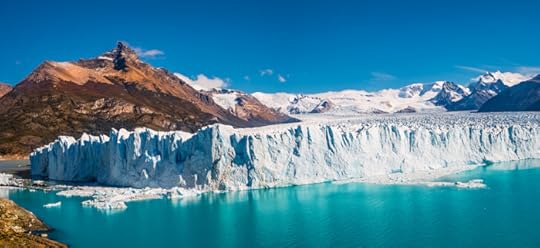
Glaciers are another major source of freshwater. The glaciers in southeast Asia alone provide water to more than 20% of the world’s population. But worldwide, over the past 40 years, natural glaciers have been steadily retreating as we lose an astounding 210 gigatons of ice each year. Another study published in Cryosphere found that between 1994 and 2017, the earth has lost more than 28 trillion metric tons of ice.
All this water needs to go somewhere. Of course, it’s not lost, but it raises sea levels and, again, moves water away from where it needs to be and where it’s most useful.
Artificial glaciers represent one technique for reversing that trend.
Re-glaciation and Frozen FountainsOne new solution for bringing water to normally inhospitable farmland is ice stupas. This technique was first developed in 2013 by Sonam Wangchuk, an Indian engineer. Because of this work, Wangchuk won the Global Award for Sustainable Architecture.
Ice stupas, essentially artificial glaciers, actually resemble gigantic frozen fountains. They’re ingenious and important because they put water where it’s needed (near crop fields) when it’s needed there (early in the growing season).
Here’s how they work. In the winter, when the runoff from glaciers or other mountain sources is not usually needed or captured, that water is collected in underground pipes below the frost line. The series of pipes ends with an open-ended up-flow pipe section that extends above the earth’s surface at or near the spot where the water will ultimately be needed.
Pressure and temperature push the water up the pipe, and it flows out the top – whereupon it immediately freezes (remember, it’s winter) and, over the weeks and months, develops into an ice sculpture that looks more like an icy Disney Splash Mountain rather than a traditional Buddhist dome stupa.
Throughout the early spring, before any glacier melt can reach the area, this artificial glacier slowly melts in the spring sunshine, providing a jump start on the growing season for newly planted nearby crops. By the time the ice stupa melts completely in early summer, glacier water is available to close out the growing season.
One of these stupas can hold 10 million liters of water and provide sufficient irrigation to support a 25-acre plot. Here’s a video narrative about Wangchuk’s amazing work in India. His technology is sure to improve growing conditions in many other less hospitable, high, cold deserts.
The Future of WaterIt’s not really my intention to get into the issues of why water is becoming such a hot-button issue these days. Our world is changing. Water is relocating, but we’re not “losing water.” I haven’t seen any studies that show water molecules are disappearing or floating into space.
Our challenge, of course, is that the Earth’s water is increasingly shifting away from the easily accessible areas of the water cycle. That means we need to apply our best minds to capturing water wherever it is and bringing it where it needs to be.
Translate This PageSelect LanguageAfrikaansAlbanianAmharicArabicArmenianAzerbaijaniBasqueBelarusianBengaliBosnianBulgarianCatalanCebuanoChichewaChinese (Simplified)Chinese (Traditional)CorsicanCroatianCzechDanishDutchEnglishEsperantoEstonianFilipinoFinnishFrenchFrisianGalicianGeorgianGermanGreekGujaratiHaitian CreoleHausaHawaiianHebrewHindiHmongHungarianIcelandicIgboIndonesianIrishItalianJapaneseJavaneseKannadaKazakhKhmerKoreanKurdish (Kurmanji)KyrgyzLaoLatinLatvianLithuanianLuxembourgishMacedonianMalagasyMalayMalayalamMalteseMaoriMarathiMongolianMyanmar (Burmese)NepaliNorwegianPashtoPersianPolishPortuguesePunjabiRomanianRussianSamoanScottish GaelicSerbianSesothoShonaSindhiSinhalaSlovakSlovenianSomaliSpanishSudaneseSwahiliSwedishTajikTamilTeluguThaiTurkishUkrainianUrduUzbekVietnameseWelshXhosaYiddishYorubaZulu
#goog-gt-tt {display:none !important;}
.goog-te-banner-frame {display:none !important;}
.goog-te-menu-value:hover {text-decoration:none !important;}
.goog-text-highlight {background-color:transparent !important;box-shadow:none !important;}
body {top:0 !important;}
#google_translate_element2 {display:none!important;}
function googleTranslateElementInit2() {new google.translate.TranslateElement({pageLanguage: 'en',autoDisplay: false}, 'google_translate_element2');}
function GTranslateGetCurrentLang() {var keyValue = document['cookie'].match('(^|;) ?googtrans=([^;]*)(;|$)');return keyValue ? keyValue[2].split('/')[2] : null;}
function GTranslateFireEvent(element,event){try{if(document.createEventObject){var evt=document.createEventObject();element.fireEvent('on'+event,evt)}else{var evt=document.createEvent('HTMLEvents');evt.initEvent(event,true,true);element.dispatchEvent(evt)}}catch(e){}}
function doGTranslate(lang_pair){if(lang_pair.value)lang_pair=lang_pair.value;if(lang_pair=='')return;var lang=lang_pair.split('|')[1];if(GTranslateGetCurrentLang() == null && lang == lang_pair.split('|')[0])return;var teCombo;var sel=document.getElementsByTagName('select');for(var i=0;i<sel.length;i++)if(/goog-te-combo/.test(sel[i].className)){teCombo=sel[i];break;}if(document.getElementById('google_translate_element2')==null||document.getElementById('google_translate_element2').innerHTML.length==0||teCombo.length==0||teCombo.innerHTML.length==0){setTimeout(function(){doGTranslate(lang_pair)},500)}else{teCombo.value=lang;GTranslateFireEvent(teCombo,'change');GTranslateFireEvent(teCombo,'change')}}
Search for: Recent Posts The World’s Next Megaproject – Artificial Glaciers Stress Testing Crypto – A New Era of Regulators is About to Begin We Didn’t Arrive Here by Accident Categories Artificial Intelligence Business Trends Future of Agriculture Future of Banking Future of Education Future of Healthcare Future of Transportation Future of Work Future Scenarios Future Trends Futurist Thomas Frey Insights Global Trends Predictions Social Trends Technology Trends Speaking TopicsFuture of Healthcare – “Is Death our only Option?Future of AIFuture of Industries ← Previous Post
The post The World’s Next Megaproject – Artificial Glaciers appeared first on Futurist Speaker.
November 23, 2022
Stress Testing Crypto – A New Era of Regulators is About to Begin
I’ve always been bullish on crypto. Not necessarily as a short-term speculative investment strategy but because of its promise to accommodate many future aspects of personal finance. The industry and some of its products have had some pretty spectacular ups and downs in the past five years, but I tend to think of them as growing pains and learning experiences.
Recently, the crypto exchange FTX made a series of bad decisions that have blown up in its face, and almost instantly, it faced a run on its assets, a run it couldn’t accommodate. To be fair, FTX in the recent past, has stepped in to rescue lesser, smaller crypto organizations in similar straits, providing the liquidity these companies needed to weather their predicaments and protect their customers and investors. But in doing so, FTX founder Sam Bankman-Fried also put his own company at risk.
When FTX faced its own liquidity crisis due to those bailouts and some other questionable moves by its affiliated trading firm Alameda Research, FTX proved NOT to be too-big-to-fail, and saviors were nowhere to be found. Few exchanges were large enough to step in to save it. Binance, a fierce competitor of FTX, took some furtive steps in that direction but quickly backed off, realizing no doubt that they might be caught up in the same quicksand. Another exchange, OKX, declined to step in as well.
Like similar episodes in this market, the FTX tale provides lessons to build on. And one of the lessons is that there are regulatory gaps in the industry. But if these are addressed thoughtfully and correctly, the fixes can sustain this industry.
Ironically, the trigger for this whole debacle was Sam Bankman-Fried voicing a pro-regulatory stance and Binance CEO Changpeng Zhao taking exception to his position. This is a feud that practically guarantees a greater regulatory presence.
Regulatory reform can be good to a point, but it’s a very slippery slope away from turning crypto into something that looks like another heavily regulated banking industry.
Achieving Regulatory BalanceIf crypto is going to become an everyday commodity for the majority of people in this world, which I think is inevitable and good, it will need to step out from the shadows and into the light of day.
Too many early crypto enthusiasts basked in the counter-culture aspect of it – a wild, wild west with supposedly foolproof systems of self-policing and security based on the immutability of the blockchain. They loved being smarter than the rest of us.
While we owe a lot to these early adopters, it’s still a long way from reaching everyday widespread use. For many, it still exudes geekish interfaces and a confounding vocabulary that keep the common people away.
The mainstreaming of crypto will never happen until the public stops reading scary stories about failing exchanges, crypto crashes, paper losses in the billions of dollars, and market hyper-volatility.
The U.S. and other world governments now feel that they need to step in and assume a more active role. That may be seen as an unwelcome intrusion into the libertarian-minded entrepreneurs’ world that currently manages cryptocurrencies and exchanges and want to take us to the next level.
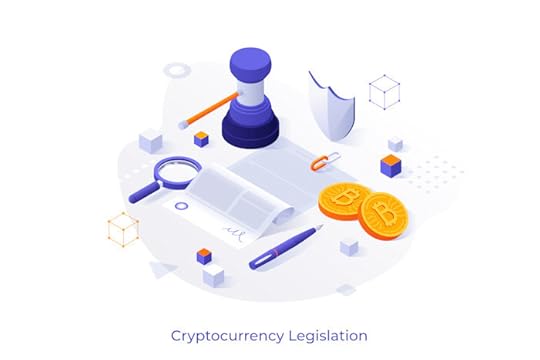 The Challenge of Regulating Cryptocurrency
Regulating crypto will be tricky. FTX was based in the Bahamas, so more stringent U.S. regulatory standards, had they been in place, would likely not have made a difference. Ever since the days of Swiss bank accounts, investors have sought havens in low oversight, distant international environments.
But operating inside the regulatory gaps of other countries will work against crypto in the long run. Will the average novice crypto user, the kind that needs help with their mainstream financial tools, trust their transactions and retirement savings to a financial house of cards based in the Bahamas? Not likely.
If crypto is to be an accepted retirement savings tool, for example, it has to be seen as relatively safe, over a long period of time, by the average person, not just the crypto enthusiast. When a crypto organization can demonstrate it’s subject to and complying with the laws and rules of the U.S. government, it not only provides investor assurance, it can also be a selling point.
That’s why I find it so interesting that Abra, a well-known crypto exchange and lending platform, is planning to launch the first U.S.-regulated crypto bank early in 2023.
The Crypto industry in the U.S. is already more regulated than in most other countries. The Security and Exchange Commission has taken bites at that apple based on how crypto can be considered a security in some cases. The Commodities Futures Trading Commission also is very interested in this space, given the commission’s purview of regulating futures and commodities trading.
Policymaking is messy, to begin with, especially in cases where generalist policymakers try to keep up with technical innovation. Regulators are better informed on emerging crypto applications than all but a handful of members of Congress and committee staff. That’s why, in the world of Washington, things work best when policymakers give broad policy guidance and limited authority to specialized regulators who flesh out the details, subject to oversight.
Consumer EducationWe’re seeing some progress in making consumers familiar and comfortable with cryptocurrency and exchanges, thanks to campaigns and products even a boomer can understand. But we need to be even more active on that front end as well.
Our K-12 education system and curricula are falling short in a number of areas – from history to civics to economics. Today’s fifth grader is tomorrow’s consumer and investor. They need to understand their currency and investment/savings options. That includes the underpinnings of cryptocurrency – not just how the app works.
And crypto companies need to accept the fact that their industry is only as strong and legitimate as their weakest link. U.S. regulators, whether the SEC or other appropriate agencies, need to act fast so that U.S.-based crypto products and exchanges are seen as the gold standard (no irony intended!) in the world and, thus, the most attractive for users and investors.
The major players in crypto are now far too beat up to truly resist the drumbeat of regulation, as a new era of crypto is about to begin. And if regulators aren’t able to rein in riskier players in this sector, the market will – as evidenced in recent weeks.
That said, we run the risk of over-regulating and potentially killing many of the emerging technologies in this space that are now percolating to the top.
Translate This PageSelect LanguageAfrikaansAlbanianAmharicArabicArmenianAzerbaijaniBasqueBelarusianBengaliBosnianBulgarianCatalanCebuanoChichewaChinese (Simplified)Chinese (Traditional)CorsicanCroatianCzechDanishDutchEnglishEsperantoEstonianFilipinoFinnishFrenchFrisianGalicianGeorgianGermanGreekGujaratiHaitian CreoleHausaHawaiianHebrewHindiHmongHungarianIcelandicIgboIndonesianIrishItalianJapaneseJavaneseKannadaKazakhKhmerKoreanKurdish (Kurmanji)KyrgyzLaoLatinLatvianLithuanianLuxembourgishMacedonianMalagasyMalayMalayalamMalteseMaoriMarathiMongolianMyanmar (Burmese)NepaliNorwegianPashtoPersianPolishPortuguesePunjabiRomanianRussianSamoanScottish GaelicSerbianSesothoShonaSindhiSinhalaSlovakSlovenianSomaliSpanishSudaneseSwahiliSwedishTajikTamilTeluguThaiTurkishUkrainianUrduUzbekVietnameseWelshXhosaYiddishYorubaZulu
#goog-gt-tt {display:none !important;}
.goog-te-banner-frame {display:none !important;}
.goog-te-menu-value:hover {text-decoration:none !important;}
.goog-text-highlight {background-color:transparent !important;box-shadow:none !important;}
body {top:0 !important;}
#google_translate_element2 {display:none!important;}
function googleTranslateElementInit2() {new google.translate.TranslateElement({pageLanguage: 'en',autoDisplay: false}, 'google_translate_element2');}
function GTranslateGetCurrentLang() {var keyValue = document['cookie'].match('(^|;) ?googtrans=([^;]*)(;|$)');return keyValue ? keyValue[2].split('/')[2] : null;}
function GTranslateFireEvent(element,event){try{if(document.createEventObject){var evt=document.createEventObject();element.fireEvent('on'+event,evt)}else{var evt=document.createEvent('HTMLEvents');evt.initEvent(event,true,true);element.dispatchEvent(evt)}}catch(e){}}
function doGTranslate(lang_pair){if(lang_pair.value)lang_pair=lang_pair.value;if(lang_pair=='')return;var lang=lang_pair.split('|')[1];if(GTranslateGetCurrentLang() == null && lang == lang_pair.split('|')[0])return;var teCombo;var sel=document.getElementsByTagName('select');for(var i=0;i<sel.length;i++)if(/goog-te-combo/.test(sel[i].className)){teCombo=sel[i];break;}if(document.getElementById('google_translate_element2')==null||document.getElementById('google_translate_element2').innerHTML.length==0||teCombo.length==0||teCombo.innerHTML.length==0){setTimeout(function(){doGTranslate(lang_pair)},500)}else{teCombo.value=lang;GTranslateFireEvent(teCombo,'change');GTranslateFireEvent(teCombo,'change')}}
Search for: Recent Posts Stress Testing Crypto – A New Era of Regulators is About to Begin We Didn’t Arrive Here by Accident The Coming Era of Dynamic or “Living” NFTs Categories Artificial Intelligence Business Trends Future of Agriculture Future of Banking Future of Education Future of Healthcare Future of Transportation Future of Work Future Scenarios Future Trends Futurist Thomas Frey Insights Global Trends Predictions Social Trends Technology Trends Speaking TopicsFuture of Healthcare – “Is Death our only Option?Future of AIFuture of Industries ← Previous Post
The post Stress Testing Crypto – A New Era of Regulators is About to Begin appeared first on Futurist Speaker.
November 17, 2022
We Didn’t Arrive Here by Accident

A few months ago, my son Kyler asked me, “How many people do you think live their entire life without understanding what their purpose is?”
My initial response was, “I’m guessing it’s around 98%.” After I thought about it a bit more, I revised my answer. “Actually, I think it’s closer to 100%.”
With few exceptions, most people live their lives without considering where humans came from, so they have very little perspective about why we’re here on Earth, let alone our purpose and direction in the short time we’re here.
So, it’s important to stop and consider some fundamental questions. Why is it we were born to our exact parents, at this time in history, and placed on Earth at the spot we were born? Why is it that we have these aptitudes, these skills, these genetic flaws, and these relationships? Why is it we’re interacting with this set of information, delivered to us by these particular devices, generated by these writers, at this particular intersection of time and space?
Digging deeper, it’s important also to consider whether we’re fulfilling our intended purpose, assuming there is a purpose. Or are we simply a pawn or placeholders in someone else’s purpose? Do we indeed have control over our own future? If we fail to discover our own purpose, does that mean it’s being defined by others – for example by those people who do know what their purpose is?
Like many aspects of our world today, the subjects of human origin and purpose can be polarizing … as well as humbling. The possible options seem always to be defined by polar ends: either we were designed and placed here thanks to the work of a divine force … or our bodies, cognitive abilities, and our world itself all came together and further evolved due to randomness, and chance meetings, at some perfect moment in time in the cosmos.
Is randomness ever truly random?
What the Experts Say About Signs of Intelligent OriginSome of our greatest thinkers have opined on truths related to life and purpose – often framing their thoughts regarding these immediate questions in the context of bigger issues related to supernatural, non-random forces outside of science that founded our world and sustain it.
As far back as the fourth century B.C., Aristotle was pondering his own life’s purpose and, at the same time, developing his own theory of teleology, which is the idea that everything in life has a purpose.
Much more recently, Tony Robbins, a popular life and business strategist, has spent a lot of time thinking about life and purpose. Through a series of surveys, he concluded that people who don’t have a strong sense of meaning in their lives were more than twice as likely to die prematurely as those who had figured out their purpose.
Lex Fridman, one of the world’s most influential podcasters, often encourages his guests to consider these matters, asking them a series of questions about the meaning of life. Their answers give us a lot to think about.
In response to Fridman’s question, Jordan Peterson first asks, “Do you believe in a transcendent reality? You cannot move forward into the unforeseen horizon of the future except on faith.”
Others, like podcaster Joe Rogan and Coinbase CEO Brian Armstrong, do not think there is any one overarching meaning but many meaning that result from family and friends.
However, when Fridman raised these issues with Michio Kaku, a theoretical physicist and a pioneer behind string theory, he responded by saying, “I have concluded that we are in a world made by rules created by an intelligence. Believe me, everything that we call chance today won’t make sense anymore. To me it is clear that we exist in a plan which is governed by rules that were created, shaped by a universal intelligence and not by chance.”
I have to agree with Michio. There are too many signs of intelligent origin. We’re not here by accident.
 When Our Math Comes Up Short
Whenever the topic of universal rules comes up, I take exception to those who try to use mathematical probability to describe the likelihood of populated alien planets in the universe. Alien planets do not equate to aliens.
Every life form on another planet will have been raised with a different gravity, different plant life, different atmosphere, different levels of oxygen, different kinds of liquids, different day-night cycles, different weather patterns, different magnetospheres, different magnetic fields, different soil quality, different food sources, different predators, different illnesses and diseases, different systems, different forms of communication, different forms of learning, different senses of touch, taste, sight, smell, and hearing, different organs, different biologies, different glands, different skin, different abilities to sense danger, different relationships, different family structures, different ways to reproduce, and perhaps ten thousand additional differences that I can’t even imagine.
The odds of discovering a planet full of beings that significantly resemble a human is, for all intents and purposes, zero, as I have mentioned before. There may be similar plants, insects, or even single-cell organisms, but certainly not human-like creatures.
Somewhere, somehow, by some master intelligence, there is a control panel filled with what we think of as switches and dials that was used to formulate, design, and create planet Earth. With literally millions of variables to formulate, define, and apply, each had to be precisely dialed in to give us the planet and ecosystems we enjoy today.
Is there another compilation of variables “out there” that some intelligent force has shaped into another self-sustaining world? Possibly. But it wouldn’t be anything like ours, and it wouldn’t have magically happened by chance.
Don’t Rule Out a Master IntelligenceBack here on Earth, though, for those who think we exist because of some cosmic fluke, where a tiny intergalactic organism floating through space happened to land on an empty-canvas planet Earth and somehow evolved over millions of years into what we have today, that remains pure conjecture … among those who are full of conjecture.
Here are a few observations from recent, respected scientific leaders on the subject of a divine explanation of life on Earth.
“The most beautiful system of the sun, planets, and comets could only proceed from the counsel and dominion of an intelligent and powerful being.” – Isaac Newton.
“Science without religion is lame, religion without science is blind.” – Albert Einstein.
“The gift of mental power comes from a divine being, and if we concentrate our minds on that truth, we become in tune with this great power.” – Nikola Tesla, inventor and futurist.
These days it’s not fashionable to assign rationales for seemingly unexplainable things to anything but science. Many of those who think that way simply aren’t as brave as Newton, Einstein, and Tesla were in admitting the science they were so passionate about doesn’t have all the answers. Especially when science seems to have a way of reinventing itself to fit the narrative, not define it.
Translate This PageSelect LanguageAfrikaansAlbanianAmharicArabicArmenianAzerbaijaniBasqueBelarusianBengaliBosnianBulgarianCatalanCebuanoChichewaChinese (Simplified)Chinese (Traditional)CorsicanCroatianCzechDanishDutchEnglishEsperantoEstonianFilipinoFinnishFrenchFrisianGalicianGeorgianGermanGreekGujaratiHaitian CreoleHausaHawaiianHebrewHindiHmongHungarianIcelandicIgboIndonesianIrishItalianJapaneseJavaneseKannadaKazakhKhmerKoreanKurdish (Kurmanji)KyrgyzLaoLatinLatvianLithuanianLuxembourgishMacedonianMalagasyMalayMalayalamMalteseMaoriMarathiMongolianMyanmar (Burmese)NepaliNorwegianPashtoPersianPolishPortuguesePunjabiRomanianRussianSamoanScottish GaelicSerbianSesothoShonaSindhiSinhalaSlovakSlovenianSomaliSpanishSudaneseSwahiliSwedishTajikTamilTeluguThaiTurkishUkrainianUrduUzbekVietnameseWelshXhosaYiddishYorubaZulu
#goog-gt-tt {display:none !important;}
.goog-te-banner-frame {display:none !important;}
.goog-te-menu-value:hover {text-decoration:none !important;}
.goog-text-highlight {background-color:transparent !important;box-shadow:none !important;}
body {top:0 !important;}
#google_translate_element2 {display:none!important;}
function googleTranslateElementInit2() {new google.translate.TranslateElement({pageLanguage: 'en',autoDisplay: false}, 'google_translate_element2');}
function GTranslateGetCurrentLang() {var keyValue = document['cookie'].match('(^|;) ?googtrans=([^;]*)(;|$)');return keyValue ? keyValue[2].split('/')[2] : null;}
function GTranslateFireEvent(element,event){try{if(document.createEventObject){var evt=document.createEventObject();element.fireEvent('on'+event,evt)}else{var evt=document.createEvent('HTMLEvents');evt.initEvent(event,true,true);element.dispatchEvent(evt)}}catch(e){}}
function doGTranslate(lang_pair){if(lang_pair.value)lang_pair=lang_pair.value;if(lang_pair=='')return;var lang=lang_pair.split('|')[1];if(GTranslateGetCurrentLang() == null && lang == lang_pair.split('|')[0])return;var teCombo;var sel=document.getElementsByTagName('select');for(var i=0;i<sel.length;i++)if(/goog-te-combo/.test(sel[i].className)){teCombo=sel[i];break;}if(document.getElementById('google_translate_element2')==null||document.getElementById('google_translate_element2').innerHTML.length==0||teCombo.length==0||teCombo.innerHTML.length==0){setTimeout(function(){doGTranslate(lang_pair)},500)}else{teCombo.value=lang;GTranslateFireEvent(teCombo,'change');GTranslateFireEvent(teCombo,'change')}}
Search for: Recent Posts We Didn’t Arrive Here by Accident The Coming Era of Dynamic or “Living” NFTs Eight Reasons Why the Future of Personalized Medicine will involve 3D-Printed Pharmaceuticals Categories Artificial Intelligence Business Trends Future of Agriculture Future of Banking Future of Education Future of Healthcare Future of Transportation Future of Work Future Scenarios Future Trends Futurist Thomas Frey Insights Global Trends Predictions Social Trends Technology Trends Speaking TopicsFuture of Healthcare – “Is Death our only Option?Future of AIFuture of Industries ← Previous Post
The post We Didn’t Arrive Here by Accident appeared first on Futurist Speaker.
November 10, 2022
The Coming Era of Dynamic or “Living” NFTs
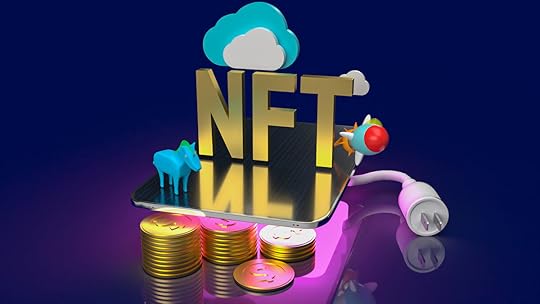
Gone are the days of static non-fungible tokens, often referred to as simple NFTs.
Next-generation use cases for NFTs are granting these blockchain-secured digital assets far more utility … and very soon, they’ll be more prevalent in our lives than ever before.
We’ve spent a lot of time addressing NFTs in recent months, documenting their impact on the world of collectibles and art, for example, that allow emerging artists to cash in quicker on their talents. NFTs have also been used to tokenize other types of real property to preserve their characteristics in an immutable format.
Now, though, in addition to “static” NFTs, we have “dynamic” NFTs or dNFTs, a new generation of NFTs that can be modified by the owner and/or updated and enhanced by means of built-in smart contracts that describe when and how the dNFT’s attributes and metadata can be automatically modified and updated to reflect new, external data and conditions.
It should be noted that given the channels for automatic or owner-initiated updates to dNFTs, they’re not expected to be as secure as static NFTs – at least initially. But let’s face it, crypto safety in the NFT space is never 100%, given human error and the presence of determined and extremely skilled hackers.
In most cases, and to preserve the integrity of the dNFT, the automated changes are based on verifiable events that are then incorporated into the metadata of the dNFT via an “oracle,” a smart, blockchain-stored contract that links the on-chain code with verifiable off-chain data.
The Upside Appeal of Dynamic NFTsWhy would anyone want to change an NFT?
Incorporating new information and data into an NFT can keep it relevant or even increase its value and utility.
Certain assets will never and probably shouldn’t ever be changed, just like adding a more expansive smile to the actual Mona Lisa would be ill-advised. And it can be argued, for example, that a person’s tokenized military record, once they’ve retired or have left the service, shouldn’t be subject to editing or updating.
But for many other categories of digital assets, and there are more of them coming into view every day, it makes sense to objectively improve certain underlying unique characteristics over time to reflect some new situation, as we’ll see in some of the future use cases suggested below.
Use Cases for dNFTs in Your WorldAs NFTs are tokenized in more and more settings, the value of updating them is clear. We’ve emerged from NFTs strictly being used in the context of collectibles and preservation to their application in a dynamic, changing world.
Art WorldCertain aspects of an art piece can be improved without altering the primary image. Think about an NFT with the portrait of some famous person like Abraham Lincoln or Wolfgang Mozart that incorporates a background that’s constantly changing to reflect the varying seasons. Also, an artist who’s sold their NFT can modify their original work with the advanced permission of the owner via a smart contract.
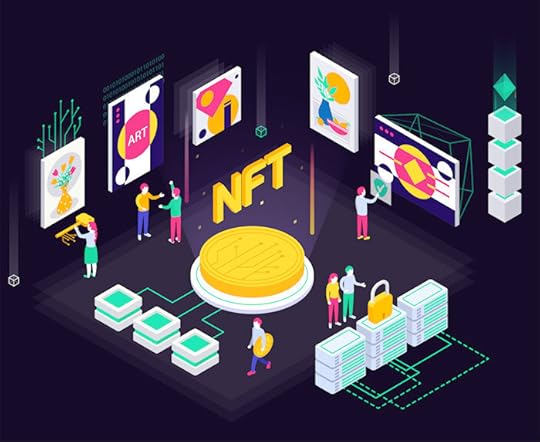 Real EstateWe’ll soon have dynamic NFTs for a residential structure that incrementally records all the repairs and physical changes made to the building in real time, along with periodic increases in assessment values, all driven by smart contracts and/or the owner’s input.When it’s time to sell the house, all of that information will be documented in one place, so the negotiations will be based on better, more complete information. The sale process can be shrunk down and will happen much quicker, possibly even bypassing title searches and assessments. New ownership of the property’s dNFT will go hand in hand with new ownership of the property itself.Digital IdentityPassports, visas, and driver’s licenses will be digitized with a dNFT, and the personal information will be routinely updated. Our digital identity will evolve with us. As a condition for digitizing their documents as a dNFT, an issuing authority will include an immutable smart contract connected to the token that will record any sanctions or restrictions imposed by a governing authority.GamingWithin an augmented-reality game, as a participant reaches new levels, gains new skills, or augments their persona, these changes will be instantly recorded within the player’s dNFT based on a smart contract embedded in the game.Sports cardsAthletes rack up accomplishments throughout their careers and even after they retire. While there may be value in preserving a static, non-changing “rookie year” NFT card, dNFT versions will continually update the player’s stats, awards, best plays, and other accomplishments earned in subsequent years.AuthorsOne way authors can keep their readers on the edge of their seats and increase the writer’s exposure will be to release a book one chapter at a time through their evolving, body-of-work dNFT. They’ll offer and release their sequels through that dNFT as well.Collaborative projectsFrom blueprints to management plans, dNFTs will offer a secure space for collaboration, incorporating authorized input from stakeholders as well as automated input added via secure contracts related to costs and budgets, for example.Clearly, dNFTs won’t simply be an incremental improvement on traditional NFTs. They’ll be a game changer.Very few things in life remain the same. Those that do can be captured and held securely in a static NFT.But in the future, nearly all manifestations of change in our lives and in the world around us will be recorded in dNFTs, creating not only an evergreen repository of information but a history of those changes as well. Translate This Page
Select LanguageAfrikaansAlbanianAmharicArabicArmenianAzerbaijaniBasqueBelarusianBengaliBosnianBulgarianCatalanCebuanoChichewaChinese (Simplified)Chinese (Traditional)CorsicanCroatianCzechDanishDutchEnglishEsperantoEstonianFilipinoFinnishFrenchFrisianGalicianGeorgianGermanGreekGujaratiHaitian CreoleHausaHawaiianHebrewHindiHmongHungarianIcelandicIgboIndonesianIrishItalianJapaneseJavaneseKannadaKazakhKhmerKoreanKurdish (Kurmanji)KyrgyzLaoLatinLatvianLithuanianLuxembourgishMacedonianMalagasyMalayMalayalamMalteseMaoriMarathiMongolianMyanmar (Burmese)NepaliNorwegianPashtoPersianPolishPortuguesePunjabiRomanianRussianSamoanScottish GaelicSerbianSesothoShonaSindhiSinhalaSlovakSlovenianSomaliSpanishSudaneseSwahiliSwedishTajikTamilTeluguThaiTurkishUkrainianUrduUzbekVietnameseWelshXhosaYiddishYorubaZulu
#goog-gt-tt {display:none !important;}
.goog-te-banner-frame {display:none !important;}
.goog-te-menu-value:hover {text-decoration:none !important;}
.goog-text-highlight {background-color:transparent !important;box-shadow:none !important;}
body {top:0 !important;}
#google_translate_element2 {display:none!important;}
function googleTranslateElementInit2() {new google.translate.TranslateElement({pageLanguage: 'en',autoDisplay: false}, 'google_translate_element2');}
function GTranslateGetCurrentLang() {var keyValue = document['cookie'].match('(^|;) ?googtrans=([^;]*)(;|$)');return keyValue ? keyValue[2].split('/')[2] : null;}
function GTranslateFireEvent(element,event){try{if(document.createEventObject){var evt=document.createEventObject();element.fireEvent('on'+event,evt)}else{var evt=document.createEvent('HTMLEvents');evt.initEvent(event,true,true);element.dispatchEvent(evt)}}catch(e){}}
function doGTranslate(lang_pair){if(lang_pair.value)lang_pair=lang_pair.value;if(lang_pair=='')return;var lang=lang_pair.split('|')[1];if(GTranslateGetCurrentLang() == null && lang == lang_pair.split('|')[0])return;var teCombo;var sel=document.getElementsByTagName('select');for(var i=0;i<sel.length;i++)if(/goog-te-combo/.test(sel[i].className)){teCombo=sel[i];break;}if(document.getElementById('google_translate_element2')==null||document.getElementById('google_translate_element2').innerHTML.length==0||teCombo.length==0||teCombo.innerHTML.length==0){setTimeout(function(){doGTranslate(lang_pair)},500)}else{teCombo.value=lang;GTranslateFireEvent(teCombo,'change');GTranslateFireEvent(teCombo,'change')}}
Search for: Recent Posts The Coming Era of Dynamic or “Living” NFTs Eight Reasons Why the Future of Personalized Medicine will involve 3D-Printed Pharmaceuticals How Will Elon Musk’s Tesla Pi Phone Get Us Closer to the “Ultimate Phone” of the Future? Categories Artificial Intelligence Business Trends Future of Agriculture Future of Banking Future of Education Future of Healthcare Future of Transportation Future of Work Future Scenarios Future Trends Futurist Thomas Frey Insights Global Trends Predictions Social Trends Technology Trends Speaking TopicsFuture of Healthcare – “Is Death our only Option?Future of AIFuture of Industries ← Previous Post
The post The Coming Era of Dynamic or “Living” NFTs appeared first on Futurist Speaker.
November 3, 2022
Eight Reasons Why the Future of Personalized Medicine will involve 3D-Printed Pharmaceuticals
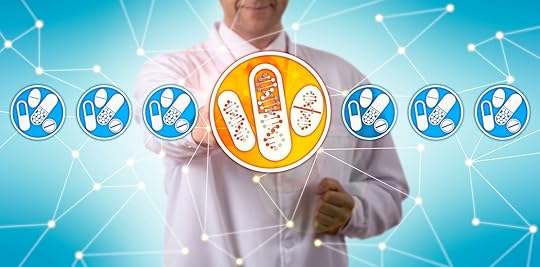
While I started talking about 3D pill printers nearly ten years ago, today we are seeing incredible breakthroughs in personalized medicine emerging along two fronts:
Diagnostic Breakthroughs, for example, with genetic, DNA, and molecular testing to uncover possible health threats, suggest optimal treatment pathways, and determine if further specialized tests are needed.Intervention Breakthroughs to customize care to the patient and yield a patient-based rather than a one-size-fits-all disease-based treatment protocol.One of the most exciting and promising developments on the intervention side is the development of 3D-printed (additive manufacturing) pharmaceuticals. The promise for these products lies not only in the conventional manufacturing process but in the possibility of customizing the drugs in areas like dosage and release timing.
The pharmaceutical industry has come a long way from the days of crudely formulated drugs and doctors who basically guess what dosages are right for their patients.
If a particular pharmaceutical comes in the form of a 200 mg pill, doctors will prescribe 200, 400, or 600 mg doses when the right dose for an individual may be 87 mg, 341 mg, or 496 mg. With 3D printing, doctors can be far more precise.
Also, if the patient doesn’t tolerate an important drug well, doctors will have the option of customizing the pill, so the ingredients are released over an extended period of time.
Where We Stand NowThe U.S. Food & Drug Administration (FDA) has already approved the 3D printing of one drug, Aprecia Pharmaceutical’s Spritam, an anticonvulsant medication used for the treatment of seizures. With that approval, industry leaders see the floodgates opening. As 3D printing technology evolves and production costs come down, any pill or capsule that we swallow is now a candidate for this process and this kind of customization.
The FDA has also given preliminary approval to Eli Lilly to partner with Triastek, a Chinese pharmaceutical additive manufacturing company, to explore delivery mechanisms for two of its new medications. The two companies are investigating printed pill shapes and other excipient (non-medicinal) properties that promote the programmed or timed release of the drug’s active ingredients.
In addition to Aprecia and Eli Lilly, three other drug companies, GlaxoSmithKline, Merck, and FabRx, are also actively pushing into this market.
Globally, the market for 3D-printed drugs is predicted to grow by 15% over the next six years, reaching more than $2 billion by 2027.
We’re on the verge of a 3D-printed pharmaceutical industry where precisely measured doses are easy to create and where multiple drugs in varying doses can be combined into a single pill. Flavors and colors will be customized as well.
 Eight Advantages of Printed Pharmaceuticals
Personalized health care is clearly one of the primary benefits of 3D-printed oral medications. But I see at least eight additional reasons this technology will be a game changer.
1. Specialized DrugsIt will enable small-batch printing of specialty drugs for rare or “orphan” diseases, the kind of drugs that pharmaceutical companies tend to sidestep due to low volume and profitability. The technology will also be the ideal way to produce small quantities of drugs for clinical trials in which variable doses need to be tested.
2. Reduced InventoryHospitals will be able to print specialized and personalized drugs onsite, reducing the need for stockpiling and providing nearly immediate access to specialty drugs they may not have on hand.
3. Local Production AdvantagesIn addition to hospitals, pharmacies will be in a position to print prescribed drugs for their customers. The distribution process for many drugs will be shortened as we bypass drug wholesalers for many specialized drugs.
4. Shorter Supply ChainLocally produced 3D-printed drugs won’t be subject to supply chain constraints. Today, many of our drugs are formulated overseas and then packaged there. That equates to a lot of shipping and quality control steps.
5. Workarounds for DisruptionsIf a drug manufacturer needs to temporarily close its facility for any reason, 3D printing can fill the supply gap.
6. Improved Drug SafetyAspects of drug safety can be improved with local production since there will be less opportunity for counterfeit drugs to be introduced into the distribution process. Costs related to maintaining the required documented pedigree of the drug will be reduced as well.
7. Efficient Use of Raw Materials3D printing of any item, whether it’s a house, pair of shoes, or a pharmaceutical drug, makes far more efficient use of the raw materials involved. Less waste in drug production means far better use of valuable chemical ingredients.
8. Reduced Cost to End UserMost of these benefits – including the shorter distribution chain, reduced expenses for tracking drug pedigrees, less production waste, and localized production – along with continued advances in 3D printing technology, has the potential to significantly reduce the cost of drugs for the end user.
Barriers We Still Need to Overcome with 3D-Printed DrugsEven though I just painted a rather promising future for this industry, we’ll still need to resolve certain challenges that will come with widespread 3D drug printing.
Bad ActorsAs with any technological breakthrough, we’ll need to anticipate how 3D drug printing could be abused by bad actors. The technology will enable drug dealers to manufacture illicit narcotics and it could empower counterfeiters to print fake drugs without active ingredients or with the wrong/dangerous ingredients.
Revised Regulatory ProcessesWe’ll need to revise our drug manufacturing regulatory process, shifting to approving multiple local production sites rather than primary manufacturing plants. The FDA will also need to address matters related to personalized dosing and release profiles. That means regulators will have to focus on additive manufacturing equipment, processes, and quality assurance of the printing ingredients – not a small shift for this large bureaucracy. To their credit, though, the FDA is already working with the National Institute of Standards and Technology to develop guidelines for 3D drug production.
Industry DisruptionsThe pharmaceutical manufacturing industry will likely raise regulatory and legal barriers to this widespread practice since it threatens the industry’s markups and monopolies. Some will shift to becoming suppliers of chemical ingredients rather than manufacturers of finished pills and capsules.
Over time, we’ll overcome these hurdles so that the benefits of customized, 3D-printed pharmaceuticals will be available for everyone. The FDA will reach a tipping point so that approvals for these processes and products will become more routine while remaining thorough.
And as we add more and more sensors to our bodies, the linkage between personalized diagnostics and personalized pharmacological treatment will become even closer and … well… even more personalized.
Translate This PageSelect LanguageAfrikaansAlbanianAmharicArabicArmenianAzerbaijaniBasqueBelarusianBengaliBosnianBulgarianCatalanCebuanoChichewaChinese (Simplified)Chinese (Traditional)CorsicanCroatianCzechDanishDutchEnglishEsperantoEstonianFilipinoFinnishFrenchFrisianGalicianGeorgianGermanGreekGujaratiHaitian CreoleHausaHawaiianHebrewHindiHmongHungarianIcelandicIgboIndonesianIrishItalianJapaneseJavaneseKannadaKazakhKhmerKoreanKurdish (Kurmanji)KyrgyzLaoLatinLatvianLithuanianLuxembourgishMacedonianMalagasyMalayMalayalamMalteseMaoriMarathiMongolianMyanmar (Burmese)NepaliNorwegianPashtoPersianPolishPortuguesePunjabiRomanianRussianSamoanScottish GaelicSerbianSesothoShonaSindhiSinhalaSlovakSlovenianSomaliSpanishSudaneseSwahiliSwedishTajikTamilTeluguThaiTurkishUkrainianUrduUzbekVietnameseWelshXhosaYiddishYorubaZulu
#goog-gt-tt {display:none !important;}
.goog-te-banner-frame {display:none !important;}
.goog-te-menu-value:hover {text-decoration:none !important;}
.goog-text-highlight {background-color:transparent !important;box-shadow:none !important;}
body {top:0 !important;}
#google_translate_element2 {display:none!important;}
function googleTranslateElementInit2() {new google.translate.TranslateElement({pageLanguage: 'en',autoDisplay: false}, 'google_translate_element2');}
function GTranslateGetCurrentLang() {var keyValue = document['cookie'].match('(^|;) ?googtrans=([^;]*)(;|$)');return keyValue ? keyValue[2].split('/')[2] : null;}
function GTranslateFireEvent(element,event){try{if(document.createEventObject){var evt=document.createEventObject();element.fireEvent('on'+event,evt)}else{var evt=document.createEvent('HTMLEvents');evt.initEvent(event,true,true);element.dispatchEvent(evt)}}catch(e){}}
function doGTranslate(lang_pair){if(lang_pair.value)lang_pair=lang_pair.value;if(lang_pair=='')return;var lang=lang_pair.split('|')[1];if(GTranslateGetCurrentLang() == null && lang == lang_pair.split('|')[0])return;var teCombo;var sel=document.getElementsByTagName('select');for(var i=0;i<sel.length;i++)if(/goog-te-combo/.test(sel[i].className)){teCombo=sel[i];break;}if(document.getElementById('google_translate_element2')==null||document.getElementById('google_translate_element2').innerHTML.length==0||teCombo.length==0||teCombo.innerHTML.length==0){setTimeout(function(){doGTranslate(lang_pair)},500)}else{teCombo.value=lang;GTranslateFireEvent(teCombo,'change');GTranslateFireEvent(teCombo,'change')}}
Search for: Recent Posts Eight Reasons Why the Future of Personalized Medicine will involve 3D-Printed Pharmaceuticals How Will Elon Musk’s Tesla Pi Phone Get Us Closer to the “Ultimate Phone” of the Future? Will There Be Robotic Dogs in your Future? Using Question Mapping to Help Reveal the Future Categories Artificial Intelligence Business Trends Future of Agriculture Future of Banking Future of Education Future of Healthcare Future of Transportation Future of Work Future Scenarios Future Trends Futurist Thomas Frey Insights Global Trends Predictions Social Trends Technology Trends Speaking TopicsFuture of Healthcare – “Is Death our only Option?Future of AIFuture of Industries ← Previous Post
The post Eight Reasons Why the Future of Personalized Medicine will involve 3D-Printed Pharmaceuticals appeared first on Futurist Speaker.
October 27, 2022
How Will Elon Musk’s Tesla Pi Phone Get Us Closer to the “Ultimate Phone” of the Future?
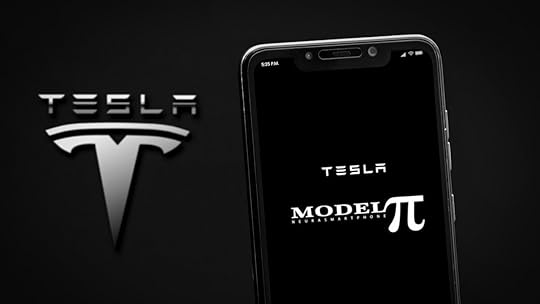
We can always count on Elon Musk to deliver, if not a new branch of technology, at least game-changers in existing technology. He’s not that into incrementalism and minor iterative improvements.
In some ways, though, his latest venture, the Tesla Pi Phone, seems to be caught up in the methodical, predictable evolution of the smartphone but offers direct-to-satellite communications as a total game-changer for the industry. Even with that, I hope he continues his quest in this field but dreams even bigger moving forward.
Next Year’s SmartphoneFrom all indications, the Tesla Pi Phone, to be released late in 2022 or early next year, will push the envelope with some remarkable capabilities. These devices will have exceptional performance as well as improvements in the standard features we expect in our smartphones that increasingly compete for our time and attention.
Those features, according to rumors and industry observers, include 5G compatibility and exceptional refresh rates, picture resolution, pixel density, screen display, video recording, and more. In some of those areas, the Tesla Pi Phone will be considered industry-leading. In other ways, though, they will simply be “industry competing” or even lagging.
The true game-changer in the Tesla Pi Phone, though, and the kind of thing we would expect from Musk, is the device’s reported satellite connectivity with the Starlink constellation of satellites. This means no more dead zones in much of the world. Samsung has plans to launch 4,600 of its own satellites that would provide similar capability for its products, but once again Musk and Tesla are first.
Once again, people’s faith in Elon will be restored – he hasn’t slipped into the mundane, building only a marginally better mousetrap trap.
Smartphones of the futureBut stepping back, it’s important to consider next year’s smartphones from the vantage point of imagining all they can be. Why should futurists be stuck within the confines of how to make the phone marginally better?
Where does the Tesla Pi Phone fit alongside that continuum? It represents a step and, granted, a big step – at least in that one regard: satellite connectivity. But there are plenty more game-changers to come in smartphone technology and utility.
In the future maybe we’ll still call them “smartphones” – we’ll follow that convention for now – but the device’s phone function will be buried even further within its overall functionality. Calling with our personal handheld devices is convenient and our phone numbers have become as much a permanent part of us as our social security numbers. Even so, the phone app isn’t the most frequently used utility on our smartphones by a long shot.
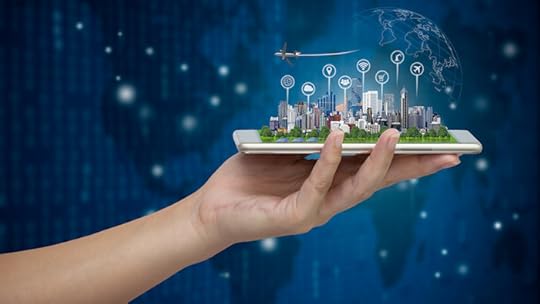 10 Features in Phones of the Future
What are the features that smartphone innovators like Musk and others must continue to shoot for in the future?
To be sure, smartphones will evolve into devices that support nearly every important facet of our lives, and every minute of our day. And they’ll do it more seamlessly and intuitively than ever. In a way, they’ll represent who we are and how we function. That means that they’ll no doubt have:
1. No portsWireless device integration and charging capabilities (see below) mean no more ports – and that means one less avenue for water damage.
2. Augmented reality integrationFuture smartphone screens will be clear, enabling augmented reality functionality that will enhance communication and an application’s integration with the world beyond the phone.
3. Greater connectivity to sensorsWe’ll increasingly rely on our phones to inform us about issues of concern in our bodies and nearby environments. They’ll proactively nag, warn, and make suggestions based on their constant interrogation of these sensors and other information sources.
4. Shape-shifting capabilityAre you tired of your smartphone making a faded crease outline in the front pocket of your jeans? Are your smartphone dimensions wrong for fitting into a slim purse or the pocket of a backpack? Would you like to roll the phone into a cigar shape to stick behind your ear? Future smartphones will be simultaneously shapable, squishable, stretchable, and stackable with add-on peripheral devices.
5. Improved charging optionsDirect solar charging of smartphones is a logical next step in keeping the devices powered up. Also, some of the same technologies being considered for charging electric vehicles, for example, embedded chargers in highways, will also be tapped for powering smartphones and other devices in our vehicles.
6. Touchless operationVoice commands and even internal AI-informed impulses will pull up all the smartphone’s features and manage all of its applications. Boomers will no longer be scoffed at for their hunt-and-peck, one-finger smartphone keyboarding!
7. Holographic displaysJust when interpersonal video chatting becomes mainstream, we’ll quickly reach the next frontier – three-dimensional visual interaction with others using smartphones. Holographic images will be touchable, interactable, and storable as well.
8. Smart glasses, smart contactsThe glasses perched on our noses or contacts pressed onto our eyes will be wirelessly linked to wearable minicomputers, complete with speakers near the ears or even on attached earbuds. We’ll soon get the hang of giving voice commands, pointing with our eyeballs, and touching buttons or swiping on the stems of the glasses without a second thought as we navigate our social and professional life on the go.
9. Extended voice communicationsFuture smartphones will not only talk back and forth with us but enable us to speak directly to the devices they control.
10. Emergency alertsNext-gen smartphones will be monitoring our health and fitness every second of every day. At times, they will know when we’re rested and functioning in peak form, but also know when we’re suboptimal, needing sleep, or past our limits. More importantly, they will have the ability to reach out for help when we no longer have the capacity to do so ourselves.
This gives some perspective to the justifiable enthusiasm around the Tesla PI Phone. Like you, I can’t wait to see and use it. But as a futurist, I know we have a long way to go and many more groundbreaking achievements to notch as we continue to put more and more of our lives literally into our own hands.
Translate This PageSelect LanguageAfrikaansAlbanianAmharicArabicArmenianAzerbaijaniBasqueBelarusianBengaliBosnianBulgarianCatalanCebuanoChichewaChinese (Simplified)Chinese (Traditional)CorsicanCroatianCzechDanishDutchEnglishEsperantoEstonianFilipinoFinnishFrenchFrisianGalicianGeorgianGermanGreekGujaratiHaitian CreoleHausaHawaiianHebrewHindiHmongHungarianIcelandicIgboIndonesianIrishItalianJapaneseJavaneseKannadaKazakhKhmerKoreanKurdish (Kurmanji)KyrgyzLaoLatinLatvianLithuanianLuxembourgishMacedonianMalagasyMalayMalayalamMalteseMaoriMarathiMongolianMyanmar (Burmese)NepaliNorwegianPashtoPersianPolishPortuguesePunjabiRomanianRussianSamoanScottish GaelicSerbianSesothoShonaSindhiSinhalaSlovakSlovenianSomaliSpanishSudaneseSwahiliSwedishTajikTamilTeluguThaiTurkishUkrainianUrduUzbekVietnameseWelshXhosaYiddishYorubaZulu
#goog-gt-tt {display:none !important;}
.goog-te-banner-frame {display:none !important;}
.goog-te-menu-value:hover {text-decoration:none !important;}
.goog-text-highlight {background-color:transparent !important;box-shadow:none !important;}
body {top:0 !important;}
#google_translate_element2 {display:none!important;}
function googleTranslateElementInit2() {new google.translate.TranslateElement({pageLanguage: 'en',autoDisplay: false}, 'google_translate_element2');}
function GTranslateGetCurrentLang() {var keyValue = document['cookie'].match('(^|;) ?googtrans=([^;]*)(;|$)');return keyValue ? keyValue[2].split('/')[2] : null;}
function GTranslateFireEvent(element,event){try{if(document.createEventObject){var evt=document.createEventObject();element.fireEvent('on'+event,evt)}else{var evt=document.createEvent('HTMLEvents');evt.initEvent(event,true,true);element.dispatchEvent(evt)}}catch(e){}}
function doGTranslate(lang_pair){if(lang_pair.value)lang_pair=lang_pair.value;if(lang_pair=='')return;var lang=lang_pair.split('|')[1];if(GTranslateGetCurrentLang() == null && lang == lang_pair.split('|')[0])return;var teCombo;var sel=document.getElementsByTagName('select');for(var i=0;i<sel.length;i++)if(/goog-te-combo/.test(sel[i].className)){teCombo=sel[i];break;}if(document.getElementById('google_translate_element2')==null||document.getElementById('google_translate_element2').innerHTML.length==0||teCombo.length==0||teCombo.innerHTML.length==0){setTimeout(function(){doGTranslate(lang_pair)},500)}else{teCombo.value=lang;GTranslateFireEvent(teCombo,'change');GTranslateFireEvent(teCombo,'change')}}
Search for: Recent Posts The Coming Era of Dynamic or “Living” NFTs Eight Reasons Why the Future of Personalized Medicine will involve 3D-Printed Pharmaceuticals How Will Elon Musk’s Tesla Pi Phone Get Us Closer to the “Ultimate Phone” of the Future? Categories Artificial Intelligence Business Trends Future of Agriculture Future of Banking Future of Education Future of Healthcare Future of Transportation Future of Work Future Scenarios Future Trends Futurist Thomas Frey Insights Global Trends Predictions Social Trends Technology Trends Speaking TopicsFuture of Healthcare – “Is Death our only Option?Future of AIFuture of Industries ← Previous Post Next Post →
The post How Will Elon Musk’s Tesla Pi Phone Get Us Closer to the “Ultimate Phone” of the Future? appeared first on Futurist Speaker.
How Will Elon Musk’s Tesla Pi Phone Get Us Closer to the “Ultimate Phone” of the Future?
We can always count on Elon Musk to deliver, if not a new branch of technology, at least game-changers in existing technology. He’s not that into incrementalism and minor iterative improvements.
In some ways, though, his latest venture, the Tesla Pi Phone, seems to be caught up in the methodical, predictable evolution of the smartphone but offers direct-to-satellite communications as a total game-changer for the industry. Even with that, I hope he continues his quest in this field but dreams even bigger moving forward.
Next Year’s SmartphoneFrom all indications, the Tesla Pi Phone, to be released late in 2022 or early next year, will push the envelope with some remarkable capabilities. These devices will have exceptional performance as well as improvements in the standard features we expect in our smartphones that increasingly compete for our time and attention.
Those features, according to rumors and industry observers, include 5G compatibility and exceptional refresh rates, picture resolution, pixel density, screen display, video recording, and more. In some of those areas, the Tesla Pi Phone will be considered industry-leading. In other ways, though, they will simply be “industry competing” or even lagging.
The true game-changer in the Tesla Pi Phone, though, and the kind of thing we would expect from Musk, is the device’s reported satellite connectivity with the Starlink constellation of satellites. This means no more dead zones in much of the world. Samsung has plans to launch 4,600 of its own satellites that would provide similar capability for its products, but once again Musk and Tesla are first.
Once again, people’s faith in Elon will be restored – he hasn’t slipped into the mundane, building only a marginally better mousetrap trap.
Smartphones of the futureBut stepping back, it’s important to consider next year’s smartphones from the vantage point of imagining all they can be. Why should futurists be stuck within the confines of how to make the phone marginally better?
Where does the Tesla Pi Phone fit alongside that continuum? It represents a step and, granted, a big step – at least in that one regard: satellite connectivity. But there are plenty more game-changers to come in smartphone technology and utility.
In the future maybe we’ll still call them “smartphones” – we’ll follow that convention for now – but the device’s phone function will be buried even further within its overall functionality. Calling with our personal handheld devices is convenient and our phone numbers have become as much a permanent part of us as our social security numbers. Even so, the phone app isn’t the most frequently used utility on our smartphones by a long shot.
10 Features in Phones of the FutureWhat are the features that smartphone innovators like Musk and others must continue to shoot for in the future?
To be sure, smartphones will evolve into devices that support nearly every important facet of our lives, and every minute of our day. And they’ll do it more seamlessly and intuitively than ever. In a way, they’ll represent who we are and how we function. That means that they’ll no doubt have:
1. No portsWireless device integration and charging capabilities (see below) mean no more ports – and that means one less avenue for water damage.
2. Augmented reality integrationFuture smartphone screens will be clear, enabling augmented reality functionality that will enhance communication and an application’s integration with the world beyond the phone.
3. Greater connectivity to sensorsWe’ll increasingly rely on our phones to inform us about issues of concern in our bodies and nearby environments. They’ll proactively nag, warn, and make suggestions based on their constant interrogation of these sensors and other information sources.
4. Shape-shifting capabilityAre you tired of your smartphone making a faded crease outline in the front pocket of your jeans? Are your smartphone dimensions wrong for fitting into a slim purse or the pocket of a backpack? Would you like to roll the phone into a cigar shape to stick behind your ear? Future smartphones will be simultaneously shapable, squishable, stretchable, and stackable with add-on peripheral devices.
5. Improved charging optionsDirect solar charging of smartphones is a logical next step in keeping the devices powered up. Also, some of the same technologies being considered for charging electric vehicles, for example, embedded chargers in highways, will also be tapped for powering smartphones and other devices in our vehicles.
6. Touchless operationVoice commands and even internal AI-informed impulses will pull up all the smartphone’s features and manage all of its applications. Boomers will no longer be scoffed at for their hunt-and-peck, one-finger smartphone keyboarding!
7. Holographic displaysJust when interpersonal video chatting becomes mainstream, we’ll quickly reach the next frontier – three-dimensional visual interaction with others using smartphones. Holographic images will be touchable, interactable, and storable as well.
8. Smart glasses, smart contactsThe glasses perched on our noses or contacts pressed onto our eyes will be wirelessly linked to wearable minicomputers, complete with speakers near the ears or even on attached earbuds. We’ll soon get the hang of giving voice commands, pointing with our eyeballs, and touching buttons or swiping on the stems of the glasses without a second thought as we navigate our social and professional life on the go.
9. Extended voice communicationsFuture smartphones will not only talk back and forth with us but enable us to speak directly to the devices they control.
10. Emergency alertsNext-gen smartphones will be monitoring our health and fitness every second of every day. At times, they will know when we’re rested and functioning in peak form, but also know when we’re suboptimal, needing sleep, or past our limits. More importantly, they will have the ability to reach out for help when we no longer have the capacity to do so ourselves.
This gives some perspective to the justifiable enthusiasm around the Tesla PI Phone. Like you, I can’t wait to see and use it. But as a futurist, I know we have a long way to go and many more groundbreaking achievements to notch as we continue to put more and more of our lives literally into our own hands.
Translate This PageSelect LanguageAfrikaansAlbanianAmharicArabicArmenianAzerbaijaniBasqueBelarusianBengaliBosnianBulgarianCatalanCebuanoChichewaChinese (Simplified)Chinese (Traditional)CorsicanCroatianCzechDanishDutchEnglishEsperantoEstonianFilipinoFinnishFrenchFrisianGalicianGeorgianGermanGreekGujaratiHaitian CreoleHausaHawaiianHebrewHindiHmongHungarianIcelandicIgboIndonesianIrishItalianJapaneseJavaneseKannadaKazakhKhmerKoreanKurdish (Kurmanji)KyrgyzLaoLatinLatvianLithuanianLuxembourgishMacedonianMalagasyMalayMalayalamMalteseMaoriMarathiMongolianMyanmar (Burmese)NepaliNorwegianPashtoPersianPolishPortuguesePunjabiRomanianRussianSamoanScottish GaelicSerbianSesothoShonaSindhiSinhalaSlovakSlovenianSomaliSpanishSudaneseSwahiliSwedishTajikTamilTeluguThaiTurkishUkrainianUrduUzbekVietnameseWelshXhosaYiddishYorubaZulu
#goog-gt-tt {display:none !important;}
.goog-te-banner-frame {display:none !important;}
.goog-te-menu-value:hover {text-decoration:none !important;}
.goog-text-highlight {background-color:transparent !important;box-shadow:none !important;}
body {top:0 !important;}
#google_translate_element2 {display:none!important;}
function googleTranslateElementInit2() {new google.translate.TranslateElement({pageLanguage: 'en',autoDisplay: false}, 'google_translate_element2');}
function GTranslateGetCurrentLang() {var keyValue = document['cookie'].match('(^|;) ?googtrans=([^;]*)(;|$)');return keyValue ? keyValue[2].split('/')[2] : null;}
function GTranslateFireEvent(element,event){try{if(document.createEventObject){var evt=document.createEventObject();element.fireEvent('on'+event,evt)}else{var evt=document.createEvent('HTMLEvents');evt.initEvent(event,true,true);element.dispatchEvent(evt)}}catch(e){}}
function doGTranslate(lang_pair){if(lang_pair.value)lang_pair=lang_pair.value;if(lang_pair=='')return;var lang=lang_pair.split('|')[1];if(GTranslateGetCurrentLang() == null && lang == lang_pair.split('|')[0])return;var teCombo;var sel=document.getElementsByTagName('select');for(var i=0;i<sel.length;i++)if(/goog-te-combo/.test(sel[i].className)){teCombo=sel[i];break;}if(document.getElementById('google_translate_element2')==null||document.getElementById('google_translate_element2').innerHTML.length==0||teCombo.length==0||teCombo.innerHTML.length==0){setTimeout(function(){doGTranslate(lang_pair)},500)}else{teCombo.value=lang;GTranslateFireEvent(teCombo,'change');GTranslateFireEvent(teCombo,'change')}}
Search for: Recent Posts How Will Elon Musk’s Tesla Pi Phone Get Us Closer to the “Ultimate Phone” of the Future? Will There Be Robotic Dogs in your Future? Using Question Mapping to Help Reveal the Future Hyper-Individualized Learning for a Hyper-Individualized Future Categories Artificial Intelligence Business Trends Future of Agriculture Future of Banking Future of Education Future of Healthcare Future of Transportation Future of Work Future Scenarios Future Trends Futurist Thomas Frey Insights Global Trends Predictions Social Trends Technology Trends Speaking TopicsFuture of Healthcare – “Is Death our only Option?Future of AIFuture of Industries ← Previous Post
The post How Will Elon Musk’s Tesla Pi Phone Get Us Closer to the “Ultimate Phone” of the Future? appeared first on Futurist Speaker.
October 20, 2022
Will There Be Robotic Dogs in your Future? Using Question Mapping to Help Reveal the Future
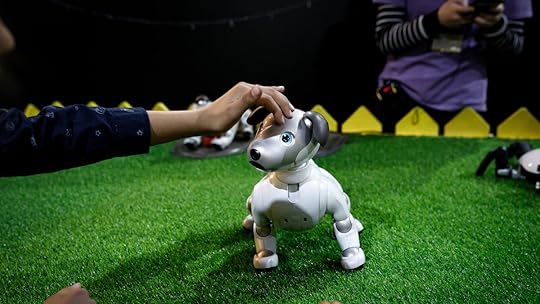
In this column, I’d like to demonstrate a strategic futurism technique I use called Question Mapping. It’s a technique I teach in our soon-to-be—re-released course, Future Like A Boss!
Question mapping is an exercise that opens one’s mind to explore different elements of the future without being unduly encumbered or influenced by the past.
With that in mind, here’s how I approach assessing the future of robotic dogs, the cuddly or not-so-cuddly creatures that will be by our side and part of our lives in the future.
Question Mapping Robotic DogsLet’s begin by imagining a scenario where a person in the future is taking their robotic dog out for a walk. So far, so good, but even this simple scenario raises far more questions than answers.
What’s the purpose of a robot dog? Is it used for protection? What kind of protection? Against what kinds of danger?
Why a robotic dog and not a robotic cat? Or monkey? Or bird? Or a giraffe? Or perhaps a humanoid robot?
How will a robotic dog respond when it detects danger? Will it first start to growl to let the owner know something is wrong? Will it bark? Will it attack by biting the person or animal it suspects to be dangerous?
Or will it operate far less like a traditional dog? Will we be able to talk back and forth to our robotic dogs in the future? Or will they communicate silently through text messages, video chat, or an elaborate audio-smart glasses holographic setup?
How situationally aware will these robotic animals be? Will they have the ability to deploy tiny drones so they can view the situation around them remotely? Will they have the ability to communicate with other robotic dogs in the area?
Does the right to bear arms extend to the point of owning a robotic dog that’s armed? If so, what will it be armed with? A traditional gun? A sonic blaster? A taser? A laser? Water cannons? Or something else?
Could robotic dogs be used to rob a bank or used in gang wars? Might one be used to assassinate a president, a king, or a prime minister?
Will robotic dogs have the ability to jump? Run? Swim? Fly? Climb the side of a building? Or all of the above?
Will we see a full range of robotic dogs in the future, from kid’s toys to business versions, from police department dogs to military dogs?
What will happen when a robotic dog meets a real dog? Or a cat? Or a horse? Or a mailman? What happens when a robotic dog meets another robotic dog? Will they sniff their way around each other?
Will we reach a point where most people own robotic dogs in the future? If so, what will be its killer app? What feature(s) will make it super useful, like picking up a pizza when I’m hungry? Or groceries? Or making Amazon deliveries? Or helping a small child fall asleep.
Thanks to this kind of Question Mapping, I now have an expanded mind and can focus more clearly on the future. I can easily conclude that robotic dogs will be all of these things and much more.
Let’s begin by focusing on just a few key features below.
 Why Robot Dogs Make Some People Nervous?
Rudimentary robotic dogs have already arrived. They’re being tested to patrol the U.S. southern border and sniff out landmines in Ukraine. Their use as border patrol bots is making some people uneasy – likely evoking memories of when dogs were used in civil rights protests or perhaps the Metalhead episode of “Black Mirror.”
I have to admit, the version of the robot dog being tested for border patrol looks more like it came from the set of Terminator than the movie set of Benji. Since these dogs are unarmed and used for observation, it’s hard to see why there should be more objection to their surveillance work than with the deployment of aerial drones.
Dogs of WarRobotics, in general, will be an important asset in future battles on land, air, and sea. Robot war dogs – essentially four-legged robots with the dexterity to maneuver in difficult terrain – will be used primarily on land, and their utility will likely be confined to important and often dangerous work like searching buildings, detecting mines, conducting reconnaissance, and standing watch.
These war robots will be armed. Their “paws” won’t wrap around a weapon, and they won’t stand on their hind legs to fire – as that’ll be a job more suited for humanoid soldier-bots. Instead, deadly weapons will be attached to dog robots’ bodies, and AI will guide their shoot/no-shoot decision-making as they carry out their missions.
Seeing Eye Robot DogsOne future application I’m really excited about is the use of robots as seeing eye dogs. A sight-challenged person might want a real companion dog at home, but they’ll likely use a more reliable robotic Labrador or Golden Retriever to assist them when going on a trek outdoors.
This application is really a no-brainer, given the technology already inherent in delivery robots from Amazon and others that are currently making their way into more and more of our cities.
Furry Robot PetsLast but not least, we’ll certainly have robot dogs as pets in the future. Dogs with a service purpose will be the first to be developed, though, since it will be quite some time before most families will choose a robot dog over the real version, in spite of their obvious hygienic advantages.
None of us has a dog to serve our daily needs or wait on us hand and foot. Not yet, anyway. Instead, we choose to have dogs to refresh our souls and to faithfully serve as unconditional companions.
And that day, too, will come for robotic dogs. Electronic companies will produce designer dogs, taking orders for robot dogs that match specific attributes of real breeds. They’ll have the texture of a cuddly dog, and their AI will respond to our moods and our needs, just like a real dog does.
They’ll be programmable in many ways, able to take on the habits and nature of real dogs – as a watchdog, for example, with varying levels of aggressiveness, or to bark at the mail robot or check out other robot dogs they encounter on their daily walk.
Since Hollywood has given us images of evil skeletal robots – dogs and otherwise – it will take a little time to put robotic dogs into some reasonable perspective. In the future, some will be like Dobermans. Others will evoke Collies or Pekingese, each depending on their utility and purpose. Their image, fur, and facial expressions will be customizable to project their appropriate menacing, businesslike, or heartwarming intentions.
But for the most part, the robotic dog of the future remains a blank canvas, waiting for that unusual cutting-edge designer, and their true art and form to take shape.
Translate This PageSelect LanguageAfrikaansAlbanianAmharicArabicArmenianAzerbaijaniBasqueBelarusianBengaliBosnianBulgarianCatalanCebuanoChichewaChinese (Simplified)Chinese (Traditional)CorsicanCroatianCzechDanishDutchEnglishEsperantoEstonianFilipinoFinnishFrenchFrisianGalicianGeorgianGermanGreekGujaratiHaitian CreoleHausaHawaiianHebrewHindiHmongHungarianIcelandicIgboIndonesianIrishItalianJapaneseJavaneseKannadaKazakhKhmerKoreanKurdish (Kurmanji)KyrgyzLaoLatinLatvianLithuanianLuxembourgishMacedonianMalagasyMalayMalayalamMalteseMaoriMarathiMongolianMyanmar (Burmese)NepaliNorwegianPashtoPersianPolishPortuguesePunjabiRomanianRussianSamoanScottish GaelicSerbianSesothoShonaSindhiSinhalaSlovakSlovenianSomaliSpanishSudaneseSwahiliSwedishTajikTamilTeluguThaiTurkishUkrainianUrduUzbekVietnameseWelshXhosaYiddishYorubaZulu
#goog-gt-tt {display:none !important;}
.goog-te-banner-frame {display:none !important;}
.goog-te-menu-value:hover {text-decoration:none !important;}
.goog-text-highlight {background-color:transparent !important;box-shadow:none !important;}
body {top:0 !important;}
#google_translate_element2 {display:none!important;}
function googleTranslateElementInit2() {new google.translate.TranslateElement({pageLanguage: 'en',autoDisplay: false}, 'google_translate_element2');}
function GTranslateGetCurrentLang() {var keyValue = document['cookie'].match('(^|;) ?googtrans=([^;]*)(;|$)');return keyValue ? keyValue[2].split('/')[2] : null;}
function GTranslateFireEvent(element,event){try{if(document.createEventObject){var evt=document.createEventObject();element.fireEvent('on'+event,evt)}else{var evt=document.createEvent('HTMLEvents');evt.initEvent(event,true,true);element.dispatchEvent(evt)}}catch(e){}}
function doGTranslate(lang_pair){if(lang_pair.value)lang_pair=lang_pair.value;if(lang_pair=='')return;var lang=lang_pair.split('|')[1];if(GTranslateGetCurrentLang() == null && lang == lang_pair.split('|')[0])return;var teCombo;var sel=document.getElementsByTagName('select');for(var i=0;i<sel.length;i++)if(/goog-te-combo/.test(sel[i].className)){teCombo=sel[i];break;}if(document.getElementById('google_translate_element2')==null||document.getElementById('google_translate_element2').innerHTML.length==0||teCombo.length==0||teCombo.innerHTML.length==0){setTimeout(function(){doGTranslate(lang_pair)},500)}else{teCombo.value=lang;GTranslateFireEvent(teCombo,'change');GTranslateFireEvent(teCombo,'change')}}
Search for: Recent Posts Will There Be Robotic Dogs in your Future? Using Question Mapping to Help Reveal the Future Hyper-Individualized Learning for a Hyper-Individualized Future The History of the Office … and Why it Matters for the Office of the Future Categories Artificial Intelligence Business Trends Future of Agriculture Future of Banking Future of Education Future of Healthcare Future of Transportation Future of Work Future Scenarios Future Trends Futurist Thomas Frey Insights Global Trends Predictions Social Trends Technology Trends Speaking TopicsFuture of Healthcare – “Is Death our only Option?Future of AIFuture of Industries ← Previous Post
The post Will There Be Robotic Dogs in your Future? Using Question Mapping to Help Reveal the Future appeared first on Futurist Speaker.
October 13, 2022
Hyper-Individualized Learning for a Hyper-Individualized Future

Hyper-personalization is an AI, data-driven, machine-learning process that many of us are familiar with – if not by name, then by annoying experiences related to the online advertisements for products and services that come across our devices.
We leave behind cookie crumbs of information about ourselves nearly every time we click as we browse the Internet and shop online. These platforms gather this personalized information and sell it to marketers who use it to customize their pitches to us.
This is not new to many of you – hyper-personalized ads no longer make us go “Hmmmm.”
There’s a new application of hyper-personalization, though, that’s still in its infancy. And thanks to blockchain technology and artificial intelligence (AI), it will deliver a far more substantive and meaningful difference in our lives than any ads for sneakers, cruises, or wineries.
Hyper-individualized learning – in the form of educational content and subsequent credentialing – is just around the corner.
Always Learning, Always DocumentingAs we progress in our fields, hobbies, and passions, how can we receive documentable credit for the very unique skills and expertise we develop?
If someone reads 1,000 books, is that the equivalent of a bachelor’s degree in college? How about if they watch 1,000 movies? Obviously, the right answer is … “It depends.” It depends on the books and movies and our ability to absorb new information from them.
As we’ve discussed in the past, learning will become more customized, and incremental learning will become more diverse and measurable. Micro-credentials will soon be available not only for what we learn but what we achieve and master. All of these items will be stored immutably on blockchain, and we’ll make those records made available to others – prospective employers, deans of college admissions, etc. as we see fit.
Digital badges, bestowed by reputable organizations, can document professional credentials and certifications that go beyond education degrees. We need to go several levels deeper, however, in our quest to document personal accomplishments and achievements.
There currently is no credentialing for “long tail” learning. There are no college degrees or credits for niche forms of learning such as art made from walnut shells, or future fashions for people living on Mars, or podcasting for deaf people, or TikTok videos produced by 90-year-old Celtic Lords.
But it’s just a matter of time, thanks to blockchain technology.
 Blockchain and AI technology enable hyper-individualized learning.
Our need for hyper-individualized learning is driven by several factors, including our time, our personalities, and an overwhelming need to feel unique in a world of over 7 billion people wanting many of the same things.
Blockchain’s tokenization and security features are the key to our future hyper-individualized and hyper-personalized learning environments.
Unlike traditional colleges that only credential their own in-house courses, the world is now in need of a trusted system outside of any individual school system or institution that will test, assess, and grant micro credits for virtually all topics, subjects, and forms of learning that align with the user’s interests or further their skills in a variety of areas.
Self-learning is always a little suspect. Yes, we’ve read the book or listened to the lectures or podcasts, but did we even pay attention? This key variable will be monitored, evaluated, and measured by AI.
Imagine this. Siri asks, “It looks like you’ve finished reading Men are from Mars, Women are from Venus by John Gray. Based on your known attention span, your knowledge of the English language, the pace of your reading, and the lack of competing online distractions while you were reading, I estimate you grasped 87% of the message, and I will grant you a grade of “B.” Would you like to add this new compatibility token to your personal relationship strength profile?”
We need to be able to chart our own course, study things that interest and improve us and switch directions whenever we feel like it. This will be in stark contrast to the “you need to think what I think” and “you need to learn what I tell you to learn” approach to higher education.
Business World ApplicationsIn the past, if you produced a product that only appealed to 1 in 35,000 people, it was a very hard sell. Few retailers would have wanted to carry that product on their store shelves. Today, however, the Internet enables us to connect buyers and sellers of niche products far more efficiently.
The same goes for people who have niche skills they would like to market or tell the world about.
Education is a lifelong process, and much of our professional education happens on the job. In similar ways, as described above, AI and blockchain can work together to document new skills in the business world.
Siri may grade you on your mastery of the principles found in the classic business book Talent is Overrated by Geoff Colvin and grant you a business management skill token once you’ve completed your review of that material.
In the course of a normal workday, AI can add to that cache of individual accomplishment as its language processing program tracks a meeting discussion, records salient contributions, attributes them to individuals, and tokenizes them on the blockchain, adding a proof point for each person’s valuable contribution and expertise.
It will even grant an accomplishment credit to someone who has expertly run an annual organizational planning meeting over Zoom!
Niche skills come in a variety of categories and flavors – they’re as unlimited as the types of personalities of the people in this world. So, if you need additional motivation for continuing your education and self-improvement, in the future you’ll be able to build an impressive personal resume documenting those skills and the knowledge that make you … you.
Translate This PageSelect LanguageAfrikaansAlbanianAmharicArabicArmenianAzerbaijaniBasqueBelarusianBengaliBosnianBulgarianCatalanCebuanoChichewaChinese (Simplified)Chinese (Traditional)CorsicanCroatianCzechDanishDutchEnglishEsperantoEstonianFilipinoFinnishFrenchFrisianGalicianGeorgianGermanGreekGujaratiHaitian CreoleHausaHawaiianHebrewHindiHmongHungarianIcelandicIgboIndonesianIrishItalianJapaneseJavaneseKannadaKazakhKhmerKoreanKurdish (Kurmanji)KyrgyzLaoLatinLatvianLithuanianLuxembourgishMacedonianMalagasyMalayMalayalamMalteseMaoriMarathiMongolianMyanmar (Burmese)NepaliNorwegianPashtoPersianPolishPortuguesePunjabiRomanianRussianSamoanScottish GaelicSerbianSesothoShonaSindhiSinhalaSlovakSlovenianSomaliSpanishSudaneseSwahiliSwedishTajikTamilTeluguThaiTurkishUkrainianUrduUzbekVietnameseWelshXhosaYiddishYorubaZulu
#goog-gt-tt {display:none !important;}
.goog-te-banner-frame {display:none !important;}
.goog-te-menu-value:hover {text-decoration:none !important;}
.goog-text-highlight {background-color:transparent !important;box-shadow:none !important;}
body {top:0 !important;}
#google_translate_element2 {display:none!important;}
function googleTranslateElementInit2() {new google.translate.TranslateElement({pageLanguage: 'en',autoDisplay: false}, 'google_translate_element2');}
function GTranslateGetCurrentLang() {var keyValue = document['cookie'].match('(^|;) ?googtrans=([^;]*)(;|$)');return keyValue ? keyValue[2].split('/')[2] : null;}
function GTranslateFireEvent(element,event){try{if(document.createEventObject){var evt=document.createEventObject();element.fireEvent('on'+event,evt)}else{var evt=document.createEvent('HTMLEvents');evt.initEvent(event,true,true);element.dispatchEvent(evt)}}catch(e){}}
function doGTranslate(lang_pair){if(lang_pair.value)lang_pair=lang_pair.value;if(lang_pair=='')return;var lang=lang_pair.split('|')[1];if(GTranslateGetCurrentLang() == null && lang == lang_pair.split('|')[0])return;var teCombo;var sel=document.getElementsByTagName('select');for(var i=0;i<sel.length;i++)if(/goog-te-combo/.test(sel[i].className)){teCombo=sel[i];break;}if(document.getElementById('google_translate_element2')==null||document.getElementById('google_translate_element2').innerHTML.length==0||teCombo.length==0||teCombo.innerHTML.length==0){setTimeout(function(){doGTranslate(lang_pair)},500)}else{teCombo.value=lang;GTranslateFireEvent(teCombo,'change');GTranslateFireEvent(teCombo,'change')}}
Search for: Recent Posts Hyper-Individualized Learning for a Hyper-Individualized Future The History of the Office … and Why it Matters for the Office of the Future The Shifting Stage towards Non-Public Education Categories Artificial Intelligence Business Trends Future of Agriculture Future of Banking Future of Education Future of Healthcare Future of Transportation Future of Work Future Scenarios Future Trends Futurist Thomas Frey Insights Global Trends Predictions Social Trends Technology Trends Speaking TopicsFuture of Healthcare – “Is Death our only Option?Future of AIFuture of Industries ← Previous Post
The post Hyper-Individualized Learning for a Hyper-Individualized Future appeared first on Futurist Speaker.
Thomas Frey's Blog

- Thomas Frey's profile
- 2 followers

