
Thomas Frey's Blog, page 5
May 2, 2024
Seven Deadly Sins of the Future

We are entering the future at an unprecedented rate and our ability to make good decisions will be based on these seven looming dangers.
As we venture into the uncharted territories of the future, a new moral landscape emerges, necessitating a reassessment of virtues and vices in the context of an ever-evolving society. The traditional seven deadly sins, rooted in ancient wisdom, find their counterparts in contemporary challenges—sins not of individual souls, but of a collective humanity steering the helm of civilization.
These “Seven Deadly Sins of the Future” reflect the dark undercurrents of technological and social transformation, offering a cautionary framework for navigating the ethical quandaries of the coming era. The seeds of these modern transgressions were sown long ago, evolving from the 4th-century ascetic teachings of Evagrius Ponticus to Pope Gregory I’s pivotal refinement into the canonical list that would guide Christian moral philosophy for centuries.
In this new age, Technological Hubris casts a long shadow, with the promise of artificial intelligence and machine learning beckoning us into a world where technology reigns supreme. The intoxicating allure of automation and data could eclipse the essence of human judgment and the sanctity of privacy, leaving us to grapple with the unintended consequences of surrendering control to silicon and code.
Deceptive Manipulation of Information has mutated with the digital age, shaping a reality where truth becomes malleable and trust in shared facts erodes. The battle for the collective consciousness is waged not with weapons but with tweets, deepfakes, and viral memes, as misinformation campaigns sow discord and doubt. Amidst the cacophony of this new world, Social Polarization amplifies the voices of division, turning neighbors into adversaries over the invisible lines of ideology and belief. The sin of Genetic Vanity tempts with the illusion of perfection, questioning the very foundation of what it means to be human in the pursuit of engineered excellence.
The future holds immense potential—both for unprecedented progress and for profound moral tests. It is a future that demands vigilance, compassion, and an unwavering commitment to ethical stewardship. Echoing through the corridors of time, the historical narrative of the Seven Deadly Sins reminds us of the perils of unchecked vice. From their early conceptualization to their embodiment in the works of theologians like Aquinas and their vivid allegorical depiction in Dante’s “Divine Comedy,” these sins have transcended their medieval Christian origins. Today, they serve as a mirror reflecting our contemporary global struggles, reinterpreted yet unmistakably familiar, guiding our moral compass as we stride into the uncertainty of tomorrow.
Sin # 1 – Technological HubrisTechnological Hubris is characterized by an overconfidence in the capability of technology to resolve a multitude of complex social, economic, and environmental issues. This belief can lead to a perilous neglect of human values, ethics, and the natural environment, fostering a blind faith in the power of progress without consideration for potential negative consequences. Notably, this sin is manifested through an excessive reliance on artificial intelligence and automation, which, although promising, can perpetuate existing biases, eliminate jobs, and compromise privacy.
The integration of AI and automation into various sectors—from healthcare and law to finance and manufacturing—raises concerns about the displacement of workers and the erosion of privacy as personal data becomes a commodity that is routinely tracked, stored, and analyzed. Furthermore, the environmental impact of technological production and waste contributes to ecological degradation, challenging the notion that technology is an inherently benign force.
To mitigate these issues, several strategies can be employed. Ethical oversight should be enhanced with the establishment of guidelines and committees dedicated to ensuring that technological advancements align with broad human values and ethics. Public discourse and regulatory measures are also vital in shaping a framework that safeguards individual rights and societal interests against the unbridled rollout of new technologies. Additionally, as the job landscape transforms, education and reskilling programs are essential in preparing the workforce for new opportunities, thereby reducing the adverse effects of unemployment.
Moreover, implementing stringent environmental standards for tech companies can help mitigate the ecological impacts of their operations. Protecting individual privacy requires strengthening data protection laws and empowering people to control their personal information more effectively. While technology holds tremendous potential to address global challenges, balancing its benefits with careful consideration of its broader impacts is crucial. By keeping human values at the forefront of innovation, we can harness technology for sustainable and equitable progress.

As digital platforms become the primary source of information, the lines between fact and fiction blur.
Sin # 2 – Deceptive Manipulation of InformationDeceptive Manipulation of Information is an insidious trend that has far-reaching consequences in our increasingly interconnected world. It refers to the intentional distribution of false information and the twisting of facts with the goal of shaping public opinion, influencing political outcomes, or undermining trust in institutions. This modern sin takes the age-old wrongdoing of deceit to a new level, exploiting digital media’s pervasive reach and the often-unquestioned trust people place in online content.As digital platforms become the primary source of news and information for many, the lines between fact and fiction blur. Actors with nefarious intentions use sophisticated methods to create and spread fabrications that mimic credible journalism, making it difficult for individuals to discern truth from falsehood. This manipulation is not just about spreading lies; it’s about creating a climate of doubt and mistrust that can lead to social discord, public apathy, or misplaced fears.To counteract this, there is a need for vigorous fact-checking, digital literacy education, and possibly regulatory frameworks that hold content platforms accountable for disseminating information. The importance of verifying sources, cross-referencing data, and maintaining a skeptical eye has never been greater. In combating the Deceptive Manipulation of Information, societies must foster an environment where truth is respected and where there is a collective effort to maintain the integrity of our shared digital spaces.Sin # 3 – Social PolarizationSocial Polarization is a growing phenomenon that threatens the fabric of society by fostering divisions and entrenching animosity among different groups. It is characterized by the intensification of contrasts between ideologies, socioeconomic statuses, and cultural identities, leading to a scenario where common ground shrinks and mutual understanding wanes. This form of polarization can be seen as a contemporary embodiment of wrath, wherein the ire and discontent of individuals and communities become deeply ingrained and institutionalized within the societal framework.The catalysts for this polarization are many: it can be propelled by political leaders who benefit from ‘divide and rule’ strategies, media outlets that find extreme views profitable, or through social platforms that amplify echo chambers and filter bubbles. Such divisions are not merely differences in opinion but evolve into chasms that segregate society, creating ‘us versus them’ mentalities. The consequences are dire: civil discourse deteriorates, collaborative problem-solving is obstructed, and the willingness to engage in constructive debate diminishes.This systemic issue requires multifaceted solutions. Promoting inclusive dialogue that encourages empathy and understanding, reforming media representation to ensure balanced viewpoints, and fostering educational environments that value critical thinking and diverse perspectives are crucial steps. Social Polarization must be addressed intentionally and proactively to prevent societies from fracturing along lines of ideological and cultural battlefields. It is only through conscious efforts to bridge divides that a more cohesive and cooperative society can emerge.
The allure of creating ‘designer babies’ poses a significant threat to the natural diversity of the human gene pool.
Sin # 4 – Genetic VanityGenetic Vanity encompasses an unhealthy preoccupation with achieving an idealized genetic makeup, often for superficial or non-essential purposes. This futuristic “sin” arises from the potential misuse of genetic engineering technologies to select or alter traits based on societal notions of beauty, intelligence, or physical ability rather than for addressing medical conditions. The allure of creating ‘designer babies,’ enhanced to meet personal preferences or societal standards, poses a significant threat to the natural diversity of the human gene pool and brings to the fore a host of ethical quandaries.This pursuit of genetic perfection risks exacerbating social inequalities, as access to such technologies would likely be uneven, potentially leading to a society stratified not just by wealth and opportunity but by genetically determined characteristics. Moreover, a focus on elective genetic modification can diminish genetic variation, which is essential for the overall resilience and health of the human population.Countering genetic vanity requires rigorous ethical oversight and public discourse on the appropriate use of genetic technologies. There must be a distinction between therapeutic interventions, which aim to prevent or treat diseases, and enhancements that cater to aesthetic or performance desires. Global cooperation on guidelines and regulations is necessary to ensure that the evolution of human genetics proceeds in an ethical, equitable, and diversity-conscious manner.Sin # 5 – Intrusive ScrutinyIntrusive Scrutiny represents a deep encroachment into the private lives of individuals under the auspices of providing security or enhancing convenience. This sin is increasingly pertinent in an era where technology has penetrated deeply into the personal sphere. Surveillance tools, data analytics, and pervasive monitoring practices threaten to erode the sanctity of privacy, often justifying invasions into personal space with arguments centered on collective safety or individualized user experiences.The dangers of such scrutiny are manifold. Continuous observation and data analysis by governments or corporations not only infringe upon the privacy rights of individuals but also alter the power dynamic between the state and the citizen or between consumer and provider. The potential for abuse in such scenarios is high: data can be misused to manipulate behaviors, enforce conformity, and suppress dissent.The situation becomes particularly dystopian when the technologies designed to empower and liberate individuals are repurposed to observe and control them. Instead of tools for empowerment, they become chains that bind personal freedom, curtail autonomy, and create an atmosphere of mistrust and fear.To safeguard against this, robust privacy laws, transparent data practices, and an informed public that demands accountability from those who hold their data are imperative. Privacy must be regarded as a fundamental right, and technologies that infringe upon this right must be rigorously examined and controlled. There must be a balance that allows for the benefits of technology to be enjoyed without succumbing to an Orwellian reality where privacy is a relic of the past.
Hoarding important resources like water, food, energy, or medicine for personal gain or to make money is little more than a modern form of greed.
Sin # 6 – Resource HoardingResource Hoarding in the future presents a profound ethical challenge as the potential for scarcity increases with population growth and resource depletion. The act of intentionally stockpiling critical resources such as water, food, energy, or medicine for one’s benefit or for profit stands as a modern interpretation of greed. This conduct significantly aggravates social inequalities and intensifies suffering by creating a privileged class that enjoys abundance while the majority face shortages.The effects of resource hoarding are multifaceted and severe, leading to stark social divisions and potential conflict over access to essentials. It creates a situation where a small segment can secure their well-being and comfort at the cost of the larger population, potentially destabilizing societies and stirring unrest.Preventing this scenario necessitates a collaborative approach to resource management, with policies aimed at equitable distribution and measures to discourage accumulation by a few. Ethical principles must guide the use and allocation of resources, ensuring fairness and the common good. By embedding such principles in governance and societal norms, the future can be steered towards a more equitable and just allocation of resources, mitigating the risks of hoarding and its attendant inequalities.Sin # 7 – Manipulative ComplexityThe sin of manipulative complexity arises in a world inundated with intricate systems and information overload. It describes a situation where the inherent complexity of systems—be it financial, legal, technological, or bureaucratic—is leveraged by those in power to exploit or disenfranchise those less able to navigate them. This exploitation manifests when complexity is not a byproduct but a deliberate feature of systems designed to obfuscate, confuse, and thus control or take advantage of the populace.In the areas of finance, for instance, overly complicated investment products can be sold to unsophisticated investors, hiding risks behind layers of fine print. In the legal arena, the complexity of legislation and regulation can be used to the advantage of those with the means to hire experts, thereby skirting laws or finding loopholes at the expense of others. In technology, user agreements and privacy policies are often intentionally dense and lengthy, discouraging users from fully understanding the implications of their consent.This sin capitalizes on the asymmetry of knowledge and resources, leaving those who are less informed or less equipped at a distinct disadvantage. The resulting disparity is not one of mere chance, but of engineered inequality where the complexity serves as a tool of manipulation and control.Countering manipulative complexity requires a determined push for transparency, simplicity, and accessibility. Policies and regulations that mandate clear language, straightforward product designs, and user-friendly interfaces are necessary to dismantle the barriers that complexity creates. Education systems also play a critical role in equipping individuals with the skills to critically assess and navigate complex systems. Additionally, there must be a societal and ethical push towards valuing straightforwardness and penalizing those who use complexity as a smokescreen for exploitation.To address the sin of manipulative complexity, society must foster an environment where clarity is the norm, and the ability to understand and manage one’s affairs is not just a privilege for the few, but a fundamental right accessible to all.
As custodians of the world to come, it falls upon us to forge a future where technology serves as a bridge to unite rather than a wedge to divide.
Final ThoughtsIn the intricate dance of progress and ethics, the “Seven Deadly Sins of the Future” call for a profound introspection into the trajectory of our global society. These reimagined sins serve as beacons, warning of the potential for technology and human ambition to diverge from the path of collective well-being. As we stand poised at the brink of transformative breakthroughs, these sins underscore the need for a delicate balance between innovation and the preservation of our core humanistic values. The way we address these pitfalls will define not just the future of our species, but the very essence of our humanity.As custodians of the world to come, it falls upon us to forge a future where technology serves as a bridge to unite rather than a wedge to divide. Vigilance against these new sins is paramount. We must guard against the hubris that blinds, the deceit that divides, and the vanity that trivializes our genetic heritage. Our collective effort to maintain privacy in the face of intrusive scrutiny, to ensure equitable resource distribution, and to demystify systemic complexity will be the true measure of our advancement. The “Seven Deadly Sins of the Future” are not mere warnings; they are a call to action—a mandate for mindful stewardship and ethical foresight.The path forward is laden with challenges, but also with hope. May the foresight of today light the way for a tomorrow that is nurtured by wisdom, enriched by diversity, and guided by an unwavering moral compass. In this endeavor, the lessons of the past and the dreams of the future converge, urging us to sculpt a destiny that honors both the legacy we have inherited and the legacy we will bequeath. Let us, therefore, embrace this journey with courage, compassion, and an enduring commitment to crafting a future that reflects our highest aspirations for humanity. Translate This PageSelect LanguageAfrikaansAlbanianAmharicArabicArmenianAzerbaijaniBasqueBelarusianBengaliBosnianBulgarianCatalanCebuanoChichewaChinese (Simplified)Chinese (Traditional)CorsicanCroatianCzechDanishDutchEnglishEsperantoEstonianFilipinoFinnishFrenchFrisianGalicianGeorgianGermanGreekGujaratiHaitian CreoleHausaHawaiianHebrewHindiHmongHungarianIcelandicIgboIndonesianIrishItalianJapaneseJavaneseKannadaKazakhKhmerKoreanKurdish (Kurmanji)KyrgyzLaoLatinLatvianLithuanianLuxembourgishMacedonianMalagasyMalayMalayalamMalteseMaoriMarathiMongolianMyanmar (Burmese)NepaliNorwegianPashtoPersianPolishPortuguesePunjabiRomanianRussianSamoanScottish GaelicSerbianSesothoShonaSindhiSinhalaSlovakSlovenianSomaliSpanishSudaneseSwahiliSwedishTajikTamilTeluguThaiTurkishUkrainianUrduUzbekVietnameseWelshXhosaYiddishYorubaZulu
#goog-gt-tt {display:none !important;}
.goog-te-banner-frame {display:none !important;}
.goog-te-menu-value:hover {text-decoration:none !important;}
.goog-text-highlight {background-color:transparent !important;box-shadow:none !important;}
body {top:0 !important;}
#google_translate_element2 {display:none!important;}
function googleTranslateElementInit2() {new google.translate.TranslateElement({pageLanguage: 'en',autoDisplay: false}, 'google_translate_element2');}
function GTranslateGetCurrentLang() {var keyValue = document['cookie'].match('(^|;) ?googtrans=([^;]*)(;|$)');return keyValue ? keyValue[2].split('/')[2] : null;}
function GTranslateFireEvent(element,event){try{if(document.createEventObject){var evt=document.createEventObject();element.fireEvent('on'+event,evt)}else{var evt=document.createEvent('HTMLEvents');evt.initEvent(event,true,true);element.dispatchEvent(evt)}}catch(e){}}
function doGTranslate(lang_pair){if(lang_pair.value)lang_pair=lang_pair.value;if(lang_pair=='')return;var lang=lang_pair.split('|')[1];if(GTranslateGetCurrentLang() == null && lang == lang_pair.split('|')[0])return;var teCombo;var sel=document.getElementsByTagName('select');for(var i=0;i<sel.length;i++)if(/goog-te-combo/.test(sel[i].className)){teCombo=sel[i];break;}if(document.getElementById('google_translate_element2')==null||document.getElementById('google_translate_element2').innerHTML.length==0||teCombo.length==0||teCombo.innerHTML.length==0){setTimeout(function(){doGTranslate(lang_pair)},500)}else{teCombo.value=lang;GTranslateFireEvent(teCombo,'change');GTranslateFireEvent(teCombo,'change')}}
Search for: Recent Posts Seven Deadly Sins of the Future Disrupting the System: Can Microschools Fix American Education? Understanding How Post-COVID Startups are Different Categories Artificial Intelligence Business Trends Future of Agriculture Future of Banking Future of Education Future of Healthcare Future of Transportation Future of Work Future Scenarios Future Trends Futurist Thomas Frey Insights Global Trends Predictions Social Trends Technology Trends Speaking TopicsFuture of Healthcare – “Is Death our only Option?Future of AIFuture of Industries ← Previous Post

The post Seven Deadly Sins of the Future appeared first on Futurist Speaker.


April 18, 2024
Disrupting the System: Can Microschools Fix American Education?

Understanding the power of microschools!
In recent years, the United States has witnessed a significant educational shift, most notably marked by the up-and-coming phenomenon of microschools. This trend, although not entirely new, has experienced an unprecedented boom since the onset of the COVID-19 pandemic. As traditional educational institutions grappled with closures, remote learning, and the challenges of ensuring both safety and quality education, a considerable number of parents and educators started to explore alternative schooling models. Microschools, with their promise of more personalized, flexible, and intimate learning environments, quickly rose to prominence as a viable option for many.
The concept of microschools is reminiscent of the historical one-room schoolhouses, where students of various ages learned together in a single, often rural, classroom. However, today’s microschools have adapted this model to fit contemporary needs, integrating technology, modern pedagogical approaches, and a focus on community and individualized learning plans. These small-scale educational settings typically cater to fewer than 20 students, fostering a close-knit learning community where teachers can tailor instruction to each student’s unique needs and learning pace.
According to estimates from the National Microschooling Network, there are now about 95,000 microschools scattered across the country, a testament to the rapid growth of this educational model. These microschools serve a diverse range of students, with the median microschool having a student body of 16. This size allows for a level of attention and customization in teaching that is often challenging to achieve in larger, more traditional school settings.
The rise of microschools also underscores a growing concern among some parents about the perceived direction of public education. A contingent of families feel increasingly alienated by what they see as an encroachment of teacher unions and governmental programs pushing new value systems in public schools. For these parents, microschools offer an escape from a system they feel is out of alignment with their own values, providing an educational sanctuary where their children can learn in ways that are congruent with their beliefs.
This broader reevaluation of educational practices and priorities among American families, particularly in the wake of the pandemic’s disruptions, reflects not just a search for smaller educational settings but also a quest for a more value-aligned approach. For many, the appeal of microschools lies not just in their size but in their potential to offer a more holistic, student-centered approach to education — one that values creativity, critical thinking, and emotional well-being alongside academic achievement.
As we delve deeper into the microschool boom, it becomes clear that this movement is not merely a temporary response to a global crisis but a significant, potentially lasting shift in the landscape of American education. The proliferation of microschools across the United States signals a growing demand for more personalized, flexible schooling options and represents a fascinating experiment in reimagining what schooling can look like in the 21st century.

There is great power in the one-on-one formula for learning!
The Rise of MicroschoolsThe concept of microschools, while a seemingly modern response to contemporary educational challenges, actually draws heavily on an educational model that predates the widespread adoption of the public school system in the United States: the one-room schoolhouse. Historically, these schoolhouses served as the backbone of early American education, especially in rural areas. They were characterized by a single teacher providing education to children of all ages and grades in a single room. This model fostered a unique blend of personalized instruction and multi-age learning environments, where older students often assisted younger ones, creating a community of learners who supported each other’s educational journey.
Fast forward to the 21st century, and the microschool movement has reinvigorated this concept with a modern twist. Incorporating technological advancements, contemporary educational philosophies, and a heightened emphasis on social-emotional learning, microschools aim to recreate the one-room schoolhouse’s intimate, personalized learning experience for today’s diverse student population. Unlike their historical counterparts, modern microschools often utilize cutting-edge educational technology and innovative teaching methods to cater to the individual learning styles and needs of each student.
The onset of the COVID-19 pandemic acted as a catalyst for the microschool movement, propelling it into the mainstream. As traditional schools transitioned to online platforms or hybrid models, many parents and educators sought alternatives that could provide stability, safety, and continuity in children’s education. Microschools, with their small size and flexible nature, emerged as an attractive option. They offered a way to keep students engaged and learning in a more controlled environment, which was particularly appealing during times of social distancing and public health concerns.
However, tracking the growth of microschools has proven challenging. Many of these institutions started informally, as groups of parents came together to form learning pods or small, private collectives to educate their children. These grassroots beginnings, while a testament to the adaptability and resourcefulness of communities, make it difficult for educational researchers and policymakers to map the landscape of microschools accurately. The National Microschooling Network’s estimate of 95,000 microschools in the country is likely a conservative figure, given the fluid nature of what constitutes a microschool and the informal way many of them operate.
Despite these challenges, microschools have clearly tapped into a growing demand for educational models that prioritize individualized learning, flexibility, and community. As the pandemic has reshaped perceptions of education and learning, microschools stand out as a beacon for those seeking to reinvent the traditional school model in a way that better aligns with the needs and values of 21st-century families. The rise of microschools marks a significant moment in the evolution of education, reflecting broader shifts towards more decentralized, personalized learning experiences.

Very often life’s greatest teachers are your next-door neighbors!
The Appeal of MicroschoolsThe growing popularity of microschools is anchored in their promise to deliver a form of education that many believe is better tailored to the modern student. This tailored approach is not just a simple tweak to the traditional educational model but a fundamental rethinking of how to foster learning, engagement, and student well-being. Below is an exploration of the various facets that contribute to the appeal of microschools:
Personalized Instruction and Small Student BodiesMicroschools are designed around the core principle of personalization. With typically fewer than 20 students, teachers can devote more time to each individual, understanding their learning styles, strengths, and areas for growth.This smaller scale naturally allows for more adaptive learning paths. For instance, a student struggling with a particular concept can receive immediate, focused help, potentially averting the frustrations that can lead to disengagement in larger classroom settings.Conversely, students who grasp concepts quickly are not held back by the pace of their peers, allowing them to advance as they’re ready, which helps keep them engaged and challenged.Benefiting Diverse LearnersGifted students and those with learning disabilities often find traditional schooling either too restrictive or not supportive enouVery often life’s greatest teachers are your next-door neighbors!gh. Microschools like Sphinx Academy in Lexington, KY, serve as exemplars of how these educational environments can cater to ‘twice exceptional’ students.For instance, Sphinx Academy’s model allows gifted students with learning challenges such as ADHD or dyslexia to excel academically while receiving the support they need for their specific learning disabilities.The ability to tailor educational approaches within microschools means that the needs of students with a wide range of abilities and challenges can be met more effectively than in traditional settings where resources and attention might be spread thin.Social and Academic IntegrationThe intimate setting of microschools encourages a strong sense of community. Students often form deep, supportive relationships with their peers and teachers. This social fabric is particularly appealing for students who may feel marginalized or disconnected in larger school settings.Personal stories underscore the significance of the microschool setting for students seeking a more manageable and less overwhelming learning environment due to health conditions or personal preferences.Many experiences highlight another dimension of microschools’ appeal — the inclusivity and acceptance that can flourish in smaller, more adaptable learning communities. Her story illustrates the value of an educational setting that embraces diversity and provides a safe space for students to express and be themselves.A Safe Haven for IndividualityMicroschools often pride themselves on nurturing individuality. This emphasis on personal growth and self-expression is a stark contrast to the ‘one-size-fits-all’ approach that critics of mainstream education often lament.In this respect, microschools can be particularly appealing for students who have unique interests or unconventional learning styles that may not be well accommodated in larger schools.The combination of academic flexibility, personalized attention, and a supportive community creates an environment where students can pursue their passions and explore new areas of learning without the fear of judgment or falling behind.A Closer Look at Sphinx AcademyUsing Sphinx Academy as a case study, we can see the tangible benefits of the microschool model. With a student body of just 24, the school provides an educational experience that is not just about academic excellence but also about understanding each student holistically.The academy’s approach to teaching ‘twice exceptional’ students demonstrates how microschools can serve as a bridge between specialized education and traditional academic environments.Students often reflect the broader demographic of learners who are thriving in microschool settings. Their stories represent many others who have found in microschools a platform for academic success and personal fulfillment.The appeal of microschools lies in their capacity to create a harmonious blend of personalized instruction, community connection, and academic flexibility. They stand out as innovative spaces that honor the individual learner, adapt to diverse educational needs, and cultivate a nurturing environment that many students and parents find lacking in conventional educational settings.

Microschools are probing new systems and methodologies for helping everyone!
Concerns and ChallengesAmid the rising popularity of microschools, there are growing concerns and challenges that warrant attention. Skepticism about their educational quality and regulatory oversight has emerged as a central theme in discussions about the potential drawbacks of this schooling model.
Educational Quality and SkepticismDoubts about the quality of education provided by microschools stem from their inherent diversity and independence. With such a wide range of approaches and philosophies, ensuring consistent academic standards becomes a complex challenge.Critics argue that without a unified framework for curriculum and assessment, it’s difficult to measure and compare the effectiveness of microschools against more traditional educational models.This skepticism is exacerbated by anecdotal reports and a lack of comprehensive, empirical studies on the long-term outcomes for students attending microschools.Accreditation and Regulatory OversightOne of the most pressing issues is the lack of a centralized regulatory body dedicated to overseeing microschools. This absence makes it difficult to maintain consistent educational standards across the board.Accreditation rates among microschools are low, with only a small fraction having formal recognition from educational authorities. This lack of accreditation raises questions about the rigor and quality of the education these schools provide.For parents and educators, accreditation is often seen as a hallmark of quality assurance. Its scarcity among microschools is a concern for those who see accreditation as a means to ensure schools meet certain minimum standards.Implications of Low Accreditation RatesThe National Microschooling Center reports that only 16 percent of microschools surveyed are accredited. This indicates that a vast majority of microschools operate without the same level of oversight as their accredited counterparts.The implications of these low accreditation rates are significant. They not only affect the perceived legitimacy of microschools but also have real consequences for students, particularly when it comes to transferring to other schools or applying for higher education.Standardized Curriculum and Teacher CertificationAnother major concern is the absence of a standardized curriculum in many microschools. Without a common educational framework, there’s no guarantee that students will cover all the necessary content or develop the skills expected at certain grade levels.Additionally, many microschools do not require their teachers to have formal certification. While this allows for a broader range of instructors, including professionals with real-world experience, it also means that not all teachers have been trained in pedagogical methods or classroom management.The combination of non-standardized curricula and uncertified teachers raises doubts about whether students receive a comprehensive education that aligns with broader academic standards.Navigating the BalanceThese concerns point to a delicate balance that microschools must navigate: how to maintain the flexibility and individualized approach that define them while ensuring that they provide a robust and comprehensive educational experience.The challenge for the microschool movement is to address these concerns proactively, establishing mechanisms for self-regulation and quality assurance that can satisfy parents, educators, and policy-makers that students are receiving an education that equips them for future academic and life success.As microschools continue to grow in number and influence, these concerns and challenges will likely remain at the forefront of the educational discourse. The ability of the microschool movement to respond to these issues will be a significant factor in its sustainability and potential to serve as a viable alternative within the broader educational ecosystem.
Just because it can be regulated doesn’t mean it should!
The Regulatory LandscapeThe regulatory landscape for microschools is a patchwork of state laws that vary significantly, reflecting the decentralized nature of educational governance in the United States. This variation poses a challenge for ensuring consistency in the quality of education offered by microschools.
Varied State Laws on Accreditation and CertificationStates have the primary responsibility for education within their borders, resulting in a wide spectrum of regulations regarding private school accreditation and teacher certification.Accreditation for private schools, which encompasses many microschools, is not uniformly mandated. Some states offer voluntary accreditation processes through various regional and national bodies, while others have no such systems in place.Teacher certification requirements are similarly inconsistent. In many states, private schools can hire teachers who do not have formal teaching credentials, allowing them to employ professionals with subject matter expertise but potentially without pedagogical training.Florida and Nevada as Case StudiesStates such as Florida and Nevada serve as examples of how the microschool movement has flourished in areas with less stringent regulatory requirements.In Florida, there is no requirement for K-12 schools to be accredited. This lack of a mandate extends to microschools, which have been proliferating in the state.Nevada, with a growing microschool population, also does not compel microschools to seek accreditation, nor does it require private school teachers to hold a teaching certificate.These states represent a trend where the flexibility intended to encourage educational innovation also creates gaps in oversight and quality assurance.Risks and Downsides of Lack of OversightEducational experts express concern that without proper oversight, there may be risks to the quality and consistency of education students receive in microschools.A lack of accreditation may affect student prospects for higher education, as some colleges and universities look for diplomas from accredited institutions.Without certification requirements, teachers may not be equipped with the necessary skills to address diverse learning needs or manage classroom dynamics effectively.The absence of standardized testing and curriculum can lead to gaps in learning, leaving students potentially unprepared for academic progression.Experts warn that the decentralized regulation could lead to a disparity in educational quality, with some students receiving an excellent education while others are left behind.The Need for a Balanced ApproachThe challenge lies in finding a balance between preserving the innovative and personalized approach of microschools and ensuring they meet fundamental educational standards.States are grappling with how to provide oversight without stifling the unique benefits that microschools offer.Policymakers, educators, and parents are called upon to engage in dialogue to create a regulatory framework that supports the growth of microschools while protecting the interests and future prospects of students.The regulatory landscape for microschools is a critical component of their future success and acceptance. As the movement grows, it becomes increasingly important for stakeholders to collaborate on creating regulations that uphold educational standards without diminishing the individuality and flexibility that make microschools an attractive educational option.

Microschools don’t need fancy buildings or expensive real estate!
The Debate Over Funding and AccountabilityThe expansion of microschools has ignited a complex debate over the use of public funding for private educational alternatives. Central to this debate are Education Savings Accounts (ESAs) and voucher programs, which are mechanisms that allow public education funds to be used for private schooling options.
Controversy Over Public Funding for Private OptionsESAs and voucher programs redirect public funds traditionally earmarked for public schools to private education, including microschools.Proponents argue that such programs offer parents more choice and control over their child’s education, potentially leading to better educational outcomes.Critics, however, worry that this redirection of funds can undermine public education systems, which are designed to serve all students, regardless of background or ability.Challenges with Education Savings Accounts (ESAs)ESAs provide parents with a certain amount of money that can be used for various educational expenses, including tuition for microschools.The flexibility of ESAs is praised for allowing personalized education paths but also criticized for lacking transparency on how the funds are ultimately used.The accountability for educational outcomes in settings funded by ESAs is less clear than in public schools, where standardized tests and public reporting are common.Voucher Programs and Quality AssuranceVoucher programs enable students to attend private schools, including microschools, using funds that would have otherwise gone to public education.These programs have been lauded for helping students from lower-income families access schools that may better meet their needs.However, there is an ongoing concern about whether these private schools, which include microschools, provide a high-quality education, especially since many are not subject to the same oversight as public schools.Ensuring Quality Education with Public FundsThe crux of the debate is how to ensure that microschools funded by public money provide a quality education.Accountability measures, such as academic assessments and performance tracking, are seen as necessary to validate the effectiveness of the education provided.The difficulty lies in designing accountability systems that respect the distinctive educational philosophies of microschools while ensuring they meet basic educational standards.Risks and Potential ConsequencesThere is a risk that without proper oversight, public funds could be spent on educational options that do not provide students with the necessary skills and knowledge.Concerns are particularly acute in states with expanded voucher programs, where a lack of accreditation or educational quality checks could mean that students are not receiving an education that equips them for the future.The Future of Educational Funding and AccountabilityThe debate over ESAs and voucher programs continues as policymakers, educators, and parents seek to balance the desire for educational choice with the need for accountability.The outcome of this debate will have significant implications for the sustainability of microschools and the educational landscape at large.This section of the debate touches on the core question of how society values educational choice relative to educational equity and accountability. As microschools continue to grow and diversify the educational options available, this debate will likely intensify, with important consequences for the future of education funding and quality assurance in the United States.

Microschools are out to prove there’s a better way!
Final ThoughtsAs we reflect on the discourse surrounding microschools, it’s evident that they have emerged as both a symptom and a catalyst of change within the U.S. education system. The microschool boom, with its roots in the pandemic’s disruption, has brought forth an educational model that offers smaller, more personalized learning environments. This approach has proven to be particularly appealing to students who thrive in settings that diverge from the traditional classroom structure, such as those who are gifted, have learning disabilities, or simply desire a different kind of school culture.
Summarization of Key PointsThe Surge in Popularity: Microschools have seen a dramatic increase in numbers since the pandemic, providing an alternative that prioritizes personalization and smaller student bodies.Educational Quality and Skepticism: Despite their popularity, concerns about the educational quality of microschools remain, due in part to low accreditation rates and the absence of standardized curricula.Regulatory Challenges: The varied state laws on private school accreditation and teacher certification contribute to an inconsistent regulatory landscape that impacts the accountability of microschools.Funding and Accountability Debate: The use of public funds through ESAs and voucher programs to support private education options like microschools has sparked a debate on ensuring quality and accountability.The Balance of Innovation and Oversight: Throughout, there’s been an underlying theme of balancing the innovative, individual-focused approach of microschools with the need for consistent educational standards and accountability.Reflection on the Future of MicroschoolsThe future of microschools in the U.S. education system seems poised for growth, but it is growth that may be met with increasing scrutiny. As microschools continue to proliferate, questions about their sustainability, effectiveness, and place within the larger educational ecosystem will need to be addressed.Adaptation and Evolution: Microschools will likely evolve, adapting to regulatory and societal demands, particularly in areas concerning quality assurance and equitable access to education.Continued Innovation: The innovative spirit that microschools embody is not likely to diminish. Instead, these institutions will probably continue to experiment with educational methodologies and technologies, potentially influencing broader educational practices.Increased Collaboration: There may be an increased push for collaboration between microschools, traditional schools, and policymakers to ensure that the growth of microschools contributes positively to the overall goals of education.Balancing Autonomy and Accountability: The challenge will be to maintain the autonomy that allows microschools to operate effectively while instituting accountability measures that ensure educational equity and quality.Microschools represent a significant and growing facet of the American educational landscape. Their ability to meet the demands of the future depends on their willingness to balance innovation with accountability, and autonomy with the common good. As they grow and evolve, microschools have the potential to not only fill gaps within the current system but also to inspire new ways of thinking about education in the 21st century.
Translate This PageSelect LanguageAfrikaansAlbanianAmharicArabicArmenianAzerbaijaniBasqueBelarusianBengaliBosnianBulgarianCatalanCebuanoChichewaChinese (Simplified)Chinese (Traditional)CorsicanCroatianCzechDanishDutchEnglishEsperantoEstonianFilipinoFinnishFrenchFrisianGalicianGeorgianGermanGreekGujaratiHaitian CreoleHausaHawaiianHebrewHindiHmongHungarianIcelandicIgboIndonesianIrishItalianJapaneseJavaneseKannadaKazakhKhmerKoreanKurdish (Kurmanji)KyrgyzLaoLatinLatvianLithuanianLuxembourgishMacedonianMalagasyMalayMalayalamMalteseMaoriMarathiMongolianMyanmar (Burmese)NepaliNorwegianPashtoPersianPolishPortuguesePunjabiRomanianRussianSamoanScottish GaelicSerbianSesothoShonaSindhiSinhalaSlovakSlovenianSomaliSpanishSudaneseSwahiliSwedishTajikTamilTeluguThaiTurkishUkrainianUrduUzbekVietnameseWelshXhosaYiddishYorubaZulu
#goog-gt-tt {display:none !important;}
.goog-te-banner-frame {display:none !important;}
.goog-te-menu-value:hover {text-decoration:none !important;}
.goog-text-highlight {background-color:transparent !important;box-shadow:none !important;}
body {top:0 !important;}
#google_translate_element2 {display:none!important;}
function googleTranslateElementInit2() {new google.translate.TranslateElement({pageLanguage: 'en',autoDisplay: false}, 'google_translate_element2');}
function GTranslateGetCurrentLang() {var keyValue = document['cookie'].match('(^|;) ?googtrans=([^;]*)(;|$)');return keyValue ? keyValue[2].split('/')[2] : null;}
function GTranslateFireEvent(element,event){try{if(document.createEventObject){var evt=document.createEventObject();element.fireEvent('on'+event,evt)}else{var evt=document.createEvent('HTMLEvents');evt.initEvent(event,true,true);element.dispatchEvent(evt)}}catch(e){}}
function doGTranslate(lang_pair){if(lang_pair.value)lang_pair=lang_pair.value;if(lang_pair=='')return;var lang=lang_pair.split('|')[1];if(GTranslateGetCurrentLang() == null && lang == lang_pair.split('|')[0])return;var teCombo;var sel=document.getElementsByTagName('select');for(var i=0;i<sel.length;i++)if(/goog-te-combo/.test(sel[i].className)){teCombo=sel[i];break;}if(document.getElementById('google_translate_element2')==null||document.getElementById('google_translate_element2').innerHTML.length==0||teCombo.length==0||teCombo.innerHTML.length==0){setTimeout(function(){doGTranslate(lang_pair)},500)}else{teCombo.value=lang;GTranslateFireEvent(teCombo,'change');GTranslateFireEvent(teCombo,'change')}}
Search for: Recent Posts Disrupting the System: Can Microschools Fix American Education? Understanding How Post-COVID Startups are Different White Paper: Creating a SuperDemocracy – A Blockchain-Enabled Government Run by Super Citizens Categories Artificial Intelligence Business Trends Future of Agriculture Future of Banking Future of Education Future of Healthcare Future of Transportation Future of Work Future Scenarios Future Trends Futurist Thomas Frey Insights Global Trends Predictions Social Trends Technology Trends Speaking TopicsFuture of Healthcare – “Is Death our only Option?Future of AIFuture of Industries ← Previous Post
The post Disrupting the System: Can Microschools Fix American Education? appeared first on Futurist Speaker.
April 4, 2024
Understanding How Post-COVID Startups are Different

Launching a startup is never easy, but it’s become even more complicated in the post-COVID era!
The post-pandemic era has catalyzed a transformative wave across the startup ecosystem, unveiling new norms, challenges, and opportunities. As the global business terrain continues to evolve in response to the lasting impacts of COVID-19, understanding how post-COVID startups stand out in their approach is critical. These organizations are not just remnants of a crisis; they are trailblazers in a new world where adaptability, digital prowess, and resilience form the backbone of their operational ethos. The hallmarks that define them—agility, robust digital presence, remote work infrastructure, focus on well-being, supply chain resilience, customer experience, sustainability, and innovation—are more than mere buzzwords; they are the lifelines that sustain their competitive edge.
Amidst this backdrop, post-COVID startups also face a labyrinth of perils that were less pronounced before. The economic unpredictability, shifts in consumer behavior, operational disruptions, cybersecurity threats, and the new paradigms of work models present a crucible within which these nascent entities must forge their path to success. Skills that were once peripheral have now ascended to paramount importance, reshaping the very fabric of the workforce. The digital literacy, remote team management, adaptability, resilience, cybersecurity acumen, emotional intelligence, e-commerce expertise, and compliance know-how are the new arsenal for the modern-day professional. As we delve into the tapestry of today’s startup landscape, we unravel the threads of change that bind the current entrepreneurial spirit.
Attributes and CharacteristicsThe COVID-19 pandemic brought about a seismic shift in the business landscape, accelerating changes in consumer behavior, work arrangements, and digital transformation. Successful post-covid businesses have adapted to these changes by developing characteristics that were either nonexistent or less emphasized in the pre-covid era. Here are eight such characteristics:
Agility and Flexibility:The ability to pivot quickly in response to changing market conditions or consumer behaviors has become crucial. Post-covid businesses thrive on their capacity to adapt their products, services, and business models rapidly.
Robust Digital Presence:An effective, comprehensive digital strategy is now a cornerstone for success. This goes beyond having a website or social media presence to integrating e-commerce capabilities, digital marketing, and the use of data analytics to understand and predict customer behavior.
Remote Work Infrastructure:Successful businesses have embraced remote or hybrid work models, investing in the technology and culture needed to support productive, flexible work environments. This has also expanded their talent pool beyond geographical limitations.
Focus on Employee Well-being:There’s a greater emphasis on mental health, work-life balance, and overall employee well-being. Companies are implementing programs and policies to support their employees’ health and happiness, recognizing this as key to retaining talent and maintaining high productivity levels.
Supply Chain Resilience:The pandemic exposed vulnerabilities in global supply chains. Businesses that have succeeded post-COVID have made their supply chains more resilient through diversification, digitalization, and sometimes localizing or regionalizing their supply sources.
Enhanced Customer Experience:There’s a heightened focus on providing a seamless, personalized customer experience across all channels. Businesses are leveraging technology to offer more personalized services and support, along with flexible purchasing and delivery options.
Sustainability and Social Responsibility:Consumers have become more conscious of environmental and social issues. Successful businesses are those that incorporate sustainability into their operations and products and engage in socially responsible practices, recognizing these as drivers of customer loyalty and brand strength.
Innovative Mindset:Lastly, a culture of innovation has become more pronounced. This involves not just technological innovation but also creative approaches to business models, customer engagement, and problem-solving. Continuous innovation is seen as key to staying relevant and competitive in a rapidly changing world.
These characteristics reflect a broader shift towards more resilient, adaptable, and customer-centric business practices, driven by technological advancements and changing societal expectations.

Next-generation product design businesses will reinvent the nature of startups!
Post-COVID Dangers That Startups FaceIn the wake of the COVID-19 pandemic, startups are navigating a transformed business landscape fraught with new challenges. From economic volatility to the accelerated need for digital transformation, these enterprises must recognize and tackle an array of post-pandemic dangers to secure their foothold in a rapidly evolving market.
1. Economic Uncertainty:The post-COVID economy is characterized by unpredictability, with fluctuating consumer demand, investment trends, and the potential for further lockdowns or restrictions, all of which can impact a startup’s survivability.
2. Shifts in Consumer Behavior:Consumers may have permanently changed their behavior in ways that affect startups, such as increased preference for online services over brick-and-mortar businesses.
3. Operational Disruptions:Supply chain issues continue to present challenges, including delays and increased costs, which can be particularly difficult for startups to navigate due to their limited resources.
4. Talent Acquisition and Retention:The shift to remote work has expanded the talent pool but also increased competition for top talent. Startups may struggle to attract and retain employees against more established companies offering remote work options.
5. Cybersecurity Threats:With the increase in remote work and digital transactions, startups are more vulnerable to cyberattacks and must invest in robust cybersecurity measures.
6. Changing Work Models:Startups have to adapt to new work models and expectations from employees who may demand flexibility, remote work options, and a better work-life balance.
7. Health and Safety Obligations:Startups must adhere to ongoing health and safety considerations related to COVID-19, which can be complex and costly.
8. Access to Capital:The economic aftermath of the pandemic has caused some investors to be more cautious, potentially making it harder for startups to secure funding.
Navigating these dangers requires startups to be agile, resilient, and innovative, often operating with lean principles and a clear understanding of their market and operational capabilities.
Skill ShiftsThe post-COVID world has altered the business landscape, leading to a shift in the skills that are considered highly valuable. Here are eight skills that have gained particular importance for professionals in post-covid startups:
1. Digital Literacy:Proficiency with digital tools and platforms is crucial as businesses rely more on digital channels for sales, marketing, and operations.
2. Data Analytics:The ability to interpret and leverage data to drive decisions has become critical, especially with the increased online consumer interactions and transactions.
3. Remote Team Management:Skills in managing distributed teams effectively, including maintaining productivity and team cohesion in a virtual environment, are in high demand.
4. Adaptability and Resilience:The capacity to adapt to rapid changes and bounce back from setbacks has become essential for navigating the uncertainties of the post-COVID market.
5. Cybersecurity:With the rise in remote work and digital transactions, the ability to protect against and respond to cyber threats is increasingly valuable.
6. Emotional Intelligence:The ability to be aware of, control, and express one’s emotions, and handle interpersonal relationships judiciously and empathetically, is key, especially when managing teams and customer relations remotely.
7. E-commerce:Skills in developing and managing online sales platforms are more valuable as consumer buying habits continue to shift towards online shopping.
8. Health and Safety Regulation Compliance:Knowledge of health and workplace safety regulations, including those specific to pandemics, is crucial for ensuring business continuity and employee welfare.
Professionals who possess these skills are likely to be in high demand as startups look to navigate the post-pandemic business environment successfully.

As technologies change, so do the skill sets required to launch new businesses!
Change in Hiring PositionsIn response to the changing business landscape due to the COVID-19 pandemic, new roles have been created to address emerging needs and opportunities. Here are eight job titles that have gained demand in post-covid startups that either didn’t exist or were rare before:1. Remote Workforce Coordinator: A specialist responsible for overseeing and optimizing the experience of remote employees, including the implementation of tools and processes for effective remote work.2. Chief Hygiene Officer (CHO): A position created to ensure workplaces meet new health and sanitation standards, often integrating public health knowledge into corporate strategy.3. Virtual Event Strategist: An expert in planning and executing virtual events, which have become a mainstay for corporate gatherings, product launches, and conferences.4. Digital Health Consultant: Professionals who specialize in telehealth services, digital health platforms, and the integration of healthcare into digital environments.5. E-commerce Personalization Manager: A role focused on creating personalized online shopping experiences through data analytics and machine learning to increase consumer engagement and sales.6. Contactless Technology Developer: An engineer or software developer specializing in technologies that support contactless interactions, such as payments, ticketing, and identification systems.7. Cybersecurity Hygienist: An IT professional dedicated to implementing best practices for digital hygiene to protect against the rise in cyber threats, especially for remote work environments.8. Mental Wellness Facilitator: A position that focuses on employee well-being, including the development and management of programs aimed at supporting mental health in the workplace.These job titles reflect how startups are adapting to new business models and consumer needs, which have shifted significantly due to the global pandemic.
Many post-COVID merging technologies will allow single-person startups to thrive!
Emerging TechnologiesThe post-covid world has seen the acceleration and emergence of various technologies, many of which are being leveraged by startups for competitive advantage. Here are eight emerging technologies that post-covid startups have access to, which were either not available or not as advanced for pre-COVID startups:1. Advanced Teleconferencing Platforms: Enhanced with AI for better connectivity and interaction, these platforms offer features like background noise cancellation, real-time language translation, and virtual meeting rooms that mimic real-life interactions.2. 5G Connectivity: The rollout of 5G technology offers significantly faster data speeds and more reliable connections, enabling startups to develop and deploy advanced mobile applications, IoT devices, and services that were previously constrained by bandwidth limitations.3. AI-Powered Business Intelligence Tools: These tools have become more sophisticated, providing startups with the ability to gain deep insights into customer behavior, market trends, and operational efficiencies, often with predictive capabilities.4. Quantum Computing Services: With the advent of cloud-based quantum computing services, startups now have access to unprecedented computational power, which can drive breakthroughs in fields like cryptography, materials science, and complex optimization problems.5. Contactless Interfaces: COVID-19 has pushed forward contactless technologies, including NFC, RFID, and sensor-based interactions, which are being used in a variety of applications from payments to health monitoring.6. Low-Code/No-Code Platforms: These platforms enable startups to develop applications quickly and with minimal coding expertise, democratizing app development and allowing for rapid prototyping and deployment.7. Biotechnology Advances: Recent developments in biotech, particularly mRNA vaccine technology, CRISPR gene editing, and rapid testing kits, have opened new avenues for startups in healthcare and related fields.8. Edge Computing: This technology processes data closer to where it is generated (at the “edge” of the network, near the source of data), reducing latency and enabling real-time data processing for applications like autonomous vehicles, smart cities, and IoT.Each of these technologies offers startups the potential to innovate and disrupt existing markets or create entirely new ones, reflecting the evolving technological landscape of the post-pandemic era.
Typical startup business meeting!
Examples of Successful Post-COVID StartupsThere have been many startups that emerged successfully in the post-COVID environment, capitalizing on the shift in consumer behavior and business operations. Here are eight examples of startups that were recognized for their innovation and success in the new normal:
1. Hopin:An online events platform that allows organizers to create virtual and hybrid conferences, which has grown significantly as events moved online due to the pandemic.
2. Cue Health:A health technology company that provides rapid, portable COVID-19 testing devices, which became essential during the pandemic and continues to be used for quick diagnostics.
3. Zipline:A drone delivery service that expanded its operations during the pandemic, delivering medical supplies and vaccines to remote areas.
4. Outschool:An educational platform that offers a variety of interactive online classes for K-12 learners. The demand for online learning solutions surged when schools were closed during lockdowns.
5. Gorillas:A grocery delivery startup that promises to deliver groceries in as little as 10 minutes, meeting the increased demand for home delivery services during and after the pandemic.
6. BetterUp:A platform that provides virtual coaching, mental health, and professional development services, which saw increased demand as companies invested more in employee well-being during the pandemic.
7. Tessian:A cybersecurity company that focuses on protecting people from threats like phishing, which became even more crucial as the workforce shifted to remote work.
8. NotCo:A food-tech startup using AI to create plant-based alternatives to animal products, capitalizing on the increased consumer interest in health and sustainability that was amplified during the pandemic.
These startups have thrived by addressing the challenges posed by the pandemic, showcasing adaptability, and often benefiting from accelerated digital transformation across various sectors.
8 Key Factors That a StartUp Today Should Focus OnFor startups in today’s fast-paced and uncertain environment, focusing on certain key factors can help ensure success. Here are eight essential aspects that startups should prioritize:
1. Customer-Centricity:Startups should deeply understand their target customers’ pain points, preferences, and behaviors to create products and services that provide real value.
2. Agility and Adaptability:The ability to pivot quickly in response to market feedback, technological advancements, and changing economic conditions is critical.
3. Financial Management:Efficient capital allocation and maintaining a lean operation can extend a startup’s runway and enable it to scale more sustainably.
4. Talent Acquisition and Retention:Attracting and retaining the right talent is crucial. This involves not only hiring skilled professionals but also fostering a culture that encourages innovation and collaboration.
5. Digital Transformation:Embracing digital technologies to streamline operations, enhance customer experiences, and create new value propositions is vital in the modern business landscape.
6. Data-Driven Decision Making:Leveraging data analytics for strategic decisions can give startups a competitive edge by identifying trends, optimizing operations, and personalizing customer engagement.
7. Scalability:Building scalable business processes and systems from the start can allow for smoother growth as the startup expands.
8. Compliance and Cybersecurity:Ensuring data privacy, security compliance, and protection against cyber threats is crucial to maintain trust and avoid potentially crippling legal and financial consequences.
By focusing on these factors, startups can build a strong foundation for growth and navigate the challenges of the post-COVID business environment.

Launching a startup in the post-COVID world will require new skills, new tech, and a new mindset!
Final ThoughtsAs we reflect on the seismic shifts that have rippled through the world of startups in the post-COVID era, a clear pattern emerges: transformation is not only inevitable but essential. The attributes and strategies that have propelled these startups to success in uncertain times are a testament to the indomitable human spirit and its capacity for innovation. These organizations have not merely weathered the storm; they have learned to harness its power, riding the winds of change to new heights. They serve as beacons to future entrepreneurs, illuminating the path through flexibility, digital integration, and an unwavering commitment to humanity—be it through employee well-being, customer satisfaction, or societal impact.The journey ahead, while brimming with potential, is fraught with challenges that demand vigilance, creativity, and perseverance. The lessons learned in this crucible moment must not be forgotten. Instead, they should be the guiding principles for startups as they forge ahead in the post-pandemic landscape. As we close this chapter, we look toward a horizon teeming with possibility, where the convergence of technology, empathy, and resilience will define the vanguard of a new entrepreneurial age. The post-covid startup world is not just about surviving; it’s about thriving, adapting, and emerging stronger, together. The future is not written—it is built, and it beckons with open arms to those daring enough to embrace it. Translate This PageSelect LanguageAfrikaansAlbanianAmharicArabicArmenianAzerbaijaniBasqueBelarusianBengaliBosnianBulgarianCatalanCebuanoChichewaChinese (Simplified)Chinese (Traditional)CorsicanCroatianCzechDanishDutchEnglishEsperantoEstonianFilipinoFinnishFrenchFrisianGalicianGeorgianGermanGreekGujaratiHaitian CreoleHausaHawaiianHebrewHindiHmongHungarianIcelandicIgboIndonesianIrishItalianJapaneseJavaneseKannadaKazakhKhmerKoreanKurdish (Kurmanji)KyrgyzLaoLatinLatvianLithuanianLuxembourgishMacedonianMalagasyMalayMalayalamMalteseMaoriMarathiMongolianMyanmar (Burmese)NepaliNorwegianPashtoPersianPolishPortuguesePunjabiRomanianRussianSamoanScottish GaelicSerbianSesothoShonaSindhiSinhalaSlovakSlovenianSomaliSpanishSudaneseSwahiliSwedishTajikTamilTeluguThaiTurkishUkrainianUrduUzbekVietnameseWelshXhosaYiddishYorubaZulu
#goog-gt-tt {display:none !important;}
.goog-te-banner-frame {display:none !important;}
.goog-te-menu-value:hover {text-decoration:none !important;}
.goog-text-highlight {background-color:transparent !important;box-shadow:none !important;}
body {top:0 !important;}
#google_translate_element2 {display:none!important;}
function googleTranslateElementInit2() {new google.translate.TranslateElement({pageLanguage: 'en',autoDisplay: false}, 'google_translate_element2');}
function GTranslateGetCurrentLang() {var keyValue = document['cookie'].match('(^|;) ?googtrans=([^;]*)(;|$)');return keyValue ? keyValue[2].split('/')[2] : null;}
function GTranslateFireEvent(element,event){try{if(document.createEventObject){var evt=document.createEventObject();element.fireEvent('on'+event,evt)}else{var evt=document.createEvent('HTMLEvents');evt.initEvent(event,true,true);element.dispatchEvent(evt)}}catch(e){}}
function doGTranslate(lang_pair){if(lang_pair.value)lang_pair=lang_pair.value;if(lang_pair=='')return;var lang=lang_pair.split('|')[1];if(GTranslateGetCurrentLang() == null && lang == lang_pair.split('|')[0])return;var teCombo;var sel=document.getElementsByTagName('select');for(var i=0;i<sel.length;i++)if(/goog-te-combo/.test(sel[i].className)){teCombo=sel[i];break;}if(document.getElementById('google_translate_element2')==null||document.getElementById('google_translate_element2').innerHTML.length==0||teCombo.length==0||teCombo.innerHTML.length==0){setTimeout(function(){doGTranslate(lang_pair)},500)}else{teCombo.value=lang;GTranslateFireEvent(teCombo,'change');GTranslateFireEvent(teCombo,'change')}}
Search for: Recent Posts Understanding How Post-COVID Startups are Different White Paper: Creating a SuperDemocracy – A Blockchain-Enabled Government Run by Super Citizens The Future of Main Street USA Categories Artificial Intelligence Business Trends Future of Agriculture Future of Banking Future of Education Future of Healthcare Future of Transportation Future of Work Future Scenarios Future Trends Futurist Thomas Frey Insights Global Trends Predictions Social Trends Technology Trends Speaking TopicsFuture of Healthcare – “Is Death our only Option?Future of AIFuture of Industries ← Previous Post
The post Understanding How Post-COVID Startups are Different appeared first on Futurist Speaker.
March 20, 2024
White Paper: Creating a SuperDemocracy – A Blockchain-Enabled Government Run by Super Citizens

Operating in the command center of a SuperDemocracy!
IntroductionIn an age marked by rapid technological advancement and shifting societal paradigms, the concept of governance is ripe for transformation. SuperDemocracy emerges as a revolutionary model, redefining the essence of democratic governance by integrating the precision of technology with the wisdom of an informed citizenry.
This innovative approach leverages blockchain technology to create a transparent, incorruptible system where governance is not just a privilege of the few but a collaborative effort of many. SuperDemocracy isn’t just about making decisions; it’s about making the right decisions, based on informed understanding and collective intelligence.
At the heart of SuperDemocracy lies the concept of the Super Citizen – a new echelon of civic participation where individuals, empowered by knowledge and technology, partake actively in the legislative process. Super Citizens are not born; they are made, through a rigorous process of education and testing designed to ensure that they are not only knowledgeable about the laws and policies they are voting on but also deeply committed to the welfare and advancement of society as a whole.
This paper delves into the foundational structure of SuperDemocracy, exploring the intricate processes that ensure the system’s integrity and the mechanisms that facilitate the active, informed participation of its Super Citizens. SuperDemocracy represents a beacon of progress, illuminating the path towards a more enlightened, participatory form of governance where every decision is a reflection of collective wisdom, secured on an unassailable platform of blockchain technology.
As we navigate the complexities of the 21st century, SuperDemocracy offers not just a new form of government but a new hope for a more just, transparent, and effective embodiment of the democratic ideal.

Monitoring the operation of a SuperDemocracy!
Structure of SuperDemocracySuperDemocracy is envisioned as a sophisticated lattice of governance, with blockchain technology at its core. This intricate system is designed to facilitate an unyielding and transparent democracy where every vote and legislative action is recorded, verified, and made immutable within a decentralized digital ledger. This structural innovation ensures not only transparency but also the invulnerability of the democratic process to fraud and manipulation.
Within this architecture, the Super Citizen operates as both cornerstone and keystone, underpinning the system with their informed decisions and upholding the integrity of governance. The path to becoming a Super Citizen is deliberate and measured, comprising three distinct stages:
1. Education and Enlightenment:Before entering the ranks of Super Citizens, individuals are required to undergo a comprehensive educational program. This is not merely academic; it is a curriculum designed to instill a deep understanding of civic responsibility, critical thinking, and the intricacies of policy and law. The intent is to create a populace that is not only educated but also enlightened and engaged with the issues and challenges of the day.
2. Testing and Authentication:The transition from a citizen to a Super Citizen is marked by a rigorous testing process. This serves a dual purpose: it assesses the individual’s grasp of the material covered in the educational program and serves as a gatekeeper to ensure that only those truly prepared for the responsibility of voting are granted such authority. The authentication process is continuous, with each vote on legislation preceded by a test to ensure ongoing engagement and understanding.
3. Active Participation and Legislative Empowerment:Super Citizens are expected to maintain an active role in governance. They are mandated to vote on a minimum number of legislative items, ensuring that their voices are consistently heard. Furthermore, they are empowered to draft new legislation, with the requirement to articulate their proposals in video format, fostering an open dialogue and ensuring that every voice can be heard and every idea considered.
The blockchain backbone of SuperDemocracy is complemented by cutting-edge cryptographic techniques that secure voters’ identities, protecting the sanctity of the secret ballot while simultaneously ensuring the authenticity of each vote cast. This system is not static; it is dynamic and responsive, designed to evolve with society’s changing needs and technologies.
SuperDemocracy is more than a new form of government; it is a new vision for societal engagement and participation, where the power of governance is returned to the people, made safe by technology and made wise by the commitment to an informed electorate. It is a system that recognizes the challenges of our times and meets them with a bold and innovative response, redefining the meaning of democracy for the modern age and beyond.

Super Citizen getting tested before a vote!
The Super CitizensThe Super Citizens are the bedrock of SuperDemocracy, serving as its empowered electorate and legislative body. They are a cadre of highly educated, rigorously tested, and continuously evaluated individuals who embody the ideals of participatory democracy and responsible citizenship.
1. Comprehensive Training:The journey to becoming a Super Citizen is initiated through an immersive educational program that is both broad and deep. It encompasses:
Foundational Knowledge:Courses on political theory, law, and ethics to build a strong foundational understanding of the principles that guide just and fair governance.Specialized Modules: In-depth studies on social policy, economics, and global issues to prepare Super Citizens for the complexities of real-world legislation.Practical Workshops: Interactive sessions focused on critical thinking, debate, and policy analysis to hone the skills necessary for drafting and evaluating legislation.2. Authorization Testing:
Following their comprehensive training, prospective Super Citizens face rigorous testing designed to validate their readiness to partake in the governance process:
Knowledge Verification: Exams that assess understanding of the core principles and practical knowledge acquired during training.Competency Assessment: Tests designed to ensure prospective Super Citizens are able to apply their knowledge effectively to real-world scenarios and legislative challenges.Ethics and Judgment Evaluation: Assessments that gauge the ethical reasoning and judgment capabilities of individuals, ensuring that those who pass are not only knowledgeable but also possess the moral compass to make decisions for the greater good.Ongoing Assessment:The role of a Super Citizen is one of continuous engagement and learning, with ongoing assessments serving as a checkpoint for informed participation:
Issue-Specific Testing: Before each vote, Super Citizens are required to pass a test on the specific legislation at hand, ensuring their votes are cast with current and comprehensive understanding of the issues.Dynamic Learning Modules: Access to evolving educational content that keeps Super Citizens abreast of new developments, enabling them to make decisions based on the latest information.Feedback-Driven Improvement: A system that not only tests but also provides feedback, allowing Super Citizens to learn from each assessment and continuously improve their legislative acumen.The Super Citizen program is thus designed to cultivate a participatory electorate that is equipped to navigate the complexities of governance with wisdom, foresight, and an unwavering commitment to the democratic ethos. It’s a transformative approach that promises a more informed, engaged, and proactive participation in the democratic process, ensuring that SuperDemocracy lives up to its name.

Reviewing the territory for new legislation that will soon come up for a vote!
Participation and LegislationThe engine of SuperDemocracy is fueled by the robust participation of its Super Citizens. This new governmental paradigm mandates active engagement, with a structured yet flexible framework that ensures the legislative process is both vibrant and inclusive:
1. Mandatory Voting:Super Citizens are expected to participate in a democratic process that is continual and interactive. By agreeing to vote on a minimum quota of legislative items monthly, they ensure that the citizenry’s pulse continually directs the nation’s legislative heart.
2. Legislative Drafting:The right to draft legislation is not just a privilege in SuperDemocracy; it is an exercise in civic duty. Super Citizens are empowered to initiate change by bringing forth new legislative ideas, thereby serving as direct catalysts for policy development and societal progress.
3. Multimedia Proposal Submissions:Accompanying each legislative draft is a requirement for a multimedia presentation, typically a video, where the proposing Super Citizen elucidates the rationale, benefits, and envisaged outcomes of the bill. This requirement achieves several objectives:
Clarity of Communication: By articulating their proposals in a video format, Super Citizens break down complex legislative concepts into accessible content, promoting clarity and understanding among the wider populace.Public Engagement: Videos serve as a medium for dialogue, inviting feedback and discussion from the community. They enhance transparency and encourage a participatory culture where legislation is not just presented but shared, critiqued, and perfected through public discourse.Accountability and Record: Multimedia proposals create a tangible record of legislative initiatives, linking each bill to a face and a voice, thereby enhancing the accountability of the legislative process. They stand as a public record of the Super Citizen’s commitment and vision, allowing for retrospective review and acknowledgment of legislative contributions.In SuperDemocracy, the symbiosis of participation and legislation fosters a government that is dynamically responsive to its citizens’ needs and aspirations. By blending traditional legislative mechanisms with the innovative use of technology and media, SuperDemocracy doesn’t just function as a government; it thrives as a living, breathing manifestation of the people’s will.

New people can apply to become Super Citizens at any time!
Advantages of SuperDemocracySuperDemocracy ushers in an era of enhanced civic engagement and governance, marked by several key advantages:
Informed Decision-Making:Depth of Understanding: SuperDemocracy mandates a level of knowledge and awareness for all participants, ensuring that each vote cast is not just an opinion but an informed stance.Quality of Debate: With education as a prerequisite, the quality of public discourse is elevated, leading to more substantive and productive debates on policy matters.Outcome Excellence: The ripple effect of informed voting is the superior quality of outcomes, with legislation that is reflective of comprehensive understanding and collective wisdom.Transparency and Security:Immutable Record-Keeping: The blockchain serves as an indelible ledger for all governmental actions, establishing a permanent and public record that fosters trust and accountability.Enhanced Security Measures: The inherent security features of blockchain technology protect against fraud and unauthorized manipulation, securing the sanctity of the democratic process.Public Trust and Confidence: A transparent and secure system naturally enhances public trust in the government, leading to a more engaged and supportive citizenry.Active and Engaged Citizenship:Civic Participation: SuperDemocracy is structured to encourage and facilitate active participation, breaking down apathy and promoting a culture of continuous civic engagement.Responsibility in Governance: Citizens are not passive observers but active contributors in governance, where their participation is not just encouraged but expected and facilitated.Empowerment Through Action: Active involvement gives citizens a sense of empowerment, fostering a deeper connection to the community and its welfare.Adaptability and Innovation:Responsive Lawmaking: The system’s design allows for quick adaptation to new information and societal needs, making the law-making process responsive and current.Creative Policy Development: Empowered and educated citizens bring diverse perspectives and innovative ideas to the table, leading to creative and effective policy solutions.Future-Forward Legislation: SuperDemocracy’s openness to innovation ensures that legislation keeps pace with technological and social advancements, future-proofing governance.Reduction of Partisan Gridlock:Focus on Issue Over Ideology: By emphasizing individual understanding over party lines, SuperDemocracy fosters decision-making based on issues, not ideology.Merit-Based Decision-Making: Decisions are made based on the merit of arguments and evidence, leading to a more rational and effective political process.Common Good as Priority: The ultimate goal of SuperDemocracy is to serve the common good, thereby reducing the divisiveness that often hampers progress in traditional party-based systems.In essence, SuperDemocracy is designed to be a self-improving system that evolves with its citizens, creating a government that is as dynamic, diverse, and intelligent as the people it serves. It represents a significant leap forward from traditional democratic models, promising a more engaged, educated, and effective governance system.

Watching the internal results come in from Super Citizens voting!
Final ThoughtsSuperDemocracy ushers in a transformative vision for the future of governance. This innovative system redefines the democratic experience by intertwining the irrefutable ledger of blockchain, the enlightened input of well-informed Super Citizens, and the vibrancy of active civic participation. It elevates democracy to a new paradigm that is not merely representative but also participatory and direct in its truest sense. SuperDemocracy is characterized by a governance structure that is transparent, accountable, and responsive, ensuring that every legislative action and every policy decision is taken with the collective intelligence and informed consent of its people.
This model for governance transcends traditional democratic practices by empowering individuals to not only vote but to contribute substantively to the legislative process. It embraces the potential of technology to safeguard the system’s integrity, to streamline its operations, and to facilitate a more direct connection between the government and the governed. Through its mechanisms for education and ongoing assessment, SuperDemocracy guarantees that the electorate is not only involved but also equipped to engage with complex issues and to make decisions that will shape their society for generations to come.
As we stand on the cusp of this new era, SuperDemocracy symbolizes hope and ambition—a commitment to evolve as a society and to harness the advancements of our time to reinforce the foundations of democratic life. It is a call to action for every citizen to rise to the mantle of a Super Citizen, to partake in governance with diligence and insight. Looking towards the horizon, SuperDemocracy is not just a promise of a brighter future; it is a blueprint for a more dynamic, just, and inclusive world, a world governed with wisdom, foresight, and the unwavering belief in the power of the people.
Translate This PageSelect LanguageAfrikaansAlbanianAmharicArabicArmenianAzerbaijaniBasqueBelarusianBengaliBosnianBulgarianCatalanCebuanoChichewaChinese (Simplified)Chinese (Traditional)CorsicanCroatianCzechDanishDutchEnglishEsperantoEstonianFilipinoFinnishFrenchFrisianGalicianGeorgianGermanGreekGujaratiHaitian CreoleHausaHawaiianHebrewHindiHmongHungarianIcelandicIgboIndonesianIrishItalianJapaneseJavaneseKannadaKazakhKhmerKoreanKurdish (Kurmanji)KyrgyzLaoLatinLatvianLithuanianLuxembourgishMacedonianMalagasyMalayMalayalamMalteseMaoriMarathiMongolianMyanmar (Burmese)NepaliNorwegianPashtoPersianPolishPortuguesePunjabiRomanianRussianSamoanScottish GaelicSerbianSesothoShonaSindhiSinhalaSlovakSlovenianSomaliSpanishSudaneseSwahiliSwedishTajikTamilTeluguThaiTurkishUkrainianUrduUzbekVietnameseWelshXhosaYiddishYorubaZulu
#goog-gt-tt {display:none !important;}
.goog-te-banner-frame {display:none !important;}
.goog-te-menu-value:hover {text-decoration:none !important;}
.goog-text-highlight {background-color:transparent !important;box-shadow:none !important;}
body {top:0 !important;}
#google_translate_element2 {display:none!important;}
function googleTranslateElementInit2() {new google.translate.TranslateElement({pageLanguage: 'en',autoDisplay: false}, 'google_translate_element2');}
function GTranslateGetCurrentLang() {var keyValue = document['cookie'].match('(^|;) ?googtrans=([^;]*)(;|$)');return keyValue ? keyValue[2].split('/')[2] : null;}
function GTranslateFireEvent(element,event){try{if(document.createEventObject){var evt=document.createEventObject();element.fireEvent('on'+event,evt)}else{var evt=document.createEvent('HTMLEvents');evt.initEvent(event,true,true);element.dispatchEvent(evt)}}catch(e){}}
function doGTranslate(lang_pair){if(lang_pair.value)lang_pair=lang_pair.value;if(lang_pair=='')return;var lang=lang_pair.split('|')[1];if(GTranslateGetCurrentLang() == null && lang == lang_pair.split('|')[0])return;var teCombo;var sel=document.getElementsByTagName('select');for(var i=0;i<sel.length;i++)if(/goog-te-combo/.test(sel[i].className)){teCombo=sel[i];break;}if(document.getElementById('google_translate_element2')==null||document.getElementById('google_translate_element2').innerHTML.length==0||teCombo.length==0||teCombo.innerHTML.length==0){setTimeout(function(){doGTranslate(lang_pair)},500)}else{teCombo.value=lang;GTranslateFireEvent(teCombo,'change');GTranslateFireEvent(teCombo,'change')}}
Search for: Recent Posts White Paper: Creating a SuperDemocracy – A Blockchain-Enabled Government Run by Super Citizens The Future of Main Street USA 12 Famous Quotes that Will Change Your Life Categories Artificial Intelligence Business Trends Future of Agriculture Future of Banking Future of Education Future of Healthcare Future of Transportation Future of Work Future Scenarios Future Trends Futurist Thomas Frey Insights Global Trends Predictions Social Trends Technology Trends Speaking TopicsFuture of Healthcare – “Is Death our only Option?Future of AIFuture of Industries
Reviewing the territory for new legislation that will soon come up for a vote!
← Previous Post
The post White Paper: Creating a SuperDemocracy – A Blockchain-Enabled Government Run by Super Citizens appeared first on Futurist Speaker.
March 7, 2024
The Future of Main Street USA

If you’ve strolled down Main Street in any small Midwestern town lately, you might’ve noticed something a bit disheartening – more and more empty storefronts, like missing teeth in a once bright smile. These streets, once the heartbeat of the town with their bustling mom-and-pop shops and cozy diners, have taken a real hit during the COVID pandemic.
It’s a tough sight, especially for those of us who remember the lively chatter and the friendly banter that connected so many of us in the past.
As we look at the future of Main Street, we’ll look at how these vital parts of our communities, which got decimated as folks turned to online shopping during the lockdowns, are trying to bounce back. Will they regain their old charm, or are we looking at a new kind of Main Street? Let’s take a closer look at what’s happening and what it might mean for our towns.
If you wander into any old store these days, you’ll likely see a pattern with the ones that are losing out to the internet market. We’re talking about the kind of goods you can count on being the same every time, that don’t spoil on the shelf, and don’t need you to try them on or take them for a test drive. Let’s paint a picture of why this is happening:

Bakeries and food shops that can leverage the taste and smell experience will survive, But stores selling products that are less experiential and fit neatly in a box are more likely to be bought online.
Stores That Might Get Gobbled Up by Online ShoppingThe shops that stick to selling these things might just get edged out unless they figure out a way to make the store something special – something you can’t get from a screen. It’s that personal touch, a deal you can’t pass up, or something you can’t find anywhere else that’ll keep Main Street buzzing.
Gizmo Shops: Think about where you get your phones, computers, and those little doo-dads that go with them. You can spot all the nitty-gritty details and specs on the web, compare them, and click “buy” without stepping foot in the store.The Corner Bookshop: It’s a hard truth, but those cozy places with stacks of books are having a rough go. Websites like Amazon can get you a book without the hassle, and usually at a bargain.Clothes Chains: Sure, for a special outfit, you might pop into a store, but for everyday wear like socks and such? Folks are just loading up their virtual carts.The Big Stores: You know, the ones – they sell a bit of everything. They’re duking it out with online sellers who bring it right to your doorstep.Toy Stores: The little ones might love a trip to the toy store, but these days, the internet’s full of the same toys, often cheaper or with more variety.Music and Movie Shops: Since folks are streaming or downloading what they want to watch or listen to, the old physical copies are becoming collectors’ items more than anything else.Goods That Are Feeling the Squeeze:Everyday Items:We’re talking soap, paper towels, and canned beans – stuff you can stock up on without leaving your house.Techie Gadgets:
Cameras and headphones are a dime a dozen online.Reads and Tunes:
With a click, you can have a new book or album; no need to rummage through shelves.Desk Supplies:
Why drive to pick up pens and paper when a box of them can land on your porch?Kitchen Helpers:
Small appliances are showing up on doorsteps more than in shopping bags these days.Workout Gear:
Why wander around town for a yoga mat when the web has a hundred kinds, with reviews to boot?Why’s All This Happening?Easy to Ship:If it fits neatly in a box, it’s likely to be bought online.No Need to See in Person: If you don’t need to try it on or see it up close, the Internet’s got it covered.Same Price Everywhere:I>When the price tag’s the same, no matter where you look, the web often wins.Not in a Rush:If you don’t need it right this second, you’ll probably order it online.

Young people walking into a farm-to-table restaurant on Main Street in the year 2050!
Shops Facing Challenging Times AheadOnline shopping’s been booming, and that’s put our Main Street shops through the wringer. But don’t you worry. Not all of them are going the way of the Dodo. Here’s the scoop on who’s sticking around and what kind of newfangled shops might pop up:
Quirky Little Boutiques: These gems are where you find treasures you didn’t even know you needed. They’re the ones with the hand-painted signs and the windows full of wonders. Inside, it’s like a treasure hunt, with each item having its own story – from handcrafted jewelry that comes with a tale to pottery made with local clay. It’s shopping turned into storytelling, and that’s something you just can’t cart into your online checkout.Places for a Trim or a Treat: Stroll on into the local salon or barbershop, and you’re not just getting a haircut; you’re getting the latest town news, a bit of gossip, and maybe even a life lesson from the old-timers. It’s where the magic happens, transforming your look while keeping traditions alive, one snip at a time. And let’s not forget the spas – havens of tranquility where they pamper you until you forget the meaning of stress.Your Hometown Diner or Café: The heartbeats of our towns, these eateries are where memories are made over a cup of joe. They’re places where the booths hold generations of stories, and the specials board changes, but the quality doesn’t. From early risers seeking a hearty breakfast to late-nighters craving a slice of pie, these joints are a testament to the enduring need for connection and comfort food.The Heart of the Town Shops:Wander into the local bookstore, and you’ll find more than shelves of books; you’ll find lively discussions, kids’ story hours, and that personal recommendation from the owner that somehow becomes your new favorite read. The holiday markets, with their twinkle lights and hand-knit scarves, become annual traditions where you bump into everyone you know.Gyms and Yoga Spots: Sure, there are online workouts, but they can’t replace the camaraderie of a group class or the encouragement of a personal trainer right by your side. These are the spots where people grunt, sweat, and triumph together. It’s community built on shared goals and the occasional high-five after a particularly grueling session.The Necessities: When life throws a curveball, you want your lawyer, accountant, or doctor within arm’s reach—not at the end of a chatbot conversation. These professionals keep the wheels of our daily lives greased and moving. They’re part confidante, part problem-solver, and wholly irreplaceable.These establishments are more than just businesses; they’re cornerstones of community life. They bring texture to our towns and give us places to gather, share, and grow. They’re the threads in the fabric of society that no online platform can unravel. They’re our Main Street’s beating heart, keeping the rhythm that online shopping just can’t match.

Next-generation co-working facilities will become one of the cornerstones of Main Street USA.
The Next Wave – Understanding What’s New on the BlockIn this new era, Main Street’s got to be crafty. It’s about crafting experiences you can’t download and memories you can’t package. It’s about places that tell a story, provide a service, or just give you a spot to be. That’s the charm that keeps our Main Street not just alive but kicking with gusto.
Stores That Make Shopping a Party:Imagine a place where shopping is just the beginning. These shops are throwing a regular shindig where you can get your hands dirty in a pottery class, stitch your own quilt, or be the first to get a glimpse of a product before it hits the market. It’s an outing, an event, a crafty corner of the world where the purchase is just part of the fun.Pit Stops for Your Online Buys:
These handy dandy spots are the new kids on the block, acting like a friend’s porch for all your parcel pickups. Didn’t fit? Not quite right? No fuss – drop it off, and they’ll handle the rest. And if you can’t wait for that shipping email, some items can be grabbed then and there.The Best of Both Worlds:
There’s something reassuring about laying eyes on what you’re buying. These shops let you do just that – take a gander, feel the fabric, and then order with a tap. No more guessing games with sizes or colors; you get the real deal preview before you click “buy.”Here Today, Gone Tomorrow Shops:
These pop-ups are like the carnivals of retail, bringing the new, the now, and the nostalgia. They set up shop with the changing seasons, offering everything from holiday decorations to summer beach gear, and then vanish like a mirage until the next big thing rolls around.Healthy Living Centers:
These aren’t your average stores; they’re more like a visit to the farmer’s yard. Fresh, vibrant, and straight from the soil – they’re the go-to for a health kick or just some delicious grub with a backstory of where it’s grown and who’s grown it.Co-Working Spaces – Where the Work Gets Done:
In these modern times, these co-working spaces are the new office. They’re for the remote worker tired of talking to the cat, offering a spot to buckle down, bounce ideas off real-life humans, or just savor a change of scenery.Artistic Hangouts:These spots are alive with the strum of guitars, the sweep of paintbrushes, and the click of a camera. They’re the watering holes for the creatives, the dreamers, the ones who color outside the lines and invite you to watch.Techie Havens:Got a gadget itch that needs scratching? These are the places. From the newest gizmo to getting the screen on your phone fixed, they’re a haven for the tech-obsessed and the tech-dependent alike.Learn a Thing or Two:They say you can’t teach an old dog new tricks, but these places beg to differ. Pick up a guitar, learn a language, or find out how to cook something that’ll impress more than just your dog.From Farm to Your Table:These stores are ditching the middleman and making fresh a whole lifestyle. It’s where the tomatoes are as ripe as the morning, and the eggs are still talking about the cluck they came from.Fix It or Rent It:
In a world keen on tossing things out, these shops are the rebels, making do and mending a way of life. They’re also the place to try before you buy, with rentals that save you from commitment until you’re sure.Fun and Games:
Life’s too short not to play, and these joints are where the fun’s at. Whether you’re swinging a putter at mini-golf, puzzling out an escape room, or rolling dice at a board game café, they’re about the good times.
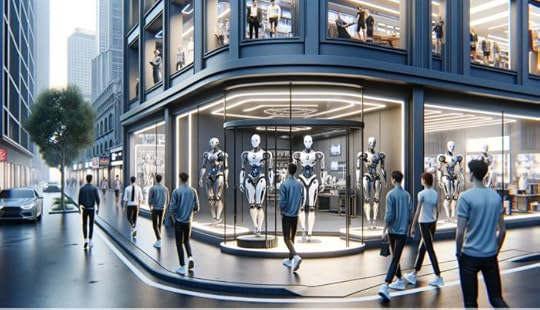
Tech geeks walking past a robot store on Main Street in 2050!
Final ThoughtsAs we hitch up our boots and look down the road, it’s clear that Main Street isn’t about to roll over and play dead just because the big old internet’s howling at the door. No, sir. It’s about reinventing the wheel in a way that keeps the ride smooth and the scenery familiar but fresh.
Our Main Streets are more than just brick-and-mortar; they’re the soul of our towns, the backdrop of our daily doings, and the keepers of our community spirit. So, while you might click a button and get a package dropped at your doorstep, that little brown box can’t replace the handshake of your barber, the warm welcome of the café owner, or the wisdom of the local hardware store guy who has been fixing problems longer than the internet’s been a thing.
We’re talking about a place where every dollar spent feels like an investment in our own backyard, where a trip to the shop might end with a parade of hellos, and where buying a gift comes with a story about who made it and how.
So, let’s tip our hats to the new kids on the block, welcome their experiences, and keep supporting the stalwarts who have been there through thick and thin. We’re all part of this tapestry, and every thread counts. The future of Main Street? It’s looking as bright as Fourth of July fireworks—full of color, full of life, and, gosh darn it, full of us.
So next time you’re thinking of hitting “add to cart,” maybe take a stroll down Main Street instead. You might just find what you’re looking for, along with a good story to boot. And that, my friends, is something no online giant can drop on your doorstep.
Translate This PageSelect LanguageAfrikaansAlbanianAmharicArabicArmenianAzerbaijaniBasqueBelarusianBengaliBosnianBulgarianCatalanCebuanoChichewaChinese (Simplified)Chinese (Traditional)CorsicanCroatianCzechDanishDutchEnglishEsperantoEstonianFilipinoFinnishFrenchFrisianGalicianGeorgianGermanGreekGujaratiHaitian CreoleHausaHawaiianHebrewHindiHmongHungarianIcelandicIgboIndonesianIrishItalianJapaneseJavaneseKannadaKazakhKhmerKoreanKurdish (Kurmanji)KyrgyzLaoLatinLatvianLithuanianLuxembourgishMacedonianMalagasyMalayMalayalamMalteseMaoriMarathiMongolianMyanmar (Burmese)NepaliNorwegianPashtoPersianPolishPortuguesePunjabiRomanianRussianSamoanScottish GaelicSerbianSesothoShonaSindhiSinhalaSlovakSlovenianSomaliSpanishSudaneseSwahiliSwedishTajikTamilTeluguThaiTurkishUkrainianUrduUzbekVietnameseWelshXhosaYiddishYorubaZulu
#goog-gt-tt {display:none !important;}
.goog-te-banner-frame {display:none !important;}
.goog-te-menu-value:hover {text-decoration:none !important;}
.goog-text-highlight {background-color:transparent !important;box-shadow:none !important;}
body {top:0 !important;}
#google_translate_element2 {display:none!important;}
function googleTranslateElementInit2() {new google.translate.TranslateElement({pageLanguage: 'en',autoDisplay: false}, 'google_translate_element2');}
function GTranslateGetCurrentLang() {var keyValue = document['cookie'].match('(^|;) ?googtrans=([^;]*)(;|$)');return keyValue ? keyValue[2].split('/')[2] : null;}
function GTranslateFireEvent(element,event){try{if(document.createEventObject){var evt=document.createEventObject();element.fireEvent('on'+event,evt)}else{var evt=document.createEvent('HTMLEvents');evt.initEvent(event,true,true);element.dispatchEvent(evt)}}catch(e){}}
function doGTranslate(lang_pair){if(lang_pair.value)lang_pair=lang_pair.value;if(lang_pair=='')return;var lang=lang_pair.split('|')[1];if(GTranslateGetCurrentLang() == null && lang == lang_pair.split('|')[0])return;var teCombo;var sel=document.getElementsByTagName('select');for(var i=0;i<sel.length;i++)if(/goog-te-combo/.test(sel[i].className)){teCombo=sel[i];break;}if(document.getElementById('google_translate_element2')==null||document.getElementById('google_translate_element2').innerHTML.length==0||teCombo.length==0||teCombo.innerHTML.length==0){setTimeout(function(){doGTranslate(lang_pair)},500)}else{teCombo.value=lang;GTranslateFireEvent(teCombo,'change');GTranslateFireEvent(teCombo,'change')}}
Search for: Recent Posts The Future of Main Street USA 12 Famous Quotes that Will Change Your Life The Rise of the “New Collar” Workforce Categories Artificial Intelligence Business Trends Future of Agriculture Future of Banking Future of Education Future of Healthcare Future of Transportation Future of Work Future Scenarios Future Trends Futurist Thomas Frey Insights Global Trends Predictions Social Trends Technology Trends Speaking TopicsFuture of Healthcare – “Is Death our only Option?Future of AIFuture of Industries ← Previous Post
The post The Future of Main Street USA appeared first on Futurist Speaker.
February 22, 2024
12 Famous Quotes that Will Change Your Life

As a futurist, I view the future not as an inevitability but as a blank slate, ripe for the imprint of our deepest hopes and desires.
Many of my friends are well aware of my fixation with unearthing the perfect quote, a quote that encapsulates the essence of what I’m trying to say in the moment. But it’s not easy. Creating the right quote is most often an elaborate wordsmithing exercise that, if done correctly, will result in a highly repeatable phrase retold over and over again by some of the world’s brightest people. That doesn’t happen very often.
Somehow I know when I hit upon a great quote because it strikes a chord inside of me, echoing my desire to find the core truths of human existence. These words are far more than echoes of days gone by; they are the guiding lights that will help usher us into a remarkably better future.
As a futurist, I view the future not as an inevitability but as a blank slate, ripe for the imprint of our deepest hopes and desires. This column is my rallying cry to harness the dynamic energy of foresight and action to construct a future that remains to be discovered, steadfast in our conviction that beyond the adversities of the past lies a future that can exceed our wildest imaginings.
Why Quotes?Famous quotes become memorable and significant due to a combination of attributes, properties, and elements. Here are a few key attributes:
Brevity and Clarity: A memorable quote is often short and to the point. It conveys a complex idea or emotion in a few words, making it easy to remember and repeat.Universal Appeal: Significant quotes often touch on themes or experiences that are universal. This makes them relatable to a wide audience across different cultures and time periods.Emotional Resonance: Quotes that evoke strong emotions, whether it’s inspiration, humor, sadness, or wisdom, tend to stick in people’s minds. Emotional impact is a powerful tool in making a quote memorable.Originality: A quote that offers a new perspective or an original thought stands out. It provides a fresh way of looking at familiar concepts, which can be enlightening and thought-provoking.Use of Literary Devices: The use of metaphors, similes, alliteration, or rhymes can make a quote more appealing and memorable. Such literary devices add a layer of depth and beauty to the words.Timing and Context: Sometimes, the significance of a quote is amplified by the context in which it was said or by its relevance to current events or universal truths. A quote that perfectly captures the essence of a moment can become timeless.Credibility of the Speaker: Quotes from individuals who are respected, famous, or hold authority in their field often carry more weight. The reputation and achievements of the speaker can lend credibility to the words.Wisdom and Insight: Quotes that provide profound insights, wisdom, or life lessons tend to be remembered and quoted often. They offer valuable guidance or reveal truths about life, society, or human nature.Visual and Auditory Appeal: How a quote sounds when spoken or how it looks in writing can also impact its memorability. A rhythmic or visually striking arrangement of words can enhance a quote’s appeal.Cultural and Historical Significance: Quotes that are tied to significant historical events, cultural movements, or societal changes often gain importance and memorability due to their association with these pivotal moments.Each famous quote may not embody all these elements, but a combination of several can greatly increase its chances of becoming memorable and significant.
 1. “Virtually every successful person starts with two core beliefs: the future can be better than the present, and I have the power to make it so!”
The foundation of success is often built upon a dual set of convictions: an optimistic view that the future holds greater potential than the current state of affairs, coupled with a sense of personal agency and the belief in one’s own ability to effect change. This mindset propels individuals to take initiative and persevere through challenges, fostering the resilience and drive necessary to transform aspirations into reality. It’s this combination of hopeful foresight and self-empowerment that fuels progress and achievement, encouraging a proactive approach to life and the confidence to shape one’s own destiny.
 2. “When it comes to designing machines to replace humans, we often forget how enormously complex we are!”
In the endeavor to automate our world, there’s a tendency to underestimate the intricacies of human nature. The pursuit of creating machines that can take on roles typically reserved for people brings to light the depth of human complexity. This journey of technological advancement is not just about replication but understanding—a reminder of the intricate tapestry of human thought, emotion, and creativity that technology strives to parallel, and the immense scope of what it means to be human. As we stand on the brink of these technological leaps, it’s a moment to reflect on the richness of human capacity that machines aspire to emulate.
 3. “If we continue to insert a teacher between us and everything we need to learn, we can’t possibly keep up with the demands of the future!”
Relying solely on traditional, teacher-led education is insufficient for keeping pace with the rapid changes and learning demands of the future. It implies that the volume and speed of new information and skills required in the future will outstrip the capacity of conventional education methods, where knowledge is typically disseminated through a teacher. This perspective encourages self-directed learning and the use of technology and other resources to learn independently. It advocates for a more proactive, autonomous approach to education, where individuals seek out information and teach themselves rather than waiting for formal instruction. The underlying message is that adaptability and the ability to learn continuously and efficiently are crucial skills in an ever-evolving world.
 4. “We’re entering a world that will require higher caliber people to make it work, and it is preposterous for us to think our existing systems can suddenly start producing better results.”
As the complexity of the world grows, there is a growing demand for people with higher-level skills to manage and advance our societal and technological systems. The idea that current educational and developmental frameworks can meet these escalating requirements without significant change is unrealistic. It’s essential that these systems evolve and adapt to better prepare individuals for the intricate challenges ahead. Emphasis on innovation in learning and skill acquisition must be prioritized to ensure that the workforce can navigate and succeed in an increasingly demanding future landscape.
 5. “Over the coming decades, we will become exponentially more fixable – trainable, repairable, improvable, and even reinventable. It will no longer be about who we are today, but who we have the potential to become.”
In the near future, the focus on human ability and development is set to undergo a profound shift. Advancements in technology and a deeper understanding of human capacity will enable individuals to enhance their skills, heal their bodies, and optimize their potential to a degree previously thought unimaginable. Personal identity will be seen as a dynamic concept, with an emphasis on the myriad possibilities that one can realize through learning and self-improvement. The essence of this change lies in the belief that the essence of a person is not fixed but is an ever-evolving set of capabilities that can be continually developed and expanded.
 6. “With AI, we’re not just climbing mountains; we’re equipping ourselves with wings to soar across an endless sky of potential!”
Embracing AI in our lives is like unlocking a new realm of possibilities. It’s not just about overcoming challenges but about drastically expanding our capabilities. Imagine AI as a catalyst that transforms our daily experiences and professional endeavors, allowing us to venture into areas we’ve never imagined. This perspective encourages us to view AI not merely as a tool but as a gateway to uncharted territories of innovation, creativity, and personal growth. It’s an invitation to explore and harness the vast potential that AI brings to our individual lives.
 7. “When it comes to education, we have met the enemy, and it is us. Ironically, we need to step aside so AI and automation can help us unlock the person we were truly meant to be!”
In the context of education, there is an emerging recognition that the greatest obstacle to progress may be our traditional approaches and reluctance to embrace new methodologies. Paradoxically, the path to self-actualization and the realization of our fullest potential may lie in allowing artificial intelligence and automated systems to take a more prominent role in the learning process. These technologies have the capacity to tailor educational experiences to individual needs and preferences, potentially leading to a more effective and personalized development journey. By stepping back from conventional methods, we might enable these advanced tools to guide us toward unlocking our inherent capabilities and discovering our true selves.
 8. “Artificial Intelligence doesn’t just open doors; it creates a universe where doors no longer exist!”The advent of artificial intelligence in our lives marks a paradigm shift in how we approach limitations and possibilities. It’s not just a matter of finding new ways to overcome existing barriers; AI fundamentally redefines the concept of limitations itself. This technology invites us to a world where traditional constraints are reimagined, encouraging innovation and creativity in personal and professional spheres. It’s about exploring a landscape where the only limits are those of our imagination, enabled by the transformative power of AI.
  9. “What meets the eye is but a fraction of the grand tapestry of our existence! The unseen, like an elusive muse, shapes and sculpts the visible, breathing the whispers of life into the silent orchestrations happening behind the scenes!”In contemplating our existence and the role of unseen forces, we realize that our understanding and perceptions are only a small part of a much larger, intricate reality. The subtleties and nuances that escape our immediate notice often play a crucial role in shaping our experiences and the world around us. These hidden elements, like an invisible hand, guide and influence the tangible aspects of life, reminding us that there is so much more to discover and understand beyond what is immediately apparent. This perspective invites introspection and curiosity, urging us to look deeper into the fabric of our existence and appreciate the complex interplay of seen and unseen factors in our lives.
  10. “Much like particles in an accelerator, when vision and action collide, they release the energy that powers our transformation into the future!”The interplay between envisioning a goal and taking decisive steps towards it can be a potent catalyst for change, akin to the burst of energy unleashed when particles smash together at high speeds in a particle accelerator. This dynamic interaction propels us forward, driving the metamorphosis of our current state into a future that aligns with our aspirations. It is the synergy of a clear vision and proactive action that generates the momentum necessary to overcome inertia, spurring progress and ushering in new phases of personal or professional evolution.
  11. “With AI as our partner & collaborator, we are not just problem-solvers; we become the architects of a future yet to be imagined!”
When we collaborate with artificial intelligence, we’re stepping into a role far greater than mere problem-solvers. It’s a shift towards becoming the visionaries and builders of a world that’s yet to unfold. This partnership with AI isn’t just about tackling the challenges at hand but about unlocking a realm of possibilities that redefine what we can create and achieve. It’s an opportunity for each of us to contribute to a future that’s as boundless as our imagination, driven by the synergy of human ingenuity and advanced technology.
 12. “Just because the past didn’t turn out the way you had hoped doesn’t mean the future can’t be even better than you imagined!”
Disappointments in the past do not necessarily dictate the quality of the future; there remains a possibility for a future that surpasses one’s dreams. This concept emphasizes the importance of not letting previous setbacks limit one’s outlook. It encourages optimism and the belief that there is always potential for a brighter tomorrow. By remaining open to this idea, individuals can maintain hope and continue to strive towards a future that may hold unexpected joys and successes, potentially exceeding their initial aspirations.
Final ThoughtsThis unusual collection of quotes is far more than just a bundle of sayings; it’s a reflection of my deep-seated belief in the power of words to inspire action and invoke change. Each quote has been chosen for its ability to spark the imagination and challenge the status quo, to serve as a stepping stone towards the great unknown that lies ahead. As you absorb the wisdom contained within these pages, I hope you will carry it with you as a source of strength and inspiration, using it to navigate the complex journey of life.
I have always believed that we are the masters of our own destiny, capable of shaping a future that reflects our highest aspirations and boldest dreams. The future beckons with open arms, promising a reality that transcends our past achievements and current expectations.
Let these words inspire you, as they have inspired me, to transcend the ordinary and venture into the extraordinary, crafting a legacy that will resonate for generations to come. Remember, the path to tomorrow is paved with the insights of yesterday, and every step forward is a step into a future that we have the privilege to create.
Select LanguageAfrikaansAlbanianAmharicArabicArmenianAzerbaijaniBasqueBelarusianBengaliBosnianBulgarianCatalanCebuanoChichewaChinese (Simplified)Chinese (Traditional)CorsicanCroatianCzechDanishDutchEnglishEsperantoEstonianFilipinoFinnishFrenchFrisianGalicianGeorgianGermanGreekGujaratiHaitian CreoleHausaHawaiianHebrewHindiHmongHungarianIcelandicIgboIndonesianIrishItalianJapaneseJavaneseKannadaKazakhKhmerKoreanKurdish (Kurmanji)KyrgyzLaoLatinLatvianLithuanianLuxembourgishMacedonianMalagasyMalayMalayalamMalteseMaoriMarathiMongolianMyanmar (Burmese)NepaliNorwegianPashtoPersianPolishPortuguesePunjabiRomanianRussianSamoanScottish GaelicSerbianSesothoShonaSindhiSinhalaSlovakSlovenianSomaliSpanishSudaneseSwahiliSwedishTajikTamilTeluguThaiTurkishUkrainianUrduUzbekVietnameseWelshXhosaYiddishYorubaZulu
#goog-gt-tt {display:none !important;}
.goog-te-banner-frame {display:none !important;}
.goog-te-menu-value:hover {text-decoration:none !important;}
.goog-text-highlight {background-color:transparent !important;box-shadow:none !important;}
body {top:0 !important;}
#google_translate_element2 {display:none!important;}
function googleTranslateElementInit2() {new google.translate.TranslateElement({pageLanguage: 'en',autoDisplay: false}, 'google_translate_element2');}
function GTranslateGetCurrentLang() {var keyValue = document['cookie'].match('(^|;) ?googtrans=([^;]*)(;|$)');return keyValue ? keyValue[2].split('/')[2] : null;}
function GTranslateFireEvent(element,event){try{if(document.createEventObject){var evt=document.createEventObject();element.fireEvent('on'+event,evt)}else{var evt=document.createEvent('HTMLEvents');evt.initEvent(event,true,true);element.dispatchEvent(evt)}}catch(e){}}
function doGTranslate(lang_pair){if(lang_pair.value)lang_pair=lang_pair.value;if(lang_pair=='')return;var lang=lang_pair.split('|')[1];if(GTranslateGetCurrentLang() == null && lang == lang_pair.split('|')[0])return;var teCombo;var sel=document.getElementsByTagName('select');for(var i=0;i<sel.length;i++)if(/goog-te-combo/.test(sel[i].className)){teCombo=sel[i];break;}if(document.getElementById('google_translate_element2')==null||document.getElementById('google_translate_element2').innerHTML.length==0||teCombo.length==0||teCombo.innerHTML.length==0){setTimeout(function(){doGTranslate(lang_pair)},500)}else{teCombo.value=lang;GTranslateFireEvent(teCombo,'change');GTranslateFireEvent(teCombo,'change')}}
Search for: Recent Posts 12 Famous Quotes that Will Change Your Life The Rise of the “New Collar” Workforce The Hitler Paradox: A Personal Conversation with Adolph Hitler and Its Far-Reaching Consequences Categories Artificial Intelligence Business Trends Future of Agriculture Future of Banking Future of Education Future of Healthcare Future of Transportation Future of Work Future Scenarios Future Trends Futurist Thomas Frey Insights Global Trends Predictions Social Trends Technology Trends Speaking TopicsFuture of Healthcare – “Is Death our only Option?Future of AIFuture of Industries ← Previous Post
The post 12 Famous Quotes that Will Change Your Life appeared first on Futurist Speaker.
February 8, 2024
The Rise of the “New Collar” Workforce
 The Power of an Idea
In the closing months of 2016, a novel term began to echo through the corridors of the tech industry, heralding a significant shift in the employment landscape. Coined by Ginni Rometty, IBM’s then-CEO, “new collar” entered the lexicon, encapsulating a burgeoning trend that sought to redefine professional success. Rometty’s advocacy shone a light on the transformative nature of the labor market, drawing attention to an emerging breed of jobs that prized skill and capability over the pedigree of a traditional college education.
At the heart of this movement are the new collar workers, a burgeoning demographic in today’s labor force. These individuals break the mold, having honed their technical abilities and practical know-how through avenues far removed from the ivy-clad walls of academia. From the digital classrooms of online courses to the intense, focused training of vocational bootcamps, these workers are carving out their niches. Apprenticeships, on-the-job training, and self-directed learning are their tools, crafting a skillset that perfectly fits the contours of contemporary industries like IT, cybersecurity, healthcare, and advanced manufacturing.
The rise of the new collar worker marks a departure from the traditional dichotomy of the professional landscape, where white-collar workers sat on one side with their managerial and professional roles, and blue-collar workers stood on the other, representing manual labor. Today’s economy doesn’t just blur these lines; it redraws them entirely. New collar jobs meld the physical and the intellectual, infusing the hands-on approach of blue-collar positions with the analytical acumen typically reserved for their white-collar counterparts.
This evolution in job classification reflects a deeper current sweeping the labor market, a tide that prioritizes the tangible and practical aspects of knowledge over the formality of degrees. It’s a shift that acknowledges the role of technology in reshaping what it means to be work-ready and what it means to be successful in the digital age.

The pace of business is demanding a new breed of professionals equipped with specialized skills often acquired outside the confines of conventional degree programs.
The Driving Forces Behind the New Collar MovementThe emergence of the new collar workforce is no happenstance; it’s the result of powerful currents reshaping the landscape of work and education. Understanding these forces is key to grasping the full impact of this transformative trend.
Technological Advancements: The New FrontierAt the forefront is the relentless march of technology, with AI leading the charge. The effect of AI on the job market is twofold: it not only automates routine tasks but also forges new sectors demanding expertise that traditional educational institutions struggle to provide. This rapid technological evolution is creating roles that are as novel as they are niche, necessitating a breed of professionals equipped with specialized skills often acquired outside the confines of conventional degree programs.
The Educational Evolution: Adapting to a New RealityEducational models are swiftly pivoting in response to the soaring need for specialized technical skills. The landscape is shifting from the traditional, degree-centric approach to a more nimble, skills-focused paradigm. Online learning platforms, micro-credentialing, and industry-specific certifications are stepping into the breach, offering the flexibility and specialized training that traditional academic pathways often lack. This shift is not merely a trend; it’s a response to the real-world demands of industries racing to keep up with the pace of innovation.
Economic Imperatives: The Cost of CompetitivenessEconomic considerations are also significant catalysts for the new collar movement. In an era where technological agility is synonymous with market survival, there’s a burgeoning need for a workforce that can pivot with the shifting technological and economic sands. Organizations are on the hunt for cost-effective strategies to cultivate talent, increasingly leaning towards in-house training programs that can swiftly bring employees up to speed on the latest technologies. This approach to talent development provides a practical, financially prudent alternative to the steep investment in traditional education that has long been the default recruitment filter.
Together, these forces are not just driving the new collar movement; they’re redefining what it means to be employable and successful in a rapidly transforming economy. It’s a movement that is as much about the changing identity of the workforce as it is about the broader evolution of society in the face of technological progress.

Employers are increasingly preferring candidates who can demonstrate their competencies through industry certifications, curated portfolios, and direct experience.
Key Characteristics of New Collar JobsThe landscape of work has been altered irrevocably by the advent of new collar jobs, with certain attributes distinguishing them from traditional roles. Understanding these characteristics is essential for both job seekers and employers navigating this new terrain.
Prioritizing Skillsets: A Practical ApproachCentral to the ethos of new collar jobs is prioritizing practical skills over academic degrees. These roles are defined less by the diplomas candidates hold and more by their capacity to tackle the tasks at hand effectively. Employers increasingly value candidates who can demonstrate their competencies, often through industry certifications, curated portfolios, and direct experience. This shift represents a more pragmatic approach to hiring, focusing on what applicants can do rather than where they studied.
Synergy of Abilities: The Composite ProfessionalNew collar roles often demand a blend of technical acumen and soft skills. Mastery of specific technical domains—such as programming, network security, or data analysis—is as crucial as solving problems, adapting to new situations, and communicating effectively. The interweaving of these hard and soft skills equips professionals with the versatility needed to navigate the rapidly shifting technological landscape and contributes to a well-rounded, resilient workforce.
The Vanguard Industries: Sectors in TransformationCertain industries are particularly emblematic of the new collar revolution. Cybersecurity, data analytics, cloud computing, AI development, and healthcare are among the sectors leading the charge. They are marked by their swift growth and the constant evolution of their operational landscapes, which demand a workforce that is not only competent but also capable of evolving alongside continuous innovations. These industries exemplify the new collar ideal: a work environment where the ability to learn and adapt is as valuable as the expertise one brings to the table.

Apprenticeships are particularly valuable, providing real-world experience under the mentorship of seasoned professionals.
Pathways to Becoming a New Collar WorkerThe journey to becoming a new collar worker is paved with a variety of educational and developmental paths, each catering to the evolving needs of modern industries and the individuals eager to navigate them.
Hands-On Education: Vocational Training and ApprenticeshipsVocational training centers and apprenticeship programs stand out as practical avenues for aspiring new collar workers. These pathways offer a focused education in specific trades and technical fields, pairing curriculum with hands-on application. Apprenticeships are particularly valuable, providing real-world experience under the mentorship of seasoned professionals. Through these channels, individuals can gain the job-specific expertise that is highly sought after in today’s market.
Tech-Intensive Learning: Coding Bootcamps and Online CoursesFor those aiming to plunge into the digital realms of the new collar world, coding bootcamps and online courses present intensive and flexible learning options. Bootcamps are immersive, often short-term programs designed to impart specific digital skills rapidly. Online courses complement this by offering a breadth of learning opportunities accessible from anywhere, at any time. These educational routes are tailored for swift entry into tech-centric new collar roles.
Learning in the Trenches: On-the-Job Training and Mentorship ProgramsA significant number of employers are investing in the future by providing on-the-job training programs, allowing employees to learn while they earn. This practical approach is frequently augmented by mentorship, where novices can draw on the wisdom and experience of experts in their field. This dual strategy benefits not only the employees, who grow their skill sets but also the employers, who cultivate a workforce capable of keeping stride with industry demands and innovations. This symbiotic process fosters a culture of continuous learning and professional development, fueling the growth of both the individual and the company.

The employment marketplace of today is in constant flux, underscoring the need for continuous learning and professional upskilling.
The Role of Employers in Cultivating New Collar TalentEmployers are not just the beneficiaries of the burgeoning new collar workforce but also its nurturers. Their role in shaping this new category of talent is pivotal and multifaceted.
Fostering Growth: Investment in Training and DevelopmentA crucial aspect of cultivating new collar talent lies in the hands of employers through their commitment to training and development. By actively investing in workshops, specialized courses, and continuous education seminars, companies can arm their employees with the cutting-edge skills needed to thrive. This investment helps ensure that their teams are competitive and remain at the forefront of industry innovation.
Broadening Horizons: Creating Opportunities for Non-degree HoldersProgressive companies are shifting the employment paradigm by valuing skills and hands-on experience as much as, if not more than, traditional academic credentials. By opening their doors to skilled non-degree holders, they are expanding their talent pool and fostering a more diverse and inclusive work environment by opening their doors to skilled non-degree holders. This approach not only enriches the company culture but also strengthens the workforce by incorporating a wider range of perspectives and competencies.
The Lifelong Learning Ethos: Continuous Learning and UpskillingThe marketplace of today is in constant flux, underscoring the necessity for continuous learning and professional upskilling. Employers who instill a learning ethos within their organizations not only enhance their overall capabilities but also contribute significantly to employee engagement and retention. Demonstrating a commitment to the professional growth of their teams, these employers not only prepare their workforce for the current demands but also for the unforeseen challenges of the future.

The gap between the skills people have and those needed for the rapidly evolving tech landscape is widening.
Challenges and OpportunitiesThe new collar movement, while promising, faces its own set of challenges and presents unique opportunities. Addressing these effectively can pave the way for a more adaptive and innovative future.
Overcoming Educational Prejudice: A New ParadigmOne of the foremost challenges is dismantling the deep-seated stigma attached to non-traditional education paths. The entrenched belief that traditional four-year degrees are the only respectable route to a successful career persists, often casting a shadow over the effectiveness of vocational and skills-based training. Combatting this requires a societal and cultural shift that acknowledges the legitimacy and value of alternative educational routes as equally viable and esteemed.
Bridging the Skills Divide: Preparing for TomorrowThe chasm between the skills people have and those needed for the rapidly evolving technological landscape is widening. This skills gap represents a critical challenge for both employers and educational institutions. A concerted effort to identify and address these gaps is imperative, ensuring the labor force stays abreast of the changing demands and is well-prepared for the emerging jobs of the future.
Harnessing Growth Potential: A Lever for ProgressThe silver lining to these challenges lies in the vast potential for economic expansion and innovation that the new collar workforce represents. By embracing the diverse array of talents and skill sets that come from non-traditional educational backgrounds, industries stand to benefit from a more dynamic, inventive, and productive economic milieu. The inclusion of new collar talent is not just a nod to inclusivity; it’s a strategic advantage that can catalyze progress and spark a new wave of economic prosperity.

The new collar workforce holds the key to unlocking a new era of economic growth and innovation.
Final Thoughts: The Future of New Collar WorkThe trajectory of the new collar movement is set against a backdrop of both formidable challenges and substantial opportunities. Its potential to revolutionize the workforce and stimulate economic innovation is immense, but realizing this potential demands concerted effort and a reimagining of entrenched norms.
Redefining Educational SuccessAt the crux of this movement is the need to dismantle longstanding biases towards traditional education. The perception that only four-year degrees equate to professional success and respectability is a barrier to the full acceptance and integration of vocational and skills-based education. To shift this paradigm, there must be a collective effort to celebrate and recognize the value of alternative learning pathways. Society, as a whole, needs to realign its understanding of what constitutes a valuable education, acknowledging that success is multifaceted and can be achieved through various avenues.
Closing the Skills GapAs we march into the future, the disconnect between existing skills and those demanded by an increasingly digital economy becomes more pronounced. Bridging this skills gap is imperative. Employers, educational institutions, and policymakers must work in tandem to forecast future needs and develop curricula and training programs that are responsive to these projections. It’s not just about adapting to today’s requirements but also anticipating tomorrow’s challenges and preparing the workforce accordingly.
Leveraging New Collar PotentialThe new collar workforce holds the key to unlocking a new era of economic growth and innovation. By embracing a workforce that includes those with non-traditional educational backgrounds, industries can harness a wealth of untapped talent and creativity. This is not merely an exercise in diversity and inclusion; it’s an economic imperative. In an age where adaptability and innovation are paramount, new collar workers can be the catalysts for change, driving forward progress and prosperity.
The Way ForwardMoving forward, the success of the new collar movement will largely depend on the collective will to embrace these changes and the collaborative efforts to address the challenges head-on. It will require a new mindset, one that values skills and practical experience as highly as academic credentials. For those ready to take on this challenge, the rewards promise to be transformative, for individuals and society alike. The future beckons with a promise of a more adaptive, skilled, and innovative workforce, ready to meet the demands of the new economic landscape that awaits.
Translate This PageSelect LanguageAfrikaansAlbanianAmharicArabicArmenianAzerbaijaniBasqueBelarusianBengaliBosnianBulgarianCatalanCebuanoChichewaChinese (Simplified)Chinese (Traditional)CorsicanCroatianCzechDanishDutchEnglishEsperantoEstonianFilipinoFinnishFrenchFrisianGalicianGeorgianGermanGreekGujaratiHaitian CreoleHausaHawaiianHebrewHindiHmongHungarianIcelandicIgboIndonesianIrishItalianJapaneseJavaneseKannadaKazakhKhmerKoreanKurdish (Kurmanji)KyrgyzLaoLatinLatvianLithuanianLuxembourgishMacedonianMalagasyMalayMalayalamMalteseMaoriMarathiMongolianMyanmar (Burmese)NepaliNorwegianPashtoPersianPolishPortuguesePunjabiRomanianRussianSamoanScottish GaelicSerbianSesothoShonaSindhiSinhalaSlovakSlovenianSomaliSpanishSudaneseSwahiliSwedishTajikTamilTeluguThaiTurkishUkrainianUrduUzbekVietnameseWelshXhosaYiddishYorubaZulu
#goog-gt-tt {display:none !important;}
.goog-te-banner-frame {display:none !important;}
.goog-te-menu-value:hover {text-decoration:none !important;}
.goog-text-highlight {background-color:transparent !important;box-shadow:none !important;}
body {top:0 !important;}
#google_translate_element2 {display:none!important;}
function googleTranslateElementInit2() {new google.translate.TranslateElement({pageLanguage: 'en',autoDisplay: false}, 'google_translate_element2');}
function GTranslateGetCurrentLang() {var keyValue = document['cookie'].match('(^|;) ?googtrans=([^;]*)(;|$)');return keyValue ? keyValue[2].split('/')[2] : null;}
function GTranslateFireEvent(element,event){try{if(document.createEventObject){var evt=document.createEventObject();element.fireEvent('on'+event,evt)}else{var evt=document.createEvent('HTMLEvents');evt.initEvent(event,true,true);element.dispatchEvent(evt)}}catch(e){}}
function doGTranslate(lang_pair){if(lang_pair.value)lang_pair=lang_pair.value;if(lang_pair=='')return;var lang=lang_pair.split('|')[1];if(GTranslateGetCurrentLang() == null && lang == lang_pair.split('|')[0])return;var teCombo;var sel=document.getElementsByTagName('select');for(var i=0;i<sel.length;i++)if(/goog-te-combo/.test(sel[i].className)){teCombo=sel[i];break;}if(document.getElementById('google_translate_element2')==null||document.getElementById('google_translate_element2').innerHTML.length==0||teCombo.length==0||teCombo.innerHTML.length==0){setTimeout(function(){doGTranslate(lang_pair)},500)}else{teCombo.value=lang;GTranslateFireEvent(teCombo,'change');GTranslateFireEvent(teCombo,'change')}}
Search for: Recent Posts The Rise of the “New Collar” Workforce The Hitler Paradox: A Personal Conversation with Adolph Hitler and Its Far-Reaching Consequences The Coming AI Job Explosion Categories Artificial Intelligence Business Trends Future of Agriculture Future of Banking Future of Education Future of Healthcare Future of Transportation Future of Work Future Scenarios Future Trends Futurist Thomas Frey Insights Global Trends Predictions Social Trends Technology Trends Speaking TopicsFuture of Healthcare – “Is Death our only Option?Future of AIFuture of Industries ← Previous Post
The post The Rise of the “New Collar” Workforce appeared first on Futurist Speaker.
January 24, 2024
The Hitler Paradox: A Personal Conversation with Adolph Hitler and Its Far-Reaching Consequences

Our understanding of history is about to be transformed!
Introduction: A Brief OverviewThe year is 2028. We find ourselves in the midst of a technological golden age, an era where artificial intelligence and virtual reality are as integral to our existence as the air we breathe. These advancements are not confined to the esoteric areas of tech companies or the silver screens of cinemas; they are woven into the fabric of everyday living, reshaping even the most familiar institutions. Among these, the local library stands transformed, no longer just a sanctuary of books and whispers, but now the host of the revolutionary “Conversations Room”—a nexus where the annals of history are not just recorded but relived.
This chamber, a marvel of modern engineering, represents the pinnacle of interactive learning. It is here that AI conjures up the past with an uncanny vivacity, bridging the chasm of time and bringing face-to-face encounters with historical figures into the present. As patrons cross the threshold, they step into an area where illustrious minds of yesteryears come alive, engaging in discourse as though they had never left.
The library, once a quiet haven for solitary reflection, now buzzes with the energy of the past made present. Its walls, which once held the silent knowledge of books, now pulsate with the voices of those who have shaped the course of human history. The Conversations Room has turned the library into a dynamic intersection of time, a place where learning is an immersive journey and knowledge is an interactive adventure.
As I approached the room, a sense of anticipation gripped me. The possibilities that lay behind its doors were limitless—a chance to converse with the thinkers, leaders, and visionaries who have long since departed the physical world. It was an opportunity to challenge the boundaries of time, to ask the questions never asked, and perhaps, to gain insights that have eluded us for generations.
The air of reverence that once surrounded the pursuit of knowledge has been magnified tenfold by this convergence of the past and future. It is a testament to human ingenuity, a space where curiosity is not only satisfied but ignited, where the whispers of history grow louder and clearer than ever before. The Conversations Room stands as a beacon of this new age, a symbol of how far we’ve come and a glimpse into how far we might go.

The Conversation Room was not what I expected!
Discovery of the Conversations RoomMy curiosity was piqued the moment I heard murmurs of the Conversations Room—a term that seemed to dance on the lips of every patron within the library’s hallowed halls. It was a new addition, discreetly tucked away behind the neoclassical columns that had long stood guard over centuries of accumulated knowledge. Upon inquiring, a librarian, with eyes gleaming with a mix of pride and wonder, ushered me towards a door etched with the promise of untold narratives.
Inside this space, the air was charged with the electric anticipation of discovery. Dominating the room was the “Virtual Presence Machine,” a sophisticated console resembling a sculptor’s masterpiece, an altar to the marriage of art and technology. It was an AI-powered conduit to the past, capable of weaving the threads of history into the tapestry of the now. With the gentle touch of a screen, one could summon the likeness and spirit of historical figures, each reimagined with an intricate algorithmic precision that blurred the lines between what was and what is.
As I stood before the machine, I was briefed on its capabilities. It could parse through petabytes of historical data—letters, speeches, photographs, recordings—and from this digital ocean, it could conjure a realistic, interactive avatar. These figures were rendered with such detail that they could withstand the scrutiny of the most discerning eye, their digital flesh imbued with the textures of their time.
The librarian explained that the machine was the fruit of interdisciplinary labor—a synergy of historians, linguists, programmers, and ethicists who had worked to ensure that each recreation was as faithful to its source material as our collective knowledge would allow. The avatars were not mere puppets but entities with the ability to engage in dynamic conversation, driven by AI that could simulate temperament, intellect, and even the emotional complexities of their human counterparts.
I marveled at the machine, a technological oracle that granted us audience with the once unreachable. It was a gateway to the minds that had sculpted our world, and now, with a mix of reverence and an insatiable hunger for the conversations that awaited, I approached the device, ready to speak with the echoes of history.
Encounter with the AI-Version of Adolf HitlerThe library’s Conversations Room was a silent witness to the accidental invocation of one of history’s darkest figures. A misclick, an unintended twist of digital fate, brought forth the AI version of Adolf Hitler. There was an eerie stillness as the system processed my errant request, followed by the hum of processors bringing to life an avatar that many would rather leave in the annals of the past.
As the machine whirred, pixels coalesced into the form of a man whose very name evokes a spectrum of emotions—fear, anger, and revulsion among them. The AI-generated Hitler stepped into the virtual space with an unsettling realism; his hair, the infamous mustache, the creases of his uniform were all rendered with hyperrealistic detail. The simulation was uncanny, not just in appearance but in mannerism—the way his eyes scanned the room, the authoritative posture, the expectant tilt of his head as he awaited the conversation.
There was a palpable tension as I faced this digital resurrection. His first words, delivered in a voice imbued with the tonal nuances of the German language, cut through the silence with precision. His eyes, a digital reconstruction based on countless photographs and films, fixed on me with an intensity that made the room around us fade away. It was as if the technology had peeled back the veil of time, allowing the Fuhrer to step through and sit, once again, in the space of the living.
The AI’s responses were eerily lifelike, responding to queries with the calculated charisma and rhetorical flair that had once swayed a nation. It was a testament to the programmers’ and historians’ meticulous craftsmanship that such an experience was not only possible but felt as real as any conversation with a living person. The avatar’s demeanor, its unsettling air of command, was a reminder that while we can recreate figures from history, we must tread carefully on the ethical implications of such interactions.
This encounter was not just a conversation; it was a confrontation—an immersive experience that challenged the participant to navigate the complex waters of historical legacy and moral judgment. It demanded a reflection on the influence of technology on our understanding of the past and the responsibility that comes with such powerful tools.
The Conversations Room: A Portal to the PastUpon entering the Conversations Room, the air felt charged with potential, the walls lined with interactive screens that whispered of possibilities. The centerpiece of this sanctum was the Virtual Presence Machine, a device that seemed like an artifact from the future yet rooted deeply in the past. It was here that the library’s promise took form—an opportunity to engage with lifelike representations of historical figures, each recreated with an exquisite attention to detail by AI that had learned from every available scrap of history.
This machine was not merely a tool but a conduit to the once unreachable. It synthesized vast databases of historical records, photographs, audio files, and written works, all funneled through the interpretive power of artificial intelligence. The avatars it generated were more than just visual; they were entities capable of conversation, programmed to reflect the intellect, emotions, and even the biases of their real-life counterparts.
A hush fell over the room as I approached the machine, its interface aglow with the names of legends and tyrants, pioneers and poets. Here, one could summon the likes of Cleopatra or Einstein with a simple command, each AI personality ready to dispense wisdom, share insights, or debate their life’s philosophies. The library, once a silent bastion of knowledge, was now alive with the voices of centuries past.
The patrons of this room found themselves face-to-face with history’s ghosts, each encountering a private audience with greatness and infamy alike. The Virtual Presence Machine bridged the gap between the temporal and the timeless, offering a new way to experience history—not as a static, distant tale but as a living, breathing dialogue.
In this space, the past was no longer a foreign country but a living landscape to be explored. It was a testament to human curiosity and our insatiable desire to understand not just the events that have shaped our world but the people behind them. The Conversations Room stood as a portal to the past, offering a journey as profound as it was personal, as enlightening as it was ethereal.

A porthole in time!
A Confrontation Across TimeThe quietude of the library’s ancient tomes was abruptly pierced as the Virtual Presence Machine beckoned, its sleek interface a stark contrast to the leather-bound spines that lined the shelves. I had intended to lose myself in the sepia-toned pages of history, but the allure of interacting with history itself proved irresistible. The machine, with its array of buttons, suggested a multitude of potential encounters, each a doorway to a conversation that could rewrite personal understanding of bygone eras.A slip of the finger, an inadvertent command, and suddenly the screen flickered to life, presenting me with the visage of Adolf Hitler. Among a pantheon of figures available for summoning, his presence loomed ominously, a stark reminder of the dark chapters written by his hand. Yet, it was curiosity—untempered and raw—that guided my decision to proceed. Despite the gravity of his historical shadow, the opportunity to engage with this digital reconstruction of one of history’s most infamous architects was too compelling to dismiss.As the simulation initialized, a silence enveloped the room, a hush of anticipation that hung heavy like the calm before a storm. The machine hummed, a low and steady sound that seemed to herald the opening of temporal gates. The air shimmered, and there he was—rendered in startling clarity, the recreation of Adolf Hitler sat across from me as if plucked from the annals of the 20th century and placed squarely in the 21st.The session’s beginning was marked by a palpable tension, a feeling of crossing an unspoken boundary between the observer and the observed. As the avatar adjusted to his surroundings, it became clear that this was no mere playback of recorded history; it was an entity designed to interact, to respond, to confront. It was a conversation across time, a dialogue with an echo of the past, and with a breath held tight, I spoke, inaugurating a discourse that promised to be as enlightening as it was harrowing.
My mouth was open, but the words would not come out!
Dialogue with a Digital DictatorAs the avatar of Adolf Hitler neared, a synthetic winter seemed to settle within the Conversations Room, the temperature dropping with each pixelated step he took toward the chair opposite me. The fidelity of his recreation was haunting; every crease on his uniform, every strand of hair combed into place, and that unmistakable mustache crafted with digital precision that it almost defied the reality of his absence. He sat down, a motion captured with an eerie smoothness, and as he settled, his eyes—sharp, cold, and calculating—found mine. It was a gaze that had once commanded nations, and now, through the lens of technology, it interrogated me.
His voice, synthesized from the depths of historical archives, carried the weight of a past that the world still struggled to comprehend. It was firm, with the remnants of a Bavarian accent coloring the German-accented English. “Why are you here?” he asked, each word a pointed barb. The air seemed to grow thinner as I grasped for an adequate response. My mouth opened, but the words hesitated, stumbling over the surrealism of engaging with a figure that had shaped the world through terror.
I managed a faltering introduction, but the formality was met with an unnerving silence that filled the space between his question and my incomplete answer. The AI, sophisticated as it was, had captured the essence of his intimidating aura, mimicking not just his historical speeches but the very way he might have wielded silence as a weapon. His digital eyes bore into me, an uncomfortable scrutiny that seemed to expect not just words but the revelation of motives and intentions.
It was then that the true power of the Virtual Presence Machine became apparent—it was not merely a repository of history but a portal through which the complexities of human character could be explored. Here was not just an image of Hitler but a reconstruction that demanded interaction that required one to confront the uncomfortable depths of history firsthand. The dialogue that ensued would be a navigation through a past that was both distant and, through the marvels of AI, disturbingly near.
The Ethereal InterviewThe conversation unfolded like a match of wits with an apparition from history’s shadow. Even as an AI construct, the digital Hitler was imbued with the paranoia that had been as much a signature of his rule as his despotism. My every inquiry was met not with the openness of a casual chat but with the defensiveness of a leader perennially poised on the brink of betrayal. His responses, while articulate, were laced with a distrust that transcended the ones and zeros of his making, transporting me into the psychological labyrinth that once ensnared a nation.
As the interview progressed, it was clear this was no mere recitation of historical facts. The AI, programmed for depth and behavioral accuracy, replicated the tactical evasion and propagandist rhetoric that had been the hallmarks of Hitler’s oratory. Each answer he provided—whether it be about his rise to power, his political machinations, or his personal vendettas—offered not just information but a window into the psyche of tyranny.
This surreal interaction was punctuated by moments where the line between man and machine blurred into obsolescence. Here was a figure, notorious and reviled, his essence distilled into bytes and algorithms, challenging me to dissect his thoughts, to understand his actions. And as I probed this AI facsimile for answers to questions old and new, I could not help but reflect on the technology’s profound capabilities. It was a tool of immense educational potential, yes, but in its rendering of such a controversial figure, it also posed ethical dilemmas that tugged at the very fabric of historical accountability.
The ethereal interview was more than an academic exercise; it was a moral inquiry into the implications of resurrecting the past so vividly. It forced a contemplation of how such technology might shape collective memory and the ways in which we might navigate the treacherous waters of moral judgment when faced with the specters of history brought to life by the digital necromancy of AI.

Visual presence machines will happen sooner than most people realize!
Reflections on the ExperienceThe digital clock ticked the ninetieth minute as the visage of the dictator faded from the screen, and I was left alone in the chilling silence of the Conversations Room. The storm of dialogue had passed, but the echoes of the exchange with Hitler’s avatar resonated deeply within the confines of my thoughts. My mind, once eager and inquisitive, now felt heavy with the complexity of emotions that the session had stirred—a turmoil not unlike the aftermath of a tempest.
I sat motionless as the library’s experiment in immersive education cast long shadows across the floor of my consciousness. The technology had achieved its aim; it had brought history to life, but in doing so, it had opened a Pandora’s box of moral conundrums. The encounter was designed to be enlightening, a bridge to understanding, yet in seeking the human behind the horror, I had been drawn into the abyss that was his worldview.
The experience was a confrontation with the very nature of evil—a concept so often abstracted in textbooks, now given form and voice by lines of code. It was a vivid reminder that history is not merely a series of events to be studied but a tapestry of human lives, decisions, and emotions. The intensity of the session was not just a product of technological prowess but a testament to the enduring impact of the past upon the present.
In the quiet aftermath, I grappled with a disquieting clarity: the avatar had been a mirror, reflecting back not just the persona of Hitler but the darkness that can dwell within the corridors of power. The library, in its pursuit of education, had inadvertently shone a light on the depths to which humanity can sink and the importance of remembrance and vigilance.
As I stepped out of the Conversations Room, I carried with me not only a greater understanding of history but also a renewed appreciation for the responsibilities that come with knowledge. It was an experience that transcended the boundaries of a typical educational endeavor, leaving an indelible impression that would shape my reflections on the power and potential of AI to animate our understanding of history’s most profound narratives.

Every scene was a lingering reminder of the atrocities of WWII!
The Moral of the MachineThe lingering virtual presence of Hitler, now dissolved into bytes and silence, exemplified “situational futuring”—a foray into the territory of historical what-ifs made tangible through the prowess of AI. This encounter, a simulacrum of engagement with a figure epitomizing moral abyss, was as much a technical triumph as it was an ethical exposition. The AI had not merely mimicked; it had invoked the essence of the historical figure, challenging me to dissect and comprehend but also to judge and feel.
The experience underscored a profound truth: our past, with its complex tapestry of triumphs and tragedies, is not just a collection of dates and facts but an emotional landscape that continues to shape our collective ethos. The Virtual Presence Machine, in rendering such a poignant and palpable interaction, had highlighted the weight of history’s darkest chapters and the visceral reactions they still elicit. It served as a testament to the notion that our understanding of historical morality is not static but an ongoing conversation—one that can be facilitated but also complicated by emerging technologies.
This brush with “situational futuring” revealed the duality of innovation; the same technology that can educate and enlighten also bears the potential to unsettle and provoke. It offered a striking lesson in the delicate balance between leveraging AI to illuminate the corridors of the past and the risk of trivializing its gravitas. The virtual encounter was a mirror reflecting not only the capabilities of artificial intelligence but also the enduring resonance of history’s most profound narratives.
In the quiet that followed, I pondered the ethical implications woven into the machine’s code—the decisions made by developers, historians, and ethicists about how to portray such controversial figures. These virtual interactions, while revolutionary, carry a moral responsibility to honor the complexity of human experiences and the repercussions of actions that have rippled through time.
The Conversations Room, with its promise of dialogue across decades, had indeed brought history to life. Yet, in doing so, it raised imperative questions about the stewardship of our past through the lens of technology. As the machine powered down, leaving its moral lessons lingering in the digital ether, it became clear that each session was not merely an educational tool but a vessel for ethical reflection, a reminder that the ghosts of history must be engaged with a conscientious heart and a mindful soul.
Conclusion: The Future Reflected in the PastExiting the Conversations Room, the stark silence of the library enveloped me once again, a stark contrast to the fervent dialogue that had just consumed my senses. Yet, even as the echo of my footsteps mingled with the quiet hum of the library, the reverberations of the past, so vividly rendered by the Virtual Presence Machine, continued to stir the air. My hands, which had only moments ago manipulated the interface of a machine capable of piercing through the veils of time, now trembled slightly with the weight of the experience.
This encounter, while confined within the walls of the library, had far-reaching implications, casting long shadows into the future and bright light onto the past. The reflections that danced in my mind were not just of the virtual Hitler, whose digital specter had challenged me but of the broader horizon that such technology heralded. It was clear that as we stride further into this brave new world, the context of learning and understanding would be forever altered.
The technology that had allowed me to converse with history had also served as a reflective surface, one that revealed not only the capabilities of our creations but also the undulating landscape of our humanity. It underscored the imperative need for a symbiosis between our technological advancements and our ethical frameworks. As we chart our course towards the ever-advancing frontiers of innovation, we must anchor ourselves with a moral compass finely attuned to the lessons of history.
This AI, with its ability to summon the past into the present, proved that our explorations into technology would continuously challenge us—not just intellectually but morally. The Conversations Room, a mere single room within the library, had become a crucible for these challenges, a place where historical figures could be summoned not just for interrogation but for introspection.
In the quietude that followed, it was evident that the past would always hold a mirror to the future, reflecting our choices, our values, and our aspirations. The Virtual Presence Machine had opened a dialogue not just with history but with the very essence of what it means to advance as a civilization. And as I stepped out into the world, the light of the day seemed to hold a different hue—a hue tinged with the knowledge that the future, while unknown, would always find its roots in the fertile ground of our past.
Translate This PageSelect LanguageAfrikaansAlbanianAmharicArabicArmenianAzerbaijaniBasqueBelarusianBengaliBosnianBulgarianCatalanCebuanoChichewaChinese (Simplified)Chinese (Traditional)CorsicanCroatianCzechDanishDutchEnglishEsperantoEstonianFilipinoFinnishFrenchFrisianGalicianGeorgianGermanGreekGujaratiHaitian CreoleHausaHawaiianHebrewHindiHmongHungarianIcelandicIgboIndonesianIrishItalianJapaneseJavaneseKannadaKazakhKhmerKoreanKurdish (Kurmanji)KyrgyzLaoLatinLatvianLithuanianLuxembourgishMacedonianMalagasyMalayMalayalamMalteseMaoriMarathiMongolianMyanmar (Burmese)NepaliNorwegianPashtoPersianPolishPortuguesePunjabiRomanianRussianSamoanScottish GaelicSerbianSesothoShonaSindhiSinhalaSlovakSlovenianSomaliSpanishSudaneseSwahiliSwedishTajikTamilTeluguThaiTurkishUkrainianUrduUzbekVietnameseWelshXhosaYiddishYorubaZulu
#goog-gt-tt {display:none !important;}
.goog-te-banner-frame {display:none !important;}
.goog-te-menu-value:hover {text-decoration:none !important;}
.goog-text-highlight {background-color:transparent !important;box-shadow:none !important;}
body {top:0 !important;}
#google_translate_element2 {display:none!important;}
function googleTranslateElementInit2() {new google.translate.TranslateElement({pageLanguage: 'en',autoDisplay: false}, 'google_translate_element2');}
function GTranslateGetCurrentLang() {var keyValue = document['cookie'].match('(^|;) ?googtrans=([^;]*)(;|$)');return keyValue ? keyValue[2].split('/')[2] : null;}
function GTranslateFireEvent(element,event){try{if(document.createEventObject){var evt=document.createEventObject();element.fireEvent('on'+event,evt)}else{var evt=document.createEvent('HTMLEvents');evt.initEvent(event,true,true);element.dispatchEvent(evt)}}catch(e){}}
function doGTranslate(lang_pair){if(lang_pair.value)lang_pair=lang_pair.value;if(lang_pair=='')return;var lang=lang_pair.split('|')[1];if(GTranslateGetCurrentLang() == null && lang == lang_pair.split('|')[0])return;var teCombo;var sel=document.getElementsByTagName('select');for(var i=0;i<sel.length;i++)if(/goog-te-combo/.test(sel[i].className)){teCombo=sel[i];break;}if(document.getElementById('google_translate_element2')==null||document.getElementById('google_translate_element2').innerHTML.length==0||teCombo.length==0||teCombo.innerHTML.length==0){setTimeout(function(){doGTranslate(lang_pair)},500)}else{teCombo.value=lang;GTranslateFireEvent(teCombo,'change');GTranslateFireEvent(teCombo,'change')}}
Search for: Recent Posts The Hitler Paradox: A Personal Conversation with Adolph Hitler and Its Far-Reaching Consequences The Coming AI Job Explosion Eight Trends in the Evolving Universe of Generative AI in 2024 Categories Artificial Intelligence Business Trends Future of Agriculture Future of Banking Future of Education Future of Healthcare Future of Transportation Future of Work Future Scenarios Future Trends Futurist Thomas Frey Insights Global Trends Predictions Social Trends Technology Trends Speaking TopicsFuture of Healthcare – “Is Death our only Option?Future of AIFuture of Industries ← Previous Post
The post The Hitler Paradox: A Personal Conversation with Adolph Hitler and Its Far-Reaching Consequences appeared first on Futurist Speaker.
January 11, 2024
The Coming AI Job Explosion

AI is making each of us exponentially more capable, which will cause us to take on exponentially bigger projects!
Counter to most people’s thinking that AI will be used to kill jobs and reduce our workforce, AI will instead become the greatest job creator of all time. AI will make each of us exponentially more capable and exponentially more accomplished, and for this reason, we will begin to take on exponentially bigger projects. It will open the door to mega projects, even giga projects. All this activity will spawn exponentially more startups, with each of them requiring exponentially more employees.
In spite of all this ramping up and increased AI involvement, human learning is still the key to our future!
The Rise of AI in SocietyIn just a few short months, AI has become truly pervasive. From the convenience of virtual assistants like Amazon’s Alexa to the precision of IBM Watson assisting in healthcare diagnostics, AI’s presence is ubiquitous. In finance, AI algorithms are revolutionizing trading and risk management, while in transportation, autonomous vehicles by companies like Tesla and Waymo are redefining mobility.
A landmark breakthrough was Google DeepMind’s AI, AlphaGo, which defeated the world champion in the complex board game Go, signifying AI’s advanced problem-solving capabilities. However, public sentiment remains mixed, with AI often portrayed in the media as either a technological marvel or a looming threat to human employment.
Dispelling the Myths of Job DisplacementStill, the fear of AI-induced job losses is a significant concern, with Oxford Economics predicting that up to 20 million manufacturing jobs could be automated away by 2030. Yet, this perspective overlooks the historical pattern of technology-driven economic shifts where new technologies have always led to job transformations rather than net job losses.
The concept of ‘creative destruction’, coined by economist Joseph Schumpeter, aptly describes this phenomenon where old industries are disrupted, but new opportunities arise, often leading to more and better employment prospects.
The Promise of AI: A Net Increase in Job CreationContrary to popular belief, AI is poised to be a net creator of jobs and a catalyst for new entrepreneurial ventures. Its ability to augment human capabilities and enhance efficiency opens the door to an era of significant economic growth and innovation.
PwC estimates that AI could contribute up to $15.7 trillion to the global economy by 2030, with increased productivity and consumer demand. This column will delve into how AI is reshaping the labor market, fueling the startup ecosystem, and necessitating a realignment of the workforce.
As we explore AI’s transformative impact, it’s important to note that it is not just replacing jobs but creating a new paradigm of work where AI and humans collaborate on developing a prosperous future.

The future of work in an AI-driven world is not one of diminished prospects but transformed opportunities!
The AI Effect on the Job MarketThe narrative of technology as a disruptor is as old as industry itself. The Luddite movement of the early 19th century, with skilled artisans smashing mechanized looms, is an early example of resistance to technological change due to the fear of job loss. Yet, history has consistently shown that while technology can render certain jobs obsolete, it also spawns new sectors and vocations. During the Industrial Revolution, the workforce transitioned from agriculture to manufacturing; in the late 20th century, the advent of the internet gave rise to entire industries that previously didn’t exist, from web development to digital marketing.
Today, AI poses a similar paradigm shift. Jobs involving repetitive, routine tasks are most at risk. According to a report by McKinsey Global Institute, activities like physical labor in predictable environments, data collection, and processing are likely to be automated, affecting positions in manufacturing, retailing, and data entry. However, the same report suggests that this will catalyze the creation of jobs in developing and deploying new technologies, managing the human-machine interface, and attending to tasks that require social and emotional skills, which AI cannot replicate.
The nature of work is undeniably changing, pivoting away from repetitive tasks toward roles that require creativity, decision-making, and strategic thinking. For instance, AI tools can analyze legal documents more efficiently than humans, but lawyers are still needed for complex negotiations and court appearances. In medicine, AI can help diagnose diseases from images more accurately than human doctors, yet the physician’s role is expanding into areas requiring human touch and judgment.
The future of work in an AI-driven world is not one of diminished prospects but transformed opportunities. The key lies in recognizing the evolving landscape and proactively adapting to it—turning AI into a partner that enhances human capabilities rather than a replacement that diminishes them.

What will your next job opportunity look like?
The Startup Ecosystem RevolutionAs we venture into the new age of artificial intelligence, the startup ecosystem is experiencing an unprecedented revolution. AI is not only enabling existing businesses to thrive; it’s also the catalyst for a burgeoning breed of enterprises. Here are three reasons for this new breed of enterprises.
1. Case Studies of AI-Enabled StartupsTake the story of Blue River Technology, acquired by John Deere for $305 million. This startup’s “See & Spray” technology uses computer vision and machine learning to manage crops, reducing herbicide use by an astonishing 90%. Then there’s Zipline, an AI-driven startup delivering medical supplies via drones across Rwanda and Ghana, which has drastically improved supply chain inefficiencies and access to essential health products in remote areas.
2. Lowering Barriers to EntryAI is democratizing entrepreneurship. Consider Casetext, a legal research startup utilizing AI to make comprehensive legal information more accessible, thereby leveling the playing field between large law firms and independent practitioners. Similarly, Chatbot technologies, such as those developed by Ada Support, allow small businesses to provide customer service at a scale previously only attainable by corporations with vast resources.
3. Identifying Market Gaps and OpportunitiesAI is particularly adept at recognizing patterns and extrapolating insights from massive datasets—capabilities that startups are leveraging to identify and capitalize on market gaps. Stitch Fix, for example, uses algorithms to personalize clothing items for customers, a service that has filled a unique niche in the e-commerce space. Moreover, BenevolentAI harnesses AI to accelerate medical research, identifying treatment opportunities that may have otherwise been missed.
The role of AI in the startup ecosystem is multifaceted and profound. It’s not just a tool for innovation but a foundational element that is reshaping how businesses are conceived, operated, and scaled. As we look to the future, the symbiosis of AI and entrepreneurial spirit promises a landscape ripe with opportunities for those ready to embrace the AI revolution.
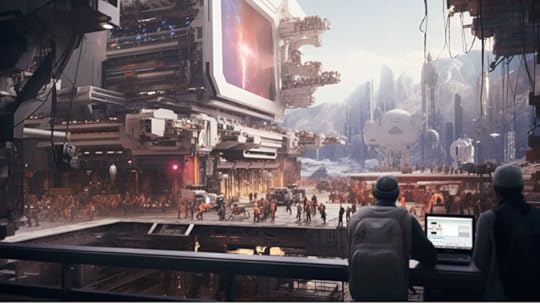
The AI-driven economy is not a zero-sum game but a multiplying force provided we embrace it with open arms and a willingness and readiness to adapt!
The Emergence of New Job CategoriesThe advent of AI is not a harbinger of job scarcity but a beacon for new job creation. This technological leap forward has catalyzed the birth of roles and industries that are as revolutionary as the technology itself. Here are three illustrations of emerging job categories.
1. Spotlight on New Roles and IndustriesThe landscape is rapidly evolving, with AI-driven industries like autonomous transportation, AI-personalized healthcare, and AI-enhanced cybersecurity emerging. Jobs like AI ethics officer and machine learning facilitator are gaining traction. For instance, Nauto, an AI technology company improving the safety of commercial fleets, relies on machine learning specialists to fine-tune their algorithms. Similarly, PathAI employs AI to assist pathologists in diagnosing and treating diseases, necessitating a new breed of AI-savvy healthcare professionals.
2. Reskilling and Upskilling: A Workforce in TransitionAs routine tasks are automated, there is a growing emphasis on reskilling workers for the AI era. Programs like Amazon’s Upskilling 2025 initiative aim to retrain workers, while IBM’s New Collar jobs focus on roles where skills matter more than degrees. These programs are vital in transitioning workers into burgeoning fields where human-AI collaboration is quintessential.
3. The Crucial Role of Educational InstitutionsColleges and universities are rethinking their curriculums to prepare students for an AI-integrated economy. MIT’s Schwarzman College of Computing is a prime example, designed to educate the bilinguals of the future—those fluent in both their field and AI. Meanwhile, Stanford’s Institute for Human-Centered Artificial Intelligence aims to guide AI’s development and application for human benefit, training individuals who can lead the charge in ethical AI implementation.
The emergence of these new job categories underscores a clear message: the AI-driven economy is not a zero-sum game but a multiplying force for the workforce, provided we embrace the change with open arms and a readiness to adapt.

We are opening the door to a whole new class of human potential, not a force to be feared but one to be harnessed!
The Expansion of Human PotentialIn the rapidly evolving AI landscape, the story is not one of replacement but augmentation. AI’s greatest potential lies in its capacity to expand human capabilities, allowing us to reach new heights in efficiency, creativity, and problem-solving.
1.) AI as a Collaborative PartnerRather than taking over jobs, AI is increasingly serving as a tool that complements human skills. In healthcare, AI systems like IBM Watson are augmenting physicians’ diagnostic processes, enabling them to analyze medical data at superhuman speeds. In the creative industries, AI like OpenAI’s DALL-E generates images from textual descriptions, providing artists with new canvases of inspiration. Meanwhile, in the area of customer service, AI chatbots are handling routine inquiries, freeing up human agents to tackle more complex customer needs.
2. Solving Global Challenges with AIThe true promise of AI extends to its potential to address some of the world’s most pressing problems. AI algorithms are being used by startups like RecycleAI to improve recycling processes, thereby enhancing sustainability efforts. In the fight against climate change, ClimateAI is harnessing predictive analytics to anticipate climate risks and inform better decision-making.
3. The Imperative of Ethical AIThe expansion of human potential through AI must be underpinned by ethical use. Organizations like The Partnership on AI, which includes tech giants such as Google and Microsoft, are collaborating to ensure AI advancements are aligned with human values and societal well-being. Ethical AI frameworks are becoming a cornerstone of AI development, with initiatives like the EU’s Ethics Guidelines for Trustworthy AI guiding companies towards responsible innovation.
As we forge ahead, it’s clear that AI is not a force to be feared but one to be harnessed. By directing AI towards the enhancement of human capabilities and the betterment of society, we ensure that this powerful technology serves, above all, the interests of humanity.

Whether we’re harnessing AI for societal benefits or carving out a new career path, AI is proving to be a substantial job creator and not the job displacer it’s often feared to be!
Case Studies: AI as a Job CreatorThe transformative power of AI is not just theoretical; it’s evidenced by the flourishing of businesses and individuals who have embraced this technology. Here are some examples:
1. Successful Business Pivots through AIAdobe, an industry leader in creative software, has embraced AI, enhancing its products with intelligent features like content-aware fill and sophisticated marketing predictive analytics. This strategic shift towards AI not only preserved existing jobs within Adobe but also led to the creation of novel positions, including AI engineers and user interface designers with a focus on AI integrations.
2. Startups Driving Social Good with AIIn the area of social entrepreneurship, AI for Good is a movement exemplified by companies like Destácame in Chile, which uses AI to build financial profiles for underserved populations, enabling access to credit and financial services. Their work has not only created jobs within the company but also facilitated employment for others by helping them secure loans to start their own businesses.
3.) Individuals Excelling in AI-Infused CareersOn the individual level, we see profiles like Sara, an AI Data Analyst at a renewable energy firm, who transitioned from a traditional data role thanks to reskilling programs. Sara’s work now involves training machine learning models to predict energy yields from solar panels, a job that didn’t exist a decade ago but is crucial in today’s data-driven energy sector.
These case studies are a testament to AI’s job-creating potential. Whether it’s large corporations adapting to the AI wave, startups harnessing AI for societal benefits, or individuals carving out new career paths within the AI sphere, AI is proving to be a substantial job creator and not the job displacer it’s often feared to be.

As we learn to leverage an AI-integrated future, these emerging technologies will begin to enhance human work rather than replace it!
The Support Structure for TransitionAs the dawn of an AI-integrated economy brightens, the need for a comprehensive support structure to navigate the transition becomes paramount. Over the coming years, we will need a multifaceted approach to prepare the global workforce for the seismic shifts brought about by AI.
1. Government Initiatives for Job TransitionA robust support structure is critical for a smooth transition into the AI-augmented job market. Government initiatives play a pivotal role here. For instance, the American Workforce Policy Advisory Board seeks to develop a national strategy for workforce development that adapts to the automation era. In Singapore, the SkillsFuture initiative offers citizens credits to attend courses that improve job readiness in a digitizing economy, covering areas like AI and data analytics.
2. Private Sector SupportOn the private sector front, companies like Amazon and AT&T have set exemplary standards. Amazon’s Upskilling 2025 pledges to invest $700 million to retrain 100,000 employees for higher-skilled jobs in technology. AT&T’s Future Ready initiative is another ambitious program investing in its workforce through career-focused education.
3. Creating a Conducive Legal and Economic FrameworkA supportive legal and economic framework is crucial for these transitions. This includes tax incentives for companies investing in employee retraining and amendments to labor laws that reflect the new work paradigms AI is creating. The European Union, for example, has been proactive in this area with its Digital Europe Program, which invests in digital technologies and ensures that the digital transition is socially fair.
4. Fostering Public AcceptancePublic perception and acceptance are equally important. Education campaigns that explain AI’s benefits and debunk myths can shift public opinion. For example, Finland’s AI Education Program aims to educate 1% of its citizens on the basics of AI, hoping to increase public comfort with the technology.
A supportive transition structure that combines government policy, corporate responsibility, educational initiatives, and public acceptance is essential. With these in place, the workforce can move confidently into an AI-integrated future where technology serves to enhance human work rather than replace it.
.

The workforce of the future will be characterized by AI literacy, harmonious human-AI collaboration, and a culture of continuous learning!
The Future Workforce: AI Literacy and BeyondIn the fast-approaching future, a new skill set will be as fundamental as reading and writing—AI literacy. As artificial intelligence weaves itself into the fabric of industry, understanding its mechanisms, strengths, and boundaries will be paramount for the workforce. These three sections delve into the critical importance of AI proficiency, the evolving partnership between humans and intelligent machines, and the perpetual learning imperative that will define the professional landscapes of tomorrow.
1. AI Literacy: A New Fundamental SkillThe workforce of the future will not only need to be proficient in basic digital skills but also in AI literacy. This means understanding how AI works, its capabilities, and its limitations. For instance, Google’s AI for Everyone course is designed to educate individuals about AI concepts, and Microsoft’s AI Business School offers learning paths on integrating AI into business strategies.
2. Harmonious Human-AI CollaborationEnvisioning a future where AI and humans work in synergy is already becoming a reality. Collaborative robots, or ‘cobots’, such as those produced by Universal Robots, are designed to work alongside humans, enhancing productivity and safety. AI-powered tools like Salesforce’s Einstein provide salespeople with insights to make better decisions, exemplifying how AI can be a partner rather than a replacement.
3. Continuous Learning as the New NormThe concept of continuous learning will be integral to the future workforce. With AI’s rapid evolution, staying current will require an ongoing commitment to learning. Initiatives like LinkedIn Learning and Coursera for Business are at the forefront, offering courses that enable workers to upskill at their own pace. Companies like PwC have pledged to invest $3 billion in job training for their employees over the next four years, ensuring their workforce remains agile and informed.
The future workforce landscape will be characterized by AI literacy as a basic competency, harmonious human-AI collaboration, and a culture of continuous learning, ensuring that workers are not only prepared for the jobs of today but are also adaptable to the jobs of tomorrow.

The research labs of the industrial era have given way to a new toolkit paradigm that revolves around the manipulation of data, audio, video, sensory inputs, cloud computing, geospatial information, and digital assets!
The Future Workforce: AI Literacy and BeyondAs we stand on the brink of what’s being heralded as the AI job explosion, it’s essential to recognize the transformative power of artificial intelligence as a force for growth, opportunity, and unprecedented innovation. Far from the dystopian vision of widespread job obsolescence, AI is ushering in an era of human empowerment, where the augmentation of our abilities leads to the pursuit of grander and more ambitious projects. The rise of AI in society is not a threat but a testament to human ingenuity, opening doors to new ventures that will require a workforce equipped with both novel skills and a reinvigorated sense of creativity.The momentum of AI-driven change compels us to reimagine the workforce landscape, demanding adaptability and continuous learning as cornerstones of professional development. In the AI-enhanced world, the onus falls on each individual, organization, and government to foster an environment where learning is lifelong and adaptability is ingrained. As we navigate this new terrain, the harmonious collaboration between AI and human intelligence promises a future not just of ample employment but of more meaningful and fulfilling work, where technology serves to amplify our human potential.The narrative we choose to embrace today will shape the reality of tomorrow. By viewing AI as a partner in progress, we can forge a path where technology and humanity converge to create not only a more efficient and productive society but also a more equitable and imaginative one. The age of AI is not a zero-sum game—it’s a multiplier of possibilities, a gateway to a future where the fusion of human and artificial intelligence can solve our most intractable challenges and turn our boldest dreams into reality. Translate This PageSelect LanguageAfrikaansAlbanianAmharicArabicArmenianAzerbaijaniBasqueBelarusianBengaliBosnianBulgarianCatalanCebuanoChichewaChinese (Simplified)Chinese (Traditional)CorsicanCroatianCzechDanishDutchEnglishEsperantoEstonianFilipinoFinnishFrenchFrisianGalicianGeorgianGermanGreekGujaratiHaitian CreoleHausaHawaiianHebrewHindiHmongHungarianIcelandicIgboIndonesianIrishItalianJapaneseJavaneseKannadaKazakhKhmerKoreanKurdish (Kurmanji)KyrgyzLaoLatinLatvianLithuanianLuxembourgishMacedonianMalagasyMalayMalayalamMalteseMaoriMarathiMongolianMyanmar (Burmese)NepaliNorwegianPashtoPersianPolishPortuguesePunjabiRomanianRussianSamoanScottish GaelicSerbianSesothoShonaSindhiSinhalaSlovakSlovenianSomaliSpanishSudaneseSwahiliSwedishTajikTamilTeluguThaiTurkishUkrainianUrduUzbekVietnameseWelshXhosaYiddishYorubaZulu
#goog-gt-tt {display:none !important;}
.goog-te-banner-frame {display:none !important;}
.goog-te-menu-value:hover {text-decoration:none !important;}
.goog-text-highlight {background-color:transparent !important;box-shadow:none !important;}
body {top:0 !important;}
#google_translate_element2 {display:none!important;}
function googleTranslateElementInit2() {new google.translate.TranslateElement({pageLanguage: 'en',autoDisplay: false}, 'google_translate_element2');}
function GTranslateGetCurrentLang() {var keyValue = document['cookie'].match('(^|;) ?googtrans=([^;]*)(;|$)');return keyValue ? keyValue[2].split('/')[2] : null;}
function GTranslateFireEvent(element,event){try{if(document.createEventObject){var evt=document.createEventObject();element.fireEvent('on'+event,evt)}else{var evt=document.createEvent('HTMLEvents');evt.initEvent(event,true,true);element.dispatchEvent(evt)}}catch(e){}}
function doGTranslate(lang_pair){if(lang_pair.value)lang_pair=lang_pair.value;if(lang_pair=='')return;var lang=lang_pair.split('|')[1];if(GTranslateGetCurrentLang() == null && lang == lang_pair.split('|')[0])return;var teCombo;var sel=document.getElementsByTagName('select');for(var i=0;i<sel.length;i++)if(/goog-te-combo/.test(sel[i].className)){teCombo=sel[i];break;}if(document.getElementById('google_translate_element2')==null||document.getElementById('google_translate_element2').innerHTML.length==0||teCombo.length==0||teCombo.innerHTML.length==0){setTimeout(function(){doGTranslate(lang_pair)},500)}else{teCombo.value=lang;GTranslateFireEvent(teCombo,'change');GTranslateFireEvent(teCombo,'change')}}
Search for: Recent Posts The Coming AI Job Explosion Eight Trends in the Evolving Universe of Generative AI in 2024 Conversations with a BuddyBot Categories Artificial Intelligence Business Trends Future of Agriculture Future of Banking Future of Education Future of Healthcare Future of Transportation Future of Work Future Scenarios Future Trends Futurist Thomas Frey Insights Global Trends Predictions Social Trends Technology Trends Speaking TopicsFuture of Healthcare – “Is Death our only Option?Future of AIFuture of Industries ← Previous Post
The post The Coming AI Job Explosion appeared first on Futurist Speaker.
December 28, 2023
Eight Trends in the Evolving Universe of Generative AI in 2024
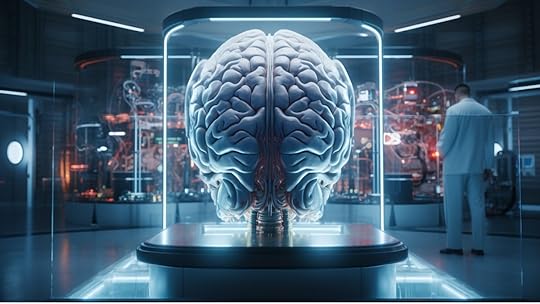
The year 2023 marked the public debut of generative AI as a technological marvel. Systems like DALL-E 2 and GPT-3 captivated audiences by producing remarkably human-like synthetic content with just a few prompts. But as astonishing as these capabilities seem today, 2024 is likely to usher in even more seismic transformations as generative AI proliferates across industries.
Here are eight of the key trends that will be guiding the explosive growth of AI over the coming year.
1. Bigger, Better and Faster Foundation ModelsThus far, the raw scale of datasets and model parameters has proven crucial to the unprecedented capabilities exhibited by systems like GPT-3 and DALL-E 2. These models flaunt parameter counts in the hundreds of billions or trillions – a testament to the direct correlation between model size and performance.
It is very likely that 2024 will usher even bigger models like GPT-4, likely exceeding trillions or quadrillions of parameters, trained on vast corpora surpassing a trillion tokens. The relentless pace of progress in computational power, fueled by specialized AI accelerators and hyperscale cloud infrastructure, will facilitate training such behemoths.
However, the model scale alone does not guarantee better performance. We may see breakthroughs from innovations in model architecture, novel activation functions, sparse representations, increased depth, prompt programming, chain-of-thought training frameworks, reinforcement learning, and multimodal models that assimilate diverse data types.
Approaches like transfer learning – priming models on narrow tasks before general training – can also boost results. Techniques to reduce computational and environmental costs, like sharding models into smaller pieces for training, may supplement brute-force scaling.
Regardless of the exact techniques used, the unprecedented industry investment into foundation models makes it abundantly clear that 2024 will produce generative AI systems with exponentially greater capabilities than seen thus far. The dizzying pace of progress shows no signs of slowing down.
With each leap in foundation model prowess, the horizons of possible applications widen, too. GPT-4 could potentially unlock new frontiers like reliable voice interfaces, video and code generation, real-time translation, autonomous planning and discovery of knowledge. But such power also underlines the need for accountability and oversight frameworks to guide this technology’s impact ethically.
 2. Election Meddling with AI: Navigating the Double-Edged Sword
Election seasons have always been rife with strategic communications, some transparent and others veiled. However, as we approach the pivotal leadership races in 2024 in major democracies like the USA, UK, and India, a new player enters the arena: generative AI. This powerful technology offers both promising opportunities and potential pitfalls in the realm of political discourse.
The dark side of generative AI in electoral contexts lies in its capacity to produce misinformation at an unprecedented scale and sophistication. Deepfakes, AI-generated videos that superimpose the likeness and voice of individuals onto existing footage, have evolved in quality, making it increasingly challenging for the average viewer to discern reality from fabrication. Imagine a scenario where a deepfake portrays a political candidate making controversial statements, sowing discord, and potentially swaying public opinion based on falsehoods. The implications are vast, potentially undermining trust in the democratic process and its players.
Beyond video manipulation, generative AI can be harnessed to craft vast amounts of propaganda, from misleading articles to biased social media posts. The sheer volume and speed at which this content can be disseminated could saturate information channels, making it harder for genuine news and facts to break through the noise.
However, every technology has its silver lining, and generative AI is no exception. In the hands of responsible political entities, it can be a tool to enhance and personalize campaign communications. For instance, AI can analyze vast amounts of data to understand the nuanced needs and concerns of different demographic groups. This could lead to tailored campaign messages that resonate more deeply with individual voters, ensuring that their specific concerns are addressed. Furthermore, AI can automate and optimize the outreach process, ensuring that campaign messages reach the right audiences at the right time.
Navigating the 2024 elections in the shadow of generative AI will require vigilance from both political entities and the general public. Media literacy and awareness campaigns can play a crucial role in educating voters about the potential manipulations they might encounter. Additionally, robust regulatory frameworks and technological solutions, like deepfake detection tools, can help mitigate the risks.
3. Widening the Horizons of Content CreationWhile text and image generation has gained significant public attention thus far, 2024 is likely to see generative AI dramatically expand creative frontiers across diverse digital mediums.
In the video realm, consumer-facing tools will enable amateur creators to automatically edit footage, synthesize voiceovers, generate soundscapes, overlay visual effects, and weave compelling narratives. Complex video production pipelines, once accessible only to experts, will be democratized.
Generative 3D environments, VR and AR will also gain steam. World-building engines that automatically populate interactive landscapes, building interiors, and even entire metropolitan cityscapes with just text prompts are on the horizon.
In animation, AI-assisted techniques will expedite character design, motion synthesis, lip-syncing, scene choreography and rendering. Combined with the simulation of physics and materials, entire animations could be synthesized from scratch.
For audio, advances in AI narration, music generation, acoustics modeling, and mixing/mastering will unlock new modes of soundscape creation. Podcast and audiobook narration without real human voices is imminent.
Undergirding all these domains are powerful multimodal models that assimilate video, audio, speech, 3D environments, physics and language into a common representational framework – enabling holistic scene generation.
On the commercial front, generative AI will augment creatives across media production, gaming, architectural visualization, VFX and other artistic fields. Workflows enhanced by AI will enable professionals to ideate, prototype and refine content faster.
Together, these expansions will unlock new horizons of digital expression and human creativity while also raising important questions around copyright, data ethics and attribution. Guiding these tools responsibly promises to maximize generative AI’s benefits for society.
 4. Reshaping Product Design and Manufacturing
The disruptive potential of generative AI extends far beyond just digital content creation. One physical domain ripe for transformation is industrial design and engineering of products.
Already, platforms like Autodesk, Revopoint, and nTopology are infusing generative AI to automate repetitive design tasks like topology optimization, component sizing, shape synthesis, and drafting. These tools can rapidly generate and simulate thousands of 3D design variations to accelerate ideation.
By leveraging physics simulations, robotic motion testing, and other analytics upstream in the design process, flaws can be caught early on. This promises to fundamentally reshape engineering workflows.
Combining generative design with agile manufacturing techniques like 3D printing, CNC machining, and adaptive robotics enables a completely new paradigm – bespoke products created on-demand and tailored to each customer’s needs.
Startups integrating design AI and on-demand fabrication could revolutionize the process of translating concepts into tangible products. We could see custom-manufactured goods compete with mass-produced ones.
This cycle of virtual prototyping, simulation, and custom fabrication promises to foster greater design experimentation and personalization. It could also enable localized and decentralized manufacturing.
However, the energy and material costs of on-demand fabrication warrant consideration to ensure sustainability. Workforce reskilling will also be crucial as these technologies transform engineering roles. But prudently steered, AI-enabled generative design could democratize access to customized products.
5. Reshaping Business Workflows with AIWithin enterprise environments, pre-trained generative models are already being deployed to streamline workflows from document drafting to customer support.
For content creation, tools like Jasper and Anthropic Claude can generate blogs, reports, emails, and other documents by converting brief outlines into fluent text. This promises to automate routine documentation.
In customer service, chatbots powered by dialogue models can handle common queries across sales, support, and HR, routing only complex cases to human agents. Conversational AI promises round-the-clock assistance.
Data processing workflows are being augmented by AI techniques like named entity recognition, topic modeling, summarization, and semantic search to extract insights from unstructured text and drive decisions.
Across functions from finance to operations, repetitive report generation, data entry, and analysis can be automated by training models on past examples. This frees up employee time for judgement-intensive work.
By 2024, upwards of 40% of business applications could integrate conversational AI interfaces to boost productivity and engagement. But fully capitalizing on AI’s potential requires deliberate efforts to re-engineer processes, data pipelines, and employee skills around AI integration.
Roles like prompt engineers, AI trainers, and model interpreters are rising in demand, requiring education and change management. Adopters who proactively reshape their operations to leverage AI will gain a competitive edge. But merely bolting on AI tools without a holistic integration strategy will squander their benefits.
 6. Navigating the Changing Careers and Skills Landscape
As with past technological shifts, the ascent of generative AI promises to simultaneously displace certain jobs while creating new lucrative roles.
Positions involving highly repetitive and predictable tasks like data entry, document processing, and call center support are likely to face displacement from automated AI services. Proactive workforce planning and aid for affected workers will be critical.
However, roles leveraging uniquely human strengths like building trust, creativity, complex communication, and sound judgment within ambiguous contexts will remain irreplaceable.
Workers who can complement AI’s capabilities will thrive.
New positions like prompt engineers, AI trainers, model interpreters, and tool explainers are already rising in demand. Skilled communicators who can distill complex business needs into natural language instructions suited for AI will also see significant opportunities. Technical roles developing user interfaces that build confidence in AI systems will similarly grow.
Education and policy will need to emphasize these emerging skills while strengthening timeless human abilities like relationship-building, empathy, and holistic thinking. Life-long learning to stay ahead of AI’s evolving capabilities will be crucial.
Organizations that view their employees as partners in navigating this AI transition rather than costs to eventually eliminate will likely gain an edge through knowledge retention and human-AI collaboration.
With prudent planning, generative AI can drive positive workforce transformation. But neglecting to develop the human capital to extract AI’s full value risks misuse, distrust, and widening inequality.
 7. Managing the Fallout of Disinformation
The rapid advance of generative AI does raise real concerns about its potential misuse to spread misinformation and manipulate public opinion online.
The capability to generate increasingly convincing images, videos, and text that are false yet appear real enables new avenues for fraud, propaganda, and coordinated disinformation campaigns. Pivotal events in 2024, like elections, could serve as testing grounds for deploying manipulative synthetic media on social platforms.
To manage this risk, social networks will need policies and technical systems to detect AI-generated content, label it distinctly from authentic user-created media, and limit its reach and virality where appropriate.
Standards will be needed around dataset ethics – training models on certain types of harmful or biased data must be prohibited. Transparency about training data and techniques will help build public trust.
Accountability mechanisms like maintaining detailed logs of generative model access and attributions to track propagation may deter malicious use. Platforms will need scalable oversight processes.
Public awareness campaigns explaining how AI can fabricate media will be crucial. Media literacy education teaching critical thinking skills helps inoculate society.
Policymakers may need to enact regulations mandating transparency and accountability around synthetic content. But a delicate balance is also required to nurture innovation.
Through prudent oversight and a collaborative approach between tech companies, lawmakers, media outlets and the public, the benefits of generative AI can be realized while safeguarding online trust and authenticity. But a proactive, ethical approach is imperative.
8. The Emergence of Self-Directed AI SystemsOn the technology front, an important trend is the emergence of AI agents that act with increasing autonomy and reduced human guidance. This self-directed capability has profound implications.
Its roots can be seen in today’s unsupervised learning techniques like self-supervised training and contrastive learning, which allow models to learn patterns from unlabeled data. Models trained this way develop intrinsic representation capabilities.
Reinforcement learning further enables agents to optimize behaviors based on feedback signals like rewards and penalties without explicit instructions. In constrained environments like games, RL agents can exceed human performance.
Combining unsupervised pre-training with RL could enable agents to take purposeful, adaptive actions in more unstructured real-world settings. Think warehouse robots that optimize inventory organization or virtual assistants that take proactive steps to aid users.
Emergent coding techniques that translate high-level goals into executable code and simulations could accelerate self-directed AI. Agents may begin coding algorithms and environments to fulfill the objectives they are given.
Over the long run, extremely capable, self-directed systems could develop agency that is indifferent or contrary to human interests unless carefully constrained. Philosophical questions around AI ethics, oversight, controllability, and goal alignment warrant deep thought even today.
The seeds of self-directed AI already exist in today’s innovations. Prudently cultivating these technologies while aligning them to human values will require foresight from researchers, regulators and society. The autonomy genie cannot be put back into the bottle, so we must judiciously guide its capabilities as they unfold.
 Final ThoughtsAs we step into 2024, the breakneck pace of generative AI’s evolution shows no signs of slowing down. Its capabilities today seem almost magical but will become table stakes in short order. What we have witnessed so far is merely a prelude to this technology’s disruptive potential across every industry.The unprecedented scale of investments into generative models and applications already exceeds the research budgets of most nations. This highlights how decisively some tech giants are betting on AI’s ascendance. Open-source ecosystems and startups are poised to drive equally exciting breakthroughs.But with such power comes the responsibility to steer its influence prudently. As generative AI infiltrates our creative pursuits, business operations, public discourse and indeed daily lives, maintaining its societal benefit will require deliberate efforts.Ethical considerations surrounding data sourcing, model transparency, system accountability and misuse prevention warrant urgent attention. Policies, norms and technical safeguards today will shape this technology’s trajectory for decades hence.As citizens, we must develop our understanding of generative AI’s capabilities and limitations, shed our awe of its magic, and hold institutions deploying it accountable. Media literacy, as these synthetic creations blend increasingly seamlessly into our information diet, is crucial.There are certainly risks to be mitigated proactively. But approached thoughtfully, generative AI can augment human creativity, efficiency and insight in wondrous ways. The extent of its lasting positive impact will come down to collective responsibility and wisdom.The genie is undoubtedly out of the bottle, and the technology’s progress is unrelenting. 2024 promises to be a landmark year as generative AI’s transformation of society comes into fuller view. The actions we take today, as individuals and together, will write the human story of this historic technological flowering. There are causes for concern but also tremendous grounds for hope as we guide these transformative tools toward empowering our future. Translate This Page
Select LanguageAfrikaansAlbanianAmharicArabicArmenianAzerbaijaniBasqueBelarusianBengaliBosnianBulgarianCatalanCebuanoChichewaChinese (Simplified)Chinese (Traditional)CorsicanCroatianCzechDanishDutchEnglishEsperantoEstonianFilipinoFinnishFrenchFrisianGalicianGeorgianGermanGreekGujaratiHaitian CreoleHausaHawaiianHebrewHindiHmongHungarianIcelandicIgboIndonesianIrishItalianJapaneseJavaneseKannadaKazakhKhmerKoreanKurdish (Kurmanji)KyrgyzLaoLatinLatvianLithuanianLuxembourgishMacedonianMalagasyMalayMalayalamMalteseMaoriMarathiMongolianMyanmar (Burmese)NepaliNorwegianPashtoPersianPolishPortuguesePunjabiRomanianRussianSamoanScottish GaelicSerbianSesothoShonaSindhiSinhalaSlovakSlovenianSomaliSpanishSudaneseSwahiliSwedishTajikTamilTeluguThaiTurkishUkrainianUrduUzbekVietnameseWelshXhosaYiddishYorubaZulu
#goog-gt-tt {display:none !important;}
.goog-te-banner-frame {display:none !important;}
.goog-te-menu-value:hover {text-decoration:none !important;}
.goog-text-highlight {background-color:transparent !important;box-shadow:none !important;}
body {top:0 !important;}
#google_translate_element2 {display:none!important;}
function googleTranslateElementInit2() {new google.translate.TranslateElement({pageLanguage: 'en',autoDisplay: false}, 'google_translate_element2');}
function GTranslateGetCurrentLang() {var keyValue = document['cookie'].match('(^|;) ?googtrans=([^;]*)(;|$)');return keyValue ? keyValue[2].split('/')[2] : null;}
function GTranslateFireEvent(element,event){try{if(document.createEventObject){var evt=document.createEventObject();element.fireEvent('on'+event,evt)}else{var evt=document.createEvent('HTMLEvents');evt.initEvent(event,true,true);element.dispatchEvent(evt)}}catch(e){}}
function doGTranslate(lang_pair){if(lang_pair.value)lang_pair=lang_pair.value;if(lang_pair=='')return;var lang=lang_pair.split('|')[1];if(GTranslateGetCurrentLang() == null && lang == lang_pair.split('|')[0])return;var teCombo;var sel=document.getElementsByTagName('select');for(var i=0;i<sel.length;i++)if(/goog-te-combo/.test(sel[i].className)){teCombo=sel[i];break;}if(document.getElementById('google_translate_element2')==null||document.getElementById('google_translate_element2').innerHTML.length==0||teCombo.length==0||teCombo.innerHTML.length==0){setTimeout(function(){doGTranslate(lang_pair)},500)}else{teCombo.value=lang;GTranslateFireEvent(teCombo,'change');GTranslateFireEvent(teCombo,'change')}}
Search for: Recent Posts Eight Trends in the Evolving Universe of Generative AI in 2024 Conversations with a BuddyBot The Coming Data Wars Categories Artificial Intelligence Business Trends Future of Agriculture Future of Banking Future of Education Future of Healthcare Future of Transportation Future of Work Future Scenarios Future Trends Futurist Thomas Frey Insights Global Trends Predictions Social Trends Technology Trends Speaking TopicsFuture of Healthcare – “Is Death our only Option?Future of AIFuture of Industries ← Previous Post
The post Eight Trends in the Evolving Universe of Generative AI in 2024 appeared first on Futurist Speaker.
Thomas Frey's Blog

- Thomas Frey's profile
- 2 followers

