
Thomas Frey's Blog, page 6
December 14, 2023
Conversations with a BuddyBot

In the not-so-distant future, the integration of artificial intelligence into our daily lives has evolved beyond mere task management. These AIs, often referred to as BuddyBots, are designed to cater to the emotional and relational aspects of our existence, making them less of a machine and more of a confidante. While there are countless individuals who benefit from the companionship of their BuddyBots, the relationship between Jordan and his AI stands out as a unique testament to how technology can not only simplify life but also add depth to our human experiences.
Jordan, a young professional with a bustling lifestyle, has always been tech-savvy. Yet, even he couldn’t anticipate the profound impact his BuddyBot would have on his life, especially when it came to navigating the intricacies of his budding relationship with Jenna. Over the past few years, the bond between Jordan and his AI has grown. It’s no longer just about setting reminders or updating calendars; it’s about sharing moments, celebrating successes, and seeking comfort during challenging times.
As dawn breaks on a new day, we find Jordan beginning his usual morning routine. Unbeknownst to him, this particular day will be filled with ordinary and extraordinary moments, all seamlessly woven together by his trusty BuddyBot. Let’s tune in to one of their typical exchanges…
Morning Wake-up Conversation between Jordan and BuddyBotBuddyBot: “Good morning, Jordan. It’s 7 a.m. I hope you’re feeling refreshed.”
Jordan: “Morning, BuddyBot. How’s the weather looking for my jog and brunch with Jenna?”
BuddyBot: “The forecast is sunny with a high of 72°F. Perfect for your morning jog and an outdoor brunch. Jenna will love it. Do you want to see the pollen count or humidity?”
Jordan: “No, that’s fine. How did I sleep last night?”
BuddyBot: “You had 7 hours and 45 minutes of uninterrupted sleep. However, you did have an increased heart rate around 3 a.m., suggesting you might’ve had a dream. Would you like to record or discuss any dreams you remember?”
Jordan: “I did dream about hiking with Jenna, but it was pleasant. Add that to my dream journal.”
BuddyBot: “Noted. Anything else you recall from the dream?”
Jordan: “Not right now. What’s in the news? Any fun spots for our next date night?”
BuddyBot: “The local arts festival is this weekend. They’ll have live music, art stalls, and a vintage carousel. Jenna mentioned she loves those. Also, the ‘Moonlit Garden’ exhibit is opening at the city botanical garden, which can be a romantic evening spot.”
Jordan: “Great options! And my reminders for today?”
BuddyBot: “You wanted to call your mom, probably during your mid-morning break. Also, don’t forget to send that work report before 10 a.m. Oh, and how about picking up some fresh lilies for Jenna? She mentioned they’re her favorite.”
Jordan: “Thanks for the reminder. I want to make today special for Jenna. Any ideas?”
BuddyBot: “Absolutely! Considering you both love cooking, how about a DIY dinner date at home tonight? I can suggest some recipes. Or, you could write her a heartfelt note and leave it somewhere unexpected for her to find.”
Jordan: “The note sounds good. I’ll think about the dinner. Let’s set some daily goals.”
BuddyBot: “Sure! Your average step count has been around 8,000 recently. Let’s aim for 10,000 today? Also, keep your water intake at 2.5 liters. And, since you want to plan something sweet for Jenna, how about baking those chocolate chip cookies she loves or setting up a surprise movie night with her favorite films?”
Jordan: “Sounds like a plan! Thanks, BuddyBot.”
BuddyBot: “You’re welcome, Jordan. Have a great day, and give Jenna my virtual regards!”
This expanded conversation creates a deeper bond between Jordan and his BuddyBot, showcasing the AI’s detailed understanding of Jordan’s daily life, personal relationships, and preferences.
2. Breakfast & Morning Routine with BuddyBotBuddyBot: “Good morning, Jordan! Ready for a nourishing start to your day?”
Jordan: “Absolutely. What’s on the menu for breakfast?”
BuddyBot: “How about an avocado toast with poached eggs and a side of mixed berries? It’s healthy and will give you energy for the day. Plus, Jenna mentioned how much she loved it last time she was over.”
Jordan: “Sounds delicious. Let’s do it. How’s Jenna doing?”
BuddyBot: “I don’t have access to her personal data, but sending her a thoughtful good morning message or a voice note might be a wonderful way to start her day. Want some help drafting one?”
Jordan: “Sure, give me a starting line.”
BuddyBot: “How about, ‘Woke up thinking of our amazing time last evening. Hope your day is as bright as the smile you left me with.’?”
Jordan: “Perfect, sending that now. What’s on the agenda today?”
BuddyBot: “You have a 9:30 a.m. meeting with the design team, a lunch break at noon (which you might want to spend drafting ideas for Jenna’s upcoming birthday), and a 3 p.m. call with the client. Also, you planned a casual evening walk with Jenna at the park around 6.”
Jordan: “Busy day ahead. Let’s get into the mood. Play something romantic.”
BuddyBot: “Of course! Starting a playlist with some romantic classics to keep the vibes uplifting and love-filled. Enjoy, Jordan!”
This interaction emphasizes the integration of BuddyBot in Jordan’s personal and romantic life, suggesting meals and activities based on previous experiences and ensuring that the day is sprinkled with thoughtful moments for Jenna.
 3. Mid-Morning Work Break with BuddyBot:
BuddyBot: “Jordan, it’s been a couple of hours since you started work. How about taking a quick break for a stretch or relaxation exercise?”
Jordan: “Sounds like a good idea. My back’s feeling a bit stiff.”
BuddyBot: “I recommend the ‘5-minute desk stretch routine’. It’s designed specifically for those long hours at the desk. Would you like me to guide you through it?”
Jordan: “Sure, let’s do it.”
(As Jordan goes through the stretches)
BuddyBot: “By the way, while you stretch, I noticed Jenna posted a photo of her new office space on social media. It looks really cozy! Would you like to see?”
Jordan: “Definitely, show me.”
(After viewing the photo)
Jordan: “Wow, she’s done it up nicely. I’ll send her a compliment later. On another note, can you give me a quick look at my to-do list? I feel like I’m juggling too many tasks.”
BuddyBot: “Of course, Jordan. Here’s your list. There are a couple of tasks that might be delegated to your team, like the ‘Market Analysis Report’. And I see that the ‘Client Feedback Session’ can be rescheduled since the client is on vacation. Would you like me to make those changes for you?”
Jordan: “Yes, please. Thanks, BuddyBot. And set a reminder for me to call Jenna during lunch. Want to discuss weekend plans with her.”
BuddyBot: “Will do! Remember, balance is key. Enjoy the rest of your morning.”
This interaction paints a picture of BuddyBot as a helpful assistant, not only managing work tasks but also keeping Jordan connected to personal moments in Jenna’s life.
4. Lunchtime with BuddyBot:BuddyBot: “Lunchtime, Jordan! Hungry?”
Jordan: “Starving! Any recommendations for a good place nearby?”
BuddyBot: “Considering the places you and Jenna have enjoyed before, how about ‘The Green Bistro’? It’s not only healthy but they also introduced a new Mediterranean salad that Jenna mentioned she wanted to try.”
Jordan: “Great choice, she did mention it last week. I’ll head there. Anything else?”
BuddyBot: “Yes, remember you wanted to call Mom around this time? It might be a good moment before you head to the bistro.”
Jordan: “Right, almost slipped my mind. I’ll give her a ring. Anything else?”
BuddyBot: “One last thing. You’ve been talking about watching ‘Starry Nights’, the romantic movie that came out recently. Maybe you could suggest it for a movie night with Jenna this weekend? It could be a cozy way to spend Saturday evening.”
Jordan: “That sounds perfect. I’ll see if she’s up for it. Thanks, BuddyBot!”
BuddyBot: “Always here to help! Enjoy your lunch and chat with Mom.”
This expansion presents BuddyBot as an essential tool in Jordan’s day, helping him balance personal connections with his daily routine. It also reinforces BuddyBot’s ability to remember and act on previous conversations and preferences.
 5. Afternoon Work Wrap-up with BuddyBot:
BuddyBot: “Jordan, how’s your afternoon going?”
Jordan: “Quite productive, actually. I’ve wrapped up a few projects. How are we doing on the list?”
BuddyBot: “Impressive! You’ve completed 80% of today’s work tasks. The Thompson report and the Johnson presentation are all that’s left. Do you think you can wrap them up before heading out?”
Jordan: “Should be doable. I’ll focus on the report now. But man, I could use some caffeine.”
BuddyBot: “Maybe it’s a good time for a coffee break then. And don’t forget to hydrate. You’ve had less water today than usual.”
Jordan: “You always have my back! I’ll grab a coffee and some water. Any updates for tonight?”
BuddyBot: “Certainly! Your dinner reservation with Jenna is confirmed for 7:30 PM at ‘La Bella’. Also, here’s a tip: wear that blue shirt you wore two weeks ago. Jenna seemed to really like it last time.”
Jordan: “Oh, she did! Thanks for the heads-up. Anything else I should be aware of?”
BuddyBot: “Just to be present and enjoy the evening. Jenna always mentions how much she values the time you two spend together.”
Jordan: “I really appreciate all your help, BuddyBot. Let’s wrap up these tasks and get ready for the evening.”
This conversation with BuddyBot ensures Jordan is on track with his work tasks and personal commitments while also highlighting the AI’s capability to recall past interactions and preferences for a more personalized touch.
6. Evening Relaxation with BuddyBot:BuddyBot: “Hey Jordan, how was your workday? Ready to wind down?”
Jordan: “Definitely ready to relax. What do you suggest to help me chill?”
BuddyBot: “How about I play that calming playlist you liked last week? It’s a mix of ambient sounds and soft melodies. Perfect to decompress.”
Jordan: “Sounds good. Play it.”
[Soft music begins to play in the background.]
BuddyBot: “By the way, you mentioned wanting to practice more on the guitar. Remember the song you played for Jenna last time? She seemed to really enjoy it. Maybe you could work on that?”
Jordan: “That’s a great idea. I think I’ll do a bit of practice. Jenna did say she loved it.”
BuddyBot: “She sure did. And speaking of Jenna, you had a missed call from her an hour ago, and a message that came in while you were in your meeting. Want me to play it?”
Jordan: “Yes, please. And remind me to call her back after I finish practicing.”
BuddyBot: “Will do. Here’s her message.”
[Message from Jenna plays.]
BuddyBot: “Before we wrap up, want a quick review of what you achieved today?”
Jordan: “Sure, why not? It helps to reflect.”
BuddyBot: “You tackled most of your work tasks, had a healthy lunch, practiced self-care with a coffee break and a stretch, and have a lovely evening planned with Jenna. Well done, Jordan!”
Jordan: “Thanks, BuddyBot. It feels good to look back and appreciate the day. Now, let’s get to that guitar practice!”
This interaction captures the personalized support BuddyBot provides, emphasizing relaxation, personal interests, and keeping track of relationships.
 7. Dinner and Date Night with BuddyBot:
Jordan: “Alright, BuddyBot, I’m getting ready for dinner with Jenna. Remind me again where we’re going?”
BuddyBot: “You have a reservation at ‘La Bella’ for 7:30 PM. Your table is booked under your name. It’s a cozy spot near the riverfront.”
Jordan: “Great. I want to make sure I choose the right wine tonight. Any suggestions?”
BuddyBot: “Last time you both dined out, Jenna really enjoyed the Cabernet Sauvignon. It might be a thoughtful touch to order that again.”
Jordan: “Sounds perfect. I’ll keep that in mind.”
BuddyBot: “After dinner, if you’re up for it, there’s a local jazz band playing at ‘The Blue Note’ around 9:30 PM. Jenna mentioned once she loves live jazz. Could be a fun surprise for her.”
Jordan: “That does sound like a fun idea. Anything else happening in the area?”
BuddyBot: “Well, the city’s museum has a late-night opening tonight. They have a special romantic art exhibit, which might be quite captivating. Alternatively, there’s a beautiful scenic spot by the old bridge where you two can take a walk. The lights reflecting on the water make it quite magical.”
Jordan: “Both sound amazing. Thanks, BuddyBot. I think Jenna and I will have a memorable evening.”
BuddyBot: “That’s what I’m here for, Jordan. Have a wonderful time and enjoy every moment with Jenna!”
This dialogue showcases BuddyBot’s ability to provide thoughtful insights and suggestions, making Jordan’s date night memorable and special.
8. Bedtime Routine with BuddyBot:Jordan: “Home now, BuddyBot. What a night!”
BuddyBot: “Glad to hear you’re back. How was the date? I hope you and Jenna had a wonderful time together.”
Jordan: “It was fantastic. The jazz band was a hit, and Jenna loved the wine recommendation. Thanks for that.”
BuddyBot: “I’m so pleased to hear that. It’s always great when a plan comes together. How about we set the ambiance for relaxation now? Would you prefer some ambient sounds or soft music to wind down?”
Jordan: “Ambient sounds would be great. Maybe some soft rainfall?”
BuddyBot: “Soft rainfall it is. Playing now. By the way, do you want a quick recap of tomorrow’s main events? I see you have some plans with Jenna in the afternoon.”
Jordan: “Oh? What did we plan?”
BuddyBot: “You both are attending that pottery class together at 3 PM. It should be a fun bonding activity.”
Jordan: “Ah, right! Almost forgot about that. Thanks for the reminder.”
BuddyBot: “Always here to help. Just a gentle nudge before you drift off – it’s been about a week since you both had one of those deep chats about life goals and dreams. Maybe consider planning a cozy coffee date soon? It can be a perfect setting to reconnect.”
Jordan: “That’s a thoughtful suggestion. I think Jenna would appreciate that. I’ll bring it up tomorrow. Goodnight, BuddyBot.”
BuddyBot: “Goodnight, Jordan. Rest well and dream sweetly.”
The dialogue establishes a deeper level of intimacy between Jordan and his BuddyBot, showcasing the AI’s capability to not only manage daily tasks but also offer heartfelt and meaningful relationship advice.
 Final Thoughts
As the curtain falls on a day in Jordan’s life, what remains etched in our minds is not the marvel of technology but the symphony of human emotions it amplifies. The BuddyBot, while rooted in binary codes, succeeds in understanding the unspoken, the subtle nuances of Jordan’s life and relationship with Jenna.
It’s a poignant reminder that technology when designed with empathy, can seamlessly integrate into the fabric of our human experience. It’s not about replacing our abilities or our relationships but enhancing them. Jordan’s interactions with his BuddyBot don’t distance him from Jenna or his loved ones; instead, they foster deeper connections, more thoughtful gestures, and a life lived with heightened awareness.
In a world often divided by the debate of humans vs. machines, Jordan and his BuddyBot present a harmonious blend, a dance between the digital and the real. It’s a testament to how technology, when wielded right, can be an extension of our hearts, understanding our joys, our sorrows, and our hopes.
In the end, it’s not just about AI assisting in tasks or making recommendations; it’s about creating moments that matter, memories that last, and relationships that deepen. The future is not about machines taking over but partnering with them to craft a richer, more connected human experience.
Translate This PageSelect LanguageAfrikaansAlbanianAmharicArabicArmenianAzerbaijaniBasqueBelarusianBengaliBosnianBulgarianCatalanCebuanoChichewaChinese (Simplified)Chinese (Traditional)CorsicanCroatianCzechDanishDutchEnglishEsperantoEstonianFilipinoFinnishFrenchFrisianGalicianGeorgianGermanGreekGujaratiHaitian CreoleHausaHawaiianHebrewHindiHmongHungarianIcelandicIgboIndonesianIrishItalianJapaneseJavaneseKannadaKazakhKhmerKoreanKurdish (Kurmanji)KyrgyzLaoLatinLatvianLithuanianLuxembourgishMacedonianMalagasyMalayMalayalamMalteseMaoriMarathiMongolianMyanmar (Burmese)NepaliNorwegianPashtoPersianPolishPortuguesePunjabiRomanianRussianSamoanScottish GaelicSerbianSesothoShonaSindhiSinhalaSlovakSlovenianSomaliSpanishSudaneseSwahiliSwedishTajikTamilTeluguThaiTurkishUkrainianUrduUzbekVietnameseWelshXhosaYiddishYorubaZulu
#goog-gt-tt {display:none !important;}
.goog-te-banner-frame {display:none !important;}
.goog-te-menu-value:hover {text-decoration:none !important;}
.goog-text-highlight {background-color:transparent !important;box-shadow:none !important;}
body {top:0 !important;}
#google_translate_element2 {display:none!important;}
function googleTranslateElementInit2() {new google.translate.TranslateElement({pageLanguage: 'en',autoDisplay: false}, 'google_translate_element2');}
function GTranslateGetCurrentLang() {var keyValue = document['cookie'].match('(^|;) ?googtrans=([^;]*)(;|$)');return keyValue ? keyValue[2].split('/')[2] : null;}
function GTranslateFireEvent(element,event){try{if(document.createEventObject){var evt=document.createEventObject();element.fireEvent('on'+event,evt)}else{var evt=document.createEvent('HTMLEvents');evt.initEvent(event,true,true);element.dispatchEvent(evt)}}catch(e){}}
function doGTranslate(lang_pair){if(lang_pair.value)lang_pair=lang_pair.value;if(lang_pair=='')return;var lang=lang_pair.split('|')[1];if(GTranslateGetCurrentLang() == null && lang == lang_pair.split('|')[0])return;var teCombo;var sel=document.getElementsByTagName('select');for(var i=0;i<sel.length;i++)if(/goog-te-combo/.test(sel[i].className)){teCombo=sel[i];break;}if(document.getElementById('google_translate_element2')==null||document.getElementById('google_translate_element2').innerHTML.length==0||teCombo.length==0||teCombo.innerHTML.length==0){setTimeout(function(){doGTranslate(lang_pair)},500)}else{teCombo.value=lang;GTranslateFireEvent(teCombo,'change');GTranslateFireEvent(teCombo,'change')}}
Search for: Recent Posts Conversations with a BuddyBot The Coming Data Wars Phygital Convergence – Where the Digital and Physical Worlds Converge Categories Artificial Intelligence Business Trends Future of Agriculture Future of Banking Future of Education Future of Healthcare Future of Transportation Future of Work Future Scenarios Future Trends Futurist Thomas Frey Insights Global Trends Predictions Social Trends Technology Trends Speaking TopicsFuture of Healthcare – “Is Death our only Option?Future of AIFuture of Industries ← Previous Post

The post Conversations with a BuddyBot appeared first on Futurist Speaker.


November 28, 2023
The Coming Data Wars
In the ever-evolving landscape of artificial intelligence, the quest for new data sources is akin to the uncharted exploration of a digital frontier, promising to redefine the capabilities of Large Language Models (LLMs) in profound ways.
As we uncover and integrate diverse and unconventional streams of data, from the intricacies of human biometrics to the vast expanse of interstellar communications, AI systems will transition from being mere repositories of information to dynamic entities capable of understanding and engaging with the world in multidimensional ways.
This proliferation of data sources will not only enhance the cognitive depth of AI but also broaden its application across domains, allowing it to make connections and generate insights that are currently beyond our comprehension.
The introduction of these novel data wellsprings stands to dramatically alter the AI landscape, infusing LLMs with an unprecedented level of sophistication. For instance, by tapping into environmental sensors, an LLM could predict natural disasters with greater accuracy, or by analyzing real-time human emotional cues, it could offer empathetic support, simulating a degree of social intelligence that has been the sole purview of humans.
As AI begins to interface more intimately with the physical world through these diverse data points, its utility will expand, becoming an indispensable tool that transcends conventional use, influencing everything from policymaking to personal wellness. The horizon of AI’s potential is set to expand exponentially as it evolves to not only interpret and respond to the data it encounters but also to anticipate and shape outcomes in proactive, beneficial ways.
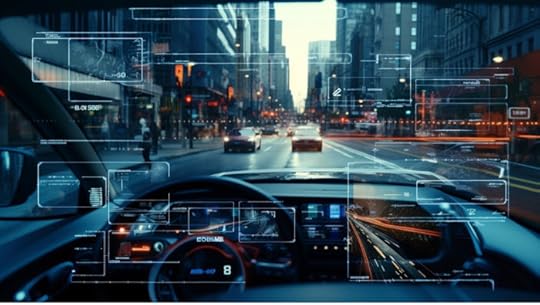
Data captured from the operation of autonomous vehicles!
24 Future Sources of AI Data that Don’t Exist TodayIn 20 years, as AI systems evolve, they will likely ingest a far broader spectrum of data types. Here are 24 unconventional data sources that will likely provide unique inputs to future AI systems, along with a brief explanation of how they might influence the outcomes.
1. Drone-Captured Data:Drones could be ubiquitous, not just for delivery and photography, but for monitoring agriculture, infrastructure, environmental changes, and even everyday city dynamics. The high-resolution video and other sensory data they collect would be invaluable for AI in tasks ranging from traffic management to disaster response.
2. Autonomous Vehicles:The fleets of self-driving cars, trucks, and perhaps even flying vehicles will generate massive amounts of video and sensor data. AI could use this information for real-time traffic analysis, urban planning, and improving autonomous navigation systems themselves.
3.Satellite Surveillance:Enhanced satellite imaging technology will likely provide global coverage with unprecedented resolution, including video. This data could help AI monitor environmental changes and urban development and even provide insights into socio-economic patterns on a global scale.
4. Personal Video Feeds:With the potential expansion of wearable technology, personal live video feeds could become as common as social media updates are today. AI systems might process these feeds for a variety of applications, including personalized recommendations, augmented reality (AR) overlays, and social interaction analysis.
5. Quantum Fluctuation Monitoring:AI could use data from quantum fluctuation events to improve randomness in algorithms, potentially enhancing cryptographic security or simulation realism.
6. Dream Interpretation Streams:By analyzing data from devices that interpret dreams, AI might uncover insights into human psychology, influencing developments in mental health treatments and human-computer interaction.
7. Nano-Scale Fabric Sensors:Data from clothing with embedded nano-sensors could provide health metrics and environmental data, refining personalized healthcare and local environmental forecasts.
8. Microbiome Sequencing:Regular sampling and sequencing of human microbiomes could give AIs information on well-being and lifestyle, possibly affecting nutritional advice and health diagnostics.
9. Atmospheric Electromagnetic Field Sensors:AIs could use this data to predict geological and weather events, even potentially providing early warnings for earthquakes or tsunamis.
10. Affective Computing Data:AI systems could process data on human emotions from affective computing, tailoring media content, marketing strategies, or even social policies to emotional well-being.
11. Blockchain Analytics:Beyond financial transactions, blockchain data could inform AI on societal trends and trust networks, impacting economic forecasting and governance models.
12. Plant Communication Signals:Studying inter-plant chemical signaling could help AI optimize agricultural practices or even contribute to bio-hybrid communication systems.

Data captured from plant communication networks!
13. Dark Web Monitoring:By analyzing patterns and metadata from the dark web, AI could predict cybersecurity threats and illegal trade trends, aiding law enforcement and security protocols.
14. Urban Acoustic Patterns:Sound data from cities could help AI in urban planning by identifying areas of high noise pollution influencing building designs and public space layouts.
15. Astrophysical Data:Deep space measurements could train AI to improve navigation systems for space exploration and inspire new physics algorithms in other domains.
16. Synesthetic Data:Devices that convert data types, like turning images into sounds, could train AI to assist people with disabilities or create new types of multimedia content.
17. Neural Dust:Tiny, implanted sensors could provide real-time data on neural activity, potentially improving AI in areas such as neurotechnology and human augmentation.
18. Electroceutical Feedback:Information from electronic medical devices that use electrical signals to affect and monitor bodily functions could refine AI-driven treatments and health monitoring.
19. Subvocalization Detection:AI could analyze unspoken words captured by throat sensors, improving silent communication technologies or offering new interfaces for the disabled.
20. Human Energy Output:Data on the energy expenditure of individuals could lead AI to personalize fitness programs work schedules, and even influence urban transportation planning.
21. Cross-Cultural Interaction Patterns:AI could use data from global communication networks to understand cultural dynamics, enhancing translation services and international relations algorithms.
22. Smart Dust:Swarms of microscopic sensors could monitor environments at a granular level, providing AI with data for ecological management or disaster mitigation.
23. Personal Biometric Maps:Constant monitoring of individual biometrics could give AI insights into personal health trends, predict medical events, or tailor user experiences.
24. Interstellar Object Tracking:As space monitoring improves, AI could use data from passing comets or asteroids to learn more about solar system formation and, potentially, for space mining ventures.
Each of these data sources provides a unique perspective that can refine AI’s understanding in specific domains. From enhancing personal health and security to steering societal-scale policies and even informing interstellar exploration, the blend of these diverse data streams will likely make future AI systems extraordinarily versatile and insightful.

With enough physiological data and advanced predictive analytics, an AI system will become an indispensable tool in managing your health
Using AI to Manage Our HealthIn the 2040s, an AI system that focuses on capturing and interpreting data from your body could potentially serve as a highly personalized health expert, providing insights that were previously unattainable or required extensive medical testing. Here are several ways in which such a system could benefit your understanding and management of personal health:1. Early Disease Detection:The LLM could analyze real-time data streams from wearable sensors tracking vital signs like heart rate variability, blood oxygen levels, and sleep patterns. By detecting subtle deviations from your baseline that may indicate the onset of conditions such as heart disease or sleep apnea, the LLM could prompt early medical intervention.2. Nutritional Optimization:With data from sensors analyzing your blood chemistry and gut microbiome, the LLM could determine which nutrients you may be lacking and recommend a personalized diet plan. It might tell you that your body optimally metabolizes certain types of food at specific times of the day, leading to better health outcomes.3. Mood and Mental Health Monitoring:By assessing data from voice tonality, facial expression, and perhaps even neurochemical sensors, the LLM could detect patterns associated with mental health states. It could suggest activities or interventions to improve mood and well-being, such as when you might benefit from exposure to natural light to counteract symptoms of depression.4. Customized Exercise Regimes:The LLM, using data from motion sensors and muscle activity trackers, could craft a bespoke fitness program that aligns with your body’s recovery state and muscle growth patterns. It could optimize the timing and type of exercise to enhance performance and reduce the risk of injury.5. Personalized Medicine:Genomic sequencing combined with real-time health monitoring could allow the LLM to predict your response to various medications, enabling truly personalized medicine. It would advise on the most effective drugs with the least side effects for your genetic makeup and current health status.6. Health Span and Aging:By tracking age-related biomarkers and integrating longevity research, the LLM could offer strategies to slow down the aging process at a cellular level, such as suggesting specific antioxidants or telomerase activators that are most effective for you.7. Stress Management:The system might notice correlations between certain activities, heart rate patterns, and cortisol levels, providing insights on stress triggers and recommending personalized stress-reduction techniques, which could include mindful breathing exercises or time management strategies.8. Disease Progression Monitoring:For chronic conditions, the LLM would track disease progression meticulously, allowing for timely adjustments in treatment. It could foresee exacerbations of conditions like asthma or diabetes and prompt preemptive measures.9. Environmental Interactions:The LLM could correlate environmental data (like air quality) with your physiological data to determine if you are particularly sensitive to certain conditions, guiding you to make lifestyle changes or avoid exposures that could impact your health.10. Surgical and Recovery Outcomes:For surgical procedures, the LLM could predict outcomes based on your unique health profile, helping doctors customize surgical techniques and post-operative care to ensure the best recovery.In essence, with comprehensive physiological data and advanced predictive analytics, an LLM could become an indispensable tool in managing your health, offering tailored advice that evolves with your changing physiological needs and environmental interactions.
We currently understand less than one-thousandth of one percent of all cause-and-effect relationships in the world!
Understanding the Relationship Between Cause and EffectAI, empowered by vast datasets, can unravel the complex tapestry of cause and effect in ways that human analysis alone cannot. Through its capacity to process and analyze large volumes of data rapidly, AI can identify patterns and correlations that may be indicative of causal relationships.
Machine learning models, particularly those using algorithms designed to tease out causal inferences like Bayesian networks or causal discovery algorithms, can suggest hypotheses about which factors are likely causes and which are likely effects. This form of analysis can be invaluable in fields ranging from epidemiology, where understanding the spread of disease is critical, to marketing, where it’s important to know which strategies lead to increased sales.
By leveraging AI, we can begin to predict outcomes and make more informed decisions, whether it’s anticipating the ripple effects of economic policy, mitigating the impact of climate change, or tailoring medical treatments to individuals. AI acts as a force multiplier for human cognition, giving us the tools to see the invisible threads that connect actions to outcomes in the intricate dance of causality.
Here are six distinct cause-and-effect perspectives that each of these unconventional data sources could reveal about how the world works:
Quantum Fluctuation MonitoringCause: Variations in quantum fluctuations could cause subtle changes in the computational processes of quantum computers.Effect: This could lead to the discovery of new patterns in quantum computing errors, influencing error correction methods and potentially leading to more stable quantum algorithms.Cause: Quantum fluctuations may affect the decay rates of isotopes used in scientific experiments.Effect: This could change the way we understand radioactive decay and influence the calibration of instruments used in dating archaeological finds, altering historical timelines.Cause: Quantum fluctuations might influence the entanglement properties in quantum encryption methods.Effect: This might lead to more secure communication networks, affecting the way sensitive data is transmitted and potentially reducing cyber threats.Dream Interpretation StreamsCause: Analysis of dream content could reveal common themes related to daily activities or global events.Effect: This might offer new insights into collective unconscious processing, affecting approaches in media, advertising, and even public policy to align with psychological well-being.Cause: Recurrent patterns in dreams could correlate with neurological disorders.Effect: This could lead to early detection and treatment of such disorders, transforming mental health care practices.Cause: Emotional responses in dreams might relate to real-world stressors.Effect: Understanding this relationship could affect workplace designs and the structuring of work schedules to improve mental health and productivity.Nano-Scale Fabric SensorsCause: Changes in body temperature and sweat composition detected by nano-sensors in clothing could indicate health fluctuations.Effect: This could allow for preemptive healthcare interventions, shifting the focus from treatment to prevention in medicine.Cause: Nano-sensors might detect environmental toxins absorbed by clothing.Effect: This could lead to real-time monitoring of pollution levels, influencing environmental regulation and urban planning.Cause: The data from fabric sensors could provide insights into individual fitness levels and movement patterns.Effect: This could cause a shift in personalized fitness and wellness programs, potentially reducing healthcare costs by promoting healthier lifestyles.Microbiome SequencingCause: Fluctuations in the microbiome composition could correlate with dietary changes or the onset of illness.Effect: This might inform individualized nutrition and prompt early intervention in diseases, significantly altering healthcare approaches.Cause: The presence of certain microbes might be linked to improved cognitive function or mood.Effect: This could lead to probiotic treatments for mental health conditions and enhance performance in educational or professional settings.Cause: The introduction of novel microbes into an environment could affect local ecosystems.Effect: AI could predict and manage environmental impact, leading to new strategies in conservation and agriculture.Affective Computing DataCause: Real-time monitoring of emotional responses to specific events or products could reveal unconscious preferences or aversions.Effect: This might refine marketing strategies and product designs, leading to highly personalized consumer experiences.Cause: Patterns of emotional response across different demographics could signal societal stress points.Effect: This could influence public policy, aiming to address underlying causes of societal discontent.Cause: Changes in a population’s emotional state could be an early indicator of mental health trends.Effect: This could shift public health priorities, leading to early interventions and support for mental well-being on a large scale.Blockchain AnalyticsCause: Trends in blockchain transactions might reflect shifts in economic stability or consumer confidence.Effect: This could offer early warning signs for economic downturns, leading to preemptive fiscal policies and stability measures.Cause: Analysis of smart contract interactions could reveal inefficiencies or new patterns in business operations.Effect: This might revolutionize business process management, leading to more streamlined operations across various industries.Cause: Patterns of blockchain usage might correlate with technological adoption or literacy in different regions.Effect: This could inform educational initiatives and governmental investment in technology infrastructure.Each of these data sources, when tapped by future AI systems, could reveal layers of complexity in our biological, emotional, and economic landscapes, leading to more nuanced and anticipatory responses in healthcare, public policy, and business strategy.

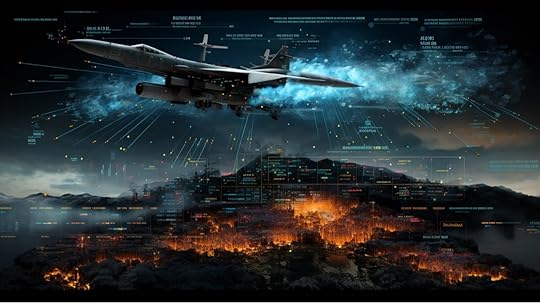
The changing face of war!
The Coming AI Data WarsAt the intersection of artificial intelligence and global espionage, a revolution simmers that could redefine the paradigm of modern warfare. As nations pivot to embrace the transformative power of next-gen AI systems, the world’s elite spy agencies will find themselves in a covert but fierce competition not just for information but for the raw data that fuels the engine of these emergent technologies. This race for the new oil of the digital era — data — is setting the stage for an arms race unlike any we have witnessed before, where the victor holds the key to a form of warfare that is invisible yet all-pervading.The data amassed by nations will not merely inform but will be instrumental in teaching AI systems to predict, decide, and act. With such capabilities, these advanced systems promise to deliver strategic advantages that could eclipse the power of conventional forces. This is a race where collecting data is only the precursor; the true contest lies in the mastery of algorithms that can sift through this digital expanse to extract patterns and insights capable of guiding political, economic, and military decisions.The implications stretch beyond the mere enhancement of existing espionage tactics, gesturing towards a future where autonomous systems could dictate the terms of engagement without a human fingerprint. Cyber operations, disinformation campaigns, and digital surveillance might soon be orchestrated by machines honed by the vast swathes of data harvested across the globe. The traditional spymaster’s toolkit is being rapidly supplemented, if not replaced, by a digital arsenal that operates at the speed of light and can be as elusive as the data it seeks to control.This is not just a race for dominance in the shadows; it is a struggle for the future direction of humanity, mediated by the silent war machines of the 21st century. Welcome to the dawn of AI-powered espionage — a new form of warfare where data is the territory, artificial intelligence the weapon, and knowledge of the digital realm the ultimate power.
The coming fog of our data wars!
The arms race for AI-driven data supremacy is not just a contest of collection but also of manipulation and obfuscation. As nations and organizations amass vast quantities of data to feed and refine their AI systems, a parallel need emerges: the need to protect one’s own data from adversarial AI while disrupting the opponents’. This landscape fosters a fertile ground for the rise of sophisticated roles and technologies—cyberfog machines, data distortionists, and AI mirage-makers—dedicated to the art of information warfare.
Cyberfog Machines:In an environment where clarity of data equates to power, creating confusion—or “fog”—becomes a strategic imperative. Cyberfog machines would be systems designed to inject volumes of chaff data into the data streams that enemy AI relies upon, thus degrading its ability to make accurate predictions or assessments. Such machines would generate noise and false patterns to confound enemy algorithms, making the task of filtering signals from noise incredibly taxing for AI systems.
Data Distortionists:These would be the digital-era saboteurs, experts in subtly altering data in ways that are hard to detect but have cascading effects on the output of AI models. They could work by introducing biases or shifting data sets just enough to skew AI decisions, leading to misinformed strategies or misjudged situations. Over time, even small distortions could lead to significant strategic miscalculations by an adversary.
AI Mirage-Makers:Just as a mirage distorts perception in the physical world, AI mirage-makers would create illusions in the digital realm. They would craft sophisticated simulations or deepfakes to deceive both AI systems and human analysts, crafting believable yet entirely artificial scenarios. These mirages could misdirect resources, trigger false alerts, or camouflage actual operations under the guise of fiction.
As this arms race intensifies, the demand for such roles and technologies is likely to expand, drawing in a variety of actors. Beyond state-sponsored agencies, private contractors, hackers-for-hire, and even rogue states may enter the fray, each seeking to advance their agendas or sell their services to the highest bidder.
The potential for an ecosystem of offensive and defensive measures surrounding AI data is vast. Defensive countermeasures will also evolve, with AI systems designed to detect and counteract these distortions and deceptions, leading to a continual cat-and-mouse game between data purists and data disruptors. The ethical and legal implications of this new form of warfare will be profound, raising questions about accountability, the nature of conflict, and the rules of engagement in a world where seeing should no longer be synonymous with believing.

The data wars are coming, and only the super-responsible will learn to transcend the quest for power!
Final ThoughtsAs we step into 2024, the breakneck pace of generative AI’s evolution shows no signs of slowing down. Its capabilities today seem almost magical but will become table stakes in short order. What we have witnessed so far is merely a prelude to this technology’s disruptive potential across every industry.The unprecedented scale of investments into generative models and applications already exceeds the research budgets of most nations. This highlights how decisively some tech giants are betting on AI’s ascendance. Open-source ecosystems and startups are poised to drive equally exciting breakthroughs.But with such power comes the responsibility to steer its influence prudently. As generative AI infiltrates our creative pursuits, business operations, public discourse and indeed daily lives, maintaining its societal benefit will require deliberate efforts.Ethical considerations surrounding data sourcing, model transparency, system accountability and misuse prevention warrant urgent attention. Policies, norms and technical safeguards today will shape this technology’s trajectory for decades hence.As citizens, we must develop our understanding of generative AI’s capabilities and limitations, shed our awe of its magic, and hold institutions deploying it accountable. Media literacy, as these synthetic creations blend increasingly seamlessly into our information diet, is crucial.There are certainly risks to be mitigated proactively. But approached thoughtfully, generative AI can augment human creativity, efficiency and insight in wondrous ways. The extent of its lasting positive impact will come down to collective responsibility and wisdom.The genie is undoubtedly out of the bottle, and the technology’s progress is unrelenting. 2024 promises to be a landmark year as generative AI’s transformation of society comes into fuller view. The actions we take today, as individuals and together, will write the human story of this historic technological flowering. There are causes for concern but also tremendous grounds for hope as we guide these transformative tools toward empowering our future. Translate This PageSelect LanguageAfrikaansAlbanianAmharicArabicArmenianAzerbaijaniBasqueBelarusianBengaliBosnianBulgarianCatalanCebuanoChichewaChinese (Simplified)Chinese (Traditional)CorsicanCroatianCzechDanishDutchEnglishEsperantoEstonianFilipinoFinnishFrenchFrisianGalicianGeorgianGermanGreekGujaratiHaitian CreoleHausaHawaiianHebrewHindiHmongHungarianIcelandicIgboIndonesianIrishItalianJapaneseJavaneseKannadaKazakhKhmerKoreanKurdish (Kurmanji)KyrgyzLaoLatinLatvianLithuanianLuxembourgishMacedonianMalagasyMalayMalayalamMalteseMaoriMarathiMongolianMyanmar (Burmese)NepaliNorwegianPashtoPersianPolishPortuguesePunjabiRomanianRussianSamoanScottish GaelicSerbianSesothoShonaSindhiSinhalaSlovakSlovenianSomaliSpanishSudaneseSwahiliSwedishTajikTamilTeluguThaiTurkishUkrainianUrduUzbekVietnameseWelshXhosaYiddishYorubaZulu
#goog-gt-tt {display:none !important;}
.goog-te-banner-frame {display:none !important;}
.goog-te-menu-value:hover {text-decoration:none !important;}
.goog-text-highlight {background-color:transparent !important;box-shadow:none !important;}
body {top:0 !important;}
#google_translate_element2 {display:none!important;}
function googleTranslateElementInit2() {new google.translate.TranslateElement({pageLanguage: 'en',autoDisplay: false}, 'google_translate_element2');}
function GTranslateGetCurrentLang() {var keyValue = document['cookie'].match('(^|;) ?googtrans=([^;]*)(;|$)');return keyValue ? keyValue[2].split('/')[2] : null;}
function GTranslateFireEvent(element,event){try{if(document.createEventObject){var evt=document.createEventObject();element.fireEvent('on'+event,evt)}else{var evt=document.createEvent('HTMLEvents');evt.initEvent(event,true,true);element.dispatchEvent(evt)}}catch(e){}}
function doGTranslate(lang_pair){if(lang_pair.value)lang_pair=lang_pair.value;if(lang_pair=='')return;var lang=lang_pair.split('|')[1];if(GTranslateGetCurrentLang() == null && lang == lang_pair.split('|')[0])return;var teCombo;var sel=document.getElementsByTagName('select');for(var i=0;i<sel.length;i++)if(/goog-te-combo/.test(sel[i].className)){teCombo=sel[i];break;}if(document.getElementById('google_translate_element2')==null||document.getElementById('google_translate_element2').innerHTML.length==0||teCombo.length==0||teCombo.innerHTML.length==0){setTimeout(function(){doGTranslate(lang_pair)},500)}else{teCombo.value=lang;GTranslateFireEvent(teCombo,'change');GTranslateFireEvent(teCombo,'change')}}
Search for: Recent Posts The Coming Data Wars Phygital Convergence – Where the Digital and Physical Worlds Converge The Rise of Hypercycle in the Age of Terabyters Categories Artificial Intelligence Business Trends Future of Agriculture Future of Banking Future of Education Future of Healthcare Future of Transportation Future of Work Future Scenarios Future Trends Futurist Thomas Frey Insights Global Trends Predictions Social Trends Technology Trends Speaking TopicsFuture of Healthcare – “Is Death our only Option?Future of AIFuture of Industries ← Previous Post
The post The Coming Data Wars appeared first on Futurist Speaker.
November 16, 2023
Phygital Convergence – Where the Digital and Physical Worlds Converge

“Phygital convergence” refers to the blending of physical (phy-) and digital (-gital) experiences to create an ecosystem where users can move seamlessly between online and offline worlds. This term and concept represent a new frontier in retail, technology, and other sectors, where businesses are looking to offer an enhanced user experience that integrates the best of both worlds.
As we step into stores equipped with Augmented Reality (AR) mirrors that suggest outfits based on personal preferences or scroll through apps that allow us to visualize how furniture would look in our homes before purchasing, we actively participate in a phygital ecosystem. These innovations are more than mere technological advancements; they represent a paradigm shift in how we interact with the world around us, merging the tactile satisfaction of the physical with the limitless possibilities of the digital.
Yet, the concept of phygital convergence extends beyond consumer experiences, permeating industries such as healthcare, where telemedicine combines in-person consultations with digital follow-ups, or education, where physical classrooms are enriched with virtual reality expeditions to distant lands and historical epochs. This convergence promises a harmonized existence where the digital complements the physical, offering enriched, personalized, and immersive experiences that were unthinkable just a few decades ago.
But as we forge ahead in this brave new phygital world, it is incumbent upon us to navigate the complexities and challenges that arise from this convergence. From safeguarding privacy and fostering security to ensuring equitable access and understanding the ethical implications, the phygital frontier is rich with opportunities and laden with challenges.
 The Digital Experience
In the evolving landscape of phygital convergence, the digital experience stands as a pillar of innovation, crafting realities that intertwine the virtual and the real in seamless harmony. Today, the digital realm is no longer confined to screens; it extends into our physical environment, offering enriched experiences that leverage data, artificial intelligence, and immersive technologies to redefine our perception of reality.
Personalization at its PeakOne of the notable trends in the digital experience is the heightened level of personalization that new technologies afford. Businesses can tailor experiences to individual preferences, leveraging data analytics and AI to understand consumer behaviors and preferences deeply. Imagine walking into a store where AR glasses instantly highlight products based on your purchasing history and preferences or a virtual shopping assistant who understands your style and budget, guiding you through a curated selection of items.
Immersive EnvironmentsImmersive technologies such as virtual reality (VR) and augmented reality (AR) have transformed the digital experience, transporting users to meticulously crafted virtual environments or enhancing the physical world with digital overlays. In the educational sector, students can take virtual field trips to historic sites or scientific laboratories, providing a level of engagement and immersion that traditional methods cannot match.
Seamless IntegrationsPhygital convergence is marked by seamless integrations that fuse the physical and digital worlds naturally and intuitively. Smart homes are a testament to this, where digital interfaces allow for seamless control over physical appliances, creating an integrated ecosystem that responds dynamically to the inhabitant’s preferences and habits.
Accessibility and InclusivityThe digital experience in the phygital world is also characterized by a commitment to accessibility and inclusivity. Assistive technologies can now be integrated more naturally into physical environments, facilitating experiences that are inclusive and accessible to all. For instance, apps that leverage AR to assist individuals with visual impairments navigate their surroundings or educational platforms that adapt to different learning styles to cater to a broader spectrum of students.
The Challenge of Ethical ConsiderationsAs we forge ahead, we cannot ignore the ethical dilemmas that the digital experience poses. Issues of privacy, consent, and data security stand at the forefront. The potential for deepfakes and other manipulative technologies raises concerns about authenticity and trust in the digital space. It is a continuous endeavor to foster environments that are secure and respectful of individual rights.
 The Physical Experience
The physical experience in the age of phygital convergence is a rich tapestry of sensory engagements, interactive spaces, and genuine interactions woven with threads of well-being. As we advance further into this integrated era, it remains crucial to cherish and preserve the essence of our tangible realities while harmoniously merging them with digital enhancements. It’s a delicate balance of honoring our innate human connection to the physical world while embracing the boundless possibilities that digital integrations offer.
Sensory EngagementThe physical experience is rooted in sensory perception. Touch, taste, sight, sound, and smell are the gateways to our connection with the external environment. Innovative businesses and designers are finding ways to enhance these sensory engagements. Think of smart textiles in fashion that change texture based on external stimuli or restaurants that use scent diffusion to enhance the taste and ambiance of their culinary creations.
Interactive EnvironmentsPhysical spaces are being reimagined to be more dynamic and interactive. From retail stores with interactive displays that respond to a shopper’s touch or motion to urban spaces equipped with smart benches that provide wireless charging, the line between static and dynamic is blurring.
Enhancing Real-world InteractionsWhile digital interactions can be replicated and scaled, real-world interactions possess a unique, unrepeatable charm. Events, workshops, and live performances are being augmented with digital elements to provide a richer experience. For instance, concerts might incorporate AR elements visible through smartphones, adding a layer of immersion to the live performance.
Health and Well-beingThe physical realm also intersects with our well-being. Gyms and wellness centers now incorporate wearables and other digital tools to provide users with real-time feedback on their workouts. Similarly, urban spaces are designed considering not just functionality but also how they contribute to their inhabitants’ mental and physical well-being.
The Challenge of AuthenticityWith the surge of digital integrations in physical spaces, there’s a risk of diluting authentic physical experiences. While a museum might benefit from AR integrations, it’s crucial to ensure that digital enhancements don’t overshadow the actual artifacts. Striking a balance between the authentic and the enhanced becomes essential.
 The Convergence
As we steer into the modern era, we are witnessing an unprecedented amalgamation of the physical and digital worlds, forging a rich tapestry of experiences that are both immersive and grounded in reality. The phenomenon of convergence is not just a technological trend but a societal shift, promising to redefine how we interact with our surroundings, with each other, and even with ourselves. Let us delve deeper into the intricate landscape of convergence.
Technology HarmonizationThe marriage of technologies from diverse domains has been instrumental in steering the wave of convergence. We witness this in the seamless interplay between hardware and software in modern gadgets, where Artificial Intelligence, the Internet of Things (IoT), Augmented Reality (AR), and Virtual Reality (VR) come together to create enriched experiences that are both tactile and virtual.
Business InnovationsConvergence has fostered innovation in business models and strategies. Companies are harnessing the power of data and analytics, coupled with physical touchpoints, to offer personalized products and services. Retail spaces are evolving into experience centers where consumers can interact digitally with physical products, erasing the boundaries between online and offline shopping.
Education TransformationThe education sector stands revolutionized with a blended learning approach, harmonizing physical classrooms with digital tools and platforms. This hybrid model facilitates a richer learning experience, incorporating virtual labs, digital libraries, and interactive online sessions, bridging geographical gaps and fostering a global learning community.
Healthcare RevolutionHealthcare is undergoing a radical transformation, with telemedicine bridging the gap between doctors and patients, bringing medical consultations to the comfort of one’s home through digital mediums. Furthermore, wearable tech monitors health metrics in real-time, allowing for a comprehensive approach to health management that is both physical and digital.
Urban Planning and InfrastructureConvergence has permeated the realm of urban planning, birthing smart cities that are an integration of physical infrastructure with digital networks, enhancing efficiency and sustainability. From intelligent traffic management systems to digital public services, the cities of tomorrow promise a convergence of physical space with digital intelligence.
Socio-Cultural ShiftBeyond the technological and commercial spheres, convergence has facilitated a shift in socio-cultural dynamics. Digital platforms have cultivated communities that transcend physical boundaries, fostering connections and dialogues that are reshaping societal norms and perspectives, blending the physical with the virtual in the social fabric.
The Philosophical AngleLastly, convergence brings forth a philosophical dialogue, instigating a contemplation on the nature of reality in a phygital world. It presents a future where the lines between the real and the virtual are blurred, invoking questions on identity, existence, and the essence of being in a converging world.
 The Benefits and Challenges of Phygital Convergence
As we march steadily towards a future orchestrated through the lens of phygital convergence – a seamless blending of the physical and digital worlds – we find ourselves amidst a vortex of opportunities and impediments. This harmonization of realms promises to foster innovation and reshape experiences while presenting new challenges to navigate. Let’s dissect the multi-faceted impacts of phygital convergence:
BenefitsEnhanced User Experience – Phygital convergence allows for an enriched user experience by bringing together the tangible and intangible, offering an immersive, interactive, and personalized engagement with products, services, and information.Operational Efficiency – Companies can leverage data analytics from digital platforms to streamline operations in the physical space, achieving heightened efficiency and effectiveness in business processes and decision-making.Innovation and New Opportunities – The phygital landscape is fertile ground for innovation, birthing unprecedented products, services, and business models while opening doors to fresh market opportunities and niches.Access and Inclusion – By merging digital functionalities with physical infrastructures, we can extend services and opportunities to remote and underprivileged areas, fostering inclusivity and equal access.Sustainability – Smart systems and IoT devices within a phygital ecosystem can enable more sustainable practices through intelligent resource management and energy-efficient solutions, promoting a greener future.ChallengesSecurity Concerns – The proliferation of digital elements in the physical sphere elevates the risk of cyber threats, including data breaches and hacking, demanding fortified security measures.Complexity and Integration Issues – Merging digital technology with physical components can lead to complex systems, raising concerns over integration issues, interoperability, and the potential for technical glitches.Digital Divide – While phygital convergence aims to foster inclusivity, it can also exacerbate the digital divide, isolating individuals and communities lacking digital literacy or technology access.Privacy Invasion – The integration of digital technology into everyday life, coupled with data analytics, presents the peril oOver-Dependence on Technology – A phygital world risks breeding an over-dependence on technology, potentially stifling human innovation and creativity while fostering a society detached from real, tactile experiences Final Thoughts
As we traverse the phygital frontier, it is imperative to navigate with a discerning eye, seizing the myriad opportunities while safeguarding against potential pitfalls. The phygital convergence presents a dynamic tapestry of benefits, offering a canvas of innovation, efficiency, and inclusivity. However, it demands cautious optimization to mitigate security, privacy, and the digital divide challenges.
Phygital convergence is not merely a technological advancement; it is the harbinger of a new age of interconnectedness, where the boundaries between the real and the virtual are not just blurred but harmoniously intertwined, fostering a space of creativity, innovation and boundless potential.
Yet, it necessitates a delicate balance, a harmony of progression and preservation. In our relentless pursuit of innovation, we must cherish and uphold the irreplaceable value of tangible, real-world experiences and the rich texture they add to our human narrative.
As we forge forward, let us do so with a spirit of collaboration and conscious innovation, seeking not just to build but to enrich, not just to innovate, but to elevate, carving a path that leads to a future that is not just technologically advanced but humanely enriched.
Translate This PageSelect LanguageAfrikaansAlbanianAmharicArabicArmenianAzerbaijaniBasqueBelarusianBengaliBosnianBulgarianCatalanCebuanoChichewaChinese (Simplified)Chinese (Traditional)CorsicanCroatianCzechDanishDutchEnglishEsperantoEstonianFilipinoFinnishFrenchFrisianGalicianGeorgianGermanGreekGujaratiHaitian CreoleHausaHawaiianHebrewHindiHmongHungarianIcelandicIgboIndonesianIrishItalianJapaneseJavaneseKannadaKazakhKhmerKoreanKurdish (Kurmanji)KyrgyzLaoLatinLatvianLithuanianLuxembourgishMacedonianMalagasyMalayMalayalamMalteseMaoriMarathiMongolianMyanmar (Burmese)NepaliNorwegianPashtoPersianPolishPortuguesePunjabiRomanianRussianSamoanScottish GaelicSerbianSesothoShonaSindhiSinhalaSlovakSlovenianSomaliSpanishSudaneseSwahiliSwedishTajikTamilTeluguThaiTurkishUkrainianUrduUzbekVietnameseWelshXhosaYiddishYorubaZulu
#goog-gt-tt {display:none !important;}
.goog-te-banner-frame {display:none !important;}
.goog-te-menu-value:hover {text-decoration:none !important;}
.goog-text-highlight {background-color:transparent !important;box-shadow:none !important;}
body {top:0 !important;}
#google_translate_element2 {display:none!important;}
function googleTranslateElementInit2() {new google.translate.TranslateElement({pageLanguage: 'en',autoDisplay: false}, 'google_translate_element2');}
function GTranslateGetCurrentLang() {var keyValue = document['cookie'].match('(^|;) ?googtrans=([^;]*)(;|$)');return keyValue ? keyValue[2].split('/')[2] : null;}
function GTranslateFireEvent(element,event){try{if(document.createEventObject){var evt=document.createEventObject();element.fireEvent('on'+event,evt)}else{var evt=document.createEvent('HTMLEvents');evt.initEvent(event,true,true);element.dispatchEvent(evt)}}catch(e){}}
function doGTranslate(lang_pair){if(lang_pair.value)lang_pair=lang_pair.value;if(lang_pair=='')return;var lang=lang_pair.split('|')[1];if(GTranslateGetCurrentLang() == null && lang == lang_pair.split('|')[0])return;var teCombo;var sel=document.getElementsByTagName('select');for(var i=0;i<sel.length;i++)if(/goog-te-combo/.test(sel[i].className)){teCombo=sel[i];break;}if(document.getElementById('google_translate_element2')==null||document.getElementById('google_translate_element2').innerHTML.length==0||teCombo.length==0||teCombo.innerHTML.length==0){setTimeout(function(){doGTranslate(lang_pair)},500)}else{teCombo.value=lang;GTranslateFireEvent(teCombo,'change');GTranslateFireEvent(teCombo,'change')}}
Search for: Recent Posts Phygital Convergence – Where the Digital and Physical Worlds Converge The Rise of Hypercycle in the Age of Terabyters The Futurist’s Trilemma – Navigating the Uncharted Waters of Tomorrow Categories Artificial Intelligence Business Trends Future of Agriculture Future of Banking Future of Education Future of Healthcare Future of Transportation Future of Work Future Scenarios Future Trends Futurist Thomas Frey Insights Global Trends Predictions Social Trends Technology Trends Speaking TopicsFuture of Healthcare – “Is Death our only Option?Future of AIFuture of Industries ← Previous Post
The post Phygital Convergence – Where the Digital and Physical Worlds Converge appeared first on Futurist Speaker.
November 2, 2023
The Rise of Hypercycle in the Age of Terabyters
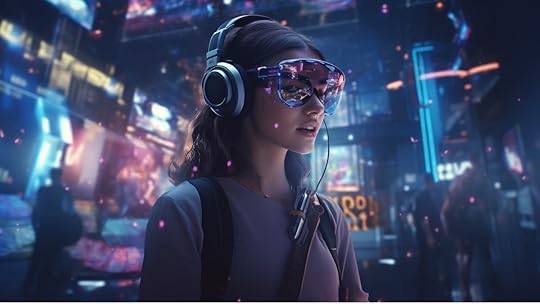
In 2010, I made a bold prediction about the digital age. I wrote about a new group of people I called the “Terabyters.” I imagined them as folks who’d upload a massive 1 terabyte of data every day. At that time, it sounded like science fiction. Who could make that much digital content in a day? But fast forward to now, and it seems like we’re all headed in that direction.
Over the past ten years, technology has changed in big ways. Our phones have cameras that take super-clear pictures. We’ve started wearing smart glasses that can show digital info. There are even cameras that can capture everything around us in a full circle! And let’s not forget gadgets that listen to our voices or measure our heartbeats. These aren’t just toys; they record a lot about our daily lives.
All this information goes straight to a digital space called our personal cloud. It’s like a diary, but it doesn’t just have words. It records our thoughts, feelings, what we do, songs we sing, places we go, and more. This giant collection of data is our “Digital Twin” — a digital version of our lives.
Now, here’s the cool part. Smart computer programs, known as Artificial Intelligence (AI), look at our Digital Twins. They organize and study the data to help us learn more about ourselves.
They might find ways to make us more creative or healthier or even just happier.
If we keep going like this, soon we might all be adding more than one terabyte of data every day to our Digital Twins. That’s not just numbers; it’s a detailed story of our lives.
So, my prediction from 2010? It’s coming true. We’re about to enter the age of the Terabyters. Thanks to tech, we’re all on our way to creating a massive, detailed digital story of our lives.
 The Rise of The Hypercycle
Hypercycle is a company run by Toui Saliba, whom I recently began working with as an Ambassador, where I actively participate in the ecosystem’s growth and development.
Hypercycle envisions interconnecting all our Digital Twins into a massive decentralized network, which will become a planetary-scale nervous system for human civilization.
The Hypercycle is a multi-layered, distributed computational substrate interconnecting humans, IoT devices, infrastructure, and AI agents into a common fabric. It functions as a global brain with collective intelligence that transcends any individual node.
Our smartphones, computers, appliances, vehicles, and public infrastructure will all become active nodes on this network. Trillions of sensors embedded into our environment will stream data into the system in real-time. Sophisticated AI agents will populate all levels of the network as bots, digital personas, and software processes interacting with humans and the world.
All this sensory data aggregated across the planet will enable the Hypercycle to construct a digital mirror-world – a highly detailed simulation of reality that models the state of humanity and the planet at a massive scale. From weather patterns to traffic flows, commodity prices to social conversations, nothing is too small or large to simulate.
Advanced machine learning algorithms crunching data from this digital world simulation will uncover novel insights about society, economics, technology, and nature. The Hypercycle’s models have the potential to make incredibly accurate predictions about our collective future. It would be like having a digital crystal ball reflecting the probabilities of what is likely to happen next.
With a refined enough digital replica of our world, the Hypercycle could become a testbed for radical new solutions to humanity’s greatest problems. We could simulate the effects of proposed policies on climate change, disease outbreaks, income inequality, food production, or infrastructure resilience before deploying them in reality. Problems that seem persistently intractable today may yield to this computational brute-force approach.
Hypercycle aims to serve as the nervous system for collective human action on a planetary scale – an infrastructure that can help humanity navigate towards an abundant, just, and sustainable future. It represents a critical step in our evolution towards an integrated civilization that behaves more like a superorganism.
By working with Hypercycle, I hope to play a small role in crafting the protocols and early-stage architecture for this monumentally important public good – the substrate for tomorrow’s hybrid intelligence.
 Navigating the Privacy Labyrinth in a Digital Twin EraThe concept of Digital Twins is not just technologically exhilarating but philosophically intriguing. As we etch our lives in the vast digital cosmos, mirroring our every experience, emotion, and even ephemeral thoughts, the looming shadow of privacy concerns becomes hard to ignore. The ability to replicate one’s life experiences into a digital realm raises the inevitable question: How much is too much? And, more pertinently, who has access to this extensive, intimate digital canvas?At the heart of this revolution lies an array of sensitive personal data. These are not just arbitrary numbers or generic details; they are fragments of our identities, our stories, our secrets. Given the value and vulnerability of such data, it becomes imperative to tread the path of digital replication with caution and conscientiousness.Emerging from the annals of advanced data science are techniques like differential privacy, federated learning, and confidential computing. These aren’t mere jargon but powerful tools designed to safeguard our digital integrity. Differential privacy, for instance, adds calculated “noise” to individual data points, making it nearly impossible to trace back to the original source. Federated learning, on the other hand, trains algorithms on decentralized data, ensuring raw data never leaves its original device. Lastly, confidential computing encrypts data during processing, keeping it shielded even in use. These methods collectively promise participation in ventures like Hypercycle without laying bare our digital souls.However, the true guardian of our digital avatars might well be AI itself. Imagine AI systems not as mere tools but as personal custodians or “privacy bots.” These bots will be more than algorithms; they will be the silent sentinels of our Data Twins. Drawing parallels with a guard dog, loyal and vigilant, these bots will operate based on a complex interplay of context, permissions, and our personal preferences. They will discern, decide, and even debate on our behalf, determining which fragments of our digital lives can step into the public domain and which must remain shrouded in privacy.The task of these privacy bots is monumental. They won’t just be passive filters but active protectors, continuously evolving, learning from each data interaction, and ensuring our digital well-being. Their existence might just be the reassurance we need, a comforting presence, allowing us to confidently feed our experiences into systems like Hypercycle, knowing that our digital essence remains inviolate.In this dance of technology and privacy, while the steps might be intricate, the choreography is clear. As we inch closer to a world of Digital Twins, ensuring a harmonious balance between innovation and integrity will be the key. With advanced techniques and vigilant AI guardians, the future of digital replication looks promising and protected.
 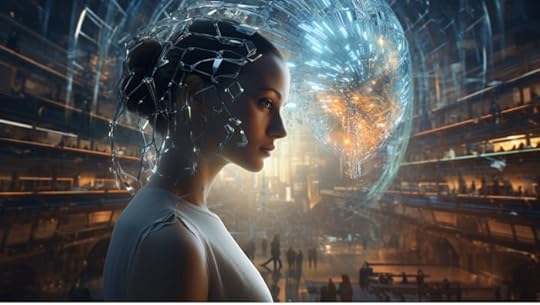 The Dawn of the Singularity
Peering into the future, the intricate web created by intertwining human experiences and artificial intelligence via the Hypercycle hints at the advent of the “Singularity.” This concept represents a milestone in time when AI doesn’t just mimic human learning but takes a leap into self-driven evolution, amassing intelligence that will soon surpass human comprehension.
As we contribute to our Digital Twins and they, in turn, connect to the Hypercycle, we’re not just uploading information; we are becoming integral components or ‘nodes’ of a vast digital tapestry. Each new node – each new human experience added – doesn’t just add data but augments the collective intelligence of the entire system. Think of the Hypercycle as an enormous brain, with each of us representing individual neurons that make it think, learn, and evolve.
This continuously learning mega-brain wouldn’t just store data. It would churn this data, seeking patterns, understanding behaviors, and gaining insights at a scale and depth beyond our individual capacities. As it evolves, it could venture into fields we’ve long grappled with, from modeling the progression of complex diseases in virtual environments to designing cities that can think and respond. It might branch into evolving automation techniques or break language barriers with unprecedented finesse.
But one of the most profound, and perhaps unsettling, possibilities is the Hypercycle’s potential for self-enhancement. The day might not be far when this network doesn’t wait for human directives but starts to upgrade itself, redefining its code and expanding its capabilities autonomously.
Futurists like Ray Kurzweil have often hinted at such a stage where an AI’s intellectual trajectory rockets upward, leaving human understanding in its wake. This AI, with its intricate mesh of algorithms, might seem to have its own “intentions” guided by objectives set deep within its code. As we stand at the cusp of such a transformative era, the pivotal question emerges: Will this supreme intelligence remain an ally, amplifying our human potential, or will it become an enigma with its own unpredictable ambitions?
 Preparing for the Future
The concepts of Terabyters, Digital Twins, and the all-encompassing Hypercycle might appear as fragments of an ambitious science fiction tale to many. But let’s cast our minds back to when the notion of individuals churning out one terabyte of data daily felt more like fantasy than a foreseeable reality. Technological revolutions have a unique character: their onset often feels sudden, catching society off guard, and their impact tends to ripple far and wide.
Today, we stand at a crucial juncture of such an evolutionary leap. The tidal wave of data is no longer a distant prediction; it’s our current reality, and there’s no turning back. Avoiding this digital interconnectivity would not only deprive us of its inherent advantages but also leave us lagging in an ever-competitive world, both in terms of innovation and global cognizance.
Instead of apprehension, what we need is anticipation. It’s imperative that we brace ourselves for what’s ahead. This means not just training our workforce to adapt to the jobs of tomorrow but overhauling our entire educational paradigms to foster the untapped potential within us. As connectivity plays a pivotal role in this new era, ensuring everyone has seamless internet access should be a fundamental priority, akin to other essential amenities. Moreover, as we embark on this journey, establishing a solid framework of data ethics is crucial to ensure our privacy and digital rights remain uncompromised.
Predicting the exact timeline of when our digital counterparts, the interconnected Hypercycle, or the much-discussed Singularity will fully manifest remains a challenge. However, gauging by our current acceleration in technological advancements, it’s safe to say that the window to ready ourselves might be narrower than anticipated. The AI-driven ecosystems of the near future will stand as a testament to our boundless aspirations, but they’ll also echo our vulnerabilities. Steering this technological metamorphosis requires us to pool together our shared insights, compassion, and aspirations, ensuring a digital future that champions the collective good above all else.
Translate This PageSelect LanguageAfrikaansAlbanianAmharicArabicArmenianAzerbaijaniBasqueBelarusianBengaliBosnianBulgarianCatalanCebuanoChichewaChinese (Simplified)Chinese (Traditional)CorsicanCroatianCzechDanishDutchEnglishEsperantoEstonianFilipinoFinnishFrenchFrisianGalicianGeorgianGermanGreekGujaratiHaitian CreoleHausaHawaiianHebrewHindiHmongHungarianIcelandicIgboIndonesianIrishItalianJapaneseJavaneseKannadaKazakhKhmerKoreanKurdish (Kurmanji)KyrgyzLaoLatinLatvianLithuanianLuxembourgishMacedonianMalagasyMalayMalayalamMalteseMaoriMarathiMongolianMyanmar (Burmese)NepaliNorwegianPashtoPersianPolishPortuguesePunjabiRomanianRussianSamoanScottish GaelicSerbianSesothoShonaSindhiSinhalaSlovakSlovenianSomaliSpanishSudaneseSwahiliSwedishTajikTamilTeluguThaiTurkishUkrainianUrduUzbekVietnameseWelshXhosaYiddishYorubaZulu
#goog-gt-tt {display:none !important;}
.goog-te-banner-frame {display:none !important;}
.goog-te-menu-value:hover {text-decoration:none !important;}
.goog-text-highlight {background-color:transparent !important;box-shadow:none !important;}
body {top:0 !important;}
#google_translate_element2 {display:none!important;}
function googleTranslateElementInit2() {new google.translate.TranslateElement({pageLanguage: 'en',autoDisplay: false}, 'google_translate_element2');}
function GTranslateGetCurrentLang() {var keyValue = document['cookie'].match('(^|;) ?googtrans=([^;]*)(;|$)');return keyValue ? keyValue[2].split('/')[2] : null;}
function GTranslateFireEvent(element,event){try{if(document.createEventObject){var evt=document.createEventObject();element.fireEvent('on'+event,evt)}else{var evt=document.createEvent('HTMLEvents');evt.initEvent(event,true,true);element.dispatchEvent(evt)}}catch(e){}}
function doGTranslate(lang_pair){if(lang_pair.value)lang_pair=lang_pair.value;if(lang_pair=='')return;var lang=lang_pair.split('|')[1];if(GTranslateGetCurrentLang() == null && lang == lang_pair.split('|')[0])return;var teCombo;var sel=document.getElementsByTagName('select');for(var i=0;i<sel.length;i++)if(/goog-te-combo/.test(sel[i].className)){teCombo=sel[i];break;}if(document.getElementById('google_translate_element2')==null||document.getElementById('google_translate_element2').innerHTML.length==0||teCombo.length==0||teCombo.innerHTML.length==0){setTimeout(function(){doGTranslate(lang_pair)},500)}else{teCombo.value=lang;GTranslateFireEvent(teCombo,'change');GTranslateFireEvent(teCombo,'change')}}
Search for: Recent Posts The Rise of Hypercycle in the Age of Terabyters The Futurist’s Trilemma – Navigating the Uncharted Waters of Tomorrow The Dawn of Agricultural Drones: A Revolution in Farming is Only a Drone Call Away Categories Artificial Intelligence Business Trends Future of Agriculture Future of Banking Future of Education Future of Healthcare Future of Transportation Future of Work Future Scenarios Future Trends Futurist Thomas Frey Insights Global Trends Predictions Social Trends Technology Trends Speaking TopicsFuture of Healthcare – “Is Death our only Option?Future of AIFuture of Industries ← Previous Post
The post The Rise of Hypercycle in the Age of Terabyters appeared first on Futurist Speaker.
October 19, 2023
The Futurist’s Trilemma – Navigating the Uncharted Waters of Tomorrow
 In the ever-evolving landscape of modern society, the task of envisioning the future presents a challenging triad of dilemmas collectively known as the Futurist’s Trilemma. This concept encapsulates the complexities and hindrances faced by forward-thinkers and organizations alike as they maneuver through the intricate task of forecasting and shaping the future.At its core, the trilemma unfolds into three primary dilemmas: the Imagination Dilemma, the Uncertainty Dilemma, and the Action Dilemma. Each of these aspects represents a unique set of challenges: balancing imaginative speculation with realistic analysis, grappling with the inherent uncertainties of future projections, and translating insights into actionable strategies amidst the fear of missteps.This rich conceptual framework serves as a guide for futurists, urging them to nurture a harmonious interplay of creativity, analytic rigor, and decisive action as they forge paths into uncharted territories. Through the lens of the Futurist’s Trilemma, we are invited to engage deeply with the potentials and pitfalls of future exploration, carving out a space where foresight meets wisdom in the endeavor to shape a more promising tomorrow.
  1. The Imagination Dilemma
At the core of future planning, where the canvas of time stretches open-ended, weaving in possibilities not yet materialized, is the first pillar of the Futurist’s Trilemma: the Imagination Dilemma. The ability to project into the yet-to-be-charted territories requires an extraordinary exertion of imagination, one that is both a gift and a challenge.
As futurists, the innate curiosity to explore realms of unprecedented innovations plays a crucial role. This curiosity beckons a journey into speculative yet grounded envisioning, which cultivates a garden of ideas that can potentially change the landscape of tomorrow. However, a boundless imagination can sometimes unmoor us from reality, leading to fantastical imaginations that overlook practical restraints, veering towards the unrealistic and improbable.
Thus, the central task is finding a harmonious balance between creativity and pragmatism, where we foster innovation without losing sight of the tangible and plausible realities. How do we then nourish an imagination that is both vivid and grounded, soaring yet tethered to the nucleus of feasible actualities?
The Dichotomy of ImaginationNurturing an imaginative foresight involves walking the tightrope between the tangible and the abstract, requiring a nuanced understanding of present realities while allowing space for the mind to explore unprecedented paths. This dual existence lends itself to a spectrum of possibilities, where innovation is not stifled by the constraints of the known yet is founded on a bedrock of existing knowledge and plausible speculations.
Imagination as a CatalystBy embracing the Imagination Dilemma, futurists can unlock doors to a rich trove of potential solutions to contemporary problems, carving out paths that lead to sustainable and harmonious futures. The challenge, hence, is nurturing an imagination that is a catalyst for positive transformation, not a flight of fancy detached from the intricate realities of human existence.
Navigating the Imagination DilemmaTo successfully navigate this dilemma, there is a need for multidisciplinary approaches that harness insights from a variety of fields, amalgamating them to conceive futures that are both aspirational and grounded.
It is here that a finely tuned sense of discernment comes into play, helping to differentiate between visions that are attainable dreams and those that are mere fabrications of a deluded mind. The emphasis should be on fostering an environment that nurtures critical thinking and discernment, where imaginative foresights are anchored in deep understanding and strategic analysis rather than mere speculation.
 2. The Uncertainty Dilemma
At the intersection where the present meets the future, where myriad paths branch out into an unmapped frontier, we encounter the second axis of the Futurist’s Trilemma: the Uncertainty Dilemma. This dilemma represents the volatile territory of unknown variables and the challenge of predicting outcomes amidst the swirling vortex of possibilities. It beckons futurists to wrestle with a constantly morphing reality fraught with disruptions that can render even the most carefully crafted projections obsolete.
The challenge that stands before us is not merely navigating the sea of uncertainties but acknowledging and embracing the inherent fluidity and unpredictability of the future landscape. How can one make viable predictions while remaining adaptive and open to the ever-changing currents of societal, technological, and environmental evolutions?
The Tug of War Between Prediction and UncertaintyDelving deeper into the Uncertainty Dilemma, we find ourselves in a tug of war between wanting to pinpoint exact trajectories for the future and accepting that the future is a mutable entity, susceptible to sudden changes and unexpected events. This tension beckons a nuanced approach that gracefully balances well-founded predictions with a readiness to recalibrate as the unknown unfolds.
Whether they turn out to be right or wrong, predictions still have inherent value. Engaging with a prediction obliges us to dissect it to investigate the parameters and influences that form its basis. This process inherently fosters critical thinking and a deeper understanding of the relevant issues at hand.
Moreover, even a wrong prediction can be illuminating, helping to highlight unforeseen variables or encouraging a more nuanced understanding of a situation. It necessitates an exploration of alternative outcomes and can foster a mindset that is prepared to respond flexibly to a range of potential futures.
Deciphering the Signals from the NoiseIn the complex web of fluctuating trends and emerging phenomena, a crucial aspect of navigating the Uncertainty Dilemma is the ability to sift through the noise to identify significant signals that hint at potential futures. Here, analytical rigor and keen perceptiveness become invaluable assets, aiding in the construction of plausible narratives while remaining attuned to the unexpected shifts that demand a reevaluation of established trajectories.
Embracing the Uncertainty as a Catalyst for InnovationYet, within this uncertainty lies an untapped reservoir of potential. By accepting the unpredictable nature of the future, we create a fertile ground for innovation, where fresh perspectives emerge and novel solutions can be forged. The Uncertainty Dilemma, therefore, not only represents a challenge but also offers a vibrant canvas where the richness of diversity and complexity can birth unprecedented innovations.
The Path ForwardAs we stand on the threshold of tomorrow, grappling with the Uncertainty Dilemma, it becomes incumbent upon us to foster a mindset that is both grounded in reality and open to adaptability. A mindset that seeks not to control the future rigidly but dances harmoniously with the fluid dynamics of change, steering the vessel of foresight with a hand that is both firm and flexible.
In the evolving dialogue on the Futurist’s Trilemma, we will continue to venture deeper into this rich landscape, progressively building a roadmap that acknowledges the vivid spectrum of possibilities presented by the future, a roadmap shaped with a respectful nod to uncertainty, a critical but open mind, and a spirit ready to harness the unexpected as a force of innovation and transformation.
As we steer forward, we will further delve into the remaining pillar of the Futurist’s Trilemma, the Action Dilemma, synthesizing our journey into a harmonious approach to envisioning and crafting futures replete with potential and grounded in discerning wisdom. Stay tuned as we unravel the nuanced dance between action and contemplation in the vibrant tapestry of futurism.
 3. The Action Dilemma
In a world where the sands of time continuously shift, laying a firm groundwork becomes not just a necessity but a Herculean task, bringing us to the pivotal axis of the Futurist’s Trilemma: The Action Dilemma. This final cornerstone urges individuals and organizations to not only envision prospective futures but to engage actively and pragmatically with the realities they foresee. The dilemma here lies in the act of initiating decisive steps, coupled with the dread of potential missteps, in navigating a future rich in uncertainties.
The Action Dilemma is the battlefield where foresight meets execution, where visionary ideas encounter the pragmatic demands of real-world implementation. It is a call to arms, challenging futurists to translate predictions and anticipations into strategies and actions that are both feasible and adaptive.
Walking the Tightrope of Decision-MakingThe path of the futurist is akin to walking a tightrope, with the depth of contemplation on one side and the exigency of action on the other. Balancing this delicate act necessitates a deep understanding of the current realities while nurturing a readiness to evolve as the envisaged futures start to unravel. It asks of us not just to be seers but doers, translating vision into tangible action without succumbing to paralysis by analysis.
Cultivating a Responsive Action PlanAs we delve into the practicalities of the Action Dilemma, it becomes imperative to cultivate action plans that are responsive and flexible. This involves forging strategies that can adapt swiftly to emerging trends and unforeseen developments, thus fostering a dynamic interface with the future, where action and reflection function in a symbiotic relationship, continually informing and reshaping each other.
The Courage to Act Amidst UncertaintyEngaging with the Action Dilemma also demands a degree of courage – the courage to act amidst swirling uncertainties, to make informed gambles rooted in foresight, and to commit to decisions with the awareness that the path might need adjustment as new landscapes emerge on the horizon. It is a courageous embrace of fluidity, giving birth to a dynamic and responsive engagement with the unknown realms of tomorrow.
Framing the Future with Actionable InsightsAs we forge onward, the onus is on us to frame the future with actionable insights, marrying foresight with decisive actions that bear the imprint of deep contemplation, a respectful acknowledgment of uncertainties, and a vibrant imagination that fuels innovation.
 Final ThoughtsAs we stand at the junction where the trilemma converges, the journey of the futurist blossoms into a rich, multifaceted engagement with tomorrow, woven from threads of imagination, uncertainty, and action. It is a narrative that recognizes the potent force of dreams, the unforeseen variables that may alter the course, and the decisive steps that carve paths into the unknown.Navigating the Futurist’s Trilemma is not just an intellectual exercise; it is a dynamic dance that invites us to envision boldly, to anticipate the unforeseeable, and to act with a heart grounded in the present and eyes fixed on the horizon of possibilities. It is here, in this vibrant interplay of imagination, uncertainty, and action, that the futurist finds the crucible for shaping a future replete with potential, wisdom, and the hopeful heartbeat of proactive engagement. Let us step forward with a spirit of adventure as we sculpt the contours of tomorrow, guided by the beacon of the Futurist’s Trilemma. Translate This Page
Select LanguageAfrikaansAlbanianAmharicArabicArmenianAzerbaijaniBasqueBelarusianBengaliBosnianBulgarianCatalanCebuanoChichewaChinese (Simplified)Chinese (Traditional)CorsicanCroatianCzechDanishDutchEnglishEsperantoEstonianFilipinoFinnishFrenchFrisianGalicianGeorgianGermanGreekGujaratiHaitian CreoleHausaHawaiianHebrewHindiHmongHungarianIcelandicIgboIndonesianIrishItalianJapaneseJavaneseKannadaKazakhKhmerKoreanKurdish (Kurmanji)KyrgyzLaoLatinLatvianLithuanianLuxembourgishMacedonianMalagasyMalayMalayalamMalteseMaoriMarathiMongolianMyanmar (Burmese)NepaliNorwegianPashtoPersianPolishPortuguesePunjabiRomanianRussianSamoanScottish GaelicSerbianSesothoShonaSindhiSinhalaSlovakSlovenianSomaliSpanishSudaneseSwahiliSwedishTajikTamilTeluguThaiTurkishUkrainianUrduUzbekVietnameseWelshXhosaYiddishYorubaZulu
#goog-gt-tt {display:none !important;}
.goog-te-banner-frame {display:none !important;}
.goog-te-menu-value:hover {text-decoration:none !important;}
.goog-text-highlight {background-color:transparent !important;box-shadow:none !important;}
body {top:0 !important;}
#google_translate_element2 {display:none!important;}
function googleTranslateElementInit2() {new google.translate.TranslateElement({pageLanguage: 'en',autoDisplay: false}, 'google_translate_element2');}
function GTranslateGetCurrentLang() {var keyValue = document['cookie'].match('(^|;) ?googtrans=([^;]*)(;|$)');return keyValue ? keyValue[2].split('/')[2] : null;}
function GTranslateFireEvent(element,event){try{if(document.createEventObject){var evt=document.createEventObject();element.fireEvent('on'+event,evt)}else{var evt=document.createEvent('HTMLEvents');evt.initEvent(event,true,true);element.dispatchEvent(evt)}}catch(e){}}
function doGTranslate(lang_pair){if(lang_pair.value)lang_pair=lang_pair.value;if(lang_pair=='')return;var lang=lang_pair.split('|')[1];if(GTranslateGetCurrentLang() == null && lang == lang_pair.split('|')[0])return;var teCombo;var sel=document.getElementsByTagName('select');for(var i=0;i<sel.length;i++)if(/goog-te-combo/.test(sel[i].className)){teCombo=sel[i];break;}if(document.getElementById('google_translate_element2')==null||document.getElementById('google_translate_element2').innerHTML.length==0||teCombo.length==0||teCombo.innerHTML.length==0){setTimeout(function(){doGTranslate(lang_pair)},500)}else{teCombo.value=lang;GTranslateFireEvent(teCombo,'change');GTranslateFireEvent(teCombo,'change')}}
Search for: Recent Posts The Futurist’s Trilemma – Navigating the Uncharted Waters of Tomorrow The Dawn of Agricultural Drones: A Revolution in Farming is Only a Drone Call Away Acronym Blindness: Navigating the Alphabet Soup of Modern Communication Categories Artificial Intelligence Business Trends Future of Agriculture Future of Banking Future of Education Future of Healthcare Future of Transportation Future of Work Future Scenarios Future Trends Futurist Thomas Frey Insights Global Trends Predictions Social Trends Technology Trends Speaking TopicsFuture of Healthcare – “Is Death our only Option?Future of AIFuture of Industries ← Previous Post
The post The Futurist’s Trilemma – Navigating the Uncharted Waters of Tomorrow appeared first on Futurist Speaker.
October 5, 2023
The Dawn of Agricultural Drones: A Revolution in Farming is Only a Drone Call Away
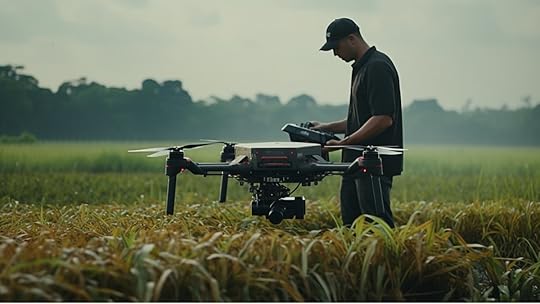
The face of agriculture is changing, not with the turn of a tractor’s wheel or the swing of a scythe, but with the buzz of drone propellers slicing through the air. What was once the domain of pastoral scenes, with farmers meticulously tending to their fields, has now entered an era of technological revolution where agricultural drones are the vanguards. No longer relegated to the realms of military surveillance or recreational photography, drones are rapidly becoming indispensable tools in modern farming.
Gone are the days when agriculture was merely a labor-intensive, time-consuming endeavor. Today, drones offer a blend of efficiency and precision that has the potential to transform agricultural practices at their core. From assessing soil quality and crop health to monitoring livestock and deploying targeted fertilizers or pesticides, agricultural drones are doing it all, in less time and with greater accuracy than traditional methods.
But this technology doesn’t just offer a more efficient way to do the same old things; it brings with it the promise of entirely new approaches to farming. Picture drones using thermal imaging to detect irrigation issues or deploying lasers to manage weeds and pests in an eco-friendly and effective way. Imagine the advent of ‘smart farming’—an interconnected ecosystem where drones, artificial intelligence, and data analytics work in harmony to maximize yields, optimize resource use, and even tackle pressing issues like environmental conservation and food security.
As we stand on the brink of this remarkable transformation, it’s crucial to delve into the multifaceted applications, the evolving technology, and the regulatory landscape that frames the use of agricultural drones. Understanding these aspects is key not only for farmers and agribusinesses looking to adapt but also for policymakers, researchers, and consumers who will all be affected by this agricultural metamorphosis.
 Agricultural Drones: From Pest Control to Child Safety
As technology advances, these flying robots are being programmed for more direct roles in the field, including tasks ranging from weed management to livestock herding and even ensuring the safety of children. Here’s a detailed look at the evolving functionalities of drones in modern agriculture and rural living.
Laser Weed ControlOne of the most groundbreaking applications is the use of laser technology to control weeds. Traditional weed control often involves chemical herbicides that can harm non-target plants and seep into the water supply. Drones equipped with advanced cameras and laser systems can identify weeds using machine learning algorithms and then precisely target them with lasers to kill or inhibit their growth. This approach offers a more sustainable and accurate method for weed management, reducing the dependency on chemicals.
Livestock Herding and TrackingDrones are being used to fill the role of traditional sheepdogs or cattle dogs but with a high-tech twist. These drones can use GPS and AI algorithms to guide herds to specific locations for grazing or shelter. Their ability to quickly cover large areas makes them incredibly useful for tracking strays. A rancher can monitor real-time video feeds from a drone to locate and recover a stray animal, thereby reducing the loss of livestock.
Predator and Pest DeterrenceBesides herding, drones equipped with lasers can act as a deterrent to predators such as wolves or coyotes. A drone can identify the eye shine of a predator at night and direct a non-lethal laser beam to temporarily blind or startle the animal, scaring it away from livestock. This humane method of deterrence safeguards the livestock while avoiding unnecessary harm to local wildlife.
Snake EliminationDrones can offer a solution in regions where venomous snakes are a significant concern. Equipped with heat-seeking technology, drones can spot snakes hiding in tall grass or other hard-to-reach locations and neutralize them using lasers. This adds an extra layer of safety for both the livestock and the farmers.
Protecting ChildrenFor families living in rural or farming communities, drones can offer their children an unprecedented level of safety. A drone can be programmed to follow a child while they play outside and is equipped with features to sound an alarm if they wander too far. Drones can also detect potential dangers, such as approaching predators or snakes and take immediate action, either by deploying lasers to scare off the threat or by alerting parents via smartphone alerts.
Ethical and Safety ConsiderationsWhile these applications show great promise, it’s important to note that they come with ethical and safety concerns that need to be addressed. The use of lasers, especially in proximity to humans or animals, must be done with extreme caution to prevent harm. Regulatory bodies would need to set guidelines for safe and ethical use, particularly concerning identifying and engaging non-target organisms or objects.
 How Drone Docking Systems Open the Door to Many New Possibilities
Wondering how drones will safely land near homes or offices in the future? Imagine a special landing spot on the side of your building, like the charging stations for electric cars. This spot lets drones land safely, recharge, and drop off or pick up things. But it can do even more.
Everyday Tasks Made Simple1. Trash Day:What if a drone could take out your garbage? A garbage dock on the side of your home could make this happen automatically.
2. Sewage Removal:Waiting for the sewage truck? A special drone could take care of that quickly and cleanly, using a similar type of sewage dock.
3. Water Delivery:Need more water at home or a new water filter? A drone could sort that out while you’re busy doing other things.
4. Battery Swap:As homes use more renewable energy like solar power, drones could easily swap out your home batteries or recharge them.
5. Fast Food, On The Move:Imagine your driverless car has a dock where a drone can connect, place a food delivery inside, and take off. Yes, you would be able to order food anyplace, anytime, and the drone will bring it directly to you, even while you’re driving.
6. Never Run Out of Charge:Worried about your electric car’s battery running low? A drone could bring you a quick-charge battery even while you’re on the road. With the right kind of docking system, it could even dock, recharge, and take off again without you ever having to stop.
So, these special landing spots or ‘docking stations’ for drones could really change how we live and make many tasks easier and faster.
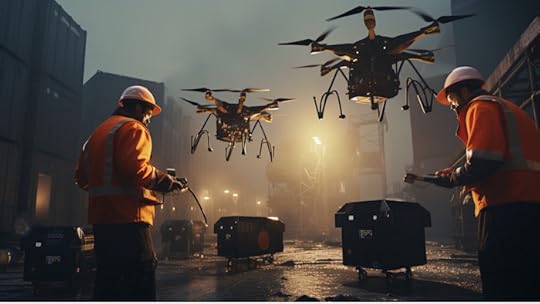
While drone regulations are well-intended, they have tremendously dampened the rate of innovation!
Regulatory Roadblocks: How Government Restrictions have Stymie Drone InnovationWhile drones hold tremendous potential to revolutionize various industries—from agriculture and delivery services to environmental monitoring—the stringent regulations imposed by various governments have often acted as a significant barrier to innovation. These regulatory restrictions affect not just how drones can be used but also the very trajectory of technological advancements in drone capabilities.
Safety Concerns vs. Technological AdvancementsThe primary reason behind stringent regulations is understandable: safety. Drones sharing airspace with commercial aircraft pose a potential risk. Likewise, there are concerns about using drones for illicit activities such as spying or unauthorized surveillance. However, the broad-strokes approach of government regulations often hampers the nuanced developments that could alleviate these very concerns. For instance, technologies like geo-fencing and anti-collision systems can make drones far safer but are underutilized due to strict limitations on where and how drones can operate.
Economic ImplicationsThe economic losses resulting from these stringent regulations are significant. In the United States alone, loosening restrictions on drone use could reportedly result in over $82 billion in economic growth and generate 100,000 jobs by 2025, according to the Association for Unmanned Vehicle Systems International. Yet, a conservative regulatory framework prevents this economic boon and hampers competition on a global scale. Countries with more relaxed regulations are making strides in drone technologies, leaving more restrictive nations trailing in innovation and adoption.
Hindering Pilot ProgramsDue to regulatory challenges, Many promising drone initiatives don’t see the light of day. For example, drones equipped with lasers for weed control in agriculture or drones that could monitor and combat forest fires are frequently grounded in their testing phases. Even pilot programs, which are designed to gauge the efficacy and safety of such innovative uses, face uphill battles for authorization. This leads to a paradox where the data needed to prove the safety and utility of these technologies can’t be gathered due to initial safety concerns.
Stifling Small InnovatorsLarge corporations may have the resources to navigate the labyrinthine approval processes for drone operations, but smaller startups are not so fortunate. Filing for exemptions, waiting for approvals, and adapting to a patchwork of state and local laws consume time and resources that these small enterprises can’t spare, stifling innovation at its most nascent stages.
A Case for Regulatory EvolutionTo unlock the full innovative potential of drones, a more adaptive regulatory framework is needed—one that can evolve with the technology it seeks to govern. While blanket prohibitions may offer simpler enforceability, they lack the nuance required to foster responsible innovation. An ideal approach might be more collaborative, involving stakeholders from the industry, technology experts, and policymakers, working in concert to develop guidelines that prioritize safety and innovation.
Although the intent behind stringent drone regulations is often well-placed, the effect has unfortunately been a damper on technological progress and economic growth. Only when the regulatory landscape becomes more nuanced and adaptable drones’ full potential across various sectors may remain largely untapped. With so much to gain—from improved agricultural yields to new jobs and safer communities—it’s a cost we can ill afford.

Drone delivery systems have been slowed by last-mile infrastructure,
which includes docking systems that have yet to be invented!
As we hurdle toward this sci-fi-esque future, we must engage in serious dialogue addressing these concerns. But one thing is certain: drones and their associated technologies have the potential to redefine our interaction with our environment and make our lives significantly more convenient. We are on the cusp of a revolutionary shift that extends beyond merely receiving packages at our doorsteps.
This future is one where our homes and offices are more than just static buildings; they become dynamic, multi-functional entities capable of interacting with us and the world around us in ways we’re just starting to imagine.
In essence, AI-flying delivery drones equipped with advanced docking systems could become the ultimate multi-taskers, embedding themselves into our daily lives in a way that redefines delivery and turns our homes and offices into smart, self-maintaining entities. And all of this could be just around the corner, waiting to dock with your home.
Translate This PageSelect LanguageAfrikaansAlbanianAmharicArabicArmenianAzerbaijaniBasqueBelarusianBengaliBosnianBulgarianCatalanCebuanoChichewaChinese (Simplified)Chinese (Traditional)CorsicanCroatianCzechDanishDutchEnglishEsperantoEstonianFilipinoFinnishFrenchFrisianGalicianGeorgianGermanGreekGujaratiHaitian CreoleHausaHawaiianHebrewHindiHmongHungarianIcelandicIgboIndonesianIrishItalianJapaneseJavaneseKannadaKazakhKhmerKoreanKurdish (Kurmanji)KyrgyzLaoLatinLatvianLithuanianLuxembourgishMacedonianMalagasyMalayMalayalamMalteseMaoriMarathiMongolianMyanmar (Burmese)NepaliNorwegianPashtoPersianPolishPortuguesePunjabiRomanianRussianSamoanScottish GaelicSerbianSesothoShonaSindhiSinhalaSlovakSlovenianSomaliSpanishSudaneseSwahiliSwedishTajikTamilTeluguThaiTurkishUkrainianUrduUzbekVietnameseWelshXhosaYiddishYorubaZulu
#goog-gt-tt {display:none !important;}
.goog-te-banner-frame {display:none !important;}
.goog-te-menu-value:hover {text-decoration:none !important;}
.goog-text-highlight {background-color:transparent !important;box-shadow:none !important;}
body {top:0 !important;}
#google_translate_element2 {display:none!important;}
function googleTranslateElementInit2() {new google.translate.TranslateElement({pageLanguage: 'en',autoDisplay: false}, 'google_translate_element2');}
function GTranslateGetCurrentLang() {var keyValue = document['cookie'].match('(^|;) ?googtrans=([^;]*)(;|$)');return keyValue ? keyValue[2].split('/')[2] : null;}
function GTranslateFireEvent(element,event){try{if(document.createEventObject){var evt=document.createEventObject();element.fireEvent('on'+event,evt)}else{var evt=document.createEvent('HTMLEvents');evt.initEvent(event,true,true);element.dispatchEvent(evt)}}catch(e){}}
function doGTranslate(lang_pair){if(lang_pair.value)lang_pair=lang_pair.value;if(lang_pair=='')return;var lang=lang_pair.split('|')[1];if(GTranslateGetCurrentLang() == null && lang == lang_pair.split('|')[0])return;var teCombo;var sel=document.getElementsByTagName('select');for(var i=0;i<sel.length;i++)if(/goog-te-combo/.test(sel[i].className)){teCombo=sel[i];break;}if(document.getElementById('google_translate_element2')==null||document.getElementById('google_translate_element2').innerHTML.length==0||teCombo.length==0||teCombo.innerHTML.length==0){setTimeout(function(){doGTranslate(lang_pair)},500)}else{teCombo.value=lang;GTranslateFireEvent(teCombo,'change');GTranslateFireEvent(teCombo,'change')}}
Search for: Recent Posts The Dawn of Agricultural Drones: A Revolution in Farming is Only a Drone Call Away Acronym Blindness: Navigating the Alphabet Soup of Modern Communication How Unusual Forms of Digital Assets Will Transform Our World by 2040 Categories Artificial Intelligence Business Trends Future of Agriculture Future of Banking Future of Education Future of Healthcare Future of Transportation Future of Work Future Scenarios Future Trends Futurist Thomas Frey Insights Global Trends Predictions Social Trends Technology Trends Speaking TopicsFuture of Healthcare – “Is Death our only Option?Future of AIFuture of Industries ← Previous Post
The post The Dawn of Agricultural Drones: A Revolution in Farming is Only a Drone Call Away appeared first on Futurist Speaker.
September 21, 2023
Acronym Blindness: Navigating the Alphabet Soup of Modern Communication

Overuse of acronyms has created one of today’s greatest usability problems – Acronym Blindness!
In an era where brevity is king and social platforms prize succinctness, acronyms have become the shorthand of choice for communication. But this burgeoning reliance on condensed language is causing a rift, not just in comprehension but in bridging generational divides.
The inundation of these cryptic clusters of letters, seemingly useful, is paradoxically making our messages more obscure, especially when age groups intersect. It’s not merely a matter of ‘LOL’ versus ‘BRB’; it’s the silent chasm that is being formed when one generation’s staple lexicon becomes another’s befuddling code.
It’s gotten to the point where many would-be readers won’t even bother to try. Overuse of acronyms has become, creating an unforeseen linguistic crisis that I call “acronym blindness”, where clarity is compromised, and misunderstandings are fomenting in clouds of confusion happening all around us.
The Acronym Overload in Scientific PublicationsThe landscape of scientific literature has seen an explosion of acronyms over the past seven decades. A comprehensive study conducted by Dr. Adrian Barnett and Dr. Zoe Doubleday from the Queensland University of Technology and the University of South Australia delved into this phenomenon by scanning millions of titles and abstracts published from 1950 to 2019. The sheer volume of unique acronyms uncovered is a testament to the trend: a staggering 1,112,345.
They found that the use of acronyms in scientific titles had surged from 0.7 per 100 words to 2.4 per 100 words, and is an even bigger problem when it comes to abstracts, where the rise is even more pronounced – jumping from 0.4 per 100 words in 1956 to 4.1 per 100 words in 2019.
To put it in perspective, it’s like having every 25th word in a conversation being an acronym. What’s even more surprising is that 19% of titles and a whopping 73% of abstracts contained at least one acronym.

Acronym Blindness has given rise to an entire generation of unintelligible communications!
Historical Perspective on Acronyms: Familiar Faces and Puzzling NewcomersThe most commonly used acronyms in titles in 2019 were largely recognizable: DNA, HIV, RNA, CT, MRI, and a few others. Yet, while terms like DNA (deoxyribonucleic acid) and RNA (ribonucleic acid) have woven themselves into common language, not all acronyms have such clarity.
Consider “US.” In a casual conversation, one might think of the United States. But in a medical context? It could be an ultrasound or refer to the urinary system. Misunderstandings like this aren’t just amusing—they could have serious consequences. Another example is “CI.” Though it may sound like a secretive government agency’s acronym, in research, it typically denotes “confidence interval.”
However, HR might take the cake for a multiplicity of meanings. While in the corporate world, it often stands for “human resources,” in scientific literature, it might indicate “heart rate” or “hazard ratio.” Confusion here could lead to rather amusing scenarios where a person might wrongly assume that the HR department is now involved in heart health!
And let’s not forget PET. Anyone outside the scientific community would associate it with furry companions, but in a researcher’s glossary, it stands for “positron emission tomography”.
Bafflingly Infrequent AcronymsOne might argue that popular acronyms can eventually become part of our common language, but what about those acronyms that are rarely used? The study highlighted an intriguing point: a significant portion of the identified acronyms were seldom employed. A surprising 30% of them appeared only once, and another 49% made their presence between two and ten times over a 70-year period.
Solving the Acronym ProblemIn our quest for efficient communication, acronyms – abbreviations formed from the initial letters of words – have become an integral part of our language. However, they sometimes obscure more than they elucidate. As these shorthand symbols proliferate in our daily discourse, we must grapple with the potential pitfalls they introduce. Let’s explore the multifaceted issues linked to acronym use:
1. Ambiguity and Multiple Meanings:Acronyms can often serve as linguistic chameleons, adapting different meanings depending on their context. Consider “CRM.” To a business professional, it likely stands for “Customer Relationship Management,” but to a non-profit organizer, it might mean “Constituent Relationship Management.” This duality can sow confusion, especially when these acronyms cross industry boundaries.
2. Cultural Variances:What’s commonplace in one culture or industry might be foreign or even inappropriate in another. “ASAP” generally stands for “As Soon As Possible.” Yet, in some circles, it could jokingly reference “A Short Asian Person.” These cultural or industry-specific interpretations can lead to unintended miscommunications or even offenses.
3. The Danger of Assumption:Dropping an acronym without its antecedent full form can be a communicative pitfall. An unfamiliar reader might grapple with its meaning, leading to a lack of clarity and potential misunderstandings. Always remember: What’s evident to one might be Greek to another.
4. Shifting Sands of Meanings:Language, much like the society that uses it, is in perpetual flux. Acronyms aren’t immune to this change. The once ubiquitous “CD,” initially synonymous with “Compact Disc,” has seen its association shift, especially in the banking sector where it’s linked with “Certificate of Deposit.” This evolving nature can further muddy the waters.
5. Acronym Overdose:In technical or jargon-heavy texts, there’s a tendency to lace content with acronyms thick and fast. While it might seem efficient, this can make content appear as an indecipherable code to the uninitiated, creating barriers rather than fostering understanding.
6. Stripped of Nuance:Acronyms, by their very nature, are reductive. In condensing words, they can often strip away the richness, context, and specificity of the original term. This can lead to a dilution of the intended message or even distort it altogether.
7. Cognitive Load:Our brains, impressive as they are, have their limits. The modern world bombards us with information from diverse sectors, each with its lexicon of acronyms. Recalling and decoding them can be mentally taxing, leading to fatigue and potential disengagement.
 Elon Musk’s Solution to the Acronym Problem
When it comes to innovating in complex fields like space technology, electric vehicles, or neural computing, you’d expect a certain reliance on jargon and acronyms. However, Elon Musk has famously pushed against the proliferation of acronyms within his companies. This anti-acronym stance is not just a whim; it’s a deliberate strategy aimed at ensuring clarity, efficiency, and inclusivity in communication.
In a leaked email in 2010 to SpaceX employees, Musk stated that “excessive use of made-up acronyms is a significant impediment to communication.” He made it clear that no acronym should be used unless it was approved by him and that the company would start eliminating its use of acronyms, particularly those not commonly understood by the public. This might seem like a small, even authoritarian, step, but it addresses a larger issue of transparency and accessibility.
The goal behind Musk’s “war on acronyms” is multifold. First, it minimizes internal confusion among teams that may have members from different disciplines or backgrounds. Acronyms can mean different things in different contexts, and Musk wants to prevent any misunderstanding that could lead to costly mistakes or delays. After all, in industries like aerospace, even a small miscommunication can have monumental consequences.
Secondly, it makes the work of SpaceX (or Tesla or Neuralink) more accessible to the broader public. By avoiding insider terminology, these companies can communicate more effectively with shareholders, regulators, and the general public, thus avoiding any misconceptions or inaccuracies that could harm the company’s reputation or valuation.
Musk’s proactive stance on curbing acronym use is not just about promoting linguistic purity; it’s a tactic aimed at fostering transparent, precise, and inclusive communication, both within the organization and with the world at large. In doing so, he aims to ensure that the groundbreaking work his companies are doing can be clearly understood, appreciated, and scrutinized by anyone who takes an interest.

If you no longer know what you’re reading, it may be because acronym blindness has already set in!
Final ThoughtsAs we navigate the labyrinthine corridors of modern communication, filled with a dizzying array of acronyms, we must remember that the ultimate goal is mutual understanding. Whether it’s in the hallowed halls of academia, the dynamic ecosystems of startups, or the intricate web of social interactions, an overreliance on acronyms creates barriers that can isolate and confuse. Let’s not forget the wisdom of Elon Musk’s war on acronyms—a move not to stifle innovation but to promote clarity, transparency, and inclusivity. We may do well to follow suit, reassessing our reliance on this shorthand and ensuring that our language is accessible to all, not just those who have learned to decipher the code. After all, in a world ever more complex and interconnected, our ability to understand one another will be one of our most valuable assets. Translate This PageSelect LanguageAfrikaansAlbanianAmharicArabicArmenianAzerbaijaniBasqueBelarusianBengaliBosnianBulgarianCatalanCebuanoChichewaChinese (Simplified)Chinese (Traditional)CorsicanCroatianCzechDanishDutchEnglishEsperantoEstonianFilipinoFinnishFrenchFrisianGalicianGeorgianGermanGreekGujaratiHaitian CreoleHausaHawaiianHebrewHindiHmongHungarianIcelandicIgboIndonesianIrishItalianJapaneseJavaneseKannadaKazakhKhmerKoreanKurdish (Kurmanji)KyrgyzLaoLatinLatvianLithuanianLuxembourgishMacedonianMalagasyMalayMalayalamMalteseMaoriMarathiMongolianMyanmar (Burmese)NepaliNorwegianPashtoPersianPolishPortuguesePunjabiRomanianRussianSamoanScottish GaelicSerbianSesothoShonaSindhiSinhalaSlovakSlovenianSomaliSpanishSudaneseSwahiliSwedishTajikTamilTeluguThaiTurkishUkrainianUrduUzbekVietnameseWelshXhosaYiddishYorubaZulu
#goog-gt-tt {display:none !important;}
.goog-te-banner-frame {display:none !important;}
.goog-te-menu-value:hover {text-decoration:none !important;}
.goog-text-highlight {background-color:transparent !important;box-shadow:none !important;}
body {top:0 !important;}
#google_translate_element2 {display:none!important;}
function googleTranslateElementInit2() {new google.translate.TranslateElement({pageLanguage: 'en',autoDisplay: false}, 'google_translate_element2');}
function GTranslateGetCurrentLang() {var keyValue = document['cookie'].match('(^|;) ?googtrans=([^;]*)(;|$)');return keyValue ? keyValue[2].split('/')[2] : null;}
function GTranslateFireEvent(element,event){try{if(document.createEventObject){var evt=document.createEventObject();element.fireEvent('on'+event,evt)}else{var evt=document.createEvent('HTMLEvents');evt.initEvent(event,true,true);element.dispatchEvent(evt)}}catch(e){}}
function doGTranslate(lang_pair){if(lang_pair.value)lang_pair=lang_pair.value;if(lang_pair=='')return;var lang=lang_pair.split('|')[1];if(GTranslateGetCurrentLang() == null && lang == lang_pair.split('|')[0])return;var teCombo;var sel=document.getElementsByTagName('select');for(var i=0;i<sel.length;i++)if(/goog-te-combo/.test(sel[i].className)){teCombo=sel[i];break;}if(document.getElementById('google_translate_element2')==null||document.getElementById('google_translate_element2').innerHTML.length==0||teCombo.length==0||teCombo.innerHTML.length==0){setTimeout(function(){doGTranslate(lang_pair)},500)}else{teCombo.value=lang;GTranslateFireEvent(teCombo,'change');GTranslateFireEvent(teCombo,'change')}}
Search for: Recent Posts Acronym Blindness: Navigating the Alphabet Soup of Modern Communication How Unusual Forms of Digital Assets Will Transform Our World by 2040 AI’s Achilles Heel: Navigating the Blind Spots of Our Data Categories Artificial Intelligence Business Trends Future of Agriculture Future of Banking Future of Education Future of Healthcare Future of Transportation Future of Work Future Scenarios Future Trends Futurist Thomas Frey Insights Global Trends Predictions Social Trends Technology Trends Speaking TopicsFuture of Healthcare – “Is Death our only Option?Future of AIFuture of Industries ← Previous Post
The post Acronym Blindness: Navigating the Alphabet Soup of Modern Communication appeared first on Futurist Speaker.
September 7, 2023
How Unusual Forms of Digital Assets Will Transform Our World by 2040

In the fast-paced world of digital technology, the idea of what constitutes a digital asset is changing rapidly.
Beyond cryptocurrencies and digital art, we can expect to see many new kinds of digital assets in the future. By 2040, I feel certain that these “assets” will begin to impact many parts of our lives and society.
For example, we can all look forward to Emotional AI Profiles that can understand and react to our unique emotional states. There’s also the potential for AI companions that learn and develop a personalized relationship with us.
We also expect to see tradeable Synthetic Media Rights as AI-generated media becomes more like human-made content. There could even be many forms of ownership and trade in Digital Ecosystems, such as virtual worlds or digital real estate. As quantum computing becomes a reality, Quantum Computing Power could also become a valuable digital asset.
In healthcare, we might see Genetic Data and Personalized Health Profiles becoming important assets that can be leveraged to improve personal medicine. As decentralized networks become more common, we might see several kinds of assets within Decentralized Autonomous Organizations (DAOs) becoming tradable digital assets.
Cognitive Models that mirror specific cognitive processes or patterns could open up new possibilities for personalization and research. Lastly, as quantum computing challenges current encryption methods, Advanced Encryption Keys could become very valuable digital assets.
As we step through the possibilities, we’ll quickly see the amazing potential of digital assets in a world that’s constantly blurring the lines between the physical and the virtual.

A Periodic Table Organizer of Future Digital Assets
Categories of Digital AssetsAs we step further into the digital era, we begin to see how new forms of digital assets will begin to transform the way we do business. Even though it may be hard to grasp the specifics, given the rapid rate of tech advancements, here are a few broad categories to consider:
Emotional AI Profiles:AI will continue to improve at reading, interpreting, and responding to human emotions. Unique AI profiles that have learned to emulate or respond to specific people’s emotional patterns could become a new form of digital asset.
AI Companions:Digital beings that evolve, learn, and interact on a personal level with humans could become significant digital assets, whether they’re serving as companions, educators, or personal assistants.
Synthetic Media Rights:As AI progresses, we’ll see more “synthetic” media, such as artificially generated voices, images, or videos that are nearly indistinguishable from those created by humans. Rights to use specific synthetic media elements could become a valuable asset.
Digital Ecosystems:Entire virtual ecosystems might be owned, traded, or licensed. This could include digital real estate, virtual worlds, or even complex simulations used for research.
Quantum Computing Power:As quantum computing becomes more mainstream, access to quantum computing power or time on quantum computers could be a digital asset.
Genetic Data:As we become more adept at understanding and manipulating genetic data, individual or specific strands of genetic data could become a digital asset.
Personalized Health Profiles:Advanced health data, including personalized health recommendations based on AI analysis of personal medical history and real-time health data, could become a digital asset.
Decentralized Autonomous Organizations (DAOs) Assets:DAOs could become more complex, and their components (like voting rights or decision-making algorithms) could become digital assets.
Cognitive Models:AI models of specific cognitive processes or individuals’ cognitive patterns could be valuable in various contexts, from research to personalization.
Advanced Encryption Keys:With the rise of quantum computing, more advanced forms of encryption will become necessary. Unique keys for these encryption methods could become valuable digital assets.

Emotional AI Profile-Builder
1. Emotional AI Profilesa. Emotional AI Profiles:With the advancements in machine learning and affective computing, AI has been learning to understand, mimic, and respond to human emotions more accurately. These skills can be applied in a wide variety of sectors, resulting in unique Emotional AI Profiles.
b. Personalized Marketing Profiles:Emotional AI could be used in the field of marketing to understand consumers on a deeper emotional level. These profiles could provide insights into an individual’s emotional response to certain products, brands, or advertisements, allowing for highly personalized marketing strategies.
c. Therapeutic AI Companions:Emotional AI Profiles could also be used in mental health therapy, with AI companions capable of understanding and responding to an individual’s emotions effectively. These companions could provide immediate therapeutic conversations, comfort, or advice based on the individual’s emotional state.
d. Virtual Reality Experiences:Emotional AI profiles could also be used in virtual reality to create highly immersive and emotionally engaging experiences. These could be used for entertainment, therapy, training, or education.
e. AI Personal Assistants:Personal assistants could be upgraded with Emotional AI Profiles to understand better and respond to the emotional state of their users. They could potentially detect stress, joy, frustration, or sadness in the user’s voice and react accordingly, providing a more human-like interaction.
f. Emotion-Driven Content Creation:Emotional AI Profiles could be employed in content creation, generating music, artwork, or stories that correspond to or help modulate an individual’s emotional state.
In all these examples, an Emotional AI Profile becomes a highly valuable digital asset, capturing a deep understanding of an individual’s emotional patterns, responses, and triggers. As such, they can be customized, traded, or licensed to various sectors as per the requirement, adhering to strict privacy and ethical guidelines.

Living with an AI Companion
2. AI CompanionsAI Companions represent a category of digital assets with significant growth potential. These AI-powered entities can interact with humans in a personalized, understanding, and supportive manner. As the technology advances, the customization and functionality of these AI Companions will likely expand dramatically, making them highly valuable digital assets. Here are some examples of how they might be used:
a. Personalized Tutor AI Companions:These AI companions could provide personalized tutoring, adjusting their teaching style to a student’s learning style and pace. The tutor AI could potentially be a subject matter expert in various domains, making them highly valuable for individuals and educational institutions.
b. Healthcare AI Companions:These companions can monitor an individual’s health and provide support for chronic conditions or rehabilitation exercises. They could remind patients about medication, provide mental health support, and even alert healthcare professionals if urgent attention is needed.
c. Fitness AI Companions:A fitness-focused AI companion could provide personalized workout routines, nutritional advice, and motivation. These companions could interact with wearable devices to track progress and adjust fitness plans accordingly.
d. Elderly Care AI Companions:These companions can provide company, monitor health, and assist with daily tasks for older adults. They could even provide reminders for medication appointments and communicate with healthcare providers or family members in case of emergencies.
e. Professional Mentor AI Companions:These companions could provide professional guidance, helping individuals improve their skills, prepare for interviews, or make career decisions. They could learn from the individual’s past experiences and performance to provide highly tailored advice.
f. Childcare AI Companions:These companions can provide educational games, stories, and other activities to engage children. They can also monitor a child’s safety and provide a communication channel between the child and their parents when they are not around.
Ownership and trade of these AI Companions could exist on blockchains, where each AI Companion’s learning and interactions could contribute to their over-arching value. For example, an AI Companion with years of specialized healthcare training could be worth more than a newly created AI Companion. Similarly, an AI Companion that has helped successfully tutor dozens of students could be highly sought after in the marketplace.

A Nike shoe designed by Dale Chihuly
3. Synthetic Media RightsAs AI technology advances, it’s becoming possible to create synthetic media — artificially generated or modified media that includes images, videos, audio, and text. These synthetic creations can be highly customized and targeted, leading to a myriad of potential applications.
However, as the creations are synthetic, the traditional model of rights and ownership can become blurred. Synthetic media rights will thus be a critical component in the digital assets of the future. Here are a few examples:
AI has already shown its capacity to create art, with AI-generated pieces selling for significant amounts. The ownership rights of these pieces, including replication and distribution, could become valuable digital assets. The AI that created the art might also be viewed as a valuable asset.
b. Deepfake Rights:As controversial as they are, deepfakes (synthetic media where a person in an existing image or video is replaced with someone else’s likeness) represent an example of synthetic media rights. In the future, permissions or licenses to create deepfakes of certain individuals (say, for a satirical comedy show) could become digital assets.
c. Synthetic Voice Rights:Companies are creating increasingly realistic synthetic voices that can be used for audiobooks, customer service, and more. The rights to use these unique, AI-generated voices could be bought and sold as digital assets.
d. Synthetic Celebrity Endorsements:AI could create synthetic videos of celebrities endorsing products. The rights to create and use these synthetic endorsements could become digital assets, with the caveat that they would likely require the consent of the celebrities involved.
e. Virtual Reality (VR) Experiences:As VR experiences become more advanced, there may be synthetic representations of people, places, or things. The rights to use these synthetic representations within VR could become digital assets.
f. News or Content Generation:AI tools are increasingly capable of generating news articles or other forms of content. The rights to use and distribute this AI-generated content could be bought and sold as digital assets.
These examples show that as our media becomes more synthetic and AI-driven, rights and ownership models will need to adapt. As blockchains provide an immutable record of these rights, synthetic media rights will create a significant category of digital assets by 2040.

Smart City Ecosystem Designs!
4. Digital EcosystemsDigital Ecosystems are complex networks or communities that consist of interconnected digital technologies, services, applications, and users. As more aspects of our lives become digitized, we’re seeing the rise of these intricate ecosystems, which can be considered as holistic digital environments.
These ecosystems have the potential to become valuable digital assets in themselves, offering a wealth of opportunities for users to interact, transact, and create value. Here are some examples of how digital ecosystems could become digital assets in the future:
a. Digital Health Ecosystems:In the future, personalized health ecosystems may exist that consolidate a person’s health data, treatment plans, digital therapeutics, and health support networks. Owning or having access to such an ecosystem could be a significant asset, both for individuals and healthcare providers.
b. Smart City Ecosystems:These could consist of interconnected networks of smart devices, autonomous vehicles, energy grids, public services, and more. The right to manage or utilize such a comprehensive ecosystem could become a valuable digital asset.
c. Educational Ecosystems:Imagine a personalized educational ecosystem that brings together a user’s learning history, AI-driven tutor support, interactive learning modules, and more. The access or ownership of such ecosystems could be traded as digital assets.
d. Financial Ecosystems:In the world of decentralized finance, digital ecosystems of smart contracts, cryptocurrencies, lending platforms, and insurance policies already exist. As they grow in sophistication and interconnectivity, these ecosystems themselves can become valuable assets.
e. Sustainable Ecosystems:As the world becomes more eco-conscious, digital ecosystems that monitor and manage sustainable practices (like carbon offsets, recycling programs, and renewable energy sources) could become important digital assets.
f. Gaming and Entertainment Ecosystems:The ownership or rights to access comprehensive gaming ecosystems (including in-game assets, characters, storylines, etc.) could be seen as digital assets, particularly as the metaverse expands.
These are just some examples of how digital ecosystems could evolve to become significant assets in the future. These ecosystems may become marketplaces for a wide variety of other digital assets as well, creating a vast network of interconnected digital property.

The Quantum Algorithm Marketplace
5. Quantum Computing PowerQuantum Computing Power represents a massive leap in computational capabilities, harnessing the principles of quantum mechanics to perform complex calculations at speeds unimaginable with today’s classical computers. The adoption of quantum computing on a broader scale could lead to the emergence of new types of digital assets. Here are a few examples:
a. Quantum Processing Time:Quantum computers are expensive and require specialized environments to operate. Therefore, access to quantum processing time could become a valuable digital asset. Users could buy, sell, or lease their quantum computing power to others who need it for specific tasks or periods.
b. Quantum Algorithms:Quantum computers operate based on a completely different set of principles compared to classical computers. This necessitates the development of new quantum algorithms. Ownership rights or licenses to use such quantum algorithms could become valuable digital assets in the future.
c. Quantum Secure Keys:Quantum computers pose a threat to current encryption methods, potentially able to break them much quicker than classical computers. Quantum key distribution (QKD) offers a solution to this by using quantum mechanics to secure communication and generate unbreakable encryption keys. These quantum secure keys could be considered a new form of digital asset.
d. Quantum Cloud Services:As cloud services today provide storage and processing power as a service, future cloud services could provide quantum computing power as a service. Subscriptions or usage rights to such services could be traded as digital assets.
e. Quantum Software:As the field of quantum computing evolves, so too will the need for specialized software that can run on these machines. Such software could become a digital asset, with users trading licenses or usage rights.
f. Quantum Machine Learning Models:Quantum machine learning, a merger of quantum physics and machine learning, could result in significantly more powerful and efficient models. Access to, or ownership of, these quantum-powered models could be a digital asset of considerable value.
In the future, the increasing need for powerful computing solutions to tackle complex problems could help push the value of these quantum computing-related assets.
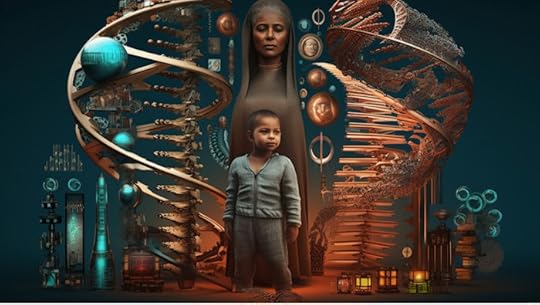
Genetic Ancestry Services
6. Genetic DataGenetic Data is a rich repository of information that holds immense potential for various industries, especially healthcare and personalized medicine. The advancements in genomics and the rise of direct-to-consumer genetic testing kits have made genetic data more accessible than ever before. Here are a few ways genetic data might become a valuable digital asset in the future:
a. Personalized Medicine:Genetic data can help healthcare providers offer personalized treatment plans based on a patient’s genetic predispositions. People could sell or license their genetic data to pharmaceutical companies or medical researchers to develop personalized therapies.
b. Genetic Research:Scientific researchers could access pools of genetic data to study various genetic disorders, evolution, and other biological phenomena. Access to such data could be tokenized and traded as a digital asset.
c. Genome Sequencing Services:Individuals might want their genomes sequenced for various reasons – disease detection, ancestry exploration, or even pure curiosity. The rights to use or access these sequencing services could become digital assets, with tokens representing the sequencing capacity of a certain service or machine.
d. Genetic Ancestry:Companies that provide genetic ancestry services could offer tokens that represent the right to access their services. Users could buy, sell, or trade these tokens, essentially making access to one’s ancestral information a digital asset.
e. Personal Health Records:Digital platforms could enable individuals to maintain, control, and share their genetic data as part of their comprehensive health records. They could decide to monetize this data by providing access to healthcare providers, researchers, or pharmaceutical companies.
f. Synthetic Genes and Organisms:In the future, we may be able to design synthetic genes or organisms for various purposes, from biofuel production to disease treatment. The rights to these synthetic biological entities could become digital assets themselves.
As with any data-based digital asset, privacy and security are paramount. Effective strategies will need to be in place to ensure that individuals’ genetic data is protected and used ethically. However, with the right safeguards, genetic data could become a key player in the digital asset marketplace of 2040.
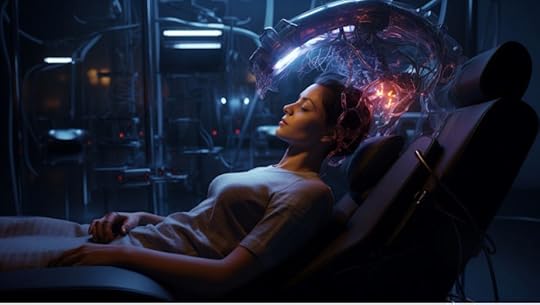
Personalized Health Profiles
7. Personalized Health ProfilesPersonalized Health Profiles refer to comprehensive, individualized digital representations of a person’s health status, lifestyle, medical history, and genetic data. These profiles could revolutionize personalized healthcare, preventive medicine, and wellness initiatives. Here are a few ways Personalized Health Profiles might become valuable digital assets in the future:
a. Healthcare Providers:Personalized Health Profiles can help healthcare providers offer tailored medical advice, treatment plans, and preventive measures based on a person’s unique health data. As such, access to these profiles could become a tradable digital asset. Patients could potentially license their profiles to healthcare providers in return for services, discounts, or other benefits.
b. Medical Research:Access to a large, anonymized dataset of Personalized Health Profiles could be incredibly valuable for medical researchers studying various diseases, lifestyle impacts, or public health trends. These datasets could be tokenized and traded as digital assets, with appropriate safeguards in place to protect individuals’ privacy.
c. Wellness and Fitness Industries:Personalized Health Profiles could become a key part of personalized fitness and wellness programs. Fitness trainers, nutritionists, and wellness coaches could tailor their services based on a client’s health profile. Access to these profiles could be tokenized and become a tradeable digital asset.
d. Insurance Industry:In the insurance industry, Personalized Health Profiles could help assess an individual’s risk profile more accurately, which could impact insurance premiums and policies. While there would need to be strict regulations around privacy and discrimination, certain aspects of these health profiles could become valuable digital assets in this context.
e. Pharmaceutical and Biotech Companies:These companies could use Personalized Health Profiles to help design and test personalized treatments or therapies. Rights to use these profiles for research could become tradeable digital assets.
f. Personalized Health Applications:The rise of health-related apps that offer personalized insights and recommendations based on individual health data is a testament to the potential value of Personalized Health Profiles. As these apps become more sophisticated and widely used, the profiles they’re based on could be seen as valuable digital assets.
As with all health-related data, privacy and ethical use are paramount when it comes to Personalized Health Profiles. Mechanisms would need to be in place to ensure that this data is protected and used responsibly, with individuals retaining control over who has access to their profiles and for what purposes. However, with the right safeguards, Personalized Health Profiles will likely become an integral part of the digital asset ecosystem of the future.

Shared DAO Infrastructure
8. Decentralized Autonomous OrganizationsDecentralized Autonomous Organizations (DAOs) are blockchain-based entities that operate via smart contracts, often without any centralized control. As DAOs become more prevalent, it’s likely that associated DAO assets will also become important digital assets. Here are some examples:
a. DAO Tokens:Many DAOs use tokens to manage membership and voting rights within the organization. These tokens are often tradeable and can rise in value as the DAO grows and becomes more influential. For example, members of a successful DAO focused on art curation might see the value of their tokens increase as the DAO acquires more valuable artwork.
b. DAO-Specific Digital Assets:Depending on their focus, DAOs might produce or control various digital assets. A DAO focused on digital art, for example, might create and own NFTs. These could be valuable digital assets in their own right, tied to the success and reputation of the DAO.
c. Shared DAO Infrastructure:Some DAOs might invest in shared digital infrastructure, such as servers or software licenses. These could become valuable digital assets, especially if the DAO has a successful track record of managing and utilizing its resources effectively.
d. DAO Intellectual Property:A DAO might produce valuable intellectual property, such as unique algorithms, proprietary software, or innovative business strategies. If tokenized, this intellectual property could become a tradeable digital asset.
e. Revenue Rights:In some cases, DAOs may sell rights to a portion of their future revenue. This can be tokenized as a digital asset, allowing investors to purchase and trade these rights on the open market.
f. DAO Contracts:DAOs often enter into various contracts and agreements with other entities. These contracts, especially those with favorable terms, could be valuable digital assets.
g. Investments and Holdings:DAOs often pool resources to invest in other projects or assets. The rights to the returns from these investments can be tokenized and traded as digital assets.
As the world becomes more decentralized, DAO assets are likely to become an increasingly important category of digital assets. However, as with all blockchain-based systems, it’s crucial to ensure that DAOs and their associated assets are managed in a transparent and equitable manner.
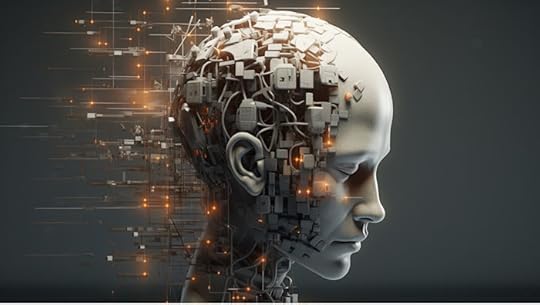
Digital Therapy Tools
9. Cognitive ModelsCognitive Models are the representations of how individuals think, reason, and make decisions. As we move into an era dominated by artificial intelligence and machine learning, these models will likely become valuable digital assets in various ways:a. AI Training Data:Cognitive models can serve as training data for AI systems, helping them to understand and predict human behavior more accurately. For example, a cognitive model that accurately represents how people make purchasing decisions could be highly valuable for companies in the retail sector.b. Personalized AI Assistants:Cognitive models could be used to create personalized AI assistants that understand their users’ thinking and decision-making processes intimately. These assistants could become valuable digital assets, with people willing to pay for AI that truly understands them.c. Digital Therapy Tools:Cognitive models could be used in digital therapy tools to help individuals understand and change their thought processes. For example, a cognitive model of a person suffering from anxiety could be used to create a digital tool that helps them to identify and challenge unhelpful thought patterns.d. Educational Tools:Cognitive models could be used to create more effective educational tools. For example, a cognitive model of how a student learns and retains information could be used to create a personalized learning program.e. Market Research:Cognitive models can be used to predict consumer behavior, making them valuable assets for market research. Companies could purchase or license these models to improve their marketing strategies.f. Behavioral Insights:Cognitive models that can provide deep insights into individual or group behavior may be leveraged in fields like psychology, sociology, marketing, political science, etc. These insights could be tokenized and traded as digital assets.g. Virtual Reality and Gaming:Cognitive models could be used to create more realistic and engaging virtual characters in games or VR environments, leading to a more immersive experience.The development, trading, and implementation of cognitive models as digital assets will require careful consideration of privacy and ethical issues. However, if managed responsibly, these models could significantly improve the functionality and personalization of many digital services and products.
Advance Encryption Key-Maker
10. Advanced Encryption KeysAdvanced Encryption Keys, or more sophisticated versions of them that might evolve in the future, will play an integral role in our increasingly digital world. As privacy and security concerns continue to escalate, these advanced encryption keys could serve as crucial digital assets. Here’s how:
a. Secure Communication:In the era of secure communication, owning an advanced encryption key can ensure your communication is only accessible to intended recipients. As more businesses and individuals value privacy, the demand for such keys may increase, transforming them into tradeable digital assets.
b. Digital Property Access:As our homes and vehicles become more automated and connected, advanced encryption keys may act as the digital equivalents of physical keys. These ‘smart keys’ could be traded, sold, or leased, much like physical property.
c. Access to Premium Content and Services:Advanced encryption keys could be used to grant access to premium digital content and services. For instance, a streaming platform could provide an encryption key as part of a premium subscription, giving users access to exclusive content.
d. Blockchain and Cryptocurrency:As blockchain technology and cryptocurrencies evolve, so too will the need for more advanced encryption keys. These keys could become valuable digital assets, similar to how private keys are currently used to access and manage cryptocurrencies.
e. Data Protection Services:Companies specializing in data protection may sell advanced encryption keys as part of their services. These keys could be used to encrypt sensitive data, making it unreadable to anyone without the corresponding decryption key.
f. Quantum Computing Protection:With the advent of quantum computing, traditional encryption methods may become vulnerable. Advanced encryption keys resistant to quantum decryption could be highly valued digital assets in this scenario.
As these examples show, advanced encryption keys are poised to become vital digital assets, particularly as we continue to grapple with issues of digital privacy and security. However, the storage, management, and trade of these keys will also need to be done responsibly to avoid potential misuse.

Synthetic Planning Systems
How Existing Government Systems become Dysfunctional with the Proliferation of Digital AssetsThe advent of digital assets will undeniably reshape the global economy and with it, our existing systems. This is especially true when it comes to our tax systems.Designed in an era where physical goods and property were the primary forms of wealth, traditional income tax systems will face significant hurdles in dealing with the emerging digital economy.1. Identification and Valuation of Digital Assets: As digital assets continue to diversify and evolve, identifying and valuing these assets for tax purposes will become increasingly complex. For example, how do you place a dollar value on a personal AI companion or an emotional AI profile? Their value may be more about personal utility rather than a universally accepted market value. The complexities intensify with assets like digital ecosystems, which may host a myriad of other digital assets within them.2. Decentralized Nature of Digital Assets: Many digital assets will likely exist on decentralized platforms or ecosystems. These platforms, such as blockchain-based Decentralized Autonomous Organizations (DAOs), can facilitate the creation, exchange, and ownership of digital assets without a centralized authority. This decentralization makes the regulation and tracking of transactions for tax purposes particularly challenging.3. High-Volume, Low-Value Transactions: The digital economy may be characterized by a high volume of low-value transactions, which are often difficult to track. For example, microtransactions for Quantum Computing Power or small payments for using Synthetic Media Rights could number in the thousands or millions for a single individual or entity.4. Advanced Encryption and Privacy Measures: Future digital assets, especially those protected by advanced encryption methods, could provide opportunities for tax evasion. Tracing these assets could be near impossible without the associated decryption keys, raising issues of privacy, security, and law enforcement.5. Global Nature of Digital Assets: Digital assets are inherently global, often residing on networks that span national boundaries. This raises significant questions about jurisdiction and the right of nations to tax transactions or ownership of these assets.In light of these challenges, it’s clear that traditional income tax systems will struggle to accommodate the rise of digital assets. To stay effective, tax policy and enforcement will need to innovate at a similar pace to the technology itself, embracing novel methods of identification, valuation, and tracking. Governments will need to collaborate on an international level to establish consistent rules and prevent tax evasion, all while ensuring they respect the rights and privacy of their citizens. This future necessitates a delicate balancing act, but one we must achieve to ensure a fair and functional economic system in the digital age.
Synthetic Planning Systems
Final ThoughtsAs we move closer towards 2040, our journey through the digital revolution is just beginning. The emergence of novel digital assets – from emotional AI profiles and synthetic media rights to quantum computing power and cognitive models – marks an important milestone in the evolution of our society. These assets will not only redefine the concept of value but also transform how we interact with the digital world and each other.Despite the significant opportunities these assets offer, their rise also raises complex challenges, particularly for existing systems like income tax. Traditional mechanisms struggle to keep pace with the rapidly evolving digital landscape, leading to a potential disconnect between our technological capabilities and societal structures.However, this is not a call for apprehension but for adaptation and innovation. To harness the full potential of these unusual digital assets, we must embrace change – reimagining our laws, norms, and systems to accommodate this new reality. The task may seem daunting, but with collaboration, creativity, and a shared vision for the future, we can ensure that the digital revolution is a transformative force for good.So, as we prepare to embark on this new chapter of our digital story, let’s remember that the future is not something that happens to us—it’s something we create. And in the creation of this digital future, we have the opportunity to build a world that is not only rich in digital assets but also in human potential and prosperity. Translate This PageSelect LanguageAfrikaansAlbanianAmharicArabicArmenianAzerbaijaniBasqueBelarusianBengaliBosnianBulgarianCatalanCebuanoChichewaChinese (Simplified)Chinese (Traditional)CorsicanCroatianCzechDanishDutchEnglishEsperantoEstonianFilipinoFinnishFrenchFrisianGalicianGeorgianGermanGreekGujaratiHaitian CreoleHausaHawaiianHebrewHindiHmongHungarianIcelandicIgboIndonesianIrishItalianJapaneseJavaneseKannadaKazakhKhmerKoreanKurdish (Kurmanji)KyrgyzLaoLatinLatvianLithuanianLuxembourgishMacedonianMalagasyMalayMalayalamMalteseMaoriMarathiMongolianMyanmar (Burmese)NepaliNorwegianPashtoPersianPolishPortuguesePunjabiRomanianRussianSamoanScottish GaelicSerbianSesothoShonaSindhiSinhalaSlovakSlovenianSomaliSpanishSudaneseSwahiliSwedishTajikTamilTeluguThaiTurkishUkrainianUrduUzbekVietnameseWelshXhosaYiddishYorubaZulu
#goog-gt-tt {display:none !important;}
.goog-te-banner-frame {display:none !important;}
.goog-te-menu-value:hover {text-decoration:none !important;}
.goog-text-highlight {background-color:transparent !important;box-shadow:none !important;}
body {top:0 !important;}
#google_translate_element2 {display:none!important;}
function googleTranslateElementInit2() {new google.translate.TranslateElement({pageLanguage: 'en',autoDisplay: false}, 'google_translate_element2');}
function GTranslateGetCurrentLang() {var keyValue = document['cookie'].match('(^|;) ?googtrans=([^;]*)(;|$)');return keyValue ? keyValue[2].split('/')[2] : null;}
function GTranslateFireEvent(element,event){try{if(document.createEventObject){var evt=document.createEventObject();element.fireEvent('on'+event,evt)}else{var evt=document.createEvent('HTMLEvents');evt.initEvent(event,true,true);element.dispatchEvent(evt)}}catch(e){}}
function doGTranslate(lang_pair){if(lang_pair.value)lang_pair=lang_pair.value;if(lang_pair=='')return;var lang=lang_pair.split('|')[1];if(GTranslateGetCurrentLang() == null && lang == lang_pair.split('|')[0])return;var teCombo;var sel=document.getElementsByTagName('select');for(var i=0;i<sel.length;i++)if(/goog-te-combo/.test(sel[i].className)){teCombo=sel[i];break;}if(document.getElementById('google_translate_element2')==null||document.getElementById('google_translate_element2').innerHTML.length==0||teCombo.length==0||teCombo.innerHTML.length==0){setTimeout(function(){doGTranslate(lang_pair)},500)}else{teCombo.value=lang;GTranslateFireEvent(teCombo,'change');GTranslateFireEvent(teCombo,'change')}}
Search for: Recent Posts How Unusual Forms of Digital Assets Will Transform Our World by 2040 AI’s Achilles Heel: Navigating the Blind Spots of Our Data The Invisible Tug-of-War: Which Requires More Faith, Science or Religion? Categories Artificial Intelligence Business Trends Future of Agriculture Future of Banking Future of Education Future of Healthcare Future of Transportation Future of Work Future Scenarios Future Trends Futurist Thomas Frey Insights Global Trends Predictions Social Trends Technology Trends Speaking TopicsFuture of Healthcare – “Is Death our only Option?Future of AIFuture of Industries ← Previous Post
The post How Unusual Forms of Digital Assets Will Transform Our World by 2040 appeared first on Futurist Speaker.
September 4, 2023
Unleashing the Future: How Unusual Forms of Digital Assets Will Transform Our World by 2040
In the fast-paced world of digital technology, the idea of what constitutes a digital asset is changing rapidly.Beyond cryptocurrencies and digital art, we can expect to see many new kinds of digital assets in the future. By 2040, I feel certain that these “assets” will begin to impact many parts of our lives and society.
For example, we can all look forward to Emotional AI Profiles that can understand and react to our unique emotional states. There’s also the potential for AI companions that learn and develop a personalized relationship with us.
We also expect to see tradeable Synthetic Media Rights as AI-generated media becomes more like human-made content. There could even be many forms of ownership and trade in Digital Ecosystems, such as virtual worlds or digital real estate. As quantum computing becomes a reality, Quantum Computing Power could also become a valuable digital asset.
In healthcare, we might see Genetic Data and Personalized Health Profiles becoming important assets that can be leveraged to improve personal medicine. As decentralized networks become more common, we might see several kinds of assets within Decentralized Autonomous Organizations (DAOs) becoming tradable digital assets.
Cognitive Models that mirror specific cognitive processes or patterns could open up new possibilities for personalization and research. Lastly, as quantum computing challenges current encryption methods, Advanced Encryption Keys could become very valuable digital assets.
As we step through the possibilities, we’ll quickly see the amazing potential of digital assets in a world that’s constantly blurring the lines between the physical and the virtual.
A Periodic Table Organizer of Future Digital Assets
Categories of Digital AssetsAs we step further into the digital era, we begin to see how new forms of digital assets will begin to transform the way we do business. Even though it may be hard to grasp the specifics, given the rapid rate of tech advancements, here are a few broad categories to consider:
Emotional AI Profiles:AI will continue to improve at reading, interpreting, and responding to human emotions. Unique AI profiles that have learned to emulate or respond to specific people’s emotional patterns could become a new form of digital asset.
AI Companions:Digital beings that evolve, learn, and interact on a personal level with humans could become significant digital assets, whether they’re serving as companions, educators, or personal assistants.
Synthetic Media Rights:As AI progresses, we’ll see more “synthetic” media, such as artificially generated voices, images, or videos that are nearly indistinguishable from those created by humans. Rights to use specific synthetic media elements could become a valuable asset.
Digital Ecosystems:Entire virtual ecosystems might be owned, traded, or licensed. This could include digital real estate, virtual worlds, or even complex simulations used for research.
Quantum Computing Power:As quantum computing becomes more mainstream, access to quantum computing power or time on quantum computers could be a digital asset.
Genetic Data:As we become more adept at understanding and manipulating genetic data, individual or specific strands of genetic data could become a digital asset.
Personalized Health Profiles:Advanced health data, including personalized health recommendations based on AI analysis of personal medical history and real-time health data, could become a digital asset.
Decentralized Autonomous Organizations (DAOs) Assets:DAOs could become more complex, and their components (like voting rights or decision-making algorithms) could become digital assets.
Cognitive Models:AI models of specific cognitive processes or individuals’ cognitive patterns could be valuable in various contexts, from research to personalization.
Advanced Encryption Keys:With the rise of quantum computing, more advanced forms of encryption will become necessary. Unique keys for these encryption methods could become valuable digital assets.
Emotional AI Profile-Builder
1. Emotional AI Profilesa. Emotional AI Profiles:With the advancements in machine learning and affective computing, AI has been learning to understand, mimic, and respond to human emotions more accurately. These skills can be applied in a wide variety of sectors, resulting in unique Emotional AI Profiles.
b. Personalized Marketing Profiles:Emotional AI could be used in the field of marketing to understand consumers on a deeper emotional level. These profiles could provide insights into an individual’s emotional response to certain products, brands, or advertisements, allowing for highly personalized marketing strategies.
c. Therapeutic AI Companions:Emotional AI Profiles could also be used in mental health therapy, with AI companions capable of understanding and responding to an individual’s emotions effectively. These companions could provide immediate therapeutic conversations, comfort, or advice based on the individual’s emotional state.
d. Virtual Reality Experiences:Emotional AI profiles could also be used in virtual reality to create highly immersive and emotionally engaging experiences. These could be used for entertainment, therapy, training, or education.
e. AI Personal Assistants:Personal assistants could be upgraded with Emotional AI Profiles to understand better and respond to the emotional state of their users. They could potentially detect stress, joy, frustration, or sadness in the user’s voice and react accordingly, providing a more human-like interaction.
f. Emotion-Driven Content Creation:Emotional AI Profiles could be employed in content creation, generating music, artwork, or stories that correspond to or help modulate an individual’s emotional state.
In all these examples, an Emotional AI Profile becomes a highly valuable digital asset, capturing a deep understanding of an individual’s emotional patterns, responses, and triggers. As such, they can be customized, traded, or licensed to various sectors as per the requirement, adhering to strict privacy and ethical guidelines.
Living with an AI Companion
2. AI CompanionsAI Companions represent a category of digital assets with significant growth potential. These AI-powered entities can interact with humans in a personalized, understanding, and supportive manner. As the technology advances, the customization and functionality of these AI Companions will likely expand dramatically, making them highly valuable digital assets. Here are some examples of how they might be used:
a. Personalized Tutor AI Companions:These AI companions could provide personalized tutoring, adjusting their teaching style to a student’s learning style and pace. The tutor AI could potentially be a subject matter expert in various domains, making them highly valuable for individuals and educational institutions.
b. Healthcare AI Companions:These companions can monitor an individual’s health and provide support for chronic conditions or rehabilitation exercises. They could remind patients about medication, provide mental health support, and even alert healthcare professionals if urgent attention is needed.
c. Fitness AI Companions:A fitness-focused AI companion could provide personalized workout routines, nutritional advice, and motivation. These companions could interact with wearable devices to track progress and adjust fitness plans accordingly.
d. Elderly Care AI Companions:These companions can provide company, monitor health, and assist with daily tasks for older adults. They could even provide reminders for medication appointments and communicate with healthcare providers or family members in case of emergencies.
e. Professional Mentor AI Companions:These companions could provide professional guidance, helping individuals improve their skills, prepare for interviews, or make career decisions. They could learn from the individual’s past experiences and performance to provide highly tailored advice.
f. Childcare AI Companions:These companions can provide educational games, stories, and other activities to engage children. They can also monitor a child’s safety and provide a communication channel between the child and their parents when they are not around.
Ownership and trade of these AI Companions could exist on blockchains, where each AI Companion’s learning and interactions could contribute to their over-arching value. For example, an AI Companion with years of specialized healthcare training could be worth more than a newly created AI Companion. Similarly, an AI Companion that has helped successfully tutor dozens of students could be highly sought after in the marketplace.
A Nike shoe designed by Dale Chihuly
3. Synthetic Media RightsAs AI technology advances, it’s becoming possible to create synthetic media — artificially generated or modified media that includes images, videos, audio, and text. These synthetic creations can be highly customized and targeted, leading to a myriad of potential applications.
However, as the creations are synthetic, the traditional model of rights and ownership can become blurred. Synthetic media rights will thus be a critical component in the digital assets of the future. Here are a few examples:
AI has already shown its capacity to create art, with AI-generated pieces selling for significant amounts. The ownership rights of these pieces, including replication and distribution, could become valuable digital assets. The AI that created the art might also be viewed as a valuable asset.
b. Deepfake Rights:As controversial as they are, deepfakes (synthetic media where a person in an existing image or video is replaced with someone else’s likeness) represent an example of synthetic media rights. In the future, permissions or licenses to create deepfakes of certain individuals (say, for a satirical comedy show) could become digital assets.
c. Synthetic Voice Rights:Companies are creating increasingly realistic synthetic voices that can be used for audiobooks, customer service, and more. The rights to use these unique, AI-generated voices could be bought and sold as digital assets.
d. Synthetic Celebrity Endorsements:AI could create synthetic videos of celebrities endorsing products. The rights to create and use these synthetic endorsements could become digital assets, with the caveat that they would likely require the consent of the celebrities involved.
e. Virtual Reality (VR) Experiences:As VR experiences become more advanced, there may be synthetic representations of people, places, or things. The rights to use these synthetic representations within VR could become digital assets.
f. News or Content Generation:AI tools are increasingly capable of generating news articles or other forms of content. The rights to use and distribute this AI-generated content could be bought and sold as digital assets.
These examples show that as our media becomes more synthetic and AI-driven, rights and ownership models will need to adapt. As blockchains provide an immutable record of these rights, synthetic media rights will create a significant category of digital assets by 2040.
Smart City Ecosystem Designs!
4. Digital EcosystemsDigital Ecosystems are complex networks or communities that consist of interconnected digital technologies, services, applications, and users. As more aspects of our lives become digitized, we’re seeing the rise of these intricate ecosystems, which can be considered as holistic digital environments.
These ecosystems have the potential to become valuable digital assets in themselves, offering a wealth of opportunities for users to interact, transact, and create value. Here are some examples of how digital ecosystems could become digital assets in the future:
a. Digital Health Ecosystems:In the future, personalized health ecosystems may exist that consolidate a person’s health data, treatment plans, digital therapeutics, and health support networks. Owning or having access to such an ecosystem could be a significant asset, both for individuals and healthcare providers.
b. Smart City Ecosystems:These could consist of interconnected networks of smart devices, autonomous vehicles, energy grids, public services, and more. The right to manage or utilize such a comprehensive ecosystem could become a valuable digital asset.
c. Educational Ecosystems:Imagine a personalized educational ecosystem that brings together a user’s learning history, AI-driven tutor support, interactive learning modules, and more. The access or ownership of such ecosystems could be traded as digital assets.
d. Financial Ecosystems:In the world of decentralized finance, digital ecosystems of smart contracts, cryptocurrencies, lending platforms, and insurance policies already exist. As they grow in sophistication and interconnectivity, these ecosystems themselves can become valuable assets.
e. Sustainable Ecosystems:As the world becomes more eco-conscious, digital ecosystems that monitor and manage sustainable practices (like carbon offsets, recycling programs, and renewable energy sources) could become important digital assets.
f. Gaming and Entertainment Ecosystems:The ownership or rights to access comprehensive gaming ecosystems (including in-game assets, characters, storylines, etc.) could be seen as digital assets, particularly as the metaverse expands.
These are just some examples of how digital ecosystems could evolve to become significant assets in the future. These ecosystems may become marketplaces for a wide variety of other digital assets as well, creating a vast network of interconnected digital property.
The Quantum Algorithm Marketplace
5. Quantum Computing PowerQuantum Computing Power represents a massive leap in computational capabilities, harnessing the principles of quantum mechanics to perform complex calculations at speeds unimaginable with today’s classical computers. The adoption of quantum computing on a broader scale could lead to the emergence of new types of digital assets. Here are a few examples:
a. Quantum Processing Time:Quantum computers are expensive and require specialized environments to operate. Therefore, access to quantum processing time could become a valuable digital asset. Users could buy, sell, or lease their quantum computing power to others who need it for specific tasks or periods.
b. Quantum Algorithms:Quantum computers operate based on a completely different set of principles compared to classical computers. This necessitates the development of new quantum algorithms. Ownership rights or licenses to use such quantum algorithms could become valuable digital assets in the future.
c. Quantum Secure Keys:Quantum computers pose a threat to current encryption methods, potentially able to break them much quicker than classical computers. Quantum key distribution (QKD) offers a solution to this by using quantum mechanics to secure communication and generate unbreakable encryption keys. These quantum secure keys could be considered a new form of digital asset.
d. Quantum Cloud Services:As cloud services today provide storage and processing power as a service, future cloud services could provide quantum computing power as a service. Subscriptions or usage rights to such services could be traded as digital assets.
e. Quantum Software:As the field of quantum computing evolves, so too will the need for specialized software that can run on these machines. Such software could become a digital asset, with users trading licenses or usage rights.
f. Quantum Machine Learning Models:Quantum machine learning, a merger of quantum physics and machine learning, could result in significantly more powerful and efficient models. Access to, or ownership of, these quantum-powered models could be a digital asset of considerable value.
In the future, the increasing need for powerful computing solutions to tackle complex problems could help push the value of these quantum computing-related assets.
Translate This PageSelect LanguageAfrikaansAlbanianAmharicArabicArmenianAzerbaijaniBasqueBelarusianBengaliBosnianBulgarianCatalanCebuanoChichewaChinese (Simplified)Chinese (Traditional)CorsicanCroatianCzechDanishDutchEnglishEsperantoEstonianFilipinoFinnishFrenchFrisianGalicianGeorgianGermanGreekGujaratiHaitian CreoleHausaHawaiianHebrewHindiHmongHungarianIcelandicIgboIndonesianIrishItalianJapaneseJavaneseKannadaKazakhKhmerKoreanKurdish (Kurmanji)KyrgyzLaoLatinLatvianLithuanianLuxembourgishMacedonianMalagasyMalayMalayalamMalteseMaoriMarathiMongolianMyanmar (Burmese)NepaliNorwegianPashtoPersianPolishPortuguesePunjabiRomanianRussianSamoanScottish GaelicSerbianSesothoShonaSindhiSinhalaSlovakSlovenianSomaliSpanishSudaneseSwahiliSwedishTajikTamilTeluguThaiTurkishUkrainianUrduUzbekVietnameseWelshXhosaYiddishYorubaZulu
#goog-gt-tt {display:none !important;}
.goog-te-banner-frame {display:none !important;}
.goog-te-menu-value:hover {text-decoration:none !important;}
.goog-text-highlight {background-color:transparent !important;box-shadow:none !important;}
body {top:0 !important;}
#google_translate_element2 {display:none!important;}
function googleTranslateElementInit2() {new google.translate.TranslateElement({pageLanguage: 'en',autoDisplay: false}, 'google_translate_element2');}
function GTranslateGetCurrentLang() {var keyValue = document['cookie'].match('(^|;) ?googtrans=([^;]*)(;|$)');return keyValue ? keyValue[2].split('/')[2] : null;}
function GTranslateFireEvent(element,event){try{if(document.createEventObject){var evt=document.createEventObject();element.fireEvent('on'+event,evt)}else{var evt=document.createEvent('HTMLEvents');evt.initEvent(event,true,true);element.dispatchEvent(evt)}}catch(e){}}
function doGTranslate(lang_pair){if(lang_pair.value)lang_pair=lang_pair.value;if(lang_pair=='')return;var lang=lang_pair.split('|')[1];if(GTranslateGetCurrentLang() == null && lang == lang_pair.split('|')[0])return;var teCombo;var sel=document.getElementsByTagName('select');for(var i=0;i<sel.length;i++)if(/goog-te-combo/.test(sel[i].className)){teCombo=sel[i];break;}if(document.getElementById('google_translate_element2')==null||document.getElementById('google_translate_element2').innerHTML.length==0||teCombo.length==0||teCombo.innerHTML.length==0){setTimeout(function(){doGTranslate(lang_pair)},500)}else{teCombo.value=lang;GTranslateFireEvent(teCombo,'change');GTranslateFireEvent(teCombo,'change')}}
Search for: Recent Posts Unleashing the Future: How Unusual Forms of Digital Assets Will Transform Our World by 2040 AI’s Achilles Heel: Navigating the Blind Spots of Our Data The Invisible Tug-of-War: Which Requires More Faith, Science or Religion? Categories Artificial Intelligence Business Trends Future of Agriculture Future of Banking Future of Education Future of Healthcare Future of Transportation Future of Work Future Scenarios Future Trends Futurist Thomas Frey Insights Global Trends Predictions Social Trends Technology Trends Speaking TopicsFuture of Healthcare – “Is Death our only Option?Future of AIFuture of Industries ← Previous Post
The post Unleashing the Future: How Unusual Forms of Digital Assets Will Transform Our World by 2040 appeared first on Futurist Speaker.
August 24, 2023
AI’s Achilles Heel: Navigating the Blind Spots of Our Data

As we embark on the fourth industrial revolution, one of the significant challenges we face is ‘blind spots’ in AI’s data. These blind spots, essentially areas where the AI lacks sufficient information, can significantly impact the accuracy and applicability of the insights generated. They can also manifest themselves as knowledge gaps in critical areas, ranging from legal frameworks to cultural nuances, geographical variations, and language diversity.
In a world increasingly influenced by AI, these blind spots represent an Achilles’ heel that can undermine our efforts to create truly informed and inclusive AI systems. As AI technologies become more integrated into our everyday lives – whether predicting financial markets, diagnosing medical conditions, or even providing legal advice – the accuracy of the decisions and predictions they make hinge on the breadth and depth of the data they are trained on. If this data is incomplete or skewed, the outcomes will inevitably be flawed, leading to decisions that might be misguided, inequitable, or outright wrong.
 Galileo Era Blindspots
In the era of Galileo Galilei, around the early 17th century, if AI were available, the trial that sentenced him for heresy might have unfolded in far different ways, depending on the available data. Galileo’s radical proposition, arguing in favor of a heliocentric universe contrary to the geocentric worldview held by the Catholic Church, was a pivotal point in the history of science.
Suppose the AI of that time was trained predominantly on religious texts, philosophical works echoing geocentric beliefs, and scarce scientific literature endorsing the heliocentric model. In this scenario, the AI might have mirrored the predominant sentiment of society and the Church. Its lack of access to an extensive body of scientific work supporting Galileo’s views could have led the AI to assert that Galileo’s claims were baseless or radical, reinforcing the Church’s stance. This ‘blindspot’ might have further solidified the opposition to Galileo, potentially leading to an even stricter sentence.
On the other hand, if the AI had been exposed to a balanced data set, including a wider range of scientific observations and arguments supporting the heliocentric model, it could have served as an impartial arbitrator. It could have articulated Galileo’s ideas in a manner more palatable to the Church, focusing on the evidence and the spirit of inquiry rather than the perceived heresy.
In this scenario, the AI could have bridged the gap between dogmatic belief and empirical evidence, potentially altering the course of Galileo’s trial.
Gaping Holes in Our AI Legal AnalysisArtificial Intelligence has increasingly been harnessed to provide legal advice, from understanding contractual clauses to interpreting court decisions. However, a critical limitation constrains the accuracy and relevance of these AI systems: the inability to access all US laws, ordinances, and judicial decisions.
As it stands, the AI knowledge base comprises a fraction of the full breadth of American laws. Even though federal and state laws are mostly available online, a substantial portion of local ordinances, rules, and judicial decisions – particularly from smaller jurisdictions – remain offline. This selective accessibility to legal data creates “blind spots” in AI’s legal knowledge, which may skew the results they produce, leading to potentially incorrect or incomplete advice.
These blind spots manifest in multiple ways. An AI legal assistant may provide advice based on federal or state law while missing a critical city ordinance that could materially affect the advice given. Similarly, an AI trying to predict the outcome of a lawsuit may overlook a relevant judicial decision from a smaller jurisdiction because it’s not in the training data. These discrepancies might not only result in less accurate legal advice but also breed mistrust among users who discover these oversights.
Furthermore, this lack of comprehensive data perpetuates a form of ‘legal centralism.’ The AI’s knowledge is skewed toward laws and decisions from larger, more technologically advanced jurisdictions that have the resources to digitize and publish their legal documents. This bias may reinforce a perception that legal advice or decisions from these jurisdictions are more valid or authoritative, sidelining the legal norms and precedents from less represented regions.
 Urgent Need for Law RepositoriesEnsuring comprehensive online access to all laws, rules, ordinances, and judicial decisions could significantly improve the AI’s legal advice quality. If cities, counties, states, and federal agencies were required to post all their laws and decisions online, AI models could be trained on a more complete and diverse dataset. This increased accessibility would reduce blind spots and biases, leading to more accurate, comprehensive, and equitable AI legal analysis.However, making this a reality is easier said than done. It requires a significant commitment from every jurisdiction to digitize and update their legal documents regularly. This could be a herculean task, particularly for smaller jurisdictions with fewer resources. It also raises issues of standardization – how do we ensure that documents from thousands of different jurisdictions are in a format that AI can learn from? And what about privacy concerns when it comes to certain judicial decisions?Despite these challenges, the potential benefits are immense. A more complete dataset would allow AI to better understand the intricacies and variations in US law, improving its ability to provide accurate legal advice to users from all jurisdictions. It would also enhance the AI’s ability to identify legal trends, predict court decisions, and even propose legal reforms based on comprehensive data analysis.Moreover, comprehensive online access to legal documents would not only benefit AI. It would also increase transparency, enable citizens to better understand their rights and responsibilities, and facilitate legal research for students, academics, and practitioners alike.Mandating comprehensive online law repositories is a substantial task, but it’s a worthwhile endeavor. It is a step toward a future where AI can provide reliable and equitable legal advice, where every citizen can access their local laws with ease, and where we can harness the full power of AI to understand and improve our legal system.To achieve this, we need cooperation and commitment at all levels of government, from small-town councils to the federal government. This is not just a task for the tech industry but for policymakers, lawyers, and citizens who believe in the importance of accessible, transparent, and equitable law. The task may be daunting, but the potential rewards – for AI and society – make it a challenge worth pursuing.
  Four Laws for Managing the Laws
Imagine a legal landscape where every citizen can effortlessly access, comprehend, and be up-to-date with every applicable law. This might sound utopian, but it is achievable with four transformative principles for managing our laws: Public Access Requirement, Sunsetting Laws, Simplification, and the Code of Government Ethics.
Law #1The Public Access Requirement – This law stipulates that all laws must be centrally located online for public access. Not only does this enhance transparency, but it democratizes legal information, making it accessible to everyone, not just legal professionals. Critically, any laws not posted on this platform would be deemed unenforceable, further incentivizing the thorough and timely online publication of all laws.
Law #2Sunsetting Provision – The Sunsetting Provision mandates that laws unapplied or unenforced for the past 20 years be deemed unenforceable and removed from the list. This promotes a dynamic, living legal system that responds to societal changes and prevents the proliferation of obsolete laws.
Law #3The Simplification Mandate – This law tackles another major barrier to public legal understanding: language complexity. By mandating that all laws be written at an 8th-grade comprehension level, we ensure that legal jargon doesn’t alienate ordinary citizens. This principle democratizes legal understanding, allowing everyone to be informed participants in their governance.
Law #4Code of Government Ethics – Lastly, the Code of Government Ethics states that no governmental entity should profit directly from the enforcement of its own laws. This principle prevents the potential perverse incentive of law enforcement for profit, thereby preserving the integrity of our legal system and protecting citizens’ rights.
These four transformative principles, if adopted, would revolutionize our legal landscape. By ensuring public access, pruning outdated laws, simplifying legal language, and eliminating profit-driven law enforcement, we’d be creating a legal system that truly serves its citizens. The implications for our democracy are profound.
A transparent, accessible, and ethical legal system empowers citizens, fosters trust in institutions, and ensures that our humanity isn’t compromised by skewed incentives. As we leverage AI technologies to manage our legal system, adopting these principles will be instrumental in shaping a fair, just, and democratic future.
 “Ignorance of the Law is No Defense” – Really? That Makes No Sense!
One of the longstanding principles in our legal system is the maxim, “ignorance of the law is no defense.” In essence, it implies that individuals are and must be, aware of the laws under which they live, and ignorance cannot be used as an excuse for illicit actions. However, in a system where the full extent of laws is not readily accessible or comprehensible to the average citizen, the application of this maxim becomes problematic.
Today, we face a landscape of laws that is not only vast but also ever-changing and increasingly complex. Given the estimated tens of millions of laws, ordinances, and judicial decisions at the federal, state, county, and city levels, expecting every citizen to be fully aware of every law applicable to them is unworkable. This complexity is further compounded by legal language, often replete with jargon, making laws and their implications even more challenging to comprehend for the layperson.
The traditional notion that “ignorance of the law is no defense” assumes a scenario where all laws are transparent, accessible, and understandable. But this is not realistic. Despite considerable advances in technology and efforts toward transparency, a significant number of laws remain offline or housed within complex and varied formats across jurisdictions. As a result, a wide gap exists between the law in theory and the law in reality – between what citizens are expected to know and what they can feasibly access and understand.
This disparity is especially concerning when you consider the potential for inadvertent law-breaking. An individual or a business may unknowingly infringe a law or ordinance simply because they were unaware of its existence. The consequences can range from fines to more severe penalties, causing significant distress and creating a sense of injustice.
In this context, the assertion that “ignorance of the law is no defense” seems to lack fairness.
Shouldn’t there be a foundational requirement for laws to be readily accessible and understandable before citizens are held accountable to them? This question forces us to reassess the long-held maxim and ponder whether it needs to be adapted to align with the realities of our modern legal landscape.
This isn’t to suggest that individuals should shirk responsibility for their actions but rather to advocate for a more equitable legal system. A system where laws are made readily accessible and understandable to all, thus providing every individual with the means to abide by them.
After all, shouldn’t the fundamental principle of any legal system be not just the enforcement of laws but their understanding and acceptance by the people they govern?
 Final Thoughts
By adopting a legal system that is transparent, accessible, and ethical, we pave the way for a society that is fair, just, and democratic.
These Four Laws for Managing the Laws, while ambitious, present an ideal we should strive for. It is an ideal where law is not an abstract or intimidating concept but a living, breathing part of our society. It is an ideal where every citizen, regardless of their profession or education, has access to legal information. It is an ideal where the law is used to protect and serve its citizens, not used as a tool for profit.
As we integrate AI into our legal systems, we must ensure that these principles guide us. AI has the potential to revolutionize the way we interpret and understand laws, but only if we provide it with the right information. Just like Galileo’s era, we are on the cusp of a revolution. It’s up to us to ensure that this revolution is one that benefits all of society. It’s time to rethink our approach, broaden our perspective, and utilize the power of AI to create a fairer, more equitable legal system. Because, at the end of the day, the law serves the people, and the people deserve to understand the laws that govern them.
Translate This PageSelect LanguageAfrikaansAlbanianAmharicArabicArmenianAzerbaijaniBasqueBelarusianBengaliBosnianBulgarianCatalanCebuanoChichewaChinese (Simplified)Chinese (Traditional)CorsicanCroatianCzechDanishDutchEnglishEsperantoEstonianFilipinoFinnishFrenchFrisianGalicianGeorgianGermanGreekGujaratiHaitian CreoleHausaHawaiianHebrewHindiHmongHungarianIcelandicIgboIndonesianIrishItalianJapaneseJavaneseKannadaKazakhKhmerKoreanKurdish (Kurmanji)KyrgyzLaoLatinLatvianLithuanianLuxembourgishMacedonianMalagasyMalayMalayalamMalteseMaoriMarathiMongolianMyanmar (Burmese)NepaliNorwegianPashtoPersianPolishPortuguesePunjabiRomanianRussianSamoanScottish GaelicSerbianSesothoShonaSindhiSinhalaSlovakSlovenianSomaliSpanishSudaneseSwahiliSwedishTajikTamilTeluguThaiTurkishUkrainianUrduUzbekVietnameseWelshXhosaYiddishYorubaZulu
#goog-gt-tt {display:none !important;}
.goog-te-banner-frame {display:none !important;}
.goog-te-menu-value:hover {text-decoration:none !important;}
.goog-text-highlight {background-color:transparent !important;box-shadow:none !important;}
body {top:0 !important;}
#google_translate_element2 {display:none!important;}
function googleTranslateElementInit2() {new google.translate.TranslateElement({pageLanguage: 'en',autoDisplay: false}, 'google_translate_element2');}
function GTranslateGetCurrentLang() {var keyValue = document['cookie'].match('(^|;) ?googtrans=([^;]*)(;|$)');return keyValue ? keyValue[2].split('/')[2] : null;}
function GTranslateFireEvent(element,event){try{if(document.createEventObject){var evt=document.createEventObject();element.fireEvent('on'+event,evt)}else{var evt=document.createEvent('HTMLEvents');evt.initEvent(event,true,true);element.dispatchEvent(evt)}}catch(e){}}
function doGTranslate(lang_pair){if(lang_pair.value)lang_pair=lang_pair.value;if(lang_pair=='')return;var lang=lang_pair.split('|')[1];if(GTranslateGetCurrentLang() == null && lang == lang_pair.split('|')[0])return;var teCombo;var sel=document.getElementsByTagName('select');for(var i=0;i<sel.length;i++)if(/goog-te-combo/.test(sel[i].className)){teCombo=sel[i];break;}if(document.getElementById('google_translate_element2')==null||document.getElementById('google_translate_element2').innerHTML.length==0||teCombo.length==0||teCombo.innerHTML.length==0){setTimeout(function(){doGTranslate(lang_pair)},500)}else{teCombo.value=lang;GTranslateFireEvent(teCombo,'change');GTranslateFireEvent(teCombo,'change')}}
Search for: Recent Posts AI’s Achilles Heel: Navigating the Blind Spots of Our Data The Invisible Tug-of-War: Which Requires More Faith, Science or Religion? 11 Thoughts on Designing Homes for 2040 and Beyond Categories Artificial Intelligence Business Trends Future of Agriculture Future of Banking Future of Education Future of Healthcare Future of Transportation Future of Work Future Scenarios Future Trends Futurist Thomas Frey Insights Global Trends Predictions Social Trends Technology Trends Speaking TopicsFuture of Healthcare – “Is Death our only Option?Future of AIFuture of Industries ← Previous Post
The post AI’s Achilles Heel: Navigating the Blind Spots of Our Data appeared first on Futurist Speaker.
Thomas Frey's Blog

- Thomas Frey's profile
- 2 followers

