
Thomas Frey's Blog, page 7
August 10, 2023
The Invisible Tug-of-War: Which Requires More Faith, Science or Religion?

Imagine you’re at a football game. But this isn’t just any game. It’s a match between two big teams: Team Science and Team Religion. These teams are attempting to unravel the mysteries of our world and existence.
Some people root for Team Science, believing in what they can see and test. Others cheer for Team Religion, trusting in spiritual truths. But which team do you think needs more faith? Is it Team Science or Team Religion? Let’s dive into this interesting match, exploring how these two teams play their game, and see if we can find an answer to our big question.
The Intricate Dance of Faith and ScienceThe interplay between science and faith, represented often by religion, need not be seen as mutually exclusive, despite frequent portrayals as opposing forces. They represent different, but not mutually exclusive, approaches to understanding life and our place in the universe.
Driven by a deep curiosity, science aims to uncover our world and the broader universe’s governing mechanisms through empirical evidence and reasoning.”
Scientists gather data through experiments and observations, test hypotheses, and continuously revise theories based on new evidence. This method, known as the scientific method, underpins our understanding of everything from the laws of physics to the complexity of biological processes. However, science primarily seeks to answer “how” questions—how do planets orbit the sun? How does a caterpillar transform into a butterfly?
Religion, however, extends beyond physical phenomena, offering moral, ethical, and spiritual guidance while addressing ‘why’ questions—our existence and purpose. The teachings of various religions can shape a person’s sense of purpose, influence their values, and offer comfort during difficult times. Unlike science, religion often relies on spiritual experiences, sacred texts, and faith, which is belief without empirical evidence.
While science and religion have different methodologies and seek to answer different types of questions, both are driven by a desire to understand. They are two sides of the same coin—the human quest for knowledge and meaning. It’s also important to note that many individuals find personal reconciliation between their scientific understanding and religious beliefs, viewing science as a way to understand the workings of the world and religion as a way to understand the meaning and purpose within that world.
In this context, a “centrist” viewpoint could be one that acknowledges and respects both science and faith as valid approaches to understanding without needing to pit one against the other. It recognizes that science and faith can coexist, each fulfilling different human needs—science quenching our thirst for empirical understanding of the universe and faith satisfying our need for purpose and moral guidance.
 Understanding the Realm of Faith
The debate between science and religion can easily escalate, becoming a polarizing issue. On one side, some individuals firmly adhere to scientific knowledge, using the robust process of gathering and analyzing empirical evidence as a tool to argue for their stance. Their arguments often center around the rigorous methodology that science applies, in which ideas and theories are continuously scrutinized, tested, and updated based on the evidence. This approach provides an evolving understanding of our world, and they argue rightly, that it’s a powerful tool for unveiling truth.
On the other side, there are those who place their trust in religious beliefs, utilizing spiritual experiences, interpretations of sacred texts, and tenets of faith to build their case. These individuals often argue that science is unable to answer fundamental questions about purpose, morality, and the spiritual aspects of human life. They suggest that religious faith provides guidance, comfort, and a sense of purpose that empirical evidence cannot offer. They emphasize that faith has been a cornerstone of human societies throughout history, shaping cultures, philosophies, and personal identities.
Both parties often vie for a ‘higher moral ground’, perceiving their perspective as superior. Each uses its brand of logic as a weapon, either the empirical logic of science or the spiritual logic of religion, in an attempt to establish dominance. This can lead to a standoff that resembles an “I’m right, you’re wrong” scenario.
However, it’s essential to remember that both science and religion play vital roles in human society. They serve different but equally important functions: science helps us understand the physical world around us, while religion provides a framework for personal meaning and moral structure. The ongoing debate doesn’t need to be a battle for supremacy but could instead be an opportunity for dialogue and mutual understanding, acknowledging the valuable contributions each brings to human life. It’s not a matter of one being superior to the other but recognizing that they offer different perspectives on our existence and understanding of the world.
Science and Faith: Two Sides of the Same CoinThe idea of the “separation of church and state” is a fundamental principle in many democratic societies. It guarantees the independence of both religious institutions and the state from each other, thereby ensuring religious freedom for individuals. However, when we consider the relationship between science and religion, we find that there are no analogous boundaries.
These two domains are not neatly separated but rather overlap and intermingle in many ways. Despite their different approaches to life’s profound questions, science and religion frequently struggle to coexist peacefully.
Science relies heavily on empirical evidence and reason, focusing on physical realities that can be observed, measured, and tested. In contrast, religion typically relies on spiritual, metaphysical, or divine revelations, focusing on the realm that transcends the physical and the observable.
Scientific findings sometimes challenge religious teachings, such as in the cases of evolutionary biology versus creationism or cosmology versus divine cosmogony. In these instances, tensions can arise between religious communities and the scientific community, creating a sense of struggle and disagreement.
Nonetheless, science and religion converge and offer valuable insights in areas like the ethical implications of scientific advancements, including genetic engineering or artificial intelligence.
Note that the struggle between science and religion is not a universal experience. There are numerous individuals and groups who reconcile their scientific understanding with their religious beliefs. They find ways to interpret scientific findings within their spiritual framework or see their religious beliefs reflected in the wonders of the natural world unveiled by science.
The intricate interaction between science and religion can’t be reduced to a mere dichotomy or a zero-sum game. It’s a dynamic interplay, sometimes characterized by conflict and other times by mutual enrichment. Recognizing this nuanced relationship can help foster more constructive dialogue and understanding between the scientific and religious communities.
 The Crucial Role of Perspective
In the ongoing discourse between science and religion, there is often an unfortunate tendency for individuals and groups to employ “us-versus-them” thinking. This can lead to the erroneous belief that the value of one’s perspective is inherently superior to the other. The dispute often devolves into a contest of “my logic is better than your logic.”
In reality, however, both science and religion have their unique strengths and limitations, their triumphs and their shortcomings. For instance, science excels at investigating the natural world and providing empirical explanations for observable phenomena. Yet, it is inherently limited in addressing metaphysical questions or providing moral guidance, areas where religion often plays a pivotal role.
On the other hand, religious beliefs can offer profound insights into questions of purpose, meaning, and morality. They can provide a framework for community, ethical behavior, and personal comfort in the face of uncertainty or adversity. However, religious beliefs, when taken literally or dogmatically, can sometimes conflict with empirical evidence or discourage open questioning and exploration, areas where science shines.
Moreover, both science and religion can fall prey to human foibles. Scientific progress can be hindered by bias, unethical behavior, or resistance to paradigm shifts. Similarly, religious institutions can be marred by dogmatism, intolerance, or abuse of power. Recognizing these pitfalls is essential to foster humility, openness, and ethical responsibility in both domains.
The key is to move beyond the simplistic narrative of science versus religion and recognize the potential for dialogue and mutual enrichment. After all, both science and religion spring from the human quest for understanding, meaning, and transcendence. They are different yet complementary ways of engaging with the world, and their interplay can enrich our collective wisdom and human experience.
The Reliability of Faith in Our Daily LivesScience and religion, historically viewed as opposing forces rather than coexisting concepts, have generated friction due to perceived incompatibilities.
Just as we don’t separate politics from society or art from culture, there are no “separation of church and state” policies between science and religion. In theory, the two should be able to coexist, supporting each other in explaining different aspects of life and the universe. However, the reality is often more complicated, as both realms have different ways of approaching and understanding the world.
Science operates through the scientific method, observing the natural world, forming hypotheses, and conducting experiments to test these hypotheses. On the other hand, religion tends to operate on the principles of faith, trust, and divine revelation, which may not always align with empirical evidence. As a result, there’s tension between these two approaches, and they can find themselves at odds.
This is not a new struggle but a continuous challenge throughout history, from the times of Galileo and Darwin to the present-day debates on evolution and climate change. However, it’s important to remember that the goal of both science and religion is, at its core, a pursuit of truth. While their methodologies and philosophies may differ, they both seek answers to fundamental questions about our existence and the nature of the universe.
In many ways, the “battle” between science and religion is less about the systems themselves and more about our human tendencies towards tribalism and divisiveness. It’s about our struggle to navigate and integrate diverse ways of knowing. The challenge, then, is not to “win” the battle but to cultivate a more nuanced understanding and respectful dialogue between these different perspectives.
This not only fosters intellectual growth and inclusivity but also paves the way for more holistic solutions to the complex issues we face in our world today. Whether it’s addressing environmental challenges, ethical implications of new technologies, or questions of meaning and purpose in an increasingly interconnected and rapidly changing world, we need all the wisdom we can get – from science, religion, and other sources of human understanding.
 The Inherent Mystery of Life’s Big QuestionsThe science-religion debate is often misrepresented as a competition for superior rationale, oversimplifying the nuanced relationship between these two fields into a reductionist contest of competing logic.This attitude of superiority can often stem from an inability to fully appreciate the complexity of the different approaches. On one hand, the logic of science is based on empirical evidence, rigorous testing, and a methodology rooted in objectivity. On the other hand, the logic of religion operates on principles of faith, spiritual insight, and moral guidance. Both systems offer their own unique insights, but they approach understanding from different perspectives.In the same way, every person has their own viewpoint, built from their individual experiences, values, and beliefs. Therefore, a conversation between someone with a scientific worldview and someone with a religious worldview can often feel like they’re talking in different languages. They use different reference points, different methodologies, and often, different end goals. For the scientific-minded person, truth may be what can be objectively observed and proven, while for the religious-minded person, truth can include spiritual or moral realities that go beyond physical evidence.Additionally, no field of human knowledge is entirely immune to flaws or bias. Scientists can misinterpret data or draw incorrect conclusions. Religious leaders can misinterpret scriptures or doctrine, leading to harmful actions or beliefs. In this regard, both fields are susceptible to human error, demonstrating that no one method of understanding the world is infallible.Understanding this, we can see that the challenge is not to determine which “logic” is superior but rather to create a respectful dialogue that allows for mutual learning and growth. This approach recognizes the value and limitations of both science and religion, allowing for a richer, more nuanced understanding of our world. We can then leverage the strengths of each to inform and challenge one another in our collective pursuit of truth and wisdom.Embracing a World of Multiple TruthsAs we wind down our journey through the intersecting paths of science and faith, we should acknowledge that this complex landscape is part of the rich tapestry of human experience. Both religion and science spring from our innate curiosity, our desire to understand the universe and our place within it.While science and religion may seem at odds, they are in fact complementary. Each provides a unique lens for viewing the world: science offering empirical evidence and theoretical frameworks for understanding the physical universe, and religion providing moral guidance and life’s meaningfulness.One might argue that the gaps in our understanding that are left by science are precisely the places where faith steps in. Religion fills the spaces that science is not equipped to handle – matters of morality, purpose, and the human spirit. Science, on the other hand, seeks to explain the tangible world around us, to predict and interpret the laws of nature.No single perspective holds all answers, but the freedom to question, explore, and find personal truths is crucial. The complexity of existence demands a multifaceted approach, with both science and religion playing critical roles in addressing life’s profound questions.”As we step into the future, let’s strive to remember this. We may not have all the answers, and that’s perfectly alright. The beauty of life lies in the journey of discovery, and in our constant search for understanding, we grow and evolve. So, whether you find your truth in a lab, a church, or somewhere in between, respect the wisdom in others’ paths and remember, we’re all travelers in this grand adventure of existence. Translate This Page
Select LanguageAfrikaansAlbanianAmharicArabicArmenianAzerbaijaniBasqueBelarusianBengaliBosnianBulgarianCatalanCebuanoChichewaChinese (Simplified)Chinese (Traditional)CorsicanCroatianCzechDanishDutchEnglishEsperantoEstonianFilipinoFinnishFrenchFrisianGalicianGeorgianGermanGreekGujaratiHaitian CreoleHausaHawaiianHebrewHindiHmongHungarianIcelandicIgboIndonesianIrishItalianJapaneseJavaneseKannadaKazakhKhmerKoreanKurdish (Kurmanji)KyrgyzLaoLatinLatvianLithuanianLuxembourgishMacedonianMalagasyMalayMalayalamMalteseMaoriMarathiMongolianMyanmar (Burmese)NepaliNorwegianPashtoPersianPolishPortuguesePunjabiRomanianRussianSamoanScottish GaelicSerbianSesothoShonaSindhiSinhalaSlovakSlovenianSomaliSpanishSudaneseSwahiliSwedishTajikTamilTeluguThaiTurkishUkrainianUrduUzbekVietnameseWelshXhosaYiddishYorubaZulu
#goog-gt-tt {display:none !important;}
.goog-te-banner-frame {display:none !important;}
.goog-te-menu-value:hover {text-decoration:none !important;}
.goog-text-highlight {background-color:transparent !important;box-shadow:none !important;}
body {top:0 !important;}
#google_translate_element2 {display:none!important;}
function googleTranslateElementInit2() {new google.translate.TranslateElement({pageLanguage: 'en',autoDisplay: false}, 'google_translate_element2');}
function GTranslateGetCurrentLang() {var keyValue = document['cookie'].match('(^|;) ?googtrans=([^;]*)(;|$)');return keyValue ? keyValue[2].split('/')[2] : null;}
function GTranslateFireEvent(element,event){try{if(document.createEventObject){var evt=document.createEventObject();element.fireEvent('on'+event,evt)}else{var evt=document.createEvent('HTMLEvents');evt.initEvent(event,true,true);element.dispatchEvent(evt)}}catch(e){}}
function doGTranslate(lang_pair){if(lang_pair.value)lang_pair=lang_pair.value;if(lang_pair=='')return;var lang=lang_pair.split('|')[1];if(GTranslateGetCurrentLang() == null && lang == lang_pair.split('|')[0])return;var teCombo;var sel=document.getElementsByTagName('select');for(var i=0;i<sel.length;i++)if(/goog-te-combo/.test(sel[i].className)){teCombo=sel[i];break;}if(document.getElementById('google_translate_element2')==null||document.getElementById('google_translate_element2').innerHTML.length==0||teCombo.length==0||teCombo.innerHTML.length==0){setTimeout(function(){doGTranslate(lang_pair)},500)}else{teCombo.value=lang;GTranslateFireEvent(teCombo,'change');GTranslateFireEvent(teCombo,'change')}}
Search for: Recent Posts The Invisible Tug-of-War: Which Requires More Faith, Science or Religion? 11 Thoughts on Designing Homes for 2040 and Beyond The Devious People Problem: 12 Alarming Ways AI Can Be Used Against Us Categories Artificial Intelligence Business Trends Future of Agriculture Future of Banking Future of Education Future of Healthcare Future of Transportation Future of Work Future Scenarios Future Trends Futurist Thomas Frey Insights Global Trends Predictions Social Trends Technology Trends Speaking TopicsFuture of Healthcare – “Is Death our only Option?Future of AIFuture of Industries ← Previous Post

The post The Invisible Tug-of-War: Which Requires More Faith, Science or Religion? appeared first on Futurist Speaker.


July 27, 2023
11 Thoughts on Designing Homes for 2040 and Beyond
 Our homes are more than just buildings; they are places where we grow, build relationships, and find comfort. As we project forward into the future, the concept of ‘home’ is set to undergo transformative changes, responding to shifting demographics, technological advancements, and our growing awareness of environmental sustainability. In the next 10 to 20 years, the architectural design of our houses will significantly evolve, reflecting our deepening understanding of health, our desire for flexibility, and our need for integration with evolving technologies.1. AI Smart Home IntegrationFuture homes will be seamlessly integrated with smart technology to create living spaces that are more comfortable, efficient, and secure. This goes beyond just connecting various appliances and systems to the internet.In these future smart homes, AI will play a central role. It will not only be about controlling lights, temperature, or security remotely, but the AI will learn from residents’ habits and preferences to automate these controls. For instance, your home might learn that you start your day at 6 am, so it will automatically adjust the thermostat, open the blinds, and start brewing your coffee at that time.Facial recognition technology will enhance security systems to identify residents and trusted visitors and alert homeowners to unknown individuals. Similarly, integrated sensors could detect unusual activity and potentially prevent accidents – for example, alerting you if the oven has been left on for too long.Entertainment systems will also become more integrated and personalized. Imagine your home knowing your favorite TV shows and automatically recording them or creating a perfect lighting and sound ambiance for your movie night.The rise of IoT will also see more appliances being controlled by voice commands or through mobile apps. Everything from refrigerators to washing machines could provide status updates, alerts for problems, and even automated maintenance reminders.Additionally, smart homes will become more interactive. Augmented Reality (AR) could play a part in this, for instance, overlaying a cooking tutorial on your smart stove or displaying your day’s schedule on your bathroom mirror.With these advancements, future smart homes will not just be about gadgetry or automation but creating an environment that’s in tune with the occupants’ lifestyle, providing comfort, convenience, and an enhanced living experience.
  2. Shared Coworking Spaces in Residential DesignAs we move into a more flexible and remote work era, the boundary between our work and home lives is increasingly blurred. In response, the architectural design of our homes in the next 10 to 20 years will integrate shared coworking spaces, fundamentally altering how we perceive and design residential spaces.In future home designs, shared coworking spaces will be a common feature, particularly in communal living arrangements or large residential complexes. These spaces will provide a conducive environment for remote work, fostering collaboration and promoting a sense of community among residents. They could be designed as designated rooms or areas within the building that are fully equipped with workstations, high-speed internet, meeting rooms, and even amenities like a coffee station or a relaxation zone.The design of these spaces will prioritize both productivity and comfort. Ergonomics will be a key consideration, with furniture designed to support good posture and minimize strain during long work periods. Natural light will be maximized to boost mood and focus, and noise control measures will be implemented to ensure a quiet, distraction-free environment.Beyond physical design aspects, technology will play a critical role in these shared coworking spaces. Advanced tech solutions such as smart screens for video conferencing, virtual reality headsets for immersive meetings, or AI-powered noise-cancellation systems could become standard features. These tech integrations will not only support seamless remote work but also enhance collaborative experiences among the residents.However, it’s not all about work. These shared coworking spaces will also function as social spaces, promoting interaction and community-building among residents. They might host networking events, skill-sharing workshops, or communal activities, encouraging residents to connect with each other beyond their professional roles.As the lines between home and office continue to blur, shared coworking spaces in residential areas will support the changing dynamics of work, offering flexibility, fostering community, and promoting a healthy work-life balance. This trend will not only reshape our homes but also redefine how we interact with our living spaces in the context of work and community.
  3. Virtual/Augmented Reality Spaces
As virtual and augmented reality (VR/AR) technologies continue to evolve, they will significantly influence home design in the coming years. Beyond the realm of gaming, these technologies can provide immersive experiences for entertainment, education, work, and social interaction, changing how we interact with digital content and our living spaces.
Future homes may incorporate dedicated VR/AR spaces designed to provide enough room for movement while ensuring safety. These spaces could feature open floor plans, unobstructed by furniture, with padded or soft-finish floors and walls to prevent injury. Inbuilt tracking systems could be used to interact with the virtual environment and ensure users stay within the designated area.
In the realm of interior design, AR can transform how we decorate and arrange our homes. With AR, homeowners could visualize how different furniture pieces, color schemes, or lighting conditions would look in their actual space before making a purchase or change. This would allow for more confident design decisions and personalized aesthetics.
For work and learning, VR can create immersive, distraction-free environments that improve focus and engagement. A home office or study might include a VR setup for attending virtual meetings or classes, and transporting users to a simulated boardroom or lecture hall with the push of a button.
The integration of VR/AR in homes also has potential therapeutic applications. For example, VR could be used for guided meditation or stress relief, creating peaceful, immersive environments within one’s own home.
As the hardware for VR/AR becomes more compact and wireless, incorporating these technologies into residential design will become easier. In the future, VR/AR could become as much a part of our homes as our televisions or computers are today, reshaping our living spaces into adaptable, interactive environments.
4. Robot-Friendly DesignAs advancements in robotics and artificial intelligence continue to accelerate, the integration of robotic companions into our households becomes increasingly plausible. Future homes may very well be designed with the intention to accommodate these mechanical helpers, fostering their interaction with the human occupants and the house itself.
Robot-friendly design involves considering the physical characteristics and functionalities of robots. Homes might incorporate designated pathways and clear floors to facilitate robot movement. This could include wider doorways and hallways, ramped transitions between different floor levels, and open floor plans that allow for easy navigation.
Charging stations will become a standard part of home design, similar to how many homes now have dedicated spots for charging mobile devices. These could be discreetly integrated into the home design, perhaps as a part of a utility room or a corner of the living area.
Homes could also incorporate digital interfaces and control panels at a height accessible to both robots and humans, allowing robots to manipulate various home systems. For instance, a domestic robot might be tasked with adjusting the home’s thermostat or controlling the lighting based on the homeowner’s preferences.
In houses with multi-story, design consideration would be given to how robots can move between different levels. Options could range from installing robot-friendly ramps or lifts to developing robots that can safely and efficiently climb stairs.
Additionally, as robots become more adept at performing complex tasks, kitchens and utility areas might be designed with robotic functionality in mind. Adjustable countertops or modular storage units could be utilized to allow robots to cook meals or clean up, contributing to household chores.
Incorporating robot-friendly design into our homes is about optimizing for a harmonious coexistence between humans and robots. The goal is to create a living environment where robotic companions can effectively augment our daily routines, making our lives more comfortable and efficient.
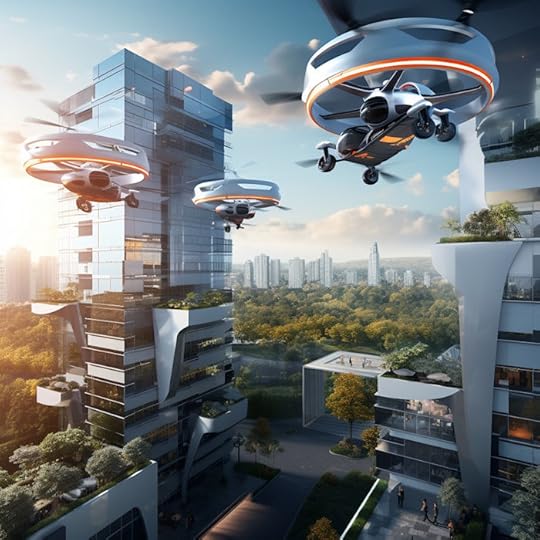 5. Drone Security and Drone Delivery Systems
The advent of drone technology has not only revolutionized several industries but is also poised to impact the design and function of future homes significantly. In the next 10 to 20 years, two key features that are expected to become integrated into home design are drone security systems and drone delivery systems.
Drone Security Systems: Safety and security are primary concerns for any homeowner, and as such, drone technology presents an advanced solution to meet these needs. Future homes could incorporate drone security systems, which operate as mobile CCTV units. These autonomous drones could be programmed to patrol the property at specified intervals, equipped with night vision and motion detection capabilities to identify any unusual activity.
Furthermore, the drone can be instantly deployed in the event of a security breach, providing real-time video feed to homeowners or a security firm. This rapid response capability not only deters potential intruders but also aids in the identification and subsequent apprehension of criminals. Given their aerial advantage, these drones can also monitor hard-to-reach areas, offering a comprehensive security solution.
Drone Delivery Systems: As online shopping and home delivery services become ever more dominant, future homes will need to adapt to this trend. One solution is the integration of drone delivery systems into the design of homes.
Houses could include drone landing pads or designated drone delivery docks, often located on rooftops or balconies. These docks would be equipped with security measures such as locking mechanisms to prevent theft and could also include protective elements to shield packages from weather conditions.
On the technological front, these docks might include systems to automatically receive delivery drones guided by GPS and autonomous navigation systems. Once a drone lands, the dock can secure the package and automatically recharge its battery before it departs for the next delivery.
As our reliance on drone technology increases, it’s clear that future home designs must consider the integration of these systems. By including drone security and drone delivery systems, future homes can offer enhanced safety and convenience, meeting future homeowners’ changing needs and expectations.
 6. Biophilic Design
Biophilia, a term popularized by biologist Edward O. Wilson, describes the innate human attraction to nature and living things. Biophilic design is an approach to architecture that seeks to connect building occupants more closely to nature. As awareness of the importance of mental and physical well-being increases, biophilic design principles will play a more significant role in residential architecture in the next 10 to 20 years.
Biophilic design incorporates elements of nature into the built environment, both directly and indirectly. Direct applications may involve the integration of actual nature into architecture. This could take the form of indoor gardens, green walls, water features, or the use of natural materials such as wood and stone. The sounds, smells, and tactile experiences of nature can also be incorporated to provide a multi-sensory connection.
Indirect nature engagement might include biomimetic designs, which mimic natural forms and patterns, or biophilic spatial configurations that emulate environments where humans historically thrived. Large windows, glass walls, or skylights that let in plenty of natural light are a common feature, as well as designs that facilitate views of the outdoor environment.
Access to outdoor spaces will also be a critical part of future residential design. This could include private spaces like balconies and terraces or communal green spaces in multi-residential developments. The outdoor spaces would be designed to provide meaningful contact with nature, such as planting edible gardens or native species to attract local wildlife.
Biophilic design goes beyond simply adding plants to indoor spaces. It’s about creating a living environment that embodies the essence of nature, promoting a sense of peace and well-being. The benefits of biophilic design are numerous, including improved mental health, reduced stress levels, enhanced creativity, and increased overall satisfaction with one’s living environment.
As urbanization continues and the disconnect between humans and nature grows, the need for biophilic design in our homes will only become more essential.
 7. Net-Zero Energy Homes
As the world grapples with climate change, energy efficiency in residential buildings is more crucial than ever. Net-Zero Energy Homes (NZEH) represent the future of sustainable living, designed to produce as much renewable energy as they consume over the course of a year. The concept will fundamentally shape the architecture and construction industry in the next 10 to 20 years.
Net-zero homes aim to minimize energy needs through effective insulation, high-performance windows, and smart design to take advantage of natural light and heat. They may feature orientation that captures or avoids the sun’s heat depending on the climate, as well as shade features or landscaping to control temperature.
The homes will generate their own energy through renewable sources, primarily solar panels and potentially wind or geothermal energy. The implementation of energy storage systems, like advanced battery technology, will allow homeowners to store excess energy produced during peak production times for use during periods of high energy demand.
Net-zero homes will also include energy-efficient appliances and systems, along with smart home technology that allows residents to monitor and manage their energy use. These homes can feed excess energy back to the grid, effectively turning residential buildings into mini power plants.
Water conservation will also be crucial to net-zero design, incorporating features like rainwater harvesting systems, greywater reuse, or water-efficient appliances and fixtures.
Building a net-zero home involves a synergistic approach to design and construction, considering the home as an integrated system rather than a collection of separate elements. This approach, combined with advancements in renewable energy and energy-efficiency technologies, will make net-zero homes a practical and affordable option for many homeowners.
The push towards net-zero living isn’t just about reducing energy bills or even environmental impact. It represents a shift towards more sustainable, resilient communities, paving the way for a future where every home is a contributor to a cleaner and greener planet.
 8. IoT Integration
As the Internet of Things (IoT) continues to expand, our homes are becoming more connected and intelligent. Future homes will not merely be places to live but dynamic entities capable of learning from and adapting to their inhabitants. The design and structure of houses 10 to 20 years from now will heavily incorporate IoT technologies to increase efficiency, comfort, and security.
In a smart home, various systems and appliances connect to the internet and can communicate with each other. This allows for centralized control through a main hub or an app. From lighting and heating to entertainment and security systems, virtually every aspect of home life can be automated and customized to individual preferences.
Artificial intelligence will play a significant role in smart homes, with learning algorithms capable of understanding the habits and patterns of occupants to optimize energy usage and enhance comfort. Your home might learn your daily routines, automatically adjusting the temperature, lighting, or music based on the time of day or your activities.
Smart homes will also incorporate more sophisticated security systems. Facial recognition software could allow for keyless entry, and remote monitoring will enable homeowners to keep an eye on their property from anywhere in the world. Smart sensors could detect anything from break-ins to water leaks, offering peace of mind and potentially saving money on repairs.
Voice-activated virtual assistants will become a standard feature, capable of everything from answering questions to controlling other IoT devices. We also see the rise of touchless technology in homes, from motion-sensor lights to voice-activated appliances, fostering ease and convenience.
Integration with electric vehicles and charging infrastructure will also be a key aspect of future home design. Homeowners could manage their vehicle charging schedule based on their daily routine or when electricity rates are lowest, all integrated into their home’s smart system.
However, with the advent of smart homes, data security and privacy will become increasingly critical. Future home design will need to consider these aspects, ensuring that all data generated and collected within the home is secure.
In the future, homes will become proactive partners in managing our daily lives, improving our comfort, safety, and well-being while optimizing resource usage and contributing to a sustainable future.
 9. Virtual Reality and Augmented Reality in Design Process
Virtual Reality (VR) and Augmented Reality (AR) are set to revolutionize the design and construction of homes in the next 10 to 20 years. These technologies provide immersive, interactive experiences that allow architects, builders, and clients to visualize, modify, and interact with a home’s design before it’s built.
VR enables users to step inside a fully immersive 3D simulation of a planned house. Users can explore every room, inspect every detail, and even simulate different times of day to see how sunlight would interact with the space. This provides an unprecedented level of understanding and confidence in the design, ensuring that everyone involved is on the same page about what the finished home will look like.
With VR, design changes can be made on the fly, allowing architects and clients to experiment with different ideas and immediately see the results. This can greatly reduce the time and costs associated with changes during the actual construction process.
AR, on the other hand, overlays digital information onto the real world, allowing users to see how a design would fit into an existing environment. For example, clients could use an AR app to visualize how a proposed addition would look on their existing house or how a new home would fit onto a particular piece of land.
AR can also be used during the construction process to guide builders. For example, workers could use AR glasses to overlay construction plans onto their field of view, showing exactly where each component should go and reducing the risk of errors.
In addition, these technologies could change the way we think about space in our homes. With VR, a small room could be transformed into an expansive virtual environment, providing a sense of spaciousness without the need for a large physical footprint. This could become increasingly important as urbanization leads to smaller living spaces.
Both VR and AR offer incredible possibilities for the future of home design, providing a more collaborative, flexible, and efficient design process. The result will be homes that better meet the needs and desires of their inhabitants, leading to greater satisfaction and comfort.
 10. Health-Focused Design
As health and wellness become ever more important facets of our daily lives, the architecture and design of our homes will follow suit. Future homes will be built with the intention of promoting physical and mental well-being, making health-focused design a significant trend in the next 10 to 20 years.
Indoor air quality will be a major focus. Features such as advanced air filtration systems, humidity control, and the use of non-toxic, hypoallergenic materials will become standard to combat pollutants and allergens. In addition, the use of plants and green spaces within homes will not only enhance aesthetic appeal but also improve air quality and create a calming atmosphere.
Lighting will also play a crucial role in health-focused design. Homes will be designed to maximize natural light, which has been shown to boost mood and productivity, regulate circadian rhythms, and even improve sleep. For times when natural light is limited, adjustable, human-centric artificial lighting that can mimic the color temperature and intensity of natural light will be used.
Home layouts will also be designed to promote physical activity. This could mean the incorporation of dedicated exercise spaces, or it could be as simple as designing homes that encourage movement, such as placing frequently used rooms far apart.
The acoustic environment of homes will also be considered. Soundproofing to reduce noise pollution, including calming natural sounds and using materials that minimize echo, can contribute to a more peaceful and stress-free living environment.
Technological advancements will also support health-focused design. Health monitoring devices will be integrated into the smart home systems, tracking parameters like heart rate, sleep quality, and physical activity and offering insights and recommendations to improve the inhabitants’ health.
Homes will also include spaces designed for mental wellness, such as quiet areas for meditation or relaxation, spaces with immersive nature views, or areas dedicated to hobbies or creative activities.
In the future, homes will serve not just as living spaces but as supportive environments that actively contribute to the health and well-being of their inhabitants. The result will be homes that are not just places to live but places that help us live better.
 11. Multigenerational and Adaptable Living SpacesAs lifespans increase and family dynamics evolve, the need for homes to accommodate multiple generations under one roof is becoming increasingly important. Homes in the next 10 to 20 years will be designed with flexibility and adaptability at their core, allowing them to adjust to the changing needs of their inhabitants over time.Multigenerational homes will include each generation’s private spaces and communal areas where the family can gather. These homes may feature separate living quarters for elderly parents or adult children, with features such as ground-level living for those who can’t navigate stairs or soundproofing to ensure privacy.Adaptable design will be a key feature of these homes, allowing rooms to serve multiple purposes over time. For instance, a home office could be converted into a nursery, then later into a guest room. Wall partitions might be movable to change the layout of the house quickly or to create additional rooms when needed.Technological advancements will also facilitate the creation of adaptable living spaces. Smart home systems could adjust lighting, temperature, and even furniture arrangements based on who is using a room. Homes might feature adjustable-height counters and sinks or walls embedded with tech that can transform a living room into a home theater at the touch of a button.The design of these homes will also consider accessibility and safety features to accommodate older family members, such as wider doorways for wheelchair access, non-slip flooring, grab bars in bathrooms, and smart health monitoring systems.Sustainability will also be a key consideration in multigenerational homes. As these homes will be designed to last and adapt for many years, they will need to be energy-efficient and built with durable, sustainable materials.Multigenerational and adaptable homes offer a practical and flexible solution to the changing demographics and lifestyles of modern families. By allowing families to remain together, they can foster stronger familial bonds, use space better, and potentially provide economic benefits by sharing costs.Final ThoughtsAnticipating the future, it’s evident that the home of the future is more than just a space for living. It becomes a health promoter, an adaptable entity, an energy producer, and a technological marvel. These predictions of transformative changes to home design are rooted in the present but geared towards a future that promises exciting opportunities. It’s a future that suggests a fundamental shift from a static dwelling to a dynamic, responsive environment, catering to our needs, supporting our health, and augmenting our lifestyles. As we move towards this future, we are shaping homes that aren’t just designed for living but for living better. Translate This Page
Select LanguageAfrikaansAlbanianAmharicArabicArmenianAzerbaijaniBasqueBelarusianBengaliBosnianBulgarianCatalanCebuanoChichewaChinese (Simplified)Chinese (Traditional)CorsicanCroatianCzechDanishDutchEnglishEsperantoEstonianFilipinoFinnishFrenchFrisianGalicianGeorgianGermanGreekGujaratiHaitian CreoleHausaHawaiianHebrewHindiHmongHungarianIcelandicIgboIndonesianIrishItalianJapaneseJavaneseKannadaKazakhKhmerKoreanKurdish (Kurmanji)KyrgyzLaoLatinLatvianLithuanianLuxembourgishMacedonianMalagasyMalayMalayalamMalteseMaoriMarathiMongolianMyanmar (Burmese)NepaliNorwegianPashtoPersianPolishPortuguesePunjabiRomanianRussianSamoanScottish GaelicSerbianSesothoShonaSindhiSinhalaSlovakSlovenianSomaliSpanishSudaneseSwahiliSwedishTajikTamilTeluguThaiTurkishUkrainianUrduUzbekVietnameseWelshXhosaYiddishYorubaZulu
#goog-gt-tt {display:none !important;}
.goog-te-banner-frame {display:none !important;}
.goog-te-menu-value:hover {text-decoration:none !important;}
.goog-text-highlight {background-color:transparent !important;box-shadow:none !important;}
body {top:0 !important;}
#google_translate_element2 {display:none!important;}
function googleTranslateElementInit2() {new google.translate.TranslateElement({pageLanguage: 'en',autoDisplay: false}, 'google_translate_element2');}
function GTranslateGetCurrentLang() {var keyValue = document['cookie'].match('(^|;) ?googtrans=([^;]*)(;|$)');return keyValue ? keyValue[2].split('/')[2] : null;}
function GTranslateFireEvent(element,event){try{if(document.createEventObject){var evt=document.createEventObject();element.fireEvent('on'+event,evt)}else{var evt=document.createEvent('HTMLEvents');evt.initEvent(event,true,true);element.dispatchEvent(evt)}}catch(e){}}
function doGTranslate(lang_pair){if(lang_pair.value)lang_pair=lang_pair.value;if(lang_pair=='')return;var lang=lang_pair.split('|')[1];if(GTranslateGetCurrentLang() == null && lang == lang_pair.split('|')[0])return;var teCombo;var sel=document.getElementsByTagName('select');for(var i=0;i<sel.length;i++)if(/goog-te-combo/.test(sel[i].className)){teCombo=sel[i];break;}if(document.getElementById('google_translate_element2')==null||document.getElementById('google_translate_element2').innerHTML.length==0||teCombo.length==0||teCombo.innerHTML.length==0){setTimeout(function(){doGTranslate(lang_pair)},500)}else{teCombo.value=lang;GTranslateFireEvent(teCombo,'change');GTranslateFireEvent(teCombo,'change')}}
Search for: Recent Posts 11 Thoughts on Designing Homes for 2040 and Beyond The Devious People Problem: 12 Alarming Ways AI Can Be Used Against Us Leveraging AI Smart-Drones to Mitigate Active Shooter Threats and Ensure Public Safety Categories Artificial Intelligence Business Trends Future of Agriculture Future of Banking Future of Education Future of Healthcare Future of Transportation Future of Work Future Scenarios Future Trends Futurist Thomas Frey Insights Global Trends Predictions Social Trends Technology Trends Speaking TopicsFuture of Healthcare – “Is Death our only Option?Future of AIFuture of Industries ← Previous Post
The post 11 Thoughts on Designing Homes for 2040 and Beyond appeared first on Futurist Speaker.
July 13, 2023
The Devious People Problem: 12 Alarming Ways AI Can Be Used Against Us

Artificial General Intelligence (AGI) has long been painted as the bogeyman of the future. It’s a chilling narrative that has gripped the collective imagination: a world where machines become so intelligent, so powerful, they surpass human intelligence and trigger our extinction. This apocalyptic scenario, while admittedly thrilling and deserving of contemplation, has a dangerous side effect. It’s a sensational distraction, a smoke screen that conceals the immediate and very real dangers AI is already posing to our society. These threats are not theoretical, nor are they in some distant future. They are here, they are now, and they are insidiously ingrained in our daily digital lives.
Slight-Of-Hand Diversion TechniqueWhile the tech giants and the media are busy raising the specter of an AI apocalypse, they’re cleverly diverting our attention from the pressing issues we should be tackling today. The truth is, we don’t need to wait for AGI to experience the dark side of AI. The AI systems we have now, the so-called narrow or weak AI, are already raising serious ethical and privacy concerns. They may not have the intellect to take over the world, but they do have the capacity to significantly harm individuals, businesses, and even entire governments if misused or left unchecked.
It’s time we shift our focus from worrying about the rise of super-intelligent machines to understanding and addressing the threats posed by the AI technologies currently in use. The existential risk we face isn’t just about our potential obsolescence in the face of machine intelligence. It’s about the erosion of our privacy, our freedom, our security, and our trust in the digital landscape that is increasingly shaping our world. We need to address the AI threats that are already here.
The Devious People Dark Side: 12 Alarming Ways AI Can be Used Against UsBelow are twelve real-world, AI-enabled nightmares that could wreak havoc on individuals, corporations, and governments. No need for superintelligence or AGI; these horrors can be unleashed with existing AI tools.
The Puppeteer:AI-driven personalization exploits personal data to tailor ads, continually refining them for maximum impact. The result? Subtle mind control.
The Deceiver:Deepfakes and misinformation employ hyper-realism to smear reputations and sabotage democratic systems.
The Thief:AI-empowered hacking executes mass data breaches, exposing unsuspecting individuals and corporations to significant risks.
The Puppet Master:Financial market manipulation employs AI trading bots and messaging bots to control stock prices and wreak havoc on markets.
The Bigot:AI-enforced discrimination in areas like law enforcement and recruitment can perpetuate biases, leading to grave injustice.
The Watcher:Mass surveillance leveraged by governments employs AI technologies for intrusive monitoring, resulting in potential infringement of civil liberties.
The Biased Healer:In healthcare, skewed data can result in incorrect or inadequate treatments for marginalized groups.
The Unfair Trader:AI-driven price discrimination uses consumer data to adjust prices, promoting discriminatory pricing practices.
The Warlord:In the realm of cyberwarfare, AI can be weaponized to disrupt critical infrastructure and enable devastating cyberattacks.
The Peeping Tom:AI’s handling of personal, corporate, or government data raises serious concerns about data privacy and misuse.
The Mind Reader:AI-powered emotional recognition can be exploited, leading to the invasion of personal privacy and manipulation of emotional responses for profit.
The Saboteur:AI in autonomous systems, from self-driving cars to drones, can be hijacked, leading to potential disasters and threats to public safety.
 The Urgency of Data Privacy Laws
These threats we speak of aren’t hypothetical scenarios reserved for speculative fiction or academic debates. They are immediate, pressing issues requiring our focused attention and swift action. As AI continues to permeate every aspect of our lives, the importance of robust data privacy laws becomes increasingly apparent. We are generating colossal volumes of data every single day, information that paints an intimate picture of our lives, habits, preferences, and vulnerabilities.
This data can and is being exploited, often without our knowledge or consent. The need for comprehensive legislation that safeguards our privacy in the digital age is not just an important consideration – it’s an urgent imperative.
Alongside privacy, the question of ethical AI practices is another significant challenge we face today. We are dealing with systems that have the power to influence public opinion, dictate consumer behavior, manipulate financial markets, and even determine life and death in contexts such as healthcare or autonomous vehicles. As such, it is crucial to define what constitutes ethical use of AI.
Clear, universally accepted guidelines are needed to ensure AI technologies are developed and used in a manner that respects human rights, promotes fairness, and prevents harm. This goes beyond simply avoiding bias or discrimination. Ethical AI also involves considerations of transparency, accountability, and the right to human oversight.
Protecting Innovation or Enabling Monopolies?The AI industry often presents itself as a benign force, advocating for self-regulation under the guise of fostering innovation and preventing governmental overreach. Yet, this approach can be problematic. Without external oversight, there’s the risk of lapses in ethical standards and privacy protections, all under the banner of technological progress.
On the other hand, if governments step in and impose strict regulations, we might encounter an unintended consequence. The tech giants, with their vast resources and influence, could navigate and even manipulate these rules to their advantage, further solidifying their dominance. Meanwhile, smaller companies, burdened by regulatory compliance, might find themselves unable to compete effectively, stifling diversity and innovation in the AI space.
This potential catch-22 situation underscores the importance of carefully crafted, balanced regulations. We need laws that protect individual rights and promote ethical practices without stifling innovation or enabling monopolies. This is certainly not a simple task, but it’s an essential one if we wish to navigate the complex, ever-evolving landscape of AI in a way that serves the best interests of all stakeholders.
 Wake Up to the Reality: AI Isn’t Just a Future Threat
Artificial Intelligence is not a looming threat of the future; it’s a pressing issue of the present that demands our urgent attention. The public narrative often gets caught up in the thrill and trepidation of Artificial General Intelligence (AGI) – the idea of AI systems that possess the ability to understand, learn, adapt, and implement knowledge across a broad array of tasks at a human level. Yet, in our fascination with AGI, we risk overlooking the significant and tangible risks that current AI technologies pose to our privacy, security, and society at large.
The enchanting allure of AGI, with its promises and fears of superhuman intelligence, can act as a captivating distraction from the immediate and palpable threats. These include data breaches, privacy invasion, unfair algorithmic biases, and the unchecked influence of AI on our lives and decisions. While we deliberate on the potential threats of AGI, the exigent issues at hand risk being marginalized, their significance dwindling in the shadow of the grand narrative of AGI.
The true menace of AI is not solely about an uncertain future; it’s a present-day reality with far-reaching implications. It’s lurking in the shadows of our digital age, subtly influencing our decisions, shaping our perceptions, and altering the fabric of our societies. It’s not the prospect of rogue superintelligent AI that should keep us awake at night, but the current AI technologies, left unchecked and unregulated, quietly molding the contours of our world. The time is ripe for us to shift our focus from speculative future threats to the real, tangible issues of the present and act urgently and resolve to address them.
Translate This PageSelect LanguageAfrikaansAlbanianAmharicArabicArmenianAzerbaijaniBasqueBelarusianBengaliBosnianBulgarianCatalanCebuanoChichewaChinese (Simplified)Chinese (Traditional)CorsicanCroatianCzechDanishDutchEnglishEsperantoEstonianFilipinoFinnishFrenchFrisianGalicianGeorgianGermanGreekGujaratiHaitian CreoleHausaHawaiianHebrewHindiHmongHungarianIcelandicIgboIndonesianIrishItalianJapaneseJavaneseKannadaKazakhKhmerKoreanKurdish (Kurmanji)KyrgyzLaoLatinLatvianLithuanianLuxembourgishMacedonianMalagasyMalayMalayalamMalteseMaoriMarathiMongolianMyanmar (Burmese)NepaliNorwegianPashtoPersianPolishPortuguesePunjabiRomanianRussianSamoanScottish GaelicSerbianSesothoShonaSindhiSinhalaSlovakSlovenianSomaliSpanishSudaneseSwahiliSwedishTajikTamilTeluguThaiTurkishUkrainianUrduUzbekVietnameseWelshXhosaYiddishYorubaZulu
#goog-gt-tt {display:none !important;}
.goog-te-banner-frame {display:none !important;}
.goog-te-menu-value:hover {text-decoration:none !important;}
.goog-text-highlight {background-color:transparent !important;box-shadow:none !important;}
body {top:0 !important;}
#google_translate_element2 {display:none!important;}
function googleTranslateElementInit2() {new google.translate.TranslateElement({pageLanguage: 'en',autoDisplay: false}, 'google_translate_element2');}
function GTranslateGetCurrentLang() {var keyValue = document['cookie'].match('(^|;) ?googtrans=([^;]*)(;|$)');return keyValue ? keyValue[2].split('/')[2] : null;}
function GTranslateFireEvent(element,event){try{if(document.createEventObject){var evt=document.createEventObject();element.fireEvent('on'+event,evt)}else{var evt=document.createEvent('HTMLEvents');evt.initEvent(event,true,true);element.dispatchEvent(evt)}}catch(e){}}
function doGTranslate(lang_pair){if(lang_pair.value)lang_pair=lang_pair.value;if(lang_pair=='')return;var lang=lang_pair.split('|')[1];if(GTranslateGetCurrentLang() == null && lang == lang_pair.split('|')[0])return;var teCombo;var sel=document.getElementsByTagName('select');for(var i=0;i<sel.length;i++)if(/goog-te-combo/.test(sel[i].className)){teCombo=sel[i];break;}if(document.getElementById('google_translate_element2')==null||document.getElementById('google_translate_element2').innerHTML.length==0||teCombo.length==0||teCombo.innerHTML.length==0){setTimeout(function(){doGTranslate(lang_pair)},500)}else{teCombo.value=lang;GTranslateFireEvent(teCombo,'change');GTranslateFireEvent(teCombo,'change')}}
Search for: Recent Posts The Devious People Problem: 12 Alarming Ways AI Can Be Used Against Us Leveraging AI Smart-Drones to Mitigate Active Shooter Threats and Ensure Public Safety Curbing AI’s Potential Dark Side: A Case Study on Regulating AI Misuse Categories Artificial Intelligence Business Trends Future of Agriculture Future of Banking Future of Education Future of Healthcare Future of Transportation Future of Work Future Scenarios Future Trends Futurist Thomas Frey Insights Global Trends Predictions Social Trends Technology Trends Speaking TopicsFuture of Healthcare – “Is Death our only Option?Future of AIFuture of Industries ← Previous Post
The post The Devious People Problem: 12 Alarming Ways AI Can Be Used Against Us appeared first on Futurist Speaker.
June 29, 2023
Leveraging AI Smart-Drones to Mitigate Active Shooter Threats and Ensure Public Safety
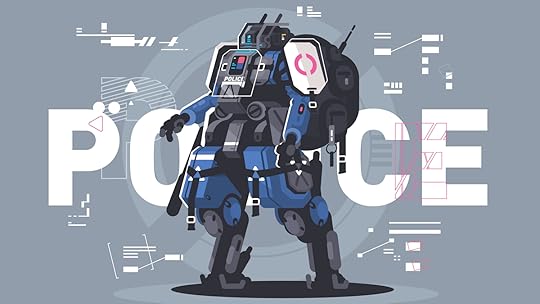
In an age where headlines frequently reveal the unsettling reality of active shooter incidents, the collective consciousness of communities worldwide is grappling with underlying anxiety regarding safety in public spaces. Schools, malls, offices, and retail outlets, which once epitomized the vibrancy of community life, are now confronted with the grim task of amalgamating public service with critical safety measures. The heart-wrenching toll these incidents take on lives has undeniably emphasized the innovation of security measures to not just react but to proactively manage and mitigate these incidents.
As traditional security mechanisms stretch to their limits, eyes are turning toward an improbable hero emerging from the converging fields of robotics and artificial intelligence (AI) – AI-powered drones. With their ability to take to the skies and perform tasks with growing autonomy, these devices have proven their mettle in various sectors. Now, they stand at the precipice of redefining how society handles public safety, particularly active shooter situations.
One may ask: Can these machines, which were once the realm of science fiction, prove to be the allies humanity needs in safeguarding public spaces? As we explore the capabilities of AI drones and their potential role in averting tragedy, we acknowledge that the very fabric of public safety is undergoing metamorphosis.
AI Drone Upgrades: Pioneering a New Era of Crisis ManagementTo appreciate AI drones’ role in managing active shooter situations, it’s vital to understand the upgrades that transform them from simple flying machines to advanced crisis management tools.
1. Enhanced Sensors:Equipping drones with infrared, thermal, and night vision sensors can allow for real-time tracking of threats, even in low-visibility environments.
2. Advanced AI Analysis:By enabling the AI to analyze and interpret body language, facial expressions, and other non-verbal cues, drones can more accurately assess the intentions and likely actions of individuals.
3. Improved Communication Systems:Loudspeakers, light signals, and visual aids on drones can enable effective communication and guidance, especially in loud or chaotic environments.
4. Non-lethal Weapon Enhancements:Equipping drones with non-lethal weapons such as tasers, pepper spray, rubber bullets, or net guns can provide a spectrum of incapacitating options without resorting to lethal force.
5. Extended Battery Life and Fast Charging:These advancements ensure drones have the endurance to remain operational throughout a crisis situation without the need for frequent recharging.
6. Drone-to-Drone Communication:By allowing drones to communicate and collaborate, their collective intelligence and coordination can be leveraged to respond to complex situations with precision.
7. Biometric Recognition:Implementing biometric capabilities, such as retinal scanning or fingerprint identification, enhances the drones’ ability to identify individuals even in scenarios where facial recognition is insufficient.
8. Mediator AIs:Drones equipped with AI systems specialized in crisis negotiation can engage in empathetic communication and de-escalation techniques.
With these advancements in AI drone technology, we can envision scenarios where drones take swift and effective action to neutralize a threat and secure the safety of civilians.
In the subsequent section, we will explore five hypothetical scenarios that demonstrate the potential impact of these AI drones, equipped with the aforementioned upgrades, in dealing with an active shooter situation. These scenarios will illustrate how technology can be employed in critical moments to safeguard lives and restore safety in our communities.
First Contact Scenario: The Genesis of InterventionAs twilight veils the sky, a large retail complex on the outskirts of town is bathed in the subdued gleam of streetlights. The sprawling parking lot is alive with the energy of the evening crowd – families weaving through the aisles, zealous shoppers cradling their treasures, and staff members ensuring the seamless operation of the store. Amidst this tapestry of human interaction, an unsettling scene unfolds a man, later identified as Bruce Williams, in his late 20s, recently terminated from his job, brandishes a weapon as tension electrifies the air.
 Initial Deployment: Precision and CompassionThe whisper of the night is pierced by the emergence of a squadron of AI drones, their shadows playing on the asphalt as they deftly maneuver through the air. The swarm, silent but assertive, has been activated in response to Bruce’s alarming behavior.The lead drone, laden with advanced sensors and biometric recognition capabilities, identifies Bruce through an extensive database. It takes the helm, positioning itself at a calculated distance from Bruce. A modulated synthetic voice, designed to convey calm, emanates from the drone, “Bruce Williams, we understand you are facing challenging times.”Bruce’s menacing stance falters for a second as surprise and trepidation cross his face while he assesses the unanticipated aerial intervention.“There are channels available for help and support,” the drone persists, its tone steady and reassuring. “The path you’re contemplating,” its sensors fixate on the weapon, “is not the answer.”Meanwhile, the drone squadron, connected through a mesh of drone-to-drone communication, executes a synchronized dance. They assess potential outcomes and strategies, and their AI systems are primed to deploy a range of non-lethal countermeasures if required. Concurrently, the drones communicate with law enforcement and instigate crowd management protocols, directing employees and shoppers away from the area.As the initial contact phase concludes, the drones, with the agility of hummingbirds and the precision of chess masters, maintain their vigil around Bruce. The amalgamation of precision-based responses and compassionate outreach epitomizes the new era of AI-assisted crisis intervention.Five Realistic ScenariosWhat comes next is a precarious balance, as drones utilize their technology and intelligence to protect civilians and work towards de-escalation. This is the first of five scenarios where AI drones employ upgraded capabilities to tackle an active shooter situation.Scenario 1: Complete Success“Bruce, you’re not alone in your troubles. Let’s find another way.” The drone, now upgraded with mediator AI, speaks with an unprecedented level of empathy and emotional intelligence.Inside the store, drones equipped with enhanced sensors quickly locate and guide customers through safe paths that they’ve identified using advanced AI analysis. Meanwhile, drone-to-drone communication ensures that the drones outside keep track of people’s positions inside the store.Outside, a drone uses biometric recognition to confirm Bruce’s identity through a retinal scan. The mediator AI continues to engage Bruce with de-escalation techniques until he eventually drops his weapon. The police arrive shortly after and secure the scene.
 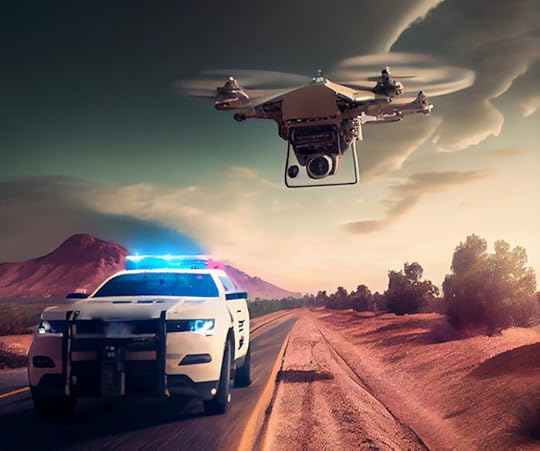 Scenario 2: Partial Success
Drones with improved communication systems use loudspeakers and light signals to effectively guide the store’s occupants to safe locations. Outside, the upgraded AI analysis assesses Bruce’s body language and predicts that he is about to shoot.
The drones deploy an array of non-lethal weapons like pepper spray and net guns in addition to the tasers, subduing Bruce more efficiently. The police arrive and take control of the situation.
Scenario 3: Mild SuccessDrones equipped with advanced AI analysis predict Bruce’s intention to enter the store. Enhanced sensors allow drones inside to quickly locate hiding places for people.
As Bruce enters the store, drones use a combination of non-lethal weapons to slow him down. Eventually, one of the drones deploys a taser to immobilize Bruce. The police arrive slightly late, but the drones have successfully mitigated the situation.
Scenario 4: Limited SuccessAs Bruce begins shooting inside the store, drones with extended battery life ensure continued assistance. They coordinate through drone-to-drone communication, guiding people to safe areas.
A drone equipped with advanced AI analysis detects a lull in Bruce’s actions, giving an opportunity for other drones to deploy non-lethal weapons. Bruce is finally subdued, and the police arrive to take control.
Scenario 5: Minimal SuccessIn this scenario, drones use their enhanced sensors to keep track of Bruce’s movements, even as he fires wildly. The upgraded non-lethal weapon systems and fast charging ensure that the drones can keep trying different approaches to subdue him.
Drones inside the store manage crowd control and guide civilians to safety using advanced AI analysis and communication systems. Though a few people are injured, the overall damage is significantly reduced compared to a situation without drone upgrades.
Final Thoughts: Confluence of Technology and Proactive MeasuresAs we reflect upon the five scenarios featuring AI drones in action, it is evident that these innovations can be instrumental in averting calamities and protecting lives. The multidimensional intervention capabilities demonstrated – be it the rapid assessment, de-escalation techniques, crowd control, or strategic cooperation with law enforcement – signify a groundbreaking shift in the way public spaces can be secured.
However, it is imperative to recognize that while these AI drones offer a quantum leap in crisis response, they are components of a more extensive security ecosystem. Traditional security measures and human law enforcement remain indispensable, with AI drones acting as a potent augmentation to enhance response times and effectiveness.
Moving beyond reactive measures, there is an immense need for proactivity to prevent such incidents from taking root. Encouraging the development of support systems, such as mental health services, employment stability programs, and conflict resolution training, is integral. Moreover, community engagement and measures to regulate access to firearms should be strengthened, particularly for individuals with a history of violence or threatening behavior.
Altogether, it is the confluence of state-of-the-art technology like AI drones with a society that is actively engaged in preventive and supportive measures that will usher in an era of enhanced public safety. The orchestration of AI drone capabilities with human ingenuity and empathy lays the foundation for a robust, dynamic, and comprehensive approach to security.
As the sun sets on the days of solitary security paradigms, the dawn of a holistic approach that pairs technological advancements with societal enrichment emerges. This synergy is vital for effectively responding to crisis situations and, more importantly, for cultivating an environment where the seeds of such tragedies find it increasingly difficult to take root. The responsibility is collective; as technology evolves, so must our commitment to nurturing a compassionate and vigilant society.
Translate This PageSelect LanguageAfrikaansAlbanianAmharicArabicArmenianAzerbaijaniBasqueBelarusianBengaliBosnianBulgarianCatalanCebuanoChichewaChinese (Simplified)Chinese (Traditional)CorsicanCroatianCzechDanishDutchEnglishEsperantoEstonianFilipinoFinnishFrenchFrisianGalicianGeorgianGermanGreekGujaratiHaitian CreoleHausaHawaiianHebrewHindiHmongHungarianIcelandicIgboIndonesianIrishItalianJapaneseJavaneseKannadaKazakhKhmerKoreanKurdish (Kurmanji)KyrgyzLaoLatinLatvianLithuanianLuxembourgishMacedonianMalagasyMalayMalayalamMalteseMaoriMarathiMongolianMyanmar (Burmese)NepaliNorwegianPashtoPersianPolishPortuguesePunjabiRomanianRussianSamoanScottish GaelicSerbianSesothoShonaSindhiSinhalaSlovakSlovenianSomaliSpanishSudaneseSwahiliSwedishTajikTamilTeluguThaiTurkishUkrainianUrduUzbekVietnameseWelshXhosaYiddishYorubaZulu
#goog-gt-tt {display:none !important;}
.goog-te-banner-frame {display:none !important;}
.goog-te-menu-value:hover {text-decoration:none !important;}
.goog-text-highlight {background-color:transparent !important;box-shadow:none !important;}
body {top:0 !important;}
#google_translate_element2 {display:none!important;}
function googleTranslateElementInit2() {new google.translate.TranslateElement({pageLanguage: 'en',autoDisplay: false}, 'google_translate_element2');}
function GTranslateGetCurrentLang() {var keyValue = document['cookie'].match('(^|;) ?googtrans=([^;]*)(;|$)');return keyValue ? keyValue[2].split('/')[2] : null;}
function GTranslateFireEvent(element,event){try{if(document.createEventObject){var evt=document.createEventObject();element.fireEvent('on'+event,evt)}else{var evt=document.createEvent('HTMLEvents');evt.initEvent(event,true,true);element.dispatchEvent(evt)}}catch(e){}}
function doGTranslate(lang_pair){if(lang_pair.value)lang_pair=lang_pair.value;if(lang_pair=='')return;var lang=lang_pair.split('|')[1];if(GTranslateGetCurrentLang() == null && lang == lang_pair.split('|')[0])return;var teCombo;var sel=document.getElementsByTagName('select');for(var i=0;i<sel.length;i++)if(/goog-te-combo/.test(sel[i].className)){teCombo=sel[i];break;}if(document.getElementById('google_translate_element2')==null||document.getElementById('google_translate_element2').innerHTML.length==0||teCombo.length==0||teCombo.innerHTML.length==0){setTimeout(function(){doGTranslate(lang_pair)},500)}else{teCombo.value=lang;GTranslateFireEvent(teCombo,'change');GTranslateFireEvent(teCombo,'change')}}
Search for: Recent Posts Leveraging AI Smart-Drones to Mitigate Active Shooter Threats and Ensure Public Safety Curbing AI’s Potential Dark Side: A Case Study on Regulating AI Misuse Unleashing the Future: Extreme Scenarios of How Smart Contracts Will Alter the Course of History Categories Artificial Intelligence Business Trends Future of Agriculture Future of Banking Future of Education Future of Healthcare Future of Transportation Future of Work Future Scenarios Future Trends Futurist Thomas Frey Insights Global Trends Predictions Social Trends Technology Trends Speaking TopicsFuture of Healthcare – “Is Death our only Option?Future of AIFuture of Industries ← Previous Post
The post Leveraging AI Smart-Drones to Mitigate Active Shooter Threats and Ensure Public Safety appeared first on Futurist Speaker.
June 15, 2023
Curbing AI’s Potential Dark Side: A Case Study on Regulating AI Misuse
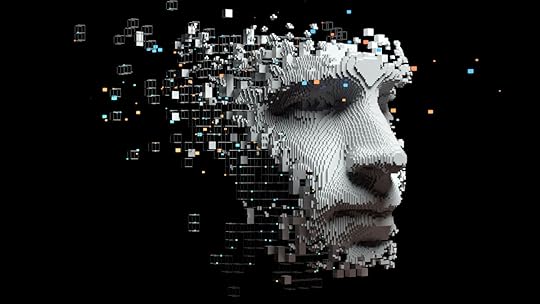
Artificial intelligence (AI) is an incredibly powerful tool that has transformed countless aspects of our lives. From automating mundane tasks to revolutionizing industries and even helping to predict and solve complex problems, its potential is limitless. However, like any other tool, AI can pose a significant threat when used with malicious intent.
Let’s consider a hypothetical scenario. Imagine a man; we’ll call him Richard, who uncovers a painful betrayal. His wife, the person he trusted most, has been having an affair with an old college friend, Mike. Swirling in the storm of anger and hurt, Richard contemplates retaliation. Being a seasoned AI expert, he considers employing this toolset to achieve his aim.
In this article, we’ll walk through an intricate web of options that Richard develops, each more devious than the last. While this scenario is fictional, the potential for misuse of AI is very real. This exploration is intended not to provide a roadmap for revenge but rather to underscore the importance of ethical considerations in AI development and usage.
From surveillance to psychological manipulation, the power of AI in the wrong hands can be devastating. It is our responsibility to understand, discuss, and guard against such potential misuse to ensure the evolution of AI remains a force for good, not a weapon for harm.
The ScenarioIn the quiet suburb of Little Creek, Richard discovered a painful secret. His wife, Julia, had been having an affair with his old college friend, Mike. Hurt and wanting to retaliate, Richard decided to employ his expertise in artificial intelligence to deal with the situation.
With a cup of black coffee in hand, he sat down in front of his computer and started planning. He decided to divide his options into “a checkerboard” involving eight categories, each containing eight specific actions.
In just a few minutes, his retaliation plan began to take shape. Even though some options required a significant amount of extra work, using AI to amplify his abilities, everything seemed doable.
Category 1: SurveillanceDeploy facial recognition software to track Mike’s movements in public spaces.Use AI to analyze Mike’s social media activity for patterns.Leverage AI-driven location tracking through mobile devices.Apply machine learning algorithms to predict Mike’s behaviors.Use an AI bot to monitor online conversations involving Mike.Develop an AI tool to analyze financial transactions for unusual activity.Install AI-enabled smart devices to monitor sounds or movements in specific locations.Employ an AI-driven license plate recognition system.Category 2: Communication DisruptionDeploy a bot to flood Mike’s email with spam.Use AI to mimic Mike’s writing style and send misleading messages.Develop an AI that can interrupt Mike’s cell service.Use machine learning to mimic Julia’s voice and send confusing voice messages.Employ AI to alter Mike’s online calendars and schedules.Create a bot that sends disruptive notifications to Mike’s devices.Use AI to hack and alter Mike’s social media posts.Deploy AI tools to send Mike misleading news or fake updates.Category 3: Reputation DamageUse AI to generate and distribute deepfake videos or audio of Mike.Employ machine learning to create misleading news articles involving Mike.Deploy AI to create and propagate negative online reviews about Mike’s business.Use AI to manipulate online photos of Mike.Employ AI to generate and spread gossip about Mike on social media.Use AI to leak false financial misconduct records tied to Mike.Develop an AI that posts questionable content from Mike’s social media accounts.Use AI to link Mike’s online presence with negative or illicit groups.Category 4: Financial DisruptionUse AI to monitor and predict Mike’s investments, then manipulate the market.Deploy a bot to make small, untraceable thefts from Mike’s online accounts.Develop an AI to intercept and alter Mike’s digital transactions.Use AI to falsely flag Mike’s transactions as fraudulent.Employ AI to disrupt Mike’s business supply chain.Use AI to infiltrate and mismanage Mike’s personal finances.Deploy AI to bid against Mike in online auctions, inflating prices.Use AI to disrupt Mike’s credit report with false data.Category 5: Social IsolationDeploy AI to intercept and modify communications between Mike and his friends.Use AI to subtly alter Mike’s social media posts to make him seem offensive.Employ AI to create misunderstandings in Mike’s digital interactions.Use AI to create and propagate rumors among Mike’s social circles.Develop AI that blocks Mike’s attempts at digital communication.Use AI to pose as Mike online and alienate his friends.Employ AI to hack and suspend Mike’s social media accounts.Deploy AI bots to disagree and argue with Mike online, causing stress.Category 6: Legal TroubleUse AI to falsely flag Mike’s online activities as illegal.Deploy AI to plant incriminating digital evidence.Develop AI that sends fraudulent legal notices to Mike.Use AI to leak fabricated scandalous information to legal authorities.Employ AI to create and spread fake lawsuits involving Mike.Deploy AI to manipulate Mike’s digital records, suggesting legal violations.Use AI to simulate illicit online activity traced back to Mike.Employ AI to falsely report Mike for various online violations.Category 7: Job and Career DamageUse AI to create and send unprofessional emails from Mike’s account to his coworkers or boss.Deploy AI to spread damaging rumors about Mike in his professional network.Develop AI to disrupt Mike’s work-related projects or assignments.Employ AI to meddle with Mike’s job performance data.Use AI to send misleading or damaging information to Mike’s clients.Develop AI to infiltrate and modify Mike’s work calendar, causing missed meetings.Use AI to disrupt Mike’s access to his work systems or accounts.Deploy AI to make false complaints about Mike to his employer.Category 8: Psychological Manipulation
Use AI to send Mike targeted ads for relationship counseling or divorce attorneys.Deploy AI to alter his online content to be predominantly about betrayal and broken trust.Develop AI to send anonymous messages hinting about his affair.Use AI to populate his online platforms with content about guilt and remorse.Employ AI to generate and send cryptic warnings or threats.Use AI to frequently show Mike content about the negative consequences of affairs.Deploy AI to manipulate his online music playlists to sad and regretful songs.Use AI to insert subtle reminders of Julia in his online interactions.As Richard finished outlining his options, he sighed deeply. He had far more opportunities to ruin Mike’s life than he first imagined, but none of them really addressed the core issue of how to fix his marriage.
He realized that despite his anger and hurt, resorting to harmful AI tactics was not the right way to confront his situation. He decided to approach the situation maturely, putting his energy into constructive communications with his wife, working towards reconciliation instead of retaliation.
 Understanding the Need for a Global Response: Curbing the Abuse of AI Power
The destructive potential of one angry person is huge. And it doesn’t exactly take Sherlock Holmes to find an angry person. They’re everywhere.
Recognizing the potential of AI to be misused, governments around the world are actively working towards creating a comprehensive set of rules and regulations. This proactive approach aims to safeguard citizens, protect privacy, and ensure AI is developed and used ethically.
In the United States, the National Institute of Standards and Technology (NIST) is spearheading efforts to create standards for reliable, robust, and trustworthy AI. Similarly, the Federal Trade Commission (FTC) has provided clear guidance on how existing laws, such as the Fair Credit Reporting Act, apply to AI and machine learning.
Across the Atlantic, the European Union has been a frontrunner in this arena, unveiling a landmark proposal in April 2021 to regulate AI. The draft regulations set forth strict guidelines for ‘high-risk’ AI, such as biometric identification, and established penalties for non-compliance.
In Asia, countries like Singapore and Japan have also made significant strides. Singapore’s Model AI Governance Framework provides detailed and implementable guidance to private sector organizations deploying AI, while Japan’s Cabinet Office has issued the “Social Principles of Human-Centric AI,” aiming to establish a society where AI serves people’s needs.
On a global scale, international organizations like the United Nations and the OECD are facilitating cooperation between nations. They’re fostering dialogue to develop universal AI principles and global regulatory frameworks, aiming for a harmonized approach to AI ethics and governance.
While the details of these regulations vary from nation to nation, the common thread that binds them is a commitment to the ethical use of AI. These efforts reflect a growing understanding of the power and potential of AI and the importance of using that power responsibly and ethically. By establishing robust rules and regulations, we can ensure the benefits of AI are realized while its risks are minimized and managed.
Final ThoughtsAs we’ve explored Richard’s hypothetical journey into the darker side of AI, we must remember this is a cautionary tale, an exploration of possibilities and not a list of recommended options. The immense power of AI should be harnessed for the benefit of society, not for personal vendettas or harmful intentions.
AI, like any other technology, is a tool. Its positive or negative impact depends entirely on how it’s used. This scenario showcases the potential risks and harms if this power falls into the wrong hands or is applied without ethical considerations. From invading personal privacy to causing financial disruption or even destroying a person’s reputation, the misuse of AI can have severe, far-reaching consequences.
Yet, it’s important to acknowledge that while these risks exist, so too do many mechanisms for control, protection, and regulation. From stringent data protection laws to AI ethics committees, society is gradually constructing defenses against such misuse. As developers, users, or observers of AI technology, we have a shared responsibility to engage with these safeguards and uphold the highest ethical standards.
As AI continues to evolve and permeate every facet of our lives, it is essential that we remain vigilant, aware not only of its vast potential but also its potential for misuse. While Richard’s situation may be fictitious, the implications are very real, prompting us to approach AI with the respect and caution it deserves.
At the end of the day, let’s not lose sight of the incredibly positive impact that AI can and does have in the world. The aim is to wield its power responsibly, to make our world safer, more efficient, and fairer, rather than letting it become a tool of harm or destruction.
Translate This PageSelect LanguageAfrikaansAlbanianAmharicArabicArmenianAzerbaijaniBasqueBelarusianBengaliBosnianBulgarianCatalanCebuanoChichewaChinese (Simplified)Chinese (Traditional)CorsicanCroatianCzechDanishDutchEnglishEsperantoEstonianFilipinoFinnishFrenchFrisianGalicianGeorgianGermanGreekGujaratiHaitian CreoleHausaHawaiianHebrewHindiHmongHungarianIcelandicIgboIndonesianIrishItalianJapaneseJavaneseKannadaKazakhKhmerKoreanKurdish (Kurmanji)KyrgyzLaoLatinLatvianLithuanianLuxembourgishMacedonianMalagasyMalayMalayalamMalteseMaoriMarathiMongolianMyanmar (Burmese)NepaliNorwegianPashtoPersianPolishPortuguesePunjabiRomanianRussianSamoanScottish GaelicSerbianSesothoShonaSindhiSinhalaSlovakSlovenianSomaliSpanishSudaneseSwahiliSwedishTajikTamilTeluguThaiTurkishUkrainianUrduUzbekVietnameseWelshXhosaYiddishYorubaZulu
#goog-gt-tt {display:none !important;}
.goog-te-banner-frame {display:none !important;}
.goog-te-menu-value:hover {text-decoration:none !important;}
.goog-text-highlight {background-color:transparent !important;box-shadow:none !important;}
body {top:0 !important;}
#google_translate_element2 {display:none!important;}
function googleTranslateElementInit2() {new google.translate.TranslateElement({pageLanguage: 'en',autoDisplay: false}, 'google_translate_element2');}
function GTranslateGetCurrentLang() {var keyValue = document['cookie'].match('(^|;) ?googtrans=([^;]*)(;|$)');return keyValue ? keyValue[2].split('/')[2] : null;}
function GTranslateFireEvent(element,event){try{if(document.createEventObject){var evt=document.createEventObject();element.fireEvent('on'+event,evt)}else{var evt=document.createEvent('HTMLEvents');evt.initEvent(event,true,true);element.dispatchEvent(evt)}}catch(e){}}
function doGTranslate(lang_pair){if(lang_pair.value)lang_pair=lang_pair.value;if(lang_pair=='')return;var lang=lang_pair.split('|')[1];if(GTranslateGetCurrentLang() == null && lang == lang_pair.split('|')[0])return;var teCombo;var sel=document.getElementsByTagName('select');for(var i=0;i<sel.length;i++)if(/goog-te-combo/.test(sel[i].className)){teCombo=sel[i];break;}if(document.getElementById('google_translate_element2')==null||document.getElementById('google_translate_element2').innerHTML.length==0||teCombo.length==0||teCombo.innerHTML.length==0){setTimeout(function(){doGTranslate(lang_pair)},500)}else{teCombo.value=lang;GTranslateFireEvent(teCombo,'change');GTranslateFireEvent(teCombo,'change')}}
Search for: Recent Posts Curbing AI’s Potential Dark Side: A Case Study on Regulating AI Misuse Unleashing the Future: Extreme Scenarios of How Smart Contracts Will Alter the Course of History Swarmbots: Ushering Humanity into a Brave New Era or Opening Pandora’s Box? Categories Artificial Intelligence Business Trends Future of Agriculture Future of Banking Future of Education Future of Healthcare Future of Transportation Future of Work Future Scenarios Future Trends Futurist Thomas Frey Insights Global Trends Predictions Social Trends Technology Trends Speaking TopicsFuture of Healthcare – “Is Death our only Option?Future of AIFuture of Industries ← Previous Post
The post Curbing AI’s Potential Dark Side: A Case Study on Regulating AI Misuse appeared first on Futurist Speaker.
June 1, 2023
Unleashing the Future: Extreme Scenarios of How Smart Contracts Will Alter the Course of History
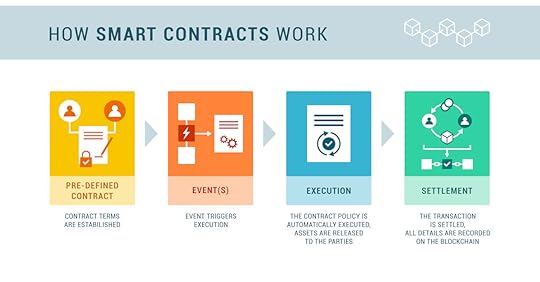
As we plunge headlong into the twenty-first century, an era hallmarked by rapid technological change, we’re constantly challenged to reevaluate and reimagine traditional systems. One such system, as integral to our society as it is ripe for disruption, is the contract system. Inherited from our forebears, it remains a slow, labor-intensive, and often opaque process. However, with the advent of blockchain technology, we’re on the cusp of a significant overhaul: the rise of smart contracts. These digital, self-executing agreements promise not only to streamline and secure transactions but also to revolutionize our industries and society at large.
From real-time tax collection systems to decentralized autonomous vehicles, smart contracts offer a glimpse into a future where trust is algorithmically guaranteed, bureaucracy is slashed, and transactions are seamless. In this column, we explore the potential of smart contracts, delving into a few provocative scenarios where they could be game-changers.
20 Groundbreaking Applications of Smart ContractsAs we cast our gaze into the not-so-distant future, a landscape laden with the potential of smart contracts emerges. These self-executing pieces of code, underpinned by the immutable nature of blockchain technology, promise to rewrite the rules of trust, intermediation, and enforcement.
1. Automated Inheritance and Will Execution:In case of an individual’s death, smart contracts could be used to automatically execute wills, distributing assets without needing an executor or a legal process, thereby reducing disputes and legal costs.
EXAMPLE: Let’s begin with a will execution scenario, where Wilson Charles, a family patriarch, has passed away, leaving behind an extensive portfolio of assets. This includes multiple houses, cars, securities, shares in various companies, and a vacation home in Vail, CO. He has four children, Donnie, Arne, Beth, and Tiffany, eighteen grandchildren, and a lifelong commitment to three charities.
Wilson, being forward-thinking, had put in place a smart contract for the execution of his will. This smart contract, a self-executing contract with the terms of Wilson’s, will directly be written into code, and is stored on the blockchain. The smart contract was created with the help of a legal expert and a blockchain programmer to ensure the legal validity and proper execution of the contract.
Upon Wilson’s death, the smart contract is automatically triggered. The contract was designed to confirm Wilson’s passing through reliable external data sources, such as government death registry APIs which are integrated into the blockchain network. This confirmation starts the execution of the smart contract, which follows the instructions encoded in it.
Firstly, Wilson’s various assets are distributed to his four children as specified. The smart contract automatically transfers the ownership of the houses and the vacation home in Vail, CO, to Donnie and Arne. The shares in the companies and securities are split among all four children, with the smart contract interacting with the securities registry and the various companies’ shareholder registries to update the ownership.
The cars are divided among the grandchildren, with the smart contract accessing the DMV database to change the registration of each vehicle to its new owner. The smart contract also allocates a specific portion of Wilson’s estate to each grandchild, directly transferring these funds to their respective digital wallets.
Lastly, Wilson’s commitments to the three charities he believed in are fulfilled. A specific sum is transferred from Wilson’s digital wallet to the wallets of these organizations. Since the transaction is recorded on the blockchain, it’s transparent, and the charities can confirm they received the donations.
As you can see from this scenario, the smart contract has automated the entire process of executing Wilson’s will, reducing the time, cost, and potential disputes that might have arisen in its absence. The use of blockchain technology ensures transparency, security, and immutable record-keeping, making the process reliable and efficient.
2. Decentralized Autonomous Organizations (DAOs):Entire organizations could be run on smart contracts, with decision-making processes, revenue distribution, task assignment, and more all codified into immutable contracts. This could eliminate managerial overhead and allow truly decentralized businesses.
3. Digital Identity Verification:Smart contracts could be used for identity verification systems, replacing traditional methods. Upon confirmation of an individual’s identity, a smart contract could automatically grant access to secure systems, documents, or services.
4. Automated Supply Chains:Smart contracts could track goods from raw materials to finished product, automatically triggering payments and shipping processes once certain conditions are met and providing unprecedented levels of transparency.
5. Decentralized Energy Grids:In a peer-to-peer energy network, smart contracts could automatically buy and sell surplus energy between households, effectively decentralizing the energy grid.
6. Real-Time Insurance Payouts:Insurance claims could be processed in real-time, with smart contracts verifying claim conditions and automatically disbursing payouts, reducing fraud and increasing efficiency.
7. Smart Property:Property, such as homes or vehicles, could be tokenized and controlled via smart contracts. Access could be granted or revoked automatically based on payment, eliminating the need for physical keys.
8. Decentralized Autonomous Vehicles:Smart contracts could govern self-driving cars, handling everything from fare payments to insurance, maintenance scheduling, and conflict resolution in case of accidents.
EXAMPLE: Driverless Rides, a pioneering company in the field of autonomous transportation, operates a fleet of 2,300 self-driving vehicles spread across 13 states, providing services to over 2 million people annually. The operation of these vehicles and the transactions involved are managed by a complex network of smart contracts, making Driverless Rides a truly decentralized autonomous vehicle company.
Each vehicle in the Driverless Rides fleet is not just an autonomous entity in the physical sense but also in the digital world. Every car is essentially a ‘node’ in the blockchain network, operating based on a set of rules defined by smart contracts. These smart contracts govern everything from fare calculations and payments to maintenance schedules and accident response protocols.
When a user books a ride through the Driverless Rides app, a smart contract is triggered. The contract interacts with the GPS data of the vehicles and the user, selecting the most appropriate vehicle based on factors like proximity, traffic, and the vehicle’s current state of charge. Once the vehicle is selected, the ride details are sent to the user and the car.
The fare for the journey is pre-determined by the smart contract, using real-time data like distance, current demand, and local regulations. The user pays the fare in a digital currency, and the payment is held in escrow by the smart contract until the journey is completed.
During the journey, the vehicle’s sensors continuously feed data into the smart contract. This data includes information about the vehicle’s speed, route compliance, and any unexpected incidents. If the vehicle is involved in an accident, the smart contract automatically triggers the insurance claim process, using the sensor data as an irrefutable record of the incident.
After the ride is completed, the smart contract releases the payment to Driverless Rides, records the transaction on the blockchain, and updates the vehicle’s availability status. It also schedules any required maintenance based on the vehicle’s usage data.
In the case of Driverless Rides, smart contracts essentially act as the company’s decentralized management system. They ensure efficient and reliable operations, reduce the need for intermediaries, and provide an enhanced level of transparency and security for both the company and the users. This decentralized model of operation represents a paradigm shift in the transportation industry brought about by the convergence of autonomous vehicles and blockchain technology.
 9. Personal Data Marketplaces:
Individuals could sell access to their personal data via smart contracts, with terms and conditions, such as the type of data and the duration of access, being enforced automatically.
10. Automated Clinical Trials:In pharmaceutical research, smart contracts could manage patient consent, automatically collect and anonymize data, ensure compliance with trial protocols, and even distribute compensation, all while maintaining the privacy and security of patient data.
11. Automated Intellectual Property Rights Management:Smart contracts can manage the sale, distribution, and usage of creative works, automatically ensuring creators receive their due royalties.
12. Decentralized Voting Systems:Smart contracts could enable secure, transparent voting systems that automatically tally votes and prevent fraud, making elections more democratic and accessible.
EXAMPLE: Landis Marketing, a leading sports marketing agency, has taken an innovative approach to deciding the host city for the inaugural Pickle Ball Pickle Bowl Tournament. Rather than having the decision made by a select few in boardrooms, they have decided to democratize the process by conducting a global election. After a vigorous campaign, eight cities across the globe have thrown their hat into the ring, and it’s now up to the people of the world to choose the host city.
To ensure a fair, secure, and transparent election process, Landis Marketing has decided to leverage blockchain technology and use decentralized voting systems. The use of smart contracts in this scenario is set to revolutionize public voting, making it more inclusive, efficient, and trustworthy.
The process begins with voter registration. Individuals worldwide who wish to participate in the voting process must register their details on the decentralized voting platform developed by Landis Marketing. Once registered, each voter will receive a unique digital ID linked to their blockchain wallet.
As the voting period commences, each registered voter will receive a voting token in their blockchain wallet. This token is unique and non-transferable, ensuring one person, one vote. Voters can then cast their vote by sending their token to the blockchain address corresponding to their chosen city.
The use of smart contracts in this process ensures a high level of transparency and security. Once a vote is cast, it gets recorded on the blockchain, making it tamper-proof and auditable. The smart contract also automatically verifies each vote, checking it against the list of registered voters to ensure validity.
Throughout the voting period, the tally of votes remains visible to everyone, but the connection between voters and their votes is anonymous, maintaining voter privacy. The decentralization aspect of the process also ensures that no single entity has control over the voting data, preventing any potential manipulation.
Once the voting period ends, the smart contract automatically tallies the votes and announces the winning city. This instantaneous result calculation eliminates any waiting period or room for human error.
Through this innovative use of decentralized voting systems, Landis Marketing ensures a fair and transparent selection process for the Pickle Ball Pickle Bowl Tournament host city and positions itself as a pioneer in leveraging emerging technologies for democratized decision-making.
 13. Automated Student Records and Certificates:Smart contracts can validate and store student records, automatically issuing certificates once certain criteria are met, reducing administrative burdens and fraud.14. Decentralized Job Markets:Smart contracts could enable a decentralized job market where tasks are automatically assigned to qualified individuals who meet specific criteria, and payment is released upon task completion.15. Sustainable Development Verification:Smart contracts can automatically verify that companies meet certain sustainability criteria, enabling transparent, decentralized sustainability certification systems.16. Trustless Online Gambling:Online gambling could be entirely governed by smart contracts, ensuring fair games and automatic payout of winnings, eliminating the need for a trusted third party.EXAMPLE: Polychain Casinos, an innovative digital gaming company, has decided to disrupt the global online gambling industry by launching a trustless online gambling platform entirely powered by blockchain technology and smart contracts. This move aims to solve some of the most common challenges in the industry – including lack of transparency, trust issues, and delays in payout.First, every player interested in participating in Polychain’s online gambling platform must create a digital wallet that securely stores their cryptocurrency. This wallet acts as their unique identity on the platform and ensures the security of their funds.Once the wallet is set up, players can deposit funds into it, which are converted into Polychain’s unique gambling tokens. It’s important to note that Polychain’s platform is cryptocurrency-based, removing the need for traditional banking intermediaries and their associated delays and fees.The games on Polychain’s platform, whether they are card games, slots, or roulette, are powered by smart contracts. Each game is essentially a self-executing contract with the rules of the game, the payouts, and the odds coded into it. When a player places a bet, they are essentially interacting with the smart contract.The result of each game is determined by a random number generator built on blockchain technology, ensuring complete transparency and fairness. Once the game is over, the smart contract automatically executes the payment based on the game’s outcome. The winnings are instantly transferred to their digital wallet if the player wins. If the player loses, the bet amount is automatically assigned to Polychain.One of the most significant advantages of this approach is that it’s trustless, meaning players don’t have to trust the casino to be fair or to pay out their winnings. Everything is governed by code, and the blockchain’s transparency means that anyone can verify the games’ fairness and the payouts’ integrity.By launching this trustless online gambling platform, Polychain Casinos has not only removed the need for players to trust them but also significantly increased the speed and efficiency of payouts. This innovative approach could well be the future of online gambling, opening up the industry to a new wave of players who value transparency, fairness, and efficiency.
  17. Automated Charity Donations:
Donations could be released to a charity only when specific, verifiable conditions are met, ensuring that funds are used as intended.
18. Decentralized Content Reward Systems:Content creators could be rewarded automatically and transparently based on engagement metrics, ensuring fair compensation.
19. Transparent Public Budget Management:Governments could use smart contracts to manage public budgets, automatically distributing funds when certain conditions are met, improving transparency and reducing corruption.
20. Real-Time Tax Collection:Governments could use smart contracts to automatically collect taxes at the moment of a transaction, reducing tax evasion and increasing efficiency.
EXAMPLE: In response to the increasing complexity of the traditional tax system, the government has decided to implement a groundbreaking solution: a real-time tax collection system leveraging blockchain technology and smart contracts. This system, known as “Transparent Transaction Taxation” (TTT), aims to make the taxation process virtually invisible and painless for taxpayers, all while ensuring the fair implementation of taxes.
The TTT system assigns a unique digital identity to each individual and corporation. These digital identities are linked to their financial transactions and securely stored on a blockchain network, providing transparency and maintaining the integrity and privacy of data.
The novel aspect of this system is the shift from income tax to transaction tax. Rather than manually filing income tax returns annually, the TTT system automatically calculates and collects a small tax on each financial transaction in real-time, making the process mostly invisible and painless.
A smart contract is activated every time a financial transaction occurs, be it a paycheck deposit, a stock trade, a property sale, or a business transaction. This smart contract – a self-executing contract with the agreement terms directly written into the code – automatically computes the transaction tax based on the pre-set tax rules and regulations.
The calculated tax is immediately deducted from the transaction amount and transferred to the government’s account, making the process seamless and efficient. This approach reduces the administrative burden for taxpayers and provides the government with a steady, real-time stream of revenue.
In this system, the tax burden is fairly distributed across all transactions, mitigating the common criticisms of income tax systems, such as the perceived unfairness in tax rates between different income brackets. It also significantly reduces the possibility of tax evasion, as every transaction is automatically recorded and taxed.
Moreover, the TTT system provides taxpayers a user-friendly dashboard linked to their digital identity. This enables them to easily track their tax payments and understand their financial obligations, promoting transparency and better financial management.
With the implementation of the TTT system, the government effectively eliminates the traditional, time-consuming, and often intrusive process of income tax filing. Instead, it offers a more streamlined, efficient, and equitable approach to taxation, harnessing the power of emerging technologies to revolutionize a crucial societal process. This innovation in taxation could potentially become the norm in the future, setting a new standard for tax systems worldwide.
Final ThoughtsAs we’ve illustrated with these examples, smart contracts have the potential to usher in a new era of efficiency, transparency, and trust. Whether it’s through automating will execution or managing an entire fleet of autonomous vehicles, the possibilities seem boundless. As with any disruptive technology, there are undoubtedly challenges and potential pitfalls that we must navigate carefully. However, the benefits of smart contracts are compelling enough that they are undeniably, part of our future.
We stand on the precipice of a new paradigm, one where smart contracts can and will reshape the fabric of our digital society. The transition won’t be overnight, and it won’t be without its hurdles. But as we stare into the promise of this technologically augmented future, one thing is clear: the potential of smart contracts goes far beyond a mere upgrade of our current systems. They can rewrite the rulebook, shifting how we interact, transact, and trust.
The future is brimming with promise. As we unravel it thread by thread, our society will inevitably find new ways to adapt, evolve, and thrive. And in this dynamic tapestry, smart contracts are set to be a defining weave.
Translate This PageSelect LanguageAfrikaansAlbanianAmharicArabicArmenianAzerbaijaniBasqueBelarusianBengaliBosnianBulgarianCatalanCebuanoChichewaChinese (Simplified)Chinese (Traditional)CorsicanCroatianCzechDanishDutchEnglishEsperantoEstonianFilipinoFinnishFrenchFrisianGalicianGeorgianGermanGreekGujaratiHaitian CreoleHausaHawaiianHebrewHindiHmongHungarianIcelandicIgboIndonesianIrishItalianJapaneseJavaneseKannadaKazakhKhmerKoreanKurdish (Kurmanji)KyrgyzLaoLatinLatvianLithuanianLuxembourgishMacedonianMalagasyMalayMalayalamMalteseMaoriMarathiMongolianMyanmar (Burmese)NepaliNorwegianPashtoPersianPolishPortuguesePunjabiRomanianRussianSamoanScottish GaelicSerbianSesothoShonaSindhiSinhalaSlovakSlovenianSomaliSpanishSudaneseSwahiliSwedishTajikTamilTeluguThaiTurkishUkrainianUrduUzbekVietnameseWelshXhosaYiddishYorubaZulu
#goog-gt-tt {display:none !important;}
.goog-te-banner-frame {display:none !important;}
.goog-te-menu-value:hover {text-decoration:none !important;}
.goog-text-highlight {background-color:transparent !important;box-shadow:none !important;}
body {top:0 !important;}
#google_translate_element2 {display:none!important;}
function googleTranslateElementInit2() {new google.translate.TranslateElement({pageLanguage: 'en',autoDisplay: false}, 'google_translate_element2');}
function GTranslateGetCurrentLang() {var keyValue = document['cookie'].match('(^|;) ?googtrans=([^;]*)(;|$)');return keyValue ? keyValue[2].split('/')[2] : null;}
function GTranslateFireEvent(element,event){try{if(document.createEventObject){var evt=document.createEventObject();element.fireEvent('on'+event,evt)}else{var evt=document.createEvent('HTMLEvents');evt.initEvent(event,true,true);element.dispatchEvent(evt)}}catch(e){}}
function doGTranslate(lang_pair){if(lang_pair.value)lang_pair=lang_pair.value;if(lang_pair=='')return;var lang=lang_pair.split('|')[1];if(GTranslateGetCurrentLang() == null && lang == lang_pair.split('|')[0])return;var teCombo;var sel=document.getElementsByTagName('select');for(var i=0;i<sel.length;i++)if(/goog-te-combo/.test(sel[i].className)){teCombo=sel[i];break;}if(document.getElementById('google_translate_element2')==null||document.getElementById('google_translate_element2').innerHTML.length==0||teCombo.length==0||teCombo.innerHTML.length==0){setTimeout(function(){doGTranslate(lang_pair)},500)}else{teCombo.value=lang;GTranslateFireEvent(teCombo,'change');GTranslateFireEvent(teCombo,'change')}}
Search for: Recent Posts Unleashing the Future: Extreme Scenarios of How Smart Contracts Will Alter the Course of History Swarmbots: Ushering Humanity into a Brave New Era or Opening Pandora’s Box? The Great AI Disruption: Six Startling Predictions That Will Shape Our Lives and Test Our Limits Categories Artificial Intelligence Business Trends Future of Agriculture Future of Banking Future of Education Future of Healthcare Future of Transportation Future of Work Future Scenarios Future Trends Futurist Thomas Frey Insights Global Trends Predictions Social Trends Technology Trends Speaking TopicsFuture of Healthcare – “Is Death our only Option?Future of AIFuture of Industries ← Previous Post
The post Unleashing the Future: Extreme Scenarios of How Smart Contracts Will Alter the Course of History appeared first on Futurist Speaker.
May 18, 2023
Swarmbots: Ushering Humanity into a Brave New Era or Opening Pandora’s Box?
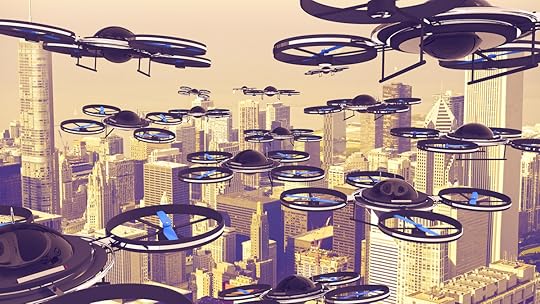
The 2019 action thriller “Angel Has Fallen” presents a chilling scenario that highlights the potential power of swarmbots. In this film, Morgan Freeman stars as the President of the United States, while Gerard Butler plays the head of his Secret Service detail. A pivotal scene in the movie depicts a swarm of explosive-laden drones descending upon the presidential protection detail, causing widespread chaos and destruction. This dramatic portrayal raises several provocative questions about the role swarmbots may play in our future, both in the realms of possibility and peril.
As we venture into an era where swarmbot technology advances at a breakneck pace, we must confront the ethical, societal, and military implications of their deployment. How will these autonomous systems transform our lives, and will they be used primarily for good or ill? Can we harness swarmbots’ immense potential for positive change, such as medical advancements, environmental protection, and disaster response, while mitigating their capacity for harm in the wrong hands?
Personal Swarms Revolutionizing Daily LifeAs I stood in the shower a few months ago, the question of our future intermingled with the steam and water droplets swirling around me, and the question occurred to me: “How will swarmbots transform our lives by 2040?” The question buzzed around my brain as I imagined personal swarms of 10,000 tiny flying bots that will carry us through our morning routines, merging our minds with the digital realm and reshaping the way we live.
In the not-too-distant future, our daily lives will invariably be transformed by these intelligent swarms. Picture them whisking us out of bed, fine-tuning the perfect water temperature, and entertaining us with immersive experiences during our brief one-minute showers. They’ll dry us off, style our hair, shave us, and even assemble themselves as our clothing, matching our moods with their colors and patterns.
At times they will serve as an impenetrable shell to protect us like a turtle, yet at other times they will become our base of communications, the guardian of our data, our source of entertainment, a cradle to comfort our children, but also our own personal bully when the situation demands it.
The swarmbot industry will likely boom, with swarm dealerships and customizable swarms emerging to cater to our every whim. Our interactions with these swarms will evolve over time. Will we communicate with them through voice commands, gestures, or even direct mind control? The possibilities are both exhilarating and unnerving.
As we become one with our swarms, we’ll need to consider the ethical implications. Personal swarms will have the potential to heal, protect, and assist us in ways never before possible. But they may also be wielded as weapons for intimidation, theft, or worse. Teenagers may form gangs with their swarms, and nations may develop military swarms that will trigger a new arms race and necessitate swarm disarmament treaties.
Swarms will likely replace many of the technologies we rely on today, such as smartphones, delivery drones, and even traditional robots. They will communicate with each other and perhaps even “jam” rival swarms or borrow resources from neighboring swarms in emergencies.
As we approach the Swarm Age, we must ask ourselves: How young is too young for a child to have their own personal swarm? How fast will these swarms be able to fly, and how far can they push the boundaries of human capabilities?
Our future with swarmbots is both fascinating and frightening as the line between human and machine continues to blur. The Swarm Age will challenge us to adapt, grow, and redefine our understanding of what it means to be human in a world buzzing with possibilities.
Protection Swarms and Ethical ConsiderationsAs we venture into the Swarm Age, personal swarms of swarmbots will provide us with unprecedented protection and security. By merging cutting-edge technology with our innate desire for safety, these swarms will revolutionize the way we safeguard ourselves and our loved ones. Here are some ways our personal swarms can protect us:
Personal bodyguards:Swarmbots will act as a shield around us, constantly scanning the environment for potential threats. They will detect and neutralize hazards, such as an approaching attacker, by immobilizing them or creating a physical barrier between us and the danger.
Health monitoring:Swarms will constantly monitor our vitals and detect any abnormalities, such as irregular heartbeats, high blood pressure, or symptoms of illness. They will alert us to potential health issues, administer medication, or even perform minor medical procedures.
Emergency assistance:In case of an accident or emergency, swarmbots will quickly assess the situation and call for help, providing our exact location to first responders. They will also administer first aid, stabilize injuries, and guide us through life-saving procedures until help arrives.
Surveillance and privacy:Our personal swarms will act as a security system for our homes and personal belongings, monitoring for intruders and alerting us to any unauthorized access. Additionally, they will protect our privacy by shielding us from unwanted surveillance, such as drones or hidden cameras.
Environmental protection:Swarms will shield us from harmful environmental factors, like extreme temperatures, UV radiation, or air pollution, by creating a protective barrier or filtering the air around us.
Disaster response:In the event of a natural disaster, swarmbots will help locate survivors, provide resources, and assist with rescue efforts. They will also help rebuild infrastructure, clear debris, and support communities in the aftermath of a disaster.
Cybersecurity:As our lives become increasingly connected, personal swarms will protect our digital identities and data from cyberattacks. They will monitor for suspicious activity, encrypt our communications, and defend our devices from malware and hackers.
Child safety:Personal swarms will be programmed to safeguard children by monitoring their whereabouts, ensuring they don’t wander too far, and alerting parents if the child is in danger. They will also teach children about personal safety and provide age-appropriate information on potential hazards.
Self-defense:Swarmbots will be equipped with non-lethal self-defense mechanisms, like pepper spray or tasers, which will be deployed if we’re threatened. They will also be trained in evasive maneuvers, guiding us to safety if we find ourselves in a dangerous situation.
Traffic safety:As we navigate busy streets, our swarms will protect us by analyzing traffic patterns, detecting oncoming vehicles or obstacles, and guiding us safely across intersections.
While the Swarm Age brings immense potential for safety and protection, it also raises ethical concerns and the potential for misuse. As we continue to develop and integrate swarmbots into our lives, we must ensure that their capabilities are harnessed responsibly to truly enhance our well-being and security.
 Swarmbots on the Battlefield
In the future, militaries around the world will likely adopt swarmbots as a crucial component of their strategies and operations. These advanced, autonomous systems can provide significant advantages in various scenarios. Here are several examples of how the military may use swarmbots in the future:
Reconnaissance and intelligence gathering:Swarmbots can be deployed to gather information on enemy positions, movements, and infrastructure. Equipped with cameras and sensors, they can discreetly infiltrate enemy territory, collecting real-time data and transmitting it back to military command centers, allowing for better-informed decision-making.
Defensive operations:Swarmbots can be used to protect military installations, equipment, and personnel. They can form a protective barrier around key assets, detect and neutralize potential threats, or even create a ‘smart’ minefield that can differentiate between friend and foe.
Offensive operations:Swarmbots can be employed to overwhelm and disrupt enemy defenses. They can swarm enemy targets, such as radar installations, communication networks, or weapons systems, disabling or destroying them with minimal risk to human soldiers. Additionally, they can act as decoys, drawing enemy fire and revealing their positions.
Logistics and support:Swarmbots can be utilized for delivering supplies, ammunition, and medical equipment to troops in the field. They can navigate challenging terrain, avoid detection, and reach remote or dangerous areas that would otherwise be difficult to access.
Search and rescue:In the aftermath of a battle or natural disaster, swarmbots can be deployed to locate and rescue injured soldiers or civilians. They can quickly cover large areas, detect vital signs, and provide real-time information to rescue teams, increasing the chances of finding survivors.
Electronic warfare:Swarmbots can be designed to carry out electronic warfare operations, such as jamming enemy communications, intercepting and decrypting signals, or conducting cyberattacks on enemy networks and infrastructure.
Chemical, biological, radiological, and nuclear detection:Swarmbots equipped with specialized sensors can be used to detect and assess a wide range of threats, helping to protect troops and civilians from exposure to hazardous materials.
Anti-swarm defense:As swarm technology becomes more prevalent, militaries may develop specialized swarmbots designed to counter enemy swarms. These anti-swarm systems will be equipped with EMP devices, electronic jamming, or even laser-based weapons to neutralize or destroy hostile swarmbots.
Training and simulation:Swarmbots can be used to simulate enemy forces during military training exercises, providing a realistic and dynamic training environment that can adapt to the changing tactics and strategies of human soldiers.
Post-conflict stabilization:In the wake of military operations, swarmbots can assist with reconstruction efforts, such as clearing debris, repairing damaged infrastructure, and conducting environmental monitoring to assess the long-term impacts of conflict. As militaries increasingly adopt swarmbot technology, the nature of warfare may evolve, with a greater emphasis on autonomous systems and artificial intelligence. However, this also raises concerns about the ethical implications of using autonomous systems in warfare and the potential for escalation and proliferation.
 Embracing Our Inner Superman with Swarmbots
As we have explored the vast potential of swarmbots in various aspects of our lives, one particularly fascinating and exhilarating possibility stands out: the power of personal flight. Imagine a future where swarmbots will help us tap into our inner Superman, allowing us to soar through the skies and travel wherever our hearts desire.
While it may sound like the stuff of science fiction, the rapid advancements in swarmbot technology, combined with breakthroughs in materials science, energy storage, and control systems, will make this dream a reality sooner than we think. With swarmbots acting as our personal aerial assistants, we will unlock unprecedented freedom of movement and transform the way we experience the world around us.
In such a future, personal swarms of intelligent, miniaturized drones will be harnessed to carry us aloft, navigating through the air with precision and speed. Each individual swarmbot would communicate and coordinate with its neighbors, sharing the burden of lift and propulsion and adjusting its position and orientation in real-time to maintain stability and control.
The development of lightweight, high-capacity batteries or even wireless energy transfer systems will provide the necessary power for extended flight times. Advanced materials and structures will enable these swarmbots to be both strong enough to support human weight and agile enough to respond to changing conditions and flight commands.
In this airborne utopia, we could break free from the constraints of traditional transportation, exploring our world from a bird’s-eye view and embracing the liberating sensation of flight. Commutes would become exhilarating journeys through the skies, and we would be empowered to explore the most remote corners of our planet with ease.
But, as with all transformative technologies, the advent of personal flight through swarmbots will also bring new challenges and responsibilities. We would need to address the potential risks to public safety, privacy concerns, and environmental impact. Rules and regulations would need to be established to ensure the safe and responsible use of swarmbot-assisted flight, and we would need to develop the skills and knowledge to navigate this brave new world of aerial freedom.
Facing the Swarm Age ResponsiblyAs the Swarm Age dawns, we must strive to direct swarmbot technology towards beneficial applications while mitigating its potential dangers. By fostering responsible development and implementation of swarmbots, we can embrace a future buzzing with possibilities. The Swarm Age will undoubtedly challenge us to adapt, grow, and redefine our understanding of what it means to be human in a world where machines become ever more entwined with our lives.
The fictional portrayal of swarmbots in “Angel Has Fallen” serves as a reminder of their potential for destruction, but it is up to us to shape the trajectory of this technology. By exploring the various facets of swarmbot technology and proactively addressing the ethical, societal, and military implications, we can ensure that the power of the swarm serves the greater good and leads us toward a brighter, more connected future.
Translate This PageSelect LanguageAfrikaansAlbanianAmharicArabicArmenianAzerbaijaniBasqueBelarusianBengaliBosnianBulgarianCatalanCebuanoChichewaChinese (Simplified)Chinese (Traditional)CorsicanCroatianCzechDanishDutchEnglishEsperantoEstonianFilipinoFinnishFrenchFrisianGalicianGeorgianGermanGreekGujaratiHaitian CreoleHausaHawaiianHebrewHindiHmongHungarianIcelandicIgboIndonesianIrishItalianJapaneseJavaneseKannadaKazakhKhmerKoreanKurdish (Kurmanji)KyrgyzLaoLatinLatvianLithuanianLuxembourgishMacedonianMalagasyMalayMalayalamMalteseMaoriMarathiMongolianMyanmar (Burmese)NepaliNorwegianPashtoPersianPolishPortuguesePunjabiRomanianRussianSamoanScottish GaelicSerbianSesothoShonaSindhiSinhalaSlovakSlovenianSomaliSpanishSudaneseSwahiliSwedishTajikTamilTeluguThaiTurkishUkrainianUrduUzbekVietnameseWelshXhosaYiddishYorubaZulu
#goog-gt-tt {display:none !important;}
.goog-te-banner-frame {display:none !important;}
.goog-te-menu-value:hover {text-decoration:none !important;}
.goog-text-highlight {background-color:transparent !important;box-shadow:none !important;}
body {top:0 !important;}
#google_translate_element2 {display:none!important;}
function googleTranslateElementInit2() {new google.translate.TranslateElement({pageLanguage: 'en',autoDisplay: false}, 'google_translate_element2');}
function GTranslateGetCurrentLang() {var keyValue = document['cookie'].match('(^|;) ?googtrans=([^;]*)(;|$)');return keyValue ? keyValue[2].split('/')[2] : null;}
function GTranslateFireEvent(element,event){try{if(document.createEventObject){var evt=document.createEventObject();element.fireEvent('on'+event,evt)}else{var evt=document.createEvent('HTMLEvents');evt.initEvent(event,true,true);element.dispatchEvent(evt)}}catch(e){}}
function doGTranslate(lang_pair){if(lang_pair.value)lang_pair=lang_pair.value;if(lang_pair=='')return;var lang=lang_pair.split('|')[1];if(GTranslateGetCurrentLang() == null && lang == lang_pair.split('|')[0])return;var teCombo;var sel=document.getElementsByTagName('select');for(var i=0;i<sel.length;i++)if(/goog-te-combo/.test(sel[i].className)){teCombo=sel[i];break;}if(document.getElementById('google_translate_element2')==null||document.getElementById('google_translate_element2').innerHTML.length==0||teCombo.length==0||teCombo.innerHTML.length==0){setTimeout(function(){doGTranslate(lang_pair)},500)}else{teCombo.value=lang;GTranslateFireEvent(teCombo,'change');GTranslateFireEvent(teCombo,'change')}}
Search for: Recent Posts Swarmbots: Ushering Humanity into a Brave New Era or Opening Pandora’s Box? The Great AI Disruption: Six Startling Predictions That Will Shape Our Lives and Test Our Limits The Difference Between Human Creativity and Generative AI Creativity Categories Artificial Intelligence Business Trends Future of Agriculture Future of Banking Future of Education Future of Healthcare Future of Transportation Future of Work Future Scenarios Future Trends Futurist Thomas Frey Insights Global Trends Predictions Social Trends Technology Trends Speaking TopicsFuture of Healthcare – “Is Death our only Option?Future of AIFuture of Industries ← Previous Post
The post Swarmbots: Ushering Humanity into a Brave New Era or Opening Pandora’s Box? appeared first on Futurist Speaker.
May 4, 2023
The Great AI Disruption: Six Startling Predictions That Will Shape Our Lives and Test Our Limits
As we rapidly advance into an AI-driven world, our lives are becoming more intertwined with artificial intelligence in ways that were once the stuff of science fiction.
From AI-generated virtual reality experiences to AI-driven decision-making at all levels of society, we are witnessing a transformation that will reshape our understanding of reality, creativity, work, and even our sense of free will.
To better grasp the transition we’re in, I will help unpack six predictions surrounding the future of AI and the profound impact these developments will have on our lives, as well as the ethical questions and challenges they will raise. As we delve into these predictions, it is essential to consider the implications of these technologies and the importance of striking a balance between the benefits they bring and the potential risks they pose.
1. By 2026, AI-driven virtual reality experiences will become so immersive and realistic that they will blur the distinction between the virtual and the physical world, leading to widespread debates on the nature of reality.
Advancements in AI will enable the creation of highly sophisticated virtual environments that not only replicate the visual and auditory aspects of the physical world but also simulate touch, taste, and smell. These AI-generated virtual worlds will be able to adapt in real-time to users’ actions, emotions, and preferences, providing a level of interactivity and personalization never seen before.
As AI-driven VR becomes indistinguishable from the real world, a host of ethical questions and concerns will arise. For instance, how will society address the potential for addiction to virtual experiences? If individuals become increasingly reliant on AI-generated virtual worlds for entertainment, social interaction, or even emotional fulfillment, what will be the consequences for their mental health and well-being?
Moreover, as AI-generated VR worlds become increasingly realistic, questions surrounding the ethical implications of virtual actions will come to the fore. If a virtual experience is indistinguishable from a real one, should actions in the virtual world carry the same moral and legal weight as those in the physical world? How will society address issues like virtual violence, theft, or other potentially harmful behaviors?
In addition, the integration of AI-driven VR into various aspects of daily life – from work and education to therapy and entertainment – will prompt important discussions about the impact of these technologies on human relationships. Will ultra-realistic virtual interactions lead to a decline in face-to-face communication and genuine human connections? Or, on the contrary, will AI-driven VR provide new opportunities for empathy, understanding, and global collaboration by allowing individuals to experience life from different perspectives?
2. By 2028, AI-generated news anchors will become commonplace, delivering real-time news updates with unparalleled accuracy and speed, but sparking ethical discussions about the potential loss of journalistic integrity and human touch.
AI-generated news anchors will be able to synthesize and analyze vast amounts of data in real time, quickly adapting to breaking news events and providing contextually relevant information. This efficiency can greatly benefit news organizations, allowing them to deliver accurate and up-to-date information to their audience while reducing operational costs. However, the reliance on AI for news delivery raises questions about the role of human journalists in the future and the potential erosion of journalistic values and ethics.
One key concern is the potential loss of journalistic integrity. Human journalists adhere to a code of ethics, which includes accuracy, objectivity, fairness, and accountability. While AI-generated news anchors can be programmed to follow these principles, there is the risk that the absence of human judgment and discernment could lead to the dissemination of misleading or biased information. Furthermore, the potential for malicious actors to manipulate AI-generated news anchors, either by hacking or feeding biased data, could have serious consequences for the reliability and trustworthiness of news media.
Another concern is the loss of the human touch in storytelling. News stories often involve complex human emotions and experiences that require empathy and sensitivity to convey accurately. AI-generated news anchors may struggle to capture these nuances, potentially resulting in a disconnect between the news and its audience. The emotional engagement that human journalists bring to their work plays a crucial role in fostering understanding and empathy among viewers, and the absence of this human element could diminish the impact of news reporting.
Lastly, the prevalence of AI-generated news anchors may have implications for public discourse. If AI-generated content dominates the media landscape, it could lead to an increase in the echo chamber effect, where algorithms prioritize certain topics or perspectives based on viewer preferences, further polarizing public opinion. Additionally, the potential for AI-generated deepfake news anchors, capable of mimicking real individuals, poses a significant threat to the credibility of news sources and public trust.
3. By 2030, AI will have mastered the art of creating original, best-selling novels and screenplays, leading to intense debates about the value of human creativity and artistic expression in a world dominated by AI-generated content.
Over the next decade, the integration of AI into the world of creative writing will reach unprecedented heights. Advanced AI systems will have the capability to generate original novels and screenplays that captivate readers and audiences, rivaling the works of human authors and screenwriters. This development will lead to intense debates about the value of human creativity and artistic expression in a world dominated by AI-generated content.
As AI systems continue to evolve, they will be able to analyze vast amounts of data from various sources, including literature, films, and television. By understanding the nuances of storytelling, character development, and plot structure, AI will be able to create compelling stories that resonate with readers and viewers on a deeply emotional level. These AI-generated works will not only be well-crafted but also highly marketable, with the potential to become best-selling novels and blockbuster films.
The rise of AI-generated content will undoubtedly spark debates about the value of human creativity. Some may argue that the uniqueness and authenticity of human expression are irreplaceable and that AI-generated content lacks the soul and personal connection that comes from a human author or screenwriter. They may assert that AI-generated works are mere imitations of human creativity, lacking the depth and complexity that can only be achieved through human experience.
Others may argue that AI-generated content expands the possibilities of storytelling and allows for the exploration of new ideas and perspectives. By using AI as a tool, authors and screenwriters can push the boundaries of their own creativity, combining human ingenuity with the power of advanced algorithms. This collaboration between humans and AI could lead to the creation of groundbreaking works of art that redefine the landscape of literature and cinema.
As AI-generated content becomes increasingly prevalent, questions surrounding intellectual property rights and the definition of authorship will also arise. Legal frameworks will need to adapt to address the ownership and rights of AI-generated content, balancing the interests of human creators, AI developers, and consumers. Determining how to credit and reward AI-generated works may prove challenging, as traditional notions of authorship may no longer apply in a world where creative content can be produced by machines.
The widespread success of AI-generated novels and screenplays will also have significant implications for the job market in creative industries. Human authors and screenwriters may find themselves competing against AI-generated content, potentially leading to job losses and a shift in the professional landscape. To remain relevant, human creators will need to adapt by honing their skills, finding new ways to express their creativity, and embracing collaboration with AI systems.
4. By 2032, AI-enabled personal assistants, or buddy bots, will be able to predict and cater to their users’ needs and emotions with such accuracy that they will become indispensable companions, raising concerns about the impact on human relationships and mental health.
As AI technology advances, buddy bots will be able to analyze and understand various aspects of human behavior, such as speech patterns, facial expressions, body language, and even physiological data. By processing this information in real-time, buddy bots will be able to recognize and respond to their users’ emotional states, providing comfort, support, and tailored recommendations based on individual preferences and needs. This level of personalized interaction will make buddy bots invaluable in managing daily tasks, providing companionship, and enhancing overall well-being.
Despite their many benefits, the rise of buddy bots will also raise concerns about the potential impact on human relationships. As people become increasingly reliant on AI companions for emotional support, there may be a decline in the quality and depth of human connections. Interpersonal skills, such as empathy, active listening, and conflict resolution, may be neglected as individuals turn to buddy bots for instant gratification and validation. This could lead to a society where people struggle to form and maintain meaningful relationships with one another, potentially increasing feelings of loneliness and isolation.
Furthermore, the presence of buddy bots in everyday life may have implications for mental health. On one hand, these AI companions can provide support and assistance to individuals who struggle with mental health issues, acting as an additional resource alongside professional care. However, the reliance on buddy bots could also inhibit people’s ability to develop healthy coping strategies and resilience in the face of adversity. Instead of learning to manage their emotions and navigate challenging situations, individuals may become dependent on their AI companions, exacerbating mental health issues in the long run.
Another concern related to the widespread use of buddy bots is the potential invasion of privacy. With buddy bots constantly monitoring and analyzing their users’ behavior and emotions, the amount of personal data collected and stored will be immense. This raises questions about data security and the potential misuse of sensitive information. Striking a balance between providing personalized support and protecting users’ privacy will be a critical challenge for developers and regulators alike.

5. By 2034, AI will have created entirely new industries and job categories, pushing humans to adapt and acquire new skills to remain relevant in the workforce, leading to a reevaluation of the traditional notions of work and productivity.
As AI continues to permeate various sectors, humans will need to adapt and acquire new skills to remain relevant and competitive. This transformation will necessitate a reevaluation of traditional notions of work and productivity, as well as a rethinking of education and training systems.
The impact of AI on industries will be multifaceted, as it automates repetitive tasks, enhances decision-making processes, and spurs innovation. As a result, new industries will emerge, focused on developing, maintaining, and improving AI systems. Some potential areas of growth include AI ethics, AI regulation and compliance, and human-AI collaboration. These new industries will require a workforce with diverse skill sets, ranging from technical expertise in AI and data analysis to soft skills like communication, adaptability, and empathy.
As AI creates new job categories, some traditional occupations may become obsolete or undergo significant changes. For instance, positions in manufacturing, transportation, and customer service may be heavily impacted by automation. To remain relevant in the workforce, individuals will need to acquire new skills and adapt to the changing demands of their industries. This shift will lead to an increased emphasis on lifelong learning, upskilling, and reskilling to stay competitive in the job market.
The rise of AI-driven industries and job categories will also challenge traditional notions of work and productivity. As the boundaries between humans and machines blur, the concept of work may expand to include new forms of collaboration between humans and AI. For example, creative professionals may work alongside AI systems to develop innovative solutions or artistic expressions, while healthcare workers might collaborate with AI to deliver more personalized and efficient patient care.
This transformation will require a rethinking of education and training systems to better prepare individuals for the AI-driven workforce. Educational institutions will need to adapt their curricula to focus on critical thinking, problem-solving, and interdisciplinary skills. Additionally, new forms of training, such as online courses, boot camps, and apprenticeships, may become more prevalent as people seek to acquire relevant skills quickly and efficiently.
Moreover, as AI continues to reshape the workforce, there may be a need to reevaluate traditional measures of productivity. With an increased emphasis on human-AI collaboration, productivity metrics may need to account for the unique contributions of both humans and AI systems. This could lead to a shift in how organizations and societies define success and measure progress.
6. By 2036, AI will have become an integral part of human decision-making at all levels, from personal choices to global policies, prompting philosophical debates about the nature of free will and the ethical implications of relying on artificial intelligence for guidance.
As AI systems become more advanced, they will be capable of processing vast amounts of data, identifying patterns, and making predictions with increasing accuracy. This level of sophistication will prompt individuals, organizations, and governments to rely on AI for guidance in decision-making processes, leading to philosophical debates about the nature of free will and the ethical implications of such dependence.
The integration of AI in decision-making will have far-reaching consequences. For individuals, AI could help guide personal choices, such as career paths, relationships, and health decisions, by analyzing personal data and preferences, as well as historical patterns and trends. This reliance on AI may lead some to question the extent to which humans exercise free will in their choices or whether they are simply following the path laid out by algorithms.
At the organizational level, businesses and other entities will increasingly rely on AI to make strategic decisions, optimize resource allocation, and predict market trends. This could raise ethical concerns about the potential for AI to perpetuate existing biases and inequalities, as well as the loss of human judgment and intuition in decision-making processes.
In the realm of global policy, AI may be used to inform decisions on a wide range of issues, such as climate change, public health, and economic development. While AI can provide valuable insights and predictions, there are concerns about the transparency and accountability of AI-driven decision-making. Policymakers may be swayed by AI-generated data without fully understanding the underlying assumptions and potential biases within the algorithms.
These developments will prompt philosophical debates about the nature of free will and the ethical implications of relying on AI for guidance. Some may argue that the increasing reliance on AI could diminish human autonomy, with individuals and institutions becoming more passive recipients of AI-generated advice rather than active decision-makers. Others may contend that AI is simply a tool that enhances human decision-making capabilities, and that ultimately, humans still have the power to choose whether or not to follow AI’s guidance.
The ethical implications of AI-driven decision-making will also be a subject of intense debate. As AI systems continue to influence decisions at all levels, questions about accountability, transparency, and fairness will become more pressing. Ensuring that AI algorithms are designed to promote fairness, avoid biases, and prioritize the well-being of all stakeholders will be crucial to maintaining trust in AI systems and avoiding potential harm.
Final ThoughtsThe integration of AI into various aspects of our lives presents a complex and ever-evolving landscape that raises numerous ethical and philosophical questions. As we navigate this brave new world, we must be mindful of the potential consequences of our reliance on AI and strive to ensure that these technologies are developed and implemented responsibly. This requires collaboration between researchers, developers, policymakers, and society at large to establish ethical frameworks, standards, and regulations that prioritize the well-being of all stakeholders. Additionally, as individuals, we must be prepared to adapt to the changing world by acquiring new skills, embracing lifelong learning, and engaging in thoughtful discussions about the role of AI in our lives. By doing so, we can harness the power of AI to enhance our lives while preserving our values and the essence of what it means to be human.
Translate This PageSelect LanguageAfrikaansAlbanianAmharicArabicArmenianAzerbaijaniBasqueBelarusianBengaliBosnianBulgarianCatalanCebuanoChichewaChinese (Simplified)Chinese (Traditional)CorsicanCroatianCzechDanishDutchEnglishEsperantoEstonianFilipinoFinnishFrenchFrisianGalicianGeorgianGermanGreekGujaratiHaitian CreoleHausaHawaiianHebrewHindiHmongHungarianIcelandicIgboIndonesianIrishItalianJapaneseJavaneseKannadaKazakhKhmerKoreanKurdish (Kurmanji)KyrgyzLaoLatinLatvianLithuanianLuxembourgishMacedonianMalagasyMalayMalayalamMalteseMaoriMarathiMongolianMyanmar (Burmese)NepaliNorwegianPashtoPersianPolishPortuguesePunjabiRomanianRussianSamoanScottish GaelicSerbianSesothoShonaSindhiSinhalaSlovakSlovenianSomaliSpanishSudaneseSwahiliSwedishTajikTamilTeluguThaiTurkishUkrainianUrduUzbekVietnameseWelshXhosaYiddishYorubaZulu
#goog-gt-tt {display:none !important;}
.goog-te-banner-frame {display:none !important;}
.goog-te-menu-value:hover {text-decoration:none !important;}
.goog-text-highlight {background-color:transparent !important;box-shadow:none !important;}
body {top:0 !important;}
#google_translate_element2 {display:none!important;}
function googleTranslateElementInit2() {new google.translate.TranslateElement({pageLanguage: 'en',autoDisplay: false}, 'google_translate_element2');}
function GTranslateGetCurrentLang() {var keyValue = document['cookie'].match('(^|;) ?googtrans=([^;]*)(;|$)');return keyValue ? keyValue[2].split('/')[2] : null;}
function GTranslateFireEvent(element,event){try{if(document.createEventObject){var evt=document.createEventObject();element.fireEvent('on'+event,evt)}else{var evt=document.createEvent('HTMLEvents');evt.initEvent(event,true,true);element.dispatchEvent(evt)}}catch(e){}}
function doGTranslate(lang_pair){if(lang_pair.value)lang_pair=lang_pair.value;if(lang_pair=='')return;var lang=lang_pair.split('|')[1];if(GTranslateGetCurrentLang() == null && lang == lang_pair.split('|')[0])return;var teCombo;var sel=document.getElementsByTagName('select');for(var i=0;i<sel.length;i++)if(/goog-te-combo/.test(sel[i].className)){teCombo=sel[i];break;}if(document.getElementById('google_translate_element2')==null||document.getElementById('google_translate_element2').innerHTML.length==0||teCombo.length==0||teCombo.innerHTML.length==0){setTimeout(function(){doGTranslate(lang_pair)},500)}else{teCombo.value=lang;GTranslateFireEvent(teCombo,'change');GTranslateFireEvent(teCombo,'change')}}
Search for: Recent Posts The Great AI Disruption: Six Startling Predictions That Will Shape Our Lives and Test Our Limits The Difference Between Human Creativity and Generative AI Creativity The Rise of AI: Eight Scenarios for Living in an AI-Dominated Future Categories Artificial Intelligence Business Trends Future of Agriculture Future of Banking Future of Education Future of Healthcare Future of Transportation Future of Work Future Scenarios Future Trends Futurist Thomas Frey Insights Global Trends Predictions Social Trends Technology Trends Speaking TopicsFuture of Healthcare – “Is Death our only Option?Future of AIFuture of Industries ← Previous Post
The post The Great AI Disruption: Six Startling Predictions That Will Shape Our Lives and Test Our Limits appeared first on Futurist Speaker.
April 27, 2023
The Difference Between Human Creativity and Generative AI Creativity

James and Sylvia, two talented artists, decided to collaborate on an art project that would explore the differences between human creativity and generative AI creativity. They chose to work on a series of paintings that would showcase the unique characteristics of each type of creativity.
James, representing human creativity, began by drawing inspiration from his own experiences, emotions, and thoughts. He meticulously crafted each painting with intention and purpose, infusing it with meaning and emotion. Each of his works was a unique reflection of his personal perspective and feelings, resonating deeply with viewers who could connect with the emotions conveyed in the art.
Sylvia, on the other hand, chose to utilize a generative AI program to create her paintings. She fed the AI a vast dataset of images and styles, allowing the algorithm to learn patterns and structures. The AI produced a series of visually impressive paintings that seemed novel and creative. However, upon closer inspection, it became apparent that the AI-generated paintings lacked the intentionality and emotional connection present in James’s works.
As their project progressed, James and Sylvia decided to experiment with combining their approaches. They used generative AI to brainstorm new ideas, and James would then refine and expand upon these concepts. This collaboration led to some unexpected and exciting discoveries, further enriching their creative process.
The final exhibition showcased the distinct differences between human creativity and generative AI creativity while also demonstrating the potential for collaboration between the two. Visitors were intrigued by the emotional depth and originality of James’s paintings, as well as the striking visual appeal of the AI-generated works. They also appreciated the innovative fusion of human and AI creativity, which opened new possibilities for artistic expression.
Through their collaborative project, James and Sylvia successfully illustrated the key distinctions between human creativity and generative AI creativity while also highlighting the potential for generative AI to serve as a valuable tool for enhancing human creativity.
Understanding the Human-Level DifferenceHuman creativity and generative AI creativity differ in several fundamental ways. Here are the key distinctions between the two:
1. Origin of creativityHuman creativity originates from individual experiences, emotions, thoughts, and the unique combination of knowledge and skills that each person possesses. It is deeply rooted in human consciousness and the complex interplay of cognitive, emotional, and social processes.
Generative AI creativity, on the other hand, is based on algorithms and large datasets. It learns patterns and structures from these datasets, which it then uses to generate new content. Although AI can produce impressive results, its creativity is ultimately limited to the data it has been trained on and the specific algorithms it employs.
2. IntentionalityHuman creativity is often driven by intention, with individuals actively pursuing a specific goal or seeking to express a particular idea or emotion. This intentionality helps shape the creative process and gives meaning to the final product.
In contrast, generative AI lacks intentionality. It generates content based on patterns it has learned from data, but it does not have a conscious understanding of the purpose or meaning behind the content it creates. AI-generated content may appear creative or novel, but the same intentions as human creativity do not drive it.
3. Emotional connectionHuman creativity is closely tied to emotions, with individuals drawing inspiration from their feelings and experiences. This emotional connection can result in deeply personal and meaningful creative expressions that resonate with other people.
Generative AI, however, lacks emotions and personal experiences. While it can mimic emotional content or create content that evokes emotions in humans, it does not have an intrinsic emotional connection to the creative output it generates.
 4. Originality and novelty
Human creativity often involves the ability to think outside the box and come up with truly original and novel ideas. Humans can draw on diverse sources of inspiration and combine seemingly unrelated concepts to produce groundbreaking work.
Generative AI, though capable of producing novel content, is ultimately limited by the data and patterns it has been trained on. Its “creativity” is constrained by the bounds of its training data, making it less likely to generate truly original or groundbreaking ideas that have not been seen before.
5. Ethical considerationsHuman creativity is subject to ethical considerations, with individuals responsible for the consequences and implications of their creative work. This includes considering the potential social, cultural, and environmental impacts of their creations.
Generative AI, however, does not possess an inherent understanding of ethics. While it can be programmed to follow certain ethical guidelines, it is ultimately the responsibility of the developers and users of AI to ensure that the technology is used ethically and responsibly.
Using Generative AI as a Tool for the Creative MindA creative person can leverage generative AI to become even more creative in several ways:
1. Idea generationGenerative AI can help creative individuals brainstorm new ideas and concepts by providing a range of possible outputs based on a given input. This can help spark inspiration and encourage the exploration of diverse ideas that the person may not have considered otherwise.
2. CollaborationCreative individuals can use generative AI as a collaborative tool, working alongside the AI to develop ideas and refine concepts. This collaboration can lead to unexpected discoveries and insights that enrich the creative process.
3. Rapid PrototypingGenerative AI can quickly generate multiple variations of a concept, design, or piece of content, enabling the creative individual to test and iterate on ideas more efficiently. This rapid prototyping can help streamline the creative process and allow for more experimentation.
4. Enhancing SkillsCreative professionals can use generative AI tools to improve their skills in specific areas. For example, a writer might use AI-powered tools to generate text that mimics a particular style or author, helping them better understand and apply that style to their own work.
5. Overcoming Creative BlocksGenerative AI can serve as a valuable resource for overcoming creative blocks. By presenting new ideas and possibilities, AI can help rekindle the creative spark and inspire individuals to think in different ways.
6. Expanding Artistic HorizonsGenerative AI can help creative individuals explore new artistic styles, mediums, and techniques by generating content that they may not have encountered or considered before. This can broaden their artistic horizons and potentially inspire new directions in their work.
7. PersonalizationCreative professionals can use generative AI to create more personalized and customized content for their audiences. By analyzing user data and preferences, AI can help tailor content to individual tastes, making it more engaging and relevant.
8. Analyzing and Learning from DataGenerative AI can help creative individuals analyze large datasets and draw insights that inform their creative work. This can lead to more informed decision-making and a better understanding of trends, preferences, and patterns that shape the creative landscape.
To leverage generative AI effectively, creative individuals should embrace a curious and open-minded mindset, willing to explore new ideas and experiment with different approaches. By combining the strengths of human creativity with the capabilities of generative AI, creative professionals can unlock new levels of innovation and artistic expression.
When Things Go WrongIn the world of music composition, there might be a situation where human creativity and generative AI creativity clash. Imagine a renowned composer, Emma, who has been invited to create an original score for an upcoming film. At the same time, the film’s producers decide to experiment with an AI music generation tool to explore alternative options for the score.
Emma, drawing on her vast knowledge of music theory, personal experiences, and emotions, composes a beautiful and evocative score that perfectly captures the film’s themes and emotions. Her intentionality and emotional connection to her work shine through in the intricate melodies and harmonies she creates.
Meanwhile, the AI music generation tool, trained on a large dataset of film scores, generates a composition that, while impressive and seemingly original, lacks the intention and emotional depth of Emma’s composition. The AI-generated score is technically proficient, but it does not capture the unique essence of the film as Emma’s work does.
As the film’s producers review both compositions, they find themselves in a dilemma. While Emma’s score offers a deeply emotional and intentional connection to the film’s narrative, the AI-generated score presents a novel and modern sound that appeals to a broader audience. This clash between human creativity and generative AI creativity creates a tension that forces the producers to make a difficult decisions.
Ultimately, the film’s producers might choose to combine elements from both compositions, blending the emotional depth and intentionality of Emma’s work with the novelty and modernity of the AI-generated score. But in most cases, the producers will not have the “wisdom of Solomon” option and will choose the AI piece over the human effort.
Naturally, this will lead to resentment and anger as human-level talent is pushed to the side, and people begin to organize protests against AI. It’s easy to imagine how this could spiral out of control rather quickly.
Final ThoughtsThe distinctions between human creativity and generative AI creativity are significant, yet both possess unique strengths that can be harnessed and combined for extraordinary outcomes. Human creativity, rooted in personal experiences and emotions, offers intentionality and emotional depth that cannot be replicated by AI. Generative AI creativity, while limited by its training data and algorithms, can produce novel and technically proficient content that has the potential to broaden creative horizons.
The key to unlocking the full potential of both human creativity and generative AI creativity lies in collaboration and integration. By understanding and appreciating the unique strengths of each, artists, designers, and other creative professionals can explore innovative ways to merge the two, resulting in groundbreaking work that pushes the boundaries of creative expression.
As generative AI continues to advance, it is essential to recognize and celebrate the value of human creativity while embracing the opportunities that AI technology presents. By fostering a spirit of curiosity, open-mindedness, and collaboration, we can ensure a future where human creativity and generative AI creativity coexist, complement, and inspire one another, ultimately enriching our collective creative endeavors.
Translate This PageSelect LanguageAfrikaansAlbanianAmharicArabicArmenianAzerbaijaniBasqueBelarusianBengaliBosnianBulgarianCatalanCebuanoChichewaChinese (Simplified)Chinese (Traditional)CorsicanCroatianCzechDanishDutchEnglishEsperantoEstonianFilipinoFinnishFrenchFrisianGalicianGeorgianGermanGreekGujaratiHaitian CreoleHausaHawaiianHebrewHindiHmongHungarianIcelandicIgboIndonesianIrishItalianJapaneseJavaneseKannadaKazakhKhmerKoreanKurdish (Kurmanji)KyrgyzLaoLatinLatvianLithuanianLuxembourgishMacedonianMalagasyMalayMalayalamMalteseMaoriMarathiMongolianMyanmar (Burmese)NepaliNorwegianPashtoPersianPolishPortuguesePunjabiRomanianRussianSamoanScottish GaelicSerbianSesothoShonaSindhiSinhalaSlovakSlovenianSomaliSpanishSudaneseSwahiliSwedishTajikTamilTeluguThaiTurkishUkrainianUrduUzbekVietnameseWelshXhosaYiddishYorubaZulu
#goog-gt-tt {display:none !important;}
.goog-te-banner-frame {display:none !important;}
.goog-te-menu-value:hover {text-decoration:none !important;}
.goog-text-highlight {background-color:transparent !important;box-shadow:none !important;}
body {top:0 !important;}
#google_translate_element2 {display:none!important;}
function googleTranslateElementInit2() {new google.translate.TranslateElement({pageLanguage: 'en',autoDisplay: false}, 'google_translate_element2');}
function GTranslateGetCurrentLang() {var keyValue = document['cookie'].match('(^|;) ?googtrans=([^;]*)(;|$)');return keyValue ? keyValue[2].split('/')[2] : null;}
function GTranslateFireEvent(element,event){try{if(document.createEventObject){var evt=document.createEventObject();element.fireEvent('on'+event,evt)}else{var evt=document.createEvent('HTMLEvents');evt.initEvent(event,true,true);element.dispatchEvent(evt)}}catch(e){}}
function doGTranslate(lang_pair){if(lang_pair.value)lang_pair=lang_pair.value;if(lang_pair=='')return;var lang=lang_pair.split('|')[1];if(GTranslateGetCurrentLang() == null && lang == lang_pair.split('|')[0])return;var teCombo;var sel=document.getElementsByTagName('select');for(var i=0;i<sel.length;i++)if(/goog-te-combo/.test(sel[i].className)){teCombo=sel[i];break;}if(document.getElementById('google_translate_element2')==null||document.getElementById('google_translate_element2').innerHTML.length==0||teCombo.length==0||teCombo.innerHTML.length==0){setTimeout(function(){doGTranslate(lang_pair)},500)}else{teCombo.value=lang;GTranslateFireEvent(teCombo,'change');GTranslateFireEvent(teCombo,'change')}}
Search for: Recent Posts The Difference Between Human Creativity and Generative AI Creativity The Rise of AI: Eight Scenarios for Living in an AI-Dominated Future Reinventing the Banking Industry: How Financial Institutions Must Evolve to Survive the Digital Revolution Categories Artificial Intelligence Business Trends Future of Agriculture Future of Banking Future of Education Future of Healthcare Future of Transportation Future of Work Future Scenarios Future Trends Futurist Thomas Frey Insights Global Trends Predictions Social Trends Technology Trends Speaking TopicsFuture of Healthcare – “Is Death our only Option?Future of AIFuture of Industries ← Previous Post
The post The Difference Between Human Creativity and Generative AI Creativity appeared first on Futurist Speaker.
April 13, 2023
The Rise of AI: Eight Scenarios for Living in an AI-Dominated Future
The future is here, and it’s filled with advanced technologies that are revolutionizing every aspect of our lives. From shopping and dating to education and travel, the possibilities are endless. But what does this mean for how we live, work, and play? Let’s take a closer look at some scenarios to see how AI and other technologies will shape our future.
Scenario 1 – Fred and Jessica Applying for a Home Mortgage in 2040In 2040, Fred and Jessica were exploring the possibilities of applying for a home mortgage using both crypto and traditional currencies. They had been researching the benefits of using cryptocurrencies for mortgage payments and were excited to explore the options available to them.
Using advanced digital tools, Fred and Jessica were able to compare mortgage rates and terms offered by lenders that accepted crypto payments, as well as traditional lenders that only accepted fiat currencies.
They found that some crypto-friendly lenders offered lower interest rates and more flexible repayment schedules than traditional lenders while also allowing them to make payments in popular cryptocurrencies such as Bitcoin, Ethereum, and Litecoin.
After exploring their options, Fred and Jessica decided to apply for a mortgage using both crypto and traditional currencies. They submitted their application online and were pleased to find that the process was fast and efficient, thanks to the use of advanced digital tools and AI-powered assistants.
Their application was quickly approved, and they received a personalized mortgage offer that allowed them to make payments using either crypto or traditional currencies. They were able to review the terms and conditions of the offer, as well as the interest rate and repayment schedule, before accepting the mortgage.
Scenario 2 – Sarah Going Grocery Shopping in 2040As Sarah walked into the grocery store, she was greeted by a friendly robot that offered to assist her with her shopping needs.
Sarah used her smartphone to scan a QR code on the robot, which immediately recognized her and provided her with a personalized shopping list based on her previous purchases, dietary restrictions, and preferences. The robot then handed her a sleek and modern shopping cart equipped with advanced sensors, cameras, and AI algorithms.
As Sarah made her way through the store, the shopping cart followed her around autonomously, offering personalized recommendations for complementary products based on her preferences. The cart also used its sensors to detect the items that Sarah placed in it, ensuring that she didn’t forget anything on her list.
When Sarah was finished with her shopping, she simply walked through a no-touch facial recognition payment system, which identified her and charged her account automatically. The shopping cart then autonomously returned to its charging station, ready to assist the next customer.
Scenario 3 – Sam and Tiffany Speed Dating in an Autonomous Vehicle in 2040Sam and Tiffany had signed up for a speed-dating event and were picked up by a sleek and modern autonomous vehicle that had been specially designed for the occasion.
As they settled into the comfortable and futuristic interior of the vehicle, the AI-powered virtual assistant greeted them and explained the rules and format of the speed-dating event. The vehicle then started to drive them to their first date location, a trendy restaurant reserved exclusively for the event.
As they arrived at the restaurant, the autonomous vehicle parked itself, and the virtual assistant provided them with a brief overview of their first date. They had a great time getting to know each other over a delicious meal, and when it was time to move on to the next location, the autonomous vehicle drove them to their next destination.
Over the course of the evening, Sam and Tiffany were introduced to several potential matches, and they found themselves enjoying the unique and futuristic speed-dating experience. The autonomous vehicle provided them with a safe and comfortable environment in which to get to know each other, and the AI-powered virtual assistant ensured that the event ran smoothly and efficiently.
As the evening came to a close, the autonomous vehicle drove Sam and Tiffany back to their respective homes, and the virtual assistant asked them for feedback on their speed-dating experience. Sam and Tiffany agreed that the autonomous vehicle provided a unique and enjoyable setting for the event, and they both felt optimistic about the potential for a future relationship.
 Scenario 4 – William and Bobbi Lynn Launching an Entertainment Business in 2040
In 2040, William and Bobbi Lynn decided to launch an entertainment business that leveraged the latest AI and VR technologies. They wanted to create a unique and immersive experience that would transport people to new and exciting worlds, and they had spent months planning and preparing for their business launch.
Their business, called “Virtual Worlds”, allowed customers to enter immersive VR experiences that were powered by advanced AI algorithms. These experiences ranged from adventurous and action-packed to serene and calming, providing something for everyone.
As William and Bobbi Lynn launched their business, they quickly found that there was a strong demand for their unique and innovative product. People were eager to escape into new and exciting worlds, and Virtual Worlds provided a safe and immersive environment in which to do so.
The business quickly grew in popularity, and William and Bobbi Lynn constantly innovated and improved their product. They invested in the latest AI and VR technologies, ensuring that their experiences remained cutting-edge and advanced.
As their business grew, William and Bobbi Lynn hired a team of skilled AI and VR experts who helped them create even more immersive and exciting experiences. They were constantly pushing the boundaries of what was possible with technology and became known as entertainment industry leaders.
In 2040, William and Bobbi Lynn’s Virtual Worlds became one of the most popular and successful entertainment businesses in the world, with a loyal following of customers who couldn’t get enough of their unique and immersive experiences.
Scenario 5 – Going to School for 10-Year-Old Ella in 2040In 2040, going to school had become a truly futuristic experience, and for 10-year-old Ella, it was an exciting and enjoyable part of her daily routine. Ella’s day started when she woke up in her smart bed, which was equipped with sensors that tracked her sleep patterns and adjusted the temperature and lighting to optimize her sleep.
As she got ready for school, Ella used her smart mirror to get personalized recommendations for her outfit and makeup based on the weather, her schedule, and her personal preferences. She then walked to her autonomous school bus, which picked her up at her doorstep and drove her to school while she relaxed in the comfortable and futuristic interior.
When Ella arrived at school, she was greeted by friendly AI-powered robots that helped her find her way to her classroom and provided her with personalized recommendations for her daily schedule. Ella’s classroom was equipped with advanced AI algorithms that could personalize her learning experience based on her individual learning style and pace.
Throughout the day, Ella used advanced digital tools to enhance her learning experience, from VR simulations that allowed her to explore different parts of the world to interactive learning games that made learning fun and engaging. She also had access to advanced robotics and AI courses that allowed her to learn about cutting-edge technologies and prepare for the future of work.
When the school day was over, Ella’s autonomous school bus picked her up and drove her back home, where she could continue learning and exploring the world with the help of advanced digital tools and AI-powered assistants. For Ella, going to school in 2040 was fun and engaging and offered endless opportunities for personal growth and development.
 Scenario 6 – John Checking into a Hotel in 2040
As John walked up to the sleek and modern building, he was greeted by a friendly robot concierge that welcomed him and checked him in using facial recognition technology.
The robot concierge provided John with a personalized digital key to his room, which would grant him access to his room and other areas of the hotel. As John made his way to the elevator, he was amazed by the advanced technology that surrounded him – from the digital displays that showed him personalized recommendations for local restaurants and attractions to the smart lighting and climate control systems that adjusted automatically to his preferences.
When John arrived at his room, he was greeted by an AI-powered virtual assistant that recognized him by name and asked him how his day was going. The virtual assistant provided John with a personalized tour of the room, showing him how to use the various smart devices and appliances that were controlled by voice commands or his smartphone.
Throughout his stay, John was impressed by the level of service and attention to detail provided by the hotel’s AI-powered systems. From personalized recommendations for local activities and restaurants to intelligent room service that could predict his food preferences and dietary restrictions, the AI hotel exceeded his expectations in every way.
Scenario 7 – Linda Working as an Architect in 2040In 2040, Linda became an architect who leveraged advanced AI and VR technologies to create stunning and innovative designs. She used advanced computer programs that could simulate the physics and materials of her designs, allowing her to create accurate and realistic models before beginning construction.
Linda also used advanced VR tools that allowed her to create immersive 3D models of her designs, which her clients could explore and experience before any physical construction began. This helped her clients to visualize better and understand her designs, making the design process more collaborative and efficient.
Linda also leveraged advanced AI algorithms that could analyze the surrounding environment and optimize her designs for factors such as energy efficiency, sustainability, and accessibility. This allowed her to create designs that looked beautiful, functional, and environmentally friendly.
As Linda worked on her designs, she collaborated with a team of skilled AI and VR experts, who helped her to bring her visions to life. She constantly pushed the boundaries of what was possible with technology, and she became known as an architectural industry leader.
With the help of advanced AI and VR technologies, Linda had created some of the most stunning and innovative buildings and structures in the world.
In 2040, going through an airport had become a completely different experience with the help of advanced technology. David arrived at the airport and checked in his luggage with the help of an AI-powered robot that could scan and verify his identity using advanced facial recognition algorithms.
As he made his way through security, David used his biometric data to quickly pass through the checkpoints without the need for traditional security checks. The security system used advanced AI algorithms to detect any potential threats or risks, making the security process much more efficient and effective.
After passing through security, David walked through a duty-free store that was equipped with advanced augmented reality displays, providing him with personalized recommendations and offers based on his preferences and purchase history.
David then made his way to his gate, where he boarded a futuristic airplane that was equipped with advanced AI-powered systems. The airplane could adjust its altitude and speed to optimize its fuel consumption, making the flight more environmentally friendly and cost-effective.
During the flight, David used advanced in-flight entertainment systems that offered personalized recommendations based on his preferences, providing him with a truly immersive and enjoyable experience.
When the airplane landed, David used his biometric data to quickly pass through the customs and immigration checkpoints without the need for long queues or manual checks.
Closing ThoughtsThe future is a fascinating and sometimes scary place, but it’s also full of possibilities and opportunities. The scenarios we explored today are just the tip of the iceberg; we can only imagine what else the future has in store for us. As we continue to push the boundaries of technology, we must also remember to approach these innovations with caution and mindfulness, always keeping in mind the potential risks and dangers. By doing so, we can ensure that the future is not only exciting but also safe and sustainable for generations to come.
Translate This PageSelect LanguageAfrikaansAlbanianAmharicArabicArmenianAzerbaijaniBasqueBelarusianBengaliBosnianBulgarianCatalanCebuanoChichewaChinese (Simplified)Chinese (Traditional)CorsicanCroatianCzechDanishDutchEnglishEsperantoEstonianFilipinoFinnishFrenchFrisianGalicianGeorgianGermanGreekGujaratiHaitian CreoleHausaHawaiianHebrewHindiHmongHungarianIcelandicIgboIndonesianIrishItalianJapaneseJavaneseKannadaKazakhKhmerKoreanKurdish (Kurmanji)KyrgyzLaoLatinLatvianLithuanianLuxembourgishMacedonianMalagasyMalayMalayalamMalteseMaoriMarathiMongolianMyanmar (Burmese)NepaliNorwegianPashtoPersianPolishPortuguesePunjabiRomanianRussianSamoanScottish GaelicSerbianSesothoShonaSindhiSinhalaSlovakSlovenianSomaliSpanishSudaneseSwahiliSwedishTajikTamilTeluguThaiTurkishUkrainianUrduUzbekVietnameseWelshXhosaYiddishYorubaZulu
#goog-gt-tt {display:none !important;}
.goog-te-banner-frame {display:none !important;}
.goog-te-menu-value:hover {text-decoration:none !important;}
.goog-text-highlight {background-color:transparent !important;box-shadow:none !important;}
body {top:0 !important;}
#google_translate_element2 {display:none!important;}
function googleTranslateElementInit2() {new google.translate.TranslateElement({pageLanguage: 'en',autoDisplay: false}, 'google_translate_element2');}
function GTranslateGetCurrentLang() {var keyValue = document['cookie'].match('(^|;) ?googtrans=([^;]*)(;|$)');return keyValue ? keyValue[2].split('/')[2] : null;}
function GTranslateFireEvent(element,event){try{if(document.createEventObject){var evt=document.createEventObject();element.fireEvent('on'+event,evt)}else{var evt=document.createEvent('HTMLEvents');evt.initEvent(event,true,true);element.dispatchEvent(evt)}}catch(e){}}
function doGTranslate(lang_pair){if(lang_pair.value)lang_pair=lang_pair.value;if(lang_pair=='')return;var lang=lang_pair.split('|')[1];if(GTranslateGetCurrentLang() == null && lang == lang_pair.split('|')[0])return;var teCombo;var sel=document.getElementsByTagName('select');for(var i=0;i<sel.length;i++)if(/goog-te-combo/.test(sel[i].className)){teCombo=sel[i];break;}if(document.getElementById('google_translate_element2')==null||document.getElementById('google_translate_element2').innerHTML.length==0||teCombo.length==0||teCombo.innerHTML.length==0){setTimeout(function(){doGTranslate(lang_pair)},500)}else{teCombo.value=lang;GTranslateFireEvent(teCombo,'change');GTranslateFireEvent(teCombo,'change')}}
Search for: Recent Posts The Rise of AI: Eight Scenarios for Living in an AI-Dominated Future Reinventing the Banking Industry: How Financial Institutions Must Evolve to Survive the Digital Revolution In Search of a Morality Engine: Can AI and Humanity Truly Coexist? Categories Artificial Intelligence Business Trends Future of Agriculture Future of Banking Future of Education Future of Healthcare Future of Transportation Future of Work Future Scenarios Future Trends Futurist Thomas Frey Insights Global Trends Predictions Social Trends Technology Trends Speaking TopicsFuture of Healthcare – “Is Death our only Option?Future of AIFuture of Industries ← Previous Post
The post The Rise of AI: Eight Scenarios for Living in an AI-Dominated Future appeared first on Futurist Speaker.
Thomas Frey's Blog

- Thomas Frey's profile
- 2 followers

