
Thomas Frey's Blog, page 20
October 22, 2020
Our Urgent Need for Global Authorities

Facebook recently announced it was expanding its hate speech policy to include content that “denies or distorts the Holocaust,” a major shift for the social media company that has repeatedly come under fire for its inaction on hateful and false information in the past.
In announcing the policy change, Monika Bickert, Facebook’s vice president of content policy, cited a recent survey that found almost a quarter of adults in the US between the ages of 18 and 39 believed the Holocaust was a myth.
Facebook will now direct users to credible information if they search for content related to Holocaust denial on its platform.
While many will agree with Facebook’s decision to take this action, it remains a decision they made on their own without any overarching policy to serve as a framework for future decisions.
In short, they acted as their own judge, jury, and executioner.
Naturally this leaves many unanswered questions. Will Twitter, Google, and LinkedIn follow suit? Are flat-earthers next? How about Singularity deniers? Sigmund Freud deniers? Or tectonic plate deniers?
Admittedly it’s a very fine line between having free speech and being allowed to falsely yell “fire” in a crowded movie theater.
Facebook CEO, Mark Zuckerberg, has frequently said Facebook should not be the arbitrator of complex judgment calls over free speech issues, and has called for a governmental regulatory body to set universal standards. This has not happened.
For this reason, Facebook has decided to fund an independent external oversight board, dubbed their Supreme Court, which will make decisions about whether content should be removed from Facebook and play a key role in setting precedent about content policy from here on out.
But Facebook’s internal policy is not intended to regulate other social media platforms.
While most businesses on the planet have governments serving as a “checks-and-balance” agency regulating the actions of corporations, the Internet continues to operate in a “wild west” fashion where virtually everything is okay until it’s not.
Without any global authorities in place, most social media companies are now operating their own “truth meter” to decide which versions of the truth are acceptable and which ones are not.
Currently there are no global authorities for regulating internet content. This means there are no global regulatory agencies to:
Set policy for what’s acceptable and what’s not
Set standards
Enforce policies
Resolve conflict
Insure the safety of users
Insure the internet is a safe playing field for businesses to operate in

Promoters of Chaos and Disruption
Since 2020 is an election year, many have cast a wary eye at foreign agencies that may be trying to influence the elections. The same groups used to tilt an election are often used to promote chaos as a way of disrupting progress.
Those with a chaos mandate are typically harder to spot because their overarching agenda is far less obvious.
Over the past few months, law enforcement researchers have been tracking a number of groups promoting disinformation campaigns used to spread chaos, inflame anti-government sentiment in many communities, often to the point of inspiring violent criminal behavior.
With sites like 4Chan acting as a breeding ground for political radicalization, followers tend to move onto more mainstream platforms, like Facebook and Twitter, where they spread their ideas and build wider communities and influence.
Global Authorities
We currently have very few global authorities. The United Nations was created to resolve global conflicts. ICANN is the global authority for naming and numbering systems related to the Internet. And the World Health Organization oversees health dangers around the world.
With the concept of ownership being muddied by governments and police claiming authority to seize property, a global authority may be needed to sort out all of the issues related to ownership around the world. Simply claiming rights based on the “spoils of war theory” needs to go away.
As the number of multinational corporations grow in size and influence, we urgently need a number of global authorities to regulate emerging areas of business:
Artificial Intelligence
Privacy
Cryptocurrency
Intellectual property
News vs fake news
Human trafficking
Business ethics
Human incarceration
Global banking
Basic human rights
Global citizenship
Global energy
Every new form of technology adds an extra layer of complexity, and the types of dangers become exponentially more difficult to understand.
Final Thoughts
There are many benefits to having separate countries around the world. They can preserve cultures and help spawn new industries.
But the biggest benefit is the competition that takes place between countries. This competition has helped push our standard to living to increasingly higher levels.
At the same time, we are in dire need of a number of global authorities to address specific problems, and these problems will continue to fester until some type of regulatory system is put into place.
It’s important to understand, we have a very symbiotic relationship with the online world. If the human economy collapses, so will the Internet economy.
Translate This Page
Select LanguageAfrikaansAlbanianAmharicArabicArmenianAzerbaijaniBasqueBelarusianBengaliBosnianBulgarianCatalanCebuanoChichewaChinese (Simplified)Chinese (Traditional)CorsicanCroatianCzechDanishDutchEnglishEsperantoEstonianFilipinoFinnishFrenchFrisianGalicianGeorgianGermanGreekGujaratiHaitian CreoleHausaHawaiianHebrewHindiHmongHungarianIcelandicIgboIndonesianIrishItalianJapaneseJavaneseKannadaKazakhKhmerKoreanKurdish (Kurmanji)KyrgyzLaoLatinLatvianLithuanianLuxembourgishMacedonianMalagasyMalayMalayalamMalteseMaoriMarathiMongolianMyanmar (Burmese)NepaliNorwegianPashtoPersianPolishPortuguesePunjabiRomanianRussianSamoanScottish GaelicSerbianSesothoShonaSindhiSinhalaSlovakSlovenianSomaliSpanishSudaneseSwahiliSwedishTajikTamilTeluguThaiTurkishUkrainianUrduUzbekVietnameseWelshXhosaYiddishYorubaZulu
#goog-gt-tt {display:none !important;}
.goog-te-banner-frame {display:none !important;}
.goog-te-menu-value:hover {text-decoration:none !important;}
.goog-text-highlight {background-color:transparent !important;box-shadow:none !important;}
body {top:0 !important;}
#google_translate_element2 {display:none!important;}
Search for:
Recent Posts
Our Urgent Need for Global Authorities
The Power of Being First
Just-in-Case Learning versus Just-in-Time Learning
Categories
Artificial Intelligence
Business Trends
Future of Agriculture
Future of Banking
Future of Education
Future of Healthcare
Future of Transportation
Future of Work
Future Scenarios
Future Trends
Futurist Thomas Frey Insights
Global Trends
Predictions
Social Trends
Technology Trends
Speaking TopicsFuture of Healthcare – “Is Death our only Option?
Future of AI
Future of Industries
By Futurist Thomas Frey, author of 'Epiphany Z – 8 Radical Visions Transforming Your Future'

The post Our Urgent Need for Global Authorities appeared first on Futurist Speaker.


October 15, 2020
The Power of Being First
The Power of Being First

Almost as much as we’re fascinated by extreme accomplishments, and seeing people make it into the Guinness Book of World Records, we live in a world that’s obsessed with groundbreaking accomplishments like being FIRST.
After all, few of us remember the second person to set foot on the moon, the second person to design and fly an airplane, or the second person to run a mile in under four minutes.
A Chronologic Cross-Section of Firsts
Just like with the Guinness compilations of “most,” “greatest,” and “best,” being “first” can be a powerful motivation for changing the world.
Throughout history, it was those who went first that paved the way for today’s key industries. For example:
The first people to fly: On November 21, 1783, the first manned hot air balloon flight was made in Paris, France, by Jean-François Pilâtre de Rozier and François Laurent d’Arlandes.
The first computer programmer: Ada Lovelace in 1843 contributed theories on how an “Analytical Machine” could process coded and looped commands.
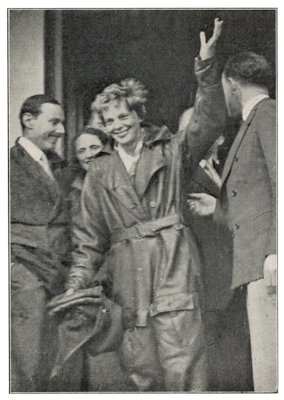
The first woman to fly solo across the Atlantic: Amelia Earhart flew from Newfoundland, Canada to a field near Londonderry, Northern Ireland on May 20, 1932.
The first million-dollar actor: In 1957 William Holden became the first actor to be paid $1 million for a single film – The Bridge on the River Kwai.
The first super-marathoner: In November 2003, 59-year old Sir Ranulph Fiennes became the first person to run seven marathons in seven days on seven different continents.
The first person to reach 25 million Twitter followers: Lady Gaga crossed that threshold in May 2012.
What’s Next for Firsts?
You’d think we’d eventually run out of firsts, but as time moves forward, so do our horizons as well as our imaginations. What are some of the big accomplishments still waiting to be claimed that could land someone in the history books? Here are a few that seem quite plausible:
First person to set foot on Mars
First president of Mars
First space hotel
First baby born in space
First person to ride across the U.S. in a driverless vehicle
First person to fly across the Atlantic in a pilotless airplane
First 3D printed can filled with 3D printed soup
First 3D printed bottle filled with 3D printed wine. I probably wouldn’t choose to be the first person to try it though!
First globally elected leader
First to cure cancer
First to cure Alzheimers
First to cure Parkinson’s disease
First legal case presided over by an AI judge
First person to communicate with a plant
First person to travel at the speed of light
First virtual boxing match where someone is actually knocked out
First to produce a 3D virtual movie
First to control gravity
First to view events across time
First to demonstrate machine intelligence with recursive self-improvement
First to demonstrate control over a hurricane or typhoon
First to demonstrate the mining of an asteroid
First to send a probe to the center of the earth
First trillionaire

It’s easy to look around us and see these types of possible firsts since they’re based on
our current frame of reference. True visionaries, though, are looking for what’s missing.
They’re the people who create entire new technologies and industries, and the job-
generating opportunities that go along with them.
Steve Jobs and the marketing geniuses behind Apple’s “Think Different” campaign said
it best:
“Here’s to the crazy ones. The misfits. The rebels. The troublemakers. The round pegs in the square holes. The ones who see things differently. They’re not fond of rules. And they have no respect for the status quo. You can quote them, disagree with them, glorify or vilify them. About the only thing you can’t do is ignore them. Because they change things. They push the human race forward. While some may see them as the crazy ones, we see genius. Because the people who are crazy enough to think they can change the world, are the ones who do.”
Let’s hope we’ll always live in an environment that rewards and encourages firsts –
especially those firsts that meet a public need, advance our horizons and spur our
imaginations toward the next set of firsts after that.
Translate This Page
Select LanguageAfrikaansAlbanianAmharicArabicArmenianAzerbaijaniBasqueBelarusianBengaliBosnianBulgarianCatalanCebuanoChichewaChinese (Simplified)Chinese (Traditional)CorsicanCroatianCzechDanishDutchEnglishEsperantoEstonianFilipinoFinnishFrenchFrisianGalicianGeorgianGermanGreekGujaratiHaitian CreoleHausaHawaiianHebrewHindiHmongHungarianIcelandicIgboIndonesianIrishItalianJapaneseJavaneseKannadaKazakhKhmerKoreanKurdish (Kurmanji)KyrgyzLaoLatinLatvianLithuanianLuxembourgishMacedonianMalagasyMalayMalayalamMalteseMaoriMarathiMongolianMyanmar (Burmese)NepaliNorwegianPashtoPersianPolishPortuguesePunjabiRomanianRussianSamoanScottish GaelicSerbianSesothoShonaSindhiSinhalaSlovakSlovenianSomaliSpanishSudaneseSwahiliSwedishTajikTamilTeluguThaiTurkishUkrainianUrduUzbekVietnameseWelshXhosaYiddishYorubaZulu
#goog-gt-tt {display:none !important;}
.goog-te-banner-frame {display:none !important;}
.goog-te-menu-value:hover {text-decoration:none !important;}
.goog-text-highlight {background-color:transparent !important;box-shadow:none !important;}
body {top:0 !important;}
#google_translate_element2 {display:none!important;}
Search for:
Recent Posts
The Power of Being First
Just-in-Case Learning versus Just-in-Time Learning
How Do We Protect Our Growing Base of Information for All Time?
Categories
Artificial Intelligence
Business Trends
Future of Agriculture
Future of Banking
Future of Education
Future of Healthcare
Future of Transportation
Future of Work
Future Scenarios
Future Trends
Futurist Thomas Frey Insights
Global Trends
Predictions
Social Trends
Technology Trends
Speaking TopicsFuture of Healthcare – “Is Death our only Option?
Future of AI
Future of Industries
By Futurist Thomas Frey, author of 'Epiphany Z – 8 Radical Visions Transforming Your Future'
The post The Power of Being First appeared first on Futurist Speaker.
October 8, 2020
Just-in-Case Learning versus Just-in-Time Learning
Just-in-Case Learning versus Just-in-Time Learning

If you’ve had the fortune to have a college education and you’re two or more decades removed from the experience, what do you remember about what you learned?
If you’re in the hard science world, with a PhD. in astrophysics and still working in that field, for example, no doubt you remember quite a bit, and you’ve built on it ten-fold during your career.
On the other hand, if you had a liberal arts degree you may find it harder to point to where exactly your education gave you the bits of knowledge you needed to be, say, a politician, a banker, a CEO, a futurist. No doubt throughout your college years you learned and honed some important “soft skills,” like communication, collaboration, and stick-to-it-iveness. But in a way, aren’t those just reinforcements of the lessons we’ve learned since Kindergarten: “Use your words!” “Play nice!” “Don’t quit!”
A while back, I went through the process of analyzing which of my courses in college had the least value throughout my working career.
No, I’m probably not the best example since I was working on an undergraduate engineering major. But I took the classes the college required for me to graduate with a degree in engineering. These included a super important class on how to use a slide rule, Fortran programming (done with punch card machines), and calculus. No, I’ve never used a slide rule since then, and even though I worked as a programmer and solved tons of problems mathematically, I’ve never used Fortran or calculus either.

Colleges today end up being very backward-facing organizations.
Our education systems have been built around “just-in-case” learning which ends up being a poor fit for our “just-in-time” business world. Very little of what we learn in college ever gets put to use in today’s business world. We learn tons of great stuff just-in-case we may ever need it in the future.
So, at the risk of oversimplifying:
Just-in-case learning involves backward-facing skills that may or may not be valuable in the future.
At the same time, our just-in-time business world needs the most relevant and state-of-the-art skills possible.
To be fair, everything we learn in college has a way of coloring our thinking and giving us new reference points we’d never get otherwise. But colleges can only teach what they know, and they can’t change curricula on a dime.
There was no Java programming, let alone C/C++ programming, when I was in college. Fortran was the best way to introduce us to the amazing world of computers and programming.
The question remains, though: Are there Fortran- and slide rule-type skills being taught today that will have little or no enduring value in the future?
And more importantly, as college costs escalate and repayment plans extend for
decades, does the usefulness of a college education wear out before the payments end?
Today, knowledge is growing exponentially. In many fields, the useful life of knowledge is now measured in months rather than years. According to Cathy Gonzalez, in her 2004 paper on “The Role of Blended Learning in the World of Technology:
“One of the most persuasive factors is the shrinking half-life of knowledge. The “half-life of knowledge” is the time span from when knowledge is gained to when it becomes obsolete. Half of what is known today was not known 10 years ago. The amount of knowledge in the world has doubled in the past 10 years and is doubling every 18 months according to the American Society of Training and Documentation. To combat the shrinking half-life of knowledge, organizations have been forced to develop new methods of deploying instruction.”

Unlike apprenticeships, where learning to be a plumber or electrician creates real-world value and tangible results, very little of the day-to-day skills needed in the business world are actually taught in the college classroom. So what can we learn from the trades model?
Apprenticeships are on-the-job training. After a basic level of coursework, the employer essentially takes over, ensuring that the skills the student masters will be relevant and valuable.
Could non-trade skills, related to business, marketing, finance, and management, for example, find value in a similar model?
Some do … sort of. Internships in different fields provide college students with a taste of the real world. Student teaching is a rite of passage for aspiring teachers. These brave souls teach real students, and a real teacher at the back of the room will later explain to the teacher-to-be the way things really work.
Spending four years in college to earn a degree is all part of achieving status, while at the same time, demonstrating our ability to learn. Only a relatively small portion of what is learned will hold long-term value.
So is there a better way?
When hiring, employers only attribute 20% to a person’s subject matter expertise and skills. Other deciding factors include things like their ability to “detect and analyse a problem,” “describe a situation,” “be a team player,” and in our current work-from-home environment, “being a highly motivated self-starter is key.”
Organizations that want to hire people with just-in-time learning skills should have a major role and stake in their development.
If a student is going into a business field, does it make sense to integrate their learning into an actual work environment with the likes of Pepsico, Caterpillar, or Pfizer? They will most assuredly receive “just-in-time” business training that reflects today’s needed skills and knowledge.
To be sure, there will never be a one-size-fits-all solution for education in the future.
What I’ve described is just one approach to help ensure what students learn “in school” is relevant when they graduate. We should expect a number of experimental approaches as our tech world attempts to “crack the formula” for future education.
However we do it, 20 years from now, learning will need to be far more relevant, delivered at a far lower price, and done at the “speed of need.”
Translate This Page
Select LanguageAfrikaansAlbanianAmharicArabicArmenianAzerbaijaniBasqueBelarusianBengaliBosnianBulgarianCatalanCebuanoChichewaChinese (Simplified)Chinese (Traditional)CorsicanCroatianCzechDanishDutchEnglishEsperantoEstonianFilipinoFinnishFrenchFrisianGalicianGeorgianGermanGreekGujaratiHaitian CreoleHausaHawaiianHebrewHindiHmongHungarianIcelandicIgboIndonesianIrishItalianJapaneseJavaneseKannadaKazakhKhmerKoreanKurdish (Kurmanji)KyrgyzLaoLatinLatvianLithuanianLuxembourgishMacedonianMalagasyMalayMalayalamMalteseMaoriMarathiMongolianMyanmar (Burmese)NepaliNorwegianPashtoPersianPolishPortuguesePunjabiRomanianRussianSamoanScottish GaelicSerbianSesothoShonaSindhiSinhalaSlovakSlovenianSomaliSpanishSudaneseSwahiliSwedishTajikTamilTeluguThaiTurkishUkrainianUrduUzbekVietnameseWelshXhosaYiddishYorubaZulu
#goog-gt-tt {display:none !important;}
.goog-te-banner-frame {display:none !important;}
.goog-te-menu-value:hover {text-decoration:none !important;}
.goog-text-highlight {background-color:transparent !important;box-shadow:none !important;}
body {top:0 !important;}
#google_translate_element2 {display:none!important;}
Search for:
Recent Posts
Just-in-Case Learning versus Just-in-Time Learning
How Do We Protect Our Growing Base of Information for All Time?
Robots and automation will never fully replace humans. And that’s a good thing.
Categories
Artificial Intelligence
Business Trends
Future of Agriculture
Future of Banking
Future of Education
Future of Healthcare
Future of Transportation
Future of Work
Future Scenarios
Future Trends
Futurist Thomas Frey Insights
Global Trends
Predictions
Social Trends
Technology Trends
Speaking TopicsFuture of Healthcare – “Is Death our only Option?
Future of AI
Future of Industries
By Futurist Thomas Frey, author of 'Epiphany Z – 8 Radical Visions Transforming Your Future'
The post Just-in-Case Learning versus Just-in-Time Learning appeared first on Futurist Speaker.
October 1, 2020
How Do We Protect Our Growing Base of Information for All Time?
How Do We Protect Our Growing Base of Information for All Time?

Is it ever ok to let information die?
In the past, a group’s stories, legends, history, and religious beliefs were passed from generation to generation by word of mouth or documented in drawings or written languages of the day.
That’s because from the earliest times, the human race has been prodded by an unwritten mandate to pass the rapidly growing base of knowledge and information from one generation to the next.
Ancient Egyptians, for example, expanded upon the writing systems of previous cultures and developed the hieroglyphic writing system. It evolved over many centuries but it was still in use as recently as 400 AD. That’s when something better – the Greek alphabet – came along and was embraced by the intelligentsia.
Within 100 years hieroglyphic symbols were no longer decipherable. The messages in those beautifully painted and carved symbols were locked away, seemingly forever, until the Rosetta Stone was uncovered in 1799. Fortunately, the messaging in that stone was written in two languages, Egyptian and Greek, allowing for translation of the Egyptian hieroglyphic portion and providing the key to translate other hieroglyphic texts.
That was a close call – a language and a valuable historical accounting of the world that was almost lost forever. Could that happen again? Could a writing or a data storage system become not only obsolete, but completely undecipherable over the course of five to ten generations? After all, new and better technology is always on the horizon, like the Greek alphabet and cloud storage.
If you think that can never happen, think again. It’s happening all the time.
We’re losing languages left and right. As many as 90% of the world’s languages could be gone by 2100 by some estimates. And along with them, goes valuable insights into past cultures and communities, all critical pieces for understanding the human race as it exists today.
[image error]
If we look at the bigger picture, any circa 1820 book that has survived fire, flood and careless destruction is readable today. Sure, life was simpler in 1820 and books were the primary repository of information. We still have the ability to read the information in those books.
But, think about all that’s happened since then, though, beginning with phonograph records developed later that same century to capture and store sound. Now imagine an archeologist 200 years in the future unearthing a floppy disk, cassette tape, or video on a CD. Will any of that data be recoverable?
Even today, you’d be hard-pressed to find a computer with a drive for a floppy disk. In fact, it’s doubtful that any of today’s reader devices will still exist even 50 years from now, let alone in 200 years.
One of the ideas behind cloud computing was to free users from the ever-changing nature of storage devices by using remote storage in server farms far, far away. Is our data safe and recoverable in the cloud for all eternity? Keep in mind, data centers require ongoing power and ongoing attention. What if something goes wrong? Even redundant systems aren’t foolproof.
And regardless of the technology, should we be concerned that the vast majority of “humanity’s data” lies in the hands of private corporations? Companies like Google, Amazon, Yahoo, Apple, IBM, and Microsoft have staked their future on the value of the information archived in their data centers.
However, if one of these corporations ceases to exist, what’s the protocol for dealing with all the information residing on their servers? Thinking long-term, and knowing that only a very small percentage of companies survive long enough to celebrate their 50th anniversary, let alone their 100th or 200th, how much of this information will still exist 200 years from now?
Is it the government’s job to preserve information and keep it available to the public? In fact, the National Archives and Records Administration has the remarkable mission to preserve certain materials that are “important to the workings of Government, have long-term research worth, or provide information of value to citizens.” NARA is doing a great job, no doubt. But who decides what classic book, audio recording, or blueprint is included? Who’s responsible for humankind’s mandate to protect and pass on the terabytes of information that don’t make NARA’s cut?
Maybe that’s the bigger question we should consider … Not whether any information will ever be irretrievable, but should all information be stored for all time? And if so, who gets to decide?
What we need is a long-term strategy for data preservation, and by long term I mean 1,000 years or more. And at the very least let’s make sure NARA is saving instructions and documentation for every data storage device as it comes along, including the floppy drive and digital tape player.
Translate This Page
Select LanguageAfrikaansAlbanianAmharicArabicArmenianAzerbaijaniBasqueBelarusianBengaliBosnianBulgarianCatalanCebuanoChichewaChinese (Simplified)Chinese (Traditional)CorsicanCroatianCzechDanishDutchEnglishEsperantoEstonianFilipinoFinnishFrenchFrisianGalicianGeorgianGermanGreekGujaratiHaitian CreoleHausaHawaiianHebrewHindiHmongHungarianIcelandicIgboIndonesianIrishItalianJapaneseJavaneseKannadaKazakhKhmerKoreanKurdish (Kurmanji)KyrgyzLaoLatinLatvianLithuanianLuxembourgishMacedonianMalagasyMalayMalayalamMalteseMaoriMarathiMongolianMyanmar (Burmese)NepaliNorwegianPashtoPersianPolishPortuguesePunjabiRomanianRussianSamoanScottish GaelicSerbianSesothoShonaSindhiSinhalaSlovakSlovenianSomaliSpanishSudaneseSwahiliSwedishTajikTamilTeluguThaiTurkishUkrainianUrduUzbekVietnameseWelshXhosaYiddishYorubaZulu
#goog-gt-tt {display:none !important;}
.goog-te-banner-frame {display:none !important;}
.goog-te-menu-value:hover {text-decoration:none !important;}
.goog-text-highlight {background-color:transparent !important;box-shadow:none !important;}
body {top:0 !important;}
#google_translate_element2 {display:none!important;}
Search for:
Recent Posts
How Do We Protect Our Growing Base of Information for All Time?
Robots and automation will never fully replace humans. And that’s a good thing.
Make Way for Mega Projects
Categories
Artificial Intelligence
Business Trends
Future of Agriculture
Future of Banking
Future of Education
Future of Healthcare
Future of Transportation
Future of Work
Future Scenarios
Future Trends
Futurist Thomas Frey Insights
Global Trends
Predictions
Social Trends
Technology Trends
Speaking TopicsFuture of Healthcare – “Is Death our only Option?
Future of AI
Future of Industries
By Futurist Thomas Frey, author of 'Epiphany Z – 8 Radical Visions Transforming Your Future'
The post How Do We Protect Our Growing Base of Information for All Time? appeared first on Futurist Speaker.
September 24, 2020
Robots and automation will never fully replace humans. And that’s a good thing.
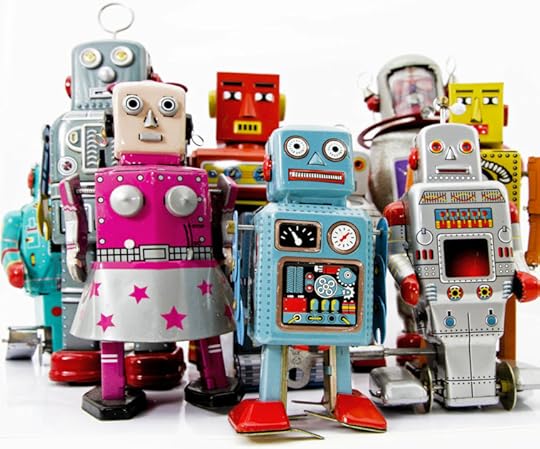
Will a smile from a robot ever be as comforting as one from a mother? If a robot tells you how wonderful you are, will that ever mean as much as if your partner says it to you?
Westworld and H.A.L. notwithstanding, robots have a long way to go before they’ll look or act human. Creating a human-like robot seems to be the dream of many science fiction writers and Hollywood movie makers. But is that the right goal? And I’m not just talking about the unintended consequences we see in the movies.
After all, humans don’t usually aspire to be robots. If someone is considered “robotic” it’s nearly always a negative, an indication that they seem to lack emotion or critical thought. Or that they’re incredibly sleep-deprived.
The Robot Edge?
Of course, in many ways, robots do have some advantages over humans. In a manual labor environment, a robot can work in extreme temperatures and caustic environments. They don’t need a break – for lunch, for the restroom, or for any kind of home life. If they’re programmed correctly, robots don’t make mistakes. They’re not clumsy. And only some diabolical genius would program a robot to respond to stimuli with anger or violence. That would be all too human!
In fact, robots, in general, tend to avoid all the negative human emotions and attributes … they’re not cruel, insulting, lazy, vindictive, irrational, greedy, envious, power-hungry,
selfish, tactless, or superficial.
On the other hand, robots don’t experience positive human emotions either, the ones that make humans such delightful creatures. As humans, we can also be friendly, helpful, charming, warmhearted, risk-taking, courageous, empathetic, inspiring, bold, brilliant, resourceful, benevolent, gracious, humble, and forgiving.

Be Careful What You Wish For
Virtually no one is going to go out on a limb and say we will or should create a machine that replicates human life. We’re enormously complex beings. I’m not sure we could ever re-create all the physical/operational elements of the human body, let alone the cerebral circuiting. Humans aren’t perfect, so we’d also have to program in the flaws and shortcomings.
I, for one, am thankful for human imperfections. How else would we be able to value, appreciate, and aspire to be better people ourselves if we haven’t seen or experienced imperfection? And what would be the point of existing if there was nothing to aspire to?
A Better Robot Role
In fact, let’s approach the value of robots from that angle – human aspirations. We all come with fundamental basic needs – water, food, shelter, clothing, safety, and security. While many people who are struggling in poverty don’t have the luxury of thinking much past those basic needs, many others can aspire for more. For most of us, our goal is to move beyond those basic needs to attain higher-order needs, even to the point of self-enlightenment, as outlined in the concept of the Hierarchy of Needs, developed by psychologist Abraham Maslow.
Here’s where robots enter this picture. The reason so many of us have the luxury of making our way up Maslow’s hierarchical ladder is automation. Even though they may exhibit some human characteristics, they only exist to support our basic human needs. While this may conjure up the image of robot slaves, I have no problem with that. Robots in this sense are no more human than a TV or microwave oven. It’s just that we tend to anthropomorphize robots for better or, usually, worse.

Will robots ever truly care?
Contrary to popular belief, most robot and AI systems currently act as a complement to humans rather than a replacement for them.
So, let’s keep machines and robots separate in our minds. We can design machines to perform or enhance certain physio-mechanical functions – like today’s pacemakers and exoskeletons for construction workers. We can strive to design fully autonomous systems to build cars and design bridges.
But meanwhile, we are all flawed humans and will still feel the need to compete, to belong, and to aspire. We’ll struggle to improve and do the right thing. We’ll crave attention, love, passion, and the human touch. Above all, we should never underestimate the power of the human touch.
According to most experts, we are still years away from general artificial intelligence and full automation. But eventually, there will come a day where robots will perform most of our tasks, and the role of humans in the production cycle will become marginalized.
Robots are coming. They’re coming with or without our blessing, and in shapes and forms we can’t even imagine. But they will also come with limits, limits that we will soon discover along the way.
Translate This Page
Select LanguageAfrikaansAlbanianAmharicArabicArmenianAzerbaijaniBasqueBelarusianBengaliBosnianBulgarianCatalanCebuanoChichewaChinese (Simplified)Chinese (Traditional)CorsicanCroatianCzechDanishDutchEnglishEsperantoEstonianFilipinoFinnishFrenchFrisianGalicianGeorgianGermanGreekGujaratiHaitian CreoleHausaHawaiianHebrewHindiHmongHungarianIcelandicIgboIndonesianIrishItalianJapaneseJavaneseKannadaKazakhKhmerKoreanKurdish (Kurmanji)KyrgyzLaoLatinLatvianLithuanianLuxembourgishMacedonianMalagasyMalayMalayalamMalteseMaoriMarathiMongolianMyanmar (Burmese)NepaliNorwegianPashtoPersianPolishPortuguesePunjabiRomanianRussianSamoanScottish GaelicSerbianSesothoShonaSindhiSinhalaSlovakSlovenianSomaliSpanishSudaneseSwahiliSwedishTajikTamilTeluguThaiTurkishUkrainianUrduUzbekVietnameseWelshXhosaYiddishYorubaZulu
#goog-gt-tt {display:none !important;}
.goog-te-banner-frame {display:none !important;}
.goog-te-menu-value:hover {text-decoration:none !important;}
.goog-text-highlight {background-color:transparent !important;box-shadow:none !important;}
body {top:0 !important;}
#google_translate_element2 {display:none!important;}
Search for:
Recent Posts
Robots and automation will never fully replace humans. And that’s a good thing.
Make Way for Mega Projects
Creating the 10-Second Brain Interface
Categories
Artificial Intelligence
Business Trends
Future of Agriculture
Future of Banking
Future of Education
Future of Healthcare
Future of Transportation
Future of Work
Future Scenarios
Future Trends
Futurist Thomas Frey Insights
Global Trends
Predictions
Social Trends
Technology Trends
Speaking TopicsFuture of Healthcare – “Is Death our only Option?
Future of AI
Future of Industries
By Futurist Thomas Frey, author of 'Epiphany Z – 8 Radical Visions Transforming Your Future'
The post Robots and automation will never fully replace humans. And that’s a good thing. appeared first on Futurist Speaker.
September 16, 2020
Make Way for Mega Projects

In the midst of this COVID-19 era, it’s hard not to be completely caught up in the day’s negative news. Deaths. Infection rates. Business bankruptcies. Foreclosures. For most people, the world has suddenly become a very scary place. Even those who are fortunate enough to be healthy and employed hardly dare think about the future. Few can imagine living carefree again with forward-looking optimism because it will be hard enough just imagining going through a day without the need to social distance or wear a mask.
Not to minimize the current situation, but very soon the people of this world will need hopeful narratives that can lift them up, re-define their future, and help them break free of the current angst. These kinds of missions and opportunities historically arise following periods of gloom and challenges.
The United Nations emerged on the heels of the incredible devastation of World War I. In the midst of the Cold War in 1962, the U.S. and much of the world was unified by John F. Kennedy’s charge and vision of “landing a man on the moon and returning him safely to the earth.”
When a nation or the global community has been traumatized by a manmade or natural calamity, it often takes a diverting vision – for example a mega-project focus – to keep us moving forward.
COVID-19 has been an historic, world-changing event. We’ve been rocked by the last seven months. We’ve changed. As nations seek to recover from the fallout of this virus, governments need to realize it’s time for a new set of visionary goals to pull us into a new era.
Our leaders should view the coming post-virus era as a tremendous opportunity to rally the public around a cause. One way to do this is to embark on one or more national or global “mega-projects” that spur our imagination for the better and transform major segments of our economy. Most citizens like to be part of a mission bigger than themselves.
As a rule of thumb, we should spend about one trillion dollars on basic infrastructure for every one billion people on the planet. Until now, we’ve only been spending a third of that. The World Economic Forum last year estimated there was a $15 trillion shortfall between the infrastructure spending planned by the world’s nations and the amount that’s truly needed.

This isn’t the place to debate why that’s not occurring. My point is that major infrastructure projects and related new technologies can be the transformative mega-projects we need that will define our future and give new purpose to our present.
Let’s think big, beyond what we normally think of as regional infrastructure projects like bridges and tunnels. We need the kinds of challenges that engender positivity, hope, and, more often than not, new industries, careers, jobs, and economic opportunities.
Take your pick, there are a lot of possibilities to choose from. How about new mass energy generation and storage systems or next-generation smart cities? That’s a good start, but there are many more to consider:
Cures for any or all of the major diseases
A global automated postal system that delivers packages anywhere on earth without being touched by human hands
A whole-earth genealogy project
Space resorts
Global tube transportation
Space-based power stations
A space elevator
Colonization of other planets
Floating island resorts
Open-ocean, aqua-culture mega-farms to raise sea plants and animals
For a mega-project to be successful, it will need to:
Capture the imagination of diverse groups of people
Demonstrate a clear societal benefit
Put many people to work in well-paying careers
Will mega-projects be privately managed by companies and consortiums or should they be government-funded and sponsored? The end should determine the means and there’s room for both approaches.
After all, who would have thought in the 1970s that manned space flights 50 years later could be handled by a private company? And on the other hand, if the market can’t or won’t support the evolution of a vital new technology, then it’s time for a public policy debate about the relative costs and benefits of government/multi-government involvement.
As several of these mega-projects unfold, we’ll likely spend more on infrastructure in the next 40 years than we have in the past 4,000 years. And COVID social distancing and super-spreader events will all be a distant memory.
Translate This Page
Select LanguageAfrikaansAlbanianAmharicArabicArmenianAzerbaijaniBasqueBelarusianBengaliBosnianBulgarianCatalanCebuanoChichewaChinese (Simplified)Chinese (Traditional)CorsicanCroatianCzechDanishDutchEnglishEsperantoEstonianFilipinoFinnishFrenchFrisianGalicianGeorgianGermanGreekGujaratiHaitian CreoleHausaHawaiianHebrewHindiHmongHungarianIcelandicIgboIndonesianIrishItalianJapaneseJavaneseKannadaKazakhKhmerKoreanKurdish (Kurmanji)KyrgyzLaoLatinLatvianLithuanianLuxembourgishMacedonianMalagasyMalayMalayalamMalteseMaoriMarathiMongolianMyanmar (Burmese)NepaliNorwegianPashtoPersianPolishPortuguesePunjabiRomanianRussianSamoanScottish GaelicSerbianSesothoShonaSindhiSinhalaSlovakSlovenianSomaliSpanishSudaneseSwahiliSwedishTajikTamilTeluguThaiTurkishUkrainianUrduUzbekVietnameseWelshXhosaYiddishYorubaZulu
#goog-gt-tt {display:none !important;}
.goog-te-banner-frame {display:none !important;}
.goog-te-menu-value:hover {text-decoration:none !important;}
.goog-text-highlight {background-color:transparent !important;box-shadow:none !important;}
body {top:0 !important;}
#google_translate_element2 {display:none!important;}
Search for:
Recent Posts
Make Way for Mega Projects
Creating the 10-Second Brain Interface
Will Zoom Become the Napster of the Events Industry?
Categories
Artificial Intelligence
Business Trends
Future of Agriculture
Future of Banking
Future of Education
Future of Healthcare
Future of Transportation
Future of Work
Future Scenarios
Future Trends
Futurist Thomas Frey Insights
Global Trends
Predictions
Social Trends
Technology Trends
Speaking TopicsFuture of Healthcare – “Is Death our only Option?
Future of AI
Future of Industries
By Futurist Thomas Frey, author of 'Epiphany Z – 8 Radical Visions Transforming Your Future'
The post Make Way for Mega Projects appeared first on Futurist Speaker.
September 10, 2020
Creating the 10-Second Brain Interface
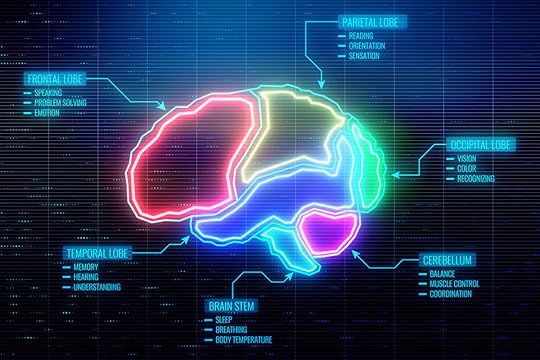
When is the last time you tried to assemble something and the instructions left out a tiny but critical piece of information for you to move from step eight to step nine?
Maybe it’s an information bit buried on a screen, non-obvious option for filling out your tax return, one too many acronyms, unidentifiable icon on a map, misinformation on a credit report, or a super important detail that was left out of a product you just purchased, but the world is filled with non-intuitive fine points that can turn a great day into an anxiety cluster in a matter of minutes!
But every day seems to have more and more holes in it, created by these 10-second gaps of information.
We rely on Google, YouTube, and friends to search for answers, but most of the time we don’t even know how to ask the question.
At the same time, the distance between information and our brain is getting shorter. Twenty years ago if you had access to a large information base, such as the Library of Congress, and someone asked you a series of questions, your task would have been to pour through the racks of books to come up with the answers. The time involved could have easily have been 10 hours per question.
Today, if we are faced with uncovering answers from a digital Library of Congress, using keyboards and computer screens, the time-to-answer process has been reduced to as little as 10 minutes.
The next iteration of interface design will give us the power to find answers in as little as 10 seconds. We will have some device that allows us to simply “think” our way to an answer.
We are very close to making the jump to the 10-second interface. This turbo-charged brain-to-web interaction will make today’s slow connection speeds look like ancient history. Every question will have an answer, every problem will have a full list of possible solutions.
…at least we hope it will.
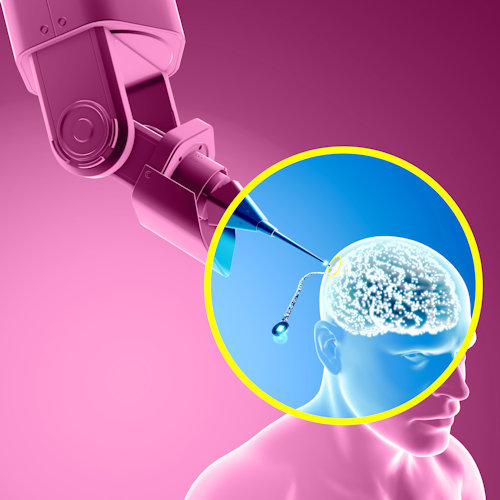
That’s exactly what Elon Musk’s Neuralink is attempting to do. Neuralink is a brain implant the size of four dollar coins with more than 1,000 electrodes that will allow a person to communicate wirelessly, by sending neuroelectrical messages to anything digital, ranging from prosthetic arms, to the autopilots on driverless cars, to memory-archive services on cloud servers.
In its current form, Neuralink’s thin, flexible electrodes, along with the sewing-machine robot needed to insert them may be the ultimate brain-to-information communications channel.
The 5-micron-wide wires the company uses are designed to be that small so they’ll cause less damage to blood vessels during installation. As we all know, damaging the tiny blood vessels that carry oxygen and blood to the brain would be a bad thing.
The more permanent electrodes used today seem huge in comparison, and tend to stay stuck to the skull, which means they can do even more damage as the brain tissue sloshes around during our daily activities. Flexible wires have the ability to move with the brain. Neuralink’s Bluetooth wireless connection means there are no wires sticking out of someone’s head, which would be problematic and a likely place for infections.
When the 10-second interface finally arrives, whether it’s Neuralink or something else, I will invite all of you to join me for a 10-second toast as we stop to celebrate the importance of this accomplishment.
Enjoy it while you can, the next celebration, perhaps only a few more years away, will only last 10-milliseconds.
Translate This Page
Select LanguageAfrikaansAlbanianAmharicArabicArmenianAzerbaijaniBasqueBelarusianBengaliBosnianBulgarianCatalanCebuanoChichewaChinese (Simplified)Chinese (Traditional)CorsicanCroatianCzechDanishDutchEnglishEsperantoEstonianFilipinoFinnishFrenchFrisianGalicianGeorgianGermanGreekGujaratiHaitian CreoleHausaHawaiianHebrewHindiHmongHungarianIcelandicIgboIndonesianIrishItalianJapaneseJavaneseKannadaKazakhKhmerKoreanKurdish (Kurmanji)KyrgyzLaoLatinLatvianLithuanianLuxembourgishMacedonianMalagasyMalayMalayalamMalteseMaoriMarathiMongolianMyanmar (Burmese)NepaliNorwegianPashtoPersianPolishPortuguesePunjabiRomanianRussianSamoanScottish GaelicSerbianSesothoShonaSindhiSinhalaSlovakSlovenianSomaliSpanishSudaneseSwahiliSwedishTajikTamilTeluguThaiTurkishUkrainianUrduUzbekVietnameseWelshXhosaYiddishYorubaZulu
#goog-gt-tt {display:none !important;}
.goog-te-banner-frame {display:none !important;}
.goog-te-menu-value:hover {text-decoration:none !important;}
.goog-text-highlight {background-color:transparent !important;box-shadow:none !important;}
body {top:0 !important;}
#google_translate_element2 {display:none!important;}
Search for:
Recent Posts
Creating the 10-Second Brain Interface
Will Zoom Become the Napster of the Events Industry?
Still waiting for the point-n-call and point-n-text features on my smartphone
Categories
Artificial Intelligence
Business Trends
Future of Agriculture
Future of Banking
Future of Education
Future of Healthcare
Future of Transportation
Future of Work
Future Scenarios
Future Trends
Futurist Thomas Frey Insights
Global Trends
Predictions
Social Trends
Technology Trends
Speaking TopicsFuture of Healthcare – “Is Death our only Option?
Future of AI
Future of Industries
By Futurist Thomas Frey, author of 'Epiphany Z – 8 Radical Visions Transforming Your Future'
The post Creating the 10-Second Brain Interface appeared first on Futurist Speaker.
September 3, 2020
Will Zoom Become the Napster of the Events Industry?
The global events industry is having a bit of a “Napster moment” as we move through this pandemic, and they seem to be in denial on what to do about it.
Just as revenues in the music industry peaked in the year 2000, the events industry may have already witnessed its peak in 2019.
New systems and technologies continue to upend the old established ones and people and institutions with a stake in current systems will resist and try to protect the status quo that served them so well, and so profitably, but to no avail.
The Discomfortable Feeling of Change
It’s become very easy to produce a “good-enough” virtual event with a global audience, and the best part, it’s almost free.
Naturally this is undercutting the economics of last year’s physical events world. All types of business events, whether they’re conferences, trade shows, or conventions, are in danger of losing income from the sale of tickets, sponsorships, memberships, vendors, and whatever other payments they’ve learned to depend on.
What we still haven’t learned to replicate virtually is the in-person spontaneity of rubbing elbows with important people, physical networking, and other life-changing introductions that take place at these events.
Billions of dollars have already been sucked out of the industry this year so far, with social distancing rules putting it into hibernation mode, and virtual meetings are only making up a tiny fraction of what was lost.
In the past, recording artists and record producers adjusted relatively easily to technology advances as music-sharing shifted from LPs to 8-tracks, cassettes, and CDs. But when Napster arrived, it changed virtually everything we thought we knew about how music should get distributed. MPEGs and MP3s made music sharing easier than sending a Word doc.
Naturally this caused more than a few people to panic. Musicians and producers worried about losing control. Copyright laws seemed meaningless as Napster’s distribution systems turned it into an overnight free-for-all.
Eventually a number of music industry legal teams put an end to it, but it set the stage for a number of new players to take center stage. Now Apple Music, Spotify, and Amazon Music are duking it out for pre-eminence in the digital streaming industry, and our rapidly aging 8-tracks, cassettes, and CDs are packed neatly away in our basements.
Pandemics have a way of fast-tracking these types of changes as we’ve discussed previously in the recent disruption of shopping malls and the film industry. The next one to be added to that list will be the conventions and events industry, estimated at $325 billion in annual pre-COVID revenue.
The Virtual Expo?
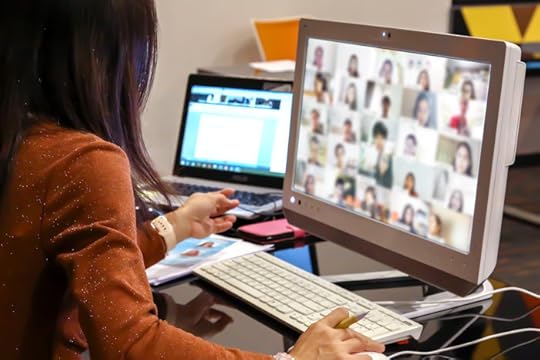
In addition to the new norm of virtual meetings, we’re all starting to see virtual conferences, virtual trade shows, virtual seminars, and weirdly enough, virtual happy hours, complete with virtual scavenger hunts.
Zoom stock has soared from around $75 nine months ago to nearly $300 at the end of August 2020. It’s getting to the point that regardless of which of the competing platforms are actually being used on-line, we seem to call every virtual meetings a “Zoom Meeting.” It’s a marketing company’s dream to have their branded product name, such as Bandaid and Kleenex becomes as commonplace as, “just google it.” “Let’s have a zoom call” is becoming entrenched in our daily lexicon.
Covid-19 has been disrupting all types of in-person professional encounters, including annual industry get-togethers where successes are applauded, new products are
introduced, and business leads are developed. In spite of all this, some organizations are putting together some rather good attempts at virtual global expos and conventions.
Where Will it Lead?
The key question in my mind, will “good enough” virtual events continue to draw crowds over time? After all, without travel expenses, it becomes rather easy to book celebrity speakers like Dwayne Johnson, Paul Krugman, Steve Wozniak, Malcolm Gladwell, and Robert Kiyosaki when all they have to do is patch in from their home office.
However, face-to-face conferences, trade shows, and conventions won’t go
away because there are a number of intangibles related to those events like side-bar conversation, schmoozing, change of scenery, building rapport over cocktails, people watching, and face-to-face networking. Many of us already miss it! And yes, I’m certainly one of them!
So just as there are diehards who’ll continue to play their music the old-fashioned way (yes vinyl is making a comeback) extended business events are not ready to be replaced, at least not just yet.
It may take a while for them to become mainstream again because of lingering concerns over virus transmission and the short-term efficiencies companies are enjoying from closed offices and limited travel. Eventually though, employees will run out of clever backdrops for their zoom sessions, and staring at someone’s chin and ceiling for 30 minutes gets old really, really fast.

Future Possibilities
But no doubt, more of these business events will shift online. I have confidence that the
Meetings and Convention industry will learn to adapt. But it took Spotify nearly 15 years to get their interface right and for the music industry to adapt to the change.
It’s important to think through what a multi-day, virtual set of “interpersonal encounters” would even look like? Take a moment and see if you can picture lifelike holograms of people engaged in cocktail banter, chatting around the buffet line, or sitting across a conference table adding bullet points to the latest strategic plan. Next see if you can imagine your life-like hologram hiking or having a beer with another famous person life-like avatar?
Over time, many new service niches will emerge, and some will eventually become important new companies leading new industries.
Final Thoughts
Yes, the year 2020 is shaping up to be a decade of massive transition. We seem to be fitting enough change into this year’s 365 days to last us for another ten years.
It’s an exciting moment in time for a futurist, though, and I hope you’ll join me with that mindset. Just remind yourself to be open to new ideas, philosophies, and technology instead of instinctively pushing back against change and pining for the good old days. Remind yourself, too, that change doesn’t always wipe out the things we’re familiar with. A familiar brand will often just put on a fresh new set of clothes, and they’ll be ready to reengage with us again sometime in the future.
Translate This Page
Select LanguageAfrikaansAlbanianAmharicArabicArmenianAzerbaijaniBasqueBelarusianBengaliBosnianBulgarianCatalanCebuanoChichewaChinese (Simplified)Chinese (Traditional)CorsicanCroatianCzechDanishDutchEnglishEsperantoEstonianFilipinoFinnishFrenchFrisianGalicianGeorgianGermanGreekGujaratiHaitian CreoleHausaHawaiianHebrewHindiHmongHungarianIcelandicIgboIndonesianIrishItalianJapaneseJavaneseKannadaKazakhKhmerKoreanKurdish (Kurmanji)KyrgyzLaoLatinLatvianLithuanianLuxembourgishMacedonianMalagasyMalayMalayalamMalteseMaoriMarathiMongolianMyanmar (Burmese)NepaliNorwegianPashtoPersianPolishPortuguesePunjabiRomanianRussianSamoanScottish GaelicSerbianSesothoShonaSindhiSinhalaSlovakSlovenianSomaliSpanishSudaneseSwahiliSwedishTajikTamilTeluguThaiTurkishUkrainianUrduUzbekVietnameseWelshXhosaYiddishYorubaZulu
#goog-gt-tt {display:none !important;}
.goog-te-banner-frame {display:none !important;}
.goog-te-menu-value:hover {text-decoration:none !important;}
.goog-text-highlight {background-color:transparent !important;box-shadow:none !important;}
body {top:0 !important;}
#google_translate_element2 {display:none!important;}
Search for:
Recent Posts
Creating the 10-Second Brain Interface
Will Zoom Become the Napster of the Events Industry?
Still waiting for the point-n-call and point-n-text features on my smartphone
Categories
Artificial Intelligence
Business Trends
Future of Agriculture
Future of Banking
Future of Education
Future of Healthcare
Future of Transportation
Future of Work
Future Scenarios
Future Trends
Futurist Thomas Frey Insights
Global Trends
Predictions
Social Trends
Technology Trends
Speaking TopicsFuture of Healthcare – “Is Death our only Option?
Future of AI
Future of Industries
By Futurist Thomas Frey, author of 'Epiphany Z – 8 Radical Visions Transforming Your Future'
The post Will Zoom Become the Napster of the Events Industry? appeared first on Futurist Speaker.
Will Zoom become the Napster of the Events Industry?
The global events industry is having a bit of a “Napster moment” as we move through this pandemic, and they seem to be in denial on what to do about it.
Just as revenues in the music industry peaked in the year 2000, the events industry may have already witnessed its peak in 2019.
New systems and technologies continue to upend the old established ones and people and institutions with a stake in current systems will resist and try to protect the status quo that served them so well, and so profitably, but to no avail.
The Discomfortable Feeling of Change
It’s become very easy to produce a “good-enough” virtual event with a global audience, and the best part, it’s almost free.
Naturally this is undercutting the economics of last year’s physical events world. All types of business events, whether they’re conferences, trade shows, or conventions, are in danger of losing income from the sale of tickets, sponsorships, memberships, vendors, and whatever other payments they’ve learned to depend on.
What we still haven’t learned to replicate virtually is the in-person spontaneity of rubbing elbows with important people, physical networking, and other life-changing introductions that take place at these events.
Billions of dollars have already been sucked out of the industry this year so far, with social distancing rules putting it into hibernation mode, and virtual meetings are only making up a tiny fraction of what was lost.
In the past, recording artists and record producers adjusted relatively easily to technology advances as music-sharing shifted from LPs to 8-tracks, cassettes, and CDs. But when Napster arrived, it changed virtually everything we thought we knew about how music should get distributed. MPEGs and MP3s made music sharing easier than sending a Word doc.
Naturally this caused more than a few people to panic. Musicians and producers worried about losing control. Copyright laws seemed meaningless as Napster’s distribution systems turned it into an overnight free-for-all.
Eventually a number of music industry legal teams put an end to it, but it set the stage for a number of new players to take center stage. Now Apple Music, Spotify, and Amazon Music are duking it out for pre-eminence in the digital streaming industry, and our rapidly aging 8-tracks, cassettes, and CDs are packed neatly away in our basements.
Pandemics have a way of fast-tracking these types of changes as we’ve discussed previously in the recent disruption of shopping malls and the film industry. The next one to be added to that list will be the conventions and events industry, estimated at $325 billion in annual pre-COVID revenue.
The Virtual Expo?
In addition to the new norm of virtual meetings, we’re all starting to see virtual conferences, virtual trade shows, virtual seminars, and weirdly enough, virtual happy hours, complete with virtual scavenger hunts.
Zoom stock has soared from around $75 nine months ago to nearly $300 at the end of August 2020. It’s getting to the point that regardless of which of the competing platforms are actually being used on-line, we seem to call every virtual meetings a “Zoom Meeting.” It’s a marketing company’s dream to have their branded product name, such as Bandaid and Kleenex becomes as commonplace as, “just google it.” “Let’s have a zoom call” is becoming entrenched in our daily lexicon.
Covid-19 has been disrupting all types of in-person professional encounters, including annual industry get-togethers where successes are applauded, new products are
introduced, and business leads are developed. In spite of all this, some organizations are putting together some rather good attempts at virtual global expos and conventions.
Where Will it Lead?
The key question in my mind, will “good enough” virtual events continue to draw crowds over time? After all, without travel expenses, it becomes rather easy to book celebrity speakers like Dwayne Johnson, Paul Krugman, Steve Wozniak, Malcolm Gladwell, and Robert Kiyosaki when all they have to do is patch in from their home office.
However, face-to-face conferences, trade shows, and conventions won’t go
away because there are a number of intangibles related to those events like side-bar conversation, schmoozing, change of scenery, building rapport over cocktails, people watching, and face-to-face networking. Many of us already miss it! And yes, I’m certainly one of them!
So just as there are diehards who’ll continue to play their music the old-fashioned way (yes vinyl is making a comeback) extended business events are not ready to be replaced, at least not just yet.
It may take a while for them to become mainstream again because of lingering concerns over virus transmission and the short-term efficiencies companies are enjoying from closed offices and limited travel. Eventually though, employees will run out of clever backdrops for their zoom sessions, and staring at someone’s chin and ceiling for 30 minutes gets old really, really fast.
Future Possibilities
But no doubt, more of these business events will shift online. I have confidence that the
Meetings and Convention industry will learn to adapt. But it took Spotify nearly 15 years to get their interface right and for the music industry to adapt to the change.
It’s important to think through what a multi-day, virtual set of “interpersonal encounters” would even look like? Take a moment and see if you can picture lifelike holograms of people engaged in cocktail banter, chatting around the buffet line, or sitting across a conference table adding bullet points to the latest strategic plan. Next see if you can imagine your life-like hologram hiking or having a beer with another famous person life-like avatar?
Over time, many new service niches will emerge, and some will eventually become important new companies leading new industries.
Final Thoughts
Yes, the year 2020 is shaping up to be a decade of massive transition. We seem to be fitting enough change into this year’s 365 days to last us for another ten years.
It’s an exciting moment in time for a futurist, though, and I hope you’ll join me with that mindset. Just remind yourself to be open to new ideas, philosophies, and technology instead of instinctively pushing back against change and pining for the good old days. Remind yourself, too, that change doesn’t always wipe out the things we’re familiar with. A familiar brand will often just put on a fresh new set of clothes, and they’ll be ready to reengage with us again sometime in the future.
Translate This Page
Select LanguageAfrikaansAlbanianAmharicArabicArmenianAzerbaijaniBasqueBelarusianBengaliBosnianBulgarianCatalanCebuanoChichewaChinese (Simplified)Chinese (Traditional)CorsicanCroatianCzechDanishDutchEnglishEsperantoEstonianFilipinoFinnishFrenchFrisianGalicianGeorgianGermanGreekGujaratiHaitian CreoleHausaHawaiianHebrewHindiHmongHungarianIcelandicIgboIndonesianIrishItalianJapaneseJavaneseKannadaKazakhKhmerKoreanKurdish (Kurmanji)KyrgyzLaoLatinLatvianLithuanianLuxembourgishMacedonianMalagasyMalayMalayalamMalteseMaoriMarathiMongolianMyanmar (Burmese)NepaliNorwegianPashtoPersianPolishPortuguesePunjabiRomanianRussianSamoanScottish GaelicSerbianSesothoShonaSindhiSinhalaSlovakSlovenianSomaliSpanishSudaneseSwahiliSwedishTajikTamilTeluguThaiTurkishUkrainianUrduUzbekVietnameseWelshXhosaYiddishYorubaZulu
#goog-gt-tt {display:none !important;}
.goog-te-banner-frame {display:none !important;}
.goog-te-menu-value:hover {text-decoration:none !important;}
.goog-text-highlight {background-color:transparent !important;box-shadow:none !important;}
body {top:0 !important;}
#google_translate_element2 {display:none!important;}
Search for:
Recent Posts
Will Zoom become the Napster of the Events Industry?
Still waiting for the point-n-call and point-n-text features on my smartphone
Is Moore’s Law for Mad Science Inevitable?
Categories
Artificial Intelligence
Business Trends
Future of Agriculture
Future of Banking
Future of Education
Future of Healthcare
Future of Transportation
Future of Work
Future Scenarios
Future Trends
Futurist Thomas Frey Insights
Global Trends
Predictions
Social Trends
Technology Trends
Speaking TopicsFuture of Healthcare – “Is Death our only Option?
Future of AI
Future of Industries
By Futurist Thomas Frey, author of 'Epiphany Z – 8 Radical Visions Transforming Your Future'
The post Will Zoom become the Napster of the Events Industry? appeared first on Futurist Speaker.
August 27, 2020
Still waiting for the point-n-call and point-n-text features on my smartphone

Many times I’ve driven past a store wondering if they have a certain item or what their store hours are. While I understand that it’s relatively easy to “Ask Siri” or “Hey Google,” I would much rather have the ability to just aim my phone at the store, hit a button, and automatically call them.
Or how about this? How often have you wished you could text a message to the people in the car next to you on the freeway (point-n-warn)? Or at some person across the room from you at a party (point-n-flirt)?
Not to be confused with “point-n-click,” which is designed for computer mouse engagement for people with disabilities, this point-n-call/text function would be built into a phone, like a camera function. In fact, in some of the ways we’d use it, it may need to activate the camera function.
Point-n-call/text would enable you to engage, through your smartphone or other device, with the technology of other devices that you are not otherwise connected to.
When you’re pointing at a building, there would need to be a “receptor” capability in or around that building to allow or engage in the interaction. The way I see it, point-n-call/text could be triggered by image recognition and/or Internet-based connectivity. In fact, it would be another iteration of the Internet of Things (IoT), with more devices talking to more things.
Naturally you’d need some system of checks and balances because, for example, you wouldn’t want someone to point-n-disengage your security system or turn the receptor mechanism on and off. Many of these capabilities will have to be decided on by the product designers, lawyers, and ethicists as they explore the feasibility and advisability of these and thousands of other use cases waiting to see the light of day.
But rather than getting buried in the hypothetical weeds of functionality, I’d rather spend time thinking through the “what if” side of the equation and the new world of interactivity it would open up.

That said, I do need to address the elephant in the room: the obvious potential for abuse, harassment, and privacy intrusions stemming from point-n-call/text. I would just say, though, that nearly every communication technology opens those doors. Spam calls interrupt my day constantly. Texts with malicious links hit my smartphone 24/7. Social media sites are breeding grounds for slander and the spread of misinformation. But in these and other cases, including, I would argue, a point-n-call/text function, the bad must be weighed against the good … and I see far more positive aspects to this presumptive technology.
An interactive point-n-call/text function will add additional lines of communication and save time. It will help us make better-informed decisions and stimulate interpersonal conversations and relationships.
Going through a museum, wouldn’t it be great to point-n-text at a piece of artwork to find out about the artist or the artwork itself?
Driving past a city, wouldn’t it be nice to be able to point-n-call a highway sign and find out what businesses are located there, the history of the area, and if there are any hotel rooms available?
At a cocktail party, wouldn’t you want someone to surreptitiously point-n-warn you that you have chip dip on your chin? Yes, we need an app for that!
What if you could point at a billboard, sign on a bus, or ad on the back of a pedicab and get more detail, find pricing, or ask questions?
Here are a few more intriguing use cases for point-n-call/text technology:
Point at an actor on stage or screen and find out what other shows they’ve been in.
Point at a house and get a satellite image of it.
Point at a sporting venue and find out the cost of admission for today’s event.
Point at a landmark and begin an AI conversation about its significance.
Point at a dental office to find the price of an implant or a root canal.
Point at a business and see their reputation score.
Admittedly, my description is simplistic, and I’m only scratching the surface with these possible use cases. But in the interest of advancing humanity’s ability to productively communicate, I’m hoping to stimulate the thinking of the right person. If I’m successful, I’ll have a private moment of pride and satisfaction when I see this feature on my iPhone 15!
Translate This Page
Select LanguageAfrikaansAlbanianAmharicArabicArmenianAzerbaijaniBasqueBelarusianBengaliBosnianBulgarianCatalanCebuanoChichewaChinese (Simplified)Chinese (Traditional)CorsicanCroatianCzechDanishDutchEnglishEsperantoEstonianFilipinoFinnishFrenchFrisianGalicianGeorgianGermanGreekGujaratiHaitian CreoleHausaHawaiianHebrewHindiHmongHungarianIcelandicIgboIndonesianIrishItalianJapaneseJavaneseKannadaKazakhKhmerKoreanKurdish (Kurmanji)KyrgyzLaoLatinLatvianLithuanianLuxembourgishMacedonianMalagasyMalayMalayalamMalteseMaoriMarathiMongolianMyanmar (Burmese)NepaliNorwegianPashtoPersianPolishPortuguesePunjabiRomanianRussianSamoanScottish GaelicSerbianSesothoShonaSindhiSinhalaSlovakSlovenianSomaliSpanishSudaneseSwahiliSwedishTajikTamilTeluguThaiTurkishUkrainianUrduUzbekVietnameseWelshXhosaYiddishYorubaZulu
#goog-gt-tt {display:none !important;}
.goog-te-banner-frame {display:none !important;}
.goog-te-menu-value:hover {text-decoration:none !important;}
.goog-text-highlight {background-color:transparent !important;box-shadow:none !important;}
body {top:0 !important;}
#google_translate_element2 {display:none!important;}
Search for:
Recent Posts
Still waiting for the point-n-call and point-n-text features on my smartphone
Is Moore’s Law for Mad Science Inevitable?
On the Shoulders of Giants: Retro art and imagining future transportation
Categories
Artificial Intelligence
Business Trends
Future of Agriculture
Future of Banking
Future of Education
Future of Healthcare
Future of Transportation
Future of Work
Future Scenarios
Future Trends
Futurist Thomas Frey Insights
Global Trends
Predictions
Social Trends
Technology Trends
Speaking TopicsFuture of Healthcare – “Is Death our only Option?
Future of AI
Future of Industries
By Futurist Thomas Frey, author of 'Epiphany Z – 8 Radical Visions Transforming Your Future'
The post Still waiting for the point-n-call and point-n-text features on my smartphone appeared first on Futurist Speaker.
Thomas Frey's Blog

- Thomas Frey's profile
- 2 followers

