Polly Campbell's Blog, page 25
June 2, 2014
Staying Present to Life
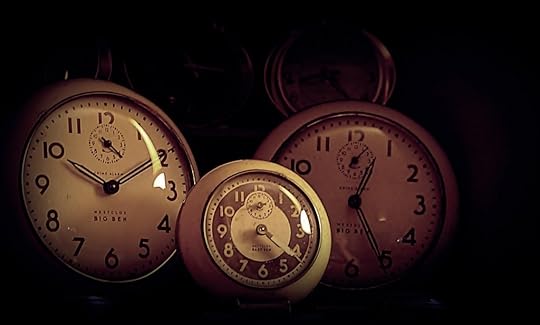 I’ve been crazy busy trying to get it all done this May: daughter’s birthday, book deadline, a couple of other work assignments with pending due dates, vet appointments for the kitten, bills paid, presents purchased, orchestra concerts, soccer games, school carnivals — all good stuff. All fun stuff. I am exhausted, and a few times I felt myself pulled toward the waterfall of overhwelm and worry — how would I get it all done? But then I rooted myself in the moment and felt better.
When you are living in the present, you really don’t have time to worry about whatever is coming next. With a May filled with interesting and compelling events and activities and moments, I found myself fully aware and present and that is what kept me from losing my mind (or at least all of it) and that present-moment awareness is also what kept it fun.
When I am engaged in things that are interesting, things that matter to me, I am fully present. It’s easier to me immersed in the moment. When I volunteered to help at the school carnival, I focused only on that. I stepped into the experience and was able to experience it all that night. Same with my daughter’s birthday party. We had a few girls for a sleepover and while we were playing the games and cooking the pizza I was totally tuned in. Enjoying the moment and the funny conversations going on around me. Writing the book took all of my attention in the last days leading to the deadline. I was fully aware and focused on that task, when I was doing it. I was present.
As I wrote in previous posts, there is power when we are engaged fully in this moment right now. It feels good because because you see how bold and colorful life is when you give your attention to living it. Too often we (as in me) skip ahead. We plan and stew and worry and analyze what might happen. This month, I didn’t have a whole lot of time for that, I had to focus on what was happening and that felt better. When I project too far out, when I ruminate about all the stuff I had to do, I started freaking out. Not productive. Not fun. Not even healthy. One moment at a time — that’s a better approach.
A day is made up of seconds. They don’t come all it once and if you don’t take care the first, it forever alters the second.
What we have for sure, is NOW. This moment. This day. By living it and giving it our best, by being engaged and accountable to each moment, we not only feel better, less stressed more inspired, but we do better when the next moment arrives.
So, how will you do it? How will you live your life, right now?




May 28, 2014
Words to Live By from Maya Angelou
“I’ve learned that no matter what happens, or how bad it seems today, life does go on, and it will be better tomorrow. I’ve learned that you can tell a lot about a person by the way he/she handles these three things: a rainy day, lost luggage, and tangled Christmas tree lights. I’ve learned that regardless of your relationship with your parents, you’ll miss them when they’re gone from your life. I’ve learned that making a “living” is not the same thing as making a “life.” I’ve learned that life sometimes gives you a second chance. I’ve learned that you shouldn’t go through life with a catcher’s mitt on both hands; you need to be able to throw something back. I’ve learned that whenever I decide something with an open heart, I usually make the right decision. I’ve learned that even when I have pains, I don’t have to be one. I’ve learned that every day you should reach out and touch someone. People love a warm hug, or just a friendly pat on the back. I’ve learned that I still have a lot to learn. I’ve learned that people will forget what you said, people will forget what you did, but people will never forget how you made them feel.”
― Maya Angelou
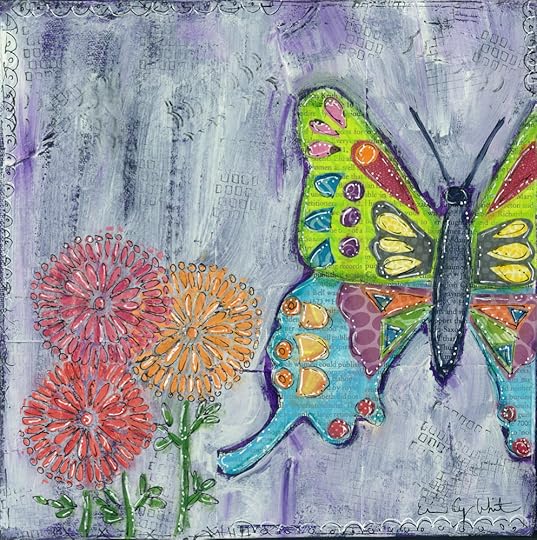
Image by Erin Cairney White

May 21, 2014
Three Ways to Practice Patience
 I spent most of the day waiting for the editor’s call before I decided I was ridiculous. By being so caught up in the waiting, I put off the rest of my life. I wasn’t connected to the present – in fact, I was distracted and made a couple of mistakes that I had to go back and fix. And, I found myself growing irritated, insecure – after all, why-hasn’t-she-called- it-must- be-me – and intolerant.
Not a good use of my time. I’m aware that there is great power in patience. It helps us settle in and find the peace in what is. It helps to be flexible and expansive. Open and accepting and from those qualities we gain gratitude and compassion and we don’t suffer as much.
Think about it, when you are giving your attention to the things that haven’t happened yet – and may never happen – you are not engaged in the life that is showing up. The possibility for growth and love and joy and peace is in the now, not what might be.
So, I’m working on becoming more patient.
Here are three practices I’m using to quell my impatience and become more present.
1. Savor. Pause throughout your day not only to notice the good things – the little things that illuminate beauty and fun and good feeling – and absorb the feelings that come. You don’t have to act on them, just tune in and allow yourself to feel them fully.
2. Go with the must dos and drop the rest. Often impatience comes when we’ve crammed our schedules with more things that we can possibly get done in the time we have. Then we are frustrated when others don’t perform, or traffic slows us down and we run out of time to accomplish all we feel we need to do. Knock it off. Revise your To-Do List. Each day put on three essentials for the day – pay the bills, feed the animals, finish the work presentation. Then do those essential things first and be flexible in what you take on after that. Many of the things we feel like we have to do, aren’t really all that necessary and just add to our stress and impatience.
3. Breathe and be still. This is counter-intuitive, I know, but when, in the throes of my impatience and irritation, I can take a few deep breaths and be still, I can see that the world hasn’t ended simply because the call didn’t come in, or I couldn’t get the bank on the phone in eight seconds. Even a short pause can help us gain perspective and the breath can help ease stress. When you unhook from your impatience for just a second, you realize that you don’t need to get all hyped out about the delays. Plus, impatience actually slows you down and keeps you from maxing out your efficiency.
When I’m feeling impatient, there is a message hidden there. Something to show me and more often than not, the enforced delays offer insight, or a new possibility. Sometimes they even keep me safe because I’m not rushing headlong into a debacle. When things aren’t happening as fast as you’d like, take a breath and then take a break. Savor the moment and look for the light within. Patience allows us to connect to this moment and that is where passion and possibility reside.

May 19, 2014
Patience Helps Us Find Peace in What Is
Last week I felt edgy. I was waiting for feedback from a client so that I could finish her work, waiting for a package to arrive, a callback from a landscaper. Then, Saturday, when we were all packed up and ready to go to Sweet P’s soccer game, I found myself sitting in the car, waiting for my husband to fill his water bottle. All the waiting sent me over the edge. I mean he had all morning to get ready so why did he need to fill the water bottle right then when we were all waiting to go, right?
Clearly, patience – tolerance for the circumstances of life — is something I need to work on. It’s definitely something I want to improve because every time I’m feeling edgy and filled with impatience, I’m giving my power away and moving into a place of separation and irritation. When I’m impatient and intolerant, I’m allowing external circumstances to dictate my mood. That changes how I behave and engage in life and not usually for the better.
When we act impatiently or feel impatient, we are not tolerant of plan changes, or waiting periods, or the actions of others and we feel irritated, anxious, restless, uptight.
Yet, with the power of patience and an ability to tolerate, we are able to roll with things easier. We are flexible, open, resilient. We don’t worry about what is or isn’t happening because we are okay with whatever happens. We are able to maintain our inner state of peace and positivity no matter what is happening beyond us. There is confidence in this. Most importantly, patience allows us to accept life as it shows up, to appreciate others and their differences, to find the gifts within every circumstance.
At the America Meditating Retreat I attended last month, the spiritual teachers there include Tolerance, defined by patience and flexibility, as one of the Eight Spiritual Powers.
I get that. When I slow down to become present, to fully connect with what is, there is no place for the irritation or frustration that waiting brings. When you are patient, you are not waiting, you are present with whatever is there.
Acceptance of the Moment
Impatience does not make things happen any faster or easier. It simply means we are stewing over things that haven’t happened and may never happen. This is resistance and when we are resisting what is we are blind to the possibilities contained in the moment.
Patience, tolerance for the speed of life, allows us to become present to all that is. There is power in that, but even more importantly, there is peace. Wednesday, I’ll share with you some of the strategies I’m using to connect to this superpower of patience.

May 14, 2014
Connecting with Others Via the Blog
 A friend of mine, from forever, Jenni Green, invited me to participate in this Blog Hop. It’s a chance for me to talk a little about my work, but to also get to know some great, new-to-me writers and also share a couple with you. Since this week is about connections and the importance of our social networks, I thought this fit in just fine.
Although most writing is done with some degree of isolation, it never ends that way, not really. Or at least it shouldn’t. In the end, it’s better for all of us when a writer gets up the nerve to share their work with others. This feels incredibly vulnerable and yet it is invigorating.
After months alone, working with words, I want to know how they hit. I want to hear feedback. I want to know if the reader was moved or touched or annoyed. I want to hear their thoughts, talk about real ideas with real people.
The work is better, we are better, when we share with each other; when we surround ourselves with good people and I have done that time and time again. So, through this blog hop you get to meet three of them, Jenni, Jessica, Jodi – and no, your name does not have to start with J to be included among “good people.”
First, I will answer the questions posed by blog-hop writers, then send you off to meet the others and these connections will continue on their pages next week.
Q: What are you working on?
I just finished my third nonfiction book, called, I think, maybe, (these things can always change in the process) How to Live an Awesome Life. Now I’m working on a new proposal, finishing up some magazine articles – one on savoring life – and trying to catch up on my sleep and friendships. The end of a book is always a flurry of activity, now I’m sitting in the quiet a bit more. And exhaling for a bit.
Q: How does my work differ from the others of this genre?
My books are really a conversation. I imagine the reader as someone I want to sit down and have coffee (or margaritas) with and I write like that. The books offer very practical ideas and strategies – things you can do while the kid is having a meltdown and you are cooking dinner, delivered in a conversational, we’re-all-in-this-together style that you don’t see in other personal development books.
Q: Why do I write what I do?
The stuff I write about is the stuff I’m working on and living with in my own life. These are the things I want to learn: how to live consciously and deliberately, how to use my abilities and talents, as imperfect as I am, to change the world for the better. So, I figured others might be interested too.
I’m idealistic enough to believe that when we feel better, we do better. We touch each other with greater compassion, positive energy, kindness, love and humor and those little things can make a big difference. That matters to me, so I write about it. I am so doggone curious about how our brains and emotions and energies work, that writing about it is a way to keep learning about it.
Q: How does your writing process work?
Lots of coffee. Lots and lots of coffee. I live with the idea for a long time. Not everything is worth writing about and I need to determine if the ideas has legs and if I want to live with it for awhile. It takes a bit to write a book and I don’t want to hate the idea by the end of it. I also look for what I want to learn, what I need to know, and I began researching that. This makes the writing a process of discovery and I love that. When I’m ready to go to work, I panic. Then I throw out everything I know on the page. Nothing too organized, lots of question marks where I don’t have answers. Then I complain a bit. Then I worry. Then I decide I can never write again. Then I write and I keep going and keep drinking coffee. With magazine articles and books all happening at the same time, I’ll write for hours in the morning, but my day also includes a lot of interviews, research, marketing, checking in with my friends on Facebook, texting my other friends who aren’t on Facebook, you get the picture.
Most of the “writing” work though is in the revise. I spend months revising, changing, tossing out, adding in. When I have something on the page I feel a lot better, because then I have something to shape and work with, but the real work, where the beauty happens is in the revision.
Other writers have other processes and quirks. Find out more by checking out Jenni , Jodi and Jessica’s blogs.
Jenni Green and I grew up together and I’ve watched her grow from a girl with boatloads of Barbie stuff into a woman and mother and a writer who seeks to speak the truth through her poetry and plays. Her work makes me think and feel and that is what good writing is about.
She is a recipient of a Regional Arts and Culture Council Individual Artists Grant for her play, An Island, and is a member of the Dramatist Guild. Currently she is working on a play based on Susan Brownmiller’s book,Against Our Will: Men, Women, and Rape. She studied theater and composition with Anne Bogart at SITI Company in NYC, and has toured professionally with Brainwaves, an improvisational creative problem solving organization, as a group facilitator for corporate team building. Jenni is also an actress, professional speaker. You can find Jenni here: http://jennigreenmiller.wordpress.com
Jodi Helmer and I met at a New York writer’s conference, though we both lived in Oregon at the time. We quickly discovered that we could take on most

of the world’s problems — especially our own — with greater ease after talking, laughing, and eating doughnuts.
When Jodi is not writing about health and sustainable living for magazines like AARP, Shape, Natural Health, Costco Connection, Modern Farmer and E: The Environmental Magazine, she teaches writing workshops and helps emerging writers launch freelance writing careers. Helmer is the author of four books, including The Green Year: 365 Small Things You Can Do to Make a Big Difference. Jodi lives in North Carolina where she grows vegetables, keeps bees and tries to convince her pack of rescue dogs not to steal strawberries or antagonize the bees. Check out her work at: www.jodihelmer.com
Finally, check out the work of Oregon writer and editor Jessica Morrell. I met her years ago when I took her class. It changed the way I thought about my work and her ongoing encouragement has helped me make sense of my own writing process. If you want inspiration and insight into the craft, you should check out one of her workshops.sustainable living for magazines like AARP, Shape, Natural Health, Costco Connection, Modern Farmer and E: The Environmental Magazine, she teaches writing workshops and helps emerging writers launch freelance writing careers. Helmer is the author of four books, including The Green Year: 365 Small Things You Can Do to Make a Big Difference. Jodi lives in North Carolina where she grows vegetables, keeps bees and tries to convince her pack of rescue dogs not to steal strawberries or antagonize the bees. Check out her work at: www.jodihelmer.com
 Jessica Page Morrell understands both sides of the editorial desk–as an editor and author. She writes with depth, wit and clarity on topics related to writing and creativity along with other topics and is the author of Thanks, But This Isn’t For Us, A (Sort of) Compassionate Guide to Why Your Writing is Being Rejected; Bullies, Bastards & Bitches, How to Write the Bad Guys in Fiction; The Writer’s I Ching: Wisdom for the Creative Life; Voices from the Street; Between the Lines: Master The Subtle Elements Of Fiction Writing; and Writing Out the Storm. Her forthcoming book No Ordinary Days: The Seasons, Cycles and Elements of the Writing Life will be published in fall 2014. Her work also appears in anthologies and The Writer and Writer’s Digest magazines. Morrell founded and coordinates three writing conferences Summer in Words, Making it in Changing Times, and Claim Your Story. She is a former food columnist and restaurant reviewer, has been creating columns about the writing life since 1998, and is a popular speaker at writers’ conferences throughout North America. Morrell lives in Portland, Oregon where she is surrounded by writers and watches the sky in all its moods and permutations. Go to http://jessicamorrell.com/
Butterfly flowers image by artist Erin Cairney White.

May 12, 2014
Friendships Are Good for Our Health and a Laugh

I am a woman who likes her quiet time. I like to be alone, reflective, creating, or stilling still. It’s how I ease stress, solve problems, rejuvenate. So, writing is a good profession for me, until it’s not.
This last month, as I finished up my book, I needed a lot of alone time just to stay grounded. The work itself requires intense focus – easier to do alone. By the end of the day, I had little left over and I didn’t feel like interacting much with others.
But soon, there was a missing. Too much space. A sense of isolation. While I’m comfortable with my introverted nature – I revel in it really – I also thrive because of the connection I have with my friends.
I don’t love big parties, or fast-paced events, but I am so much better, wiser, more fulfilled after a good laugh with the girls during the occasional dinner. I have greater perspective and patience when I hear the ideas and insights of my friends. I am more compassionate because they are brave enough to share their experiences and I am just so much happier because these awesome people are in my life. That sustains me even during my quiet time.
No surprise here. Humans, even those less social ones, are still social creatures. Our relationships were a matter of survival in the early days. Those who lived in clans and tribes survived longer than those who lived alone. Our connections helped with the whole hunting and gathering thing.
In the modern world, social relationships are just as important. Our connection to others lowers the risk of depression, improves digestive and immune function, and eases stress – which improves just about everything else, according to Harvard Medical School.
We also tend to be more caring ourselves when we have strong social networks. We are more generous, more nurturing and that releases oxytocin and a bunch of other stress-reducing hormones. We are also more resilient.
But the biggest perk for me comes when I’m sitting with my besties, sharing the stories and stresses of our lives. I feel accepted and loved and we laugh like crazy because they are all so hilarious. It’s simple: I am better because of the people I have in my life. Friends are like the flowers of life. They add color and sweetness.
In the end, when this last book was put to bed, and I had the energy to go back out into the world. I was ready. I missed my friends, but in the missing I realized they make even the quiet moments more meaningful.
All kinds of connections are important and valuable. In Wednesday’s post I’ll introduce to a couple of friends who also have influenced me a great deal professionally. Who says you need to wear a fancy suit or leave your home to do a little professional networking?
Image by Erin Cairney White
Erin Cairney White uses mixed media – acrylic paints, gelatos and a variety of papers, inks and stamps to create her work from her Snohomish, Washington studio. Her original artwork is available through the little details company.

May 7, 2014
Mike Robbins Talks About Making Peace with Ourselves
I got to know Mike a bit when I interviewed him for an article I was writing on authenticity a couple of years ago. He was warm, smart, open, and wholly authentic. It feels good when we meet people who are so truly themselves, so, his ideas and attitude resonated with me. I like him and he’s proven to be generous and open in all our communication.
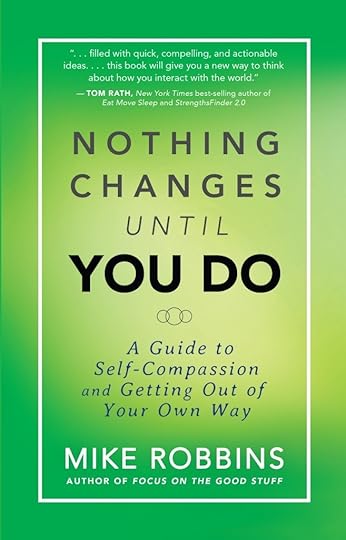 Mike’s authenticity and honesty also come through clearly in his new book, Nothing Changes Until You Do: A Guide to Self-Compassion and Getting Out of your Own Way. Through more than two-dozen short essays Robbins not only shares himself and his own challenges, but he also shows you the way through yours. His stories are our stories and we can all learn from the lessons and live a more compassionate, and fulfilling life.
He shared his thoughts about the book, and offered some of his everyday wisdom in this Q&A for Imperfect Spirituality.
IS: How did this book evolve?
MR: There have been some big ups and downs in my life in the past 5 years, we went through some challenging financial times, including doing a short sale on our house, my mom died of lung cancer, and we had two miscarriages – all of which were very painful and difficult experiences, yet they taught me a great deal. We also eventually got ourselves out of debt, figured some things out about parenting and marriage, and my business really took off in a wonderful way. In addition to all of the external highs and lows, I feel like my own sense of myself and my own growth has deepened and evolved a great deal…in addition to my awareness of others and what lots of people are going through. At the end of the day, I think that the most important and challenging human relationship we have is the one with ourselves…and this is what the book is all about…making peace with ourselves.
IS: You call it “Nothing Changes Until You Do: A guide to self-compassion and Getting Out of Your Own Way.” I love that, the Getting Out of Our Own Way, are we the biggest obstacle to our own growth and success?
MR: Yep! Most of what we do in life is fairly easy, it’s dealing with ourselves that is often most difficult. When we’re able to treat ourselves with kindness, love, and respect, we set ourselves up for true success. When we look outside of ourselves for success, we always fail or at least fall short, regardless of the circumstances or situations around us. The more able we are to make peace with ourselves, let go of limited thinking and negative behavior towards ourselves, and embrace our own beauty, power, and strength, the more life can flow. Although this is a fairly simple concept, that many of us understand…it’s not always easy for us to remember and practice in our daily lives. However, when we do remember, practice, and embody this, our life tends to flow with ease, grace, and success.
IS: How do you describe self-compassion?
MR: Self-compassion is made up of three primary components:
- Awareness – we have to be aware of how we are thinking about, talking about, relating to, and feeling about ourselves.
- Kindness – a sense of being kind, forgiving, and loving towards ourselves – regardless of the circumstances, outcomes, or situations we are experiencing
- Common humanity – remembering that we are not alone, we’re part of the human family, and whatever pain, challenge, or difficulty we might be facing or experiencing – we have shared emotional experiences with the rest of humanity
IS: What is the benefit?
The benefits of self-compassion are huge. When we’re compassionate with ourselves, we cut ourselves some slack, give ourselves a break, and let go of the erroneous and damaging perfection demands we often place upon ourselves. This allows us to let go of unnecessary pressure, stress, and negativity. Self-compassion also gives us space to make mistakes, be vulnerable, and ask for (and receive) support from others. It is a much more peaceful and healthy way to relate to ourselves and life. And, maybe most important of all, when we are compassionate with ourselves, we have the ability to have authentic compassion for others. As the saying goes, “We don’t see other people as they are, we see them as we are.”
IS: One of the principles you say, is to take good care of you, yet it easy to get caught up in doing for others or people pleasing. What are a couple of things we can do to care for ourselves better and why should we?
MR: Self-care is essential and not easy for many of us for a variety of reasons. A few things we can do to take better care of ourselves:
- Take some time by yourself – even if it is a short break at work, a walk, or ideally an afternoon or weekend away by yourself to recharge and refresh
- Ask for what you want – as the saying goes, “the answer’s always ‘no’ if you don’t ask
- Create daily rituals that support your well-being and growth. Sleep, exercise, meditation, food, and some of the other “basics” are a really important foundation for our self-care. We don’t have to be hyper diligent about it, but it is important to find simple rituals and routines (or stick to the ones we already have) in service of caring for ourselves. It’s not selfish to do this, it’s essential not only to our well-being, but to the health of the relationships and people around us. When we don’t take good care of ourselves, it not only has a negative impact on us, it also negatively impacts others.

May 5, 2014
Life Works For You, When You Take Responsiblity
My deadline was fast approaching and I was still waiting on feedback from another guy. So far it hadn’t come through and until I heard from him, I couldn’t finish my job. That put my deadline and my paycheck in jeopardy and that, ticked me off. So I got all blaming and judgy, which of course didn’t help anything.
Then, I remembered, it’s all on me. I’m the missing piece, the common denominator to every situation that impacts me. I am creating (along with higher energy) my life and everything that comes into it. Of course, this sucks sometimes when the guy misses the deadline or I draw in the common cold, or a difficult client, or a boost in bills. It’s hard to realize that sometimes what I’m creating isn’t all that cool, but I am responsible for it just the same.
This isn’t to say that we aren’t impacted by the things that happen outside and around us. Of course we are. We are bumped around by plenty of external factors. But, how we choose to respond to those things will determine what kind of life we create for ourselves.
In Nothing Changes Until You Do, the new book author and speaker, Mike Robbins writes: “Imagine what our lives, our careers, our relationships would look like if we stopped blaming our experience on other people or external circumstances.”
Creating the Good Stuff
Imagine it. It is liberating. When we take responsibility for our behavior and all that comes into our lives we are free to create the life we desire. When we see everything that comes in as a product of our thoughts and behaviors, that means we are free to change it. We don’t have to wait on anyone else. We are not dependent on anything or anyone for our happiness, security, peace, comfort.
While this requires you to be accountable and responsible to all the less-than moments like when you miss the deadline or make a mistake or choke under pressure, it also means you get to experience all the goodness and success that comes your way. You are responsible for that too.
So instead of creating a world where you are the victim, where bad things happen to you, Robbins suggests you remember that everything in the world is happening “for” you.
“One way I like to remind myself about taking responsibility for everything that shows up in my life, is to change the word “to” to the word “for” in the question,” Robbins says.
Instead of asking “Why is this happening TO me?” which we often ask ourselves when things aren’t going how we’d like try asking “Why is this happening FOR me?” Robbins says. Or even “what is happening for me.”
This reminds us to watch for the opportunity and insight available in every moment and that changes how we related and respond.
A little self-compassion can help with this too, and Robbins will be back in Wednesday’s post to talk about that and other self-care tips in a special Q&A.

April 30, 2014
Game-Changers: Practices that can change your day for the better
This week is one of those everything-happening-at-once kind of weeks. Lots of work deadlines, personal demands, and physical stress so I’m taking extra care to stay aware and grounded. I don’t want those critical inner voices to run away with me, nor do I want to create drama, or add stress to my circumstances, so, once again, I’m drawing on the practices below. Culled from the so-called greatest hits file and published for the first time in 2011, these three practices keep me sane (er) and help me remember what’s important.
They support my inner landscape no matter the outer circumstances and help me stay conscious and connected during uneven times. Try them, and perhaps they’ll provide a little peace during your busy times.
–pc
I’m always test driving new approaches and ideas to raise the level of my own life. But, there are few practices I’ve used regularly over the years that have become mainstays.
They foster awareness, help ease my stress, help me focus, make me feel better. They can be done on the spot, require no supplies and often just take a few minutes. And they work every time. They are game changers that shift my day to a better place.
Here’s what they are.
1. Gratitude – Write a list on paper, give thanks quietly to yourself, or yell it out loud while in the car en route to pick up your kid. However you do this, make a conscious practice of gratitude. This requires you to become present and aware in your life – a nice side effect. You’ve got to notice what’s going on to be grateful for it. But, when you give thanks, you also feel better, more hopeful. And you act accordingly. You see what’s working in your life and uplift your energy.
2. Intention – Get clear about what you want to create every day. I focus on the feeling I want to have. I set my intention before I get out of bed in the morning. Often it’s something along the lines of “I intend to be patient, kind and creative today.” Or, “to do work that is fulfilling and professional for the greatest good of all.” My intentions are like little spiritual road maps and they help me direct the spirit of the day.
3. Solitude. This is a biggie for me. Each day, at some point I need alone, quiet time. Not with an Ipod blaring. No t.v., no work, no books or text messages, just me and the quiet.
With a five-year-old running around it isn’t always (read: EVER) easy. Sometimes my solitude comes in the shower, or a short walk around the neighborhood, or while waiting in the car parked outside of her school. But, I seek it. I need it and I relish it. Solitude for me is a time to rebalance my body, mind, and spirit. To pause and take a breath and observe my thoughts and my feelings and let them go. It’s a reboot. The more quiet time I have the better I feel, but even a couple minutes is enough to make a profound difference in my day. To help me reconnect with who I am. There is peace in that.
Photo by Stock.xchng

April 28, 2014
Five ways to power up persistence

I’m in the thick of it now — A slew of work deadlines this week, some I’ve been working on for months. It will take focus, determination and drive to get it done so I’m thinking a lot about persistence and the things that keep us going. Here’s a greatest hit post on the topic.
Perseverance. Determination. Persistence.
Any quality that keeps you going despite adversity and challenge is the difference between success and mediocrity. It’s also crucial when it comes to living our biggest lives and achieving our greatest goals. Here are five ways to persist and keep moving toward your goals.
Assess the goal. Make sure what you say you want is, truly what you want. Often our efforts flag when we are doing what we ought to do instead of what is meaningful to us. If you’re passionate about what you’re working on and moving toward, persistence isn’t all that hard to come by. Evaluate the goal, adapt, alter, change if need be and then keep going.
Align goal with your values. Make sure your working toward something that is consistent with what matters most to you. For example, the high value I put on freedom and independence made it easier to keep going as a freelancer even during the tough times because what I was spending my energy on was congruent with one of the things I valued most.
Take inspired action — everyday. It’s easy to feel discouraged when we’re not seeing any progress, yet, en route to any goals there are many times when it’s hard to sense movement. Each day, make sure you are taking at least one, conscious inspired action – something that moves you in a direct line toward your dream. Then, even on the slow days you’ll know you’re still moving toward.
Adopt a flex-thinking approach. The path toward our most important goals and even the goals themselves, often change and shift over time, must as our lives do. For example, my focus shifted from my work goals to more health-centric ones after my cancer scare. Allow room for that. Reevaluate your goals and the steps you’re taking toward them to make sure they are relevant and resonant in your life today. Be flexible in the different ways you can pursue a goal. There is rarely one right way to do anything, but if you’re willing to consider many alternatives and ideas you may even get to where you want to go faster.
Buy into the process. It isn’t all about outcome here. Detach from the end goal and get into the process of moving toward it. The steps leading toward our ultimate objective are often critical. They show us what we need to know so that we can continue our success when we reach the outcome.
This is where learning and growth occurs. So, as you’re persisting, pay attention. The steps along the way to our goal are often more important than the end result.
Photo by: Stock.xchng