
Pamela D. Toler's Blog, page 21
March 10, 2024
Talking About Women’s History: Three Questions and an Answer with Dr. Catherine Musemeche
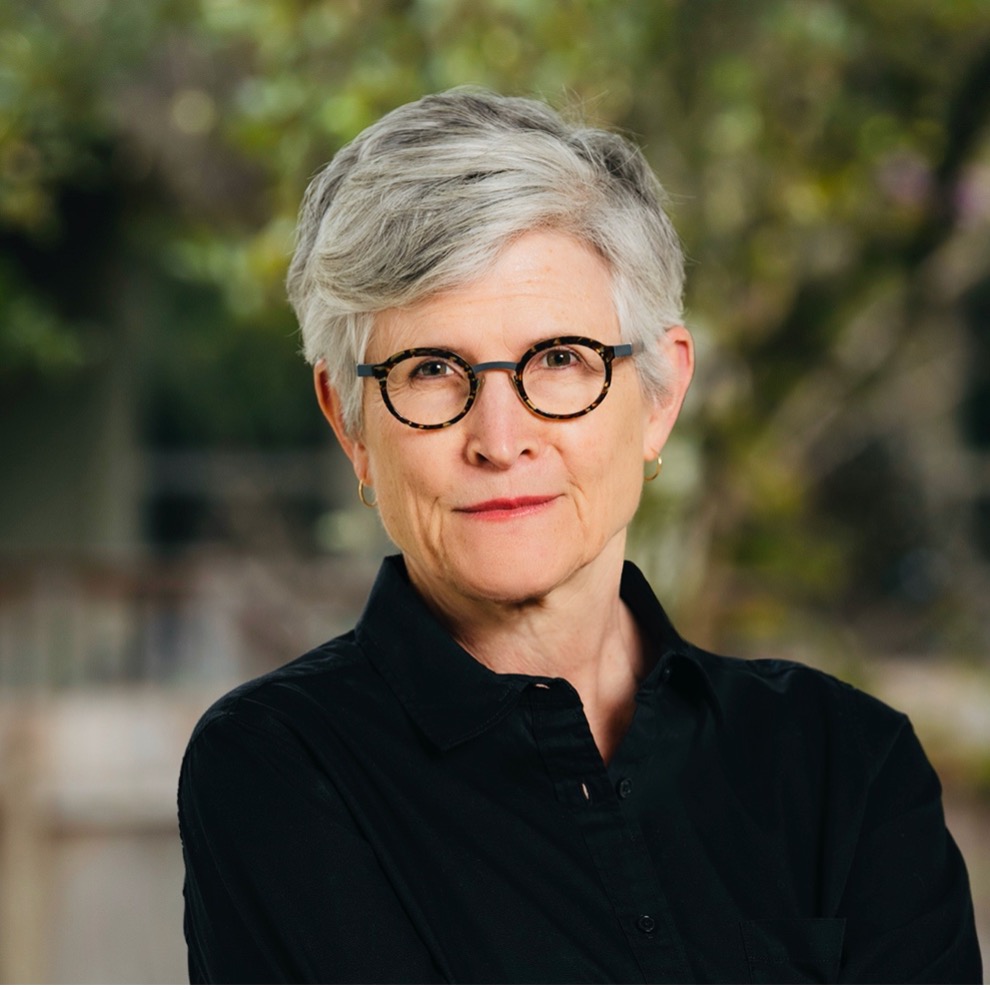
Catherine “Kate” Musemeche is a graduate of the University of Texas McGovern Medical School in Houston, Texas and the University of Texas School of Law. Musemeche’s first book, Small, was longlisted for the E.O. Wilson/Pen American Literary Science Award and was awarded the Texas Writer’s League Discovery Prize for Nonfiction in 2015. Her second book, Hurt, was named one of the top ten EMS books of the decade. She has also contributed to Smithsonian Magazine, the Wall Street Journal, New York Times’ “Motherlode” blog, KevinMD.com, Creative Nonfiction magazine and EMS World. She lives in Austin, Texas.
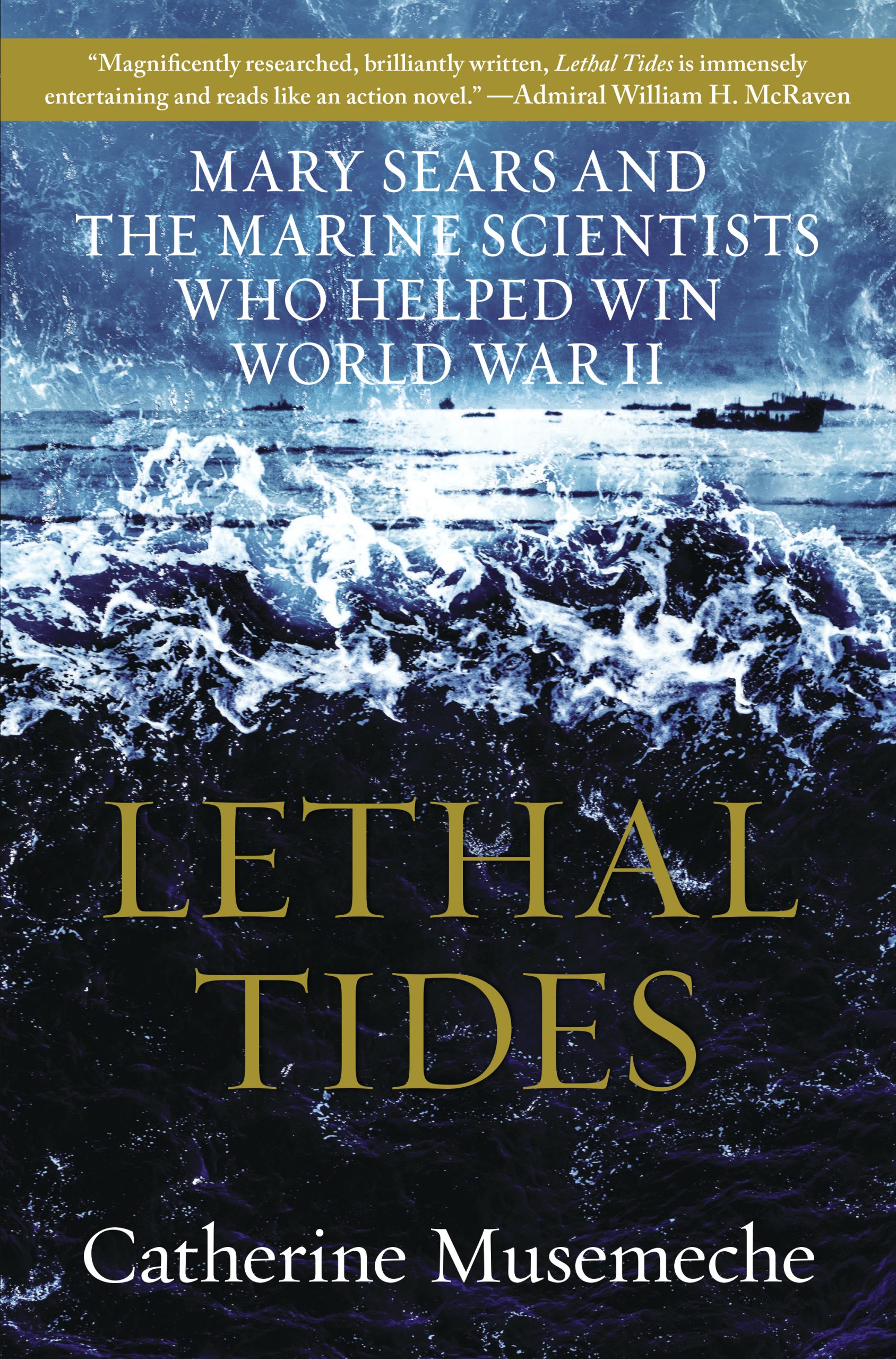
In her most recent book, Lethal Tides: Mary Sears and the Marine Scientists Who Helped Win World War II, Musemeche tells the story of how the U.S. Navy was unprepared to enact its island-hopping strategy to reach Japan when World War II began and how oceanographers came to the rescue. Anticipating tides, planning for coral reefs, and preparing for enemy fire was new ground for the navy, and with lives at stake it was ground that had to be covered quickly. They turned to Mary Sears, an overlooked oceanographer with untapped talent who, along with a team of colorful and quirky marine scientists, became instrumental in turning the tide of the war in the United States’ favor. Sears and her team helped the navy “solve the ocean” by guiding them to optimal landing sites in the Pacific and by identifying thermoclines, temperature gradients in the ocean, where U.S. submarines could hide from the enemy.
How could I resist a story like that? Take it away, Kate!
Lethal Tides straddles the boundaries between biography, science writing, and military history. How did you balance the three very different components of the story?
Thank you for noticing the three strands. Rather than seeing it as straddling, I attempted to weave the three strands—Mary Sears’ service in World War II, the nascent science of oceanography and the coming of age of the amphibious forces in World War II. I was elated when I realized I had these three strands to play with. What writer doesn’t dream of such narrative gold? When I learned that oceanography was a very new science at the advent of World War II (there were only about 100 trained oceanographers in the country and no oceanography majors per se) and that our amphibious forces, which had been conceived between World War I and World War II, were entirely untested that just made Mary Sears’ story all the more irresistible to me.
At the same time, however, weaving these three strands presented a massive challenge in terms of structure. Part One of the book is getting all the parts/people to the right place at the right time to launch central prong of the Pacific Campaign. Part Two follows the invasion schedule of the Pacific Campaign, working in, not just the challenges presented by each unique island target but also various advances in oceanography made along the way.
We are seeing more and more accounts of women who played vital roles behind the scenes in World War II. Why do you think such stories were left out of the traditional histories of the war? And why are we re-discovering them today?
Each story of an unsung hero be it the story of a woman in science, an African American soldier, a Mexican American pilot, or some other person who was left out of the initial round of historical narratives, broadens our understanding of not only who helped win World War II but also what was required to win World War II. By telling the story of Mary Sears in World War II, I am also shining a light on oceanographers and really, all scientists who contributed to that war, in much the same way as the movie Oppenheimer is doing.
In the past when we thought of wars we thought of the men fighting them and the weapons they used, maybe the geography but a whole lot more goes into conducting a war including science, technology, medicine, supply chains and the people who unload boxes of supplies on beaches in the middle of the Pacific Ocean. To include these new stories is to enrich our understanding of military history and there are some terrific stories out there waiting to be told.
These stories are emerging now, I think, for two major reasons. First, the history of World War II is being told by the people who can identify with these stories and publishers know there is a market for these stories and want to get them out there.
Your previous books dealt with specifically medical issues. Was it a challenge to make the leap to a historical narrative?
Lethal Tides did take me out of the world of medicine, my comfort zone, but at least the narrative centered around a scientist and the science of oceanography. As an academic surgeon I spent many years working alongside various scientists. I know the pressures scientists are under and how difficult it can be to get the data to conform to expectations.
There is definitely a learning curve in constructing a book-length narrative. I was fortunate that this story naturally lent itself to that structure. My challenge was more in combining three adventure stories into one continuous narrative thread composed of a character arc, the arc of a developing science and the arc of the amphibious forces. Another part of the challenge with telling the stories of historical figures who are all deceased, is digging out some details about what their daily lives were like. Even if someone remembers the person they are unlikely to know anything about their World War II service.
A question from Kate: What would you do if you had a tremendous idea for a new book about an unsung woman hero and your agent told you she didn’t think she could sell it? Have you ever had to deal with rejection in the literary world? What are your best coping mechanisms?
Rejection is something that all of us who are involved in traditional publisher have to deal with. It’s never easy. (And for the record: I had two book proposals rejected over the years, one by a series of publishers and one by my then agent.) As far as coping goes, I allow myself a little time to stomp around and shake my fists. Then I remind myself that it is not personal, and try to understand the rationale behind the rejection before I make a decision about what to do next.
***
Want to know more about Dr. Catherine Musemeche and her work?
Visit her website: http://catherinemusemeche.com/
***
Come back tomorrow for three questions and an answer with historian Catherine McNeur, author of Mischievous Creatures.


March 7, 2024
Helping to Write Women’s History
One of the greatest challenges in writing history is reading handwritten documents from the past. Many times over the last few years I found myself cursing struggling with Sigrid Schultz’s letters.* Her handwriting was not great. Her use of punctuation was erratic. (I blame this on years of writing stories in cablese and sending telegrams. Punctuation cost money, which meant you only used it when it was essential.) I managed her letters and notes in English and even French with minimal teeth gnashing. Banging my way through her letters in German was much much harder. So hard that I struggled with one letter for well over an hour before I realized it was in Norwegian, not German.**

All of which leads me to the National Women’s History Museum’s Women’s History Month project. Over the course of March they are urging people to help transcribed Clara Barton’s papers at the Library of Congress.*** The Barton transcribe-a-thon is part of the Library’s By the People public history transcription project. Here’s the link to the Women’s History Museum’s call to arms: https://events.womenshistory.org/events/transcribe-clara/ . It includes tips on transcribing and links to the campaign to transcribe Barton’s papers and the larger By the People project.
Future historians will thank you.
*I hear snickers, maybe even guffaws, from those of you who have suffered with my handwriting over the years. You may have noticed that, thanks to my experience with Sigrid’s letters, I type most of my letters now.
**I do not read Norwegian.
***Barton was more than “just” a nurse. (Not that “just” should ever be applied to nurses as far as I’m concerned. The more I’ve learned about nurses over the years, the more impressed I become.) If you would like a quick introduction to or refresher on Barton’s life, you can find it here, here and here.
***
Come back on Monday for three questions and an answer with Dr. Catherine Musemeche, author of Lethal Tides: Mary Sears and the Marine Scientists Who Helped Win World War II.
***
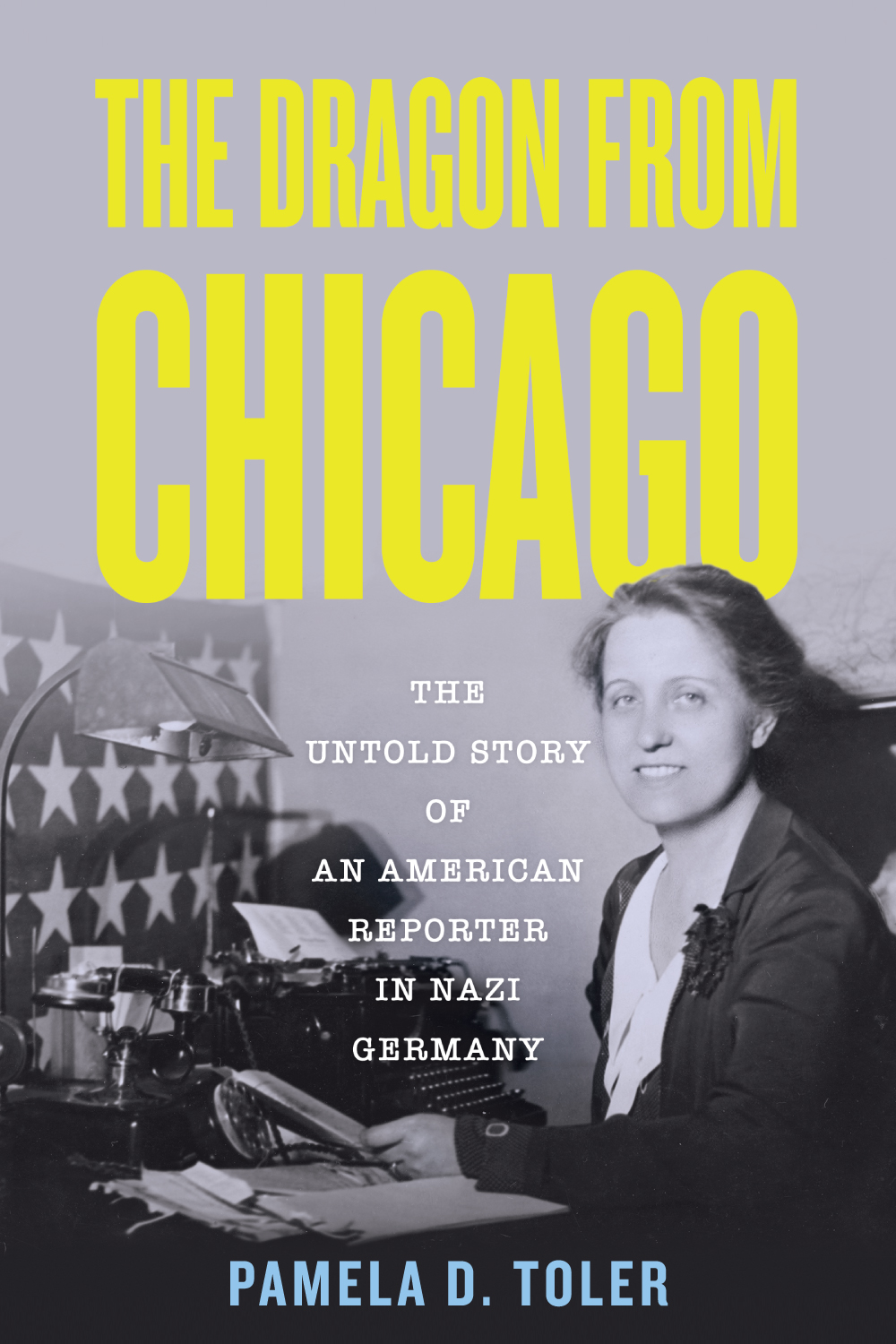
Just a reminder that The Dragon for Chicago is now available for preorder wherever you buy your books. If you want a signed copy, you can order it through my local independent bookstore here: https://www.semcoop.com/dragon-chicago-untold-story-american-reporter-nazi-germany Use the special instructions block at the bottom on the order page to request a signed copy and tell me how you want it signed.
Many thanks to those of you who chose to pre-order. It makes a difference.
March 6, 2024
Talking About Women’s History: Three Questions and an Answer with Kip Wilson
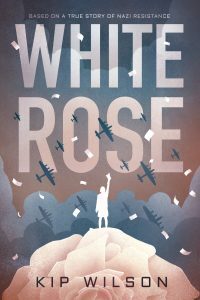
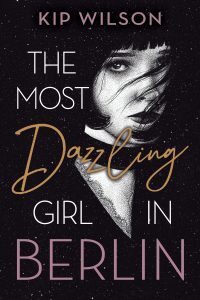
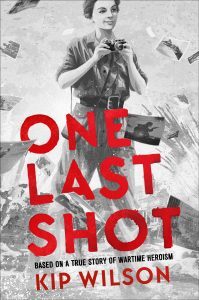
Kip Wilson is the author of critically-acclaimed young adult verse novels White Rose (Versify, 2019), about anti-Nazi political activist Sophie Scholl, The Most Dazzling Girl in Berlin (Versify, 2022), set in a queer club in Berlin during the last days of the Weimar Republic, and One Last Shot (Versify, 2023), about anti-fascist Spanish Civil War photojournalist Gerda Taro. Kip holds a Ph.D. in German Literature and spends her days as a Library Technician at the Concord-Carlisle Regional High School.
I’ve been looking forward to reading One Last Shot ever since Kip announced she was writing the book, and I am so pleased to have her back on the Margins to talk about it.
Take it away, Kip!
What path led you to Gerda Taro? And why do you think it is important to tell her story today?
I’ve long been interested in the interwar period (The Most Dazzling Girl in Berlin also takes place in the 1930s), and I’m married to a Spaniard, so I’ve been learning about the turbulent history of Spain at that time for a while. But I didn’t connect to a protagonist until August 1, 2018, when I saw an impish girl holding a camera on the Google Doodle. I clicked on the image right away of course, and was intrigued enough by what I saw about Gerda Taro at first glance that I quickly ordered several books about her and her more famous partner, André Friedman (aka Robert Capa).
Writing about a historical figure like Gerda Taro requires living with her over a period of years. What was it like to have her as a constant companion?
You know, it was pretty amazing. The more I knew her, the more I loved her. What a firecracker! I wish I could hang out with her, truly. But that’s not to say she was a perfect individual or had a fantastic life. She lived through incredibly difficult times and did what she had to do to survive. Photographs of her show a goofy personality, a thirst for adventure, and an unrivaled self-confidence I certainly wish I had. “What would Gerda do?” is certainly a question I sometimes ask myself since getting to know her that delivers much more interesting results.
What types of sources do you rely on to create rich fictional characters from obscure, or poorly documented historical figures?
Gerda Taro unfortunately falls into this category, because she left behind no surviving letters or diaries–just a single telegram! But I’m so lucky that many of Gerda’s photographs are available online through the International Center of Photography (ICP): https://www.icp.org/browse/archive/collections/gerda-taro-september-26-2007-january-6-2008. It’s amazing how much you can tell about Gerda from photographs of her as well as by her.
I’m also lucky that Gerda’s biographers were meticulous in their research–interviewing surviving friends and acquaintances when they were still alive, and digging deep in the archives to find all kinds of incredible historical details.
A question from Kip: Who or what initially sparked your interest in women’s history? I’m curious to hear what started you along this path.
One of my favorite things to do when I was small was curl up next to my grandmother and ask her, “What did you do when you were a little girl?” From there it was a short step to reading biographies about historical women who ignored social boundaries and accomplished things—the kind that are written with the intention of inspiring young girls. My grade school’s revolving library owned a whole series of them. Each volume started with the woman as a little girl who didn’t quite fit in. Every week a new one arrived and I snatched it before anyone else could get it, eager to read about Clara Barton, Madame Curie or Julia Ward Howe. They were undoubtedly whitewashed accounts of complicated lives, but I loved them.
***
Want to know more about Kip Wilson and her work?
Visit her website: kipwilsonwrites.com
Check out her Instagram account: @kipwilsonwrites.
***
Tomorrow it will be business as usual here on the Margins with a blog post from me. Then we’ll be back on Monday with an interview with Dr. Catherine Musemeche, author of Lethal Tide
March 5, 2024
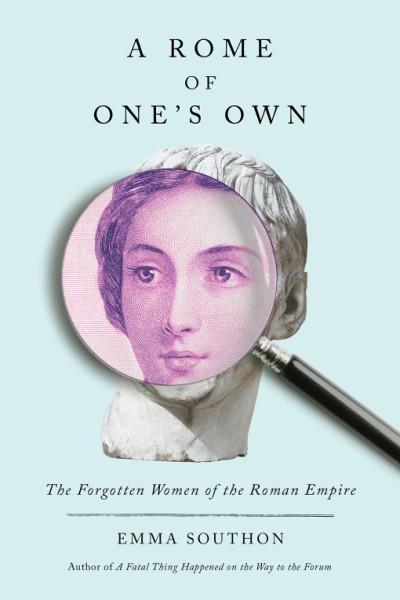
Talking About Women’s History: A Bunch of Questions and an Answer with Dr. Emma Southon
Back in November at least half a dozen of my friends sent me the link to an essay by Emma Southon, titled “Why We Need a Women’s History of the Roman Empire.” I read it and was hooked by the voice and the ideas. I immediately ordered her delightfully titled book, A Rome of One’s Own and invited her to join us here for what turned out to be a whole bunch of questions and an answer.
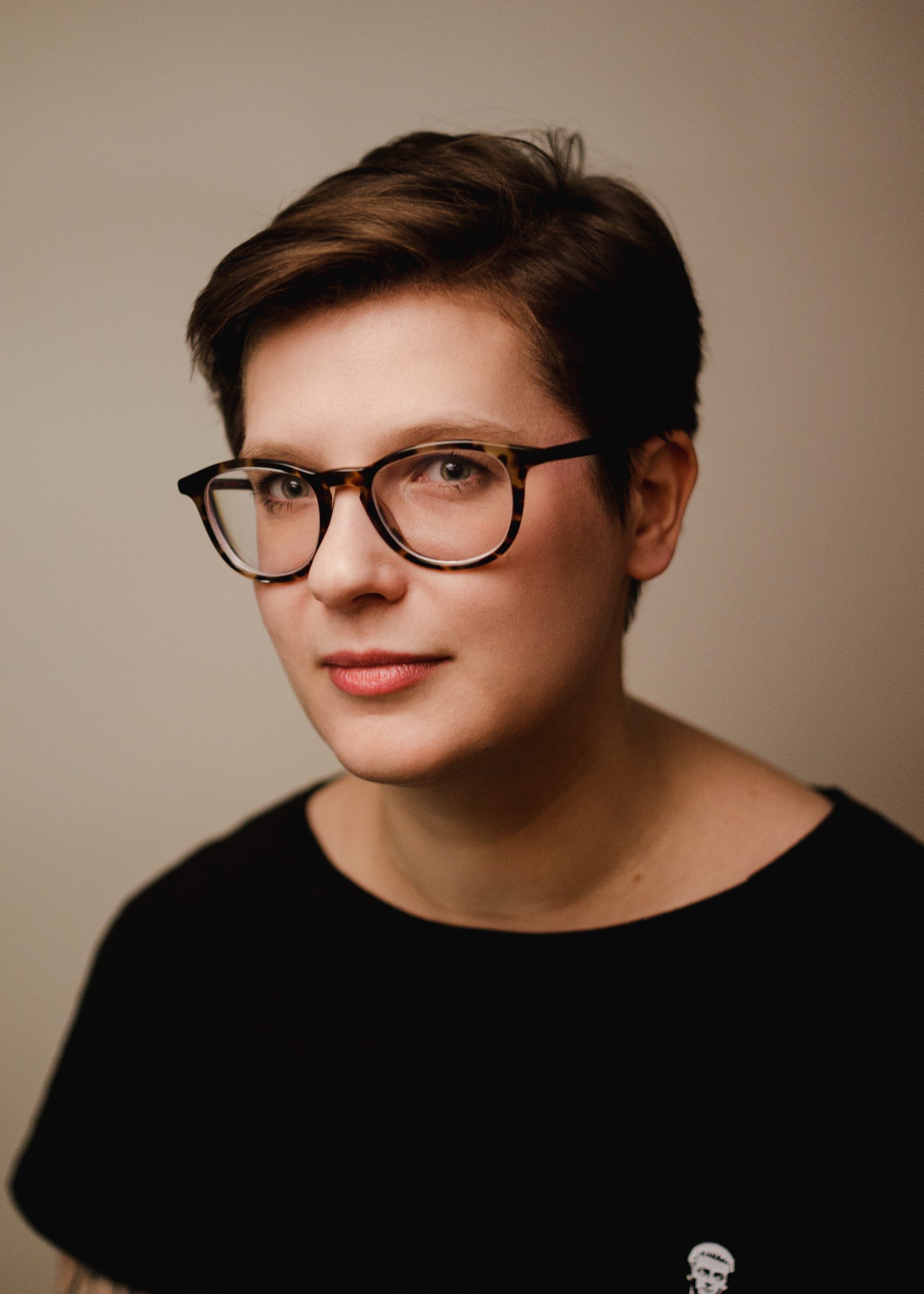
Dr. Emma Southon holds a PhD in ancient history from the University of Birmingham. The author of A Fatal Thing Happened on the Way to the Forum, Marriage, Sex and Death: The Family and the Fall of the Roman West and Agrippina, she co-hosts a history podcast with writer Janina Matthewson called History Is Sexy and works as a bookseller at Waterstones Belfast.
Take it away, Emma.
What inspired you to write A Rome of One’s Own? How does looking at classical Rome through the lens of women’s lives change the story?
Mostly I wanted to add to the conversation about ancient women that had started to happen in fiction; after Madeleine Miller’s Circe, this wave of novels about Greek goddesses came out, retelling their stories to centre female narratives. I work in a bookstore and I saw them come in and the little contrary Romanist in me wanted to remind readers that Romans exist (and are, imo, cooler!) And even better, Roman women are real!
When I started compiling lists of women to include in the books and thinking about how to do it, I decided to tell the story of the rise and fall of the empire through women’s stories and lives and found that it mostly removes all the traditional narratives. There’s hardly any battles, no senatorial speeches. It think it makes the Roman empire more real and more clearly a thing that happened to people. The masculine narrative of war and expansion and more war always comes from the perspective of the Romans themselves and it feels so high minded. The female perspective means you have the space to include more stories of people experiencing the Roman empire changing their lives.
In A Rome of One’s Own, you look well beyond the stories of empresses and elite women to talk about slaves, business women, professional women, and women from distant parts of the empire. How difficult is to find sources for women whose lives are not well documented in traditional sources?
The real challenge is finding significant evidence for women beyond a couple of sentences! When I started making lists of potential women, they got overwhelmingly long because there are hundreds of stories that I could include. The problem was that so many of them are documented in just a line or an epitaph and nothing else is known about them. We know one thing about their life, such as that they were married to the commander of an auxiliary cohort that was stationed in Britain for a while in 100 CE, or that they owned a complex of buildings in Pompeii but nothing else. But that’s true for most men too. Most of the traditional literary sources are interested in a tiny minority of men at the tippiest top of the Roman tree and their experiences don’t really reflect the millions of other men who lived in the empire.
You look at a wide range of Roman women. How did you decide which women to include?
With great difficulty! I went through a lot of different lineups. It was dictated in the end by chronology. I knew I wanted women from every phase of Rome’s history until the abdication of Romulus Augustulus and I didn’t want there to be lots of chapters clustered around certain periods (*cough* the julio-claudians *cough*). So I lost a lot of great stories because they just happened to be too close in time to another woman that I included. I would have to make a decision between two or three women and I usually told the story that I thought had been told less, or was less Imperial. For example, Calvia Crispinilla was one that I had in until quite late because she just has a fun Roman story of excess. She’s an African woman who becomes prominent in Nero’s court, and he made her a “mistress of the wardrobe” to his enslaved “husband” Sporus. When Nero was overthrown, she cut off the food supply to Rome in order to try and force the Senate to choose her pick for emperor. Despite all this, she went on to marry a consul, run a wildly successful wine and olive oil business and live rich and happy. It’s a great story! But it’s too familiar, and overlapped with Boudicca and Cartimandua, which I decided were stories that were more surprising and gave a wider view of what living in or with the Roman empire was actually like.
Was there a woman you were sad to leave out?
I was devastated to cut out Babatha, a Jewish woman who lived in the Roman province of Arabia, on the modern border between Jordan and Israel. She died 132 CE because she fled the Bar Kokba rebellion in Judea and holed up in a cave near En-Gedi with various other friends and family to escape the fighting. Unfortunately, none of them ever left that cave but she obviously assumed she would because she took with her a bag full of documents detailing her marriages, her husbands’ other wives, her property disputes, her fights with the Roman governor about a pension for her son, the fist fights she had with the Roman woman who represented her in court, her fig trees. It’s such a glorious archive of a woman’s life! I chose Julia Balbilla instead because I love her but I do sometimes wish I had included Babatha.
You introduce readers to a lot of fascinating and unexpected women. Do you have a favorite, or two?
I’m a big fan of Julia Balbilla! Which is why she won over Babatha. I love her combination of boastfulness and desperation to be remembered; of being hugely educated and smart and rich and royal and also deeply mediocre at poetry! I also love that she has this triple identity as Greek and Roman and Seleucid; royal and not-royal at the same time and that she makes such a big deal about how SHE is descended from gods too, just like Hadrian! I find her so fascinating.
The other is Julia Felix, who we know about only from the fact that she just happened to be renting out her entertainment complex at the exact time that Vesuvius erupted. She’s running this great business, she’s persuading the authorities to move a road for her, she’s showing her customers themselves as epic artwork and giving them a taste of luxury. She’s great.
What work of women’s history have you read lately that you loved? (Or for that matter, what work of women’s history have you loved in any format? )
I recently loved Jane Draycott’s book about Cleopatra Selena Cleopatra’s Daughter. Her reconstruction of her life and reign after the death of her parents is entertaining and brilliant. The one I recommend to everyone is The Five by Hallie Rubenhold, which blew my mind. I had no idea so much information about Jack the Ripper’s victims existed and it made me totally reevaluate that whole story. One that I love and plunder regularly is Emily Hemelrijk’s Women and society in the Roman world: A Sourcebook of Inscriptions from the Roman West. A collection of women’s lives in epigraphy and graffiti, it contains so many tiny stories.
[Note from Pamela: Look for three questions and an answer with Jane Draycott later this month.]
What do you find most challenging or most exciting about researching historical women?
Challenging is the lack of their actual words. When you get to read the letters of Pliny the Younger or Cicero or Fronto, you get such a thrilling insight into their minds and personalities that we never have for women and it’s infuriating to know they all wrote letters and they were all lost. On the other hand, the lack of big texts means that there are hundreds of fragmentary female stories to be discovered and it is thrilling every time you find a new one. The first time I read Claudia Severa’s letter from Vindolanda it was AMAZING. And when I first read the female-authored sapphic graffiti in Pompeii, I wanted to tell everyone I knew about it. You don’t often get that excitement with a Cicero letter!
You also co-host a history podcast, History is Sexy, which Radio Times describes as “amiably daft.” How would you describe the purpose of the podcast? What types of stories do you discuss?
History is Sexy aims to answer questions that listeners have that they don’t have time to research themselves, in a kind of friendly chatty way. So we are guided by our listeners! Sometimes we do big topics like the history of red heads, or or how men’s clothing got boring or whether matriarchal societies were real (and what a matriarchal society even is). We just did a big two-parter running through the whole Ptolemaic dynasty and then did one on debutante ball culture in the UK and US. It’s always different and usually fun!
You’ve successfully made the jump that many academics dream of, from writing purely academic work to writing books of rock-solid scholarship with a popular audience in mind. Do you have any advice for readers who dream of doing the same?
The main advice I give academics who want to write for non-academic audiences is to stop being defensive in your writing. When you are writing for academics, you know that the first three readers are going to read it looking for holes and everyone else is going to try and mine it for their work/disagree with it. So you become defensive and try to cover every angle. When you’re writing for non-academics, you get to assume that the person reading it already wants to agree with you and learn from you, and they want to be entertained or moved or made to go wow or to learn something cool they can tell their friends. I was lucky that I taught academic writing and writing across the genres for a few years which taught me to break down writing for different audiences but it is hard work to shift from everything you know about writing your subject. Assume you are writing for a friend rather than an enemy!
A question from Emma: Do you think Women’s History Month is important and why?
The answer I come back to every year is that I think it’s important, I love celebrating it, and I wish we didn’t need it.
If you look back at Lori Davis’s mini-interview yesterday, you’ll read a story about a professor who squeezed in an obligatory, uninspired, and unsatisfactory moment of women’s history at the end of each unit in a History of Civilization course. Until we reach the point that women are included in history classes, historical museum exhibits, and living history programs as a matter of course we need Women’s History Month.
In the meantime, I will continue to enjoy the annual carnival feeling of celebrating historical women, well-known and otherwise, with my people across the Internet and in real life
***
Want to know more about Emma Southon and her work?
Visit her website: https://www.emmasouthon.com/
Listen to her podcast: https://historyissexy.com/
***
Come back tomorrow for three questions and an answer with novelist Kip Wilson.
March 4, 2024
Talking About Women’s History: Three Questions and an Answer with Lori Davis
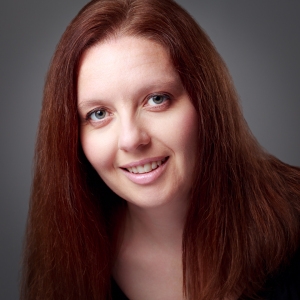
Lori Davis is the writer and producer of the podcast and blog Her Half of History. The show explores what it was like to be a woman in the past, from queens to slaves to everything in between, with episodes on women who successfully seized control of an empire, the nitty gritty of how to do laundry without electricity or plumbing, when women finally could get credit cards and more. In short, lots of fascinating stuff that doesn’t show up in mainstream history classes.
Her Half of History is a member of both Evergreen Podcasts and the Into History podcast network.
Take it away, Lori!
How do you choose the topics for your episodes?
My listeners choose! At least, they choose the theme for each overall series.
My setup is different than most history podcasters because I’m not trying to cover a chronological period, and I’m also not picking topics at random. Instead, I let listeners vote on a series theme. Past themes have included women who seized power, women as great painters, and women who escaped slavery. I’ve also done some social history themes: the history of housework, the history of girlhood, the history of getting married, etc.
Once the polls are closed and the theme is chosen, I dive into research mode. I choose the topics for each individual episode based on what I find. For example, I am currently working on Series 12: The Last Queen. I’ll have episodes on Boudica, Cleopatra, Liliʻuokalani, and Marie Antoinette for sure. There are also a whole host of less famous women that will also get an episode.
I always try to include a variety of locations and historical eras because one of my favorite things about history is the cross-cultural comparison. I love looking at how people faced very similar situations and sometimes came up with radically different solutions. Or sometimes they came up with the same innovative solution as another group with whom they had absolutely no contact. Unfortunately, I find that the sources available to me often skew heavily in favor of Western Europe and North America, but I do try hard to make sure that my podcast does include women from other places.
When did you first become interested in women’s history? What sparked that interest?
I’ve always loved history in general, but I used to despise women’s history! When I was in college, I took a History of Civilization course. The professor had clearly been informed that women exist because at the end of each unit, he’d say, “What was the position of women in this civilization?” The answer was always “Bad.” We’d list all the rights women didn’t have (it was always the same list as for the previous civilization), and then we’d move on to the next unit. I thought women’s history was the most boring thing ever. I mean why even ask the question if that’s all there is to say? I thought we should have just stuck with the interesting stuff, which was what the men were doing.
I’d also heard a lot of women rant about how much discrimination women faced in the past (and the present). That wasn’t exactly boring, but it was depressing. A lot of what they said was true, but it didn’t make me want to hear more.
Women’s history sort of snuck up on me. When choosing a research topic for my capstone thesis, I wanted to do something with literacy in territorial New Mexico. That was too big for the time available, so cutting it down to women’s literacy seemed like a way to make it manageable. Many years later when I wanted to make a history podcast, I was casting around for what my distinguishing niche would be, and it occurred to me that most of the history podcasts I had binged and loved didn’t include a lot of women. It seemed like a place where I could add to the conversation. One thing really just led to another, and I just published my 117th episode. I really love women’s history now!
What was the most surprising thing you’ve found doing historical research for your work?
Just how much there is on women! Earlier I had the vague impression that traditional history didn’t include many women because women weren’t allowed to do anything. That meant women’s history had to be short, vague, boring, depressing, or all of the above. Nothing could be farther from the truth.
It is true that men have dominated the historical record, but when you take the trouble to look, you find women everywhere. Given the reality of discrimination against women, it is incredible just how much they did manage to accomplish, in pretty much every field of human endeavor. There is absolutely no shortage of things to say about women, their lives, and their achievements.
A question from Lori: Who are your favorite women in history that you think should be better known than they are?
At least for today, I would say Margaret Chase Smith (1897-1995), senator from Maine. She is certainly not forgotten, but is not as well known as she should be, and is one of my personal heroes.
Tomorrow I might have a different answer. So many amazing women. So hard to chose.
* * *
Want to know more about Lori Davis and her work?
Visit her website: https://herhalfofhistory.com/
Follow her on the social media platform previously know as Twitter: : https://twitter.com/her_half
Visit her on Facebook: https://www.facebook.com/herhalfofhistory
Check out her Instagram account: https://www.instagram.com/herhalfofhistory/
Come back tomorrow for a whole bunch of questions and an answer about women in ancient Rome with historian Emma Southon,
March 3, 2024
Talking About Women’s History. A Bunch of Questions and an Answer with Brooke Kroeger
I am pleased to open this year’s Women’s History Month series with what turned out to be more- than-three questions and an answer with journalist and author Brooke Kroeger, whose most recent book, Undaunted: How Women Changed American Journalism (2003) explores how women have fared in American journalism’s most competitive and highly valued bastions, the ones men have dominated in the 180 years since mass media began. A topic that I have some interest in.
Brooke is also the author of Nellie Bly: Daredevil, Reporter, Feminist (1994); Fannie: The Talent for Success of Writer Fannie Hurst (1998); Passing: When People Can’t Be Who They Are (2003); Undercover Reporting: The Truth About Deception (2012), and The Suffragents: How Women Used Men to Get the Vote (2018).
Early in her career, she was UN Correspondent for Newsday and deputy metropolitan editor for New York Newsday. Over eleven years with United Press International in its Scripps Howard days, she reported from Chicago, Brussels, London and Tel Aviv, where she was bureau chief (1980-83) before returning to London to become the agency’s division editor for Europe, the Middle East, and Africa (1983-84). At NYU, she served on the journalism faculty from 1998 to 2021 and from 2005 to 2011 was department chair and founding director of NYU’s Arthur L. Carter Journalism Institute. She created the MA unit Global and Joint Program Studies and directed this joint program field of study from 2007 to 2020.
In short, Brooke is a woman who knows a lot about women in journalism.
Take it away, Brooke!
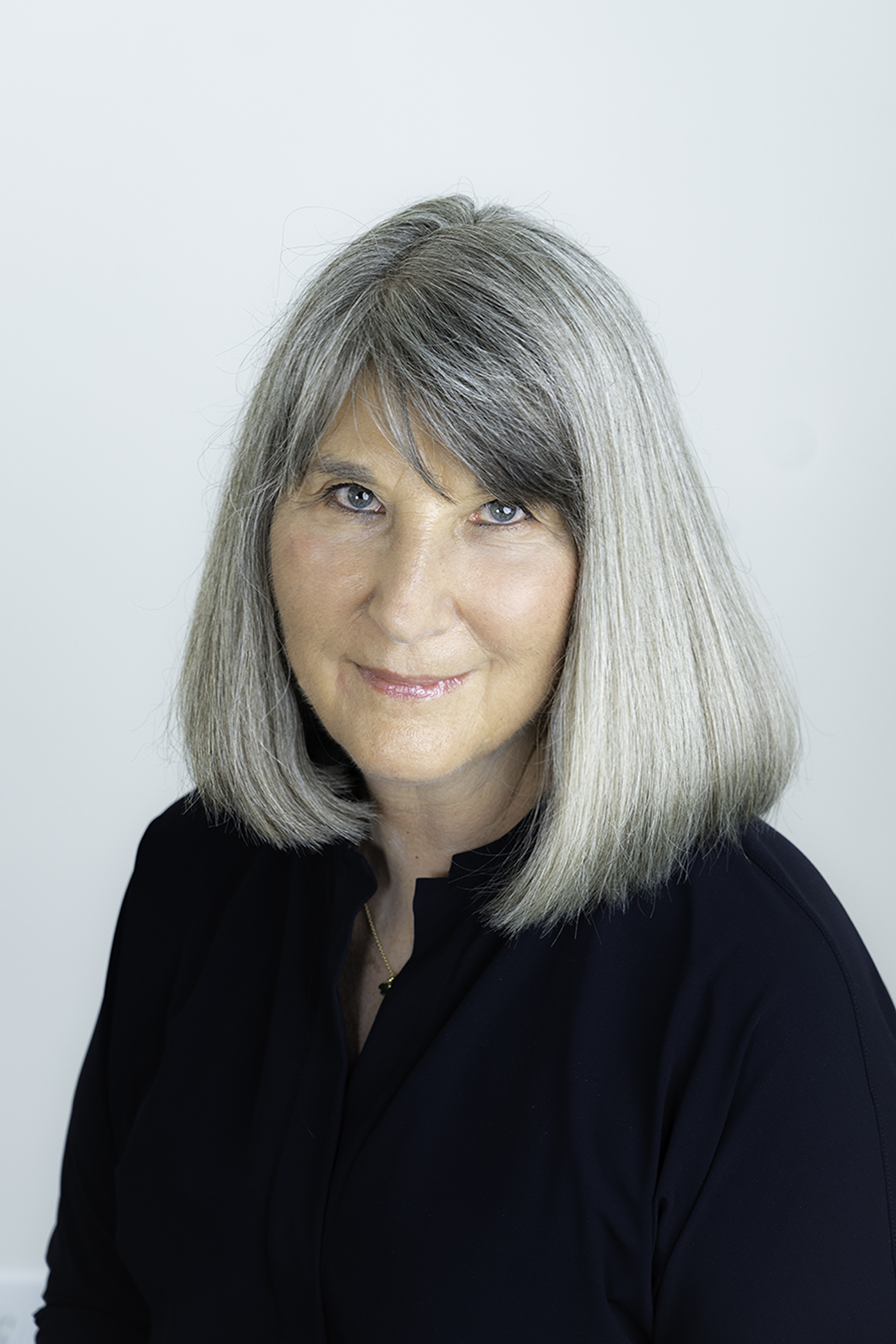
Photo by Jenn Heffner @East27Creative
How did your own long career as a journalist shape the writing of Undaunted?
My background was essential to the work. It influenced the anecdotes I chose, the details I emphasized, the reflections those examples elicited, the questions I asked of the living and of the historical record, and the responses all of these elements evoked, ones that grew out of my own long experience and relationships over more than 50 years with other women journalists—both established and emerging—feelings, really, that remain common to us all.
You share the stories of a large number of women in Undaunted. How did you choose which women to include?
This was such a painful process and I know from a few comments in public forums that it is hard for some readers to accept who got left out in the winnowing. We wanted the text to be under 400 pages. Hence, the 120 pages of endnotes as I couldn’t entirely let go. And yet, it’s meant to be representative history—emphasis on representative.
I focused on women with outsized careers for their time in major mainstream publications and broadcast outlets or those who attracted major mainstream notice, not later in excavation, but in real time. I looked only for women doing what we might call men’s work, women who had jobs or held positions that men in the field would envy. Women who competed directly with men. This mattered especially in the years when this was far less common than it is today. That meant no women’s magazine denizens (e.g. Gloria Steinem only as a freelancer before Ms.), no activists, no writers who wrote or broadcast primarily in languages other than English.
In the introduction, I explain my method. For consistency, I used dozens of proprietary databases from 1840 to the present and applied the same two search terms to every decade: “women” “journalism.” This gave me “a good sense of the conditions that governed the presence and place of women as journalists, the ideas about them that prevailed in each period, and how those ideas changed, or did not change over time. It became possible to identify the individuals whose achievements received the most attention. I considered how and why some women attracted publicity and if and how their stories fit into the wider context of women’s advancement.” I told the story in strict chronology, decade by decade. The dominant theme of progress-setback-progress-setback guides the telling. On top of all that, I gave precedence to the episodes that dealt with or dovetailed with the most significant news events and trends of each period.
I used 12 questions as guides: Which stories best illustrated what women were up against in their professional lives? How or why did the most successful women first get in the door? Who were the true trailblazers and pioneers? (Sidenote from Brooke: those words erroneously get thrown around far too often.) Assuming talent and hard work, how much did background, privilege, strategy, charisma, style, looks, advocacy, connections, or luck figure in their ascent? How well did women manage their successes and failures, their celebrity and censure? Were they “womanly” or “manly” in their reporting and writing or in their editorial vision? What impact did they have on the nation’s news diet and on the profession? Whom among women has the wider journalism community chosen to honor? Which qualities and characteristics fairly or unfairly attributed to women brought condemnation? Which brought respect? How did newsroom politics figure? Have women made a difference? I liked the opportunity to highlight great friendships and I gave due respect to the men who gave deserving women opportunity when so many others would not.
Was there a woman you were sad to leave out?
So, so many. In many cases this was because the most compelling contours of those personal stories were too similar to those of predecessors from earlier decades whom I had already detailed. See above.
You introduce readers to a lot of fascinating women in Undaunted. Do you have a favorite, or two?
Again, so many. This would include all the well-remembered you would suspect with a special place for Charlayne Hunter-Gault. And from the entirely forgotten, don’t miss Edith Evans Asbury, who defied all odds to become a brilliant New York Times metro reporter (but not until her 40s!), serving from 1952-1981, and Ann Stringer, the United Press World War II correspondent, who, like a few others, defied no-women-allowed regulations to report up the Rhine, but then also scooped every other reporter on the Russian-US linkup at Torgau, and produced scoop after scoop from Nuremberg working under Walter Cronkite, then also with UP.
What was the most surprising thing you’ve found doing historical research for your work?
In a field that puts a high premium on youth, how many enormously successful early 20th century women journalists hit stride in middle-aged, e.g. Pauline Frederick, Marvel Cooke, Ethel Payne, Edith Evans Asbury.
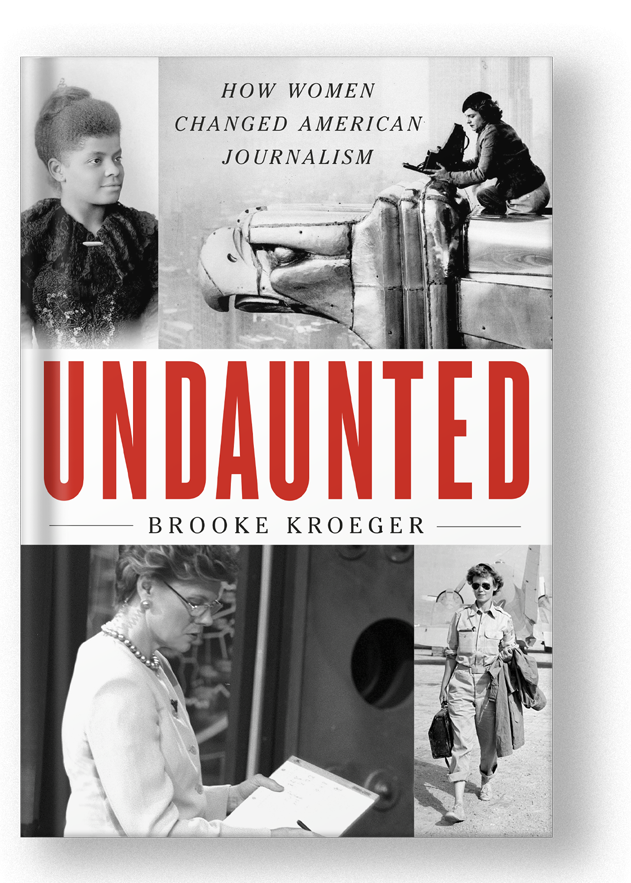
A question from Brooke: If you’ve read the book, what was your most significant take-away?
The clear sense that more women worked as serious reporters than the shorthand version of the story tells us, something I’m finding to be true in more and more historical contexts.
* * *
Want to know more about Brooke Kroeger and her work?
Check out her website: https://brookekroeger.com/
Follow her on Twitter: @brookekroeger
Come back tomorrow for three questions and an answer from Lori Davis, writer and producer of the Her Half of History podcast.
February 29, 2024
Starting Women’s History Month with a Song in Our Hearts
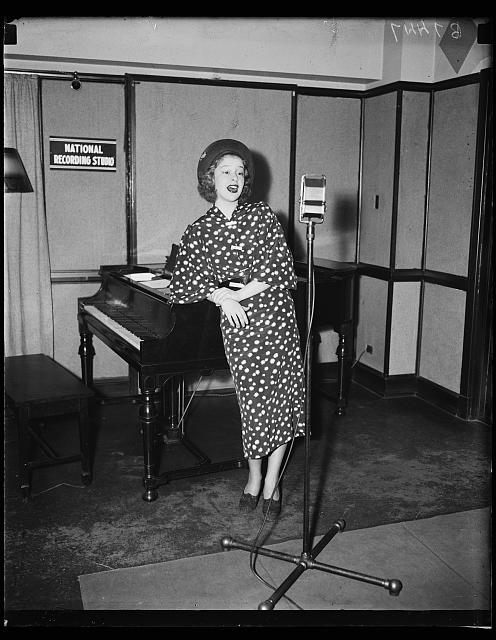
As usual in March, I am hosting a month-long series of mini-interviews here on the Margins in celebration of women’s history month. As usual, we have three questions (or more) and an answer with people doing interesting work related to women’s history in a variety of fields and forms. (If you want to read some interviews from prior months, you can find them here: https://www.historyinthemargins.com/category/women/womens-history-month/ )
I am not the only person offering a month of special content in March. I am very excited by the project of composer and pianist Amy Wurtz, who is celebrating by performing 31 works of music written by women composers on her YouTube channel. I peeked at what she did last year, and I am definitely going to be following along. I invite you to join me.
Here’s a link to her announcement of the project, which includes a link to her YouTube channel: https://www.amywurtz.com/post/women-s-history-month-2024
If you want to skip the explanation and go straight to the music, here’s the YouTube link: https://www.youtube.com/channel/UCOfXxKR189__pNUIyTXBJAQ
And now, to quote Maurice Sendak: Let the wild rumpus begin! (Okay, I may be a tad overexcited.)
***
Come back on Monday for many questions and an answer with journalist Brooke Kroeger, talking about the history of women in journalism—a topic I’m very interested in these days.
February 26, 2024
Napoleon’s Russian Campaign
I am writing this on February 20, a week (or more) before you are reading it. I was amused to learn this morning that it is National Clean Out Your Bookshelf Day, a “holiday” that has been celebrated each 20th of February since 2014 by, well, I don’t quite know who.
It is also the last day that I am writing a post inspired by trying to find room on my shelves for the books I used in writing The Dragon from Chicago. I can’t claim I cleaned out my bookshelves in the process, though I did move a handful along to the giveaway box in the basement. (I suspect I will suffer sorter’s remorse and pull a few of them back out.)
With one last hurrah before Women’s History Month starts, I bring you Napoleon’s Russian Campaign by Count Phillipe-Paul De Ségur.
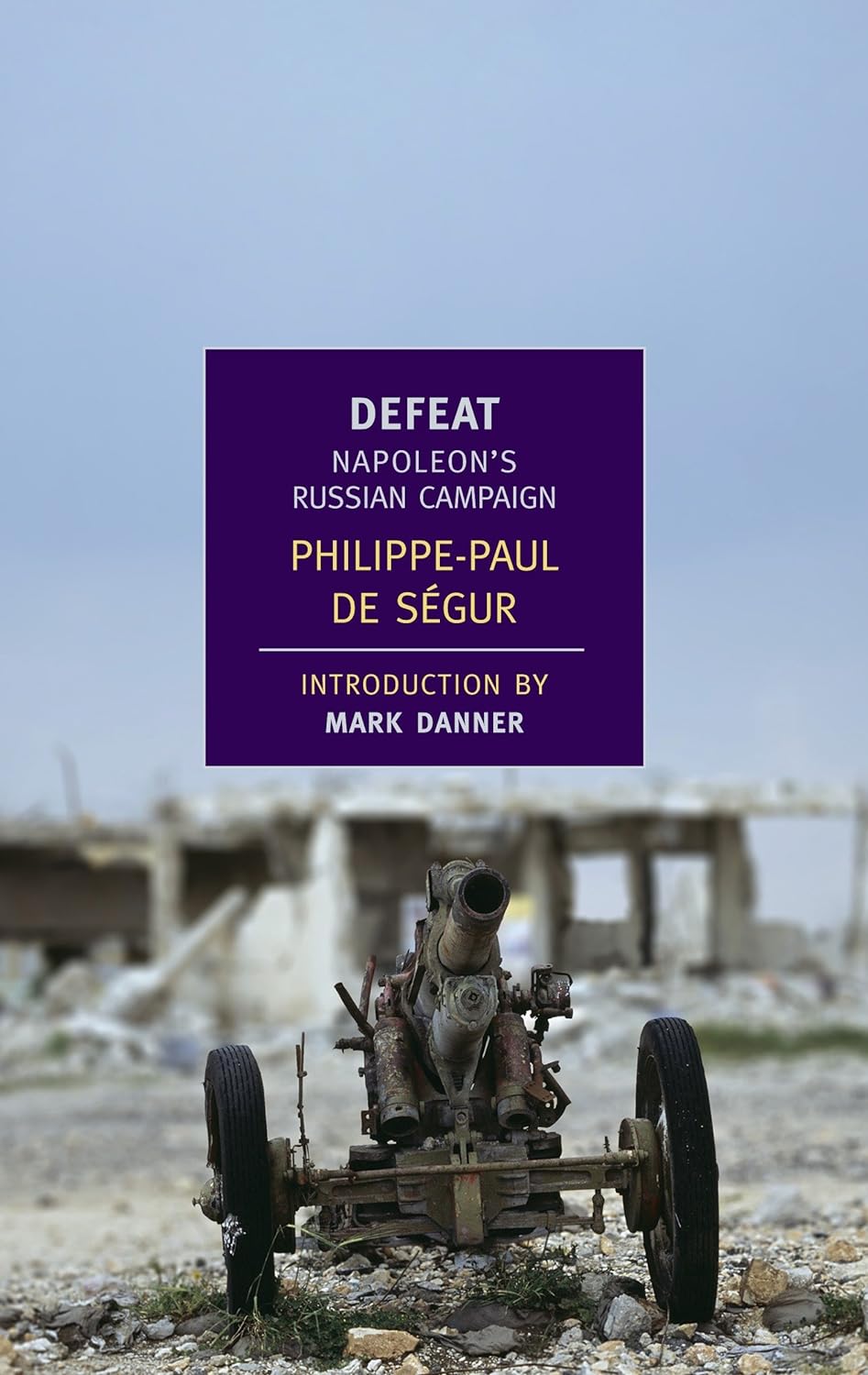
This is a much better cover than the one on the edition I own, but this edition doesn’t have an intro by Peter Gay. Which I think is better than a cool cover.
The Count de Ségur was an eyewitness of Napoleon’s Russian campaign. He was a member of a French noble family that had come through the French Revolution impoverished but alive. He was struggling to make a living writing theater skits when he first saw Napoleon riding through the streets of Paris at the head of his cavalry escort. De Segur, whose father was Minister of War under Louis XVI, succumbed to his family’s military tradition and applied for a commission on Napoleon’s staff. He served as one of the general’s aides de camp from 1800 through the end of the Napoleonic Wars. He was, in his own words, “less an actor than a witness, never leaving the Emperor’s side for more than a few feet, and then only to deliver several of his orders and see that they were carried out.”
De Ségur published his account in 1824. The two volumes were an enormous success: ten editions sold out in three years. Later, various one-volume editions appeared that left out technical military details about supply depots and marching schedules and instead concentrated on the dramatic story at the heart of the book. The edition I own was abridged by de Ségur’s grandson and includes an introduction by historian Peter Gay.
I suspect I would have enjoyed the supply train info, but there is no doubt that the book as it stands is an enthralling account of Napoleon’s hubris in marching to Moscow and the tragedy of the French army’s retreat, told from the perspective of a man who was there. De Ségur opens with Napoleon walking down the lines of his soldiers, who were massed for the great march to the east, asking his men about their thoughts and needs. It ends with him abandoning his men in the field as he raced toward Paris to raise new troops. From beginning to end, de Ségur keeps the reader at his side with a judicious use of the first person plural. The first chapter ends “We had to press on in pursuit.” And we, the readers, press on too, as if we were part of the Grand Army.
February 22, 2024
From the Beast to the Blonde
March 1st is almost here: only two more posts in which I dive into my bookshelves and pull out treasures from my reading past before we switch gears entirely.
For those of you who haven’t been here on the Margins before during Women’s History Month, we ramp up to five posts a week. Four of them are mini-interviews with people who are doing interesting work in women’s history: historians, podcasters, novelists, you name it. On Friday, I write a post featuring a women’s history story or idea. It is Big Fun as far as I’m concerned. (And yes, a lot of work.) I hope you enjoy it too.
In the meantime, let’s take a look at From the Beast to the Blonde: On Fairy Tales and Their Tellers by historian, mythographer, and novelist Marina Warner.
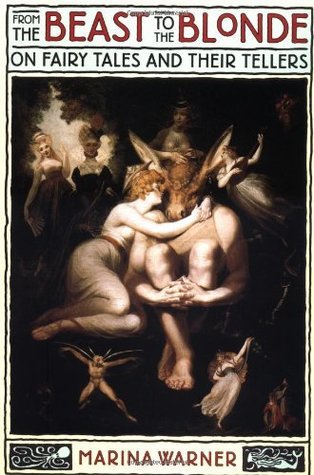
Like much of Warner’s work, From the Beast to the Blonde explores tales of the imagination for the truths they reveal. Warner looks at story tellers as they appear inside the stories as well those scholars, collectors and writers who have transcribed, translated, and transformed familiar tales across centuries and cultures. She considers recurring themes—absent mothers, wicked stepmothers, reluctant brides, men transformed into beasts (and vice versa), the power of hair (length and color alike)—and why they have remained powerful, while rejecting the idea of universal archetypes in favor of solid historical and social grounding for individual tales. She draws surprising and illuminating connections across time and space and wanders off into fascinating digressions that enrich her central arguments.
In short, Warner leads us on a big, richly imagined, deeply researched expedition into the familiar land of fairy tales, which turned out to be less familiar than this reader expected.
If Warner’s approach to fairy tale appeals to you, you might also be interested in her book on the Arabian Nights, Stranger Magic.
****
At the risk of being obnoxious, allow me to remind you that The Dragon for Chicago is now available for pre-order wherever you buy your books. If you want a signed copy, you can order it through my local independent bookstore here: https://www.semcoop.com/dragon-chicago-untold-story-american-reporter-nazi-germany Use the special instructions block at the bottom on the order page to request a signed copy and tell me how you want it signed.
I wouldn’t keep repeating myself, but pre-orders makes a difference.
February 19, 2024
The Square Halo
Women’s History Month is barreling toward us and I am happily working on bringing you another March full of mini-interviews with people who are doing interesting work in women’s history. In the meantime, I’m sharing some of the books that I’ve rediscovered in the process of finding room on my office shelves for the books I used in writing The Dragon From Chicago.
I must admit, I’m enjoying looking at books that I haven’t touched or thought about for years—in some cases decades—and sharing them with you, even though it is definitely slowing down progress on reclaiming my project bookshelf.* (Not to mention the related process of filing stuff in my project boxes.) At least some of you seem to be enjoying it as well—or at least I am causing you to add books to your own TBR lists. (As far as I’m concerned, this is a WIN.) Don’t be surprised if you see more posts like this once Women’s History Month is over.**
In the meantime, let’s take a look at The Square Halo and Other Mysteries of Western Art by Sally Fisher.
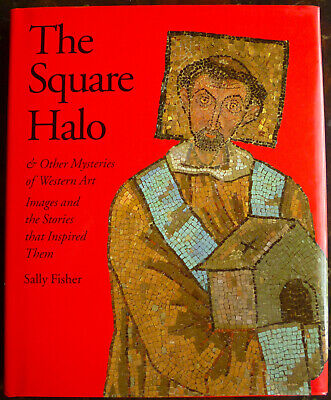
The subtitle of The Square Halo sums up what the book is about: Images and the Stories That Inspired Them. It is a crisply written, beautifully illustrated introduction to the stories behind works of Western art that were created in periods before art for arts sake was a thing, specifically the Middle Ages through the Renaissance.*** Fisher, who worked for many years at the Metropolitan Museum of Art, looks at paintings that were shaped by meaning as well as aesthetics—paintings that we often hurry past in museums on our way to art works that seem more accessible—and untangles the symbols, ideas and attitudes that are impenetrable to the modern viewer. Her goal is to not only answer the question “what’s going on?” in these paintings, but to help a modern reader understand the ideas behind what’s happening on the canvas.
The book is organized according to themes rather than chronology. Most of the themes are Biblical or drawn from the stories of Christian saints, though Fisher includes a chapter on stories from classical Greece and Rome. (It seems perfunctory to my eye, though I doubt if it did when I bought the book soon after its publication in 1995.)
Testing to see how the book holds up, these many years later, I turned to the story of Judith and Holofernes, which I am familiar with as a subject in Romantic painting and which Bridget Quinn discussed in Broad Strokes in her chapter on Baroque artist Artemisia Gentileschi (1593-1653). Fisher’s account of the story is clear and complete. Her description of the painting she uses to illustrate it directed my eye to elements I might have missed on my own. (I’m used to more dramatic paintings of the subject.) She places it in the broader context of medieval and Renaissance paintings on the subject. But I must admit, it didn’t grab me.
I then turned to her discussion of halo shapes, which was absolutely fascinating. Perhaps because I didn’t remember any of it from reading it the first time.
The Square Halo will keep its place on my shelves as a useful reference work to use alongside other books about art, but I am not tempted to read it again from start to finish.
*This would only matter if I had another project in the wings waiting to fill that shelf, but I don’t. Or rather, I have a growing list of possible projects waiting for me to have enough time and clarity of thought to explore them.
**Though you also have a horde of women journalists coming your way.
***I would argue that “art for arts sake” did not become an important idea until the nineteenth century. But paintings created between the Renaissance and the Romantic movement often build on very different stories than the Christian-centric art of earlier periods. Classical mythology and history, for instance, played an important role in the history painting of the seventeenth and eighteenth centuries. But I digress.


