Rick Conlow's Blog, page 16
July 2, 2019
Maximize the Personal Touch in Your Communication
How many times have you heard the statement, nobody communicates around here? With all of the new technology, research says people are communicating more but it’s less effective.

A Manager Changes
A manager I know does a good job, but recently his team gave him feedback that nobody communicates around here. It shook him to his core because he worked hard at engaging his team. While there was communication going on, something was bothering his team.
As a result, after a little investigation on my part, I found it wasn’t an earth shattering problem but it was important. The team felt that they needed a vacation calendar to see who would be on or off. Recently someone was off for two weeks, and it wrecked havoc with their customer experience. They wanted to know who was off ahead of time. Consequently, they could gear up mentally, plan together and prepare to pick up the slack because it was extra work for all.
In addition, they also felt that communication had to better in the am when people were absent so they could decide who would pick up the pace with the person’s accounts. Again, it was extra work for all. They used a scheduling software app to take care of that and for their team meetings.
You see they wanted regular team meetings, too. They were hit and miss based on how busy it was. They felt out of touch. The team wanted to know the details of what’s going on with the organization and to touch base.
Real Communication Requires the Personal Touch
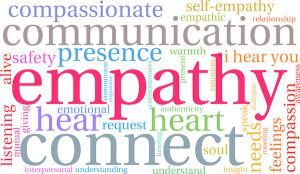
Communication is at the core of our relationships at work (and the heart of employees’ experience and disengagement) but it seems so hard. It often comes down to empathy for the other person’s situation. As well as, listening to others concerns or ideas or problems.
Communication takes constant diligence, and more than a text or SnapChat message to really to do that. Imagine if that was the prime way to talk to your significant other or family. People are using technology as as crutch to hide not to engage others. Real communication is more intimate and requires a personal touch. It requires more face to face interaction.
However, as one executive told me, “What if I don’t want to be empathetic?” Duh? I think George Bernard Shaw is right, “The biggest problem in communication is the illusion that it has taken place.”
Now that’s the problem isn’t it? Agree? Your thoughts?
The post Maximize the Personal Touch in Your Communication appeared first on Rick Conlow.


June 4, 2019
Focus on Coaching to Improve Team Performance
To significantly improve team performance, coaching offers a new role for today’s managers. Good coaching requires day to day engagement with employees to give assistance as needed. Few managers do this well. Behaviorists Evert and Selman have over 15 years of study about organizational effectiveness. They argue that, “a management paradigm based on coaching can readily out-perform a management paradigm based on control.” Likewise, with many new technologies and the emphasis on data, coaching becomes a difference maker by focusing on people.
Coaching Team Performance Gains
 Author Kirkpatrick suggested that coaching improves job performance in two ways. Firstly, coaching takes place as the need arises. It helps cement the relationship between employees and supervisors. Secondly, a coaching manager actually helps an employee apply improvement plans developed during the coaching sessions. The benefits of developing coaching relationships have been shown on the bottom-line for years. Executives like coaching because they are actively involved in the follow-through for training or other projects. They can see the effectiveness of their coaching meetings. As well as see productivity improvement through action steps. In addition, they can delegate more of their responsibilities.
Feedback is the Breakfast of Champions
Good coaching zeros in on employees’ output, attitudes, and professional development. This kind of commitment to coaching can dramatically increase results from 48-212%. According to educational psychologist Richard Lookatch, good coaching requires follow-up. This means sustained feedback and consequences for desired activities. Also, Lookatch’s research shows that when feedback and performance consequences are eliminated too quickly, the desired behavior decreases as well. This happens all too often at work. Then, team performance slips.
Coaching with proper training, observation, and review can help overcome this decrease in desired behaviors. Consequently, it has to become a regular process for each person on a team. Most importantly, coaching is for everyone not just something you do for a poor performer. Schelling’s research defines good coaching as outlined below. It helps managers accomplish faster more outstanding productivity gains. As Dr. Ken Blanchard said, “Feedback is the breakfast of champions.”
Coaching Steps to Improve Team Performance
Good coaching can improve performance (research by Orth, Wilkenson, Benfari, and Stowell). One of the most important elements in this process is clearly defining what good coaching is or is not. Unfortunately, most managers have only vague idea about what creates good coaching. Therefore, they tend to go through the motions of coaching. Managers need to understand the behaviors that define successful coaching. These include:
Build a trusting and friendly relationship
Communicate clear expectations and goals
Focus on high standards and results
Observe team members performance
Meet regularly, ask questions and listen
Consider all relevant information when reviewing performance
Provide feedback and guidance, help employees become self-directed
Know the team member’s motivations and devise self-development plans
Recognize and reward progress and high performance
Provide consistent and relevant training
Pulling It All Together
 As a result, Gerber is correct in identifying coaching as difficult to perform. And, perhaps, “the biggest paradigm shift” for managers who want to achieve great results. Poor coaches tend to short circuit the above steps. Likewise, they are inconsistent in applying all of these actions with each employee. Most are poor listeners, aloof and not available to help very often. Team performance suffers as a result.
However, through study and training managers can learn the behaviors of successful coaches. Above all, they can avoid those of poor coaches, too. They will accelerate their effectiveness. Likewise, they will more often increase their team performance while exceeding company goals. Author John Popovich declares, “As their coach, your job is to set the bar high, inspire them to reach this bar, encourage them, and most of all, guide them in the best possible manner and in the most supportive environment.”
 Want to accelerate your skills for coaching employees? See this complimentary resource: Coaching for Results Inventory and Guide.
Likewise, do you want a proven game-plan for career success? If so, check out Rick’s Superstar Leadership book.
For more in-depth career support and training, see our four online training programs from managers: RCI Online Leadership Training.
The post Focus on Coaching to Improve Team Performance appeared first on Rick Conlow.
May 30, 2019
5 Keys to Firing an Employee Humanely NOT Horrifically
Firing an employee is among the hardest things for most managers to do. For anyone with a heart, it’s the dreaded duty that comes with the title. But, for any leader that’s committed to creating an extraordinary team, it’s an inevitable reality. This management training video will give you five keys to firing someone.
How to Prevent Firing an Employee
 Keep in mind, most employee terminations can be prevented. How? Firstly, do a great job hiring great people. See my video, 11 Recruiting Tips for Hiring the Best People. Secondly, do a great job of training and coaching employees. See my leadership video training, 10 Success Secrets of Great Managers. If you use these strategies you won’t have to fire many people. In fact, you will put together excellent teams that perform exceptionally well.
If you do have an employee that begins to perform poorly, get on it. See my management training video, How to Deal with Poor Employee Performance. Talk to employees with care and concern. Sometimes a change in life causes problems at work. These could be issues with children, chemical abuse, marital problems, financial hardships or a person may be getting burnt out. On the other hand, some people just take longer to learn or occasionally goof off and do stupid things. In addition, sometimes employees just do a poor job or make mistakes. The quicker you deal their performance issues the better chance you have for them to improve. Yes, be caring but have a backbone of steel when it comes to achieving higher standards and goals. That’s how trust, respect and excellence is realized. It’s also how you avoid the need for firing an employee.
5 Keys to Firing an Employee Humanely
In this video clip, you will learn key recommendations for firing someone humanely not horrifically. Yelling, swearing, sarcasm, caustic criticism, bullying or neglect don’t help anything. Managers with a lack of integrity use these behaviors. In all phases of the process show empathy but uphold high standards, and clear expectations.
Consequently, consider these 5 alternative approaches for firing an employee. The leadership training video will give you more details.
Caution
Compassion
Candid
Conserve
Complement
In addition, make sure you follow your company’s disciplinary process and factually not emotionally document your activity. Talk to your supervisor and HR for guidance when the person begins to perform poorly. Don’t wait until you are fed up and want to fire the person. Be proactive and get help right away in dealing with the issue. Keep the faith. Sometimes getting fired can be a wake-up call to the employee to help the person improve. Also, it can a wake-up call for you the manager. What can you do differently or better next time? Remember this quote, “When the team fails, the leader fails. When the team wins, the leader wins.”
Want to accelerate your coaching skills, so firing an employee happens infrequently? See this complimentary guide-Coaching for Results.
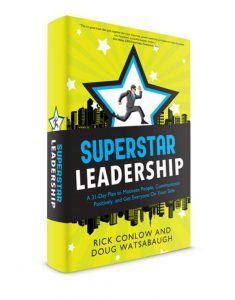 Do you want a proven game-plan for your management career success? If so, check out Rick’s Superstar Leadership Performance Plan.
The post 5 Keys to Firing an Employee Humanely NOT Horrifically appeared first on Rick Conlow.
May 27, 2019
How Feedback Can Transform You from Manager to Leader
When you’re the manager, it can be down-right difficult to get candid feedback from our employees. When you do you tap a potential often unrealized in you. However, often times critiques or compliments are coated with ulterior motives or filtered by fear. Your team doesn’t want to tell you something that might put them on your “bad side”, so they choose to tell you that which is more likely to land them on your “good side”. Can you relate?
A Best Training for Me: Feedback from My Team

We had a great month as a team. So I impromptu mention one day to everyone we should go out for a quick bite and drink. While not all could make it, five others joined me. So, we found a nice place close by the office and ordered dinner. One person mentioned we should do something else with the others. We agreed to set it up at the next team meeting. Our discussions wandered about everything but work. I mostly sat there and occasionally added a comment. We told some jokes and had a few laughs.
Later, out of the blue, someone brought up a problem at work, and part of it involved me. It caught me a bit off guard. Everyone at this point was pretty loose and relaxed so the conversation flowed freely. I held my tongue, listened and asked clarifying questions. I became amazed as the conversation wandered into deep territory about a goal a that we were struggling with. Each person directly but respectfully shared about problems and innovative ideas. Furthermore, I received genuine feedback to back-off from direct involvement. The team agreed that our service manager had more experience in that particular area.
The Feedback Began My Transformation from Manager to Leader
As a result, the discussions morphed into slow motion for me, like how they do in the movies in some action scenes. Consequently, I listened more, thought about their feedback, asked questions, and lightly facilitated a discussion that was already working well. Not that I had great skill and insight on how to handle what was happening. It just seemed right. We ended up in a good place agreeing to a plan. In addition, it included what I needed to delegate, and where I could focus more. I learned valuable lessons about how to get and hear feedback that night. Some of the best training I ever had.
While I already respected my team, my appreciation for them grew immensely. Their performance seemed to get even better. Mine, too. I often wondered what would have happened if I had reacted defensively or took charge of the meeting. Fortunately, I didn’t and I believe I began the transformation from manager to leader that night.
Feedback is the breakfast of Champions
I believe Ken Blanchard said the statement above. How powerful it is if we listen and act on it. Getting honest-to-goodness feedback from direct reports isn’t as easy as one might think. Yet, we need feedback on working with them, how to reach our goals, everyday problems and dealing with customers. Yet, here’s the thing: it’s pivotal to a leader’s success and development to ask and listen. Not only that, it’s necessary for a team’s success and development. After that night, getting feedback became seamlessly stitched in my communication. I learned I didn’t have all the answers, and it liberated me to keep learning and seek multiple perspectives.
The better the manager becomes, the better the team becomes. Exceptional leaders live this out; they know that it’s their job to persistently and carefully request feedback, input and involvement. I am grateful my team taught me how to be much better at doing that.
Do you agree?
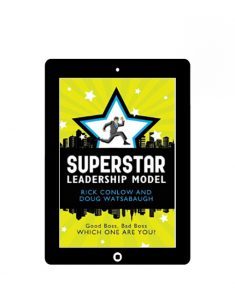 Do you want a proven game-plan for career success? If so, check out Rick’s Superstar Leadership ebook. And, for a limited time receive a comprehensive complimentary Leadership Performance Plan.
Do you want more on feedback, see this article: Real Leaders Are Good at Listening and Follow-through.
The post How Feedback Can Transform You from Manager to Leader appeared first on Rick Conlow.
May 2, 2019
RECRUITING AND HIRING WINNERS: 11 Excellent Tips
Your success as a manager is often linked to whether you are recruiting and hiring winners. Too many managers are unaware of key good practices. Unfortunately, not all managers have complete control over the selection process. Some managers inherit the employees they oversee. At times, complicated corporate or human resources policies make it difficult to hire the better candidates. Or, you lose the chance. Today, excellent talent is working. When they decide to find a new job, they get a new one in less than two weeks.
 Recruiters and managers need to understand good selection practices. According to a Gallup poll, the best managers find and develop the best people. That is to say, they are methodical about finding talented people. In addition, they invest in their development and training. Unfortunately, many managers use poor, outdated, illegal, and sometimes harmful methods that put their companies at great risk. Then, they are haphazard about their training and coaching efforts.
Better Recruiting and Hiring Reduces Turnover
This leadership recruiting video will give you 11 recruiting tips that helped one company reduce their employee turnover by 3X. Turnover is a pain. If you are constantly training new employees, you regularly lose ground. Research shows that a $60,000-per-year salaried employee costs $55,000 to recruit and train. That’s 92% of one year’s salary. Bottom-line, poor turnover costs negatively impact company. Above all, high turnover rates suggest that management is missing opportunities for better service, sales, quality, or profit.
This recruiting and hiring video will emphasize that hiring good people begins with a commitment to always be recruiting. Therefore, I say recruiting is part of a manager’s job. Thus, it’s not just the recruiters job. It takes teamwork. Also, if you only recruit when you need someone it takes longer to fill empty positions. As a result, you may take shortcuts. Or, make stupid mistakes in your effort to get the job filled. The highly competitive job market is not going anywhere. There are not enough talented people to go around. As baby boomers retire, recruiting and hiring winners is crucial.
Recruiting and Hiring Strategies to Attract Candidates
Today’s generation of workers are making more demands. Consequently, companies are becoming more creative in their recruiting strategies with options such as the following. For example:
Flexible work hours
Variable benefits
Hiring bonuses
Internships
Work from home hours
Educational reimbursement
More work/life balance
Fitness programs
Hosting engaging group events like white water rafting, skiing, ropes course, etc
Recruiting and Hiring Methods
Managers today need to be engaged in on-going recruiting. Therefore, any manager can benefit from learning more about optional methods. For instance:
Networking – First of all, talk to people through your normal networking channels. Keep a file and ask for recommendations.
Internal candidates – In addition, keep in contact with people within your company. They can be good prospects.
Associations – Join professional associations in your areas of expertise to find new leads.
College campuses – Get on campus to job fairs or through a network of professors to find new talent.
Internet – Search online through the different job-posting services. So, try Indeed, Dice.com, CareerBuilder and Glassdoor.
Want ads – The newspaper is still an optional source.
Job agencies – There is a host of new nimble organizations like Jobvite, LinkedIn, and Ziprecruiter.
Public job service programs – However, they tend to generate lesser quality leads.
Finally, some research suggests 80% of the job candidates you need will come through networking. Make this a high priority while you implement the other strategies in the management training.
In summary, watch this recruiting and hiring video for the tips, take notes and be willing to try new things. Remember, recruiting is marketing today. You are marketing to get the best people available. You have to be your best to do this. Finally, the best managers always have the best people and results.
 Want to accelerate your leadership and coaching skills to better keep employees that you hire? See this complimentary guide: Coaching for Results. for-results/
Do you want a proven game-plan for career success? If so, check out Rick’s Superstar Leadership eBook.
The post RECRUITING AND HIRING WINNERS: 11 Excellent Tips appeared first on Rick Conlow.
April 22, 2019
6 Traits that Unlock the Powerful Presence of Servant Leaders
How do you get someone to follow you? Most leaders rely on position power that comes with their job title. The presence and impact of Servant Leaders depends on their personal power.
Leadership through position power involves these strategies:
Domination approach.
Employees are subordinate.
“Do as I say!”
Fear strategies.
The leader has all the answers.
Controlling through intimidation or analytics.
Leadership through personal power includes these strategies:
Service approach.
Employees are associates.
“Do as I do also!”
Creating organizational engagement and teamwork.
The team has answers, too.
Influencing and empathy through people skills.
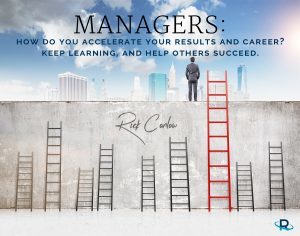 This is an exciting time to be a leader. Never before has there been so much statistical evidence linked to leadership effectiveness. The essence of servant leaders has more to do with who they are and how they treat others. The position or title is secondary. Research also suggests that managers who focus on service to others are more successful than those that don’t. Most importantly, then, six key traits unlock the depth of position power that define a Servant Leader’s powerful presence.
The Characteristics of Servant Leaders
What are these characteristics of servant leadership? Research by Kouzes and Posner indicates key characteristics of the most admired leaders. Aspiring and experienced supervisors, managers and executives alike have benefited from their findings. Their work correlates with the teaching of author and consultant Warren Bennis. He describes that you master the context of leadership by not just doing things right, but more importantly doing the right things.
Kouzes and Posner found five crucial traits. Their study’s methodology included a questionnaire and case studies. It included 20,000 managers from four continents. Listed below are my brief definition of each these traits. From my experience, I added a sixth as bonus. These are the bedrock traits of Servant Leaders.
Being Honest
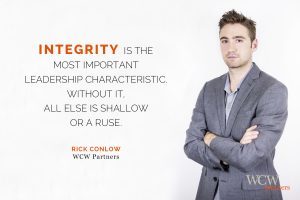 Not surprisingly, honesty is the most important trait. That is to say, we see lack of integrity displayed so often in high- level officials from government, religion and business. How can you measure honesty? The leader’s behavior often leaves clues in their relationships. Does the leader do what he or she says is important? Does the leader follow-through on commitments? How does the leader handle conflict? Is the leader consistent in various practices and policy execution? How well does he or she listen to others? For example, one manager declared that customer service was his #1 priority. Yet, he often described complaining customers as “bananas”. As a result, his company’s service levels didn’t improve. Leaders who are genuine not only act the part but also declare their values, ethics and standards quite clearly. To clarify, without integrity everything that potential leaders do is a ruse.
Being Forward –Looking
Peter Drucker said it well, “the best way to predict the future is to create it.”
Employees want to know where the organization is going. Servant Leaders do this well. They also give hope that the company or department can do it. This adds a level of comfort and security. I also adds the inner motivation for employee performance. Therefore, effective leaders identify a vision that supports the values of the organization. Then they consistently communicate this direction to others. Today the most successful leaders define a purpose driven vision that will make a difference in local communities and the world, above and beyond profit.
Being Inspiring
You don’t have to be a motivational speaker to have this characteristic. However, the leader does need to be positive, enthusiastic, and energetic about their company or department. They also must believe in what they are attempting to accomplish. Too many managers are negative. Negativity destroys employee commitment. There is also no better way to sap the vitality of a group than to show up for work with a ho-hum attitude. Servant Leaders have passion for their work. It’s contagious. Passion leads to purpose which makes work much more meaningful to others. Therefore, they do a better job. This all leads to constant and consistent interaction in a variety of ways with all levels of the company.
Being Competent
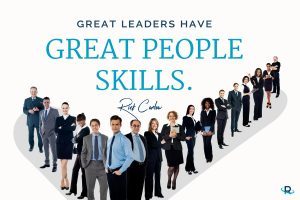 In today’s volatile marketplace leaders need to be “students of the game.” In other words, they need to know their field well technically. In addition, they must understand the business. The leader doesn’t have to be the best technical person. Yet, they should be able to add real value to the job. Furthermore, Daniel Goleman’s work with emotional intelligence suggests that a key competency is “ people skills”. How well does the manager master personal and emotional self- control? And, how well does the manager interact with others? Does his or her behavior bring unity or division?
Being Credible
How do you know you are a credible leader? In summary, leaders who are credible are: honest, forward looking, inspiring and competent. Communication experts call this source credibility. In other words, it means trustworthiness, dynamism, and expertise. Servant Leaders have credibility by delivering a positive track record, and concise clear expectations. They are consistency constant between words and deeds. Leaders with these attributes are believed. All of us want leaders we can believe in and trust. Kouzes and Posner call this the First Law of Leadership: If we don’t believe in the messenger, we won’t believe the message.
Humility
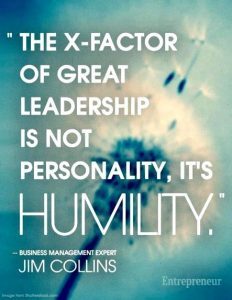 Most leaders want the attention. Consequently, their ego demands recognition. Leaders like Elon Musk, Richard Branson or the late Steve Jobs come to mind. Servant Leaders inspire others by giving them the attention and recognition. When things go well the team is lifted up. When things don’t go well they take the blame. Most people aren’t familiar with this today. Furthermore, humble leaders don’t get the press or name recognition but they most often get the results. Former CEO of Medtronic, Bill George, comes to mind. He facilitated Medtronic’s growth into a great company. He did it with an authentic focus on employees and patients. In conclusion, Pastor Rick Warren said, “True humility is not thinking less of yourself; it is thinking of yourself less.”
In the final analysis, Servant Leaders stand out. Servant leadership is a lost art. Why? Because they appear to be an anomaly today. Most notably, they exhibit the traits that we long for in leaders that we are willing to follow. Plus, according to research they achieve better results. Finally, as Dr. Martin Luther King Jr. said, “Life’s most persistent and urgent question is, What are you doing for others?”
 Want to dramatically improve your leadership skills? Are you willing to work at it? Go here: RCI Coaching Programs.
Need to a quick kick-start your management career? See this now: Superstar Leadership Online Training.
The post 6 Traits that Unlock the Powerful Presence of Servant Leaders appeared first on Rick Conlow.
April 10, 2019
How to Lead a Great Team Meeting: 5 Tips that Inspire
Have you ever been in a team meeting that seemed like a slow death? Who hasn’t? Don’t be the manager of that kind of meeting. You do have a choice.
Conduct a Team Meeting with P.O.W.E.R
Learn how to run a great team meeting in this leadership training video. It will give you 5 powerful steps using the acronym P.O.W.E.R. that can transform your meetings into a positive communication tool. Over the years, I have trained hundreds how to do this, and conducted thousands of engaging inspirational meetings. Often with employees who didn’t want to be there but eventually enjoyed it and learned something. You can do this, too. According to research, over half of all meetings are a waste of time. Why? Many managers don’t know how to conduct an effective meeting. They make the same miserable mistakes day in and day out and never take the time to learn how to conduct them better.
By the way, many managers don’t do meetings. One manager said, “Why hold a meeting? They know what to do.” Another said, “Can I hold a meeting?” As managers, I believe we need to hold team meetings weekly to every other week. Even, if we are separated by distance. Why? For all the reasons below. Furthermore, it’s good communication to listen and talk, collaborate, problem-solve, recognize, train and learn with your team.
A Microsoft study found people spend an average of 5.6 hours a week in meetings-double or triple this for managers- and 69% felt the time is unproductive. Worldwide 13 billion meetings happen every year, and they waste billions of dollars in time and productivity yearly-Wow! Managers need to be mindful of this. Effective managers learn to communicate powerfully, positively and purposefully in any meeting they lead. By doing so, they will propel their teams to new heights in performance achievement.
The Benefits of a Better Team Meeting
As a result of doing a better team meeting you will:
Gain higher morale from your team
Receive invaluable input from your team
Make more effective decisions
Motivate your team to achieve higher performance
Become noticed by others in your company
Why a Team Meeting will Fail
Certainly, meetings fail for many reasons but here are a few key reason. Where do you need to improve? (These apply to in person and phone conference meetings.)
No agenda
Poor agenda
Lack of participation
Doesn’t start on time
Doesn’t end on time
Poor facilitation skills by the leader
No conflict management
Leader does all of the talking
They are boring
Lack of energy
Oh yeah, one more key mistake, the meeting should never have been held in the first place. Why? Because there is no meaningful reason, you aren’t prepared, it’s redundant, it’s not the right timing, or everyone already knows what’s up. James T. Kirk said, “A meeting is an event where minutes are taken and hours are wasted.” Learn to avoid these team meeting mistakes and deliver POWER meetings. (watch the video) You become a more effective leader. In addition, you will more than motivate people, you will inspire them. The clock is ticking and people are watching you, why not improve today?
IF YOU LIKE THIS POST AND TRAINING VIDEO, SHARE IT WITH OTHERS AND GIVE IT A THUMBS UP! THANKS! THE BEST OF SUCCESS TO YOU.
Want to accelerate your leadership and coaching skills? See this Coaching Skills assessment and complimentary guide.
 Do you want a proven game-plan for career success? If so, check out Rick’s Superstar Leadership eBook.
Looking for other resources to help you on the job? Check out our store for Personal and Career Development.
The post How to Lead a Great Team Meeting: 5 Tips that Inspire appeared first on Rick Conlow.
April 5, 2019
Coaching Employees to Get Results Fast
What if you could learn to coach employees better and get results fast? Consequently, watch this video training to achieve a competitive edge. First, is this you?
Do you have a poor performing team?
Are you behind on your team goals?
Is your boss giving you some heat to do a better job?
Or, do you just want a breakthrough?
The Payoff for Coaching Employees
 This leadership motivational video will give you 2 proven ways to increase a team’s productivity-fast. In this day and age managers need all the support they can get to “fire up” their teams. Workplaces are diverse, and goals are big. All kinds of challenging problems reign. Yet, people want to be great and if they are not, management won’t let them be. On the other hand, research with our clients demonstrates you can gain 25%, 54%, 122% and 212% gains from you team with positive business building coaching.
YOU can breakthrough and become a superstar manager! No matter what level you are as a supervisor or manager this management training video can help you. However, you have to start with an open mind. Are you willing to learn and grow? Will you commit to change? If you want your team to better you have to be a better leader. However, it all starts with doing business right- with integrity. Leadership distrust abounds in many places at every level in organizations. If that is you, failure is next. If not, you have the foundation for coaching success covered.
A Caution about Your Role Coaching Employees
Don’t fool yourself. Certainly, your job title doesn’t make you a leader. You have to earn it with your credibility, commitment, and communication. It’s also hard work. In addition, you have to treat your team with respect, courtesy and dignity. Ask for their input, listen to their concerns. Set high standards and hold the team to them. This isn’t “soft” leadership. Yelling and telling is soft. Anyone can do that. A leader is one who engages the team in a way that inspires them to-on their own accord-do their best. Great coaching is a key to that. Pay attention to the 2 major kinds of approaches for coaching employees. Above all, use them in tandem for a significant impact. Also, take notes. Apply them daily, and keep learning.
As a result, give this training a “Thumbs up” by getting into action on a daily basis. Check out our other resources below. There is more to learn to reach a higher level. Then, experience a team with soaring results! Notice how others begin to see you transform from manager to leader.
RCI has many other complimentary leadership training and coaching development resources to help you catapult your career forward, for example:
 Want to accelerate your skills for coaching employees? See this complimentary resource: Coaching for Results Inventory and Guide.
Do you want a proven game-plan for career success? If so, check out Rick’s Superstar Leadership book.
For more in-depth career support and training, see our four online training programs from managers: RCI Online Leadership Training.
The post Coaching Employees to Get Results Fast appeared first on Rick Conlow.
April 2, 2019
5 Customer Service Lessons from the Mall of America
As I conducted a customer service seminar at the Mall of America, I had the idea to rate the mall’s stores to gain key customer service lessons. I had 45 participants, they were game, so I gave them the assignment to evaluate three different stores each over an extended lunch break. We mapped out a plan to cover the mall. We also created a makeshift rating form to collect our data. What do you think we discovered?
 The Mall of America is one of the largest shopping malls in the world, and a showcase for retail in the US with over 500 stores. Only 20% of employees did a good job. Most were mediocre at best. One-third were absolutely atrocious. It was an awesome learning experience to reinforce the principles of the seminar. Here are the five lessons (and one bonus) my workshop team and I summarized for all of the employees of the mall (we also felt that these are good reminder points for all others in customer service roles as well).
5 Customer Service Lessons
1. Stay positive and upbeat!
The first step to helping a customer has nothing to do with the customer at all. Consequently, it has everything to do with you. Are you really ready to do a great job today? Do you have a superstar attitude? If not, maybe you need to take a personal day or even do an attitude adjustment on the way to work.
Whether things are going well or not, you have to work at it to stay positive. Learn to mentally move from your concerns to those of the customer. When faced with personal negativism or stress or fatigue remember that the customer is your priority: picture success in your mind, encourage yourself and then greet the customer with a smile. It’s kind of like: See it, say it and do it! Do not give excuses for doing a poor job by hiding behind daily frustrations or issues. The customer does not know or care what is going on with you, they just want help. Customer service superstars have a motto: Do it now – positively and enthusiastically!
2. Greet all people respectfully and positively!
Put on a smile and say hello so the customer knows that you are available to help. Do not ignore the customer in person or on the phone. In addition:
Be courteous
Stay positive and upbeat
Show your friendliness
These are the basics. It is irritating to the customer if you are crabby. Make it a better day for every customer you talk to. It has been said that-when you help others, you help yourself. So be genuinely nice. After all, isn’t that what you want as a customer?
3. Helping the customer is the name of the game!
What is the purpose of your job? This is one of the customer service lessons that is so obvious that it is ignored sometimes. It’s not small talking to co-workers or checking your cell phone every few minutes. Pretending to stock shelves is not the job. Eating your lunch by the cash register offends customers. Of course, the job isn’t sneaking into the backroom to hide. Instead, the job is to cheerfully helping customers by:
Listening to what the customer wants or needs
Asking few useful questions.
Advising the customer on your products.
Helping with a positive upbeat attitude.
If the customer has a question, be kind in how you answer. If you do not have the answer, find someone who does. Act like you care that you are working today, and that you are there to serve the tall the short the young and the old.
4. Add value- brilliantly!
Just cashing someone out, taking their money and saying a thoughtless thank-you is not acceptable service. Machines do that today. In other words, do these positive actions:
Offer complementary or optional products
Follow-up, send an e-mail or text or call back to check-in
Do something that was not requested
Share a deal or way to save money
Ask for feedback and suggestions
Say thank you sincerely
All of these customer service lessons are invaluable. The behaviors for each separate the winners from the losers in customer service. Customers will notice your efforts and appreciate it. So will your boss!
5. Handle problems positively!
If a customer asks a hard question or has a complaint, deal with it. Do not go running to the manager and make the customer wait. Or worse yet, if you see an angry customer do not hide. Instead, learn these two steps to complaint resolution:
Deal with the person – listen, empathize and apologize.
Deal with the problem – ask clarifying questions, create a plan, explain it and do it.
Reinforcing the 5 Customer Service Lessons
The bonus to the customer service lessons is that it is a do it yourself project. If the company provides training-excellent. However, don’t stop there. Take responsibility and keep learning so you can do a better job. It’s called self-leadership. The delivery of positive moments of truth with customers is a mindset and skill-set. It is really giving planned acts of kindness. It is the right thing to do.
By the way, do you want a proven road-map to achieve a personal breakthrough in your efforts to achieve a successful career? If so, download this complimentary guide: Success Practices .
To access a complimentary customer service training, click here for immediate viewing: How to be a Customer Service Superstar.
 Plus, do you want more to improve your customer service skills? If so, check out my book- Superstar Customer Service: A 31 Day Plan to Improve Client Relations, Lock in New Customers and Keep the Best Ones Coming Back for More.
The post 5 Customer Service Lessons from the Mall of America appeared first on Rick Conlow.
March 5, 2019
Why Leadership Training Fails to Deliver and How to Fix It
The leadership training industry totals close to $400 billion in size. It is one of the most costly yet essentially underutilized tools in business globally. Most of the money spent is wasted and efforts fail because companies aren’t really committed to actually developing managers. As a result, research by Gallup shows 82% of managers aren’t prepared or qualified for their jobs. Consequently, most fail or perform poorly. This creates huge negative impact on business results and equals lower employee morale, customer service, engagement, sales, productivity and creativity. Why? Because the single greatest impact on an employee’s performance is his or her direct supervisor or manager.
 While it’s valuable to learn new knowledge and skills, few programs deliver what they promise. For example, a manager that knows a leadership principle but doesn’t use it, does she really know it? If she has a skill but doesn’t apply it do she really have it? Similarly, when a company trains managers on key competencies but the organizational culture prevents them from applying them, what good are they? Is the company really committed?
For comparison, magicicadas or locust remain underground for 17 years. Then they pop up to get the essential work of their lives done efficiently in teamwork with others. Most manager’s are like that. They do their jobs and it’s not that noticeable. However, every manager has hidden potential. With dynamic training and genuine organizational support most transform into great leaders. They generate positive influence on their employees while achieving incredible results.
The failure described above is avoidable if a company reduces the reasons for failure.
6 Reasons Leadership Training Fails
Lack of Vision
Company executives have to be clear on what they hope to accomplish. Why is the project being considered? How do they want their managers to behave differently or better? What changes are they willing to make to ensure success?
Lack of Executive Collaboration
Organizations also need to solidify consensus from all key executive leaders on the vision, as well as the reality of the cultural changes that may have to be made. A lack of collaboration or consistent communication from the executive team will sabotage a leadership development effort. For example, let’s say continuous improvement is a key objective. Managers can learn to build teams to help improve efficiency or lower costs. Yet, if their bosses don’t support the efforts the new skills are useless. Thus, this damages trust and demoralizes the team. Then, things get worse not better.
Lack of Integrity
This involves the organization’s willingness to have frank discussions about problems. Moreover, if employees bring up problems but management doesn’t listen, honest communication will stop cold. The lack of genuine commitment is revealed. The execution of various new management skills or strategies will be blunted. And now, King Sisyphus, you aren’t rolling your boulder forward on level ground; you’ve created distrust and it’s all uphill.

Lack of Departmental Teamwork
Silos rip leadership effectiveness apart. One VP of Sales routinely told false truths about other department leaders so his team looked good. This detracted from sales efforts and customer service in that company. Efforts like this block management effectiveness no matter how many training classes managers attend. It is like hobbling a prize horse.
Lack of System Support
Deming, the ‘Guru of Quality’, said that more people fail because of poor systems than because they can’t do the job. So, for example, if you want better team performance but you’re paying 15% below industry average, you are going to miss out. Another example: if you want a high performance work culture but lack a robust performance management system you will fall short.
Go online and checkout companies on Indeed and Glassdoor. You will learn about system problems from current and former employee comments. The latter have nothing to lose and are generally quite candid. In leadership training we can teach people to set goals and to communicate better. However, the lack of an effective performance management system will be a roadblock to improvement.
Lack of Effective Training and Coaching
Too many leadership programs are academic in nature. Training needs to focus on real work-related needs and problems. It needs to be taught experientially, with passion, and integrated into business building applications.
For example, poor communication is often the #1 issue on employee engagement surveys. What does that mean? It’s more than just doing better presentations. In one organization it meant information. The team wanted to know about changes in one another’s work schedules, more timely details on customer feedback and on-going company results. They also wanted to give input on procedure changes. So the manager set up weekly team meetings which before were monthly . He learned to do effective participatory meetings and team-building. The manager also added an action committee to review policy and procedural effectiveness. As a result, the team increased customer satisfaction by 21%, and decreased customer complaints by 50%.
 5 Steps for Successful Leadership Training
Consider these steps as an overview of how to change an organization positively to support leadership training.
Include the executives in the process. They need to set a clear vision, clarify expectations and establish outcomes that can be measured.
Gather candid information anonymously from employees and managers. The goal is to assess the management training needs of managers. Likewise, identify the organizational obstacles to success. In most cases these first steps can’t be done internally by a company without bias or some level of malice. Work with an outside group to gain a clean and true assessment. A good partner will have a fine track record. They will also include some kind of collaborative team (company stakeholders that work with their team) to guide the initiative from start to finish.
Design the initiative to be a continuing process. Training done over time is more successful in achieving sustainable results. In addition, implement the wide spread organizational changes to support the leadership training.
Establish a robust communication, coaching and reinforcement process. Learning with sustainable results requires review, recognition, and reinforcement.
Measure results by looking at 3-5 key areas. This should include learning gains, applications and business results.
Research shows that the difference between great leadership and so-so is a 7% differential. This means it helps create a high performance workplace. Consequently, this percentage becomes an advantage in revenue to the organization over the competition. What executive leader wouldn’t want that?
 A Case Study in Success
A top North American company came to RCI wanting to improve sales and service to existing customers. They had 100 locations across their markets. In addition, they were celebrating being in business eighty years.
After meeting with executives, RCI put a Partnering Team together including managers from their field. The team gathered input through interviews of key leaders and employees as well as using a field survey. Survey results showed high priority challenges to success. In addition, the team created goals and measures for success. Four areas of change became critical: field team communication, training competencies, performance management strategies, and team recognition. The team fleshed out the details. Executives committed to necessary changes.
The roll-out plan hit the ground and was instantly successful. One key reason is that all employees were in on and therefore knew about the changes coming, the new goals, and the tools to help. Company-wide training and coaching supported the implementation. By the end of the first quarter sales were up 42% and customer retention improved noticeably. By the end of the year sales were up 78%, and retention up 33%. The company blew away their goals! The executives reviewed outcomes. They learned that team involvement and input, plus strategic changes to organizational systems made the difference. The company achieved a significant ROI of over 20 to 1.
Finally, as Richard Branson of Virgin Companies declared, “Train people well enough so they can leave, treat them well enough, so they don’t want to”.
Want to accelerate your leadership and coaching skills? See this complimentary guide, How to Motivate People: 10 Keys to Employee Engagement.
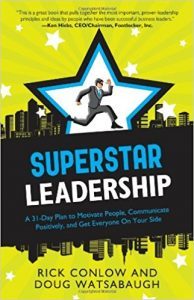
Do you want a proven game-plan for career success? If so, check out Rick’s Superstar Leadership book.
The post Why Leadership Training Fails to Deliver and How to Fix It appeared first on Rick Conlow.