Ruth Holroyd's Blog, page 15
February 15, 2022
Allergy mistakes – near miss reporting
Jacqui McPeake of Jacs Ltd and Caroline Benjamin of Food Allergy Aware have collaborated as Hospitality Allergen Support UK to highlight Near Miss Reporting of potential poor allergen management, as a potential RISK for a more serious incident in the future within hospitality.
Helping prevent anaphylactic reactions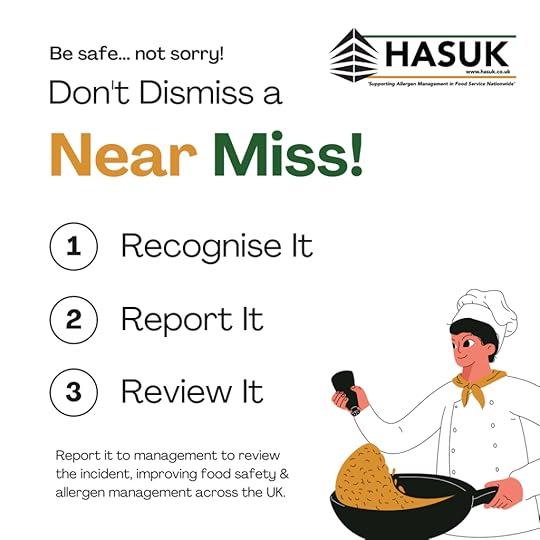
They believe there are more near misses related to allergen management than are actually reported, the aim of the surveys is to validate the information we are often given by the FHS customer, for a final report to use in the launch of the Near Miss Campaign in May.
Jacuie and Caroline would like to understand how Hospitality Businesses are managing ‘Near Miss Reporting’ and how we can put more information out there to encourage a no blame culture within businesses to prevent serious incidents
‘Near Miss Reporting’ in a no blame culture within the Hospitality Sector
We have gained the support of several organisations, and our aim is to encourage hospitality business to register ALL ‘Near Misses’ to prevent a tragic incident from occurring. We are aware of many Allergen ’Near Misses’ which go unreported which could potentially have serious consequences.
The coroner at the inquest for Natasha Ednan-Laperouse recorded that Pret-a-Manger were informed by up to six families that there was an issue with the sesame flour in their baguettes; and also in relation to their labelling information? At the time of Natasha’s tragic death these incidents were not recorded and tracked to see if there was a pattern. Today Pret records all incidents reported from all their various sources. They can be reported face to face, online social media or via their customer help lines. This was an important lesson learnt for Pret and we believe should be a standard procedure across the hospitality sector.
They would like to hear from the Food HyperSensitive [FHS] customer to understand the responses they have received when dining out and compare with a parallel Hospitality survey to understand the gaps and work to increase awareness and improve reporting procedures.
They are collating data from the hospitality sector by means of a survey which is being conducted by Sofija Putak who is a final year student at Greenwich University studying Hotel Management BA Hons. Sofija will collate responses from the survey and will create the report, we would like you to support this initiative as you will be helping to support the future management of our industry and produce viable data to push forward with training food safety amongst our colleagues across the industry.
It would be great if you could take part, helping to create a valuable white paper resource which can be used by the industry going forward.
Here is a link to the survey, please complete and share with anyone else who you know has had a ‘near miss’ or lives with allergies and may be able to help:
FHS customer Survey – Link click hereThe survey will be open for 6 weeks, the closing date is Sunday 20 March.
Once the survey has closed, they produce a report / white paper as appropriate. The ‘Near Miss’ campaign will be launched during the month of May 2022 across all sectors of the Hospitality industry.
We are aware of the current FSA pilot scheme and have had confirmation from the FSA that the data will not be shared once the pilot scheme has closed. If the pilot is successful, they may be creating a database in the future.
To find out more, visit The Near Miss Campaign – What’s it all about?
I’d love it if you could spare some time to support this campaign. How many near misses have you experience? I’ve had so many and I often don’t do anything about it. We often find ourselves feeling embarrassed, angry and just wanting to go home and never go out again – but no one learns from that. Particularly the food service establishments, who really do need to be alerted to any dangerous practises.
There should be no blame and this is a great way of doing this.
Have you had a near miss? What was yours?
One of my recent ones was nearly getting ‘hot milk’ instead of oat milk! Obviously a language issue in a busy and bustling cafe but I spotted the lady picking up the normal milk – had I not it would have been disastrous.
We all need to take some responsibility for calling out mistakes and driving better allergen management practises.
You may also be interested in reading:How to report a restaurant for allergen mistakesAnaphylaxis – The Essential GuideAnxiety and post traumatic stress in adults with food allergies – Please complete the survey30 tips for eating out safely with allergiesThe Trip Advisor for people with allergiesThe post Allergy mistakes – near miss reporting first appeared on What Allergy Blog.

February 14, 2022
Protopic damages in the same way as topical steroids
This is Dominika’s story. She became addicted first to Protopic, a topical immunosuppressant ointment. She had previously never used topical steroids. Her skin showed all the symptoms of TSW to Protopic but sadly doctors did not listen to her concerns and she has had a terrible time – going on to use Topical Steroids, as advised by her doctor, in an effort to heal, yet she is still in withdrawal, and her symptoms are markedly similar to those of traditional old Topical Steroid Withdrawal.
This is her story and her communications with her doctor.
She wrote to her doctor to explain her skin history and what she thought was happening and I can’t explain this any better than she has herself so here is her letter:
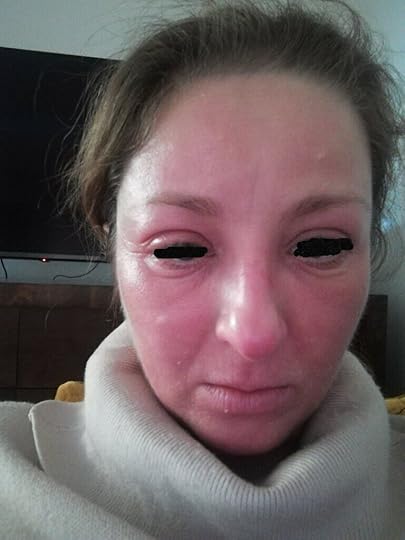 Dominika’s face, clearly showing typical red skin syndrome A letter to a doctor about eczema treatment
Dear Doctor Really Don’t Care Much,
I am writing to update you on my eczema treatment results.
Back in 2014 you prescribed Protopic to me to help “manage” my eczema.
Aided by the copy of my appointment notes, you might recall that while I have suffered from eczema since an early childhood, and while the condition caused me inconvenience from time to time, it never held me back from living my life.
I note that during my appointment with you, I strongly opposed any steroidal treatment (I also note that you did not offer steroids to me) and in response you told me about an immunosuppressant called Protopic. You mentioned that I could use it as often as required and then in few years, if it stopped working, we would “worry” about the alternatives at that stage.
Thankfully, I never had the need to apply Protopic too often and used it sparingly – less than 4 tubes (1.5 of 30 g tubes and 2 of 10 g tubes) since 2014, in fact I had to dispose of the 2 of them as they expired before they were emptied.
At the end of March 2020, I noticed that my body started developing tolerance to the drug and my eczema started spreading very fast. Throughout my adult life, I would only ever have a small patch of eczema in one place at any given time. At the end of March 2020, a number of areas of my body became affected. I might note that a lot of those areas i.e., eyelids, ears, forehead, neck, elbows, shoulders, groin area, thighs, buttocks, back, breasts have never been affected by eczema before. I decided to use Protopic one last time only to see the symptoms subside slowly for few days before my skin got much worse with further areas being affected. For months I attempted to figure out what was happening. I made changes to my diet to ensure that nothing in it was affecting me negatively, I visited countless doctors, naturopaths, skin specialists, spent thousands of euros and sadly nothing was helping. I was getting worse.
Your records may show that on 4th August 2020 I contacted your clinic in an emergency as the distress I was experiencing at that point in time had me on the verge of a nervous breakdown. I was advised to submit photos documenting my condition and awaited to hear from you. Due to a very busy schedule, no appointment was available for several days and therefore I had to seek to speak to another medical professional as I was in severe distress. I secured a video consultation with a dermatologist on 4th August 2020.
At this point I think it’s important to outline the symptoms I was experiencing.
– Extreme dryness
– Extreme skin shedding
– Extreme and continuous flaking
– Skin cracking
– Consistent skin redness in the areas of higher vascular and lymph nodes concentration
– Red sleeves
– Swelling
– Oozing
– Crusting
– Skin atrophy
– Excessive skin wrinkling
– Elephant skin
– Sensation of ongoing skin dampness
– Vasomotor rhinitis
– Inability to control body temperate i.e., being very cold on sunny and hot days (no fever though)
– Bode deep itching
– Bug crawling sensation on skin
– Zingers
– Burning skin pain
– Hypersensitivity (pain from the slightest air movement or simply wearing clothes)
– Insomnia and overall sleep disruption
– Extreme fatigue
– Hair loss
– Hives
– Depressive thoughts and anxiety
I am sure you can imagine the impact the above has had on my wellbeing. I choose to spare the graphic details of what I have been going through.
During the video consultation, the dermatologist I saw in August last year diagnosed me with severe eczema and an infection (no skin swabs were performed) and prescribed more Protopic, Prednisolone, Dermovate, antihistamines and antibiotics. I chose not to use Protopic but followed the rest of her advice. My symptoms subsided pretty much immediately, and I got the relief I so desperately needed. Sadly, the day after I stopped Prednisolone, the symptoms started coming back.
Over the next few months, I got prescribed the same treatment two more times, I also went through an anti-fungal treatment for candida and did a lot of testing including food allergy/intolerance. I followed all advice strictly apart from using Protopic. Unfortunately, the symptoms continued to come back.
In November 2020 worried about the prolonged use of systemic steroids, I did not return to seek further medical advice as I was already told that my treatment options were running out (I have no interest in going on cancer drugs like Methotrexate or drugs with common side effects leading to severe eye problems – Dupixent). From there my condition started improving very slowly but unfortunately not linearly.
In May 2021 while researching my symptoms I came across the TWS (Topical Steroid Withdrawal)/ Topical Steroid Addiction/ Red Skin Syndrome. From my research I understood that the condition was first mentioned in medical literature in 1979 in the International Journal of Eczema, however it is largely dismissed and often unrecognised. I researched the work of Dr Marvin Rapaport and Dr Heba Khaled from TSW Atlas who herself is in recovery from the condition. I note that the British National Eczema Society and British Association of Dermatologists issued a joint position statement on Topical Steroid Withdrawal in January 2021 acknowledging the condition for the very first time. Unfortunately, there is no mention about the condition on the Irish Skin Foundation or Irish Association of Dermatologists websites.
While I am fully aware that Protopic is not a steroid it has caused the exact same symptoms as the ones associated with the Topical Steroid Withdrawal.
I might also mention that August 2020 was the first time in over 10 years that I was forced to take antibiotics, first time in 20 years that I was forced to use topical steroids (my mother was totally against them, so I only used them over a period of 1 week when I was a teenager) and the first time in my life that I was forced to use systemic steroids. Overall, before August 2020 I hardly ever needed to seek medical interventions including taking medications as my health and wellbeing were very good.
Since the end of March 2020, my quality of life, self-confidence and mental health have been severely impacted by what I have been going through. My ability to socialize, attend the office, conduct face to face meetings with clients continue to suffer.
In June 2021 my skin started having severe reactions to any emollients or moisturisers that I would have previously used, and I was forced to start moisturiser withdrawal. The redness of the skin subsided dramatically and for the first time since March 2020 my skin was not in pain. I continue to experience flares, itching and flaking but to a much lesser degree, and for the 1st time in 16 months the skin on my face feels normal, not like a plastic skin. I also do my best to incorporate the no moisture therapy principles recommended by Dr Kenji Sato who has proved to be very successful in helping people with TSW to heal faster.
The purpose of my correspondence is to inform you of the dangerous side effects of Protopic as well as to raise awareness of the debilitating condition which so far has robbed me of 16 months of my life.
I further note that according to my research this debilitating condition can occur from using not only topical steroids but also systemic ones as well as other immunosuppressants. Sadly, not enough research is available in this area at present.
I also wish to advise you that I reported the side effects I experienced to the Health Products Regulatory Authority.
If you are unable to comment on any of the above, I would sincerely appreciate that you acknowledge the receipt of my e-mail in writing. Kind regards, D.
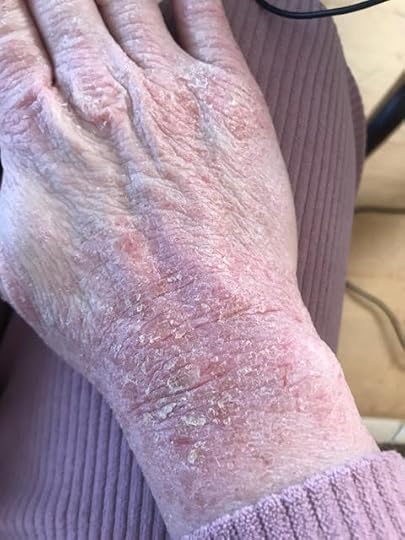 Dominika’s hands are badly affectedHer doctor’s reply
“Thanks for your insight. I only saw you once in 2014. I hope everything is going better for you.
Regards,” Dr Don’t Really Care Much
That’s it. That’s all he said. Pretty much wiping his hands of any responsibility, culpability and going about his job without a further thought.
What happened next is worseIn September 2021, 3 months into moisturiser withdrawal and incorporating elements of MNT excluding restrictions on liquid consumption, I felt that I plateaued. I was still uncomfortable and miserable with the back of my ears, earlobes and areola actively weeping. My personal circumstances and a combination of a direct and indirect pressure from “well” and well wishers made me decide to, once again, go on a crusade and find a way of making myself better quicker.
I found a specialist dermatology clinic in Poland. On their website I found references to TSW which as I mentioned before is unrecognised in Ireland where I live. Needless to say, I got really excited, called them, asked for a doctor who specialises in TSW, and I made an appointment for late September 2021.
In advance of my appointment, thinking that I was clever, I sent the details of my correspondence with the Irish doctor who put me on Protopic, to the Polish doctor so we did not waste time to go over my history and get straight to my options. The Polish doctor was a kind, compassionate and a well-mannered person but, pretty much immediately, dismissed TSW and said that I must have an infection.
He took skin swabs results of which we were to receive and discuss few days later. He wanted to give me steroids which I refused initially. He recommended bathing in a solution of potato starch and, on alternative days, potassium permanganate. He told me to start moisturising again and gave me some specific recommendations. In addition, he suggested phototherapy which I agreed to commence.
At the end he said that he had to give me a combination of an antibiotic and a steroid in an ointment form to stop the weeping. While I was afraid and voiced that using the ointment would send me back into initial stages of withdrawal, regrettably, I listened to the doctor. He gave me prescriptions for other steroids, I chose to add those pieces of paper to my pile… Few days later with my ears nearly “healed” my lab results were back.
Unsurprisingly, they revealed staphylococcus aureus overgrowth, in fact I told the doctor that this would be typical to TSW (according to my research). I was prescribed a course of antibiotics. I also stopped using the ointment and, lo and behold, my ears started weeping again, the redness and swelling on my face reappeared as they did in the early stages of withdrawal from Protopic. I panicked and went back to him in tears saying that this is exactly what I was afraid of. He disagreed this was withdrawal and said I must have had an allergic reaction to something. He said at that stage I had to take oral steroids. I was so devastated and hopeless that I just agreed. I felt I had no choice; I was away from home and was told to trust the medical advice.
I had loads of debates with the doctor as I attended numerous appointments but, despite my initial conviction that he recognised TSW, at some stage he passed a comment that it’s “something airy fairy, not a “proper” condition”.
As I was planning on travelling back to Ireland towards the end of October, I asked him what options I had if on my return my symptoms were to come back. He gave me loads more oral steroids and asked if I wanted more topicals. At least he never offered me Protopic… I never spoke to him again. On my return to Ireland, while on a 5 mg of Prendisolonum/day I started developing redness and the very familiar ear weeping. I finished the course and went cold turkey again at the start of November 2021.
Few days after I flared badly. My face was quite dreadfully affected but top of my right hand, just beneath the wrist, pretty much opened revealing a bright red, weeping wound. I got extremely concerned this was some sort of a serious infection, so I visited a GP. As my regular GP was not available that day I was met by an alternative doctor. I told her about my condition, she did not deny it, listened and told me she believed me. She told me I had an infection on my hand and prescribed antibiotics. She asked was I done with doctors and would I give another dermatologist a chance. In response I said I would as, perhaps stupidly, I want to try to get an acknowledgement from a dermatologist. The GP wrote an urgent referral which resulted in an appointment being scheduled for mid-February this year. The antibiotic did nothing to aid my healing. The weeping on my hand stopped only last week, and I contribute my recent discovery of high grade manuka honey and its topical application to my healing. My ears are still affected, and I get mainly facial and neck flares, albeit not as severe at this point in time.
“I developed symptoms associated with Topical Steroid Withdrawal following my body developing tolerance to Protopic, not topical steroids”
dominika
If you think you are in Protopic Withdrawal you can contact Dominika on Instagram, however she chooses not to post images on her feed.
We need Protopic Withdrawal recognised as wellPart of me wants to name these doctors here. To call them out. Share their details. Because their responses, care and disregard says it all.
“TSW is something airy fairy, not a “proper” condition”.
A polish dermatologist – gaslighting Topical Steroid and protopic withdrawal
Let’s just let that quote, from a qualified dermatologist just sink in shall. Seriously I’m so angry. How dare he be so flippant and dismissive. And let me tell you… there is NOTHING AIRY FAIRY about these topical drug withdrawals.
And ‘not a proper condition’? I fucking hope we get some confirmation from enough people to prove this gaslighting wrong. Excuse my language but just imagine how that feels, when your skin is falling off, your world is falling apart and you KNOW you are damaged by the very drug you are being continually offered. It’s shameful.
99.9% of GPs and doctors believe their current prescribing pathway is safe. They learnt their trade and will continue to follow it. Yet they refuse to follow Rule No.1 of doctor school… First do no harm and listen to the patient.
If a doctor hears of a patient reporting harm done by meditation, should they not have a duty of care to take that seriously?
I don’t blame doctors for Topical and Protopic withdrawal but I DO blame them 100% for their continued ignorance, for ignoring us, for refusing to listen, to hear, to see what is happening. And for a quite astonishing lack of any compassion or interest of inquisitiveness that something might be true in what we say.
Protopic causes the same withdrawal as topical steroidsDominika’s story proves that Protopic causes the exact same withdrawal symptoms as topical steroids.
I would like to thank Dominika for sharing her journey with me. I hope it will make some of you take a moment to consider before using Protopic or any topical steroids.
None of us want you to suffer like we are. And I’d love to hear from anyone else who thinks they are going through Protopic Withdrawal. Please share your comments below:
And I’ll leave you with a final word from Dominika
“Thank you for your kind words and compassion and, most importantly, for sharing my story with your audience. I remember when I discovered that Protopic Withdrawal is what I was suffering from I felt so angry and so sorry for myself and the whole community. It took me ages to accept that things like that go on. I will never accept it but making some sort of peace with what took place was vital for my mental health. I will not stop raising the awareness albeit not as openly as the prominent members of the community.” Dominika
You may also find the following usefulMy Topical Steroid Withdrawal – Frequently Asked QuestionsMy own Protopic usage, tapering and withdrawal journeySkin on Fire – New TSW documentary – my review!New Poetry book for people with eczema and TSW – The Shape of SkinThe post Protopic damages in the same way as topical steroids first appeared on What Allergy Blog.February 13, 2022
The ‘Trip Advisor’ for people with allergies
Ever wanted to find somewhere safe to eat and had to spend ages searching the internet, contacting restaurants and searching for an allergen menu? If you have allergies or coeliac disease, this new website, Allergy Companions is a must follow.
“Allergy Companions is the Trip Advisor of the allergy world.”
Ruth at whatallergy.com
It has hundreds of reviews of restaurants, pubs and cafes that cater for allergies, have gluten free options and are safe for you allergy peeps.
It takes just a few minutes to review your favourite allergy safe food service establishment.
You can search for a town or city you’re visiting to see what choices you have.
It’s free and easy to use.
And best of all is that it was created by Liljia, who has allergic kids, because she wanted something like this to use herself.
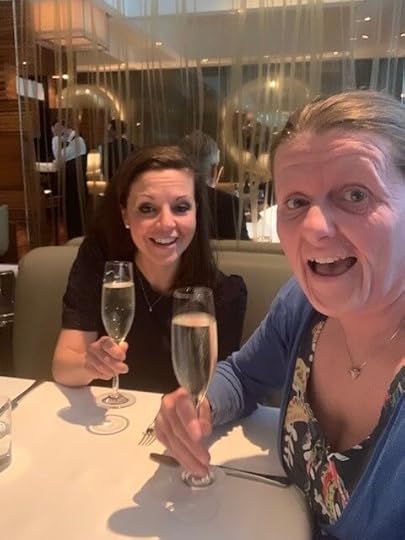 Me and Liljia Polo-Richards from Allergy Companions
Please support her. Give this website some love. Share your favourite cafes, restaurants and pubs and help us make eating out with allergies easier and safer.
Together we can make things better for the allergy community.
Get reviewing on Allergy Companions today! Spread the word!
You may also be interested in readingEating out with allergies after Covid – places I’ve trusted so far…The Cod Father, Aylesbury for gluten and dairy free fish and chipsLocanda Locatelli – 9.5/10 for allergy cateringIndigo at One Aldwych – 10/10 for allergiesThe post The ‘Trip Advisor’ for people with allergies first appeared on What Allergy Blog.February 12, 2022
The Potting Shed, allergen safe 10/10
Today I revisited The Potting Shed, a wonderful little cafe which is at a garden centre in Jersey Park, St Albans. I’d just RUN a ParkRun (Jersey Farm) for the first time since before lockdown (GO ME!) with my friends Graham and Dani and had forgotten how brilliant they were with allergen catering.
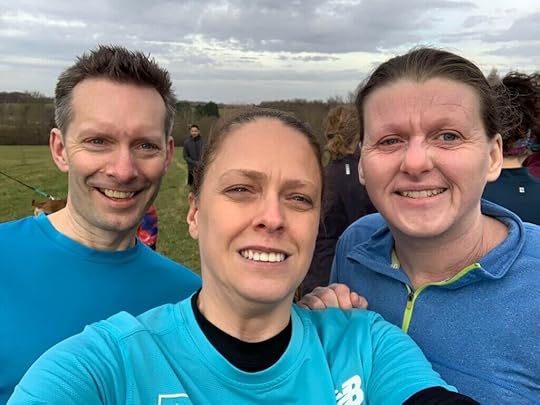 Graham and Dani have seen me through some tough times so here are their happy smilesWhy I recommend The Potting Shed
They just get it, they understand allergies and all the staff are kind, attentive and diligent in checking allergens and understand the various dangers, like contamination in a fryer from wheat. And if the staff aren’t sure they go and get one of the members of staff who is. It’s how it should work and it makes for a relaxed and enjoyable breakfast.
Gluten free options – The menu has lots of gluten free options so is great for anyone who is coeliac or has a wheat allergy.Plant milk – They have a choice of plant milks, including oat, almond and another option I’ve forgotten. I chose the oat milk.Knowledgeable – They are able to advise on each menu option with regards to the allergens that might be present and checked the hash browns for me. They were safe with regards to ingredients but were fried in the same fryer as wheat containing items. Attention to detail like this are what make me feel safer. For me, my wheat allergy is my mildest allergy, and whilst I get quite a severe reaction to wheat (let’s just say explosive and not go into any more detail) I’ve never had anaphylaxis, so it’s less scared of this allergen. For instance I’m OK sharing a toaster with people who can toast wheaty bread and do this on occasion. The wheat allergy for me is dose related and for me, this is a safe risk. Not so with my dairy and nut allergy – these are so severe, resulting in anaphylaxis and I don’t take any risks.Choice – This was the second time visiting this cafe and I remember from last time that they had gluten free sausages which were safe and were able to check the mushrooms (potential dairy risk if fried in butter) and they have gluten free toast. Consequently I can recommend the All day breakfast too!Those hash brown bites – Our waitress today was on top form, not only did she actually remember me from last time, she upsold us these delicious little hash brown treats. Try these unless you are coeliac or have a serious wheat allergy as the fryer could be contaminated with wheat.The chips – I didn’t actually sample the chips but THE ARE SAFE for coeliacs as they have a dedicated cooking method.Mimosa orange juice – It was a day for celebrating, firstly my first time back running a ParkRun in such a long time, my healing as my skin really is looking so much better, feels so good to be on an upwards healing trajectory. And also, on that same note, for the first time in for as long as I can remember it was one of those golden mornings when the morning routine was completely unhindered by any worry about my face, flakes, itching or discomfort. I was half way to Parkrun in my car before I realised I hadn’t moisturised nor looked at my face or even touched it. A very lovely feeling and of course when I realised this my chin was instantly itchy and I had a little scratch… the mind is weird like that. I have been itchy now for hours since I got home though so there’s karma. It’s manageable though and my Cosi Care stars are getting me through. Probably the blooming tomato – perhaps I need to continue avoiding that is just seems to make me so itchy… why, why, why though?Lovely shop and plants – Bonus points for having one of those garden centre shops you can get lost in for ages and also lovely plants. I haven’t yet had time to really browse but worth a mooch if you can.The staff – Our waitress and waiter were just so friendly, helpful, checked things for me, were smiley and we even got a replacement Mimosa after I spilt mine without seconds of it being put on the table… They didn’t need to do that as it was totally my fault being a clutz so thanks guys! Location – It’s close to Jersey Park so if you want to visit after ParkRun or a country walk, it’s the perfect location and has lots of parking and is easy to find.Ambience – It’s a lovely comfortable, warm and cosy cafe. On a cold winter’s day, after our run it was a really lovely place to enjoy breakfast and good company.Crockery – This may sound daft but I love a pretty mug and these ones didn’t disappoint. I’m sure it makes the coffee taste nicer.The little touches – the meals all looked amazing, with dill, seeds, beetroot humous, and little touches that made them feel more special than a bog standard breakfast.Avocado and poached eggs
Honestly this was so damn tasty. It came with smashed avocado with tomatoes in it (I’m trying to reintroduce tomato into my diet – fingers crossed), beetroot humous, the perfect runny egg poached eggs with seeds, dill and some other salad stuff. It was presented so beautifully and tasted amazing. All the better for coming after a challenging ParkRun which I managed to run in just over 30 minutes so very pleased with that considering it had hills and was mostly on trails.
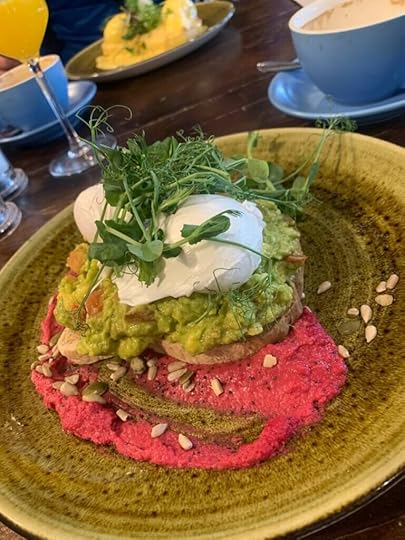
So if you’re looking for a safe allergen friendly eating out experience in the St Albans area, give this place a go. I’d always recommend normally phoning before going somewhere but this place were brilliant, even without warning.
They’ve obviously trained their staff well in allergen management in food service establishments and take allergies very seriously. I highly recommend. Thanks guys.
You may also be interested in:30 tips for eating out with allergiesLocanda Locatelli meal out with allergies 9.5 – 10/10Three Oaks in Chalfont St Peter 8/10 for allergy awarenessEating out with allergies after CovidThe post The Potting Shed, allergen safe 10/10 first appeared on What Allergy Blog.February 6, 2022
30 ways to stay cool for itchy skin
Staying cool is something I’ve been struggling with for some time now. I think partly because I’m now menopausal but also due to going through Topical Steroid Withdrawal. As the skin heals from deep inside the nerves get confused and send the wrong message sometimes. It’s all learning to sweat normally, regulate temperature and become function again but there are ways to combat that heat and subsequent itch.
I also love running, which can be hard when sweat burns your skin and you struggle to regulate your temperature to cool down afterwards, you’re probably worried about doing damage to your skin and scratching. Check out How running helps my TSW skin to heal.
Anyone living with eczema will be familiar with overheating and the itch scratch cycle.
Here are my top tips for beating the itch when you’re too hot:
 Get a neck fan! You can get portable battery charged or cable charged neck fans and they can give you extra boost of cool air when you’re out and about. Added bonus is you have your hands free! Check out neck fans on Amazon.Get a hand held paper or material fan – Old school but always reliable. Doesn’t need batteries or charging and relatively cheap to buy. They can also be quite stylish and you can have fun with your personality by getting a funky one.Hand held fan! These are usually a little better than the neck fans in air and direction of the cooling air but you do have to then hold them. Check out fans on Amazon.Invest in a decent standing fan – You the kind you plug in and leave in situ. Get a good one you can fire up and stand in front of after a run, that is also for cooling you down at night. I have one facing my bed and it’s a life saver.Cooling scarves– Simply wet any scarf you have and fold it up in a bag and pop in the fridge of freezer for instant cooling when you get in from a hot walk, run or day out.Cooling towels – I use one after every run to get me through that after sweat! They’re great. You simply wet them, spin them round your head like a lasso and wrap round your head, neck or wherever is hot. Simply fling it about to recool it! Checkout cooling towels on Amazon.Bowl of water – Put your feet in a bowl of cold water and add ice if you dare. Really cools me down on a hot day.Run wrists under cold tap – Sound simple, but when you run your wrists under the cold tap you are cooling the blood in your veins. It can really help to send that cooling sensation all around the body.Have mug of hot herbal tea – trust me… it works! It makes no sense to have a hot drink when you are hot, but after you’re rehydrated with cold water, have a cuppa and you’ll soon continue to cool down.Stay hydrated – drink plenty of water and this will help you cool down,Do less! If you can, slow down. Sit in the shade. Let your heart rate slow. Breathe! – Learn to breathe, through your nose, slow and steady. Try box breathing, in for 5, hold for 4, out for 5 seconds and see how long you can breathe in and out for as you slowly feel your heart rate lower.Meditate! Like the last point! Take some time to still that mind. Concentrate on sipping in cooling breathes through your nose. Count in for 4, hold for 4 and breathe out for 4.Get an old fashioned fan – You know the kind you whisk manually around your face! The kind made of paper and folded into a thin concertina shape. They’re really light weight and can be a life saver if you go out and get overheated.Ice packs – They can be a godsend if you’re at home. Apply these to your neck, forehead and just anywhere that’s hotCosiCare stars – Great for kids and adults, these can be stored in the fridge or freezer (careful of freezer burn if you do put it in the freezer. Check out https://cosi-care.com/Wear cool, natural light clothing – Avoid dark colours that suck up the sun’s heat. Avoid anything too tight and skin hugging. Yin Yoga – Perfect for slowing the body and mind and helping you chill, rest, restore and recentre.Freeze a towel – Before going out out some wet cloths, buffs or cooling towels in the fridge Of freezerKeep a jug of water in the fridge – Water straight from the fridge, add ice and rehydrate! Pure bliss.Take off shoes and socks – Change into flipflops or sandals as soon as you can and let those feet breatheFind shade – Find a cool quiet place to let your skin calm down slowly. Follow the shade.Soak your baseball cap in water – Another great one if you have cloth baseball cap.Get a chill pillow – These are made from some pretty clever stuff and keep your head cool at night! Check out chillow pillows on AmazonCold Shower – An obvious one and great on really hot days. Not so nice in winter but will definitely cool you down.Warm bath – and lay in it till you cools – if you can stomach getting into a cold shower of bath this will cool you down fast, but gentler is to run a warm bath and just chill. As the water cools, so do you.Air Conditioning – Invest in a portable air conditioning unit so you can keep your room cool in summer.Avoid certain clothing – Wear loose clothing and avoid things like nylon, viscose, latex, etc. Choose cotton or other natural material like bamboo, that allows skin to breathe more.Tencel clothing – make from eucalyptus, this incredible soft, cooling material can really help you stay cool. Check out Clover for tencel clothing – https://cloverlover.co/Open windows – If you can and the weather is on your side, open windows to create some through draft. Keep heating on low – Keep your house as cool as you can. I wonder if when the menopause has passed or my TSW finally ends I will go back to being freezing all the time. I used to be always cold, hugging radiators and wearing three pairs of socks. This overheating is a lot! Hoping to write more on the menopause soon.. I’m sure it’s affecting my skin, anxiety and over heating and itching! A melting pot right there.Wear thin layers – so you can peel em off to help you cool down.. then put em back on when you’ve cooled down again.
Well I think that’s enough cooling tips. Do you have any others? How do you keep cool and cool down after you get overheated or cannot regulate your temperature? Please share your thoughts below…
You may also find the following blogs interesting:How do you cope with an eczema flare upFrio cooling wallets for carrying ice packs or medicationWest Labs Dead Sea Salts for eczema and TSW bathsPhoto by cottonbro from Pexels
The post 30 ways to stay cool for itchy skin first appeared on What Allergy Blog.February 5, 2022
How running is healing my skin from TSW
Why do human beings need adventure? Why do we crave new experiences? Why do I push my boundaries and say yes to scary things? Why do I run?
Running is hard! It’s a challenge. It can feel like you’re just really bad at it but it can also make you feel amazing and it’s given me so much.
This blog is inspired by fellow Chiltern Harrier Rik’s blog about why he runs. Read Why am I doing this? if you are a runner, and even if you’re not. If you’re a runner you will be saying yes, yes, yes, yes Rik! And if you’re not a runner, this might inspire you to give it a try.
The most important reason I runThe biggest reason I run is that it seems to help my skin heal. I’m positive it’s been paramount in my Topical Steroid Withdrawal healing journey, and when things got so bad I couldn’t run, it was much harder and slower to heal. It really honestly does help. If you are going through TSW you need to try to move as much as you can, whether that’s walking, yoga or running, MOVE! It’s advice that Dr Sato, a dermatologist in Japan who has been treating people with TSW for years, gives to his patients. I’ve also just started reading Iron Skin, a TSW memoir by Brendan John Lee about his journey to healing from topical steroid withdrawal. How does he think he’s healed? By running! I highly recommend his book, it’s well written, heart breaking and moving and for anyone going through TSW, highly educational too.
 Runner sculpture at Churt, SurreyWhy take the risk?
Why do I push myself? To say yes, when sometimes things scare me? To put myself in risky situations like eating out, when I know I am severely allergic to nuts and dairy? Why do I accept challenges that put me way out of my comfort zone?
Because even though sometimes, having life threatening allergies can be terrifying, life can’t be lived by hiding at home. Having eczema and topical steroid withdrawal can make any exercise a challenge but again, going out for painful; but uncomfortable runs while my skin was pretty bad did help me heal.
If you just say no. Give in. Sit and wait to heal. If you live in a bubble, life won’t come to you. You have to go out there and grab it! I think it’s the same with healing. You CAN have an effect on your healing journey. You can make that journey better.
Living through this lockdown has made many of us feel isolated and like we are trapped at home. For me, it’s actually been a revelation. It took away a lot of the normal anxieties, like meals out, dinner invitations, coffee shops, going on dates! I had a healing crisis (really shitty skin from topical steroid withdrawal) which meant no pressure to go out, be seen or visit anyone. I could legitimately hide my face. Face masks have double benefits for people in TSW! But recently I realised I’ve used it as an excuse to stay at home in my safe place.
And that’s OK. At times it’s good to make your world smaller so you can find some strength to carry on. I’ve learnt a lot about myself and what’s important to me over these last few months and I’ve actually thrived during this period of isolation. But now we are all coming out of our homes and trying to get back to some kind of new normal, it’s got me thinking.
Whilst some of the limitations I place on myself must remain, such as always carrying two adrenaline auto-injectors, my inhaler, always planning and checking meals out. Carefully planning holidays and yes, my holiday destinations are limited to countries and places where I can have some control over my eating environment. And that’s OK with me. If I have my running shoes, my hiking boots, books, music, coffee, cake and beer I’m in heaven.
Now I am saying yes to things, because having faced death a few too many times, from ashthma and anaphylactic reactions, I am just so grateful to be here. I feel alive. I feel so bloody alive!
I love my life, my home, my family and my amazing friends and support network. Thank you all for being there for me.
And throughout this period of isolation, the healing, the realisations and the lessons I’ve learnt have often solidified on a run. Running was the one constant throughout lockdown. I ran, from day one.
I ran because it made me feel alive.
 Reaching new heights (from the back of bench) for a Chiltern Harriers Lockdown Challenge
I ran because if my exercise was mandated and restricted I was going to use it!
I ran because I live alone and getting out of the house on a daily basis is good for the soul.
Because I have always loved running, since I was a child. It comes naturally to me. That feeling of stretching the legs, lengthening the stride and feeling the muscles burn.
That feeling of running so hard you can’t go another step further.
Because the sound of my feet hitting the ground, the birds singing and the wind in the trees made me feel free.
I ran to see the bluebells, that carpet of colour that never fails to lift my spirit. The smell of the delicate violet flowers is one of my favourites.
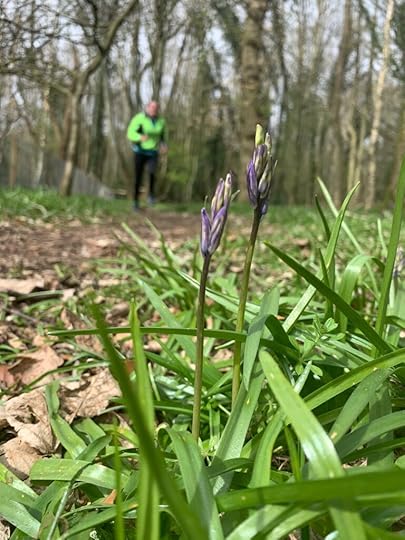 Why do I run? – pushing my boundaries…
I ran to see the rhododendrons with their huge blowsy displays that transformed the woods into another world.
I ran with an eye for all the faces on the ancient tree trunks; some smiling, some sad, some threatening to whomp down a branch if you weren’t careful. Some cheeky, winking, crying, screaming and even some very rude ones!
The fallen branches resembling creatures just waiting to pounce or guarding secret lands.
Sometimes I can almost hear the trees speaking and buds unfurling; to me the woods are magical and alive.
During lockdown I ran to get out, to get through it, to make sense of it, to renew, to heal, to grow, to think, to learn, to cry, to live!
And now I run… whenever I can. When I am fit and able, you can find me running.
I run on trails, through fields, woods and countryside because being in nature fills me up.
I have run to get faster, because there is nothing quite like a PB, a crown or a medal after a race.
Because even a really rubbish run lifts my mood.
More lately I run just for the joy of it, with no eye on the time, just BECAUSE I am alive and able! I am so grateful that I can run.
I run because the place where I live is so beautiful, mostly unappreciated and blissfully quiet.
And it wasn’t because there was a running club session in my diary, or because it was Parkrun, although I do miss Parkrun. I got involved with Fly5k – the virtual run anywhere Saturday 5k. It’s free to take part and you get to see your time alongside other local and global runners! It has an active Facebook page where you can share your PBs, run selfies and congratulate others. But most of all it’s fun and is one of the things that’s given me back that buzz to strive for faster times! Lockdown made me slow and steady. Fly5k gave me a lifetime PB of 23:44 
Running wasn’t just a hobby or a commitment to get fit like it used to be.
I realised I ran because I had to.
Because things were harder when I didn’t.
Because any problem seemed less scary after a run.
Because sometimes you get those runs where it just feels so right, like you were put here to run and in this moment you are right where you need to be.
And some runs that are just bloody awful and you think you’re just really crap at it and should give up… and HATE it all the way round. But then feel that smug feeling that you just earned cake washing over you…
And now I run for the sheer joy of it.
Because I can feel the pistons, muscles and ligaments all working to keep me upright and moving fowards.
Because no two runs are the same.
Because I have made so many amazing friends through taking up running. Not met a miserable runner yet! (Ok maybe that man who screamed at the rain for making him wet… he was miserable)
Because that feeling when your legs ache so deep inside your muscles comes with a smug satisfaction that you ran
Because I’ve discovered a love for trying new paths with no idea where they go.
And I don’t care if I get lost.
Because it’s making me learn to read maps properly… because one time I got very lost!
Because I love cake #runsforcake
Because it heals me. My skin improves from the sweating and concentration. I am rarely itchy on a run. The sweating helps toxin elimination, so as someone with eczema and topical steroid withdrawal, it’s part of my daily/weekly healing process. After the run is a different story… that’s all about the cool down. Look out for a blog on that soon!
I run alone.
I run with friends.
I love that you can enjoy a run with anyone, no matter what their speed or competencies. If they’re better than you it pushes you to try harder. But I also love running with friends who are slower than my normal pace because I want to attempt longer distances, for which I need to learn to slow my pace! I’m not great at tempering my enthusiasm sometimes. Basically if someone asks me to run with them, I say yes!
It is a privilege to run with friends who are just discovering running through Couch to 5K. You are amazing, all of you! Keep going!
I run because it gets me up and out of bed in the morning when there are no deadlines to motivate me.
I run to watch the sun rise and to chase the sun set.
I run to feel the wind chill my skin and still get the layers wrong every winter.
I run because it keeps me fit and is something I can do wherever I am, even on a cruise ship!
I’ve learnt to run mindfully, with just my watch and no music. Just me, the rhythm of my feet, the sensations of wind/sun/rain and the sounds around me and with no plan except to follow my feet. (Can’t quite leave the watch behind… because Strava!)
I run in the rain, to feel the cooling water on my face, all the time thinking of the hot bath I’ll have when I get home. Because as Rik says, that bath is always better after a run!
I run because of all the reasons Rik mentions in his blog. And so many more…
So when I was asked to write a book, I said yes! The writing process was therapy in itself.
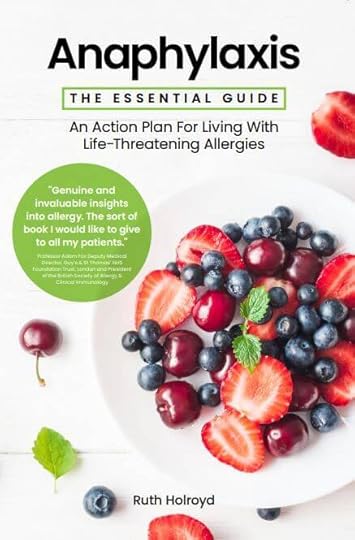 My book baby
‘Anaphylaxis: The Essential Guide: An Action Plan For Living With Life-Threatening Allergies’ is available on Amazon in paperback or Kindle. My aim in writing it was to help others embrace life when it all feels overwhelming. You can find out more about my new book here: Anaphylaxis – The Essential Guide reviews from readers.
One of the themes in the book is to try to come to an acceptance of this very life limiting condition but to not let it define you. You are not anaphylactic, not all the time. You are not having an allergic reaction all the time. You are a living, breathing, beautiful human being and you deserve the life you dreamed of. Fear and anxiety can be crippling, but you can learn to use that natural emotion to keep you safe, but not to hold you back.
One of the things that helped me the most was running and walking, although there are many, many more things that I now do daily. You’ll have to read my book to find out more!
Going out for a run was safe. Because I could maintain complete control of where I went, who with, how far and whether I stopped for refreshments. It was one of the first things that started to help me feel strong again, both physically and mentally.
Because I didn’t have to make any excuses and I didn’t feel different. It’s perfectly acceptable to just have a coffee if you can’t trust the food on offer. It’s OK to just drink your own water. It’s OK to bring your own food, because lots of people do anyway. It’s an excuse to take my own cake and even make cake for everyone else if I’m really organised!
It’s the reason I buy those freefrom gluten free Waitrose chocolate slices!
And so, I run. If I could run every day I would but the old knees need rest days.
What’s your thing? What are you doing to help you feel alive? To get out there! Tell me what you’re doing to push your boundaries.
I know it’s hard but you’re worth so much more…
Running, moving can help you heal and I really want you to discover the joy of movement too. I’d love to hear your thoughts and comments below.
Photo: Taken by my Mum. Runner at Churt Sculpture Park.
You may also be interested in:My Topical Steroid Withdrawal FAQ10 tips for caring or someone going through TSWExercise induced anaphylaxis is scaryAnaphylaxis – The Essential Guide bookThe post How running is healing my skin from TSW first appeared on What Allergy Blog.Getting the most out of your dermatology appointment
 10 tips for getting the most out of your dermatology appointment
Here are my 10 tips for getting the most out of your dermatology appointment, because I’ve been there. I’ve left crying, feeling angry, misunderstood and worthless.
I want you to get the most out of your appointments, and over the years I’ve perfected the art. I think my derm is actually a little bit scared of me now, ever since at my last appointment I gave him a copy of my book, The Shape of Skin eczema poems, with the angry dermatology rant poems carefully marked with post it notes for him.
I hope you find this list useful…
Be clear about your objectives – Work out what you want from the appointment. Are you happy with your skin? or do you need help with moisturising? Skin flares? Do you want to discuss certain treatments? It’s Ok not to have all the answers, it may be a fact finding mission, but make the most of your appointment. The worst thing is getting home and finding you didn’t ask important questions.Make notes – This might sound obvious but doctors can often say quite a lot of stuff, using technical terms and it’s not till afterwards that we think to question. Words like nodular prurigo, excoriation, lichenification etc. I remember the day I actually discovered the name for the huge, hard, itchy lumps I’d been getting, which used to be so itchy and bleed so much when the skin was broken – they’re called nodular prurigo and discovering what they were meant I could do my own further research to find out what I could do about them.Take pictures – When you skin is at it’s worst, strange flares, symptoms you wish to discuss. Document your skin and show your doctor. Create a folder on your phone so you can show the pictures that are relevant at your appointment.Take research documents – Depending what you want to talk about, often your GP may not be aware of new treatments or progress. Certainly trying to educate my dermatologist about topical steroid withdrawal is a constant battle. Print out documents and take them with you so can leave them for them to read. Particularly if you’re struggling to the help you think you deserve. It can be difficult. If you think you are addicted to topical steroids or are going through Topical Steroid Withdrawal you may find help here – TSW FAQCall out gaslighting – This happens a lot and it’s not OK. If you feel strong enough, call it out. Explain simply and firmly that you are not stupid, you are the expert of your skin and you know what is going on. I know this isn’t easy to do though and countless times I’ve left appointments in tears. Pick your battles but try to let them know you do not feel well served by them.Don’t be fobbed off – If you do get fobbed off, or gaslit to hell, stand your ground. Even if you leave disappointed, follow it up. Don’t let them fob you off. And if you are really disappointed with your treatment, you can report and ask for further advice through PALS – The Patient Advice and Liaison Service through the NHS.Talk about your feelings, not just your skin – If your mental health is suffering, tell your GP and your dermatologist. We have to communicate about how hard it is, but the message is getting there. It is now widely known how tough it is living with a chronic skin condition – it affects every aspect of our lives and it’s really hard to live with. You may be able to request some counselling, CBT or other therapy so do push for this. It may not be available and I want to explore whether there are options out for for private treatment too. Watch this space! I had therapy for my fear or anaphylaxis a few years ago and it became apparent that my feelings are all wrapped up in guilt, shame and loathing of my skin too and it really helped me to learn to love my skin and look at better ways of coping. Read ’10 tips for getting therapy for fear of anaphylaxis’ because it definitely applies to our skin struggles and feelings also.Ask for an email address – My dermatologist and dietician are open and welcome me contacting them outside my appointments, if I have questions, want advice or need help. Ask if this is available to you because it’s often when we get home that think of what we really wanted to say.Ask what other options or treatments are available – Find out what’s out there, what you could do and do all the research. There might be something that you really like the sound of like UVB therapy, allergy testing, patch testing, ask what you can consider.Ask what they would try themselves – I’ve often been concerned when I’ve asked a dermatologist directly, looking them in the eye and asking, “If you had eczema, would you take this medication? Use this cream?” If they struggle to respond and can’t look you in the eye, you have your answer.I hope you find some help here, it’s not easy getting the help you need with doctors don’t have time or don’t seem to understand how hard it is living with a chronic skin condition. I would love to hear your experiences and tips.
Photo by SHVETS production from Pexels
You may also find the following of interest5 Terms your dermatologist uses that you might not understand By Melissa Haller Tanoko, National Eczema Association.A dermatologist review of The Shape of Skin, poetry for people with eczemaSkin on Fire TSW Documentary reviewedProtopic usage, tapering and withdrawalThe post Getting the most out of your dermatology appointment first appeared on What Allergy Blog.February 4, 2022
10 tips for getting therapy for fear of anaphylaxis
If you’ve ever had an anaphylactic reaction or seen your loved one go through it, you’ll know how utterly terrifying it is and how helpless you feel. Living with life threatening allergies can be tough for everyone, including you and those around you.
It was a very dark time for me, after a very serious anaphylactic reaction that left me unconscious and reeling with fear that finally led me to seeking some therapy. In fact the last two anaphylactic reactions were awful, the last one leaving me in Intensive care for a night it was so serious. I plan to write about these two experiences in detail soon because I’ve never done that on this blog before, but it could help others to hear my story. So watch this space…

So I soldiered on. I survived. But I was just surviving, I was not thriving any more.
I had started to get panic attacks and at first I didn’t even recognise them as that.
I had dark dreams and experienced a horrible sensation of waking during the paralysis state of sleep, it felt like a huge weight on my chest and I was terrified because I knew I was awake but I couldn’t move. This was usually accompanied by some kind of black cloak pressing down on me to suffocate me.
As is usual in our family I pushed these emotions down, I ignored them and carried on as best I could.
That isn’t great advice, but it’s what I did.
Until I couldn’t hold the lid down on the fear anymore and it burst out, spilling over the edges of my life to soak my every footstep.
I couldn’t speak about what happened to me in America, and I couldn’t speak about that last anaphylactic reaction, the one where I can’t even remember anything, so I bottled everything up until finally I had to face up to things and ask for help.
Getting help for my fear and panic attacksIt wasn’t easy. And I’ve never really opened up and spoken much about these last two anaphylactic reactions, the ones that left me so damaged and fearful. It’s time now so here goes, this is what I did:
The Anaphylaxis Campaign – I tried first to speak to the Anaphylactic Campaign and phoned their help line. They were really helpful and I am sorry to say, I wept through that whole phone call. They were able to talk to me about it and help me to calm down and plan my next steps. They also have a lady who does counselling who has experience of speaking with people who have anaphylaxis. Unfortunately I ended up not taking advantage of this because she was really well booked up and did not see people who were already getting other counselling, and by the time I got to speak to her I had also started the ball rolling with the NHS. She had a long waiting list and the date to speak to her was months in the future so I let that one fall by the wayside and pursued the NHS. So I can’t say how that would have gone but it helped to know support could be there if I had been less successful with my GP.Speak to your GP and allergy specialist – I was actually really luck to have a service available on my doorstep and I found my GP and my allergy clinic really helpful in getting me through to this, pointing me to the website and encouraging me to refer myself.Healthy Minds NHS counselling – If you live in the Buckinghamshire or Oxfordshire area there is a self referral service where you complete a survey online to request help. Visit Healthy Minds here. It was probably because I had said I was scared of dying from anaphylaxis every day, I was literally on super high alert and was really struggling with high anxiety, crying, and isolating myself as a way of coping. The process was not good for me, to get the counselling you get a phone call to gauge what help you need and that phone call almost tipped me over the edge. To begin with it felt good that someone was finally speaking to me but the questions I was ask were so triggering and made me so much more worse in the short term. The woman asked me, ” Have you had suicidal thoughts?” to which I replied No!She then asked, “You said you were thinking about death, how would you kill yourself?” I replied saying I didn’t want to kill myself, I was just scared it might happen my accident if I ate the wrong them.To which she responded with, “If you WERE going to kill yourself, how would you do it?” So I replied again saying, “I don’t want to kill myself…” by now I’m weeping…So again she replied with. “But if you had to kill yourself, if you did want to, have you thought about how you would do it? No, No NO I said. She was really upsetting me. All this obsession over planning my own death.She asked me again, “If you were going to kill yourself, how would you do it?” So I burst out, “I would lock and bolt my front door and eat peanuts and drink milk until I died from anaphylaxis.” This seemed to be enough for her, she’d got what she needed and she ended the call saying I’d hear back if I was eligible for counselling.This almost broke me. I cried for hours, alone, broken, hurting and shaking all over. How is this helpful?I actually realise I never complained about this back when it happened and I feel this feedback could actually be invaluable. Because I now faced who knew how long waiting for help and was now feeling ten times worse. Eventually I was referred for mixed group therapy for Anxiety and Pain management. I wasn’t sure if this was really what I needed but I went along anyway. Boy was it hard, having not been able to open up to ONE person, facing a whole group of strangers was at times too much, I found it painfully hard, but also immensely rewarding. The sessions drained me more than I could have imagined but I realised we all had things in common; each person in that counselling session had different pains, fears and anxiety but we were all fundamentally the same, human beings hurting. And together we shared our conditions, our journeys and our fears and hopes and anxieties. I learnt so much on these sessions and began to work on finally loving myself and caring for myself – something I had never ever done in my life before Realising you don’t like yourself and don’t spend any time caring for yourself of showing empathy to yourself was an eye opening. I had thought that my carry on regardless, don’t complain, don’t talk about it, there are people worse off mentality that I’d been taught was working but putting on a brave smile only goes so far.There were about 9 sessions as a group and then I was referred to one to one counselling which I found much more helpful. These sessions lasted for 12 sessions and were so incredibly helpful. I’ll share more on how this process works in another blog post. I slowly began to heal and realise I was worth care, love, empathy and that i had it all inside me, everything I needed to heal was there in me all along.Make your world small and safe – I stopped going out, I made my life small and safe but at the time that’s what I needed to do to feel safe. This can really help in the short term but it’s definitely not a long term solution. It allowed me space to calm my nerves, to be still and to recharge my batteries. Start opening up – Finally I found the courage to speak to friends, to speak to the friends who were with me when these anaphylactic reactions happened which was really helpful, and to speak to my family. I also shared some of my experiences with the outside world eventually after the court case, sharing my Personal Witness statement and speaking at events about how to avoid the mistakes made with me to help save lives. It gets easier to talk and now I can talk about it without crying, fear gripping me and shaking with anxiety. I think that because the restaurant who made the mistakes that put in A&E the last time were taken to court it made me bottle up even more. The lawyers had told me to discuss it so that the case would not be affected, but I took this literally and just refused to process it at all. Not helpful!Panic attacks – Learning how to deal with these has really helped. I’ve not had one for a long time now but they really floor you. Mind always happened in busy places when I was with people, bar one awful one in London when I was all alone and couldn’t work out what to do to get to safety. By learning how to breath through it, tell someone what’s happening and find somewhere to sit quietly while it passes. I would just gently hold myself, breath and remind myself I was safe, I was going to be OK. This was just temporary. They’re not pleasant but they won’t kill you, though it feels like the end of the world when the panic sets in. I wrote a book – Now I’m not saying you should all go out and write a book but writing therapy was fundamental to my healing. That’s because I love writing, for everyone recovery and healing will look different. It’s about finding what works for you. But it all came at the right time. I was asked to write a book shortly after my counselling had finished at t time in my life when change was happening. Of course I said yes and it was a huge therapy session in itself. It was like I was writing my guide to how I would now stay safe in every aspect of my life. To find out more, read Anaphylaxis: The Essential Guide: An Action Plan For Living With Life-Threatening Allergies.Group follow up sessions – Following on from the Healthy Minds sessions there was the opportunity to attend group evening meet ups, which I really wish I had done because I was still struggling at first. I didn’t up doing this because it wasn’t easy to to get the information and it wasn’t close to where I lived. I felt a little overwhelmed about going and the process wasn’t smooth, I wasn’t sure how to access this and in the end let it slip away. I regret that now but it was available for those who could get there.Learning to breathe – breathing techniques daily keep me grounded. If I feel that fear coming over me I stop, breath and take a few moments to collect my thoughts. What should I do? I always have the answer. Knowing it’s OK – this anxiety is there for a reason, to keep us safe. It’s actually a good thing. We need it in our lives to alert us to danger and keep us safe so embracing it and learning that it’s OK, natural and that I can use it to help me remain vigilant, but that I can also learn to let it pass by when it’s not needed. Like clouds scudding across the sky, these thoughts and feelings of panic pass, they are never permanent. You are not your thoughts!
The Anaphylaxis BookI really hope some of the above can give you hope and some guidance for a way forward. Just know that if you are really struggling with anxiety and fear about life threatening allergies, you are not alone! Don’t struggle on alone.
I’ve blogged about some of the things I do to help me remain in control so you may also find the following helpful:
One of my panic attack experiences – ‘Allergy induced panic attack in a cafe‘I went through a lot of rage, anger and fear – ‘10 tips for dealing with rage, fear and anxiety about your allergies‘ is how I coped.10 best herbal teas for anxietyAnxiety and Post traumatic stress in adults – please complete this survey if you are adult going through this.Focus on the positives because allergies can be a giftOnce again thanks for listening and reading and please share your experiences and thoughts below.
Photo by Juan Pablo Serrano Arenas from Pexels
The post 10 tips for getting therapy for fear of anaphylaxis first appeared on What Allergy Blog.February 1, 2022
Locanda Locatelli meal out with allergies 9.5-10/10
I had the amazing good fortune to be invited to Locanda Locatelli by my friend Lilija, who has created the most amazing website for people with allergies, a bit like Trip Advisor for allergic people. Check out Allergy Companions if you haven’t already, it’s amazing and now has my 5 Star review for Locanda Locatelli on it.
The reason I’ve always wanted to go here is because Georgio Locatelli, the world Italian renowned chef, has a daughter who has a lot of allergies, so I imagined he’d understand the fear and trust issues we allergic diners all have.
You can find out more about Georgio and his family’s very real struggles with anaphylaxis and life threatening allergies here: The Chef and his daughter and the 600 allergens
But you want to know about the food right?
Here we go
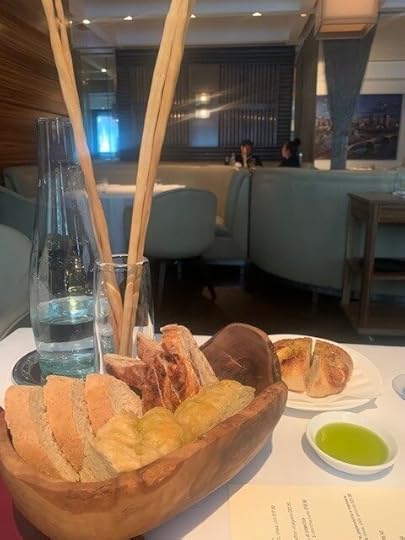 Just one disappointment… no bread!
The only downside of the whole experience was that the bread was not suitable.
It think this hit us both harder as they had promised the bread and bread sticks in particular, but these transpired to be unsuitable due to may contain warnings for dairy.
I might have marked them down for this but I was so impressed with the care, attention to detail and checking that they did.
I’d far rather be told something isn’t OK than eat something and find that it’s not. And if I’m out in London I will 100% not risk something I can’t be certain of. So we skipped the bread…
So here is some bread porn for those of you who can eat it… looks good doesn’t it?
Starter – ScallopsI absolutely love scallops and can’t cook them myself so if these are suitable for me I forget about anything else on the menu. The waiter went through everything that was safe and adaptable and there was quite good choice. This was so perfectly cook, delicate and melt in the mouth.
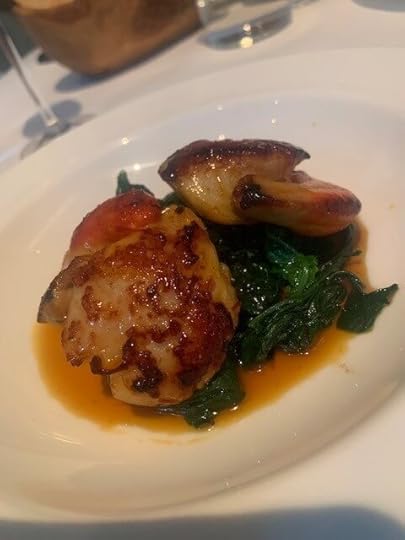 Scallops StarterMain course – Guinea Fowl
Again there were a number of options I could choose from but I opted for something I wouldn’t normally have. It was so delicious and I wolfed it down. Other safe options were three different fish dishes and the roast beef.
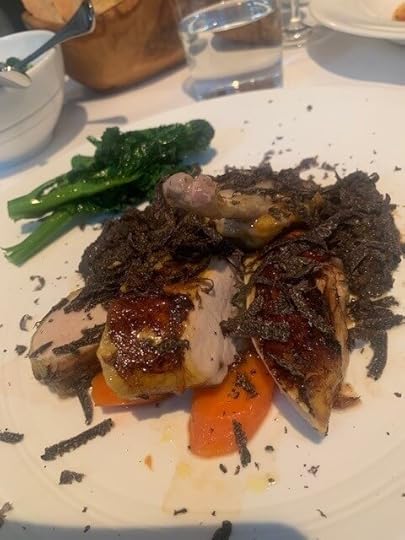 Guinea Fowl main courseDessert – Souffle
There were a number of desserts that I could choose from (always a highlight is fruit is not the pudding!) but they really excelled themselves with this souffle. Mine, is dairy free and is in the front of the photo. Lilija had the normal one, and they were not 100% sure how mine would turn out but the chef wanted to try to do it for me. Well let me say, it was a triumph.
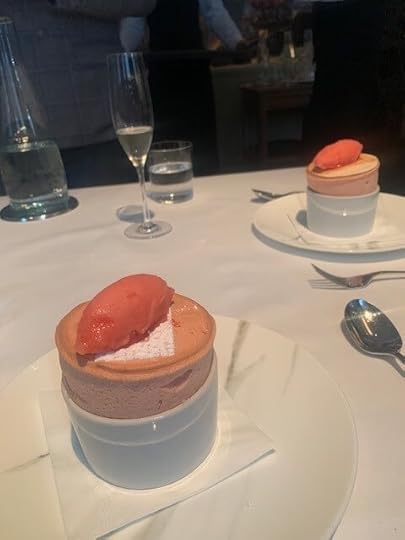 Souffle with negroni and blood orange sorbet
So I would highly recommend going here. Do let them know about your allergies ahead of turning up and remind them again when you arrive. They were really switched and very kind with my endless checking and questions. It’s a pricey option but well worth it if you want to treat yourself of someone else. Since it was my birthday we decided I was definitely worth it!
We had a wonderful time and our waiter also had allergies himself with further put my mind at rest. He checked everything and reassured us at every step.
I would definitely go back again for a special occasion. Top marks Geogio and the Locanda team.
Thank you for keeping me safe.
Living out best lives with a glass of ProseccoYou may also find the following interestingIndigo and No 1 Aldwych gets 10/10Eating out with allergies after Covid (take care)My Day at a Mock Food Allergen Trial – what happens if restaurants get it wrongHow to report a restaurant for allergen mistakes and dangerous practisesThe post Locanda Locatelli meal out with allergies 9.5-10/10 first appeared on What Allergy Blog.
January 28, 2022
20 tips on how to be an allergy advocate
I’ve been advocating, sharing, fundraising and talking about allergies, anaphylaxis and asthma now for years, long before I started this blog, so I thought I’d write about how you can advocate, whether you have allergies yourself or not.
Allergy community – You don’t have to be a blogger, speaker or sharing everything on social media to be an advocate.
Allergy supporters – There are loads of really simple ways you can make a big difference.
What is advocay?So firstly, what is advocacy and what can it look like?
“Advocacy is providing public support for, or recommendation of a particular cause or policy. It could mean getting support from an advocate to help you stand up for your own rights, or acting as an advocate to raise issues and become a voice for those who don’t have one or aren’t in a position to do so.”
Ruth Holroyd, Whatallergy.com
Advocacy can take many forms, and you can be an advocate in many small ways, or you can also seek out an advocate to help you if you are feeling lost, unsupported and confused.
So I’ve made a list of all the ways that I have advocated in the past for those of us living with life threatening allergies.
A lot of you will already be acting as advocates without even knowing it. so to you all HIGH FIVE!
Thank you all so much, from the bottom of my heart
And if you think you could be doing more, I’m not saying you have to do all of these, just one. See what you think and choose something that works for you or that you’d feel comfortable doing.
Educate yourself – Find out what your friend or family member is allergic to. Ask them how that makes them feel. Ask them what would help them. Be in their gang. Have their back! Because trust me, it’s exhausting being on high alert all the time. For me this also means going to conferences, events and exhibitions and absorbing everything I can. I am always learning.Join online groups and engage – you’ll learn loads on all the different social media challenges. Follow a few of the top inspirational advocates on Instagram or check out the Facebook groups to find out what the hot topics are.Keep up to date – Set some google alerts so you hear of the latest news, research and become a mini expert. I love it when my friends send me links to articles and news because most of the time I’ve often not seen it yet (I am a news phobic) so you’re doing me a favour and showing me you care!Check out the charities – there are quite a few charities supporting those with allergies. Find out how you can get involved, read what they’re doing and get involved if you can. Can’t believe how many there are!The Anaphylaxis Campaign (UK)Allergy UK (UK)The Natasha Foundation (UK)Owen’s Law (UK)Sadie Bristow Foundation (UK)National Allergy Strategy Group (UK)Action Against Allergy (UK)Asthma and Allergy Foundation (UK)Asthma Allergy and Inflammation Research (University of Southampon UK)The British Society of Allergy and Clinical Immunology (BSACI) UKThe European Academy of Allergy and Clinical Immunology (EAACI) FARE (USA)Red Sneakers for OakleyElijah Alavi Foundation (USA)The Canadian Allergy, Asthma, and Immunology Foundation (CAAIF)Australasian Society of Clinical Immunology and Allergy (ASCIA)The Allergy and Immunology Foundation of Australasia (AIFA)Try the food – Start to experiment yourself and try out free from food, you’ll find it’s actually not that bad. Spread the word and tell others! We want more inclusivity and since everyone can enjoy our free from food why not all eat it! Call people out – if you hear someone being disrespectful about allergies or flippant about keeping those with allergies safe, call them out. Ask them if they know how life threatening it is. Ask them if they know anyone who is at risk of anaphylaxis and chances are they won’t. Share a bit of your story and ask them to be kinder and more respectful. You can do this politely and it’s much needed. It always amazes me how many people still don’t really know how terrifying and serious anaphylaxis really is.Get reading – There are loads of great books out there to help you learn more, so if reading is your thing, this could be the one for you! Check out the Top 10 allergy books for adults and kids.Visit the Allergy Show – You could even arrange to join your allergy friend or family member. It’s actually really good fun and educational with loads of talks and seminars. Immerse yourself in our world and soak up some knowledge.Plan something fun – With your allergy person in mind, take the control and choose a venue or activity that’s suitable for them and plan a day out with their safety, needs and requirements in mind. For instance find a safe place to eat that understands allergies or organise a safe free from food picnic. Complain – If you hear or see allergies being portrayed badly on TV, radio, in the news, press, media of any kind, such as flippant comments, disrespect, incorrect use of adrenaline autoinjectors, please write to complain, tweet or share your thoughts. By doing this we make those responsible for production more aware and accountable.Write to your MP – If you feel really passionate, you could always write to your local MP to raise concerns about lack of allergy services, poor referral rates, lack of funding. Every little helps.Vote for an Allergy Tsar – You can find more about the Natasha Foundation campaign to get an Allergy Tsar appointed here – We need an Allergy TsarDonate – If you have a favourite allergy charity you could consider donating to them, they do amazing work supporting those living with allergies, from support over the phone, groups, training, raising awareness and online information.Simply listen and support your allergy friend – You can be an awesome advocate simply by asking your allergy friend or family member how they are, how they feel, what is troubling them. Be their friend, be their back up, be their support. They will probably put a brave face on things but it can get on top of people being hyper vigilant all the time. Be kind, be gentle. Be understanding and be thoughtful. Build others up – The allergy community is immensely supportive and nourishing. One way you can support us is to encourage, share, comment and build up other allergy advocates, bloggers, influencers, writers and anyone vocal and sharing their experiences, tips, great products etc.Say thanks – When you see really good advocacy going on, say thanks to that person. Give them a like, a thumbs up, a huge thank you. It can be endless, tireless and sometimes feel like a drop in an ocean, but seriously we appreciate it. Thank you all!Support the small businesses – There are loads of people going into business, inspired to provide something safe and previously missing for their child or themselves. Let’s support those businesses. We’ll miss them if they’re gone. I see so many brilliant initiatives fail or disappear after a few years and it always breaks my heart.Become a volunteer – Offer your help for free at allergy events, meetups, charity fundraisers. Learn how to Administer an Adrenaline Auto Injector – Read 20 Lifesaving tips for Anaphylaxis to find out how to do this.Offer your help – If you see anyone struggling, an allergy mum or dad or a friend, reach out and offer your help. You can find an advocate to help you through Allergy UK or The Anaphylaxis Campaign (links above). If you need help, ask for it.Actually, you don’t have to be doing any of these things at all, you could just be realising that this is a real, traumatic and worrying condition for a lot of people. All we really want is your understanding and respect.
If you’ve never met anyone with anaphylaxis and don’t know what it means, just find out that simple fact and you’ll be huge steps ahead.
Just by more people knowing this is a serious condition, we make progress and it still amazes me that many people don’t.
To me advocacy is about inclusion, empowerment and community.
Are you an Allergy Advocate? Are you going to start being one? What are you going to do? Do you advocate in other ways? Who is your favourite allergy advocate? I’d love to hear your views. Please comment below…
The post 20 tips on how to be an allergy advocate first appeared on What Allergy Blog.