Ruth Holroyd's Blog, page 2
December 10, 2023
The twelve days of #tswmas (topical Steroid Withdrawal Christmas)

On the first day of Christmas
TSW gave me to me
a spreading and worsening rash.
On the second day of Christmas
TSW gave to me
two raw sleeves,
and a spreading and worsening rash.
On the third day of Christmas
TSW gave me to me
three days of itching,
two raw sleeves,
and a spreading and worsening rash.
On the fourth day of Christmas
TSW gave to me
four hours sleep
three days itching
two raw sleeves,
and a spreading and worsening rash.
On the fifth day of Christmas
TSW gave to me
five open wounds
four hours sleep
three days itching
two raw sleeves,
and a spreading and worsening rash.
On the sixth day of Christmas
TSW gave to me
Six unwelcome comments
five open wounds
four hours sleep
three days itching
two raw sleeves,
and a spreading and worsening rash.
On the seventh day of Christmas
TSW gave to me
Seven days of weeping
Six unwelcome comments
five open wounds
four hours sleep
three days itching
two raw sleeves,
and a spreading and worsening rash.
On the eighth day of Christmas
TSW gave to me
Eight shocked stares
Seven days of weeping
Six unwelcome comments
five open wounds
four hours sleep
three days itching
two raw sleeves,
and a spreading and worsening rash.
On the ninth day of Christmas
TSW gave to me
Nine times flushing
Eight shocked stares
Seven days of weeping
Six unwelcome comments
five open wounds
four hours sleep
three days itching
two raw sleeves,
and a spreading and worsening rash.
On the Tenth day of Christmas
TSW gave to me
Ten bags of skin flakes
Nine times flushing
Eight shocked stares
Seven days of weeping
Six unwelcome comments
five open wounds
four hours sleep
three days itching
two raw sleeves,
and a spreading and worsening rash.
On the Eleventh day of Christmas
TSW gave to me
Eleven sleepless nights
Ten bags of skin flakes
Nine times flushing
Eight shocked stares
Seven days of weeping
Six unwelcome comments
five open wounds
four hours sleep
three days itching
two raw sleeves,
and a spreading and worsening rash.
On the Twelfth day of Christmas
TSW gave to me
Twelve attacks of zingers
Eleven sleepless nights
Ten bags of skin flakes
Nine times flushing
Eight shocked stares
Seven days of weeping
Six unwelcome comments
five open wounds
four hours sleep
three days itching
two raw sleeves,
and a spreading and worsening rash.
I had so much fun writing that, it’s a bit of fun but it does help to illustrate the total and utter sh*t show that Topical steroid withdrawal is. It is a condition that never stops giving you false hope, worsening symptoms, then a little bit of healing, only to get even worse.
It is a nightmare. Many people suffer in silence because they can’t face sharing how truly dreadful it is on a daily, hourly basis. So we struggle on in silence.
If you want to know more about Topical Steroid Withdrawal, please check out ITSAN, the global charity for TSW, for information, research and help.
You may also be interested in reading:
Tips for caring for someone with chronic eczema or topical steroid withdrawalCheck out my own Topical Steroid Withdrawal – Frequently Asked Questions sectionBuy my book, full of healing poetry – The Shape of skinGift ideas for someone with eczema or sensitive skinThe post The twelve days of #tswmas (topical Steroid Withdrawal Christmas) first appeared on What Allergy Blog.

November 24, 2023
Can Artificial intelligence write better, faster blogs than me?
I’ve been meaning to use Chat GPT to help me draft blogs for some time, and finally, last week I took the plunge. New technology can take a while to understand, I tend to have a short attention span, and if I can’t work it out in five seconds I’m off onto the next thing.
 Can Artificial Intelligence (AI) replace bloggers?
The short answer is no, it absolutely cannot replace the research rich, emotive and thought provoking blogs that I and many others write. However it CAN help with research. So how does it work?
Fast facts – You can ask questions, like how many people have asthma in the USA, and the answer is with you in seconds. Write blogs – You can ask for a blog about ‘dry eye’ and you will get a 100 or 200 draft blog. Images – You can ask for an image and AI will use your description to create something.Things to beware of with using AI to blogThere are limitations, as with everything, so understanding all these limitations is very important. Whilst it’s fast, faster than I could ever be at finding facts, it’s not always looking or the most trusted and reliable sources. You can teach it to do this by asking more specific questions like – what does Asthma UK say about asthma statistics, and you’ll get that charity’s current figures from their website.
What AI lacks and why it won’t replace human bloggersI don’t think my job is at risk any time soon for the following reasons:
I can get the information I need fairly quickly anyway because I know where to look, but for new topics it could be useful to get startedIt’s not critical, and it’s not good at giving both sides of an arguementIt’s not creative It can only work with logic to give you facts and struggles to convey emotional contextIt’s not great for finding the right images for your blog, the best place for those, free images is still Pexels and Unsplash.Want to give Chat GPT a go with your blog?It took me ages to work out how this all worked, so here is my Chat GPT #101 guide. It was surprisingly easy once I got started. It’s kind of like those chat bots you get when you need to contact an organisation that has no phone number. You know the ones that return ‘I don’t understand your question’… Ironically those rubbish bots are using AI badly to replace the customer services employee. They can work really well though for the questions customers ask over and over again. So here’s what you do:
Open the Chat GPT website.Click on Open Chat or Image Generator, depending on what you want to try and create. I would caution using the image generator yet, it’s not been very helpful for me at all. Shall we just say it appears to be mostly used by people looking for p*rn… say no more.Type in your questionIf you aren’t happy with the answer you can refine your question to get more detailSo to recap, it’s good for research, but check sources and refine your question if you’re not happy with the answer. And give the image generator a miss.
Am I going to keep using AI for my blog posts?Yes I think I will, it certainly helped me gather some basic facts and create a very short brief to begin crafting, however I had taken me another hour to finish the blog I created using AI. Their version would have been very bland, it was also very repetitive and I had to remove the repetition.
My first attempt at writing a blog using AI was this one, ‘Your guide to ‘dry eye’, symptoms and causes‘.
But I’m definitely not ready to rely solely on AI, it was a pretty bland blog to begin with and I had to spend hours fleshing it out and checkind the stats, but it did help as a frst draft.
Have you used AI to help you write blogs? content? or to do mundane work tasks?
You may also be interested in reading:Is blogging dead? Do I keep blogging?I wrote two books in lockdown! Check them out hereCan AI replace human bloggers?The post Can Artificial intelligence write better, faster blogs than me? first appeared on What Allergy Blog.November 19, 2023
Your guide to ‘dry eye’ causes and symptoms
Dry eyes and allergies often go hand in hand. You could have both conditions at the same time, or just one, but how do you tell the difference? And how do you treat them both?
How do you tell the difference between dry eye and allergies?It can be confusing to work out which condition you have. Always seek medical advice if you’re unsure.
Dry eyes, also known as dry eye syndrome or keratoconjunctivitis sicca, is a common condition that occurs when the eyes do not produce enough tears or when the tears evaporate too quickly. Tears are vital for maintaining the health of the eyes as they provide lubrication, keep the surface of the eyes smooth and clear, and protect against infections. Confusingly, many people with dry eye will experience very watery eyes as the body tries to alleviate the dryness, making it hard to work out what’s going on. Who is going to google ‘dry eye’ if they have inflammation and excessive watering?Allergic irritation may come and go. Allergies can cause inflammation and irritation of the eyes, leading to dryness and discomfort, and can be seasonal. If it’s caused by an allergen in the air it may only happen between certain high pollen months, or when exposed to mould, dust etc. Symptoms of dry eye
When the tears do not adequately lubricate the eyes, it can lead to various uncomfortable symptoms. People with dry eyes may experience a gritty or sandy sensation in their eyes, redness, itchiness, burning or stinging sensations, blurred vision, sensitivity to light, and increased eye discomfort when performing visually demanding tasks, such as reading or using a computer.
What causes dry eye?Dry eyes can be caused by a range of factors:
Age (as tear production decreases as we get older)Hormonal changes (such as during menopause)Certain medications, including antihistamines, decongestants, and hormonal therapies, can cause or worsen dry eye symptoms.Environmental factors (like dry or windy conditions)Prolonged screen timeSmokeWind and dry weather conditions and climatesExposure to air conditioningUnderlying health conditions (e.g., Sjögren’s syndrome, rheumatoid arthritis, diabetes, Graves disease and thyroid disorders can increase the risk of dry eye.Lifestyle choices (like smoking or excessive caffeine consumption)Check out the NHS website on ‘Dry Eyes’.
How can you treat dry eye?Treatment options for dry eyes include using artificial tears or lubricating eye drops to supplement tear production, managing underlying health conditions, taking breaks during screen time or using specialised computer glasses, using a humidifier to add moisture to the environment, avoiding exposure to dry or windy conditions, and practicing good eye hygiene. If you can work out what your own triggers are you can minimise your outbreaks.
Seek professional advice from an Optician or doctorIt is important to consult with an eye care professional if you experience persistent or severe symptoms of dry eyes, as they can provide a proper diagnosis and recommend the most suitable treatment plan for your specific case. Leaving it undiagnosed or untreated could mean an underlying condition is missed and you could experience damage to the cornea if left unchecked. It’s also very uncomfortable so get it looked at and sorted!
How common is dry eye?Dry eye is probably more common than you think. The following statistics provide an overview of dry eye prevalence, risk factors, and potential impacts:
According to the Tear Film and Ocular Surface Society’s International Dry Eye Workshop (DEWS), dry eye affects approximately 5-50% of the adult population worldwide.In the United States, it is estimated that around 16 million adults have diagnosed dry eye, with millions more experiencing occasional symptoms.The NHS (UK) says that dry eye affects around one in three people in the UK at some point in their lives. It is more common in older individuals, with prevalence increasing with age. Additionally, the NHS estimates that around 4.8 million people in the UK aged 45 years and older are affected by some form of dry eye syndromeDry eye tends to be more prevalent in older individuals, especially those above the age of 50.Women are more likely than men to develop dry eye, especially during hormonal changes such as menopause.How does ‘dry eye’ affect quality of life?It may sound like just a minor condition that you can live with, but it can be very uncomfortable, causing many problems for those who have it, including:
Discomfort, including a burning or gritty sensation, redness, itchiness, and excessive tearing.It may affect visual acuity, causing blurred or fluctuating vision.Reading, driving, and using digital screens can be difficultIn severe cases, dry eye can lead to damage on the ocular surface, corneal ulcers, and vision disturbances.It’s important to note that these statistics may vary depending on the study population, geographical location, and methodology used in research. If you are experiencing symptoms of dry eye, it is recommended to consult an eye care professional for a proper diagnosis and treatment plan.
What can you do if you have dry eyes?Here are some ways to manage dry eyes and allergies:
Avoid allergens: Identify and avoid triggers that cause your allergies, such as pollen, dust, pet dander, or certain foods. Keep windows closed during high pollen seasons, use air purifiers, and regularly clean your living spaces to minimize allergen exposure.Use artificial tears: Over-the-counter lubricating eye drops or artificial tears can help relieve dryness and provide temporary relief for irritated eyes.Apply cold compresses: Use a cold compress or washcloth on your closed eyes to alleviate itchiness and reduce inflammation.Take allergy medication: Over-the-counter oral antihistamines or prescription-strength allergy medications can help reduce allergic reactions and minimize symptoms, including dry eyes.Use a humidifier: Dry indoor air can worsen dry eyes. Adding moisture to the air with a humidifier can help alleviate dryness and provide relief.Limit eye strain: Staring at digital screens for long periods can worsen dry eyes. Take regular breaks and blink frequently to keep your eyes lubricated.Consult an eye doctor: If your dry eyes and allergies persist or worsen despite self-care measures, it’s important to consult with an eye doctor. They can provide a proper diagnosis and recommend additional treatment options, such as prescription eye drops or immunotherapy for allergies.Remember to always consult with a healthcare professional for personalised advice and treatment options specific to your condition.
My own experience with dry eyesI’ve been diagnosed with dry eye by my optician and have had it now for about ten years. I’ve tried quite a few things myself, including:
Prescribed eye drops from my optician. Always check and make sure any eye treatments are steroid free as this may not be necessary. I’ve also used Artelac eye drops, which worked really well,If you are on a tight budget, the bog standard cheap ones from Savers are also good. I forget to use the eye drops most of the time though which is annoying. If you are forgetful like me, put a postit on the mirror in your bathroom to remind you. I also found cotton hankies useful for mopping up watery eyes, much better than paper tissues which can leave tiny bits of paper in your eye and make it worse. Always wash hankies daily and only use them on your eyes, not your nose as well!I’d love to hear from anyone who has dry eye. When is it worse? What do you do to treat yours? What are you triggers?
Photo from Pexels by Mateus Souza:
You may also be interested in reading:Daily hay fever and dry eye treatmentWhy do you think eczema is ugly?20 gifts for someone with eczema or topical steroid withdrawalThe post Your guide to ‘dry eye’ causes and symptoms first appeared on What Allergy Blog.November 12, 2023
Why do we think eczema is ugly?
I heard someone say this last week and it really struck deep. It was a podcast conversation with a mother discussing her child’s ‘ugly eczema’ and it made me feel so judged, triggered and challenged.
Now I don’t want to get into blaming this mother, I love her podcast and think she’s talented, funny and a very kind person. So I’m not even going to tell you who it was. But I wanted to challenge this knee jerk way we have as a nation of seeing things as ugly whey the don’t look so perfect and healthy.
Because it made me realise I do think my eczema is ugly.
It hurt so badly because deep down I agree with that mother. So what can we do to challenge these unhelpful deep seated wrong beliefs that we have about ourselves and others?
 Balmonds photoshoot – woman with eczema uses skin salvationEveryone has a right to their own opinion
If you think eczema is ugly you are not alone, and it’s OK to feel that way. It is painful, red, causes inflammation and irritation and prevents skin from looking clear, smooth and perfect. But what is this obsession with perfection?
A recent survey by the National Eczema Association revealed that more than 30% of people with atopic dermatitis were diagnosed with depression and/or anxiety. Eczema and skin conditions have a very bad effect on your mental health. You are not alone if you feel this way.
The beauty industry fuels this, and it’s NOT ok. It’s not your fault you have eczema. Try to let it go, it’s not your eczema. I know I am still struggling on some level because I’m so attached to my eczema? I know I scratch, almost as a way of soothing and relief when I’m stressed and tense. If I’m anxious I’ll get itchy.
But it’s not my eczema… can I stop and pause and find safer, kind ways to self soothe instead of having a darn good scratch? It does feel so good scratching though.
It’s not my eczemaIt’s something I constantly struggle with, that feeling that it owns me and I own it. It is my eczema. That I will always have it, never be free of eczema. The language we use is so powerful in these kinds of situations.
Can you let go of this phrase, my eczema this and my eczema that. Instead say things like
Sometimes I can be at risk of eczemaOh look, there is some eczema showing at the moment, what can I do to soothe it?Having sensitive skin can mean I am susceptible to getting rashes and eczemaEczema is a sign that your body is trying to tell you something.Consider that this early warning sign that you body isn’t happy could mean you have to live a cleaner, healthier, simpler life. This could be a huge benefit in the long run.Experiencing eczema has made me more aware of what I put on my body and what i put into my bodyI am listening to the largest organ in my body – my skin is my friendStop owning it and start listening to what it’s trying to tell you. It’s so complex because the irritation could be caused by so many things. Now begin the detective journey of your life to discover what you triggers are what can help soothe the skin and avoid eczema flare ups.
Why do we think eczema is ugly?The beauty industry thrives on making us feel we are not good enough and need this product or that cleanser to achieve skin brilliance and perfection.Beautiful people sell products, everywhere. This has started to change, but until recently most advertisements for everything featured predominantly perfect white people.Conditions such as eczema, asthma, allergies, disabilities etc. are rarely seen in TV programmes, documentaries, sitcoms, chat shows, films, any media. And if they are it’s often a weak, laughable or unlikeable character.On a regular basis I receive unsolicited but often well meaning advice on how I can fix my skin. It comes from a good place but it makes the person on the receiving end know they are not good enough in their current state. You see the imperfections and they bother you. So you suggest coconut oil, or ask personal questions about what I’m doing to get better.Imagine living life and never ever seeing anyone who looks like you, because I can imagine it very well.
Ways I try to embrace, accept and love my skinI’m by no means smashing this, I catch sight of myself sometimes in a mirror and am reminded of what I look like. It hurts every time, it hurts anyway, but seeing the visible carnage of my topical steroid withdrawal damaged face is a constant torment. Here are a few things I do to help my body image;
Positive affirmations – My skin is doing what it can, my skin is healing, I am beautiful, my skin does not define meFake it (and flake it) till you make it – saying these positive things is better than saying negative mean things to yourself. Say kind things out loud even when you don’t mean it.Speak to yourself how you would speak to a baby, your daughter, your young niece.I know this sounds naff, but try it. I cried and cried when I tried at first because I realised that I hated my self. I hated my skin and it hurt me so deeply to realise how many years I had been beating myself up.
This is still a work in progress for me. Letting go of constantly needing to fix my skin, and instead embracing who I am right now. Accepting how I look, that I am going to heal and I am doing what I can to get better. I don’t need to be constantly striving, I am just doing one small thing at a time. And sometimes I am not doing anything at all to heal. It’s OK to just be, to just experience discomfort on your skin and not do anything about it. It’s exhausting trying to heal.
What if I always have eczema on my skin. Can I learn to be content with how I look now? When it’s not great and my eyebrows have fallen out again.
Who needs eyebrows anyway!
I’d love to hear from anyone who battles with these conflicting thoughts. Share you comments below please and be kind please or I won’t approve your comments.
You may also be interested in readingJust F**k off! – a message to people who comment on anyone’s appearanceResponding to difficult commentsWe need to see disabilities, allergies etc. as normalBuy The Shape of Skin – poems from the heart, from pain, anger, healing and acceptanceThe post Why do we think eczema is ugly? first appeared on What Allergy Blog.October 31, 2023
How to avoid scalp and skin flare ups from your hair cut
Getting your hair cut when your skin is challenging, both on your face, neck and scalp is one of the hardest things to navigate. It can mean sometimes people go years without having a haircut. There are so many reasons why this is so hard. This blog looks at the reasons why and what you can do to stay safe and avoid a skin flare.
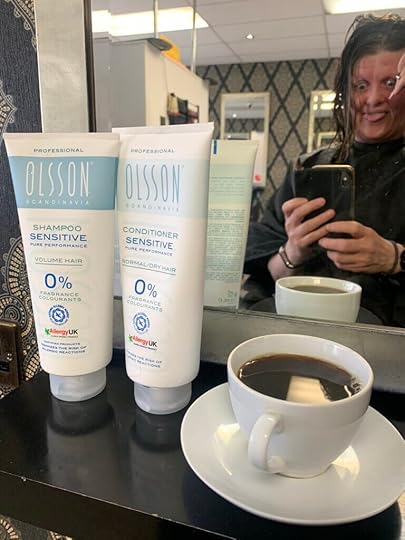 10 reasons I find getting my hair cut challengingFragrance – Being allergic or sensitive to perfumes can make hair salons a triggering place and many people say they flare after just walking into one. Bear this in mind if you are planning a hair cut. Everything from the hair dyes, spray, wax, shampoos and conditioners add to the smell pea soup!Heat – Even in winter it can be hot and stuffy inside. Dress in layers with a vest top underneath so you can strip off if you are over heating. Ask for a wet cut, it’s cheaper and means you can avoid the heat of blow drying.Products – If you’ve forgotten your own shampoo, the products used can be irritating. Always ask for a sensitive skin products as most salons will have a range.Mirrors – I don’t look in mirrors at home, I avoid my reflection and find it really hard sitting looking at myself for an hour, especially when my face is flaring as it is today.Anxiety – I know most of it is in my head, but I’ve had so many hive and itch attacks after products used at the hair dressers. Also going out when you have topical steroid withdrawal or a visible skin condition is very challenging. We don’t want to be judged, when the irony is it’s us judging ourselves that’s the most harsh and damaging. Be kind to yourself, you’re worth it.Skin Flaring – As mentioned, hair salon products can be a little harsh for some skins, and often contain lots of perfumes so be careful what treatments and products you allow them to use. I’d steer clear of them all if you can.The blow dry – Hot, hot and too hot! I never blow dry my own hair at home except if I have to go out in winter and have just washed it. It always makes my scalp dry. The hair dryers are often set on a very high heat setting, ask for cooler and ask for a wet but if you can.Shame and judging my own appearance – I can’t help it, I do it all the time. Try to be kind to yourself. You’re doing great and you look great. We often feel we look way worse than we actually do. Probably no one is even noticing your skin.Menopausal flushing – I’m definitely fully in the menopause so being in that hot steamy environment, with hair dryers and straighteners and hair all over your face and neck while they cut it is so difficult. I get so hot I want to just shave all my hair off and rip all my clothes off and run outside.Being seem in public with TSW – This is always hard, but every time you do out, show your skin bravely and get some fresh air, it’s a win over TSW. Hiding away at home can seem like the only option but it’s not great for your mental health. Who cares what people think. I’ve got braver and better at this as I’ve got older. Don’t feel you need to hide away, you are beautiful, flaws and scars and all.
There’s a lot going on, and it can be really hard going out at all, let alone to a salon full of people you imagine to have perfect skin, all having treatments you can’t do any more. Getting your hair cut should be a fun experience, full of joy, pampering and giving you a boost.
Over the years I’ve found many things that help me experience getting my hair cut whilst staying safe and flare free.
10 tips for getting your hair cut with eczema skinGo prepared – take your own safe shampoo. I took my lovely Olsson shampoo and conditioner and they were more than happy to use this for me. Use code WHATALLERGY10 at checkout for 10% off at checkout. Visit Olsson for details, their shampoo is accredited by Allergy UK.No Products – Ask them not to use any products with fragrance, and if you’re very sensitive, avoid hair spray and wax products. There can be a lot of things used in a standard hair cut and any of them could cause irritation so if you can’t check for your allergens, it’s safer to avoid them.No blow dry – The heat of the hair dryers can be very triggering for eczema skin, and not great for dry scalps. Get a wet cut and you’ll also save money! Hair straighteners can also make you get quite hot as the heated hair falls back down onto your skin and scalp. Best avoided if heat exacerbates your skin.Tell them about your skin – be open and honest and tell your hair dresser, the person washing your hair and any one else you are dealing with so they can be mindful and avoid using anything that you are not comfortable with. If you don’t tell them, they won’t know. Be concise and firm.Ask for a mirror free experience – My local hair dressers don’t offer this service but I mentioned it to them and they were interested in the idea. I’ve heard that some hair dressers have a blind or cover they can draw down over the mirror if people don’t want to stare at themselves for an hour! Thanks to Louise Roddick for this wonderful information.Get your hair cut at home – If you can find someone willing to visit your home you can completely control the whole situation. I’ve tried this and not found anyone I really trust yet, but it’s worth Deep breathing – At some points I felt so hot and uncomfortable, especially when my hair was hanging down over the front of my face and while blow drying. I would normally avoid the blow dry but am going out tonight so decided to go full on with the whole experience so I could go out feeling fancy. I wanted to tear out of the salon to cool down, but instead I tried to drop my shoulders, breath deeply and slowly in through my nose and out through my mouth. Using positive affirmations that I would be OK, I would be alright, this hair drying would stop, I could be out in the cool air soon… I got through it. The slowing down of my breath helped so much.Distraction – If you can read while getting your hair cut, this can really help to keep your hands busy. It is really hard not being able to put my hair up, brush it out of my face or touch tickly or itchy parts.Reward yourself – If getting your hair cut is a really big deal, promise yourself a treat after you’ve gone through with it. It can be anything from a small treat to a new book, item of clothing etc.Be brave – You’ve go this and if you really want to get your hair cut, you can do this. I’ve been planning my recent cut for MONTHS… I always go early in the day when it’s less hot and steamy and quieter, and I always feel better afterwards. Go for it! Be brave and book that cut. Or try some of the other ideas.Get a Crea clip – I’ve seen a few videos of how these work, and they’re pretty cool, if you have longer hair, or for doing angled fringes on shorter hair. It means you cut your hair on your own. I don’t have one myself but am definitely going to look into getting one. They are relatively inexpensive, and come with some hair scissors so might be worth trying if you really don’t want to go into a hair salon.Be very wary of some damaging treatmentsTreatments like perming and hair dying can cause a lot of irritation to the skin. Always get a patch test done before getting your hair coloured to avoid serious allergic reactions. Check out Allergy to Hair Dye for more information if you are worried.
Using a Crea Clip to cut your own hairI’ve never done this but some people have told me it works great! You can get a buddy to help you or do it yourself!
 Do you love getting your hair cut or hate it?
I’d love to hear your tips too. Please comment below with what you do, whether you avoid salons and cut your own, get it cut at home, or brave the hair dressers.
Just know you are not alone. In a recent social media post I was blown away by how many people felt the same fear as I did. Far more than I every imagined. It’s perfectly normal to be fearful or being so visible with a skin condition, but you are worthy, you are worth it, you deserve to have a lovely hair cut. It can help you too as it can lighten heavy hair and keep you cooler, and also boost your self esteem. It’s amazing what a great hair cut can do for the morale.
You may also be interested in reading:Shampoo and conditioner for TSW or eczema skin and scalps10 things your asthma nurse won’t tell youTopical Steroid Withdrawal – Frequently Asked Questions10 things that could help your dry eczema scalpBuy The Shape of Skin, poetry book for eczema skinThe post How to avoid scalp and skin flare ups from your hair cut first appeared on What Allergy Blog.October 27, 2023
Adrenaline needle, nasal spray or sub lingual for anaphylaxis?
100% of people would rather not be using adrenaline auto injectors with needles! In fact we all hate the needles, it’s just added stress to the whole situation.
I just made up that statistic, but help me prove it. I’m asking all those with severe allergies to answer me one question:
Would your rather inject adrenaline or use a nasal spray?If you have time, please pop your answer below as a comment. Which would you prefer to use if you were having an anaphylactic reaction:
Adrenaline auto injector? orEpinephrine nasal spray?Sublingual strip under your tongue?Adrenaline and epinephrine are the same drug, just different names.
I think it’s going to be pretty obvious, we would all much rather NOT have to carry around bulky cumbersome adrenaline auto injector pens.
The current adrenaline auto injector products in the UKWe have a number of products available for those living with life threatening allergies, including Epipen, Emerade and Jext in the UK. I’ve used all three and they are fundamentally the same type of product.
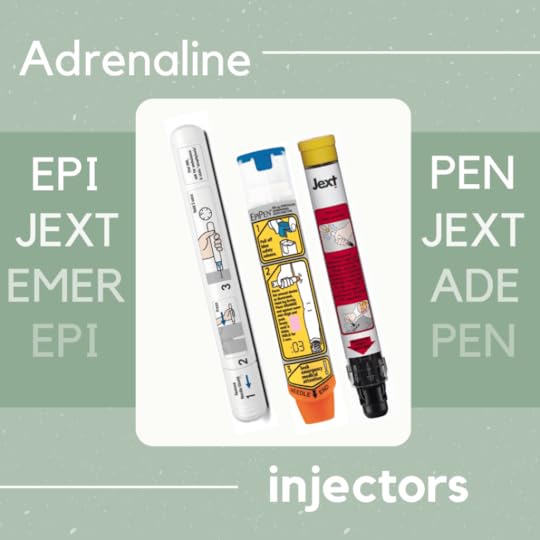
There are other products in America, such as Anapen
FDA delays approval of epi nasal sprayIn recent news, the introduction of a new epinephrine nasal spray was turned down at the final stages of approval as the FDA have asked for further trials to be done. It seems confusing because it was almost a done deal, yet now the company Neffy will need to complete a new study into whether the spray will help those with rhinitis and runny noses. This will take the company at least another six months and is very disappointing news for those of us who are at risk of anaphylaxis.
Check out “Why FDA rejection of epi nasal spray was a shocker” here.
Why has this happened?
Dr. Jay Lieberman, an allergist-immunologist at University of Tennessee Health Science Center, said studies show neffy should work comparably to auto-injectors during allergic reactions. So what’s the problem? It is coming soon though guys, in our lifetime! An end to the fear of injecting adrenaline.
Are adrenaline auto injectors fit for purpose?I’ve long believed that the adrenaline auto injectors we have are outdated and not really fit for purpose. Of course they work, and give a vital life line to those living with life threatening allergies. But there is a lot wrong with them…
They are old fashioned, rather large and out dated devices when technology exists to make this much easier for those living with severe allergies.People don’t like using needles and many delay injecting or don’t use at allThey are large and bulky, carrying two needs a big bagThe device design has not really changed since their invention, for men in the army at risk of chemical warfareI worry that needle length is not sufficient for many women’s thigh to fascia depth. Read Why all women at risk of anaphylaxis should get a thigh ultrasound.When you need to carry two adrenaline auto injectors and other medication with you, it’s a trial to add to the fear that follows us everywhere.
We need choice for the allergic communityAs well as this new nasal spray, there is another new product coming online soon, developed by Aquestive, which is in the form of an under-the-tongue epinephrine film.
Let’s have our say, what would you rather use? Please share your comments below…
You may also be interested in reading:Buy ‘Anaphylaxis – The Essential Guide’, the book I wish I’d had back when I was first diagnosedCough medicine could cause anaphylaxisDairy allergic (me) ate Buttermilk by mistake – find out what happened!25% of the allergic community leave their adrenaline auto injector at homeThe post Adrenaline needle, nasal spray or sub lingual for anaphylaxis? first appeared on What Allergy Blog.100% would choose Adrenaline nasal spray for anaphylaxis
I just made up that statistic, but help me prove it. I’m asking all those with severe allergies to answer me one question:
Would your rather inject adrenaline or use a nasal spray?If you have time, please pop your answer below as a comment. Which would you prefer to use if you were having an anaphylactic reaction:
Adrenaline auto injector? orEpinephrine nasal spray?Adrenaline and epinephrine are the same drug, just different names.
I think it’s going to be pretty obvious, we would all much rather NOT have to carry around bulky cumbersome adrenaline auto injector pens.
The current adrenaline auto injector productsWe have a number of products available for those living with life threatening allergies, including Epipen, Emerade and Jext in the UK. I’ve used all three and they are fundamentally the same type of product.
FDA delays approval of epi nasal sprayIn recent news, the introduction of a new epinephrine nasal spray was turned down at the final stages of approval as the FDA have asked for further trials to be done. It seems confusing because it was almost a done deal, yet now the company Neffy will need to complete a new study into whether the spray will help those with rhinitis and runny noses. This will take the company at least another six months and is very disappointing news for those of us who are at risk of anaphylaxis.
Check out “Why FDA rejection of epi nasal spray was a shocker” here.
Why has this happened?
Dr. Jay Lieberman, an allergist-immunologist at University of Tennessee Health Science Center, said studies show neffy should work comparably to auto-injectors during allergic reactions. So what’s the problem? It is coming soon though guys, in our lifetime! An end to the fear of injecting adrenaline.
Are adrenaline auto injectors fit for purpose?I’ve long believed that the adrenaline auto injectors we have are outdated and not really fit for purpose. Of course they work, and give a vital life line to those living with life threatening allergies. But there is a lot wrong with them…
They are old fashioned, rather large and out dated devices when technology exists to make this much easier for those living with severe allergies.People don’t like using needles and many delay injecting or don’t use at allThey are large and bulky, carrying two needs a big bagThe device design has not really changed since their invention, for men in the army at risk of chemical warfareI worry that needle length is not sufficient for many women’s thigh to fascia depth. Read Why all women at risk of anaphylaxis should get a thigh ultrasound.When you need to carry two adrenaline auto injectors and other medication with you, it’s a trial to add to the fear that follows us everywhere.
We need choice for the allergic communityAs well as this new nasal spray, there is another new product coming online soon, developed by Aquestive, which is in the form of an under-the-tongue epinephrine film.
Let’s have our say, what would you rather use? Please share your comments below…
You may also be interested in reading:Buy ‘Anaphylaxis – The Essential Guide’, the book I wish I’d had back when I was first diagnosedCough medicine could cause anaphylaxisDairy allergic (me) ate Buttermilk by mistake – find out what happened!25% of the allergic community leave their adrenaline auto injector at homeThe post 100% would choose Adrenaline nasal spray for anaphylaxis first appeared on What Allergy Blog.October 26, 2023
25% of severely allergic people leave adrenaline at home
That’s a lot of wasted adrenaline – if a quarter of people who are prescribed life saving anaphylaxis medication are not carrying it with them at all times. It’s also pretty risky behaviour, but it’s easy to think you’ll be OK and that nothing will happen to you.
Recent survey assessed allergic peoples habitsGovernment guidelines recommend people at risk of anaphylaxis to always carry two auto-injectors, regularly check they haven’t expired and ensure they know how to use the brand prescribed to them. However, the recent survey spearheaded by the newly launched ready2reactuk campaign – supported by the 4 major charity organisations in the UK: the Nastasha Allergy Research Foundation, Allergy UK, Anaphylaxis UK, and BSACI – found that:
A quarter of respondents living with severe allergies don’t always carry an adrenaline pen on them and less than half would feel very confident using one in an emergency 68% of those surveyed were not aware of their adrenaline pen’s expiry date, and 1 in 5 didn’t know adrenaline pens have expiry datesAre you one of those people? Or do you carry yours with you at all times?
Stay safe this Halloween – tips for allergic peopleTo avoid an anaphylaxis scare this Halloween when you or your child is trick or treating or attending parties, here are some top Halloween tips based on information from ready2reactuk partners Anaphylaxis UK and Allergy UK:
Ensure two adrenaline pens are in date and keeping them on the person with an allergy, or parent/carer at all times, even when out in the dark, spooky streets trick or treating. Review allergies to certain popular treats and the allergens contained within these products in advance of Halloween. Communicate this information to the person with an allergy and the people with them, with a specific focus on a child with allergies so they know which treats to avoid. Ensure the people accompanying the person with allergies know the signs and symptoms to look out for and how to administer an adrenaline pen, as well as calling 999, in the instance of an emergency. Wash hands before and after touching or eating any foods at a party or from trick or treating. Teal pumpkins for allergen safe treats at Halloween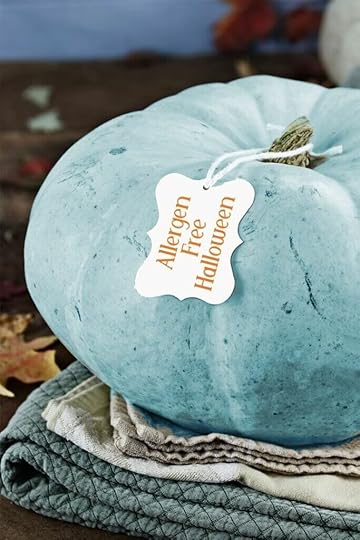
Teal Pumpkin image from Pinterest
There is a great campaign for those with allergic kids at Halloween, the teal pumpkins project. It ws originally started by FARE, The Food Allergy Research and Education society in America, where Halloween is much bigger deal than here in England. Click here to find out more about the Teal Pumpkin Project. Anyone who displays a teal pumpkin outside their house is advertising that they have some allergen safe snacks available for trick and treaters. However it’s always imperative to check ingredients
Ready 2 React allergy surveyTo raise further awareness about how people can avoid an allergy scare this Halloween, further information on the ready2reactuk campaign survey can be found below, and the corresponding consumer report here: www.ready2react.co.uk.
Allergy help, support and resourcesFor more information about living with allergies, contact the UK charities listed below, all of whom took part in this survey:
Allergy UK website: https://www.allergyuk.org/ Anaphylaxis UK website: www.anaphylaxis.org.uk The British Society for Allergy & Clinical Immunology (BSACI) website: https://www.bsaci.org/ Natasha Allergy Research Foundation website: https://www.narf.org.uk/ You may also be interested in readingHospital admissions for life threatening anaphylaxis have more than doubledUpdated advice on adrenaline auto injectors and anaphylaxisBuy Anaphylaxis – The Essential Guide today if you have severe allergiesStorage pouches for adrenaline auto injectorsSo tell me, do you carry your adrenaline all the time? And how do you store them and carry them? They are bulky and inconvenient to carry, but they could save a life!
The post 25% of severely allergic people leave adrenaline at home first appeared on What Allergy Blog.September 22, 2023
Do you need Health Insurance for Allergies & Asthma?

Allergies and asthma are more than just an inconvenience; they’re a serious health concern that’s on the rise. If you’re among the millions who experience these conditions, you know that symptoms can be unpredictable and sometimes even life-threatening.
Health insurance isn’t a luxury in this context—it’s a necessity. From potentially sky-high medical bills to accessing specialised care, having insurance is an essential safeguard. In a world where medical costs can escalate quickly, a good insurance plan offers not just financial relief, but also peace of mind.
Photo by Gustavo Fring from Pexels
The Cost Factor: Financial BenefitsNavigating the world of allergies and asthma often feels like walking through a minefield of expenses. Medications, such as antihistamines for allergies and inhalers for asthma, are recurring costs that can chip away at your wallet. And let’s not overlook the price of emergency treatments. For example, an adrenaline auto-injector, which is often a life-saving device used to treat severe allergic reactions, can be costly without insurance.
It’s not just the medications that weigh heavy on your finances. Consulting with specialists, who offer the expertise to manage these conditions effectively, also comes at a price. Even if you’re fortunate to live in a country with a public health system, there are limitations. Certain treatments and medications might be restricted or come with long waiting periods.
Health Insurance in the United StatesIn the United States, navigating this complex landscape is made somewhat more manageable through options like Medicare and various supplemental insurance plans. These programs can significantly defray the costs of ongoing medical treatment and emergency care, offering a much-needed financial cushion.
For those who are strategically planning their healthcare expenses, especially as they approach retirement age, understanding the Medicare Advantage MSA meaning can be particularly beneficial. This specialized type of Medicare Advantage plan allows you to merge the reliability of Medicare coverage with the versatility of a Medical Savings Account. Not only do these plans cover prescription medications through Medicare Part D, but they also provide a more tailored approach to healthcare spending.
Health Insurance in the United KingtonMeanwhile, in the United Kingdom, the National Health Service (NHS) provides a foundational level of care. Prescription charges are often standardized, and certain groups, like children and the elderly, are exempt from these costs. However, the NHS isn’t without its limitations; specialised treatments may be less accessible and could come with a waiting list. This is where private health insurance becomes invaluable.
By offering faster access to specialists and more treatment options, private insurance can serve as a beneficial supplement to NHS care, particularly for those dealing with chronic conditions like allergies and asthma. This is important given the fact that hospital admissions because of life-threatening allergies have doubled in the last two decades.
Also remember, you can save on prescription charges, currently set at £9.75 per script, if you invest in an Prepayment Certificate. These work particularly well if you require lots of different medications to keep you various health conditions under control. You could save a fortune with a Prescription.Prepayment Certificate.
When it comes to managing allergies and asthma, the focus shouldn’t solely reside on cost; the quality of healthcare you receive is equally critical, if not more so. With the relentless pace of medical advancements, the repertoire of treatment options is expanding like never before.
From ground-breaking immunotherapies to state-of-the-art biologics, therapies are game-changers, offering not just symptom control but improved overall quality of life. Having the right health insurance coverage becomes your golden ticket to accessing these top-tier treatments.
It’s not merely the innovative treatments that are on offer; quality healthcare also encompasses a broader, more holistic approach. This includes the freedom to choose healthcare providers who specialize in allergy and asthma care, allowing for a treatment plan that’s tailored to your unique medical history and needs. Whether you’re seeking an allergist’s advice on environmental triggers or a pulmonologist’s expertise on asthma management, a robust insurance plan provides you the agency to navigate these choices with confidence.
And let’s not underestimate the importance of timeliness in healthcare. Long waiting lists for crucial treatments can worsen conditions and add stress, reducing the quality of your life. A well-structured insurance plan provides not only financial relief but also ensures that your healthcare journey is as smooth and prompt as possible.
Alternative Therapies: Beyond Conventional MedicineWhen one thinks of allergy and asthma management, the mind often leaps to pharmaceutical solutions: antihistamines, corticosteroids, and the like. While these treatments are undoubtedly vital, alternative therapies can be valuable complements to conventional medicine. Some insurance plans are beginning to recognize the potential of these non-traditional methods and are offering coverage for them as part of a comprehensive healthcare strategy.
Acupuncture, for instance, has been found to offer relief from allergy symptoms for some individuals. Originating from Traditional Chinese Medicine, acupuncture aims to restore the body’s balance by stimulating specific points in the body. While the scientific evidence supporting acupuncture for allergies and asthma is still emerging, many people find it a useful adjunct to standard treatments.
Herbal medicine offers another dimension of potential relief. From butterbur and quercetin to stinging nettle, a host of natural compounds have been suggested to mitigate symptoms such as congestion and inflammation. These alternative remedies have been gaining traction among patients looking for more holistic approaches to their health.
Psychological Well-being: The Overlooked BenefitAnother element of living with allergies or asthma that often slips through the cracks of discussion is the psychological impact. The emotional toll of chronic conditions is seldom addressed in mainstream conversations, yet it’s a facet of health that is profoundly affected. Whether it’s the stress of an unexpected allergic reaction or the anxiety that accompanies an asthma attack, these conditions can wreak havoc on your mental well-being.
Health insurance, in this context, transcends its traditional role of merely covering medical bills. Knowing that you have a safety net can alleviate much of the mental stress associated with the unpredictable nature of allergies and asthma. This peace of mind is more than a mere abstract benefit; it has a direct impact on your quality of life and even your physical health, as stress and anxiety are known to exacerbate both allergic reactions and asthma symptoms.
Moreover, many comprehensive insurance plans now recognise the importance of mental health and offer coverage for therapy and counseling services. If you’re struggling with the emotional aspects of living with allergies or asthma, you may find solace and practical coping strategies through these professional avenues.
Read 10 tips for getting therapy for fear or anaphylaxis, if you live in the UK.
Wrapping Up
Photo by Cottonbro Studio from Pexels
Health insurance isn’t just about numbers and paperwork; it’s a lifeline that offers both physical and emotional support when dealing with allergies and asthma. Investing in a comprehensive plan is more than a financial decision – it’s a commitment to your overall well-being. In the unpredictability of life and health, being insured provides a needed sense of stability and access to quality care. Make the smart choice; it’s a step towards a healthier, less stressful future.
Do you have health insurance for your asthma and allergies?I don’t have any health insurance myself, something many people in the UK can’t afford, but in America it’s the norm. However this does mean those from poorer backgrounds often lack the care they need. The UK system of a National Health Service helps but this is an unsustainable system and the cracks are showing. Do you have your own health insurance and has it come in handy for the your allergy and asthma care? I’d love to hear more.
[This is sponsored post]
You may also be interested in reading:10 things your asthma nurse won’t tell youNatural treatments for allergic asthma10 best herbal teas for allergiesThe post Do you need Health Insurance for Allergies & Asthma? first appeared on What Allergy Blog.September 8, 2023
Are you a dermatologist? We need you!
This is a very quick plea for a dermatologist to work with a the brilliant natural skin care brand Balmonds. This is a paid project, so please pass this on to any dermatologists you know who you think might be interested.
 Qualification criteria
They are looking for a dermatologist with over five years experience in clinical practise with experience in the field of dermatology who would feel confident to read over the application for the medical device licence and sign if they’re happy with it!
Check out the Clinical Evaluator Requirements below:
Clinical-Evaluator-RequirementsDownloadGet paid by helping your eczema patientsMany people living with eczema find that using paraffin free natural emollients and oils can really help their skin heal, for many reasons. If you think you could help Balmonds, and get paid for your time reading through their application? This is a great opportunity for you.
How to get involvedPlease send your submission to press@balmonds.com
And if you want to check them out, visit balmonds.co.uk
You may also be interested in readingA dermatologists reveiw of the Shape of Skin eczema poetryGetting the most out of your dermatology appointmentTopical Steroid Withdrawal – Frequently Asked QuestionsThe post Are you a dermatologist? We need you! first appeared on What Allergy Blog.