Ruth Holroyd's Blog, page 6
March 2, 2023
Why haven’t your read my book yet?
Tomorrow is world book so what better way to celebrate the power of words, writing and reading to soothe the skin. Writing my poetry book, The Shape of Skin was a labour of great therapy and a growing love for my own skin.
If you love reading, check out this wonderful blog, reviewing three eczema books, Reading to soothe skin from the Eczema Clothing company. They’ve looked at books for ages, from kids to adults so there is something for everyone:
The Itchy-saurus, by Rosie Wellesley (for the under 5s)The Shape of Skin, by Ruth Holroyd (poetry collection) Iron Skin, by Brendan John Lee – a memoir of skin healing and a very moving read Where can I buy your books Ruth?
If you’re interested in buying a copy of my books; Anaphylaxis – The Essential guide and The Shape of skin, both are available on Amazon. Or contact me for your very own signed copy! You can find out more about both books here: My books!
Please pop me a reviewIf you have read either of my books please take a few moments to give it a review on either Goodreads or Amazon. It helps others find books that could help them live with allergies or eczema better and would really make my day. I know you are all ready busy so I really do appreciate every review.
Thanks to all of you for your continued support. Thanks for reading this blog and for buying my books and all the wonderful feedback.
Why haven’t you read my book yet?I mean really, if you haven’t read it yet, you need to give it a try. I’m not very good and blowing my own trumpet but I am so proud of this poetry book (And my first book, Anaphylaxis) and still find it surreal that I’m an actual real life author with real life books on Amazon. It’s incredible as it was always a dream of mine since a child. It is not easy writing a book, but it’s been such a huge help for me, almost like free therapy, and I’ve grown so much as a person as a result.
Damn it, my books a pretty good if the incredible 5 star ratings and reviews are anything to go by.
Instead of urging you to leave a comment below, this blog I’m going to ask you to leave a review instead because this would help me so much! Happy reading my lovely followers. What are you reading this World Book Day? (Ok you can leave a comment too)
You may also be interesting in reading:7 books to read for eczema and topical steroid withdrawal peopleA dermatologists review of The Shape of Skin20 resolutions for people with eczema skinThe post Why haven’t your read my book yet? first appeared on What Allergy Blog.

February 27, 2023
How Vinted got me money and more active!
It helped me to declutter my life and home while saving me money and making me some cash too.
I know this is a break from the usual blogs I write, but I was just ruminating the other day about how my new Vinted habit has got me out for regular walks almost every day, even days when I really don’t feel like venturing out. An unexpected benefit of thrifting.
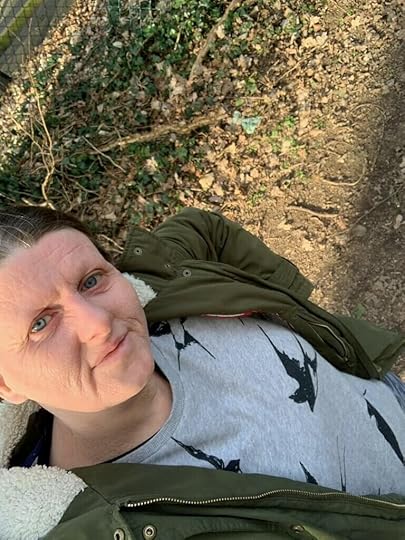 Jacket £10 and jumper £6 from Vinted profits
What is vinted?
Jacket £10 and jumper £6 from Vinted profits
What is vinted?Vinted is an online phone app that allows you to sell and buy old pre-loved items in seconds. It’s so easy to use, much simpler and faster than Ebay and you don’t pay any fees.
How did I discover Vinted and why?As someone who loves a good charity shop I’ve always passed on clothes that no longer fit me or fulfill me to local chazza shops and I also love browsing for new things for me too. So this app immediately appealed to me.
Add to that my current financially strapped status and it seemed like a no brainer.
It was my lovely TSW friend Sasha who suggested it and I’ve been remarkably successful so far. I seem to sell at least one item every day and am getting better and hitting the right note and photographing items to their best.
I started with just a few items and they sold. So I kept going.
Top 10 benefits of using VintedI love Vinted for many reasons but here are my top 10
So easy to useQuick to add your itemsYou don’t pay any feesThe buyer pays the postageTracking is effective and I’ve not had too many issues (Royal mail lost one item)Drop off and collection points with Evri and Yodel are close to homeI’ve found some bargainsSo far made about £100You can keep your vinted balance in the app and use to buy items you need or transfer to your bankRefunding is quick an easyI’ve been going out for walks every day to post my sold itemsIt’s safe to say I’m enjoying using this cool new app and it’s still working well for me. You can sell clothes, homeware items, books, games and more. Since getting my new kitchen I lost two large cupboards and Vinted has helped me find new homes for most of the excess stuff I had stored.
These walks and why they are so importantSince going through topical steroid withdrawal, now just passing the four year mark, I often don’t feel like venturing out. I hide away at home despite how much I know even a short walk around the block in the rain can improve my mood. I find things of beauty even in a leaf stuck to the pavement, spring flowers, an oil rainbow in a puddle.
I have a tendency to get stuck into my work and not prioritise activities that I know are good for me. If I don’t have something booked and commitment made I often won’t get organised in time.
If I can keep making Vinted work for me I will continue to get out, get moving and often end up going for a longer walk once the parcel has been dropped off.
And once my finances recover from the kitchen money pit I can book some classes and maybe even join the gym or a walking group. For now it’s tightening the belt, making savings where I can and cutting back. A walk costs nothing and gives back so much, a I walk to deliver my Vinted sales which are usually handled at local newsagents or the post office. Or if I buy something, likewise, I walk. It seems that I sell something every day so it’s been really good to have reasons to get out, even when I don’t want to.
Are there any drawbacks to using Vinted?There are always pros and cons to everything but overall it’s a great app. Here are just a few areas they could improve on
Sizing is very annoying. For women’s clothing a 10 is a medium and 12 is a large. I hate this kind of labelling. Anything larger than a 12 and you’re counting the XLs. I find it insulting and unnecessary to use this small, medium and large, larger and even larger wording. We can work with the numbers thanks. Society needs to change, stop fat shaming and stop labelling like this. It makes me feel like larger sizes have a negative connotation but maybe I’m just being over sensitive. HATE it though.Getting paid takes time – sometimes it can take weeks for funds to get into your usable balance. It feels like Vinted have made this over complicated and the cynical side of me thinks this is so that they can be earning interest while funds are in their bank and not yours. However since there are no fees perhaps we can forgive them for this. Lots of checks and confirmations over complicate messaging – You get so many notifications every time someone favourites an item and when anyone buys, offers, an item is shipped, tracking changes, it arrives, they mark it as received, they confirm is OK etc. It means there are so many things going on you can miss an item being sold and I like to be organised and keep on top of my shipping so it’s fast and efficient.People want a bargain – I don’t actually mind this and am selling a lot of my stuff for less than £5 if I can. I mostly want to declutter and shift stuff but if I can make a bit on the side it helps me pay the bills at the moment. However some people will barter over a £3 item and I guess you have to make the call.Process is complicated – I don’t think people fully understand that they need to do all these little tick box tasks, like marking as arrived and marking as OK. This may be why money takes a while to come through. However on the whole it works great and you do need this option in case something is not sold as seen. I’ve so far had really good experiences.I’ve also had a few minor issues and lost sales when certain lockers are chosen because I’ve not found a locker that had space yet. However on the whole it’s a great working app.
What bargains have I found so far?I’ve found some great little bargains so far for very low amounts of money. So far I’ve bought:
A couple of new 100% egyptian cotton duvet sets that are colourful (to replace old bedding that is stained and shows the signs of 4 years TSW)Some darker colour 100% cotton fitted sheets as I struggle to keep white ones looking clean and fresh despite regular bed linen changes and washing on high temps.A back scratcherCute little kitchen tongs for my new kitchenWest Labs dead sea salts for a songAn Ikea metal intray for my officeA lovely winter parka with LOADS of deep big pockets for just £10I browse for brands that I know are better for the environment, sustainable and made from soft materials like Thought and Brakeburn. I’ve bought a cardigan and pair of smart trousers.It’s teaching me that a lot of my possessions are just stuff, and I don’t need so much. I have so many clothes that I hold onto for silly reasons and I wear a tiny percentage of regularly. Some of it’s never going to fit again so it’s now going to a new home.
Will you be giving Vinted a go?Have you discovered Vinted? Do you love it too? I’ve been using it now since December 2022 and I’m going to keep going till I’ve decluttered the whole flat.
Download the Vinted app today and start to declutter your home.
I also still take bags to the charity shops and pass stuff on to neighbours, but adding this to my decluttering life admin has just given me a little bit of spending money each month when I don’t have any spare cash for anything.
This is not an advert, I was not paid to write this, I just felt drawn to share.
I’m off out to post a pink straw hat that I wore once to a wedding in 1999!
You may also be interested in reading:Buy Anaphylaxis – The Essential Guide today!Buy The Shape of Skin – Eczema poetry todayBest washing powders for eczema skinGet £10 off an Oddbox vegetable and fruit box (You’ll spend as little as £4 on your first box)Allergy and eczema discountsThe post How Vinted got me money and more active! first appeared on What Allergy Blog.February 24, 2023
Dairy allergic ate buttermilk by mistake
Last month I ate buttermilk – And nothing happened… why is that?
 Milk allergy – are all dairy sources equal? How much milk protein is there in buttermilk?
So what is buttermilk?
Milk allergy – are all dairy sources equal? How much milk protein is there in buttermilk?
So what is buttermilk?Buttermilk is a fermented dairy milk product, it’s when the milk is curdled and often has good bacteria added to it so that it is cultured. There is still milk protein left in buttermilk but perhaps slightly less than the original full fat milk used to make it. For more on buttermilk check out Healthline – Buttermilk.
Thanks to Adrian Rogers for this information from Wiki: the proteins are denatured to some extent “Buttermilk is made by heating skim or low-fat milk to 88 °C (180 to 190 °F) for 30 minutes or 90 °C (195 °F) for two to three minutes. This heating process is done to destroy all naturally occurring bacteria and to denature the protein in order to minimize wheying off (separation of liquid from solids). The milk is then cooled to 22 °C (72 °F), and starter cultures of desirable bacteria, such as Streptococcus lactis, S. cremoris, Leuconostoc citrovorum, and L. dextranicum, are added. These organisms convert lactose into lactic acid, a process that develops buttermilk’s acidity and unique sour flavour; the different types of bacteria may be used singly or in combination to obtain the desired flavour. “
If you have a dairy allergy and want to check what you should avoid, check out Living with Milk Allergy.
Imagine eating buttermilk with a dairy allergy!!!Imagine just for a moment that you have a really serious allergy to cow’s milk protein and then find out you ate something that contained some dairy. Yet you were OK! Nothing bad happened apart some slight wheezing (which went unnoticed at the time). You’d start to question everything. So here’s what happened to me…
What happens if a dairy allergic eats buttermilk?I have a VERY severe allergy to all dairy and the last two reactions have been horrendous, one ending up in a night on intensive care. So I am very careful when it comes to what I eat. I check fastidiously to make sure I avoid eating any dairy AT ALL.
So how do you think I felt to find out that I ate something, twice, that contains a small amount of milk in the form of BUTTERMILK in some vegetable spread used to fry something. I’m not going to go into who or where or how, it was a genuine mistake, but I didn’t remember any reaction. When I think back I do remember needing my inhaler so perhaps it did cause some mild wheezing but none of the other normal symptoms that I get when ingesting dairy protein.
Tragically it was chicken covered in buttermilk that caused a fatal allergic reaction for teenager Owen Carey. Read Teenager dies after eating Byron burger containing buttermilk.
How is a dairy allergic able to consume BUTTERMILK?Is my allergy healing? Am I still allergic? I know I still am because I still can’t even walk into a cafe for takeout coffee without getting really wheezy. This is caused by dairy milk vapours from all the damned milk warming that goes on in cafes. It’s the bane of my life because I love cafes and people watching. So what just happened?
Cafe update – dairy milk vapour wheezingOn that note I have found a cafe that is OK. They have a back door leading the toilets and their storage area for food and this is opened often. I THINK that because the milk vapours can blast out of there, and the wind does blow in from the front door out through the back, I can sit in there with no wheezing. Weirdly the only wheezing came when I went out the back to use the loo! Fascinating and not that scientific but I don’t think Trip Advisor or google have a section for ‘has frequently used back door meaning dairy vapours can get blown out back!”
But back to the buttermilk…
I asked my allergy specialist about milk protein levels in buttermilkI wrote to my allergy specialist, John Reed at Oxford Churchill hospital and this is what he said:
We suspect the way the buttermilk is extracted and the fermentation process involved in some way reduces the protein load and denatures the proteins thus reducing its potential reactivity at least for you. Additionally the fatty matrix of the buttermilk may in some way mask any allergenic epitopes to which you might react. Of course the quantity as an ingredient may also have been small acting as a contributory factor. Anyway thankfully it was only a mild reaction.
Dr John Reed, Churchill hospital, oxford
This is really interesting to me because it poses a question, is all dairy the same? Can there be differing reactions when you compare milk, cheese, butter, yogurt and derivatives like buttermilk? I’m not suggesting for a moment that anyone experiments with this. Do not go out and try eating some buttermilk – DON’T DO IT! I will certainly continue to avoid ALL milk products, including buttermilk.
Soya milk and soya lecithinComparing dairy allergy with soya allergy, many people who are allergic to soya can’t drink soya milk due to the high levels of soya protein, but they CAN eat soya lecithin. This is certainly the case for me, I don’t avoid soya lecithin but am pretty badly allergic to soya. The process of lecithining a soya removes all the protein so if you have a soya allergy you might need to avoid this derivative.
What did I do about this situation?I spoke to the person who provided the food and understandably they were mortified, but as a result the offending product has been swapped to a dairy free version with no may contains as a similar price so that’s the best outcome you could ever hope for. It was a lesson for me, that maybe I haven’t been asking enough questions. It’s also a lesson that people may not understand what is meant by dairy free so far more education is needed, especially amongst those in the food service industry. Every day’s a school day though.
Lessons learnt from the buttermilk debacleAfter any mistake I put into place my safety protocol. Here goes:
If you are told something is safe, as more question. Ask what IS in the ingredients and even for the brand names so you can interrogate each element and check it really is safe.Get to know food vendors and be open and honest so you can have a dialogue and both learn from the communication.Do feed back to people so they can rectify things like this. Speak to your specialist for clarification about anything that confuses youIf in any doubt don’t eat it!Stop eating something at the first sign of any reactionMy dairy allergy is very much dose related. This ingredient of buttermilk was a long way down in one ingredient of a much larger portion of the meal, so it was a tiny part of it. This is what saved me I believe.This did really shake me though. I had thought I was being so careful so it was a lesson for me to be ever more vigilant. What is the dairy free spread you are using? Anyway all’s well that ends well.
Have you had any near misses?Have you had any mistakes like this? And did you report them to the establishment? Reporting these things is so important. It’s too easy to walk away and never go back somewhere but if we do that nothing changes. Check out the Near Miss Campaign for more information. I would urge both customers and food service establishments to start reporting internally and externally, any near misses because that’s how we learn and improve processes.
You may also be interested in reading:That time I called 999 for anaphylaxis and had to phone a taxi insteadAnaphylaxis – The Essential Guide. The must have book for people with anaphylaxis – available on Amazon.Adrenaline Autoinjectors – Are they out dated?Photo by Mario Raj on Unsplash
The post Dairy allergic ate buttermilk by mistake first appeared on What Allergy Blog.Dairy allergic ate buttermilk by mistake!
Last month I ate buttermilk – And nothing happened… why is that?
Milk allergy – are all dairy sources equal? How much milk protein is there in buttermilk?
So what is buttermilk?Buttermilk is a fermented dairy milk product, it’s when the milk is curdled and often has good bacteria added to it so that it is cultured. There is still milk protein left in buttermilk but perhaps slightly less than the original full fat milk used to make it. For more on buttermilk check out Healthline – Buttermilk.
If you have a dairy allergy and want to check what you should avoid, check out Living with Milk Allergy.
Imagine eating buttermilk with a dairy allergy!!!Imagine just for a moment that you have a really serious allergy to cow’s milk protein and then find out you ate something that contained some dairy. Yet you were OK! Nothing bad happened apart some slight wheezing (which went unnoticed at the time). You’d start to question everything. So here’s what happened to me…
What happens if a dairy allergic eats buttermilk?I have a VERY severe allergy to all dairy and the last two reactions have been horrendous, one ending up in a night on intensive care. So I am very careful when it comes to what I eat. I check fastidiously to make sure I avoid eating any dairy AT ALL.
So how do you think I felt to find out that I ate something, twice, that contains a small amount of milk in the form of BUTTERMILK in some vegetable spread used to fry something. I’m not going to go into who or where or how, it was a genuine mistake, but I didn’t remember any reaction. When I think back I do remember needing my inhaler so perhaps it did cause some mild wheezing but none of the other normal symptoms that I get when ingesting dairy protein.
Tragically it was chicken covered in buttermilk that caused a fatal allergic reaction for teenager Owen Carey. Read Teenager dies after eating Byron burger containing buttermilk.
How is a dairy allergic able to consume BUTTERMILK?Is my allergy healing? Am I still allergic? I know I still am because I still can’t even walk into a cafe for takeout coffee without getting really wheezy. This is caused by dairy milk vapours from all the damned milk warming that goes on in cafes. It’s the bane of my life because I love cafes and people watching. So what just happened?
Cafe update – dairy milk vapour wheezingOn that note I have found a cafe that is OK. They have a back door leading the toilets and their storage area for food and this is opened often. I THINK that because the milk vapours can blast out of there, and the wind does blow in from the front door out through the back, I can sit in there with no wheezing. Weirdly the only wheezing came when I went out the back to use the loo! Fascinating and not that scientific but I don’t think Trip Advisor or google have a section for ‘has frequently used back door meaning dairy vapours can get blown out back!”
But back to the buttermilk…
I asked my allergy specialist about milk protein levels in buttermilkI wrote to my allergy specialist, John Reed at Oxford Churchill hospital and this is what he said:
We suspect the way the buttermilk is extracted and the fermentation process involved in some way reduces the protein load and denatures the proteins thus reducing its potential reactivity at least for you. Additionally the fatty matrix of the buttermilk may in some way mask any allergenic epitopes to which you might react. Of course the quantity as an ingredient may also have been small acting as a contributory factor. Anyway thankfully it was only a mild reaction.
Dr John Reed, Churchill hospital, oxford
This is really interesting to me because it poses a question, is all dairy the same? Can there be differing reactions when you compare milk, cheese, butter, yogurt and derivatives like buttermilk? I’m not suggesting for a moment that anyone experiments with this. Do not go out and try eating some buttermilk – DON’T DO IT! I will certainly continue to avoid ALL milk products, including buttermilk.
Soya milk and soya lecithinComparing dairy allergy with soya allergy, many people who are allergic to soya can’t drink soya milk due to the high levels of soya protein, but they CAN eat soya lecithin. This is certainly the case for me, I don’t avoid soya lecithin but am pretty badly allergic to soya. The process of lecithining a soya removes all the protein so if you have a soya allergy you might need to avoid this derivative.
What did I do about this situation?I spoke to the person who provided the food and understandably they were mortified, but as a result the offending product has been swapped to a dairy free version with no may contains as a similar price so that’s the best outcome you could ever hope for. It was a lesson for me, that maybe I haven’t been asking enough questions. It’s also a lesson that people may not understand what is meant by dairy free so far more education is needed, especially amongst those in the food service industry. Every day’s a school day though.
Lessons learnt from the buttermilk debacleAfter any mistake I put into place my safety protocol. Here goes:
If you are told something is safe, as more question. Ask what IS in the ingredients and even for the brand names so you can interrogate each element and check it really is safe.Get to know food vendors and be open and honest so you can have a dialogue and both learn from the communication.Do feed back to people so they can rectify things like this. Speak to your specialist for clarification about anything that confuses youIf in any doubt don’t eat it!Stop eating something at the first sign of any reactionMy dairy allergy is very much dose related. This ingredient of buttermilk was a long way down in one ingredient of a much larger portion of the meal, so it was a tiny part of it. This is what saved me I believe.This did really shake me though. I had thought I was being so careful so it was a lesson for me to be ever more vigilant. What is the dairy free spread you are using? Anyway all’s well that ends well.
Have you had any near misses?Have you had any mistakes like this? And did you report them to the establishment? Reporting these things is so important. It’s too easy to walk away and never go back somewhere but if we do that nothing changes. Check out the Near Miss Campaign for more information. I would urge both customers and food service establishments to start reporting internally and externally, any near misses because that’s how we learn and improve processes.
You may also be interested in reading:That time I called 999 for anaphylaxis and had to phone a taxi insteadAnaphylaxis – The Essential Guide. The must have book for people with anaphylaxis – available on Amazon.Adrenaline Autoinjectors – Are they out dated?Photo by Mario Raj on Unsplash
The post Dairy allergic ate buttermilk by mistake! first appeared on What Allergy Blog.February 22, 2023
Allergy-friendly, nut free, Tiger Nut Cookie recipe
Check out this nut-free take on peanut butter cookies, made safe for those with common food allergies! These incredibly soft cookies aren’t just nut free, they’re also dairy free, grain-free, gluten free, and vegan. They take around 20 minutes to make from start to finish and make the perfect dessert for those with food allergies.
This recipe uses Natureul Tigernut Kasha and Tigernut Spread to create an allergy-friendly version of a classic peanut butter cookie. The result is soft, chewy, and not overly sweet–all the signatures of this beloved cookie. Natureal is available in 48 US states. You can find alternative UK based Tigernut products on Amazon and on Buy Wholefoods online.
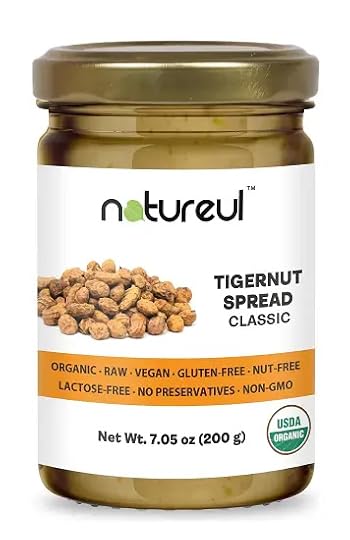 What are Tiger Nuts?
The name might be confusing, but tiger nuts aren’t actually nuts!
They’re tubers from the nutsedge family that have a nut-like appearance. Sometimes known as the earth almond or Chufa, when consumed raw, they’re chewy with a mildly nutty, earthy, and slightly sweet flavour, making them a great replacement for nuts.
They can also be ground into powder and used in place of flour, like in this recipe.
Natureul uses high-quality, all natural ingredients to create allergy-friendly products that can be used in everyday baking and snacking! All their tiger nut-based products, including the ones featured in this recipe, are USDA certified organic and completely nut free.
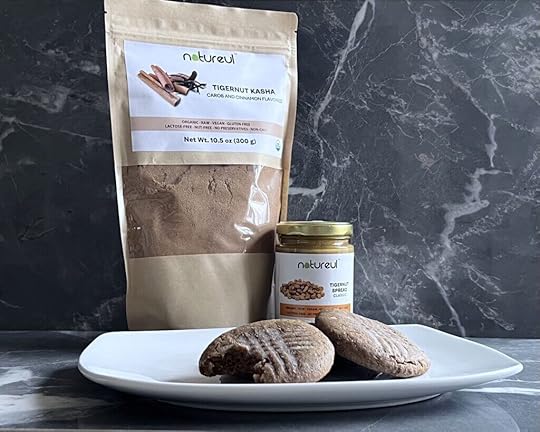 Tiger nut flour and Tiger nut spread from natureul
Allergy-friendly Tiger Nut Cookie Recipe
Tiger nut flour and Tiger nut spread from natureul
Allergy-friendly Tiger Nut Cookie RecipeMakes approximately 8 cookies
Prep time 10 minutes
Cook time 11 minutes
Total time 21 minutes
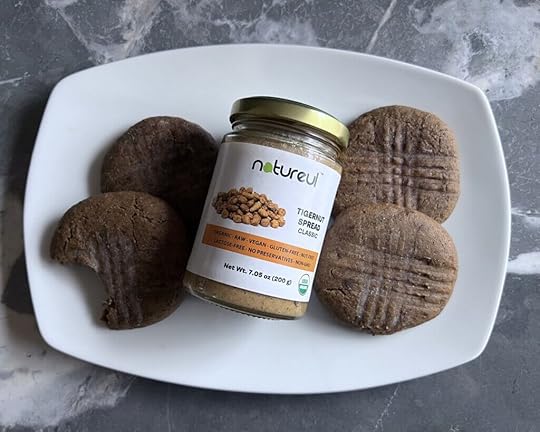 Tiger nut, nut free, gluten and dairy free cookies
Ingredients1 cup Natureul Original Tiger Nut Spread1 cup Natureul Tiger Nut Kasha–Carob and Cinnamon Flavor⅛ cup vegan butter2 flax eggs½ cup sugar or sugar alternative½ cup brown sugar or alternative1 teaspoon baking soda1 teaspoon vanilla extract½ teaspoon salt½ cup gluten free/dairy free chocolate chipsInstructionsPreheat the oven to 350℉ and line a baking sheet with parchment or a silicone baking mat.Melt the tiger nut spread and vegan butter in a microwave-safe bowl for 45 seconds-1 minute. Set the mixture aside and allow it to cool slightly while you prepare the other ingredients.In a large mixing bowl, whisk together the kasha, baking soda, and salt. Once combined, add both sugars and whisk until uniformly combined and no lumps remain.Creating a well in the center of the bowl, pour in the cooled vegan butter and tiger nut spread. Add the vanilla and flax egg and stir until a soft, sticky dough forms.Cover the bowl with plastic wrap and refrigerate it for 10-15 minutes (or as long as overnight!). Remove from the refrigerator and begin forming dough balls using roughly 2 tablespoons of dough per ball. Slightly flatten each ball using the heel of your hand or the bottom of a glass, and place on the baking sheet 2 inches apart.Using a fork, create the indentations by pressing the tines gently into the dough disks until the dough starts to rise through, forming the cross-hatch pattern. You may need to coat the back of your fork with tiger nut kasha to prevent it from sticking to the dough.Bake cookies on the center rack for 11-14 minutes.Allow to cool on the baking sheet for 5-10 minutes before consuming. Enjoy!
Tiger nut, nut free, gluten and dairy free cookies
Ingredients1 cup Natureul Original Tiger Nut Spread1 cup Natureul Tiger Nut Kasha–Carob and Cinnamon Flavor⅛ cup vegan butter2 flax eggs½ cup sugar or sugar alternative½ cup brown sugar or alternative1 teaspoon baking soda1 teaspoon vanilla extract½ teaspoon salt½ cup gluten free/dairy free chocolate chipsInstructionsPreheat the oven to 350℉ and line a baking sheet with parchment or a silicone baking mat.Melt the tiger nut spread and vegan butter in a microwave-safe bowl for 45 seconds-1 minute. Set the mixture aside and allow it to cool slightly while you prepare the other ingredients.In a large mixing bowl, whisk together the kasha, baking soda, and salt. Once combined, add both sugars and whisk until uniformly combined and no lumps remain.Creating a well in the center of the bowl, pour in the cooled vegan butter and tiger nut spread. Add the vanilla and flax egg and stir until a soft, sticky dough forms.Cover the bowl with plastic wrap and refrigerate it for 10-15 minutes (or as long as overnight!). Remove from the refrigerator and begin forming dough balls using roughly 2 tablespoons of dough per ball. Slightly flatten each ball using the heel of your hand or the bottom of a glass, and place on the baking sheet 2 inches apart.Using a fork, create the indentations by pressing the tines gently into the dough disks until the dough starts to rise through, forming the cross-hatch pattern. You may need to coat the back of your fork with tiger nut kasha to prevent it from sticking to the dough.Bake cookies on the center rack for 11-14 minutes.Allow to cool on the baking sheet for 5-10 minutes before consuming. Enjoy!Have you tried tiger nuts before? Do you have a nut allergy and fancy trying them? I know Rude Health also do a Tiger Nut milk drink that I’d love to try so look out for that. I’m really intrigued to try these products so watch this space if I can get hold of some!
You may also be interested in readingTasty munchy seeds recipe – really quick freefrom snackAre Tiger Nuts actually nuts at all?Buy ‘Anaphylaxis – The Essential Guide’ todayThe post Allergy-friendly, nut free, Tiger Nut Cookie recipe first appeared on What Allergy Blog.February 14, 2023
#CORTICOPHOBIA – WORST ARTICLE I EVER READ!
Topical steroid phobia, or ‘Corticophobia’ a phrase coined by dermatologists to help them categorise the hysteria of their patients, is possibly one of the most insulting phrases I’ve heard in relation to eczema and topical steroid withdrawal.
This study has appeared in The Educational Journal of The British Association of Dermatologists and was written by:
I have tried to get in contact and connect with the three authors, so far with little success.
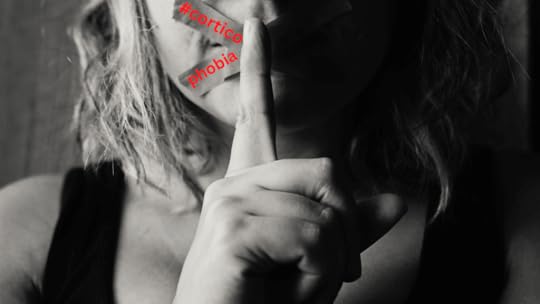 #Corticophobia
If you are planning to visit any of this trio check out the following blogs to prepare yourself before your visit:
How to respond to TSW gaslightingHow to get the most out of your dermatology appointmentYou can read Cortiophobia – a review on online misinformation related to topical steroids, 2022.
Here’s a pdf for you to download it.
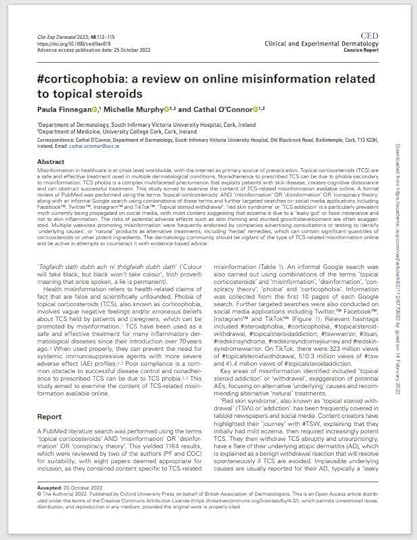 Do they mean well with this article?
I’ll start by giving them the benefit of the doubt, that this article comes from a good place. I do believe there are a lot of companies preying on people with atopic dermatitis and chronic eczema, offering cures. When in fact there isn’t a cure, it’s a matter of finding out what affects your skin and helps you reduce inflammation. This is incredibly complex for people because and we are all different. What helps one person might not help another.
The key failings in this study into topical steroid phobiaThe main problem with this whole study is its bias to only look at papers written about misinformation and steroid phobia. Yet there have been plenty of studies done that are attempting to understand TSW better. Such as the TSW -Time to bridge the gap article recently published by the British Association for Dermatology.
Some people might not be managing their skin wellThere may be people who aren’t managing their skin well, and in turn struggling with terrible skin because they don’t know what to do or don’t follow good guidance. But for every one of them, there are people who do everything by the book, follow guidelines, use the steroids and still end up in a spiral of declining skin and rebound flares.
Most people experiencing TSW followed guidelinesIt’s clear that not everyone who uses topical steroids becomes addicted and experiences the problems with declining skin, less healing and rebound flares associated with TSW. Some people can use them effectively and get better. What this article ignores is that the vast majority of those suffering with topical steroid withdrawal have followed guidance and used the creams as advised. A medication that comes with a warning to only use for 1-2 weeks (an update to the original guidance), yet dermatologists tell us it’s OK to keep using, on any part of our body. Even when we express concerns, we’re told to keep using a medication that isn’t working. There is a huge amount of accountability on the dermatologist here to listen to patients and just consider for minute whether this ‘safe’ steroid treatment is in fact doing untold damage.
Let’s unpick this article statement by statementFirstly, here’s the abstract:
Misinformation in healthcare is at crisis level worldwide, with the internet as primary source of prevarication. Topical corticosteroids (TCS) are a safe and effective treatment used in multiple dermatological conditions. Nonadherence to prescribed TCS can be due to phobia secondary to misinformation. TCS phobia is a complex multifaceted phenomenon that exploits patients with skin disease, creates cognitive dissonance and can obstruct successful treatment. This study aimed to examine the content of TCS-related misinformation available online. A formal review of PubMed was performed using the terms ‘topical corticosteroids’ AND ‘misinformation’ OR ‘disinformation’ OR ‘conspiracy theory, along with an informal Google search using combinations of these terms and further targeted searches on social media applications including Facebook , Twitter, Instagram and TikTok. ‘Topical steroid withdrawal’, ‘red skin syndrome’ or ‘TCS addiction’ is a particularly prevalent myth currently being propagated on social media, with most content suggesting that eczema is due to a ‘leaky gut’ or food intolerance and not to skin inflammation. The risks of potential adverse effects such as skin thinning and stunted growth/development are often exaggerated. Multiple websites promoting misinformation were frequently endorsed by companies advertising consultations or testing to identify ‘underlying causes’, or ‘natural’ products as alternative treatments, including ‘herbal’ remedies, which can contain significant quantities of corticosteroids or other potent ingredients. The dermatology community should be vigilant of the type of TCS-related misinformation online and be active in attempts to counteract it with evidence-based advice.
I’m going to unpick this article for you, and you can decide whether to enrage yourself by actually reading it.
Misinformation in healthcare is at crisis level worldwide – quite a sweeping statement and I’m not sure really how this adds anything. There is also a lot of very good information out there and articles like this do more harm by focusing on the bad instead of helping find the good stuff.The internet as primary source of prevarication – Whilst this can often be true, it’s been the place where I’ve found so much knowledge, community and support. For those of you wondering, prevarication in the Cambridge dictionary means: the fact of avoiding telling the truth or saying exactly what you think. Far from prevaricating, we are telling our truth, and some of us are screaming it because no one is listening. When every visit to your so called specialist is met with gas lighting it’s no wonder people do resort to Dr Google. To make this statement you dismiss all the good content about TSW from ITSAN, Scratch That, BAD and the Eczema Society and the meagre studies that have been done.Topical corticosteroids (TCS) are a safe and effective treatment – I hope this is true for most people but continuing to say this when discussing TSW only serves to dismiss, gaslight and belittle the people who truly are experiencing worsening rebounds due to addiction and damage done by topical steroids. It is a recognised condition by the MHRA, BAD and Eczema society, this narrative doesn’t help diagnose the condition if and when it does occur.Nonadherence to prescribed TCS can be due to phobia secondary to misinformation – In my experience this is never the case. No one sets out to make themselves ill for no reason. The words used here like ‘non adherence’ implies this treatment is mandatory. It is not. It is one of many options available for people with eczema and atopic dermatitis. We should not be left with worsening chronic skin if we decide not to use a treatment. We should be left with just the underlying condition. What really happens with TSA is that we realise the cream is not working, specialists tell us to use more, it still doesn’t work, so we begin to doubt it’s the right thing. We stop using it in a vain hope of finding something that does work. PEOPLE WHO STOP USING TS TO DOTHIS BECAUSE THE CREAM IS NOT WORKING. There is no phobia here, just a drive and belief that there must be something that does work.TCS phobia is a complex multifaceted phenomenon that exploits patients with skin disease, creates cognitive dissonance and can obstruct successful treatment – Once again, people don’t stop using a successful treatment. I’d still be using topical steroids now if they were working. After all I used them successful for many years without noticing that the rebounds were getting worse. I was told this was just worsening adult eczema and for years I believed them. Far from being a phobia, it’s a very real fear that what we’re using is damaging our skin beyond anything you could imagine. That’s not a phobia. I have a phobia of spiders – when in fact they are completely harmless. Topical steroids come with many side effects and warnings – they are very serious medications so to compare our fear to phobia is belittling and baffling. As a patient I cannot understand why any specialist treating me wouldn’t take my concerns seriously. ‘Topical steroid withdrawal’, ‘red skin syndrome’ or ‘TCS addiction’ is a particularly prevalent myth – I won’t even give this comment the time of day. I shall just refer you to my previous blog sharing that the MHRA recognises TSW as real, and remind you all that both the British Association for Dermatology and the National Eczema Society both have statements explaining their stance on TSW that have been shared since 2022. TSW is not a myth it is a tragic and avoidable truth. With most content suggesting that eczema is due to a ‘leaky gut’ or food intolerance and not to skin inflammation – This actually makes me believe their research has been sketchy at best because I cannot think of any content that talks about these things as the main causes. They can be implications but at no point is anyone saying it’s not due to skin inflammation. Eczema is caused by inflammation in the body, we all know that. It can still be exacerbated by a leaky gut, or food intolerance and many many many other things besides. It’s not caused by one thing alone. If you are a dermatologist you ought to be ashamed if you are not aware that there are other ways to reduce inflammation in the skin that don’t involve topical steroids. This statement is just incorrect. Content varies, but it’s not just about leaky gut and food intolerance. For information, there are quite a few foods that cause inflammation in my skin – something I discovered myself through trial and error and keeping a food diary.The risks of potential adverse effects such as skin thinning and stunted growth/development are often exaggerated – These are adverse reactions noted on the contraindications for the drugs. Though stunting isn’t one I’m over familiar with. The risks are far far worse than this. If they just thinned the skin it wouldn’t be so bad. The effects of Topical Steroids on the skin function are devastating for some of us. If a medication thins your skin, I’d say that’s a pretty serious consideration. It always worried me because I could see for myself how thin the skin was behind my knees for instance. What does this even mean? Who is exagerating?Multiple websites promoting misinformation were frequently endorsed by companies advertising consultations or testing to identify ‘underlying causes’, or ‘natural’ products as alternative treatments – How many? What are they referring to here? I’m sure there are some dodgy tests out there, but very few of us getting those done. We are however going for natural options. Why is that such a harmful alternative? It’s as if dermatologists are threatened by us choosing to control our treatment. We should get to choose how we treat our skin. However I’ve not had any consultations with anyone claiming to heal me. I know there are some disreputable organisations out there but you will always get these kinds of companies operating. This has nothing to do with our so called phobia. Once again, there are many ways to heal.Including ‘herbal’ remedies, which can contain significant quantities of corticosteroids or other potent ingredients – Yes they CAN but more often they do not. Anyone going through topical steroid withdrawal will be checking and not using anything like this. Some poor souls are actually going through TSW due to disreputable herbal or natural creams that turned out to contain high levels of corticosteroids. This isn’t relevant to the narrative of this article. The dermatology community should be vigilant of the type of TCS-related misinformation online and be active in attempts to counteract it with evidence-based advice – The lady doth protest too much! To Paula, Michelle and Cathal – what if you’re wrong? Have any of you read the Baroness Cumberlege report – First do no harm? I suggest you read it. Whilst it’s not about TSW, the parallels, of patients being dismissed, gaslit and ignored are startling. The result is hundreds, thousands, tens of thousands left in immeasurable pain. Do you want this on your hands? Dismissing people and labelling them phobic is a cop out. Do your research and get the facts straight and spend your time helping us, not dismissing and belittling us all over again. Have you really spent hours of your time and probably a lot of money trying to disprove TSW? Once again, baffling.Phobia of topical corticosteroids (TCS), also known as corticophobia, involves vague negative feelings and/or erroneous beliefs about TCS held by patients and caregivers, which can be promoted by misinformation – That’s one opinion. My views aren’t based on vague negative feelings, they’re based on hard, brutal, terrible facts and months spent bed bound. I spent years trying to work out why my skin was getting so bad, spreading and changing in symptoms. I suspected allergies, vitamin deficiencies, but nothing seemed to make sense, till someone told me about TSA and TSW. Steroids are a prescribed topical medication – this in itself proves that it needs correct guidance for use. Call this what it is, it’s a real fear, not a phobia.TCS have been used as a safe and effective treatment for many inflammatory dermatological diseases since their introduction over 70 years ago – They have also increased in potency by 600 % over that time. I would like to suggest that after 70 years we haven’t made much progress in treating this condition. It’s a band aid, sticky plaster treatment. It supressed the immune response, often with great results, but it fails to address the original inflammation. The way we treat eczema HAS to change to prevent further suffering.When used properly, they can prevent the need for systemic immunosuppressive agents with more severe adverse effect (AE) profiles – this might be true but what does this mean? Where are the figures to back this up? I used topical steroids as directed, yet still needed to move onto Protopic, a topical immuno suppressant. And then methotrexate – a drug that should not be given for treatment of atopic dermatitis. It made me seriously ill and didn’t help my skin that much.Poor compliance is a common obstacle to successful disease control and nonadherence to prescribed TCS can be due to TCS phobia – When you’ve had such conflicting advice from different professionals it’s confusing. Use sparingly, stop using them, keep using them, use them more, use them on your face, they’re completely safe. Whey your skin starts to worsen and stopping use leaves you with worse skin than you started with something is going wrong. It’s easy for dermatologists to just blame our illness on ourselves, thus absolving them from any responsibility. Dermatologist use the term poor compliance to ignore the patients concerns and push blame back onto us for being sick. This has got to stop. Articles like this only serve to encourage lazy derms to ignore their patients concerns.An informal Google search was also carried out using combinations of the terms ‘topical corticosteroids’ and ‘misinformation’, ‘disinformation’, ‘conspiracy theory’, ‘phobia’ and ‘corticophobia’ – by only searching for these negative terms the researchers have created a very biased and negative, and in my opinion, damaging and one sided viewpoint. I don’t know anyone who is using these terms when sharing on the internet so I wonder what evidence they did find. Conspiracy theory? What are they even talking about here. TSW happens, it is both the responsibility of the patient and the dermatologist to deal with it when it does. The only conspiracy theory going on here is the baffling refusal by 99% of dermatologists to even discuss this openly. Together we can find answers. This article does nothing to further learning, it just does damage.Topical steroid withdrawal’, ‘red skin syndrome’ or ‘TCS addiction’ is a particularly prevalent myth
Paula Finnegan, Michelle Murphy & Cathal O’Connor
Department of Dermatology, South Infirmary Victoria University Hospital, Cork, Ireland
None of us are saying that going through TSW will cure you of eczema – what it will mean is that you are no longer stuck using an ineffective medication and can begin to discover what DOES help your skin.
They’re such contradictions. Implying we should all just shut up and use whatever drugs they adivise, because you can’t just stop using them, your skin will be unmanageable. Yet they refuse to admit the creams have damaged our skin. If I could go back to my original eczema and not use topical steroids I would do it in a heartbeat.
I feel that I am now going through very mild TSW on my forehead and arms. The rest of my skin is dry but manageable and is like mild eczema. I live a full, rich and busy life now but it’s taken me four horrible years to get here.
My views on this articleUnethical use of people’s stories and images – What ever happened to ethics here, and seeking permissions to use a person’s images and story. I know the people whose images were used in this study and I can 100% assure you they did not agree to sharing them. They took screen shots of instagram posts from various sources, including Various posts related to topical steroid misinformation from (top) dailymail.co.uk – report respectfully and truthfully about TSW. The young man pictured here i Australian Jordan Hendry who is healing well but still going through this condition. You can find Jordan at @ctrl.skin on instagram and he has his own podcast sharing his journey if you’re interested. How is Jordan sharing his story misinformation? It is Jordan’s truth and he has a right to share it. In fact most newspapers have been really helpful in allowing those going through topical steroid withdrawal to get their story out there.itsan.org – ITSAN is the charity who supports those going through TSW, yet it’s clear their research didn’t go so far as to actually read their website. The image they showed is just the charity requesting pictures of TSW skin to use to the help raise awareness. How is that disinformation? or misinformation?splotchylife – is a blog whose domain isn’t even live an morefacebook.com – also a useful place for us to use to get together as a community. It’s not surprising that people turn to social media if the attitude shown by the authors of this article is how people are treated.justdupree.com – Lauren is an actress and blogger raising awareness about TSW. She has a powerful voice in the community is much respected.amazon.co.uk – well done to their researchers who found a book, written by TSW warrior Clare – a good friend of mind.Poor research – This article really does take bad writing to new heights. Or should that be lows. You might expect this kind of biased story telling from tabloid hacks, but from professional dermatologist? Just baffling. They decided to prove TSW wasn’t real and so ignored all the fact based evidence that does exist. Instead focusing on what they term disreputable sources. Should never have been approved – How did this study even get through the British Association of Dermatology ethical checks? It is incorrect, insulting and harmful. It does nothing to serve the community and should not be given exposure. I hope it is removed from online platforms and will be asking for this to be done once I’ve spoken to the authorsReading this infuriated me, it feels like we take a few steps forward with awareness and then get thrown ten steps back. This article will do a lot of harm, if all dermatologists are just being fueled to believe we are making up our skin issues, don’t actually have TSW and are deluded steroid phobics.
Even if it’s rare, and I actually fear it’s what most adult recurring rebound eczema is, it is still real. We are living it, struggling with no support and watching articles like this get written.
Wouldn’t some actually research into the prevalence, and guideance for diagnosis be more helpful?
The negative studies that were used in this articleIf you take a look at the studies the authors found on PubMed to help them prove that TSW is misinformation, a myth and a conspiracy, you’ll see some commonalities. One of them actually previously written by them and all of them written by dermatologists who believe that TSW does not exist. It’s all very troubling that any of these studies happened. What does it say about people who want to shut down any questioning, free thinking and choice in patients?
TCS phobia is a multidimensional phenomenon and its complexity contributes to the challenges associated with developing effective methods of allaying patients’ fears of TCS. Many seemingly viable approaches, such as presenting data, are ineffective at improving adherence; even interventions that improve patients’ knowledge of TCS fail to mitigate their fear. Those who are more susceptible to pseudo-profound information may be at higher risk of experiencing TCS phobia Hrin et al., 20223 High rates of messages about TCS ‘risk’ from family/friends and the internet may affect patient/parent understanding about TCS safety, and this may contribute to treatment nonadherence Smith et al., 201711 Key areas of misinformation related to TCS include red skin syndrome; alternative causes such as diet, chemicals, dust and vaccines; alternative ‘cures’ and alternative ‘natural’ therapies. Some of these theories can be dangerous, especially relating to severe dietary restriction or to potentially deadly treatments. Patients with AD and their families are susceptible to misinformation given their desire for effective treatment O’Connor and Murphy, 202112 The high prevalence of steroid phobia does not differ based on dermatological condition or severity. Educational videos and demonstrations of topical steroid application are the most effective interventions to lower steroid phobia. Reasons for steroid phobia include misinformation, lack of education, fear of AEs, polypharmacy, negative experience with topical steroids and frequent changing of clinics Contento et al., 20212 Parents of children with AD confirmed significant concerns and demonstrated poor knowledge regarding TCS use. Steroid phobia and confusing steroid packaging compound poor treatment adherence. This study emphasizes the need for solutions to improve misinformation, hesitancy and steroid phobia, including clear labelling of potency on TCS packaging Wilson et al., 202113 Friends, family and the Internet are key sources of misinformation about TCS. Patients received conflicting advice from dermatologists, general practitioners and pharmacists regarding TCS application and AEs Johnson Girard et al., 20201 An interprofessional practice gap exists between dermatologists and pharmacists regarding TCS beliefs and counselling strategies. Collaborative education and improved communication between the two groups may be needed to ensure that patients receive a clear message about TCS Millard and Stratman, 201914 The most prevalent misinformation sources leading to steroid phobia are the internet and TV or other broadcasting media Lee et al., 201515 Topical Steroid Withdrawal as a conspiracy theoryFirstly, who in the right mind would deliberately make themselves so ill they couldn’t work, couldn’t barely function and were in pain for months and years going through withdrawal. Who would make this up? It’s awful, brutal, painful, traumatising and exhausting. So to hear people who should know better saying you are all in cahoots, spreading misinformation or just following on and believing misinformation is incredibly hurtful and insulting.
This a conspiracy going but it’s the one that prevents dermatologists from recognising, understanding, learning about and diagnosing and supporting people going through topical steroid withdrawal.
Who on earth funded this study?I am cynical and am pretty sure we can all agree, this was funded by a pharmaceutical company. What a complete waste of time and money, seriously. This article can get in the bin.
Thank you to the dermatologists who are listeningI have seen a couple of dermatologists respond to this study and I would like to thank them from the bottom of my heart.
Dr Morris, an American Dermatologist – he shared his response on TikTok, agreeing with me, that this was one of the worse articles he has ever read about Topical Steroid Withdrawal, because of its blatant bias to prove its own point, rather than add to the debate and learn. It does nothing to help us understand TSW, a very real and recognised condition. You can hear his take here: Dr Morris on TikTok – Corticophobia – the worst article I ever read.Celia Moss of the Department of Dermatology, Birmingham Women’s and Children’s NHS Foundation Trust, Birmingham, UK. Katy Ross, a fellow TSW patient advocate and Andrew Proctor, the CEO of the National Eczema Society – Thank you for writing and publishing a free response to the Corticophobia nonsense study. You have no idea how grateful I am to see this, in writing in response to the worst article I’ve ever read. You can read ‘Topical Steroid Withdrawal is not a myth’ here. Huge thanks to my friend Olivia for sharing the link to this.I would love to hear what other dermatologists think. Please comment below or get in touch with me, I am looking for a dermatologist to have a video chat with about TSW, to find ways forward in this condition. Practical things people can do and advice on how we can improve awareness and help people avoid this condition and get through if they have no choice.
If you think TSW is a myth, you’re not listeningTo dermatologists out there. Are you brave enough to join the debate? If you think TSW is actually a myth, you’re really not listening to your patients.
You’re not listening.You’re not following our healing experience because those patients who go against guidance are discharged and you just won’t see them again.You are not documenting what is happening.You are not reporting suspected damage done by topical steroids using the Yellow Card Scheme.You’re just not doing your job.You have a duty of care to do no harmWhat if we are right? What if you are wrong?We are just being ignore, dismissed, belittled and insulted quite frankly by shoddy research like this.
I’m sending this blog to the authors of this study because I really would love to talk to them about it.
Please tell me what you guys all think too, let’s have a heated debate!
Image: Edited from Pexels Photo by Kat Smith
You may also want to read:Topical Steroid Withdrawal – Frequently Asked QuestionsA Dermatologists Review of The Shape of Skin – eczema poetry book How to get the most out of your dermatology appointmentThe post #CORTICOPHOBIA – WORST ARTICLE I EVER READ! first appeared on What Allergy Blog.#Corticophobia – Worst article I ever read!
Topical steroid phobia, or ‘Corticophobia’ a phrase coined by dermatologists to help them categorise the hysteria of their patients is possibly one of the most insulting phrases I’ve heard in relation to eczema and topical steroid withdrawal.
This study has appeared in The Educational Journal of The British Association of Dermatologists and was written by:
#Corticophobia
If you are planning to visit any of this trio check out the following blogs to prepare yourself before your visit:
How to respond to TSW gaslightingHow to get the most out of your dermatology appointmentYou can read Cortiophobia – a review on online misinformation related to topical steroids, 2022.
Here’s a pdf for you to download if you’d prefer because that article is a mess with pop ups, adverts and subscription requests.
Do they mean well with this article?I’ll start by giving them the benefit of the doubt, that this article comes from a good place. I do believe there are a lot of companies preying on people with atopic dermatitis and chronic eczema, offering cures. When in fact there isn’t a cure, it’s a matter of finding out what affects your skin and helps you reduce inflammation. This is incredibly complex for people because and we are all different. What helps one person might not help another.
Some people might not be managing their skin wellThere may be people who aren’t managing their skin well, and in turn struggling with terrible skin because they don’t know what to do or don’t follow good guidance. But for every one of them, there are people who do everything by the book, follow guidelines, use the steroids and still end up in a spiral of declining skin and rebound flares.
Most people experiencing TSW followed guidelinesIt’s clear that not everyone who uses topical steroids becomes addicted and experiences the problems with declining skin, less healing and rebound flares associated with TSW. Some people can use them effectively and get better. What this article ignores is that the vast majority of those suffering with topical steroid withdrawal have followed guidance and used the creams as advised. A medication that comes with a warning to only use for 1-2 weeks (an update to the original guidance), yet dermatologists tell us it’s OK to keep using, on any part of our body. Even when we express concerns, we’re told to keep using a medication that isn’t working. There is a huge amount of accountability on the dermatologist here to listen to patients and just consider for minute whether this ‘safe’ steroid treatment is in fact doing untold damage.
Let’s unpick this article statement by statementFirstly, here’s the abstract:
Misinformation in healthcare is at crisis level worldwide, with the internet as primary source of prevarication. Topical corticosteroids (TCS) are a safe and effective treatment used in multiple dermatological conditions. Nonadherence to prescribed TCS can be due to phobia secondary to misinformation. TCS phobia is a complex multifaceted phenomenon that exploits patients with skin disease, creates cognitive dissonance and can obstruct successful treatment. This study aimed to examine the content of TCS-related misinformation available online. A formal review of PubMed was performed using the terms ‘topical corticosteroids’ AND ‘misinformation’ OR ‘disinformation’ OR ‘conspiracy theory, along with an informal Google search using combinations of these terms and further targeted searches on social media applications including Facebook, Twitter, Instagram and TikTok. ‘Topical steroid withdrawal’, ‘red skin syndrome’ or ‘TCS addiction’ is a particularly prevalent myth currently being propagated on social media, with most content suggesting that eczema is due to a ‘leaky gut’ or food intolerance and not to skin inflammation. The risks of potential adverse effects such as skin thinning and stunted growth/development are often exaggerated. Multiple websites promoting misinformation were frequently endorsed by companies advertising consultations or testing to identify ‘underlying causes’, or ‘natural’ products as alternative treatments, including ‘herbal’ remedies, which can contain significant quantities of corticosteroids or other potent ingredients. The dermatology community should be vigilant of the type of TCS-related misinformation online and be active in attempts to counteract it with evidence-based advice.
I’m going to unpick this article for you, and you can decide whether to enrage yourself by actually reading it.
Misinformation in healthcare is at crisis level worldwide – quite a sweeping statement and I’m not sure really how this adds anything. There is also a lot of very good information out there and articles like this do more harm by focusing on the bad instead of helping find the good stuff.The internet as primary source of prevarication – Whilst this can often be true, it’s been the place where I’ve found so much knowledge, community and support. For those of you wondering, prevarication in the Cambridge dictionary means: the fact of avoiding telling the truth or saying exactly what you think. Far from prevaricating, we are telling our truth, and some of us are screaming it because no one is listening. When every visit to your so called specialist is met with gas lighting it’s no wonder people do resort to Dr Google. To make this statement you dismiss all the good content about TSW from ITSAN, Scratch That, BAD and the Eczema Society and the meagre studies that have been done.Topical corticosteroids (TCS) are a safe and effective treatment – I hope this is true for most people but continuing to say this when discussing TSW only serves to dismiss, gaslight and belittle the people who truly are experiencing worsening rebounds due to addiction and damage done by topical steroids. It is a recognised condition by the MHRA, BAD and Eczema society, this narrative doesn’t help diagnose the condition if and when it does occur.Nonadherence to prescribed TCS can be due to phobia secondary to misinformation – In my experience this is never the case. No one sets out to make themselves ill for no reason. The words used here like ‘non adherence’ implies this treatment is mandatory. It is not. It is one of many options available for people with eczema and atopic dermatitis. We should not be left with worsening chronic skin if we decide not to use a treatment. We should be left with just the underlying condition. What really happens with TSA is that we realise the cream is not working, specialists tell us to use more, it still doesn’t work, so we begin to doubt it’s the right thing. We stop using it in a vain hope of finding something that does work. PEOPLE WHO STOP USING TS TO DOTHIS BECAUSE THE CREAM IS NOT WORKING. There is no phobia here, just a drive and belief that there must be something that does work.TCS phobia is a complex multifaceted phenomenon that exploits patients with skin disease, creates cognitive dissonance and can obstruct successful treatment – Once again, people don’t stop using a successful treatment. I’d still be using topical steroids now if they were working. After all I used them successful for many years without noticing that the rebounds were getting worse. I was told this was just worsening adult eczema and for years I believed them. Far from being a phobia, it’s a very real fear that what we’re using is damaging our skin beyond anything you could imagine. That’s not a phobia. I have a phobia of spiders – when in fact they are completely harmless. Topical steroids come with many side effects and warnings – they are very serious medications so to compare our fear to phobia is belittling and baffling. As a patient I cannot understand why any specialist treating me wouldn’t take my concerns seriously. ‘Topical steroid withdrawal’, ‘red skin syndrome’ or ‘TCS addiction’ is a particularly prevalent myth – I won’t even give this comment the time of day. I shall just refer you to my previous blog sharing that the MHRA recognises TSW as real, and remind you all that both the British Association for Dermatology and the National Eczema Society both have statements explaining their stance on TSW that have been shared since 2022. TSW is not a myth it is a tragic and avoidable truth. With most content suggesting that eczema is due to a ‘leaky gut’ or food intolerance and not to skin inflammation – This actually makes me believe their research has been sketchy at best because I cannot think of any content that talks about these things as the main causes. They can be implications but at no point is anyone saying it’s not due to skin inflammation. Eczema is caused by inflammation in the body, we all know that. It can still be exacerbated by a leaky gut, or food intolerance and many many many other things besides. It’s not caused by one thing alone. If you are a dermatologist you ought to be ashamed if you are not aware that there are other ways to reduce inflammation in the skin that don’t involve topical steroids. This statement is just incorrect. Content varies, but it’s not just about leaky gut and food intolerance. For information, there are quite a few foods that cause inflammation in my skin – something I discovered myself through trial and error and keeping a food diary.The risks of potential adverse effects such as skin thinning and stunted growth/development are often exaggerated – These are adverse reactions noted on the contraindications for the drugs. Though stunting isn’t one I’m over familiar with. The risks are far far worse than this. If they just thinned the skin it wouldn’t be so bad. The effects of Topical Steroids on the skin function are devastating for some of us. If a medication thins your skin, I’d say that’s a pretty serious consideration. It always worried me because I could see for myself how thin the skin was behind my knees for instance. What does this even mean? Who is exagerating?Multiple websites promoting misinformation were frequently endorsed by companies advertising consultations or testing to identify ‘underlying causes’, or ‘natural’ products as alternative treatments – How many? What are they referring to here? I’m sure there are some dodgy tests out there, but very few of us getting those done. We are however going for natural options. Why is that such a harmful alternative? It’s as if dermatologists are threatened by us choosing to control our treatment. We should get to choose how we treat our skin. However I’ve not had any consultations with anyone claiming to heal me. I know there are some disreputable organisations out there but you will always get these kinds of companies operating. This has nothing to do with our so called phobia. Once again, there are many ways to heal.Including ‘herbal’ remedies, which can contain significant quantities of corticosteroids or other potent ingredients – Yes they CAN but more often they do not. Anyone going through topical steroid withdrawal will be checking and not using anything like this. Some poor souls are actually going through TSW due to disreputable herbal or natural creams that turned out to contain high levels of corticosteroids. This isn’t relevant to the narrative of this article. The dermatology community should be vigilant of the type of TCS-related misinformation online and be active in attempts to counteract it with evidence-based advice – The lady doth protest too much! To Paula, Michelle and Cathal – what if you’re wrong? Have any of you read the Baroness Cumberlege report – First do no harm? I suggest you read it. Whilst it’s not about TSW, the parallels, of patients being dismissed, gaslit and ignored are startling. The result is hundreds, thousands, tens of thousands left in immeasurable pain. Do you want this on your hands? Dismissing people and labelling them phobic is a cop out. Do your research and get the facts straight and spend your time helping us, not dismissing and belittling us all over again. Have you really spent hours of your time and probably a lot of money trying to disprove TSW? Once again, baffling.Phobia of topical corticosteroids (TCS), also known as corticophobia, involves vague negative feelings and/or erroneous beliefs about TCS held by patients and caregivers, which can be promoted by misinformation – That’s one opinion. My views aren’t based on vague negative feelings, they’re based on hard, brutal, terrible facts and months spent bed bound. I spent years trying to work out why my skin was getting so bad, spreading and changing in symptoms. I suspected allergies, vitamin deficiencies, but nothing seemed to make sense, till someone told me about TSA and TSW. Steroids are a prescribed topical medication – this in itself proves that it needs correct guidance for use. Call this what it is, it’s a real fear, not a phobia.TCS have been used as a safe and effective treatment for many inflammatory dermatological diseases since their introduction over 70 years ago – They have also increased in potency by 600 % over that time. I would like to suggest that after 70 years we haven’t made much progress in treating this condition. It’s a band aid, sticky plaster treatment. It supressed the immune response, often with great results, but it fails to address the original inflammation. The way we treat eczema HAS to change to prevent further suffering.When used properly, they can prevent the need for systemic immunosuppressive agents with more severe adverse effect (AE) profiles – this might be true but what does this mean? Where are the figures to back this up? I used topical steroids as directed, yet still needed to move onto Protopic, a topical immuno suppressant. And then methotrexate – a drug that should not be given for treatment of atopic dermatitis. It made me seriously ill and didn’t help my skin that much.Poor compliance is a common obstacle to successful disease control and nonadherence to prescribed TCS can be due to TCS phobia – When you’ve had such conflicting advice from different professionals it’s confusing. Use sparingly, stop using them, keep using them, use them more, use them on your face, they’re completely safe. Whey your skin starts to worsen and stopping use leaves you with worse skin than you started with something is going wrong. It’s easy for dermatologists to just blame our illness on ourselves, thus absolving them from any responsibility. Dermatologist use the term poor compliance to ignore the patients concerns and push blame back onto us for being sick. This has got to stop. Articles like this only serve to encourage lazy derms to ignore their patients concerns.An informal Google search was also carried out using combinations of the terms ‘topical corticosteroids’ and ‘misinformation’, ‘disinformation’, ‘conspiracy theory’, ‘phobia’ and ‘corticophobia’ – by only searching for these negative terms the researchers have created a very biased and negative, and in my opinion, damaging and one sided viewpoint. I don’t know anyone who is using these terms when sharing on the internet so I wonder what evidence they did find. Conspiracy theory? What are they even talking about here. TSW happens, it is both the responsibility of the patient and the dermatologist to deal with it when it does. The only conspiracy theory going on here is the baffling refusal by 99% of dermatologists to even discuss this openly. Together we can find answers. This article does nothing to further learning, it just does damage.Topical steroid withdrawal’, ‘red skin syndrome’ or ‘TCS addiction’ is a particularly prevalent myth
Paula Finnegan, Michelle Murphy & Cathal O’Connor
Department of Dermatology, South Infirmary Victoria University Hospital, Cork, Ireland
None of us are saying that going through TSW will cure you of eczema – what it will mean is that you are no longer stuck using an ineffective medication and can begin to discover what DOES help your skin.
They’re such contradictions. Implying we should all just shut up and use whatever drugs they adivise, because you can’t just stop using them, your skin will be unmanageable. Yet they refuse to admit the creams have damaged our skin. If I could go back to my original eczema and not use topical steroids I would do it in a heartbeat.
I feel that I am now going through very mild TSW on my forehead and arms. The rest of my skin is dry but manageable and is like mild eczema. I live a full, rich and busy life now but it’s taken me four horrible years to get here.
My views on this articleUnethical use of people’s stories and images – What ever happened to ethics here, and seeking permissions to use a person’s images and story. I know the people whose images were used in this study and I can 100% assure you they did not agree to sharing them. They took screen shots of instagram posts from various sources, including Various posts related to topical steroid misinformation from (top) dailymail.co.uk – report respectfully and truthfully about TSW. The young man pictured here i Australian Jordan Hendry who is healing well but still going through this condition. You can find Jordan at @ctrl.skin on instagram and he has his own podcast sharing his journey if you’re interested. How is Jordan sharing his story misinformation? It is Jordan’s truth and he has a right to share it. In fact most newspapers have been really helpful in allowing those going through topical steroid withdrawal to get their story out there.itsan.org – ITSAN is the charity who supports those going through TSW, yet it’s clear their research didn’t go so far as to actually read their website. The image they showed is just the charity requesting pictures of TSW skin to use to the help raise awareness. How is that disinformation? or misinformation?splotchylife – is a blog whose domain isn’t even live an morefacebook.com – also a useful place for us to use to get together as a community. It’s not surprising that people turn to social media if the attitude shown by the authors of this article is how people are treated.justdupree.com – Lauren is an actress and blogger raising awareness about TSW. She has a powerful voice in the community is much respected.amazon.co.uk – well done to their researchers who found a book, written by TSW warrior Clare – a good friend of mind.Poor research – This article really does take bad writing to new heights. Or should that be lows. You might expect this kind of biased story telling from tabloid hacks, but from professional dermatologist? Just baffling. They decided to prove TSW wasn’t real and so ignored all the fact based evidence that does exist. Instead focusing on what they term disreputable sources. Should never have been approved – How did this study even get through the British Association of Dermatology ethical checks? It is incorrect, insulting and harmful. It does nothing to serve the community and should not be given exposure. I hope it is removed from online platforms and will be asking for this to be done once I’ve spoken to the authorsReading this infuriated me, it feels like we take a few steps forward with awareness and then get thrown ten steps back. This article will do a lot of harm, if all dermatologists are just being fueled to believe we are making up our skin issues, don’t actually have TSW and are deluded steroid phobics.
Even if it’s rare, and I actually fear it’s what most adult recurring rebound eczema is, it is still real. We are living it, struggling with no support and watching articles like this get written.
Wouldn’t some actually research into the prevalence, and guideance for diagnosis be more helpful?
If you think TSW is a myth, you’re not listeningTo dermatologists out there. Are you brave enough to join the debate? If you think TSW is actually a myth, you’re really not listening to your patients.
You’re not listening.You’re not following our healing experience because those patients who go against guidance are discharged and you just won’t see them again.You are not documenting what is happening.You are not reporting suspected damage done by topical steroids using the Yellow Card Scheme.You’re just not doing your job.You have a duty of care to do no harmWhat if we are right? What if you are wrong?We are just being ignore, dismissed, belittled and insulted quite frankly by shoddy research like this.
I’m sending this blog to the authors of this study because I really would love to talk to them about it.
Please tell me what you guys all think too, let’s have a heated debate!
Image: Edited from Pexels Photo by Kat Smith
The post #Corticophobia – Worst article I ever read! first appeared on What Allergy Blog.January 31, 2023
Allergic Reactions and Blood Circulation: What You Need to Know
The most dangerous symptom of an allergic reaction is your body going into anaphylaxis. It creates a significant problem within the immune system and contributes to poor blood circulation and heart issues.
If you are at risk from allergies and are concerned about your blood circulation, here’s all you need to know about how they work together.
 What happens during an allergic reaction?
Allergies are foreign substances, such as food, pollen, dust, mould, or others that cause your body to react, and the immune system triggers protection. When the immune system kicks into gear, it produces antibodies to fend off the foreign substance. Environmental substances such as plants, chemicals, and venom from bugs and insects can all trigger an allergic response in your body.
Most allergies can be split into three forms based on how your body reacts:
InhalationContactIndigestion Understanding your allergiesOf you have allergies, you should understand which of these forms causes an allergic reaction for you. The symptoms of the reaction can vary. Some reactions involve simple solutions with an over-the-counter antihistamine, such as a runny nose, sneezing, hives or itchy skin, or feeling nauseous. Many of these reactions are brief and may only last a few minutes.
Hay fever is a common allergic reaction where a person suffers from watery eyes, congestion, sneezing, and sometimes difficulty breathing. With hay fever, these symptoms occur seasonally, usually during warmer months.
More problematic symptoms that indicate a more intense reaction include swelling at the sign of contact or of the eyes, lips, throat, and mouth. Sometimes shortness of breath, coughing, and wheezing is other symptoms that you’re having a serious allergic reaction.
What is anaphylaxis?Anaphylaxis is a severe and life-threatening allergic reaction. The problem with it is that it happens very quickly after exposure or contact with an allergen. It causes your immune system to release chemicals fast and causes your body to go into shock.
When you suffer from anaphylaxis, your blood circulation malfunctions. Your blood pressure drops quickly and air pathways narrow, which increasingly shallows and stops your breathing.
During anaphylaxis your body needs epinephrine. This drug relaxes the muscles within your airways and the tightening of your blood vessels, to allow normal blood circulation to resume. It plays a significant role in increasing your adrenaline to keep your body from going into shock. Many times people who have severe allergies carry around an epinephrine shot to inject in the event of anaphylaxis occurring.
The Immune System’s ResponseHistamine is created naturally within the body, so with a normal amount it contributes to everyday functions of your organs, like releasing stomach acid. But, with high amounts during an allergic reaction, it creates a lasting impact on your circulation with side effects that include:
Increased heart rate (contributing to a drop in blood pressure)Expanding blood vessels (can cause you to lose consciousness)Muscle contractions (constriction and blocking the breathing)SwellingEven if you’re able to administer the epinephrine or adrenaline shot to someone suffering from a severe allergic reaction, it’s vital to ensure that person is seen by a doctor. Call emergency services (911 in American or 999 in the UK) or take the person to a local hospital for evaluation and monitoring.
How allergies and blood circulation are connectedWhen allergies impact a person’s breathing, the reaction causes mucus membranes to be inflamed over more extended periods. In many cases, it results in long-term problems, such as asthma or chronic lung disease.
Allergies cause a massive impact on the heart and immune system. Constricted muscles and swelling usually create a lack of blood flow or circulation. Many people get dizzy and faint, some even end up unconscious due to anaphylaxis.
Sometimes people can’t always determine the symptoms they suffer from allergens. It’s a good idea if you have concerns over dealing with some of the common symptoms, like shortness of breath, to ensure it’s not being triggered by allergies.
How to prevent blood circulation problems associated with allergiesStrengthening your heart helps increase blood flow and also aids in improving your body’s oxygen supply. It builds up functions in your organs and can work to decrease the chances of your allergic reactions becoming severe when triggered.
Consider exercise as one of the main methods of helping prevent the harmful implications of an allergic reaction. Exercise is also a proven method to help increase your blood circulation. Exercising daily and keeping your heart rate up can reduce the effects of an allergic reaction on the heart and blood flow.
There are compression socks for nurses and doctors that also ensure an increase in your circulation. If you tend to suffer from cold feet, it can be helpful to wear compression socks to increase the blood flow to your legs. They are designed to apply pressure and maintain blood flow, and reduce discomfort and swelling. It can be welcome if you have allergies, too, since blood circulation plays a large role in increasing your chances of anaphylaxis.
Pay attention to your blood circulationEven if you don’t suffer from allergies, good circulation is one of the most essential parts of your health. Keeping your blood flow up can increase your body’s immune defenses in the event of coming into contact with an allergen. Antihistamines can also help to block the narrowing of your blood vessels and muscle contractions during an allergic reaction.
The best way to prevent anaphylaxis is by avoiding all contact with allergens. It can be helpful to work with your doctor if you find yourself suffering from allergies to determine the causes and triggers for you to avoid. Have epinephrine and antihistamines handy, and work to keep your blood circulation up to keep those allergic reactions at bay.
Photo from Pexels by Pavel Danilyuk
You may also be interested in reading:Do’s and Don’ts for fighting cold soresAnaphylaxis – The Essential GuideDiscounts off allergy and eczema stuff!The post Allergic Reactions and Blood Circulation: What You Need to Know first appeared on What Allergy Blog.January 26, 2023
Can fasting help reduce allergies?
Many people try fasting to help them lose weight and benefit their health. There are numerous advantages that intermittent fasting can help with besides weight loss, including boosting your brain power and decreasing the risk of diseases.
Most people adopt the 16:8 rule of fasting. It means that you only eat in an eight-hour window, and fast for the other sixteen hours. To suppress your appetite you’re allowed water, black coffee, or sparkling water during the fasting period.
 Can fasting help detox your body and alleviate allergy symptoms?
Can fasting help alleviate allergies?
Can fasting help detox your body and alleviate allergy symptoms?
Can fasting help alleviate allergies?People probably don’t know that fasting can also affect your allergies. If you have allergies, you might consider taking up intermittent fasting to help deal with them. Taking antihistamines often leaves you feeling groggy and disoriented (even with non-drowsy medications). Long term use of anti-histamines could also have consequences. If you’re not a fan of medicine, you might consider fasting to help.
The detox effect of fasting supports and strengthens your immune system. With a stronger immune system, your body can fight off allergies, so your body can react more efficiently.
How does fasting help with allergies?One of the first things you’ll notice if you have allergies when you fast is how quickly your symptoms are suppressed. In a study done on animals, scientists gave the animals an allergy and then forced some to fast while others stayed on their normal food schedule.
The allergies decreased dramatically in those who fasted for 24 hours. Those that were normally fed with no reduction in their allergy symptoms.
Since fasting has this benefit to your immune system, it aids in minimising the effect of allergies on your body. It reduces inflammation, which includes the sinuses, and reduces hypersensitivity.
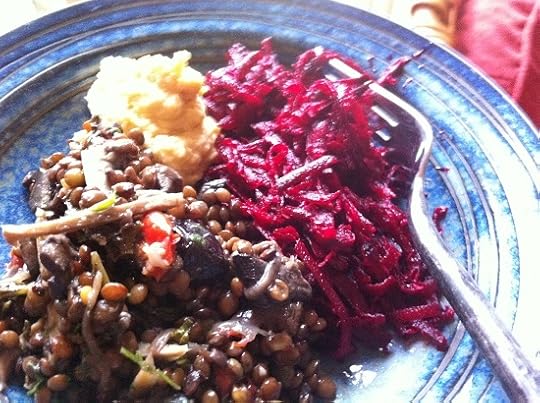 When you do eat, try to only eat whole foods, natural fruits, vegetables and nourishing foodCan fasting help with seasonal allergies?
Seasonal allergies like your body’s reaction to dust, hair, and pollen can be managed with an intermittent fasting program. Fasting, even just for a 24-hour period, can help to combat allergens by boosting the body’s defenses.
For people who suffer from asthma, there is evidence in some case studies that demonstrates fasting can help with those breathing problems, even improving lung function. So, it’s worth looking into if your allergies cause more severe health issues like asthma.
Can fasting help with food allergies?If you lead an unhealthy diet or incorporate a lot of processed foods, sugars, unhealthy fats, and grease in your food, it increases your body’s reaction to allergies. So, if you’re living an unhealthy and un-nutritious lifestyle, you’re more likely to suffer from reactions to allergens.
Food allergies are similar to seasonal allergies. Your body’s response to certain ingredients causes problems like swelling of the nasal cavity and can cause problems like hives or a rash, as well as other health issues such as sleeping.
When you intermittently fast, your body’s immune system has time to repair itself, as well as detoxify and degrade, allowing fat deposits to be broken down. Digestion is improved since your stomach has time to process without constant food needing breakdown.
So, when you fast, you’re allowing your body to heal and get better, making it stronger against any type of allergen, including food. Food intolerances can be significantly lowered, and possibly even eliminated.
How long do you fast for allergy relief?Now if you’re curious about taking on some intermittent fasting, you can do so quite easily. Consider starting slowly, fasting just one day a week, or even just once a day a month. To help you get started on your first fast, you should utilise the online fasting tracker by Zero, which is free and easy to use.
You can measure your results by monitoring your digestive and heart health. It is recommended that you speak to your doctor or physician first before you begin, especially if you are dealing with any health issues or pre-existing conditions.
Symptoms may take some time to improve, so you may not recognise the changes immediately. However, there are noticeable improvements that can happen in as soon as one week. But, it also depends on how long to plan fast. If you’re only doing one 24-hour period a month, it may take more time than doing a 16:8 for a few days per week.
The stages during fastingIf you plan a lengthier fast, you should make yourself aware of the stages that come with a fast. During the first stage, your blood sugar level drops and the liver converts glucose to release into your bloodstream. Most people experience some weakness, dizziness, and even nausea. Your hunger is also intense during the first stage.
In stage two, the fats in your body start to break down. Ketones are formed by the incomplete oxidation of fats. When this occurs, it helps suppress your appetite. Until your body goes into ketosis, most people feel very tired and have low energy.
What do you do after a fast is completed?It’s important to note that once you exit a fast, you don’t want to stuff yourself full of food. You have to ease yourself into eating food again, so start with something healthy and in small portions. Shocking your body after a prolonged period of fasting, even just a few days, can bring havoc to your digestive system if you’re not careful.
The bucket theoryOne way to understand why this helps is to consider the bucket. It’s hard to carry when it’s full of water; our bodies are the same. We can become affected by inflammation, seasonal allergies, stress, fatigue, eating processed foods, and it all builds up. Too many inflammatory or allergenic external factors can cause the body’s internal bucket to fill up and that then causes flares and worsening of symptoms.
Think about the foods you eat between fastingWe’ve talked about reintroducing foods again slowly, but what kinds of food should you eat? Stick to whole foods, fruit, vegetables and healthy grains. Avoid fast food, processed food and high salt and sugar content meals. Processed sugar is know to increase inflammation, and whilst you might crave comfort food, try to get organised and stock up on healthy snacks and nourishing ingredients so you can easily put a meal together. Get the slow cooker out so you can have an easy meal waiting, you might feel tired after fasting so this avoids you reaching for that easy microwave meal!
Take your fast to the next levelMany religions incorporate fasting in their growth and spiritual development. Alongside the fasting they will pray and meditate. If that’s something you are drawn to, think about also adding some walks in nature, yoga, short guided meditations while you fast. All these things also help to reduce inflammation in the body, so find out what works for you. Even really simple breathing exercises help to centre and focus the mind and might help you heal even faster.
Always seek advice from your doctorAgain, it’s always best to consult with your doctor before doing a long-term fast. There is also a mindset of control you must put yourself in to achieve your fasting goal. When you make fasting a habit, your body has the opportunity to heal more quickly, reducing inflammation and your allergy symptoms significantly. And it doesn’t matter if you do a short-term or long-term fast; the benefits will be noticeable!
Have you tried fasting for your allergies? Did it make a difference? What did you notice from fasting and will you continue to fast?
Photo: Photo from Pexels by Vegan Liftz.
You may also find the following blogs interestingGet £10 off a fruit and vegetable boxAllergen free, pollen free plants for your homeHow clean is the indoor air quality in your home?The post Can fasting help reduce allergies? first appeared on What Allergy Blog.New, free-from, plant-based growing-up drink for toddlers
In the first of a series of guest blogs, today we hear from Amy, the founder of Grow with Iris, who I met at the Allergy Show in Birmingham last year.
 Amy and Iris – where it all started
Milk allergy statistics in the UK
Amy and Iris – where it all started
Milk allergy statistics in the UKAccording to the The Association of UK Dietitians (BDA), in the UK, Cow’s Milk Allergy (CMA) affects 2-3% of babies and young children up to the age of five. It’s also one of the more serious allergies. A fact which surprises many people who assume peanuts are the most allergenic.
Grow with Iris is proudly dairy free and our rigorous allergy testing also ensures the product is free from lactose, eggs, soya, peanuts, tree nuts and gluten.
The story of Grow with Iris and one Mum’s mission to bring choice to the Allergy CommunityGrow with Iris is a fortified, plant-based, free from growing up drink for little people. Iris, Amy’s daughter, was diagnosed with numerous allergies, including dairy, soya, eggs, tree nuts, peanuts, and sesame at the age of four months old. She is the muse behind the brand.
‘Fed up and frustrated by the lack of choice for nutritional milk alternatives when Iris was growing up’, Amy started to develop Grow with Iris. She wanted to offer a delicious option for children with allergies or those who prefer plant-based alternatives to milk. Grow with Iris is Paediatrician and Dietician approved; fortified to support the nutritional needs of growing toddlers and children, meaning there is no need for separate vitamins and milk.
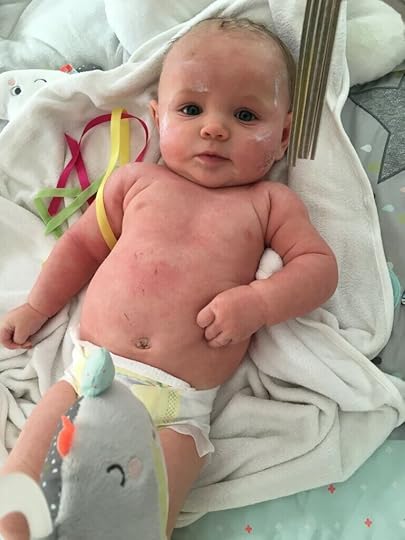 Amy and Iris’ story
Our allergy story began in 2017 when Iris was just a few months old. She had developed severe, red raw eczema. We went to the G.P and we were given steroid creams to help her, but deep down I knew there was something else going on.
Iris was exclusively breastfed, so I started to remove the more common food allergens from my diet such as dairy and eggs. Reluctantly planning to go back to my full-time teaching role, Head of Art in a busy prep school, I knew there would be little time to express milk. In reality this was probably going to be impossible. wanting to be organised and make the transition as stress free as possible, I went to my doctor to seek advice.
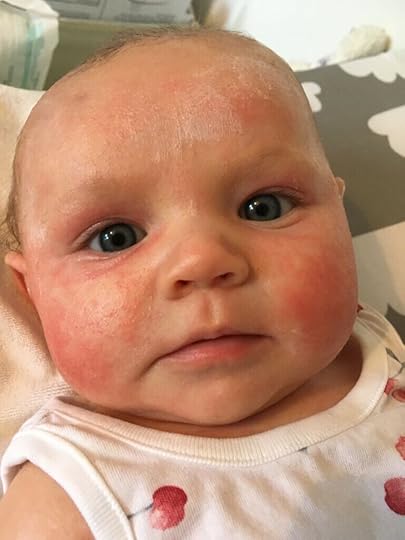 Trust your baby’s instinct when it comes to food
My overwhelming gut feeling was that Iris should not have cow’s milk. I was told to try ‘any old formula’ so I did some research. This advice didn’t feel right, so I tried a goat protein-based formula as I heard it was easier to digest.
It was as though Iris knew; her intuition was not to drink it. She fought and fought, and after a stressful few minutes, (which felt like a lifetime), she took a drop, then flat refused the bottle. Within minutes her little eyes started swelling and her face went bright red. I immediately gave her antihistamine and it subsided.
Getting the allergy diagnosisThe next day we went to the G.P and were advised to go private as it could take months for a diagnosis. Feeling like we had no other choice, we found the money and were seen privately the next Saturday. Blood tests were booked and I took my Mum for support.
I’m glad I did as it was so traumatic; It took 45 minutes to get the blood from Iris and we were all in fretful tears in a hot little room. The results confirmed allergies to milk, eggs, oats, wheat, soya, nuts, peanuts, sesame, kiwi and banana and we were given a prescription for two injector pens and antihistamines.
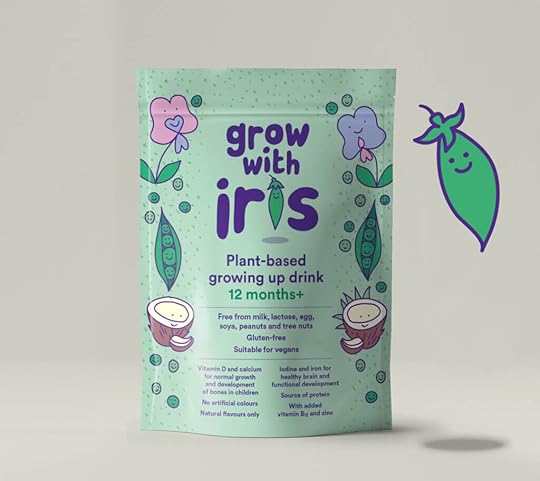 Grow with Iris – Growing up drink for 12+ months old
Cow’s milk free, alternative toddler growing up drink
Grow with Iris – Growing up drink for 12+ months old
Cow’s milk free, alternative toddler growing up drinkMy partner Matt and I were at a loss as to what formula to give her. The one offered by our G.P was full of corn syrup and had a list of synthetic ingredients I did not understand. This was not what we wanted to feed our precious little baby. We were very conscious of eating healthily for ourselves so it didn’t seem right to give her that.
I continued to breastfeed morning and night while Matt scoured the internet looking for alternatives. Importing other options from the US, France, and Australia at around £60 a time was not financially sustainable, and I knew I could not be the only one in this situation. I decided there and then to do something about it and create my own line of free from and delicious plant-based drinks.
 The Grow with Iris team – Sophie (left) and AmyGrow with Iris was born
Sophie, my Co-Founder, came on board two years in. A school friend of mine and a Creative Director and Designer by trade, Sophie began by helping with the branding. So overwhelmed by the story and compelled by the potential of the brand, she became my business partner. Four years on, together we have been on a relentless journey of research, product development and manufacturer visits,
Sampling, zoom meetings, risk registers and networking. With Sophie on board Grow with Iris has elevated. We have won two rounds of Innovate UK funding; ‘Sustainability in Innovation’ and ‘Women in Innovation,’ which have helped to get us to a safe, legal, and just as importantly, delicious choice for parents of children with allergies or who are plant based.
 Grow with Iris, the plant based growing up drink
Dairy free toddler drink with all the complimentary nutrients your child needs
Grow with Iris, the plant based growing up drink
Dairy free toddler drink with all the complimentary nutrients your child needsOur aim is to make life easier for parents and create something safe which provides complementary nutrition. Ultimately we want to help your little ones grow and thrive. Grow with Iris will be available to buy later in 2023. We hope to create a community of people who feel heard, catered for and seen.
Watch out, there is a new challenger brand in town ready to disrupt the toddler nutrition category. Plant powered, complementary nutrition for a growing generation.
Become part of our ‘Grow with Iris’ community by joining our mailing list Plant-based growing up drinks | Grow With Iris and why not give us a follow on Instagram and Facebook.
I’d love to hear from any readers who have faced this very same challenge. Have you struggled to find a suitable dairy free milk for your child? Please share your journey below and get in touch with Amy and Sophie to find out more.
You may also be interested in reading:Free Skin Conditions Guide for EczemaThe Shape of Skin – eczema poems from a childhood in pain to adulthood and healing28 questions to ask to help you get an allergy referralThe post New, free-from, plant-based growing-up drink for toddlers first appeared on What Allergy Blog.