Ruth Holroyd's Blog, page 4
June 23, 2023
The best food allergen conference ever!
I’ve spoken at a lot of events and conferences over the years and all of them have been good. This event however was really special and it reminded of the excellent events organised by the late Jeffrey Hyman and the much missed FDIN – Food and Drink Innovation Network. Jeffrey really GOT ‘free from’ and championed for awareness and inclusion before anyone else was doing this.
But back to the point. I left the event on Wednesday, “Food Allergen Catering – creating a dialogue in the hospitality industry” with that warm, fuzzy feeling of having been heard, understood and respected.
As someone who has fought feelings of low self worth and shame, and always felt different because of factors out of my control, life threatening allergies, this meant the world to me.
A room full of complete strangers, (and a few friendly faces) who understood, were open to discuss things and challenged my own perceptions too regarding the constraints and barriers faced on a day to day basis running food service establishments.
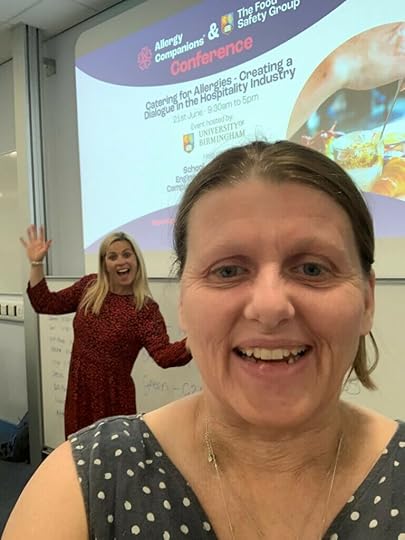
Catching up the lovely Natalie from The Allergy Badge, who provide first aid and adrenaline auto injector administration training at clubs, schools and workplaces was a highlight for me.
Thank you to everyone!So firstly thank you to everyone, the organisers, Liljia from Allergy Companions and Lisa and Iain from The University of Birmingham. Thank you to all the other speakers and delegates, and to the venue for catering so well for all our allergies.
We had some really deep, complex, challenging and thought provoking conversations and I for one left the event buzzing with ideas and inspiration. I met so many wonderful new people, all keen to include the allergic diner and absolutely no judgement. I felt so special and included.
My key takeaways from the food allergy conferenceI have a whole pile of post-it notes and notes on my phone to follow up, ideas for blogs, things to research and look up, learn about and share with others. I always find these kinds of events to inspirational and vital to keep me learning and moving forwards. So here’s my key highlights
What on earth is the body doing when anaphylaxis takes place? – Lisa’s talk took a look inside the body to try to explain and fathom the complex, dark and terrifying life of the human immune system in anaphylaxis. The body is so darn clever, with all these little soldiers and guards trying to keep out the bad guys and it was really interesting to understand what’s occurring when we eat these harmless foods we’ve become allergic to. I can see a cartoon animation of this to really bring it alive, something I’ve longed to do for years but don’t know how to go about doing it.The importance of inclusion – Being excluded is something I’ve got used to over the years, so much so that I have very low expectations of food establishments. This is actually quite sad when you analyse it, being included is something everyone should enjoy. When you have allergies though you get used to taking emergency rations in case there is nothing safe to eat, you get used to very little choice and you also get very good at judging a situation and going with your gut. Does the server understand? Have they listened? Can they answer simple questions? Is the information I need to stay safe available? When I get great service and am made to feel normal, accepted and included I get so excited that you will make a raving crazy fan. I will tell everyone, and you will probably get repeat business. Inspired by Dominic from JP Restaurant Group – Everyone book a holiday to Jersey, this group of restaurants, owned by Dominic Jones was an insight into how good allergen processes and protocols can and should work. Dominic shared mistakes he’d made, his personal experience with his daughters allergies and how he drives innovation, food allergen safety and processes without damaging his chef’s creativity was truly inspirational. I really really need to visit Jersey to check out his restaurants. Check out JP Restaurants here.How do we protect the most vulnerable? I’m talking about young adults, children and anyone who finds it excruciating and difficult to speak up about having allergies. The statistics from one business give a start warning, a massive 90+ percent of allergic reactions reported happened when the customer had not alerted staff to them having an allergy. That is terrifying. We really need to be having conversations and making it easy for customers, staff, the kitchen and the business owners to understand where the problem areas are and ways we can make it better.Tales from the chef with over 28 foods to avoid – Hearing from Stella Holt really brought home the seriousness of allergies. Her experience with multiple serious food allergies as she learnt to navigate a very complex dietary condition, Eosinophilic esophagitis, meant she had to quit her job as a chef. She loved that job, but the restrictions of her illness made it impossible. Her goal now as an allergic chef is helping the hospitality industry provide confidence and excellent service for food allergic customers. You can get in touch with Stella here.Disclaimers and why we don’t need them – We’ve all seen them, those little notices in pubs and restaurants stating things like ‘ we cannot guarantee blah blah blah’ and ‘our kitchen handles allergens and there could be cross contamination’. We know this, as allergy consumers we are well aware that we take risk every time we eat out with food allergies. Making is sign, read or accept disclaimers doesn’t achieve much, apart from alienating and causing mistrust and offence in many cases. Some of these disclaimers are downright rude, and the verbal reiteration at the table, checking you are aware that nothing is every totally safe are very confusing and upsetting. We really don’t need this. All we need is engagement and dialogue. We need to talk and we need to understand each other. So much of the food service experience is discouraging communication with ordering via apps, negative a**e covering statements and not making information readily available about allergen protocols. All we need to know is, is it safe or not? What processes DO you have in place? The workshop exploring this area was a real eye opener and we had some frank, heated and really helpful debates. Look out for more learnings on this on the Allergy Companions website soon.How can we make allergies trendy? This was one of the themes of the day. How can dip the trend and create an environment were allergic consumers are not ashamed to speak, but instead are proud and confident to demand what they need. This doesn’t mean every food service establishment has to cater for us, but it does mean we want honesty about what’s on offer. There are plenty of places happy and willing to help us stay safe so if you can’t cater just be kind and polite about the way you communicate this. I’ll be exploring this in a future blog post so watch this space.This event really was inspirational for me. It sparked debate, generated some really meaningful conversations and I hope it is something we can build on, keep moving forwards and continue to learn and expand.
I’m still smiling thinking about all the connections I made. Thank you everyone, the feedback I had after my talk was really really heart warming and honestly a huge boost to my confidence. Public speaking is a skill I’ve built on over the years but it always makes me nervous and gets my heart racing.
It was a honour to be invited to speak at this event and I can’t wait now for the next one!
You may also be interested in reading:Learnings from the Food Allergy and Intolerance SummitAnaphylaxis – The Essential GuideFood to go options if you have serious food allergiesLiving with Eosinophilic diseaseThe post The best food allergen conference ever! first appeared on What Allergy Blog.

June 22, 2023
Updated advice on using Epipens and AAIs
Do you know how to use an adrenaline auto injector (AAI)? Even if you think you do, please have a quick scan and read of this blog post with updated guidelines from the Medicines & Health Regulatory Authority (MHRA). Click here to Read the new guidelines for using AAIs.
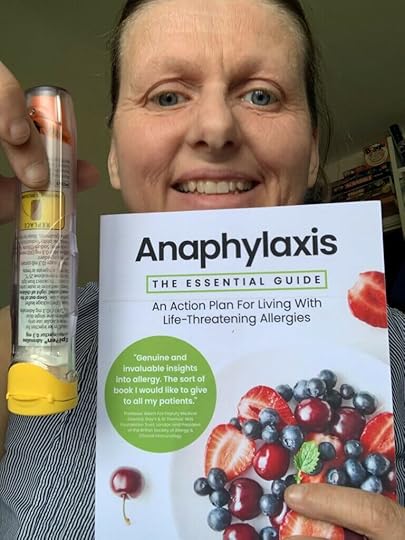 What is anaphylaxis?
With over 20% of the UK’s population affected by at least one allergy, adrenaline auto-injectors (AAIs) are an important healthcare product used for those at risk of anaphylaxis and can save lives. Hospital admissions due to allergies and anaphylaxis in England have nearly doubled in the last twenty years, to over 26,000 admissions in 2021-22 (from 13,440 in 2001-02).
Most of you will know what anaphylaxis is, but if you’ve stumbled upon this blog for the first time today, let me explain. In a nutshell (pun intended) Anaphylaxis is an allergic reaction to protein in food, a contact allergen, venom or even drugs. The body reacts to a normally harmless substance as if it’s a virus or bacteria and it fights, sometimes to the death, because it begins to cause havoc in the person having the reaction.
Symptoms can vary from:
HivesVomitingClosing of airways, asthma and difficulty breathingFeeling of impending doomUnconsciousAnd sadly in rare and tragic cases it can be fatalEVERYONE should learn what the signs are and how to administer adrenaline because you could save someone’s life. Fast action is crucial so if in doubt, inject. You’d do any harm.
What you should do if you suspect anaphylaxisIt’s easy to panic when you feel the first signs of anaphylaxis, or think your child might be having a reaction. So here’s what you should do:
Inject the adrenalineDial 999Lie down and stay lying down – DO NOT WALKUse 2nd AAI in the other thigh if you don’t see improvementIf you’re unsure at all and think you might panic, it can help to create an Action Plan that you can print out and
Do these four things if you suspect anaphylaxis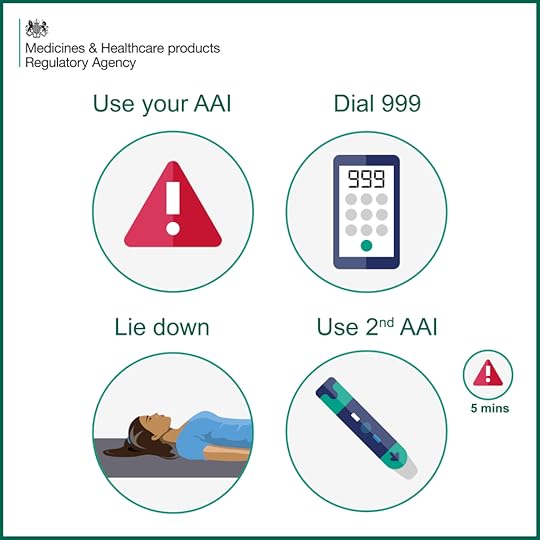
Click here to Read the new guidelines for using AAIs.
Thanks so much to the MHRA for this post, to mark World Allergy Week (Mainly in America but let’s claim it here too!) Any chance for raising awareness.
Watch a video of how to administer adrenaline for anaphylaxisIf you’re unsure what to do in an emergency, it can help to watch a video, because when anaphylaxis actually happens we can react in different ways, stress can make you panic and do the strangest things.
https://whatallergy.com/wp-content/uploads/2023/06/Clip-2_What-to-do-in-an-emergency.mp4The crucial new information here is, if you suspect anaphylaxis, don’t walk, stay seated and if you can do so, lie down with your feet elevated. A lot of people leave a restaurant or go away to be alone when they start going into anaphylaxis and this can drastically increase the chances of a fatality.
Finally, if you need to use the second adrenaline auto injector, inject into your other thigh! This is because the muscles will be dilated from the first injection and this will mean more adrenaline gets into the system.
And if you fancy a laugh, here’s me demonstrating how to use an AAI back when I was very very young
Anaphylaxis check listIt’s not east to remember what to do, so having an Action Plan can help, and not just for kids. I have one in my Emergency Kit which means anyone can read it and know what to do for me.
Stay where you are – this is a tricky one if you are alone and can’t get help. You should be able to make an emergency call even in an area with no phone signal.Stay calmStay sitting or lying downTell someone you’re having an anaphylactic attackAnd Act fast!Stay safe my allergy super heroes. Check How to Write an Anaphylaxis Action plan where you can download templates.
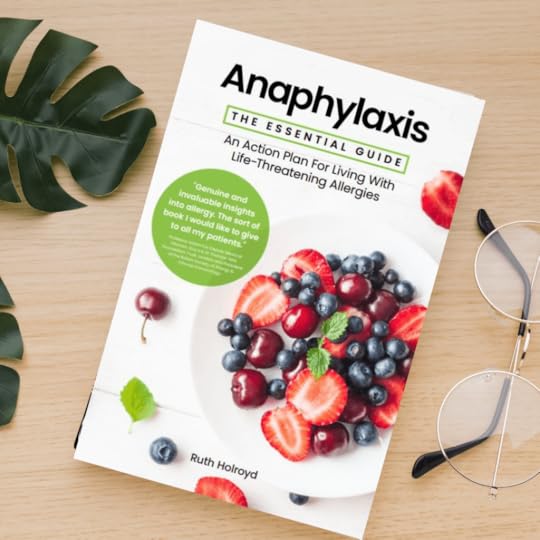 Anaphylaxis: The Essential Guide: An Action Plan For Living With Life-Threatening Allergies You may also be interested in readingRead Anaphylaxis – The Essential GuideYour cough medicine could cause anaphylaxisDairy allergic ate buttermilk by mistake… and nothing happened20 life saving anaphylaxis tipsThe post Updated advice on using Epipens and AAIs first appeared on What Allergy Blog.
June 9, 2023
Famous comedian is an allergy bully
Alan Carr’s response to being told someone is allergic to coriander is not to accept it and show compassion; it is to laugh at the woman, do this loudly so everyone hears and then shove coriander into her mouth.
Shocking isn’t the word!
Firstly thanks to my wonderful brother who read this article and thought of me, he knew my spider senses for injustice in the face of allergies would be triggered big time.
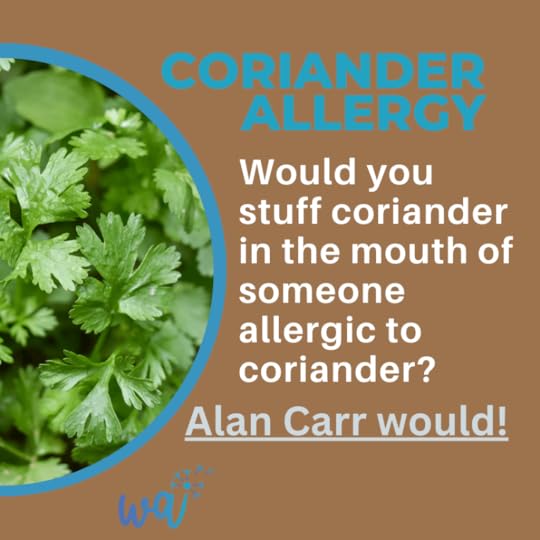 People CAN be allergic to coriander!
Alan I hope you’re reading this (but know you probably aren’t) – people can be allergic to many things, not just the top 14 allergens we all know about.
And coriander allergy is a very real allergy. You can read Coriander allergy – watch out for the spices here.
Allergies and intolerances can range to mild stomach discomfort or skin issues to anaphylaxis, none of which should be dismissed, belittled and laughed at.
Here’s Alan Carr’s views on allergiesHere’s an excerpt from the article, written by Charlotte Edwards in The Guardian.
“He wants to know why one of them is picking bits out of her salad. He doesn’t accept that she’s allergic to coriander. Whoever heard of being allergic to coriander? …
He picks up the coriander and stuffs it into the mouth of the woman who said she was allergic. “See!” he declares, triumphant. “You’re not really allergic. If you were, you’d be dead by now.” He cackles. Everyone else cackles. It’s like the canned laughter of witches.“
Why would someone laugh about allergies?I think Alan was probably in comedy mode, and clearly from the article, is performing, to anyone in the room, even before the interview began.
You can read ‘I used to say awful things – Alan Carr on Divorce, dating and the skit that haunts him’ in full here. But I can probably save you a wasted five minutes. There isn’t any more in the article regarding this coriander incident.
The irony of reading that Alan did this in an article entitled ‘ I used to say awful things’ is stark. Alan – your humour may still need some tweaks because as someone with allergies I’m not finding that funny at all.
Alan does talk about how he’s changed his attitudes and no longer lays into people; making fun of those with addiction, weight issues etc. is a think of the past. But I’d like to urge Alan to look a bit deeper.
You can’t just pick and choose who you stop making fun of. Allergies and anaphylaxis are life limiting daily and potentially life threatening. There are cleverer ways to make jokes and the allergy community is fed of being the brunt of them.
Reading in an article that a main stream comedian I have laughed along with on 8 out of 10 cats for years is actually cruel to the face of a woman telling him she has allergies is shocking. Sadly I think these kinds of throw away comments happen a lot. It’s no longer OK to make fun of disabled, queer, mentally ill people… but allergies are fair game.
Why is that? Because it’s so triggering to hear things like this. Having been bullied and made fun of due to my own allergies in the past it brings it all back. By all means have some fun. we can all laugh at things if we use humour intelligently. But stuffing coriander into someone’s mouth is not funny.
Might others reading this copy Alan and do the same to their allergic friend? The consequences could be tragic and I’ll say no more about it.
Light hearted allergy comments people should stop sayingI used to laugh off comments and pretend they didn’t upset me but when they happen a lot it can become very wearing and make you feel very unsafe. If people think your allergies are funny, will they keep you safe? or will they put in in danger?
Here’s just a few of my favourites:
I’d never go out again if I was youWhat can you eat? Dust?Your food must be so disgusting / your GF bread looks disgustingI’d kill myself if I could never eat cheese againPoor you, you can’t have any of this can you?This is allergy bullyingYou may not think shoving coriander in someone’s mouth is bullying, but I’m assuming this lady was in some way working with or for Alan Carr when this happened. This kind of thing should not be condoned or laughed it, it’s a toxic and unpleasant environment for anyone to have to work in. It hardly needs pointing out, but for the person on the other end of bullying or teasing about things like this can be hurtful.
It’s unkindIt’s wearing and exhausing for the person with the allergy to laugh this kind of thing offNo one ever seems to stand up for the person being bullied – in this case they all laugh!No one calls out the bullyIt’s lazy and it’s boringDo better Alan! And if you’ve ever done anything like this, just take a few moments and put yourself in our shoes. We live in fear daily of making mistakes and getting ill… or worse. Just be bloody grateful you can browse a buffet without having to worry about anything.
We all need to do better…I’ve had this kind of thing happen to me and no one else EVER steps in and says anything, yet I know they also feel uncomfortable as on numerous occasions they will say to me privately, things like… ‘that was out of order, I’m sorry he said that, we don’t claim her!‘ You know in solidarity. But we need to do more if we are going to educate these people.
We need to call others out when they say innappropriate or rude things about allergiesWe need to educate them that allergies can be caused by literally anything, not just the common thingsWe need to tell them that we don’t appreciate these commentsIf you don’t want to speak up at the time, consider speaking to the person who said the thing in private and explain how it made you feel, as the bystander or the intended butt of the humour. When I’ve done this, most times they listen and hear and understand. It works, they often do think they’re being funny and will stop making fun of you when they know it upsets you.Report it if it keeps happening at school or workNow for some light relief, a palate cleanser if you will, check out my favourite allergy jokes! And if you want more, I loved the episode of Not Going out when they went they joked about Eczema National Park!
You may also be interested in reading:Please cover up your skin, your psoriasis offends me – How not to treat your friends!Stop Allergy Bullying now!Let’s stop eczema bullyingCoriander image from Unsplash – Chandar Chaurasia
The post Famous comedian is an allergy bully first appeared on What Allergy Blog.June 2, 2023
Discover the best Topical Steroid Withdrawal blogs
I am so thrilled to share that my blog has been voted in the Top 10 Topical Steroid Withdrawal (TSW) blogs by Feedspot.
 What is topical steroid withdrawal?
If you’re new to this blog you might not have heard of TSW, it’s an intragenic (caused by medication) condition that can affect anyone who uses topical or oral (the name it’s quite cutting it here) steroids, and sometimes it can happen after even a short time using mild topical steroids.
I am four and half years into TSW myself and slowly healing. After over 40 years or sporadic use of topical steroids I finally worked out why my rebound flares were just getting worse and worse and even strong steroids kept my skin in an unhappy but bearable state of moderate eczema. When I stopped using the topical steroids all hell broke lose, my skin was addicted, and withdrawal can take anything from six months to ten years.
What did TSW look like for me?TSW was pretty gruelling. The hardest symptoms for me were the nerve pain in my face, arms and legs. That has not stopped. Also the aging, sagging and wrinkles has been tough to accept. Side effects of topical steroid withdrawal can be wide ranging from incessant bone deep itching, over heating, excessive flaking, inflammation and crusting, and so many more things. Visit ITSAN, the charity dedicated to TSW for more information.
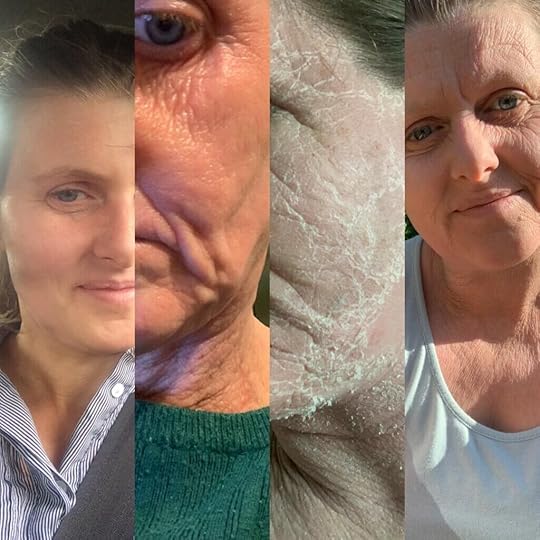 TSW through the years
I’m still healing and it’s been a roller coaster but it’s been the best thing I’ve done for myself, my skin and my mental health. I am in a much better place now, need zero medication from the pharmacy and manage my skin with minimal intervention. It’s truly blown my mind.
How do you know if you’ve got TSW?It can be very hard to know and even harder to get a diagnosis. I still don’t actually have a diagnosis myself but had ALL the symptoms except the excessive weight loss one (go figure) so am pretty sure it’s what I’m experiencing. It has been recognised by the MHRA, BAD and National Eczema Society in the UK but doctors and dermatologists still struggle to accept it is happening and if they do, they say (hope and pray) it’s rare. To find out more visit my TSW FAQ for all the information and resources you need to find out if you have TSW.
The Top Ten TSW Blogs
Here’s a list of the top ten for all those of you wishing to find support or just expand your knowledge of topical steroid withdrawal:
ITSAN blog – https://www.itsan.org/blog/Briana Banos, creator of the Preventable documentary – https://brianabanos.com/blog-posts/Decoding Topical Steroid Withdrawal – Jing’s blog! – https://decodingtopicalsteroidwithdrawal.com/blogJem’s TSW healing journey – https://jembrown7.wixsite.com/top-steroid-withdrawWhat Allergy – My lil old blog! https://whatallergy.com/category/topical-steroid-withdrawal/Eczema Conquerors blog – https://www.eczemaconquerors.com/recent-blogs/Balmonds blog – Topical Steroid Withdrawal – https://balmonds.co.uk/blogs/blog/tagged/topical-steroid-withdrawalJulie Baezner’s blog – https://brwren.com/Cara Ward’s blog (healed from TSW) – http://tswcara.blogspot.com/TSW Journey to healing – https://www.tswjourneytohealing.com/blogA couple of these are new to me, but most I’ve come across before and I would like to thank each and every one of them for continuing to share stories and help raise awareness. TSW is a very difficult and poorly understood and supported condition.
New bloggers I discovered from this top ten TSW blogsLet’s just thank Feedspot for a moment, because as a blogger I love finding new bloggers, fellow writers, sharers and awareness spreaders. You are all amazing, keep up the good work. It also important to read other blogs, comment and share and help each other to increase engagement. Planning sharing some blog love after publishing this.
So new TSW bloggers now on my radar are:
 Julie Baezner’s blog, Found in Reverie is a great resource where Julie shares lots of blogs on TSW and links to other resources. It’s heartbreaking but also soul warming reading Julie’s writing about how she’s coping with TSW. If you need to hear from others going through this, follow Julie.TSW Journey to healing is Jen’s blog, she’s also sharing her TSW journey and also has a podcast. Let’s give her some love! She just started this blog in April so I’m really glad I found her.
I hope you’ve found this blog useful too. Let’s share the love and help each other.
How many blogs have I written about TSW?To date I’ve written over 50 blogs directly about TSW and over 100 that reference it in some way, so if you want to do a deep dive into this condition you’ve come to the right place. Topics range from: How I got addicted to topical steroids, what it’s like to be a long haul healer, how to clear ear TSW and blocked ears, sleep tips and so much more.
Click here to read all my TSW blogs!
You may also be interested in:The Shape of Skin – The poetry book written for people with eczema and TSW. Full or weird and wonderful poems that will make you see your skin differently.Paraffin is the worst thing for eczemaCan Collagen help eczema and TSW?Best washing powder for eczema and TSWThe post Discover the best Topical Steroid Withdrawal blogs first appeared on What Allergy Blog.May 16, 2023
Did Covid cause asthma and eczema flare?
Well, it finally got me! After managing not to catch Covid-19 through the whole pandemic, my body finally succumbed.
Many people have begun to forget about Covid now; it’s a bad dream, a distant memory, not a concern any more. Certainly since government advice is that we don’t even need to test or isolate any more, it seems like Covid might be on the way out.
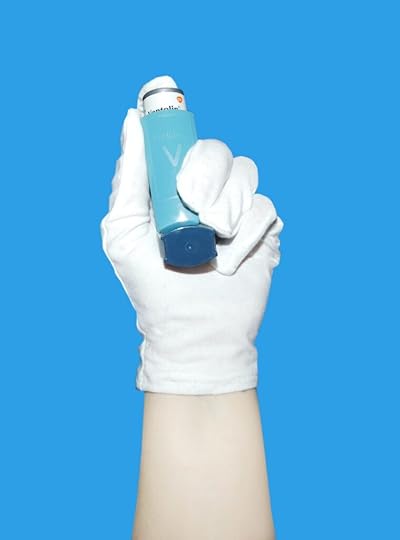 Worried about Covid and Asthma?
Ever since I first heard about covid and got the call to be careful and shield at home, asthma as a complication of Covid has been a real worry for me. If you’ve ever felt the lack of oxygen getting to your lungs, been gasping to draw in enough air to breathe, you’ll know why. It’s frightening and you quickly panic as the brain alerts you that urgent action is required.
So you can imagine the fear when I tested positive on Bank Holiday Monday last week. Even though we hear that the risk is much reduced, symptoms are less severe now, there had always been a worry at the back of my mind.
What was Covid like for allergic, asthmatic, eczema skin woman?Well, it wasn’t much fun but here goes, things I noticed about having Covid:
HeadachesFeeling of brain swelling inside skullAchy limbs over whole bodyNerve pain – this may be more linked to my tendency to experience herpes outbreaks when run down and I did get some eczema herpeticum on my face during this virusDizzynessConfusionLoss of appetiteNauseaFatigue, slept for days and nightsMild productive coughCold like sypmtoms, sinus inflamed and sneezing and nose running and blowingNightmares and feverSafe to say this really knocked me for six, with about three days feeling very poorly. Paracetamol and a hot water bottle on aches really helped, and just sleeping and resting. As a freelancer I did have do some work every day of this illness and this was possible in small blocks with rest and sleeping in between The challenge of working for yourself! So I wasn’t too ill to get some work done, but I definitely struggled.
No asthma or shortness of breath with CovidWhat I found most interesting was the total lack of any asthma symptoms, none at all. This had always been my biggest worry as someone who has lived with asthma most of my life.
Everyone is different, but it doesn’t seem to be one of the symptoms; this virus doesn’t seem to exacerbate asthma and certainly my experience was a very productive cough, no dryness and so easy breathing.
In fact, people with asthma are less likely to die from CovidResearch into Covid deaths showed that those who have asthma are 70% less likely to die from the virus! One reason for this could be the protective effect of some asthma medications. Watch this video about asthma and Covid and long covid.
I have no idea why asthma seems so protective but it’s great news for people with asthma for once.
Skin flare from CovidWhether my current skin situation is in any way related to Covid is anyone’s guess. When you have eczema and indeed topical steroid withdrawal, skin flares can happen any time and be totally unrelated to anything else. However, as mentioned above in symptoms of Covid, this virus did trigger the herpes virus to activate. This may have happened anyway, but I now have a small patch of well controlled and swiftly healing herpes simplex on my chin.
Am I the only person to have only just caught Covid? Do you think we should all forget about it now?
You may also be interested in reading:For guidance of what to do if you get Covid visit the NHS website.Visit the Asthma UK website for specific advice for those with a chronic lung diseaseWhat if you couldn’t get your Ventolin inhaler? On the Ventolin medication swap to SalamolButeyko Breathing reduces reliance on reliever inhalerThe post Did Covid cause asthma and eczema flare? first appeared on What Allergy Blog.May 4, 2023
Paraffin is the worst thing for eczema
Paraffin emollients are the first line of treatment for people with eczema. Nearly all mainstream emollients prescribed or recommended for people with dry eczematous skin contain predominantly paraffin. Look at your tubs and tubes and they will all be high in paraffin wax or other derivatives.
If you have eczema, atopic dermatitis or psoriasis you will doubtless know the dermatologists mantra, moisturise, moisturise, moisturise! If you’re lucky you will have found an emollient that works, but some struggle, being given damaging creams like Aqueous and E45, products I think should never be given to anyone with sensitive skin. Read ‘Aqueous Cream worst thing for eczema skin’.
But there’s a problem. The one thing all people with eczema are given and told to use copiously is problematic for our skin.
I’ve used a tonne of paraffin in my life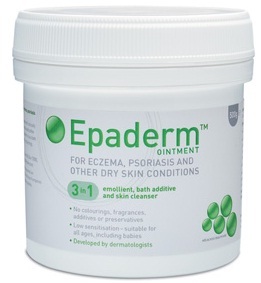 Epaderm was my go to emollient
During the worst of topical steroid withdrawal I was getting through a tub of Epaderm a week, sometimes more if I was bathing with it too. Living in the UK I had a Prescription Prepayment certificate that cost about £120 a year, but this saved me a fortune when I was getting prescriptions for topical steroids, emollients, inhalers etc. all in the same month. One script for one medication costs about £9 so this would have easily cost me £50 a month and more on other occasions, so this prepayment option saves a fortune. Read, ‘Save hundreds on prescriptions every year!’
Paraffin containing emollientsThere are loads, but doubtless you will have either heard of or used some of the following:
Aqueous creamE45EpadermCetrabenZero dermDouble baseHydromolI could go on… have I missed your chosen paraffin cream?
General guidance is to moisturise, moisturise, moisturise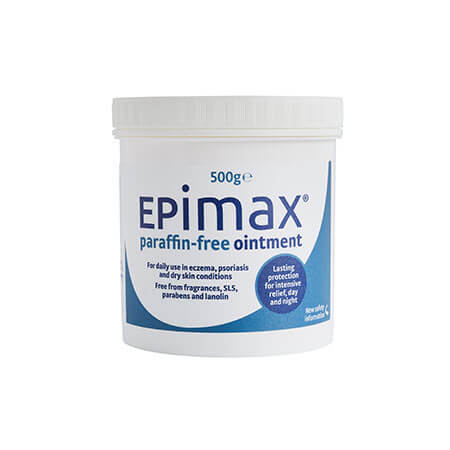 Epimax paraffin free emollient
Your dermatologist has likely quoted the phrase, “Moisturise, moisturise, moisturise. I’m coming to believe that is actually counter intuitive and the worst thing for our skin.
Paraffin emollients do seem help, they provide relief to very dry sore tight skin, but long term they can cause the skin to become reliant. Sound familiar to the topical steroid addiction scenario?
So why are they prescribed? Paraffin is a waste by-product from industry and is incredibly cheap as a solution. This sounds like the perfect answer, cheap and effective. As a long term user I can confirm, it can really help people who are in agony, but it’s potentially damaging and dangerous.
Why is paraffin bad for your skin?There are so many reasons to use caution with these paraffin rich creams, here’s why:
Potential fire hazard – if paraffin builds up on bedding and clothing. If you smoke this should be a very serious consideration. Do not ever smoke in bed and make sure you wash bedding and clothing regularly on high enough temperature to get the grease out. Between 2000 and November 2018 there were 49 deaths attributed to the use of paraffin emollients and hundreds or thousands of severe burns. ‘Emollients: new information about risk of severe and fatal burns with paraffin-containing and paraffin-free emollients.’ It can block pores – Don’t get me wrong, it’s been THE only thing I could tolerate on my skin for YEARS. For me it was Epaderm or Epimax, both great for my sensitive skin. Many people find that paraffin is just not tolerated by their skin. It can cause over heating and breakouts due to how the paraffin creates a plaster like layer over skin and prevents the skin from breathing.Addictive – As I mentioned earlier, I used A LOT of these paraffin emollients because the doctor told me to. To use more, more and more! Moisturise, moisturise, moisturise is the dermatologists mantra. The problem is this caused yet another addiction for my skin. It literally couldn’t live without it. Serious withdrawal – TSW changed my skin though and it kind of rejected all moisturisers at times. This was what caused me to take the plunge and my skin was terrible at first, however it took me about 5-6 months to withdraw. i would urge caution to anyone thinking of doing this. You don’t want to get infections due to broken skin and open wounds. I tapered, and slowly reduced and introduced natural emollients from Balmonds and Lyonsleaf. I also experimented with Shea butter and coconut butter, both were not quite what my skin needed but could be worth experimenting. If you have a latex allergy use shea butter with caution. Speak to your dermatologist before stopping the use or paraffin emollients – I’m not a doctor. I started tapering on small areas of my body and slowly slowly the skin became self reliant again. I now spot treat sore areas, I do not apply loads of anything to my skin, except sometimes oils after a bath, or during massages.Infections – Many of these products come in huge tubs, particularly the emollients which are not suitable for a pump action device. However dipping and out of these tubs, leaving the lids off etc. can lead to spreading of infections. The very way we use them, spreading them all over us is also a sure fire to spread any infection and trap it under a gloopy, lardy layer of paraffin.Now I’m not judging anyone who using any products containing paraffin, I’m just sharing what I’ve found from trusted research sources (shared below) and my own experience. I now use my chosen paraffin FREE balms and emollients sparingly on sore inflamed skin as needed. Instead of 4-5 huge 500g tubs or Epaderm a month I’m now using only one small jar of my lovely organic natural alternatives over one or two months. That is a drastic reduction in moisturising.
Should I stop using my paraffin creams and how?I would not advocate going cold turkey on your chosen paraffin emollients over night. This would cause the same havoc quitting topical steroids causes. However with careful tapering and gently reducing your use on one part of the body at a time it can be done. What I did was start to use a new natural balm, patch test first, and just it solely on my hands for instance, and stop using the Epaderm or whatever other cream you used before on that area. Continue to use on the rest of your body but just slowly reduce the amount you use.
Please see medical advice before doing anything like this, but I have hear of people getting Balmonds on prescription. I’ve never managed to successfully request it but it’s worth asking. I may revisit this as I am using so much less, I think it would effectively cost the NHS the same amount but I’m not holding my breath on that one.
How to taper and what to expectThis technique or reducing your use is called moisturiser withdrawal, not to be confused with NMT (No moisture treatment). If you are going to try reducing paraffin emollient use please also seek medical advice and do the following:
Stay hydrated with water, herbal teasEat plenty of fruit and vegetablesTry to get exercise that causes you to sweat as the sebum secreted will help nourish skinSwap to use gentle, natural soap and avoid liquid soapsTry to have regular Dead Sea or Epsom salt bathsApply natural bath oils (please test first) onto wet skin after bathing to lock in moistureCut down on alcohol as binging can definitely cause dehydrationBasically do everything you can to help your body stay hydrated. I didn’t fully do moisturiser withdrawal, I went for comfort. If my skin felt really tight and sore I used some of my chosen paraffin emollients.
More guidance on moisturiser withdrawalThis video is about topical steroid withdrawal but also discusses moisturiser withdrawal.
I definitely had some kind of withdrawal though, and i can’t be sure if was mixed up with TSW symptoms, but I had about 5-6 months of pretty bad cycling of inflammation, through redness, crusting and excessive shedding. I will never know if this was worsened by me stopping the use of paraffin emollients, but my skin now is so much stronger and more reliable. It really was the best thing I did.
Paraffin free emollients you could tryThere are so many paraffin free products that you could try, but finding something suitable can be a nightmare, and cause extra unneeded trauma as the skin flares on testing. It’s very hard to find something that works for you. I would suggest always asking for a tester pot, or if not, at least testing in a small area first before applying liberally.
Here are a few products that you could try. Look for things that don’t have essential oils, preservatives, parabens and perfumes and fragrances. This list is in alphabetical order:
ProductIngredientsPriceTestedAproderm Colloidal Oat CreamPurified Water, Apricot Kernel Oil, Glycerin, Sucrose Stearate, Cetearyl Alcohol, Glyceryl Stearate SE, Avena Sativa Kernel Flour, Dimethicone, Phenoxyethanol, Vitamin F Ethyl Ester, Ethylhexylglycerin, Xanthan Gum, Disodium EDTA, Vitamin E£20.98 for a 500gNoBalmonds skin salvationOlea Europaea (olive) fruit oil*Cera Alba (beeswax)
Carthamus Tinctorius (safflower) seed oil*
Cannabis Sativa (hemp) seed oil*
Aqua and alcohol (from tinctures)
Calendula Officinalis (calendula) flower extract**
Chamomilla Recutita (chamomile) flower extract*
Stellaria Media (chickweed) extract**
Urtica Dioica (nettle) extract**£19.99 for 120ml (250ml now available but sold out at time of writing. Will confirm price)
Use code WHATALLERGY for 20% off Yes – I use this regularly on hands, arms, legs and face when not flaringEpimax paraffin freePolyoxyethylene hydrogenated castor oil 38% w/w,
macrogol cetostearyl ether, medium chain triglycerides, polyoxypropylene stearyl ether, cetostearyl alcohol, hydrogenated castor oil, D&C Yellow/Red£4.99 for 500gNoLyonsleaf Zinc and CalendulaHelianthus annuus [sunflower] oil** • orbignya oleifera [babassu] oil** • CI77947 – zinc oxide – non nano** • cera alba [beeswax]** • borago officinalis [borage] oil • tocopherol [natural vitamin E oil – gluten free] • calendula officinalis [calendula flower] extract, althaea officinalis [marshmallow root extract].
**Organic/wild harvest
99% organic/wild harvest/mineral.£26.99 for 120ml
Use code WA20 for 20% off This is the only one I put on my face at the moment. It’s great for reducing inflammation, drying out ooze, softening crusted flakes and healing sore areas. Probably my absolute favourite product, possibly as my face is the worst area and so sensitive. I use minimally, spot treat problem areas and cover with more greasy emollient after applying.Lyonsleaf Marshmallow balmHelianthus annuus [sunflower] oil** • orbignya oleifera [babassu] Oil** • cera alba [beeswax]** • borago officinalis [borage] oil** • persea gratissima [avocado] oil** • rosa canina [rosehip] oil • tocopherol [natural vitamin E oil – gluten free] • calendula officinalis [calendula flower] extract ** • althaea officinalis [marshmallow root] extract**
**Organic/wild harvest 98%£26.99 for 120ml
Use code WA20 for 20% off Love this one too. Use alongside their zinc and calendula cream. A 120ml pot lasts me about a month, maybe slightly more. Best for backs of knees, elbow crease, hands and arms.Obvs SkinButyrospermum parkii (Shea Butter)*, Carthamus Tinctorius (Safflower) Seed Oil*, Maranta Arundinacea Root Powder (Arrowroot)*, Euphorbia cerifera cera (Candelilla Wax), Triticum Vulgare Germ Oil, Tocopherol (Vitamin E), *Organic£9.99
(need to confirm size for this price)
Use code WHATALLERGY20 for 20% off I’ve just discovered this product as an alternative to paraffin emollients. It’s so simple and so soothing. I really like it. It is kind enough to use on my face and have used with Lyonsleaf Zinc and Calendula. I use sparingly, on problem areas and leave most of my skin to heal and lubricate itself.
Also comes in completely biodegradable packaging
Please let me know in the comments below of any other sensitive skin, paraffin free products that I could include here. I want to only include emollients and balms that are not cream based as these are better for what we need the paraffin based emollients for. I look forward to hearing all your suggestions.
Are paraffin emollients all bad?Many people can use these products with no issue so I’m not saying that they are all bad, but if you find you are using loads and loads and still struggling, it could be a sign that you’re skin needs a break. Please do seek medical advice and research first. This might not be the best thing for everyone. If you’re happy using them then your skin may be fine to continue. Trust that gut instinct, you’ll know what feels right for you.
It does worry me, the more I learn about my skin, the more I realise EVERYTHING I was told to do was bad for eczema and potentially made it worse. I am not 4 years and 5 months into TSW, use natural emollients sparingly and can now shower without needed to slather anything on my skin. It’s truly liberating.
I’d love to year your thoughts below.
ReferencesIs liquid paraffin good for your skin?Hanna Sillitoe – Avoid paraffin for sensitive skinYou may also be interested in reading:Topical Steroid Withdrawal – Frequently Asked QuestionsThe Shape of Skin – Best eczema poetry book that will change your lifeWhy do I eat skin flakes and scabs?The post Paraffin is the worst thing for eczema first appeared on What Allergy Blog.April 28, 2023
You have no right to my personal healing story
Going through topical steroid withdrawal these past few years has taught me so much. It’s been very hard to go out into the world with a face that doesn’t look like anyone else. It’s shocking and dramatic and I don’t blame people for noticing but I do hate it when people feel they have a right to my story.
If you’ve ever said something and wished you could retract it, hit the rewind button and take it all back, here’s some advice that could help.
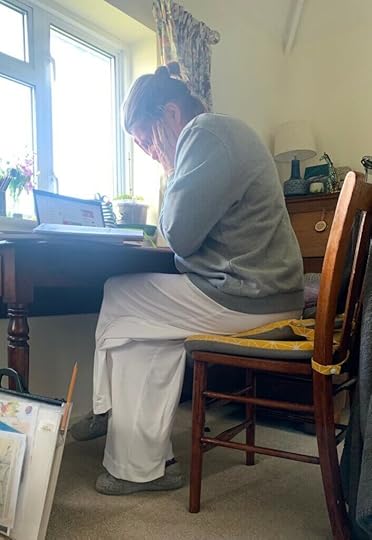
I’m talking to you and to anyone who has looked at a friend or a stranger and seen their pain and suffering and decided to share a suggestion or enquire about their medical condition. You might think you’re helping by sharing the amazing skin cream your cousin’s, mother’s dog used to heal their skin rash. You might think you’re being nice by saying, ‘but you look pretty’… but honestly, you’re probably not helping at all, and here’s why.
We know you care and we know you are trying to help… but stop, just for a minute and consider the following:
Do you REALLY know the person? Because actually if you are a personal family member or close friend we really don’t mind you asking how we are, you guys probably DO know the daily struggle. Be prepared though for floods of tears because living with a chronic condition is really hard work. If you don’t really know someone , it’s none of your business. If they want to talk about it and start a conversation then that’s OK, but you have no right to ask. You might think I’m overreacting or being over sensitive… but keep reading…Does it look painful or challenging? If it looks sore, painful, uncomfortable or challenging then trust that it is and also know that we are also very aware of it. We have probably struggled to get ourselves out of the door and definitely don’t want to have our appearance commented on. We are just trying to get through the day and be treated like normal…Are you just interested? If you’re thinking, crikey I’ve not seen skin like that before… what on earth is going on? That’s just your natural human inquisitiveness kicking in. It’s perfectly normal and it’s what makes us such a fascinating race. We are interested in each other, we ask questions, we want to learn. But there is a time and place for learning. If you genuinely want to talk to someone who you can see has a visible difference, please try to just talk about normal stuff. The weather, compliment them on something they are wearing for instance. Anything but – what’s wrong with your skin? How did you get burnt? Have you been the doctor about that? We really just want to be normal, to blend in, to be ourselves and be respected by others. Our medical condition is none of your business.Is what you’re about to say kind, helpful or true? –This is something my Nana taught me when I was being particularly vile to my incredibly annoying (at the time – I adore, admire and absolutely cherish her now) little sister. Because if it’s not any of the three things listed above, keep your mouth firmly shut. Just count for a few seconds and you’ll probably realise it’s not wise to comment.Is it just sympathy? If it’s sympathy, it can come over as patronising and often unhelpful. For instance, if you feel sympathy for someone’s medical condition… never ever say anything like the following… “Oh poor you, I could never live like that.” Or “ I could never go out looking like that.” Both statements that have been said to me over and over again. Consider how that makes a person feel. What can they possibly respond? Are they supposed to be feel grateful and thank you for your pity? All it does it pours shame onto them when they probably already feel some shame or embarrassment. They might be strong enough not to take that the wrong way but many people could be crushed or angered by such statements. We are just getting on with our lives as best we can, we don’t have any other choice.Are you just tying to be nice? – this last one is really hard to explain, but as TSW has affected my face, stripped the collagen, caused inflammation and swelling and deep crevices and wrinkles, I find it hard to see my face and love myself. I know that’s wrong and I’m working on it. But if I or someone shares that they’re struggling a little with their skin, you saying ‘but it looks fine’ doesn’t help. It might seem like a nice thing to say but it just feels dismissive. It isn’t fine, it’s sore and painful and consumes a huge amount of our lives coping. Consequently we bury our true feelings and don’t feel we can continue to be struggling with this thing that just never seems to get better. So we won’t talk to you about how we really feel again. Particularly when the person say, but you look fine, usually has skin you would die for!Are you trying to help? NEVER offer us suggestions for our skin – Everyone with a chronic skin condition will have been offered every helpful suggestion under the sun and many from those trying to profit from our skin condition. We don’t want to know, have already tuned you out and will not be taking your advice. Trust me when I say, we have tried EVERYTHING we can afford to try and found what helps. Most of what you’re suggesting will probably make us worse and we do not want your advice! Are you just worried about us? – I get it, you might be really concerned about a person’s health and wellbeing. You can offer help without being judgemental. Ask what you can do for someone. Do they need anything? Can you do some task or collect food or a prescription? Don’t tell us to stop scratching, eat this or that food, or go the doctor for advice. We’ve been there and done that. Just being there for someone and checking in is far more helpful.Finally, if it’s empathy then you’re half way to finding a kind way to engage with someone. If you can stop for a second and really imagine yourself in their shoes, living what they live, you will realise that all they really need is your kindness and respect.
How to respond kindly to someone in painJust say Hi, how are you? Can I get you a drink? I love that scarf! Find some safe common ground to get chatting and you’ll be doing them the world of good compared to any of the above problem flag areas.
I’ve wanted to write about this for a while now and find it hard to get the right tone. We know you care, we understand you want to help but honestly, you’re not helping. Don’t say it, keep it to yourself, because we have tried everything, we are struggling and we do not want advice, just kindness. If we wanted advice we might ask for it but if we don’t? Just get us tea and cake.
I’d love to hear your thoughts. Are we just being over sensitive snow flakes who need to man up?
If you think so, then perhaps imagine if people referred to your appearance on a daily basis. People don’t mean to be unkind but the sheer volume of passive judgement is astounding. It happens across many conditions:
Friends who use wheelchairs being asked why they can’t walkPeople carrying a bit of extra weight are constantly judgedRacism is still a very real problemHomophobia is less of a problem but it’s still out thereCyber bullying and online trollingI think it’s actually a real problem. People just don’t think before they speak, a problem made worse when a keyboard is involved.
Just all stop it will you! Think before you speak or comment, because one day it might you on the other end of the judgement.
You may also be interested in reading:Responding to difficult commentsJust F*ck off! – a rant about people commenting on my skinHow EMT can help you destressHow to respond when people comment on your skin – a brilliant blog by Lexi who has RosaceaThe post You have no right to my personal healing story first appeared on What Allergy Blog.What if I never heal from TSW? Long Haul Hell!
Going through topical steroid withdrawal (TSW) is hands down the hardest thing I’ve ever decided to do. I was going to write ‘done’, but it’s not done yet. At nearly 4.5 years in now I’m still experiencing TSW symptoms:
Inflammation on my face, called red face syndromeFacial swelling that cycles into crusting and flaking on my faceLoss of all my eyebrows again for the fourth time. I don’t like how I look without eye brows.Collagen stripping and deep crevices, like wrinkles but not the same as they itch deep insideI don’t like how i look in the mirror. I look ill, old, red, puffy and it makes me so sad.Red sleeves, typical of TSW. These I can handle, wrap, bandage and treat until the cycle passes.Open oozing wound on chest (this has just closed up and stopped oozing as of today so let’s celebrate the small wins!) When you’re just pleased your boobs have stopped oozing that says a lot about the general effort of every day life with TSW.I can handle the rest of my body because I can cover, bandage and hide it much more easily.
The face is often the worst affected area in TSWIt’s just my face that breaks my heart. And please don’t comment below, but you look fine, fab, pretty… whatever… I may look all those things to you but how I feel about my appearance is very real and cannot be dismissed with some kind comments.
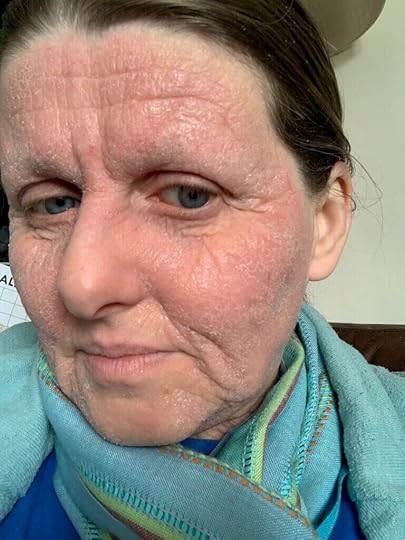
I see people staring, double takes and looking for just that little bit too long. I get lovely comments on posts on facebook saying things like, “are you flaring again? what caused this latest flare?” or “you look so much better”. Should I take these comments better than I do? because both annoy me. I know I’m flaring so please don’t ask me about it. If I want your advice I’ll ask you. And the compliments are so difficult to explain… sometimes I’ve spent hours deflaking in a dead sea salt bath and it’s the only day I’ve felt good enough to venture out… so what you don’t see is the carnage going on at home behind closed doors. It’s then very hard to be honest that things are not ok.
Find anything else to discuss with me, but unless I mention it, don’t make it my appearance… good or bad. I know this sounds messed up but I think I am very sensitive, and very proud to be sensitive. It gives me so much empathy for others. Just maybe take a few seconds before writing/speaking and avoid the elephant in the room!
Why it’s so hard going through TSWIt makes me feel triggered in so many ways. Seeing others heal, seeing people doing better, feeling a need to share but an overwhelming apathy that it’s boring to be still going through this. How does it help anyone to hear it’s still not healed?
Why is this still happening to me?Why haven’t I healed yet?It triggers others who can’t believe I’m still going and approaching 4.5 years in TSWI get direct messages and comments from shocked and horrified people that I’m still not healed That’s not easy to hear.It is exhaustingI have lost so much income and struggle to pay my bills because normal work is too hardSleep is affected and disruptedDaily life is often a struggleI worry every day what my skin will be likeIt hurtsI’ve forgotten what normal life is like because every day is consumed from the moment I wake to the moment I sleep with managing my skin.Positivity has got me this far so it can get me all the waySafe to say, I am usually a very positive person but I’m finding things hard at the moment. Probably compounded by a lack of finances so I am not eating quite so much fresh produce because my food budget each week is tiny. I have to spend on my essential dead sea salts and favourite safe skin care products, but otherwise can’t buy anything extra. However I am finding confidence in small joys and tiny improvements
Learning how to manage itching and minimise damage from scratching is my super powerSelf care and self love are now my favourite hobbiesI try to walk and do some yoga stretching every day – it really helpsMy skin can heal so it will heal againHere’s some random pics of how my skin looked before and during TSW
TSW through the yearsHealing from topical steroid withdrawal is not linear, I have seen some incredible healing only to relapse again. But I know I will heal. I’ve seen others heal and know it just takes time.
A total lack of any supportIt’s harder because if you’re going through TSW you don’t get any support or recognition, apart from a few people who have been diagnosed.
No diagnosisDermatologist refuses to discussNo support or advise from anyone in the dermatology professionNo support from the NHS now since I’ve stopped using any mainstream medication, I now have to buy everything myself£1000’s spent on natural skincare, dead sea salts, bandages, tubular bandages, gauze, tea tree oil, ear cleaning procedures, therapy, all out of my own pocket.No support from my previous employers who basically made it uncomfortable and impossible to stay working – asking for help and telling my boss I was struggling resulted in one of the most humiliating meetings of my life. I decided to leave because I was then so poorly, not sleeping and bandaged up most days, crying in the loos. There was no support there and I decided to find rest and self care by leaving the job. It’s a long story.Lost income as I don’t and cannot now work full timeI am feeling a bit sorry for myself this week if I’m honest. It’s increcibly hard going through this on my own.
How long does it typically take to heal from TSW?It can take anything from 6 months to 10 years. There are so many things that can impact healing and we just don’t know enough about the condition yet. How much, what potency topical steroids, how often used, where used, how long used for… it’s endless and no one was monitoring or recording things. I can’t remember at all now what exactly I used but I know I was very sparing in my use. Something always made me feel uncomfortable using the creams.
Fellow TSW survivor Kelly took ten years to heal. My friend Nina has been through 8 years in TSW and is still healing. There are so many of us in the 3+ years stage and I would call all of us long haulers. If you’re a long hauler please share what helps you get through this in the comments below – I could do with some cheering up.
Thanks to everyone who has been there for me xxxI have some wonderful people who look out for me, help me and support me. I really am eternally grateful. I am doing OK too, I trust and hope that I will heal, because every year I think it’s easier. My healing crises are not as bad each time, but this one is pretty tough. I just don’t want to be seen, to witness the double take at my red, swollen or crusty and flaking face. I just want it to end.
And right now there is no end in sight. I think not having any idea how long it will take you to get better is one of the hardest parts of this healing journey.
Grateful for every silver lining and small victoryBut having written all this down I do now feel a little better. I have a wonderful TSW whatsapp group which is a safe place to vent and share and they honestly keep me sane. One guy, Gav commented today – every second, minute, hour that you managed to not scratch is a win… so yes. there have been so many improvements. I am not itching all day and all night any more and can get a good amount of sleep so TSW can take my face and my eyebrows again it is likes. I am here for the long haul.
You may also be interested in reading:ITSAN the charity for topical steroid withdrawalTopical Steroid Withdrawal – Frequently Asked QuestionsThe Shape of Skin – poetry for people with eczema and TSW – get in on Amazon now!The post What if I never heal from TSW? Long Haul Hell! first appeared on What Allergy Blog.Earn money for sharing your medical insights
This one’s for all you clinicians, nurses, doctors and medical experts out there. I know some of you read this. You could earn money for answering surveys based on your experience as a clinician or health care expert.

Make your mark on market research by taking Sermo’s paid medical surveys for physicians.
Who are Sermo?Physicians, join Sermo to swap insights and get paid for your medical knowledge.
Engaging with more than 1.3 million HCPs across 150 countries, Sermo offer a unique physician-only online community that helps members to improve patient care, earn additional income and discuss medical topics with other verified doctors.
 How does the Sermo survey platform work?
Sign up today to join Sermo, share your experiences and you could be earning money:
Sermo members earned $20 million+ last year!Discuss trending medical news, clinical experiences and more with physicians in 150+ countries and 90+ specialtiesImprove outcomes by searching the world’s largest database of physician drug ratings with 1.1 million+ reviewsBuild your reputation as a thought leader among your peersWhat’s not to like? Please pass this to any colleagues you think may be interested.
Sign up to Sermo today!I’d love to hear from anyone who has used this platform. How much did you earn? Does it work? How do you think it helps improve patient care?
Why isn’t there a patient’s sharing platform too?What’s missing here is that information gap, between clinician and patient. Should we also be collecting the experiences of patients?
I feel slightly uncomfortable hearing clinicians can early money sharing like this, yet certainly in the UK where I live, patients are left with long waiting lists, struggling to get seen and often not finding answers for years.
There are a number of conditions where we need to do better for patients
Primodos – a hormonal pregnancy test, withdrawn from the market in the 1978, which is thought to be associated with birth defects and miscarriages. The manufacturer, Schering, now part of Bayer, has always denied a link between the drug and deformities in babies.Sodium valproate – an epilepsy drug which, while effective for preventing seizures, can be harmful if taken during pregnancy, causing physical abnormalities to the baby in the womb as well as developmental delay and autism in children whose mothers took it.Pelvic mesh implants – used as a surgical option to treat prolapse and incontinence, some women say they have been left with internal damage and agonising chronic pain “like razors inside the body”. In the last few years, the procedure has only been offered on the NHS under exceptional circumstances and high vigilance.Topical Steroid Withdrawal – creams prescribed to heal eczema and other inflammatory skin conditions cause addition, red skin syndrome and debilitating breakdown of the bodies whole skin organ when TS no longer work and patients are left unable to work, in excruciating pain and little or now support. No diagnosis and years of struggling to heal alone.Clinicians need to start listening to patients and recognising, acknowledging and diagnosing these issues sooner to avoid so many going through preventable prolonged suffering.
Please read the ‘Do no harm’ reviewBaroness Cumberledge undertook the ‘Do no harm’ review which concluded:
Calling for an apology to families,That a patient safety commissioner is appointed to be their port of call,A redress agency for those harmed, As well as specialist centres.A central database to be created by collecting key details including the patient, the implanted device, and the surgeon etc.Wales already has two specialist mesh removal centres in Cardiff and Swansea – set up in 2018 after interim recommendations – and £1m-a-year funding for a Women’s Health Implementation Group, which has created a network of clinicians across Wales to help women with these conditions.Not many of Baroness Cumberledge’s recommendations have yet been actioned so hopefully Sermo’s research can help to speed this along. For a link to the report and to read the paralells with topical steroid withdrawal, read ‘Topical Steroids Harm us not heal us’.
Patients can report adverse reactionsYou should report any adverse reactions to drugs and treatments using the Yellow Card Scheme in the UK.
For advice on how to best report Topical Steroid Withdrawal in your country, read Reporting TSW on the Yellow Card Scheme.
Whilst you can’t currently earn money from sharing your experiences, you should share problems because if we don’t, how can the MHRA know what’s going on?
Have you reported any medication?
The post Earn money for sharing your medical insights first appeared on What Allergy Blog.April 27, 2023
How to get turmeric for your eczema & asthma
Inflammation can affect many conditions, including asthma, allergies, eczema and psoriasis. So what can we do to help reduce that inflammation in our bodies? There are loads of things that can help, including:
Avoiding processed foodReducing alcohol intakeReducing anxiety and stressGetting regular exerciseTaking a turmeric – curcumin supplementWim Hoff treatment using cold water therapyMeditationLearning self care, relaxation and self loveAnd many many more things. It takes a lifetime of searching for all the little triggers that might cause one person inflammation and no two people are identical so it’s a personal journey to find your flare causes.
What is turmeric / curcumin?Turmeric, and its active ingredient curcumin, may have anti-inflammatory, anticancer, antioxidant, and other benefits. Turmeric grows from a Rhizome and is a member of the spice family. It adds a light heat to food and a lovely orange colour too.
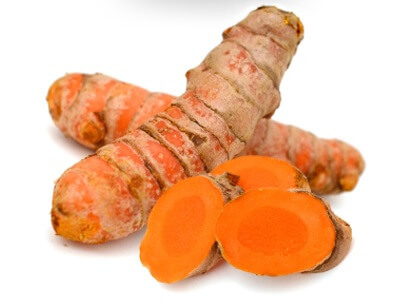 Incorporate turmeric in your diet as much as you canAlways include cracked black pepper along with the turmeric to aid absorptionIt can be used in cooking, baking and herbal teasIt can benefit skin, gut and respiratory health
It’s a great addition to your daily diet and supplements. You may not want to eat turmeric with everything so supplements can help you get regular intake of curcumin.
A recipe for adding turmeric to your morningYou’ll need turmeric, black pepper, ground flax seed, ginger and garlic.
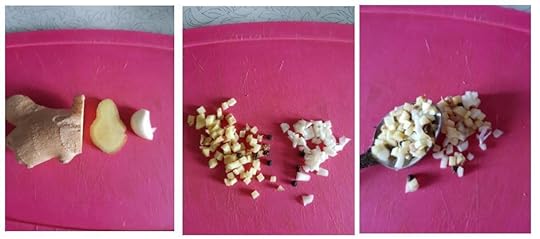 Finely chop the garlic, turmeric and ginger as small as you canAdd a pinch of black pepperHalf a teaspoon of ground flax seed Swallow it down from a teaspoon
I found this really hard to do, but that’s how you could take it. I chose to mix it in boiling water and make a kind of herbal tea in quite a small mug. That way I could get it down. Or I mixed it up and made an oat pancake with it – pretty good too!
I can’t attest to any amazing healing or miraculous transformation but doing small things like this for your body regularly should help to slowly reduce inflammation.
This recipe was given to me by Katerina Glebova.
Where can I find curcumin supplements?You can find turmeric and curcumin supplements in most health food stores but make sure you buy a good quality product. One reputable source can be found on the Buy Health website (US only). Use the button below to find out more:
Buy CurcuminIn the UK you can buy Turmeric from Holland and Barrett. Solgar Turmeric is a brand I would recommend.
Do you take a turmeric supplement or eat it regularly? Do you think it helps? I’d love to hear your thoughts.
Further reading on curcumin and turmeric10 proven benefits of taking curcumin and turmericThe many health benefits of turmeric (and curcumin)You may also be interested in reading:15 natural cold sore remediesMy favourite soup and bowl mealsThe post How to get turmeric for your eczema & asthma first appeared on What Allergy Blog.