
W. Terry Whalin's Blog, page 47
February 21, 2017
When You Feel Like Giving Up

If we are honest, not every day in publishing is fun. Sometimes it feels like we are on one of those climbing walls and the way forward looks impossible. Yet even in those difficult days, I continue hitting the keyboard and cranking out words and stories. Other days I spend on the phone with authors or answering emails and questions about contracts or other issues.
Yet in the midst of the opportunities or challenges, I continue helping authors create new books through my work as an acquisitions editor. I continue to write for new blogs or magazines and working on my social media and growing my own measure of influence in the marketplace. I continue the work because I believe in the life-changing effects of books. I know that first hand as I explained in this short video several years ago:
Often we can't see the results of our writing and how it is affecting others. Recently I was listening to actress Lauren Graham's memoir, Talking As Fast As I Can . I enjoyed this story she told about bestselling author James Patterson. Graham was in Atlanta and about to begin filming Middle School, based on the books by Patterson and Chris Tebbetts. At the cast dinner, Graham was seated next to Patterson. She turned and asked him a question that he had probably been asked many times, “How do you do it?”
“He turned to and said, “Keep going, keep going, keep going.”
I found this story encouraging that even mega-bestselling author like James Patterson has to use this mantra of keep going. Each of face different curve balls along the publishing journey. Maybe your editor leaves the publishing house and you have to work with a different editor. Maybe your publishing house closes or gets sold to another publisher. Maybe you face an unexpected family crisis of health or any number of other situations. The challenges of life are plenty for everyone and enough for some people to throw in the towel and not move forward.
From my experience and listening to numerous stories from bestselling authors, the people who succeed and write their bestseller or find their best publishing opportunity, are the ones who keep going. Many authors give up too early in the process and do not keep looking for the right publisher at the right time and the right place.
As someone who has been studying about publishing for many years, admittedly there is a lot to learn for every writer. You need to learn how to craft a pitch to an editor or a literary agent. You need to learn how to write excellent stories and then do the long-term work of telling people about your book (marketing).
I love the advice best-selling author Harvey MacKay gave in this recent article called Never Give Up. MacKay gives terrific specific details in this article and then he always has a summary statement that he calls a MacKay Moral: The hardest sale you'll ever make is to yourself. But once you're convinced you can do it, you can.
When you face the bump in the road of your writing life, I encourage you to keep going.
Tweetable:
As a writer, read this encouragement when you feel like giving up. (ClickToTweet)




February 13, 2017
Why Self-Publishing Is NOT "Easy"
[image error]
Publishing a book has never been easier. Almost everyone has a keyboard and a computer with the ability to crank in words and produce a manuscript—whether nonfiction or fiction. Authors struggle to find a literary agent and a traditional publishing deal. They get tired of crafting an excellent product, the waiting, and the rejection letters. Instead they decide to self-publish because that direction looks easy.
For over 20 years, I've been reading about publishing, writing and working in this business as an editor and writer. I encourage you to read this recent article from Jane Friedman, former editor at Writer's Digest and publishing expert. I want to quote a brief section of Friedman's article:
“Back in 2012, there were many headlines about the tremendous growth in self-publishing output as demonstrated by the increase in ISBNs used by indie authors.
Since then, Bowker—the agency that issues ISBNs in the United States—has continued to release annual stats that still show growth in the sector, but these numbers always come with important caveats, including:
Bowker’s figures don’t reflect all of the self-publishing activity out there. They can’t count books that don’t have ISBNs, and a considerable volume of self-pub titles are published and distributed without ISBNs.
Bowker’s counts are for ISBNs, not book titles. A single book title may use several ISBNs (e.g., one for the print edition, another for the ebook edition, and so on).
According to Bowker, ISBNs for self-published titles in 2015 reached 727,125, up from 599,721 in 2014, representing a 21% increase in one year. The increase since 2010 is 375%.
But I think more important is where the growth occurred. Bowker’s numbers indicate more authors are using Amazon’s CreateSpace, which is free to use; older, fee-based self-publishing services are falling out of favor. Here’s a selected glimpse (again, remember these are ISBN counts coming out of each service per year):
CreateSpace titles in 2010: 35,693
CreateSpace titles in 2015: 423,718 (+1,087%)
Author Solutions titles in 2010: 41,304
Author Solutions titles in 2015: 23,930 (-42%)
The only area of Author Solutions’ business that saw an ISBN increase in 2015 is WestBow, the Christian self-publishing imprint marketed through Thomas Nelson. Note that Penguin Random House, which used to own Author Solutions, sold it off in January 2016, unloading what was probably seen as an albatross.”
Are these statistics a surprise to you?
The increase of over 1,000% percent on CreateSpace was startling.If you publish through CreateSpace, your book is only on Amazon and not available in other formats.
If you decide to self-publish, understand several facts: First, you are establishing a world-wide sales record of your publishing efforts. Traditional publishers and literary agents look at this information to decide if they are going to publish your next book or take you on as a client. Second, you are in complete control of your work which may feel easier but also you are responsible for all the details of the book creation (excellent cover design, well-written writing, distribution and sales).
Yes the creation of books has never been easier. Here's the reality that few people will tell you: making the book is easy but getting people to purchase the book will take hard work and persistent effort. If you have developed relationships with people in your target market and connect with them often. More specifically if you connect to your audience through an email list and speaking to them face to face, then yes you can sell your book.
No matter what I write, a number of you are going to take the leap into self-publishing. Here's several action steps if you go this route:
1. Work with an experienced editor to create an excellent book.
2. Work with professional cover designers and people to format and produce a book where every detail looks like something from one of the big five traditional publishers. This means including elements like endorsements and words on the spine of the book (including a publishing logo on the bottom of that spine).

3. Keep working consistently to grow your audience. Get my free ebook, Platform-Building Ideas for Every Author and trying new avenues to market and sell your book.
4. Continue to learn all you can about publishing. Get a copy of my Book Proposals That Sell and study the publishing insights in this book.
5. Never give up on your book. As the author, you have the greatest interest and passion for your book. This statement is true no matter whether you are traditionally published or self-publish. Always be looking for new opportunities to write or speak about your book.
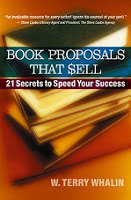
This last point is something that I try and model with my own books. For example, in the header of my twitter profile, you see my Book Proposals That Sell book which is only available from me. My Jumpstart Your Publishing Dreams book is in my bio for my recent Southern Writer magazine column . And finally, I continue to do radio interviews for my Billy Graham biography which came out over two years ago. Just follow this link to see some of the recent interviews and listen to them.
Have you self-published? Was it a good experience and “easy?” I look forward to reading your comments.
Tweetable:
Why Self-Publishing is NOT “Easy” and other insights. (ClickToTweet)
Publishing a book has never been easier. Almost everyone has a keyboard and a computer with the ability to crank in words and produce a manuscript—whether nonfiction or fiction. Authors struggle to find a literary agent and a traditional publishing deal. They get tired of crafting an excellent product, the waiting, and the rejection letters. Instead they decide to self-publish because that direction looks easy.
For over 20 years, I've been reading about publishing, writing and working in this business as an editor and writer. I encourage you to read this recent article from Jane Friedman, former editor at Writer's Digest and publishing expert. I want to quote a brief section of Friedman's article:
“Back in 2012, there were many headlines about the tremendous growth in self-publishing output as demonstrated by the increase in ISBNs used by indie authors.
Since then, Bowker—the agency that issues ISBNs in the United States—has continued to release annual stats that still show growth in the sector, but these numbers always come with important caveats, including:
Bowker’s figures don’t reflect all of the self-publishing activity out there. They can’t count books that don’t have ISBNs, and a considerable volume of self-pub titles are published and distributed without ISBNs.
Bowker’s counts are for ISBNs, not book titles. A single book title may use several ISBNs (e.g., one for the print edition, another for the ebook edition, and so on).
According to Bowker, ISBNs for self-published titles in 2015 reached 727,125, up from 599,721 in 2014, representing a 21% increase in one year. The increase since 2010 is 375%.
But I think more important is where the growth occurred. Bowker’s numbers indicate more authors are using Amazon’s CreateSpace, which is free to use; older, fee-based self-publishing services are falling out of favor. Here’s a selected glimpse (again, remember these are ISBN counts coming out of each service per year):
CreateSpace titles in 2010: 35,693
CreateSpace titles in 2015: 423,718 (+1,087%)
Author Solutions titles in 2010: 41,304
Author Solutions titles in 2015: 23,930 (-42%)
The only area of Author Solutions’ business that saw an ISBN increase in 2015 is WestBow, the Christian self-publishing imprint marketed through Thomas Nelson. Note that Penguin Random House, which used to own Author Solutions, sold it off in January 2016, unloading what was probably seen as an albatross.”
Are these statistics a surprise to you?
The increase of over 1,000% percent on CreateSpace was startling.If you publish through CreateSpace, your book is only on Amazon and not available in other formats.
If you decide to self-publish, understand several facts: First, you are establishing a world-wide sales record of your publishing efforts. Traditional publishers and literary agents look at this information to decide if they are going to publish your next book or take you on as a client. Second, you are in complete control of your work which may feel easier but also you are responsible for all the details of the book creation (excellent cover design, well-written writing, distribution and sales).
Yes the creation of books has never been easier. Here's the reality that few people will tell you: making the book is easy but getting people to purchase the book will take hard work and persistent effort. If you have developed relationships with people in your target market and connect with them often. More specifically if you connect to your audience through an email list and speaking to them face to face, then yes you can sell your book.
No matter what I write, a number of you are going to take the leap into self-publishing. Here's several action steps if you go this route:
1. Work with an experienced editor to create an excellent book.
2. Work with professional cover designers and people to format and produce a book where every detail looks like something from one of the big five traditional publishers. This means including elements like endorsements and words on the spine of the book (including a publishing logo on the bottom of that spine).
3. Keep working consistently to grow your audience. Get my free ebook, Platform-Building Ideas for Every Author and trying new avenues to market and sell your book.
4. Continue to learn all you can about publishing. Get a copy of my Book Proposals That Sell and study the publishing insights in this book.
5. Never give up on your book. As the author, you have the greatest interest and passion for your book. This statement is true no matter whether you are traditionally published or self-publish. Always be looking for new opportunities to write or speak about your book.
This last point is something that I try and model with my own books. For example, in the header of my twitter profile, you see my Book Proposals That Sell book which is only available from me. My Jumpstart Your Publishing Dreams book is in my bio for my recent Southern Writer magazine column . And finally, I continue to do radio interviews for my Billy Graham biography which came out over two years ago. Just follow this link to see some of the recent interviews and listen to them.
Have you self-published? Was it a good experience and “easy?” I look forward to reading your comments.
Tweetable:
Why Self-Publishing is NOT “Easy” and other insights. (ClickToTweet)
February 6, 2017
Three Reasons to Find and Join a Local Writer's Group

Writing is a solitary profession. You sit down at your keyboard, put your fingers on the keys and write words which turn into stories. As I've written about in the Writing Life, getting published can be fairly easy. You can publish the material online in a blog or any number of other ways such as wattpad. The challenge is far greater than getting it out into the market. The real challenge is finding readers who will rave about your work and tell others.
Many years ago, when I was beginning my days in publishing, I saw the value of connections to other writers. I lived in Southern California and was one of the founding board members of the Orange County Christian Writers. At the time, I worked in the U.S. headquarters for Wycliffe Bible Translators and the group met twice a year in our building—so it was convenient for me to attend the meetings. I helped set up the room the day before our Saturday session. Also through this group, I got involved in a writer's critique group.
Every writer's group needs volunteers. These groups are run on a shoe-string budget and volunteers are critical for the group to succeed and continue. As a volunteer, I was able to contribute to the group, but I also received and learned more from the experience. It's the first reason that every writer needs to find and join a local writer's group: increase your personal growth as a writer.
A local writer's group also provides the opportunity for inexpensive training (the second reason). For many of the large conferences, you have to travel on a plane, pay conference fees, etc. in a local setting you can learn a great deal and lower your expenses. While it was years ago, many of the speakers I met at those Orange County Christian Writers meetings are still active in the publishing world. The foundation of my relationship with these individuals started in a local writer's group.
Also in a local writer's group, you have the opportunity discover what others are writing and where they are finding opportunities to get published. As you meet new people and listen to what they are writing, these experiences can open new doors of opportunity in your own writing life. Maybe you've never thought about writing an opinion editorial for the local newspaper or writing for a compilation book like Chicken Soup for the Soul or ______. Yet as you hear what others are doing, it opens your mind and heart to new possibilities.
In the bold type, I've highlighted three reasons to find and join a local writer's group. There are many different types of local groups. If you are not in a group, I encourage you to look for one (use google) or look for a local chapter of a national writer's organization.
Last year, I learned the Nonfiction Authors Association was expanding their local chapter program. When I looked at the various locations, there was no chapter meeting in Colorado (nothing). I filled out an online form and volunteered to start the South Denver Chapter (really the only Colorado NAA chapter). I found a place to meet and we've had about half a dozen meetings. If you live in Colorado, I encourage you to check our home page—but especially begin attending the monthly meetings (the third Wednesday of every month). Each meeting will have a speaker on a different nonfiction topic.
No matter where you live, I encourage you to join the Nonfiction Authors Association. The basic membership is FREE. Every writer can profit and grow from being involved in a local writer's group. Are you active in a local writer's group? Tell me about it in the comments below.
If you don't have a local writer's group, you can always start one—like I did last year.
Tweetable:
Three Reasons to Locate & Join a Local Writer's Group. (ClickToTweet)
January 30, 2017
Why Attend a Writers' Conference?

Every year for the last 25+ years, I've been going to writers' conferences. Sometimes I'm teaching at these events and other times I am an attendee. No matter whether you are on the faculty or attending, conferences are key events to grow as a writer and meet new people. Why is this important?
We work with people that we know, like and trust--have a relationship. Relationships are formed and developed at conferences. I've written over 60 books and for more than 50 magazines. The roots of those books and magazines came from meeting an editor or agent at an event. My first book--a children's book with David C. Cook--happened because I met an editor at a conference.
From my perspective, there are several important aspects in going to a writers' conference:
1. Commit to attending a conference (large or small) on a consistent basis. I have had great experiences at small events and also large events.The bigger conferences have more editors and agents and more opportunity but also the competition for these people's attentionis also greater. There are many terrific events and you can follow this link to get more details about specific conferences.
2. Come prepared. You are investing time, energy and money to attend so you can meet an agent or a publisher. You can make it worth that investment if you do some homework ahead of time such as studying the faculty and their photos. Being aware of their photo and background will help you as you interact with them. Also bring lots of business cards to exchange with everyone you meet. Also as you study the faculty, you will be able to create specific pitches with your ideas. Your efforts to prepare will show to the faculty members and help increase your possibilities of getting writing work from the event (a common goal for many writers).
3. Throughout the event, meet as many people as you can. You will be able to meet people at meals, coffee breaks, waiting for a class to begin and any number of other places. Introduce yourself and ask questions about what they write and what they are learning. Make a point to exchange business cards with everyone and offer to help them. You never know who you are going to meet at these events. I encourage you to make the first move and reach out to others around you. Remember, many writers are introverts (and you may be as well). You will have to push yourself but it is worth the effort.
4. After the event, this step is one of the most important: follow-up and follow through on the requests and ideas. If someone asks you for something (magazine or book), get them the material as soon as possible while your meeting is fresh in their minds.
You may wonder how I've written all the material that I've done over the years. It's not any secret. I go to conferences, listen to the editors and agents, then do what they asked me to do. In other words, I send these professionals the requested proposal or article. Also I follow-up these submissions with solid writing. It's not that I'm the best storyteller or the best writer in the room. I am one of the most consistent in my follow-up and determination to meet the needs of the editor.
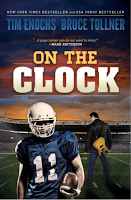
No matter whether you are writing your first magazine article or book or whether you've written dozens, the teaching, insights and relationships from conferences are critical to propel your writing life forward. Now as an acquisitions editor at a New York publisher, I go to conferences to make new connections and find new authors. If you haven't noticed, Morgan James Publishing had their first fiction book on the New York Times list (#12 right behind The Shack at #11) On The Clock , by Tim Enochs and Bruce Tollner. Be watching for it. I did not acquire it but I'm eager to read it soon.
Plan your action steps today to get to a conference. It can be a life-changing event for your writing life.
Tweetable:
Why should writers attend a conference? Get Four Key Actions here. (ClickToTweet)
January 23, 2017
Every Writer Needs the Right Connections

According to Malcolm Gladwell's book, The Tipping Point ,
there are three basic types of people: Connectors, Mavens and Salesmen. I
believe each of us have characteristics of each of these types. If you don't
have these characteristics, then you can learn and acquire them as a writer. In
this article, I want to emphasize the importance of connections and talk about
how you get connections in the first place.
For writers to succeed and get published,
they need to send the right material at the right time to the right place and
the right person. You are searching for a champion to communicate with you and
guide you to that right place. Admittedly you have to take action to find this
place and experience some mis-steps and rejection in the process. The persistent
search for the right connection is a key part of the writing
life.
Whether you've been in publishing for many years or
are just getting started you have connections. For each relationship, you need
to collect information and preserve this information in a format which you can
use. For example, I have an email list and for each email, it includes my
mailing address and phone along with my email address. The information makes me
easy to reach. A week ago, when I spoke at a writer's group, I brought business
cards and made sure each person who attended, got one of my cards to reach me if
needed.
As a writer you want to exchange information with
others and carefully put this information where you can easily access it. I put
much of it into my iPhone because the contact information is backed up
automatically and preserved. I also collect it through my email account and
online address book. I do not use the information carelessly—i.e. calling people
and wasting time chatting on the phone. I call or email when important to reach
the other person—admittedly a judgement call on your part.
Last weekend, one of the websites that I use
went down for the first time. The website is a critical piece in a teleseminar
event. This particular site collects the questions from the participants in
a
teleseminar. I've been using this site for years
and it has never gone down—until this weekend. I tried sending email messages
for help to their support address and anything else that I could think of to
reach the site. The bill that I get each month had a phone number attached to
it—so I called that phone number—yet it was no longer a valid number.I was
stuck. My event was stalled because of this missing piece. No one could register
for the event because the site was down. What else could I do? As typical, this
situation happened on the weekend and not during the week.
I recalled that the owner of this site was
good friends with another one of my contacts. For this particular contact, I had
his cell number in my phone. I sent a short text to this friend about the
situation and asked if he knew how to reach the owner. It turns out this friend
was in North Carolina in a mastermind meeting with the owner of the downed
website.
Since they were in a face to face meeting, they were away fro m their
email and computers. Because I reached them, the owner immediately looked into
his down website and in a short amount of time it was back up and running. My
event can go forward since everything is working now.In fact, if you want to
hear the event (which is now on replay), you can have immediate access to
it—just follow this link.
I'm certain there were many others who were stuck
with this down website. Yet through my contacts, I was able to creatively reach
the right person and get it resolved. There are several action points from this
story:
1. Always be working on increasing your
connections with different types of people.
2. Keep their information in a format that
you can easily access—on your phone or on your computer. I'm using
tools which are internet based and can be accessed any place. If it only on a
printed business card, then that information doesn't help you away from your
office. You want the information in a format you can access any many different
situations.
Last week I met with one of my new authors at
Morgan James Publishing. He was in
Colorado since his son was in a hockey tournament. Even though on the weekend, I
drove up to his hotel and we spent some time together, talked and exchanged
business cards. As a writer, you always need to be working on your connections
and relationships. You never know when a particular relationship will be
important to you.
Tweetable:
Writers Need Connections. Here's Tips on How to Get Them & Keep Them. (ClickToTweet)
January 15, 2017
A Place to Get Publishing Answers
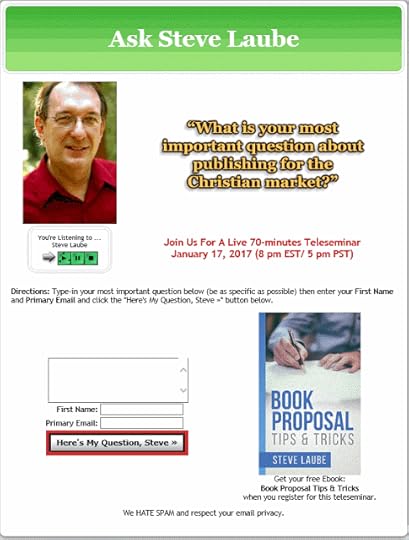
It is a challenge for writers to get answers to their publishing questions. While there are many opportunities, editors and agents are often overwhelmed with email and physical mail—so they do not respond. Your submissions go into a black hole (no response) or you receive a form rejection letter which basically says “thanks but no thanks” or “your submission was not a fit for us” (no information or insight about the reasons). I understand the reasons for these form letters but they don't give you the specifics that you need.

I want to tell you about a place to get answers. One place I blogged about last week, the Christian Writer's Market Guide. For more than 25 years, The Christian Writer's Market Guide has been the most comprehensive and highly recommended resource on the market for Christian writers, agents, editors, publishers, publicists, and writing teachers. In addition to providing a wealth of ideas and tips for publishing in the Christian industry, The 2017 Christian Writer's Market Guide also includes up-to-date information on more than 200 book publishers, more than 200 periodicals, and 70 literary agents, contests, conferences, editorial services, niche markets, self-publishing services, and more. This is the ultimate reference tool for Christian writers. I blogged more details about this book here.
Have you heard of Steve Laube?

To refresh your memory, Steve Laube is a literary agent and the president of The Steve Laube Agency. He has been in the book industry for over 35 years, first as a bookstore manager where he was awarded the National Store of the year by the Christian Booksellers Association. Then Steve spent a decade with Bethany House Publishers and was named the Editor of the Year. Later he became an agent where he has
represented nearly 1,000 new books and was named Agent of the Year by the American Christian Fiction Writers. In addition, Steve is the publisher at Enclave Publishing, an imprint of Gilead Publishing, and also serves as president and owner of The Christian Writers Institute.
Why am I telling you this?
I'm telling you this because I have convinced Steve Laube to grill him during a LIVE 70-minute telewebcast on Tuesday, January 17th!
* * * Here's Our Small Request * * *
Rather than have the “content” to come out of my head (or Steve's head) for the January 17, 2017 telewebcast at 5 p.m. PDT / 8:00 p.m. EDT, I have decided to let you ask Steve a question.
Sound fair?
So, if you could ask Steve ANY question you wanted about publishing for the Christian writer, what would your question be?
Here's your chance to ask Steve directly and get registered for the call on Tuesday, January 17, 2017 (starts promptly according to www.Time.gov).
Click the link below:
http://www.askstevelaube.com

* * Get a FREE Ebook, Book Proposal Tips & Tricks * *
You will receive a 47-page Ebook, Book Proposal Tips & Tricks. It's FREE if you ask a question and
register for this telewebcast.
Click the link below:
http://www.askstevelaube.com
After your question gets submitted, you'll find out how to get phone access and webcast access to Steve Laube and I for the LIVE telewebcast, January 17, 2017.
If you can't make the time of the call, please go ahead and sign up anyway. The entire teleseminar will be recorded and EVERYONE who signs up will receive an email with the replay link. Also if you sign up, you will be able to download the FREE Ebook right away.
I look forward to speaking with you on Tuesday as we answer your questions about writing for the Christian marketplace.
Tweetable:
If you write for the Christian market, where do you find answers to your questions? (ClickToTweet)
January 10, 2017
Four Ways To Use An Essential Reference Book

For over 20 years, I’ve been actively writing and publishing in the Christian market with magazines and books. The professionals (editors and agents) are constantly changing. New publications enter the market and old long established magazines fold. For many years, one of the best resources for keeping track of these shifts was THE CHRISTIAN WRITERS MARKET GUIDE. This annual publication contained the latest information packed into one book. Sally E. Stuart was the creator of this resource for many years. Then several years ago, she sold the market guide to bestselling author Jerry B. Jenkins. The last guide from Jenkins was dated 2015 to 2016—which means the last time the information was updated in late 2014 or three years ago.
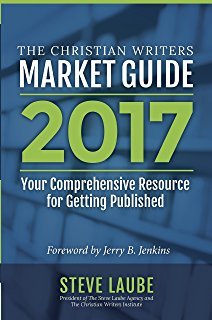
I’m delighted to see THE CHRISTIAN WRITERS MARKET GUIDE 2017 from Steve Laube. A well-known Christian publishing professional, Steve has brought this new version back to the market with new tech innovation—a monthly subscription to get the latest updates online. I’ll admit to being old school and love using the printed book resource.
As Laube writes in the introduction, “While it may seem like the industry is shrinking, in reality, it is simply changing. Thus you have to research more to find the best place for your work to shine. One of the biggest mistakes a writer can make is to ignore the guidelines of an agent, a publisher or an editor. Some publishers even dropped their listing in this guide due to writers failing to follow the instructions posted on their website or in here. Editors are looking for writers who understand their periodicals or publishing houses and their unique approaches to the marketplace. This book will help you be such a writer. With a little time and effort, you can meet an editor’s expectations, distinguish yourself as a professional, and sell what you write.” (Page ix)
The volume is divided into five sections: book publishers, independent book publishing, periodical publishers, specialty markets, and support for writers (agents, conferences, writers groups, editorial services, publicity and marketing services and contests.
As the back cover proclaims, “Over 1,000 listings including more than 200 book publishers, 200 periodical publishers, 70 agents, 100 freelance editors, and much, much more!” This annual volume and current update is a goldmine of information and opportunity to the Christian writer—but only if you get a copy and follow the information in it. I highly recommend this new resource.
Besides giving you some information about the book, I want to conclude this article with four ways you can use this reference book.
1. Discover new magazine markets in the section called Periodical Publishers. As a writer, you need to follow the guidelines. This refrain to follow the guidelines made repeatedly throughout the book. Why? Many writers ignore the guidelines, then they wonder why they got rejected. If you follow the guidelines, you will stand out in a positive way—and be successful as a writer. When the magazine requests “query only” then learn to write and send a query. If they want the complete article, then send the article. Besides discovering new magazines, you can also be reminded about other publications where you can get published. This section is packed with possibilities for every Christian writer.
2. Locate a book publisher. Other authors are looking for a book publisher and this section of the guide has the latest and up to date information about publishers. Some publishers require a literary agent while others do not. Use this section to make sure what you are sending is what the publisher is asking to get from you.
3. Select a writer's conference. The Market Guide includes a comprehensive list of conferences, dates, location, number of attendees and much more. Again this resource is valuable for every writer to attend the conference which best fits their particular need.
4. Locate a literary agent. The Market Guide includes a great list of agents with their contact information and what they are looking to represent.
The key for these different ideas is to use the book. If you get the book (first step) and it sits on your bookshelf without use, then you don't propel your writing life forward.
Tweetable:
Discover Four Ways to Use An Essential Reference Book. (ClickToTweet)
January 1, 2017
Develop Habits for Writing Success

Happy New Year. This article is my first for 2017. When the calendar changes to another year (like this week), it provides an opportunity to evaluate the past and also to look ahead to the future. I suspect you've been doing a little of this type of thinking in your own life since I've been doing it. What actions did you take during the last 12 months for your writing life that succeeded and which ones do you need to stop or change?

As I examine my days, I'm a creature of habits. For example, I begin each day spending time reading the Bible. It's a pattern that I've done for many years. Each year I select a different version of the Bible to read throughout the year. Last year, I read The One Year Bible in the New Living Translation. This year I'll be reading Eugene Peterson's The Daily Message . It's part of my spiritual habit that feeds into my life as a writer and editor.
Besides spiritual habits, I have habits with Twitter. In past entries, I've detailed how each day I'm using tools (mostly free) to grow my presence in the market and community—and also increase my presence on social media. These habits do not take much time but have consistently grown my presence—so they will be something I will continue in the days ahead.

I have a number of other habits in my life—consistent practices and actions. During the last year, I've stepped up my consumption of books by listening to more audio books through Overdrive. Recently I completed listening to the audio book of The Power of Habit by Charles Dihigg. The book explains the science and practical nature of habits including how we form new habits and replace old ones. I found the stories fascinating and informative. Until listening to this book, I didn't know about the history of the creation of toothpaste and how brushing teeth became a habit. If you want to learn about this important aspect of life, I recommend you track down this book through your library (Overdrive like I did) or purchase a copy and read it, then apply it to your own life.
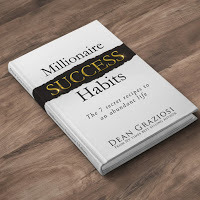
Another resource on habits that I recently read is Millionaire Success Habits by Dean Graziosi. I enjoyed the book and learned a great deal from it. Apart from the book Graziosi has created The Better Life Challenge where in 30 days you can transform your life in as little as three minutes. This resources is FREE and you don't have to read the book—but simply take action every day for 30 days. Just use this link to learn more details and sign up to learn through this tool.

The writing life is much more of a marathon than a sprint. I often meet writers who believe that one book or one action will propel them to bestseller status. Sadly this belief is a publishing myth. Repeatedly I hear about writers who are called an “overnight” success because they've suddenly sold a lot of books. Yet when you look into the details, you will normally discover this author has been in the trenches faithfully working for years to achieve such a position.
What skills or habits do you want to develop in the months ahead? Are you taking consistent action to gain the knowledge and insights you need to get there? Tell me about your plans in the comment below and if I can help you, let me know.
Here's wishing you a successful 2017.
Tweetable:
Writing Habits Can Change Your Life. Check out these resources. (ClickToTweet)
December 27, 2016
Boost Your Book Marketing Opportunities

Many book authors don't want to face this question: Are you happy with your book sales during the past year? Take an honest look at your sales numbers—which is much better than ignoring them. Are there things you can do differently in the days ahead to sell books?

If you've written a Christian book, then you need to get a copy of Your Guide to Marketing Books in the Christian Marketplace by Sarah Bolme. This book is packed with a wide range of information and resources. Whether you are launching a new book, selling a book which has been in the market for a while or targeting special markets like homeschool, Spanish or African American, every author will find many insights in these pages.
As someone who has been in the Christian market for many years as an author and editor, I appreciated the honest and forthright information in this book. For example, in the introduction, Sarah Bolme writes, “Today, almost half of all books are self-published. According to Bowker, 40% of all books published in 2012 are self-published…However, the average self-published title still only sells between 40 and 200 copies. Often this is due to the author’s inexperience or lack of knowledge about how to market a book effectively.” (Page 3). A few paragraphs later, Bolme writes, “When promoting the Kingdom of God, getting books into people’s hands is God’s business. All you can do is what you know to do. Do that and ask God to bless your feeble efforts. After all, if he can feed over 5,000 people with two small fish and five little loaves of bread, He can multiply your marketing efforts to reach thousands of people, if that is His desire. Marketing and selling books is not a sprint; it is a marathon. Too many authors give up too quickly when they do not see immediate results.” (Page 4)
I love the websites and resources packed into these pages. Whether you have your first book or have written many books, you can easily find value and profit from studying these pages and applying it to your books. I appreciated the research and careful thought that went into these resources.
As Bolme writes, “Research shows that an unbeliever must have seven to twelve significant contacts with the Gospel message before they will become a Christian. This same principle holds true in marketing. Consumers generally need to be exposed to a new product seven to twelve times before they will purchase it. Familiarity is important. The more consumers see and hear about a product, the more likely they will eventually purchase the product. This theory holds true in marketing books to the Christian marketplace. Repeated exposure is essential. The more consumers see and hear about your books, the more likely they are to place orders for your titles.” (Page 132)
Your Guide to Marketing Books in the Christian Marketplace is not a book that you read once. Keep your yellow highlighter and post-its handy has you work through these pages. Every Christian author needs this book to open up new possibilities for their book, then take action to apply this information to their own book and marketing efforts. It is the application of this book which will make a difference for your book sales.
To get the best value from this book, I recommend you read it cover to cover. You will gain a realistic perspective about he Christian marketplace and the various opportunities. After a single reading, I recommend you return to the book and apply the information to your own marketing efforts. For example, if you need distribution, then explore the various websites in this chapter. If you need to engage more Christian media, then make detailed use of the websites in that chapter.
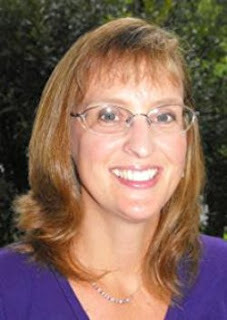
Also Sarah Bolme writes and informative blog called Marketing Christian Books (use the link to read it). Or better yet, use this link to subscribe to receive the updates through your email. I've been reading Sarah's work for some time and appreciate the value and insights in her articles.
If your book sales are not what you want (and this is true for almost every author), then take action. It is never too late (even if your book has been published for a while) to tell more people and increase your book sales. Instead of depending on happenstance or your publisher or someone else, take your own responsibility (the first principle of Jack Canfield's The Success Principles ) and move ahead with confidence.
Tweetable:
Selling enough copies of your Christian book? If not, use these ideas and resources. (ClickToTweet)
December 20, 2016
Prepare Now to Avoid Missed Opportunities

This week a couple of my Morgan James authors appeared on The Dr. Oz Show. This particular segment was filmed in October but aired this week. I was excited for these authors and set my DVR to record the show (since I rarely watch it). I found their segment and watched it. Their story was highlighted and interesting—yet something was missing. There was nothing in the story to indicate their full story appears in their book. The book or the book title was not mentioned. The result was another missed opportunity to tell a national audience about their story.
I've never appeared on this type of national television show. It must be full of tension and excitement for the author to make sure you answer the questions and make a great appearance on the show. The challenge for the author is to make sure no matter what message the television show wants to give—that you meet your own agenda (sell books).
This recent story is not the only time I've seen missed opportunities. Years ago I wrote a book called Running on Ice for Olympian Vonetta Flowers. She was the first African American to win a gold medal in the winter Olympics. In fact, Vonetta was on the 2006 U.S. team for the next Olympics in Turin, Italy. Katie Couric interviewed Vonetta on The Today Show. It was a great interview yet nothing in the interview mentioned that a book told Vonetta's story. While I'm pleased to have written this book, I wanted it to succeed in the marketplace (sell) yet the opportunity was missed.
No matter where you are in the writing and publishing world, now is the time to prepare yourself for these opportunities so you do not miss them. In the publishing world, we call it media training—and it's something every author needs to learn.
Here's three valuable yet inexpensive resources to prepare yourself for the media:
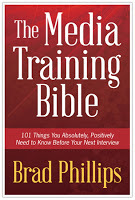
1. The Media Training Bible by Brad Phillips. I reviewed this book several years ago (follow the link). The seasoned advice and tips in this book are invaluable. Phillips is a well-known and excellent media trainer. Every writer will profit from a careful reading of The Media Training Bible .
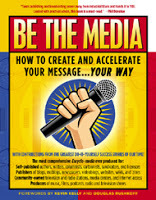
2. Be the Media compiled by David Mathison. This older book is excellent to help you know how to create your own message and different ways to get it out into the marketplace.
3. Gayle Murphy has been a journalist for many years. I interviewed Gayl in this free teleseminar and you can get her seasoned advice for every author about how to tell it to sell it.
For the last couple of years, I've been doing radio interviews to promote my Billy Graham biography. In the next two weeks.I'm scheduled to be on two LIVE radio shows telling stories from the book. It's fun and I'm grateful for these opportunities. Each time before the interview, I remind myself why I'm on these programs: first to be energetic and tell interesting stories about Billy Graham.
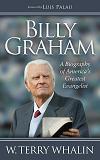
Yet integral to this agenda is my second key point: to make sure I tell people where they can get the book. I've created a website with multiple options to purchase the book. During several of these interviews, even if I am not asked about it, I take the initiative to weave into the conversation the specific name of my website and where people can get the book.
When you receive these types of opportunities for your writing, seize them—yet use wisdom to make sure you cover your own interests.
Tweetable:
Every author needs to prepare now for future opportunities with the media. Get resources here. (ClickToTweet)


![[image error]](https://4.bp.blogspot.com/-Oeu8800YRNk/WJ8ngGy-RYI/AAAAAAAADzs/pvcKvueu13EmKmOP3MzSgrXXztN9BCBoACLcB/s1600/books-768426_1280.jpg)