
W. Terry Whalin's Blog, page 46
May 1, 2017
Why Writers Need to Manage Their Information

Each of us moving quickly but are you carefully managing your data? We meet people at conferences and exchange business cards. As a practice, if you don't get a card, ask for one. You return home from an event, what do you do with this information? Do you throw the card away or into a drawer? Do you follow-up or keep the information?
1. Follow-up exchange emails. Shortly after a conference, I reach out with a short email to the people who I've exchanged cards and met during the event. The exchange shows validates that I've put the correct email into my system and gives us a brief connection.
2. Get the information into your computer or phone so you can locate and use later. I put the information I've collected either in my computer or some of it on my phone. Then I can easily locate it and use it later if needed.
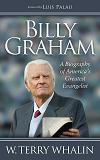
In recent weeks, I've been working on the audio book version of my Billy Graham biography. At first I was going to read the book myself, but I realize reading an audio book is a skill and one I would need to learn. Others can read the book. I selected a short sample for auditions and the audio book was put out for auditions. We received a record breaking 28 responses. I listened to most of the samples and working with my Morgan James colleagues we selected one excellent reader to record the book.
I listen to a number of audio books. One of the ways to set apart the Billy Graham audio book is to add a short clip from the hymn Just As I Am . Searching online for a recording, I found a beautiful rendition from the Gaithers. You can watch this short video here:
To use any of this recording in my audio book, I needed permission. Thankfully over ten years ago, I met Gloria Gaither and exchanged emails with her back then. Now with a current need, I looked in my files and still had her contact information (which I had not used in ten years).
Because I still had Gloria Gaither's contact information, I wrote a short email, reminding her of our exchange years ago, then asking for permission for the short audio clip. Within a few hours, I got a response—and royalty-free permission to use the clip. To be clear, this audio book is still in process and I don't know yet if the short audio clip will be used in the final product--but at least it is being considered and possibly may appear in the final audio. The experience showed me again the power of information and the need to keep this information in a format you can easily access when needed.
This basic skill is something I've been doing for many years as I travel to conferences and events. You can do it as well—whether you are just beginning as a writer or you are a seasoned professional. The information does little good in a stack of business cards. It should be put into some computer system where you can access it later and even transfer it from computer to computer. Yes every now and then we upgrade and change computers. Create a system for collecting this information that will transfer from machine to machine.
Another resource in this area is LinkedIn. I've had a profile on LinkedIn many years and have many connections with primarily editors and others in the publishing business. Like any field, publishing is filled with continual shifts and changes. Yet if you have a connection with someone on LinkedIn, they will take that connection with them—even if they change companies. Sometimes when I do not have the information in my address book, then I go to LinkedIn and see if I have it there.
It is rare that I reach out to many of my connections, but because I do it judiciously and in frequently, I find often they will respond to my requests and needs. By the same token, these responses are a two-way street. If I am asked to do something for them, my default answer is “yes” if at all possible.
Do you gather and maintain this type of contact information on the different people who you meet and cross your paths? How are you using it? Tell us in the comment section below.
Tweetable:
Are you gathering and managing information on the people you meet? Get ideas here. (ClickToTweet)




April 24, 2017
Take Action in the Midst of Your Writing Fears

“Do one thing every day that scares you.”
― Eleanor Roosevelt
I've read this quotation in a number of places and many different contexts. It is a solid action step for every writer.
Why? Because from my experience, fear can prevent us from taking action and moving forward with our writing. Will anyone want to read what I'm writing? Will it sell? Can I find a publisher or literary agent? Is my writing good enough to publish in a magazine or book? The questions in our minds can appear endless.
While I've published a great volume of material over the years, if I'm honest, I have a number of fears that I face each day. The key from my perspective is are you taking action with your writing in spite of those fears. I have my ideas and pitches rejected and don't hit the mark—yet I continue pitching my ideas and looking for opportunities.
Years ago as a new writer, I was at a conference sitting around with several more experienced and published authors. It was late at night and I was learning a great deal from these new friends. One author who had published a number of books mentioned how every time he begins a new project he had huge doubts and fears in his mind. He wondered if he could do it and if the book would succeed. In the same breath where he mentioned these fears, he explained that he pushed ahead and beyond the fear to write the book. It's the key distinction between those who want to write and those who actually write: they push ahead and take action in spite of the negative thoughts and fears.
Possibly today your manuscript or book proposal is getting rejection letters from agents or editors. From my experience, you have not found the right place for your book when you get rejected. It means you have to keep looking for that right connection or champion. When the rejection arrives (even if that rejection is through no response), you face a critical choice. You can either take action and seek another opportunity or you can quit and not respond. Many authors will send out their material one or two times, get rejected and figure no one wants to work with them and publish their submission. Their writing fears have stalled them into no action.
When you have writing fears, there are several things:
1. Everyone has these fears. Whether they admit them or not, you should understand it is part of the process.
2. The writers who get published, understand timing and the right connection are a critical part of the process. You have to be proactive to find the right connection with your material.
3. Rejection is a part of publishing. Everyone gets rejected—beginners and long-term professionals. The key is what do you do with the rejection. Do you quit or do you look for the next opportunity?
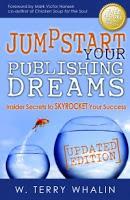
I believe the world is full of opportunity—yet as a writer you have to make the right connection and have to be facing your fears and continuing to move forward with your writing. One of the most published series of books in English is Chicken Soup for the Soul . What many people forget is Jack Canfield and Mark Victor Hansen were rejected on their proposed series 144 times. Now that is a lot of rejection. I'm sure they had fears to face, yet they continued moving forward. You can get some of their story in the foreword for Jumpstart Your Publishing Dreams . Just follow this link to download the foreword and free sample chapter (no opt-in and you can download immediately).
For your encouragement and inspiration, remember this saying. If you need to do so, I would write it out and put it over your computer and read it often:
It will not fly, if you don't try.
Tweetable:
How do you take action in the midst of your writing fears? Get some ideas here. (ClickToTweet)
April 17, 2017
Be Knocking on Doors to Find Opportunity

In the publishing community, I've discovered
a basic principle: If you want something to happen, you have to be knocking on
doors to find that opportunity. For example, as an
acquisitions editor, I've found some of my best projects meeting with
authors face to face at a writers' conference. I understand the value of this personal
contact with writers.
While I've been speaking at different events for many
years, the invitations to speak at these events does not happen organically
(without any action on my part). From my experience, the directors of
conferences are pitched many times from many more qualified people than they
could possibly use at an event.
What is the difference maker so one editor is
picked to be invited and another is not? I believe it is a combination of
things—a personal relationship with the director or decision maker at these
events but also knocking on the doors in a gentle way but letting them know of
your availability and willingness to speak at their event. In the last few days,
I've pulled out some resources on my bookshelf that list forthcoming
conferences, then I've sent emails to these leaders. In a few cases where I know
the people but haven't been to their event in several years, I've picked up the
phone and called them. Will my actions pay off? I know many will fall flat and
never garner a response. I'm a realist with my expectations—yet I also know
that some of them will succeed and garner an invitation to their event—maybe not
this year but next year.
While I've been writing about getting speaking
opportunities, the actions for a writer are exactly the same if you are looking
for writing opportunities. What types of writing opportunities are you looking
for? In recent days, I've been working on some book proposals and
writing projects. Yes I've written a number of books over the years but most of my
efforts have been in my work as an
acquisitions editor at Morgan James Publishing. I've been knocking on some doors of
opportunities with agents and editors to find some writing projects. Like my
knocking on doors for speaking opportunities, many of my emails and calls have
not been returned and feel like they are going into a black hole. Yet I persist
and continue to pitch and look for new opportunities.
Why? From my experience, I
know some of these pitches will actually turn into writing assignments and
future work.
Here's several actions for every writer:
1. Learn how to write an excellent book
proposal. Get my free book proposal checklist or my Book Proposals That
Sell or take my Write A Book Proposal course. It will take effort but it will
pay off in getting more attention from literary agents and book publishers.
2.Learn how to write an attention-getting
query letter. Every writer can learn this important skill of writing a
one page pitch letter. It will be a valuable lesson for writing for
magazines or getting the attention of literary agents or editors.
3. Continually work at fostering and
strengthening your relationships with others in the community. Help
them in any way that you can—and you never know where that help will lead to
future opportunities.
In general, the world of publishing is busy with
lots of activity, emails, manuscripts, proposals and pitches. If you wait
passively for someone to reach out to you, then most likely little will happen.
Instead I encourage you to be proactive in your approach and be knocking on
different doors to find the right opportunity. I believe these opportunities are
out there—but you have to be knocking to find them.
Tweetable:
Why should writers knock on doors to find opportunity? (ClickToTweet)
April 11, 2017
Why You Should Try Ghostwriting
[image error]
Years ago, I decided there were a finite number of stories and articles and books that I could write from my own experiences. I've written personal experience magazine articles from my own life and published in various publications. Also I've written many different types of books such as devotionals or biographies or how-to books.
For any writer, there are many different types of writing. In fact, I list the variety in the first chapter of Jumpstart Your Publishing Dreams . The first chapter is free with this extensive list. If you are looking to diversify your writing, I encourage you to look at this list and try a different type of writing.
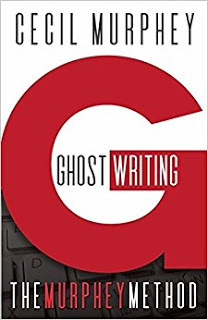
Today I want to highlight one of the most overlooked types of writing called ghostwriting. When you write a book for another person is called ghostwriting. Cec Murphey is one of the most skilled writers in this area with over 140 published books to his credit and a number of New York Times best-selling books. Many writers have never attempted ghostwriting or co-authoring or collaborating to write the story of someone else. Murphey has tackled this type of writing over and over. He has recently published a new book called GHOSTWRITING.
Through a combination of his own personal experience, he takes the mystery away from this area and helps writers learn the value. He gives them a vision for how they too could earn good money but also help others birth stories which would never be written.
Murphey covers the gamut of topics in this well-written book. He defines the terms like book doctor or collaborator or ghostwriter. He goes into ethical concerns and where you find subjects and answers a critical writer question: how do you make money and what do you charge for this service.
I’ve got shelves of how-to writing books and only have one other book on this topic (written years ago). This new book is fresh and engaging. Also Murphey has tapped his wide network of other ghostwriters for their experiences and added it to enrich his book. The key application points for the reader are distilled at the end of each chapter into a series of bullet points called a Takeaway.
As I read GHOSTWRITING cover to cover, I found myself nodding in agreement at the wisdom in this book. I’ve written more than a dozen books for other people as a collaborator and rarely a ghostwriter. I highly recommend GHOSTWRITING for anyone who wants to learn the inside story about this much needed area of the writing world.
Many writers are trying to figure out how to make a living with their writing. One of the most lucrative and needed ways to earn a living and tell the stories is in this area of ghostwriting. I encourage you to get GHOSTWRITING to learn how to open up this possibility.
Tweetable:
Are you overlooking one of the most lucrative areas of writing? Get the details here. (ClickToTweet)
Years ago, I decided there were a finite number of stories and articles and books that I could write from my own experiences. I've written personal experience magazine articles from my own life and published in various publications. Also I've written many different types of books such as devotionals or biographies or how-to books.
For any writer, there are many different types of writing. In fact, I list the variety in the first chapter of Jumpstart Your Publishing Dreams . The first chapter is free with this extensive list. If you are looking to diversify your writing, I encourage you to look at this list and try a different type of writing.
Today I want to highlight one of the most overlooked types of writing called ghostwriting. When you write a book for another person is called ghostwriting. Cec Murphey is one of the most skilled writers in this area with over 140 published books to his credit and a number of New York Times best-selling books. Many writers have never attempted ghostwriting or co-authoring or collaborating to write the story of someone else. Murphey has tackled this type of writing over and over. He has recently published a new book called GHOSTWRITING.
Through a combination of his own personal experience, he takes the mystery away from this area and helps writers learn the value. He gives them a vision for how they too could earn good money but also help others birth stories which would never be written.
Murphey covers the gamut of topics in this well-written book. He defines the terms like book doctor or collaborator or ghostwriter. He goes into ethical concerns and where you find subjects and answers a critical writer question: how do you make money and what do you charge for this service.
I’ve got shelves of how-to writing books and only have one other book on this topic (written years ago). This new book is fresh and engaging. Also Murphey has tapped his wide network of other ghostwriters for their experiences and added it to enrich his book. The key application points for the reader are distilled at the end of each chapter into a series of bullet points called a Takeaway.
As I read GHOSTWRITING cover to cover, I found myself nodding in agreement at the wisdom in this book. I’ve written more than a dozen books for other people as a collaborator and rarely a ghostwriter. I highly recommend GHOSTWRITING for anyone who wants to learn the inside story about this much needed area of the writing world.
Many writers are trying to figure out how to make a living with their writing. One of the most lucrative and needed ways to earn a living and tell the stories is in this area of ghostwriting. I encourage you to get GHOSTWRITING to learn how to open up this possibility.
Tweetable:
Are you overlooking one of the most lucrative areas of writing? Get the details here. (ClickToTweet)
April 3, 2017
Are You Looking for Your NEXT Opportunity?

This past weekend I was in Lakeland, Florida speaking at a
conference and meeting with writers. I love these opportunities to give back
to writers, listen to their ideas and encourage them. At this event, I attended
a number of amazing sessions from other speakers. Several of these speakers I
have admired from a distance but never had the opportunity to meet face to face
until attending this event.
When they finished their session, I made a point to
connect with them personally for a few minutes, express my appreciation but also
exchange business cards. I asked for their card and if they did not have one
(which happens often), I asked for their contact information.
Why take such actions? Because I want them to be
able to reach out to me. Also if I have a need, I want to be able to reach them.
As a consistent practice, I'm always looking for the next opportunity. These
possibilities are everywhere. Are you sensitive to them? Are you seizing them
when they come?
Here's five action steps for every
writer:
1. Send a follow-up
email right away. During the weekend, I
reached out to one speaker and turns out he was working on a book proposal and
promised to send it to me in a few weeks.
2. Be generous with your
business cards and contact information. Ask for the contact information
from others. Make sure they can reach you and you can reach them. For example, I
included my contact information on my handouts.
3. Always be looking and
open to the possibilities. There are many different types of
opportunities. Sometimes the opportunity is to write and other times it is to
speak. The director of the conference this past weekend, I met a year ago at one
day event in Orlando with the Florida Writers Association. You have to be open to various
possibilities and see what happens.
4. If
possible, respond right away to the idea. Send email, respond
to their emails, etc. We are in the communication business. The reality is that
few people communicate—so if you do, you will stand out.
5. Express gratitude to others. I
can't emphasize enough the importance of gratitude. We live in a thankless world
where few people express gratitude. You will stand out and have other
opportunities if you express gratitude. Did someone give you a book? I received
on this past weekend. I will be writing this author a personal thank you note.
Bonus Action Step :
When you see that you've let an opportunity slip past you, take action on it
after the fact and see what happens. If you do nothing, then nothing will happen
but if you do something then something may happen.
I've had authors send me
their book
proposal and submission years after we first met (yes years). As an
acquisitions editor, I continue to look for new authors and book projects
every day. When this author sent her book, I was still looking and she ended up
publishing her book with Morgan James and now it is out into the bookstore. I'm sure
this author hesitated to reach out to me months after we first met—yet she still
took action and it paid off.
As writers, we must seize the opportunities
which come across our path. You never know where your next opportunity will take
you.
Tweetable:
Use these Five Actions to Seize Your NEXT Opportunity. (ClickToTweet)
March 27, 2017
Learning On the Road

For many years, I’ve been traveling on airlines to
different events and conferences. Admittedly traveling is hard on your bags and
suitcases. I’ve had to replace bags and once I even had to send my my laptop bag
sent off for repair.

With all of my travel, I’ve never gotten my
bag off the plane with damage—until this month. My travel goes in spurts and
during the month of March I am making four different trips and a series of
flights each time. On the first flight to celebrate the
89th birthday of my mother, I landed in Lexington, Kentucky and
pulled my suitcase off the baggage carousel. Several hours earlier in Denver
when I checked in the bag, the suitcase had four rotating wheels. Now in
Lexington, my suitcase had three wheels. With the missing wheel,
it wobbled.
My sister suggested I file a damage bag
report with American Airlines. I learned these
damage reports have to be filed immediately before leaving the airport. I went
to the ticket desk and filled out the report, then went on with my trip to
celebrate time with my Mom. A few days later, I returned home with my broken suitcase then noticed the
bag sustained additional damage—a missing zipper. With a damaged bag, you have
to give it back to the airline empty. Then they will either repair it or replace
the bag.
I emptied my suitcase and took it with me to
the Denver airport on my second of four trips. American
Airlines took my bag when I checked into the
airline with my bags for travel. I made my second trip and returned home. Then I
called American to check on my bag
repair. They told me it could take as long as three weeks so I assumed I would
not have my suitcase for my month of travel. Also they told me the broken zipper
(which happened on the return trip) was not on the original claim and likely
would not be repaired. I wondered what would happen with my bag.
Between my second and third trips, the FedEx
man delivered a huge box to my front door. It held my repaired suitcase and everything including
the broken zipper was repaired. I hear a lot these days about the challenges of
travel and the poor customer service from the airlines. I
believe it is also worth praising the airlines when they serve their customers
well and do something exceptional. It’s why I believed I should include this
article.
Several things:
1. If your bag is damaged,
report it immediately to the airline.
2. Praise and thank the airline for
their good customer service when you receive it.
I love having a good news
travel story to report to you.
Tweetable:
Catch a new lesson this experienced traveler learned on the road. (ClickToTweet)
March 22, 2017
An Unusual Publisher Event for Authors
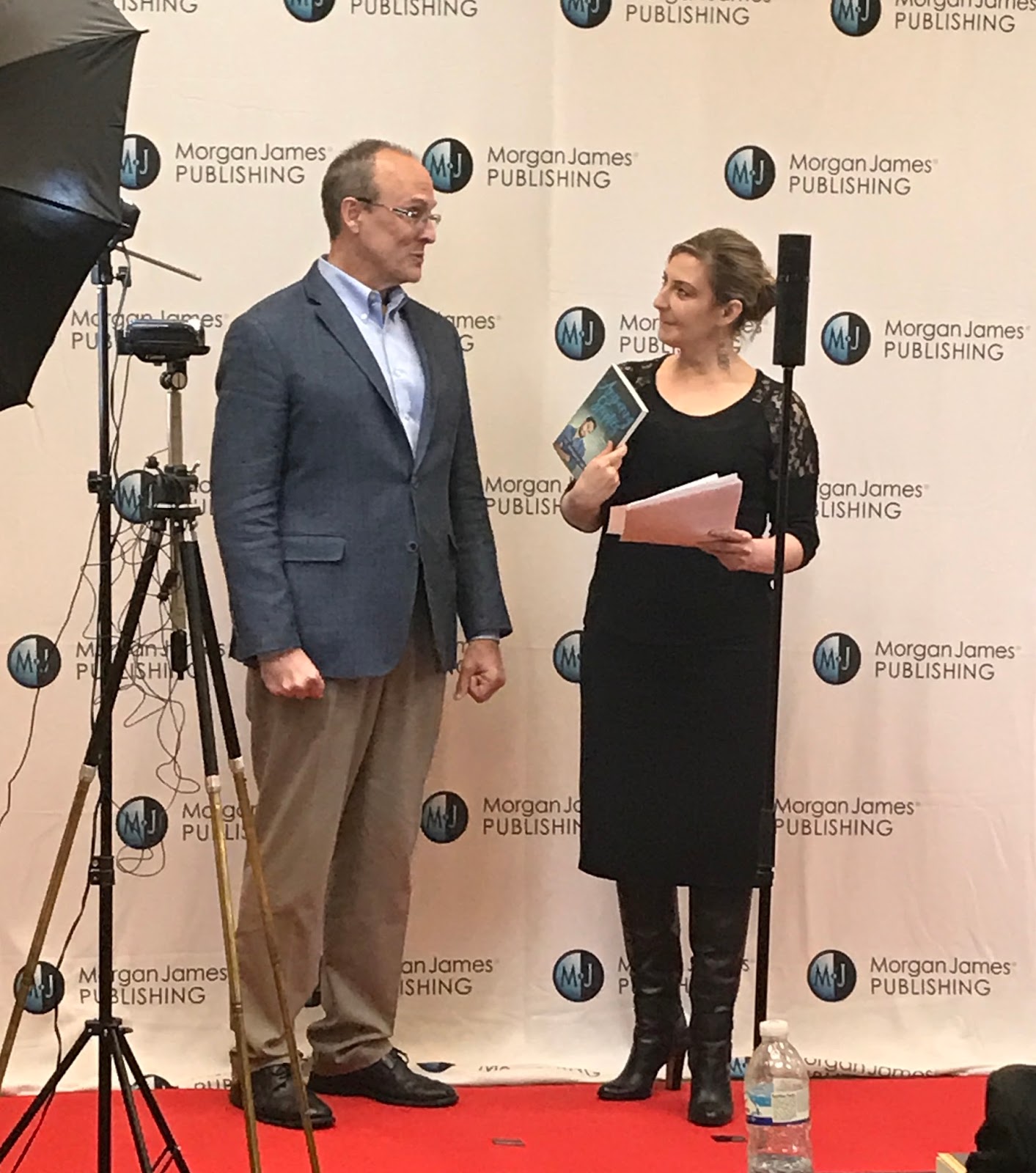
Last weekend, I was in Nashville for an unusual
author event. Over the last four and half years, I’ve acquired books for Morgan James
Publishing. It’s the nature of book publishing to introduce a steady stream
of new books into the market. Often this event is called an author launch where
they launch their book into the marketplace.
As a publisher, we set the date of this launch
months ahead and encourage the authors to work to build buzz and momentum for
that date. We encourage their activity but typical for publishers, the author
will handle the actual work such as getting people to review the book on
Amazon.
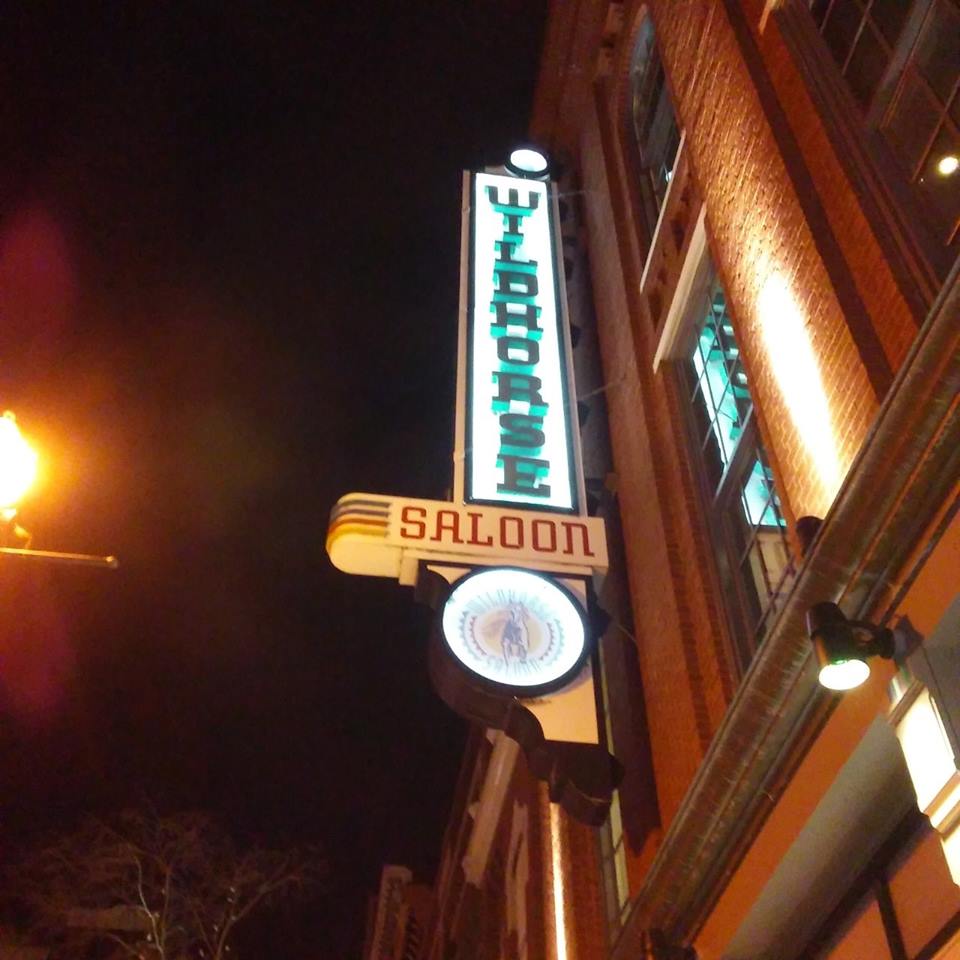
Several weeks ago, Morgan James invited authors
whose books released from December 2016 through March 2017 to come to a red
carpet event. The authors dressed up, held their books and were interviewed on
the red carpet. The interviews were live streamed on Facebook Live. After the
interviews, Morgan James had special dinner to honor our authors at the famous
Wild Horse Saloon in
downtown Nashville.

From my many years in publishing, I’ve never seen a
publisher put on this type of separate and special event to honor their authors.
As a part of the event, David Hancock, the founder of Morgan James, gave each
author a special “challenge coin” in a presentation box. “Challenge
Coins” started during World War I where a unit carried a coin and were
challenged to present the coin to prove their affiliation. These coins are
popular with the Army Special Forces. David created these coins which on one
side have a book and include the words “Educate, Encourage, Inform, Inspire.”
The reverse includes the Morgan James book logo and “the entrepreneurial
publisher” and the Morgan James website address. The coin is a remarkable
reminder to every author of the partnership with their publisher.
The next day, some of the authors stayed for a day
of marketing training. Not every author could stay both days but a number
of them stayed and invested in themselves. The
training day was excellent and included a representative from Ingram Publishing
Services (the distributor for Morgan James books), specific marketing training,
media training and much more. Bret Ridgway, co-author of the book, Mistakes Authors Make ,
spoke about some of the mistakes authors make and his services at Speaker Fulfillment
Services. One of the key mistakes that authors make is writing a book
without understanding the endgame with their book. What do they want the reader
to do after reading the book? Hire them for coaching or get some of their
services or sign up for the author's email list? These elements have to be
written into the foundation of your book from the beginning. The training session was excellent and I learned a great deal from
this valuable education.
Morgan James Publishing planning two more of these
events in Nashville and will follow the seasons of releases for these books. I
was honored to be included and look forward to going to the events later this
year.
Tweetable:
What is a red carpet event for authors? Learn about this unusual publisher event. (ClickToTweet)
March 13, 2017
A Simple Promotion Idea for Your Reviews

Several times a week, someone will email and ask me to read their book and write a review. It is a good strategy to approach well-known reviewers. Normally their request mentions a book that I have read and reviewed, then pitches their book. Because I've written almost 700 book reviews on Amazon, I get these requests. To be honest, I look at their books and in most cases I politely decline the offer—for several reasons. Most of them are ebook only books on Kindle and I do not have an Ebook reader. Also when I look at the books, I'm not interested in reading their book so again I decline.
Because I've been reading and writing book reviews for many years, I have publicists and publishers often pitching for me to read their books and write about them. I am committed to continuing to read new books and write book reviews about those books. I review the book on Amazon but also on Goodreads, where I have 5,000 friends (the limit).
Repeatedly I see authors launch their book with no book reviews on Amazon--zero. In fact, during the last week, I've seen two long-time publishing professionals (literary agents) launch new books with no Amazon book reviews. If Amazon is selling 70% of the books (a number that I've seen recently in the publishing press--unsure if true or not), then it is critical for every author to get book reviews. I've mentioned this resource from Tim Grahl but get it and use it: https://booklaunch.com/amazon-reviews/ Scroll down and on the bottom get the free download from him because it has templates for emails and spread sheets and all sorts of valuable tools. It doesn't matter if your book came out last month or last year, you need to be working on these reviews. If someone goes to the page on Amazon and there are no reviews or only one or two reviews, this information affects whether others will buy your book.
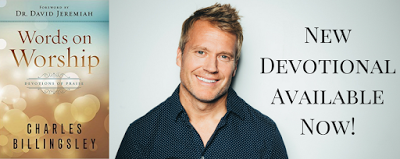
Last week I was traveling and met with Charles Billingsley, a well-known Christian recording artist. Charles released a new book from Worthy Publishing on March 7th. Charles he gave me a copy of Words on Worship . The book is a well-designed, attractive hardcover. Inside Charles had gathered four pages of great and well-known endorsements. I know that effort took work and is something every author should do for their new book. For my own curiosity, I looked on Amazon on his launch day and he had no book reviews on Amazon.
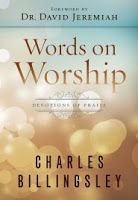
To help Charles, I quickly looked at the book, wrote a review and posted it on Amazon--and also Goodreads. I also tweeted about the book a couple of times to my 200,000+ twitter followers. Writing book reviews is a simple way you can support other authors.
Here's my simple yet important idea for you when you write book reviews: include a live link to your own book at the end of the review. Within their customer reviews, Amazon allows you to include a link to another product. Why not use this tool to tell readers about your latest book?
Now take a closer look at my review for Words on Worship . Now notice at the end of the review, I write: “W. Terry Whalin is an editor and the author of more than 60 books including his latest Billy Graham, A Biography of America's Greatest Evangelist.” Because this link is live to my book page on Amazon, a reader interested could go over to the page and purchase my book.
As long as I'm writing about book reviews, I have a free teleseminar on this topic. Just follow the link and get the full replay and download the gifts associated with it.
Your work to tell people about your book is on-going after it is published. The key from my perspective is to always be looking for new ways and on-going ways to promote your own book--even when helping others with a book review.
Tweetable:
Here's a simple promotion idea when you write a book review. (ClickToTweet)
March 6, 2017
How to Get a Wealth of Social Media Content

Where do you get your content for your social media? Is it all your own material or does it come from others?
People in publishing are looking for writers with excellent content. I’ve been on twitter since 2008 and tweeted over 35,000 times. My following has grown from zero (no followers) to over 200,000. How in the world do I determine what to have on my social media feeds and why do I never run out of new content?
Haphazard and rare use of social media never works. To develop a following, you need to be putting out good and consistent content. I use a free tool Hootsuite to schedule my tweets throughout the day. Each communication is focused on my audience and readers (who are writers or people interested in publishing). Your target audience will be different but you must have a specific target.
Collect content and images. I subscribe to a number of blogs and newsletters who are in my target market I read these blogs and learn from them. Also I use these articles as content for my social media. As I find each one, I take a few minutes each day and add them to my Hootsuite releases for the days ahead. I keep the title of the article and attach the image from the article (since images get more social media attention).
When it comes to my tweets, I’ve developed my own structure for my daily game plan for my posts. Yours will be different but take the time to develop a structure. With this structure in place, your search for content is focused and deliberate. For example, I begin each day with a quotation and an image (often of the person quoted). Many people love these quotes so they are shared and retweeted.
At the beginning and the end of the day, I will point to my own resources such as blog posts (almost 1400 posts in my blog) or free teleseminars or other personal resources. I keep a small plain text file with these posts and recycle them on a regular basis. In the middle of the day, I have new content from the articles and blogs and newsletters that I regularly read. I do not automatically take every post from these newsletters. With each one, I’m focused on my audience and asking,” Is this material a good fit for my reader?” If the answer is no, then I do not include it.
From my experience, there is an abundance of resources to add to your social media feeds. It’s part of the reason I tweet at least 12 times a day. It continues to draw new readers and older readers.

The consistency and quality will draw people to your work. Yes this is platform building 101 but necessary for every author. If you need more information about platform building, then get my free Ebook on the topic.
As you have a wealth of social media content, the consistent effort is important and will pay off for you. You don't have to be on every social media channel. Pick one or two and major on that particular channel.
Tweetable:
Follow these tips to have a wealth of social media content. (ClickToTweet)
February 27, 2017
Some Insights About Book Buying Habits
Take a minute and consider where you you bought your last few books. Was it in a brick and mortar bookstore? Did you buy them at an event or from an online retailer like Amazon? Was the book new or used?
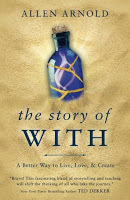 As a long-term reader, I often purchase books. Last weekend I was at the third Writers on the Rock Conference and heard Allen Arnold speak. For years, Arnold worked as an editor and publisher at Thomas Nelson Publishers and now he is working with best-selling author John Eldredge. At the end of his keynote, Arnold mentioned his book, The Story of WITH which he sold for the discounted $10. I was interested to learn Arnold self-published his book and I was glad to get an autographed copy and look forward to reading it.

This week I was talking with another long-term friend who is in publishing and he mentioned how he buys his books online from Amazon which offers choices whether to get a new book or a used version. We were talking about book buying habits because of the publishing news about Family Christian Bookstores closing 240 stores and over 3,000 employees losing their jobs.
Several years ago, Family Christian Bookstores went into bankruptcy and had emerged from that situation. Publishers were the principle vendors who took a hit when Family Christian Bookstores went into bankruptcy. One of the domino or related actions from this bankruptcy was the sale of Gospel Light. This family-owned publisher had a long-term history in the market and was sold to two different publishers. Family Christian Bookstores owed Gospel Light (Regal Books) $143,000. This debt was too large for Gospel Light to absorb and forced them into bankruptcy. The numbers of brick and mortar bookstores nationwide have been declining. Literary agent Steve Laube wrote more details about the closing of Family Christian in this article.
About four years ago when I lived in Arizona, a couple in my local church took part of their life savings and opened a Christian bookstore. It had several challenges from the beginning. While my friends had good motives, they did not come from a book or publishing background. I knew way more about books, authors and the publishing business than they did. While eager to learn, they had a lot of ground to cover from a business perspective. Also the store was located in a shopping center and two doors from a well-known Hallmark store. I often would drop by the nearby bookstore and talk with them and purchase things (if I needed them). Ultimately these friends closed their bookstore right about when I moved from Arizona. As I watched this store, it was an upfront and close lesson about some of the challenges of the brick and mortar retail business—and in particular in the Christian market.
A little off my topic but related: last week I went to Target to buy some blank audio cassette tapes for a new project. They didn't have any of them and were selling only one brand of tape recorder. Then I went to Office Depot who didn't have tapes in their store but said I could order them from their website online with free shipping. I ordered the tapes—only to have the online store cancel my order later in the day because the product wasn't available.[I don't know why I received a cancellation message because today the tapes showed up so I probably double ordered]. I attempted to buy this product at a brick and mortar store yet had to order it online from Amazon.

The book buying habits of consumers continue to change. Most of us have a smartphone in our pocket so wee can compare prices even standing in an actual store to see if we can get it less online. As I've written in these pages, the self-publishing world of books continues to increase (to the tune of over 5,000 new books every day—traditional and self-publishing combined). It's why every author has to continue to work on increasing their own audience (platform). Get my Platform Building Ideas for Every Author free ebook and use these ideas in your own writing.
In the comments below, let me know where you buy books. Book buying is a complex issue with no simple answers. All any author can do is offer your product in multiple formats (print, ebook, audio) and as many different venues as possible (online and brick and mortar). Our world is full of choices so you have to offer the consumer the broadest possible choices for your books.
Tweetable:
Have your book buying habits changed? Get these insights from a publishing expert. (ClickToTweet)
As a long-term reader, I often purchase books. Last weekend I was at the third Writers on the Rock Conference and heard Allen Arnold speak. For years, Arnold worked as an editor and publisher at Thomas Nelson Publishers and now he is working with best-selling author John Eldredge. At the end of his keynote, Arnold mentioned his book, The Story of WITH which he sold for the discounted $10. I was interested to learn Arnold self-published his book and I was glad to get an autographed copy and look forward to reading it.
This week I was talking with another long-term friend who is in publishing and he mentioned how he buys his books online from Amazon which offers choices whether to get a new book or a used version. We were talking about book buying habits because of the publishing news about Family Christian Bookstores closing 240 stores and over 3,000 employees losing their jobs.
Several years ago, Family Christian Bookstores went into bankruptcy and had emerged from that situation. Publishers were the principle vendors who took a hit when Family Christian Bookstores went into bankruptcy. One of the domino or related actions from this bankruptcy was the sale of Gospel Light. This family-owned publisher had a long-term history in the market and was sold to two different publishers. Family Christian Bookstores owed Gospel Light (Regal Books) $143,000. This debt was too large for Gospel Light to absorb and forced them into bankruptcy. The numbers of brick and mortar bookstores nationwide have been declining. Literary agent Steve Laube wrote more details about the closing of Family Christian in this article.
About four years ago when I lived in Arizona, a couple in my local church took part of their life savings and opened a Christian bookstore. It had several challenges from the beginning. While my friends had good motives, they did not come from a book or publishing background. I knew way more about books, authors and the publishing business than they did. While eager to learn, they had a lot of ground to cover from a business perspective. Also the store was located in a shopping center and two doors from a well-known Hallmark store. I often would drop by the nearby bookstore and talk with them and purchase things (if I needed them). Ultimately these friends closed their bookstore right about when I moved from Arizona. As I watched this store, it was an upfront and close lesson about some of the challenges of the brick and mortar retail business—and in particular in the Christian market.
A little off my topic but related: last week I went to Target to buy some blank audio cassette tapes for a new project. They didn't have any of them and were selling only one brand of tape recorder. Then I went to Office Depot who didn't have tapes in their store but said I could order them from their website online with free shipping. I ordered the tapes—only to have the online store cancel my order later in the day because the product wasn't available.[I don't know why I received a cancellation message because today the tapes showed up so I probably double ordered]. I attempted to buy this product at a brick and mortar store yet had to order it online from Amazon.
The book buying habits of consumers continue to change. Most of us have a smartphone in our pocket so wee can compare prices even standing in an actual store to see if we can get it less online. As I've written in these pages, the self-publishing world of books continues to increase (to the tune of over 5,000 new books every day—traditional and self-publishing combined). It's why every author has to continue to work on increasing their own audience (platform). Get my Platform Building Ideas for Every Author free ebook and use these ideas in your own writing.
In the comments below, let me know where you buy books. Book buying is a complex issue with no simple answers. All any author can do is offer your product in multiple formats (print, ebook, audio) and as many different venues as possible (online and brick and mortar). Our world is full of choices so you have to offer the consumer the broadest possible choices for your books.
Tweetable:
Have your book buying habits changed? Get these insights from a publishing expert. (ClickToTweet)


![[image error]](https://1.bp.blogspot.com/-U2kqVEIUOmE/WO066y4q8QI/AAAAAAAAD6I/8KxXndpL5RUl5sCKV8oUTKd9WM_JoP_2wCLcB/s1600/people-at-work-1459248-1920x1440.jpg)