
W. Terry Whalin's Blog, page 50
August 9, 2016
Three Reasons to Do It Yourself
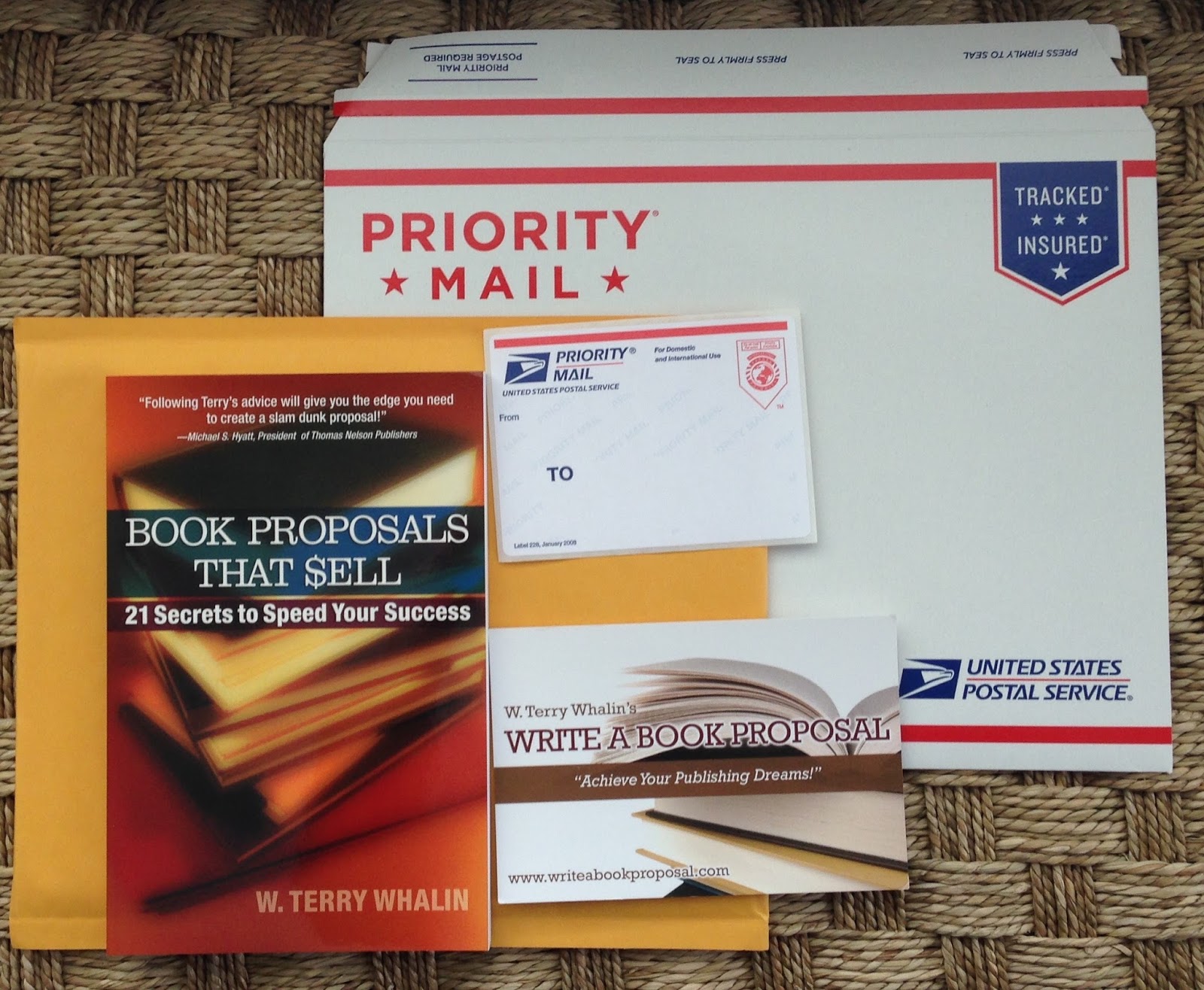
This morning I packed up a copy of Book Proposals That Sell . An order for the book came into my shopping cart. I've developed a little pattern of printing the packing receipt, the label and getting it ready to take my post office. When I look at what other authors are doing with their websites, they often send their buyers to Amazon. I understand these authors make this choice because it is easier for them and they do nothing additional and many people already have all the buying details set up on Amazon.
It took me several additional steps to get this book packed up and ready to mail. Why do I bother doing it myself? Here's three great reasons:
1. Make more money through selling directly to the reader than through Amazon or some other places. I purchased these books at a steep discount (something authors need to think about when they contract or create a book). You don't need a shopping cart like I use and can simply use a free PayPal button for the sale. Most readers have a PayPal account so this option is easy for them to use. These readers get the book directly from you and if they prefer it to be autographed, then they have this possibility since they've bought it from the author.
2. Personally touch my readers and add them to my email list. You can learn more details about creating an email list here. My shopping cart is also where I send emails to my list. Every author needs to create and be adding to their email list. More and more editors and literary agents are looking for authors who have email lists and can directly reach their readers.
For my case with Book Proposals That Sell , I have an additional reason. This book has been on the market for a decade. Recently I got a One Star review on Amazon because of the out of date information. Admittedly publishing has changed since this book was first published. Yet the book has over 130 Five Star Amazon reviews. Now I've lowered the price from $15 to $8 and I've “fixed” all of the out of date websites. If you buy the book through my website, then you get these fixed websites through an automatic email (called an autoresponder). Plus you receive other unique bonuses which I've created. Notice my intentional planning: the only way for the reader to get these “extras” is to purchase the book directly from my website.
3. Provide the reader additional value and give them the opportunity to go deeper in this subject area. I wrote Book Proposals That Sell as a frustrated acquisitions editor. Later I wrote and developed other products in the book proposal creation area. I have a 12 lessons course called Write A Book Proposal. I have a CD package called Editor Reveals Book Proposal Secrets. Finally I have a teleseminar called Proposal Secrets where I interview a number of publishing colleagues about book proposals.

To be honest, packing books is not my favorite task. In addition to having a way for the reader to give you money, mailing supplies like labels and priority envelopes) have to be kept on hand. I've gotten the process down to a few minutes for each one. I'm committed to continuing to mail my own books.
As an author, you have the greatest vision for what can happen with your book and the deepest passion for it. Let your passion show in how you sell your book.
Tweetable:
Are you packing and selling your own books? Here's three reasons for every author: (ClickToTweet)




August 2, 2016
Small Stuff Matters in Communication

As I work in the publishing community, I'm aware that our business is communication. You may be selling books or your writing or widgets, good communication and handling the small stuff will be key to your success or failure.
Last week I finished listening to actor Rob Lowe's book Love Life . I enjoyed the audio book and heard it cover to cover. As my typical practice, I wrote a few sentences of review on Goodreads and Amazon, then I posted on Twitter about my review. I searched Twitter and saw Rob Lowe's twitter feed and included his twitter name with my tweet. I had no expectations of a response since I have zero connection to Lowe. Yet Rob Lowe also values communication and is using some tool to monitor such tweets. He responded (see this link). This simple response from Lowe garnered over 100 likes and a number of retweets (added exposure for him and for me). The entire process did not take time (for me to write and post my review) nor for Lowe to respond. Yet the communication matters and helped validate the values and details that Lowe wrote about in his book.
As someone who has written for numerous magazines and book publishers, I understand the communication challenges. I've sent many emails and query letters and proposals off to editors with no response or a rejection months later. Now as an acqusitions editor, I have the same challenges of everyone (limited time, lots of responsibility, etc.) Yet I'm committed to consistent communication with my authors and literary agents.
Does that mean I'm perfect? No, every day much is left undone and there are times where I miss something or don't get a response out. It's one of the reasons that the majority of my day is spent returning calls and responding to emails. Your email or returned text doesn't have to be lengthy—but just a few words like “got it” or “perfect” reassures the sender that you got the message and are doing something about it.
I was speaking with an author who told me the reason she had never written (much less submitted) her book because she has a fear of imperfection and criticism from others in her field. While I understand this author's fears and empathized with her reasons. I also encouraged her to move ahead. No matter what I write, there is always something that can be improved—yet I still work hard on the writing, then push it out into the market. Every book gets criticism because we live in a free society and there are many different opinions. Yet this fact doesn't hold me back from continuing to write and move ahead.
How are you handling the “small stuff” and moving forward?
Tweetable:
The “small stuff” matters in your communication. Learn from this experienced editor: (ClickToTweet)
July 26, 2016
Seize Your Day

During the last couple of years, I've been aware of the brevity of life and the need to seize the day and make the most of every moment and experience. As a young man, these thoughts never crossed my mind but wisdom and experience has changed me. I'm eager to follow the Latin term “carpe diem” or “seize the day.”
In this article, I want to give you some ideas how to take the opportunities of life and make the most of them. As a writer, I understand much of the publishing world is outside of my direct control. I don't determine which articles are published in a magazine or which books get published. I don't control who buys the books that I've written or what they tell their friends or don't say anything about them. I don't control which literary agents read my proposals and offer to work with me. I don't control Twitter or Facebook or LinkedIn or any number of other online places. It's easy to grow discouraged and feel like you have no power or opportunity.
The reality is actually something different from my years in publishing. I do control what I write about and what I pitch to editors of magazines and book editors. I can write query letters and emails to see if the editor is interested in my ideas. If I don't know how to write a query or a book proposal, then I can learn how to create these publishing tools. After they are written, I can make sure they are excellent, then pitch them over and over until I find someone interested in my idea.
I don't run a conference but if I want to teach others, I can craft pitches to the directors of conferences and see if they are interested in my participation. I don't control who interviews me about my books or my work. Yet when someone interviews me, I can replay and promote that interview to tell others about it. For example last week, Angel Murchison interviewed me about Billy Graham and my biography, Billy Graham, A Biography of America's Greatest Evangelist . The interview aired last Saturday in northern Maine and West New Brunswick, Canada. Angel sent me a copy of the interview and you can hear it here (on my own site so I know this link and the 25-minute interview will not disappear since I'm controlling it).
While I can't force people to buy my books, I can focus on the benefits of the books and tell as many people about it as I can reach through social media or email marketing or blogs or any number of other possible tools.
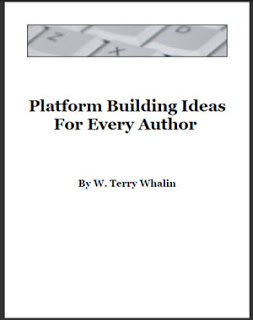
Every writer has these opportunities with your work. Are you seizing the day and latching on to these possibilities? As you do it, you will expand your audience and the reach of your message. Another way that people in the publishing community speak about it is platform. If you want to expand your possibilities, I recommend this free ebook that I wrote called Platform Building Ideas for Every Author .
Each of us have the same finite amount of time in a day. How are you seizing those opportunities?
Tweetable:
When our world is out of control, how can you seize the day? Get ideas here. (ClickToTweet)
July 19, 2016
Increase Your Learning with Your Flash Drive

Through the years, I've collected a number of
flash drives. Sometimes I will attend a writers' conference and all of the
sessions (even those I miss) are sold on a flash drive. Often these flash drives
will pile up in my desk drawer. How do I find the time to listen to this
material?
In May I taught on the faculty and they offered the
entire conference without cost. I know these audio files contain
valuable teaching insights for every writer. The files came as an online
download and I put them in a folder with the conference name on a flash
drive. Because I used the flash drive, these files are portable and don't fill
my main computer.
In the past, I've mentioned about using the
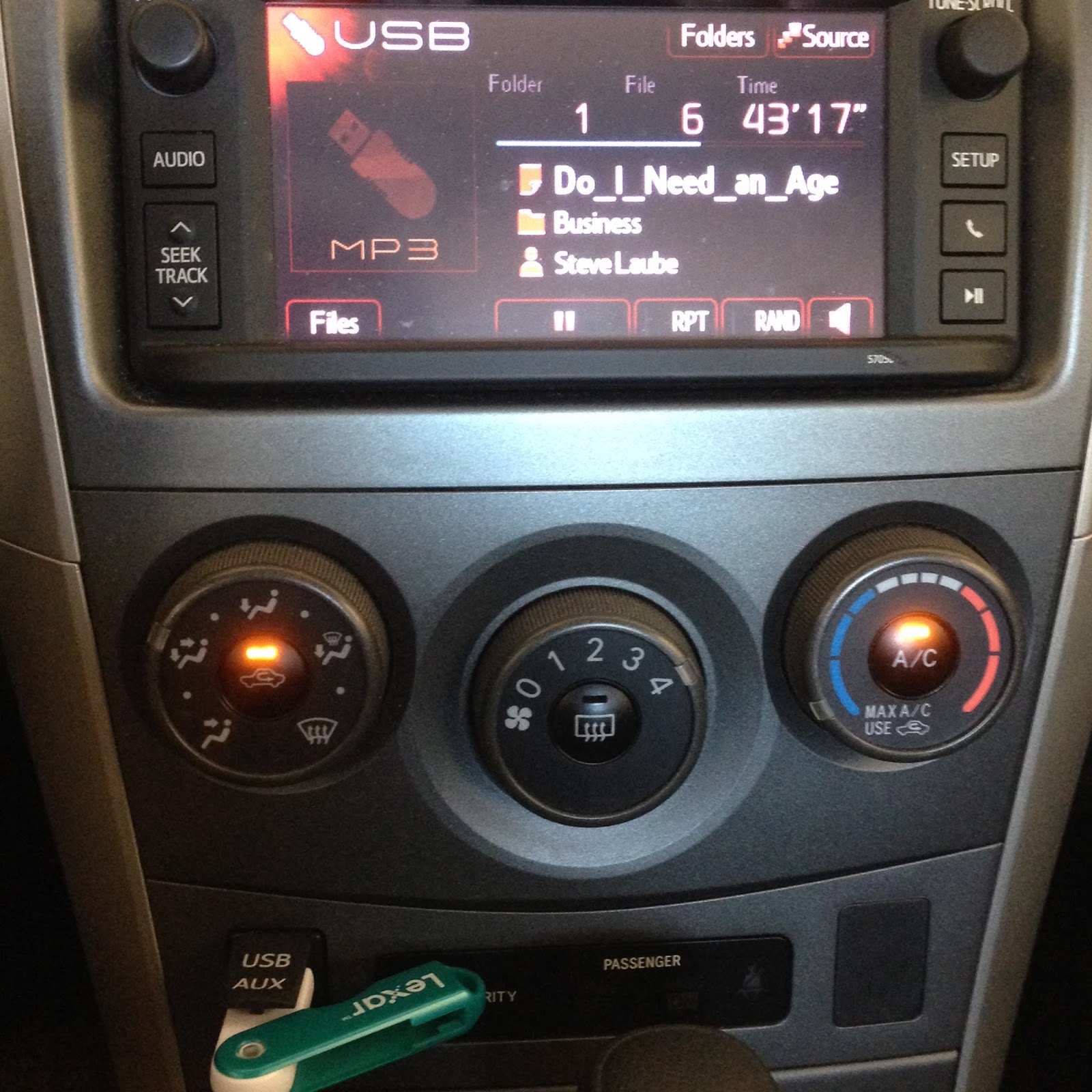
Bluetooth feature of my car audio and listening to audio books. My car has a USB connection on the dashboard that until recently
I had never used. With the flash drive which contained the audios from
the writers' conference, I turned on my car and plugged it into the port.

Touching the “files” on my dashboard, I saw all of
the audio MP3 files from the flash drive. Last weekend, I drove 45 minutes to an
hour to a writers' meeting in Colorado Springs. Instead of listening to an
audio book, I listened to several teaching files from the flash
drive.
Steve Laube, founder of The Steve
Laube Agency, taught a workshop titled, “Do I Need
a Literary Agent?” While much of the information was familiar, I enjoyed hearing
Steve's stories and insights on the audio file. My time in the car passed
quickly and I was learning from my flash drive.
Also I heard another literary agent,
David Van Diest, teach on the
elements of a book proposal. While I have a bestselling book on this topic
called Book
Proposals That $ell , there is always more to learn on this subject from
this seasoned publishing colleague. David has worked in marketing and other
aspects inside publishers as well as run his own agency for many years.
To be honest, I have many more hours of teaching to
catch on these audio files. Instead of never hearing them or leaving them stuck
in my desk, through using the flash drive, these files are actively on my car
audio system. Whether I'm driving a long distance or only across town, I can
grab a few more minutes of writing instruction.
Through this experience, I've been reminded of a
simple principle: There Are Many Different Ways to Learn Information. Some of us
learn best through reading. Others learn through actually doing while still
others are audio learners.
I'm glad I decided to explore how to use the
USB port on my car dashboard. Now I have one more flexible way to learn in my
car. Bestselling author Zig Ziglar recommended turning your car into a “rolling
university.”
You probably have some of these audio files on your
computer. Can you transfer them to a flash drive then begin listening to this
instruction in your car? Getting the information is the first step, then apply
the information to your own writing life.
Tweetable:
Use Your Flash Drive to Increase Your Learning (ClickToTweet)
July 12, 2016
When The Big Book Gets Away....

Much of the publishing world is outside of our personal control. As an acquisitions editor for me to find a New York Times bestseller is almost like the storm chasers looking for the perfect storm. It is rare for the right variables to come together. Yet it does happen and I continue actively looking for that book. When the big book gets away for a multitude of reasons, you keep searching for it.
While I can champion a book to my publishing colleagues so they issue a contract for the book, even when the author signs and the book moves into production, there can be snags in the process. Recently I learned one of my books was in stall because the author had not delivered their final manuscript nor a complete author questionnaire. Both of these missing elements are important for the production process to be completed. When our managing editor reached out to this author, there was no response. Who knows the reason for the lack of response but the book was stuck.
Even though I acquired this book weeks ago, I have a relationship with the author. I reached out and learned the author needed an excellent editor (even though they had not given this information to my colleagues). I have a list of terrific editors that I sent them right away. I tell my authors that finding the right editor can be like finding the right spouse. The timing and other elements have to be a fit for it to work. As I sent the editor contact information, I mentioned if he didn't find the right editor to reach out to me again and I would find someone else. I'm eager to help this author succeed—-and every Morgan James author in fact.
Why? Their success as individuals will be my success as an editor. It's a team effort.
Many times I've discussed finding a bestseller with my wife. In fact, we've talked about it so much that to be honest she doesn't want to hear about my big potential book. Why?
Because that bestseller hasn't happened—yet. You may be in this situation yourself—looking to get published or looking for your ideal literary agent or looking for your champion within a publishing house or ???. Here's some steps every writer can take as you continue on your journey:
1. Continue writing. You want to write for blogs and magazine articles and your books. The consistent work of writing will help you practice your craft.
2. Continue promoting your current and past work. Look for opportunity to speak and review the books of others and write.

3. Use your current opportunities. Whether we realize it or not, each of us have opportunities. We have email. We have phones. We can reach out and set up coffee meetings or offer to write for new publications or send query letters or reach more people on twitter. The key is to be taking consistent action. For ideas, download my free Ebook, Platform Building Ideas for Every Author .
4. Keep searching for your bestseller (or whatever your big goal) and learning about the craft of writing and growing. My friend Jerry B. Jenkins wrote over 100 books before his mega hit with the Left Behind series. The first book in this series continues to sell over 150,000 copies a year—even though originally published in 1996. Notice the work that went into his writing life before that bestseller. You may be on the same journey. You can hear Jerry answering your writing questions here (follow this link).

I'm on the same writing journey as each of you but I've been at it for a while. Every day I continue to build my audience and reach people with my books and blogs and other tools like twitter. During the last few months, I've been on the list of the top 100 marketers on Twitter from Evan Carmichael. Check the July link and you will see I went up in the last month from #50 to #46.
Every day keep moving forward. If I can help you in this journey, let me know.
Tweetable:
How do you react when your big book gets away? Four actionable ideas here. (ClickToTweet)
July 5, 2016
How To Lean In & Keep Going Forward

The writing life is filled with opportunities and
challenges. As writers, our work gets rejected. We pour huge energy into writing which
gets published in a book then does not sell. Our bills pile up and we wonder how
we will be able to make the money that we need.
While I've written books which have sold over
100,000 copies, I also experience the range of emotional ups and downs that I
put into the opening paragraph. Writers have to be actively looking for the
right place for their writing to get published—whether in a magazine or a book.
Your material has to find a connection with an editor or literary agent to find
a champion to guide you through the process. The writers who succeed take action
when they face feelings of discouragement and rejection.
Here's some action steps when you get these types of
feelings:
1. Adjust your mindset. Your
mindset will be reflected in your actions and I encourage you to take a
different course of action. When writers get rejected once or twice, many of
them will decide, “No one wants this book.” In contast, authors who get
published will decide they have not knocked on the right door yet and will move
to the next publisher. Jack Canfield and Mark Victor Hansen were rejected over
160 times with Chicken Soup for the Soul. When rejected, they looked at each
other and said, “Next.” This single word is hopeful and a tool you can use with
your own rejection.
2. Approach a new audience. I've
got a number of marketing books on my shelf. One of the most thorough is 1001 ways to Market Your
Book by John
Kremer. It's always wise to open this book and read a few of the ideas, then
take steps to implement one of them. It will propel you forward.
3. Create a new product (online or
in print). If you are looking for some insights. Listen to this free interview
with marketing expert Bob Bly,
then actively take action in a new direction.
4. Write something different. If
you are writing books, then write a magazine
article or post to your blog or beef up your social media. Moving in a different direction will help
you keep going ahead.
5. Get some fresh air. Walk around
the block or take an exercise break. Just changing your position, will help
you.
From my years in publishing, here is a simple
truth: everyone has issues in their life. Children are ill or worse.
Our cars break down. Our parents grow old and ill or any number of other
issues. What is the distinction between those people who get their work into
print and into the market and those who do not? The people who succeed take act.
They move ahead in spite of what else is happening.
The key is not to mope around and get
discouraged, stop or stagnate. Move forward. Read some of my
Pro-Active Author columns on The Wordsmith Journal or some other blog. Lean
into your situation.
Tweetable:
Facing a obstacle with your writing? Try these five ideas: (ClickToTweet)
June 28, 2016
Are You An Evangelist?
Many people assume an evangelist is an occupation
for someone like Billy
Graham. I'm using the word in the secondary Webster definition: “Someone who talks about
something with great enthusiasm.” Pause for a moment and consider what topics
you face with enthusiasm and are actively telling other people about it.
In recent weeks, I've been an Overdrive evangelist.
Using Overdrive on my
phone has raised the amount of books I'm consuming—audio books. Overdrive is a
free app that I downloaded on my phone and it is tied to your local library. You
can check out the audio book from your library for 21 days then download the
entire book on your phone. Now that I have the audio on my phone, I can use it
anywhere. I listen to the book while I walk on the treadmill. Because of
Bluetooth, I listen to the same book in my car—even when I drive a short
distance. Recently I've been traveling and I've listened to these audio books in
the airport or on the airplane. If I have my phone, then I have access to the
audio book.
You can have different library cards on Overdrive.
Each library has purchased different books so you can access a different
selection. Currently I have three library cards and recently drove into Denver
to get a Denver Public Library Card because they have a larger selection of
books on Overdrive.
I listen to a great deal of nonfiction—business
books, biography, memoir and how-to books. You can see many of these books just
checking
this location on Goodreads. After I hear a book, I will write a short review
and post it on Goodreads and Amazon. This practice doesn't take much time but
increases the number of reviews I post because of the increased volume of audio
books I've been consuming.
In my conversations at writers'
conferences, I've been asking people if they use Overdrive. If they say,
“No.” Then I pass along my experience and how they could use it as well. I've
become an evangelist for this program.
Passion and enthusiasm is important for every
writer. It is your passion that sustains you for the writing and marketing of a
book. For example, for many years I've been passionate about teaching writers
how to craft a great book proposal or pitch for their book. I've written a
book. I've taught the material at various writers' conferences. I continue to
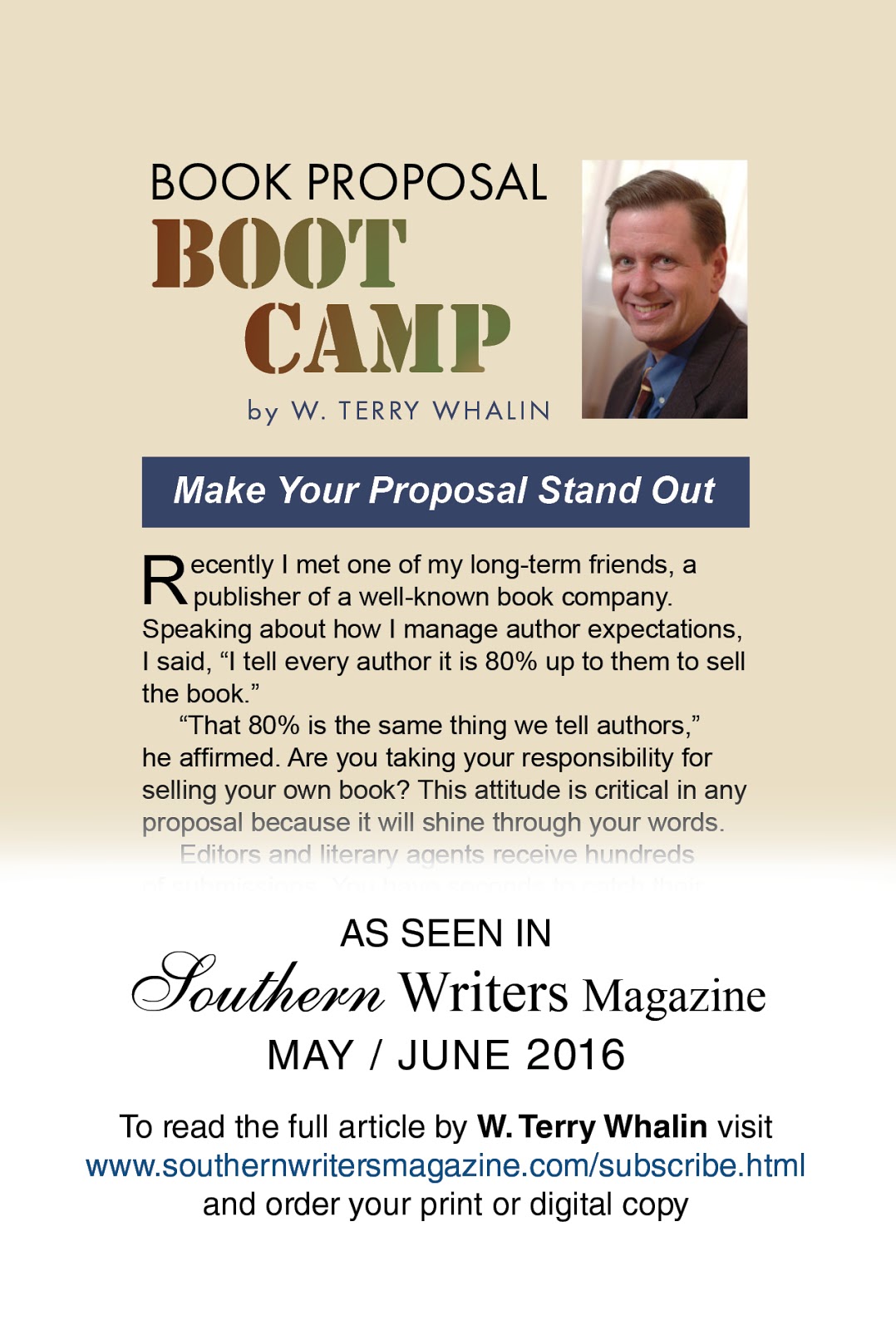
write about book proposals in my Book Proposal Boot Camp column for Southern Writers Magazine. I have a free teleseminar on the
topic and also my free
book proposal checklist.
My passion for book proposals has been actively passed on
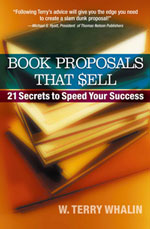
to others. Others have recommended my Book Proposals That Sell or my
Write a Book Proposal course or other resources. It's been encouraging to
see the Amazon reviews for the book and the feedback from other writers who have
used my book to locate a literary agent or get a publishing deal.
How is your passion for your writing translating
into action? A book? An
online course? A teleseminar? A workshop for a conference? The possible ways
for you to pass on your enthusiasm are endless.
Tweetable:
How does your passion show in your conversation and writing? Some ideas at: (ClickToTweet)
June 21, 2016
Start To Get Your Writing Published

Where do you begin the process to get your writing
published? Most people instantly think of books and want to have a book
published. While I understand these thoughts, from my years in publishing books
is not the first place to start.
At the recent Write to Publish Conference, I had a series of fifteen-minute back
to back meetings with people who were attending the
conference. One of my stand-out sessions was with a gray-haired cheery woman
who immediately told me, “This is my first conference and I'm here to ask your
advice. If you were just getting started in in the writing world, where would
you begin?” What a thoughtful question!
“I would begin writing for print
magazines,” I said. “It's a wide open opportunity for writers which is often
forgotten. In particular, I would start with publications called Sunday School Take-home papers.”
Almost every denomination has
a variety of publications for different age groups. Within these papers, a
common type of article is called the personal experience article. It's a story
written in first person with a single point to the story (also called a
take-away).
Here's several key points about this type of
writing:
* Magazines reach more readers than books. It is a
solid performance if a book sells 5,000 copies during the lifetime of the book
sales. In contract, many magazines have a circulation of 100,000 or even
300,000. You definitely reach more readers with magazines.
* Magazine articles are shorter in length than
books. Magazine articles have a short headline, a beginning, a middle and an
ending (all good skills for any writer to learn on the short form). A typical
book has 50,000 or 100,000 words where magazine articles range from 500 words
to 1500 words in length so are easier to finish and get into the
market.
* Magazines are a great place to learn to write for
a target audience. Each magazine has a distinct reader or audience—just as your
books will be targeted to a particular reader.
* Magazine articles get published quicker than
books. In general magazines have a three to six month turnaround from
publication acceptance to getting into print. Many book publishers are 18 to 24
months out from when you deliver your manuscript and the book is released into
the bookstore.
* Editors and literary agents read
magazines looking for writers. These publishing professionals are looking for
writers who have experience in publishing (which you gain from writing for
magazines).
I encourage you to check out the writer's
guidelines for the particular publication. Many of these guidelines are online
so use Google to find them. The writing
is fun and anyone can do it. Almost every publication uses personal experience articles. Each of us have unique and interesting experiences which can be the backbone of these articles and you can write. A personal experience article is an excellent place to begin writing for magazines.
If you want to know more details about writing for
magazines, I encourage you to explore this link
where I give the basics of writing for a magazine. This type of
publishing is great exposure and helps you build your platform and publishing credentials with editors.
In fact, it is good for any writer at any place in the publishing journey. As I
write these words (even as much material as I have published), it spurs me to
write a few query letters and articles for magazines. If you don't submit
the articles or ideas to an editor, it will never happen.
What magazine will you target today for your
writing?
Tweetable:
Read this article to learn the Best Way for Anyone to get published. (ClickToTweet)
June 16, 2016
Do More Than Just Write
Writing is important. That first step in the process of getting published is to put your words on paper but what happens next? I've returned from another writers' conference which is a perfect place to get recharged and learn new insights for your writing life.
Numerous times in these articles I've written about the importance of writers' conferences and taking action from what you learn at these events. I understand the investment to attend a conference in actual cost, time and energy. There are also other ways of getting such training.
One of my favorite ways to learn about the writing craft and market is through reading how-to books. I have purchased shelves of these books over the years--and they are not just for appearance. I know some people buy books and do not read them. On a consistent basis, I read these books, mark in them and take action from the suggestions inside the pages.
Today I wanted to tell you about a recently published how-to book called Just Write by James Scott Bell.
I’ve known James Scott Bell for many years and long admired his work and his commitment to the craft of writing. I do not write fiction but have spent most of my writing life in the nonfiction world (yet I acquire fiction and read fiction).
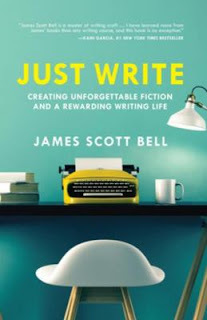
Whether you write fiction or nonfiction, you need Just Write to learn from this skilled teacher and bestselling novelist.
Every chapter of this book is packed with insights. I encourage you to read with a yellow highlighter. The book is broken into two sections: Unforgettable Fiction and A Rewarding Writing Life. Each section has four chapters. Whether you have written numerous novels or never written a novel, you will profit from Bell’s instruction.
Here’s a couple of samples: “Craft mastery in any subject is a matter of study, observation and practice. As a writer, the better handle you have on the craft, the better prepared you’ll be to break a rule when the time comes. You’ll know why you’re doing it and whether it’s worth the risk to break it.” (Page 31) Or the chapter on Study the Craft begins, “When in doubt, just write. Write your way out of a corner, out of your fears, out of your setbacks. It’s a good default setting. But right up alongside it put another track: study the craft. Make constant and never-ending improvement a goal just as important as your daily pages. Just write and keep learning—these are the two steel rails that will carry you to a productive career.” (Page 146)
Every writer or would-be writer will profit from the study of these pages. I highly recommend Just Write.
Tweetable:
Writers must do more than just write. They need to study the craft. (ClickToTweet)
Numerous times in these articles I've written about the importance of writers' conferences and taking action from what you learn at these events. I understand the investment to attend a conference in actual cost, time and energy. There are also other ways of getting such training.
One of my favorite ways to learn about the writing craft and market is through reading how-to books. I have purchased shelves of these books over the years--and they are not just for appearance. I know some people buy books and do not read them. On a consistent basis, I read these books, mark in them and take action from the suggestions inside the pages.
Today I wanted to tell you about a recently published how-to book called Just Write by James Scott Bell.
I’ve known James Scott Bell for many years and long admired his work and his commitment to the craft of writing. I do not write fiction but have spent most of my writing life in the nonfiction world (yet I acquire fiction and read fiction).

Whether you write fiction or nonfiction, you need Just Write to learn from this skilled teacher and bestselling novelist.
Every chapter of this book is packed with insights. I encourage you to read with a yellow highlighter. The book is broken into two sections: Unforgettable Fiction and A Rewarding Writing Life. Each section has four chapters. Whether you have written numerous novels or never written a novel, you will profit from Bell’s instruction.
Here’s a couple of samples: “Craft mastery in any subject is a matter of study, observation and practice. As a writer, the better handle you have on the craft, the better prepared you’ll be to break a rule when the time comes. You’ll know why you’re doing it and whether it’s worth the risk to break it.” (Page 31) Or the chapter on Study the Craft begins, “When in doubt, just write. Write your way out of a corner, out of your fears, out of your setbacks. It’s a good default setting. But right up alongside it put another track: study the craft. Make constant and never-ending improvement a goal just as important as your daily pages. Just write and keep learning—these are the two steel rails that will carry you to a productive career.” (Page 146)
Every writer or would-be writer will profit from the study of these pages. I highly recommend Just Write.
Tweetable:
Writers must do more than just write. They need to study the craft. (ClickToTweet)
June 7, 2016
Easy Children’s Books

Last week at a writer’s conference, I met with writer after writer in back to back 15 minute sessions. It amounts to an editor’s marathon when you have six or seven appointments in a row. After three or four of them it is a bit of a challenge to listen to these new ideas. Yet these appointments or pitches is the main reason that I attend these conferences. I'm actively looking for new writing talent. The prepared author is always easy to spot. They have their manuscripts ready—some of them have even brought the material on flash drives. Several authors submitted their manuscripts via email right after our session.
A number of the authors I met were writing children's books. Several of these writers came from a teaching background and showed a passion for their manuscript and work. I'm a former instructor for the Institute of Children's Literature and have published more than a dozen children's book. I understand these feelings. Reading a pile of picture books, some writers have the impression that it's easy to write these children's books. Nothing could be further from the truth.
[image error]
It's not easy to get a children's book published. I've been reading a new memoir from Robert L. Bernstein called Speaking Freely . Bernstein was president of Random House for 25 years. One of the best-selling children's authors was Ted Geisel, otherwise known as Dr. Seuss. As Bernstein writes, "There are more than 220 million copies of his books now in print--but he was not an instant success. And to Think That I Saw It on Mulberry Street was rejected by twenty-seven houses before an old Darthmouth friend who worked at Vanguard Press got it published there." (page 60).

As a child, I loved Mulberry Street and it was my favorite children's book--and to think it almost didn't get published without the persistence of the author. Every author has to find their place to be published. In particular children's authors need to study and understand the marketplace. The marketplace is specialized into different age categories. For example if you are writing a children's picture book, then you need to understand whether your book is 24 pages, 32 pages or 48 pages (the standard lengths). As the book grows in length, your book will need more illustrations so the preference is for 24 page books.
Your number of words are limited and each word has to be carefully selected. Also you don't have the ability to write on all 24 pages because each book has a title page and a copyright page. The prepared children's writer is encouraged to create a dummy or sample layout of the book. When you do this process, you will begin to see how your book will layout and it will help you rework the book into the proper format and length.
I met with one children's book writer last week who thought she had a picture book but from the length fo the story, it was an early reader book (which has more words and less illustrations). As a writer, the more work you do on refining your manuscript into the proper length and format, the more interest you will generate from editors in your work. Then your pitch sessions or appointments with the editors will be more productive and have more potential.
If you are writing children's books, I encourage you to study the market for your type of manuscript. Also create a book proposal for your children's book. Because children's books are short, the writer often comes with the complete manuscript. Writing a book proposal will help you pinpoint the distinctions of your book, the market for your book, and also the competition for your book. A book proposal will help your submission stand out with an editor from the other writers. It will help you make a lasting and positive impression.
My Book Proposals That Sell has never been so inexpensive and comes with a series of bonuses and extras. Whether you get the book or not, I encourage you to step up your preparation before you head to a writer's conference or email your pitch to an editor. It will help you succeed and get published.
Whether you are writing children's books or adult books or fiction or nonfiction, you need to give the best possible pitch to an editor or agent so you capture their attention.
Tweetable:
Are children's books easy to write? Not according to this experienced editor. Get his insights here: (ClickToTweet).


