
W. Terry Whalin's Blog, page 27
December 6, 2020
An Example of a Missed Opportunity
By Terry Whalin @terrywhalin
Over the holiday break, I have
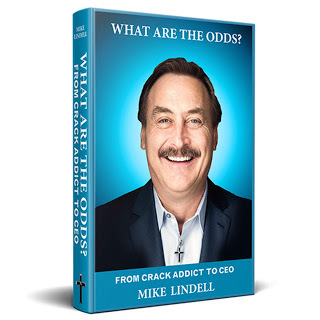
been reading What
Are the Odds? by Mike Lindell. You've probably heard of him or
at least seen his MyPillow commercials. I do not know Mike Lindell but I enjoyed
and recommend his book—yet it is filled with missed opportunities because he
self-published it. In this article, I want to point out some of the flaws in
this book and missed potential. Why write such an article? I do it so you can
learn some of the critical elements in book production. Even if you self-publish
your book, you can produce a book that looks exactly like any well-known
publisher. To achieve this result will take planning and intentional forethought
on your part.
Books have standards in how they
are put together. If you violate the basics, it will make your book stand out in
a negative way instead of helping it succeed in the market. You don't want
readers to wonder why you missed some element in the production. Instead you
want them to simply accept the book, read it and tell others about it. One of
the most difficult things to proofread during production is to notice missing
elements. What Are
the Odds? is missing a number of standard book items
including:
No back cover copy. The words on
the back cover are sales copy to entice readers. They often include endorsements
and other details. Instead What Are the Odds? includes a second
holographic image which is different from the cover.
No barcode on the back cover. A
properly done barcode is important for retailers to effectively use the book.
because this book only had a holographic image, it did not have a barcode to
help retailers sell the book—a glaring production error in my view.
No author name on the spine of
the book and instead it included the subtitle. Most books are spine out and the
authors name should be on the spine instead of the subtitle.
No endorsements. While this book
includes a Foreword by Dr. Ben Carson, there are no endorsements inside the book
or on the back cover. People buy books because of these endorsements and they
are an important missing element.
Missing information on the
copyright page. While this book includes a copyright page, it includes Bible
quotes but no reference to the translation used (normally on this copyright
page). Also throughout the book, Lindell includes lyrics from a number of
well-known artists and songs. If permission was secured, it is normally pointed
out on this copyright page and nothing is said on this page about
permissions.
No table of contents page. While
the book includes divisions and titles for each chapter. There is no table of
contents page with numbers to help the reader.
 No appendix or cross-promotion
 with MyPillow. What Are the Odds? includes no
advertising or promotion for Mike Lindell's MyPillow company or his foundation
for addiction or any number of other things he could have included in a simple
appendix. This book does not contain an appendix.
 I learned about this book because
 I am a long-time subscriber to Publishers Weekly. Each issue of PW has
a front and back cover and the responding inside pages in full color. This space
is advertising space that some individual (like Mike Lindell) or a publisher to
buy or advertising space. You can learn more details through their media kit (but does not include the prices). When I saw
the retail price for this book: Hardcover $39.99 or Softcover $29.99, I looked
on my local library to see if I could order the book—which I could. It's how I
read the book. Lindell is a Christian and the book is distributed through
Broadstreet Publishing.
Why
Did I Read This Book?
I love biographies and have
written a number of these types of books. The stories of changed lives always
fascinates me. Mike Lindell has a dramatic story and the storytelling in this
book is well-done and worthwhile reading. Inside the book a number of
interesting sections of full color photos and captions are included. Yet the
production problems detract from the reading experience and will frustrate many
readers. Some of the missing elements like the missing barcode will frustrate
retailers so they will be hesitant to carry the book. What Are the
Odds? does have it's own website.
I wrote this article as a
cautionary tale for authors. No matter how you publish your book (even
self-publishing), you need to take charge of these various elements. As the
author, it is up to you to make sure you are producing an excellent finished
book which will be accepted by the publishing community (bookstore retailers and
others). The lack of these critical elements is a huge error—which could have
been fixed in production but is hard to fix after the book is produced. I hope
it will help each of you seek good counsel and not make these
errors.
Have you read What Are the
Odds? Did I miss some other missing element? Let me know in
the comments below.
Tweetable:



November 29, 2020
Six Actions for the Silent Weeks

By Terry Whalin @terrywhalin
I understand 2020 has been a
strange year with a worldwide pandemic. While many things have changed, some
things continue in the same general pattern. Normally the period from
Thanksgiving until after New Year Day becomes a series of silent weeks. During
these weeks, many people are busy with other activities so they do not return
phone calls or emails and it looks like everything is going into a huge stall.
Here's an article I wrote for Almost A Writer about what to do in the silence.
The professional writer
understands this season and still keeps pressing ahead in spite of the
silence. In this article I want to give you six action-oriented ideas to
move forward with your writing. You don't have to do all six of them—but if you
did it would help you. I encourage you to read through these ideas, then choose
one or two that you will take action and incorporate into your writing life.
Nothing happens without consistent action. We can think about it all we want and
that does not do the hard work of getting it done.
1. Start or keep working
on your work in progress. Books take time. During the holidays you can
choose to reduce your word counts and writing schedule. Or you can cut down the
number and continue writing and moving forward. Even writing 500 words a day you
will move your book forward. My encouragement is to keep making progress and
keep writing even in this season.
2. Learn a new
skill or work on launching a new website. In the midst of a busy
season, my personal writing plans get set aside and during this time of year
they are back in focus and moving forward.
3. Read a writing how-to
book. I continue to read a how to write book every month. It's
something I have been doing for years. There is a great variety of possibilities
in the writing life. In the first chapter of Jumpstart Your Publishing
Dreams , include a fairly extensive list of the various types
of writing. You can get it
here (no opt-in needed).
4. Pitch magazine
editors, book editors, literary agents, podcast hosts, radio show
hosts, and others. As I
wrote about in this article, every writer has to pitch—whether you are brand
new or have been a bestseller. It's simply part of the process.
5. Write a
review on Amazon and Goodreads
plus tell others about the book through your social media connections. I continue to write book reviews when I read or listen to a
book. I encourage you to do the same. Most of my reviews are about 100 to 150
words. They do not take long to write but are an important way to support and
help other writers. It's an important action everyone can do in a short amount
of time.
6. Begin a new
habit for your writing life or something personal. Organize a section
of your office or on your computer. For example, several years ago I started a
gratitude journal with short daily entries. I continue this practice today. Or
about three months ago, my wife and I changed how we were eating and I'm thinner
than I have been in a long time. It has not been easy but the consistent changes
have paid off. You can read here
about my daily habit that I continue to practice.
As you practice some of these
actions, understand your consistent action may not pay off immediately but will
propel you forward into the new year. Which action are you going to take during
these silent weeks? Let me know in the comments
below.
Tweetable:
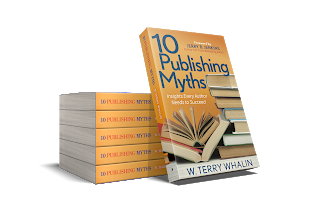 Get 10 Publishing Myths for only $10 +FREE shipping + over $200 of free bonuses.
November 22, 2020
An Often Forgotten Strategy for Authors

As writers, if you are going to
be published, one of your consistent actions must be pitching editors and other
decision makers in the industry. You can certainly blog and other actions on
your own websites but in this article, I want to emphasize an often forgotten
strategy for every author. I encourage you to write for other people's sites and
platforms.
For many years, I've written and
posted an article each week on this blog about The Writing Life. My
blog began in 2008 but I have been consistent week after week posting an
article. The result is over 1500 articles in this single location (and I will
include more details toward the end of this article).
 Besides creating new articles for
 my own blog, each month I have a number of other writing deadlines which have
come over the years. I'm a part of a small group of contributors at Writers on the Move.
I write one article a month published on the 22nd each month. Here's
the most recent link to my article, Some Good News for Writers.
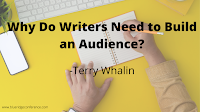 Also I've started writing one
 article a month for the Blue Ridge Mountains Christian
Writers Conference blog. My most recent article posted last week, Why Do Writers Need to Build
an Audience?
Several times a year, I have been
submitting an article for the Suite T blog. My most recent article was Do Editors Fix All My
Mistakes? This title is a variation of a chapter in my 10 Publishing Myths
book.

Also earlier this year, New
York Times bestselling author Jerry B. Jenkins interviewed me for his
Jenkins Writers Guild. We spoke for about 35 minutes about many different
writing topics. After it was over, I asked for a copy of the interview. When I
received it, I asked if I could also post the article on my blog. From the
reaction, I suspect few of the people Jerry has interviewed have asked for this
question. It involved several emails and negotiating an exclusive time period
for the Jenkins Guild before I could release it. That time has passed and you can watch
the interview here.
Since September 2011, I have
written monthly column for The Wordsmith Journal called The Proactive Author. For many of these articles, I rewrite
some of my blog articles but I have been consistently published in this
publication for years.
These articles and places are a
number of the locations where I am writing outside of my blog on a regular
basis. If you look at these articles through following the various links, you
will notice each article includes at least one link to a free resource the
reader can get from me (if they give me their email address and first name). I
have planned to add names and emails to my mailing list through appearing on
these websites. I do deliver value in each case to these locations and my
“payment” for this effort is to be able to give away free resources. I hope you
can see the strategy and planning I have built into each of these
efforts.
How can you take similar steps
with your writing? Can you find these opportunties for your writing? I believe
they are out there. It will take effort to find them but I encourage you to make
this effort.
Tell Other
Writers
 Are you one of my email subscribers to this
 blog? If you aren't I encourage you to use this link and begin receiving these entries each week in
your email. Also I encourage you to pass this link on to other writers and encourage them to
subscribe as well. In advance, I thank you for your help to spread the word
about this resource. Also notice in the right hand column of my
blog, (scroll down) there is a search tool where you can use key words and
search the entire blog database of over 1,500 entries. I will often use this
tool but you can use it as well to find information on many different writing
topics. Finally, please use my ClickToTweet link at the end of this blog to pass
on the article to others through social media. Thank you in advance for this
help.
Are you using this often
forgotten strategy in your own writing? Let me know in the comments
below.
Tweetable:
Get 10 Publishing Myths for only $10 +FREE shipping + over $200 of free bonuses.
November 15, 2020
10 Reasons to Read (or Re-Read) Marketing Books
 By Terry Whalin @terrywhalin
The book market is crowded which
is no news to those of us in publishing. Thousands of new books pour into our
world every day. No matter who publishes our book the author has to be taking
action to tell others about your book or to find readers. The author has to
continually spread the news about their book and the importance of it for their
readers.
If I'm honest, I'd love for
someone else to do this work and be able to devote more time to writing. It's
simply not reality with our world and market. Another reality is there is always
more to be done as a writer to be telling a new audience about your book—whether
it has been out a while or whether it is brand new. Consistently in these
articles, I've written about the importance of marketing and highlighted
different how-to books because it is an area every writer needs help. In this
article, I want to highlight a number of reasons writers need to read marketing
books (and then take action on what they learn).
1. You are probably missing some
element and the book can give you an idea. For example, maybe you are missing
effective use of press releases for your book or pitching podcasts or radio
stations for interviews. Have you prepared a list of possible questions?
Marketing books can remind you of these tested strategies and motivate you to
take action.
2. You get fresh encouragement to
take action and try a new path. Possibly you need to launch a new product
related to your book or something else that you will be reminded through the
marketing book.
3. You reach out and touch new
readers with your message and your book as you apply ideas.
4. You are reminded that without
your actions, your book stagnates and reaches no one. Last week I was reminded
about my product Editor Reveals Book Proposal Secrets. These CDs contain
valuable insights and teaching but to be honest have not been selling. Why? It
is my own fault because I have not been telling people about this well-done
product.
5. Even older marketing books
have valuable contents. For example, the book, Guerrilla Marketing for Writers
was published before social media but still contains valuable insights
and ideas. Postcards are still an effective marketing technique.
6. No single marketing book has
all of the answers. The path is different for each of us. What works for you may
or may not work for me.
7. If you don't try, it will not
fly. In the marketing area, it is necessary to try different techniques to see
what will work for you. Jack Canfield and Mark Victor Hansen talk about the rule of five. Watch this short video explanation.
8. Reading marketing books
recommits you to consistent action. While my Billy Graham biography came
out over five years ago. I'm still marketing it every day but with different
messages and different photos.
9. Reading these marketing books
opens you to new (and possibly free) ideas. If you take action on the
ideas.
10. There is nothing new under
the sun yet there are proven paths to sell books—and each of us need to walk
these paths with our books.
Notice I didn't give you a series
of marketing books in this article. Why? There are many different books and I
have many different possibilities. The key is to use and re-use the books you
already have—or check them out of your local library.
Did I leave out some reason? Let
me know in the comments below.
Tweetable:
Get 10 Publishing Myths for only $10 +FREE shipping + over $200 of free bonuses.
November 8, 2020
Writers Need Each Other

By Terry Whalin @terrywhalin
Alone with our keyboard, every
writer creates stories, articles and other types of communication. Yet without
readers of those words, the stories have little impact on others. I understand
it is hard to get an editor's or literary agent's attention to get your material on the road to
publication. Part of this frustration is why self-publishing has exploded with
1.6 million self-published books a year. Yet many of these books are poorly
produced and only sell 100 to 200 copies in the lifetime of the book (not a good
path in my view and filled with companies who will gladly take your money with
poor results).
Early on in my writing life, I
learned that other people's input into my writing improved the results. Each of
us have blindspots with our writing (no matter if we are beginners or have been
writing for decades). Every writer needs an editor to go through their
work in detail before it is published. I understand the business is subjective
and you have to find the right editor for your work but it is an important part
of the process. The best kind of publishing from my experience is using a team
of people.
The writing community is an
important part of the process. I learned early on to connect with others via
email or phone or in person—and to maintain these relationships. I started
writing for publishing decades ago in high school on my newspaper then worked
for the local newspaper. While I have a college degree in journalism, I put my
writing on hold for ten years while I was living overseas and working in
linguistics.
Years ago a friend showed me how to write a query
letter and pitch magazines so I could get assignments. Then I went to my
first writer's conference and met editors and literary agents. It opened the
door for my first book which was published in 1992 (and long out of print). One
of my writer friends recently showed me a current outrageous price on my first
book from a retailer.
When I joined a critique
group, my published writing took a leap forward. It was a regular forum to
gain insight from readers and also a consistent deadline for my writing. If you
have never joined a group, I recommend you follow this
link and read the details of how to join or create a group.
There are many ways to support
other writers in the publishing process. It might be as simple as being in a
critique group with them. Or you could read their book, then write a review. People are making
buying decisions every day after reading reviews. It's one of the reasons I've
written over 1,000 Amazon
reviews because it is a way I can support other writers. You can also
subscribe to their newsletter (then when it comes pass it on to others). You can
reach out to others with a phone call or email to check in with them—and see how
they are doing with their writing. Admittedly 202o with a world-wide pandemic
has been a strange year but you can do this sort of networking effort any time
and any year.
Look for ways to volunteer and
give back to others. As you give to others in these
ways, you join the community of authors—and yes giving will come back to you
multiplied is my view. I've given you a few ideas in this article. The
bottom-line is we need each other. What steps will you take today to encourage
and reach out to other writers? Let me know in the comments below.
Tweetable:
Get 10 Publishing Myths for only $10 +FREE shipping + over $200 of free bonuses.
November 1, 2020
The Practice of Anticipation

By Terry Whalin @terrywhalin
Writers have a variety of goals
and plans which need to be completed. Often these goals have deadlines or
deadlines are created for their completion. In various areas of my writing
life, I practice anticipation. Years ago, I wrote to do lists and crossed off
items as I complete them. I don't do this practice any longer and believe it is
a waste of time (for me—maybe not for you).
I have many different areas of my
writing life in motion: writing new material, acquiring new authors at Morgan James
Publishing, emailing and calling authors who have received contracts and
never signed, marketing my own books, adding people to my email subscribers,
maintaining my social media and engaging with responses—actually the list is
long and endless but this gives you some ideas of what I am anticipating and
practicing each week.
Let's use these blog entries as
an example. Years ago, I decided to write one new blog article a week and post
it here. Currently I have over 1500 entries in The Writing Life. If
you are not a subscriber to my weekly here is where you can subscribe. Each week I reach many
people with this single article but I have to produce something every week. To
complete it, I practice anticipation.
As I see an idea or something to
write about, I will often open an file, create a headline and begin to write
some thoughts—even if in a rough outline format. This process captures the idea
for use—even if I don't use it immediately.
Throughout the week, I am aware
of my need to have an article for my blog. As I get a few minutes here and
there, I work on crafting the article. I post my article early on a Sunday
morning and it goes out to my subscribers early in the morning on Monday. I
created this pattern or system years ago and people expect to see something on
these timeframes. Sometimes with my schedule, I finish the article at the last
minute but I'm consistent in this process (an important aspect).
Each of these articles have some
elements which I've created. The article includes links to other resources which
I have created over the years or links to other writing resources I've
discovered. The article include a royalty-free photo at the top. I use this
photo for on-going promotion through social media—sometimes years after I have
created it. As other portions of this process, I have created a system or
process which is done almost automatically and works for me. Your system will be
different but you need to think about it and create one.
Also these articles are a planned
length or word count of about 400 to 700 words. This length is intentional since
it is the normal blog article length. If it is shorter, there isn't enough
substance and if it is longer, people may not read all of it. Do you have a
projected article length for your blog when you write it?
Finally for the last several
years I've been including a ClickToTweet at the bottom of my article. I can see from
social media use that people use this tool to pass on my article to their
audience. It's a consistent pattern and part of my articles.
Do you practice anticipation
in your writing life? Or are you still making to do lists and crossing them off
throughout your day? Let me know in the comments below.
Tweetable:

October 25, 2020
Almost Scammed Last Week
 By Terry Whalin @terrywhalin
Throughout my day, I receive a
number of phone calls. Often they are my Morgan James authors asking questions
or returning my phone call. Other times they are friends or family members. For
most of the people in my contacts list, I have added their photo in addition to
their name so with a glance I can see who is calling.
This week on a whim, I answered a
random number not in my contact list (not a good idea). It was someone who
claimed to be from Amazon security checking to see if I had recently purchased
an iPhone. The location for the purchase was in California and I'm in Colorado.
I listened and said it was not me. Then this person directed me to a website
address. I typed it in and it looked like an Amazon site but was not an Amazon
site.
I accused them of being a scam,
disconnected the call then blocked this number from being able to call me again.
Then I went to my Amazon account and checked my orders. No iPhone was ordered
and the call was a scam. Whew. I narrowly avoided it and gave the caller zero
personal information.
I wrote this article because even
though I've been online for years, I came close to being scammed. As writers we
need to be cautious and be careful. I'm not answering any more phone numbers
which are not already in my phone. These numbers are mostly spam, political or
scams. If you call me for the first time,. leave a message and I can return
those calls.
Scams also happen within
publishing. I wrote about one of those possibilities in an article recently
published on the Blue Ridge Mountains Christian Writers Conference called Should I Self-Publish? (follow the link to read this piece).
Finally, last week I had two
additional articles published on other blogs. Once a month I contribute an
article to Writers on the Move. This month I wrote about how Published Writers Must Be Pitching. Finally for the Suite T
Blog, I wrote an article, “Do Editors Fix All My Mistakes?” It is another publishing
myth which I attempted to dispell and encourage writers to make a good first
impression with their submission. I hope these additional articles help
you.
Have you been
scammed or like me, almost scammed through some phony pitch? Let me know in th
ecomments below.
Tweetable:
This prolific editor and author answered a
random phone call and was almost scammed. Get the details here. (ClickToTweet)
Get 10 Publishing Myths for only $10 +FREE shipping + over $200 of free bonuses.
October 18, 2020
My Necessary Daily Habit

By Terry Whalin @terrywhalin
While I've written about
many aspects of the writing life in these articles, I'm going to give one today
that is deeply personal and I haven't discussed yet is critical for life. One of
my first actions every day is to plop my bathroom scale on the floor, stand on
it and check my weight. During the early days of the pandemic, my number
continued to climb. In fact, I had to go to a larger pants size and even some
days squeezed into those pants.
A month or so ago, my wife and I
decided to make changes in our eating. We got a new book about the South Beach
diet and changed many of our eating habits. My daily weight number began to
drop. A few days ago I got into my smaller pants so it is working. I'm not
totally where I want to be for weight but I'm headed in the right direction. In
the last 25 years, Christine has watched me go through this process at least
four times. It is a daily decision to stay the course.
To be honest, I love to eat anything sweet and many other
foods not on my current eating plans. Several weeks ago I saw my doctor and my
blood pressure was elevated. He suggested I go on some blood pressure medicine
and did not even mention about my increased weight. I have not taken the
medicine and instead began to work on reducing my weight. I return to the doctor
again next month to see what has happened with my intention to eat different
foods and less salt and sodium.
Change is hard and I'm going against the genetics in my
family. One of my relatives in the 1800s was over 300 pounds and it took several
men to lift him in a chair for his baptism. Yes this story is a part of my
printed family history. The men in my family have always been known as “big”
which is code for overweight. The change is a moment by moment choice. I've also
learned my weight has little to do with exercise (and movement is also
important) and everything to do with what I eat.
Less weight affects my energy level and many other factors
in my writing life. I expect my family doctor will be surprised next month when
I see him. I hope you can see that accountability is important. Go through this
process with someone else supporting your commitment to change. It will lengthen
your life and your time on the planet to do more writing work.
This article tells about a personal choice I've made with my
weight. What personal choices are you making? Let me know in the comments
below.
Tweetable:
Get 10 Publishing Myths for only $10 +FREE shipping + over $200 of free bonuses.
October 11, 2020
Why I Don't Follow Some Common Advice

By Terry Whalin @terrywhalin
Do you follow every bit of advice
from others? I don't and if I did I would be chasing after every new and shining
object that comes into my mailbox or email box. In this article, I want to
address a common bit of advice that I've heard then tell you about how I handle
this area and other advice.
In blogs and books, I often read,
“Don't read your email first thing. Focus on your main priority first and decide
to read your email on designated times throughout the day.” Statistics have
shown most of us check our email at least 85 times a day which admittedly is
excessive. I've learned the importance of responding with short emails which
gives the receiver a response but maybe not a lot of detail. If an email
requires a longer response, I've learned not to immediately send it but to wait
a bit then re-read it to make sure it s complete.
I don't follow this advice about
not reading my email because these emails are the lifeblood of publishing. It's
where I get work. It's where I communicate with editors. It's where I get my
contracts from my colleagues at Morgan James Publishing which I send on to authors. It's
where I receive signed contracts from authors. There are many other bits of
information that come through my email. I've learned to process it
quickly.
Another bit of advice I see
regularly is about social media. “Use a timer when you log on to
Facebook or LinkedIn or _____ and begin reading. Otherwise you can waste hours.”
I see the truth in this statement but again it is something I do not practice or
follow (using a timer). Instead I am keenly aware of the traps of social media
and how you can waste lots of time on it. My social media time is limited.
Admittedly I do not see every post from every person. My time on social media is
focused and with a point.
As writers, each of us have a
careful balancing act called life. We juggle work and family and fun (yes we
make time for fun). We have longterm and short term projects.
I network with others and I am moving forward with my current book writing
project at the same time I am looking for looking for long-term work,
answering email and
returning phone calls. The list is endless but these are some of the elements
and give you the idea. I also have interruptions and unexpected things that
spring into my schedule.
In a recent how-to writing book I
read, reviewed and promoted, the author called out Amazon as evil. I understand
many booksellers and publishers do not like the controlling dominance of Amazon
but I respectfully disagree with this author. Amazon is not evil. This company
is a huge player in the publishing industry and requires some of our attention
at writers.
My principle point in this
article is each of us have to find our own path. My path within publishing and
life will be different from your path. I can learn from you and you can learn
from me. I hope I've given you some ideas in this article.
What common advice do you not
follow? Let me know in the comments below.
Tweetable:
Get
10 Publishing Myths for only $10 +FREE shipping + over $200 of free
bonuses.
October 4, 2020
Submission Expectations

By Terry Whalin @terrywhalin
Last week I was speaking with a
novelist about her book. Toward the end of the conversation, she told me that
she had simultaneously submitted her
novel to another publisher. I thanked her for letting me know. While
publishing is part of the communication business, often the communication is
non-existent or takes months.
I explained to this author that
it's fine to simultaneously submit to different publishers. If you are going to
simultaneously submit, it's expected you will include this information in your
proposal or query letter. It can be a simple statement: “This submission is
simultaneous.” Simultaneous submissions are common in the magazine world and
book publishing—with queries and proposals.
If you submit to multiple places
at once, you are responsible to:
1. Keep track of the
various places you submitted simultaneously. You will want to do this
anyway to gently follow-up with them if you don't hear from them. A gentle
follow-up is sending a brief note asking if they received the submission. Email
doesn't always get from one place to another so the question is a good
one—especially if the
literary agent or publisher or magazine
received a high number of submissions.
2. When you sell
or place the book or magazine article, you are responsible to let
everyone else know this submission has been placed. This communication
is key and removes the submission from these other places considering
it.
Several months ago, an agent that
I occasionally work with had placed a book with Morgan James. He
simultaneously submitted the project to other places—but did not handle this
second step. He approached me because he wanted to accept the second deal and
cancel the contract with Morgan James. Such action was improper but eventually
we cancelled our contract and allowed the other publishing deal to go forward. I'm not speaking out of school to tell this story because I confronted the agent directly about his mistake and unprofessionalism. The second offer should have never been presented to his author--but he did. He also still wanted to cancel and move to the other publisher. We spoke with the author before the cancellation. This author believed this
second publisher was going to do 100% of the marketing for his book (a fantasy
for any publisher).
Also the agent through his
unprofessional actions jumped on a blacklist within our publishing house. Yes
such a list exists within publishers and magazines. These people have violated
the expected standards and practices. If this agent ever approaches me or
anyone else at the publisher, he will get a rapid but professional rejection
letter. We wasted valuable time and resources with such unprofessional actions and it will not be
forgotten.
Unfortunately because of the
volume of submissions, a number of publishing houses do not respond. That's a
key reason why you want to establish personal relationships with as many editors
and literary agents. Then when you submit something to them, in the first
paragraph, you remind the editor or agent of your connection to them (where you
met, at
which conference, etc.). This addition to your submission will help you get
much more traction than random unsolicited submissions.
I hope this article about
submission expectations has been helpful. Each side of the process has
expectations. If you have other experiences with submissions or something I've
left out, let me know in the comments below.
T weetable:



