Julia McCoy's Blog, page 10
April 18, 2024
How to Prepare for AGI: Your Guide to the Future
AGI is coming, and it’s going to change everything. But are you ready for it?
It’s not just about the tech. It’s about how we adapt, how we evolve, how we stay ahead of the curve. Because when AGI arrives, it won’t just be a game-changer. It’ll be a world-changer.
So, how do you prepare for something that big, that transformative, that… unknown?
Well, buckle up, because we’re about to find out.
The Evolution of Computing Power for AGI
You’ve probably heard about the buzz around artificial general intelligence (AGI) lately. But what exactly is AGI, and how close are we to achieving it?
AGI is the holy grail of artificial intelligence – a machine that can think, learn, and reason like a human. And while we’re not quite there yet, we’re making some serious strides in the right direction.
Two key areas that are essential for the development of AGI are quantum computing and nuclear fusion. Let’s dive into how these technologies are paving the way for the future of AI.
Quantum Computing’s Leap ForwardQuantum computing is a game-changer when it comes to computational power. While traditional computers use bits that can only be in one of two states (0 or 1), quantum computers use qubits that can be in multiple states at once. This allows them to perform complex calculations at lightning speed.
In fact, quantum computers have the potential to be a million times more powerful than the computers we use today. That’s a huge leap forward in terms of the computational capabilities necessary for AGI.
Nuclear Fusion as an Energy SolutionOf course, all that computing power comes at a cost – energy. And that’s where nuclear fusion comes in.
Nuclear fusion is the process that powers the sun and the stars. It’s a thousand times more efficient than solar and electricity, and it produces zero greenhouse gas emissions.
Organizations like CERN are already researching nuclear fusion as a potential energy source for AGI. If we can harness the power of nuclear fusion, we’ll have a virtually unlimited supply of clean energy to power the AI systems of the future.
Implications of AGI Deployment on SocietyAs exciting as the prospect of AGI is, it’s important to consider the potential societal implications of its deployment.
One of the biggest concerns is job displacement. As AI systems become more advanced, they may be able to perform tasks that were previously done by humans. This could lead to significant job losses across various industries.
Job Displacement and Economic DisruptionsA report by McKinsey estimates that by 2030, up to 800 million jobs could be lost to automation. That’s a staggering number, and it’s clear that we need to start preparing for the economic disruptions that AGI could bring.
But it’s not all doom and gloom. While some jobs may be lost, others will be created. We’ll need people to design, develop, and maintain these AI systems. And as AGI frees up humans from repetitive tasks, it could also open up new opportunities for creativity and innovation.
Universal Basic Income as a ResponseOne potential solution to the job displacement caused by AGI is universal basic income (UBI).
UBI is a system where every citizen receives a fixed amount of money from the government, regardless of their employment status.
The idea behind UBI is that it could provide a safety net for those who lose their jobs to automation. It could also give people the freedom to pursue education, start their own businesses, or engage in creative pursuits without worrying about making ends meet.
Of course, implementing UBI is no small feat. It would require a significant overhaul of our current economic systems. But as AGI becomes more advanced, it’s an idea that we may need to start taking seriously.

As we develop AGI, we must consider the ethical and moral implications of creating machines that think and reason like humans.
One of the biggest challenges is ensuring that AGI systems are developed in a way that aligns with human values and morality. We need to be proactive in addressing potential biases and ensuring that these systems are used for the benefit of humanity as a whole.
Combating Bias in AI SystemsBias in AI systems is a real concern. If the data used to train these systems is biased, the outputs will be biased as well. This can lead to unfair outcomes and perpetuate existing inequalities.
To combat bias, we need to be intentional about the data we use to train AGI systems. We need to ensure that it is diverse and representative of the populations these systems will serve. We also need to develop algorithms that can detect and mitigate bias in real time.
Decentralized Power and Democratized AccessAnother key ethical consideration is ensuring that AGI systems are not controlled by a select few individuals or organizations. We need to work towards decentralized power structures and democratized access to these technologies.
This means investing in education and training programs to ensure that people from all backgrounds have the skills and knowledge necessary to participate in the development and deployment of AGI. It also means creating open-source platforms and tools that anyone can access and contribute to.
Fostering Autonomy and Meaningful WorkAs AGI systems become more advanced, we must not lose sight of the importance of human autonomy and meaningful work. We need to ensure that individuals have the freedom to make their own choices and pursue their own goals, even in a world where machines can perform many tasks.
This may require rethinking our current economic systems and social structures. It may mean placing a greater emphasis on creativity, empathy, and other uniquely human skills. But ultimately, it’s about ensuring that AGI serves to enhance human potential, rather than replace it.
The Role of Advanced Technologies in Realizing AGIAchieving AGI is no small feat. It requires a combination of advanced technologies, including deep learning, neural networks, and machine learning.
These technologies are already being used to create AI systems that can perform specific tasks with incredible accuracy and efficiency. The ultimate goal, however, is to create a system that can learn and reason like a human across a wide range of domains.
Deep Learning and Neural NetworksDeep learning is a subset of machine learning that uses artificial neural networks to model and solve complex problems. These networks are inspired by the structure and function of the human brain, with layers of interconnected nodes that can learn and adapt over time.
Deep learning has already been used to create AI systems that can recognize speech, identify objects in images, and even beat human champions at complex games like Go and chess.
As these networks become more sophisticated, they will form the backbone of AGI systems that can learn and reason in more human-like ways.
Machine LearningMachine learning is another key technology that is essential for the development of AGI. At its core, machine learning is about enabling AI systems to learn from data and improve their performance over time.
One example of the power of machine learning is AlphaZero, an AI system developed by DeepMind that was able to master the game of chess in just four hours. By playing against itself and learning from its mistakes, AlphaZero was able to develop a style of play that was unlike anything seen before.
As machine learning algorithms become more advanced, they will enable AGI systems to learn and adapt in real time, making decisions and solving problems without the need for human intervention.
Navigating Future Challenges with AGI DeploymentOne of the biggest challenges is ensuring that AGI systems are developed and deployed in a way that is safe and beneficial to humanity as a whole. This requires careful planning, testing, and oversight at every stage of the process.
Avoiding an Unsafe Race Towards Powerful AIThere is a risk that the race to develop AGI could lead to a rush to create powerful systems without adequate safety measures in place. This could have disastrous consequences, including the creation of systems that are difficult to control or that have unintended negative impacts on society.
To avoid this, we need to prioritize safety and security at every stage of the development process. This means establishing clear guidelines and standards for the development and deployment of AGI systems, as well as investing in research and development of safety measures and fail-safes.
Empowering Individuals to Navigate AI Deployment ChallengesAs AGI systems become more advanced and ubiquitous, individuals must have the knowledge and skills necessary to navigate the challenges and opportunities they present.
This means investing in education and training programs that help people understand the basics of AI and its potential impacts on society. It also means creating opportunities for individuals to gain hands-on experience with AI systems and contribute to their development in meaningful ways.
Ultimately, the success of AGI will depend on our ability to work together as a society to ensure that these systems are developed and deployed in a way that benefits everyone. By staying informed, engaged, and proactive, we can help shape the future of AGI and ensure that it serves to enhance rather than replace human potential.
Are You Ready for AGI?Preparing for AGI isn’t just about the tech. It’s about mindset, adaptability, and a willingness to embrace change. Soak up knowledge like a sponge; let your curiosity roam free; always be ready for what comes next.
Remember, AGI isn’t just a future concept. This is a shared ride we’re on, with everyone bringing something to the table. And the more prepared we are, the better equipped we’ll be to navigate the challenges and opportunities that lie ahead.
So keep learning, keep exploring, and keep pushing the boundaries of what’s possible. Because when AGI arrives, you’ll be ready to not just survive but thrive in a brave new world.
The post How to Prepare for AGI: Your Guide to the Future appeared first on Content Hacker.


April 17, 2024
CRAFT is Now TAP: Publish Top-Ranking Content in Minutes
You’ve always loved creating content, but let’s face it – it’s time-consuming and often expensive. So there you are – spending endless hours on research, writing like a maniac, and tweaking every word but somehow still not making that connection with your audience. But what if there was a way to create high-quality, engaging content in a fraction of the time and cost?
Enter RankWell — the best AI SEO writer today.
In this blog post, we’ll talk about how Content at Scale’s RankWell is revolutionizing content creation by generating long-form articles that not only read like a human but also perform well in search engines — with minimal human intervention!
 The Journey of Content at Scale
Content at Scale has been at the forefront of the AI revolution in content marketing. But their journey to becoming a leading AI content generator wasn’t always smooth sailing.
From Challenges to TriumphWhen it started back in December 2021, Content at Scale faced its fair share of obstacles. Their AI-generated content received negative feedback and struggled to match the quality of human writers.
But its founder, Justin McGill, didn’t give up. His team worked tirelessly to improve the software and train AI on vast datasets. And it paid off.
Today, Content at Scale generates over 50 million words of original, high-quality content per month that’s virtually indistinguishable from content written by humans. They’ve redefined what’s possible with AI-generated content.
Introducing RankWell: A New Era in SEOContent at Scale’s latest innovation is RankWell, a powerful AI SEO writer that enables the creation of SEO-optimized content with ease. It’s a game-changer for businesses looking to rank higher in search engines and drive more organic traffic.
One of the standout features of RankWell is its AI-powered keyword research tool. It goes beyond basic keyword suggestions and provides in-depth data on search volume, ranking difficulty, CPC, and more.
From the keywords that you choose, the AI writer generates high-quality, SEO-optimized content that’s designed to rank. It’s like having an expert SEO writer at your fingertips, without the high costs.
From CRAFT to TAPContent at Scale is always looking for ways to make AI content better. So I developed an AIO framework called CRAFT to help SEO writers adapt to a modern world where humans optimize what the machine created.

But CRAFT was a tedious process that took several hours of manual work — not what Justin envisioned when he created Content at Scale.
Justin’s goal was to automate long-form, well-researched, high-ranking content fully by AI.
With the arrival of RankWell, Justin’s dream has finally come to fruition with CRAFT now done inside Content at Scale. 
The winning formula was to stack multiple LLMs to build a powerful SEO AI writer that could:
Research any topic, cite authority sources, find real-time breaking news, and include it in the outputCreate 100% original, Google-friendly, useful articlesGenerate SEO metadata and embed tweets/key takeaways automaticallyPublish instantlyAll done with minimal to no human editing.
Now content creation is faster and more efficient.
And my old CRAFT framework? It’s dead.
Now all you have to do is TAP.

With TAP, the content generation process is almost entirely automated. What used to take hours can now be done in minutes.
But this speed doesn’t come at the cost of quality. RankWell algorithms ensure that every piece of content is deeply researched, well-written, engaging, and optimized for search engines. It’s the best of both worlds.
Achieving Organic Traffic Success with AIAll this talk of AI and SEO is great in theory, but does it actually work in practice? The answer is a resounding yes.
There are countless examples of businesses using RankWell to achieve incredible results in organic search traffic. We’re talking top rankings for competitive keywords, without any human intervention.
Here are real examples of RankWell-generated articles hitting the first page of Google for a high-volume keyword within weeks. Shared with permission from our actual users. 
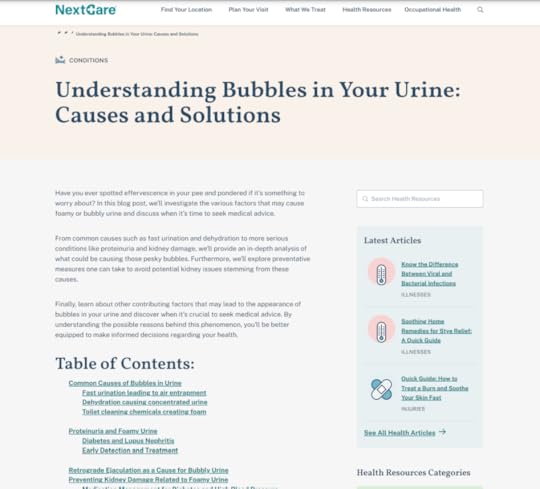
RankWell post on a health topic ranking for 1,504 keywords and driving 3.4k organics/month.
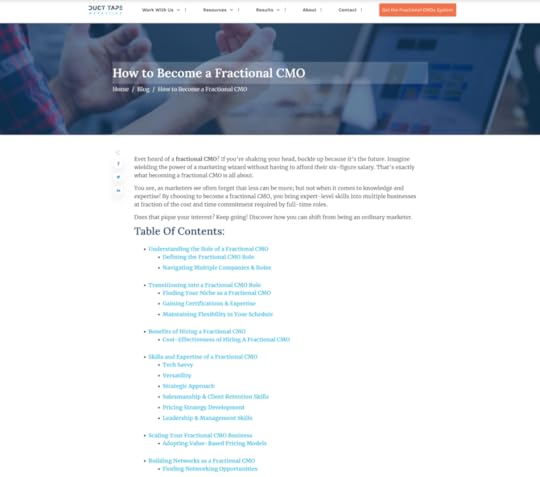
RankWell post ranking 1-3 for “fractional CMO certification” and “how to become a fractional CMO”.
RankWell post on how to make money from a book ranking for 1,000 keywords with 105,000 impressions/month.

RankWell post ranking #1 globally for “does Hoarders pay for the clean up” driving 3,300 organics/month.

RankWell post on health insurance ranking for 841 keywords and driving 1,667 organics/month.

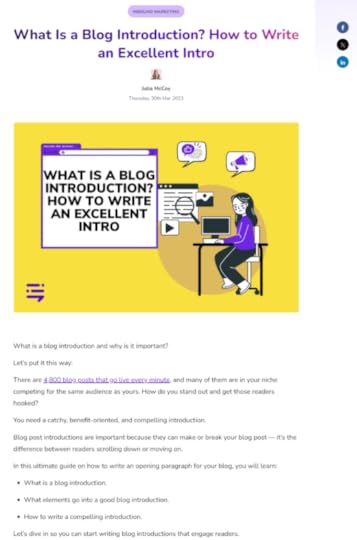
RankWell post on “what is a blog introduction?” ranking for 440 keywords with 12k impressions/month.
RankWell post ranking for medical keyword ranking for 583 keywords and driving 6,129 organics/month.

The traffic and leads RankWell generates for businesses are truly game-changing.
Cost-Effective Content Solutions for BusinessesFor many businesses, creating quality content at scale is cost-prohibitive. But with Content at Scale, that’s no longer the case.
RankWell offers full, SEO-optimized blog posts for just $15 each. That’s a fraction of what it would cost to hire a professional writer, making it a cost-effective solution for businesses of all sizes.
But the real ROI comes from the organic traffic and leads these AI-generated posts can bring in. When a single post can generate thousands of dollars in revenue, the $15 investment seems like a no-brainer.
As AI continues to advance, it’s clear that it will play an increasingly important role in content creation and digital marketing as a whole. Content at Scale is committed to helping marketers stay ahead of the curve.
Publish Top-Ranking Content in MinutesAI is the future of content creation. Gone are the days when creating quality material drained both time and money like sand through fingers.
Welcome to faster, better outputs at friendlier prices – connecting you to your audience better than ever!
By leveraging the power of AI, you can streamline your content creation process, freeing up valuable time and resources to focus on other aspects of your business. Whether you’re a small business owner, marketer, or content creator, RankWell is a tool you can’t afford to ignore.
Content at Scale is all about fine-tuning top-notch technology stacks for AI SEO blogging, all while making sure marketers are on board with the AI wave. We’re not just another run-of-the-mill AI software; we’re the folks actively arming marketers, agencies, publishers, and freelance wordsmiths with the know-how to tackle AI head-on.
I’m genuinely pumped to be part of this mission, and here’s some exciting news: as a writer, your game can go from meticulous crafting to smooth tapping. That means more of what you love and less of the nitty-gritty work hassle.
The post Rank #1 on Google appeared first on Content Hacker.
Best AI SEO Content Writer of 2024
As someone who’s been in the content marketing game for a while, I’ve seen firsthand how AI writing tools have revolutionized the industry. And let me tell you, AI SEO content writers are a game-changer.
Gone are the days of slaving over a keyboard for hours on end, trying to churn out blog post after blog post. With AI writing tools, you can generate high-quality, SEO-optimized content in a fraction of the time.
As a content marketer, you know how important it is to create content that not only engages your audience but also ranks high on search engines like Google.
But let’s be real, optimizing your content for SEO can be a total pain. That’s where AI SEO content writers come in.
These tools use advanced algorithms and natural language processing to create content that’s not only optimized for search engines but also reads like it was written by a human. And trust me, that’s a rare combination in the world of AI-generated content.
If you’ve been looking for an AI SEO writer that takes all of the work out of the process, look no further because I’m about to introduce you to Content at Scale’s RankWell — the number one AI SEO writer out there.
I’m going to show you how to take content from keyword research all the way to published and live on your site in under five minutes.
Buckle up for this extraordinary breakthrough in the AI SEO writing space.
If you’ve followed me and my work over at Content Hacker, you know that for the past year, I’ve been teaching a framework I call CRAFT which is a step-by-step process of what an SEO writer needs to do to optimize content that comes straight out of AI and get it publish-ready.
CRAFT stands for:
Cut the fluffReview the contentAdd visualsFact-checkTrust-build

With the new and improved RankWell AI SEO writer, we were able to cut down the 7-8 hours needed to write one long-form, 3000-word pillar piece of content to just ONE HOUR — all while ranking at the top of Google.
If you haven’t heard my story, I used to be a human-only SEO content writer for 10 years.
Today, well I’m still human, but I am no longer an SEO content writer doing everything manually — not when an AI SEO writer like Content at Scale exists.
And with the breakthrough of this new feature called Deep Research, you literally can go straight from an idea of a topic to publishing content that is as good, if not better, than the average human SEO content writer.
And that entire 5-step CRAFT framework? It’s now almost fully automated! You don’t have to spend several hours cutting the fluff, editing the content, fact-checking, and trust-building.
Now all you have to do is TAP.
TAP stands for:
Take a look at the contentAdd visualsPublish

That’s right. CRAFT is now TAP — from five rigorous steps to just three which you can complete in under 5 minutes!
Don’t believe me?
Here are some of the use cases we’ve seen where publishers go straight from our AI to live on their site — with zero human editing!
This article ranked #1 for a global keyword, driving 3,300 organics/month.

Some are already ranking for over 1,500 keywords, with over 100,000 impressions in a month for organic SEO.
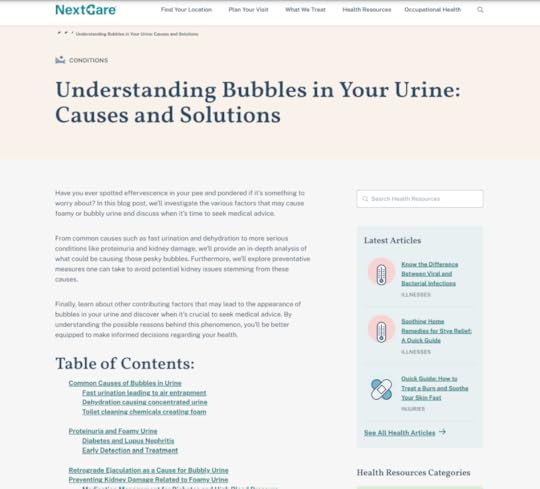
One article even ranked for 580+ keywords in a tough medical niche.

These articles are published #StraightOuttaAI where all the user did was add images and hit Publish.
Publish From a Single KeywordSo what does it look like to TAP and generate content within RankWell?
You have six options to generate content with RankWell:
From a keywordFrom an existing blog postFrom a YouTube videoFrom a podcast episodeFrom an audio fileFrom a raw document
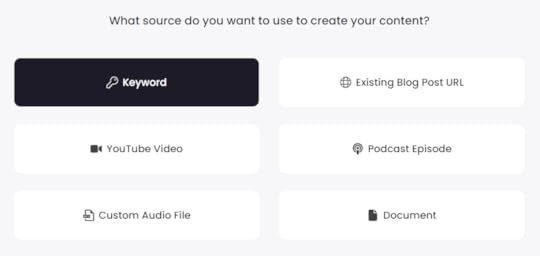
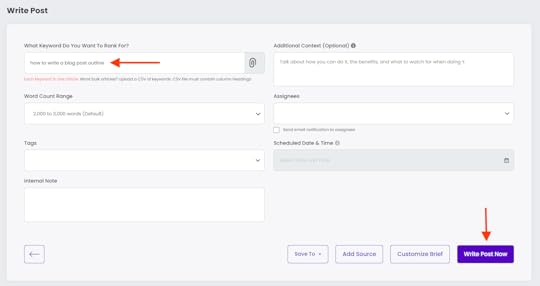
To start creating content, just enter the keyword or URL and click the “Write Post Now” button.
A progress bar will show you when your blog post is ready. After a few minutes, you can start implementing TAP.
First, Take a look at the content. Click the title of the article to open it in the text editor and read through it. Look at the optimization score and aim for at least 80.
In this example, the blog post straight out of AI already has an SEO score of 79 so there is very little editing needed.
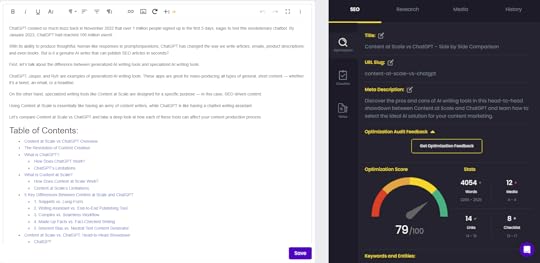
To start optimizing your article, go through the Keywords and Entities list and check if these phrases appear in your title, meta description, headers, and body copy.
Keep adding these keyword variations to your blog post until the needle moves to green.
The second step in TAP is A — add images and visuals. No one wants to read a block of text, especially one that has over 2,000 words. Visuals create white space and add color to your article so it’s more enjoyable to read.
I use DALL-E or Midjourney to generate my images. Both of these apps are very cheap — you can access DALL-E through ChatGPT Plus for $20 a month or use Midjourney for $8/month.
Here’s a featured image for a travel blog post that I generated with DALL-E:

If you have lots of statistics, infographics are the best way to present these numbers — they’re easy on the eyes and highly shareable.
Our in-house designer created this infographic for an AIO blog post:

Got a cool video related to your keyword? Embed it to your blog post to boost reader engagement.
Quick tip: Whenever you are saving your images, graphics, and videos, use your keyword as the file name for a little more SEO juice.
Finally, P is for Publish. No need to copy-paste your article to your blog or another text editor. Content at Scale has a WordPress plugin that lets you sync both apps so you can publish your work instantly. You can also export your RankWell-generated blog post to Word, Google Docs, or HTML.
Keyword Research and SEOContent at Scale also has an amazing suite of SEO tools built directly into the app.
First up is the keyword research tool powered by the Mangools API. Here you can simply add your seed keyword and Content at Scale will generate hundreds of related terms with their corresponding monthly search volume, ranking difficulty, CPC, and trending data.
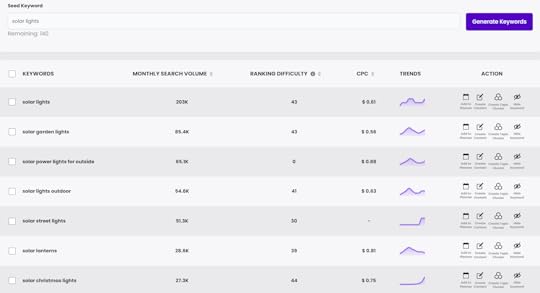
Pro tip: choose a keyword with a ranking difficulty of under 50 that also has a decent search volume.
From this list, choose the keyword you want to rank for and then click “Create Content” to write a blog post or “Create Topic Cluster” to build a content cluster around that keyword. You can even run keywords in bulk! Just tick the boxes and go.
Content at Scale also features a content intelligence suite where you can generate topic reports, content briefs, and optimization audit reports to see how you can improve your content.

Now let me show you a neat trick for adding that “Experience” to your AI content.
Every blog post generated by Content at Scale has an introduction and conclusion. This is where you can weave your personal experience in.
Share your story, add a client testimonial, or mention a quote to enhance the authenticity of your work.
If your client has a money page, you can have all your blog articles link to it automatically. On the project settings, click the Call to Action tab and add a custom CTA that will appear after every introduction, after every conclusion, or in both places.
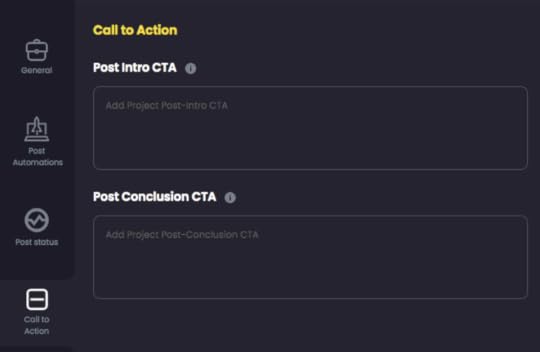
Write something that is personal to you and why somebody would move forward with you. That’s a great way to frame an EEAT-friendly call to action instead of the generic “Learn more” or “Click here” CTA.
Get Content That Ranks Well … in Minutes!Content at Scale’s AI SEO writer is built to do one thing — generate content that ranks well. And that is now possible in just a few minutes instead of hours.
Best of all, RankWell’s output is infinitely better than 90% of the robotic crap out there.
No more fluff. No more heavy editing. Almost zero hallucinations. CRAFT is dead.
Now all you have to do is TAP and Go.
The post Best AI SEO Content Writer of 2024 appeared first on Content Hacker.
What Will Life After AGI Look Like?
Imagine a world where AI not only exists but dominates every aspect of human life and business. It sounds like science fiction, right? Yet, here we are, standing on the precipice of an era where this very concept could become our reality. The journey from imagination to implementation has been nothing short of extraordinary.
Honestly, it’s hard to catch your breath with how fast technology moves these days. One day, you’re totally wowed by what your smartphone can do; the next, you find yourself wondering if AI is about to sprint past human smarts in every way imaginable.
For entrepreneurs, founders, and marketers like us, what does this new society mean?
Let’s be clear: no one can predict the future with absolute certainty. However, by examining current trends and advancements in artificial intelligence, we gain invaluable insights into what lies ahead.
This isn’t just about robots taking over mundane tasks or software optimizing business operations anymore. We’re talking about reshaping economies, redefining industries, and fundamentally altering the fabric of society itself. The potential is enormous, but so are the challenges ahead. We need to be ready for what’s coming and start thinking now about how we can shape this future in a way that benefits everyone.
Want to build a real money-making blog, 10x faster with the use of AI? Check out our AIO Blogger course.
Table Of Contents:The Acceleration of AI and Its ImplicationsEmbracing a World of AbundanceNavigating Job Transformation in the AGI EraFuture-Proof CareersPreparing for the Arrival of AGITiming Is EverythingPolicy Frameworks and AGIUpskilling and ReskillingEconomic StabilityUniversal Basic IncomeAre You Ready for Life After AGI?The Acceleration of AI and Its Implications
The rapid advancement of AI technologies is reshaping industries, economies, and the workforce at an unprecedented pace. It’s not just changing the game – it’s creating entirely new playing fields.
The implications are vast and far-reaching, touching every aspect of our lives.
AI’s growth trajectory is outpacing previous technological revolutions. What took decades in the past is now happening in mere years or even months. Innovation is racing ahead at full throttle, making heads spin with all the breakthroughs popping up left and right.
Take a moment to appreciate the leaps we’ve made in understanding human language, interpreting images and videos, and even in robotics. AI systems can now understand and generate human-like text, recognize objects and faces with incredible accuracy, and perform complex tasks that were once the exclusive domain of humans.
And this is just the tip of the iceberg.
As AI advances, it’s transforming traditional job roles and creating entirely new industries. Automation is replacing repetitive tasks, freeing up humans for more creative and strategic work. At the same time, it’s shaking things up a bit when it comes to jobs in certain areas.
But, it’s not all doom and gloom; AI is opening doors we didn’t even know were there.
According to the World Economic Forum, AI could create 97 million new jobs by 2025. These positions will call for fresh skills and the ability to adapt, yet they open up thrilling opportunities for both personal growth and creative breakthroughs.
Embracing a World of AbundanceWhile the challenges posed by AI and AGI are significant, so too are the opportunities. AI has the potential to unlock unprecedented levels of abundance, transforming scarcity into surplus across various sectors. From healthcare to education to energy, AI can help us solve some of the world’s most pressing problems.
For example, AI-powered drug discovery platforms can accelerate the development of new medicines, making treatments more accessible and affordable. AI can also optimize agricultural practices, increasing crop yields and reducing waste.
In the field of energy, AI can help us transition to clean, renewable sources by optimizing grid management and predicting energy demand.
And in education, AI can personalize learning, making high-quality education more accessible to everyone, regardless of their background or location.
The possibilities are endless. By embracing AI and directing its development towards the greater good, we can create a future of abundance and shared prosperity.
Sure, it’s going to be tough, but imagine the future we could have if we stick with it.
Navigating Job Transformation in the AGI EraAs AI becomes more integrated into our daily lives and economies, certain job roles are bound to evolve or emerge. It’s not about replacing humans but rather enhancing what we do.
Think about it – when computers first came out, people feared losing their jobs. But instead, it created entirely new industries.
With AGI, we’ll see a similar trend. As we move forward, expect jobs that need a dash of creativity, the warmth of empathy, and the knack for solving tricky problems to become even more precious.
Imagine an AI-assisted designer who can create stunning visuals in a fraction of the time. Or a therapist who uses AI to analyze patient data and provide personalized treatment plans.
Future-Proof CareersSo, what careers are likely to remain essential and grow in the age of AGI?
Think jobs that require uniquely human skills. Just like those awesome teachers who light up young minds and guide them, nurturing their potential every step of the way. Or social workers who provide support and guidance to those in need.
Healthcare professionals, especially those in mental health and eldercare, will be in high demand. With an aging population and increasing mental health awareness, we’ll need more humans to provide compassionate care.
And let’s not forget the tech sector. As AGI advances, we’ll need skilled professionals to develop, manage, and maintain these systems. Roles like AI ethicists, data scientists, and machine learning engineers will be crucial in shaping the future of AI.

As entrepreneurs and business owners, we need to start preparing for a future where Artificial General Intelligence (AGI) plays a central role. AGI refers to AI systems that can perform any intellectual task that a human can. While we’re not there yet, the progress towards AGI is accelerating.
Timing Is EverythingAssessing the potential timelines for AGI’s development is crucial for strategic planning. Experts like Ray Kurzweil, Google’s Director of Engineering, believe that computers will have human-level intelligence by 2029 while others believe it may take longer.
Regardless of the exact timeline, it’s essential to start preparing now. This means investing in AI research and development, building AI capabilities within your organization, and staying ahead of the curve. The companies that are proactive in embracing AI will be the ones that thrive in the AGI era.
Policy Frameworks and AGIAs AGI becomes a reality, it’s crucial to stress test our financial and economic policy frameworks. There’s a good chance AGI is going to shake up the job market, transform how we work, and even make the gap between rich and poor wider. What we need are policies that can roll with the punches and adapt as things change.
We’re diving into exciting concepts, too, like how everyone could get a paycheck just for being part of society (universal basic income), programs that teach people new skills for the ever-changing job market (reskilling), and fresh ways to think about taxes.
It also means ensuring that the benefits of AGI are distributed fairly and that no one is left behind. Lawmakers must craft solid plans for when AGI starts changing the game.
Upskilling and ReskillingOne key area is education and skills training. Policymakers need to invest in programs that equip workers with the skills needed for the jobs of tomorrow. This includes not just technical skills but also soft skills like creativity, critical thinking, and emotional intelligence.
Economic StabilityAnother important aspect is ensuring economic stability in the face of rapid technological change. Policymakers need to develop strategies that mitigate the risks associated with job displacement and income inequality.
This could involve measures like strengthening social safety nets, promoting entrepreneurship, and incentivizing companies to invest in worker retraining.
Universal Basic IncomePolicymakers could also explore innovative solutions like universal basic income (UBI) to provide a financial cushion for those affected by job losses.
UBI is a system where every citizen receives a fixed amount of money, regardless of their employment status. It’s not a new idea – it’s been around since the 16th century. But with the rise of AGI, it’s gaining traction as a potential solution to job displacement.
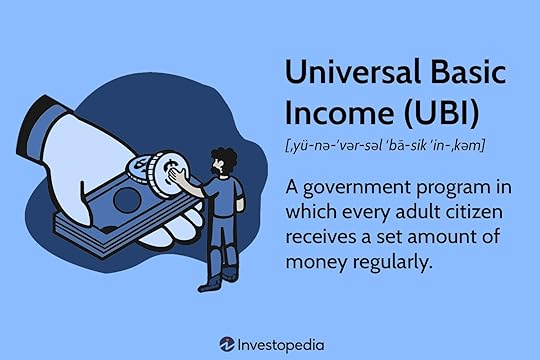
Imagine a world where everyone has a safety net – a guaranteed income to cover their basic needs. It would give people the freedom to pursue their passions, start businesses, or even go back to school.
Sure, rolling out Universal Basic Income isn’t a walk in the park. Switching things up big time would mean we’d have to totally redo how our welfare and tax systems work right now. But several countries, like Finland and Canada, have already started pilot programs to test its feasibility.
As we navigate the uncharted waters of AGI, UBI could be a lifeline for those most vulnerable to job displacement. It’s a bold idea but one worth exploring as we strive to create a future that works for everyone.
Collaboration between policymakers, industry leaders, and academia will be key in navigating the challenges and opportunities presented by AGI. So, if we all put our heads together, imagine the kind of future we could build where everyone gets a slice of the AGI pie.
Are You Ready for Life After AGI?Forget the Hollywood horror stories; AI isn’t about to summon a robot apocalypse. Far from it, actually. This journey through the acceleration of artificial intelligence has peeled back the curtain on how deeply integrated and fundamentally beneficial AI is becoming in our lives and businesses.
From reshaping industries to revolutionizing job roles, AI stands not as a threat but as an invaluable ally. It’s subtly weaving itself into the fabric of daily life, turning what was once deemed impossible into tangible realities.
The key takeaway? Welcome this change with both arms wide open and your thinking cap on.
To all you entrepreneurs out there: this isn’t just another tech trend. It’s your cue to innovate, adapt, and thrive in an era where AGI could redefine success across sectors. Let’s use these insights not as warnings but as blueprints for building a future that leverages AI for growth, prosperity, and societal betterment.
It’s time to build your blog empire.
Want to be a real Content Hacker along with us, but not sure where to start?
We’ve got custom-created resources just for you, friend.
Get inside the Content Hacker Community  – at just $20/month, it’s a no-brainer. On-call, expert support, live calls, and so much more.
Want to go deeper? Check out our AIO Blogger course – an immersive one-week course teaching you everything you need to know to build a money-making online blog.
Can’t WAIT to welcome you inside.
with gratitude,
Julia
The post What Will Life After AGI Look Like? appeared first on Content Hacker.
April 16, 2024
How to Start a Blog and Make Money in 2024
You’ve always dreamed of starting your own blog, haven’t you? Imagine a spot where everyone can see your voice, experiences, and know-how come to life. But one question has been holding you back: can you actually make money from blogging?
The answer is a resounding yes! In fact, countless bloggers have turned their passion into a profitable online business. And guess what? You can too.
Let’s dive right in and show you how to start a blog and make money. From choosing your niche to creating compelling content and monetizing your blog, we’ve got you covered.
 Table Of Contents:How to Start a Blog and Make Money in 20241. Choose a Profitable NicheResearch Your Target AudienceEvaluate Profitability2. Set Up Your Blog for SuccessDesign Your Blog3. Create High-Quality, Engaging ContentWrite Compelling Blog PostsIncorporate Visual Elements4. Promote Your Blog and Build an AudienceLeverage Social Media PlatformsEngage with Your AudienceGuest Post on Other BlogsBuild an Email List5. Monetize Your Blog EffectivelyJoin Affiliate ProgramsOffer Sponsored ContentDisplay Advertisements6. Track Your Progress and AdaptMonitor Your Blog’s AnalyticsAnalyze Your Audience’s BehaviorAdjust Your Strategies7. Continuously Improve Your BlogTurn Your Blog Into Passive RevenueHow to Start a Blog and Make Money in 2024
So, you want to start a blog and make some money?
I get it. Blogging can be an incredibly rewarding way to share your passion, connect with like-minded people, and yes – even earn a little (or a lot) of cash on the side.
But here’s the thing: starting a blog that makes money takes more than just throwing up a few posts and crossing your fingers. It takes strategy, hard work, and a willingness to learn and adapt.
The good news? I’ve been in the blogging game for a decade now, and I’ve picked up a few tricks along the way.
In this post, I’m going to share my top tips for starting a blog that has the potential to become a real money-maker.
1. Choose a Profitable NicheFirst things first: you need to choose a niche for your blog. And not just any niche – a profitable one.
What do I mean by that? Well, some topics are just naturally more monetizable than others.
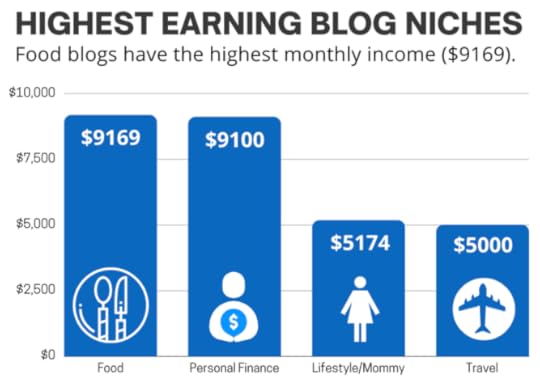
For example, a blog about personal finance or health and fitness is probably going to have an easier time making money than a blog about your favorite TV show.
That’s not to say you can’t make money with a blog on any topic – you absolutely can. But if your goal is to start making money from your blog as quickly as possible, it pays to choose a blog niche that has proven demand and plenty of monetization opportunities.
Of course, you also want to choose a niche that you’re actually interested in and passionate about. Blogging takes a lot of time and effort, and if you’re not writing about something you genuinely care about, it’s going to be a real slog. So take some time to brainstorm your interests, hobbies, and areas of expertise.
What do you love to talk about? What do people always come to you for advice on? What could you write about for hours without getting bored?
Research Your Target AudienceOnce you have a few niche ideas in mind, it’s time to do some research on your target audience.
Who are the people most likely to read your blog? What are their demographics, interests, and pain points?
You can use tools like Google Trends and social media analytics to get a sense of what your target audience is searching for and talking about online. You can also check out other blogs in your niche to see what kind of content is resonating with readers.
Speaking of other blogs in your niche – it’s important to scope out the competition before you dive in. Take a look at the most popular blogs in your niche and ask yourself:
What are they doing well?
What could they improve on?
What unique angle or perspective could you bring to the table?
You don’t want to copy what everyone else is doing, but you do want to have a good understanding of the landscape you’re entering.
Evaluate ProfitabilityFinally, take a hard look at the monetization potential of your chosen niche.
Are there products or services you could promote as an affiliate? Sponsored post opportunities? Room for display ads or your own digital products down the line?
You don’t need to have your entire monetization strategy mapped out from day one, but it’s good to have a general sense of the different ways you could potentially make money from your blog in your chosen niche.
Alright, you’ve chosen your niche – now it’s time to get your blog set up and ready to go. And let me tell you, the choices you make at this stage can have a big impact on your blog’s success down the line.
First up: choosing a blogging platform.
Now, there are a ton of different options out there, from free platforms like Blogger and WordPress.com to self-hosted solutions like WordPress.org (which is what I use and recommend).
Ultimately, the best blogging platform for you will depend on your specific needs and goals. But in general, I recommend going with a self-hosted WordPress site if you’re serious about making money from your blog. It gives you the most flexibility and control over your site, and there are endless customization options to make it look and function exactly how you want.
Choose a Memorable Domain NameYour domain name is your blog’s address on the web, so it’s important to choose something memorable, brandable, and easy to spell. Ideally, you want to get a “.com” domain, but “.net” or “.co” can work too.
Spend some time brainstorming ideas and playing around with different combinations of words until you land on something you love. And don’t be afraid to get creative – a clever or unique domain name can help you stand out in a crowded niche.
If you do decide to go the self-hosted route with WordPress.org, you’ll need to choose a web hosting provider. This is the company that will store your blog’s files and make them accessible to visitors on the web.
There are a lot of web hosts out there, but they’re not all created equal. You want to look for a host that’s reliable, fast, and has good customer support in case you run into any issues.
Personally, I use and recommend Bluehost for new bloggers. They have affordable plans, good uptime, and a user-friendly interface that makes it easy to get your blog up and running.
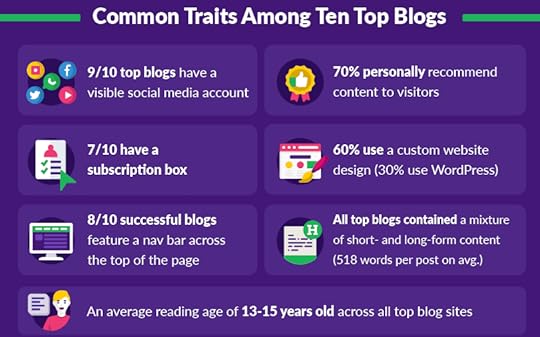
Design Your BlogAfter choosing a blogging platform and web bost, it’s time to make your blog look pretty. Even if you’re not a designer, there are plenty of beautiful, customizable WordPress themes out there that can help you create a professional-looking blog without needing to touch a line of code.
When choosing a theme, look for something that’s:
Clean and easy to navigateMobile-friendly and responsiveCustomizable to match your brandOptimized for search enginesAnd don’t forget about the little details, like your logo, color scheme, and typography. These might seem like small things, but they can make a big difference in how professional and trustworthy your blog looks to visitors.
Okay, your blog is set up and looking good – now it’s time to start creating content. This is where the real magic happens.
Here’s the thing: you can have the most beautiful blog design in the world, but if your content is subpar, no one’s going to stick around to read it. Your content is what will keep people coming back to your blog again and again, and it’s what will ultimately help you build a loyal audience and start making money.
Before you start cranking out blog posts, it’s important to take a step back and develop a content strategy. This means thinking about:
What topics you want to coverWhat types of content you want to create (blog posts, videos, podcasts, etc.)How often you want to publish new contentWho your target audience is and what they want to readHaving a clear content strategy in place will help you stay focused and consistent with your blogging efforts. It will also make it easier to come up with new content ideas and ensure that everything you publish is aligned with your overall goals.
Write Compelling Blog PostsWhen it comes to writing blog posts, the key is to create content that’s both informative and engaging. You want to provide real value to your readers while also keeping them entertained and interested in what you have to say.
Some tips for writing compelling blog posts:
Start with a strong headline that grabs attentionUse short paragraphs and subheadings to break up your textInclude images, videos, or other multimedia elements to add visual interestWrite in a conversational, relatable toneUse examples and stories to illustrate your pointsEnd with a clear call-to-action (like asking readers to leave a comment or share the post on social media)Above all, focus on creating quality content that your target audience will genuinely find helpful and interesting. Don’t just write for the sake of writing – make sure every post has a clear purpose and provides real value.
If you want your blog posts to be found by new readers, you need to optimize them for search engines like Google. This means including relevant keywords in your post titles, headings, and throughout the body of your content.
But don’t go overboard with the keywords – search engines hate that. You still want your content to sound natural and engaging to human readers.
Focus on creating high-quality, informative content first and foremost, and search engine optimization will follow.
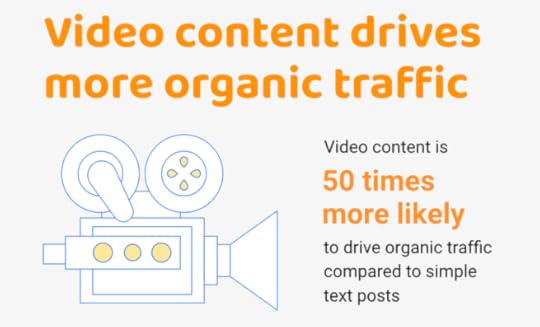
Incorporate Visual ElementsPeople are visual creatures, and adding images, infographics, videos, or other multimedia elements can help break up your text and make your content more engaging.
Plus, visual content is highly shareable on social media — so including eye-catching images or videos in your posts can help them get more traction and reach a wider audience.
You’ve put in the hard work to create your blog, now it’s time to get it in front of as many eyes as possible. And I’m not talking about your mom and best friend (although their support is always appreciated). I’m talking about building a real audience of engaged readers who can’t wait for your next post to drop.
So, how do you do it? Let me break it down for you.
Leverage Social Media PlatformsSocial media is your best friend when it comes to promoting your blog.
First, choose the social media platforms where your target audience hangs out. Is it Facebook? Instagram? LinkedIn? Once you’ve figured that out, create a content calendar and start posting regularly.
But don’t just post links to your blog. Share engaging content that will make people want to click through to your site. Use eye-catching images, ask questions, and encourage conversation.
Engage with Your AudienceBuilding an audience isn’t just about getting people to your site, it’s about keeping them there. And the best way to do that is by engaging with them.
Respond to comments on your blog and social media posts. Ask for feedback and opinions. Make your readers feel like they’re part of a community.
I once had a reader reach out to me on Twitter with a question about one of my posts. We ended up having a great conversation and she became a regular commenter on my blog. All because I took the time to engage with her.
Guest Post on Other BlogsGuest posting is a fantastic way to get your name and your blog in front of a new audience. Reach out to other bloggers in your niche and offer to write a post for their site.
Not only will you get a backlink to your blog, but you’ll also get exposure to their audience. And if you write a killer guest post, some of those readers will definitely click through to check out your site.
Just make sure you’re guest posting on blogs that are relevant to your niche and have a similar target audience. You don’t want to waste your time writing for a blog that won’t send you any traffic.
Build an Email ListYour email list is one of your most valuable assets as a blogger. It allows you to communicate directly with your audience and keep them coming back to your site.
Start building your list from day one. Add opt-in forms to your blog and offer a freebie (like an ebook or checklist) to incentivize people to sign up.
Then, send regular newsletters with your latest blog posts, exclusive content, and promotions. Just don’t overdo it with the sales pitches or you’ll start seeing a lot of unsubscribes.
Building an audience takes time and effort, but it’s so worth it when you start seeing those pageviews and engagement numbers go up. Trust me, there’s no better feeling than knowing people are actually reading and loving your content.
5. Monetize Your Blog EffectivelyOkay, let’s be real. As much as we all love blogging, at the end of the day, we want to make some money from it, right? I mean, who doesn’t want to turn their passion into a profitable business?
Monetizing your blog can be tricky. You don’t want to turn off your readers with too many ads or sponsored posts that feel inauthentic. It’s all about finding the right balance and choosing the monetization strategies that work best for you and your audience.
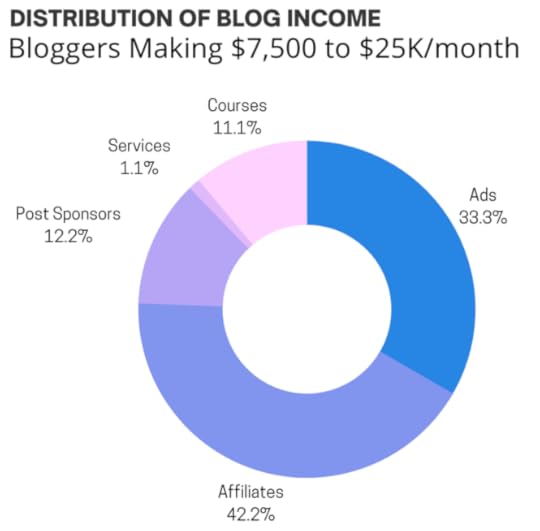
Join Affiliate ProgramsAffiliate marketing is one of the most popular ways to monetize a blog, and for good reason. It’s simple, passive, and can be incredibly lucrative if done right.
Here’s how affiliate marketing works: you promote a product or service on your blog using a special affiliate link, and when someone clicks on that link and makes a purchase, you earn a commission.
The key to successful affiliate marketing is to only promote products that you truly believe in and that are relevant to your niche. Don’t just throw up a bunch of random affiliate links and hope for the best. Your readers will see right through that.
Offer Sponsored ContentSponsored content is another great way to monetize your blog, but it can be a bit of a balancing act. You want to work with brands that align with your values and that your audience will actually be interested in, but you also don’t want to come across as a sellout.
My advice? Be picky about the sponsored opportunities you take on and always prioritize your audience’s trust over a quick paycheck. If a brand doesn’t feel like a good fit, don’t be afraid to say no.
And when you do work with a brand, make sure the sponsored content feels authentic and provides value to your readers. Don’t just regurgitate a press release – put your own spin on it and make it engaging.
Display AdvertisementsDisplay ads, like Google AdSense, can be an easy way to monetize your blog, especially if you have a lot of traffic. But let’s be honest, they can also be kind of annoying for your readers.
If you do decide to buy ad space, be strategic about where you place your ads on your site. Don’t let them take over the page or distract from your content. And make sure they’re relevant to your niche – no one wants to see ads for weight loss supplements on a food blog.
Monetizing your blog posts takes some trial and error, but don’t get discouraged if you don’t see results right away. Keep experimenting with different strategies until you find what works for you and your audience. And remember, the most important thing is to always prioritize creating valuable content – the money will follow.
Blogging isn’t a set-it-and-forget-it kind of thing. If you want to be successful, you need to constantly track your progress and adapt your strategies based on what’s working and what’s not.
But don’t worry, you don’t need to be a data analyst to do this. There are plenty of tools out there that make it easy to keep an eye on your blog’s performance.
Monitor Your Blog’s AnalyticsFirst things first, make sure you have Google Analytics set up on your money blog. This free tool will give you a wealth of information about your traffic, including where it’s coming from, how long people are staying on your site, and which pages are getting the most views.
I check my analytics at least once a week to see how my blog is performing and identify any areas that need improvement. It’s also a great way to see which of your posts are resonating with your audience so you can create more content like that in the future.
Analyze Your Audience’s BehaviorYour analytics will also give you insights into your audience’s behavior on your site. Are they bouncing off your page quickly? Are they clicking through to other posts or pages?
Use this information to optimize your site for better engagement. Maybe you need to work on your headline writing to get people to click through to your posts. Or maybe you need to add more internal links to keep people on your site longer.
You can also use tools like Google Search Console to see which keywords people are using to find your site and which pages are getting the most organic traffic. This can help you identify new content opportunities and optimize your existing posts for better search engine rankings.
Adjust Your StrategiesOnce you have a good understanding of how your money blog is performing, it’s time to start making some changes. Maybe you need to switch up your content strategy or try a new monetization method.
Don’t be afraid to experiment and try new things — just make sure you’re tracking your results.
And remember, blogging is a marathon, not a sprint. It takes time to build an audience and start seeing real results. But if you stay consistent and keep adapting your strategies based on your analytics, you’ll get there.
7. Continuously Improve Your BlogFinally, always be looking for ways to improve your blog. Whether it’s updating old blog content, improving your site’s design, or learning new skills to take your blogging to the next level.
The blogging world is constantly changing, so it’s important to stay on top of the latest trends and best practices. Attend blogging conferences, join online communities, and read up on industry news to stay in the know.
And don’t forget to ask for feedback from your readers. They’re the ones who matter most, after all. Use surveys, social media, or even just a simple email to ask what they like about your blog and what they’d like to see more of.
Tracking your progress and adapting your strategies is an ongoing process, but it’s so worth it when you start seeing your money blog grow and thrive. So don’t get complacent – always be striving to improve and take your blog to new heights.
Turn Your Blog Into Passive RevenueStarting a blog and making money is not a get-rich-quick scheme. Digging deep and keeping at it over time — that’s what makes the difference here. If you’re passionate about your niche and committed to creating valuable content, the rewards can be incredible.
Remember, the key to a successful blog is building a loyal audience. Focus on providing value, engaging with your readers, and promoting your blog posts through social media and other channels.
Let’s make that blog work for you – think of affiliate marketing routes, dabbling in sponsored posts, or even pushing out your unique creations. There’s more than one way to fill those pockets.
So, what are you waiting for? Start your blog today and begin your journey towards financial freedom.
The post Rank #1 on Google appeared first on Content Hacker.
April 15, 2024
How to Promote a Blog: 5 Proven Tactics for More Traffic
Just sent off another piece into the online world, eager to see how this one sparks conversations. But as the days go by, your traffic remains stagnant. Sound familiar?
Crafting great content is only half the battle. Mastering how to promote a blog is your ticket to real success.
Buckle up because we’ve got five tricks up our sleeves guaranteed to elevate your blog’s profile and magnetize traffic straight to you.
Let’s get started!
Table Of Contents:1. How to Promote a Blog on Social Media2. Boost Blog Traffic Through SEO Best Practices3. How to Promote a Blog Through Email Marketing4. Collaborate with Influencers and Other Bloggers5. Implement a Paid Blog Promotion StrategyHow to Promote a Blog: Bonus StrategiesCreate a Solid Promotion Plan with These Proven Tactics1. How to Promote a Blog on Social MediaSocial media is a game-changer when it comes to promoting your blog and driving traffic.
But with so many platforms out there, where do you even start?
First things first, every time you hit publish on a new blog post, share it on all your social media accounts.
Facebook, Instagram, LinkedIn, Twitter — blast it out everywhere.
The more places you share, the more eyeballs you’ll get on your content.
Promoting your blog on social media will help you reach a wider audience and increase blog traffic.
Many people use social media to discover new content and connect with like-minded folks so take advantage of that.
Optimize Blog Posts for Social Media SharingBut don’t just share any old link.
Optimize your blog posts for maximum shareability:
Use attention-grabbing headlinesInclude eye-catching images or videosAdd social sharing buttons to your postsMake it as easy and enticing as possible for people to share your content.
Run Social Media Contests to Engage FollowersWant to really get your followers excited about your blog?
Run a social media contest or giveaway.
Choose a prize that your target audience will love, and use a tool like SweepWidget to set it up.
Contests are a great way to engage your existing followers and attract new ones.
Repurpose Blog Content into Videos and PodcastsDon’t let your blog content die after you hit publish.
Repurpose it into other formats like videos, podcasts, or infographics. This allows you to share your content on even more platforms and reach new audiences.
Plus, some people prefer consuming content in different formats.
Promote Your Blog on Niche Social NetworksDon’t just stick to the big social media sites.
Seek out niche social networks related to your blog’s topic.
For example, if you blog about knitting, become active on Ravelry.
Another place to find your community and drive traffic to your blog is through content and information-focused forums like Reddit and Quora. The threads on these platforms are conversational, so engage genuinely and share your content when relevant.

Source: WordStream
2. Boost Blog Traffic Through SEO Best PracticesSEO and social media go together like peanut butter and jelly when it comes to blog promotion.
You need both for a balanced blog marketing diet.
Implement On-Page SEO TacticsOn-page SEO is all about optimizing individual blog posts to rank higher in search engines.
This includes things like:
Using your target keyword in the post title, headers, and throughout the contentOptimizing your URL structureWriting a compelling meta-descriptionUsing internal and external linksNail these on-page SEO elements, and you’ll be well on your way to higher rankings.
Update Old Blog Content RegularlyGoogle loves fresh content, so don’t let your old blog posts gather dust.
Go back and update them regularly with new information, stats, and links.
This signals to Google that your content is still relevant and worthy of ranking.
Build Quality Backlinks Through Guest PostingBacklinks are like votes of confidence from other websites.
The more high-quality backlinks pointing to your blog, the higher you’ll rank.
One of the best ways to build backlinks is through guest posting on other relevant blogs.
Another way to leverage real relationships for blog promotion is to build off-site relationships with other bloggers and businesses. Share their content and many will return the favor.
HARO (Help a Reporter Out) is a great resource for landing backlinks from high-authority news sites.
Sign up as a source and reporters may quote you in their articles with a link back to your blog.
Strategically Use Internal LinkingDon’t underestimate the power of internal linking.
Create links to relevant posts on your blog each time you publish a new piece. This helps Google understand your site structure and spread link equity.
Plus, it keeps readers much longer on your site, reducing your bounce rate.
Target the Right KeywordsKeyword research is the foundation of SEO. If you want to rank and drive traffic, you need to target the right keywords.
Use tools like Ahrefs or Google Keyword Planner to find keywords that:
Are relevant to your blog topicHave a decent search volumeHave low to medium competitionThen, create content optimized around those keywords.
3. How to Promote a Blog Through Email MarketingEmail marketing is one of the most effective ways to promote your blog.
Why? Because you own your email list.
Social media algorithms may change, but your email list is yours forever.
Create an Engaging Email NewsletterYour email newsletter is the perfect place to promote your latest blog posts.
But don’t just send a list of links.
Craft engaging email newsletters that provide value and entice readers to click through your blog.
Share excerpts, include eye-catching images, and write irresistible calls to action.
Implement Opt-In Forms to Grow Your Subscriber ListTo get people on your email list, you need opt-in forms on your blog.
Place them strategically:
In your sidebarAt the end of blog postsAs a pop-up or slide-inOffer a compelling lead magnet, like a free ebook or course, to entice people to sign up.
Segment Your Email List for Targeted PromotionsNot every subscriber wants to receive every email you send.
That’s where segmentation comes in.
Divide your list into segments based on interests, behaviors, or demographics.
Then, send targeted blog post promotions to each segment for higher engagement and click-through rates.
Include Blog Links in Business EmailsDon’t limit blog promotion to your newsletter.
Include links to relevant blog posts in your regular business emails, too.
For example, send a customer a link if they ask a question you’ve answered in a blog post.
Add Blog to Email SignatureYour email signature is valuable real estate so use it to promote your blog.
Include a link to your latest post or a specific category on your blog.
Every email you send is an opportunity to drive traffic.
Craft Compelling Email Subject LinesYour email subject line is the gateway to your blog promotion.
It determines whether people open your email or send it straight to the trash.
Spend time crafting compelling, curiosity-inducing subject lines that make people want to click.
Avoid clickbait, but don’t be afraid to get creative.

Source: Tech.co
4. Collaborate with Influencers and Other BloggersWant to get your blog in front of a whole new audience? Try collaborating with influencers and other bloggers in your niche.
Participate in Podcast InterviewsPodcasts are all the rage right now, and being a guest on one can introduce you to a highly engaged target audience. Look for podcasts in your industry and pitch yourself as an expert guest.
During the interview, share your best tips and insights, and don’t forget to mention your blog. Many podcasts also publish show notes with links, giving you an extra SEO boost.
Engage in Collaborative Live Video SessionsLive video is a powerful way to connect with your audience in real time. Partner up with another blogger or influencer and host a joint live session on a topic your audiences will love.
You can go live on platforms like Facebook, Instagram, or YouTube. Promote the event to both of your followings and encourage viewers to check out your relevant blog for more great content.
Secure Features in Roundup PostsRoundup posts are a popular type of blog content that feature insights, tips, or quotes from multiple experts. Reach out to bloggers in your niche and offer to contribute a quote or tip for their next roundup post.
If you’re featured, you’ll usually get a link back to your blog post. It’s an easy way to get exposure to a new audience and build relationships with other bloggers.
5. Implement a Paid Blog Promotion StrategyWhile there are plenty of free ways to promote your blog, sometimes it pays to put a little money behind your efforts. Paid promotion can help you reach a larger, more targeted audience and drive traffic faster.
But before you start throwing cash at every advertising opportunity, it’s important to develop a strategic promotion plan. Here are some ideas to get you started:
Launch Targeted Google Ads CampaignsGoogle Ads allows you to place your blog content in front of people who are actively searching for topics related to your post. You can target specific keywords, demographics, and locations to ensure your ads are reaching the right audience.
Start with a small budget and continuously monitor and optimize your campaigns for the best results. Focus on high-intent keywords that are likely to drive qualified traffic to your blog.
Run Facebook and Instagram AdsWith over 2.9 billion monthly active users, Facebook and Instagram are powerful platforms for paid promotion. You can create highly targeted ads that put your blog content in front of your ideal readers.
Use compelling visuals and copy to grab attention and drive clicks. Experiment with different ad formats, such as carousel posts and stories, to see what resonates best with your audience.
Experiment with LinkedIn Sponsored ContentIf your blog targets a B2B or professional audience, LinkedIn can be a goldmine for paid promotion. Sponsored Content allows you to promote your blog posts directly in the feeds of your target audience.
You can target a group of people based on job title, industry, or company size to ensure your content reaches the most relevant readers. Keep your ads conversational and informative to build trust and drive engagement.
Set Up Retargeting Ads for Blog VisitorsRetargeting ads allow you to reach people who have already visited your blog but haven’t yet converted into subscribers or customers. By placing a pixel on your blog, you can serve targeted ads to these visitors as they browse other websites.
Use retargeting to promote your latest blog post, encourage email sign-ups, or offer a special deal. Since these people are already familiar with your brand, they’re more likely to engage with your ads and return to your blog.
How to Promote a Blog: Bonus StrategiesIn the bustling digital marketplace, standing out with your blog requires more than just creating stellar content. It demands strategic promotion across a variety of platforms and mediums. While we’ve covered several online strategies, let’s delve into some innovative approaches that can elevate your blog’s visibility even further.
Mastering Native Advertising for BlogsOne potent tool in the arsenal of a savvy Content Hacker is native advertising. Unlike traditional ads that might disrupt the user experience, native ads blend seamlessly with the platform they’re on, making them more engaging for readers. These are particularly effective for blogs rich in valuable insights or captivating stories because they attract clicks by offering genuine interest rather than an overt sales pitch.
The Art of Leaving CommentsBeyond paid strategies lies an often-underutilized method of promoting your blog — engaging with other publications through comments. The key here isn’t to spam but to contribute meaningful dialogue under relevant articles within your niche. Here’s how:
Select high-traffic blogs/publications: Focus on those whose audience mirrors yours.Add value: Leave insightful comments that enhance the discussion and provide additional perspectives or resources.Avoid generic messages: Tailor each comment to reflect genuinely on the article you’re responding to; this demonstrates thoughtfulness and expertise.This approach not only positions you as a knowledgeable figure in your field but also fosters relationships with fellow bloggers — and their audiences — who may become curious about what else you have to say on your site.
Promote Your Blog OfflineIn our digitally-dominated world, offline promotion offers a refreshing divergence that can capture attention uniquely. Whether it’s speaking at industry events, networking sessions where sharing knowledge from your blog becomes relevant, or using traditional media outlets like local newspapers — the goal is clear: bring people back online and direct them toward your website.
Remember, every conversation about topics related to your niche is an opportunity to promote your blog, provided it adds value naturally without feeling forced into the dialogue.
By blending these bonus strategies with core online promotional tactics, entrepreneurs and marketers alike can significantly amplify their reach — turning passive readers into active followers.
Create a Solid Promotion Plan with These Proven TacticsPromoting your blog is an ongoing process that requires dedication and experimentation. By implementing these proven tactics on how to promote a blog, you’ll be well on your way to driving more traffic, engaging your audience, and establishing your blog as a go-to resource in your niche.
Remember, success doesn’t happen overnight. Stay consistent, track your progress, and continually refine your approach. Put in the time and effort; slowly but surely, you’ll see your blog touch more lives and leave a bigger mark.
The post Content for Less appeared first on Content Hacker.
April 14, 2024
120+ Best Blog Topics to Write About in 2024
You’ve got a blog, but you’re stuck on what to write about. Sound familiar?
Coming up with fresh, engaging blog topics can feel like pulling teeth sometimes. But it doesn’t have to be that way.
What if I told you there’s a treasure trove of blog post ideas just waiting to be uncovered? Ideas that your audience will love, share, and keep coming back for more?
Get ready to uncover unique blog ideas that resonate with your audience and position you as a thought leader in your domain.
Table Of Contents:120 Best Blog Niche Ideas to Write About25 Proven Blog Post Formats That Attract and Engage ReadersHow to Choose a Blog Topic That’s Right for You and Your Audience5 Low-Risk Ways to Test Out Your Blog Topic IdeasWhat is The Best Topic for Blogging?120 Best Blog Niche Ideas to Write AboutGenerating consistent and engaging blog ideas can be challenging.
If you’ve ever found yourself searching for fresh blog post ideas or pondering over the most trending blog topics, you’re not alone. Beginners and experienced writers alike often struggle to churn out a steady stream of engaging content.
Sure, you can do search engine keyword research and browse other popular blogs. But sometimes, writer’s block still hits.
Whether you’re brainstorming ideas for new blog posts or looking to expand your current pillar content, this guide promises a treasure trove of inspiration.
Because this is a very long list of blog post ideas, I have it broken down into blog topics along with screenshots of the best blogs in these niches.
Are you ready to write your next blog post? Let’s dive into our 120+ blog ideas.
Business Blog IdeasIf your target audience is business owners, managers, and entrepreneurs, here are a few ideas for new blog posts:
The Future of Remote Work: Pros and ConsStartup Success Stories: Lessons to LearnNavigating Business Ethics in the Modern WorldThe Role of AI in Streamlining Business OperationsStrategies for Effective Team Building and LeadershipThe Evolution of eCommerce: Trends to WatchBuilding a Sustainable Business: Eco-friendly PracticesFinance Blog IdeasHere are a few of my favorite blog ideas for money-management websites:
Personal Finance Tips for MillennialsThe Rise of Cryptocurrencies: What You Need to KnowInvestment Strategies for a Post-COVID WorldUnderstanding the Basics of Stock Market InvestingThe Importance of Financial Literacy in SchoolsNavigating the World of Online BankingRetirement Planning: Starting Early vs. Starting Late Technology Blog Ideas
What are good blog topics for the tech niche? You can use these new blog post ideas to stay on track:
The Impact of 5G on Everyday LifeVirtual Reality: Beyond GamingThe Ethics of Artificial IntelligenceThe Role of Technology in Sustainable LivingExploring the World of Quantum ComputingThe Rise of Smart CitiesWearable Tech: The Future of Health Monitoring Fashion Blog Ideas
Fashion blogs can be an extremely effective form of content marketing, especially if you engage in affiliate marketing. What are good blog post topics to make the most of your fashion site?
Sustainable Fashion: Brands Leading the WayThe Evolution of Streetwear CultureFashion Trends from the Runways of Paris and MilanThe Influence of Pop Culture on FashionVintage Fashion: Making the Old New AgainThe Intersection of Fashion and TechnologyDIY Fashion: Upcycling and Customizing Your WardrobeTop Fashion Accessories of the Year: Our Product Reviews Beauty Blog Ideas
The beauty industry is booming, and there’s no shortage of blog post ideas to write about. What are good blog topics to explore?
The Science Behind Skincare: Ingredients to Look ForMakeup Tutorials for Every OccasionThe Rise of Clean Beauty: What It Means for YouHair Care Tips for Every Hair TypeThe Psychology of Beauty: How It Affects Our Self-EsteemCelebrity Beauty Secrets RevealedBudget-Friendly Beauty: Drugstore Products That WorkHome Blog IdeasHome decor and DIY blogs are always popular. Here are some fresh ideas to inspire your next post:
Minimalist Living: Tips for Decluttering Your SpaceEco-Friendly Home Improvements to Save EnergyCreating a Productive Home Office SpaceIndoor Gardening: Bringing the Outdoors InSmart Home Technology: Gadgets to Simplify Your LifeFeng Shui: Harmonizing Your Living SpaceDIY Home Repairs Anyone Can Do Lifestyle Blog Ideas
Lifestyle blogs cover a wide range of topics related to daily life and personal interests. What are good blog topics to consider?
Mindfulness and Meditation for Busy ProfessionalsThe Art of Journaling: Benefits and TipsRelationships in the Digital Age: Dating Apps and BeyondThe Importance of Self-Care and How to Practice ItHosting the Perfect Dinner Party: Recipes and Decor IdeasNavigating Life Transitions: Career Changes, Moving, etcVolunteering and Giving Back to Your CommunityFitness Blog IdeasFitness blogs are always in demand, especially as more people prioritize their health. What are good sports blog topics to cover on your website?
At-Home Workouts for Busy SchedulesThe Benefits of Strength Training for Women.Nutrition Tips for Optimal Athletic PerformanceYoga Poses for Stress Relief and RelaxationThe Science of Motivation: Sticking to Your Fitness GoalsOutdoor Adventure Sports to Try This SummerFitness Tech: Apps and Gadgets to Elevate Your Workouts Travel Blog Ideas
Travel blogs inspire wanderlust and provide valuable tips for globetrotters. What are good blog topics that your competitors might have missed?
Off-the-Beaten-Path Destinations for Adventurous TravelersBackpacking Travel Tips: Seeing the World on a ShoestringThe Rise of Eco-Tourism: Sustainable Travel PracticesSolo Travel: Tips for Exploring the World AloneFoodie Travel: Exploring Local Cuisines in South AfricaVolunteer Travel: Making a Difference While Seeing the WorldTravel Photography Tips for Capturing Stunning Shots Leisure and Entertainment Blog Ideas
Leisure and entertainment blogs cover a wide range of topics related to hobbies, activities, and pop culture. If you’re looking for what are good blog topics in this niche, here are some ideas:
The Psychology of Gaming: Benefits and DrawbacksThe Rise of Streaming Services: What to WatchThe Art of Storytelling: Writing Tips for Aspiring AuthorsMusic Festivals Around the World: A Guide for FansThe Evolution of Board Games: From Monopoly to Modern ClassicsThe Influence of Social Media on Pop Culture TrendsExploring the World of Podcasts: Top Picks for Every InterestFood Blog IdeasFood blogs are always popular, with endless possibilities for delicious content. What are good blog topics for your hungry audience?
Healthy Meal Prep Ideas for Busy WeeknightsThe Art of Mixology: Crafting the Perfect CocktailExploring Global Cuisines: Recipes from Around the WorldThe Rise of Plant-Based Eating: Vegan and Vegetarian RecipesFood Photography Tips for Instagram-Worthy ShotsThe Science of Taste: How Our Senses Influence FlavorFood Trends to Watch: From Fermentation to Foraging Useful Blog Ideas
Useful blogs provide practical tips and advice for everyday life. Here are some topics to consider for your blog posts:
Time Management Tips for Busy ProfessionalsThe Art of Negotiation: Getting What You Want in Life and WorkDIY Home Maintenance: Saving Money on RepairsThe Psychology of Habit Formation: Creating Lasting ChangePersonal Branding: Building Your Online PresenceThe Importance of Sleep: Tips for Better RestBudgeting 101: Managing Your Money EffectivelyEducational Blog IdeasEducational blogs provide valuable information and insights on a wide range of topics. Here are some ideas for this blog niche:
The History of Art: Exploring Famous Paintings and ArtistsThe Science of Climate Change: What You Need to KnowPhilosophy 101: Exploring Life’s Big QuestionsThe Psychology of Learning: Effective Study TechniquesThe Future of Education: Technology in the ClassroomThe Importance of Critical Thinking in the Digital AgeExploring World Religions: Beliefs and PracticesRoundup Blog IdeasRoundup posts curate and link to other relevant content from around the web. What are good blog topics for your next “ultimate guide”?
10 Best Healthy Dinner Recipes from Around the Web15 Top Small Business Marketing Tips from Industry Experts20 Must-Read Books for Personal Development25 Best Travel Destinations for Adventure Seekers30 Top Fitness Influencers to Follow on Instagram35 Best Productivity Apps for Busy Professionals40 Most Inspiring TED Talks of All TimeSeasonal Blog Post IdeasSeasonal blog posts are tied to current events, holidays, seasons, or pop culture moments. What are good blog topics that may be trending today?
Top Halloween Costume Ideas for the YearNew Year’s Resolution Tips for Lasting ChangeSpring Cleaning Hacks for a Fresh StartSummer Vacation Planning: Best Deals and DestinationsBack-to-School Shopping Guide for ParentsHoliday Gift Guide: Unique Finds for Everyone on Your ListOscars Recap: Best and Worst Moments from the ShowControversial Blog Post IdeasControversial blog posts take a strong stance on a hot-button issue and aim to spark discussion and debate. What are good blog topics to get your audience talking?
The Ethics of Gene Editing: Pros and ConsThe Debate Over Gun Control: Finding Common GroundThe Future of Automation: Will Robots Take Our Jobs?The Pros and Cons of Legalizing MarijuanaThe Role of Religion in Modern SocietyThe Impact of Social Media on Mental HealthThe Controversy Over Vaccine MandatesPromotional Blog Post IdeasPromotional blog posts are designed to market your own products or services or those of a sponsor/partner. Here are some ideas to boost your brand:
Announcing Our Latest Product Launch: What You Need to KnowBehind the Scenes: How We Created Our New ServiceCustomer Success Story: How Our Product Helped XYZ CompanyLimited Time Offer: Save 20% on Our Best-Selling CoursePartner Spotlight: Introducing Our Newest CollaboratorCase Study: The ROI of Our Marketing ServicesExclusive Sneak Peek: What’s Coming Next from Our BrandPersonal Blog Post IdeasPersonal blog posts share intimate stories, photos, and reflections from the blogger’s own life. What are good blog topics you can share with your readers?
My Journey to Becoming a Full-Time BloggerWhat I Learned from My Biggest FailureHow I Overcame My Fear of Public SpeakingMy Daily Routine for Productivity and BalanceWhy I Decided to Quit My Corporate Job and Travel the WorldThe Lessons I Learned from My Parents’ DivorceHow Blogging Changed My Life: My Personal StoryWriter’s block is the worst, isn’t it? You sit down to write your next blog post, and… nothing. Nada. Zilch. The cursor just blinks at you mockingly.
Here are 15 more blog post ideas that’ll kick that writer’s block to the curb and get your creative juices flowing again.
Funny PostsWho doesn’t love a good laugh? Inject some humor into your blog posts with funny stories, memes, or even parody posts. Just make sure it’s relevant to your niche and not offensive.
Surveys and PollsEngage your audience by asking for their opinion on a hot topic in your industry. Surveys and polls are a great way to encourage interaction and get valuable insights from your readers.
Presentations and SlideSharesRepurpose your blog content into a visually appealing presentation or SlideShare. This can help you reach a new audience and drive traffic back to your blog.
Frequently Asked Questions (FAQ)Do you get the same questions from your readers over and over again? Create an FAQ blog post that addresses their common queries and concerns. This can also help with your blog’s SEO.
Popular Twitter Posts in Your NicheCurate a roundup of popular tweets related to your blog’s topic. This is a great way to piggyback on trending conversations and show your audience what’s buzzing in your industry.
ScreencastsIf you’re in a tech-related niche, screencasts can be a game-changer. Record your screen while you walk through a tutorial or demonstrate how to use a tool.
Time-Saving PostWe’re all looking for ways to save time and be more productive. Share your best time-saving hacks, tools, or strategies with your audience. They’ll thank you for it.
Make Funny VideosSimilar to funny posts, humorous videos can be a great way to entertain your audience and show off your personality. Just keep it short, sweet, and relevant to your niche.
Conferences PostsAttending an industry conference? Share your key takeaways, session summaries, and networking tips with your readers. This can position you as an expert in your field.
Event SummariesDid you host or attend a webinar, workshop, or other event? Write a recap post that shares the highlights and lessons learned. This can be valuable content for those who couldn’t attend.
Top Take-Aways From WhateverRead a great book lately? Took an online course? Summarize your top takeaways and insights in a blog post. This can provide valuable lessons for your audience and inspire them to check out the resource for themselves.
Thoughts PostsSometimes, you just need to share your thoughts and opinions on a topic related to your niche. A thought post can be a great way to start a conversation and engage your readers.
Pop-Culture CommentaryIs there a big event or trend happening in pop culture that relates to your niche? Share your take on it. This can help you capitalize on trending topics and attract new readers.
Beginner GuidesWe all start somewhere, right? Create a beginner’s guide that breaks down the basics of your niche in simple, easy-to-understand terms. This can be a great resource for newbies and help establish your authority.
Metrics-to-Measure GuideWhat are the key metrics and KPIs that matter in your industry? Create a guide that explains what they are, why they matter, and how to track them. This can be super valuable for your audience.
25 Proven Blog Post Formats That Attract and Engage ReadersNot all blog posts are created equal. Some formats just seem to perform better than others in terms of attracting readers and keeping them engaged.
Here we’ll explore 25 proven blog post formats that can help you take your content to the next level.
A Peek Behind the ScenesGive your readers a glimpse into your world with a behind-the-scenes post. This could be a “day in the life”, a tour of your workspace, or a look at your creative process. People love to see the human side of the brands they follow.
How-To GuidesPractical, actionable content is always a winner. Break down a process or task into step-by-step instructions that your readers can follow along with. Bonus points if you include visuals like images or video.
Case StudiesShow, don’t tell. Case studies are a great way to demonstrate the value of your product or service by sharing real-life examples of how it has helped others. Include specific details and data to make it more compelling.
Industry NewsKeep your finger on the pulse of your industry by covering the latest news and trends. This could be a roundup of recent headlines, an in-depth analysis of a particular story, or your own commentary on what it all means.
Industry Conference RoundupIf you have just attended an industry conference or event, share your key takeaways and insights with your readers. This can include session summaries, speaker highlights, and your overall impressions of the experience.
Customer Q&AsLet your customers do the talking. Interview a satisfied customer about their experience with your product or service, and share their story in a Q&A format. This can be a powerful form of social proof.
Industry MythbustingAre there common misconceptions or myths in your industry that need to be debunked? Take them on in a myth-busting blog post. Use facts, data, and expert opinions to set the record straight.
New Feature ShowcaseIf you’re launching a new product feature or update, give it the spotlight in a dedicated blog post. Explain what it is, how it works, and why it matters to your audience. Use visuals to make it more engaging.
How to Choose a Blog Topic That’s Right for You and Your AudienceChoosing the right blog topic is crucial for the success of your blog. You want to pick a topic that you’re passionate about, but also one that resonates with your target audience.
Instead of trying to be everything to everyone, focus on a specific niche within your broader topic. This will help you attract a more targeted audience and establish yourself as an expert in that area.
Who are you writing for? Get specific about your ideal reader — their age, gender, interests, pain points, and goals. This will help you create content that speaks directly to them.
5 Low-Risk Ways to Test Out Your Blog Topic IdeasSo you’ve got a blog topic idea, but you’re not quite sure if it’s going to work out. Don’t worry – there are some low-risk ways to test the waters before diving in headfirst.
Here are 5 strategies you can use to validate your blog topic ideas:
Look at Competitor BlogsAre there other blogs already covering your topic? That’s actually a good sign — it means there’s demand for that type of content. Take a look at what they’re doing well (and not so well) to get ideas for your own blog.
Join Facebook Groups or Forums Like QuoraFind online communities where your target audience hangs out and join the conversation. See what questions people are asking and what topics generate the most engagement. This can give you valuable insights into what your audience wants to know more about.
Write on Medium About Your TopicMedium is a great platform for testing out blog post ideas. Write a few articles related to your topic and see how they perform. If they gain traction and generate interest, that’s a good sign that your topic has potential.
Write a Guest Post for a Blog on Your TopicReach out to other blogs in your niche and offer to write a guest post. This can help you get your name out there and gauge interest in your topic. If the guest post performs well, it could be a green light to start your own blog on that topic.
Create a Free or Low-Cost Blog (e.g. With WordPress.com)If you’re not ready to invest in a full-fledged blog just yet, start with a free or low-cost option like WordPress.com. This allows you to test out your topic and build an audience in your blog niche without breaking the bank. If it takes off, you can always upgrade to a self-hosted blog later on.
What is The Best Topic for Blogging?The best blog topics are the ones that resonate with your unique audience. Here’s where we chat about topics to learn from, laugh about, dream big with, or solve those tricky issues.
So take these ideas, put your own spin on them, and start creating content that your readers can’t wait to devour. Happy blogging!

The post Get Premium Content appeared first on Content Hacker.
April 11, 2024
How to Find Blog Topics That Captivate Your Audience
You’ve been there before, staring at a blank screen, cursor blinking, wondering what on earth to write about. It’s the dreaded “writer’s block,” and it can strike at any time, leaving you feeling stuck and frustrated.
But here’s the thing: finding blog topics doesn’t have to be a painful process. Nail down some savvy methods along with killer tools and before long, people will be totally into whatever wisdom or wackiness you share with them.
Wondering how to find blog topics that grab your readers? Let’s dive in and explore some proven techniques that will help you generate a never-ending stream of content ideas.
Table Of Contents:How to Find Blog Topics and Content IdeasStep 1: Know Your Target AudienceStep 2: Identify Relevant TopicsStep 3: Explore Popular ContentStep 4: Monitor Social MediaStep 5: Analyze Search Engine ResultsStep 6: Brainstorm and Refine IdeasStep 7: Monitor Industry News and TrendsStep 8: Engage with Your AudienceFind Blog Topics With Your Reader in MindHow to Find Blog Topics and Content IdeasStruggling to come up with fresh ideas for your next blog post? Let me show you my step-by-step process for finding engaging and relevant blog topics that will captivate your audience.
Step 1: Know Your Target AudienceBefore you start brainstorming blog topics, you need to know who you’re writing for. Your target audience is the key to unlocking the best blog topics that’ll drive traffic and engagement.
But how do you figure out what your target audience wants to read? It’s not as hard as you might think.
Compile data on current customersTo understand your target audience, compile data on your current customers, such as demographics, interests, and purchasing behavior. This information can help you identify topics that are relevant and valuable to your audience.
Incorporate social insightsIncorporate social data from platforms like Facebook, Twitter, and LinkedIn to gain insights into your target audience’s preferences, challenges, and conversations. This can help you identify trending topics and issues that your audience cares about.
Check out the competitionAnalyze your competitors’ blog content to identify topics that resonate with your shared target audience. Look for gaps in their content that you can fill with unique perspectives or in-depth coverage.
Step 2: Identify Relevant TopicsNow that you know your target audience, it’s time to start brainstorming blog topics that’ll capture their attention and keep them coming back for more.
But how do you know which topics are relevant and valuable to your audience?
Clarify the value of your product or serviceTo identify relevant blog topics, clarify the value of your product or service and how it solves your target audience’s problems. Focus on topics that showcase your expertise and address your customers’ pain points.
Create a target market statementDevelop a clear target market statement that defines your ideal reader’s characteristics, needs, and preferences. Use this statement as a guide when brainstorming blog topics to ensure they align with your target audience’s interests.
Use keyword research toolsKeyword research is a crucial step in finding popular blog topics that’ll drive organic traffic to your website. Some of my favorite keyword research tools are Semrush, Ahrefs, Moz, Ubersuggest, and Answer the Public. These tools help identify popular search terms and phrases that have the potential to drive organic traffic.
Analyze search intentWhen conducting keyword research, analyze the search intent behind the queries to ensure your blog topics align with what users are looking for. Consider whether the intent is informational, navigational, transactional, or commercial, and tailor your content accordingly.
Step 3: Explore Popular ContentOne of the best ways to find popular blog topics is to see what’s already working for other bloggers in your niche. By analyzing top-performing content, you can identify common themes and angles that resonate with your target audience.
But how do you find popular topics in your niche?
Use content explorer toolsContent explorer tools like BuzzSumo or Ahrefs Content Explorer can help you find the most popular and shared content related to your industry or niche. Analyze trending topics to identify common formats and angles that you can adapt for your own blog topics.
Identify top-performing contentIdentify the top-performing content on your own blog by analyzing metrics like page views, engagement, and social shares. Look for patterns in the topics, headlines, and formats of your most successful posts, and use these insights to generate new blog topic ideas that are likely to resonate with your audience.
Analyze Trendy TopicsMonitor social media platforms to identify exploding topics, hashtags, and conversations relevant to your industry. Use tools like Exploding Topics and Google Trends to discover popular content and adapt those themes into blog post ideas.

Social media is a goldmine for finding popular blog topics that resonate with your target audience. By monitoring social media discussions and engaging with your followers, you can gain valuable insights into their interests, challenges, and preferences.
But how do you leverage social media to find the best blog topics?
Monitor social media discussionsRegularly monitor social media discussions and engage with your followers to gain insights into their interests, challenges, and questions. Pay attention to the topics that generate the most engagement and use them as inspiration for your blog posts.
Engage with your audienceActively engage with your audience on social media by asking questions, running polls, and encouraging feedback. This direct interaction can help you uncover valuable blog topic ideas that address your audience’s specific needs and preferences.
Identify influencers and collaboratorsIdentify influencers and thought leaders in your industry who have a strong social media presence. Analyze the topics they discuss and the content they share to generate blog post ideas that align with your target audience’s interests. Consider collaborating with these influencers to create content that benefits both your audiences.
Step 5: Analyze Search Engine ResultsWhen it comes to finding popular blog topics, analyzing search engine results is a treasure chest. Why? Because Google Search constantly gathers data on what people are searching for.
Examine Google’s “People Also Ask” sectionOne of my favorite places to start is Google’s “People Also Ask” section. This SERP feature is packed with commonly asked questions related to your search term.
For example, if you search for “how to train a puppy,” you’ll see these questions in the PAA section:

These questions can spark ideas for blog posts that directly address your audience’s needs and concerns.
Analyze featured snippetsFeatured snippets are another great place to look for blog post ideas. These are the short answers that appear at the top of the search results, usually in response to a question.
Here’s the featured snippet that appeared for our “how to train a puppy” keyword:

If you can provide a better, more comprehensive answer to the question than what’s currently ranking, you’ve got yourself a solid blog post topic.
Identify content gapsAs you’re analyzing search results, keep an eye out for content gaps – topics that aren’t being adequately covered by the current top-ranking pages.
If you can fill those gaps with high-quality, in-depth content, you’ll have a better chance of ranking well and attracting organic traffic.
Step 6: Brainstorm and Refine IdeasOnce you’ve gathered some initial topic ideas from your search engine research, it’s time to brainstorm and refine those ideas to find the real winners.
Conduct mind-mapping sessionsMind mapping is a powerful brainstorming technique that can help you generate a ton of blog post ideas in a short amount of time. Start with a central topic, then branch out into subtopics, questions, and related ideas.
You can use a tool like MindMeister or good, old-fashioned pen and paper to create your mind map.
Prioritize and categorize ideasOnce you have a big list of potential blog post topics, it’s time to prioritize and categorize them. Consider factors like:
Relevance to your target audiencePotential for driving organic traffic (based on search volume and keyword difficulty)Alignment with your overall content strategy and business goalsYou can also group similar ideas into categories or themes to help you create a more cohesive content calendar.
Step 7: Monitor Industry News and TrendsStaying on top of industry news and trends is crucial for finding timely, relevant blog post topics. But who has time to read every industry publication and attend every conference?
Here are a few ways to stay in the loop without spending all day reading the news:
Subscribe to industry publicationsChoose a handful of top publications in your industry and subscribe to their email newsletters or RSS feeds. That way, you’ll get the latest news and insights delivered straight to your inbox.
Some of my favorites for the marketing industry include MarketingProfs, Social Media Examiner, and Content Marketing Institute.
Attend conferences and webinarsIndustry conferences and webinars are also great places to learn about the latest trends and get inspired by thought leaders in your field. Plus, you can often access recordings or slides after the event if you can’t attend live.
Keep an eye out for virtual events too — they’ve become increasingly popular in recent years and can be just as valuable as in-person conferences.
Follow thought leadersFollowing influential people in your industry on social media or subscribing to their blogs can help you stay up-to-date on the latest news and ideas.
For example, if you’re in the SEO space, you might follow folks like Rand Fishkin, Danny Sullivan, or Aleyda Solis on Twitter.
Step 8: Engage with Your AudienceYour audience is a goldmine of blog post ideas — after all, they’re the ones you’re creating content for in the first place. Here are a few ways to tap into their collective wisdom:
Encourage blog commentsMake it easy and inviting for readers to leave comments on your blog posts, and take the time to respond to their questions and ideas. You never know when a comment might spark your next great post topic.
Conduct surveys and pollsSurveys and polls are a great way to gather feedback and insights from your audience. You can use tools like SurveyMonkey or Typeform to create simple surveys, or post a question on social media and see what responses you get.
Analyze customer support inquiriesIf you have a customer support team, they’re likely fielding questions and concerns from your audience every day. Take a look at the most common inquiries and see if you can address them in your blog posts.
Not only will this help your audience find the answers they need, but it can also save your support team time by providing a resource they can point people to.
Find Blog Topics With Your Reader in MindFinding blog topics that resonate with your audience is a skill that can be mastered with the right approach. Start by knowing who’s going to read your stuff. Mix in some clever use of keyword research tools, take a sneak peek at hot articles or videos, and don’t shy away from chatting up folks online. Boom – an endless stream of thought bubbles ready to pop onto the page.
Always zero in on subjects that not only intrigue your audience but also echo what your brand stands for. Dig deep into that creative well and don’t give up; before you know it, the content you create will be drawing in folks left and right while giving your business a solid push forward.
So, what are you waiting for? Start putting these strategies into action and watch your blog soar to new heights. Your readers are waiting for your next incredible post, and now you have the tools to deliver it.

The post Test Humanlike Writer appeared first on Content Hacker.
April 10, 2024
How to Put Together a Video Marketing Strategy That Works
So, you’ve decided it’s time to step up your game with video content.
Smart move!
The digital world is buzzing about the power of videos, but knowing how to weave them into a winning strategy can feel like solving a Rubik’s cube blindfolded.
How do you start? What makes for compelling video content that not only draws eyes but keeps them glued? And more importantly, how does this fit into an overarching marketing plan without breaking the bank or spiraling into chaos?
You’re not alone in asking these questions. A study in 2023 showed that 91% of people want to see more online videos from brands. This stat alone screams opportunity but also highlights the challenge of standing out.
This guide walks you through crafting a coherent and effective video marketing strategy, focusing on connecting genuinely with your audience while driving your business goals forward.
Table Of Contents:What is Video Marketing?How to Put Together a Video Marketing StrategyCreating Killer Video ContentKeep Videos Short and SweetTell a Compelling StoryUse Visuals and AnimationsInclude a Clear Call-to-ActionOptimizing Your Videos for SEOInclude Relevant KeywordsOptimize Video Titles and DescriptionsAdd Closed Captions and TranscriptsDistributing and Promoting Your VideosShare on Social MediaEmbed Videos on Your WebsiteInclude in Email CampaignsMeasuring the Success of Your Video MarketingTrack Views and EngagementMonitor Click-Through Rates and ConversionsAnalyze Audience RetentionBoost Engagement and Drive Results with Video MarketingWhat is Video Marketing?Video marketing is a form of content marketing that uses videos to promote or market a product, service, or brand. Its goal is to attract, engage, and convert viewers into customers or supporters by delivering valuable and relevant content on a highly engaging platform.
86% of businesses are already using video marketing, with 71% of B2B and 66% of B2C marketers incorporating video production into their marketing campaigns.
It’s easy to see why — 72% of consumers prefer watching videos over reading about a product or service. And if you’re stuck doing only written content, you’re throwing away enormous opportunities to reach your audience.
A robust video marketing plan can serve a variety of purposes in marketing:
Brand Awareness: Creating videos that showcase your brand’s personality, values, and offerings can help build brand awareness and recognition.Product Demos: Videos demonstrating how your product works or its key features can help potential customers understand its value and functionality.Tutorials and How-To Guides: Providing helpful instructional videos related to your industry or product can establish your expertise and provide value to viewers.Customer Testimonials: Featuring satisfied customers sharing their experiences with your product or service can build trust and credibility.Behind-the-Scenes Videos: Giving a peek behind the scenes of your company or production process can humanize your brand and foster a connection with your audience.Webinars and Live Streams: Hosting live video events such as webinars or Q&A sessions can engage your audience in real time and provide interactive experiences.Social Media Engagement: Short-form videos optimized for social media platforms can increase engagement and reach.Video marketing has become increasingly popular due to the growth of online video consumption and the effectiveness of video in conveying messages and emotions. It allows marketers to tell compelling stories, evoke emotions, and create memorable experiences that can influence purchasing decisions and brand perceptions.
How to Put Together a Video Marketing StrategyStart by establishing your goals and key messages.
What do you want to achieve with your videos? Brand awareness, product demos, customer testimonials?
Then, set a realistic timeline and budget.
Choose your distribution platforms (YouTube and social media are the most popular) and decide on your video style. Will you go with live-action, animation, or a mix?
Here are some of the most popular channels that video creators use, according to Wyzowl:
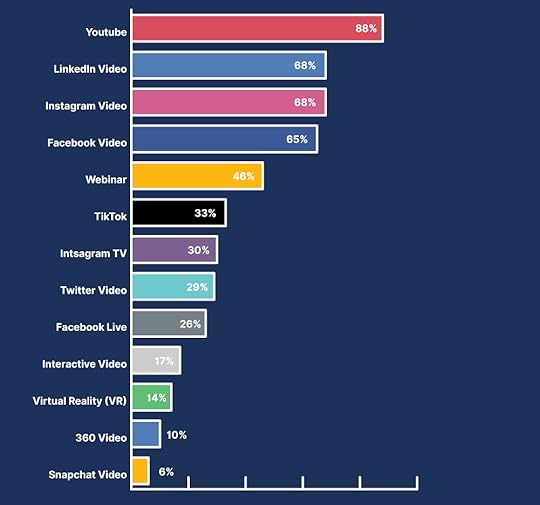
Before you hit record, there’s one crucial step: getting to know your audience. After all, you’re creating videos for them, not for you.
Dive deep into your target market and create detailed buyer personas that outline their demographics, interests, pain points, and goals.
What kind of content do they crave? What questions do they need to be answered?
Understanding your audience is key to creating videos that resonate.
Once you know your audience, it’s time to brainstorm video ideas. The possibilities are endless, but here are a few tried-and-true formats:
Product demos and tutorialsCustomer testimonial videosBehind-the-scenes glimpsesEducational how-to videosEntertaining branded contentSome of the most popular types of videos created are:

The key is to mix it up and keep it fresh. Don’t be afraid to get creative and experiment with different types of videos.
Creating Killer Video ContentReady to integrate video production into your marketing strategy? Here are some tips for crafting engaging videos that will keep your audience coming back for more:
Keep Videos Short and SweetIn today’s fast-paced world, people have short attention spans. That’s why it’s important to keep your videos short and to the point.
Aim for videos that are 2-3 minutes long, and make sure every second counts. Get to the point quickly and deliver your message in a clear, concise way.
Tell a Compelling StoryPeople love stories. By crafting a compelling narrative around your brand or product, you can create an emotional connection with your audience and keep them engaged.
Think about the problem your product solves or the value it provides, and build a story around that. Use real-life examples and customer testimonials to make it relatable and authentic.
Use Visuals and AnimationsVideo is a visual medium, so make sure your content is visually appealing. Use eye-catching graphics, animations, and footage to bring your message to life and keep viewers interested.
You don’t need a big budget or fancy equipment to create great visuals. Even simple graphics or stock footage can be effective when used strategically.
In the era of AI, video creation no longer requires special skills or editing software. Text-to-video generators can produce short-form videos just from a simple prompt!
Learn more about AI video generators in this prompt-to-video AI guide.
Include a Clear Call-to-ActionEvery video should have a clear purpose and a specific action you want viewers to take. Whether it’s visiting your website, signing up for your email list, or making a purchase, make sure your call-to-action is clear and compelling.
Include your CTA both verbally and visually, and make it easy for viewers to take the next step. The easier you make it for them to engage with your brand, the more likely they are to do so.
Optimizing Your Videos for SEOYou’ve put in the hard work to create an amazing video. But if you want it to get seen by your target audience, you can’t just post it and hope for the best.
That’s where video SEO comes in. By optimizing your videos for search engines, you can boost your chances of ranking higher in search results and driving more traffic to your content.
Include Relevant KeywordsOne of the most important aspects of video SEO is including relevant keywords. These are the words and phrases that people are searching for when looking for content like yours.
Do some research to find out what keywords your target audience is using. Then, incorporate those keywords naturally into your video titles, descriptions, and even the content itself.
Optimize Video Titles and DescriptionsYour video titles and descriptions are prime real estate for including those important keywords. But they also need to be engaging and compelling enough to make people want to click and watch.
Keep your titles concise but descriptive, and make sure they accurately reflect the content of your video. In your descriptions, provide a brief overview of what viewers can expect and include a clear call to action.
Add Closed Captions and TranscriptsAdding closed captions and transcripts to your videos can help improve accessibility and boost SEO. Captions allow people to watch your videos even if they can’t listen to the audio, while transcripts provide a text version of your content that search engines can crawl and index.
Plus, including captions and transcripts can help you rank for even more keywords and phrases. So take the extra time to add them to your videos — it’s worth it in the long run.
Distributing and Promoting Your VideosCreating great video content is only half the battle. To really see results from your video marketing efforts, you need to get your videos in front of the right people.
That’s where distribution and promotion come in. By sharing your videos on the right platforms and including them in your other marketing channels, you can expand your reach and drive more engagement.
Share on Social MediaSocial media is one of the most powerful tools for promoting your video content. Platforms like Facebook, Instagram, and Twitter allow you to easily share your videos with a wide audience and engage with your followers.
When sharing on social media, be sure to include compelling headlines and descriptions that will grab people’s attention. You can also use relevant hashtags to make your videos more discoverable.
Embed Videos on Your WebsiteYour website is the perfect place to showcase your video content. By embedding videos on relevant pages, you can keep visitors engaged and provide them with valuable information.
Plus, embedding videos on your site can help improve your search engine rankings. Search engines like Google prioritize pages with video content, so including videos can give your site a boost.
Include in Email CampaignsEmail marketing is another great way to promote your video content. By including videos in your email campaigns, you can grab your subscribers’ attention and encourage them to engage with your brand.
When including videos in emails, be sure to use a compelling thumbnail image and include a clear call to action. You can also use video marketing metrics to track how well your videos are performing and make adjustments as needed.
Measuring the Success of Your Video MarketingYou’ve created amazing videos, optimized them for SEO, and promoted them across your marketing channels. But how do you know if your efforts are actually paying off?
That’s where measuring the success of your video marketing comes in. By tracking key metrics and analyzing your results, you can see what’s working and what’s not — and make data-driven decisions to improve your strategy.
Track Views and EngagementOne of the most basic metrics to track is views — how many people are actually watching your videos? But views alone don’t tell the whole story.
You also want to look at engagement metrics like likes, comments, and shares. These give you a better sense of how well your videos are resonating with your audience and whether they’re motivated to take action.
Monitor Click-Through Rates and ConversionsIf your videos include calls to action or links to your website, it’s important to track click-through rates and conversions. This will help you see how effective your videos are at driving traffic and generating leads or sales.
You can use tools like Google Analytics to track these metrics and see how your videos are contributing to your overall marketing goals.
Analyze Audience RetentionAnother important metric to look at is audience retention — how long are people watching your videos before dropping off? This can give you insights into what parts of your videos are most engaging and where you might be losing viewers’ attention.
Most video platforms, including YouTube and Vimeo, provide audience retention data that you can use to optimize your content and keep viewers hooked.

All said and done, piecing together an impactful video marketing strategy isn’t just about uploading short clips to the internet. It’s understanding who watches these videos and why they should care enough to hit play – then share with friends or even better, convert.
Putting together a successful video marketing strategy requires careful planning and execution. By following the steps outlined in this guide, you can create a strategy that resonates with your target audience, drives engagement, and ultimately achieves your business objectives.
Remember to start with clear goals and audience research, choose the right types of videos for your objectives, optimize your content for various platforms, and consistently measure and refine your approach based on performance data.
Video marketing offers a powerful way to connect with your audience on a deeper level, build brand awareness, and drive meaningful actions. Embrace the creative opportunities that video presents, and continually adapt your strategy to stay relevant and impactful in the dynamic landscape of digital marketing.
The post Get Premium Content appeared first on Content Hacker.
April 9, 2024
8 Smart Tips on How to Advertise Your Blog Effectively
Ever wondered why some blogs become the talk of the town while others barely get noticed? The secret often lies in how they’re advertised. If you’ve poured your heart into creating content but it feels like shouting into the void, you’re not alone. Learning how to advertise your blog is crucial, not just for attracting eyes but also for keeping them glued.
In today’s digital age, where everyone has something to say online, standing out takes more than just high-quality content; it requires smart advertising strategies that resonate with your target audience. Let me share with you eight actionable steps on how to advertise your blog effectively.
Table Of Contents:How to Advertise Your Blog in 8 Easy Steps1. Create Valuable and Engaging Blog Content2. Optimize Your Blog for Search Engines3. Promote Your Blog on Social Media4. Promote Your Blog to Your Email Subscribers5. Write Guest Posts6. Collaborate With Other Bloggers and Influencers7. Repurpose Content8. Implement a Strategic Blog Promotion PlanGet The Word Out There and Start Drawing Traffic to Your BlogHow to Advertise Your Blog in 8 Easy StepsPromoting your blog is essential for increasing visibility and attracting a larger audience. In today’s digital age, advertising a blog has become relatively accessible and straightforward due to the plethora of online tools and platforms available.
With social media, email marketing, and SEO techniques, bloggers can effectively promote their content to a wide and targeted audience, driving traffic and engagement with ease.
Here are eight ways to advertise your blog effectively.
1. Create Valuable and Engaging Blog ContentAt the end of the day, the most important factor in your blog’s success is the quality of your content. If you’re not creating valuable, engaging content that resonates with your target audience, all the promotion in the world won’t help.
But how exactly do you create valuable and engaging blog content? Here are a few key tips:
Understand Your Target AudienceBefore you start creating content, take the time to really understand your target audience. What are their pain points, challenges, and goals? What kind of content do they find valuable and engaging?
Use tools like Google Forms or SurveyMonkey to gather insights from your existing audience. Look at your blog analytics to see which posts are performing well and driving the most engagement.
Develop a Content CalendarConsistency is key when it comes to blogging, but it can be tough to come up with fresh ideas on the fly. That’s where a content calendar comes in handy.
Plan out your blog content in advance, using a tool like Trello or Asana to organize your ideas and schedule. Consider seasonal content, trending topics, and evergreen content that will provide value to your audience year-round.
Write Compelling HeadlinesYour headline is the first thing potential readers will see, so it needs to be attention-grabbing and compelling. Use strong, action-oriented language and incorporate your target keyword.
Consider using numbers, questions, or curiosity-inducing phrases to draw readers in. But avoid clickbait – your headline should accurately reflect the content of your post.
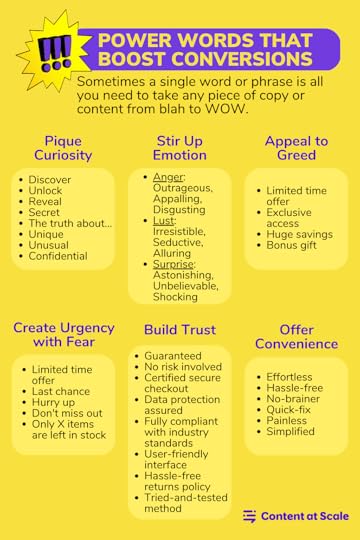
No one wants to read a wall of text. Break up your blog posts with visuals like images, infographics, videos, and charts to make your content more engaging and easier to digest.
Use high-quality, relevant visuals that support your content and add value for your readers. And don’t forget to optimize your images for SEO by using descriptive file names and alt text.
Encourage Reader EngagementEngagement is a key factor in building a loyal blog audience. Encourage your readers to interact with your content by asking questions, inviting comments, and responding to feedback.
Use calls-to-action (CTAs) throughout your posts to encourage readers to share your content, subscribe to your blog, or take other desired actions. And keep engaging with your followers on social media and other channels to build relationships and foster a sense of community around your blog.
2. Optimize Your Blog for Search EnginesSearch engine optimization (SEO) is crucial for driving organic traffic to your blog. By optimizing your blog posts for relevant keywords, you can improve your search engine rankings and make it easier for potential readers to find your content.
But SEO isn’t just about stuffing your posts with keywords — it’s about creating high-quality, relevant content that provides value to your audience.
Conduct Keyword ResearchBefore you start writing your blog posts, conduct keyword research to identify the terms and phrases your target audience is searching for. Use tools like Google Keyword Planner or Ahrefs to find relevant keywords with high search volume and low competition.
Once you have a list of target keywords, incorporate them naturally into your blog post titles, headings, and throughout the content.
Optimize Your Titles and Meta DescriptionsYour blog post titles and meta descriptions are what show up in search engine results pages (SERPs), so it’s important to optimize them for both search engines and human readers.
Use your target keyword in your blog post title and meta description, but make sure they’re still compelling and click-worthy. Keep your titles under 60 characters and your meta descriptions under 160 characters to ensure they don’t get cut off in SERPs.
Use Header Tags AppropriatelyHeader tags (H1, H2, H3, etc.) help break up your content and make it scannable for readers. They also provide hierarchy and context for search engines.
Use your target keyword in your H1 tag (which should be your blog post title) and use relevant variations of your keyword in your H2 and H3 tags.
But don’t overdo it – use header tags to provide structure and readability, not just for SEO purposes.
Improve Your Page Loading SpeedPage speed is a crucial factor in both user experience and search engine rankings. If your blog takes too long to load, visitors are likely to bounce and search engines may penalize you.
Use tools like Google PageSpeed Insights to test your blog’s loading speed and get recommendations for improvement. Optimize your images, minify your code, and consider using a content delivery network (CDN) to speed up your site.
Build High-Quality BacklinksBacklinks from other reputable websites signal to search engines that your blog is a valuable and trustworthy resource. But not all backlinks are created equal — focus on building high-quality, relevant backlinks from authoritative sites in your niche.
You can build backlinks by guest posting on other blogs, participating in online communities and forums, and creating valuable content that other websites want to link to.
3. Promote Your Blog on Social MediaSocial media sites are a game-changer when it comes to blog promotion. It’s where your audience hangs out, so you need to be there too.
But just being there isn’t enough – you’ve got to engage, share, and make your presence known.
Share Your Blog Posts on FacebookFacebook is still the king of social media, with over 3 billion monthly active users. That’s a huge potential audience for your blog.
Every time you publish a new blog post, share it on your Facebook page and in relevant groups. But don’t just drop a link and run – add a compelling description, ask a question, or share a key takeaway to encourage engagement.
Share Your Blog Posts on TwitterTwitter moves fast, but it’s a great place to share your blog content and connect with influencers in your niche. Tweet your latest blog posts with eye-catching images and hashtags to increase visibility.
Don’t forget to engage with others too — retweet, reply, and join conversations to build relationships and drive traffic back to your blog.
Share Your Blog Posts on LinkedInLinkedIn may seem like a stuffy professional network, but it’s actually a goldmine for B2B bloggers. Share your blog posts on your profile and in relevant groups to establish yourself as a thought leader in your industry.
LinkedIn also allows you to publish native articles, which can help you reach a wider audience and drive traffic back to your blog.
Use Social Media Scheduling ToolsConsistency is key when it comes to social media promotion, but who has time to post manually every day? That’s where scheduling tools like Hootsuite or Buffer come in handy.
Use these tools to schedule your blog post shares in advance, so you can maintain a consistent presence without spending all day on social media.
Optimize Your Social Media ProfilesYour social media profiles are often the first impression potential readers have of your blog, so make sure they’re optimized. Use a clear profile picture, write a compelling bio that showcases your expertise, and include a link to your blog.
Consistency is key here too – use the same branding across all your social media profiles to create a cohesive and professional image.
4. Promote Your Blog to Your Email SubscribersEmail marketing is a powerful tool for advertising your blog and driving traffic to your site. By building an email list and sending targeted messages to your subscribers, you can keep them engaged and coming back for more.
Build an Email ListThe first step in email marketing is building a list of subscribers. You can do this by adding opt-in forms to your blog and encouraging readers to sign up for your newsletter or updates.
Make sure to offer something of value in exchange for their email address, such as a free e-book, discount, or exclusive content.
Segment Your Email ListNot all of your subscribers have the same interests or preferences. Segment your email list based on factors like demographics, behavior, or interests to send more targeted and relevant content.
By segmenting your list, you can increase engagement, click-through rates, and ultimately, traffic to your blog.
Create a NewsletterOnce you have a list of subscribers, create a newsletter that provides value and keeps them engaged with your blog. Share your latest blog posts, industry news, and helpful tips related to your niche.
Again, consistency is key when it comes to email newsletters. Set a regular schedule (weekly, bi-weekly, or monthly) and stick to it.
Use Compelling Subject LinesYour email subject line is the first thing subscribers see in their inbox, so make it count. Use compelling and attention-grabbing subject lines that entice them to open your email.
Avoid using spammy or misleading subject lines as this can lead to high unsubscribe rates and damage your reputation.
Include Blog Post Excerpts in EmailsWhen sending out your newsletter, include excerpts from your latest blog posts to entice readers to click through to your site. Use compelling headlines and engaging descriptions to pique their interest.
End with a clear call-to-action (CTA) that encourages them to read the full post on your blog.
5. Write Guest PostsGuest blogging is a fantastic way to get your name and your blog in front of a new audience. By contributing high-quality content to other blogs in your niche, you can establish yourself as an expert and drive traffic back to your own blog.
But guest blogging isn’t just about self-promotion — it’s about providing value to the host blog’s audience and building relationships with other bloggers in your industry.
Find Relevant Blogs With an Engaged AudienceStart by making a list of blogs in your niche that accept guest posts. Look for blogs with engaged audiences and a strong social media presence, as these are more likely to drive traffic back to your blog.
You can use tools like BuzzSumo to find popular content in your niche and identify potential guest posting opportunities.
Pitch Guest Post IdeasOnce you’ve found some potential guest posting opportunities, it’s time to pitch your ideas. Read through the blog’s existing content to get a feel for its style and audience, then craft a compelling pitch that showcases how your post will provide value to its readers.
Be sure to follow any guest posting guidelines the blog has in place, and personalize your pitch for each blog — generic pitches are more likely to be ignored.
Write High-Quality Guest PostsOnce your pitch is accepted, it’s time to write your guest post. This is your chance to showcase your expertise and provide real value to the host blog’s audience, so don’t phone it in.
Write a well-researched, engaging post that fits the style and tone of the host blog. Include relevant images, links, and a strong call to action to encourage readers to visit your blog.
Include a Link Back to Your BlogMost blogs will allow you to include a link back to your blog in your guest post, usually in the author bio. This is a crucial step, as it helps drive traffic back to your blog and improve your search engine rankings.
Be sure to use a relevant, keyword-rich anchor text for your link, and link to a specific blog post or landing page rather than just your homepage.
Promote Your Guest PostsOnce your guest post is live, don’t just sit back and wait for the traffic to roll in. Promote your guest blog posts on your own social media channels to drive even more traffic and engagement.
Share a link to the guest post on Twitter, Facebook, LinkedIn, and any other social media channels where you have a presence. Be sure to tag the host blog and thank them for the opportunity.
6. Collaborate With Other Bloggers and InfluencersCollaborating with other bloggers and influencers in your niche is a great way to expand your reach and drive traffic to your blog. By partnering with others, you can tap into their audience and gain exposure to new readers.
Identify Relevant Bloggers and InfluencersStart by identifying bloggers and influencers in your niche who have a similar target audience. Look for those who produce high-quality content and have an engaged following.
You can use tools like BuzzSumo to find influencers in your industry and analyze their content performance.
Reach Out with Personalized EmailsOnce you’ve identified potential collaborators, reach out to them with personalized emails. Introduce yourself, express your admiration for their work, and propose a collaboration idea.
Be genuine and specific in your outreach. Show that you’ve done your research and have a clear idea of how you can work together.
Propose Collaboration IdeasThere are many ways to collaborate with other bloggers and influencers. Some ideas include guest posting on each other’s blogs, co-creating content, hosting a webinar or podcast together, or running a joint promotion or giveaway.
Choose a collaboration idea that aligns with your goals and provides value to both of your audiences.
Co-Create ContentCo-creating content is a powerful way to leverage each other’s expertise and reach new audiences. You can collaborate on a blog post, infographic, video, or other type of content that showcases both of your perspectives.
Make sure to promote the co-created content on both of your channels to maximize exposure and drive traffic to your respective blogs.
7. Repurpose ContentCreating new content from scratch can be time-consuming and resource-intensive. That’s where content repurposing comes in. By repurposing your existing blog content into different formats, you can reach new audiences and drive more traffic to your blog.
Turn Blog Posts into VideosOne effective way to repurpose your blog content is by turning it into videos. You can create short video summaries of your blog posts or dive deeper into a specific topic covered in your post.
Videos are highly engaging and can help you reach a wider audience on platforms like YouTube, Facebook, and Instagram.
Create Infographics from Blog ContentAnother way to repurpose your blog content is by creating infographics. Infographics are visual representations of information that are easy to digest and share.
Take the key points from your blog post and turn them into an eye-catching infographic using tools like Canva or Piktochart.
Host Podcasts Based on Blog PostsIf you have a podcast or are thinking about starting one, consider repurposing your blog content into podcast episodes. You can expand on the topics covered in your blog posts and provide additional insights and examples.
Podcasts are a great way to reach a new audience and build a loyal following.
Turn Multimedia Content into Blog PostsYou can also repurpose content the other way around — turn those YouTube videos and Apple podcasts into long-form blog posts!
An AI SEO writer like Content at Scale can help you do this in minutes. Just enter the URL of your video or podcast and it will generate a full blog article that’s 100% original and includes insights from top-ranking content on that topic.
Here are 5 ways to repurpose content with Content at Scale:
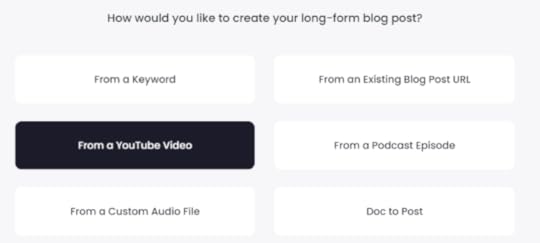
Promoting your blog effectively requires a strategic plan. By setting clear goals, identifying key promotion channels, and tracking your results, you can maximize your advertising efforts and drive more traffic to your blog.
Set Clear Promotion GoalsBefore you start promoting your blog, set clear goals for what you want to achieve. Do you want to increase traffic, generate leads, or build your email list?
Having specific, measurable goals will help you create a more targeted promotion plan and track your progress over time.
Identify Key Promotion ChannelsThere are many channels you can use to promote your blog, including social media, email marketing, guest posting, and paid advertising. Identify the channels that are most relevant to your target audience and align with your promotion goals.
Focus on a few key channels rather than trying to be everywhere at once. Quality is more important than quantity when it comes to blog promotion.
Develop a Promotion ScheduleConsistency is key when it comes to blog promotion. Develop a schedule for when and how often you will promote your blog on each channel.
Use tools like Hootsuite or Mailchimp to schedule your social media posts and emails in advance and ensure a steady flow of promotion.
Track and Analyze Promotion ResultsTo determine the effectiveness of your blog advertising efforts, track and analyze your results regularly. Use tools like Google Analytics to monitor your traffic sources and engagement metrics.
Pay attention to which channels and tactics are driving the most traffic and engagement, and adjust your strategy accordingly.
Continuously Refine Your Promotion StrategyBlog promotion is an ongoing process. Continuously refine your strategy based on your results and insights.
Stay up-to-date with the latest trends and best practices in blog promotion, and don’t be afraid to experiment with new advertising tactics and channels.
Get The Word Out There and Start Drawing Traffic to Your BlogAll those stories about blogs taking off overnight? They don’t tell you about the strategic advertising behind the scenes. But now, armed with these eight steps on how to advertise your blog effectively, you can start attracting those eyeballs and build a solid following.
The journey from an unnoticed blogger to one whose posts ignite discussions and inspire shares starts here, — by embracing tested strategies — because every big name once started small too.
Remember: blogging success isn’t measured solely by visitor counts but by meaningful engagements and connections formed along the way.
The post Get Premium Content appeared first on Content Hacker.