Julia McCoy's Blog, page 11
April 8, 2024
Breaking Down How Much It Costs to Start a Blog
Have you ever found yourself wondering, how much does it cost to start a blog? It’s a common question with an answer that might surprise you. The truth is, the cost can range from less than your morning coffee to a significant chunk of your monthly budget. But don’t let numbers scare you off.
Consider this: on average, launching your digital platform could set you back less than $50 initially. Sounds manageable, right? Yet here’s where it gets interesting – depending upon how grandiose or minimalistic your vision is, these figures could leap dramatically into the thousands.
The financial commitment doesn’t end after setup. There are hidden gems and pitfalls in the journey of blogging that many don’t consider until they’re deep in the trenches. From hosting plans to themes and plugins — every choice carries its own tag.
Starting a blog is more than just setting up WordPress — it’s laying the groundwork for a transformative journey, all while ensuring financial prudence from the outset. So yes, starting costs are part of the equation but think beyond that. Consider what you’re laying down now as an investment in your future success.
Want to build a real money-making blog, 10x faster with the use of AI? Check out our AIO Blogger course.
Table Of Contents:How Much Does It Cost to Start a Blog in 2024?Essential Tools and Services for Launching Your BlogChoose the Right Web Hosting ProviderPick a User-Friendly Blogging PlatformFind the Perfect Theme for Your BlogInvestments Worth Making for Long-Term SuccessThe Hidden Costs of Running a Successful BlogHow to Save Money When Starting a BlogNavigating Legalities and Financial PlanningTreat Your New Venture as a Business from Day OneHow Much Does It Cost to Start a Blog in 2024?So, you’ve got that spark to start a blog. Exciting times ahead. But before diving into the blogging world, let’s talk cash.
How much does it cost to start a blog? Here’s a breakdown of potential expenses:
Domain Name: The cost of registering a domain name typically ranges from $10 to $20 per year, depending on the domain registrar and the chosen domain extension (.com, .net, .org, etc.). Some hosting providers offer a free domain name as part of their hosting packages.
Web Hosting: Hosting fees can vary widely depending on the hosting provider, type of hosting plan (shared, VPS, dedicated, etc.), and additional features included. Shared hosting plans, which are suitable for most new bloggers, typically range from $3 to $10 per month. More advanced hosting options may cost upwards of $20 to $100+ per month.
Website Design and Development: If you choose to hire a professional web designer or developer to create a custom website for your blog, costs can range from a few hundred to several thousand dollars, depending on the complexity of the project and the expertise of the hired professionals. Alternatively, you can use pre-designed templates or DIY website builders to create your blog at a lower cost or even for free.
Themes and Plugins: While there are many free themes and plugins available, you may choose to invest in premium themes or plugins for additional features, customization options, and support. Premium themes typically range from $20 to $100 or more, while premium plugins can range from $10 to $200 or higher, depending on the functionality they offer.
Content Creation and Marketing: Depending on your content strategy, you may incur costs related to content creation, such as hiring writers, photographers, or graphic designers, purchasing stock images or multimedia assets, and investing in marketing and promotion such as social media advertising or email service provider subscriptions.
Additional Tools and Services: You may choose to invest in additional tools and services to enhance your blog’s functionality, performance, and security. This could include SEO tools, analytics platforms, security plugins, backup solutions, and more. Costs for these tools and services can vary widely depending on the provider and the specific features included.
Overall, the cost of starting a blog can range from as little as $50 to several hundred or even thousands of dollars, depending on your specific needs and preferences. It’s essential to carefully consider your budget and prioritize your investments based on your goals and resources.
Keep in mind that ongoing expenses such as hosting renewals, domain name renewals, and marketing costs may incur as your blog grows.
Essential Tools and Services for Launching Your BlogSo what do you need to get your blog up and running?
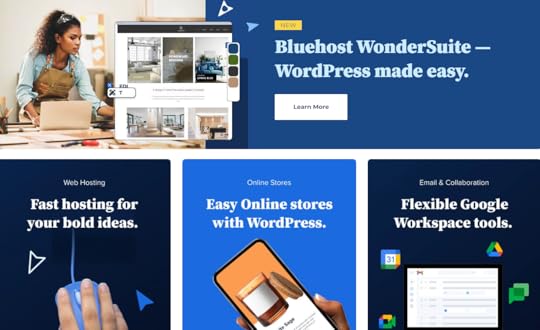
Choose the Right Web Hosting ProviderPicking a web hosting provider is like choosing a home for your blog on the internet. Finding the ideal web host is akin to seeking a sturdy, safe haven that can adapt and expand alongside your digital journey.
Bluehost stands out as my personal favorite because it strikes that perfect balance between affordability and functionality.
Prices start at $2.95 per month.
Selecting the right blogging platform is akin to laying down the cornerstone for your online realm. You want something flexible yet intuitive.
Free blogging platforms allow you to dive right into the world of blogging without spending a dime. You can just sign up, pick a template, and boom – you’re off to the races.
They’re also very easy to use – no tech wizardry needed here.
But let’s not get ahead of ourselves; every rose has its thorn. For one, customization in free blogging platforms is often limited – think cookie-cutter designs. Plus, if you dream big (and I know you do), scaling up with a free platform can feel like trying to run in quicksand.
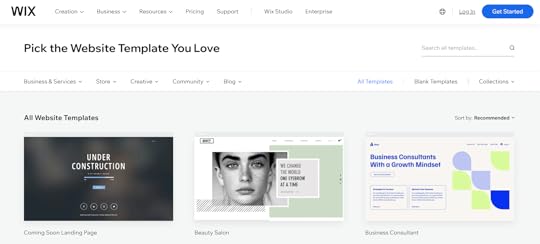
While WordPress is still the most popular free blogging platform today, there can be a steep learning curve for beginners. If you’re looking for an easy-to-use website builder, I recommend that you try Wix. It’s got all the bells and whistles without making things complicated.
Prices start at $4.50 per month.
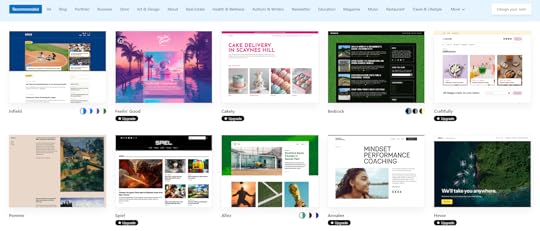
A theme decides how cool or blah your blog looks — it’s that serious. Choosing the right blog theme is crucial as it directly impacts the user experience, aesthetics, and functionality of your website.
First, consider your blog’s niche and target audience. The theme should align with the content you plan to publish and resonate with your audience’s preferences and expectations. For instance, if you’re running a fashion blog, you might opt for a visually appealing theme with ample space for high-quality images and sleek typography.
Second, prioritize usability and responsiveness. Ensure that the theme you choose is mobile-friendly and responsive across different devices and screen sizes. User-friendly navigation and an intuitive layout are essential for enhancing the overall user experience and reducing bounce rates.
Consider the customization options and flexibility offered by the theme. Look for themes that allow you to modify features such as color schemes, font choices, layout options, and widget areas so that your blog reflects your brand identity and unique style. Check if the theme supports popular plugins and integrations that you may need for additional functionality, such as SEO optimization, social media integration, or e-commerce capabilities.
Lastly, pay attention to performance and speed. A well-coded theme optimized for performance can help improve your blog’s loading times and overall site speed, which is crucial for user satisfaction and search engine rankings. Consider testing the demo version of the theme, reviewing user feedback and ratings, and researching the developer’s reputation to ensure that you’re selecting a reliable and high-quality theme for your blog.
While running a blog can certainly be challenging due to the investments needed at various stages, it’s definitely worth it once you begin to really bring in money. Don’t be afraid of the costs associated with starting a blog because if you do it right, you can easily recoup them on your way to profit.
The Hidden Costs of Running a Successful BlogLet’s face it, the “build it and they will come” approach doesn’t work in blogging. You need a solid game plan to get your blog noticed. This is where marketing services step in.
Yes, these too can add up, but think of them as an investment rather than just another bill to pay.
Digital marketing services cover everything from SEO optimization to social media management – essential tools for increasing visibility and driving traffic. But here’s the kicker: not all services are created equal. So do your homework before you commit your hard-earned cash.
Another hidden cost is the need for continuous learning and skill development. Effective blogging often involves various skills such as writing, graphic design, search engine optimization (SEO), social media marketing, and analytics. Acquiring these skills may require additional investment.
There are also expenses related to promoting and growing your blog’s audience. This may include spending on advertising, email marketing software, social media management tools, or hiring freelancers for content creation or marketing tasks.
As your blog gains traction, you may need to invest in scalability measures such as upgrading hosting plans or purchasing additional website features or plugins.
Legal and regulatory compliance can also entail hidden costs for bloggers. Depending on your location and the nature of your content, you may need to invest in legal advice, privacy policies, terms of service agreements, copyright protection, or compliance with data protection regulations like GDPR.
While starting a blog may seem relatively inexpensive, the hidden costs associated with skill development, promotion, scalability, and legal compliance can add up over time. Bloggers need to be aware of these potential expenses and plan accordingly to ensure the long-term sustainability of their blog.
How to Save Money When Starting a BlogLet’s face it, diving into the blogging world can feel like a plunge into unknown financial waters. But here’s the kicker: you don’t have to break the bank to make your mark. First things first, budgeting is your best buddy. Know what you can spend before splashing out.
Prioritize expenses: Not all investments are created equal. Start with essentials – a reliable hosting service and a domain name. Look for affordable hosting plans that offer reliable service and adequate resources for your blog’s needs. Many hosting providers offer discounted rates for new customers or introductory packages that can help you save money during the initial stages.Embrace free tools: There’s an arsenal of free resources at your disposal. Leverage these resources with discernment, always prioritizing excellence. Consider starting your blog on a free platform such as WordPress.com, Blogger, or Medium. These platforms offer basic blogging functionalities at no cost, allowing you to get started without investing in hosting or domain registration fees.DIY Design and Development: If you have basic design and development skills, consider building your blog instead of hiring professionals. Use website builders or content management systems like WordPress to create and customize your site without the need for coding knowledge. There are plenty of free resources and tutorials available online to help you learn and troubleshoot as you go.DIY Content Creation: Instead of outsourcing content creation, consider writing your blog posts, designing graphics, and creating multimedia content yourself. This saves you a lot of money and lets you maintain full creative control over your blog’s content and voice.Educate yourself: Knowledge is power (and often free). The more you know, the less likely you’ll waste money on unnecessary services or pricey mistakes.Network and Collaborate: Build relationships with other bloggers and industry professionals to explore opportunities for collaboration and mutual support. You can share resources, guest post on each other’s blogs, or collaborate on projects to leverage each other’s expertise and reach new audiences without spending money on advertising or promotion.Beyond saving bucks, remember this: every dollar spent should bring value back into your blogging journey. Investing wisely, be it in expanding your following or perfecting your skills, lays the foundation for enduring achievement.
Don’t forget about leveraging communities related to blogging niches online — they’re treasure troves of advice that won’t cost you anything but could save loads in missteps avoided.
Navigating Legalities and Financial PlanningNobody likes to talk taxes or legal stuff, but here we are because treating this gig seriously means getting down with the nitty-gritty details too.
Legalities: Get familiar with copyright laws (so no one steals your content) and privacy policies (because trust matters). Maybe even consider trademarking if you’re in a popular niche.Budgeting: Start tracking expenses early on — web hosting fees aren’t going to pay themselves. Plus, knowing where every dime goes helps big time when monetizing strategies come into play later on.Income Streams: Diversify them. Adsense isn’t the only player out there; explore affiliate marketing programs or sell digital products directly from your site for some extra cash flow.Sure, navigating through legal documents can feel like wading through mud but think of it this way: You’re laying down solid foundations for what could be an empire someday.
And when money starts rolling in? Well-planned financial management ensures that success isn’t fleeting but sustainable over time.
Treat Your New Venture as a Business from Day OneLet’s be real. When you decide to start, launch, and grow your blog, it’s not just about throwing up a few blog posts and calling it a day.
Treating your blog like a side hustle or hobby? That’s old news. The landscape’s totally different now.
Today, your blog is your brand, your voice, and most importantly, your business.
From the get-go, adopting professionalism sets you apart in the crowded digital space. It’s about being consistent —whether that means posting regularly or keeping up with emails and comments.
The truth is that starting a blog can be as budget-friendly or as lavish as you make it out to be. The essence of it hinges on prioritizing what’s crucial for the success of your online space. And remember, while those initial setup costs might seem like hurdles now, they’re really just investments into turning your blogging dreams into reality.
It’s time to build your blog empire.
Want to be a real Content Hacker along with us, but not sure where to start?
We’ve got custom-created resources just for you, friend.
Get inside the Content Hacker Community  – at just $20/month, it’s a no-brainer. On-call, expert support, live calls, and so much more.
Want to go deeper? Check out our AIO Blogger course – an immersive one-week course teaching you everything you need to know to build a money-making online blog.
Can’t WAIT to welcome you inside.
with gratitude,
Julia
The post Breaking Down How Much It Costs to Start a Blog appeared first on Content Hacker.


April 7, 2024
11 Proven Ways How to Increase Blog Traffic
Ever felt like your blog is a ghost town? You’re not alone. Many have tried and stumbled in the quest for clicks, shares, and comments. But here’s some good news – increasing your blog traffic isn’t as hard as it seems. Kicking things off means diving into the heart of what really grabs people’s attention online.
Today, we’ll explore 11 proven strategies on how to increase blog traffic and help you attract more visitors to your site without needing a degree in rocket science or breaking the bank on ads.
Want to build a real money-making blog, 10x faster with the use of AI? Check out our AIO Blogger course.
Table Of Contents:11 Proven Ways How to Increase Blog Traffic1. Write Long-Form Blog Posts2. Focus on Trending Topics3. Craft Compelling Headlines4. Produce Video Content5. Optimize Your Blog for Search EnginesConduct Keyword ResearchImprove On-Page SEO ElementsBuild Quality BacklinksEnhance User ExperienceUtilize SEO Tools6. Promote Your Posts on Social Media7. Leverage Email Marketing8. Engage Your Audience and Encourage SharingCreate Shareable ContentAdd Social Share ButtonsRespond to CommentsCollaborate with Influencers9. Expand Your Reach through Guest PostingIdentify Relevant BlogsPitch High-Quality Guest PostsInclude a Strong Author BioEngage with the Host Blog’s Audience10. Repurpose Your ContentTransform Blog Posts into Different FormatsShare Content on Social Media PlatformsNotify Your Email SubscribersParticipate in Online Communities11. Analyze and Refine Your Blog StrategyMonitor Key MetricsIdentify Top-Performing ContentConduct A/B TestingGather Reader FeedbackContinuously Optimize Your ApproachStart Driving Serious Website Traffic to Your Blog11 Proven Ways How to Increase Blog TrafficYou’ve been working hard on your blog. Now it’s time to get serious about traffic. Here are 11 easy steps you can start taking to increase blog traffic.
1. Write Long-Form Blog PostsWhen it comes to blog posts, size matters. Longer blog posts tend to perform better in search engines. They give you more room to dive deep into a topic, include keywords naturally, and provide value to your readers.
Aim for at least 1,500 words per blog post. But don’t just fluff it up with filler content. Make sure every word counts and adds something meaningful to the conversation.
2. Focus on Trending TopicsWant to ride the wave of popularity? Then focus on creating content around trending topics in your niche. Use tools like Google Trends or BuzzSumo to see what’s hot right now then put your own unique spin on it.
Jumping on trends early can help you rank higher in search results and get more shares on social media. Just make sure the trend aligns with your brand and audience.
3. Craft Compelling HeadlinesYour headline is the first thing people see. It’s your one shot to grab their attention and entice them to click so make it count.
Use numbers, strong adjectives, and power words to make your headlines pop. Keep them under 60 characters so they don’t get cut off in search results. And always deliver on the promise in your headline – no clickbait allowed.

Video is one of the most popular and engaging types of content online. And it’s only going to become more important for bloggers in the future. According to DemandSage, video accounts for 82.5% of global internet traffic.
You don’t need a Hollywood budget to create video content for your blog. A simple talking head video, screen recording, or slideshow can be very effective. Just make sure the video is high-quality, informative, and matches the style of your blog.
Pro tip: In an era where AI rules, video generation is just a click away. Check out this blog post on the 10 Best Text-to-Video Generators.
5. Optimize Your Blog for Search EnginesSearch engine optimization (SEO) is the practice of optimizing your blog to rank higher in search results. It’s how to increase blog traffic from Google and other search engines. And it’s essential for any blogger who wants to build a sustainable audience.
Some tips on how to optimize your blog posts for higher SERP rankings:
Conduct Keyword ResearchKeywords are the foundation of SEO. They’re the words and phrases people type into search engines to find content like yours. To rank for the right keywords, you need to do your research.
Use tools like Google Keyword Planner or Moz Keyword Explorer to find long-tail keywords related to your topic. Look for ones with high search volume but low competition then sprinkle them naturally throughout your post.
Improve On-Page SEO ElementsOn-page SEO refers to all the elements of your blog post that affect search rankings. This includes things like:
Title tag and meta descriptionHeader tags (H1, H2, H3)Image alt textInternal and external linksURL structureOptimize each of these elements for your target keywords. But don’t overdo it – keep it natural and readable for humans first, search engines second.
Build Quality BacklinksBacklinks are links from other websites to your blog posts. They’re like votes of confidence from the internet, telling search engines your content is valuable and trustworthy. The more high-quality backlinks you have, the higher you’ll rank on the SERP and the more website traffic you’ll get.
Focus on getting links from relevant, authoritative sites in your niche. You can do this by guest posting, partnering with influencers, or creating link-worthy content that people naturally want to share.
Enhance User ExperienceSearch engines want to provide the best possible experience for their users. That means ranking sites that are fast, easy to navigate, and mobile-friendly. So make sure your blog ticks all those boxes.
Use a responsive theme that looks great on any device. Keep your design clean and clutter-free and optimize your images and code to improve page load times.
Utilize SEO ToolsThere are tons of SEO tools out there to help you optimize your blog. Some of the most popular ones include:
Google AnalyticsGoogle Search ConsoleYoast SEO (for WordPress)AhrefsSemrushThese tools can help you track your rankings, find keywords, analyze your competitors, and identify areas for improvement. Use them regularly to stay on top of your SEO game.
6. Promote Your Posts on Social MediaSocial media is a blogger’s best friend. It’s where you can connect with your audience, build relationships, and drive traffic back to your site. Promote every new blog post across social networks where your audience hangs out.
But don’t just drop a link and run. Engage with your followers, ask questions, and start conversations. The more you interact, the more likely people are to click through to your blog.
7. Leverage Email MarketingEmail may be old school, but it’s still one of the most effective ways to promote your blog. Start building your email list from day one. Add opt-in forms to your site and offer a freebie to entice people to sign up.
Then, every time you publish a new post, send out an email blast to your list. Keep it short, sweet, and focused on the value they’ll get from reading your latest content. Email marketing takes time to master, but it’s worth the effort.
8. Engage Your Audience and Encourage SharingBlogging isn’t just about creating content. It’s about building a community around your brand. The more engaged your audience is, the more likely they are to keep coming back and sharing your posts with others.
Create Shareable ContentIf you want people to share your content, you need to give them something worth sharing. That means creating posts that are valuable, informative, entertaining, or all of the above.
Use eye-catching visuals like images, infographics, and videos to break up your text and make your posts more shareable on social media. And don’t be afraid to have a strong opinion or take a controversial stance — that’s often what gets people talking.
Add Social Share ButtonsMake it easy for your readers to share your content by adding social sharing buttons to your blog. Place them prominently at the top or bottom of each post, or even better — make them “sticky” so they follow readers as they scroll.
There are plenty of free and paid social sharing plugins available, especially if you’re on WordPress. Pick one that matches your design and offers the networks your audience uses most.
Respond to CommentsWhen someone takes the time to leave a comment on your blog, it’s important to respond. This shows that you value their input and are willing to engage in conversation.
Try to reply to every comment, even if it’s just to say thanks. And if someone asks a question or leaves a thoughtful response, take the time to give a detailed reply. This back-and-forth interaction is what builds relationships and turns casual readers into loyal fans.
Collaborate with InfluencersInfluencer marketing is a powerful way to expand your reach and get your content in front of new audiences. Find influencers in your niche who align with your brand values and have an engaged following.
Then reach out to them about potential collaboration opportunities. This could be anything from a social media shoutout to a full-blown sponsored post. Just make sure the partnership is genuine and provides value to both your target audiences.
9. Expand Your Reach through Guest PostingWant to tap into a whole new audience of potential readers and increase traffic? Guest posting is your ticket.
But before you start pitching, you must find the right blogs to target. Look for sites that cover topics related to your niche and have an engaged readership.
Identify Relevant BlogsTo find guest post opportunities, try searching for your keyword + “guest post”, “write for us”, or “contribute”. This will surface blogs that actively accept guest submissions.
Look for blogs with a solid domain authority score – this signals a high-quality site that can send valuable referral traffic your way.
Pitch High-Quality Guest PostsOnce you’ve found a few target blogs, it’s time to craft your pitch. Personalize each email and explain why your post idea fits their audience perfectly.
Most importantly, make sure your guest post is top-notch. Put in the same effort (if not more) as you would for your own blog. This is your chance to wow a new audience and entice them to check out your site.
Include a Strong Author BioDon’t forget to include a compelling author bio at the end of your guest post. This is where you can promote your own blog and entice readers to visit.
Include a link back to your site as well as a strong call to action. Something like “For more tips on [topic], check out my blog at [link]” can work wonders.
Engage with the Host Blog’s AudienceOnce your guest post goes live, stick around and engage with readers in the comments. Respond to their questions, thank them for their feedback, and build relationships.
This shows the host blog that you’re invested in their community. And it gives you a chance to connect with potential new fans and followers.
Guest posting takes work, but it’s so worth it for the targeted traffic and quality backlinks you can score. Start small with a few strategic guest posts and watch your reach grow.
10. Repurpose Your ContentCreating quality content is hard work. So why let it fade into obscurity after you hit publish?
Squeeze more mileage out of every post by repurposing your content across multiple platforms. This way, you can reach new audiences and keep your existing fans engaged.
Transform Blog Posts into Different FormatsTake your top-performing blog posts and transform them into:
VideosInfographicsPodcastsEbooksSlide decksDifferent people prefer to consume content in different ways. By mixing up the format, you can appeal to a wider range of learning styles and preferences.
Plus, this gives you a chance to cross-promote. Include a call-to-action in your YouTube video description urging viewers to check out the full blog post for more info. Or gate your ebook behind an email opt-in form to grow your subscriber list.
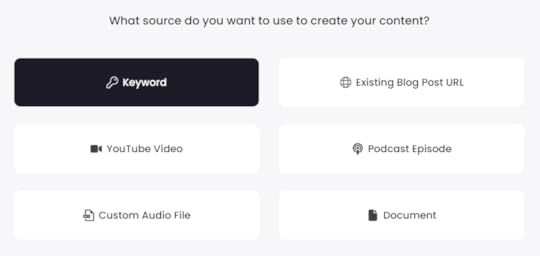
One way to repurpose content easily is to use an AI SEO writer like Content at Scale. You can turn your popular videos, blog posts, and podcasts into long-form content by simply entering the URL.
Here’s a screenshot of the app’s repurposing feature:
Don’t just post your refurbished content once and call it a day. Share key takeaways, quotes, stats, and insights from your post across all your social channels.
Create a sharing schedule to drip out valuable content to your social media followers consistently. Use eye-catching visuals and enticing headlines to stop the scroll and drive traffic back to your blog.
You can even repurpose one blog post into multiple social posts with a tool like Flick. Pull out a quote for Twitter, create an infographic for Pinterest, or record a quick video for Instagram Stories – the options are endless.
Notify Your Email SubscribersYour email list is one of your most valuable assets. These are people who have raised their hand and said “yes, I want to hear from you.”
So make sure you’re letting them know every time you publish a new blog post. Send out a weekly or monthly email newsletter rounding up your latest content.
You can even segment your list and send targeted emails based on subscriber interests. This ensures your content is always relevant and valuable to the people receiving it.
Participate in Online CommunitiesDon’t just blast your content out into the void. Engage in discussions and add value in the communities where your target audience hangs out.
This could be Facebook Groups, LinkedIn Groups, Reddit threads, or Quora questions related to your niche. When you’ve built up trust and authority, you can start sharing your own content where relevant.
The key is to prioritize helping over selling. Don’t just drop links and run. Take the time to answer questions, offer advice, and build genuine relationships. This is how you’ll drive targeted, engaged traffic back to your blog.
11. Analyze and Refine Your Blog StrategyIs your blog traffic growing as fast as you’d like? If not, it’s time to dig into the data and see what’s working (and what’s not).
Luckily, there are plenty of tools and metrics you can use to gauge the health of your blog and make informed improvements.
Monitor Key MetricsGoogle Analytics is your best friend when it comes to measuring blog performance. Keep an eye on key metrics like:
Page viewsUnique visitorsAverage time on pageBounce rateTraffic sourcesSee a post with a high bounce rate? Maybe the content isn’t matching up with user intent.
Notice a lot of traffic coming from a particular social channel? Double down on your efforts there.
You can also use Google Analytics to track conversions and see how your blog content is impacting your bottom line. Set up goals to measure email sign-ups, product purchases, or any other desired action.
Identify Top-Performing ContentLook for patterns in your top-performing posts. What topics resonate most with your audience? What format gets the most engagement?
Use these insights to inform your future content strategy. Focus on what’s working and ditch what’s not.
You can also use tools like Ahrefs or Moz to do a full content audit. This will help you identify gaps and opportunities for improvement across your entire blog.
Conduct A/B TestingSometimes the smallest tweaks can make the biggest difference in your blog’s performance. That’s where A/B testing comes in.
Use a tool like Optimizely or VWO to test different elements of your blog and see what drives the most engagement. This could be anything from headlines and images to call-to-action placement and copy.
Run tests one at a time so you can isolate variables and confidently attribute lifts to specific changes. Over time, these optimizations can compound into major improvements for your blog.
Gather Reader FeedbackWant to know what your readers really think about your blog? Ask them.
You can gather feedback through:
SurveysPollsReader interviewsCommentsSocial mediaUse this qualitative data to supplement the quantitative insights you’re tracking in Google Analytics. Together, they’ll paint a clear picture of what your audience wants and how you can better serve them.
Continuously Optimize Your ApproachYour work is never done when it comes to growing your blog. There’s always room for improvement and optimization.
Stay on top of your blog analytics and reader feedback. Use those insights to make data-driven decisions about your content strategy moving forward.
Test, iterate, and improve. Rinse and repeat. This is how you’ll keep your blog fresh and relevant for the long haul.
Start Driving Serious Website Traffic to Your BlogThe journey from an unnoticed blog to one buzzing with activity might seem long at first glance. Yet, armed with these insights on how to increase blog traffic, you’re now equipped better than ever before.
This isn’t just about throwing content into the void and hoping something sticks; it’s about smart moves – creating engaging stories, optimizing for search engines without losing the human touch, and making sharing effortless for readers while analyzing what works best through metrics.
Boosting your site traffic means understanding your readers deeply and delivering value consistently. These are the keys to forging a real connection with your audience.
It’s time to build your blog empire.
Want to be a real Content Hacker along with us, but not sure where to start?
We’ve got custom-created resources just for you, friend.
Get inside the Content Hacker Community – at just $20/month, it’s a no-brainer. On-call, expert support, live calls, and so much more.
Want to go deeper? Check out our AIO Blogger course – an immersive one-week course teaching you everything you need to know to build a money-making online blog.
Can’t WAIT to welcome you inside.
with gratitude,
Julia
The post 11 Proven Ways How to Increase Blog Traffic appeared first on Content Hacker.
April 4, 2024
How to Start a Travel Blog: Easy Guide for Newbies
So you love traveling. What if you could turn your wanderlust into a full-blown career? Think it sounds too good to be true? Well, it isn’t. Countless travelers have turned their passion for exploration into profitable blogs. They didn’t just share stories; they built empires from them.
And you? You’re next on the runway, ready for takeoff.
Welcome to the ultimate guide on how to start a travel blog — a digital passport to the world of exploration, inspiration, and storytelling.
In this blog post, we’ll dive into the essentials of starting a travel blog: from selecting the perfect niche and crafting compelling content to building your online presence and engaging with fellow globetrotters. Embark on this journey with us and discover how to transform your adventures into a thriving travel blog that not only chronicles your experiences but inspires others to chase their travel dreams.
Let’s get ready to unleash your inner travel writer and embark on a virtual odyssey together!
Want to build a real money-making blog, 10x faster with the use of AI? Check out our AIO Blogger course.
Table Of Contents:What is a Travel Blog?How to Start a Travel BlogStep 1: Decide on Your Blog’s PurposeStep 2: Find Your NicheStep 4: Pick a Blogging PlatformStep 5: Set Up Web HostingStep 6: Pick the Perfect Theme to Match Your StyleStep 7: Publish Your First Blog PostStep 8. Promote and Grow Your AudienceStep 9: Monetize Your Travel BlogLearning from Successful Travel BloggersWhat is a Travel Blog?A travel blog is a type of blog where individuals or groups share their travel experiences, tips, recommendations, stories, and photographs from their journeys around the world.
Travel blogs typically focus on personal experiences and insights gained during trips to various destinations. They often include details about accommodation, transportation, activities, food, culture, and local attractions.
Travel bloggers share their adventures to inspire and inform others who are interested in similar destinations or experiences. These blogs can range from casual personal accounts to professional platforms that provide in-depth travel guides, reviews, and resources for fellow travelers.
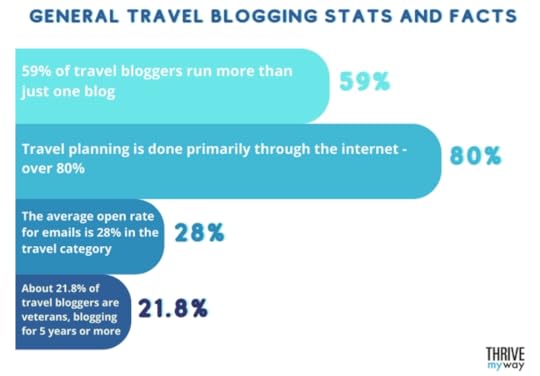
You’ve got the itch to start a travel blog, but where do you begin?
Step 1: Decide on Your Blog’s PurposeFirst off, let’s talk purpose.
Why do you want to start a travel blog? Perhaps you’re eager to recount your grand explorations, share advice for wanderers, or transform your passion into financial gain.
Whatever it is, nail down your ‘why’ to set the stage for everything that follows.
Step 2: Find Your NicheWith so many travel blogs out there, standing out can seem daunting.
Choose a unique travel niche based on:
Your interests: What part of traveling lights you up? Is it undiscovered beaches or bustling city streets?Your expertise: Got skills in hiking through uncharted territories or snagging deals on luxury hotels?Your perspective: Maybe you’re seeing the world from behind a lens or through culinary experiences.Picking something close to your heart isn’t just easier; it makes your content glow with authenticity — something readers can smell from miles away (and love).
Dive deep into what makes your travels unique and exciting — that’s how successful travel bloggers make waves and keep their audiences coming back for more.
Step 3: Choose a Memorable Blog NamePicking the right travel blog name is like choosing a tattoo. It’s something you’ll flaunt all over the digital world, so it better be good.
Think of it as your blog’s first impression; make it count. You want something catchy, easy to remember, and reflects your travel style or philosophy.
Step 4: Pick a Blogging PlatformWhen choosing a travel blogging platform, two primary categories stand out: Content Management Systems (CMS) and website builders. Each offers unique advantages tailored to different needs and skill levels.
A content management system (CMS) such as WordPress empowers users with tools to create, manage, and modify website content without needing extensive coding knowledge. Holding approximately 60% of the market share, WordPress dominates due to its flexibility and vast plugin ecosystem.
Newcomers might find WordPress’s dashboard slightly challenging at first glance; however, its user-friendly interface becomes intuitive with a bit of practice.
If ease-of-use is your top priority list or if time constraints are tight, website builders simplify web design through drag-and-drop editors. Platforms like Wix and Squarespace allow for quick assembly of websites without delving into technical details — perfect for travelers eager to launch their travel blogs right away.
Step 5: Set Up Web HostingNot all hosts are created equal. Some might lure you in with cheap hosting plans but leave you hanging when traffic spikes crash your site at 2 AM on a Saturday night (not fun).
Look for WordPress-recommended hosts. They’re usually more reliable and WordPress-friendly which means less headache for you.
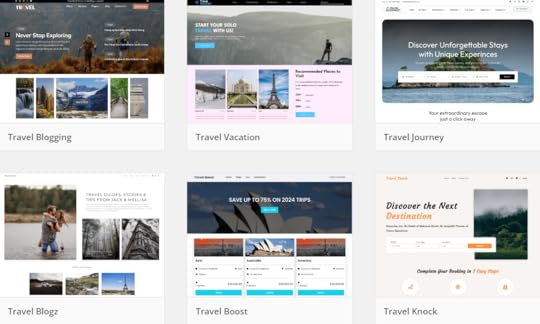
Managed WordPress Hosting: A bit pricier but think of it as having a tech-savvy buddy keeping an eye on your site 24/7.Shared Hosting: The cheapest option out there but beware – sharing space can mean slower load times during peak hours.Step 6: Pick the Perfect Theme to Match Your StyleChoosing a travel blog theme is like picking your outfit for an international adventure — it’s gotta match your style and make you feel great. Whether you’re all about those sleek minimalist vibes or prefer something vibrant that pops off the screen, there’s a theme out there with your name on it.
You’ve got options: free themes or premium themes. Freebies are great when you’re just starting and pinching pennies; they do the job without fuss. But if you crave extra flair, going premium might be right up your alley. Think of it as investing in a killer backpack that has all the pockets — you know it’ll elevate your travel blog.
Gone are the days of one-size-fits-all websites. Now? It’s all about making that blog unmistakably yours. Start with colors that speak to you—maybe ones that remind you of sunsets in Bali or forests in Norway?
Don’t be afraid to experiment. Change fonts, add widgets, tweak layout until everything screams ‘you’.
Upload photos from your trips as background images or headers for an instant personal touch.
Your travel blog should tell visitors who you are before they even read a post because yes — the look matters almost as much as the content does.
Remember folks – while design pulls them in, content keeps them coming back for more.
This step is where your adventure truly begins, as you start to share your experiences and insights with the world.
The foundation of any compelling travel blog lies in its content — stories that captivate, inform, and engage readers. Before typing out those initial words, it’s essential to pinpoint topics that resonate not just with you but also with your prospective audience. A deep dive into keyword research can illuminate paths less traveled or highlight popular routes eagerly consumed by readers.
With topics in hand, focus shifts towards crafting quality content. Here are some pointers on how to create awesome content for your travel blog:
Tell a Story: Instead of just listing facts or details, weave a narrative that immerses your readers in your travel experiences. Describe the sights, sounds, smells, and emotions you encountered during your journey.Be Authentic: Share your genuine thoughts and feelings about the places you visit. Authenticity resonates with readers and helps build trust.Use Vivid Descriptions: Paint a vivid picture with your words. Use descriptive language to evoke imagery and transport your readers to the destinations you write about.Select an Engaging Angle: Even well-trodden destinations have untold stories waiting to be discovered.Include Practical Information: While storytelling is important, don’t forget to include practical information that can help fellow travelers. Mention details like events and activities, transport schedules, and location maps.Add Personal Insights: Share your unique perspective and insights. What surprised you about the destination? What lessons did you learn from your travels?Use High-Quality Photos: Photos can enhance your storytelling. Include high-quality images that showcase the beauty and character of the places you visit.Provide Useful Tips: Offer valuable tips and advice based on your experiences. This could include packing tips, restaurant recommendations, off-the-beaten-path discoveries, or cultural insights.Engage Your Audience: Encourage interaction by asking questions or inviting readers to share their own experiences or tips in the comments section.Be Consistent: Maintaining a consistent posting schedule builds anticipation among readers and helps establish credibility within the blogging community. Decide whether weekly, bi-weekly, or monthly updates suit both your lifestyle and content creation pace best then stick with it as closely as possible.Stay Passionate: Let your passion for travel shine through your writing. Your enthusiasm will be contagious and will inspire others to explore the world.Publishing your first blog posts might feel daunting at first glance, but remember, each article contributes significantly toward growing an engaged reader base eager for what only you can provide — the world through YOUR lens!
Step 8. Promote and Grow Your AudienceBecoming a successful travel blogger requires more than just publishing captivating articles; you need an effective strategy to promote your blog and expand its readership.
Here are some ways to promote your travel blog and attract a larger audience:
Optimize for SEO: Search engine optimization strategies can improve your blog’s visibility in search engine results. Use relevant keywords, optimize meta tags, and create high-quality content that addresses popular search queries.
Go Social: Popular social media platforms like Instagram, Facebook, Twitter, and Pinterest are the best places to share your blog posts, photos, and updates. Use relevant hashtags and engage with your followers.
Guest Blogging: Write guest posts for other travel blogs or websites with a similar audience. This can help you reach a new audience and drive traffic back to your own blog through backlinks.
Network with Other Bloggers: Build relationships with fellow travel bloggers by commenting on their posts, sharing their content, and participating in blogging communities. Collaborate on projects, guest posts, or social media campaigns to expand your reach.
Build an Email List: Create a list of email subscribers who are interested in travel. Send regular newsletters featuring your latest blog posts, travel tips, exclusive content, and promotions to keep subscribers engaged and returning to your blog.
Interact with Your Audience: Respond to comments on your blog and social media channels. Encourage discussion and interaction by asking questions, conducting polls, or hosting giveaways.
Collaborate with Brands and Tourism Boards: Partner with travel brands, hotels, airlines, or tourism boards for sponsored content, press trips, or product reviews. Collaborations can expose your blog to a wider audience and provide valuable networking opportunities.
Attend Events and Conferences: Participate in travel industry events, conferences, or workshops to network with professionals and gain exposure for your blog.
By implementing these promotional strategies consistently and staying engaged with your audience, you can effectively promote your travel blog and attract more readers over time. Building a loyal audience takes effort and patience, but with dedication and creativity, you can steadily grow your blog’s reach and impact.

Making money from a travel blog is possible through various strategies that leverage your blog’s content, audience, and influence.
Here are several ways to monetize your travel blog:
Affiliate Marketing: Promote products or services related to travel (e.g., travel gear, accommodation, tours) through affiliate programs and earn a commission when your readers make purchases through your affiliate links.
Sponsored Content: Partner with brands, tourism boards, or travel companies to create sponsored blog posts, reviews, or social media promotions and charge a fee for featuring their products, services, or destinations on your blog.
Sell Digital Products: Create and sell digital products such as travel guides, photography presets, e-books, or online courses related to travel and photography. These products can provide passive income once created.
Offer Services: Provide travel consulting, itinerary planning, photography services, or guided tours based on your expertise. Monetize your skills and knowledge by offering personalized services to your audience.
Freelance Writing: Use your blog as a portfolio to attract freelance writing opportunities for travel magazines, websites, or other publications. Earn income by contributing articles or content to external platforms.
Membership or Subscription: Offer premium content or exclusive perks to subscribers through a membership program. Provide access to private forums, travel resources, or live webinars in exchange for a recurring fee.
Sponsored Travel: Collaborate with tourism boards, hotels, airlines, or tour operators for sponsored trips or press visits. Document your experiences and promote destinations in exchange for complimentary accommodations, flights, or activities.
Create Merchandise: Design and sell branded merchandise such as apparel, accessories, or travel-related products featuring your blog’s logo or unique designs.
Crowdfunding: Use platforms like Patreon or Ko-fi to accept donations or recurring contributions from your audience in support of your blog and travel endeavors.
To effectively monetize your travel blog, focus on building a strong brand, cultivating a loyal audience, and diversifying your income streams. Experiment with different strategies to identify what works best for your blog and aligns with your audience’s interests.
Make every journey not just a shared adventure but also an opportunity to capitalize on financially.
Learning from Successful Travel BloggersThe journey doesn’t stop once your travel blog is up. Nope, it’s just getting started.
Want to keep your blog growing? Look at those who’ve already made it big. After all, the path to triumph is often paved with hints from those who’ve already reached the pinnacle.
What makes the best travel bloggers tick? How do they engage their audience? And most importantly, how do they keep things fresh year after year?
It’s not just about copying what others are doing; it’s about finding inspiration in their success and then tailoring that to fit your unique voice and style. Because let’s face it: you’re not here just to be a second-rate version of someone else.
Now that you know how to start a travel blog, keep learning, evolving, and adopting new strategies, but always remain authentic because that’s why people love reading your unique perspective of the world.
It’s time to build your blog empire.
Want to be a real Content Hacker along with us, but not sure where to start?
We’ve got custom-created resources just for you, friend.
Get inside the Content Hacker Community – at just $20/month, it’s a no-brainer. On-call, expert support, live calls, and so much more.
Want to go deeper? Check out our AIO Blogger course – an immersive one-week course teaching you everything you need to know to build a money-making online blog.
Can’t WAIT to welcome you inside.
with gratitude,
Julia
The post How to Start a Travel Blog: Easy Guide for Newbies appeared first on Content Hacker.
March 13, 2024
Beginner’s Guide: How to Start a Blog on Facebook
Did it ever cross your mind that Facebook could transcend its role as a mere social platform and morph into something significantly more influential? Yes, we’re talking about turning it into your very own publishing powerhouse. It’s true; learning how to start a blog on Facebook is not only possible but could be the game-changer you’ve been looking for.
The landscape of digital content is vast. Yet, amidst this expanse, Facebook stands out with its 243.5 million users in the US alone — that’s 70% of the country’s entire population!
Just think about sharing your own distinct perspectives and ideas with such a massive crowd. This chance is simply too immense to overlook.
If you’re thinking of blogging on Facebook, the question isn’t “Can I?” but rather “How can I afford not to?”
With such a massive platform at your fingertips, bypassing traditional blogging platforms becomes an enticing prospect.
Everyone’s narrative is worthy of being shared and celebrated. And what better place than where people already gather daily?
Want to build a real money-making blog, 10x faster with the use of AI? Check out our AIO Blogger course.
Table Of Contents:How to Start a Blog on FacebookSetting Up Your Facebook Blog PageCreating Engaging Content for Your Facebook BlogWrite Long-Form Content on Facebook NotesCrafting the Perfect Post for Your Facebook AudienceOptimizing Visuals for Enhanced EngagementScheduling Content for Your Facebook BlogShare Your Facebook Blog on Other Social ChannelsNavigating The Challenges of Blogging on Social MediaEthics and Legalities of Blogging on FacebookThe Future of Facebook BlogsReach a Wider Audience by Blogging on FacebookHow to Start a Blog on FacebookBlogging on Facebook is enticing due to its straightforwardness and vast audience. No need for tech wizardry or breaking the bank over website hosting. Plus, with billions of active users, imagine the kind of exposure your blog can get.
Setting Up Your Facebook Blog PageCreate a Page: Not just any page, but one that screams ‘you’. This will be your blog’s home.Pick The Right Category: Make sure you select ‘Blogger’ under categories when setting up; this helps people find you much easier.Jazz Up Your Profile: Add an eye-catching cover photo and profile picture that represents what your blog is all about.Tell Them Who You Are: In the “About” section, spill some tea about yourself and what readers can expect from your blog posts.Customize Settings: Modify the settings to make sure everything suits how you want to run things – privacy settings are key.Now that your blog has a home, let’s start creating magic.
Creating Engaging Content for Your Facebook BlogDon’t know what to write about? Choosing the best topic for a Facebook blog depends on your interests, expertise, and the preferences of your target audience. Here are some popular and engaging topics that often perform well on Facebook:
Travel and Adventure: Share travel experiences, destination guides, travel tips, packing hacks, and breathtaking photography.Food: Share recipes, cooking tutorials, kitchen hacks, restaurant reviews, and food-related stories.Fashion and Beauty: Share fashion trends, styling tips, makeup tutorials, skincare routines, and product reviews.Lifestyle and Wellness: Cover topics like fitness tips, mindfulness practices, self-care routines, and personal development.Parenting and Family: Share parenting advice, family activities, child development tips, education resources, and family-friendly recipes.Technology and Gadgets: Share reviews of gadgets, tech news, tutorials, troubleshooting guides, and tips for optimizing tech usage.Health: Provide information on mental health, disease prevention, nutrition tips, and holistic wellness practices.Personal Finance: Share money-saving tips, budgeting advice, investment strategies, financial planning guides, and success stories.Entertainment and Pop Culture: Cover movie reviews, TV show recommendations, celebrity news, music updates, and event coverage.Photography and Art: Share photography tips, photo editing tutorials, artistic inspiration, and showcase your artwork or photography.DIY and Crafts: Provide DIY project ideas, crafting tutorials, home decor inspiration, upcycling tips, and creative hacks.Education and Learning: Share educational resources, study tips, career advice, book recommendations, and skill development strategies.Environment and Sustainability: Discuss eco-friendly living, sustainability tips, environmental news, conservation efforts, and green living practices.Current Events and News: Discuss trending topics and breaking news, and provide insightful analysis or commentary on relevant issues.Motivation and Inspiration: Share motivational quotes, success stories, personal anecdotes, and uplifting content to inspire your audience.Ultimately, the best topics are those that align with your passions and expertise while also resonating with your audience’s interests. Regularly monitor your Facebook Insights to gauge which topics generate the most engagement and adjust your content strategy accordingly.
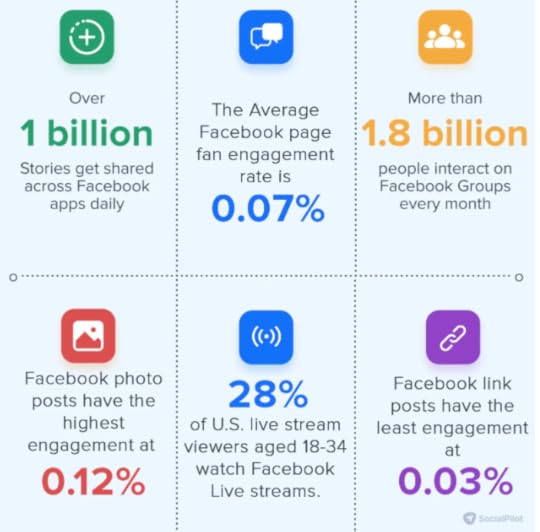
Now that you have a topic or niche in mind, what type of blog post should you write? Here are some of the most effective formats that capture attention and drive engagement on Facebook.
Listicles: These are blog posts structured as lists, such as “Top 10 Tips for Better Sleep” or “7 Must-Have Gadgets for Your Kitchen”. Listicles are popular because they are easy to read and digest, making them highly shareable.How-to Guides and Tutorials: Provide step-by-step instructions on how to accomplish a specific task or learn a new skill. For example, “A Beginner’s Guide to Yoga” or “How to Create a Stunning DIY Photo Album”.Behind-the-Scenes: Share insights into your personal or professional life, giving followers a glimpse into your day-to-day activities, creative process, or business operations. This could include “A Day in the Life of a Chiropractor” or “Behind-the-Scenes at an Amazon Warehouse”.Case Studies and Success Stories: Showcase real-life examples of how your product, service, or advice has helped others achieve success. Share testimonials, before-and-after stories, or interviews with satisfied customers.Interactive Polls and Surveys: Engage your audience by asking questions and inviting them to participate in polls or surveys. This not only encourages interaction but also provides valuable insights into your audience’s preferences and interests.Visual Content: Use eye-catching visuals such as photos, infographics, videos, or GIFs to accompany your blog posts. Visual content tends to perform better on Facebook and can help increase engagement and shares.User-Generated Content: Encourage your followers to share their own stories, experiences, or creations related to your blog’s niche. Repost user-generated content with permission, and celebrate your community’s contributions.Interviews and Q&A Sessions: Conduct interviews with experts, influencers, or thought leaders in your industry. Alternatively, host live Q&A sessions where followers can ask questions and interact directly with you or your guest.Contests and Giveaways: Organize contests or giveaways to incentivize engagement and reward your followers. Encourage participants to like, comment, share, or tag friends for a chance to win prizes.Experiment with different types of blog posts to see which ones resonate most with your audience. Pay attention to engagement metrics such as likes, comments, shares, and click-through rates to gauge the effectiveness of your posts.
Write Long-Form Content on Facebook NotesOriginally introduced as a blogging platform, Facebook Notes allows you to write and publish longer-form content directly on your profile or page.
Here are some key features and aspects of Facebook Notes:
Longer-Form Content: Unlike regular Facebook posts which are typically brief updates or shares, Facebook Notes allow you to write longer pieces of content. This could include personal narratives, blog-style entries, opinion pieces, tutorials, and more.Rich Formatting: Facebook Notes support rich text formatting options, including headings, bullet points, numbered lists, bold and italic text, hyperlinks, and image embedding. This enables you to create visually appealing and structured content.Visibility Settings: You can choose the audience for your Facebook Notes, deciding whether to make them visible to the public, friends only, specific friend lists, or custom audiences so you have full control over who can view your content.Comments and Reactions: Similar to regular Facebook posts, Notes allow other users to leave comments, reactions (such as likes and emojis), and shares. This facilitates interaction and engagement around your content.SEO Potential: Public Notes have the potential to appear in search engine results, depending on their visibility settings and content. This can increase the reach and discoverability of your content beyond the Facebook platform.Mobile and Desktop Access: You can create and read Facebook Notes both on mobile devices and desktop computers, making them accessible to a wide audience regardless of their preferred device.Cross-Posting: Facebook allows you to cross-post your Notes to other platforms or websites, expanding their reach beyond Facebook’s ecosystem.While Facebook Notes may not be as popular as other features on the platform, they can still be a valuable tool for bloggers looking to share longer-form content in a more structured format.

Now, how do we make these blog posts pop? Simple tweaks can turn bland text into eye candy that keeps readers glued to their screens.
Title: Start with a bang. Your title is the first thing people see, so make it catchy.Cover Photo: A picture speaks a thousand words, right? Use an engaging cover photo that complements your post. Think of it as the welcome mat to your content house.Bullets and Headings: Break up text using bullet points or headers. This transforms your content into bite-sized pieces.Add Media: Your blog content is not limited to just text. Sprinkle some images or embed videos throughout your note for added flavor.A quick word of caution though – while adding those juicy details and formatting options is fun, don’t overdo it. Aim for sophistication without tipping into disarray.
Crafting the Perfect Post for Your Facebook AudienceLet’s get real. Crafting that perfect Facebook post feels a bit like hunting unicorns at times, right? But here’s the kicker: it doesn’t have to. Just add a little imagination and some clever planning, and you’ll be able to whip up posts that captivate and charm your followers.
The secret sauce? Knowing what makes your readers tick. It’s all about hitting that sweet spot between what you want to say and what they love to hear.
Start with a Bang: Your opening line is everything. Make it snappy, make it bold – heck, make it sing if you must. This is your hook; lose them here and they’re gone forever into the abyss of endless scrolling.Show Don’t Tell: A picture speaks a thousand words, so let yours do the talking. Whether it’s an infographic or just an eye-catching image, visuals are your best friend when looking to boost engagement on Facebook.Add Value: Why should someone stop their scroll-fest for your post? Offer tips, share insights, or even crack jokes – whatever fits your brand voice. Just ensure every post packs value like sardines in a tin.Tell Stories: Everyone loves stories because we see ourselves in them — our hopes, our joys, our fears. Create Facebook posts that tell tales people yearn to be part of.Ride Trends Wisely: You don’t need clairvoyance; keep tabs on current events relevant to your niche then tie these trends back into content tailor-made for relevance (and maybe even virality).Above all else? Be genuine. No magic wands required. Just pure unadulterated YOU. The most memorable Facebook posts aren’t always polished — they’re personal. They speak directly to one, to many, but always heart-to-heart.
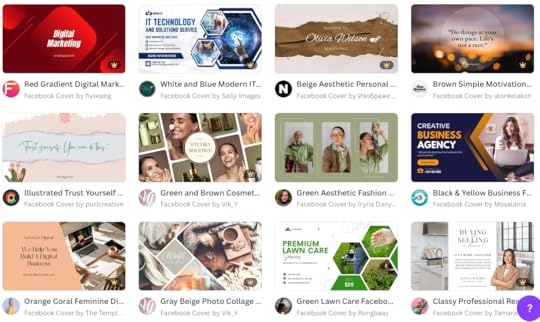
Optimizing Visuals for Enhanced EngagementLet’s face it, we’re all suckers for a good visual. A stunning cover photo or featured image isn’t just eye candy; it’s your first handshake with the reader.
It says, “Hey there, come on in. You’re gonna like this.”
The right visuals can skyrocket engagement and make your content memorable.
So, what’s the secret to snagging that spot-on image?
Relevance is key: Your images should whisper sweet nothings about your post’s content into your audience’s ear.KISS (Keep It Simply Stunning): Complexity often leads to confusion. Go for clear, simple images that pack a punch.Dare to be different: Skip the stock photos everyone has seen a million times. Intriguing and novel images captivate attention, ensuring your content remains the focal point of interest.Sizing matters: Whether it’s a cover photo or a featured image, size does matter. Make sure they fit perfectly across various devices without losing their charm.A well-chosen image not only grabs attention but also boosts retention because let’s be honest — no one remembers bland posts drowned in text-only despair.
Consistency is the king of engagement on social media. But, who has the time to be glued to their Facebook page 24/7? Certainly not you, right? That’s where scheduling comes into play.
Setting up your Facebook posts on a timetable isn’t merely clever; it revolutionizes the process, ensuring your content machine hums along effortlessly without leading to exhaustion.
Think about it: automated streams of content are going live when your audience is most active — without you having to lift a finger at that exact moment.
Here’s a step-by-step guide on how to automate your Facebook blog posts.
Step 1: Log in to Meta Business Suite.
Step 2: Hit ‘Create Post’. Here’s where you craft those engaging pieces ready to captivate and convert.
Step 3: Got everything looking perfect? Now, instead of hitting ‘Post’, click on that little arrow next to it and select ‘Schedule’.
Step 4: Select when this masterpiece will grace the world with its presence. Choose wisely; timing can make or break engagement rates.
Now you’re part of the clever crowd, using automation to juggle work demands and life’s pleasures more adeptly, boosting your productivity in the process.
This strategy doesn’t just keep your page buzzing with fresh material but also ensures you’re always there (well, virtually) for your followers — even while sipping margaritas by the beach. Because let’s be real: we all need that downtime but don’t want our pages gathering digital dust in our absence.
Share Your Facebook Blog on Other Social ChannelsYour Facebook blog is a masterpiece waiting for its moment in the spotlight. But why limit its shine to just one stage?
Cross-promotion, folks. It’s that magical strategy where you get your content dancing across various social media channels.
The beauty of this approach? Each platform has its own vibe and audience.
Instagram: Perfect for sharing those eye-catching images from your blog posts along with snippets that tease readers over to Facebook.Twitter: Tweet links back to your blog with engaging headlines or questions that spark curiosity — hashtags included.LinkedIn: Share more detailed insights from your post or discuss industry-related topics connecting back to it — ideal for reaching professionals who value depth.Pinterest: Pin beautiful graphics related to each post because let’s face it: everyone loves pinning their aspirations and inspirations there.Cross-promotion allows you to reach diverse audiences on various fronts, maximizing your outreach without duplicating efforts. However, it’s crucial to avoid spamming other channels and instead focus on adding value wherever you engage.
This entails slightly tailoring content to seamlessly fit each platform while guiding viewers back to your Facebook Note blog posts. Additionally, if video content is your forte, don’t overlook YouTube — teasers can have a remarkable impact there as well.
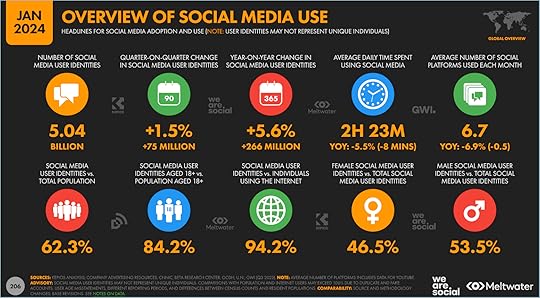
Blogging on social media platforms is like riding a rollercoaster. It’s thrilling, fast-paced, and can be super rewarding if you play your cards right. However, we must acknowledge that it’s accompanied by its own set of highs and lows.
So why do we even consider social media platforms for blogging? Truth be told, their ability to connect us with a vast audience is nothing short of remarkable.
The Pros:Access to billions of people at your fingertips.A low barrier to entry makes starting up easy-peasy.You get seamless engagement from folks who love to comment, share, and react in real time.The Cons:Limited formatting options might cramp your style.SEO control is practically non-existent so you’re getting fewer eyeballs on your stuff unless people are already hanging out on that platform.Monetization opportunities are there but not as lush or straightforward as having your own website.Now, don’t get me wrong. The allure of hitting ‘Publish’ and instantly sharing your thoughts with millions can feel pretty darn tempting. However, bear in mind that with great influence comes the need for an even more thoughtful plan of action. With these platforms, you’re playing by their rules – which can change faster than you can say “algorithm update”.
Ethics and Legalities of Blogging on FacebookEvery piece of content you see or want to share is protected by copyright law.
Yes, that meme too.
And yes, even those cute cat videos.
Everything creators put out there has some form of ownership attached to it.
Copyright laws ensure that original work is protected from being used without permission.
Ever clicked “I agree” without reading? We all have. Those terms and conditions outlined in the user agreement tell you what you can (and can’t) do within the platform.
Making sure you’re playing by these rules doesn’t just protect others; it protects YOU too. Imagine crafting a killer blog post only for someone else to take credit because you didn’t know your rights.
A good rule of thumb: if you didn’t create it or buy rights to use it – think twice before posting.
The Future of Facebook BlogsRemember when personal blogs were just a bunch of diary entries thrown into the vast sea of the internet? Fast forward to today, and we’re witnessing an evolution.
Yes, friends, personal blogging is not just alive; it’s thriving and evolving right before our eyes — especially on social networks like Facebook.
Facebook has morphed from a simple place to share cat videos (still important) into a powerful storytelling arena. It’s where your voice can echo far beyond your immediate circle.
A Rise in Visual Storytelling: We’re seeing more bloggers use photos and videos to complement their narratives. An eye-catching image or video can say thousands of words – maybe even more than actual text posts.The Use of Live Streaming: Got something urgent or super exciting? Go live. Live streaming empowers writers to engage directly and genuinely with their followers, offering an immediacy and authenticity that static articles fail to replicate.Moving Towards Microblogging: Sometimes less is indeed more. Quick updates or thoughts shared on the timeline are becoming increasingly popular for those looking to make swift but meaningful connections.Blogging directly on social media cuts down barriers between creators and consumers. Suddenly everyone is just a comment away.
Reach a Wider Audience by Blogging on FacebookBlogging on Facebook is not just about sharing your thoughts with family and friends. You can even make money blogging on this platform!
Facebook offers a dynamic platform for creators to engage with their audience, share compelling content, and expand their reach in the digital landscape.
By harnessing the power of Facebook’s diverse features, such as Notes, cross-promotion, and multimedia integration, bloggers can cultivate a vibrant online presence and connect with audiences in meaningful ways.
Remember to stay authentic, consistently provide value, and adapt your strategies to the ever-evolving social media landscape.
It’s time to build your blog empire.
Want to be a real Content Hacker along with us, but not sure where to start?
We’ve got custom-created resources just for you, friend.
Get inside the Content Hacker Community  – at just $20/month, it’s a no-brainer. On-call, expert support, live calls, and so much more.
Want to go deeper? Check out our AIO Blogger course – an immersive one-week course teaching you everything you need to know to build a money-making online blog.
Can’t WAIT to welcome you inside.
with gratitude,
Julia
The post Beginner’s Guide: How to Start a Blog on Facebook appeared first on Content Hacker.
March 8, 2024
March 2024 Google Core Update: Google to Wipe Out 40% of Spam Content
Google has announced a massive update to its core ranking system and anti-spam policies.
Here are some of the highlights of the March 2024 Core Update:
Google is rolling out some changes to improve search results and cut down spam content.The goal is to remove low-quality, duplicate content from search results by a whopping 40%.Its anti-spam policies will now focus on manipulative behavior such as abusing scaled content, third-party site reputation, and expired domains.So I was sipping coffee this morning, reading through the headlines about the Google Core update, when I chanced upon this post shared by a marketer in the ZimmWriter group:
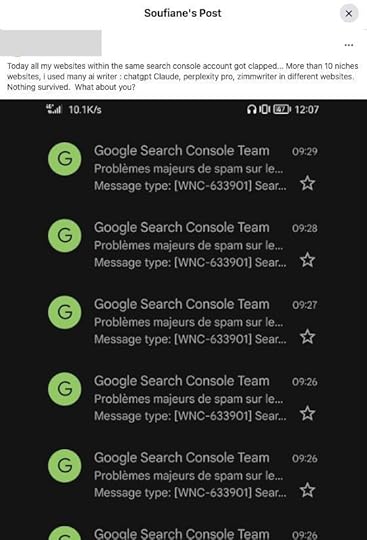
They lost 10+ niche websites just like that! These websites were built with ChatGPT, Claude, Perplexity Pro, and ZimmWriter.
From the comments section, we learn that these are pages with 200 to 1,000 blog posts getting 300-500 visitors per day.

All that time and effort that went into publishing 2-4 articles daily went up in smoke in one fell swoop. 
Barely two days after Google announced its March 2024 Core Update, the hammer is already going down.
Should you be scared?
What if your website gets hit?
How do you keep your rankings intact?
These are burning questions from marketers, entrepreneurs, and agencies that are using AI to scale their content.
Let’s dissect these new policies from Google and how they will impact your future strategies.
Want to build a real money-making blog, 10x faster with the use of AI? Check out our AIO Blogger course.
Improving the Quality of Search ResultsThe March 2024 Google Core Update focuses on weeding out low-quality and unoriginal content from search results. This effort is targeting a reduction of 40% in low-quality content cluttering up search results.
Elizabeth Tucker, Google’s Director of Product Management, explains that the update zeroes in on fine-tuning Google’s ranking system and determining whether a website is unhelpful, provides a poor user experience, or is geared more towards search engines than actual people.
Think of it as a digital spring cleaning for the internet. By targeting spam and repetitive content, Google ensures that search results are not only relevant but fresh. But it’s more than just tidying up — it’s about highlighting exceptional websites and giving them the recognition they deserve.
Here’s what Google says:

The core update also introduces three new spam policies specifically targeting site reputation abuse, expired domain abuse, and scaled content abuse. Implementing these steps is key to preserving the authenticity of search outcomes.
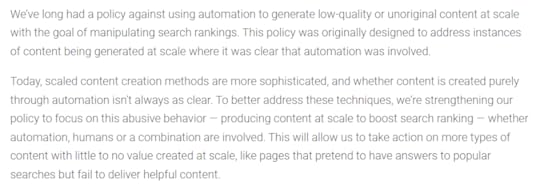
Scaled Content AbuseWhile Google isn’t necessarily opposed to using AI to scale content, it’s always been firm in its stance against using automation to produce low-quality content at scale for the sole purpose of gaming search rankings.
Here’s what Google says about scaled content abuse:
Sites that publish third-party content solely for ranking manipulation now face stricter scrutiny. The aim is to preserve the authenticity of a highly reputable website from bad actors who attempt to piggyback on its reputation.
If third-party, low-value content is created primarily for ranking purposes and lacks close oversight from the website owner, Google will now classify it as spam.
Here’s what Google says about site reputation abuse:

A new emphasis is being placed on tackling the misuse of expired domains, a strategy that involves elevating inferior content through websites once recognized for their credibility. This undermines user trust in search results but will be addressed head-on with this update.
Action against such practices ensures only high-quality sites rank highly, benefiting users seeking reliable information online.
Here’s what Google says about expired domain abuse:

Google’s stance has always been clear: your content needs to be helpful to rank in its search results.
Google doesn’t want low-quality, unhelpful, duplicate content that is published for the sole purpose of manipulating search rankings.
What Google wants is content that helps people find real answers or solutions.
If you publish original, helpful, and usable content, then you should never be afraid of Google updates.
Remember when Google added that extra E in E-E-A-T last December 2022? That reflects their focus on stopping the mass spam onslaught.
This is the same focus of Content at Scale: to create helpful, deeply-researched, on-point content.
To achieve this goal, we’ve poured tons of revenue straight back into the development of our tool to build the best SEO AI writer that produces undetectable, humanlike, on-point content that’s ready to publish, StraightOuttaAI.
Learn more about Content at Scale’s RankWell®.
Now that Google has started cracking its whip, it’s time to give your pages some love.
First, find out if you were hit by the Google update.
Here are two ways to do it:
1. Look for your website in Google by typing “site:website.com” and see if you are showing up in the search results.
2. Go to Google Search Console and see if you lost any rankings or got a spam alert. You can find this in the left sidebar, Checking Security & Manual Actions.

If you are safe, what can you do to avoid getting penalized by Google in the future?
Our SEO savant at Content at Scale, Farnaz Kia, has been analyzing content that may be vulnerable to Google’s anti-spam filters. Here are four types of content you should steer clear of:
Mass content that’s easily flagged by an AI detector.Fluffy articles that don’t give a clear, straight answer to the search term.Link farms and guest post websites.Websites with poor UX and lots of ads.To maintain your good standing in search engines, always create content that provides users with immediate/short answers. Stop beating around the bush.
And if you want to continue using an AI writer to produce content at scale, better use an undetectable SEO writer.
If some of your pages have disappeared or lost rankings, you have two months to update your content to make sure it adheres to the March 2024 Core Update.
“Search helps people with billions of questions every day, but there will always be areas where we can improve. We’ll continue to work hard at keeping low-quality content on Search to low levels, and showing more information created to help people.” — Elizabeth Tucker, Director of Product Management at Google
It’s time to build your blog empire.
Want to be a real Content Hacker along with us, but not sure where to start?
We’ve got custom-created resources just for you, friend.
Get inside the Content Hacker Community – at just $20/month, it’s a no-brainer. On-call, expert support, live calls, and so much more.
Want to go deeper? Check out our AIO Blogger course – an immersive one-week course teaching you everything you need to know to build a money-making online blog.
Can’t WAIT to welcome you inside.
with gratitude,
Julia
The post March 2024 Google Core Update: Google to Wipe Out 40% of Spam Content appeared first on Content Hacker.
March 6, 2024
The Truth About AI: Its Real Impact on Humanity
AI’s not just a buzzword or some far-off sci-fi dream. It’s here, and it’s reshaping our world in ways big and small. But let’s cut through the Hollywood drama to see how AI really impacts us, from simplifying daily tasks to transforming industries.
You’ll learn about ChatGPT’s rapid rise, how businesses like Content at Scale are driving growth with AI, Nvidia’s game-changing tech advances, OpenAI’s mission for beneficial AGI, and the financial saga behind today’s AI breakthroughs.
Want to build a real money-making blog, 10x faster with the use of AI? Check out our AIO Blogger course.
The Truth About AI: Beyond the Hollywood Narrative
Every movie about AI that’s ever been created shows us that robots are nefarious, evil, and about to take over the world and create a rotten state of dystopia for humanity.
It’s a big lie perpetuated by profit-driven, uncaring, demoralized, zero-empathetic companies.
The truth about AI is far from what Hollywood has us believe. Contrary to the doomsday scenarios often depicted in films like Terminator, AI’s role isn’t about annihilating humanity.
Actually, in our day-to-day existence, AI quietly plays a supportive role that often slips under the radar. AI subtly transforms our everyday experiences, from making chores more manageable to significantly enriching the quality of our lives.
AI quietly works behind the scenes, making things easier for us. Think smart assistants or fraud detection systems; they’re great examples of how AI serves rather than scares.

This technology isn’t just for tech giants but benefits everyone by handling mundane tasks and letting us focus on what matters most to us personally and professionally.
Thanks to the practical applications of AI that improve our quality of life, public opinion has shifted from skepticism to acceptance. The more we use it, the more we appreciate its value.
We’ve moved past fear towards curiosity and optimism as real-world uses demonstrate how beneficial this technology can be when used responsibly.
The Rapid Adoption of ChatGPTWhen ChatGPT came out in November 2022, it became the fastest-growing consumer internet app of all time after reaching over 100 million users in just two months.
This staggering growth isn’t just numbers; it reflects a deep trust and curiosity in AI technologies among people globally. It signals a shift towards embracing digital assistants for more than just queries but as tools enhancing daily life and work productivity.
Users are not only engaging with ChatGPT out of novelty but also because they see tangible benefits in its use, from automating tasks to sparking creativity.
Nvidia’s Pioneering Role in AI DevelopmentWhen Nvidia hit the scene with its groundbreaking GPU technology in 2012, it didn’t just change the game; it set a new standard for what machines could achieve. Their success in achieving human-like accuracy in image recognition tasks was nothing short of revolutionary.
Nvidia CEO Jensen Huang famously called this advancement “the iPhone moment of generative AI.” This wasn’t an overstatement. Nvidia’s introduction of advanced capabilities played a pivotal role in fueling platforms such as ChatGPT, ushering in a new era of technological innovation.
OpenAI’s Vision for Artificial General Intelligence (AGI)I believe AGI is already here and we’re seeing new AI models drop week after week. Google recently launched Gemini, which is light years ahead of Bard, and OpenAI introduced the earth-shattering text-to-video AI model Sora without even a press conference to announce it.
With AGI, we won’t even have to sit in front of our computers and run processes anymore because we can deploy an entire bot on our behalf to send emails and messages for us — functions we normally do daily.
OpenAI’s goal is to develop AGI that benefits all of humanity. With custom generative models, OpenAI has laid the groundwork for a future where tech boosts our brains. These aren’t your average AI tools — they’re carefully designed to think and operate a bit like us.
Again, let’s be clear: AI is not trying to kick humans to the curb. The goal is to ramp up what it can do, ensuring that tech works better for everyone.
Content at Scale: Supercharging ProductivityThe reason why I think the future will be bright is from what I’m already seeing in the work that I’m doing at Content at Scale. We’re seeing people freed up from doing the mundane tasks that they never wanted to do anyway.
Content at Scale is a custom tool stack built for SEO marketers to produce high-ranking, high-converting content with minimal human intervention.
Back when I was running my content agency, we’d have to go through 500 applicants just to hire 10 writers who didn’t even want to write. When we started giving them the topics from our clients, they began dropping like flies. The topics weren’t fun, they had to write in a dry style to match the tone of voice. In the end, their creativity was killed by that work.
With Content at Scale, I don’t even have to lift a finger and my blog goes out almost on autopilot — and it’s almost just as good as if I wrote it. I’m saving so much time, energy, and worry. I’m more creative because I removed myself from the repetitive routine of blogging. And now I’m exploring how to use AI in writing my books, producing my videos, and automating almost everything.
As president and partner at Content at Scale, I have witnessed how people are getting ahead by leaps and bounds with AI. We have incredible case studies like Keith Bresee of Traffic Dojo who uses Content at Scale to drive massive traffic to his client’s websites, and that traffic converts because the content is so good.
Another case study I recently recorded was Richard Keech at NextCare, a huge medical clinic company with hundreds of locations around the US. They are primarily using Content at Scale to drive traffic to their sites and are seeing incredible results — without having to hire armies of humans.
You Don’t Have to Fear AIAI is changing the game. AI’s influence stretches from enhancing our day-to-day efficiency to completely transforming various sectors, marking a significant shift.
The truth about AI and its potential impact on humanity? It’s not all doom and gloom; it’s opportunity knocking.
Stop looking at the horror images from Hollywood of AI destroying the world. Instead, look at how OpenAI, NVIDIA, MIT, and other AI developers are creating a better future for all of humanity.
Decades of dedication and billions spent have brought us here. This journey teaches patience pays off, innovation sparks growth, and with the right tools — success isn’t just a dream.
It’s time to build your blog empire.
Want to be a real Content Hacker along with us, but not sure where to start?
We’ve got custom-created resources just for you, friend.
Get inside the Content Hacker Community – at just $20/month, it’s a no-brainer. On-call, expert support, live calls, and so much more.
Want to go deeper? Check out our AIO Blogger course – an immersive one-week course teaching you everything you need to know to build a money-making online blog.
Can’t WAIT to welcome you inside.
with gratitude,
Julia
The post The Truth About AI: Its Real Impact on Humanity appeared first on Content Hacker.
March 3, 2024
Why You’re Killing You’re Agency If You’re Doing THIS
In today’s digital age, the capabilities of artificial intelligence (AI) continue to astound us, particularly in content generation. From writing articles to composing music and art, AI has become an invaluable tool in creating diverse and engaging content.
However, as we delve deeper into harnessing its potential, there’s a growing tendency among some users to micromanage or over-customize AI. But is this level of control truly beneficial, or could it be hindering the very innovation we seek?
Join us as we explore the reasons why relinquishing some control and allowing AI to work its magic might be the key to unlocking unparalleled creativity and efficiency in content generation.
Want to build a real money-making blog, 10x faster with the use of AI? Check out our AIO Blogger course.
Embracing AI in Content Creation
The digital marketing world is evolving, and staying ahead means embracing the future.
That future? It’s AI.
To stand out today, adopting AI in content creation isn’t optional — it’s a must. Why? Because it offers precision and efficiency that human effort alone can’t match.
This doesn’t mean humans are out of the picture. Instead, think of AI as a turbo boost for creativity and productivity. It helps us do more and be more innovative.
Consider this: agencies leading with tech-forward approaches are setting new standards in engaging audiences effectively while optimizing operational costs.
Overcoming Resistance to AI IntegrationSometimes we hold ourselves back because we’re worried about what might happen if we let go of control. But let me tell you something: embracing AI isn’t about making your job harder or obsolete — it’s about making it better.
Think about it: tools like Content at Scale are like having a supercharged assistant that can whip up compelling long-form content just like a human would, but faster and without sacrificing quality.
A mindset shift is what we need here —a realization that merging human ingenuity with artificial intelligence paves the way for unprecedented success in digital marketing. Many have already started writing theirs.
The Power of Content at Scale in Content GenerationImagine a tool that not only writes like a human but thinks and plans its content strategy with the same finesse. That’s what Content at Scale brings to the table.
Mimicking Human CreativityContent at Scale mimics human writing by using complex algorithms and vast amounts of data to understand patterns in human language. Just like how you learn to write by reading and practicing, AI learns by analyzing huge amounts of text written by humans. It then uses this knowledge to generate new text that sounds like it was written by a person.
Imagine AI as a super-smart robot that has read millions of books, articles, and conversations. It learns how sentences are structured, how words are used, and even the nuances of tone and style. When you ask it to write something, it uses all that knowledge to create text that sounds natural and coherent, just like how you would write it yourself.
Long-Form Content MasteryIn an online world where depth often trumps brevity, long-form content stands as king. Content at Scale distinctly outshines its rivals in this realm by masterfully creating comprehensive blog posts that maintain reader interest from beginning to end.
What sets this tool apart is not just its capacity for length but also substance. It knows how to hit the sweet spot between being in-depth and engaging while ensuring visibility on search engines.
Marketers and agencies that have been using Content at Scale have seen their monthly visitors skyrocket past 500k, proving that when you blend AI efficiency with human touch, magic happens.
What You May Be Doing Wrong With AI Content GenerationSo you’ve started using Content at Scale but you’re not getting the results you want.
What are you doing wrong?
Tweaking AI inputs excessively might water down their effectiveness and overall excellence.
Content at Scale offers a customized brief section where you can add, modify, and rearrange headings as well as add subtext to each section. If you’re an agency and your client insists on using a particular blog structure, this is where you input their blog outline.
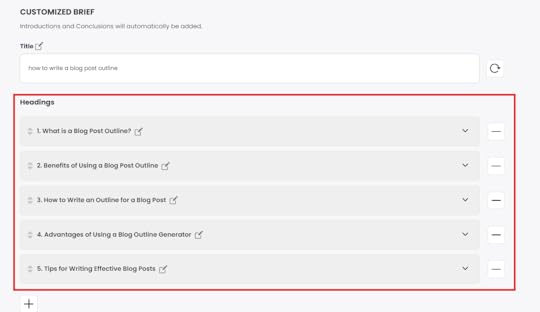
However, from what I’ve heard from some of our customers, too much tinkering here has led some down a path of lower-quality outcomes.
To avoid this pitfall, trust the process. Letting AI take on more of the heavy lifting allows for consistency in quality while freeing up valuable time for other strategic tasks.
Let the system work its magic, guiding rather than hindering your process. Tweaking every generated piece can backfire, making things slower than if you’d written everything yourself.
Remember, these tools are here to help us scale our efforts more efficiently. Over-managing them defeats the purpose and adds unnecessary complexity.
Building Authority With AI ContentIn the world of content creation, it’s crucial to carve out a unique space for yourself.
So, how can you make sure your content don’t just disappear into the vast online echo?
Originality: While AI can help you write content, it’s essential to maintain originality and avoid plagiarism. Use AI-generated content as a foundation and add your unique perspective, experiences, and analysis to differentiate yourself and build authority.
Expert Insights: Incorporate expert knowledge and insights into AI content. This can be achieved by providing authoritative quotes, referencing reputable sources, or leveraging data from industry studies and reports.
Consistency: Consistently publish valuable content across various channels to reinforce your expertise and authority in your niche. Regular updates demonstrate your commitment to staying current and relevant in your industry.
Engagement: Encourage interaction and discussion with your audience. Respond to comments, questions, and feedback promptly to foster a sense of community and establish yourself as a trusted resource.
Optimization: Optimize your AI-generated content for search engines to increase visibility and attract organic traffic. Use relevant keywords, meta tags, and internal links to improve your content’s search ranking and authority.
Personalization: Tailor your content to address the specific needs and interests of your target audience. Use AI insights to understand their preferences and behaviors and create content that resonates with them on a personal level.
Maximizing Traffic and EngagementImagine your website as a bustling city center. To draw crowds, you need more than just location; you need attractions. Content at Scale helps turn your site into Times Square by generating content that ranks well in SEO.
This AI doesn’t just create any content — it crafts pieces designed to captivate Google’s algorithms and human curiosity alike. Content at Scale hones in on subjects that spark interest among your followers, blending essential SEO tactics to guarantee your online realm is alive with engagement.
Enhancing Readability and ConversionTo keep people around once they visit, readability is key. Complex jargon turns readers away faster than a closed sign at their favorite store. Here’s where Content at Scale shines again by producing easily digestible content that not only pulls readers in but keeps them engaged long enough to convert.
Beyond attracting eyes, converting clicks into actions — be it sales or subscriptions — is vital for growth. Content created with Content at Scale is tailored not just for engagement but also for conversion by speaking directly to reader needs and desires in clear, concise language.
Embrace AI and Use it WiselyJumping into AI content creation? Try Content at Scale. It’s your ticket to mimicking human creativity and nailing long-form content that truly engages.
Leveraging this tech is key for scoring high on SEO and driving traffic like never before. Remember, the aim is to boost engagement while keeping readers hooked.
Dodge the usual traps by not going overboard with customization and instead, harness the efficiency that AI brings to the table. Let it do its thing for top-notch quality results.
It’s time to build your blog empire.
Want to be a real Content Hacker along with us, but not sure where to start?
We’ve got custom-created resources just for you, friend.
Get inside the Content Hacker Community – at just $20/month, it’s a no-brainer. On-call, expert support, live calls, and so much more.
Want to go deeper? Check out our AIO Blogger course – an immersive one-week course teaching you everything you need to know to build a money-making online blog.
Can’t WAIT to welcome you inside.
with gratitude,
Julia
The post Why You’re Killing You’re Agency If You’re Doing THIS appeared first on Content Hacker.
February 27, 2024
How Might a Business Use a Blog to Drive Growth?
So, you’re curious about how might a business use a blog. It’s more than just writing; it’s a strategic tool that can fuel growth, enhance online visibility, and cement customer loyalty.
Through blogging, small businesses can tap into the power of SEO to drive organic traffic their way. But there’s more — blogs are perfect for sharing success stories and industry insights that build brand awareness.
Crafting captivating content not only addresses your audience’s needs but also ignites significant discussions. Blogs also enhance customer relations by offering valuable insights and fostering interactions through comments or social media shares. Plus, let’s not forget how they amplify your presence on search engines and other digital platforms.
In this article, we look at the many advantages of blogging, providing a roadmap for small entrepreneurs eager to harness its power to revolutionize their engagement with prospective clients.
Want to build a real money-making blog, 10x faster with the use of AI? Check out our AIO Blogger course.
Table Of Contents:The Strategic Role of Blogging in Business GrowthEducate AudiencesShowcase Social ProofGenerate LeadsThought LeadershipShare UpdatesRecruit TalentHow to Start a Business BlogDefine Your Goals and AudienceBrainstorm Engaging TopicsCraft Compelling ContentPromote Your BlogStart Blogging to Spur Business GrowthThe Strategic Role of Blogging in Business GrowthDid you know that companies that blog generate 67% more leads than those that don’t?
Blogging is not just about sharing ideas; it’s a strategic tool for business growth. Crafting a meticulous business blog elevates your digital footprint, making you more noticeable online.
Blogging has emerged as a cornerstone of digital marketing. Far from being just an online diary, a well-executed blog can serve as a dynamic hub for businesses to engage, educate, and convert customers.
In the following sections, we’ll break down how might a business use a blog to drive growth.

Source: Host Gator
Educate AudiencesAt the heart of any successful content marketing strategy lies the power to educate. For businesses looking to leverage long-form content on their websites, creating educational blog posts is not just an option; it’s a necessity.
This approach goes beyond merely informing your audience — it’s about equipping them with knowledge and skills that enhance their interaction with your product or service.
Educational blog posts provide valuable insights into how products can be used, best practices for maximizing benefits, and troubleshooting common issues users might face. By doing so, companies build trust and establish themselves as thought leaders in their industry.
To effectively execute an educational blog strategy requires more than just subject matter expertise; it demands a deep understanding of who you’re writing for — their pains, goals, and aspirations — and the ability to convey complex ideas.
Education-focused business blogs allow businesses not only to attract visitors but also transform them into well-informed advocates over time.
Showcase Social ProofBlogging helps businesses build trust and credibility by showcasing real-life success stories, making potential customers think, “If it worked for them, it can work for me too!”
Social-proof blog posts are not just ordinary articles; they are meticulously crafted narratives that highlight the transformative journey of users through case studies, interviews, and customer success stories.
To craft an engaging social-proof blog post or series, you need more than just raw data or testimonials. You require a narrative arc that paints a before-and-after picture demonstrating how your product or service has been instrumental in achieving remarkable results.
The backbone of any social-proof blog post lies in identifying willing participants who have compelling stories to share. This necessitates having an approachable platform where users feel valued and excited about sharing their experiences with others.
Generate LeadsBusiness blogging is also great for generating leads. Effective lead-generation blog posts can make complex issues understandable and manageable.
They don’t merely highlight problems; they offer tangible solutions, making them invaluable tools for businesses aiming to establish trust and authority in their niche.
Leag-gen blog posts start by acknowledging common challenges faced by customers today, thus resonating with the reader’s own experiences.
Next comes the demonstration phase where practical solutions are offered — showing rather than telling why it’s beneficial.
Finally, without appearing pushy or sales-y, readers are encouraged to engage further through trials or downloads — a subtle nudge towards conversion.
This process works wonders because it positions your product not just as another option but as the go-to solution for customers’ problems. By educating your audience first before selling to them, you effectively sideline competitors from your potential customer’s consideration without blatant advertising tactics.
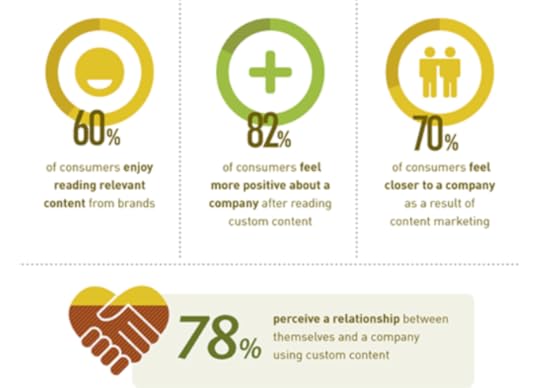
Source: Startup Bonsai
Thought LeadershipAt the heart of every conversation lies an idea that sparked it. In the realm of content marketing, this is where thought leadership takes center stage. Unlike SEO-focused content that addresses existing questions, thought leadership aims to initiate discussions and challenge conventional wisdom.
Gone are the days when insightful pieces were hidden behind paywalls or circulated within narrow confines like email newsletters. The landscape has shifted dramatically, with platforms now recognizing the power thought leadership pieces wield in distinguishing brands from competitors — especially in saturated markets.
By veering away from traditional topics and sometimes sharing controversial perspectives, you can cultivate a unique space that attracts thousands seeking fresh insights.
The cornerstone of any successful thought leadership piece is originality. It demands contributions from those who not only understand your industry’s nuances but can also offer novel viewpoints or solutions.
While business owners or senior leaders may not pen articles themselves, their visions fuel narratives that marketers then shape into compelling content to engage readers
Mastering thought leadership is about becoming the go-to source for ideas that inspire change and drive conversations forward — an endeavor that can be both challenging and rewarding for businesses committed to making an impact.
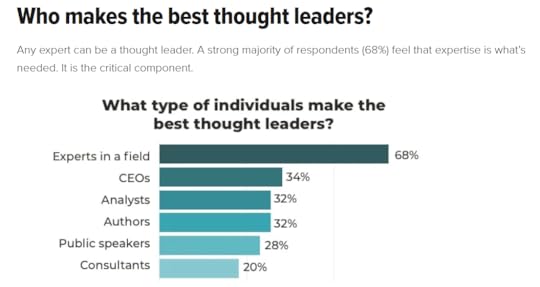
Source: Orbit Media
Share UpdatesBusinesses can also use a blog to keep their customers in the loop about everything new and exciting happening behind the scenes. Blogging not only fosters transparency but also strengthens customer trust by showing them their feedback matters and is being acted upon.
Whether it’s unveiling product enhancements, celebrating company milestones, or sharing impactful user stories, blogs serve as a dedicated space for all things newsworthy within your organization.
While marketing teams typically oversee what information makes it to your blog, someone deeply ingrained in product development or service delivery could also make contributions. For tech companies, this might mean appointing someone from the product team; whereas service-oriented firms could benefit from having C-suite involvement.
Managing an updates section on your website isn’t just about keeping customers informed — it’s about building a community around your brand where every voice feels heard and valued. By dedicating space for such interactions, you’re not only showcasing an ongoing commitment to excellence but also inviting users to be part of your journey toward continuous improvement.
Recruit TalentIn the competitive landscape of talent acquisition, businesses are constantly seeking innovative strategies to attract top-tier candidates. One such approach that has gained momentum is maintaining a recruitment blog as part of an overall content marketing strategy.
Recruitment blogs serve as an invaluable tool in showcasing company culture, highlighting exciting projects, and celebrating the achievements of current team members. By providing an insider’s view into what it’s like working at your company, these blogs communicate directly with prospective employees in a way traditional job postings cannot.
Here’s an example of a recruitment blog post shared on social media:

Candidates today are looking for more than just a paycheck; they want to know what life inside your organization looks like. Through storytelling and behind-the-scenes features, you can paint a vivid picture of your workplace environment.
Share stories about groundbreaking work or innovative projects underway at your firm. This not only demonstrates the impact potential employees could have but also attracts those aligned with your mission and values.
Publicly recognizing outstanding contributions from existing staff not only boosts morale but also signals to prospects that excellence is valued and rewarded within your walls.
A successful recruitment blog positions itself as more than just another corporate channel — it becomes an engaging platform where future employees envision themselves thriving alongside their would-be colleagues. It transcends mere job listings to become an integral part of strategic talent attraction efforts in today’s digital age.
How to Start a Business BlogThe biggest brands in the world recognize the power of blogging. In fact, almost 80% of the Fortune 500 companies maintain a business blog.
Creating a compelling business blog requires a blend of strategic planning and engaging writing. Here’s a comprehensive guide to help you get started:
Define Your Goals and AudienceGoals: What do you aim to achieve with your blog? Brand awareness, lead generation, customer engagement, or industry expertise? Clearly defined goals will guide your content strategy.Audience: Who are you writing for? Understanding your target audience’s pain points, interests, and online behavior is crucial for creating content that resonates.Brainstorm Engaging TopicsIndustry trends: Share insights and analysis on current industry developments, positioning yourself as a thought leader.Customer challenges: Address common problems faced by your target audience, offering solutions and showcasing your expertise.Product or service deep dives: Educate readers about your offerings, highlighting their benefits and addressing potential concerns.Listicles and how-to guides: Provide valuable, easily digestible information in a reader-friendly format.Craft Compelling ContentWrite in a clear, concise, and professional style.Focus on providing value to your readers. Educate, entertain, or solve their problems.Incorporate visuals like images, infographics, and videos to break up text and enhance engagement.Optimize your blog for search engines (SEO) by using relevant keywords and meta descriptions.Proofread and edit your blog posts meticulously before publishing.Maintain consistency: Publish new content regularly to keep your audience engaged.Promote Your BlogShare your blog posts on social media platforms.Engage with your audience in the comments section.Promote your latest blog post to your email list.By following these steps and continuously refining your approach, you can create a successful business blog that attracts, informs, and converts readers.
Start Blogging to Spur Business GrowthBlogs drive traffic. They make your business more visible online, and by offering solutions, they transform casual readers into loyal customers.
Remember this: Blogs connect you with people. Through stories and solutions, you can establish authority, build trust, and enhance customer relationships.
Consistency is key. Keep your core message and purpose steady, yet remain flexible to adapt as insights and market dynamics shift.
Ultimately, blogs serve as potent instruments for entrepreneurs eager to broaden their influence and forge stronger connections with customers, maintaining authenticity in the digital era.
It’s time to build your blog empire.
Want to be a real Content Hacker along with us, but not sure where to start?
We’ve got custom-created resources just for you, friend.
Get inside the Content Hacker Community – at just $20/month, it’s a no-brainer. On-call, expert support, live calls, and so much more.
Want to go deeper? Check out our AIO Blogger course – an immersive one-week course teaching you everything you need to know to build a money-making online blog.
Can’t WAIT to welcome you inside.
with gratitude,
Julia
The post How Might a Business Use a Blog to Drive Growth? appeared first on Content Hacker.
February 21, 2024
What Can I Blog About? Top Ideas to Spark Creativity
So, you want to dive into the blogging world but hit a roadblock. What can I blog about?
Don’t sweat it. We’ve all been there, staring blankly at our screens, waiting for inspiration to strike. But here’s some good news: this guide is your ticket out of that rut.
We’ll help you nail down your niche and brainstorm content ideas that won’t just fill space — they’ll engage and grow your audience. We’re diving deep, transforming your secret interests into captivating articles that cover every angle.
And to make sure your voice gets heard, we’ll also touch on boosting the reach of your blog posts on social media.
So buckle up; by the end of this read, you’ll be brimming with blog post ideas for your digital space.
Want to build a real money-making blog, 10x faster with the use of AI? Check out our AIO Blogger course.
Table Of Contents:What Can I Blog About?Best Blog Niches for BeginnersPersonal DevelopmentBudget Shopping TipsFitness & Healthy LivingFreelancing & Remote WorkBest Topic Ideas for Your Niche BlogInspirational Blog Post IdeasEducational Blog Post IdeasTimely Blog Post IdeasHow to Find New Blog TopicsGoogle’s Autocomplete FeatureSocial Media ConversationsTopic Research ToolsYour Perspective and ExperienceAudience FeedbackBoosting Your Blog’s Reach on Social MediaSo, What Can I Blog About?What Can I Blog About?Your personal interests are the first answer to this question. What are you passionate about?
Whether you’re all about lifestyle blogs, business insights, or anything in between, there’s room for your voice. This journey often starts with an inventory of what excites you — be it cooking, technology trends, or outdoor adventures.
While some find their focus right off the bat, others might need time to pinpoint theirs. Reflect on activities that fill you with enthusiasm or topics where friends say you shine. Discovering that initial burst of inspiration might just be the key to unlocking your journey toward becoming a standout blogger.
To marry passion with popularity requires a look at current trends within blogging niches. Lifestyle blogs are always in vogue due to their broad appeal and flexibility — they cover everything from travel experiences to personal finance tips.
However, don’t overlook less obvious choices that align with specific interests. Sustainable living practices can attract a dedicated following just as well as any popular topic out there.
Selecting a topic that’s close to your heart ensures authenticity — an invaluable trait that search engines love almost as much as readers do.
Best Blog Niches for BeginnersEmbarking on your blogging journey can feel like setting sail into uncharted waters, especially when you’re pondering over what to write about. Let’s dive into some of the most accessible and engaging blog niches for beginners.
Personal DevelopmentIn an era where self-improvement is more than just a trend, personal development stands out as a timeless niche. Topics such as goal-setting, time management, and personal growth journeys resonate deeply with readers seeking practical advice to better themselves.
Sharing your own experiences not only adds authenticity but also builds a connection with your audience. For example, documenting how you achieved specific goals could provide both motivation and actionable steps for others.
Budget Shopping TipsThe quest for saving money while not compromising on quality is universal; hence budget shopping tips form an evergreen niche.
Drawing from personal experience provides credibility — whether it’s uncovering grocery deals or navigating sales across different stores — and positions you as a go-to resource for budget-conscious readers.
Fitness & Healthy LivingIf there’s one thing people continually seek, it’s leading healthier lives without feeling overwhelmed by drastic changes. Healthy living and fitness topics tailored towards beginners, including simple workouts and nutritious recipes, offer immense value by breaking down complex information into digestible actions.
Freelancing & Remote WorkThe shift towards freelancing and remote work has opened up new avenues of employment opportunities while presenting unique challenges. Sharing insights into successful freelancing platforms, productivity hacks, and work-from-home strategies can significantly benefit those looking to navigate this landscape effectively.
Your firsthand knowledge in overcoming common obstacles faced by freelancers enriches your blog posts, making it invaluable to newcomers in this field.
Selecting the right niche isn’t just about following trends; it involves identifying areas where you possess genuine interest or expertise that aligns with what audiences are searching for online.

Top 75 niche ideas from Semrush
Best Topic Ideas for Your Niche BlogBlogging often hits a wall when the well of ideas runs dry. So how do you keep generating post ideas that educate and entertain? Let’s explore.
Inspirational Blog Post IdeasDive deep into success stories within or related to your industry. This could be profiling an influential figure who has made significant strides in their field or sharing case studies from clients who have achieved remarkable results using your product or service.
Here are some thought-provoking ideas tailored specifically for entrepreneurs and business owners looking to infuse their blogs with fresh inspiration:
The Entrepreneurial Journey: Telling the story of how you started, the challenges you faced, and the milestones you have achieved offers invaluable lessons and inspiration to others. It’s about crafting narratives that resonate emotionally while showcasing entrepreneurial spirit.Innovative Marketing Strategies: Explore cutting-edge marketing techniques that have propelled businesses forward. Detailing these strategies provides valuable learning opportunities for fellow marketers aiming to scale their operations.Sustainability in Business: With an increasing emphasis on eco-friendly practices, discussing how your company is contributing towards sustainability can inspire others to consider greener alternatives within their own businesses.Mental Health and Entrepreneurship: Addressing the often-overlooked aspect of mental health among entrepreneurs fosters a supportive community dialogue around resilience and self-care strategies crucial for long-term success.Not only do these posts inspire readers, but they also demonstrate the real-world impact of hard work and innovation.
Educational Blog Post IdeasEducational blog posts not only position your brand as an authority in your niche but also significantly improve SEO rankings by providing valuable information that meets the search intent of your audience.
Here are some compelling ideas for crafting educational blog posts that resonate with your readers while driving traffic and engagement:
How-To Guides: Break down complex processes related to your industry into step-by-step tutorials. For instance, if you’re in digital marketing, a post like “How to Execute a Successful Email Marketing Campaign” can be incredibly useful for beginners and experts alike.Tips & Tricks: Share insider knowledge or lesser-known tips about specific topics within your field. A post titled “10 Social Media Hacks Every Business Should Know” could capture attention quickly.In-Depth Case Studies: Showcase real-life examples of how businesses have overcome challenges or achieved success by using your product, service, or strategy. This not only provides practical insights but also builds trust among readers.Listicles: Compile lists of best practices tailored towards particular aspects of running a business or executing marketing campaigns. Titles such as “The Top 5 SEO Strategies for E-commerce Websites in 2023” are both informative and highly searchable.‘Day In The Life’ Features: Giving readers a peek into the daily operations at your company humanizes your brand and builds connections. Share “A Day In The Life” features focusing on different team members – from executives to interns – showcasing diverse perspectives within the workplace culture.Timely Blog Post IdeasThe beauty of blogging lies in its versatility — almost anything happening around you can transform into a compelling blog post. Whether it’s an emerging industry trend, a major event within your niche, or even significant milestones in your entrepreneurial journey, these moments present golden opportunities to connect with your readers on a deeper level.
Creating content that aligns with what’s currently happening not only boosts SEO but also positions you as a thought leader who’s always on the pulse. When you share insights or reflections on recent developments or trends, you’re providing value by helping your audience make sense of how these changes could impact them.
A few blog post ideas you can write about now:
Analyze Industry Trends: Dive deep into the latest trends affecting your sector. Tools like Google Trends can help identify what people are searching for right now.Leverage Personal Experiences: Share lessons learned from recent challenges faced while running your business. Authentic stories resonate well and foster stronger connections with readers.Celebrate Milestones: Documenting significant achievements such as anniversaries or reaching subscriber goals showcases growth and encourages community participation.Educate on Emerging Technologies: With technology continually evolving, offering guides or opinions on new tools/platforms positions you as an informative resource in your field.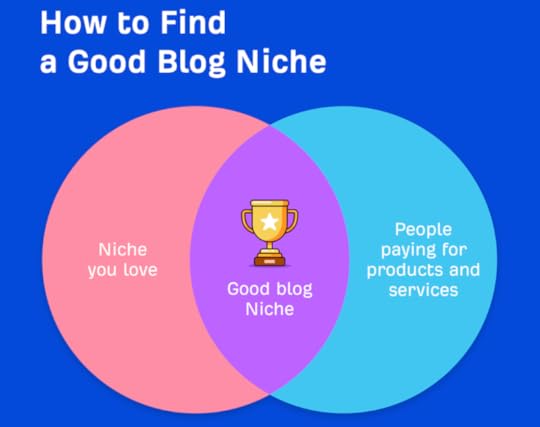
More beginner blogger tips from Ahrefs
How to Find New Blog TopicsFinding the perfect blog topic doesn’t have to be difficult — if you know where to look.
Here are some of the places you can find new blog topics for your business blog.
Google’s Autocomplete FeatureThe journey to discovering engaging blog topics often begins with a simple step: typing into Google’s search bar. The autocomplete feature is more than just a convenience tool; it’s an insight into what your potential customers are curious about.
By starting your query with question words (e.g., “how,” “what,” “why”) followed by keywords relevant to your industry, you’ll be presented with a list of queries real people are making. This method provides immediate inspiration for content that addresses the needs and interests of your audience.

Social media platforms are bustling hubs where trends emerge and conversations flourish. Tools such as TweetDeck or features like Instagram’s Explore tab allow you to dive deep into what topics are currently capturing public interest within your niche.
Following hashtags related to your industry on platforms like Twitter or LinkedIn can unveil questions people have or problems they’re looking to solve — all fertile ground for a compelling blog post or case study.
Twitter: Use advanced search filters to find specific discussions around keywords pertinent to your business.LinkedIn: Join groups related to your field and monitor conversations; these forums often reveal professional pain points ripe for addressing through informative content.Pinterest: For visually driven industries, Pinterest searches can highlight popular concepts that could translate well into detailed how-to guides or inspirational posts on blogs.Topic Research ToolsWhether you’re aiming for brand awareness at the top of the funnel or seeking to generate demand closer to conversion points, topic research tools offer invaluable insights. With options ranging from free utilities to premium services boasting advanced features (some even come with generous free trials), there’s something out there for every budget and need.
Here are some examples of topic research tools to help you generate ideas for your blog niche:
Google Trends: Helps you explore trending topics and see what people are searching for the most.BuzzSumo: Allows you to find popular content by topic or domain, see what’s trending, and identify influential authors.Quora: A platform where people ask and answer questions on various topics. It can be a great resource for finding out what questions people have about a particular subject.Reddit: With its numerous subreddits covering almost every topic imaginable, Reddit can be a goldmine for finding trending topics and understanding what interests people.AnswerThePublic: Provides insights into what questions people are asking around a specific keyword or topic.Semrush: Offers comprehensive keyword research and competitive analysis tools to identify popular topics and keywords in your niche.Ahrefs: Similar to Semrush, Ahrefs provides keyword research and competitive analysis features to help you discover popular topics and content ideas.Google Keyword Planner: This allows you to research keywords and see their search volume, competition, and trends.Industry forums and communities: Engage with communities and forums related to your niche to see what topics are being discussed and what questions are being asked.These tools can assist you in finding relevant and engaging topics for your blog posts by providing insights into what your target audience is interested in and what they’re searching for online.
Your Perspective and ExperienceYour business journey, the tools you’ve mastered, and the processes you’ve refined are gold mines for creating informative blog posts. How do you turn your personal experience and perspective into powerful content?
Beyond the educational blog post ideas that we mentioned earlier, opinion pieces can make your thought leadership truly shine. Expressing strong viewpoints on industry trends or challenging conventional wisdom does more than captivate; it sparks dialogue and cements your position as an authority figure in your field.
Remember: if nobody disagrees with what you’re saying, then it likely isn’t pushing boundaries far enough to be considered genuine thought leadership.
To explore this territory without alienating readers, pick topics that are related closely to their interests but are neglected by mainstream discussions. Craft arguments supported by data to lend credibility while still being provocative.
Audience FeedbackOne of the most powerful strategies in content marketing is to leverage insights directly from your audience. This approach not only ensures relevance but also significantly enhances engagement and conversion rates. At Content Hacker, we emphasize creating content that serves as a bridge between what you offer and what your prospects need.
Understanding the questions and concerns of your potential customers can transform how you communicate through content. Bottom-of-funnel content, which addresses specific inquiries about services or products, plays a pivotal role in guiding prospects toward making a purchase decision. It’s this type of sales-enabling material — be it detailed service descriptions, FAQs, or solution-based articles — that can effectively close deals by providing clear answers to direct queries.
Need more help in finding blog ideas to write about? Wordstream lists 8 of the best blog topic generators for blog post inspiration.
Boosting Your Blog’s Reach on Social MediaSharing your blog post on social networks can significantly widen your blog’s readership, acting as a hidden arsenal in your promotional toolkit. But it takes more than just sharing links to see real growth.
Fellow bloggers often underestimate the power of engaging directly with their readers on platforms like Twitter and Instagram. A quick comment or a shared story can turn a passive follower into an active fan.
To drive organic traffic, consider creating platform-specific content that teases what readers will find in your full posts. Crafting a visually striking infographic tailored for Pinterest users or producing an engaging brief video for Facebook enthusiasts might just ignite their curiosity.
Collaborating with influencers within your niche can also broaden your reach. An authentic shoutout from someone trusted by your target audience breaks through the noise much faster than traditional ads ever could.
An often-overlooked strategy is leveraging social bookmarking sites such as Reddit or Digg. These communities thrive on fresh content, but remember, each has its own set of rules and culture so do your homework first.
Remember, it’s not just about being seen — it’s about being remembered by readers who wouldn’t hesitate to come back for more.
So, What Can I Blog About?Finding what to blog about just got easier. You’ve learned how to spot your niche and ignite content ideas.
The key takeaway? Passion fuels great blogs.
Create with the reader in mind — always aim for valuable, relatable posts that speak directly to their interests.
What can I blog about? Anything that sparks your interest and meets an audience’s need.
It’s time to build your blog empire.
Want to be a real Content Hacker along with us, but not sure where to start?
We’ve got custom-created resources just for you, friend.
Get inside the Content Hacker Community – at just $20/month, it’s a no-brainer. On-call, expert support, live calls, and so much more.
Want to go deeper? Check out our AIO Blogger course – an immersive one-week course teaching you everything you need to know to build a money-making online blog.
Can’t WAIT to welcome you inside.
with gratitude,
Julia
The post What Can I Blog About? Top Ideas to Spark Creativity appeared first on Content Hacker.
February 20, 2024
How to Create a Blog for Free: A Beginner’s Guide
Starting a blog doesn’t have to be costly or complicated. Learning how to create a blog for free is simpler than you might think, and we’ve got the scoop on doing it right.
From picking the perfect platform like Wix or Blogger, which offers customizable templates and easy integration with Google services, to making your first post shine with engaging content — this guide covers it all.
Diving deeper, you’ll grasp the art of magnetizing viewers by mastering SEO tactics and leveraging social media marketing, transforming your posts into digital magnets.
I’ll also share my secrets on how to generate revenue from a free blog through strategies like advertising, selling branded products, and offering unique subscriber-only content.
Let’s get your voice out there without breaking the bank.
Want to build a real money-making blog, 10x faster with the use of AI? Check out our AIO Blogger course.
Table Of Contents:How to Create a Blog for FreeStep 1: Choose a Home for Your BlogStep 2: Get a Custom DomainStep 3: Design Your BlogStep 4: Write Your First Blog PostStep 5: Drive Traffic to Your New BlogStep 6: Create a Blogging ScheduleStep 7: Plan Ahead with Blog AnalyticsStep 8: Promote Your BlogStep 9: Earn MoneyIt’s Not Yet Too Late to Start BloggingHow to Create a Blog for FreeEvery entrepreneur, founder, and business owner has a unique story to tell — a passion that drives them forward. At Content Hacker, we believe in empowering you to share that narrative with the world through effective long-form content marketing.
But where do you begin? The answer is simpler than you might think: start a free blog.
Blogging remains one of the most powerful tools in digital marketing strategy, offering an unparalleled platform for sharing insights, building brand authority, and connecting with your audience on a personal level.
With today’s technology, setting up a blog has never been easier or more accessible.
Here’s my step-by-step guide on how to create a blog for free.
Step 1: Choose a Home for Your BlogThe first step is selecting the right blogging platform that aligns with your goals.
Blogging platforms like WordPress and Blogger offer robust features without any upfront costs.
WordPress especially stands out for its flexibility and extensive customization options through themes and plugins —perfect for those looking to scale their site down the road.
If you’re looking to start a blog without coding or web design experience, Wix might just be your go-to spot. With more than 900 customizable templates, Wix has a theme for every niche out there.
The beauty of Wix lies in its drag-and-drop interface — think building blocks but cooler. Just move your pieces around to build a polished blog, all without needing technical expertise. Plus, navigating through its features feels intuitive from start to finish.
Step 2: Get a Custom DomainA custom domain name does more than give your blog a professional touch; it makes it memorable too. Imagine trying to share your blog’s URL when it’s a long string of nonsensical characters versus sharing something concise and catchy — there’s no contest in which is easier to remember and type.
Finding the perfect domain doesn’t have to be hard or expensive either. Platforms such as Wix simplify the process of acquiring bespoke domains, thereby accelerating your visibility in Google searches when folks look for topics you cover.
Securing a unique web address helps differentiate your space in the crowded digital world while enhancing the user experience — making every visit worth their time (and yours).
Step 3: Design Your BlogFinding the perfect design for your blog can be like picking out an outfit for your first day at a new job. You want something that says ‘This is me’ while also being appealing to others.
The design template you choose sets the tone of your blog today and in the future, so take some time here. Think about what colors represent you or the vibe you’re going for — laid back, professional, whimsical?
This step isn’t just about aesthetics; it’s about offering your audience an enjoyable experience.

Click here for more blog templates from Canva
Step 4: Write Your First Blog PostOnce you’ve set up your blog on the chosen platform, it’s time to craft engaging content that resonates with your audience. Begin by understanding their needs and interests; this insight will guide not only what topics are relevant but also how they’re addressed.
A few tips on how to write an awesome blog post:
Finding Your Voice: Authenticity attracts readership. Write as if you’re speaking directly to your target reader.Detailed Research: Back up claims with data from reputable sources like industry reports or case studies which add depth to articles while boosting SEO efforts through external linking strategies.Add Value: Always aim to leave readers better off than they were before reading — be it through actionable advice or new knowledge gained.Videos and images do wonders for breaking text monotony and keeping readers engaged. When you add video content, you’re not just telling a story; you’re showing it. This approach can significantly boost the time visitors spend on your blog post, which is crucial for building an online community around your blog.
Multimedia elements not only captivate but also deepen comprehension. Sometimes, concepts are better explained through visual aids than text alone.
Adding visuals not just enhances readability but shareability too — crucial factors in growing an online presence organically over time.
Step 5: Drive Traffic to Your New BlogGetting your blog noticed is like finding a needle in a haystack — yours is one of 600 million blogs on the Internet. But, with key SEO strategies, you can make it easier for potential readers to find you on search engines. Imagine placing markers all over the web, each one guiding people directly to your free blog.
Driving traffic to your free blog involves a multi-faceted approach that leverages both content quality and strategic outreach.
Content is King: Focus on creating high-quality, engaging, and informative content. Your blog articles should not only reflect your expertise or passion but also provide value to your readers. Use compelling headlines that grab attention.SEO: Optimize your blog for search engines by incorporating relevant keywords within your titles, headings, and throughout the body of your articles. However, ensure this is done naturally without compromising readability.Get Social: Share each new blog post across all social networks where you maintain a presence — Twitter, Facebook, Instagram (using appealing visuals), LinkedIn (for more professional or industry-related content), etc., encouraging shares among followers.Engage with Communities: Participate in online communities related to your blog’s niche. Answer questions on Quora or Reddit, join Facebook groups, and comment thoughtfully on other blogs in your niche while subtly mentioning your blog post if it adds value to the conversation.Email Marketing: Build an email list from day one by offering incentives like free ebooks or courses in exchange for signing up through a pop-up form on your site, then keep subscribers engaged with regular newsletters featuring useful information along with links back to recent posts.Collaborations and Guest Posting: Collaborate with other bloggers or influencers in similar niches for guest posting opportunities — write valuable content for their sites linking back to yours — and invite them to do the same. Step 6: Create a Blogging Schedule
Creating a publishing schedule for your free blog is key for a few reasons.
First, it keeps you organized and consistent, which helps build trust and loyalty with your audience.
Plus, it gives your readers something to look forward to and helps attract new visitors who know when to expect fresh content.
To set up a blogging schedule, start by determining how often you want to post — whether it’s daily, weekly, or monthly. Then, plan out your content ahead of time, using tools like editorial calendars or simple spreadsheets to keep track of topics, deadlines, and publishing dates.
And remember, flexibility is key — adjust your schedule as needed to accommodate any changes or unexpected events.
Step 7: Plan Ahead with Blog AnalyticsAnalyzing your content performance offers invaluable insights into what resonates with your audience. By identifying which pieces are engaging users most successfully, you’re equipped to refine your approach and replicate this success across future projects. This strategic planning based on real data ensures every piece of content you produce is more likely to hit its mark.
Trend Identification: Spot emerging patterns within your audience’s behavior or preferences early on.Audience Feedback: Gain deeper insights into who finds value in different types of content and why.Better Resource Allocation: Direct resources towards strategies known to generate engagement and conversions.To get started with analyzing these metrics, platforms like Google Analytics offer comprehensive tools tailored for detailed insight gathering.
By integrating built-in analytics seamlessly into your review process — and acting upon those findings — you position yourself well ahead in publishing blog posts that resonate with audiences while driving measurable outcomes.
Step 8: Promote Your BlogSocial media isn’t just for sharing memes. It’s an incredibly powerful tool for amplifying the reach of a successful blog. Every social media site provides distinct avenues for highlighting your content.
For instance, Instagram can be great for behind-the-scenes looks or visually driven teasers leading back to full articles on your site.
Twitter excels at sparking conversations around hot topics — perfect for getting people to talk about what you’ve written.
But don’t just post links and hope someone clicks through; engage genuinely by commenting on others’ posts and sharing valuable insights outside of promoting yourself. The more value you provide within these communities, the more likely users will follow those breadcrumbs back to your free blog.
Step 9: Earn MoneyIf you’ve ever wondered how blogs make money, the secret lies in effective monetization strategies. It’s not just about creating content but turning that content into a revenue stream.
One of the most straightforward ways to start earning from your blog is through Google AdSense. Display ads that are tailored to your audience’s interests so they are more likely to click through. Google AdSense’s charm stems from its straightforwardness and effectiveness, effortlessly marrying technology with opportunity. As soon as you get approval for the program, all that’s left is choosing where to place these ads on your free blog. The rest — ad selection and payment collection — is handled by Google.
Selling branded merchandise opens another lucrative channel for bloggers looking to diversify their income streams. Whether it’s t-shirts sporting catchy phrases or custom-designed mugs related to your blog’s niche, merchandise sales can significantly boost earnings while also increasing brand visibility.
One of the most accessible entry points into making money from your blog is through affiliate marketing. This method involves promoting products or services within your content and earning commissions for every purchase made through your affiliate links. It’s fascinating how intermediate affiliates can rake in between $300 to $3,000 daily, with potential earnings escalating as you gain more experience and refine strategies.
Remember, your blog isn’t just a platform; it’s a business. Making money blogging requires strategic planning but provides an exciting opportunity to turn passion projects into profitable ventures.
For more money-making strategies, check out Content at Scale’s resources on how to make money blogging.
It’s Not Yet Too Late to Start BloggingNow you know how to create a blog for free. Start by choosing a platform that offers both customization and convenience.
Let your passion or expertise shine in your blog posts and harness the power of SEO and social platforms to reach a wider audience.
Earn income through ads, merchandise, or subscriptions. Each post can be a step towards turning passion into profit.
This journey starts with one step: start blogging today without spending a dime and earn money tomorrow.
It’s time to build your blog empire.
Want to be a real Content Hacker along with us, but not sure where to start?
We’ve got custom-created resources just for you, friend.
Get inside the Content Hacker Community – at just $20/month, it’s a no-brainer. On-call, expert support, live calls, and so much more.
Want to go deeper? Check out our AIO Blogger course – an immersive one-week course teaching you everything you need to know to build a money-making online blog.
Can’t WAIT to welcome you inside.
with gratitude,
Julia
The post How to Create a Blog for Free: A Beginner’s Guide appeared first on Content Hacker.