Julia McCoy's Blog, page 9
May 8, 2024
What Is a Call to Action in Writing? Boost Conversions Now
Blood, sweat, and tears – that’s what you’ve poured into your content. Finally, your opus is ready for the world. You hit publish, waiting for the accolades to come pouring in, but instead, you’re met with a deafening silence. No clicks, no conversions, nothing.
What gives?
Chances are, you’re missing one crucial element: a powerful call to action. Without a clear CTA, your readers are left hanging, unsure of what to do next.
Join me as we uncover the art and science behind creating powerful CTA buttons that convert like crazy.
 Table Of Contents:What Is a Call to Action in Writing?Types of Call to Action in WritingHow to Write a Compelling Call to ActionBest Places to Display CTAs in Your ContentOptimizing CTAs for ConversionsExamples of Effective CTAs Across Different PlatformsBoost Your Conversion Rate With Irresistible CTAsWhat Is a Call to Action in Writing?
You’ve likely come across the marketing buzzword “call to action” before. But what does it really mean, and how can you put CTAs to work in your own writing to get results?
The whole point of a CTA button is to convert passive readers into active leads or customers. By giving clear instructions and making it easy for people to take the next step, you’re guiding your target audience further down your sales funnel and closer to achieving your marketing goals.
Call-to-Action ExamplesCTA phrases are designed to encourage immediate responses or actions. Here are some popular call-to-action examples:
Shop Now: Common for e-commerce sites.Sign Up Today: Effective for newsletters and memberships.Learn More: Invites users to explore additional details or information.Get Started: Encourages people to begin a process, like registering for a service.Subscribe: Often used for mailing lists, podcasts, and content channels.Book a Free Consultation: Used in professional services for potential clients.Try It for Free: Popular for free trials of software or apps.Download Now: Promotes access to digital products like eBooks or apps.Reserve Your Spot: Common for events or webinars.Claim Your Offer: Often linked to limited-time discounts or promotions.These CTA examples can be tailored to match the desired action and target audience context for the most effective results.
Characteristics of an Effective CTASo, what makes a good CTA?
First and foremost, it needs to be clear and specific. Use strong, action-oriented, persuasive language that leaves no doubt about what you want the reader to do.
Your CTA should also create a sense of urgency and highlight the benefits of taking action.
And of course, it needs to be visually prominent and easy to find – don’t bury it at the bottom of your post.
Types of Call to Action in WritingDepending on your goals and the type of content you’re creating, you might use different kinds of calls to action in your writing.
Here’s a quick rundown of the most common types that marketers use.
Direct Action CTAsAs the name suggests, these CTAs are all about getting the reader to take immediate, specific action. Think things like “Buy Now,” “Sign Up Today,” or “Download Your Free eBook.”
Direct action CTAs work well when you’re trying to drive sales or sign-ups, and they’re often used on product pages, landing pages, and email marketing campaigns.
Lead Generation CTAsLead generation CTAs are designed to capture information about potential customers, like their name, email address, or phone number. You’ll often see these on blog posts or gated content offers, with CTAs like “Subscribe to Our Newsletter” or “Get Your Free Consultation.”
Social Sharing CTAsWant to get more eyes on your content? That’s where social sharing CTAs come in. Call-to-action examples like “Share This Post” or “Tweet This Quote” prompt users to share your post on their own social media channels.
When influencers share your brand with their followers, it not only increases your exposure but also adds a layer of credibility that can’t be bought.
Feedback CTAsFeedback CTAs are all about gathering insights and opinions from your audience. You might use these at the end of a blog post to encourage comments, or in a survey or poll to collect data.
CTA examples like “Leave a Comment Below” or “Take Our Quick Survey” allow you to gather information that can help inform your content strategy and improve your offerings.
How to Write a Compelling Call to ActionNow that you know the basics of CTAs, let’s talk about how to actually write one that gets results.
Stop settling for lackluster calls to action that fall flat. I’ve got the inside scoop on how to write CTAs that grab attention and motivate your readers to act now.
1. Use Action WordsYour CTA should start with a strong verb that encourages action, like “discover,” “start,” “find,” or “unlock.”
Avoid wishy-washy phrases like “learn more” or “click here” – be bold and direct.
2. Be Clear and SpecificVague CTAs like “Submit” or “Enter” don’t give the reader any context or motivation. Instead, be specific about what you want them to do and what they’ll get in return.
For example, instead of “Sign Up,” try something like “Get My Free 10-Step Guide to Better Sleep.”
3. Create a Sense of UrgencyWant to get your readers’ blood pumping? Use words like “now” or “today” to create a sense of urgency that’s impossible to ignore.
When you add a “limited-time offer” to the mix, you’re basically telling them, “Hey, you snooze, you lose.”
4. Highlight BenefitsYour CTA should focus on the value and benefits the reader will get by taking action, not just the features of your product or offer.
So instead of “Buy Our Software,” try something like “Streamline Your Workflow and Get More Done with Our Intuitive Tools.”
5. Align with Your Brand VoiceFinally, make sure your CTA fits seamlessly with your overall brand voice and tone. If your brand is fun and playful, your CTA should reflect that. If you’re more serious and professional, keep your language buttoned up.
The key is to stay consistent and authentic to who you are as a brand.
Want to learn how to create a CTA button that converts ? Check out these CTA design tips and best practices from Canva .
Best Places to Display CTAs in Your ContentYou’ve got a few prime spots to place your CTAs if you want to grab your readers’ attention.
But hang on a sec – let’s talk about why it matters where you put them.
Let’s say you’ve written a blog post that provides your readers with unique perspectives and actionable advice. But if your call-to-action is positioned at the very end of the post or blends in with the surrounding text, your readers might inadvertently scroll right past it.
So where should you place your CTA button to spur your reader into action?
Placement in Blog PostsIn my experience, there are three prime spots for CTAs in a blog post: the beginning, the middle, and the end.
I like to think of it as the “sandwich” approach.
At the beginning of your post, consider including a CTA above the fold (the portion of the page visible without scrolling). This could be a simple text link or a button that encourages readers to take action right away, like signing up for your newsletter or downloading a free resource.
Here’s an example:

In the middle of your post, try weaving in a CTA naturally within the body copy. This could be a text link that directs readers to a related article or a product mentioned in the post. Just be sure it fits seamlessly with the flow of your content.
And of course, don’t forget the end of your post. This is where you’ll want to include a prominent CTA, like a button or a sign-up form. After all, if readers have made it to the end of your post, they’re clearly engaged with your content and primed to take action.
Placement on Landing PagesWhen it comes to landing pages, the name of the game is simplicity. You want your CTA to be the star of the show, not competing with a bunch of other elements on the page.
Place your primary CTA above the fold, using a contrasting color and ample white space to make it pop.
If you have a longer landing page, consider using a sticky navigation bar that keeps your CTA visible as users scroll.
And don’t be afraid to repeat your CTA throughout the page, especially if you have a lot of content. Just be sure each CTA is relevant to the section it’s in and doesn’t feel like overkill.
Placement in Email MarketingWith email marketing, the key is to make your CTA impossible to miss. I recommend placing it near the top of your email, either as a button or a text link.
If you have a longer email, consider using a “P.S.” at the end to reiterate your CTA. This is a great spot to add a sense of urgency or highlight a specific benefit of taking action.
And don’t forget about mobile. Make sure your CTA is easy to tap on a small screen, with plenty of padding around it to avoid accidental clicks.
Placement in Social Media PostsWhen it comes to social media, the key is to keep your CTAs short and sweet. You’ve got limited space to work with, so make every word count.
For platforms like Twitter and Instagram, consider using a URL shortener to keep your links tidy and trackable.
And don’t be afraid to get creative with your CTA copy – a little personality can go a long way on social.
One trick I like to use is creating a sense of FOMO (fear of missing out) with my social CTAs. Something like “Only 3 spots left” or “Today only” can be incredibly effective at driving clicks and conversions.
Optimizing CTAs for ConversionsSo, you’ve crafted the perfect CTA and placed it in all the right spots. But how do you know if it will work? That’s where optimization comes in.
Optimizing your CTAs is all about testing, tweaking, and refining until you find the winning formula. It’s not a one-and-done process, but rather an ongoing effort to improve your conversion rates over time.
Conduct A/B TestingA/B testing is hands-down one of the most effective ways to optimize your CTAs. It involves creating two versions of your CTA (version A and version B) and splitting your traffic between them to see which one performs better.
You can test all sorts of elements like the copy, color, size, and placement of your CTA. Just be sure to test one element at a time so you can pinpoint exactly what’s moving the needle.
There are plenty of tools out there to help you run A/B tests like Optimizely. Just be sure to let your tests run long enough to reach statistical significance before making any decisions.
Optimize for Mobile DevicesWith more and more traffic coming from mobile devices, it’s crucial to optimize your CTAs for smaller screens. This means using larger buttons, clear and concise copy, and plenty of white space to make your CTAs easy to tap.
It’s also important to consider the user experience on mobile. Make sure your CTAs are placed in spots that are easy to reach with one hand, and that they don’t interfere with other elements on the page.
And don’t forget to test your CTAs on a variety of devices and screen sizes to ensure they look and function as intended.
Personalize CTAs Based on User DataOne of the most effective ways to optimize your CTAs is to personalize them based on user data. This could mean displaying different CTAs to different segments of your audience based on their interests, behavior, or demographics.
For example, if you have a SaaS product, you might show a “Start Your Free Trial” CTA to new visitors, and a “Upgrade Your Plan” CTA to existing customers.
Or if you have an e-commerce site, you might show personalized product recommendations based on a user’s browsing history.
There are plenty of tools out there to help you personalize your CTAs. Just be sure to use data responsibly and respect your users’ privacy.
Analyze User BehaviorTo really understand how your CTAs are performing, you need to dive into your analytics. Look at metrics like click-through rates, conversion rates, and bounce rates to get a sense of how users are interacting with your CTAs.
Pay attention to things like where users are clicking (or not clicking), how far down the page they’re scrolling, and what actions they’re taking after clicking your CTA. This data can give you valuable insights into what’s working and what’s not.
You can also use tools like Hotjar to create heatmaps and user recordings, which can show you exactly how users are navigating your site and interacting with your CTAs.
Examples of Effective CTAs Across Different PlatformsSometimes the best way to learn is by example. So let’s take a look at some real-world CTAs that are crushing it across different platforms.
Website and Landing Page CTAsOne of my favorite examples of a website CTA comes from Shopify. Their homepage features a prominent “Start free trial” button that’s impossible to miss.
The copy is clear and action-oriented, and the button stands out with its white button color against a dark background.

Another great example is Netflix’s landing page.
Their primary CTA is a simple “Get Started” button, which is paired with a compelling value proposition: “Watch anywhere. Cancel anytime.”
The page is clean and uncluttered, with the CTA as the clear focal point.

When it comes to email marketing, Harry’s does a fantastic job with their CTAs. Their emails often feature a prominent “Shop Now” button that’s paired with a specific product or offer. The copy is short and sweet, and the button stands out with its contrasting color.
Another great example comes from Warby Parker. Their email CTAs often feature playful copy that aligns with their brand voice, like “Let’s do this” or “I’m in.” They also use eye-catching visuals to draw attention to their CTAs, like animated GIFs or product images.
Social Media Ad CTAsIn the crowded world of social media, Blue Apron’s Facebook ads stand out by being equal parts enticing and actionable. Appetizing photos of real meals grab your attention and make your stomach growl.
“Sign Up” CTAs are prominently displayed, nudging you to take the next step. The promise of fresh ingredients showing up at your door seals the deal, positioning Blue Apron as the simple solution to your meal-planning woes.

Another great example comes from Casper. Their Instagram ads often feature a “Shop Now” CTA paired with a specific product or offer, like “Save up to 15% on mattresses and more.”
The visuals are clean and simple, with the CTA button as the clear focus.

For e-commerce product pages, the CTA is often the most important element on the page.
One brand that nails it is Allbirds. Their product pages feature a prominent “Add to Cart” button that’s impossible to miss.
The copy is simple and direct, and the button stands out with its contrasting color.

Another great example comes from Glossier.
Their product pages often feature multiple CTAs, like “Add to Bag” and “Add to Wishlist.”
The copy is playful and on-brand, and the buttons are strategically placed to drive action.

When it comes to crafting the perfect CTA, there’s no one-size-fits-all approach. What resonates with one audience might fall flat with another. To strike the right chord, you’ll need to put on your mad scientist hat and experiment, test, and refine until you discover the secret sauce that gets your specific crowd clicking.
Boost Your Conversion Rate With Irresistible CTAsSo there you have it, folks – the lowdown on what a call to action is in writing and how to make it work for you. Remember, a killer CTA is clear, compelling, and impossible to resist.
Experiment with different CTA strategies to see what clicks with your readers. A well-crafted call-to-action could be the pivotal point that turns a visitor into a customer.
Craft those attention-grabbing CTAs, sprinkle them throughout your content, and watch your conversions soar!
It’s time to build your blog empire.
Want to be a real Content Hacker along with us, but not sure where to start?
We’ve got custom-created resources just for you, friend.
Get inside the Content Hacker Community  – at just $20/month, it’s a no-brainer. On-call, expert support, live calls, and so much more.
Want to go deeper? Check out our AIO Blogger course – an immersive one-week course teaching you everything you need to know to build a money-making online blog.
Can’t WAIT to welcome you inside.
with gratitude,
Julia
The post Rank #1 on Google appeared first on Content Hacker.


May 7, 2024
What Is Freelance Writing? The Ultimate Guide for Beginners
So, you’re curious about this whole freelance writing thing. Maybe you’ve always had a knack for stringing words together, or perhaps you’re looking for a way to make some extra cash on the side. Whatever your reason, you’ve landed on this blog post because you want to know what is freelance writing and if it’s for you.
Being a freelance writer means you’re the boss. You decide when you work, where you work, and what you write about. It’s a pretty sweet deal, right?
But wait! Before you hand in your resignation letter and start crafting your magnum opus, there are a few important things to keep in mind.
Table Of Contents:What Is Freelance Writing?Types of Freelance Writing ProjectsSkills and Qualifications Needed for Freelance WritingHow to Start a Freelance Writing CareerWhere to Find Freelance Writing OpportunitiesManaging Your Freelance Writing BusinessReady to Start Your Freelance Writing Journey?What Is Freelance Writing?You’ve heard the term “freelance writing” thrown around, but what does it really mean?
As a freelance writer myself, I can tell you it’s not just about writing whatever you want, whenever you want. It’s a legitimate career path that requires skill, dedication, and a whole lot of hustle.
Picture this: you’re a wordsmith extraordinaire, a lone wolf in the world of writing. Rather than being chained to a desk at a single company, you’re free to roam, taking on writing projects from a smorgasbord of clients.
That’s the essence of being a freelance writer – the freedom to create, the thrill of variety, and the satisfaction of being your own boss.
Definition of Freelance WritingA freelance writer is essentially a self-employed individual who offers writing services to clients on a project basis. Instead of working for one company as an employee, freelance writers work independently, often for several clients at once.
The client provides a brief or set of objectives, and it’s the freelance writer’s job to deliver written content that meets those expectations. This can include anything from blog posts and articles to press releases, web copy, social media posts, and more.
Types of Freelance Writing GigsForget the 9-5 grind. Freelance writing lets you explore a world of creative opportunities.
One day you might be writing a press release, and the next, you’re diving deep into a research paper. With so many different freelance writing jobs out there, you’ll never run out of exciting projects to sink your teeth into.
Here are some of the typical writing projects a freelancer writer would get:
Long-form blog posts and articlesWebsite copy and landing pagesProduct descriptionsPress releasesEmail newslettersSocial media postsCase studiesWhite paperseBooks and guidesAs a freelance writer, you can choose to be a generalist and tackle a wide range of projects, or you can specialize in a particular niche or type of writing work.
Benefits of Freelance WritingSo, why choose freelance writing as a career? For starters, it offers a level of freedom and flexibility that traditional jobs don’t. You can often set your own hours, work from anywhere, and choose projects that align with your interests and skills.
When you become a freelance writer, you’re not just taking on a job – you’re embracing a lifestyle. You have the freedom to shape your workday around your own rhythm and write about topics that ignite your curiosity.
As you pour your heart into each piece, you’ll find that the challenges of being your own boss are outweighed by the satisfaction of watching your writing business flourish.
Sure, freelance writing comes with its fair share of obstacles. Hunting down clients, juggling your time, and navigating the ups and downs of project-based work can be tough. But for those who are willing to tackle these hurdles head-on, the rewards can make it all worthwhile.
Types of Freelance Writing ProjectsNow that we’ve covered what freelance writing entails, let’s explore the most common types of freelance writing work you might come across. Whether you’re crafting compelling blog posts or writing engaging social media content, there’s a niche for every freelance writer.
Blog Posts and ArticlesOne of the most popular types of content writing for freelancers is creating blog posts and articles. This can include anything from short news updates to in-depth, long-form content.
As a freelance blogger or article writer, you might be asked to write on a wide range of topics, from health and wellness to technology and business. The key is to research your topic thoroughly, write engaging and informative content, and follow any specific guidelines provided by the client.
With the arrival of AI content generators, writing long-form content no longer takes days or weeks. With all the time and resources saved by an AI tool, freelancer writers can now accept more projects thanks to AI SEO writers like Content at Scale.
Press ReleasesAnother popular freelance job is writing press releases. Companies and organizations that do not have an in-house content team often hire freelance writers to share the latest news about their business. From product launches to big events, press releases keep the media and public in the loop.
Writing a press release requires a specific format and style. As a freelance press release writer, you might be tasked with announcing new products, company milestones, events, or other notable happenings.
White PapersFor C-suites and founders who are looking to establish themselves as a thought leader in their industry, white papers are the way to go. These comprehensive reports tackle a specific problem head-on and provide a clear, actionable solution. Perfect for B2B marketing, white papers dive deep into the details to inform and persuade.
To write white papers, you need to be an expert on the topic at hand and able to break down complex concepts into easy-to-understand language. Get ready to put on your researcher hat and adopt a more professional tone compared to other content writing gigs.
Technical WritingIf you’re a wizard with words and have a knack for breaking down complex topics, technical writing might be your calling. You’ll be crafting user manuals, how-to guides, and other documents that make even the most complicated products or processes easy to grasp. It’s a special skill to translate tech jargon into plain English, but if you’ve got it, you’ll be in high demand.
In the fast-paced world of software development and manufacturing, freelance technical writers are the unsung heroes who ensure that complex processes and systems are documented.
Armed with a sharp eye for detail and a talent for organizing information logically, technical writers tackle projects that require writing work that’s both precise and easy to understand.
Business WritingFreelance business writing is all about variety. You could be writing an email newsletter in the morning and a detailed case study by the afternoon. To succeed, you’ll need to be a chameleon – adapting to your client’s brand voice and communication style while always keeping their target audience top of mind.
Effective business writing is both an art and a science. It’s about understanding your audience, crafting messages that stick, and delivering them with confidence. From product pages that spark desire to company updates that keep everyone informed, the right words can make all the difference.
So, how do you create marketing copy that connects? Start by putting yourself in your reader’s shoes.
Web ContentIn today’s digital age, web content is a huge area of opportunity for freelance writers. This can include website copy, landing pages, product descriptions, and more.
Writing for the web requires an understanding of search engine optimization (SEO) principles, as well as the ability to craft compelling, skimmable web copy. You’ll need to be able to capture a reader’s attention quickly and communicate key information effectively.
Freelance web content writers are the unsung heroes of the digital age. You might be writing product descriptions for a startup one day and website copy for a global brand the next. But no matter the client, your written text has a singular purpose: engage readers and drive them to action.

Aspiring freelance writer? Fantastic.
But before you start pitching clients and crafting content, it’s crucial to assess whether you have the necessary skills and qualifications to excel.
Strong Writing SkillsFirst and foremost, you need to have strong writing skills. And I’m not just talking about being able to string a few sentences together.
Compelling content is the secret sauce that keeps readers coming back for more. It’s not enough to simply string words together; you need to create an experience that’s engaging from the first sentence to the final period.
And of course, it goes without saying that your writing should be flawless and error-free.
You also need to be able to adapt your writing style to fit the needs of your clients and their target audience. Whether you’re writing blog articles, social media posts, or web copy, you need to be able to adjust your tone and voice accordingly.
Research SkillsBut writing skills alone aren’t enough. You also need to have excellent research skills. As a freelance writer, you’ll be expected to write about a wide range of topics, some of which you may not be familiar with.
This is where your inner detective comes into play. You’ve got to hone your research skills to swiftly hunt down trustworthy info and then, like a master chef, blend it into a delectable, well-written creation.
Related Topic: Do You Need a Degree to Become a Freelance Writer?
AdaptabilityAs a freelance writer, you’re the master of your own destiny – but that means being ready for anything. When a client throws you a curveball or a deadline gets moved up, you’ve got to be able to think on your feet and deliver the goods.
Variety is the name of the game when it comes to writing. Today, it might be all about the hottest digital marketing trends, but tomorrow, you could be elbow-deep in a technical white paper that requires some serious subject matter expertise.
Rolling with the punches and embracing new challenges is what makes a freelance writer truly shine.
Time ManagementTime management is also crucial for freelance writers. You’ll likely be juggling multiple projects and deadlines at once, so you need to be able to manage your time effectively.
If you want to crush your goals, you’ve got to be smart about your time. Set deadlines that make sense, tackle the most important stuff first, and don’t even think about putting things off until the last minute.
Trust me, there’s nothing more stressful than pulling an all-nighter because you procrastinated.
Communication SkillsFinally, strong communication skills are a must for freelance writers. You’ll be working with clients from all walks of life, so you need to be able to communicate clearly and professionally.
This means responding promptly to emails, asking for clarification when needed, and keeping your clients updated on your progress. Building strong relationships with your clients is key to success as a freelance writer.
So there you have it – the top skills and qualifications needed for freelance writing. It’s not an easy path, but with hard work, dedication, and a willingness to learn and grow, you can build a successful freelance writing career.

Okay, so you’ve got the skills and qualifications needed to be a freelance writer. Now what?
How do you actually get started in this exciting field?
Listen up, aspiring freelance writers. I’ve walked the walk and I’m here to talk the talk. Launching your freelance writing career might seem intimidating, but fear not. I’ve got some killer tips to help you navigate the journey with confidence and style.
Develop a Writing PortfolioThe first thing you need to do is make a collection of your most impressive writing – a writing portfolio that shows off your mad skills and makes you stand out from the crowd.
Even if you’re a newbie to the professional writing game, don’t sweat it. You can whip up some fresh writing samples tailored for your portfolio, or even dust off those old-school essays and passion projects you poured your heart into.
Choose a NicheNext, you need to determine your niche. What topics are you passionate about? What industries do you have experience in?
Specializing in a particular niche can help you stand out from the crowd and attract clients who are looking for writers with specific expertise.
For example, if you have a background in healthcare, you might focus on writing medical content for hospitals, clinics, or health websites.
Or if you’re a tech geek, you might specialize in writing about the latest gadgets and software for a SaaS company.
Set Your RatesOnce you’ve got your portfolio and niche sorted out, it’s time to set your rates. This can be a tricky balancing act – you want to charge enough to make a living, but not so much that you price yourself out of the market.
Do some research to see what other freelance writers in your niche are charging, and don’t be afraid to adjust your rates as you gain more experience and build your reputation.
Find ClientsAlright, let’s talk about the most thrilling aspect of your writing journey – securing clients.
Picture this: you’re rubbing elbows with other talented writers and industry leaders, swapping stories and making connections. Or maybe you’re feeling daring and decide to pitch your skills directly to that company or magazine you’ve been eyeing.
No matter which path you choose, one thing’s certain – the world is your oyster, and it’s time to start shucking.
Craft a stellar profile that highlights your writing chops and start bidding on projects that fit your niche – before you know it, you’ll be raking in the dough.

As a beginner, securing those crucial first clients may be challenging at first. Yet, with time and experience, you’ll be able to discover reliable techniques for getting regular writing gigs.
From job boards to social media, there are plenty of places to find potential clients who are eager to hire freelance writers. The key is knowing where to look and how to market yourself effectively.
Job Boards and WebsitesOne of the easiest ways to find freelance writing work is through job boards and websites specifically designed for freelancers. Freelance marketplaces like Upwork, Freelancer, and Fiverr are great places to start as they have a wide variety of writing gigs available.
I’ve had great luck discovering clients through ProBlogger’s job board and FreelanceWriting.com as well. The listings on these sites are typically high-caliber, posted by clients who understand the importance of paying reasonable rates for well-crafted content.
NetworkingDon’t forget the power of making connections when searching for freelance writing jobs. Get out there and mingle at industry gatherings, become a part of writing communities, and build relationships with other freelance writers in your field.
You never know when a casual conversation might lead to a potential client or a referral. I once landed a lucrative writing gig after chatting with a fellow freelancer at a conference – she referred me to one of her clients who was looking for additional writers.
Cold PitchingCold pitching involves reaching out to potential clients directly, even if they haven’t advertised a writing job. This can be a bit daunting, but it’s a great way to proactively seek out work and showcase your expertise.
To get started, research companies or publications that specialize in your area of expertise. Then, develop a unique pitch that highlights how your writing talents can benefit their organization. I’ve had positive experiences cold pitching to marketing agencies, SaaS companies, and even small businesses in my community.
Social MediaPlatforms like LinkedIn and Twitter are treasure troves for freelance writers. Follow your dream clients, interact with their posts, and be on the lookout for opportunities to contribute your writing skills.
Hashtags like #writinggigs and #freelancewriting are goldmines for uncovering potential clients actively hunting for talented content creators. Take a chance and shoot them a friendly DM introducing yourself – you never know where a simple hello might lead.
ReferralsOnce you’ve nurtured a select group of client relationships, referrals can be your secret weapon for growth. Pour your heart into your work and keep them in the loop – they’ll be your biggest cheerleaders when talking to potential new clients.
I always ask my satisfied clients if they know anyone else who might need a freelance writer. This simple question has led to some of my best long-term writing gigs.
Managing Your Freelance Writing BusinessFinding clients is just one piece of the puzzle when it comes to running a successful freelance writing business. You also need to be able to manage your time, finances, and work-life balance effectively.
As a freelancer, you’re the captain of your own ship. You determine your worth, monitor your financial ebb and flow, and navigate the tax waters solo. It’s a tall order, no doubt, but with a sprinkle of organization and a game plan, you can totally dominate the freelance world like a boss.
Setting GoalsOne of the first things I did when I started my freelance writing business was set clear, achievable goals for myself. This included income targets, the number of clients I wanted to work with, and the types of projects I wanted to take on.
Having these goals in mind helps me stay focused and motivated, even during the inevitable ups and downs of freelance life. I review my goals regularly and adjust them as needed based on my progress and changing circumstances.
Time ManagementAs a freelance writer, I know how important it is to manage my time effectively. Juggling multiple projects and deadlines can be a challenge, but I’ve discovered that creating a daily schedule and using tools like Trello or Asana helps me stay on top of my game and deliver quality work on time.
It’s also important to set boundaries with clients and be realistic about how much work you can take on at once. I’ve learned the hard way that overcommitting can lead to burnout and subpar work so it’s better to under-promise and over-deliver.
Invoicing and PaymentsAs a freelancer, having a solid invoicing and payment tracking system is crucial. I personally rely on FreshBooks for creating polished invoices and keeping my finances organized, but there are many other great accounting tools available to suit your needs.
Make sure to set clear payment terms with your clients upfront, and don’t be afraid to follow up on overdue invoices. I’ve found that most clients are happy to pay on time, but it’s always good to have a plan in place for those rare instances when payment is delayed.
TaxesOne of the less glamorous aspects of freelance life is dealing with taxes. As an independent contractor, you’re responsible for setting aside a portion of your income for taxes and paying estimated quarterly taxes throughout the year.
Take it from me, partnering with a knowledgeable accountant or utilizing robust tax software like QuickBooks Self-Employed is a game-changer when it comes to navigating the complex world of taxes. The peace of mind you’ll gain from knowing you’re fully prepared for tax season is priceless.
Work-Life BalanceAs a new freelance writer, you might feel pressure to work non-stop to establish yourself. While dedication is admirable, don’t neglect your work-life balance. Take breaks, pursue hobbies, and spend time with loved ones to recharge and avoid burning out.
Burnout is a real beast and I’ve wrestled with it myself. The key to keeping it at bay? Making time for the things that matter outside of work.
Dive into a hobby, grab coffee with a friend, or just take a moment to breathe.
When you invest in your own well-being, your writing will reflect that renewed energy and you’ll feel better all around.
Managing a freelance writing business takes work, but it’s also incredibly rewarding. With a little planning and organization, you can build a thriving career doing what you love – writing.
Ready to Start Your Freelance Writing Journey?Freelance writing is a challenging but rewarding career path. It takes hard work, dedication, and a willingness to constantly improve your craft. But if you’re passionate about writing and ready to put in the effort, the sky’s the limit.
Remember, success doesn’t happen overnight. It takes time to build your portfolio, find clients, and establish yourself as a go-to writer in your niche. But with persistence and a positive attitude, you can turn your love of writing into a thriving freelance career.
It’s time to build your blog empire.
Want to be a real Content Hacker along with us, but not sure where to start?
We’ve got custom-created resources just for you, friend.
Get inside the Content Hacker Community – at just $20/month, it’s a no-brainer. On-call, expert support, live calls, and so much more.
Want to go deeper? Check out our AIO Blogger course – an immersive one-week course teaching you everything you need to know to build a money-making online blog.
Can’t WAIT to welcome you inside.
with gratitude,
Julia

The post Get Premium Content appeared first on Content Hacker.
May 6, 2024
How to Write Poetry and Craft Verses That Sing
Ever felt that urge to jot down your thoughts in a way that feels a bit more … poetic? Well, you’re not alone! Poetry is like a secret language we all instinctively understand, a way to paint pictures with words and stir emotions we didn’t even know we had.
In this blog post, we’re taking a stroll through the world of poetry (don’t worry, we’re leaving the heavy textbooks behind). Instead, think of this as a friendly chat over coffee, where we’ll share tips and tricks to help you unlock your inner poet.
We’ll cover everything from the basics of poetic structure to how to make your words sing with vivid imagery. And hey, if you’ve never written a poem before, no sweat! We’re all here to learn together.
So, grab a pen and your favorite notebook, and let’s embark on this poetic adventure. Whether you’re writing odes to sunsets or haikus about your recent travel, there’s a world of inspiration waiting for you just around the corner. Let’s dive in and see where our words take us!
Table Of Contents:What Is Poetry Writing?Getting Started with Writing PoetryExploring Different Types of PoetryCrafting Your PoemTips for Improving Your Poetry WritingIt’s Time to Write Your First PoemWhat Is Poetry Writing?Poetry writing is an art form that allows you to express your thoughts, feelings, and experiences in a creative and meaningful way. It’s a type of creative writing that uses language to evoke emotions and create vivid imagery.
The writing process for poetry is quite different from other forms of writing, such as prose writing. When you’re writing poetry, every word counts and the way you arrange those words on the page can have a significant impact on the overall meaning and impact of your poem.
Poets are masters of language, carefully selecting each word and phrase to paint a picture in the reader’s mind. They use rhyme, meter, and imagery to create a symphony of words that resonates with the soul, leaving a lasting impact long after the final verse has been read.
Poetry vs. ProseWhile both poetry and prose are forms of written expression, there are some key differences between the two.
Prose follows a more structured and linear format, with complete sentences and paragraphs that flow logically from one to the next.
Poetry, on the other hand, often breaks from traditional grammatical rules and structures, using line breaks, rhythm, and other poetic devices to create a unique and impactful reading experience.
Elements of Poetry
Poetry is language at its most distilled and most powerful. – Rita Dove
— Poetry Foundation (@PoetryFound) March 28, 2021
To truly understand poetry, it’s important to familiarize yourself with the various elements that make up a poem. Some of the key elements of poetry include:
Imagery: The use of vivid and descriptive language to create mental images and evoke the senses.Rhythm: The pattern of stressed and unstressed syllables in a poem, often created through the use of meter or rhyme.Sound: The way the words in a poem sound when read aloud, including techniques like alliteration, assonance, and consonance.Form: The structure and organization of a poem, such as the use of stanzas, lines, and rhyme schemes.Theme: The underlying message or idea that the poet is trying to convey through their words.By understanding and incorporating these elements of poetry into your writing, you can create powerful and impactful poems that resonate with readers on a deep and meaningful level.
Getting Started with Writing PoetryIf you’re new to poetry writing, the process can feel a bit daunting at first. But with a little guidance and practice, anyone can learn to express themselves through this beautiful and powerful art form.
Your best starting point would be to read poetry. Familiarize yourself with different poetry forms and what makes a good poem. Reading poetry exposes you to the works of the masters and their styles, techniques, and language. Studying their pieces can spark your creativity as you develop your own voice.
Finding InspirationSeeking inspiration for your next poem? Cast a wide net. The natural world is a classic choice, but don’t stop there. Mine your memories and emotions for raw material that will resonate with readers.
Pay attention to the art and culture around you, too – a striking painting or memorable song lyric might be just the spark you need.
My secret weapon for finding inspiration? A simple notebook that never leaves my side. Whenever a thought or observation sparks my curiosity, I’ll make a quick note. These little breadcrumbs lead me back to those moments of insight when I’m ready to pour my heart out on the page.
Writing Exercises to Spark CreativityFeeling uninspired or stuck in a creative rut? Try these fun writing exercises to get your creative juices flowing again. From freewriting to short story prompts, there are plenty of ways to break through writer’s block and rediscover your passion for the written word.
Freewriting: Set a timer for 10-15 minutes and write continuously without stopping to edit or censor yourself. Let your thoughts flow freely onto the page.Word association: Choose a random word and write down the first thing that comes to mind. Then, use that word as a jump-off point for your poem.Sensory description: Choose an object or scene and describe it using all five senses. Focus on creating vivid and evocative imagery.Persona writing: Write from the perspective of someone else, such as a historical figure or a character from a book or movie.Remember, the goal of these exercises is simply to get your creative juices flowing. Don’t worry about creating a perfect poem right away – just focus on exploring new ideas and possibilities.
Getting Your Thoughts on PaperNow that you’ve gathered your thoughts and inspiration, the real fun of poetry writing can start. Grab your pen and let your imagination run wild on the page.
As you begin to write, try to let go of any preconceived notions or expectations you might have about what a poem “should” be. Instead, focus on expressing yourself honestly and authentically.
Use concrete, sensory language to paint a vivid picture in the reader’s mind, and don’t be afraid to experiment with different forms and structures.
Remember, writing poetry is a process, and it’s okay if your first drafts aren’t perfect. The important thing is to keep writing and exploring until you find your unique voice and style.
Exploring Different Types of PoetryOne of the most fascinating aspects of poetry writing is the incredible variety of poems you can write.
Whether you’re drawn to the classic charm of a well-crafted rhyme or the raw, experimental energy of free verse, the world of poetry has something to offer every reader and writer.
As you begin to explore the world of poetry, it can be helpful to familiarize yourself with some of the most common types and forms. Here are a few to get you started:
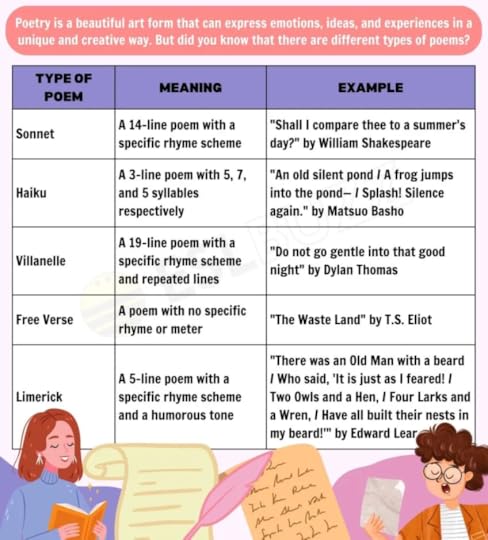
Free VerseFree verse is a type of poetry that doesn’t follow a specific rhyme scheme or meter. Instead, it relies on natural speech patterns and rhythms to create a sense of flow and movement.
Free verse poems often use literary devices like imagery, metaphor, and repetition to convey meaning and emotion.
Rhyming Poetry“I celebrate myself, and sing myself,And what I assume you shall assume,For every atom belonging to me as good belongs to you.”– Walt Whitman, “Song of Myself”
Have you ever read a poem that just stuck with you? Chances are, it was a rhyming poem. Rhyming poetry uses a reliable rhyme scheme to create a melodic and unforgettable experience for the reader.
Forms like sonnets, ballads, and limericks are perfect for playing around with language and establishing a clear rhythm and structure in your writing. Give it a try – you might be surprised at how much fun it is.
Haiku“Shall I compare thee to a summer’s day?Thou art more lovely and more temperate:Rough winds do shake the darling buds of May,And summer’s lease hath all too short a date.”– William Shakespeare, Sonnet 18
Haiku is a traditional Japanese form of poetry that consists of three lines with a 5-7-5 syllable pattern. Haiku often focuses on nature and the changing seasons and uses simple, concise language to convey a sense of beauty and impermanence.
Sonnet“An old silent pond…A frog jumps into the pond,splash. Silence again.”– Matsuo Bashō
The sonnet is a 14-line poem with a specific rhyme scheme and structure. There are several different types of sonnets, including the Shakespearean sonnet and the Petrarchan sonnet.
Sonnets often explore themes of love, beauty, and the human experience.
Limerick“Let me not to the marriage of true mindsAdmit impediments. Love is not loveWhich alters when it alteration finds,Or bends with the remover to remove.”– William Shakespeare, Sonnet 116
The limerick is a humorous form of poetry that consists of five lines with a specific rhyme scheme and meter.
Limericks often feature silly or absurd subject matter and use wordplay and puns to create a comedic effect.
“There was an Old Man with a beard,Who said, ‘It is just as I feared.Two Owls and a Hen,Four Larks and a Wren,Have all built their nests in my beard.’”– Edward Lear
While we’ve touched on a handful of poetic styles, countless others await your discovery. Dive in, experiment, and let your creativity guide you to the forms that feel like home.
Poetry is a journey of self-discovery, so keep an open mind and embrace the unfamiliar. From the strict meter of a sonnet to the unrestrained expression of free verse, there’s a poetic form that will speak to your soul.
Crafting Your PoemAlright, you’ve chosen your topic and picked the perfect format. The next step? Unleashing your creativity and diving into crafting your content masterpiece.
Let’s start writing poetry.
Choose the Right WordsIn poetry, every single word matters. You want to choose words that paint a vivid picture, evoke emotion, and contribute to the overall rhythm and flow of your poem. Avoid clichés like the plague and instead, opt for fresh, original language that packs a punch.
I recall spending countless hours obsessing over every word when penning my poem “Midnight Musings.” I wanted each line to leave a lasting impression. So, I consulted my reliable thesaurus and tinkered with different terms until I discovered the ideal blend. Feel free to let your creativity run wild and experiment with your word choice.
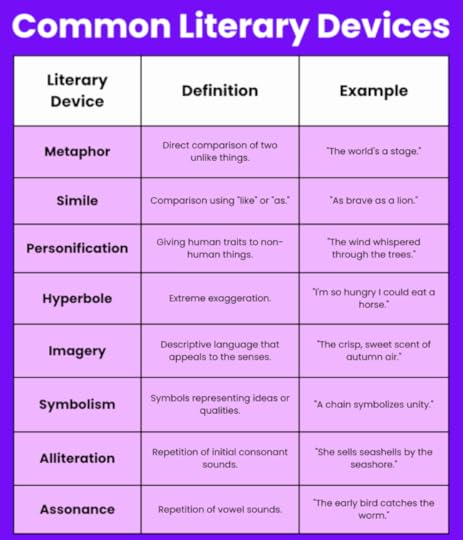
Use Literary DevicesLiterary devices are like the secret ingredients that take your poem from bland to brilliant. Techniques like alliteration, assonance, metaphors, and similes can enhance the sound, imagery, and overall impact of your poem.
In “Whispers in the Wind,” I personified the wind, allowing it to communicate with me. The wind became a storyteller, murmuring fascinating tales from distant lands.
By giving the wind human-like qualities, I added intrigue and depth to a simple nature poem, inviting the reader to imagine the stories the wind might share.
One of the best ways to gauge the effectiveness of your poem is to read it out loud. Trust me, your ears will catch things that your eyes might miss. Listen for awkward phrasing, unintentional rhymes, and areas that need tightening up.
When I wrote my poem “Echoes of the Past,” I thought it was pretty solid. But when I read it aloud, I realized that some of the lines were too wordy and disrupted the flow. By trimming the fat and streamlining my language, I was able to create a much more powerful piece.
Revise and EditThe first draft of your poem isn’t going to be perfect which is why you have to keep revising and editing. Once you’ve got your initial draft, set it aside for a day or two. Then, come back to it with fresh eyes and a critical mindset.
Look at your poem’s structure, language, imagery, and theme. Are there any unnecessary words or lines that can be cut? Can you rearrange stanzas or lines for greater impact?
Don’t be afraid to make big changes – that’s all part of the poetry writing process.
I once spent weeks revising a single poem, “Shattered Reflections.” I reworked entire stanzas, played with different metaphors, and even changed the ending multiple times. It was a labor of love, but in the end, I had a poem that truly expressed what I wanted to say.
Tips for Improving Your Poetry WritingSo, you’ve written your poem, revised it, and feel pretty good about it. But how can you take your poetry skills to the next level? Here are a few tips that have helped me along the way:
Read Lots of PoetryOne of the best ways to improve your poetry writing is to read, read, read.
Immerse yourself in the works of classic poets like Walt Whitman and Mary Oliver, as well as contemporary voices. Analyze the techniques they use and let their styles inspire and influence your own.
During my high school years, English class meant one thing: a daily dose of poetry. I resisted at first, but with each passing day, I found myself appreciating the craftsmanship and imagination poured into every stanza.
Little did I know, those poems were shaping the writer within me.
Practice Writing RegularlyLike any skill, poetry writing improves with practice. Set aside dedicated time each day, even if it’s just 15-20 minutes, to write.
Experiment with different forms, styles, and themes. The more you write, the more you’ll find your unique voice and style.
When I first started writing poetry, I challenged myself to write a short poem every single day for a month. Some days, the words flowed effortlessly. On other days, it felt like pulling teeth. But by the end of that month, I had a collection of 30 poems and a newfound confidence in my abilities.
Attend Poetry Readings or WorkshopsSurrounding yourself with other poets can be incredibly inspiring and motivating. Attend local poetry readings or open mic nights to hear others share their work and connect with the community.
Consider joining a writing workshop or group where you can get feedback and support from fellow poets.
I still remember the butterflies in my stomach as I walked into that first poetry workshop. But as we went around the room, sharing our work and offering each other constructive criticism, something clicked. I saw my poems through new eyes and discovered ways to make them stronger and more impactful.
The group quickly became more than just a workshop – we were a tribe, cheering each other on and pushing each other to keep reaching for the stars with our words.
Don’t Be Afraid to ExperimentPoetry is all about pushing boundaries and taking risks. Don’t be afraid to step outside your comfort zone and try something new. If you usually write in free verse, try your hand at a sonnet or haiku. Play with unusual word combinations or unconventional structures.
One of my favorite poems, “Kaleidoscope Dreams,” came from an experimental writing exercise. I challenged myself to write a poem using only colors as descriptors. It forced me to think creatively and approach my writing in a whole new way. The result was a vibrant, imaginative piece that I never would have written otherwise.
Remember, there are no hard and fast rules when it comes to poetry. It’s a deeply personal and expressive art form. So don’t be afraid to let your creativity run wild and see where it takes you. With practice, patience, and a willingness to take risks, you’ll be crafting powerful, impactful poems in no time.
It’s Time to Write Your First PoemLearning how to write poetry isn’t as daunting as it seems. It’s all about playing with words, letting your imagination run wild, and finding your unique voice.
A poem is a blank canvas waiting for your artistic touch. Splash your emotions, experiences, and unique perspectives across the page – there’s no wrong way to express yourself.
The world is waiting to hear your poetic voice. It’s time to let it sing.
Want to be a real Content Hacker along with us, but not sure where to start?
We’ve got custom-created resources just for you, friend.
Get inside the Content Hacker Community – at just $20/month, it’s a no-brainer. On-call, expert support, live calls, and so much more.
Want to go deeper? Check out our AIO Blogger course – an immersive one-week course teaching you everything you need to know to build a money-making online blog.
Can’t WAIT to welcome you inside.
with gratitude,
Julia

The post Test Humanlike Writer appeared first on Content Hacker.
May 5, 2024
What Is a Contraction in Writing? Shorten Prose Like a Pro
You’re not just any writer – you’re a linguistic whiz, conjuring up enchanting stories and articulating arguments with the tap of your keyboard.
But sometimes, those words can feel a bit … long-winded. You want to keep your writing snappy, engaging, and easy to read. That’s where contractions come in.
What is a contraction in writing?
Contractions help you condense your language, give your writing a more conversational flow, and keep readers engaged from start to finish.
Here’s a refresher guide on how to properly use contractions and common mistakes to avoid.
Table Of Contents:What is a Contraction in Writing?When to Use Contractions in Your WritingHow to Create ContractionsPossessive Contractions and PronounsCommon Mistakes to Avoid When Using ContractionsKeep Your Writing Short and SweetWhat is a Contraction in Writing?A contraction is a shortened form of a word or phrase created by combining two words and replacing missing letters with an apostrophe. Contractions typically involve small, common words, especially pronouns in the possessive form.
Some common contractions are:
“Can’t” which is short for “cannot”“I’m” is a contraction of “I am”“You’re” combines “you” and “are”Contraction words are often used in informal writing, such as casual emails or creative writing pieces, to make the language more concise and conversational. However, they are typically avoided in formal writing, such as academic papers or professional correspondence, where a more formal tone is preferred.
When to Use Contractions in Your WritingContractions are most common in everyday speech such as when talking with friends or sending text messages. They’re rare in formal speech, legal documents, medical documents, and academic writing.
English speakers often rely on contractions during their informal conversations and when writing to sound more natural.
In blog posts or social media content, using contractions can help create a friendly, conversational tone that engages readers. Contractions make your writing sound less stiff and more approachable — as if you’re speaking directly to the reader.
However, there are times when you may want to avoid contractions, even in informal writing.
If you’re discussing a serious topic or want to emphasize a point, using full words can lend an air of gravity to your writing. It’s all about gauging your audience and purpose.
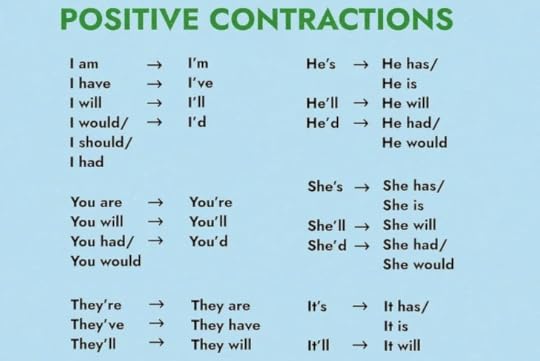
How to Create ContractionsWhen creating contractions, two words are combined and certain letters disappear. You can lose just one letter or more, depending on the contraction.
For example, “you” and “are” can be combined to create the shorter word “you’re”.
Here are some common examples of contractions:
He’s = He is or He hasShe’s = She is or She hasIt’s = It is or It hasWe’re = We areThey’re = They areThat’s = That is or That hasI’ll = I willYou’ll = You will
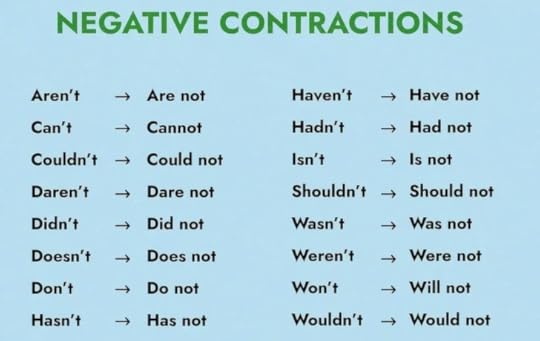
Negative contractions are formed by combining a verb with “not”, and then replacing the “o” with an apostrophe.
For instance, “is not” becomes “isn’t” and “were not” turns into “weren’t”.
Some common negative contractions include:
Don’t = Do notWon’t = Will notDidn’t = Did notCouldn’t = Could notShouldn’t = Should notIsn’t = Is notAren’t = Are notHaven’t = Have notHasn’t = Has not
Other contractions are made by combining a pronoun or noun with a verb, such as “I” and “am” to make “I’m”, or “they” and “are” to create “they’re”. The apostrophe replaces the missing letters.
Contractions like “it’s” (it is) and “he’s” (he is) follow this pattern.
Possessive Contractions and PronounsOne area where people often get tripped up is with possessive contractions and pronouns.
Possessive pronouns like “its”, “your”, and “their” don’t use apostrophes, while the contractions “it’s” (it is), “you’re” (you are), and “they’re” (they are) do.
For example, “The cat licked its paw” uses the possessive pronoun “its”, while “It’s raining outside” uses the contraction “it’s”, which expands to “it is”.
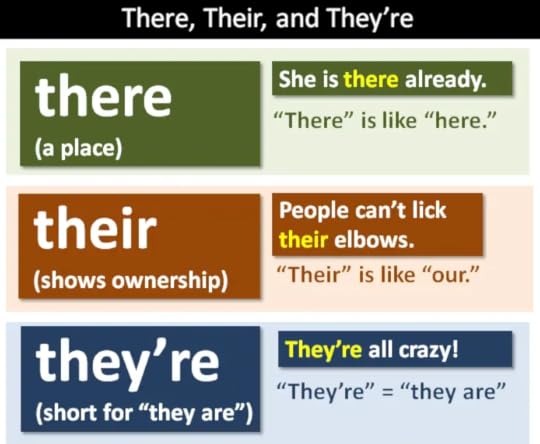
Confusing contractions with possessive pronouns is one of the trickiest parts of American English grammar.
Another thing to note is that possessive nouns use apostrophes just like contractions do.
“The teacher’s desk” and “Charles’ car” both use apostrophes to show possession. The difference is that contractions will always include a verb, while possessives will not.
Common Mistakes to Avoid When Using ContractionsContractions are a great way to give your writing a conversational vibe, but there are some frequent slip-ups to avoid. Knowing when it’s appropriate to use contractions can be one of the most puzzling aspects for writers.
For instance, avoid writing contractions in formal writing such as academic theses or business presentations. Contractions can make your writing sound informal and less authoritative. It’s best to spell out the full words in these contexts.
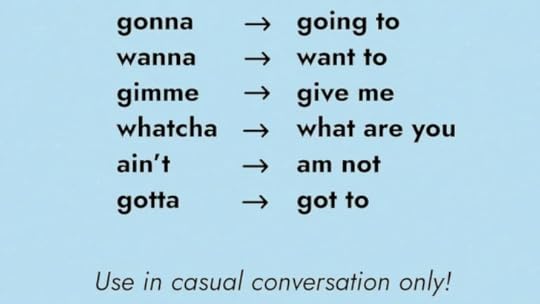
Another mistake is using irregular contractions incorrectly. Some contractions, like “ain’t” or “y’all”, are considered colloquial and should be avoided in written English, unless you’re writing dialogue or want to convey a specific character’s voice.
There you have it – the lowdown on what is a contraction in writing.
Want to make your blog posts and social media updates sound more relatable? Use contractions! They’re the perfect way to make your writing feel like everyday speech, so your readers will feel like you’re talking directly to them.
Use them carefully, steer clear of common mistakes, and maintain a consistent approach throughout.
With a little practice, you’ll be using contractions like a pro in no time. Your writing will be shorter, snappier, and more engaging than ever before.
It’s time to build your blog empire.
Want to be a real Content Hacker along with us, but not sure where to start?
We’ve got custom-created resources just for you, friend.
Get inside the Content Hacker Community – at just $20/month, it’s a no-brainer. On-call, expert support, live calls, and so much more.
Want to go deeper? Check out our AIO Blogger course – an immersive one-week course teaching you everything you need to know to build a money-making online blog.
Can’t WAIT to welcome you inside.
with gratitude,
Julia
The post Test Humanlike Writer appeared first on Content Hacker.
May 2, 2024
What is Narrative Writing? The Art of Storytelling
You’ve always loved a good story. The way it draws you in, makes you feel something, and leaves you thinking about it long after it’s over. It’s that special touch that narrative writing brings to life.
But what exactly is narrative writing?
It’s more than just telling a tale. You’re painting with words to make the scene jump off the page for whoever reads it. From crafting heartfelt essays to writing epic sagas, drawing readers in lies on understanding how narrative writing works.
Let’s venture into the world of narrative writing.
Table Of Contents:What is Narrative Writing?Key Elements of Narrative WritingHow to Write a Narrative EssayTips for Teaching Narrative WritingExamples of Narrative WritingShare Your Story With Narrative WritingWhat is Narrative Writing?Narrative writing is all about telling a story. It can be science fiction, fairy tales, or a horror story.
Narrative styles let you, the writer, share an experience, event, or even something made up – as long as it connects with your reader.
The magic of narrative writing is that it transports your audience to another time and place. It’s like you’re right there, painting a picture with your words.
At its core, narrative writing is a subset of creative writing that focuses on storytelling. Whether it’s a personal narrative essay about a life-changing event or a fictional short story with made-up characters, the goal is to draw readers in and keep them hooked.
Types of Narrative WritingThere are a few different flavors of narrative writing:
Personal Narratives – These are stories from your own life, like a memorable trip or a challenge you overcame. They’re a chance to share a piece of yourself with your reader.Fictional Narratives – Here’s where you let your imagination run wild, inventing characters and plot from scratch. Think short stories, novellas, or even full-blown novels.Descriptive Narratives – While not always story-based, descriptive essays use vivid language to paint a picture and evoke emotion, much like a narrative.No matter what form it takes, the key to narrative writing is drawing readers in and making them feel like they’re part of the story.
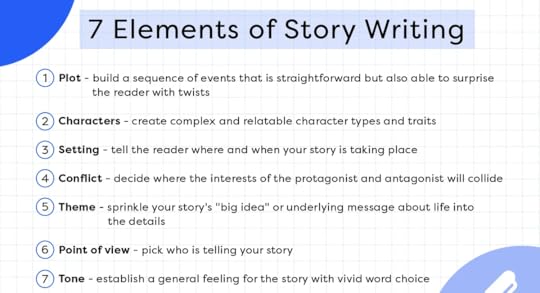
Key Elements of Narrative WritingA successful narrative essay includes:
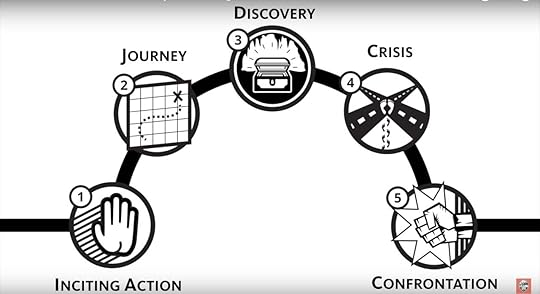
An engaging plot that pulls the reader alongVivid, descriptive language to bring scenes and characters to lifeDialogue that sounds natural and reveals characterA clear theme or message for readers to take awayPlotThis is the backbone of your narrative – the sequence of events that propels your story forward. A compelling plot map has a clear beginning, middle, and end, with rising action, juicy conflict, and a satisfying resolution.
CharactersMemorable character traits are the heart of any good narrative. Reveal their personalities through dialogue, actions, and vivid descriptions. Let readers see the world through your characters’ eyes.
SettingWhere and when your story takes place can be just as important as the characters themselves. Use descriptive language to paint a rich, immersive backdrop that transports readers into your story world.
Point of ViewWill you write from the first-person point of view of your main character? Third-person limited? Omniscient? Your point of view shapes how readers experience the story, so choose wisely.
ThemeWhat’s the deeper message or truth your narrative explores? Your story’s theme is the thread that ties your story together and lingers with readers long after they’ve finished reading.
Conflict and ResolutionEvery good story needs juicy conflict to keep readers on the edge of their seats. Will your characters overcome the obstacles in their path? How will they grow and change by the story’s end?
Weaving these elements together is what elevates a simple story into riveting narrative essays. So dive in, get creative, and watch your story come alive on the page.
Ready to craft a narrative essay that captivates your reader from start to finish? Follow these steps and you’ll be well on your way to spinning an unforgettable story.
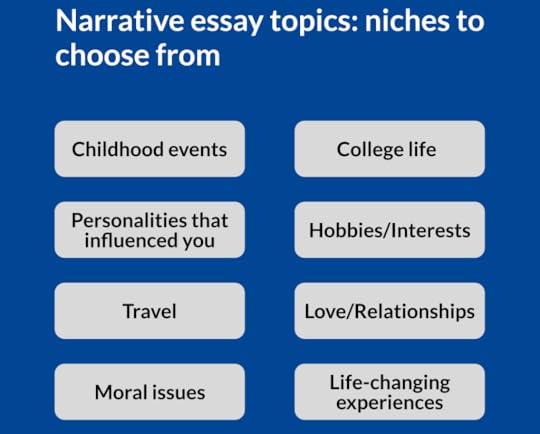
Step 1: Choose a TopicPick an experience from your life that’s ripe with juicy details and emotions. The best narratives are personal and revealing, so don’t be afraid to dig deep.
Organize your thoughts with a simple outline. Jot down key plot points, character descriptions, and the major themes you want to explore. Having a roadmap will keep you on track as you write.
Step 3: Write The IntroductionHook your reader from the very first line. Start in the middle of the action, ask a thought-provoking question, or set the stage with vivid descriptions that pull readers into your story world.
Step 4: Develop The PlotThis is where you’ll spend the bulk of your essay. Use step-by-step details to describe the key events and turning points in your story. Remember to show, not tell – let readers experience the story through your eyes.
Step 5: Create Vivid DescriptionsEngage all five senses as you describe your story elements — characters, settings, and pivotal moments. The more specific and concrete your details, the more immersed your reader will become.
Step 6: End with a Satisfying ConclusionTie up loose ends and reflect on the deeper meaning of your story. What did you learn from this experience? How did it change you? Leave readers with something to ponder.
Step 7: Revise and EditDon’t submit your first draft. Take time to reread, revise, and polish your essay. Cut any unnecessary details, strengthen weak spots, and make sure your theme shines through.
Teachers have the power to inspire students and help them discover their unique storytelling voices. Here are some tips to make teaching narrative writing a breeze.
Start With Writing PromptsKick-start your students’ creativity with juicy writing prompts that get their imaginations flowing. Encourage them to draw from their own lives and experiences for inspiration.
Model The Writing ProcessDon’t just tell your students how to write – show them. Share your own writing samples and walk them through your process step by step. Seeing narrative writing in action is a powerful learning tool.
Provide Constructive FeedbackGive your students specific, actionable feedback that celebrates their strengths and gently guides them to improve. Sandwich constructive criticism between positive comments to keep them motivated.
Encourage CreativityCreate a classroom environment that values originality and risk-taking. Encourage students to think outside the box, experiment with new techniques, and find their unique writing voices.
Incorporate Peer ReviewTeach students to give and receive constructive feedback through peer review sessions. Not only will this improve their writing skills, but it also fosters a supportive classroom community.
Remember, the best way to teach narrative writing is to make it fun, engaging, and relevant to your students’ lives. So get creative, share your passion, and watch your young writers blossom.
Examples of Narrative WritingNarrative writing encompasses a wide range of forms, including novels, short stories, autobiographies, memoirs, personal essays, and even some types of journalism.
Here are some examples of narrative writing:
NovelsNovels are works of fiction that tell a story through characters, plot, and setting.
Examples:
“To Kill a Mockingbird” by Harper Lee“1984” by George Orwell“Pride and Prejudice” by Jane AustenShort StoriesShort stories are brief fictional prose narratives that typically focus on a single incident or character.
Examples:
“The Lottery” by Shirley Jackson“The Tell-Tale Heart” by Edgar Allan Poe“The Gift of the Magi” by O. HenryAutobiographiesAutobiographies are accounts of a person’s life written by that person.
Examples:
“The Diary of a Young Girl” by Anne Frank“Long Walk to Freedom” by Nelson MandelaMemoirsMemoirs are personal accounts of specific events or periods in a person’s life.
Examples:
“Angela’s Ashes” by Frank McCourt“Eat, Pray, Love” by Elizabeth Gilbert“A Moveable Feast” by Ernest HemingwayPersonal EssaysPersonal essays are nonfictional prose pieces that explore a writer’s thoughts, feelings, or experiences.
Examples:
“Slouching Towards Bethlehem” by Joan Didion“Me Talk Pretty One Day” by David SedarisJournalistic NarrativesNews articles or features that use narrative techniques to tell a story fall under this category.
Examples include long-form journalism pieces in magazines like The New Yorker or The Atlantic, which often delve deeply into personal stories or societal issues.
Fables and Fairy TalesThese are short narratives, often with moral lessons, that typically feature anthropomorphic animals or fantastical elements.
Examples:
“The Tortoise and the Hare”“Cinderella”“The Ugly Duckling”PoetryWhile not always considered narrative writing in the traditional sense, narrative poems tell stories through verse.
Examples:
“The Odyssey” by Homer“The Canterbury Tales” by Geoffrey Chaucer“The Raven” by Edgar Allan PoeThese examples demonstrate the diverse ways in which narrative writing can manifest across genres and forms.
No matter what form it takes, narrative writing has the power to transport, inspire, and connect us through the magic of storytelling.
Share Your Story With Narrative WritingNarrative writing is like the ultimate storyteller — weaving tales that captivate, inspire, and transport us to different worlds.
Whether it’s the suspense of a mystery novel, the nostalgia of a childhood memory in a personal essay, or the timeless wisdom tucked into a fairy tale, narrative writing invites us to experience life through the eyes of others and, in doing so, helps us better understand ourselves.
So, next time you crack open a book, dive into a short story, or even jot down your reflections in a journal, remember the magic of narrative writing — it’s not just words on a page but a journey waiting to captivate.
It’s time to build your blog empire.
Want to be a real Content Hacker along with us, but not sure where to start?
We’ve got custom-created resources just for you, friend.
Get inside the Content Hacker Community – at just $20/month, it’s a no-brainer. On-call, expert support, live calls, and so much more.
Want to go deeper? Check out our AIO Blogger course – an immersive one-week course teaching you everything you need to know to build a money-making online blog.
Can’t WAIT to welcome you inside.
with gratitude,
Julia
The post Test Humanlike Writer appeared first on Content Hacker.
May 1, 2024
The Road to UBI: The Future of Work and Universal Basic Income
Picture this: you’re living in a world where robots do most of the work. Sounds like a sci-fi movie, right? But it’s not as far-fetched as you might think.
With artificial intelligence (AI) getting smarter every day, we’re inching closer to a post-AGI reality. And that means big changes in the way we work and live.
So, what happens when the robots take over? Will we all be out of a job?
Not necessarily.
Enter Universal Basic Income (UBI).
More people are talking about this every day; it seems like it popped out of nowhere but clearly strikes a chord. UBI could be the key to ensuring everyone has a safety net in a world where traditional jobs are scarce.
Universal Basic Income in a Post-AGI World
Imagine a world where robots and AI handle most of the work. Where does that leave us humans? It’s a question that’s been on my mind a lot lately, especially with all the buzz around artificial general intelligence (AGI).
As someone who’s been neck-deep in the world of AI and its impact on jobs, I can tell you this: the concept of universal basic income (UBI) is looking more and more like a necessity, not just a far-fetched idea.
So, what exactly is UBI?
In a nutshell, UBI is a system where everyone gets a fixed amount of money from the government, no strings attached. The idea has been around for centuries, but it’s gained a lot more traction in recent years.
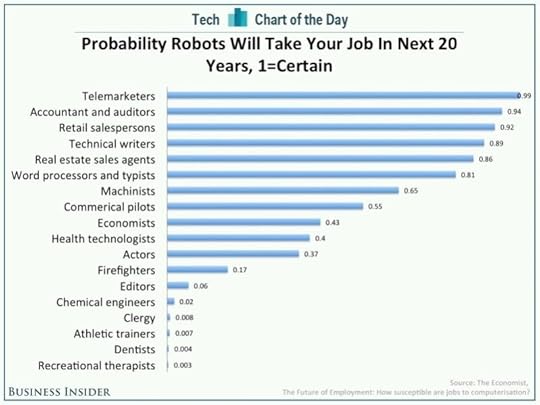
Why? Well, with the rise of automation and AI, many experts (myself included) believe that job displacement is inevitable. We’re talking millions of jobs potentially being taken over by machines in the coming decades.
The Impact of AI on the Labor MarketNow, I know what you might be thinking: “But AI has been around for a while, and we still have jobs.”
True, but we’re on the cusp of something big. AGI, which is essentially AI that can think and learn like humans, is no longer just a sci-fi concept.
AI researchers predicted that AGI could become a reality by 2028. And once that happens? They believe all human jobs could be automated within the next 120 years.
Let that sink in for a moment. We’re talking about a massive shift in the labor market, with potentially devastating consequences for workers across industries. And that’s where UBI comes in.
With the threat of widespread job automation looming, governments and policymakers are starting to take notice. They’re realizing that we need to start preparing for a post-AGI world now, before it’s too late.
So, what are they doing about it? Let’s take a closer look.
Legislative Actions and Budget AllocationsGovernments around the world are starting to take action. In the EU, the European Parliament recently adopted the AI Act, which aims to regulate AI and ensure its responsible development.
Meanwhile, in the US, the Biden administration has allocated a whopping $3 billion for federal AI application development. It’s clear that governments are starting to take this seriously.
Rethinking Work Hours and CompensationBut it’s not just about throwing money at the problem. We also need to rethink the way we work.
With AI taking over more and more tasks, do we really need to stick to the traditional 40-hour work week?
Some politicians, like Senator Bernie Sanders, don’t think so. He’s suggested reducing the work week to 32 hours without a pay cut, arguing that it’s a necessary response to AI’s increasing role in the workforce.
It’s a bold proposal, but one that’s worth considering. After all, if machines are doing more of the work, shouldn’t we humans get to enjoy more leisure time?
Benefits and Challenges of Implementing UBIAlright, so we know that UBI is looking more and more like a necessity in a post-AGI world. But what would it actually look like in practice? And what are the potential benefits and challenges?
As someone who’s been following the various UBI experiments happening worldwide, I have some thoughts.
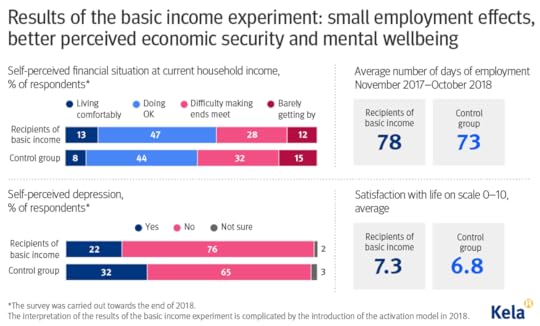
First off, let’s look at the positives. There have been some promising results in places where UBI has been implemented, like Finland and Canada.
Participants in these trials have reported improved health, reduced stress, and even increased job opportunities. It turns out that when people have a financial safety net, they’re more likely to take risks and pursue their passions.
Of course, there are also some common concerns about UBI.
Won’t it just make people lazy? How can we afford it?
As for the laziness argument, the data just doesn’t support it. In fact, many UBI recipients use the extra financial stability to start businesses, go back to school, or care for loved ones. It’s about giving people the freedom to pursue meaningful work, not just any work.
And yes, implementing UBI on a large scale would be expensive. But consider this: we’re already spending trillions on social welfare programs that often fall short. What if we redirected that money into a streamlined, universal system?
Plus, with the rise of AI and automation, we may not have a choice. It’s either UBI or widespread poverty and social unrest. I know which one I’d choose.
The Role of Governments in Facilitating a Smooth TransitionAs much as we can do as individuals to prepare for a post-AGI world, the reality is that governments will play a crucial role in ensuring a smooth transition. And let’s be real – this is no small task. We’re talking about massive economic shifts, job displacement, and the potential for widening inequality.
There are steps that governments can take to mitigate these risks and ensure that everyone benefits from the AI revolution. Here are a few ideas:
Crafting Policies for an AGI FutureFirst and foremost, governments need to start thinking proactively about the policies and regulations that will be needed in a post-AGI world. This could include things like:
Ensuring that AI is developed and deployed in an ethical and responsible mannerProtecting worker rights and ensuring fair labor practices in an increasingly automated economyInvesting in social safety nets and programs like universal basic income to provide a cushion for those who may be displaced by AIBy getting ahead of these issues now, governments can help to ensure a smoother transition down the line.
Supporting Education and Skill DevelopmentAnother key role for governments in a post-AGI world will be to invest in education and skill development programs that prepare workers for the jobs of the future. This could include:
Expanding access to STEM education and training programsPartnering with industry to develop apprenticeship and on-the-job training opportunitiesProviding funding for research and development in emerging fields like AI, robotics, and biotechnologyBy equipping workers with the skills they need to thrive in a rapidly changing economy, governments can help to ensure that no one gets left behind.
Navigating Careers in a Post-AGI EconomyAs we inch closer to a world dominated by artificial general intelligence, it’s crucial to start thinking about how this will impact our careers. The truth is, no one knows exactly what the future holds. But one thing’s for sure – the job market is going to look a whole lot different than it does today.
So, how can we prepare ourselves for this new reality?
Well, I’ve got a few ideas up my sleeve. But before we dive in, let me be clear – this isn’t about fear-mongering or doomsday predictions. It’s about being proactive and setting ourselves up for success, no matter what the future brings.
Future-Proof Skills for an AI-Dominated WorldFirst things first, let’s talk about the skills that are going to be in high demand in a post-AGI world. And no, I’m not just talking about technical skills like coding or data analysis (although those are definitely important). I’m talking about the soft skills that make us uniquely human.
Think about it – as AI becomes more advanced, the things that set us apart are going to be our creativity, our adaptability, and our ability to think outside the box.
So, how can we cultivate these skills? Here are a few ideas:
Embrace lifelong learning: The world is changing at a rapid pace, and the only way to keep up is to continuously learn and grow. Take online courses, attend workshops, and read books on topics that interest you.Practice resilience: Let’s face it, the future is going to be full of challenges and setbacks. The key is to develop a resilient mindset and learn how to bounce back from failure.Foster creativity: Whether it’s through art, music, or problem-solving, find ways to exercise your creative muscles regularly.By focusing on these skills, we can position ourselves for success no matter what the future holds.
Industries Poised for Growth Post-AGINow, let’s talk about the industries that are likely to thrive in a post-AGI world. While it’s impossible to predict with 100% certainty, there are a few sectors that stand out:
Robotics: As AI becomes more advanced, the demand for robots that can perform complex tasks will skyrocket. This means big opportunities for those with skills in robotics engineering and programming.Health: With advancements in AI and biotechnology, we may be on the cusp of extending the human lifespan significantly. This could lead to a boom in industries related to health, wellness, and aging.Space Exploration: As we continue to push the boundaries of space travel, there will be a growing need for experts in fields like aerospace engineering, astrophysics, and space medicine.Of course, these are just a few examples – the possibilities are truly endless. The key is to stay curious, stay adaptable, and be willing to pivot as new opportunities arise.
Thriving in a Post-AGI World with UBIThe future of work is changing, and we need to be ready for it. Post-AGI UBI is one potential solution that could help us navigate this new landscape. It’s not a magic bullet, but it could provide a much-needed safety net for millions of people.
As we move forward, it’s important to keep an open mind and be willing to adapt. The world is changing fast, and we need to change with it. Whether you’re a fan of UBI or not, one thing is clear: we can’t keep doing things the way we’ve always done them.
So, let’s start the conversation. Let’s explore new ideas and find ways to build a future that works for everyone. It won’t be easy, but it’s a challenge we can’t afford to ignore.
At the end of the day, navigating a post-AGI world is going to require a collaborative effort between individuals, businesses, and governments. But with the right mindset, the right skills, and the right policies in place, I believe we can create a future that works for everyone.
It’s time to build your blog empire.
Want to be a real Content Hacker along with us, but not sure where to start?
We’ve got custom-created resources just for you, friend.
Get inside the Content Hacker Community – at just $20/month, it’s a no-brainer. On-call, expert support, live calls, and so much more.
Want to go deeper? Check out our AIO Blogger course – an immersive one-week course teaching you everything you need to know to build a money-making online blog.
Can’t WAIT to welcome you inside.
with gratitude,
Julia
The post The Road to UBI: The Future of Work and Universal Basic Income appeared first on Content Hacker.
April 29, 2024
What Is Creative Writing? Unleash Your Imagination
You’ve always had a wild imagination, and now you’re ready to let it run free on the page. But what is creative writing exactly?
It’s more than just putting pen to paper or fingers to keyboard. Think of creative writing as your magic power – it transforms abstract ideas into vivid narratives that connect heart-to-heart with people.
Crafting tales, spinning poems, or unfolding novels – they’re all ways for writers like us to bare our souls and offer up our unique takes on life’s canvas. This approach lets us dig into the depths of being human, stirring up emotions and leaving an unforgettable impression on people.
Table Of Contents:What Is Creative Writing?Forms of Creative WritingTechniques Used in Creative WritingHow to Start Creative WritingDeveloping Your Creative Writing SkillsConclusionWhat Is Creative Writing?Creative writing is an art form that goes beyond traditional blog writing, allowing individuals to express their thoughts, emotions, and ideas through the power of words.
It transcends conventional writing, encouraging individuals to explore language, structure, and narrative.
Creative writing is writing meant to evoke emotion in a reader by communicating a theme.
In storytelling (including literature, movies, graphic novels, and even video games), the theme is the central meaning the work communicates.
Creative writing typically uses literary devices like metaphors and foreshadowing to build a narrative and express the theme, but they are not a requirement.
Neither is dialogue, though you’ll find it used in most works of fiction.
It doesn’t just focus on more traditional, technical forms of writing, like journalistic and academic styles, but instead displays imagination and invention.
Forms of Creative WritingCreative writing comes in many forms, encompassing a range of genres and styles.
There are lots of different types of creative writing, which can be categorized as fiction or non-fiction.
FictionCreative writing offers writers a platform to express themselves and focus on areas like character development, narrative, and storylines.
Some of the most popular forms of fiction writing include short stories, novels, novellas, etc.
NonfictionCreative writing doesn’t have to be fictional, either. Dramatized presentations of true stories, memoirs, and observational humor pieces are all types of creative writing.
Creative nonfiction encompasses a wide range of forms, including personal essays, biographies, and more.
PoetryWhether it’s a heartfelt poem, a captivating short story, or a thought-provoking novel, creative writing allows us to communicate our unique perspectives and experiences with the world.
Poetry and spoken word are powerful forms of creative expression that play with language, rhythm, and imagery.
PlaywritingPlaywriting is a form of creative writing focused on crafting scripts intended for performance on stage. It involves creating dialogue, characters, settings, and plots that unfold through spoken words and actions.
Unlike other forms of writing, playwriting requires consideration for the visual and auditory aspects of storytelling, as it is meant to be performed live in front of an audience.
Playwriting offers a unique opportunity for writers to engage with audiences in a dynamic and immediate way. It requires a blend of creativity, craft, and understanding of theatrical conventions to create compelling stories that resonate with viewers.
ScriptwritingScriptwriting, often referred to simply as “screenwriting,” is the art and craft of writing scripts for films, television shows, web series, and other visual media.
While similar to playwriting in some aspects, such as crafting dialogue and developing characters, scriptwriting has its own distinct characteristics and requirements tailored to the screen.
Scriptwriting is a specialized form of creative writing that combines storytelling skills with an understanding of the unique requirements of visual media. It offers writers the opportunity to craft compelling narratives that entertain, inspire, and provoke thought on both the big and small screen.
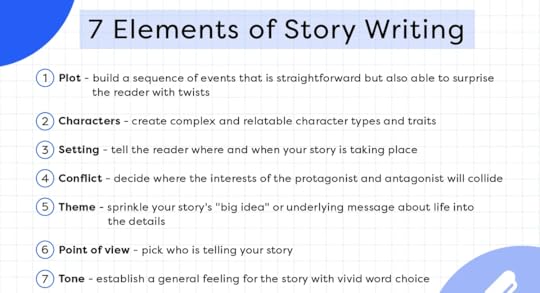
Image Source: Your Dictionary
Techniques Used in Creative WritingCreative writers employ a variety of techniques to make their work more engaging, evocative, and memorable.
These writing techniques help to develop characters, create vivid settings, and convey emotions and ideas effectively.
Descriptive LanguageDescriptive language refers to the use of vivid and detailed language to create rich and sensory experiences for the reader. It involves painting a picture with words, engaging the reader’s senses, emotions, and imagination to bring the narrative to life.
Descriptive language is a powerful tool in creative writing, enabling writers to create immersive and engaging narratives that resonate with readers long after they’ve finished reading.
Figurative LanguageFigurative language involves the use of words and phrases in a way that goes beyond their literal meaning. It adds layers of meaning and depth to creative writing, allowing writers to convey complex emotions, create vivid imagery, and engage readers on a deeper level.
Figurative language is an essential tool for crafting compelling stories, poems, and other forms of literature.
Point of ViewChoosing the right point of view is crucial in creative writing, as it determines the perspective from which the story is told.
Whether it’s first-person, second-person, or third-person, the point of view can greatly impact the reader’s connection to the characters and their understanding of the narrative.
DialogueDialogue is a key element in many forms of creative writing, particularly in fiction and scriptwriting.
Well-crafted dialogue can reveal character traits, advance the plot, and create a sense of authenticity and realism in the story.
Show vs. TellOne of the most important techniques in creative writing is “showing” rather than “telling.”
Instead of simply stating facts or describing events, skilled writers use vivid descriptions, actions, and dialogue to allow readers to experience the story for themselves.
How to Start Creative WritingSo you want to start a career in creative writing? That’s awesome. But where do you even begin?
I remember when I first started, I was overwhelmed with all the different techniques and styles. It felt like I was staring at a blank page, waiting for the words to magically appear.
But here’s the thing: starting is the hardest part. Once you get those creative juices flowing, the rest will follow.
FreewritingOne of my favorite ways to start writing is through freewriting. It’s a technique where you set a timer for a specific amount of time (I usually do 10-15 minutes) and just write whatever comes to mind, without stopping to edit or second-guess yourself.
The goal is to keep your pen moving (or your fingers typing) and let your thoughts flow freely. You might be surprised at what comes out.
JournalingAnother great way to start creative writing is through journaling. I’ve been keeping a journal for years, and it’s been a game-changer for my writing. It allows me to explore my thoughts and feelings and often leads to new ideas for stories or characters.
Plus, it’s a great way to practice writing regularly and build that writing muscle.
Writing Exercises“Journal writing is a voyage to the interior.” – Christina Baldwin
If you’re feeling stuck or need a little extra inspiration, writing exercises can be a great way to get those creative juices flowing. There are tons of writing prompts out there that can help you start writing, whether it’s a character sketch, a scene description, or a dialogue exchange. The key is to have fun with it and not put too much pressure on yourself.
Stuck staring at a blank paper or screen? Check out these tips on how to overcome writer’s block.
Read WidelyOne of the best ways to improve your creative writing is to read widely. Read books in different genres, from different authors, and different periods.
Pay attention to how they craft their stories, develop their characters, and use language to create mood and tone. The more you read, the more tools you’ll have in your writing toolbox.
Attend WorkshopsFinally, attending writing workshops or classes can be a great way to start creative writing. Not only will you learn new techniques and get feedback on your work, but you’ll also meet other writers who are on the same journey as you.
Writing can be a solitary pursuit, but having a community of fellow writers can make all the difference.
Developing Your Creative Writing SkillsOkay, so you’ve started writing – congrats. But now what? How do you take your writing to the next level and really develop your skills?
As someone who’s been writing for years, I’ve learned a thing or two about what it takes to improve your craft.
Practice RegularlyFirst and foremost, the key to developing your creative writing skills is to practice regularly.
I know, I know – easier said than done.
But here’s the thing: writing is a muscle, and like any muscle, it needs to be exercised regularly to grow stronger.
Set aside time each day (even if it’s just 15-30 minutes) to write, and stick to it. The more you write, the better you’ll get.
Seek FeedbackThe best way to become a better writer? Write. A lot. And then write some more. — J.K. Rowling
Another important aspect of developing your creative writing skills is seeking feedback. Share your work with other writers, whether it’s through a writing group, workshop, or online forum.
Getting constructive criticism can be tough, but it’s essential for growth. Listen to what others have to say, and use their feedback to improve your writing.
Revise and EditOnce you’ve gotten feedback on your work, it’s time to revise and edit. This is where the real magic happens.
Go through your written work with a fine-toothed comb, looking for ways to tighten your prose, develop your characters, and strengthen your plot.
Don’t be afraid to cut or change things that aren’t working – remember, writing is a process, and it’s okay to make mistakes along the way.
Experiment with Different StylesAs you develop your creative writing skills, don’t be afraid to experiment with different styles and genres.
Try writing a poem, a screenplay, or a personal essay. Play with different points of view, tenses, and structures.
The more you experiment, the more you’ll discover what works for you and what doesn’t.
Find Your VoiceFinally, the most important thing you can do to develop your creative writing skills is to find your voice. This means discovering what makes your writing unique and what sets you apart from other writers. It might take time and a lot of experimentation, but once you find your voice, your writing will truly shine.
So there you have it – my top tips for developing your creative writing skills. Remember, writing is a journey, not a destination. Keep practicing, keep learning, and most importantly, keep writing. With time and dedication, you’ll be amazed at how far you can go.
ConclusionCreative writing is a powerful tool for self-expression and connecting with others. Learning every trick in the book about this art form allows you to broadcast your distinct flair and viewpoint far and wide.
Remember, creative writing is a journey of exploration and discovery. Don’t be afraid to experiment, take risks, and let your imagination run wild. With practice and dedication, you can unleash your full potential as a writer and create stories that resonate with readers on a profound level.
So grab your pen or fire up your keyboard. There’s a story inside you, just waiting to jump out.
It’s time to build your blog empire.
Want to be a real Content Hacker along with us, but not sure where to start?
We’ve got custom-created resources just for you, friend.
Get inside the Content Hacker Community – at just $20/month, it’s a no-brainer. On-call, expert support, live calls, and so much more.
Want to go deeper? Check out our AIO Blogger course – an immersive one-week course teaching you everything you need to know to build a money-making online blog.
Can’t WAIT to welcome you inside.
with gratitude,
Julia
The post Get Premium Content appeared first on Content Hacker.
April 28, 2024
What Is a Claim in Writing? Craft Compelling Arguments
What is a claim in writing?
A claim is the core of your argument, the main point you’re trying to make in your written piece. It’s not just a statement of fact but a debatable position that requires evidence to back it up.
And here’s the key: a strong claim is specific, focused, and relevant to your audience.
Let’s dive in and explore what makes a powerful claim in writing. You’ll get a crash course on what makes up good content, peek at successful cases out there, and pick up tips that make your writing stick with whoever reads it.
By the end, you’ll have the tools you need to make your arguments more compelling than ever before.
Table Of Contents:What Is a Claim in Writing?Types of Claims in WritingFactual ClaimsValue ClaimsPolicy ClaimsHow to Make a Strong Claim in Your WritingDevelop a Clear Thesis StatementUse Topic SentencesProvide Supporting EvidenceAddress CounterargumentsExamples of Effective Claims in WritingClaims in Literary AnalysisClaims in Persuasive EssaysClaims in Research PapersConclusionWhat Is a Claim in Writing?In a nutshell, a claim is the core argument that defines your essay’s goal and direction. It’s the main idea you want to get across to your readers.
But here’s the thing – a claim isn’t just any old statement. It needs to be assertive, debatable and supported by cold, hard evidence.
You can’t just say “I think chocolate is the best flavor of ice cream” and call it a day. That’s more of an opinion than a claim.
A claim is a statement that you make to support your argument. It’s the main point you want to make in your writing piece, whether it’s an essay, research paper, or persuasive speech.
But claims are more than just simple thesis statements. They need to be complex, specific, and detailed. You need to dig deeper and explain your point exactly using evidence to back up your claim.
So why are claims so important in writing?
Well, they basically set the stage for your entire argument. Without a clear, strong claim, your writing can come across as unfocused and wishy-washy.
Think of your claim as the foundation of your house. If it’s weak and crumbly, the rest of your house (aka your essay) is going to collapse. But if it’s solid and well-constructed, it can support the weight of your entire argument.
Plus, a good claim helps guide your writing process. Once you have a clear idea of what you want to argue, it’s easier to stay on track and make sure all your evidence and examples are working towards supporting that central claim.
There are a few different types of claims you might come across in writing.
First up, we have factual claims. These are claims that can be proven or disproven with evidence. For example, “The Earth is round” is a factual claim because we have scientific evidence to support it.
Next, there are value claims. These are claims that make a judgment about something, like “The Mona Lisa is the greatest painting of all time.” These claims are a bit trickier to prove since they’re based on personal opinions and values.
Finally, we have policy claims. These are claims that argue for a specific course of action, like “The government should provide free healthcare for all citizens.” Policy claims often involve weighing the pros and cons of different options and making a case for why one choice is better than the others.
Types of Claims in WritingAlright, let’s dive a little deeper into the different types of claims you might encounter in your writing.
Factual ClaimsFactual claims are claims that can be proven or disproven with evidence. These claims are often used in scientific or historical writing.
An example of a factual claim might be “The Great Wall of China is over 13,000 miles long.” This claim can be fact-checked using reliable sources like history books or official measurements.
It’s important to note that even factual claims can be debated if there is conflicting evidence or differing interpretations of the facts. That’s why it’s crucial to always back up your claims with credible sources and data.
Value ClaimsValue claims are all about making a judgment or evaluation about something. These claims often involve words like “good,” “bad,” “better,” or “worse.”
For example, let’s say you’re writing an essay about the best pizza toppings. A value claim might be something like “Pineapple is the worst pizza topping because it’s too sweet and ruins the savory flavor of the cheese and sauce.”
Notice how this claim is making a judgment about pineapple as a pizza topping. It’s not just stating a fact, but rather arguing that pineapple is inferior to other toppings based on the writer’s taste preferences.
Policy ClaimsPolicy claims, on the other hand, argue for a specific course of action or solution to a problem. These claims often propose a change to the current way of doing things.
For instance, a policy claim might be “Schools should start later in the day to allow students to get more sleep and improve their academic performance.”
This claim advocates for a change in school start times based on the idea that more sleep will lead to better grades. The writer would need to provide evidence to support this claim, such as studies showing the link between sleep and academic success.
So when you’re writing your next essay or research paper, take a moment to think about what type of claim you’re making. Is it a value claim, arguing for the superiority of one thing over another? A policy claim, proposing a solution to a problem? Or a factual claim, stating a verifiable truth?
Identifying the type of claim you’re making can help you structure your argument and find the most relevant evidence to support it. And who knows – maybe you’ll even come up with an original claim that changes the way people think about your topic.
How to Make a Strong Claim in Your WritingNow that we’ve covered the different types of claims, let’s talk about how to actually craft a strong claim in your writing.
Develop a Clear Thesis StatementThe first step to making a strong claim is to develop a clear thesis statement. Your thesis is essentially your main claim – the overarching argument you’re trying to make in your essay.
Your thesis should be specific, debatable, and supported by evidence. It should also be concise and to the point.
Avoid vague or overly broad statements like “Social media is bad.” Instead, try something more specific like “Social media use can lead to increased feelings of loneliness and depression in teenagers.”
Use Topic SentencesOnce you have your main claim or thesis, you’ll want to use topic sentences to introduce and support your sub-claims throughout your essay.
A topic sentence is like a mini-thesis for each paragraph. It states the main point you’ll be discussing in that paragraph and ties it back to your overall claim.
For example, if your thesis is about the negative effects of social media on teenagers, one of your topic sentences might be “Social media can cause teenagers to feel isolated from their peers, leading to increased feelings of loneliness.”
Provide Supporting EvidenceOf course, a claim is only as strong as the evidence that backs it up. That’s why it’s crucial to provide plenty of supporting details and examples to prove your point.
This evidence can come in many forms such as statistics, expert opinions, anecdotes, or real-life examples. The key is to choose evidence that is relevant, credible, and persuasive.
For instance, to support the claim that social media can lead to loneliness in teenagers, you might cite a study showing a correlation between social media use and feelings of isolation. Or you might share a personal story about a friend who became depressed after spending too much time on Instagram.
Address CounterargumentsFinally, to make your claim even stronger, it’s a good idea to address potential counterarguments. This shows that you’ve considered other perspectives and have a well-rounded understanding of the issue.
To address counterarguments, you might acknowledge them briefly and then refute them with evidence.
For example, “Some people might argue that social media helps teenagers connect with friends, but studies have shown that excessive use can actually lead to feelings of disconnection.”
By addressing counterarguments, you show that your claim is nuanced and well-supported, rather than one-sided or simplistic.
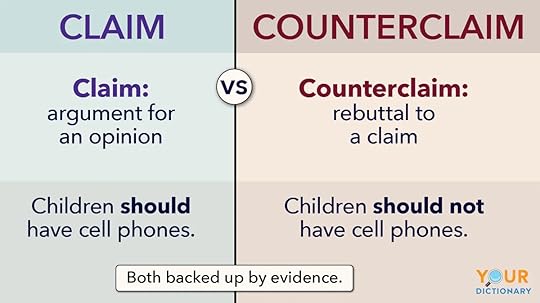
Sometimes the best way to understand how to write a strong claim is to see some examples in action. Let’s take a look at a few effective claims from different types of writing.
Claims in Literary AnalysisWhen you’re writing a literary analysis, your claim will typically be about the deeper meaning or themes of the work.
For example, a claim about The Great Gatsby might be “The novel critiques the hollowness and superficiality of the American Dream.” This claim goes beyond just summarizing the plot and instead makes an argument about the book’s underlying message.
To support this claim, you might point to examples of characters who pursue wealth and status at the expense of genuine happiness, or the way the novel portrays the emptiness of the upper-class lifestyle.
Claims in Persuasive EssaysIn a persuasive essay, your claim will be the main argument you’re trying to convince your reader to agree with.
For instance, a claim in a persuasive essay about school uniforms might be “School uniforms can help reduce bullying and promote a sense of unity among students.” This claim takes a clear stance on the issue and aims to persuade the reader to support school uniforms.
To back up this claim, you might cite studies showing a decrease in bullying incidents at schools with uniform policies, or anecdotes from students who feel more included and less judged based on their clothing choices.
Claims in Research PapersIn a research paper, your claim will typically be your thesis statement – the main argument or hypothesis you’re setting out to prove with your research.
For example, a claim in a psychology research paper might be “Mindfulness meditation can be an effective treatment for anxiety disorders.” This claim sets up the expectation that the rest of the paper will present evidence and arguments to support the effectiveness of mindfulness meditation.
To support this claim, you might cite studies showing the benefits of mindfulness for anxiety symptoms, or compare the effectiveness of mindfulness to other common anxiety treatments like medication or therapy.
Don’t be afraid to take a strong stance and make an argument, but always be prepared to back it up with facts and examples.
ConclusionSo, what is a claim in writing? It’s the backbone of your argument, the central point you’re trying to prove.
A strong claim is clear, specific, and supported by solid evidence. It engages your audience and persuades them to see things from your perspective.
We’ve broken down the nuts and bolts of how to make a strong claim in your writing – pinpointing a laser-focused thesis while bravely confronting those contrary opinions along the way. You’ve seen real-world examples of claims in action, from literary analysis to persuasive essays.
Armed with this knowledge, you’re ready to craft claims that pack a punch. Remember, a compelling claim is just the beginning. It’s up to you to build a case that’s impossible to ignore.
It’s time to build your blog empire.
Want to be a real Content Hacker along with us, but not sure where to start?
We’ve got custom-created resources just for you, friend.
Get inside the Content Hacker Community ❤️ – at just $20/month, it’s a no-brainer. On-call, expert support, live calls, and so much more.
Want to go deeper? Check out our AIO Blogger course – an immersive one-week course teaching you everything you need to know to build a money-making online blog.
Can’t WAIT to welcome you inside.
with gratitude,
Julia
The post Get Premium Content appeared first on Content Hacker.
April 22, 2024
Beat The Scarcity Trap in a Post-AGI World
AGI is coming, and it’s going to change everything. But what does that really mean for you and me? How do we prepare for a world where machines can think and learn like humans?
It’s a big question with no easy answers. But one thing’s certain: we can’t just sit back and wait for it to happen. We should kick things off right this minute.
So, what can we do? How can we make sure we’re ready for the AGI revolution?
The Impact of AGI on Human Labor and Creativity
AGI is set to revolutionize the way we work and create. From factory floors to design studios, the impact of this technology will be felt across industries.
But what exactly does that mean for us humans? Let’s take a closer look.
Displacement in the WorkforceAs AI-driven automation becomes more advanced, certain sectors are feeling the heat. Manufacturing, transportation, and customer service are just a few areas where machines are starting to take over tasks traditionally done by people.
A McKinsey Global Institute report suggests that by 2030, up to 800 million global workers could be displaced by automation. That’s a staggering number.
So, what can we do about it?
Adaptation is key. Workers must upskill and reskill to stay relevant in an AGI-driven world. This might mean pursuing further education, learning new technologies, or shifting to roles that require uniquely human skills like empathy and creativity.
Governments and businesses also have a role to play in supporting this transition. Investing in training programs, providing social safety nets, and creating new job opportunities will be crucial.
Creativity Under the AI LensBut it’s not just blue-collar jobs that are being impacted. Even creative professions like writing, music, and art are feeling the influence of AI.
Tools like GPT-3 can generate human-like text, while AI algorithms are being used to compose music and create visual art. Some argue that this is a threat to human creativity and originality.
However, I prefer to see it as an opportunity. AI can be a tool to augment and enhance human creativity, not replace it. By automating certain tasks and providing new sources of inspiration, AI can free up creatives to focus on higher-level thinking and innovation.
The key is to find the right balance. To use AI as a collaborator, not a competitor. By embracing these tools and learning to work alongside them, creatives can unlock new possibilities and push their fields forward.
Overpopulation Myths vs. AGI RealitiesNow, I know that some people out there are worried about the potential downsides of AGI. They fear that as these systems become more advanced and autonomous, they could pose a threat to humanity. Some even go so far as to suggest that AGI could be used as a tool for population control or even extermination.
But let me be clear: these fears are based on myths and misconceptions, not reality. The truth is that AGI is not some kind of boogeyman that’s out to get us. It’s a tool, plain and simple. And like any tool, it can be used for good or for ill, depending on who is wielding it and for what purpose.
For one thing, the global population is not actually decreasing, despite what some doomsayers might have you believe. In fact, according to the United Nations, the world’s population is projected to reach 9.7 billion by 2050.
But even if population growth were a problem (which it isn’t), using AGI to “solve” it would be a gross violation of human rights and a deeply unethical course of action. The development of AGI should be guided by a commitment to the well-being and flourishing of all humans, not by misguided attempts to play God with the fate of our species.
Navigating the Scarcity Mindset in a World of AbundanceThe rise of AGI isn’t just about economics and labor markets. It’s also a psychological shift. As we move into an era of unprecedented technological abundance, many of us are still stuck in a scarcity mindset.
We fear losing control, losing our jobs, losing our sense of purpose. But what if we could flip the script?
What is the Scarcity Mindset?The scarcity mindset is deeply ingrained in human psychology. For most of history, resources were limited and competition was fierce. This led to a fear-based way of thinking, where we view the world as a zero-sum game.
But in a world of AGI-driven abundance, this mindset becomes a hindrance. It prevents us from fully embracing the possibilities and benefits of these technologies.
We cling to control because we fear the unknown. We resist change because it feels threatening. But this only limits our potential.
From Scarcity to AbundanceSo how do we make the shift? How do we let go of our scarcity mindset and embrace an abundance mentality?
It starts with a change in perspective. Instead of viewing AGI as a threat, we need to see it as a tool. A means to unlock new opportunities and solve global challenges.
Most importantly, it demands a shift in values. A recognition that in a world of abundance, success is not about hoarding resources or outcompeting others. It’s about collaboration, creativity, and using our unique human skills to create value and meaning.
The Societal Role in Shaping Post-AGI FuturesAs we navigate this transition to a post-AGI world, one thing is clear: we’re all in this together. The choices we make now will shape the trajectory of this technology and its impact on humanity.
So how do we ensure that AGI benefits everyone? How do we create a future that is fair, ethical, and aligned with our values?
Democratic Approaches to AGI GovernanceOne key piece of the puzzle is governance. As AGI systems become more powerful and pervasive, we need robust frameworks to guide their development and deployment.
But this can’t be a top-down process. To truly serve the public interest, AGI governance must be democratic and inclusive.
This means creating mechanisms for public participation and deliberation. It means bringing diverse voices and perspectives to the table – not just technologists and policymakers, but also ethicists, social scientists, and community representatives.
It also means being transparent about the capabilities and limitations of these systems. About the risks and uncertainties involved. Only by having open and honest conversations can we hope to navigate this terrain responsibly.
Ultimately, the future of AGI is not something that will be decided by a select few. It’s a collective choice – one that will require ongoing public engagement and dialogue.
As we stand on the cusp of this transformative technology, we have an opportunity and a responsibility.
To steer its development in a direction that benefits all of humanity.
To create a post-AGI future that is not just abundant, but also fair, ethical, and aligned with our deepest values.
The path ahead is uncertain, but one thing is clear: we must walk it together.
Predictions from the FrontlinesSome of the most compelling predictions about AGI come from the experts who are working on the frontlines of research and development.
Take Ray Kurzweil, for example. This renowned inventor and futurist has been making predictions about the trajectory of AGI for decades, and many of his insights have proven to be remarkably accurate.
In fact, Kurzweil predicts that we will achieve what he calls the “singularity” – the point at which humans transcend biology and merge with AI – within the next five years.
Now, I know that might sound like something out of a science fiction novel, but Kurzweil’s track record speaks for itself. He has a proven ability to anticipate the pace and direction of technological progress, and his predictions about AGI are not to be taken lightly.
Of course, not everyone agrees with Kurzweil’s timeline for the singularity. Some experts believe that we are still decades away from achieving true AGI, let alone merging with it. But regardless of when it happens, one thing is clear: the development of AGI is going to have a profound impact on our world, and we need to start preparing for it now.
ConclusionPreparing for a post-AGI world isn’t about being scared or worried. Keeping informed and ready for action – that’s the secret sauce here.
If we hold onto our sense of wonderment while grabbing every chance to learn something novel and throw in a pinch of openness for good measure, nothing is stopping us from taking on tomorrow.
AGI is going to change the world in ways we can’t even imagine. But if we work together and support each other, we can make sure those changes are for the better.
It’s time to build your blog empire.
Want to be a real Content Hacker along with us, but not sure where to start?
We’ve got custom-created resources just for you, friend.
Get inside the Content Hacker Community – at just $20/month, it’s a no-brainer. On-call, expert support, live calls, and so much more.
Want to go deeper? Check out our AIO Blogger course – an immersive one-week course teaching you everything you need to know to build a money-making online blog.
Can’t WAIT to welcome you inside.
with gratitude,
Julia
The post Beat The Scarcity Trap in a Post-AGI World appeared first on Content Hacker.
Is AI Going to Kill Human Copyright?
The world of copyright is about to get a whole lot more interesting. With the rise of AI-generated content, the lines between human and machine creativity are blurring. And that’s got everyone from artists to lawyers scratching their heads.
But here’s the thing: the future of copyright in AI-generated content isn’t about doom and gloom. Let’s get on board with changing tides, seeking out novel methods to shield and hold dear the many faces of creativity.
So, let’s dive in and explore what the future holds for copyright in the age of AI.
Generative AI and Its Impact on Copyright Law
The world of AI is moving at lightning speed. And the implications are HUGE for copyright law and digital content creation.
First things first, let’s talk about the exponential growth of generative AI models. These bad boys are getting bigger and better at creating all kinds of content.
I mean, just look at the numbers.
GPT-4 was a whopping 40% bigger than GPT-3.
And GPT-5? It’s set to be released in 2024 with 2 to 5 TRILLION parameters.
That’s a whole lot of AI power!
But here’s the kicker. By 2026, experts predict that up to 90% of all the content we consume will be generated by AI.
That’s right, 90%.
So what does this mean for content creators? Well, it means we need to stay on our toes. Generative AI is changing the game, and we need to adapt.
The Legal Landscape ShiftsBut it’s not just content creators who need to pay attention. The legal landscape is shifting too.
Recent rulings and lawsuits are shaping the future of copyright protection for AI-generated content. And let me tell you, it’s a wild ride.
Take the case of Kristina Kashtanova, for example. She was granted a copyright for her comic book that used AI-generated art. But then the US Copyright Office changed its mind and said, “Nope, sorry. AI art can’t be copyrighted.”
And that’s just the tip of the iceberg. As AI continues to evolve, we’re going to see more and more legal battles over who owns what.
Legal Challenges in the Age of AISpeaking of legal battles, let’s dive into some of the key ones that are defining the boundaries of copyright law in the age of AI.
High-Profile Lawsuits Against AI CompaniesFirst up, we’ve got the lawsuits filed by creators against big-name AI companies. These folks are claiming that their content is being scraped and used to train AI models without their permission.
In July 2023, a group of authors, including Sarah Silverman, sued OpenAI and Meta. They argued that the AI models were using their original content without compensation.
But here’s the thing. These lawsuits might be a moot point now. Why? Because of a groundbreaking district court ruling.
The Groundbreaking District Court RulingIn August 2023, a US district judge dropped a bombshell. They ruled that AI-generated art CANNOT be copyrighted.
This ruling basically rendered all those lawsuits against OpenAI, Meta, Google, GitHub, and others pointless. If AI art can’t be copyrighted, then there’s no infringement happening.
But the implications of this ruling go way beyond just those lawsuits. It’s a game-changer for the entire field of AI-generated content.
Rethinking Copyright in a World Dominated by AISo where do we go from here? How do we navigate copyright law in a world where AI is generating the majority of our content?
The Future Role of Copyright LawFirst, we need to rethink the role of copyright law itself. As AI technology advances, our intellectual property laws will need to evolve too.
We might need new categories of protection for AI-generated works. Or maybe we’ll see a shift towards protecting the underlying data and algorithms, rather than the end product.
Value Creation in an AI-Dominated LandscapeBut it’s not just about the law. Content creators need to adapt too. We need to find new ways to create value in an AI-dominated landscape.
That might mean focusing on niche topics that AI can’t easily replicate. Or it could mean leveraging AI tools to create even better, more engaging content.
The key is to use AI to provide better information, not just more of it. Quality over quantity, my friends.
New Definitions of Authorship and CreativityFinally, we need to rethink what it means to be an author or a creator in the age of AI. Is it the person who writes the prompt? The AI model itself? The company that owns the model?
These are tough questions, and there’s no easy answer. But one thing is clear: our old definitions of authorship and creativity are being challenged like never before.
As one speaker put it, copyright might become obsolete in a world where AI generates the majority of content. But that doesn’t mean human creativity will disappear. It just means we need to find new ways to express it.
ConclusionThe future of copyright in AI-generated content is both exciting and challenging. With AI’s rapid growth, the old rules about creation ownership, uniqueness in artistry, and inventive spark are due for an overhaul.
But with change comes opportunity. By embracing new technologies and adapting our laws and policies, we can create a future where both human and machine creativity can thrive.
Stay sharp by staying updated; dive in fully and never shut the door to learning something new. Because when it comes to the future of copyright in AI-generated content, one thing is clear: the only constant is change.
It’s time to build your blog empire.
Want to be a real Content Hacker along with us, but not sure where to start?
We’ve got custom-created resources just for you, friend.
Get inside the Content Hacker Community – at just $20/month, it’s a no-brainer. On-call, expert support, live calls, and so much more.
Want to go deeper? Check out our AIO Blogger course – an immersive one-week course teaching you everything you need to know to build a money-making online blog.
Can’t WAIT to welcome you inside.
with gratitude,
Julia
The post Is AI Going to Kill Human Copyright? appeared first on Content Hacker.