Julia McCoy's Blog, page 14
January 9, 2024
10 Keyword Research Mistakes to Avoid
When it comes to crafting impactful digital content, learning proper keyword research is non-negotiable.
Keywords are like compasses that guide potential readers straight to your website’s doorstep.
But beware — this path is fraught with pitfalls that could prevent you from connecting with your target audience.
As we navigate this tricky terrain together, I’ll highlight some all-too-common keyword research mistakes to avoid.
These missteps not only waste precious time but also resources — and let’s face it, who wants that?
From overestimating broad terms to neglecting long-tail gems, these mistakes can keep even great content from seeing the light of day.
Stick around, and I’ll walk you through dodging common pitfalls like ignoring search intent or getting seduced by high-volume keywords without a game plan. You’ll get why long-tail keywords can be pure gold and the secret sauce of localizing search terms.
Want to build a real money-making blog, 10x faster with the use of AI? Check out our AIO Blogger course.
Table Of Contents:Ignoring Search IntentAllowing Clients to Choose KeywordsPrioritizing Search Volume Over Keyword DifficultyRelying on Free Keyword Research ToolsTargeting Only One Keyword Per Piece of ContentAvoiding Long-Tail KeywordsPushing Exact Match KeywordsIgnoring Keyword LocalizationForgetting to Look at the SERPsNot Talking to Your CustomersDon’t Let Keyword Research Mistakes Hold You Back1. Ignoring Search IntentWhen it comes to keyword research, one of the most common mistakes is ignoring search intent.
What does this mean?
It’s about understanding why a user is performing a specific search and what they’re hoping to find as a result.
For instance, ranking #1 for a term that doesn’t lead to any sales might seem like an achievement but in reality, it could be more detrimental than beneficial for your business. This happens when you focus solely on how many people use a certain search term rather than considering their underlying motive or intent.
A classic example would be targeting keywords such as “how to clean Nike shoes”. Users typing these words into the search bar are probably not looking to buy new shoes; instead, they want information on maintaining the ones they already own.
You can still utilize such terms intentionally in your content strategy – maybe as part of building trust with potential customers who may convert later down the line.
But remember: relevance and conversion should always take precedence over volume alone when conducting keyword research.
2. Allowing Clients to Choose KeywordsAnother common — and detrimental — mistake in keyword research is not conducting any at all, or worse yet, allowing clients to dictate which keywords should be targeted.
While client input can certainly provide valuable insights into their industry and customer base, these suggestions must be treated as just that — suggestions.
All too often, clients suggest keywords that are either far too broad for effective targeting or don’t align with search intent.
For example, a small local bakery might insist on targeting the term “bread” – a keyword so broad and competitive it would be nearly impossible for them to rank highly in search results.
In other instances, business owners may choose terms based on what they think their customers want rather than relying on data-driven evidence. This approach is problematic because it relies heavily on assumptions rather than actual user behavior.
Keyword research should always be guided by data — using tools like Google Keyword Planner, Ahrefs, or Content at Scale (powered by Mangools) can help identify keywords that are relevant to your product or service offering while also providing insight into competition levels.
The key takeaway here? Don’t let vanity metrics guide your SEO strategy!
You must base your decisions around reliable data points instead of gut instinct alone.
3. Prioritizing Search Volume Over Keyword DifficultyWhen you run a seed keyword through Content at Scale’s keyword research tool, two things need paying attention: 1) monthly search volume, and 2) ranking difficulty.
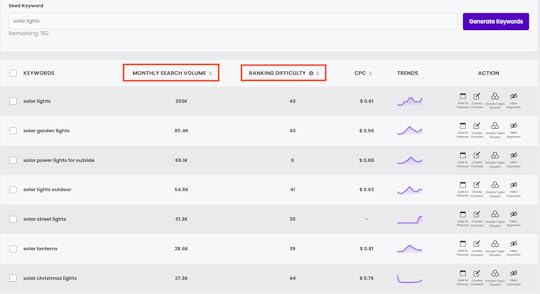
High-volume keywords are those terms or phrases that get searched frequently by users. It’s easy to assume these are the best targets for your content because they can potentially lead to higher traffic and visibility. But this approach has its pitfalls.
The first issue is competition — high volume means high competition. Every other business in your niche is likely targeting these same popular search terms, making it harder for you to rank well and stand out from the crowd.
The second problem with exclusively targeting high-volume keywords lies in relevance and user intent. Not all people searching using a particular term have identical needs or intentions; some may be looking for information while others might want to buy something specific immediately.
Finding The Right Balance With Mid-Volume Keywords
A more effective strategy involves incorporating mid-volume keyword research into your SEO plan. These words still generate substantial searches but aren’t as competitive as their high-search counterparts – meaning they’re easier (and often cheaper) to bid on when running PPC campaigns.
Furthermore, mid-range search volume typically indicates that a keyword matches specific user intent better than broader ones do. So, by targeting these terms, you’re more likely to attract an audience that’s interested in what your business offers.
Remember, the goal of keyword research isn’t just about chasing high search volumes; it’s about finding relevant keywords that align with your audience’s intent and can help drive quality traffic to your site.
4. Relying on Free Keyword Research ToolsYou’ve found a goldmine — a free keyword tool promising to skyrocket your SEO efforts. But hold on.
Free keyword tools can often give you data that’s more fool’s gold than real treasure.
Misleading data from these sources might have you chasing high-volume keywords that are not what they seem.
Paying for premium keyword research tools like Semrush, Ahrefs, or Mangools is an investment in the accuracy of your SEO campaign.
You get what you pay for, as the saying goes, and with paid tools comes a wealth of precise search volumes and insights into SERP competitors — vital intel if you’re serious about ranking high on Google SERPs.
Better data leads to better decisions; think targeted campaigns over shots in the dark. That’s how business owners outmaneuver their competition online today.
5. Targeting Only One Keyword Per Piece of ContentIf you’re still sticking to the old-school SEO strategy of targeting just one keyword per page, it’s time to rethink your approach.
The joke about an SEO walking into a bar illustrates how ridiculous and ineffective it can be to stuff unrelated keywords into content. But at the same time, only focusing on one main keyword is equally flawed.
The reason? Google has become increasingly adept at understanding context. Its algorithms have evolved beyond simple keyword matching and now analyze entire phrases, sentences, and even paragraphs for meaning. Therefore, optimizing your content around a single keyword won’t cut it anymore.
Rather than obsessing over individual keywords, try shifting your focus towards secondary keywords that relate to your main idea.
For instance, if you’re writing about ‘keyword research’, don’t limit yourself to just that phrase. Consider related terms like ‘keyword research tools’ or ‘keyword strategies’. This way you’ll not only increase the chances of ranking higher but also provide more comprehensive and valuable information for your audience.
6. Avoiding Long-Tail KeywordsAnother common mistake that marketers often make is avoiding long-tail keywords due to their lower search volume.
This avoidance can be a costly error as these long-tail keywords, despite having fewer searches, are usually much closer to the end of the sales funnel. This means users who use such specific terms are almost ready to buy.
Sometimes low search volume can actually work in your favor. The less competition there is for a particular keyword or phrase, the higher the chance you have of ranking well on Google and other search engines.
Ignoring long-tail keywords due to their lower search volume is a common but avoidable mistake. Instead of focusing solely on high-volume terms, try integrating an effective mix of both broad and specific phrases into your keyword strategy.
7. Pushing Exact Match KeywordsOld-school SEO has taught us to push for exact-match keywords in our content. This is why we still see awkward phrases like “best travel agency Orlando” or “computer services Portland” being used verbatim throughout a piece of content.
The truth is, this practice can do more harm than good. Not only does it make your content read poorly, but Google has also evolved far beyond needing exact keyword matches to understand context.
Thanks to advancements in natural language processing (NLP), search engines are now capable of understanding synonyms, related terms, and even conversational queries with ease. This means that you no longer need to stuff your content with awkwardly phrased keywords just for the sake of matching user searches.
Here’s how NLP works: if you search for “SEO agency Chicago”, Google will turn out similar terms such as “Chicago SEO company” or “SEO services in Chicago” instead of results containing an exact word-for-word match.
This shift towards contextual understanding opens up an array of opportunities when it comes to keyword strategy. Instead of focusing solely on exact-match keyphrases provided by clients, you can now explore related terms and phrases that are easier to incorporate into your content naturally.
8. Ignoring Keyword LocalizationIf you’ve ever scratched your head wondering why your well-crafted content isn’t hitting the mark in different regions, keyword localization might just be the missing piece of your SEO puzzle.
It’s about tailoring your language to the local tune, using phrases and terms that resonate with regional jargon and search habits.
Gone are the days when one-size-fits-all keywords ruled our content strategies. Now, we get cozy with local intent keywords because let’s face it, a ‘sub’ is not a ‘hoagie’ everywhere you go.
To capture that homegrown vibe and satisfy localized palates, create content that’s sprinkled with region-specific terms.
Keyword localization means what works in one city may fall flat in another. By incorporating these geo-specific gems into your strategy, you’re not only speaking their language but also opening doors to communities we might have otherwise missed.
To really nail this approach down tight, start weaving those neighborhood nods throughout your online presence —from blog posts to landing pages to social media shoutouts.
And don’t forget, search engines are pretty smart cookies nowadays. They can sniff out whether you’re genuinely serving up local fare or just pretending from miles away. So while it’s tempting to use high-traffic keywords that Google is suggesting, speak directly to locals who are searching online.
9. Forgetting to Look at the SERPsAs marketers get so engrossed with advanced keyword research tools, they sometimes forget the simple ones: simply looking at the search engine results page.
SERPs offer invaluable insights into what type of content is currently ranking for your target keywords. This information allows you to understand why users are searching for certain terms and how well current top-ranking pages meet their needs.
If you fail to analyze SERPs while doing keyword research, you might miss out on valuable opportunities or create content that doesn’t align with user intent, thereby reducing its effectiveness in attracting organic traffic.
10. Not Talking to Your CustomersIn your search for that golden keyword, it’s easy to overlook one critical source of information — your customers.
While SEO tools and analytics can provide a wealth of data, they often lack the human element that tells you how customers perceive your product or service.
To avoid this common mistake, make sure you are actively engaging with your audience and listening closely to how they speak. Whether it’s through customer reviews, social media interactions, or direct conversations via customer support channels, these platforms offer invaluable insights into what words and phrases resonate most with them.
For instance, if you’re selling a “website visitor tracking tool,” but find that many potential users aren’t familiar with this term – perhaps referring instead to ‘web traffic monitor’ – then adjust your keywords accordingly.
Effective keyword research involves much more than just automated tools. It requires active engagement with those who matter most – your customers!
Don’t Let Keyword Research Mistakes Hold You BackI’ve shown you nine of the most common keyword research mistakes to avoid. Now it’s time to do a reverse.
First, let user intent guide your content — the key to successful keyword research lies in understanding your audience and setting up a strategy that meets their needs.
Remember that long-tail keywords are your secret weapon for targeted traffic, with less resistance.
While keyword research tools can be fascinating, they are not created equal. Invest wisely to sidestep misleading data traps.
Above all else, know that chasing high-volume keywords will get you nowhere if you have to compete in a crowded field.
Stay sharp by using these insights as cornerstones for building solid SEO foundations — one keyword at a time.
It’s time to build your blog empire.
Want to be a real Content Hacker along with us, but not sure where to start?
We’ve got custom-created resources just for you, friend.
Get inside the Content Hacker Community  – at just $20/month, it’s a no-brainer. On-call, expert support, live calls, and so much more.
Want to go deeper? Check out our AIO Blogger course – an immersive one-week course teaching you everything you need to know to build a money-making online blog.
Can’t WAIT to welcome you inside.
with gratitude,
Julia
The post 10 Keyword Research Mistakes to Avoid appeared first on Content Hacker.


December 26, 2023
Benefits of Linking to Other Sources in Blog Posts
Ever felt like your blog post is isolated, like a small island in a huge sea called the internet?
Think of each link as a bridge. These bridges connect your blog to more readers and online communities.
The benefits of linking to other sources in blog posts aren’t just good manners. They’re secret passageways to treasure troves of credibility and wisdom.
In this article, you’ll learn how to make search engines your friends and how every link you create tells Google about the network of trust online.
Are you ready?
Interested in creating a profitable blog 10x faster using AI? Check out our AIO Blogger course.
Table Of Contents:The Importance of External Linking in Blog PostsBoosts Page Rank & Domain AuthorityPage RankThe Role of External Linking in Boosting Domain AuthorityEnriches User ExperienceThe Power of Credibility through LinkingA Win-Win ScenarioBenefits of Internal Linking: A Boost for Your Content StrategyThe Powerhouse Trio: SEO, User Experience & Website Authority1. SEO Optimization2. Better User Experience3. Stronger Website AuthorityA Strategic Approach To Internal LinkingBalancing External and Internal Links in ContentOptimizing Anchor Text for Maximum ImpactContextual Linking Done RightAvoiding Over-Optimization PitfallsUtilizing Google Search Console for Link AuditsIdentifying Broken Links with Search ConsoleTracking External Link PerformanceFAQs: Benefits of Linking to Other Sources in Blog PostsWhy add links to blogs?What is the purpose of source linking?Do I need to cite sources in a blog post?What are external links in a blog post?ConclusionThe Importance of External Linking in Blog PostsThink of your blog as a bustling city.
External links, as part of your linking strategy, are like roads connecting it to other cities. They open up new paths for discovery and are key to growth and trust.
Boosts Page Rank & Domain AuthorityLooking to other websites is key in improving your website’s visibility and search engine rankings. These outbound links enrich your content and boost your page rank and domain authority.
Page RankPageRank, created by Google founders, is an algorithm Google Search uses to rank web pages in search results.
It works on the principle that some pages are more important than others, judged by the number and quality of links pointing to them.
Simply put, when you link to other authoritative websites in high-quality content relevant to your topic, it tells Google your webpage has trustworthy information.
This can help your site rank higher in SERPs (Search Engine Results Pages).
The Role of External Linking in Boosting Domain AuthorityMoz created the Domain Authority metric. It scores websites from one to 100 on how well they might rank in search results.
Higher scores mean better chances of ranking.
One way to improve your DA score is by linking to related, reputable sites in your blog posts or articles. This adds value for readers—as you show them the road to more insights on the topic—and creates a connected web of information. Click To TweetThis approach can also lead to more sites linking back to you (backlinks), which is important for improving your DA score.
Enriches User ExperienceLet’s expound on my point in the previous section on how external links offer value to your readers.
Linking to other sources is more than just being polite or an SEO tactic. It’s a great way to make the user experience better.
Include external links to give more information and insights, helping your audience understand your topic better.
For example, consider a blog post about content marketing strategies with references to studies and statistics.
Without external links, readers would have to look up these resources themselves, which could disrupt their reading and might even lead them away from your site.
But, if you include relevant external links, like a link explaining the types of SEO links, you make it easy for users to learn more without leaving your page. They’ll appreciate this convenience and the extra value.
The Power of Credibility through LinkingLinking out also builds credibility in two ways:
It shows you’ve researched well, using reputable sources, and the external links include valuable information.If reputable sites find value in what you’ve written and link back to you, providing quality backlinks, it tells Google that your site is valuable, which can improve your ranking in search results.A Win-Win ScenarioLet me sum things up this way: using outbound links in your content benefits everyone. It enriches the user experience by providing additional resources, builds your credibility, and helps with SEO efforts.

Let’s try another analogy here to enable visualization…
Think of your website as a lively city. The pages are like buildings, and internal links are the roads connecting them. These links help keep information moving smoothly from one part of your site to another.
The Powerhouse Trio: SEO, User Experience & Website AuthorityHere’s why internal links are so important in your content strategy.
1. SEO OptimizationInternal links help with SEO. Google uses bots to crawl websites. Good internal links make it easier for these bots to find and understand your site, which can improve your ranking in search results.
2. Better User ExperienceInternal linking also makes your site more user-friendly.
By linking relevant content together, you guide visitors through your site logically, keeping them interested and on your site longer.
This can lower bounce rates and increase time spent on-site.
3. Stronger Website AuthorityBy linking your high-quality posts or articles together, you can become a known expert in your field.
This network of links spreads “link juice,” sharing authority among your pages and making your whole site more credible to both users and search engines.
A Strategic Approach To Internal LinkingTo get these benefits and execute a good SEO strategy, you need to plan your internal linking carefully.
Consider how relevant your links are, how you use anchor text, and how you distribute links across your pages.
So, next time you’re planning your content strategy, remember the importance of internal links.
They are invisible paths that guide visitors through your site and improve its SEO performance.
Balancing External and Internal Links in ContentHere’s the thing… finding the right balance between external and internal links in your content is more about context than following strict rules.
It’s really that simple.
But here are some best practices:
Choose relevance over quantity: Whether it’s an internal or external link, make sure it’s g relevant to the topic at hand.Avoid overlinking: Too many links can make your content difficult to read and might look like spam to search engines.Focus on quality: Link to high-authority sites when you’re linking externally, and internally link to your most informative or popular pages.A good mix of both types of links can make for a better user experience, improve your SEO ranking, build credibility, and keep visitors on your site longer.
Always think about what’s most valuable for your readers when deciding what and where to link.
Optimizing Anchor Text for Maximum ImpactAnchor text—the clickable words in a hyperlink—carries more weight than you might think.
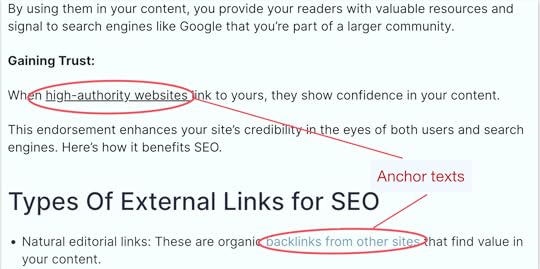
Get it right, and both users and search engines reward you. But stumble here, and your SEO performance could trip up.
Contextual Linking Done RightLinks should fit naturally into your content, like spices in a dish.
They should enhance, not overwhelm.
Well-placed links, especially those that open external links in a new tab, keep your post readable and lead readers to more great content on your site or others.
The key is to integrate links smoothly, not just for SEO.
Each anchor text should reflect the linked page and fit the story of your content. It’s a balance between user experience and keywords.
Whether linking internally or externally, clarity is more important than being clever.
Avoiding Over-Optimization PitfallsFailing to use anchor text correctly, especially anchoring too hard on exact-match keywords, can sink your ship faster than an iceberg at night.
It smacks of manipulation—not good for SEO—and can raise red flags with Google’s ever-watchful algorithms.
Diversify instead.
Use a variety of anchor texts, like synonyms, brand names, or calls to action.
Don’t use academic citation styles in marketing materials. Your blog aims to engage readers online, not pass academic review.
For example, instead of “See Thompson (2023) for more,” use “Thompson has some great points worth checking out.”
Not sure how much anchorage is too much—or too little? Use tools like Google Search Console for link audits.
This helps fix broken links and assess link performance, ensuring each link has maximum impact.
Utilizing Google Search Console for Link AuditsGoogle Search Console, one of the essential digital marketing tools, is like a Swiss Army knife for your website’s health. And performing link audits is one of its key functions.
Identifying Broken Links with Search ConsoleLooking for broken links on your site is like trying to find a needle in a stack of hay.
But here’s where Google Search Console shines—it simplifies this daunting task.
You can quickly locate these broken links by looking at the “Coverage” errors section. And fixing them? It’s as satisfying as solving a Rubik’s Cube—each correct move makes your site better.
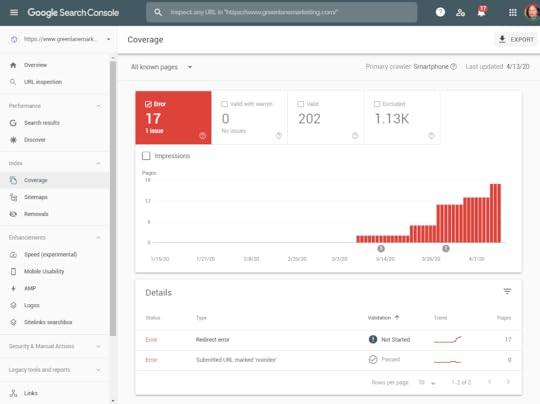
Source: Greenlane
Clean up those broken links and watch as user frustration drops.
They’re more likely to stay on your site when all links work, which helps keep bounce rates low and satisfaction high.
Tracking External Link PerformanceYour blog posts are part of the wider internet.
Tracking how outbound links perform helps you see which external sites are bringing in visitors or linking back to you.
Your blog posts aren’t islands; they’re part of the vast archipelago that is the internet.
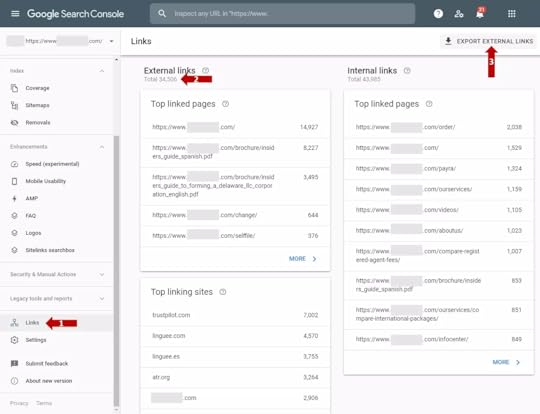
In Google Search Console, look at the “Links” reports to see which external sites are linking to your content.
These links can bring new visitors and improve your domain authority, a key factor in SEO.
They also make your site look more credible to search engines.
 Source:
PracticalEcommerce
Source:
PracticalEcommerce
Check if these outbound links are useful: Are they taking users on relevant journeys or leading them astray?
Use this data to make sure each external link adds value to both your users and your site.
This approach creates a mutually beneficial relationship.
FAQs: Benefits of Linking to Other Sources in Blog PostsWhy add links to blogs?Links in blogs, including inbound links, can boost your SEO, show readers you’ve done your homework, and connect them to more info.
What is the purpose of source linking?Linking to sources in your blog posts supports your claims with evidence, adds credibility to your content, and helps readers learn more about the topic.
Do I need to cite sources in a blog post?Yes, citing sources in your blog posts is important. It shows you respect content ownership, and it builds trust with your readers by demonstrating your commitment to content integrity.
What are external links in a blog post?External links in blog posts are hyperlinks that take you from your blog to other websites or domains on the internet.
ConclusionThe benefits of linking to other sources in blog posts are crystal clear: it greatly enhances your credibility with each reliable source you reference, and it also gives a nice lift to your SEO rankings.
Use internal links to guide readers through your content, like a map through a labyrinth. You’ll see bounce rates decrease and user engagement soar.
Anchors away! With smart anchor text, you’ll sail smoothly over Google’s waves without capsizing into over-optimization blunders.
Balance is key. Too many external links can distract your visitors, while too few might leave them wanting more. Aim for that perfect balance where each link enhances the reader’s experience.
You’re now equipped to voyage through the realm of digital marketing. Use these tools wisely and watch your online presence grow and prosper!
Ready to expand your blog’s empire?
Want to be a real Content Hacker along with us, but not sure where to start?
We’ve got custom-created resources just for you, friend.
Join us in the Content Hacker Community. For only $20/month, you get access to expert support, live calls, and much more. It’s an offer you can’t miss.
For a deeper dive, check out our AIO Blogger course. In just one week, you’ll learn everything you need to know about creating a profitable online blog.
Can’t WAIT to welcome you inside.
with gratitude,
Julia
The post Benefits of Linking to Other Sources in Blog Posts appeared first on Content Hacker.
Boost Your SEO: A Guide to Effective Backlink Strategy
Do you feel like your website goes unnoticed, like a small island in a big digital sea?
You have great content, but you need more visitors. What if there’s a way to get more online traffic? This is where an effective backlink strategy helps.
Think of each good link as a bridge from your website to the bigger internet world.
Each link brings more people and gets your site noticed by search engines. It’s not just about getting lots of links. It’s about getting strong, useful links.
See the opportunity ahead?
This means better search rankings, more people visiting your site from other sites, and becoming more trusted online.
 Ready to set sail?
Grow a successful blog 10x faster with AI today. Check out our AIO Blogger course.
Table Of Contents:Understanding Backlinks: A Key to Effective SEO StrategyThe Role of Backlinks in Your Website’s AuthorityCreating an Effective Backlink StrategyDeveloping a Robust Link Building StrategyDiversifying Your Link Profile for SEO SuccessUsing Anchor Text EffectivelyReaching Out to Journalists: A Powerful Backlink StrategyBuilding Relationships With JournalistsPitching Your Story Idea EffectivelyFinding The Right Contact InformationUsing Guest Blogging for Better BacklinksWriting a Good Outreach Email for Guest BloggingFinding Blogs to Write ForGetting Backlinks with Free Digital ResourcesWhy Freebies WorkMaking Your Content Worth SharingPromoting Your ResourceUsing Broken Link Building for More BacklinksThe Hunt for Broken LinksWhy This WorksMore Than Just Fixing LinksUsing Social Media to Improve Your Backlink ProfileSocial Shares and Link BuildingGetting Your Brand Mentioned With Engaging ContentWorking With Influencers For More ReachUsing Analytics to Track Social Media SuccessThe Power of Content in Attracting High-Quality SourcesMaking Top-Notch ContentEarning Links through Valuable ContentUsing Analytics and AlertsReplicate Competitors’ SEO BacklinksUsing Personal Case Studies: An Effective Backlink StrategyWhy Case Studies Attrack LinksHow to Create A Compelling Case StudyFAQs About Effective Backlink StrategiesWhat is a good backlink strategy?How do you create effective backlinks?What are the 3 main features of a quality backlink?Which backlink is most powerful?ConclusionUnderstanding Backlinks: A Key to Effective SEO StrategyTo improve your website’s visibility and ranking on search engine results pages (SERPs), you need to know about backlinks.
A backlink is simply a link from one website to another.
Backlinks are very important in SEO. They are like “votes” for your site.
They tell search engines like Google that other websites value your content enough to link to it.
This improves the credibility of your website and can help it rank higher on SERPs.
The Role of Backlinks in Your Website’s AuthorityA well-executed content marketing strategy can get you high-quality backlinks.
When reputable sites with high domain authority link to yours, it boosts organic traffic and can help it rank higher on SERPs.
Domain authority (DA) is a term by Moz. It guesses how likely a website is to rank on SERPs based on links from other websites.
Creating an Effective Backlink StrategyAn effective backlink strategy is a cornerstone of successful link building strategies. It involves creating content that others want to link to.
This could be blog posts, infographics, whitepapers—anything valuable that people in your industry or audience will want to share.
Another part of the strategy involves reaching out to other websites or influencers in your industry. Offer them content that their audience would appreciate.
This helps their readers and can give you backlink opportunities.
The key here is relevance and quality.

A few good backlinks from related sites are better than many from low-quality or unrelated sites.
Google can distinguish between natural, earned links and those that are bought or not genuine.
These are called “black hat” SEO techniques.
Developing a Robust Link Building StrategyThink of your website as a digital city. Your link building strategy is like the roads that lead people to your city.
The more paths, or backlinks, you have from diverse and reputable places, the easier it is for search engines to trust and rank your site.
Diversifying Your Link Profile for SEO SuccessIt’s better to have traffic from many different routes, not just one.
A variety of links shows Google that your website is valuable to different visitors. It’s not just about having many links. You want to have different types of links.
If all your links come from similar sites, it’s like a neighborhood where all the houses look the same.
This can look suspicious… and you don’t want that.
Using Anchor Text EffectivelyAnchor text is the clickable text in links.
It’s like giving directions using landmarks instead of street names. It helps people know what to expect when they click.
When you use keywords in your anchor text, it tells Google what your page is about.
But if all your anchor text is the same, like “best coffee shop,” it looks fake, like too many signs for the same tourist spot.
To keep it real and not trigger search engine filters, vary your anchor text.
What I mean is, use different words, your brand name, or even simple phrases like “click here” sometimes.
Remember that an effective backlink strategy focuses on variety and authenticity in your link building efforts.
In digital marketing, backlinks help make your website visible and trustworthy.
One effective way to gain high-quality backlinks is by reaching out to journalists.
Yes, journalists.
Journalists need credible sources and new information for their stories. If you provide them with helpful information that fits their needs, you can get your website mentioned in their published articles for your expert views, which makes their stories better. Click To TweetDon’t you just love symbiotic relationships like this one?!
Building Relationships With JournalistsDon’t just contact journalists for backlinks. Try to build real, lasting connections with them.
Follow them on social media platforms like X (formerly Twitter) or LinkedIn and interact with their posts before suggesting your ideas.
Pitching Your Story Idea EffectivelyWhen pitching your story, focus on how it helps the journalist’s readers, not just promoting yourself.
Write an interesting subject line and a clear email explaining why your story is important.
Finding The Right Contact InformationUse tools such as Hunter.io and Voila Norbert to find the email addresses of journalists.
Here’s something important: send your pitches only to journalists covering your industry.
That said, getting backlinks through journalists takes time and effort. But it can really improve your website’s SEO and make your brand more visible online.
Using Guest Blogging for Better BacklinksGuest blogging is among the most impactful link building strategies.
It’s like being introduced to new people at a party.
You write an amazing post for someone else’s blog, and boom—you’ve got a room full of new pals linking back to your website.

Pitching a guest post is like asking someone out on a date. It needs charm, personalization, and something enticing.
Your outreach email should be more than “Hey there, I’d love to write for you.”
Add some zing with why they’ll benefit from your content as much as you will from their audience. Give them a taste of your expertise without spilling all the beans—leave them curious.
Remember, popular websites get a lot of guest post offers. Stand out by showing you know their work. Compliment their recent articles.
Suggest topics that fit both your audiences.
Explain how guest blogging with them can bring more visitors, not just another link. It’s about working together to get noticed in Google searches.
Finding Blogs to Write ForBefore you send any email, do your homework.
Use tools like Content at Scale’s Topic Report to find out who’s talking about your topic.Suggest topics that fit both your audiences.Research the style and preferences of each website owner. You know why? Personalized emails get noticed more than generic ones. Put some thought into it.Getting good backlinks isn’t just luck.
It’s about networking, research, and good communication. And it really works!
Getting Backlinks with Free Digital ResourcesAn effective backlink strategy is sharing free downloadables like ebooks or web apps.
Why Freebies WorkEveryone loves free, useful things.
If you offer high-quality resources for free on your website, other websites might link to you.
This could be an ebook with helpful tips, a handy checklist that simplifies a complex task, or a web app that solves a common problem in your industry.
Making Your Content Worth SharingTo make this strategy work, keep in mind:
The content must be high quality and useful. If it’s not well-written or doesn’t offer new information, people won’t share it.It should be relevant both to what you do and your audience. If not, those who download it might not come back.Promoting Your ResourceOnce you have a great resource, you have to share it.
Start with promoting it on social media channels where your potential customers are. Consider guest posting on popular blogs within your industry as well.
Don’t forget to email people about it, too!
The goal is to show your resource to as many people as possible. The more people see and find value in it, the higher the chances they’ll link back to you!
If done right, giving away free digital resources can be a powerful strategy for building quality backlinks and driving traffic toward your website.
So, think about it: what valuable content can you offer today for free?
Using Broken Link Building for More BacklinksThink of yourself as a digital explorer, finding broken links on websites.
These broken links are like missing pieces in a puzzle, and you can help fix them. This is known as broken link building, and it’s an effective backlink strategy.
The Hunt for Broken LinksStart by looking for broken links in your field. Use Google or tools like Ahrefs’ Content Explorer.
When you find a link that doesn’t work, you’ve found a chance to help.
Now, don’t just tell them about the broken link. Offer your own content as a new, better link.
You see, it’s not just about fixing a link. It’s about making their site better, improving their user experience, and connecting to yours.
Why This WorksThis helps because search engines want to show working, up-to-date information at all times.
By replacing old or broken links with your content, you get backlinks from thankful website owners. Often, these websites have a lot of influence and a high domain authority.
Your goal is to do more than just change a link. Think of it as filling in gaps in information and making your online presence stronger, one good backlink at a time.
More Than Just Fixing LinksThe real benefit is not just in fixing these broken links, but in turning them into paths that lead people to your website.
By keeping in touch and building relationships from this, you can start more collaborations. This could lead to guest posts or other opportunities.
This method is popular because it changes forgotten links into valuable parts of the online world.
You’re not just fixing a link—you’re adding a new, useful part to the internet’s story.
Using Social Media to Improve Your Backlink ProfileSocial media is not just for cat videos and viral dances.
It’s a strong tool for getting brand mentions and building links. This makes social media an effective backlink strategy.
When you share content on social media, it can open doors to interactions that can lead back to your site, especially if people like to share and talk about your content.
Social Shares and Link BuildingEven a simple tweet or Facebook post can reach a lot of people.
Every time someone shares or likes your content, there’s a chance someone will see it and link to your website.
This isn’t just a guess…
Data shows that good social media posts can lead to more website visits—making social media an effective backlink strategy.
Getting Your Brand Mentioned With Engaging ContentCreate something people want to talk about. Then, watch as it gets shared and talked about on social media.
When your brand is mentioned a lot on social platforms, search engines consider you an authority in your industry.
This can lead to better SEO rankings and more backlinks, as every mention could lead to a new link.
Working With Influencers For More ReachIf you connect with influencers, they can share your content with their followers. This can get your content seen by more people than normal ads.
This kind of networking doesn’t just get more eyes on your content. It also builds relationships that can lead to high-quality organic links.
Using Analytics to Track Social Media SuccessUse tools to see how much traffic you get from social media. This helps you understand the real impact of your posts.
Look at things like how many people click through to your site (click-through rates) and how long they stay after coming from social media. This shows if you’re really connecting with people’s interests.
Change your strategy based on what the data shows. Maybe Instagram stories work better than Twitter threads for some topics. You need to track this to know.
With the right use of analytics, you can find out how to use social media better for link building. Tracking data can change the way you use SEO.
The Power of Content in Attracting High-Quality SourcesCreating content is like fishing in the vast internet sea. You never know who might find your content and link to it.
Making interesting and useful content is key to getting attention from good sources.
This kind of relevant content acts like a beacon, attracting high-quality sites that want to link to authoritative sources.
Making Top-Notch ContentEach time I create content, I aim to create the best —content so valuable and informative that it stands out in search results.
When you make really good content, Google notices. Their algorithms are always scouting for top-notch stuff to rank higher.
Think about creating detailed guides or case studies that pack an informational punch. These are an effective backlink strategy—and a very natural approach at that.
Earning Links through Valuable ContentA post goes viral when people can’t help but share—it has something special.
It might answer important questions or explain complex topics in an easy way.
This virality of your post can lead to other website owners and bloggers linking to it. They do this to share your insights with their readers.
This not only brings more visitors to your site but also improves your SEO.
Using Analytics and AlertsTo stay on top of things, use free tools like setting up Google Alerts for keywords related to your niche.
This lets you know when your brand is mentioned without a link. You can then kindly ask for a link to be added.
Also, using tools like Content at Scale’s Keyword Research can help. It shows where people are talking about topics related to your content.
This lets you create content that fits into these conversations, attracting potential linkers.
By making great content and using tools to find linking opportunities, you can build quality backlinks and improve your website’s authority.
Replicate Competitors’ SEO BacklinksLearning who links to your competition can be a big help in developing an effective backlink strategy.
The links to your competitor’s site are likely from sources relevant to your industry. These can be great for improving your own website’s ranking in search results.
This might seem hard because of all the data, but there are tools to help. Some are free, some you pay for.
They simplify this process by analyzing the backlink profiles of any website. For instance, the Free Backlink Checker by Ahrefs is easy to use for finding these link opportunities.
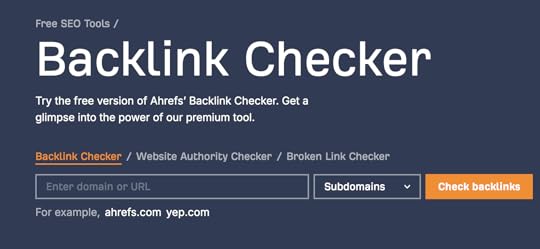
An image showing Ahref backlink checker
Here’s how to use it:
Step 1: Open Free Backlink Checker by Ahrefs or a similar tool.Step 2: Put in the URL of a competitor.Step 3: Click “Check backlinks.”Step 4: Look at the results, like the total number of backlinks and whether they are dofollow or nofollow.The tool gives you a list of all the active links to that domain.
This helps you find the best links to try to get for your site. Once you find good links, you can ask those sites if they’ll link to you too.
But first, check if they have already linked to your site.
Backlinks are not a “set it and forget it” solution. They can vanish, become less helpful, or less relevant.
So, you need to keep looking for new backlink opportunities to keep your website’s search ranking high.
Using Personal Case Studies: An Effective Backlink StrategyCreating and sharing your own case studies is an effective backlink strategy.
These are not just ordinary blog posts or articles. They are detailed stories about specific projects or experiments you’ve done.
Why Case Studies Attrack LinksCase studies are unique and valuable.
They offer real examples, facts, and insights you can’t find elsewhere. That’s why they are so attractive to link to.
Other websites would jump a chance to link to your case study as a resource for their readers.
Case studies work because they are authentic and trustworthy. People appreciate when businesses open up about their experiences, whether they are successful or not.
This honesty builds trust and gives readers useful information for their own projects.
This mix of practicality and openness is why others want to link to your site.
How to Create A Compelling Case StudyPick a Topic That Fits: Choose something that relates to your work. It should interest both your usual visitors and new ones coming from external links.Do Thorough Research: The more detail, the better. Include everything relevant—numbers, timelines, challenges, etc. This adds to your credibility.Share Real Results: Be honest, whether the results are good or bad. People respect and value honesty.Content at Scale AI Content Writer can write a compelling case study for you. Neil Patel also has a guide on creating case studies.
In short, personal case studies can be an effective backlink strategy.
They provide valuable information for your audience, position you as an authority in your field, and attract high-quality links from other websites.
FAQs About Effective Backlink StrategiesWhat is a good backlink strategy?A good backlink strategy combines creating high-quality content, reaching out strategically, and building networks to get links that improve your search rankings.
This involves understanding where your target audience spends time online and connecting with those platforms and influencers.
How do you create effective backlinks?You can create effective backlinks by writing guest posts, finding and fixing broken links, and producing content that’s so good others want to link to it.
These are all effective backlinking strategies.
You may also engage with others in your industry, participate in relevant online communities, and use social media to increase visibility.
What are the 3 main features of a quality backlink?A quality backlink usually has three main features:
Reputable Source: It comes from a well-respected and authoritative websiteContent Relevance: It fits naturally and relevantly within the contentVaried Anchor Text: It uses varied but relevant and keyword-rich anchor text, which helps in contextually aligning with the linked content.Which backlink is most powerful?Dofollow links from well-known, respected websites pack the biggest punch.
They are valuable in SEO because they pass on the most ranking power to your website.
ConclusionYou have learned that an effective backlink strategy can help boost your site’s authority and improve its rankings.
The key is variety—get links from different sources.
The way you use anchor text is important. Vary it to avoid any negative attention from Google.
Guest posts are also a great way to get credible backlinks and show search engines you’re legit.
Broken link building is a clever way to make quality connections. Social media also plays a role—it’s not just for socializing. It can strengthen your backlink profile too.
Create content that shines, and watch high-quality sources ready to share what you have.
Embarking on this SEO journey isn’t easy, but using these strategies is where the real adventure begins.
Ready to build your blog empire?
Join the Content Hacker Community for expert support, live calls, and more, all for just $20/month.
Or dive deeper with our AIO Blogger course—an immersive one-week course to help you create a profitable online blog.
Can’t WAIT to welcome you inside.
with gratitude,
Julia
The post Boost Your SEO: A Guide to Effective Backlink Strategy appeared first on Content Hacker.
December 19, 2023
Zero to Hero: How to Start a Business with No Money
Ever looked at a mountain and wondered how to climb it without any gear? Starting a business with no money can seem just as challenging.
You’ve got big ideas, but you have no money to execute them.
You might think, “Can I start small?” Yes, you can!
With determination and clever thinking, you can turn your skills into a successful business.
Like many, I started with big dreams and a small budget. I turned my last $75 into a content writing powerhouse, even after escaping a cult.
Think about using every free online tool available, making plans that are as cost-effective as possible. You’ll learn to network effectively.
In this article, you’ll learn how to start a business with no money. You’ll discover how to bootstrap your way to success and attract customers without spending a dime on ads.
Do you want to use AI for blogging? Our AIO Blogger course can help you build a profitable blog 10x faster.
Table Of Contents:Finding a Low-Cost Business IdeaUsing Your Skills and PassionsLook at What People WantBalancing Costs and Potential EarningsUsing Existing Online PlatformsCreating a Business PlanFocusing on Core ComponentsSetting Realistic Money GoalsUsing Bootstrapping TechniquesFree Project Management ToolsFree Communication ToolsBoost Productivity Without SpendingDIY Design & MarketingBuilding a Strong Online PresenceSocial Media StrategyBuilding a Website on a BudgetImproving Your Website with SEOCreating Content and BloggingNetworking for Your Business Without MoneyStarting with NetworkingCreating Beneficial PartnershipsAdopting a Bootstrap Marketing ApproachLeveraging Social Media’s Viral PotentialCreate Great Content for Free TrafficJoining Communities OnlineStarting Email MarketingUsing Crowdfunding and Pre-SalesMaking a Good Crowdfunding PitchSetting Goals and RewardsUsing Pre-Sales EffectivelyContinuous Learning and AdaptationThe Importance of PivotingAnalyzing Your PerformanceBeing Flexible with Your PlanHow to Start a Business With No Money FAQsIs it possible to start a business with no money?What’s the best business to start without money?What is the easiest business to start?What business can you start with 0 dollars?ConclusionFinding a Low-Cost Business IdeaLooking for low-cost business ideas can be like searching for a diamond in the rough.
You need an idea that’s brilliant but affordable. Also, consider the business model — how your idea will make money without a big upfront investment.
How about starting with what you love doing?
Using Your Skills and PassionsTurning your passion into a profitable venture is the first step in your journey as a business owner.
Consider your hobbies or things you’re really good at. Could they turn into income streams?
For example, if you are an artist, how about starting a graphic design service? Love fitness? Consider online training sessions.
Love writing? Maybe freelance writing may be for you. Also, consider how the skills you’ve honed in your day job could fuel your entrepreneurial aspirations.
Your skills are priceless, especially when money is tight.
Look at What People WantSure, follow your passion—but also keep an eye on market trends.
If people crave organic home goods, and you’re all about being eco-friendly, there’s your sweet spot.
A bit of research, like using Google Trends, can show you profitable areas to explore.
Balancing Costs and Potential EarningsIdeas that don’t cost much to start often have great earning potential. Think digital products over physical ones—they save on business expenses (i.e., manufacturing costs).
Creating digital courses or e-books can turn your expertise into sellable products without ongoing costs cutting into profits.
While doing this, always monitor your cash flow to ensure your business stays financially healthy in the short term as you build for the future.
Using Existing Online PlatformsInstead of spending a lot on creating something new, try platforms where customers already are.
Etsy is great for crafters, Udemy for instructors, or TaskRabbit if hands-on service is more up your alley. These sites make it easy to start without much cost.
Besides, leveraging existing audiences can be smarter than trying to build one from zero.
Creating a Business PlanA small business plan is your road map to startup stardom on a shoestring budget.
Think of it as drawing the shortest line from Point A (your current no-cash status) to Point B (profit without splurging).
Include different ways to get money in your plan, like alternative funding options, which can offer financial support without the strict rules of traditional loans.
A good plan is really valuable. It helps you see clearly and stay focused, even when money is tight.
Focusing on Core ComponentsFirstly, you want to simplify the business plan. It doesn’t need to be long or complicated.

Just clear enough to guide you.
Focus on the most important parts:
Define your value proposition or what makes your business special.Who your customers are. How you’ll make money without needing a lot of upfront capital.Setting Realistic Money GoalsDream big, but be realistic with your financial goals. Don’t pull numbers from thin air—base them on solid market research so investors know you’re playing for keeps.
Your projections should scream “achievable.” Overpromising leads straight to Underdelivering Town—and nobody wants to visit there.
Using Bootstrapping TechniquesBootstrapping means using what you’ve got in smart ways.
You could start selling before your product is ready or offer services related to your product. This not only gets people excited but also shows you believe in what you’re about to launch.
One more thing: it builds trust with potential customers when they see you’re confident in your business.
Free Project Management ToolsFor managing projects, you don’t need pricey software. Trello lets you arrange tasks on customizable boards, making everything neat and tidy.
Think of it as a digital board with notes that don’t get lost.
Asana is another great tool. It helps with assigning tasks and tracking progress, all for free.
Free Communication ToolsEventually, talking with your team shouldn’t be expensive when you’re learning how to start a business with no money. Slack allows real-time chat, almost like being in an office together.
For video calls, Zoom’s free plan is perfect for meetings where emails won’t cut it.
Boost Productivity Without SpendingYou don’t need to spend to increase productivity. Google Workspace offers documents, spreadsheets, and presentations at no cost. It helps you share ideas easily with your team.
LastPass keeps passwords safe, so you don’t have to worry about forgetting them.
DIY Design & MarketingYour brand needs pizzazz but also practicality. Canva makes design easy, even if you are not a pro. It has a lot of templates to make you look like a design expert.
For SEO, Ubersuggest offers keyword ideas for free. SEO helps more people find your business online.
Building a Strong Online PresenceWhen learning how to start a business with no money, think of the internet as a busy city. Your online presence is like owning real estate in this city. You want to be seen and easy to find.
Social media platforms are like community centers. They’re free to join and full of people who might be interested in your business.
Use X (formerly Twitter), LinkedIn, or Instagram—wherever your audience hangs out. Be authentic and engaging, like showing up at a networking event in your best outfit ready to impress.
A website is like your online storefront—a place you own outright on the digital landscape. With WordPress.com or Wix, you can build a website for next to nothing.
Social Media StrategyChoose your platforms carefully. It’s better to focus on two or three than to try to be everywhere.
Use Buffer or Hootsuite to schedule your posts. This keeps your social media active without needing your constant attention.
Building a Website on a BudgetYou don’t need to hire expensive developers. Use website builders that are easy and offer many customization options, at zero cost upfront.
Improving Your Website with SEOJust building a website isn’t enough. You need to make sure search engines find it. Learn the basics of SEO through free resources you can find online. This can help you get more visitors over time.
Creating Content and Blogging
Here’s a free business advice: Blogs are a great way to attract visitors.
They’re not just for personal stories but can show your expertise. Write blogs with important keywords and answers to questions people are searching for. This can help more people find your business online.
Networking for Your Business Without MoneyThink of networking as the roots of your business tree.
The deeper they grow, the more support you’ll have when storms hit.
You need connections with people who can offer resources, advice, and opportunities. This is especially important when you’re learning how to start a business with no money. Click To Tweet Starting with NetworkingA great place to begin is LinkedIn. It’s like a digital way to shake hands with the world.
Make your profile impressive—it’s your first chance to make a good impression.
Join groups where you might find business partners. Be active and helpful in these groups. Offer help before you ask for anything in return.
Creating Beneficial PartnershipsPartnerships should be good for both sides.
Look for partners who have strengths that complement yours. For example:
A web designer could pair up with a copywriter to offer full-package deals to clients.A tech expert might team up with a marketing professional to create and sell apps.An event planner could join forces with caterers.Adopting a Bootstrap Marketing ApproachYou don’t need a lot of money to make your business stand out anymore.
Today, with a bootstrap marketing approach, being creative and working hard can be more effective than having a big budget.
Leveraging Social Media’s Viral PotentialSocial media is great for reaching people organically without spending money.
Create content that people want to share, like funny or relatable posts. Sometimes, these can become very popular without costing anything. Think about how viral memes get a lot of attention.
Create Great Content for Free TrafficSEO is important for getting people to your website without paying for ads.
Make your content so good that other websites want to link to it. This helps more people find your site and can improve your Google ranking.
You could become known as an expert just by sharing useful guides or insights on your site.
Joining Communities OnlineYou don’t need expensive ads when you can use online forums.
Join places like Reddit or Quora where your potential customers are. Answer questions about your business area. This helps build trust and gets people interested in your business.
Starting Email MarketingEmails are a great way to talk to people who are interested in what you do. And it’s almost free.
Make your emails personal. Everyone who gets your email should feel special.
Tools like MailChimp have free plans to help you get started.
All these methods use creativity and effort more than money. And that’s what makes bootstrapping so smart.
Using Crowdfunding and Pre-SalesCrowdfunding is a good choice if you have big ideas but not a lot of money. It helps you find your first customers before you even start selling.
Think of it as an online event where people can support your idea. Kickstarter and Indiegogo are popular platforms for this. They help bring projects to life that might not have happened otherwise.
When you use crowdfunding, tell a story that people want to be part of. People like to support stories, not just products.

You are not just asking for money in a crowdfunding campaign. You are inviting people to be a part of your project.
Remember this.
You need a pitch that sticks like glue in their minds long after they’ve scrolled past.
A solid video introduction can really help here. Show your face, share your passion, and let them see the fire in your eyes.
This personal touch can help turn curiosity into support.
Setting Goals and RewardsPicking your funding goal is like setting pins at a bowling alley—you don’t want them too far apart or too close together if you aim to strike big.
Aim for what will cover costs without scaring off modest contributors who believe every dollar counts.
Rewards should echo this balance: irresistible enough to attract support but feasible so you won’t end up promising the moon with no spaceship in sight.
Using Pre-Sales EffectivelyIf crowdfunding is like getting ready for a big event, pre-sales are like the event itself. You’re selling your product before it’s fully ready. This can be a great way to start your business.
Continuous Learning and AdaptationTo stay successful, keep learning and growing, just like a plant needs care to grow. This is especially true when you’re figuring out how to start a business with no money.
Stay curious about your market. Read industry blogs and take online courses to stay up-to-date. Websites like Coursera offer courses that can help you change your strategy if you need to.
The Importance of PivotingWhat worked before might not work now. If customer feedback or sales show a problem, it’s time to change, or pivot.
Pivoting means making small changes, not starting over. For example, if your audience is using a new social media platform, start using that platform more.
Analyzing Your PerformanceTo improve, you need to know how your business is doing. Use tools like Google Analytics to track your performance.
Look at your data regularly. See which products are popular and which aren’t. Spotting trends early can help you avoid problems or take advantage of new opportunities.
Being Flexible with Your PlanYour first plan is just the beginning. Be ready to change it. Being flexible can lead to new ideas. This is important for businesses starting with no money.
If something isn’t working, try something else. Being able to adapt is good for both now and in the future. It helps you grow without needing a lot of money from outside.
How to Start a Business With No Money FAQsIs it possible to start a business with no money?Yes, you can. It requires hard work and creativity, but many people have started successful businesses this way. They use their skills and networks to get going.
What’s the best business to start without money?The best business to start without any money is one that uses your own skills or focuses on online services that are in high demand.
What is the easiest business to start?The easiest business to start is one where you use what you know. This could be consulting or freelancing, where your knowledge is your main resource.
What business can you start with 0 dollars?You can start a service-based business, like being a virtual assistant, using your organizational and administrative skills, with no money. Use free online tools to reach people and run your business.
ConclusionYou’ve learned how to start a business with no money. It’s all about hard work and finding the right idea that combines your passion with what people need, without spending a lot.
Planning is important. A simple business plan keeps you focused. Don’t forget about free online tools. They help keep costs down while keeping your work efficient.
Networking is more than just talking. It’s about making connections that help you succeed. Your online presence is your constant advertisement, so make it good.
Bootstrap marketing turns creativity into customers. Crowdfunding can give you a boost before you even start. And always keep learning. Being able to change and adapt might be what makes you succeed.
Starting a business with little money is hard but exciting. When you have to be careful with money, you get more creative. Now it’s time to make your ideas work and earn money!
It’s time to build your blog empire.
Want to be a real Content Hacker along with us, but not sure where to start?
We’ve got custom-created resources just for you, friend.
Get inside the Content Hacker Community – at just $20/month. You get expert help, live calls, and much more.
Want to go deeper? Check out our AIO Blogger course – an immersive one-week course teaching you everything you need to know to build a money-making online blog.
Can’t WAIT to welcome you inside.
with gratitude,
Julia
The post Zero to Hero: How to Start a Business with No Money appeared first on Content Hacker.
December 16, 2023
Success Roadmap: How to Craft a Content Marketing Strategy
Ever felt like you’re cooking without a recipe?
You’ve got all these delicious ingredients: blog posts, videos, newsletters, social media updates. But when you mix them together… well, it’s not exactly tasty.
Creating great content is only the beginning. There’s a LOT of content out there.
You need to stand out to get noticed.
To truly connect with your audience in today’s content-saturated digital world, you need to know how to craft a content marketing strategy.
In my experience, producing content is half the job. You HAVE to drive traffic, strategically so, and build your brand awareness.
That’s where crafting an effective content marketing strategy comes into play.
In this guide on how to craft a content marketing strategy, I’ll show you how to turn those ingredients into a Michelin-star-worthy dish that keeps your audience coming back for seconds!
Want to build a real money-making blog, 10x faster with the use of AI? Check out our AIO Blogger course.
Table Of Contents:What is Content Strategy?Understanding the Importance of Content Marketing StrategyStaying Ahead With Your Content StrategyLinking Business Goals and Audience NeedsThe Ingredients of Your Content Marketing Strategy RecipeCreating Your Strategy: Mixing All Ingredients TogetherAnalyzing Your Target Audience for Effective Content MarketingPsychographics: Going Beyond DemographicsUsing Social Media InsightsDirect Feedback From Your AudienceNavigating the Buyer’s Journey with Your Content Strategy PlanSetting Clear Goals for Your Content Marketing PlanUse SMART GoalsAligning Business Goals with Content StrategyConducting a Content Audit for Your Marketing StrategyHow an Audit Can Improve Your Marketing EffortsDeveloping a Content Creation PlanThe Importance of Choosing the Right Content FormatsChoosing the Right Format: Key to Engaging ContentPlanning Your Content WorkflowPlanning Time For Creation And Editing ProcessPrecise Yet Engaging WritingEdit Ruthlessly After WritingFAQs: How to Craft a Content Marketing StrategyHow do I create a content marketing strategy?What are the 7 steps in creating a content strategy?How do you craft a marketing strategy?What are the 5 essential elements of a content marketing strategy?ConclusionWhat is Content Strategy?A content strategy is the backbone of effective marketing. It involves planning, creating, publishing, managing, and governing content with a purpose.
This process goes beyond just producing large quantities of content.
It’s about delivering real value to your audience and achieving your business goals at the same time.
For example, if your goal is to increase brand awareness, an SEO-focused content strategy can boost your website’s visibility on search engine results pages (SERPs).
This leads to more traffic to your products or services.

Learning how to craft a content marketing strategy is important. Think of it as a map.
It shows your business how to connect with and attract your target audience. When done right, it not only boosts brand awareness but also helps in driving organic traffic.
New business owners often think they don’t need a content strategy early on. This is a common misconception.
Consistent, quality content plays a pivotal role in establishing trust with new audiences — an important goal for your business’s growth and success.
In essence, an effective content strategy lays the foundation for attracting prospects and keeping existing ones satisfied – key components within any inbound marketing framework.
Staying Ahead With Your Content StrategyWith 88% of B2B and B2C marketers investing in content marketing, a well-planned strategy is crucial to stay competitive in your industry.
No matter where are in your content marketing journey—whether starting new or updating existing strategies—you need to keep your content fresh and relevant.
Make this a priority.
Your content needs to be innovative and engaging to both your potential and current customers—regardless of when or how they intend to make a purchase.
Linking Business Goals and Audience NeedsTo create content that resonates with your audience and aligns with your business goals, you need to understand two things:
What adds value to your business…What appeals to your audienceThis might sound daunting, but true success is about engaging meaningfully, not just sending out messages and hoping they’ll stick somewhere.
That is why making solid plans, like content calendars, is essential for effective strategies.
Smart Insights points out that an effective content marketing strategy not only amplifies your brand’s voice but also fosters trust and credibility among consumers.
It’s a driving force behind creating valuable, shareable content that enhances your SEO efforts.
The Ingredients of Your Content Marketing Strategy RecipeJust like you can’t make lasagna without pasta sheets or béchamel sauce, there are some key ingredients required for an effective content marketing plan:
Your Business Goals: It’s important to know what you want to achieve. This could be more website visitors or higher brand recognition.Defined Target Audience: Knowing who will read your content helps you tailor your messages. Not everyone enjoys the same flavors, like extra cheese on pizza.Creating Your Strategy: Mixing All Ingredients TogetherTo cook up a successful recipe (or strategy), focus on three key things:
Know what your audience wants and likes.Produce high-quality content that meets those needs.Share it in places where they will easily find it.Say you run a pizza place and want to increase sales.
You could write engaging blog posts about pizza history or homemade dough recipes. Then, share these on social platforms where your potential customers spend time, such as Instagram or Facebook.
Analyzing Your Target Audience for Effective Content MarketingUnderstanding your target audience is like using a compass in content marketing. It helps guide you to create content that resonates with them.
The good news?
There are practical steps to analyze and understand your target market better, making sure your blog posts or other forms of written content hit the mark every time.
Psychographics: Going Beyond DemographicsDemographic data is a start, but it’s not enough. Psychographic segmentation dives deeper.
It’s about understanding their values, interests, and lifestyle choices.
If demographics give us the “who,” psychographics show us “why.” For example, why they prefer one brand over another.
Using Social Media InsightsSocial media is a treasure trove of information.
For example, Facebook’s Audience Insights tool allows marketers to know not just who their followers are but also their online behaviors and interests.
This way, businesses don’t just know who they’re speaking to—they have an idea of what these people might want or need from them too.
Digging through social media insights helps build robust buyer personas—fictional, yet realistic profiles of your ideal customers.
Knowing your audience this well means you can create content that speaks directly to them.
Direct Feedback From Your Audience

Audience feedback is very useful when analyzing your target audience. Questioning your target audience directly through surveys or even one-on-one interviews can reveal their challenges, desires, and preferences.
Use this information to tailor content that hits home for them every time.
Navigating the Buyer’s Journey with Your Content Strategy PlanA crucial part of understanding your audience is knowing where they are in the “buyer’s journey.”
This journey includes:
Awareness: Potential customers realize they have a problem.Consideration: They explore different solutions.Decision: They’re preparing to buy.Setting Clear Goals for Your Content Marketing PlanThink of a successful content marketing plan as a ship navigating a well-charted course. Clear goals and objectives are your compass, guiding you through the turbulent sea of competition.
Use SMART GoalsI have found the SMART framework great for setting goals. It stands for:
Specific: Clearly define your goal.Measurable: Decide how to measure progress and success.Achievable: Ensure the goal is realistic, considering your resources and market conditionsRelevant: Aligns directly with overall business objectives.Time-bound: Set a deadline for achieving the goal.
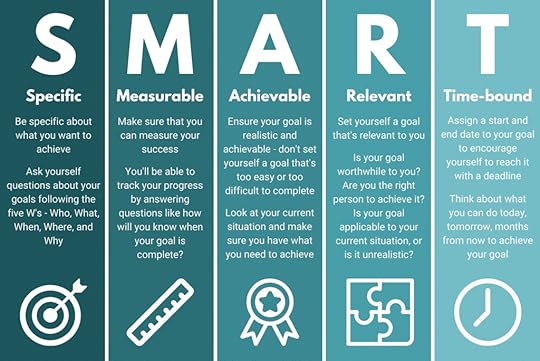
For instance, my first goal for Content Hacker was to attract 5,000 unique monthly visitors to our blog in one year.
This goal was specific (5,000 unique visits), measurable (tracked via Google Analytics), achievable (with our budget and resources), relevant (to increase brand awareness), and time-bound (within one year).
Aligning Business Goals with Content StrategyYour main business goal could be anything–increasing brand awareness, driving more website traffic, or improving sales conversions. The key is turning these goals into specific actions.
For example, suppose you want to boost brand awareness by 20% in six months. In that case, your content strategy might include publishing blog posts twice a week highlighting your products’ unique features.
You could also collaborate with influencers to extend your reach.
By linking each content piece to these broader goals, you ensure that your day-to-day efforts align with your overall business objectives.
This creates a cohesive strategy where ground-level activities support your company’s larger aspirations.
Conducting a Content Audit for Your Marketing StrategyI LOVE content audits!
It involves more than reviewing past blog posts or social media likes.
When you perform an audit, you take a deep dive into your marketing efforts. You get to see what’s working, pinpoint improvement areas, and identify gaps that need attention
How an Audit Can Improve Your Marketing EffortsYou may wonder, why do an audit when everything seems fine?
Efficiency.

When done well, an audit makes you privy to the strengths and weaknesses of content strategy.
This means you can make targeted and EFFECTIVE improvements.
It’s very like regular maintenance for a car. Without checking under the hood or getting tune-ups, small issues can turn into big problems.
Similarly, content audits keep your “content vehicle” running smoothly. You are able to fine-tune your content marketing strategies using the data from your audit.
The audit reviews all content types, including articles, newsletters, social media posts, and YouTube videos. You’ll compare their performance using metrics like organic traffic and engagement levels.
ActionPurposeEvaluate Performance MetricsUnderstand how each piece performs against KPIs like website trafficAnalyze Audience Engagement LevelsMeasure reactions across platforms to identify trends and preferences.Another key part of the audit process involves reviewing SEO keywords used across all platforms.
Is your keyword strategy boosting search engine visibility effectively?
An audit answers this for you.
Fixing these issues is crucial. It not only improves the user experience but also boosts your search engine rankings by removing outdated information and fixing broken links.
Developing a Content Creation PlanCreating a content marketing strategy starts with a strong content creation plan.
It’s much like laying a solid foundation for a house, really.
The content plan guides all your marketing efforts, ensuring they’re not just random shots in the dark.
Part of learning how to craft a content marketing strategy involves more than just brainstorming ideas. You need to understand what type of content will resonate with your audience and drive traffic to your website.
The Importance of Choosing the Right Content FormatsYour choice of content formats can make or break your strategy. Different formats appeal to different audiences, so you want to make the right choice here.
For example, if Gen Z is your target audience, consider video-based content. According to a January 2023 study, iOS users in the United States aged 16 to 25, typically a part of Gen Z, spend around 6.6 hours per week on YouTube.
This averages to about 56 minutes per day, making video content a highly effective format for engaging this demographic.
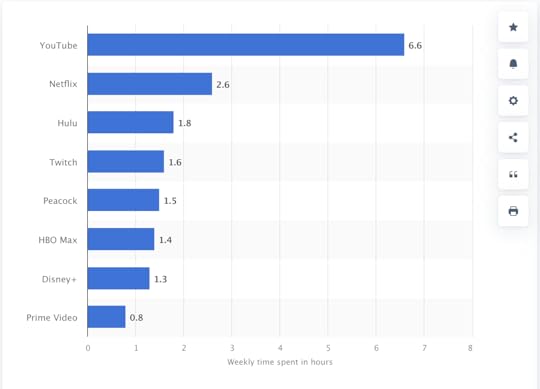
Average watch time of digital video platforms from Statista
Choosing the Right Format: Key to Engaging ContentThe first step in creating engaging content is understanding what your audience prefers. This could be written pieces, infographics, slideshares, or other formats.
Gather insights using tools like newsletters, social media posts, surveys, or customer feedback forums.
This information will come in handy when creating your buyer personas. These personas guide everything from blog post topics to the tone and voice used across various platforms.
You also need to consider user intent when selecting a format.
Whether answering questions with an FAQ page or explaining product features in how-to guides, every piece of content should have a clear purpose. It should align with your business goals and contribute to your overall brand awareness strategy.
Planning Your Content WorkflowA content workflow makes it easier to handle creating and sharing content. It’s about deciding who does what.
This includes coming up with ideas, creating editorial calendar templates, writing blog posts, and making other forms of content types like YouTube videos or newsletters,
I have found tools like Trello and Asana really helpful for this. They keep track of what you need to do and when it needs to be done.
Planning Time For Creation And Editing ProcessContent creation is a big part of your marketing plan. It’s like making a catchy song – your content should grab attention and be valuable.
Start by making time for writing. This is important whether you’re writing blog posts, updating social media, or making infographics. Put enough time in your schedule for these tasks.
Precise Yet Engaging WritingWrite in a way that’s both clear and captivating. Your content should answer readers’ questions and keep them hooked.
Use attention-grabbing headlines, weave in keywords smoothly, and tell stories that connect with your audience.
Edit Ruthlessly After WritingAfter writing, don’t hurry to publish. Take time to edit thoroughly.
As Ernest Hemingway said, “The first draft of anything is shit.” Review each sentence critically.
Every word must add value and support your main message.
FAQs: How to Craft a Content Marketing StrategyHow do I create a content marketing strategy?Start by understanding your audience.
Then, set clear goals, audit your existing content, and establish a strong content creation process.
What are the 7 steps in creating a content strategy?The seven steps are: 1) Know your audience, 2) Set your goals, 3) Audit your content, 4) Choose the right formats, 5) Create engaging content, 6) Use your content wisely, and 7) Measure your success.
How do you craft a marketing strategy?First, analyze your market. Then, set measurable goals and develop tactics based on what the data tells you.
What are the 5 essential elements of a content marketing strategy?The key elements are: 1) Understanding your audience, 2) Setting clear goals, 3) Auditing your content, 4) Choosing the best formats for your message, and 5) Regularly checking how well your content is doing.
ConclusionCracking the code on how to craft a content marketing strategy is like mastering an art form. We’ve given you the brush and palette, now it’s your turn to create.
You’ve learned about its importance – why good content alone doesn’t cut it but combined with strategy can drive traffic and boost brand awareness.
We stressed knowing your audience, their needs and desires. Using social media insights is key to knowing your audience better.
Setting clear, business-aligned goals aligned is crucial. Because without them, we’re just shooting in the dark.
Audit? Yes! It helps identify gaps and opportunities that would otherwise go unnoticed in our content workflow.
The right formats make all the difference when developing a content creation plan because different strokes work for different folks!
To wrap up: Be strategic, understand your audience, be precise with your content, and remember – the format is important!
It’s time to build your blog empire.
Want to be a real Content Hacker along with us, but not sure where to start?
We’ve got custom-created resources just for you, friend.
Get inside the Content Hacker Community – at just $20/month, it’s a no-brainer. On-call, expert support, live calls, and so much more.
Want to go deeper? Check out our AIO Blogger course – an immersive one-week course teaching you everything you need to know to build a money-making online blog.
Can’t WAIT to welcome you inside.
with gratitude,
Julia
The post Success Roadmap: How to Craft a Content Marketing Strategy appeared first on Content Hacker.
December 14, 2023
A Comprehensive Guide to Types of SEO Links
As a website owner, you’ve just built your dream website, but you’re finding it tough to drive traffic and improve your search engine rankings.
What’s missing?
 Well, the answer might be hiding in plain sight: SEO links! The different types of SEO links help both people and search engines to move around your website.
In this article, I am going to take a close look at the types of SEO links.
We’ll talk about internal links that link your own web pages and external links that connect you to other websites, including through guest posts.
I’ll also show you some practical ways to use the types of SEO links to improve your SEO.
Let’s dive in!
Build a successful blog, 10x faster, with AI today! Check out our AIO Blogger course.
Table Of Contents:What Are SEO LinksInternal Links in SEOExternal Links: Expanding Your Web PresenceInternal Links: The Backbone of Your WebsiteWhy Do Internal Links Matter?Achieving Better Site NavigationExternal Links: How They Build Authority and TrustTypes Of External Links for SEOMaking The Most Of Your External Linking StrategyTypes of Links in SEO You Need to KnowInternal Links: Navigational AidsExternal or Outbound Links: Showcasing CredibilityInbound or Backlinks: A Vote of ConfidenceOptimizing Your Linking Strategy for Better SEOCommon Mistakes to Avoid in Linking StrategyOverusing Links in Your ContentIgnoring Internal LinksOverlooking Anchor Text OptimizationPrioritizing Quantity Over QualityIgnoring Broken LinksFAQs About Types of SEO LinksWhat are the 3 main types of SEO links?How many types of links are used in SEO?What are SEO links?Which links are best for SEO?Integrating SEO Links into Your Digital MarketingSocial Media’s Role in Extending ReachInfluencer Collaborations And Backlink ProfilesOngoing SEO EffortsConclusionWhat Are SEO LinksSEO links, including nofollow links and follow links, play a pivotal role in your link building strategy, directly impacting your website’s visibility on search engines.
But what exactly are they?
Essentially, an SEO link connects one web page to another.
If you use them the right way, they can significantly improve your site’s performance on search engine results pages (SERPs).
The power of an SEO link lies in its ability to boost credibility and improve user experience—two factors that search engines love. Click To TweetThere are two main types of links in SEO: internal and external.
Internal Links in SEOInternal links are hyperlinks that connect to other pages on the same website.
When you use them effectively, they help visitors navigate your site easily, making it easy to find content.
Second, they help Google understand your site’s structure, connecting the dots between pages. This understanding influences how your site appears in search results.
Below is an image showing sitelinks on Google’s SERPs.
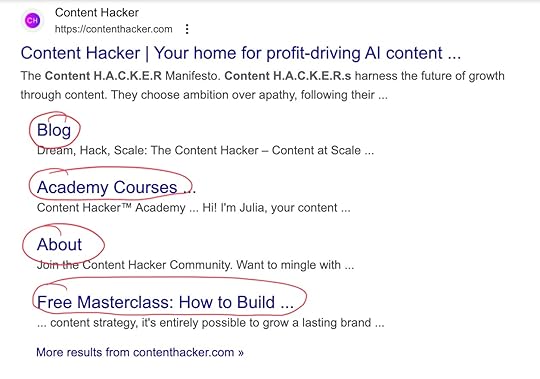
Google creates these sitelinks from understanding your site’s layout through your internal links.
Sitelinks show up in search results and give a quick view of your main pages. This makes your site more visible and can lead to more clicks in search results.
External Links: Expanding Your Web PresenceExternal links point to other websites. These are very important for SEO.
They tell search engines that your site is connected to other trustworthy sites–that is, of course, if you strategically link to reputable sites.
Understanding when and how to use external links is key to a strong online presence.
One other thing: Good links are not just for search engine algorithms–they make the user journey better too.
They keep visitors on your site longer, encourage them to explore more, and ultimately turn them into loyal customers.
Internal Links: The Backbone of Your WebsiteThink of your website as a spider’s web. Internal links are like the silk threads that connect every part of this web.
Why Do Internal Links Matter?In SEO, nothing exists in isolation, much like a spider’s web. If a link is missing or broken, well… things start to fall apart quickly.
Achieving Better Site NavigationImagine trying to navigate a maze blindfolded. That’s how users feel on websites with poor internal linking—they can’t find their way around.
This does not have to be your website:
Weave internal links throughout your website to guide visitors smoothly from one content piece to another.
This simple practice will lower bounce rates and increase time on site—two metrics Google considers when ranking your website.
But—make sure each link fits naturally within your content. Don’t force links where they don’t belong.
External Links: How They Build Authority and TrustExternal links, including carefully selected nofollow links from social media and other platforms, build your website’s authority and trust. Here’s why they are effective.
Expanding Your Reach:
External links are like gateways connecting your site to the broader internet.
By using them in your content, you provide your readers with valuable resources and signal to search engines like Google that you’re part of a larger community.
Gaining Trust:
When high-authority websites link to yours, they show confidence in your content.
This endorsement enhances your site’s credibility in the eyes of both users and search engines. Here’s how it benefits SEO.
Types Of External Links for SEONatural editorial links: These are organic backlinks from other sites that find value in your content.Gained contextual links: You get these when others link to your pages, finding them useful or relevant.Social media shares/mentions: Social mentions also boost your online visibility and authority.Making The Most Of Your External Linking StrategyTo benefit most from external linking, you want to create link-worthy content—be it informative blog posts, engaging infographics, or compelling videos.
Excellent content naturally attracts more high-quality backlinks—and over time, this improves your rankings.
Also, I like to advise creators to ALWAYS use relevant anchor texts for links.
This helps search engines understand what your linked content is about and improves user experience—double WIN!
That said, avoid over-linking or repeating the same link. This comes off as spammy and could hurt your SEO efforts.
Types of Links in SEO You Need to KnowTo boost your website’s search engine performance, you need to fully appreciate the different types of links in SEO.
Internal Links: Navigational AidsAs I have mentioned earlier, internal links connect one page of your site to another, making it easier for visitors to navigate.
They also help spread authority throughout your site, which is a good thing for your SEO.
External or Outbound Links: Showcasing CredibilityExternal or outbound links are hyperlinks pointing to high-quality, relevant sites. It might seem counterintuitive – directing traffic away from your own webpage.
But here’s the twist: they enhance user experience and show that your site is credible.
Inbound or Backlinks: A Vote of ConfidenceInbound or backlinks are vital for SEO rankings. Other websites link to yours to signify trust in your content, and Google interprets this as proof of your content’s quality.
You see, mastering SEO goes beyond keyword use. Knowing how each link type works can significantly improve your site’s visibility and ranking.
But remember—don’t just go crazy with linking. Like many things in life (and especially so with digital marketing), balance is key.
Optimizing Your Linking Strategy for Better SEOYour website is like a city where links are roads that help visitors navigate through it. But these aren’t just any roads—they’re well-designed highways for the best user and search engine experience.
For internal links, which connect different pages on your site, here’s how to optimize:
Create lots of high-quality content. This gives you more opportunities to link internally.Use descriptive, relevant anchor text for linked page. Remember: this isn’t just for SEO—it improves user experience too.Avoid overdoing keyword-rich anchors. Google might view this as manipulative.Moving onto external links, these demonstrate authority and trust.
They lead your readers to reputable sites, providing them with more insights on your topic and enhancing their learning.
For effective external linking:
Cite sources from authoritative websites when stating facts or statistics. Here’s an example.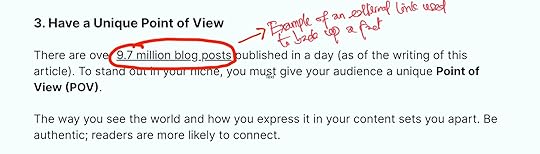 Diversify your external links. Linking back to the same domains again and again can seem spammy to Google.Ensure your outbound links add value for readers rather than serving purely SEO purposes.
To balance between both types of links in SEO, quality trumps quantity every time. When you use outbound links, make sure each link benefits the reader and fits the content.
Common Mistakes to Avoid in Linking StrategyAvoiding certain mistakes in your linking strategy can lead to better SEO performance. Here’s what to watch out for:
Overusing Links in Your Content

Cramming too many links into your content is like stuffing a room full of guests. There’s no room to breathe, and everyone feels overwhelmed. This not only confuses your readers but also search engine crawlers.
Ignoring Internal LinksDo not underestimate the power of internal links. They’re like family ties that strengthen your website’s structure.
Internal links guide visitors through your site, keeping them engaged and boosting your SEO.
Overlooking Anchor Text OptimizationAnchor text—the clickable text in a hyperlink—plays a significant role in how search engines understand and rank your content.
Use relevant text, but avoid keyword stuffing to prevent being marked as spam.
Prioritizing Quantity Over QualityChasing after many links without considering their quality is a trap. It’s like having 100 fair-weather friends instead of a few true ones.
In SEO terms, using numerous low-quality links can do more than just underperform—such links harm your site’s reputation, especially with Google’s penalties for shady tactics for suspicious activities.
Ignoring Broken LinksDon’t overlook broken links. They lead to frustration and lower rankings as visitors encounter annoying “404 error” pages.
Regularly check and fix these links to maintain a smooth user experience.
By steering clear of these common linking strategy mistakes, you’re on your way to better SEO for your website.
FAQs About Types of SEO LinksWhat are the 3 main types of SEO links?There are three essential types of SEO links:
Internal Links: Connect pages within your website.External Links: Lead to other websites.Backlinks: These are incoming links from other websites.How many types of links are used in SEO?SEO primarily involves three types of links:
Internal Links: Boost navigation within your site.External or Outbound Links: Direct to external sites.Inbound or Backlinks: These are links from other sites to yours.What are SEO links?SEO links are hyperlinked text used for web navigation.
They help in connecting webpages and play a vital role in enhancing a website’s visibility on search engines.
Which links are best for SEO?Each link type has its unique value:
Internal Links: Improve user experience and page authority.External and Inbound Links: Establish credibility with visitors and search engines like Google.Integrating SEO Links into Your Digital MarketingIn digital marketing, synergy between content marketing and Search Engine Optimization (SEO) is key.
They work together to boost your online visibility and drive organic traffic to your website.
Social Media’s Role in Extending ReachSocial media platforms play a significant role in amplifying the reach of SEO-linked content.
Sharing your content links on these platforms increases exposure, drives more traffic to your site, and can boost search engine rankings. Google considers social signals when determining page ranks.
Influencer Collaborations And Backlink ProfilesPartnering with influencers can significantly backlink profiles.
Their established audience base brings you exposure and high-quality backlinks, improving domain authority and SEO.
Ongoing SEO EffortsSEO is a continuous process that should evolve with the digital landscape.
By focusing on SEO within a holistic digital marketing strategy, you can maintain a strong online presence and sustainable growth.
ConclusionSEO links are a powerful tool. Internal links tie your site together, simplifying navigation.
External links are like handshakes, establishing trust with other websites and search engines.
Understanding and using different types of SEO links wisely is essential for great SEO results.
The key takeaways here? A solid linking strategy can make or break your SEO efforts. So pay attention!
Mistakes happen, but now you know what pitfalls to avoid in your linking strategy. You’re well on your way toward mastering this critical aspect of SEO.
Buckle up! Your journey into the world of effective link usage has just begun…
It’s time to build your blog empire.
Want to be a real Content Hacker along with us, but not sure where to start?
We’ve got custom-created resources just for you, friend.
Get inside the Content Hacker Community – at just $20/month, it’s a no-brainer. On-call, expert support, live calls, and so much more.
Want to go deeper? Check out our AIO Blogger course – an immersive one-week course teaching you everything you need to know to build a money-making online blog.
Can’t WAIT to welcome you inside.
with gratitude,
Julia
The post A Comprehensive Guide to Types of SEO Links appeared first on Content Hacker.
November 23, 2023
What is Content Marketing?
What is content marketing?
If you’ve ever asked yourself (or someone else) this question, you’re not alone.
Many small business owners know they must produce and publish content to grow their businesses.
But they don’t really understand the nuances of what that entails.
They don’t know how to create relevant content and distribute it on the right channels to reach the right people.
That’s what content marketing is in a nutshell.
And if you do it right, your content will become both a marketing and sales machine that will help grow your business.
In this post, we’ll dissect what content marketing truly means and why it’s crucial to your business success online today. We’ll also delve into different types of content that can effectively attract audiences and drive traffic to your site while highlighting practical tips on creating compelling posts across various media platforms.
What is Content Marketing?
Looking for an easy-to-understand content marketing definition?
Here it is…
Content marketing is a strategic approach to marketing that focuses on creating and distributing valuable, relevant, and consistent content to attract and engage a target audience.
The goal of content marketing is to build trust with your audience, establish your brand as an authority in your niche or industry, and ultimately drive profitable customer action.
Types of Content Marketing
Content marketing encompasses a wide range of content types, each suited to different purposes and preferences of target audiences. Here are some common types:
Blog posts/Articles
Infographics
Video content
Social media posts
Email newsletters
Ebooks
In many cases, a prospect may engage with several different content types before finally converting. This is why it’s important that your content marketing strategy includes as many content formats as possible.
7 Benefits of Content Marketing
Why should you invest time and effort in content marketing?
Excellent question.
Let me give you a few reasons why every business, especially small businesses, should leverage content marketing as their primary marketing channel.
1. Increases Your Online Visibility
One of the most important reasons you should embrace content marketing is because it helps increase your online visibility. This is because well-crafted content can rank high on search engine results pages (SERPs) for relevant searches made by users. For this to happen, you must follow SEO best practices during your content creation.
2. Helps Build Meaningful Relationships with Your Audience
Another reason to embrace content marketing is that it helps develop relationships with your target audience. This is essential to business success as those relationships can lead to repeat customers.
Content marketing helps in this regard, as well-written content will keep readers/viewers returning to your site for more information.
3. Powerful Lead Generation Channel
They say leads are the lifeblood of any business. And content marketing is a fantastic way to generate leads. Studies have actually shown that businesses with blogs get 67% more leads than those without blogs.
The best part is that it brings in inbound leads. These are leads that willingly come to you. These are the best kind of leads as they convert better.
If you can create content your target audience finds valuable, your content can become a powerful lead-generation machine. In fact, with a robust content marketing strategy, you can generate sales without even making sales calls.
4. Fosters Product Education
Product education plays a huge role in converting prospects into customers. That’s why creating content that helps readers solve a problem with your product is essential. Instead of promoting your brand, focus on developing content with your audience in mind.
5. Boosts Your Credibility and Trust
Credibility and trust are the two most powerful currencies in the business world. People buy from credible and trustworthy brands. And in the digital age, both are hard to earn since your customers can’t directly interact with you.
This is where content marketing comes in.
You can use your content to build credibility and trust, establishing you as a thought leader. A great way to do this is by writing case studies about customers who have succeeded with your product.
6. Increase in Sales & Cost Savings
An excellent content marketing plan could increase sales and boost business growth. When people find useful insights from brands consistently over time (be it through blog posts or white papers), they’re naturally inclined to purchase from these sources because they’ve already built up credibility and trustworthiness.
Furthermore, content marketing offers significant cost savings compared to traditional methods. Traditional marketing methods can burn a hole in your pocket, but content marketing is often more affordable and has longer-lasting benefits.
7. Improves Customer Retention
Gone are the days when making a sale was the end goal. Today’s marketers understand that retaining customers requires as much effort as attracting them – if not more.
So, how does content marketing fit into this picture?
An excellent content strategy can ensure better customer loyalty by continually providing valuable information tailored to their needs even after purchase.
In conclusion, from attracting potential customers to retaining existing ones while saving costs and boosting sales – the impact of content marketing on businesses is profound. But remember, like all good things, it requires patience and consistency to reap these rewards.
Understanding How to Create an Effective Content Marketing Strategy
Now that you know what content marketing is and its importance, you’re probably wondering how to design your content marketing strategy. Here are a few things to consider:
Understand Your Target Audience
The first step to a well-designed content marketing strategy is understanding your target audience.  These are the people who will benefit the most from your content, products, or services.
A great way to do this is to develop a buyer persona or representation of your ideal customer. You can use this buyer persona to direct the type of content you create and the platforms you distribute it on.
Understanding your target audience also helps you understand their pain points. Addressing these in your content is a great way to win their loyalty. They’ll see you as a friend who understands them.
Set SMART goals and Determine your KPIs
Successful content marketing starts with goal setting. Determine what you want to achieve with your content marketing. Don’t just create content blindly and hope for some good results.
Besides setting goals, you should also define a way of measuring your progress towards achieving those goals. That means determining your key performance indicators (KPIs). These are the metrics tied to each of your goals to help you measure your performance. For example:
If your goal is lead generation, your KPI can be unique visitors.
If your goal is brand awareness, your KPI can be traffic.
If your goal is boosting sales, your KPI can be revenue.
You need to set your goals and define your KPIs right from the start so that your strategy and campaigns can be tailored to achieve your goals.
Decide on the Type of Content and Content Formats
Once you’ve understood your target audience and set your goals, the next step is to decide the type of content and content formats to use. These must resonate with your audience and facilitate the delivery of your message. For example, will you use written content, video content, infographics, images and GIFs, etc?
Your choice is largely dependent on your audience’s preferences and the industry/niche you’re in.
Choose Your Content Distribution Channels
The key to making your content marketing efforts pay off lies in mastering the art of distribution. To ensure that your content reaches its intended audience, it’s important to adopt a targeted approach.
Effective content distribution isn’t about casting a wide net and hoping something sticks. It’s more like fishing with a spear – targeted, precise, and highly strategic. For that to happen, you must know the right channels to distribute your content on.
Different types of content perform best on different platforms. For instance, video might be king on social media, but detailed white papers or case studies could gain more traction via email campaigns or direct downloads from your website.
Set a Budget
As with every business expense, you should limit how much you can spend to achieve your desired results.
You need to set your content marketing budget. Consider all the elements required to design, develop, and deploy your strategy and determine how much you’re willing to spend.
FYI, this is one of the areas where AI writing tools like Content at Scale are a godsend. With Content at Scale, you can 10X your content production while drastically reducing production costs. You can achieve the same results with one writer as a 10-person team.
So, consider tools and automation if you’re on a tight budget.
Create a Content Publishing Schedule
Consistency is critical in running an impactful content marketing campaign. To ensure consistency, you should create a content publishing schedule. This will help you and your team ensure your content marketing efforts are fruitful.
Analyze and Measure Results
Once you’ve published your content, analyze your performance and measure your results. Revisit your goals and KPIs and use them to gauge the impact of your campaign.
What about the Content Marketing Funnel?
You’ve probably come across the content marketing funnel if you’ve done some reading about content marketing. 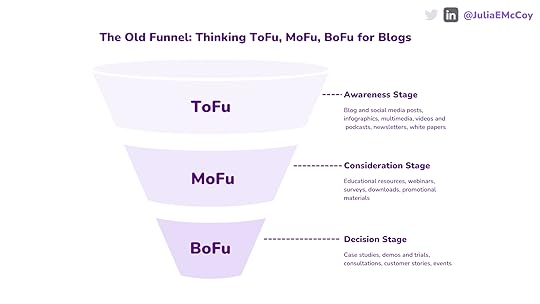 The content marketing funnel segments your visitors and creates content for each segment. These segments are based on the three main stages of the customer journey:
Awareness stage
Consideration stage
Decision stage
These are traditionally called top-of-funnel (ToFu), middle-of-funnel (MoFu), and bottom-of-funnel (BoFu) stages.
But this way of segmenting visitors and creating content has a huge flaw that could cost you customers and revenue.
The biggest flaw is that you can’t tell where a visitor is on their customer journey  . That’s why I propose you shift from this content marketing framework and embrace the AoFu framework.
All of Funnel (AoFu) is my new approach to blogging. It was born from over 12 years of studying under the best content marketers and conducting experiments of my own.
Instead of breaking down your blog into categories to address each stage of the marketing funnel, think of all stages of the funnel and address every question, fear, and concern your customers might have. 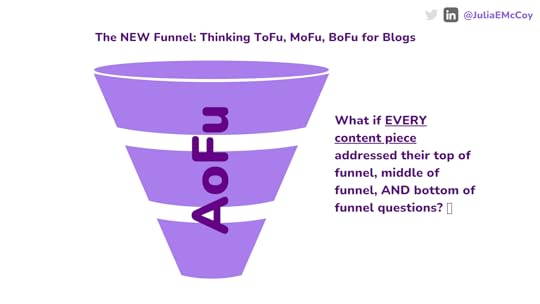 With AoFu, you can create one blog post to address the needs of ToFu, MoFu, and BoFu readers. This way, everyone who visits your blog is satisfied.
Artificial Intelligence (AI): Taking the Pain Out of Content Creation
Finding quality writers is one of the biggest challenges many content marketers face. And when they do find them, they can be expensive and unreliable. And if you’re a solopreneur, you understand how difficult it is to produce a piece of content that’s well-researched and optimized to rank in search.
Enter Content at Scale…
Content at Scale is the only platform with a unique blend of advanced AI with built-in, strategic content marketing principles.
Content at Scale’s advanced AI can help you take the pain out of finding reliable writers and creating valuable content. It starts by taking your target keywords and, in real-time, researches top-ranking content associated with these keywords. This research gives you a deep understanding of what’s already working in your niche and forms the foundation for creating your unique, SEO-optimized content.
The AI doesn’t just generate content; it produces content that’s so human-like that it bypasses AI content detection. This means your content remains protected against future Google updates.
Moreover, you can create content from more than just a keyword with Content at Scale. Plus, you can create blog posts from other content formats. Whether it’s converting a podcast episode into an educational article or spinning up an article based on a competitor’s content, the possibilities are endless.
Content at Scale’s AI is equipped to help you talk effectively. It’s not just about churning out articles; it’s about producing high-quality, SEO-optimized, long-form blog posts that are tailored to your audience’s needs and preferences. The AI can produce blog posts that average around 2,667 words, making them comprehensive enough to cover a topic in depth.
Hone Your Content Marketing Skills
I’m pretty sure you can now answer that confidently. Not only do I believe you have the answer to the question, but you’ve also been equipped with the skills and knowledge to run impactful content marketing campaigns.
Interested in a regular dose of live learning and networking?
Explore the Content Hacker Community. I host monthly mastermind sessions, and you’ll network with top-notch professionals. You’ll get access to content marketing resources, training programs, and the chance to attend weekly events.
Can’t wait to have you on board!
The post What is Content Marketing? appeared first on Content Hacker.
October 30, 2023
Content Hacker v2 is here. Here’s the story.
Today, on Halloween, the beautiful evolution of Content Hacker is alive.
It’s allllliiiive!

We tied our launch to Halloween (10.31.23) for a spooky good reveal.
Let me share the story with you.
For the past eleven years, I’ve believed, practiced, and seen for myself that the best marketing is inbound marketing.
100% automated streams of traffic; people that love the experience on a beautiful site you own and manage.
Where you’ve removed yourself, and have 100,000s of visitors AND revenue, MONTHLY & recurring, COMING to find and buy from you – on autopilot.
This is possible.
This is freedom.
This is lasting marketing.
This is business sustainability.
This is marketing I love to run.
You’ve heard me say this “sustainability” message for a LONG time, from Content Hacker.
Today, my vision at Content Hacker evolves a TON.
Thanks to Content at Scale acquiring my brand, and the expanded vision I’ve now been given full liberty to run with  , we go from one (me) to many, inviting you in to my all-new tribe of Content Hackers.
(I put all my cards on the Content at Scale table because that’s how much I believe in AI as the future of content. Story of that transition here.)
Along with the relaunch of our new site, a whole host of new offerings just went live.
I’m thrilled to share our new offerings at Content Hacker with you.
But first, storytime. Let me tell you what it means to me that we are here. Apologies for the semi-book. It’s the writer in me… can’t help it, won’t stop it. 
Content Hacker 2.0’s offerings (incredible community, live events; all new signature, simplified 1-week course) was always in my heart…
On my vision board…
And in my plans.
But here’s the crazy part.
I wasn’t ready to do it.
Till Content at Scale + my brand merged.
This was the kick in the pants I needed, without knowing it, to take everything I’m doing to a whole ‘nother level.
Because…
I wasn’t ready to launch my own Content Hacker event where I would need to show up, host, speak, and the spotlight was on me all day long.
But I wanted to.
I wasn’t ready to launch a mass-appeal community with a full-time Director that could handle hundreds and hundreds of folks (one day, thousands, and tens of thousands) learning how to be Content Hackers together.
But I wanted to.
I wasn’t ready to launch an AI-focused course. Heck, last year, I was anti-AI.
But I LOVE being a part of innovation, especially when it means more freedom and better solutions for all of us.
It was only when I found Content at Scale that all of these big dreams became possible.
Not only did I have the how, what, when, where and why for my all-new AI-driven blogging course that just launched today, which I believe will absolutely bring massive revenue and clarity for thousands of online business builders (this would have never been possible without Content at Scale) –
I had the means, and the push (which was ultimately what I was lacking)…
To go 10x bigger.
You know what’s weird?
That little thing called imposter syndrome.
I have a couple of firm beliefs about imposter syndrome.First; that only the best, most integrity-based people have imposter syndrome. 
Yes.
It’s actually a sign you care. Hear me out…
I’ve seen so many flashy gurus that truly do not care that they don’t even have the skills they’re shilling.
They’re just selling, selling, selling –
And oftentimes, it’s an empty shell.
No expertise backs up what they’re selling. They’re not stopped by imposter syndrome. That’s because they don’t have the integrity that stops them and say – hey! make sure you truly help your people – like we true practitioners do. They’re just in it for the payday. They truly don’t care about their people.
On the other hand, I do. So much so, I wonder if I’m expert enough.
And that’s where my second belief about imposter syndrome comes in:
It takes the right person (or groups of people) to believe in you to really help you kick imposter syndrome to the curb.
If you are listening to negative voices, you won’t kick imposter syndrome to the curb.
But if you align with people that believe in you, and push you (cough kick-your-butt when you need it)…
You will absolutely be able to overcome it.
Today, my imposter syndrome dies.I’m declaring it.
Content Hacker 2.0 isn’t just for you – it’s for me.
My declaration to the world of my next evolution.
Personally, one of my number one motivators that keeps me innovating, creating and executing on insane ideas, is belief from others.
If incredible people believe in me, and what I can bring to their table, look out world.
This is akin to fire and the wood that it burns. Or, humans and the oxygen they breathe.
It’s truly incredible when you find a tribe that BELIEVES in you.
That sees your potential.
Not only gets out of your way, but empowers you do the things you do best.
And that is the team at Content at Scale.
That is the people I work with, every day.
Justin McGill, the creator of Content at Scale, is the founder of this team. He’s leading our battalion much like King Leonidas (Gerard Butler) led the Spartans in 300. *insert cheesy meme*
No outside funding. A bunch of scrappy, motivated people. Led by someone that just won’t give up, terrifies us all with a slew of insane ideas (just me? okay), and then shocks us all, and earns massive respect, when ALL of those ideas turn out to be gold.
When I first met him in January of 2023, he was wearing all the hats.
Taking sales calls. Setting up the affiliate program from scratch. Recruiting partners and big clients. Working on the barebones of early product marketing for the blog. Working hard with Josh Slone and Jeff Joyce, two of the early OGs at Content at Scale.
I knew he was the real deal.
Not some AI founder just chasing a quick vein of gold – but a real founder, the type I identified with and was, creating real solutions for true market needs. (Except – even more logical and sensible than me. I’ve learned a lot this year working with him.)
A few days after I met Justin, I took his job offer as VP of Marketing for Content at Scale.
It was incredible to say yes and get on the ground floor of Content at Scale, in those early days.
One of the first things I did was to interview users and see it all for myself. And, introduce the tech in my circles.
A story like an agency experiencing 25x savings and better output by switching to Content at Scale wasn’t unreal. Or a freelancer getting half of her time back in a day. I loved everything I saw, and I built early models, like the AIO model – to prove to the world that AI was here to stay. And I was going to align with the “good side” of AI – the functional, real solution that Justin had the vision to build.
In March, I went to President of the company. I pitched Justin on the role; it made sense. We didn’t look back.
In August, I relinquished my personal ownership of Content Hacker and sold it to Content at Scale. It made way more sense than fighting between two brands – Content Hacker being a place where I was still hired to consult, teach, and coach; with Content at Scale as my full-time job.
Now…
I’m putting all my cards on the AI content table.And I have huge dreams and goals for the reach I want us at Content Hacker to have.
Heck, I’ve never embodied anything as much as I believe in and get behind what we’re building at Content at Scale.
So much so, I dressed as Content at Scale this Halloween.  People that had never heard of our brand before, rallied behind the vision I shared of Content at Scale; got in line to meet me; I was uplifted, supported, filmed, given an award – it was a truly incredible evening.

I even delivered a panel talk dressed as our AI.

Would I have stepped up this much for any other brand I’ve ever ran in the past?
I honestly don’t know if I can say yes to that.
I have never believed in anything I’ve built as much as I believe in what we’re doing with Content at Scale + Content Hacker 2.0 – I believe what we’re doing matters HUGELY to the success of others in the real world.
I believe, so much, in our incredible founder Justin. In the fact that I can trust his logic and vision to be even more sound than my own. (Sometimes.  I’m just kidding.)
I believe, so much, in the team. Josh. Ben. Jeff. Diego. Simon. Farnaz. Simon x 2. Chris. David. Alyssa. Diana.
It’s incredible to work with leaders like Josh – leading the Content at Scale internal team organization and growth in his COO role with a patient, level approach. And killers like Ben – who orchestrated an entire action plan around new revenue and built a sales team almost overnight, when we saw a need.
And so many other amazing people at Content at Scale.
I know we are going to build something that will touch millions, if not billions, of lives.
And that’s wild to simply think about.
You, reading this, are a PART of that.
Watch me talk about Content Hacker 2.0 here:
How It All StartedLet’s go back to the beginning of today’s journey to Content Hacker 2.0.
In 2011, I was 19.
I’d just started freelance writing.
And I decided then and there that I should be the proof of my own pudding.
What better sales message for my skills as a writer IF all my leads came through my own writing? 
And that’s when my love affair with SEO content, a.k.a. blogging as the key to all my traffic, officially began.
I launched a website. And I started blogging.
I still remember when my first lead found me from Google through a keyword I’d targeted, and emailed me.
I was OVER THE MOON. 
Someone I didn’t know… had never talked to before… read my content, and was ready to pay me.
WHAT.
Over the next ten years, I turned that same website into a business providing 100 jobs and earning $250,000 per month in revenue.
Would I have had any of that if I didn’t focus on my website?
NOPE.
And that’s why…
Content Hacker 2.0 is (Still) All About Content Published on YOUR Platform, Building Real Online EmpiresA website is like a snowball.
It feels very small at first.
It’s frustrating. Your hands freeze. 
It might not even work at first (for example, the snow was too wet = a.k.a., your website was built by someone who didn’t know what they were doing…)
And you have to try again.
But when you have a great website, and you continue to build and build your content library… from 10 blogs to 20, to 50, then 100…
By the time you get to 200, 300 blogs… all highly targeted for the RIGHT search terms…
You’re looking at what could be a six-figure monthly traffic stream.
On autopilot.
That is, if you’ve done the things Google cares about. You’ve built a topically relevant domain. You’ve created hundreds of pieces of content generated to answer EVERY *relevant* question your user has on your topical area of authority. You’ve invested in a well-built, well-functioning website (not some cheap or bad website on an equally low-quality, heavy platform).
This will bring you success.
Massively. I’m talking a 13,000x ROI.
Content Hacker 2.0 is all about this – building real online wealth, on a platform YOU OWN. Where no one can take away your traffic, or shadow-ban your right to speak.
That’s your website. A site is your rocket ship, your launchpad for building a future with content.
Content Hacker 2.0 Offerings Are Built To Immediately Help You Hit the (AI) Ground RunningToday, the new Content Hacker launches.
And we’ve got four amazing new offerings for you, custom-built for immediate tangibility and help in this brave new world of AI content.
Here’s the rundown.
(Free) Content Hacker ResourcesDid you see? On the new Content Hacker home page are 10 brand new, free guides that go in-depth into topics that, well, Content Hackers (growth-focused content writers) care about. Check them out – scroll to the end to see them.
 (Paid) Content Hacker Community
This is a $20/month community, structured like a real mentorship/mastermind with me. It’s free if you’re a paying Content at Scale user, btw.
When we started building this, I wanted to make sure we took the BEST parts from my old mentorship program, the Content Transformation System, and infused them into this fresh platform.
The result is a robust networking and educational platform where you can not only learn how to blog with the best of the best, but also use AI to do it BETTER.
There are courses (our AIO Writer, AIO Agency, Publish a Blog a Day) all loaded up for you to dive into, threads chock-full of resources and great posts (all new content!) that you can dive into, plus incredible opportunities to connect with Content at Scale experts (including me!) for 1:1 mentorship and support in your blogging journey. Join us here. 
Along with the community launch, we’re also unveiling a NEW course for under $200 that teaches you EVERYTHING you need to know to build a real empire out of your blog, with our AI (Content at Scale).
Naturally, this course is led by me, but it also features guest experts like Jill Caren, our Director of SEO at Content at Scale; Joe Crivello-Sorenson, a power user of Content at Scale nearing $100,000/month reselling Content at Scale; and Marcus Campbell, a HUGE affiliate marketing expert that uses Content at Scale to help drive traffic to hundreds of websites he owns.
Check out the full rundown of the course here. It’s an amazing course with all of my secrets, fresh off the filming pipeline as of this August; and you’ll want to get into it ASAP if you want to learn how to build revenue-driving online sites with AI as your core blog “writer.”
 Big Event Happening Next March: Content Hacker LIVE
To top it all off, we’re opening up RSVPs to an incredible live event we’re launching next March: Content Hacker Live.
Meet us in person in Austin, TX, at this incredible event that will be both educational and inspirational.
Featuring:
Highly-followed AI futurists.A billionaire.Creators of top AI platforms.Entrepreneurs with incredible stories of using AI to make way more money.Our opening headline speaker is Elena Cardone , who loves and supports our mission.
PLUS pros like Matt Wolfe, Jeff J Hunter, Mark de Grasse, Alicia Lyttle, Stephanie Nivinskus, Desiree Chinn, Jordache Johnson and so many more amazing folks to be announced.
Content at Scale 3.0In the second week of November…
Our incredible NEW version of Content at Scale (one of the world’s most humanlike AI writers) launches.
This version takes our entry-level price point from $250/mo, down to $49/mo for individual user plans that will include…
25k AI wordsPersonalized AI (trains on your website/content to nail YOUR style)Undetectable AI writingBuilt-in AI agents + blueprints to help you build out your marketingAIMEE, a powerful chatbot for personalized content creation, prompting, and so much moreAnd CAS never shares any of your data (including your training data) with ANYONE else, so you never have to worry about it.
Of course, all of the features for long-form blog writing will still be on offer, but we’re adding a TON of new, useful features that will help you win with SEO, research and brainstorm, generate all kinds of content, and more — with various pricing packages tailored to your needs.
It’s Time to Build Your Blog EmpireCrazy stuff. And it’s all happening NOW.
We’re about to take this vision I’ve had for 11 years to the MOON… and help a HECK of a lot more people.
I would love for you to be one of those folks.
Want to be in our Content Hacker crew?
Learn from the best, and network with the rest.
Wondering where to start?
I’ll make it simple:
Git your tush inside the Content Hacker Community – it’s a no-brainer.
Can’t WAIT to welcome you inside.
with gratitude,
Julia
The post Content Hacker v2 is here. Here’s the story. appeared first on Content Hacker.
October 26, 2023
7 HUGE Keyword Research Mistakes to AVOID
Let’s learn what not to do in keyword research land.
But first, a quick definition.
What is a keyword?
A keyword is a search term. It’s literally anything anyone types into any search engine.
Good content marketers (that’s you) are finding the best search terms and turning them into posts. Once published on your site, search engines find your post and help your audience find you.
(It’s slightly more complicated than that, but Content at Scale was built to help you every step of the way.)
If you’re ready to do some keyword research to help you write blog posts that earn real search engine visibility and real traffic to your site – ultimately driving revenue and sales (this is the Content Hacker way), then read on.
The information below will dramatically increase your productivity (no matter what type of content you write).
These are the seven HUGE keyword research mistakes to avoid. Here we go…
Targeting Overly Broad KeywordsOne of the most common mistakes people make when conducting keyword research is targeting keywords that are too broad.
An example of a keyword that is too broad is: baseball.
These keywords often have a high search volume, but they are also highly competitive, making it difficult to rank for them.
Instead, it is best to focus on long-tail keywords.
Two examples of long-tail keywords are: how to throw a baseball properly and how to break in a baseball glove.
Those terms are not only more specific, with less competition, but they give your writer (in this case Content at Scale) a defined scope and a firm directive.
Long-tail keywords outperform broad keywords in terms of specificity and ranking potential, particularly for newer websites. Build your website authority with long-tail keywords, and then you may be better prepared to rank for broad keywords in your niche.
Ignoring Search IntentAnother common mistake is ignoring search intent. People often focus on finding keywords with high search volumes, but this can be problematic. If the search intent of a keyword doesn’t align with your strategy, then the content you create using that keyword will also not align with your strategy.
It’s important to understand the search intent behind the keyword and ensure that your content matches that intent. Trying to rank for a keyword using an article with mismatched intent is like trying to interrupt a conversation at a party by rudely telling everyone they’re all wrong (you could very well do it, but your audience likely won’t listen).
You can understand the search intent behind a keyword by typing that keyword into Google. The results on the page will give clues as to what people want and what they expect when they search for that keyword.
Relying on Free Keyword Research Tools“Free” keyword research tools can often provide misleading data or inaccurate search volumes. Worse than that, the point of free keyword research tools is typically to get you to buy something else–not to give you the best, most accurate, up-to-date information on trending keywords.
Paid keyword research tools are better than free keyword research tools.
We can strongly recommend the following paid keyword research tools:Mangools – simple, low-cost (did you know you have access to Mangools’ keyword research tools inside Content at Scale? It’s included with any plan).
SEMrush – powerful, agile.
Ahrefs – robust, with countless SEO tools.
Taking it a step further (beyond keyword research tools) you can also conduct manual research by analyzing your competitors, looking at related searches, and understanding your target audience’s language.
Neglecting to Consider Keyword DifficultyKeyword difficulty refers to how hard it is to rank for a particular keyword. Neglecting to consider keyword difficulty can result in targeting keywords that are too competitive, making it difficult to rank in search results. It’s important to balance the search volume with the keyword difficulty and target keywords that have a good balance of both.
Using Local Intent Keywords to Write Informational Blog PostsAll content on the Internet attracts either foot traffic, or website traffic. To attract foot traffic, optimize your brick-and-mortar (local SEO) marketing strategy. To attract website traffic, create multiple, relevant, quality long form articles using Content at Scale.
Both of these strategies use keywords.
An example of a search term with local intent is “coffee shops near me”. This search query indicates that the user is looking for coffee shops in their current location, making it a local keyword.
An example of a search term about coffee with informational intent is “how to make pour-over coffee”. This search query indicates that the user is looking for information on how to make pour-over coffee, rather than searching for a specific coffee shop or product. It shows an intent to learn or understand more about a particular aspect of coffee, rather than making a purchase or finding a local business.
You’d never ask a writer to write an article about “coffee shops near me”. And luckily you’ll never have to; local SEO keyword research is a simple one-and-done process.
Being Brand-Centric Instead of Customer-CentricPro tip: no one cares about your brand.
People don’t buy products; they buy better versions of themselves.
If you make the mistake of assuming your audience is thinking about you and your brand all day, you might think of topics like:
Benefits of [insert your product here]Why [insert your product here] is a good ideaBut, more than likely, no one is googling terms like that in your industry.
Content marketing is inherently customer-centric.
And so is Content at Scale.
Here’s the solution: put a very general keyword into the suggestions feature in Content at Scale.
We’ll give you a bunch of suggested keywords–keywords people are actually googling.
Here’s what comes up, for example, when you type in “content marketing” to Content at Scale’s keyword research feature (which, by the way, is an API connection to Mangools’ KWFinder – a tool I trust and love!).
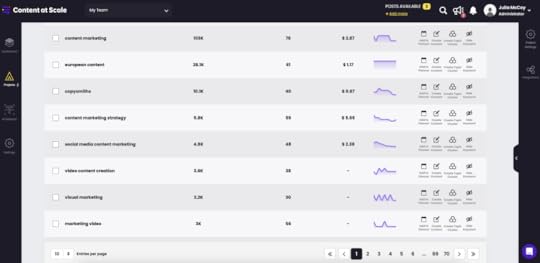
You’ll have tons of relevant topic ideas in no time.
Focusing Solely on Keywords and Not on Content QualityLastly, people often focus solely on finding the right keywords and forget about the importance of quality content.
While targeting the right keywords is important, it’s equally important to create high-quality, engaging content that provides value to your target audience.
Without quality content, even the best-targeted keywords will not drive traffic to your website.
Continue Your Learning Journey with the Best of the BestIf you avoid these mistakes, you will be ahead of the majority of content marketers out there.
But there’s tons more to learn – this is really just the beginning.
Want to join us on a regular basis and learn in a live, immersive setting?
Check out Content Hacker Community, where you can join live mastermind calls with me every single month, and get inside a powerful group of pros. We’d love to see you there.
The post 7 HUGE Keyword Research Mistakes to AVOID appeared first on Content Hacker.
How to Craft a Content Marketing Strategy
So, you’ve got a knack for crafting engaging content? You could write an essay on the evolution of the coffee bean and still make it sound riveting. But when it comes to online writing, your stellar pieces seem to vanish into thin air.
You’re left wondering… where’s my audience?
The truth is, creating captivating content isn’t enough. There’s another beast you need to tackle – Content Marketing Strategy. Think of it as building bridges between your high-quality content and those who’ll love reading them.
This isn’t just about throwing words onto a page. It’s about planning how those words will reach your target readership—like guiding stars through a vast digital cosmos.
Sounds complicated? Don’t worry! We’re here with practical tips that’ll help set up an effective strategy!
Understanding Content Marketing StrategyWhat if I told you that a solid content marketing strategy is like your favorite homemade dish? You know, the one with the secret sauce that makes it irresistible. Just as every ingredient in your dish serves a purpose, so does each component of your content marketing strategy.
A content marketing strategy, at its core, is about creating and sharing valuable information to attract and convert prospects into customers, and customers into repeat buyers. Sharing content related to what you offer, you can provide customers with the knowledge they need to make informed decisions about your product or service.
But why do we need this strategic recipe for success? Well because 70% of marketers are actively investing in content marketing. It’s clear: without a well-planned strategy, we might just end up cooking something nobody wants to eat.
The Ingredients of Your Content Marketing Strategy RecipeYou can’t make lasagna without pasta sheets or béchamel sauce. Similarly, there are some key ingredients required for an effective content marketing plan:
Your Business Goals: Knowing what you want to achieve through your efforts is crucial – whether it’s increasing website traffic or boosting brand awareness.A Defined Target Audience: Understanding who will consume (read) your content helps tailor messages effectively. After all, not everyone likes extra cheese on their pizza.Mixing All Ingredients Together – Creating Your StrategyIn order to create a successful recipe (or strategy), each element needs careful consideration before being mixed together. This involves understanding your audience’s needs and interests, producing high-quality content that meets those needs, and distributing it through channels where your audience can easily find it.
For instance, if you’re a pizza place looking to increase sales, you might create engaging blog posts about the history of pizza or recipes for homemade dough. Then distribute these on social media platforms where potential customers hang out – like Instagram or Facebook.
Analyzing Your Target AudienceDetermining who your target audience is should be the first priority in developing an effective content marketing strategy; otherwise, it would be like shooting arrows into a dark abyss. Accurately targeting an audience without knowledge is like shooting in the dark.
To kick things off, let’s identify who exactly your target audience is. You might be tempted to say “everyone,” but that’s as useful as throwing spaghetti at a wall and hoping it sticks. Instead, focus on defining key demographic details of your ideal customer – age range, location, occupation etc.
Digging Deeper: Psychographics Over DemographicsDemographic data helps shape our understanding of our target audience but we need more than just surface-level information. This is where psychographic segmentation comes into play.
The goal here isn’t just knowing what job they have or where they live; it’s about discovering their values, interests and lifestyle choices. If demographics give us the ‘who’, psychographics reveal the ‘why’. For example, why do they choose one brand over another?
Leveraging Social Media InsightsSocial media platforms are gold mines for gathering valuable insights about your audience. Sprout Social reports that 70% of consumers want businesses to understand their needs before making contact.
If used wisely these tools can help you decipher patterns in behavior among followers which can inform content creation decisions moving forward so remember: stalk them (ethically) online.
Gathering Feedback Directly From Your AudienceAudience feedback plays a pivotal role when analyzing your target audience. Questioning your target audience directly can provide invaluable insights into their problems, desires and preferences.
Consider conducting surveys or even one-on-one interviews to understand their pain points, needs and wants better. Use this information to tailor content that hits home for them every time.
Competitor Analysis: Learning From OthersDoing a competitor analysis isn’t just about mimicking what others do. Instead, it’s all about learning from their strategies and finding ways to improve upon them.
Setting Clear Goals and ObjectivesEstablishing explicit, quantifiable objectives is the beginning move in constructing a content marketing plan. Measuring progress is essential to determine success; it’s like a compass guiding you through the journey. Without them, you’re like a ship sailing without a compass.
Your goals need to align with your business objectives. For example, one of your content marketing goals could be to reach 1 million views on YouTube within six months if you want to increase brand awareness.
Determining Your Content Marketing GoalsTo set effective content marketing objectives, consider what action you’d like your audience to take after consuming your content; such as subscribing or sharing it with others. Do I want them to subscribe? Share it with their friends? Make a purchase?
This exercise will help clarify what metrics matter most for tracking progress towards these outcomes—whether that’s newsletter sign-ups (for subscriptions), social shares (for viral potential), or conversion rates (for sales).
Making Your Goals SMARTA helpful framework for goal-setting is the SMART model: Specific, Measurable, Achievable, Relevant and Time-bound:
Specific: Clearly define what you want achieved.Measurable: Identify how you’ll track progress and know when the goal has been reached.Achievable: Set realistic targets based on resources available and market conditions.Relevant: Aligns directly with overall business objectives.Time-bound: Includes an end-date by which time the objective should be met.I remember setting my first content marketing goal for Content Hacker: To reach 5,000 unique monthly visitors to our blog within the first year. It was specific (reach 5,000 unique visits), measurable (we could track it with Google Analytics), achievable (based on our budget and resources), relevant (more traffic would boost brand awareness) and time-bound (one year).
Conducting a Content AuditA content audit is like spring cleaning for your website. It lets you assess what’s working, what needs improvement, and the changes needed to reach your marketing goals.
What does a Content Audit involve?Taking a tally of all the material on your website is where the process begins. This might sound daunting but using tools such as Screaming Frog SEO Spider, can help simplify this task.
You need to check every blog post, landing page, product description – basically anything that counts as ‘content’. Keep track of everything in an organized spreadsheet or use platforms like Content Insight.
Evaluating Your ContentThis step requires critical thinking skills. You need to ask questions about each piece: Does it align with our brand voice? Is it meeting its intended goal? How well is it faring in terms of SEO and user interaction?
If a blog post isn’t driving traffic despite being perfectly optimized for search engines, maybe there’s an issue with its quality or relevance.
Determining What Stays And What GoesYour evaluation will give insights into which pieces are keepers and which ones aren’t making the cut. Some may just require minor tweaks while others might be better off deleted entirely.
No one likes throwing away hard work but if something isn’t contributing positively towards your objectives then keeping it could do more harm than good.
Devising A Plan For Improvement
Based on these findings, start drafting up an action plan. Maybe you noticed that your audience responds well to video content but you haven’t been producing enough of it. Or perhaps, a certain topic generates more traffic and engagement than others.
Identify these trends and start adjusting your strategy accordingly. Don’t forget, improvement is the end goal of every audit.
Rinse And Repeat
Just like spring cleaning, a content audit isn’t something you do once then forget about. It should be an integral part of your content marketing strategy to ensure continual growth and improvement.
Developing a Content Creation PlanBuilding a solid content creation plan is like preparing for a marathon. It’s not about sprinting; it’s about consistent pacing and direction. To begin, here are the steps to follow.
Idea BrainstormingThe first step is idea brainstorming. Like sifting for gold in a river of thoughts, good ideas often surface when we allow our minds to wander freely.
Pick those golden nuggets, then analyze their potential impact on your audience. This process isn’t easy, but with practice, you’ll become more adept at spotting winning ideas.
Crafting Your Content CalendarA content calendar functions as your roadmap guiding each piece of content towards its publication date – just like how Google Maps guides us from point A to B.
This tool helps ensure that deadlines are met and important dates aren’t overlooked. Check out this helpful guide by CoSchedule on making an effective content calendar.
Assign Roles ClearlyIn any team sport, players need clear roles – the same goes for your marketing squad. Assign tasks based on strengths: writers write; designers design; social media mavens tweet.
Maintaining clarity avoids confusion and ensures everyone knows what they’re responsible for delivering.
Scheduling Time For Creation And Editing ProcessYour writing should be precise yet catchy enough to hold reader interest while delivering value – kind of like composing an addictive song tune.
Edit ruthlessly after writing because even Ernest Hemmingway said, “The first draft of anything is shit”. Tools like Grammarly can help ensure your writing stays crisp and clear.
Promoting Your ContentLast but not least, make sure you’re heard. It’s like throwing a party – you’ve got to send out those invites. Use social media platforms or email newsletters for promoting content.
Buffer has an excellent guide on content distribution strategies, which can provide further insights into promotion tactics.
Remember that crafting top-notch content is only the first step; it needs to be seen by appropriate viewers at an opportune moment.
Implementing Your Content Marketing StrategyYour content marketing strategy is like a road map. Let’s get going and put the plan into action. But before you hit top speed, remember – implementation isn’t just about creating and publishing content.
You need to promote your work too. Why? Because even if you’ve written the next ‘War and Peace’, it won’t mean anything if no one reads it.
Promoting Your ContentA successful promotion strategy begins with identifying where your audience hangs out online. This could be social media platforms, industry forums or even their own inbox.
Consider these strategies for getting your content in front of as many eyes as possible:
Email Newsletters: They’re not dead yet. Regularly sharing updates can help keep you on top of mind for customers.Social Media Promotion: Share snippets from your blog posts on Twitter, Facebook or LinkedIn profiles.Gauging Performance Through TrackingTo know how well your plan works, track its performance regularly. Use tools like Google Analytics which lets you measure website traffic and user behavior.
This will give insights into things such as which types of content are performing best or what channels are driving most traffic towards them.
Google Analytics, for instance, gives an accurate picture of who’s visiting your site – how often they visit, their average session duration, etc.
Metric NameDescriptionPage viewsTotal number of pages viewed.SessionsThe period of time a user is actively engaged with your website.Bounce RateThe percentage represents single-page sessions. These are instances where a person visits your site but leaves from the entrance page without any interaction.Continually Optimizing Your StrategyYour content marketing strategy isn’t set in stone. Like a savvy surfer riding the ever-changing waves, you need to stay agile and adapt your approach based on performance metrics and market trends.
Keep an Eye on Performance MetricsThe heart of optimization lies within data analysis. It’s crucial to consistently measure the success of your content against key performance indicators (KPIs). This might include tracking website traffic, social media engagement or conversion rates with tools like Google Analytics.
If one type of content is getting more attention than others, give it more focus in your plan. But don’t just blindly follow the numbers – remember to question why certain pieces are performing better.
Pivot Based on Market TrendsBeyond analyzing your own stats, keep a pulse on broader market trends. Tools such as Google Trends can help you identify what topics are currently hot within your industry.
This doesn’t mean jumping onto every trending bandwagon though. Ensure these topics align with your brand voice and audience interests before incorporating them into your strategy.
Incorporate Feedback Into Your PlanA critical yet often overlooked part of optimizing any strategy involves listening to feedback from both customers and team members alike. By actively seeking out opinions via surveys or direct communication channels, you get valuable insights that will allow for practical adjustments moving forward.
Tweak As You Go AlongYou’ve heard it before: ‘Fail fast’. Don’t be afraid to experiment with new types of content or promotion strategies if something isn’t working as expected – think A/B testing blog post headlines or trying out a new social media platform.
Remember, the key is to discover what works best for your distinct crowd and objectives. By continually analyzing, learning and adapting, you’re ensuring that your content marketing strategy stays as dynamic and effective as possible.
FAQs in Relation to How to Create a Content Marketing StrategyWhat are the 7 steps in creating a content strategy?First, understand what content marketing is. Next, analyze your target audience and set clear goals. Conduct a content audit before developing your creation plan. Then implement the strategy and continually optimize it based on performance.
What is an example of a content marketing strategy?A shoe company blogging about foot health to boost their brand awareness among fitness enthusiasts could be one example of a solid content marketing approach.
How do you create a successful content marketing strategy?Create success by understanding your audience, setting measurable goals, auditing existing material, devising creative plans for new stuff, and regularly refining your tactics based on data feedback.
What are the four steps to creating a content marketing strategy?The first four stages include getting savvy about what exactly this kind of advertising involves, figuring out who you’re trying to reach with it (your target crowd), outlining some realistic aims, and finally examining current resources via an audit.
ConclusionCrafting a content marketing plan doesn’t merely involve piecing words together. It’s mapping out how those words will reach the people who need them most.
You’ve figured out how to investigate your intended interest group, comprehend their necessities and address them straightforwardly. You now know that setting clear goals is vital, not just for direction but also for measuring success.
We explored the importance of conducting a content audit and building an effective creation plan—tools essential in knowing what works and where improvement is needed.
The journey doesn’t end there! Continual optimization based on metrics and market trends keeps your strategy fresh, relevant, ensuring you’re always one step ahead.
Remember this: learning how to create a content marketing strategy is like constructing bridges between engaging material and eager readers. Make sure these bridges are sturdy—they’ll guide countless stars through our vast digital cosmos!
The post How to Craft a Content Marketing Strategy appeared first on Content Hacker.