Chris Goff's Blog, page 63
August 14, 2016
Can You Identify This Brilliant Woman?
...by Karna Small Bodman
All this week we are talking about how we created the characters in the thrillers we write, and if there were any particular "real" people who were the inspiration for them. The answer is yes, there certainly was one very famous, very brilliant woman who inspired me to create my first heroine -- but the question is: When I tell you about her background, will you be able to figure out who she was?
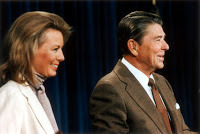 ...with President ReaganFor my international thriller, Checkmate, I wanted to write about missile defense, or "Star Wars" as it was dubbed by some columnists when President Reagan announced the program back in the 80's. I was working in the West Wing at the time and was really intrigued with the concept. We were in the Cold War stance with the Soviet Union, and our "defense policy" was known as Mutual Assured Destruction (we called it the "MAD Doctrine") which said in effect that if the Soviets (or anyone else) lobbed a missile our way, even by mistake, it would kill millions of innocent Americans, and all we could do in retaliation (if it had a return address) was to launch one back at them, killing millions of innocent Russians.
President Reagan said there must be a better way, and in his famous speech announcing this new initiative he asked our best scientific minds, our best technology people to try to invent a system that would stop a missile - before anybody dies. And his great line was, "Wouldn't it be better to save lives than avenge lives?"
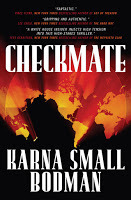 So, in my story, my heroine is a brilliant scientist, Dr. Cameron Talbot. Working for a defense contractor, she invents a new technology as a defense against cruise missiles. The key is frequencies. She uses fast-acting algorithms to figure out the frequency that the villains are using to guide the missile. Her computer program is able to use the same frequency and invade the missile, take control of it (much like a virus invades your computer) and turn it around on the heads of the bad guys. My husband and I actually came up with that scheme over breakfast one day -- but the whole idea of using frequencies started with my fascination with another brilliant woman who was born way back in 1914 in Vienna.
When she was only 18, she married Friedrich Mandl, said to be the third richest man in Austria. He was an arms merchant and munitions manufacturer who sold his wares to Hitler and Moussolini. In fact, those men attended lavish parties at the Mandl home. This woman was extremely attractive and her husband liked to show her off, so he had her accompany him to business meetings with scientists and others who worked on various aspects of military technology. She watched, listened and learned -- a lot!
However, she never liked those Axis leaders; she didn't like her jealous and controlling husband either. So one night she disguised herself as a maid and, taking her jewelry with her, fled to Paris and eventually made her way to America.
Do you know who she is - yet?
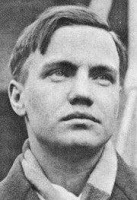 George Antheil
During WW II she was distressed to see that the Nazis were figuring out the frequencies our ships were using to communicate -- thus learning their location and sending torpedoes to kill our men. She started to work with a famous pianist, George Antheil, and they thought about old piano rolls with little slots in them where the music "hops around." They figured that if they could get a frequency to hop around in short bursts among 88 frequencies (like the 88 keys on a piano) -- the enemy would never be able to follow or decipher how we were communicating. They called their idea "Spread Spectrum." They got a patent, and though the military didn't use it at the time, they did use it on our Navy ships in 1962 during the Cuban missile crisis. And later, their technology was part of the basis for cell phones, Bluetooth and WiFi. Years later, they both were inducted into the National Inventors Hall of Fame.
Do you know who she is -- yet?
Okay, now a few more clues. When she first fled to Paris, she met Louis B. Mayer who was scouting for talent in Europe. He hired her, brought her to Hollywood, changed her name (from Hedwig Eva Maria Kiesler) to one I'm sure you will recognize, and he began promoting her as "the world's most beautiful woman." So while she was starring in some 29 films such as Comrade X, Tortilla Flat, The Conspirators, and My Favorite Spy, she was also working on her life-changing technologies.
Do you know who she is -- yet?
I'm sure many of you do -- of course she is the brilliant woman whose inventions helped our military while she also traveled and entertained them at bases around the world. She not only inspired them to fight, but she inspired me to write. Certainly now you know: It was HEDY LAMARR
 Hedy Lamarr
Now, please tell us about some of the people who have been inspirations in your lives. We'd love to know. Just leave a comment below.
Karna Small Bodman
All this week we are talking about how we created the characters in the thrillers we write, and if there were any particular "real" people who were the inspiration for them. The answer is yes, there certainly was one very famous, very brilliant woman who inspired me to create my first heroine -- but the question is: When I tell you about her background, will you be able to figure out who she was?
 ...with President ReaganFor my international thriller, Checkmate, I wanted to write about missile defense, or "Star Wars" as it was dubbed by some columnists when President Reagan announced the program back in the 80's. I was working in the West Wing at the time and was really intrigued with the concept. We were in the Cold War stance with the Soviet Union, and our "defense policy" was known as Mutual Assured Destruction (we called it the "MAD Doctrine") which said in effect that if the Soviets (or anyone else) lobbed a missile our way, even by mistake, it would kill millions of innocent Americans, and all we could do in retaliation (if it had a return address) was to launch one back at them, killing millions of innocent Russians.
President Reagan said there must be a better way, and in his famous speech announcing this new initiative he asked our best scientific minds, our best technology people to try to invent a system that would stop a missile - before anybody dies. And his great line was, "Wouldn't it be better to save lives than avenge lives?"
 So, in my story, my heroine is a brilliant scientist, Dr. Cameron Talbot. Working for a defense contractor, she invents a new technology as a defense against cruise missiles. The key is frequencies. She uses fast-acting algorithms to figure out the frequency that the villains are using to guide the missile. Her computer program is able to use the same frequency and invade the missile, take control of it (much like a virus invades your computer) and turn it around on the heads of the bad guys. My husband and I actually came up with that scheme over breakfast one day -- but the whole idea of using frequencies started with my fascination with another brilliant woman who was born way back in 1914 in Vienna.
When she was only 18, she married Friedrich Mandl, said to be the third richest man in Austria. He was an arms merchant and munitions manufacturer who sold his wares to Hitler and Moussolini. In fact, those men attended lavish parties at the Mandl home. This woman was extremely attractive and her husband liked to show her off, so he had her accompany him to business meetings with scientists and others who worked on various aspects of military technology. She watched, listened and learned -- a lot!
However, she never liked those Axis leaders; she didn't like her jealous and controlling husband either. So one night she disguised herself as a maid and, taking her jewelry with her, fled to Paris and eventually made her way to America.
Do you know who she is - yet?
 George Antheil
During WW II she was distressed to see that the Nazis were figuring out the frequencies our ships were using to communicate -- thus learning their location and sending torpedoes to kill our men. She started to work with a famous pianist, George Antheil, and they thought about old piano rolls with little slots in them where the music "hops around." They figured that if they could get a frequency to hop around in short bursts among 88 frequencies (like the 88 keys on a piano) -- the enemy would never be able to follow or decipher how we were communicating. They called their idea "Spread Spectrum." They got a patent, and though the military didn't use it at the time, they did use it on our Navy ships in 1962 during the Cuban missile crisis. And later, their technology was part of the basis for cell phones, Bluetooth and WiFi. Years later, they both were inducted into the National Inventors Hall of Fame.
Do you know who she is -- yet?
Okay, now a few more clues. When she first fled to Paris, she met Louis B. Mayer who was scouting for talent in Europe. He hired her, brought her to Hollywood, changed her name (from Hedwig Eva Maria Kiesler) to one I'm sure you will recognize, and he began promoting her as "the world's most beautiful woman." So while she was starring in some 29 films such as Comrade X, Tortilla Flat, The Conspirators, and My Favorite Spy, she was also working on her life-changing technologies.
Do you know who she is -- yet?
I'm sure many of you do -- of course she is the brilliant woman whose inventions helped our military while she also traveled and entertained them at bases around the world. She not only inspired them to fight, but she inspired me to write. Certainly now you know: It was HEDY LAMARR
 Hedy Lamarr
Now, please tell us about some of the people who have been inspirations in your lives. We'd love to know. Just leave a comment below.
Karna Small Bodman


August 13, 2016
START UPS AND SKIRTS, GUEST URSULA RINGHAM
by KJ Howe
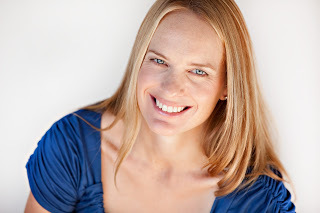
Please welcome social media guru and talented author Ursula Ringham who will be sharing her experiences searching for female role models in Silicon Valley. Thanks for joining us!
Blurring Reality: Creating a Believable Character
Silicon Valley has never produced a female Mark Zuckerberg.
Does this surprise you? If you live in the area, like I do, it’s a fact of life. The cradle of innovation doesn’t make it easy for women to succeed. There’s a reason the hit HBO show, Silicon Valley, doesn’t feature a female software developer. They’re hard to find. With pay inequality and rampant sexism, it’s no wonder only 20% of all the software developers are female. Women have to work twice as hard for the same recognition. And any success usually comes with criticism. So, when it comes to writing a high tech thriller, do I base my female software developer on a real person or make her up?

We’re taught to write what we know. I’ve lived and breathed Silicon Valley my entire life, having grown up here and established a career in high tech. I’ve worked with female software developers and witnessed their struggles. But I’ve also seen many women succeed. You just don’t hear about their stories because they’re not as sexy or flashy as everyone expects. It’s a delicate dance. I take bits and pieces of real life experiences to create a character. And every once in a while, a story provides inspiration not only for a character but an entire story.
Back in 2004, at the age of 19, Elizabeth Holmes dropped out of Stanford and used her tuition money to fund a start-up, Theranos. The idea was to save lives by disrupting the lab testing industry. Inspiration came from the sudden death of her godfather who’d died of a heart attack. If only he had been tested and known about his condition. Her plan was to provide low cost blood-testing.
Holmes was laser focused on the task at hand. But the company technology was always shrouded in secrecy. And yet, venture capitalists fell in love with Holmes and her story. Theranos took off like a rocket. In 2005,Holmes raised $6 million in venture backing. By 2010, she raised a total of $92 million. And by 2013, she opened Theranos Wellness Centers with $400 million in funding. Holmes became somewhat of a rock star in the Valley.
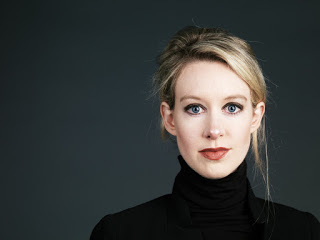 She was hailed as the next Steve Jobs. The young blonde even wore black turtlenecks. We all wanted to believe in this young entrepreneur. That she could rise to the top and be seen as an equal to Bill Gates and Elon Musk. And in 2015, at the age of 30, Holmes was listed by Forbes as the world's youngest self-made female billionaire. [image error]
If this fairytale sounds too good to be true, it is. This year, the cracks formed and everything came crashing down. Federal regulators questioned Therano’s technology and how the company operated its labs. Holmes’ low cost blood-testing product didn’t work as advertised. Regulators have now barred Holmes from owning or operating any medical laboratory for two years. And people have distanced themselves from the once revered wunderkind.
Was Holmes manipulated by the male dominated VCs advising her? Pushed to release a product that wasn’t ready? Or was it all a fabrication from the beginning? Living in Silicon Valley, we never questioned her success. We rooted for the underdog. Blinded by the reality of the situation because we so desperately wanted a female to succeed.
There is much more to this story that we will never know. And that is the beauty of writing fiction. I can take the essence of a real life person and make her into my own Mark Zuckerberg.
In my upcoming thriller, Disruption, Casey Ryan is a female Mark Zuckerberg at the beginning of a promising career. She is given access to a safety deposit box that contains a secret. A secret her father has been working on his entire career. A virtual reality device with the power to manipulate and influence the mind.
Casey must use her wits to unravel the truth behind the devices capabilities before she becomes another casualty in a conspiracy that cuts through the underbelly of Silicon Valley.
And that’s how I’ve blurred reality in creating a believable character. Do any of you have a true-life story to share, one that might provide inspiration for a book?
Please welcome social media guru and talented author Ursula Ringham who will be sharing her experiences searching for female role models in Silicon Valley. Thanks for joining us!

Blurring Reality: Creating a Believable Character
Silicon Valley has never produced a female Mark Zuckerberg.
Does this surprise you? If you live in the area, like I do, it’s a fact of life. The cradle of innovation doesn’t make it easy for women to succeed. There’s a reason the hit HBO show, Silicon Valley, doesn’t feature a female software developer. They’re hard to find. With pay inequality and rampant sexism, it’s no wonder only 20% of all the software developers are female. Women have to work twice as hard for the same recognition. And any success usually comes with criticism. So, when it comes to writing a high tech thriller, do I base my female software developer on a real person or make her up?

We’re taught to write what we know. I’ve lived and breathed Silicon Valley my entire life, having grown up here and established a career in high tech. I’ve worked with female software developers and witnessed their struggles. But I’ve also seen many women succeed. You just don’t hear about their stories because they’re not as sexy or flashy as everyone expects. It’s a delicate dance. I take bits and pieces of real life experiences to create a character. And every once in a while, a story provides inspiration not only for a character but an entire story.
Back in 2004, at the age of 19, Elizabeth Holmes dropped out of Stanford and used her tuition money to fund a start-up, Theranos. The idea was to save lives by disrupting the lab testing industry. Inspiration came from the sudden death of her godfather who’d died of a heart attack. If only he had been tested and known about his condition. Her plan was to provide low cost blood-testing.
Holmes was laser focused on the task at hand. But the company technology was always shrouded in secrecy. And yet, venture capitalists fell in love with Holmes and her story. Theranos took off like a rocket. In 2005,Holmes raised $6 million in venture backing. By 2010, she raised a total of $92 million. And by 2013, she opened Theranos Wellness Centers with $400 million in funding. Holmes became somewhat of a rock star in the Valley.
 She was hailed as the next Steve Jobs. The young blonde even wore black turtlenecks. We all wanted to believe in this young entrepreneur. That she could rise to the top and be seen as an equal to Bill Gates and Elon Musk. And in 2015, at the age of 30, Holmes was listed by Forbes as the world's youngest self-made female billionaire. [image error]
If this fairytale sounds too good to be true, it is. This year, the cracks formed and everything came crashing down. Federal regulators questioned Therano’s technology and how the company operated its labs. Holmes’ low cost blood-testing product didn’t work as advertised. Regulators have now barred Holmes from owning or operating any medical laboratory for two years. And people have distanced themselves from the once revered wunderkind.
Was Holmes manipulated by the male dominated VCs advising her? Pushed to release a product that wasn’t ready? Or was it all a fabrication from the beginning? Living in Silicon Valley, we never questioned her success. We rooted for the underdog. Blinded by the reality of the situation because we so desperately wanted a female to succeed.
There is much more to this story that we will never know. And that is the beauty of writing fiction. I can take the essence of a real life person and make her into my own Mark Zuckerberg.
In my upcoming thriller, Disruption, Casey Ryan is a female Mark Zuckerberg at the beginning of a promising career. She is given access to a safety deposit box that contains a secret. A secret her father has been working on his entire career. A virtual reality device with the power to manipulate and influence the mind.
Casey must use her wits to unravel the truth behind the devices capabilities before she becomes another casualty in a conspiracy that cuts through the underbelly of Silicon Valley.
And that’s how I’ve blurred reality in creating a believable character. Do any of you have a true-life story to share, one that might provide inspiration for a book?
August 11, 2016
A WINK AND A NOD TO VLAD THE IMPALER
S. Lee Manning: Writing espionage novels requires a delicate dance between reality and fiction. It has to be realistic enough to be plausible, yet not so real that the reader may be distracted by knowledge of the real events or real people. Some writers beautifully blend real people and fiction, but I would be concerned that I couldn’t pull it off. It requires an impressive level of discipline and research – not that I don’t research or I’m not disciplined, but it does increase my anxiety about getting things right. With using people who are currently alive, quite apart from the legal questions, I would worry that real events or real people could date or pre-empt the plots of my novels. So, I do the balancing dance. I create a parallel universe, one where the past – World War II, the fall of the Soviet Union, 9-11, actually occurs – but one where fictional characters inhabit the high offices of state. My President of the United States resembles President Bartlett from the television show West Wing as much as he resembles any real life president, which is to say, not much.
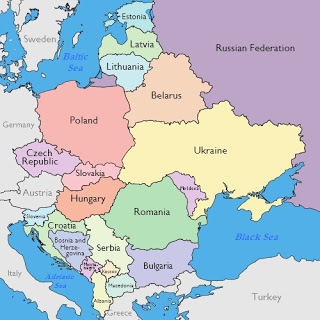
In my work in progress, Ride a Red Horse, Putin is not in office, but the office of the President of the Russian Federation and his underlings are preoccupied with finding ways to reestablish the boundaries of the former Soviet Union. So not Putin, but motivation and story line that owe much to Putin.
World tensions are similar, although I fudge it a little. Belarus is one of Russia’s closest allies, but if the current president should depart the scene and a democratic president be elected, Belarus could go the way of Georgia and Ukraine.
The closest I’ve gotten to a real historical figure is a wink and a nod to Vlad III of Wallachia, also known as Vlad Tepes, Vlad the Impaler, or Vlad Dracul. Vlad has been a favorite of writers since Bram Stoker made him into a vampire in the nineteenth century. To us, he’s a figure of horror, almost cartoonish in his evil. To Romanians, he’s something else, a nationalist, a folk hero who defended the country from the Ottomans.
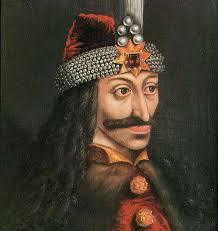 His history was fascinating. Romania in the fifteenth century was torn between east and west. Vlad III’s father made a deal with the Ottomans for power, and to ensure he would live up to the bargain, sent his sons, Vlad and Radu, to the Ottoman Court as hostages. They were treated well, taught literature and fencing, but Vlad resented his captivity.When he came to power, he rejected the Ottoman influence and fought off several attempts by Turkish troops to invade, impaling the captured Ottoman soldiers.
The famous stories of his cruelty seem to differ depending on the sources. German stories written after his death showed him feasting in a forest of impaled victims, impaling his own citizens for minor crimes. Russian stories had him as a great leader who was reasonable in using impalement to terrorize and dishearten the Ottomans, who wanted to subjugate Romania.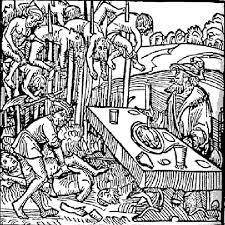
In Trojan Horse, I didn't incorporate the real historical figure but I made my villain, Mihai Cuza, a descendent of Vlad the Impaler, not only because the plot involved American involvement in Romania but because it upped the tension to have my villain copy his ancestor by killing people in a particularly gruesome and painful way. But I also liked the idea that Vlad III wasn’t a villain to the Romanians, despite his penchant for hoisting people on poles. After all, what villain doesn’t think he’s the hero? Cuza believes himself to be a Romanian patriot, and every unpleasant death is for the greater good of the country he loves.
And after all, having a good, three dimensional villain is what makes the best thriller novels. I like my villains, like my other characters, to be real. Just not too real.

In my work in progress, Ride a Red Horse, Putin is not in office, but the office of the President of the Russian Federation and his underlings are preoccupied with finding ways to reestablish the boundaries of the former Soviet Union. So not Putin, but motivation and story line that owe much to Putin.
World tensions are similar, although I fudge it a little. Belarus is one of Russia’s closest allies, but if the current president should depart the scene and a democratic president be elected, Belarus could go the way of Georgia and Ukraine.
The closest I’ve gotten to a real historical figure is a wink and a nod to Vlad III of Wallachia, also known as Vlad Tepes, Vlad the Impaler, or Vlad Dracul. Vlad has been a favorite of writers since Bram Stoker made him into a vampire in the nineteenth century. To us, he’s a figure of horror, almost cartoonish in his evil. To Romanians, he’s something else, a nationalist, a folk hero who defended the country from the Ottomans.
 His history was fascinating. Romania in the fifteenth century was torn between east and west. Vlad III’s father made a deal with the Ottomans for power, and to ensure he would live up to the bargain, sent his sons, Vlad and Radu, to the Ottoman Court as hostages. They were treated well, taught literature and fencing, but Vlad resented his captivity.When he came to power, he rejected the Ottoman influence and fought off several attempts by Turkish troops to invade, impaling the captured Ottoman soldiers.
The famous stories of his cruelty seem to differ depending on the sources. German stories written after his death showed him feasting in a forest of impaled victims, impaling his own citizens for minor crimes. Russian stories had him as a great leader who was reasonable in using impalement to terrorize and dishearten the Ottomans, who wanted to subjugate Romania.

In Trojan Horse, I didn't incorporate the real historical figure but I made my villain, Mihai Cuza, a descendent of Vlad the Impaler, not only because the plot involved American involvement in Romania but because it upped the tension to have my villain copy his ancestor by killing people in a particularly gruesome and painful way. But I also liked the idea that Vlad III wasn’t a villain to the Romanians, despite his penchant for hoisting people on poles. After all, what villain doesn’t think he’s the hero? Cuza believes himself to be a Romanian patriot, and every unpleasant death is for the greater good of the country he loves.
And after all, having a good, three dimensional villain is what makes the best thriller novels. I like my villains, like my other characters, to be real. Just not too real.
August 9, 2016
THE MAN WITHOUT A FACE — THE COLD WAR'S GREATEST SPYMASTER?
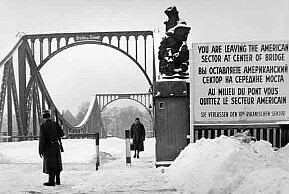 Glienicke Bridge, Germany — Where secret agents and secret services used to meet. By Gayle Lynds: From the 1950s until the Berlin Wall fell in 1989, one spymaster came to be regarded by friend and foe alike as the Cold War’s most successful espionage chief. A clue: Western intelligence services dubbed him the Man Without a Face because they had no idea what he looked like. That’s how good he was.
Know whom I’m describing? In a moment, I’ll give you more clues, and then the answer.
But first, Blog Alert: This is the beginning of our next series of blogs — fascinating real-life people whom we’ve used as models or inspiration for characters in our espionage novels.
Back to our clues: Our mystery spymaster was a tall, handsome man, debonaire, athletic, and highly intelligent. He could exude charm and kindness, and five minutes later order an execution. His success was rooted in Stalinism, but he was an early supporter of reformer Mikhail Gorbachev. His heritage was Orthodox Judaism, but sometimes he hid it and other times used it.
Although he was a victim of Nazi persecution, he persecuted others to protect a police state and grind the citizens into submission. He pimped his spies while discussing Dostoevsky and Tolstoy. He was entrepreneurial — it was his audacious and highly successful plan to introduce long-term “sleeper” agents into the stream of East German refugees escaping to the West. He goose-stepped with the Soviet Union, but his personal concern for his nearly 4,000 staff officers and spies earned him their unshakable loyalty.
Finally in the summer of 1978, Swedish counterintelligence photographed him in Stockholm where he was secretly meeting one of his sources. The West already knew his name, now they could see what he looked like. His life was never quite as easy again.
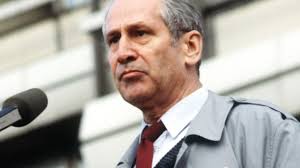 Retired spymaster Markus Wolf
Do you know the answer now? If you lived through the Cold War, you have a better chance of deducing that he was Markus Wolf, legendary chief of East Germany’s foreign intelligence and deputy head of the Stasi.
Married three times, he retired from the government in 1986 to focus on writing a book about his brother, Konrad, and growing up in Moscow. Called Troika, it was a sensation in both East and West Germany, and Wolf was suddenly transformed from bloody-handed spymaster into a historian and literary lion.
But then the Berlin Wall fell, and Wolf was arrested, tried, and convicted of treason. It wasn’t long before the German supreme court overturned his sentence. And finally, in 2006, at age 83, he died in his sleep at his luxurious home in Berlin.
For years, it was said that John le Carré based his famous master spy Karla on Wolf, but le Carré has denied it again and again. Still, Wolf’s immorality and complexity have influenced writers for years, not that we in the West didn’t also have great spymasters and great spymistresses. And not that ours weren’t equally complex. The difference lay for many of us in the kind of nation for which they worked — democracy, dictatorship, or totalitarian regime.
When I was creating The Last Spymaster, I found myself thinking about Wolf a great deal — particularly why he was so successful at recruiting. Researching him, I discovered several of his psychological tricks, also used by Westerners. . . .

Meet Jay Tice, the last Cold War spymaster, of the title. From the novel:
Tice had used human manipulation like a subversive weapon, calling his approach the BAR Code — Befriend, Assess, Recruit.
Is that real — the “BAR Code?” No, I made up the acronym, but it’s an accurate description of what spies do when they target someone they hope to turn.
How did Jay Tice accomplish that it in the novel?
His signature touch was deceptively simple: When they entered the door for the first meeting, he would already be walking toward them, his hand outstretched, smiling. He would introduce himself, disarming them and setting the stage for what was to follow: “Let’s dispense with formalities. My friends call me Jay.”
Tice was unusually persuasive, with a huge talent for displaying warmth and compassion. When a recruiter reported a potential mole or asset or agent was resistant, Tice would arrange a personal meeting. By the time the potential arrived, Tice had steeped himself in every detail of his or her life. Tice asked questions, listened intently, and showed deep interest in the person’s concerns and worries for the future. Soon the potential began to believe Tice cared. . . .
We authors find inspiration where we can, and from it we build characters and stories. Markus Wolf was pure gold for me, a gift that continues to give.
Do you have people in your life who inspire you to want to tell a story? Don’t keep it a secret — please tell!
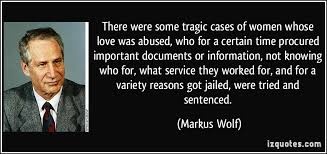
THE MAN WITHOUT A FACE — THE COLD WAR'S GREATEST SPYMASTER
By Gayle Lynds: From the 1950s until the Berlin Wall fell in 1989, one spymaster came to be regarded by friend and foe alike as the Cold War’s most successful espionage chief. A clue: Western intelligence services dubbed him the Man Without a Face because they had no idea what he looked like. That’s how good he was.Know whom I’m describing? In a moment, I’ll give you more clues, and then the answer.
But first, Blog Alert: This is the beginning of our next series of blogs — fascinating real-life people whom we’ve used as models or inspiration for characters in our espionage novels.
Back to our clues: Our mystery spymaster was a tall, handsome man, debonaire, athletic, and highly intelligent. He could exude charm and kindness, and five minutes later order an execution. His success was rooted in Stalinism, but he was an early supporter of reformer Mikhail Gorbachev. His heritage was Orthodox Judaism, but sometimes he hid it and other times used it.
Although he was a victim of Nazi persecution, he persecuted others to protect a police state and grind the citizens into submission. He pimped his spies while discussing Dostoevsky and Tolstoy. He was entrepreneurial — it was his audacious and highly successful plan to introduce long-term “sleeper” agents into the stream of East German refugees escaping to the West. He goose-stepped with the Soviet Union, but his personal concern for his nearly 4,000 staff officers and spies earned him their unshakable loyalty.
Finally in the summer of 1978, Swedish counterintelligence photographed him in Stockholm where he was secretly meeting one of his sources. The West already knew his name, now they could see what he looked like. His life was never quite as easy again.
Do you know the answer now? If you lived through the Cold War, you have a better chance of deducing that he was Markus Wolf, legendary chief of East Germany’s foreign intelligence and deputy head of the Stasi.
Married three times, he retired from the government in 1986 to focus on writing a book about his brother, Konrad, and growing up in Moscow. Called Troika, it was a sensation in both East and West Germany, and Wolf was suddenly transformed from bloody-handed spymaster into a historian and literary lion.
But then the Berlin Wall fell, and Wolf was arrested, tried, and convicted of treason. It wasn’t long before the German supreme court overturned his sentence. And finally, in 2006, at age 83, he died in his sleep at his luxurious home in Berlin.
For years, it was said that John le Carré based his famous master spy Karla on Wolf, but le Carré has denied it again and again. Still, Wolf’s immorality and complexity have influenced writers for years, not that we in the West didn’t also have great spymasters and great spymistresses. And not that ours weren’t equally complex. The difference lay for many of us in the kind of nation for which they worked — democracy, dictatorship, or totalitarian regime.
When I was creating The Last Spymaster, I found myself thinking about Wolf a great deal. Researching him, I discovered several of his psychological tricks also used by Westerners. . . .
Meet Jay Tice, the last Cold War spymaster, of the title. From the novel:
Tice had used human manipulation like a subversive weapon, calling his approach the BAR Code — Befriend, Assess, Recruit.
Is that real — the “BAR Code?” No, I made up the acronym, but it’s an accurate description of what spies do when they target someone they hope to turn.
How did Jay Tice accomplish that it in the novel?
His signature touch was deceptively simple: When they entered the door for the first meeting, he would already be walking toward them, his hand outstretched, smiling. He would introduce himself, disarming them and setting the stage for what was to follow: “Let’s dispense with formalities. My friends call me Jay.”
Tice was unusually persuasive, with a huge talent for displaying warmth and compassion. When a recruiter reported a potential mole or asset or agent was resistant, Tice would arrange a personal meeting. By the time the potential arrived, Tice had steeped himself in every detail of his or her life. Tice asked questions, listened intently, and showed deep interest in the person’s concerns and worries for the future. Soon the potential began to believe Tice cared. . . .
We authors find inspiration where we can, and from it we build characters and stories. Markus Wolf was pure gold for me, a gift that continues to give.
Do you have people in your life who inspire you to want to tell a story? Don’t keep it a secret — please tell!
August 6, 2016
5 SPY SECRETS I LEARNED IN CULINARY SCHOOL
By Sonja Stone
It’s no coincidence that the acronym for the Culinary Institute of America is CIA.
It turns out, culinary skills are terribly useful both inside and outside the kitchen. I attended Le Cordon Bleu, and many of the lessons I learned are equally applicable to espionage.
The Five-Second RuleIf we’re going to be friends, you need to know something about me. I do not maintain a level of cleanliness in which it is ever safe to eat food off the floor, five seconds or not.
However, when it comes to my kitchen counters, cutting boards, knives and utensils, I am neurotic about cleanliness. I clean with antibacterial soap, vinegar and hydrogen peroxide—and never a sponge. So if you eat something I’ve prepared and become deathly ill as a result, know that the poisoning was intentional.
FIVE KITCHEN RULES EVERY SPY SHOULD FOLLOW:
1) Knife Skills: Learn it, Live it, Love it.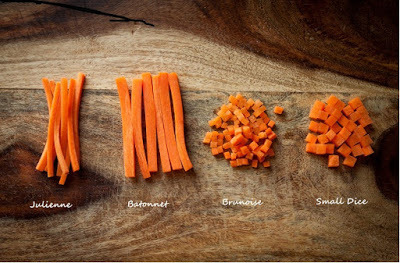 Culinary Knife Cuts
Just as a chef must know the difference between brunoise and tourne, battonet and julienne, so a spy must know the difference between slicing, jabbing, and stabbing.
I always carry a knife. Always. It’s not a defensive weapon, it’s a functional instrument. I carry a Benchmade Osborne with a serrated blade and AXIS-assist opening mechanism. I’ve carried this knife every day for the last decade. You’d be surprised how often I use it.
People constantly ask me (usually when they find themselves in need of a knife—which I am able to provide), “Why are you carrying a knife?”
The obvious answer, of course, is, “For this.” (Whatever “this” happens to be.) But the better question is, “Why aren’t you?”
I believe everyone should always carry a knife, but I also believe it’s a lousy choice for a weapon. For starters, you have to be really close to your attacker to use it. Secondly, it’s fairly easy to disarm someone if one knows what one is doing, which puts you at risk of losing your knife. And using throwing knives as a weapon is kind of just arming your opponent.
But as a spy, you need to carry a knife. Get a teflon-coated blade so it won’t glint in the moonlight. The last time I used my knife in an emergency was when I locked myself out of a place I was temporarily staying. The garage door failed to open more than four inches and I didn’t have a key. I’d left my bedroom window open, but the screens were bolted in place. So I used the back of my Benchmade blade as a screwdriver, removed the screen, and climbed in without damaging the property.
If you absolutely must defend yourself with a knife (and hey, any port in a storm), please don’t attempt the overhead stabbing motion made famous in Psycho. Anyone with any defensive training whatsoever should be able to block that strike. Instead, hold the knife as though you’re chopping peppers, and make quick, decisive jabs into your opponent; the more the better. The goal here is to cause blood loss. Getting close enough to drive the knife into his gut puts you in danger of getting your butt kicked, so don’t do it.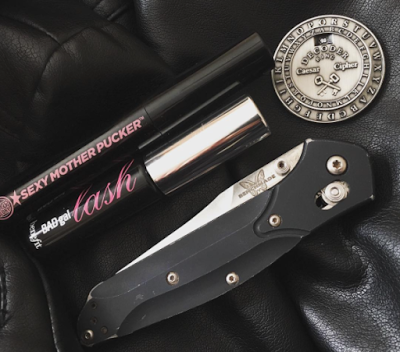 My Everyday Carry
2) Mise-en-place: Everything in its Place.
Unpreparedness in the kitchen is unacceptable. If my fresh herb garnish and finishing sauce aren’t ready when the fish comes off the fire, my guests are presented with a dry, rubbery entree.
I would rather them starve.
The same mise-en-place lifestyle holds true for spies: Fortuna est paratum (fortune favors the prepared). Your go-bag better be packed and ready. Knives sharpened, night-vision goggles polished, 9mm cleaned and oiled with three full mags. Let’s not leave to chance that you can find your surveillance gear on the way out the door.
(For more on mise-en-place as a lifestyle, check out this fantastic article from NPR: http://bit.ly/living-mise-en-place.)
3) Respect the Hierarchy: Do Your Effing Job.
There is one appropriate answer to any request made by the head chef: “Yes, Chef.”
Before 1900, Chef Auguste Escoffier created a kitchen brigade system which is still widely used today. The system carefully assigns roles and streamlines the functioning of a kitchen. The saucier should not be performing the tasks assigned to the grillardin. The garde manger prepares the salads; he shouldn’t be near the station of the patisserie.
Likewise, if I’m an intelligence analyst, I’ve no business on the rooftop with a sniper’s rifle trained on the prime minister. Anarchy ensues. Soldiers are taught to protect in this order: the mission, the men, and me.
First and foremost, do your job. And do it well.
4) The Devil is in the Details.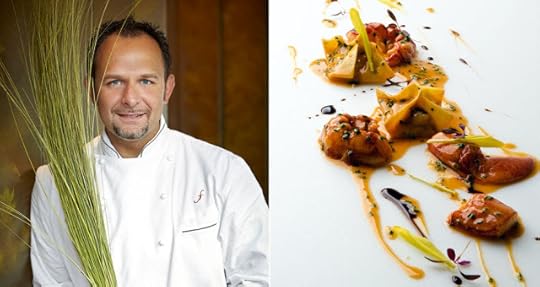 Chef Fabio Trabocchi
I took a cooking class from Chef Fabio Trabocchi, formerly of Maestro’s at the Ritz-Carlton in Tyson’s Corner, Virginia. He presented us with recipes; the ingredients were listed in grams rather than ounces. He’s Italian, so no one was shocked, but he explained that it wasn’t his European upbringing that prompted his use of the metric system. He’d noticed that (American) cooks felt fairly confident they could ‘eyeball’ two ounces of flour, a teaspoon of sugar, an eighth of a teaspoon salt. Chef Trabocchi, as perfectionist a chef as I’ve ever met, didn’t want his carefully crafted recipes ‘eyeballed.’
The details matter for spies, as well. One afternoon at the gun range I learned that the (case of) ammunition I’d just purchased consistently jammed my gun. Like, every third shot. Let me tell you, if I have to stop and clear my weapon every three trigger-pulls, I’d rather find out at the range than out in the woods as a bear rifles through my pack for the aforementioned Italian delicacies.
5) Wine is for Cooking: Keep Your Wits About You.
So by now you’ve realized Julia Child wasn’t the only spy-chef among us. Julia was fond of saying, “I enjoy cooking with wine, sometimes I even put it in the food…”
Might I suggest, for those of you who don’t have the alcohol tolerance of Fleming’s spy, that you refrain from the James Bond martinis until after your mission is complete? And remember:
Don’t recklessly pour wine into a saute pan on a gas range.Don’t trust the cocktail waitress plying you with gimlets.Don’t think for one second that vodka is odorless. We can still smell you.
Recipe of the Day:
My blog sisters have posted a sophisticated selection of cocktails in the last few weeks. Since I write for young adults, I’ll offer a mocktail recipe, complete with local flavor from the Sonoran Desert (where I live).
If you’re over 21, feel free to spike the drink with a shot of tequila. (Personally, I’d go with Herradura). And omit the prickly pear syrup. And ginger beer. And ice. Herradura in a tall glass.
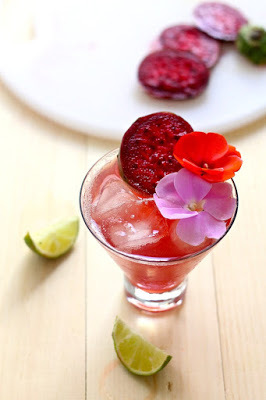 Prickly Pear Ginger Beer MocktailPRICKLY PEAR GINGER BEER MOCKTAILServes 2 (because 3’s a crowd)
Ingredients:
2 bottles of ginger beer, chilled2 tablespoons prickly pear syrup, room temperature2 tall glasses full of ice
Directions:
Pour a tablespoon of prickly pear syrup into each glass. Top with ginger beer, garnish with a spring of mint, a lime wedge, or an edible flower. Serve and enjoy!
Killer Cocktail: To make fatal, garnish with a sprig of oleander.*
*This is a joke. Please do not do this. Seriously.
Photo credits: Knife cuts: http://www.abeautifulplate.com/culinary-school/knife-cuts/Chef Fabio: http://firstwefeast.com/eat/2013/11/fabio-trabocchi-1o-career-changing-dishes/ Cocktail: http://thegirlonbloor.com/prickly-pear-and-ginger-beer-cocktail/
It’s no coincidence that the acronym for the Culinary Institute of America is CIA.
It turns out, culinary skills are terribly useful both inside and outside the kitchen. I attended Le Cordon Bleu, and many of the lessons I learned are equally applicable to espionage.
The Five-Second RuleIf we’re going to be friends, you need to know something about me. I do not maintain a level of cleanliness in which it is ever safe to eat food off the floor, five seconds or not.
However, when it comes to my kitchen counters, cutting boards, knives and utensils, I am neurotic about cleanliness. I clean with antibacterial soap, vinegar and hydrogen peroxide—and never a sponge. So if you eat something I’ve prepared and become deathly ill as a result, know that the poisoning was intentional.
FIVE KITCHEN RULES EVERY SPY SHOULD FOLLOW:
1) Knife Skills: Learn it, Live it, Love it.
 Culinary Knife Cuts
Just as a chef must know the difference between brunoise and tourne, battonet and julienne, so a spy must know the difference between slicing, jabbing, and stabbing.
I always carry a knife. Always. It’s not a defensive weapon, it’s a functional instrument. I carry a Benchmade Osborne with a serrated blade and AXIS-assist opening mechanism. I’ve carried this knife every day for the last decade. You’d be surprised how often I use it.
People constantly ask me (usually when they find themselves in need of a knife—which I am able to provide), “Why are you carrying a knife?”
The obvious answer, of course, is, “For this.” (Whatever “this” happens to be.) But the better question is, “Why aren’t you?”
I believe everyone should always carry a knife, but I also believe it’s a lousy choice for a weapon. For starters, you have to be really close to your attacker to use it. Secondly, it’s fairly easy to disarm someone if one knows what one is doing, which puts you at risk of losing your knife. And using throwing knives as a weapon is kind of just arming your opponent.
But as a spy, you need to carry a knife. Get a teflon-coated blade so it won’t glint in the moonlight. The last time I used my knife in an emergency was when I locked myself out of a place I was temporarily staying. The garage door failed to open more than four inches and I didn’t have a key. I’d left my bedroom window open, but the screens were bolted in place. So I used the back of my Benchmade blade as a screwdriver, removed the screen, and climbed in without damaging the property.
If you absolutely must defend yourself with a knife (and hey, any port in a storm), please don’t attempt the overhead stabbing motion made famous in Psycho. Anyone with any defensive training whatsoever should be able to block that strike. Instead, hold the knife as though you’re chopping peppers, and make quick, decisive jabs into your opponent; the more the better. The goal here is to cause blood loss. Getting close enough to drive the knife into his gut puts you in danger of getting your butt kicked, so don’t do it.
 My Everyday Carry
2) Mise-en-place: Everything in its Place.
Unpreparedness in the kitchen is unacceptable. If my fresh herb garnish and finishing sauce aren’t ready when the fish comes off the fire, my guests are presented with a dry, rubbery entree.
I would rather them starve.
The same mise-en-place lifestyle holds true for spies: Fortuna est paratum (fortune favors the prepared). Your go-bag better be packed and ready. Knives sharpened, night-vision goggles polished, 9mm cleaned and oiled with three full mags. Let’s not leave to chance that you can find your surveillance gear on the way out the door.
(For more on mise-en-place as a lifestyle, check out this fantastic article from NPR: http://bit.ly/living-mise-en-place.)
3) Respect the Hierarchy: Do Your Effing Job.
There is one appropriate answer to any request made by the head chef: “Yes, Chef.”
Before 1900, Chef Auguste Escoffier created a kitchen brigade system which is still widely used today. The system carefully assigns roles and streamlines the functioning of a kitchen. The saucier should not be performing the tasks assigned to the grillardin. The garde manger prepares the salads; he shouldn’t be near the station of the patisserie.
Likewise, if I’m an intelligence analyst, I’ve no business on the rooftop with a sniper’s rifle trained on the prime minister. Anarchy ensues. Soldiers are taught to protect in this order: the mission, the men, and me.
First and foremost, do your job. And do it well.
4) The Devil is in the Details.
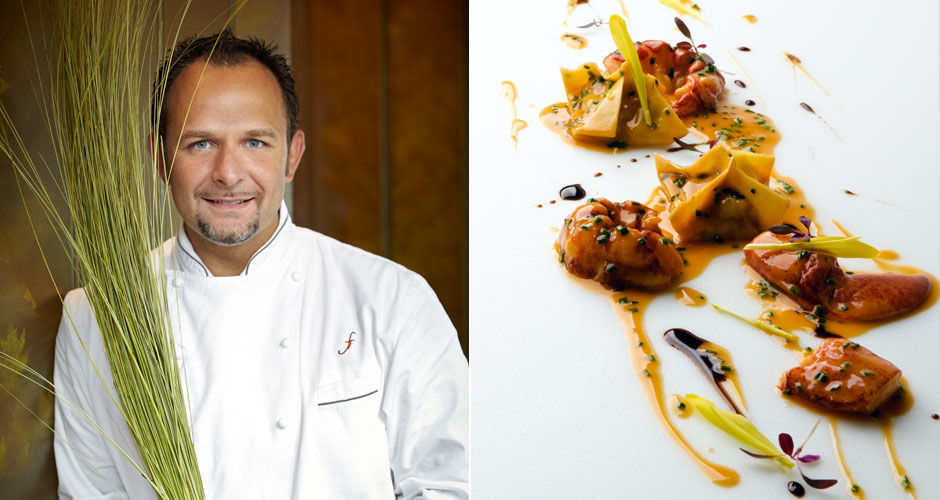 Chef Fabio Trabocchi
I took a cooking class from Chef Fabio Trabocchi, formerly of Maestro’s at the Ritz-Carlton in Tyson’s Corner, Virginia. He presented us with recipes; the ingredients were listed in grams rather than ounces. He’s Italian, so no one was shocked, but he explained that it wasn’t his European upbringing that prompted his use of the metric system. He’d noticed that (American) cooks felt fairly confident they could ‘eyeball’ two ounces of flour, a teaspoon of sugar, an eighth of a teaspoon salt. Chef Trabocchi, as perfectionist a chef as I’ve ever met, didn’t want his carefully crafted recipes ‘eyeballed.’
The details matter for spies, as well. One afternoon at the gun range I learned that the (case of) ammunition I’d just purchased consistently jammed my gun. Like, every third shot. Let me tell you, if I have to stop and clear my weapon every three trigger-pulls, I’d rather find out at the range than out in the woods as a bear rifles through my pack for the aforementioned Italian delicacies.
5) Wine is for Cooking: Keep Your Wits About You.
So by now you’ve realized Julia Child wasn’t the only spy-chef among us. Julia was fond of saying, “I enjoy cooking with wine, sometimes I even put it in the food…”
Might I suggest, for those of you who don’t have the alcohol tolerance of Fleming’s spy, that you refrain from the James Bond martinis until after your mission is complete? And remember:
Don’t recklessly pour wine into a saute pan on a gas range.Don’t trust the cocktail waitress plying you with gimlets.Don’t think for one second that vodka is odorless. We can still smell you.
Recipe of the Day:
My blog sisters have posted a sophisticated selection of cocktails in the last few weeks. Since I write for young adults, I’ll offer a mocktail recipe, complete with local flavor from the Sonoran Desert (where I live).
If you’re over 21, feel free to spike the drink with a shot of tequila. (Personally, I’d go with Herradura). And omit the prickly pear syrup. And ginger beer. And ice. Herradura in a tall glass.
 Prickly Pear Ginger Beer MocktailPRICKLY PEAR GINGER BEER MOCKTAILServes 2 (because 3’s a crowd)
Ingredients:
2 bottles of ginger beer, chilled2 tablespoons prickly pear syrup, room temperature2 tall glasses full of ice
Directions:
Pour a tablespoon of prickly pear syrup into each glass. Top with ginger beer, garnish with a spring of mint, a lime wedge, or an edible flower. Serve and enjoy!
Killer Cocktail: To make fatal, garnish with a sprig of oleander.*
*This is a joke. Please do not do this. Seriously.
Photo credits: Knife cuts: http://www.abeautifulplate.com/culinary-school/knife-cuts/Chef Fabio: http://firstwefeast.com/eat/2013/11/fabio-trabocchi-1o-career-changing-dishes/ Cocktail: http://thegirlonbloor.com/prickly-pear-and-ginger-beer-cocktail/
August 4, 2016
BOND'S VESPER COCKTAIL: JUST IN TIME FOR THE WEEKEND
 By Francine MathewsThere's an iconic passage in Ian Fleming's first novel, Casino Royale, that always makes me thirsty.Bond has just met his lifelong alter-ego, Felix Leiter of the CIA, and is celebrating with a drink.
“A dry martini,” [Bond] said. “One. In a deep champagne goblet.”
“Oui, monsieur.”
“Just a moment. Three measures of Gordon’s, one of vodka, half a measure of Kina Lillet. Shake it very well until it’s ice-cold, then add a large thin slice of lemon peel. Got it?”
“Certainly, monsieur.” The barman seemed pleased with the idea.
“Gosh, that’s certainly a drink,” said Leiter.
Bond laughed. “When I’m … er … concentrating,” he explained, “I never have more than one drink before dinner. But I do like that one to be large and very strong and very cold and very well-made.” – Ian Fleming, Casino Royale, Chapter 7, “Rouge et Noir’
There's a problem for anyone attempting to follow this original recipe, as alert reader Brad Frank pointed out when I first posted it several months ago on my own Facebook page. Kina Lillet, a fortified wine from Bordeaux that contained quinine, no longer exists in the form Fleming knew it. Most recipes today substitute Lillet Blanc, but that version of the aperitif lacks the quinine Fleming would have known. Brad assures me the taste of the resulting Vesper is entirely different from Bond's version. He, along with numerous liquor industry websites, recommends using Cocchi Americano instead for a more accurate drink.
There's an excellent demonstration of a Vesper right here:
http://video.epicurious.com/watch/how-to-make-a-vesper-cocktail. I like that fact that the mixologist behind the bar discusses Fleming as he shakes. Notice that he uses Lillet Blanc regardless of the change in recipe. Many people do; but lacking quinine's bitter edge, the drink is more a Vespa than a Vesper.
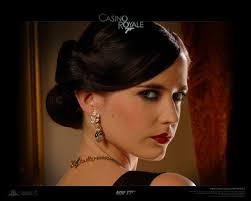 Eva Green as Vesper Lynd in the 2006 film of Casino RoyaleBond names the drink after his Service colleague in Casino Royale, Vesper Lynd; and it's probable that Fleming was making an ironic point with Bond's gesture. Vesper is strong, intoxicating, and goes down smooth--but she's got a depth of bitterness that lingers in the aftertaste. Bond's affection for this gin-dominant cocktail endures only as long as the lady in question. In later books Bond shifts to a pure vodka martini--shaken, not stirred.
 So it seems that the Vesper today is very much what one decides to make it. Some mixologists suggest adding bitters to the Lillet Blanc. Others substitute dry vermouth for the Lillet altogether. One ardent scribe settles for nothing less than adding a piece of cinchona bark (the original source of quinine) to the Lillet, then uses it after the quinine has been released into the aperitif.
If you can find cinchona, I salute you.
In the meantime, go for the Vespa--a cold and heady summer martini without the bitter finish.
Cheers,
Francine
August 2, 2016
Hot Pepper Cure For What Ails You
by Jamie Freveletti
 Red Peppers are said to have curative powers
My thriller series features a chemist with a knowledge of both chemicals and plants, both healing and poisonous, that she searches for the world over. Think MacGyver meets Indiana Jones, but make them a woman and you get the drift. When I first started writing Emma Caldridge, I was a lawyer at a firm that focused on work for pharma companies dealing with drugs and medical devices. It gave me a fascinating insight into the research and issues surrounding the chemicals we ingest and the food we eat every day.
In fact, the active ingredients in many drugs were initially discovered in plants. Aspirin was found in the herbs meadowsweet and willow bark. Digitalis, the pill for the heart, is derived from the plant Foxglove, ginger is believed to help with arthritis and garlic is a natural antibiotic. Capsaicin, found in peppers, is said to act as an antioxidant and to help clear congestion.
There are many benign cures for colds and flu as well. We all know about Chicken Soup, which our grandmothers swore by when we had a cold, and recently scientists have found a basis in fact for this homemade cure. Apparently the soup inhibits the movement of neutrophils, the white blood cells that fight off infection and allows them to stay put to do their work.
Likewise, another home remedy for cough is rather unusual: rub the soles of your feet with Vicks Vapo Rub. For years the People's Pharmacy articles in the Chicago Tribune has received many raves for this home remedy. You can read some here. Most people rave about it. I've tried it and it works well, but it could most likely be a placebo effect. Whatever it is, however, it certainly is welcome when trying to sleep while down with a cold.

In our house, we use the red hot pepper cure to stave off the congestion of a flu or cold. This recipe, below, which I found in the Chicago Tribune years ago, is for a spicy soup filled with peppers, onion, ginger and chicken broth. It's delicious as well as beneficial. But beware: it is quite spicy so you must be prepared.
Each one of my Emma Caldridge books contains facts about plants or chemicals and each contains an "Author's Note" that explains which are true and which fiction. Many are true, because we live in an endlessly fascinating world. If you read the books I hope that you like them, and if you try the recipe I hope you enjoy it as well!
RED HOT PEPPER CUREServes eight1 head garlic2 tablespoons olive oil1 onion, chopped4 bell peppers, any colors you like, seeded and chopped2 jalapeno peppers, seeded and finely chopped3 tablespoons grated gingerroot8 cups chicken broth2 cups cooked shredded chicken, optional1 bunch cilantro, choppedSalt and pepperJuice of 1 lemon1. Roast: Separate cloves of unpeeled garlic onto a baking sheet. Roast in a 350-degree oven until soft, about 15 minutes. Cool, squeeze the cloves out of their peels into a small bowl and mash with the back of a spoon.2. Soften: Heat the oil in a large soup pot. Add the onion and cook over low heat until tender, about 10 minutes. Add the peppers, garlic and ginger and cook 1 minute.3. Simmer: Add the chicken stock, increase heat to medium-high and simmer for 3 minutes. Add chicken, if using, and cilantro and cook 1 minute more. Season with salt and pepper. Stir in lemon juice and serve hot.-Adapted from a much-consulted clipping from The New York Times
 Red Peppers are said to have curative powers
My thriller series features a chemist with a knowledge of both chemicals and plants, both healing and poisonous, that she searches for the world over. Think MacGyver meets Indiana Jones, but make them a woman and you get the drift. When I first started writing Emma Caldridge, I was a lawyer at a firm that focused on work for pharma companies dealing with drugs and medical devices. It gave me a fascinating insight into the research and issues surrounding the chemicals we ingest and the food we eat every day.
In fact, the active ingredients in many drugs were initially discovered in plants. Aspirin was found in the herbs meadowsweet and willow bark. Digitalis, the pill for the heart, is derived from the plant Foxglove, ginger is believed to help with arthritis and garlic is a natural antibiotic. Capsaicin, found in peppers, is said to act as an antioxidant and to help clear congestion.
There are many benign cures for colds and flu as well. We all know about Chicken Soup, which our grandmothers swore by when we had a cold, and recently scientists have found a basis in fact for this homemade cure. Apparently the soup inhibits the movement of neutrophils, the white blood cells that fight off infection and allows them to stay put to do their work.
Likewise, another home remedy for cough is rather unusual: rub the soles of your feet with Vicks Vapo Rub. For years the People's Pharmacy articles in the Chicago Tribune has received many raves for this home remedy. You can read some here. Most people rave about it. I've tried it and it works well, but it could most likely be a placebo effect. Whatever it is, however, it certainly is welcome when trying to sleep while down with a cold.

In our house, we use the red hot pepper cure to stave off the congestion of a flu or cold. This recipe, below, which I found in the Chicago Tribune years ago, is for a spicy soup filled with peppers, onion, ginger and chicken broth. It's delicious as well as beneficial. But beware: it is quite spicy so you must be prepared.
Each one of my Emma Caldridge books contains facts about plants or chemicals and each contains an "Author's Note" that explains which are true and which fiction. Many are true, because we live in an endlessly fascinating world. If you read the books I hope that you like them, and if you try the recipe I hope you enjoy it as well!

RED HOT PEPPER CUREServes eight1 head garlic2 tablespoons olive oil1 onion, chopped4 bell peppers, any colors you like, seeded and chopped2 jalapeno peppers, seeded and finely chopped3 tablespoons grated gingerroot8 cups chicken broth2 cups cooked shredded chicken, optional1 bunch cilantro, choppedSalt and pepperJuice of 1 lemon1. Roast: Separate cloves of unpeeled garlic onto a baking sheet. Roast in a 350-degree oven until soft, about 15 minutes. Cool, squeeze the cloves out of their peels into a small bowl and mash with the back of a spoon.2. Soften: Heat the oil in a large soup pot. Add the onion and cook over low heat until tender, about 10 minutes. Add the peppers, garlic and ginger and cook 1 minute.3. Simmer: Add the chicken stock, increase heat to medium-high and simmer for 3 minutes. Add chicken, if using, and cilantro and cook 1 minute more. Season with salt and pepper. Stir in lemon juice and serve hot.-Adapted from a much-consulted clipping from The New York Times
July 31, 2016
Recipes for Heroes and Heroines
...by Karna Small Bodman
Have you ever read a thriller packed with tons of action, travel, chases and stay-up-all-night runs to get away from the villain? Sure. We all have. But have you ever wondered why the heroes and heroines never get to stop and eat something? (Or take a nap?) I'm thinking now about stories such as Dan Brown's great thrillers (DaVinci Code, Angels and Demons, Deception Point), as examples. Maybe the author thought it would slow down the pacing too much. I don't think so. I like to try and identify with my characters, and stopping to rest and taking time to enjoy a decent meal makes the whole scenario much more believable -- don't you agree? (Even if it's only to "rejuvenate their spirit" to carry on, so to speak).
So in one of my new novels, Affairs of State (I will let you know when it is published), there are several scenes in Brazil, both in its capital of Brasilia and the glittering "romantic city" of Rio de Janeiro. No, it is not pegged to the Summer Olympics next week, which may not be so glittering as only some of the athletic fields are complete, as you can see here - but housing and transportation are not. I have no clue about the restaurants. And it may not be so romantic either as criminal behavior is at an all time high, which makes it a tough place for tourists, but a pretty great venue for a thriller. Ah, but I digress.
 Rio de Janeiro Summer Olympics
Back to the new story: while the hero is trying to evade a dangerous and devious villain bent on revenge, and the heroine is about to become "collateral damage" -- they do stop and eat once in a while. So in researching local menus, I discovered a popular area akin to a street fair where Brazilian chefs offer their kitchen creations in booths and colorful kiosks. I discovered, for example, that Brazilian pizza doesn't resemble Dominos (which is usually lathered in tomato sauce and mozzarella.) In Rio they offer a unique variety of toppings on a thin crust including hearts of palm, potato sticks, corn and bacon, though they will add fresh tomatoes of you wish. Some can taste like a delicious BLT!
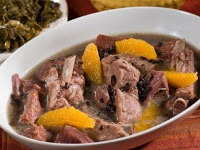 Classic Brazilian Feijoada
In their restaurants you will most likely find an offering of Feijoada -- a kind of beans and pork stew. I wanted to pass along the recipe to you, but it is terribly complicated as it includes black turtle beans, cured beef, salt pork, Spanish sausage and collard greens, along with unique South American spices you probably won't find at the Safeway or Whole Foods store. It looks "interesting" and I'm told it is quite the delectable dish.
Another favorite is Cordeiro -- Lamb. In fact, Portuguese Roast Lamb is a something you might like to try at home though this recipe calls for you to be organized enough to combine the initial ingredients and marinate the lamb for 24 hours. Here's what you do:
BRAZILIAN ROAST LAMB
Combine in a food processor (or just mix really well into a paste):
1/2 cup fresh parsley leaves
5 slices of thick bacon chopped
3 garlic cloves, coarsely chopped
2 teaspoons paprika
2 tablespoons of white wine
Spread this mixture on a butterflied leg of lamb. Roll it up and tie with kitchen string, put it in a pan, cover it, and marinate in the fridge for 24 hours.
Day of serving -- Pre-heat your oven to 400 degrees. Place the lamb in a roasting pan, drizzle with:
1 tablespoon of olive oil
Roast for 20 minutes
Reduce heat to 350 degrees
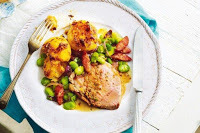 Brazilian Roast LambAdd:
1/3 cup white wine
1 cup Chicken Stock
5 dried bay leaves
Roast for another hour.
Slice, serve with roasted potatoes and a vegetable.
Now, in case you want a lamb recipe that is super simple for your own dinner or to share with guests -- here is one of my favorites that I intend to use in a future thriller:
SIMPLE LAMB SHANKS
Spray some Pam in a large pan - on Medium heat add:
1 medium onion - chopped
2 (or 4) lamb shanks trimmed of excess fat
When slightly browned add:
1 normal size (14.5 oz.) can of "Stewed Tomatoes"
Fill that empty can 2/3 with red wine (whatever you have leftover from a previous dinner perhaps)
1 teaspoon rosemary
Few grinds of pepper
Cover and simmer on lowest possible stove setting for 2 hours. Check frequently to be sure there is still some liquid. If it's cooked down, add a bit more wine.
Serve with mashed potatoes and a green salad -- it's really terrific.
Now, please tell all of us here at "Rogue Women Writers" what types of recipes -- from what countries (that might be good settings for our thrillers) -- that you would like to try. And check my website for upcoming novels: www.karnabodman.com . Thanks for visiting us here.
....Karna
Have you ever read a thriller packed with tons of action, travel, chases and stay-up-all-night runs to get away from the villain? Sure. We all have. But have you ever wondered why the heroes and heroines never get to stop and eat something? (Or take a nap?) I'm thinking now about stories such as Dan Brown's great thrillers (DaVinci Code, Angels and Demons, Deception Point), as examples. Maybe the author thought it would slow down the pacing too much. I don't think so. I like to try and identify with my characters, and stopping to rest and taking time to enjoy a decent meal makes the whole scenario much more believable -- don't you agree? (Even if it's only to "rejuvenate their spirit" to carry on, so to speak).
So in one of my new novels, Affairs of State (I will let you know when it is published), there are several scenes in Brazil, both in its capital of Brasilia and the glittering "romantic city" of Rio de Janeiro. No, it is not pegged to the Summer Olympics next week, which may not be so glittering as only some of the athletic fields are complete, as you can see here - but housing and transportation are not. I have no clue about the restaurants. And it may not be so romantic either as criminal behavior is at an all time high, which makes it a tough place for tourists, but a pretty great venue for a thriller. Ah, but I digress.
 Rio de Janeiro Summer Olympics
 Back to the new story: while the hero is trying to evade a dangerous and devious villain bent on revenge, and the heroine is about to become "collateral damage" -- they do stop and eat once in a while. So in researching local menus, I discovered a popular area akin to a street fair where Brazilian chefs offer their kitchen creations in booths and colorful kiosks. I discovered, for example, that Brazilian pizza doesn't resemble Dominos (which is usually lathered in tomato sauce and mozzarella.) In Rio they offer a unique variety of toppings on a thin crust including hearts of palm, potato sticks, corn and bacon, though they will add fresh tomatoes of you wish. Some can taste like a delicious BLT!
 Classic Brazilian Feijoada
In their restaurants you will most likely find an offering of Feijoada -- a kind of beans and pork stew. I wanted to pass along the recipe to you, but it is terribly complicated as it includes black turtle beans, cured beef, salt pork, Spanish sausage and collard greens, along with unique South American spices you probably won't find at the Safeway or Whole Foods store. It looks "interesting" and I'm told it is quite the delectable dish.
Another favorite is Cordeiro -- Lamb. In fact, Portuguese Roast Lamb is a something you might like to try at home though this recipe calls for you to be organized enough to combine the initial ingredients and marinate the lamb for 24 hours. Here's what you do:
BRAZILIAN ROAST LAMB
Combine in a food processor (or just mix really well into a paste):
1/2 cup fresh parsley leaves
5 slices of thick bacon chopped
3 garlic cloves, coarsely chopped
2 teaspoons paprika
2 tablespoons of white wine
Spread this mixture on a butterflied leg of lamb. Roll it up and tie with kitchen string, put it in a pan, cover it, and marinate in the fridge for 24 hours.
Day of serving -- Pre-heat your oven to 400 degrees. Place the lamb in a roasting pan, drizzle with:
1 tablespoon of olive oil
Roast for 20 minutes
Reduce heat to 350 degrees
 Brazilian Roast LambAdd:
1/3 cup white wine
1 cup Chicken Stock
5 dried bay leaves
Roast for another hour.
Slice, serve with roasted potatoes and a vegetable.
Now, in case you want a lamb recipe that is super simple for your own dinner or to share with guests -- here is one of my favorites that I intend to use in a future thriller:
SIMPLE LAMB SHANKS
Spray some Pam in a large pan - on Medium heat add:
1 medium onion - chopped
2 (or 4) lamb shanks trimmed of excess fat
When slightly browned add:
1 normal size (14.5 oz.) can of "Stewed Tomatoes"
Fill that empty can 2/3 with red wine (whatever you have leftover from a previous dinner perhaps)
1 teaspoon rosemary
Few grinds of pepper
Cover and simmer on lowest possible stove setting for 2 hours. Check frequently to be sure there is still some liquid. If it's cooked down, add a bit more wine.
Serve with mashed potatoes and a green salad -- it's really terrific.
Now, please tell all of us here at "Rogue Women Writers" what types of recipes -- from what countries (that might be good settings for our thrillers) -- that you would like to try. And check my website for upcoming novels: www.karnabodman.com . Thanks for visiting us here.
....Karna
July 30, 2016
LIVE TO EAT, EAT TO LIVE
by KJ Howe
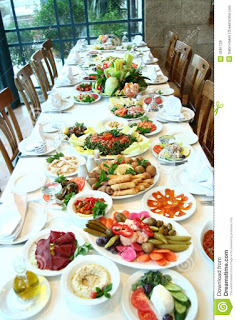 Food is crucial for sustenance. It's also an important part of our social fabric, integral to celebrations and holidays. Gourmet meals are slaved over for hours, the dishes lovingly selected and created, presented beautifully on a decorated table.
But what if food is unavailable or withheld? During kidnaps, most captives lose copious amounts of weight as a result of starvation-like diets. Kidnap hides are usually located in remote regions, restricting the choices for daily sustenance. Meals are often served once a day, and they can be far from appetizing.
The hostage's location can greatly influence the daily diet. Bread in all forms is ubiquitous for meals, ranging from cassava to sourdough to rye. Rice and beans are staples, both easy-to-store and readily accessible throughout the world's kidnap hotspots. When it comes to meat, chicken and lamb tend to be the most prevalent forms of protein, as small livestock are easier to care for and transport. Fish is also a predominant food, especially if the kidnap hide is located near water where daily fishing can offer a freshly caught meal. In the Middle East, falafels are common, the chickpea- or fava bean-based patty is usually fried in a pan, often served in a pita. Oranges, apples, and other fruits are sometimes offered, depending on the region. The choices are extremely limited overall, and it's likely the captive will be eating the same thing day after day.
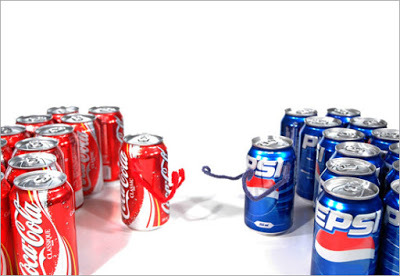
When it comes to beverages, water, tea, and coffee rank high. And, it seems no matter where you go in the world, the caffeinated, sugary beverages of Pepsi and Coca-Cola are in plentiful demand.
Quantities of food are often in short supply in remote kidnap locales, and the cost of feeding a hostage cuts into the profit of a ransom. The good news for captives is that in most cases the kidnappers want to keep you healthy and alive so that they can negotiate a substantial sum for your release. It's important to eat whatever you are given so you can keep your strength, endure the captivity, and eventually return home to your family. So no matter how unappetizing the food, try to eat it.
Starved, lonely, missing your loved ones for long stretches of time. It makes one consider what food fantasies would enter your mind while in captivity. I would choose something called Salzburg Nockerl, an incredible soufflé-like dish that represents the mountains surrounding Salzburg, Austria. I spent a year in this gorgeous city, and the place holds many fond memories, this dessert among them. I hope you'll give it a try.
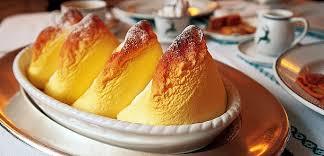
SAlZBURG NOCKERLYIELD Makes 4 to 6 (dessert) servingsACTIVE TIME 15 minTOTAL TIME 30 minINGREDIENTS1/4 cup heavy cream1/4 cup bottled wild lingonberry sauce or any fruit preserves or jam5 large egg whites3/4 teaspoon salt1/2 cup granulated sugar1 tablespoon all-purpose flour3 large egg yolks1 teaspoon pure vanilla extractConfectioners sugar for dustingPREPARATIONPut oven rack in middle position and preheat oven to 400°F.Pour cream into a 9-inch pie plate or shallow gratin dish and spoon lingonberry sauce into cream in dollops (it will be sparse).Put egg whites and salt in a bowl, then set bowl in a larger bowl of hot water and stir whites to warm to room temperature, 1 to 2 minutes. Remove from hot water. Beat whites with an electric mixer at high speed until they just form soft peaks, then beat in granulated sugar, 1 tablespoon at a time, beating until whites just form stiff, glossy peaks. Sprinkle flour over meringue and fold in gently but thoroughly. Whisk together egg yolks and vanilla in a small bowl, then fold into whites gently but thoroughly.Spoon large dollops of meringue onto cream mixture and bake until golden brown and set, 13 to 15 minutes. If you prefer a less creamy soufflé, bake 5 minutes more. Dust lightly with confectioners sugar and cool 5 minutes before serving.What would be the one food you would crave most if you were kidnapped?
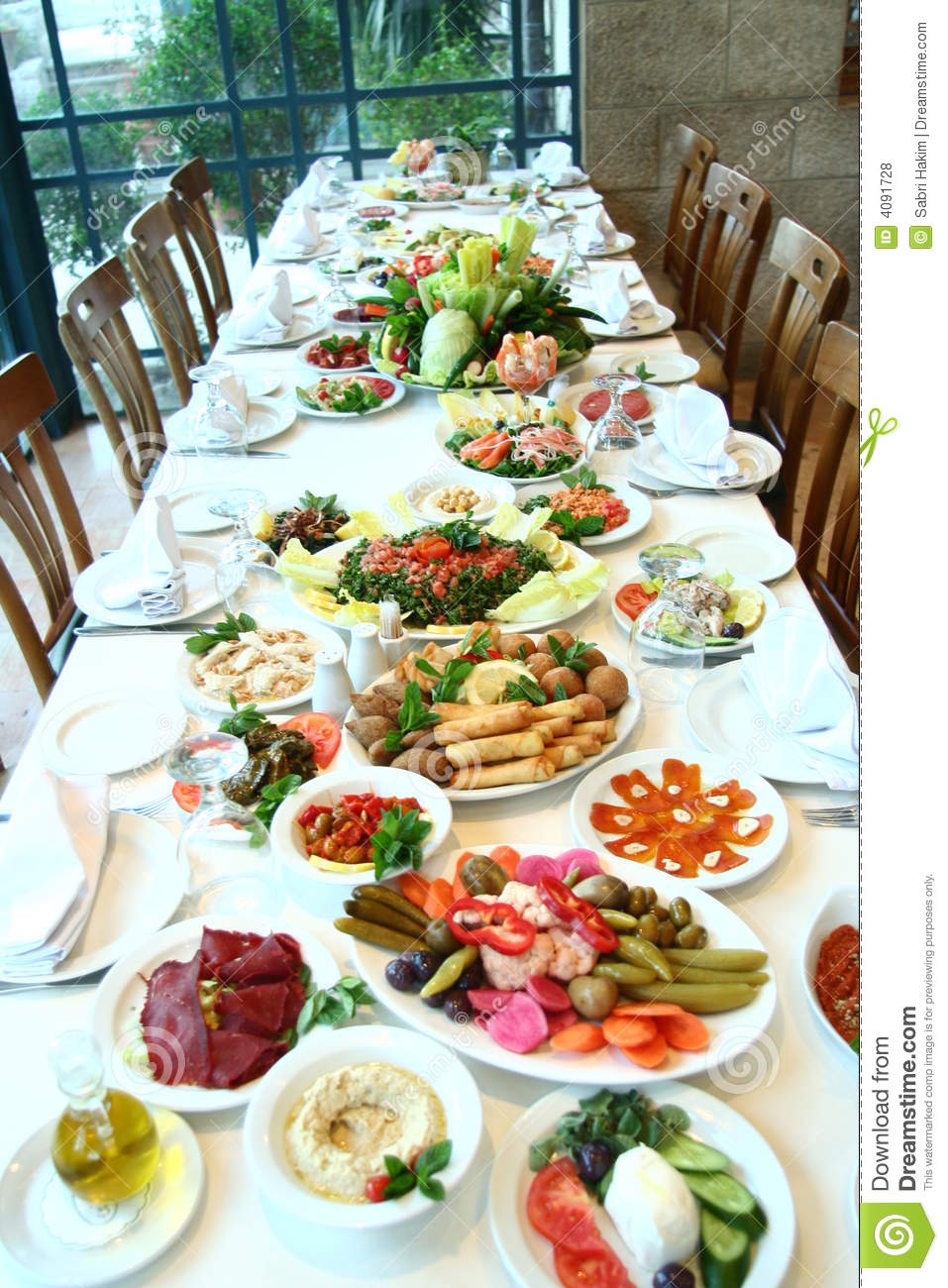 Food is crucial for sustenance. It's also an important part of our social fabric, integral to celebrations and holidays. Gourmet meals are slaved over for hours, the dishes lovingly selected and created, presented beautifully on a decorated table.
But what if food is unavailable or withheld? During kidnaps, most captives lose copious amounts of weight as a result of starvation-like diets. Kidnap hides are usually located in remote regions, restricting the choices for daily sustenance. Meals are often served once a day, and they can be far from appetizing.
The hostage's location can greatly influence the daily diet. Bread in all forms is ubiquitous for meals, ranging from cassava to sourdough to rye. Rice and beans are staples, both easy-to-store and readily accessible throughout the world's kidnap hotspots. When it comes to meat, chicken and lamb tend to be the most prevalent forms of protein, as small livestock are easier to care for and transport. Fish is also a predominant food, especially if the kidnap hide is located near water where daily fishing can offer a freshly caught meal. In the Middle East, falafels are common, the chickpea- or fava bean-based patty is usually fried in a pan, often served in a pita. Oranges, apples, and other fruits are sometimes offered, depending on the region. The choices are extremely limited overall, and it's likely the captive will be eating the same thing day after day.
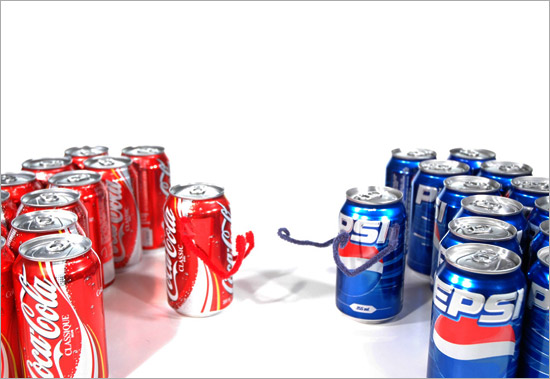
When it comes to beverages, water, tea, and coffee rank high. And, it seems no matter where you go in the world, the caffeinated, sugary beverages of Pepsi and Coca-Cola are in plentiful demand.
Quantities of food are often in short supply in remote kidnap locales, and the cost of feeding a hostage cuts into the profit of a ransom. The good news for captives is that in most cases the kidnappers want to keep you healthy and alive so that they can negotiate a substantial sum for your release. It's important to eat whatever you are given so you can keep your strength, endure the captivity, and eventually return home to your family. So no matter how unappetizing the food, try to eat it.
Starved, lonely, missing your loved ones for long stretches of time. It makes one consider what food fantasies would enter your mind while in captivity. I would choose something called Salzburg Nockerl, an incredible soufflé-like dish that represents the mountains surrounding Salzburg, Austria. I spent a year in this gorgeous city, and the place holds many fond memories, this dessert among them. I hope you'll give it a try.

SAlZBURG NOCKERLYIELD Makes 4 to 6 (dessert) servingsACTIVE TIME 15 minTOTAL TIME 30 minINGREDIENTS1/4 cup heavy cream1/4 cup bottled wild lingonberry sauce or any fruit preserves or jam5 large egg whites3/4 teaspoon salt1/2 cup granulated sugar1 tablespoon all-purpose flour3 large egg yolks1 teaspoon pure vanilla extractConfectioners sugar for dustingPREPARATIONPut oven rack in middle position and preheat oven to 400°F.Pour cream into a 9-inch pie plate or shallow gratin dish and spoon lingonberry sauce into cream in dollops (it will be sparse).Put egg whites and salt in a bowl, then set bowl in a larger bowl of hot water and stir whites to warm to room temperature, 1 to 2 minutes. Remove from hot water. Beat whites with an electric mixer at high speed until they just form soft peaks, then beat in granulated sugar, 1 tablespoon at a time, beating until whites just form stiff, glossy peaks. Sprinkle flour over meringue and fold in gently but thoroughly. Whisk together egg yolks and vanilla in a small bowl, then fold into whites gently but thoroughly.Spoon large dollops of meringue onto cream mixture and bake until golden brown and set, 13 to 15 minutes. If you prefer a less creamy soufflé, bake 5 minutes more. Dust lightly with confectioners sugar and cool 5 minutes before serving.What would be the one food you would crave most if you were kidnapped?