Chris Goff's Blog, page 67
June 11, 2016
THREE SECRETS FROM A LIFELONG LEARNER (WHO HATES SCHOOL)
I love my job.
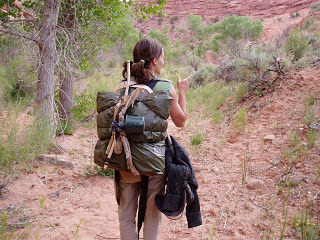 Navigating through the desertBy Sonja Stone0150: I stumble through the darkened desert, each arm thrown over the shoulder of a teammate. Every few steps I lose consciousness. My teammates drag me down the path until I come to and start walking again. I feel so weak. We’ve been hiking since dawn with no food and very little water—only what we could find along the way. Deep into the Grand Staircase-Escalante National Monument, down jagged cliffs along extreme terrain. I’m not a weakling but I have no reserves: I’m 5’2” and 110 pounds. My tank is empty and I just want to sleep. The temperature has dropped from the low 90s of the afternoon to the mid 50s, and it will continue dropping as we descend further into the canyon. At this point I don’t care about anything. If I drift off and never wake up, so be it.
Christine Goff, fellow Rogue Woman Writer, posed this question: Are you a boots-on-the-ground or armchair researcher? For most of my blog sisters, contemplating this led to thoughts of international travel. The series I’m writing now takes place deep in the Sonoran Desert—where I happen to live. So my research is a bit different.
0245: Our group stops for a rest. We’re way behind schedule and our instructor is pensive. Carla, a teammate, begs him to give me a drink of water or a few nuts. He couldn’t even if he wanted to; he has no rations. We will not eat or drink until we reach our destination: a primitive camp along Durfee Creek. I lay down in the dirt and close my eyes. Carla shakes me. I tell her I’m not thirsty or hungry anymore. “Just let me rest a minute—I’ll catch up.”
This is my idea of a vacation.
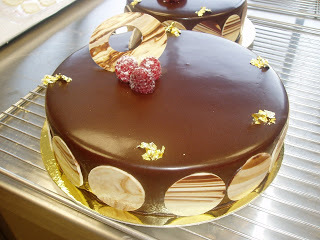 One of our class creationsSo when you ask what kind of researcher I am, I’m definitely boots on the ground. In fact, my favorite vacations involve learning new skill sets. The trip to France to study under the very talented Meilleur Ouvrier de France (MOF) Stephane Glacier. The primitive living skills course taught in the Sea of Cortez on La Isla Tiburon among the Seri Indians. Learning to survive in the desert with a knife, a water bottle, and a poncho.
SECRET #1: I Have a Terrible ImaginationBecause of this, I’m required to do hands-on research. I studied martial arts, learned to throw knives, took lessons at the local gun club. I hike in the desert; sometimes, to get in character, I push myself as I imagine the students at Desert Mountain Academy must.
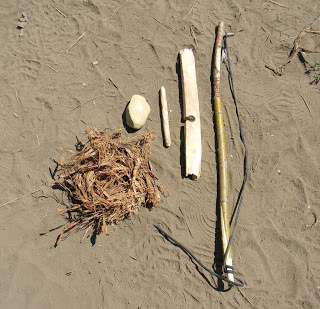 Primitive Zippo (bow drill)The high-school students in my novel, recruits at a CIA black-ops training facility, complete “survival courses” as part of the curriculum. A great deal of their experience comes directly from what I learned at Boulder Outdoor Survival School (BOSS). Like the scene where my protagonist Nadia Riley is on the first survival course: it’s day two, she hasn’t slept, they’ve been hiking nonstop for hours in the hot desert. All she can do is put one foot in front of the other. She focuses on that—one more step, one more step. That’s exactly how I felt on my 7-day Field Course.
On the plus side, I can make fire without matches and build a shelter that will keep me alive through freezing temperatures—I know this because I’ve done it. I can set a deadfall, skin a mouse, clot a wound with yarrow, fight Giardia with desert barberry, and filter water. I can make rope (cordage), craft a bowl out of wood and a smoldering branch (burn bowl), and orient myself on a starry night. I’ve learned that I can push myself past what I’m certain is my breaking point—one step at a time.
SECRET #2: I’m Living Vicariously through My CharactersThese experiences shaped how I see myself and how I view the world. When my characters start whining that I’m asking too much of them, I whisper, “Shh, you can do it.” And they do.
My fantasy job: CIA Officer [but like the Sydney Bristow variety (ALIAS), not the actual risk-my-life-for-my-country-for-little-money-and-no-recognition variety (Thanks, Francine, for your service!)].
For a number of reasons, I didn’t go into this line of work. I’m willing to concede that at my age, becoming a spy isn’t very likely.
But I still want to play spies.
Since none of my friends will follow me into the desert for a three-day Escape and Evade Adventure, I’m forced to write about it. My protagonist isn’t based on me: she’s Me 2.0—the person I want to be.
SECRET #3: Perfectionism is the Bane of My ExistenceI’m an all-or-nothing thinker. About everything. When I take vacations I either want to be backpacking through the desert or living at the Ritz Carlton. If my home can’t be perfectly organized all the time there’s no point in doing the dishes. And when I attended high school (with undiagnosed ADHD), I believed if I couldn’t get a 4.0 there was no point in cracking a book.
I used to be a pastry chef. One evening, the country club where I worked hosted a large party with a prix fixe menu. I was assembling the plated deserts, meticulously adding each intricate sugar garnish as a finishing touch. The line cooks who’d prepared the savory dishes apparently thought I needed assistance to get the desserts out the door in time. If you’ve ever worked in a kitchen, you know that twenty-somethings just out of culinary school who work on the hot line aren’t known for their delicate fingers. The garnishes broke, I (very somewhat courteously) informed them that thank-you-very-much-but-I-do-not-need-help-the-guests-will-get-dessert-when-I-say-so, and they stepped away from my bench. For whatever reason, I earned the reputation of “not being a team player,” and being “a bit of a princess.”
FYI, I like princesses.
Authors are often asked, “How do you know when the book is done?” As a perfectionist, I can’t answer this question. My debut novel, DESERT DARK, was released in April. I knew it was done because my agent said, “Okay. It’s done.” I was like, “Um…but not really, right?”
Here’s the thing about being a writer: I vacillate between thinking I’m an absolute genius and thinking I’m the least original person on the planet. The truth is, I’m probably somewhere in between. In my case, it takes a village to write a book.
But the research is (hands down!) my favorite part of the job.
Have you ever been assigned a side project at work or school that captivated you? Writing the company newsletter? Designing posters for the school play? Crafting cookies for the church bake sale? Did you discover a talent you didn’t know you had?
 Navigating through the desertBy Sonja Stone0150: I stumble through the darkened desert, each arm thrown over the shoulder of a teammate. Every few steps I lose consciousness. My teammates drag me down the path until I come to and start walking again. I feel so weak. We’ve been hiking since dawn with no food and very little water—only what we could find along the way. Deep into the Grand Staircase-Escalante National Monument, down jagged cliffs along extreme terrain. I’m not a weakling but I have no reserves: I’m 5’2” and 110 pounds. My tank is empty and I just want to sleep. The temperature has dropped from the low 90s of the afternoon to the mid 50s, and it will continue dropping as we descend further into the canyon. At this point I don’t care about anything. If I drift off and never wake up, so be it.
Christine Goff, fellow Rogue Woman Writer, posed this question: Are you a boots-on-the-ground or armchair researcher? For most of my blog sisters, contemplating this led to thoughts of international travel. The series I’m writing now takes place deep in the Sonoran Desert—where I happen to live. So my research is a bit different.
0245: Our group stops for a rest. We’re way behind schedule and our instructor is pensive. Carla, a teammate, begs him to give me a drink of water or a few nuts. He couldn’t even if he wanted to; he has no rations. We will not eat or drink until we reach our destination: a primitive camp along Durfee Creek. I lay down in the dirt and close my eyes. Carla shakes me. I tell her I’m not thirsty or hungry anymore. “Just let me rest a minute—I’ll catch up.”
This is my idea of a vacation.
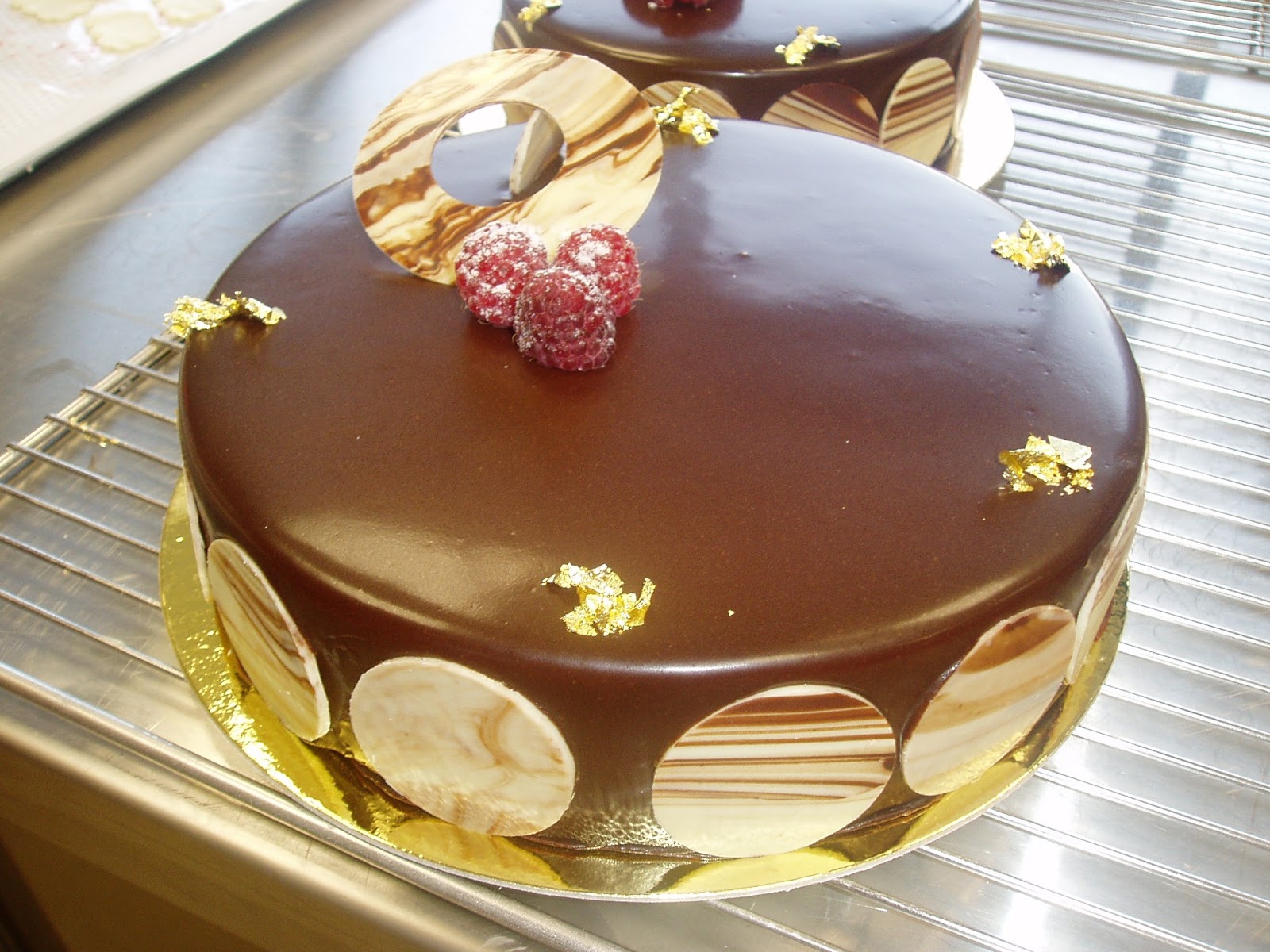 One of our class creationsSo when you ask what kind of researcher I am, I’m definitely boots on the ground. In fact, my favorite vacations involve learning new skill sets. The trip to France to study under the very talented Meilleur Ouvrier de France (MOF) Stephane Glacier. The primitive living skills course taught in the Sea of Cortez on La Isla Tiburon among the Seri Indians. Learning to survive in the desert with a knife, a water bottle, and a poncho.
Why is it necessary for me to go to such extremes?
SECRET #1: I Have a Terrible ImaginationBecause of this, I’m required to do hands-on research. I studied martial arts, learned to throw knives, took lessons at the local gun club. I hike in the desert; sometimes, to get in character, I push myself as I imagine the students at Desert Mountain Academy must.
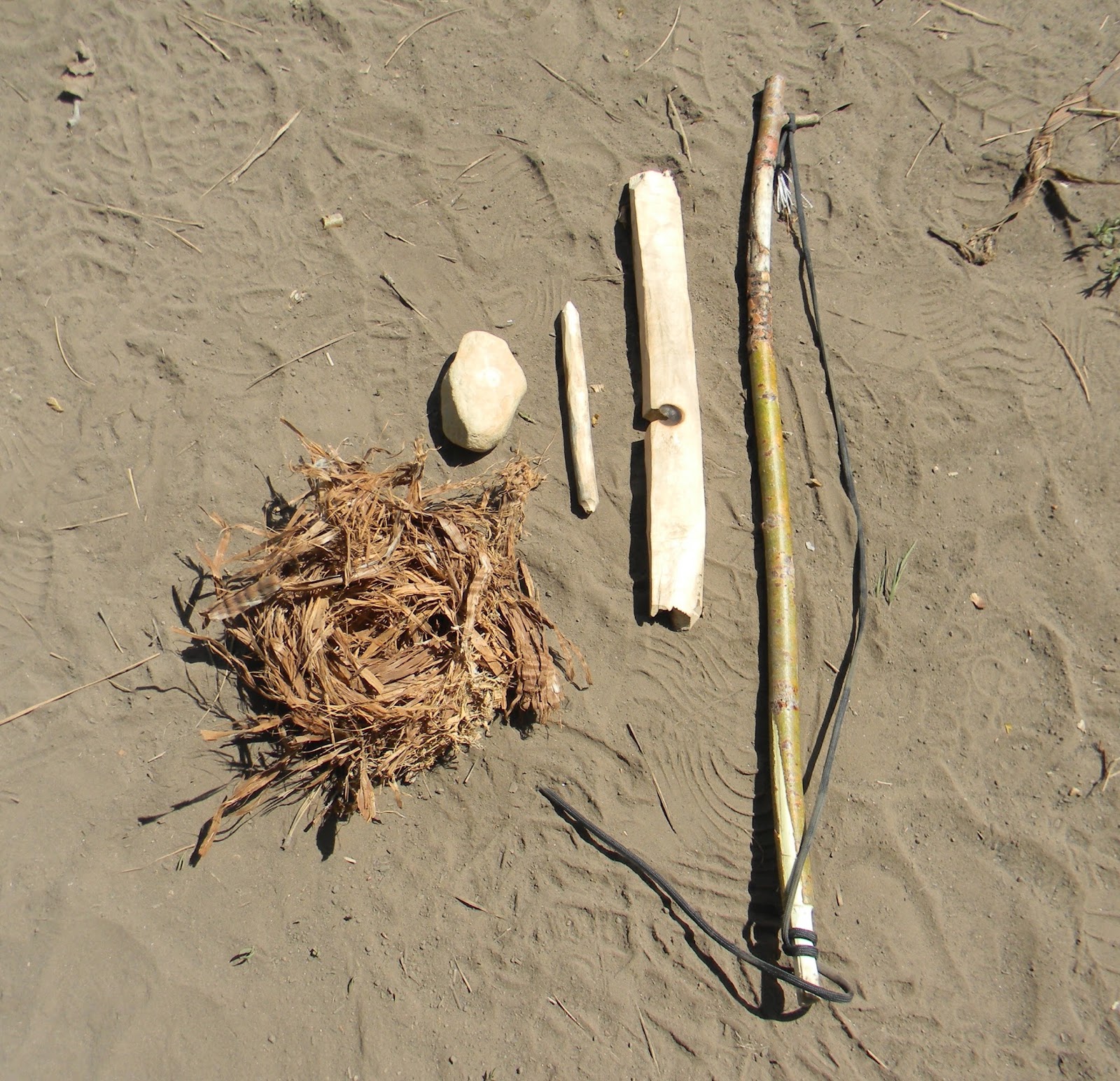 Primitive Zippo (bow drill)The high-school students in my novel, recruits at a CIA black-ops training facility, complete “survival courses” as part of the curriculum. A great deal of their experience comes directly from what I learned at Boulder Outdoor Survival School (BOSS). Like the scene where my protagonist Nadia Riley is on the first survival course: it’s day two, she hasn’t slept, they’ve been hiking nonstop for hours in the hot desert. All she can do is put one foot in front of the other. She focuses on that—one more step, one more step. That’s exactly how I felt on my 7-day Field Course.
 On the plus side, I can make fire without matches and build a shelter that will keep me alive through freezing temperatures—I know this because I’ve done it. I can set a deadfall, skin a mouse, clot a wound with yarrow, fight Giardia with desert barberry, and filter water. I can make rope (cordage), craft a bowl out of wood and a smoldering branch (burn bowl), and orient myself on a starry night. I’ve learned that I can push myself past what I’m certain is my breaking point—one step at a time.
SECRET #2: I’m Living Vicariously through My CharactersThese experiences shaped how I see myself and how I view the world. When my characters start whining that I’m asking too much of them, I whisper, “Shh, you can do it.” And they do.
My fantasy job: CIA Officer [but like the Sydney Bristow variety (ALIAS), not the actual risk-my-life-for-my-country-for-little-money-and-no-recognition variety (Thanks, Francine, for your service!)].
For a number of reasons, I didn’t go into this line of work. I’m willing to concede that at my age, becoming a spy isn’t very likely.
But I still want to play spies.
Since none of my friends will follow me into the desert for a three-day Escape and Evade Adventure, I’m forced to write about it. My protagonist isn’t based on me: she’s Me 2.0—the person I want to be.
SECRET #3: Perfectionism is the Bane of My ExistenceI’m an all-or-nothing thinker. About everything. When I take vacations I either want to be backpacking through the desert or living at the Ritz Carlton. If my home can’t be perfectly organized all the time there’s no point in doing the dishes. And when I attended high school (with undiagnosed ADHD), I believed if I couldn’t get a 4.0 there was no point in cracking a book.
I used to be a pastry chef. One evening, the country club where I worked hosted a large party with a prix fixe menu. I was assembling the plated deserts, meticulously adding each intricate sugar garnish as a finishing touch. The line cooks who’d prepared the savory dishes apparently thought I needed assistance to get the desserts out the door in time. If you’ve ever worked in a kitchen, you know that twenty-somethings just out of culinary school who work on the hot line aren’t known for their delicate fingers. The garnishes broke, I (very somewhat courteously) informed them that thank-you-very-much-but-I-do-not-need-help-the-guests-will-get-dessert-when-I-say-so, and they stepped away from my bench. For whatever reason, I earned the reputation of “not being a team player,” and being “a bit of a princess.”
FYI, I like princesses.
Authors are often asked, “How do you know when the book is done?” As a perfectionist, I can’t answer this question. My debut novel, DESERT DARK, was released in April. I knew it was done because my agent said, “Okay. It’s done.” I was like, “Um…but not really, right?”
Here’s the thing about being a writer: I vacillate between thinking I’m an absolute genius and thinking I’m the least original person on the planet. The truth is, I’m probably somewhere in between. In my case, it takes a village to write a book.
But the research is (hands down!) my favorite part of the job.
Have you ever been assigned a side project at work or school that captivated you? Writing the company newsletter? Designing posters for the school play? Crafting cookies for the church bake sale? Did you discover a talent you didn’t know you had?


June 9, 2016
FLOOD OF MEMORIES: Or, How I Was Saved by a C-130
 Royal Thai Air Force C-130 Hercules TransportBy Francine Mathews
The Vietnam Air pilot had a voice like smoke and spoke excellent English. He was probably trained by the military and might even have piloted a Soviet-built fighter jet during the war. Which meant we were in experienced hands, although we were flying in an old tin can undoubtedly built by Aeroflot. I tried to sustain these happy thoughts as I gripped my seat with white knuckles. Every time the guy tried to enter his descent for landing at Hue Airport, the entire plane shuddered violently, as though the wings were being torn off. Our pilot immediately ascended to safer air, circled, and tried again.
This went on for nearly an hour. I figured he was burning the last of his fuel so that when we crashed, it'd be more about smoke than fire. I'd left an eighteen-month old baby and a five year-old at home. I began to believe I'd never see them again.
We had flown south from Hanoi that afternoon for the ancient Vietnamese capital of Hue, which sat right in the midsection of the serpentine South East Asian country. After seeing the city and neighboring Hoi An, we intended to hop another plane for Saigon and then eventually head home.
 I'd been researching my novel THE SECRET AGENT that autumn, and I'd already spent ten days in Thailand tracking the history of an American legend who disappeared without a trace--Jim Thompson: silk trader, businessman, and probable CIA NOC. He'd walked out of a Malaysian villa one Easter Sunday and was never seen again.
In Hanoi, my husband and I had visited Ho Chi Minh's mausoleum, marveled at the babies tied into bike seats with simple silk scarves, and touched the walls of John McCain's prison cell in the Hanoi Hilton. We'd eaten glorious French-Vietnamese food at a restaurant called L'Indochine and mourned the scrawny dogs trapped in cages at the open-air markets (yes, they were bound for the pot.) I had fallen utterly in love with Vietnam, which is one of the most transportive of places, a landscape rooted in the nineteenth century, with some of the chicest inhabitants of the twenty-first.
But I hadn't calculated on a typhoon. Neither, I learned later, had Vietnam. Because in 1999 the country still had no national weather service. I'm repeating that thought because it still seems incredible. Vietnam could not predict its own weather.
And we were shuddering our way right into it.
The entire coastline of the South China Sea was about to be hit by a storm of Katrina-like proportions, bringing the highest flood waters in a century. One hundred thousand people's homes would be inundated and nearly eight hundred would lose their lives. But for the moment, we were just trying to land.
The pilot came over the cabin speaker and told us we were being diverted to Da Nang, the old DMZ of Vietnam-war era days. It was only ten minutes away, he said, and we'd be bused to Hue once we landed safely there. He didn't tell us why the diversion was necessary, or that Hue was three hours from Da Nang by bus, over high mountain passes. He didn't mention that Da Nang was our only option, because it had the sole runway in the country long enough to land a jet of his size in violent wind. I learned all that later. Da Nang was our only option because its runway had been built by the US Army Corps of Engineers thirty-odd years before.
When we arrived in Hue sometime after midnight, our van moved slowly through streets awash in river water. By morning, the ground floor of our five-star hotel was flooded and the entire city's electricity was out.
 Hue, Vietnam, November 1-6, 1999Rain cascaded down the banisters of the grand lobby staircase and poured through the ceiling's acoustic tiles. The hotel generator, on high ground, was completely subsumed. Water seeped through the space between our bedroom door and the exterior balcony, soaking the carpet. We changed to another room overlooking the pool. The Perfume River, one of the beauties of Hue that bisects the city, had engulfed the pool entirely and the deck chairs were floating downstream.
We were completely cut off, an island in a brown sea.
That night, we ate rice boiled in rainwater by the hotel staff, who had nowhere else to go. We would eat the same meal for breakfast, lunch, and dinner for the next five days--and be thankful to have it. The sound of relentless rain pelting every surface was one of the few that remained in the drowned city, and it slowly began to drive me mad. Our one diversion was the foreign press corps also staying at the hotel--a group of British, American and European journalists who'd accompanied a Thai government delegation to Vietnam. They'd come for a boondoggle. What they got was endless games of cards by candlelight with a novelist and her husband, and their new friend--an Ear, Nose and Throat doctor from Ohio who'd been surgically correcting kids' congenital defects on a charitable mission for the past few weeks.
 Two days into the typhoon, the refugees began to arrive.
They came by sampan as the rainfall began to abate. Most were foreign tourists who'd put up at hostels or cheaper rentals in town, and discovered too late that one-story structures (as most in Hue then were) meant clinging to the roof in a hurricane. One family of Swedish backpackers--parents and three children under the age of seven--had spent two nights inside a flooded house, with the father holding his three year-old daughter above his head to keep her out of the water. The little girl was traumatized when she arrived at our hotel; she never spoke and ate almost nothing for the remainder of the week.
On day four we realized we had missed our plane home out of Bangkok. And had no way to communicate that fact to our children or their babysitter.
On day five, we got news: The Royal Thai Air Force was flying in to retrieve the entire Thai delegation and their press corps, about a hundred and fifty people all told. They would have room to take a few others along. And there were at least thirty hotel guests who wanted a seat on that plane.
One of the journalists hinted that there might be A List. But no one knew whose names were on it.
My husband, Mark, is a secular Buddhist, and he immediately began to meditate. He did it to calm himself down and to avoid tearing The List out of some poor government official's hands. Had we been older and wiser we might have tried bribing someone; but in retrospect, we were shockingly young and naive. Our good faith was rewarded: When the Royal Thai transport bus arrived to load for the airport, eight strangers were allowed on--the Swedish family, the ENT doctor, and us.
This is the interior of a C-130 Hercules Transport plane:

Ours was quite a bit older than this one. We filed aboard, strapped ourselves into our seat harnesses, and had a moment to look around. I'd never been on a C-130 before. The din of engines within the uninsulated fuselage was huge. Everywhere I looked, I saw instructions scrawled on the body of the plane in English. And it suddenly dawned on me: This was an American military C-130 that had been handed on to the Thais. Probably after service in Vietnam.
I was being airlifted out of the old war zone in a plane that had once fought there. When Mark was six, his father spent a year commanding an engineering battalion in Vietnam, like the one that had built this runway.
I had just strapped myself into history.
When we reached Da Nang and a Thai Airways flight to Bangkok, my husband and I gazed out for a moment in farewell at the aging transport that had lifted us from the floods. Five Royal Thai airmen in orange jump suits were gathered around the engines. One of them had fetched a wooden painter's ladder and mounted it with a broom. As we watched, he attempted gamely to start the C-130's propeller by shoving it with the broom handle.
He shoved. And he shoved.
The propeller refused to move.
Mark and I stared at each other. We had just trusted our lives to this plane. And we had survived. We were suddenly helpless with laughter.
All of Vietnam found its way into THE SECRET AGENT. That's why I try to see the places where I set my stories. It's impossible to imagine the things I know I'll experience.
What have you done, readers, that made life just a bit more authentic?
Happy travels!
Francine
www.francinemathews.com
June 8, 2016
COLOMBIA'S LOST CITY AND CARTAGENA: A THRILLER WRITER'S DREAM
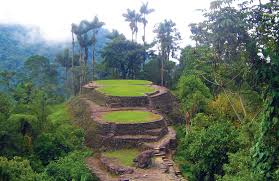 The Lost City (La Ciudad Perdido) some say rivals Machu Picchu By Jamie Freveletti
My novels are all set in dangerous places. Emma Caldridge can most often be found in failing nations, because once the governmental structure of a country fails, everything else begins to fall like dominoes. Food becomes scarce, violence escalates and war, either civil or with an invading insurgency, erupts.
But for my first novel, Running From The Devil , I picked a place that had been in upheaval for decades; Colombia. Beginning in 1964, when the Revolutionary Armed Forces of Colombia (FARC) engaged in its first clash with Colombian military, these insurgents and the government have been battling it out.
 I chose Colombia not only because of its continuing clash with the FARC and the land mines and kidnappings that are their trademark, but also because it has a vibrant, beautiful culture and stunning jungle terrain dotted with mysterious sites that few have seen. One of those sites is the Lost City (La Ciudad Perdida) which is an ancient sacred place only discovered by the non- indigenous in the 1970’s. Few people have gone there, because it requires a two day trek through the rain forest and some years ago trekkers were kidnapped while attempting it. Its history remains shrouded in mystery, and it's believed to be the home of the Tayrona people, but was abandoned during the Spanish Conquest. Indigenous mamo (shaman or priest) go to leave offerings and official trekking guides exist for those adventurous enough to wish to hike there.
 A quick overview; in Running From The Devil, Emma Caldridge is on a plane from Miami to Bogota that is downed in the Colombian jungle. Thrown free of the wreckage, Emma watches as the surviving passengers are taken hostage. Caught in the jungle, where foliage blocks the sun and makes it impossible to gauge direction and surrounded by land mines, Emma tracks behind the guerrillas to disrupt their plans.
I wanted to experience Colombia as Emma did, but kidnappings were common in the country, and my Colombian friend advised me not to travel the road between Bogota and Cartagena. She said one only flies over, never using the highway. She also told me that at the height of the kidnappings many Colombians kept a spare pair of running shoes in their trunk in case they were taken and forced to march through the jungle.
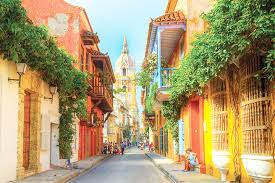 I flew to Cartagena, a tourist town in Colombia and the location for the movie
Romancing The Stone
. The winding streets and colorful plazas were wonderful, but hotel guards armed with machine guns and German Shepherd dogs were a constant reminder of the danger lurking just a few miles away. There were few North Americans and fewer English speakers, but the food was fresh and the people friendly. I decided to rent a car to head to the beach not far away where Emma makes her last stand, but the Concierge informed me that a kidnapping had taken place just days before and suggested I stay put. While I was there, President Uribe declared war on kidnappings and lined the road to Cartagena with the Colombian equivalent of the National Guard. Over the next few days an endless stream of armored Range Rovers pulled up to our hotel, as the Colombians took advantage of one of the first times that they’d been able to drive to their favorite beach town.
I flew to Cartagena, a tourist town in Colombia and the location for the movie
Romancing The Stone
. The winding streets and colorful plazas were wonderful, but hotel guards armed with machine guns and German Shepherd dogs were a constant reminder of the danger lurking just a few miles away. There were few North Americans and fewer English speakers, but the food was fresh and the people friendly. I decided to rent a car to head to the beach not far away where Emma makes her last stand, but the Concierge informed me that a kidnapping had taken place just days before and suggested I stay put. While I was there, President Uribe declared war on kidnappings and lined the road to Cartagena with the Colombian equivalent of the National Guard. Over the next few days an endless stream of armored Range Rovers pulled up to our hotel, as the Colombians took advantage of one of the first times that they’d been able to drive to their favorite beach town.
Location can add to a novel in ways that are exciting and unique. If you’re writing a thriller it adds immeasurably to the thrum of the conflict and the suspense. I enjoy learning about new cultures and the geopolitical challenges of areas around the world, but travel alone can lead to some interesting stories. If you have a travel story of your own I’d love to hear about it!
COLOMBIA'S LOST CITY AND CARTEGENA: A THRILLER WRITER'S DREAM
The Lost City (La Ciudad Perdido) some say rivals Machu Picchu By Jamie FrevelettiMy novels are all set in dangerous places. Emma Caldridge can most often be found in failing nations, because once the governmental structure of a country fails, everything else begins to fall like dominoes. Food becomes scarce, violence escalates and war, either civil or with an invading insurgency, erupts.
But for my first novel, Running From The Devil , I picked a place that had been in upheaval for decades; Colombia. Beginning in 1964, when the Revolutionary Armed Forces of Colombia (FARC) engaged in its first clash with Colombian military, these insurgents and the government have been battling it out.
I chose Colombia not only because of its continuing clash with the FARC and the land mines and kidnappings that are their trademark, but also because it has a vibrant, beautiful culture and stunning jungle terrain dotted with mysterious sites that few have seen. One of those sites is the Lost City (La Ciudad Perdida) which is an ancient sacred place only discovered by the non- indigenous in the 1970’s. Few people have gone there, because it requires a two day trek through the rain forest and some years ago trekkers were kidnapped while attempting it. Its history remains shrouded in mystery, and it's believed to be the home of the Tayrona people, but was abandoned during the Spanish Conquest. Indigenous mamo (shaman or priest) go to leave offerings and official trekking guides exist for those adventurous enough to wish to hike there. A quick overview; in Running From The Devil, Emma Caldridge is on a plane from Miami to Bogota that is downed in the Colombian jungle. Thrown free of the wreckage, Emma watches as the surviving passengers are taken hostage. Caught in the jungle, where foliage blocks the sun and makes it impossible to gauge direction and surrounded by land mines, Emma tracks behind the guerrillas to disrupt their plans.
I wanted to experience Colombia as Emma did, but kidnappings were common in the country, and my Colombian friend advised me not to travel the road between Bogota and Cartagena. She said one only flies over, never using the highway. She also told me that at the height of the kidnappings many Colombians kept a spare pare of running shoes in their trunk in case they were taken and forced to march through the jungle.
I flew to Cartagena, a tourist town in Colombia and the location for the movie
Romancing The Stone
. The winding streets and colorful plazas were wonderful, but hotel guards armed with machine guns and German Shepherd dogs were a constant reminder of the danger lurking just a few miles away. There were few North Americans and fewer English speakers, but the food was fresh and the people friendly. I decided to rent a car to head to the beach not far away where Emma makes her last stand, but the Concierge informed me that a kidnapping had taken place just days before and suggested I stay put. While I was there, President Uribe declared war on kidnappings and lined the road to Cartagena with the Colombian equivalent of the National Guard. Over the next few days an endless stream of armored Range Rovers pulled up to our hotel, as the Colombians took advantage of one of the first times that they’d been able to drive to their favorite beach town.
Location can add to a novel in ways that are exciting and unique. If you’re writing a thriller it adds immeasurably to the thrum of the conflict and the suspense. I enjoy learning about new cultures and the geopolitical challenges of areas around the world, but travel alone can lead to some interesting stories. If you have a travel story of your own I’d love to hear about it!
June 6, 2016
EXOTIC LOCATIONS FOR EXOTIC THRILLERS by Karna Small Bodm...
EXOTIC LOCATIONS FOR EXOTIC THRILLERS by Karna Small Bodman
When you travel and have unique experiences, do you ever say to yourself, "This would make a great setting for a novel?" Or, "These characters would be perfect heroes or even villains in a great story?" Well, that's exactly what we are writing about on our website right now. Let me tell you about a series of adventures and how they inspired me to write one of my thrillers.
When I was serving in The White House just before the President went on vacation in August and Congress would be in recess, things usually calmed down in the nation's capital, so that's the time
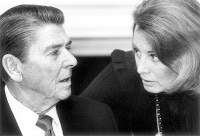 some of us on his staff were sent to various parts of the world to speak to groups about our policies and try to drum up support from our various allies. I remember meeting with the President to tell him about my trip. I drew the Far East. At that point I had never been to my "assigned" destinations, and what exotic and exciting places they were.
JAPAN
In Japan I had the unique task of speaking to business and student groups and then being "entertained" by Japanese officials (all male) who seemed to have absolutely no clue what to do with a female guest. They put together a lovely luncheon at a long table where I sat with some 20 Japanese government types, and we all had individual "servers" -- lovely, quiet, Japanese ladies to bring our food, napkins and anything else we might request. It must have been a first for those men (and the ladies) -- though since that encounter, I know that Japanese women have made great strides in commerce and academia and do "get out more."
THE PHILIPPINES
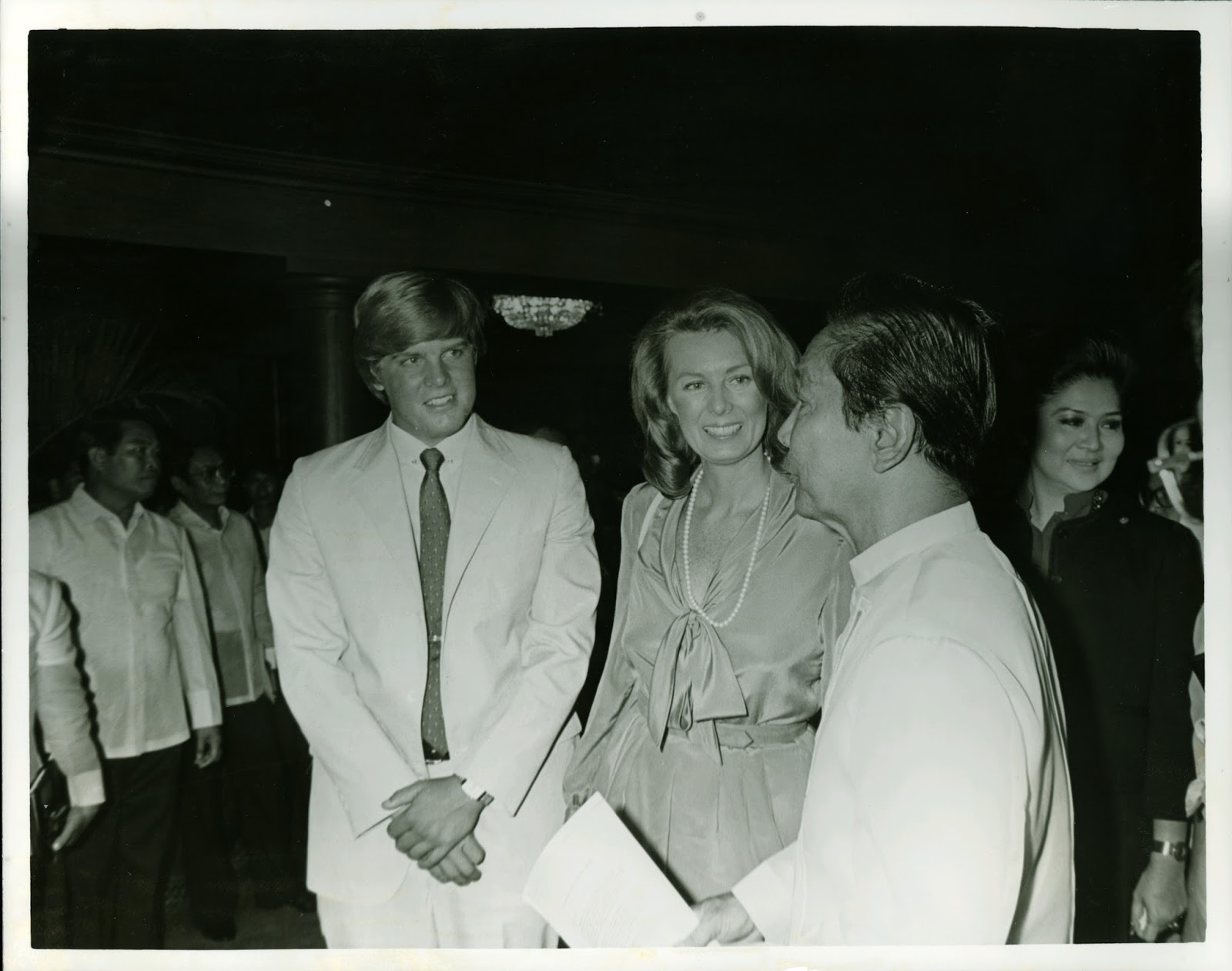
I went to the Philippines for a visit with then President Ferdinand Marcos and First Lady, Imelda
(no I didn't have a chance to see her shoe collection). These were tense times in Manila. We were trying to re-negotiate our use of Clark Field and Subic Bay -- but the Soviets were trying to play the same game. During a formal dinner Imelda gave me a tour of "The Blue House" (their "palace") and
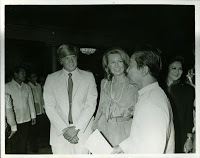 took me into a huge ballroom lined with what looked like 100 incredible icons. I asked where she had amassed so much priceless art. She then told me she had just returned from a trip to Moscow where Andre Gromyko asked what she would like as a gift, and being a strong catholic, she said she would love to have a Russian icon. He then evidently cleared out many of their churches and presented her with this unbelievable collection (a rather unique way to curry favor with the Marcos Administration). Of course, I promptly reported all conversations back to The White House.
SOUTH KOREA
Another stop was South Korea where I stayed at the Ambassador's residence. They asked where I'd like to go on the one break I had in the schedule. I said, "Up to the DMZ." So we took a 30 minute helicopter ride to that very tense border where I had a "CIA briefing" about the meetings between North and South hosted by the Red Cross. They also told me that the North Korean soldiers stationed there would always rush up close to the border to look at American visitors. I had to laugh out loud when a Colonel explained that the times when the most North Koreans came to gawk at our people was when we hosted Miss Universe and the Dallas Cow Boy Cheerleaders!
HONG KONG
Then there was Hong Kong where I spent time with our Consular staff, learning all about the tensions between that fabulous city and China as well as what was going on in Taiwan, a key ally. Those conversations and settings inspired my novel, Gambit, which involves a White House hero teaming up with a woman working on a missile defense system -- trying to stop a plot by rogue Chinese Generals with a fixation on Taiwan -- and of course, there is a romantic twist in this one.
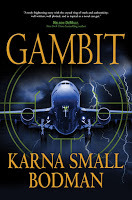
Now, I'm sure you can just imagine all of the other ideas one could gather from such adventures. Question for all your thriller readers: Where have you traveled and which places might inspire a great novel? Please check out my website for summaries of all my stories: www.karnabodman.com
Karna Small Bodman
When you travel and have unique experiences, do you ever say to yourself, "This would make a great setting for a novel?" Or, "These characters would be perfect heroes or even villains in a great story?" Well, that's exactly what we are writing about on our website right now. Let me tell you about a series of adventures and how they inspired me to write one of my thrillers.
When I was serving in The White House just before the President went on vacation in August and Congress would be in recess, things usually calmed down in the nation's capital, so that's the time
 some of us on his staff were sent to various parts of the world to speak to groups about our policies and try to drum up support from our various allies. I remember meeting with the President to tell him about my trip. I drew the Far East. At that point I had never been to my "assigned" destinations, and what exotic and exciting places they were.
 JAPAN
In Japan I had the unique task of speaking to business and student groups and then being "entertained" by Japanese officials (all male) who seemed to have absolutely no clue what to do with a female guest. They put together a lovely luncheon at a long table where I sat with some 20 Japanese government types, and we all had individual "servers" -- lovely, quiet, Japanese ladies to bring our food, napkins and anything else we might request. It must have been a first for those men (and the ladies) -- though since that encounter, I know that Japanese women have made great strides in commerce and academia and do "get out more."
THE PHILIPPINES
I went to the Philippines for a visit with then President Ferdinand Marcos and First Lady, Imelda
(no I didn't have a chance to see her shoe collection). These were tense times in Manila. We were trying to re-negotiate our use of Clark Field and Subic Bay -- but the Soviets were trying to play the same game. During a formal dinner Imelda gave me a tour of "The Blue House" (their "palace") and
 took me into a huge ballroom lined with what looked like 100 incredible icons. I asked where she had amassed so much priceless art. She then told me she had just returned from a trip to Moscow where Andre Gromyko asked what she would like as a gift, and being a strong catholic, she said she would love to have a Russian icon. He then evidently cleared out many of their churches and presented her with this unbelievable collection (a rather unique way to curry favor with the Marcos Administration). Of course, I promptly reported all conversations back to The White House.
SOUTH KOREA
Another stop was South Korea where I stayed at the Ambassador's residence. They asked where I'd like to go on the one break I had in the schedule. I said, "Up to the DMZ." So we took a 30 minute helicopter ride to that very tense border where I had a "CIA briefing" about the meetings between North and South hosted by the Red Cross. They also told me that the North Korean soldiers stationed there would always rush up close to the border to look at American visitors. I had to laugh out loud when a Colonel explained that the times when the most North Koreans came to gawk at our people was when we hosted Miss Universe and the Dallas Cow Boy Cheerleaders!
HONG KONG
Then there was Hong Kong where I spent time with our Consular staff, learning all about the tensions between that fabulous city and China as well as what was going on in Taiwan, a key ally. Those conversations and settings inspired my novel, Gambit, which involves a White House hero teaming up with a woman working on a missile defense system -- trying to stop a plot by rogue Chinese Generals with a fixation on Taiwan -- and of course, there is a romantic twist in this one.

Now, I'm sure you can just imagine all of the other ideas one could gather from such adventures. Question for all your thriller readers: Where have you traveled and which places might inspire a great novel? Please check out my website for summaries of all my stories: www.karnabodman.com
Karna Small Bodman
June 4, 2016
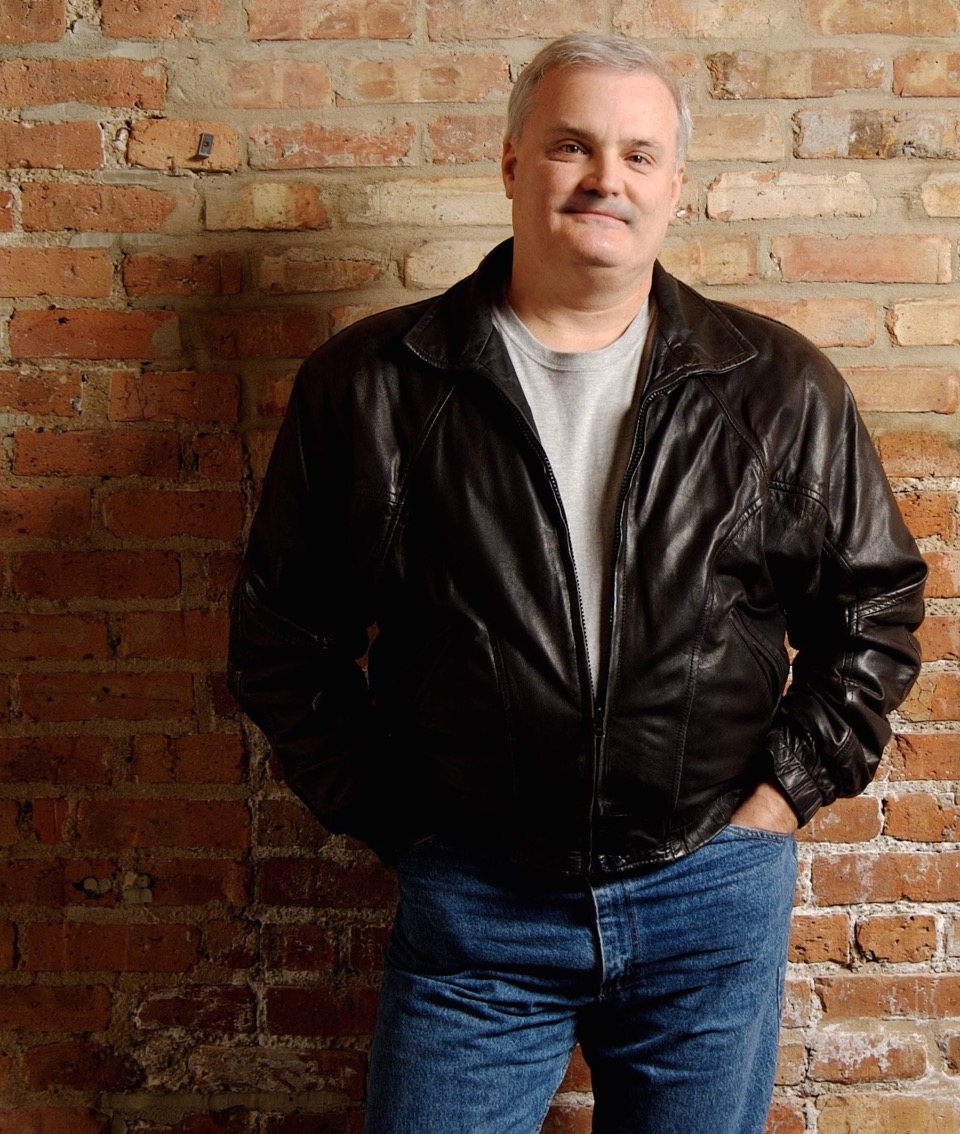
FIRST GUEST BLOGGER, SHANE GERICKE
KJ Howe hosting author Shane Gericke.
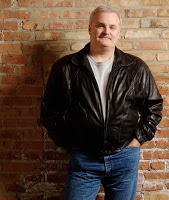
I'd like to welcome our very first guest to the Rogue Women Writers' blog: Shane Gericke. This talented author and I met at the first ThrillerFest, and he kindly asked me to help him run PitchFest. Fast forward a few years, and now I'm fortunate to be the Executive Director of Thrillerfest. So thank you, Shane, for getting me involved in this great organization.
Shane writes female protagonists with authenticity and aplomb, and that's why I felt he'd be a perfect guest for the Rogue Women Writers. And it just happens that his alpha female character in THE FURY has the middle name of Kimberley! Visit him at www.shanegericke.com
Take it away, Shane.
 A reader once accused me of being a traitor to my moustache. Why? Because, in his immortal words, “You wrote a cop book with a chick hero. Chicks can’t be cops. They just … can’t. Guys are cops, girls aren’t. But hey, maybe you’re gay or something . . .”
Did I mention that while I love my readers each and every one, I love some more than others?
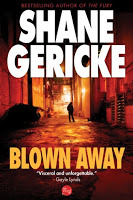
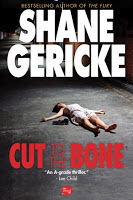
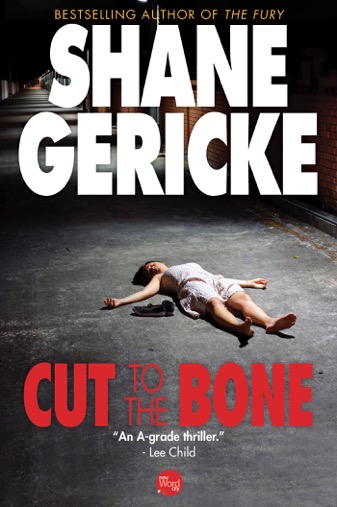
As to his complaint, it was heartfelt, if completely Neaderthal: I wrote a cops-vs.-serial killer thriller whose protagonist was a tough, yet feminine, cop named Emily Thompson. That single book, Blown Away, turned into a trilogy—Cut to the Bone and Blown Away—since the sales of the debut were grand it became a national bestseller and won Debut Mystery of the Year honors from RT Book Reviews.
All that for a “cop book with a chick hero.”
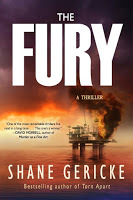
My fourth book took me in a new direction, cause I was tired of writing serial killers. The Fury is a story about international terrorism, and stars—wait for it—a chick who’s a tough, yet feminine, cop whose assignment is to bring down a psychopathic Mexican cartel leader and save the United States from his plan to nerve-gas millions of Americans.
A book for which I got zero complaints about the hero being female. Part of that is times have changed, and readers in 2016 are far more accepting of female leads than they were a decade ago, when Blown Away made its debut.
 But that’s readers. I want to talk about my reader’s original premise: Why does a man choose to write female heroes rather than male. I mean, write what you know, right?
Wrong. If I wrote only about things I know, I’d be out of words pretty quickly. So I write what I can imagine, which is far more vast and fun. And my experience AND imagination dictates that women are every bit as tough, wily, heroic, compassionate, venal, corrupt, and asshole-y as men. So why not write them that way?
I deliberately chose suburban cop Emily Thompson for the trilogy and Chicago cop Superstition “Sue” Davis for The Fury. I could have chosen men easily enough. But I didn’t for one main reason:
I can charge a female hero with a much wider range of emotions than I can a male hero.
As a society we are less sexist than we used to be. But we’re not sexism-free. I like my heroes to be tough AND tender. To kick ass, take names, AND cry. To openly mourn the loss of a friend instead of being stoic and sucking it up.
 With women, I can can do that, and readers accept it. Superstition’s husband was assassinated by the cartel jefe that she would later be assigned to capture. She and Derek were childhood sweethearts and she took his death very, very hard. After his funeral she went crazy, crying and crying and crying until she couldn’t breath, then jumping onto her bed and breathing his pillow in hopes of catching his scent. Then she buried her face in his old sweat clothes, for the same reason. All this after she shot and killed three men who were robbing a tavern and began to slaughter the patrons. So, tough and tender.
Female heroes can have that wide range of emotions, and readers are fine with it. But a male hero weeping and crying and flinging himself on the bed and smelling his wife’s clothes to catch a scent of her? No way. Enlighten as we think we are, we expect male heroes to act stoically, suck it up and get back to business, maybe get drunk and smash things.
But not smell her sweat clothes.
 As a writer, the gift of that tool—using every range of emotion in the human experience—lets me write my heroes to their emotional maximums, without turning off any reader. Men and women accept females kicking ass AND crying their eyes out. They do not accept it from male heroes.
And that’s why Emily and Superstition rock.
These are not romance novels, and the cops are not dewy-eyed or meek. They are very, very tough. They fight bad guys hand to hand, they shoot bad guys up close and personal, and they don’t berate themselves for it afterward.
But they also like nail polish and puppies and kittens and cooking and taking care of their men, who in turn take care of them.
It’s a perfect world for me as a writer, and that’s why I like female heroes.
Thank you, Shane! Hope you'll come back again and visit us on the Rogue side.
I'd like to welcome our very first guest to the Rogue Women Writers' blog: Shane Gericke. This talented author and I met at the first ThrillerFest, and he kindly asked me to help him run PitchFest. Fast forward a few years, and now I'm fortunate to be the Executive Director of Thrillerfest. So thank you, Shane, for getting me involved in this great organization.
Shane writes female protagonists with authenticity and aplomb, and that's why I felt he'd be a perfect guest for the Rogue Women Writers. And it just happens that his alpha female character in THE FURY has the middle name of Kimberley! Visit him at www.shanegericke.com
Take it away, Shane.
 A reader once accused me of being a traitor to my moustache. Why? Because, in his immortal words, “You wrote a cop book with a chick hero. Chicks can’t be cops. They just … can’t. Guys are cops, girls aren’t. But hey, maybe you’re gay or something . . .”
Did I mention that while I love my readers each and every one, I love some more than others?
As to his complaint, it was heartfelt, if completely Neaderthal: I wrote a cops-vs.-serial killer thriller whose protagonist was a tough, yet feminine, cop named Emily Thompson. That single book, Blown Away, turned into a trilogy—Cut to the Bone and Blown Away—since the sales of the debut were grand it became a national bestseller and won Debut Mystery of the Year honors from RT Book Reviews.
All that for a “cop book with a chick hero.”
My fourth book took me in a new direction, cause I was tired of writing serial killers. The Fury is a story about international terrorism, and stars—wait for it—a chick who’s a tough, yet feminine, cop whose assignment is to bring down a psychopathic Mexican cartel leader and save the United States from his plan to nerve-gas millions of Americans.
A book for which I got zero complaints about the hero being female. Part of that is times have changed, and readers in 2016 are far more accepting of female leads than they were a decade ago, when Blown Away made its debut.
 But that’s readers. I want to talk about my reader’s original premise: Why does a man choose to write female heroes rather than male. I mean, write what you know, right?
 Wrong. If I wrote only about things I know, I’d be out of words pretty quickly. So I write what I can imagine, which is far more vast and fun. And my experience AND imagination dictates that women are every bit as tough, wily, heroic, compassionate, venal, corrupt, and asshole-y as men. So why not write them that way?
I deliberately chose suburban cop Emily Thompson for the trilogy and Chicago cop Superstition “Sue” Davis for The Fury. I could have chosen men easily enough. But I didn’t for one main reason:
I can charge a female hero with a much wider range of emotions than I can a male hero.
As a society we are less sexist than we used to be. But we’re not sexism-free. I like my heroes to be tough AND tender. To kick ass, take names, AND cry. To openly mourn the loss of a friend instead of being stoic and sucking it up.
 With women, I can can do that, and readers accept it. Superstition’s husband was assassinated by the cartel jefe that she would later be assigned to capture. She and Derek were childhood sweethearts and she took his death very, very hard. After his funeral she went crazy, crying and crying and crying until she couldn’t breath, then jumping onto her bed and breathing his pillow in hopes of catching his scent. Then she buried her face in his old sweat clothes, for the same reason. All this after she shot and killed three men who were robbing a tavern and began to slaughter the patrons. So, tough and tender.
 Female heroes can have that wide range of emotions, and readers are fine with it. But a male hero weeping and crying and flinging himself on the bed and smelling his wife’s clothes to catch a scent of her? No way. Enlighten as we think we are, we expect male heroes to act stoically, suck it up and get back to business, maybe get drunk and smash things.
But not smell her sweat clothes.
 As a writer, the gift of that tool—using every range of emotion in the human experience—lets me write my heroes to their emotional maximums, without turning off any reader. Men and women accept females kicking ass AND crying their eyes out. They do not accept it from male heroes.
And that’s why Emily and Superstition rock.
These are not romance novels, and the cops are not dewy-eyed or meek. They are very, very tough. They fight bad guys hand to hand, they shoot bad guys up close and personal, and they don’t berate themselves for it afterward.
But they also like nail polish and puppies and kittens and cooking and taking care of their men, who in turn take care of them.
It’s a perfect world for me as a writer, and that’s why I like female heroes.
Thank you, Shane! Hope you'll come back again and visit us on the Rogue side.
June 3, 2016
TRAVELING IN A TIME OF TERROR
S. Lee Manning: We’d planned a European trip for years. Somehow we never got around to it. What can I say? We’d always put it off – for many reasons that seemed good at the time.
But last fall, with Trojan Horse, my first novel, under contract, and money and time at our disposal, we planned a month-long trip. After all, I was now a writer of international espionage. I wanted to research possible locations for future novels. And my husband could finally satisfy his travel lust.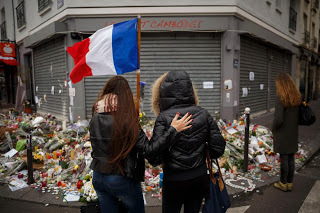 Memorial to victims in Paris
So we planned it. London. Paris. South of France. Ireland.And we bought the tickets, in mid-November 2015. Our adult daughter, who lives in LA, would join us for the trip. Then on the night of November 13, gunmen and suicide bombers in Paris hit restaurants, bars, a major stadium, and a concert hall, leaving 130 dead. On March 22, 2016, terrorists killed 32 people at bombings at an airport and a metro station in Brussels.
“Don’t go,” said numerous friends and cousins.
“Don’t go, but if you go, don’t wear a Jewish star.”
We thought about cancelling. I went on the State Department travel alert website. Risk of terror attacks was rated high in every place we intended to visit, except Ireland.
“We can just go to Ireland,” my daughter suggested. She loves Celtic music, and she’d visited Paris on her honeymoon. She’d had to skip Ireland to fly home for my father’s last illness, so Ireland was the top of her must visit list.
We already had tickets for the train from London to Paris, for the plane from Nice to Dublin, and had prepaid for a rental car to tour Provence, all non-refundable. We would have lost a lot of money. I’m risk adverse, but I’m also cheap. Did I mention I’m Jewish?
Then there’s the fact that we really wanted to see France. We belong to a French conversation group in Burlington, Vermont, where I regularly embarrass myself with my lack of vocabulary and inability to conjugate verbs except in present and present perfect. For years, we’ve watched French movies and made pathetic efforts to speak French in visits to towns in Quebec. We wanted to see Paris, and we wanted to see the South of France.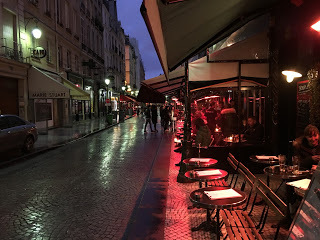 Rue Montmartre Paris
Statistically speaking, we knew we were more likely to get killed driving to New Jersey from Vermont. Statistics are cold comfort, but still they offer a rationale to do what you really want to do anyway.
Then there’s my writing. Not that I needed this trip for research on the sequel to Trojan Horse, that I’m currently writing. I wanted to use the trip as a springboard for my imagination for future books, as yet unplanned. Moreover, I could almost feel the scorn from my characters, especially my protagonist, Kolya Petrov, at the idea of my abandoning my trip.
All the terrible things that you’ve done to me. All the dangerous places you’ve sent me, all the risks you’ve had me take, and you’re too terrified of the random chance of a terrorism attack to even tour London and France? He’d add something rude in Russian, which in deference to readers of this blog, I won’t repeat. But, okay, Kolya. I got it.
We decided to go. I showed my 23-year-old son, who stayed behind to finish college, where we kept the wills, and I exacted promises from cousins to help him if we didn’t make it back. We took off for London.
I expected to have the trip marred by excessive security or by constant fear of attack, but once we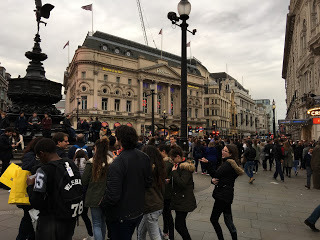 Piccadilly Square in Londonlanded, the anxiety disappeared.Londoners were going their normal affairs. In fact, I was more troubled by acrophobia than by anxiety over terrorism. And I spent much of the trip envisioning how I could use different scenarios in future novels. I left the London Eye to my husband and daughter.
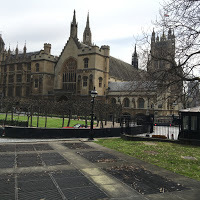 Westminster, LondonDuring our visit to the House of Lords in Westminster, I had to beg off visiting the gallery to listen to the Lords debate because of the tiny winding stairs and a resulting panic attack – think Vertigo. I sat on a bench downstairs, near a kind but not too attentive security guard, while I jotted notes for a story in which a middle-aged spy faked for devious purposes what I was experiencing.
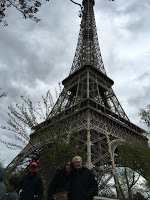 Tour Eiffel Paris, which I’d expected to be overflowing with security, was, well, not. An underground shopping mall close to our hotel had installed security guards at every entrance, but all they did was glance into my purse. I had an umbrella stuffed into a coat pocket; it could have been a gun, but no metal detectors, no body searches.There was a lot of security around a parade of horseback soldiers on the Champs Elysees, but it drifted away after the parade. Nothing around the Tour Eiffel. I would note that when we visited the Tour Eiffel, it was so cold, we were almost totally alone. Just us – and about a hundred Parisians selling overpriced souvenirs.
No visible security. Nothing that would have reminded the unaware traveler of the terror attacks six months earlier.
Then we rented our car and headed south. In Beaune, we wandered through narrow streets to a market where I purchased a small sharp pocket knife that I forgot I had and that was missed during subsequent searches at tourist sites. In Arles, we stayed in a thousand-year-old cottage in the French countryside, the only danger being the mold and an overfriendly dog who almost bowled me over in his eagerness to play.
 Palace des Papes, Avignon, France
In Avignon, we rented a gorgeous two-bedroom apartment, two winding flights up that I could only master by clinging to the wall and counting. At the Palace des Papes and at the Pont d’Avignon, I waited on the bottom floor while my husband and daughter climbed the heights. I imagined thrilling adventures by a knife-wielding woman, abandoned by her family.
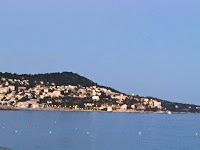 Nice, France
In Nice, I gazed out my window at a blue-green Mediterranean sea. Only in Cannes, which we toured one day before the opening of the film festival, did I feel the presence of security, when bicycle riding police descended on a package that appeared to be deserted and a military ship lingered in the harbor.
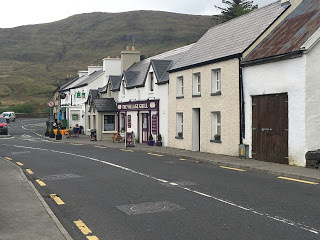 Leenane - Letterbrickaun, Ireland
The only true terror I felt on the trip was when we wound on curved roads through Monaco, with the sheer drop off ledges towering over the sea, and when my husband drove on the left side on tiny Irish roads, the side mirror closely encountering the bordering stone walls and hedges, while tour buses barreled down in the opposite direction at 100 kilometers per hour.
I do not intend in any way to downplay the true horror of the attacks in Europe this past year. Nor am I trying to tell anyone to ignore warnings not to go into a truly dangerous situation. But terrorism alerts are high everywhere, including the United States. It is a cliché, but if we barricade ourselves in our homes, afraid to experience the world, we are giving terrorism the victory.
I am now back in Vermont, with sights, sounds, and plots in my mind, and wonderful memories of places that I’d long wanted to see. I know that I’m lucky that all went well, but I’m also lucky that I had the chance to take this trip.
But last fall, with Trojan Horse, my first novel, under contract, and money and time at our disposal, we planned a month-long trip. After all, I was now a writer of international espionage. I wanted to research possible locations for future novels. And my husband could finally satisfy his travel lust.
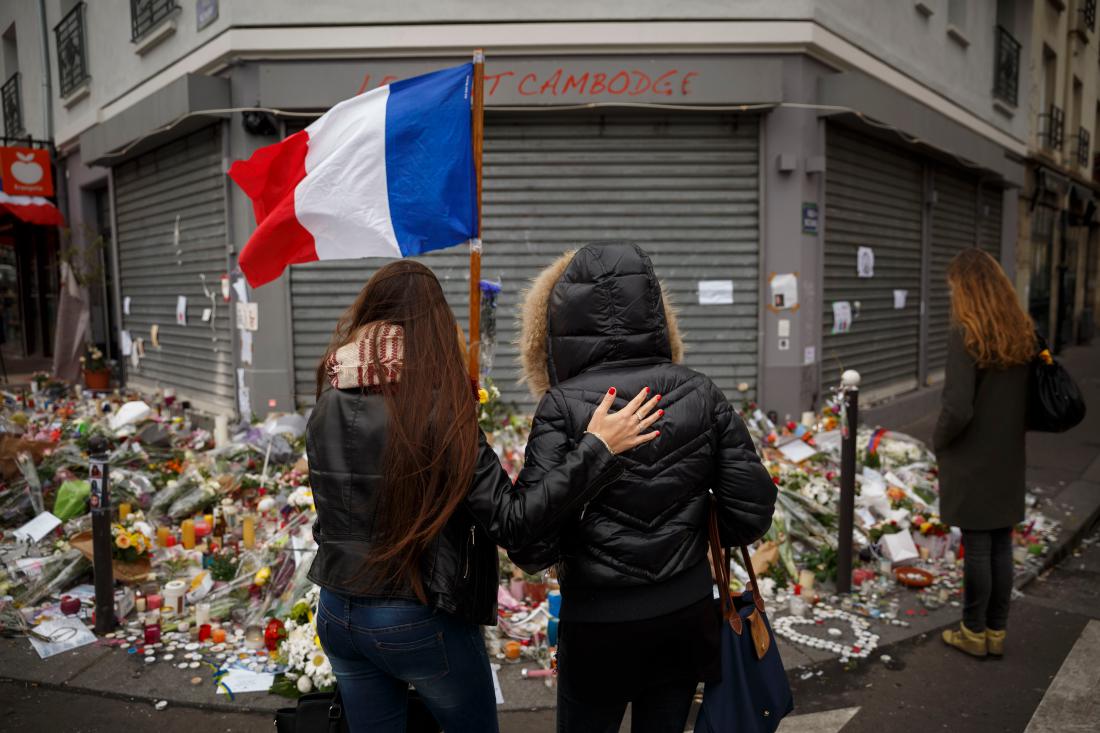 Memorial to victims in Paris
So we planned it. London. Paris. South of France. Ireland.And we bought the tickets, in mid-November 2015. Our adult daughter, who lives in LA, would join us for the trip. Then on the night of November 13, gunmen and suicide bombers in Paris hit restaurants, bars, a major stadium, and a concert hall, leaving 130 dead. On March 22, 2016, terrorists killed 32 people at bombings at an airport and a metro station in Brussels.
“Don’t go,” said numerous friends and cousins.
“Don’t go, but if you go, don’t wear a Jewish star.”
We thought about cancelling. I went on the State Department travel alert website. Risk of terror attacks was rated high in every place we intended to visit, except Ireland.
“We can just go to Ireland,” my daughter suggested. She loves Celtic music, and she’d visited Paris on her honeymoon. She’d had to skip Ireland to fly home for my father’s last illness, so Ireland was the top of her must visit list.
We already had tickets for the train from London to Paris, for the plane from Nice to Dublin, and had prepaid for a rental car to tour Provence, all non-refundable. We would have lost a lot of money. I’m risk adverse, but I’m also cheap. Did I mention I’m Jewish?
Then there’s the fact that we really wanted to see France. We belong to a French conversation group in Burlington, Vermont, where I regularly embarrass myself with my lack of vocabulary and inability to conjugate verbs except in present and present perfect. For years, we’ve watched French movies and made pathetic efforts to speak French in visits to towns in Quebec. We wanted to see Paris, and we wanted to see the South of France.
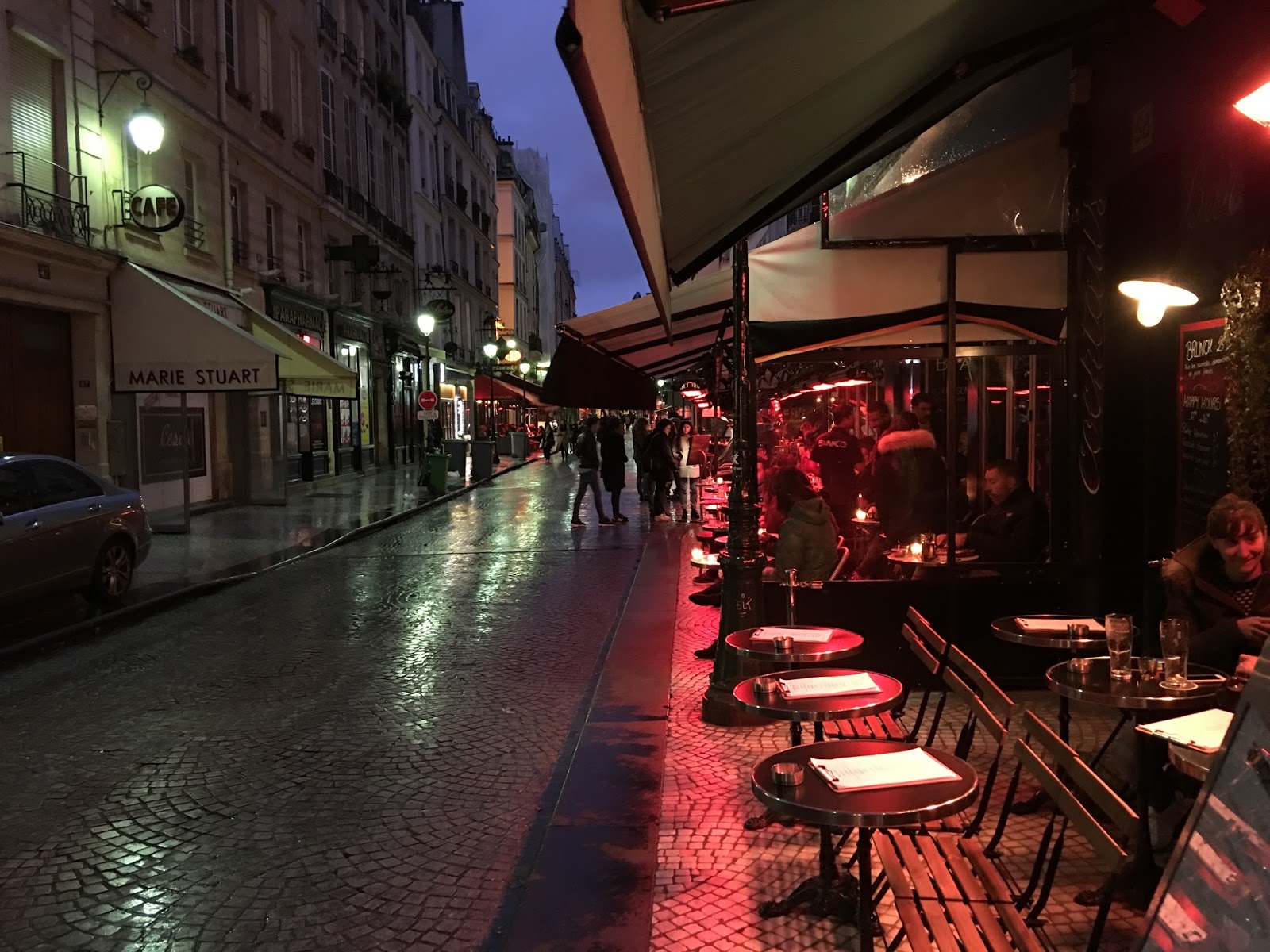 Rue Montmartre Paris
Statistically speaking, we knew we were more likely to get killed driving to New Jersey from Vermont. Statistics are cold comfort, but still they offer a rationale to do what you really want to do anyway.
Then there’s my writing. Not that I needed this trip for research on the sequel to Trojan Horse, that I’m currently writing. I wanted to use the trip as a springboard for my imagination for future books, as yet unplanned. Moreover, I could almost feel the scorn from my characters, especially my protagonist, Kolya Petrov, at the idea of my abandoning my trip.
All the terrible things that you’ve done to me. All the dangerous places you’ve sent me, all the risks you’ve had me take, and you’re too terrified of the random chance of a terrorism attack to even tour London and France? He’d add something rude in Russian, which in deference to readers of this blog, I won’t repeat. But, okay, Kolya. I got it.
We decided to go. I showed my 23-year-old son, who stayed behind to finish college, where we kept the wills, and I exacted promises from cousins to help him if we didn’t make it back. We took off for London.
I expected to have the trip marred by excessive security or by constant fear of attack, but once we
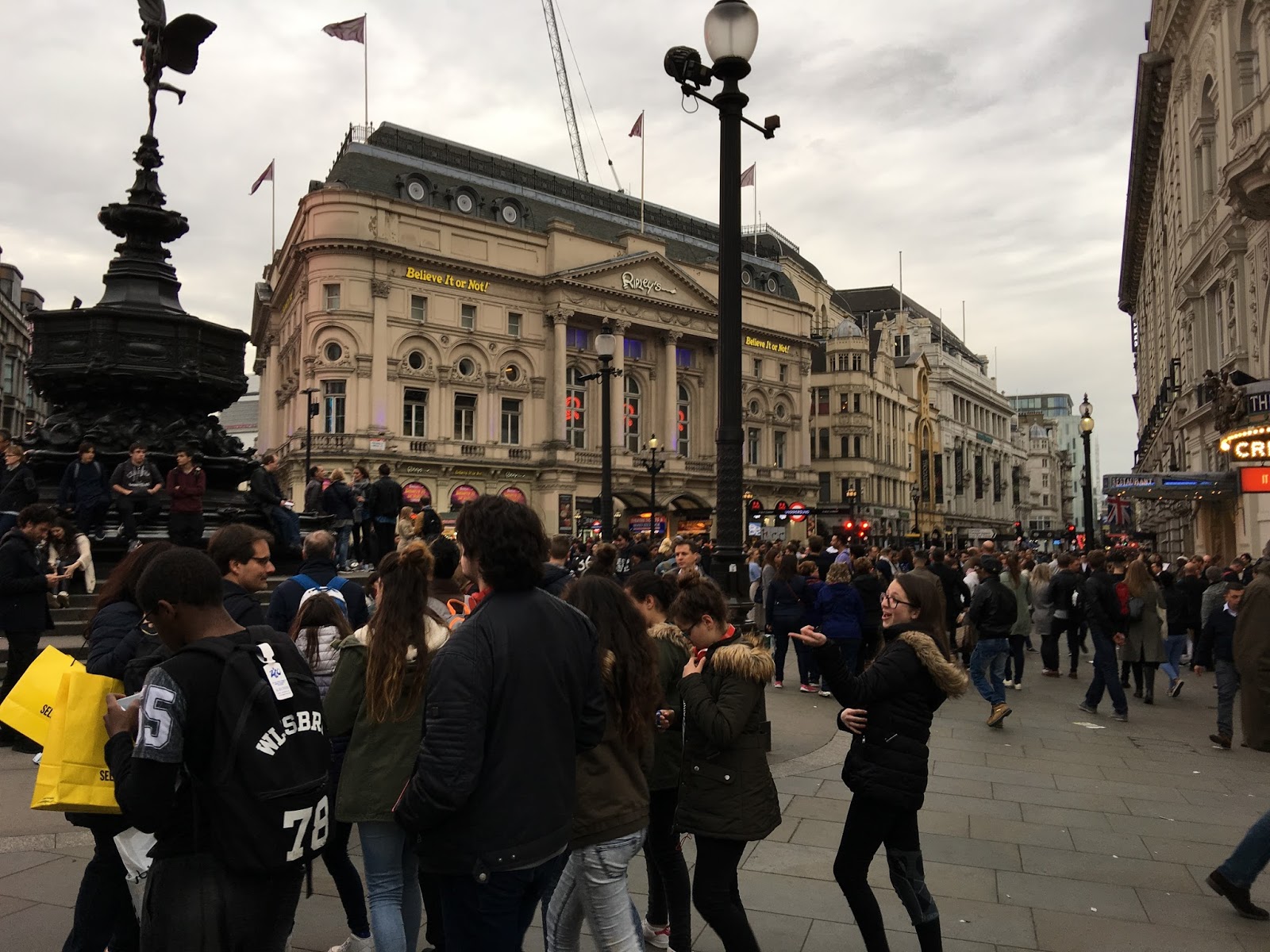 Piccadilly Square in Londonlanded, the anxiety disappeared.Londoners were going their normal affairs. In fact, I was more troubled by acrophobia than by anxiety over terrorism. And I spent much of the trip envisioning how I could use different scenarios in future novels. I left the London Eye to my husband and daughter.
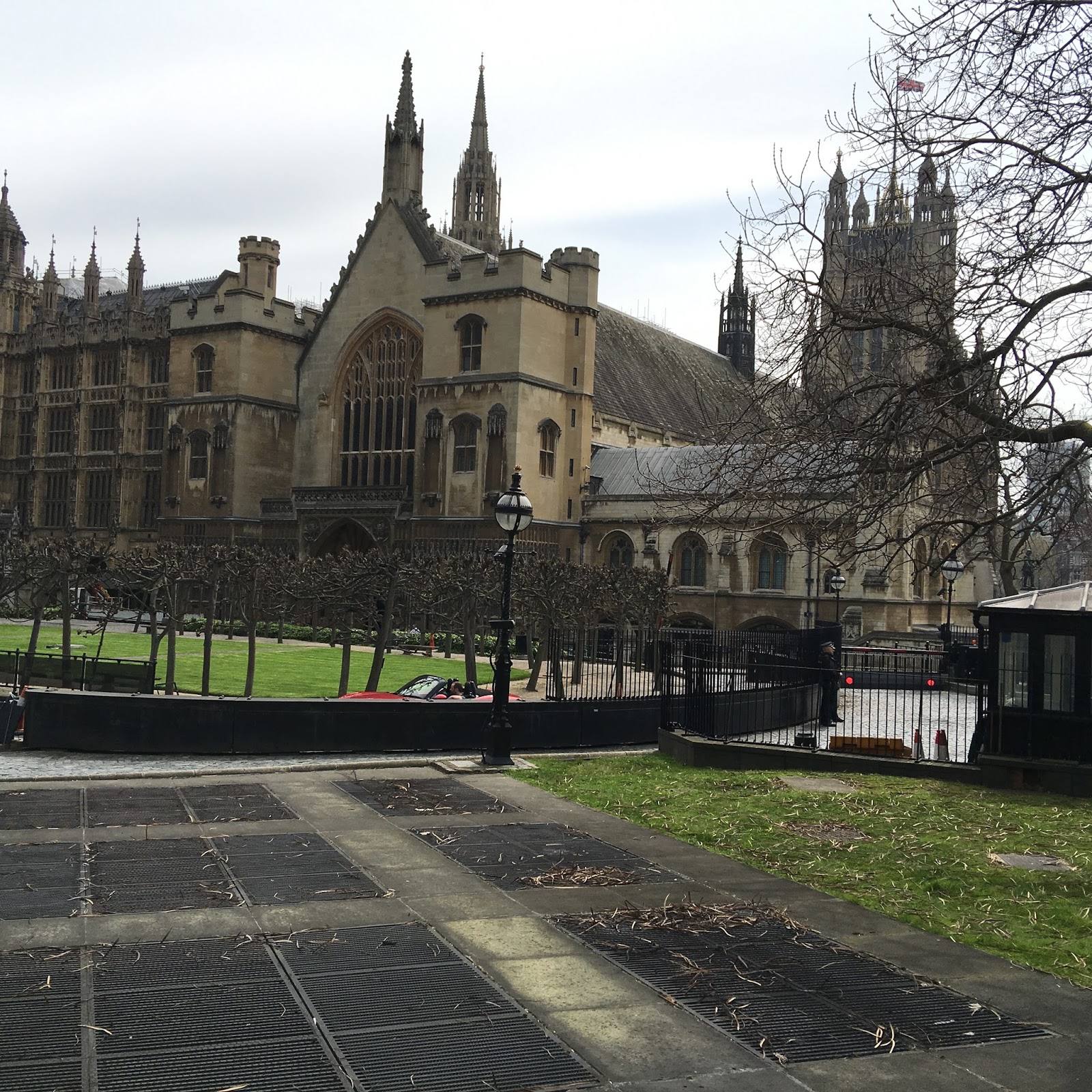 Westminster, LondonDuring our visit to the House of Lords in Westminster, I had to beg off visiting the gallery to listen to the Lords debate because of the tiny winding stairs and a resulting panic attack – think Vertigo. I sat on a bench downstairs, near a kind but not too attentive security guard, while I jotted notes for a story in which a middle-aged spy faked for devious purposes what I was experiencing.
 Tour Eiffel Paris, which I’d expected to be overflowing with security, was, well, not. An underground shopping mall close to our hotel had installed security guards at every entrance, but all they did was glance into my purse. I had an umbrella stuffed into a coat pocket; it could have been a gun, but no metal detectors, no body searches.There was a lot of security around a parade of horseback soldiers on the Champs Elysees, but it drifted away after the parade. Nothing around the Tour Eiffel. I would note that when we visited the Tour Eiffel, it was so cold, we were almost totally alone. Just us – and about a hundred Parisians selling overpriced souvenirs.
No visible security. Nothing that would have reminded the unaware traveler of the terror attacks six months earlier.
Then we rented our car and headed south. In Beaune, we wandered through narrow streets to a market where I purchased a small sharp pocket knife that I forgot I had and that was missed during subsequent searches at tourist sites. In Arles, we stayed in a thousand-year-old cottage in the French countryside, the only danger being the mold and an overfriendly dog who almost bowled me over in his eagerness to play.
 Palace des Papes, Avignon, France
In Avignon, we rented a gorgeous two-bedroom apartment, two winding flights up that I could only master by clinging to the wall and counting. At the Palace des Papes and at the Pont d’Avignon, I waited on the bottom floor while my husband and daughter climbed the heights. I imagined thrilling adventures by a knife-wielding woman, abandoned by her family.
 Nice, France
In Nice, I gazed out my window at a blue-green Mediterranean sea. Only in Cannes, which we toured one day before the opening of the film festival, did I feel the presence of security, when bicycle riding police descended on a package that appeared to be deserted and a military ship lingered in the harbor.
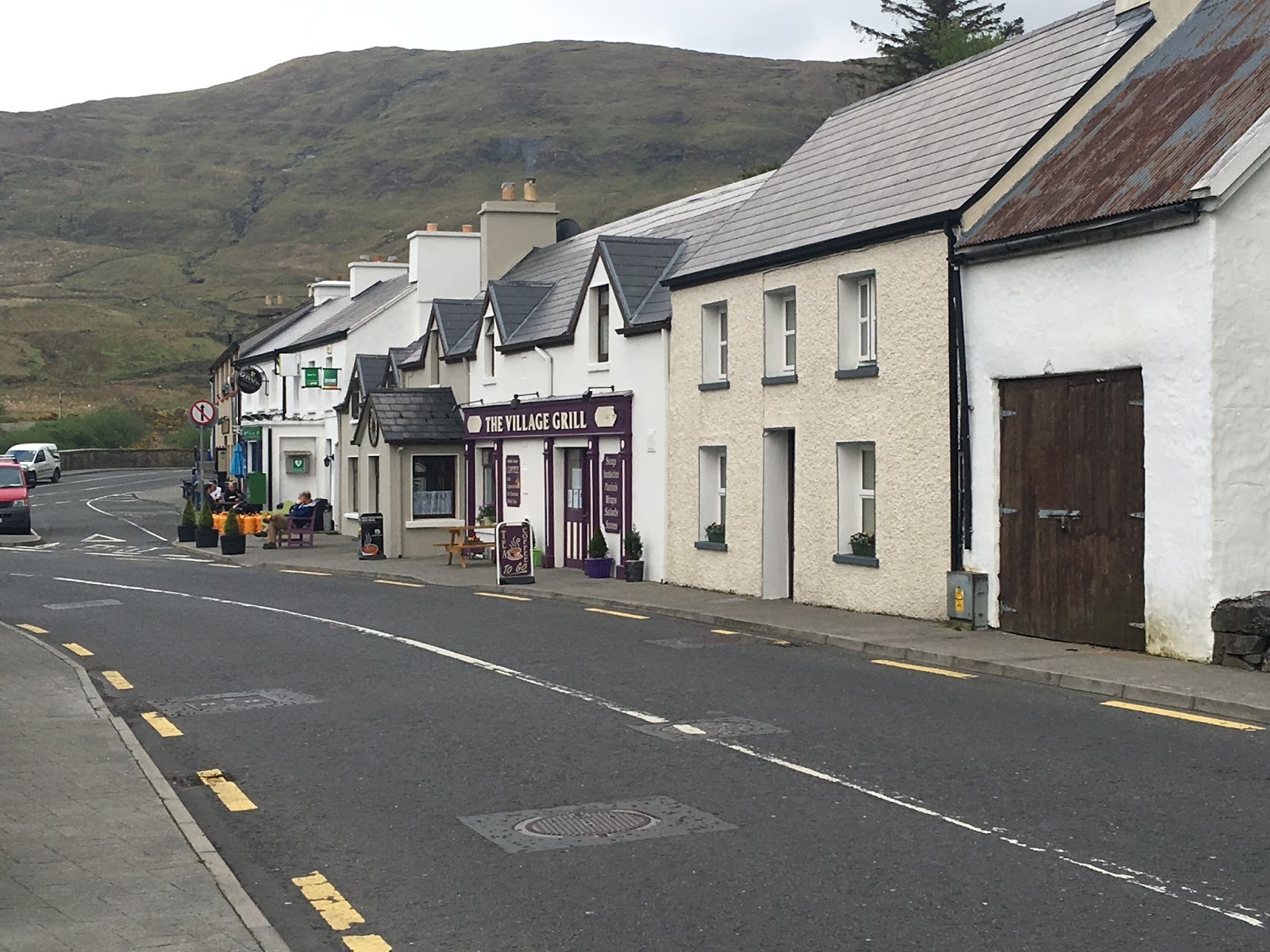 Leenane - Letterbrickaun, Ireland
The only true terror I felt on the trip was when we wound on curved roads through Monaco, with the sheer drop off ledges towering over the sea, and when my husband drove on the left side on tiny Irish roads, the side mirror closely encountering the bordering stone walls and hedges, while tour buses barreled down in the opposite direction at 100 kilometers per hour.
I do not intend in any way to downplay the true horror of the attacks in Europe this past year. Nor am I trying to tell anyone to ignore warnings not to go into a truly dangerous situation. But terrorism alerts are high everywhere, including the United States. It is a cliché, but if we barricade ourselves in our homes, afraid to experience the world, we are giving terrorism the victory.
I am now back in Vermont, with sights, sounds, and plots in my mind, and wonderful memories of places that I’d long wanted to see. I know that I’m lucky that all went well, but I’m also lucky that I had the chance to take this trip.
June 2, 2016
THE BIG REVEAL: WINNERS ANNOUNCED IN ROGUE WOMEN KICKOFF GIVEAWAY!
Two hundred and thirty folks entered our giveaway contest from May 11-May 30, 2016. Three lucky people are walking away with Rogue Women Swag!
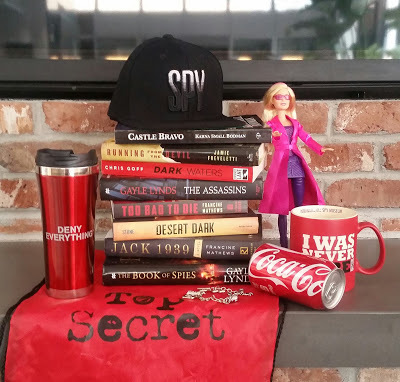
GRAND PRIZE: One signed copy each of Book of Spies, by Gayle Lynds, Too Bad to Die by Francine Mathews, Desert Dark by Sonja Stone, Dark Waters by Chris Goff, Running From the Devil by Jamie Freveletti, and Castle Bravo by Karna Bodman; one Spy Squad Barbie, one SPY baseball cap; one I WAS NEVER HERE coffee mug, all packaged in a nylon TOP SECRET drawstring shoulder bag.
WINNER: Linda Sparks!
SECOND PRIZE: One signed copy each of The Assassins, by Gayle Lynds; Jack 1939 by Francine Mathews; one DENY EVERYTHING car coffee holder, a concealer Coke Can, and a TOP SECRET nylon drawstring shoulder bag.
WINNER: Susan Banton!
THIRD PRIZE: One signed copy each of The Alibi Club by Francine Mathews, The Ninth Day by Jamie Freveletti, a Spy Girl Charm Bracelet, a concealer Coke can, and a TOP SECRET nylon drawstring shoulder bag.
WINNER: D.J. Steele!
Our deepest thanks to all who entered and our congratulations to those who won. We will be contacting you via email to arrange shipment.
CORDIALLY,
ROGUE WOMEN WRITERS

GRAND PRIZE: One signed copy each of Book of Spies, by Gayle Lynds, Too Bad to Die by Francine Mathews, Desert Dark by Sonja Stone, Dark Waters by Chris Goff, Running From the Devil by Jamie Freveletti, and Castle Bravo by Karna Bodman; one Spy Squad Barbie, one SPY baseball cap; one I WAS NEVER HERE coffee mug, all packaged in a nylon TOP SECRET drawstring shoulder bag.
WINNER: Linda Sparks!
SECOND PRIZE: One signed copy each of The Assassins, by Gayle Lynds; Jack 1939 by Francine Mathews; one DENY EVERYTHING car coffee holder, a concealer Coke Can, and a TOP SECRET nylon drawstring shoulder bag.
WINNER: Susan Banton!
THIRD PRIZE: One signed copy each of The Alibi Club by Francine Mathews, The Ninth Day by Jamie Freveletti, a Spy Girl Charm Bracelet, a concealer Coke can, and a TOP SECRET nylon drawstring shoulder bag.
WINNER: D.J. Steele!
Our deepest thanks to all who entered and our congratulations to those who won. We will be contacting you via email to arrange shipment.
CORDIALLY,
ROGUE WOMEN WRITERS
June 1, 2016
COME SPY WITH ME IN MARRAKECH!
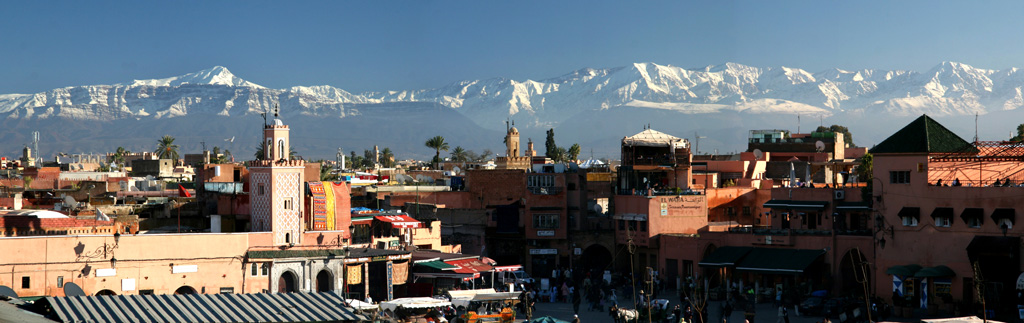
 Gayle Lynds: If you write international thrillers, it’s a good idea to travel. Or if you’re a Walter Mitty type, you'll want to do a lot of research and day-dreaming. I always liked what Bob Ludlum said when accused yet again of having secretly been CIA: “I have an imagination.”
 Come, join me in exotic Marrakech. . . .
Here's a place that makes my heart stop, and an example of why and how a writer uses a particular location in a novel. Marrakech . . . playground of royalty and VIPs and sun-burned tourists from around the world. Think of carpets in the sand, camels belching in the darkness, and indigo-tinged white-washed buildings. For these reasons and more, the ancient city is crucial to the second half of my new spy thriller, The Assassins . Here's how. . . .
“A pickup swerved, and a taxi driver leaned on his horn. A donkey’s ears laid back, and he bolted, his hoofs pounding the pavement, the cart behind him swaying, the cart driver’s face turning red as he yelled in Arabic and tried to control the animal. Francesca jumped out of the way and stumbled. Pytor caught her. That was Marrakech for you, she thought later. Where else would you meet a handsome man and fall in lust because of a freaked-out donkey?”
 As the story weaves among the six assassins who give the book its name, we find all are different. In Marrakech, we focus on Pytor, ex KGB, who in a crazy moment falls in love with Francesca. Their first meeting is in the paragraph above. Marrakech infuses their growing romance and the suspense of who each really is with all the exotic flavor of an international metropolis steeped in colorful history.
“The traffic roared, and the sun climbed the sky. They caught a taxi to a grand old Berber palace, now the Museum of Moroccan Arts. She found herself glancing around, wondering whether she would see the older woman with the camera who might have been following her last night.”

As a writer, I love the streets of any city. There you’ll find not only humanity but the city’s character, who and what it is through the people who stroll or bustle, adorn themselves in foreign or local clothes, and move with downcast gaze or sweeping confidence.
“A fortune teller called out from an alley. 'Come. Find out how many years of happiness you will have together, love birds. Come, come.' Stooped, she beckoned with both hands. Gold rings covered her arthritic fingers, and tiny gold cymbals chimed from her ears. 'You will not be sorry. You will learn your good future!' ”
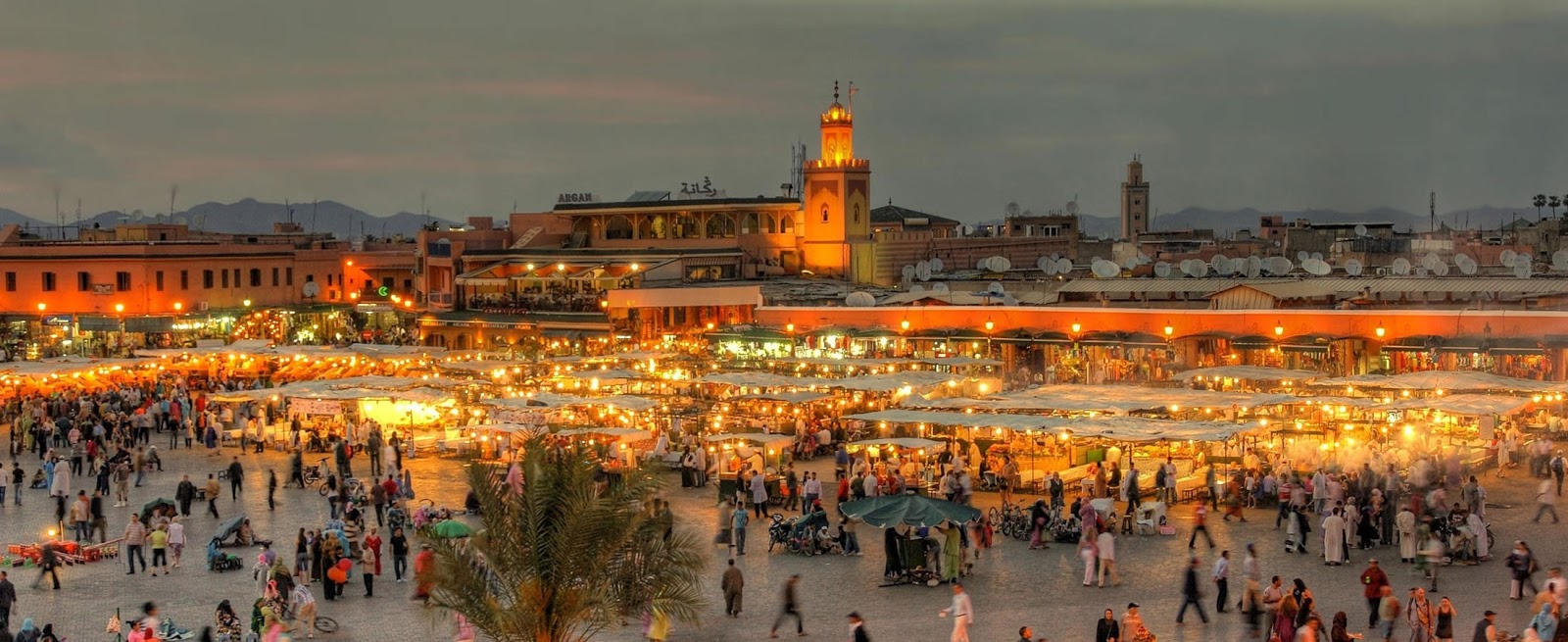
Marrakech boasts the largest marketplace in the world. Pause and smell the wonderful aroma of a World Atlas of spices. Feel the whispers and stares around you. . . .
“Francesca needed to walk, to think, to clear her head. She strode past the stalls, hardly hearing the blare of Arabic music, ignoring the whirling dancers. A veiled woman held out a flat basket, her bracelets jingling. 'Moroccan dates,' she crooned in French-accented English. 'Moroccan dates. The finest you will find anywhere—' Francesca rushed past and into the souk where there were some two miles of convoluted passageways. Then Pyotr was at her side, walking with her and leaning over to speak in her ear. 'Stop. Please. I’m sorry. I’m really not here to pull you back into the business. Will you give a fellow Russian, an old compatriot, a chance?' ”
 In the heart of every book lover is wanderlust, a love of new places or of new insights into old places whether geographical, philosophical, political, or of the heart. We will always have Marrakech!
 What are some of your favorite places in real life or in books? We'd love to know!
Gayle Lynds
Have you been to Marrakech?
Gayle Lynds: If you write international thrillers, it’s a good idea to travel. Or if you’re a Walter Mitty type, you'll want to do a lot of research and day-dreaming. I always liked what Bob Ludlum said when accused yet again of having secretly been CIA: “I have an imagination.” Come, join me in exotic Marrakech. . . .
Here's a place that makes my heart stop, and an example of why and how a writer uses a particular location in a novel. Marrakech . . . playground of royalty and VIPs and sun-burned tourists from around the world. Think of carpets in the sand, camels belching in the darkness, and indigo-tinged white-washed buildings. For these reasons and more, the ancient city is crucial to the second half of my new spy thriller, The Assassins . Here's how. . . .
“A pickup swerved, and a taxi driver leaned on his horn. A donkey’s ears laid back, and he bolted, his hoofs pounding the pavement, the cart behind him swaying, the cart driver’s face turning red as he yelled in Arabic and tried to control the animal. Francesca jumped out of the way and stumbled. Pytor caught her. That was Marrakech for you, she thought later. Where else would you meet a handsome man and fall in lust because of a freaked-out donkey?”
As the story weaves among the six assassins who give the book its name, we find all are different. In Marrakech, we focus on Pytor, ex KGB, who in a crazy moment falls in love with Francesca. Their first meeting is in the paragraph above. Marrakech infuses their growing romance and the suspense of who each really is with all the exotic flavor of an international metropolis steeped in colorful history.“The traffic roared, and the sun climbed the sky. They caught a taxi to a grand old Berber palace, now the Museum of Moroccan Arts. She found herself glancing around, wondering whether she would see the older woman with the camera who might have been following her last night.”
As a writer, I love the streets of any city. There you’ll find not only humanity but the city’s character, who and what it is through the people who stroll or bustle, adorn themselves in foreign or local clothes, and move with downcast gaze or sweeping confidence.
“A fortune teller called out from an alley. 'Come. Find out how many years of happiness you will have together, love birds. Come, come.' Stooped, she beckoned with both hands. Gold rings covered her arthritic fingers, and tiny gold cymbals chimed from her ears. 'You will not be sorry. You will learn your good future!' ”
Marrakech boasts the largest marketplace in the world. Pause and smell the wonderful aroma of a World Atlas of spices. Feel the whispers and stares around you. . . .
“Francesca needed to walk, to think, to clear her head. She strode past the stalls, hardly hearing the blare of Arabic music, ignoring the whirling dancers. A veiled woman held out a flat basket, her bracelets jingling. 'Moroccan dates,' she crooned in French-accented English. 'Moroccan dates. The finest you will find anywhere—' Francesca rushed past and into the souk where there were some two miles of convoluted passageways. Then Pyotr was at her side, walking with her and leaning over to speak in her ear. 'Stop. Please. I’m sorry. I’m really not here to pull you back into the business. Will you give a fellow Russian, an old compatriot, a chance?' ”
In the heart of every book lover is wanderlust, a love of new places or of new insights into old places whether geographical, philosophical, political, or of the heart. We will always have Marrakech! What are some of your favorite places in real life or in books? We'd love to know!
Gayle Lynds