Chris Goff's Blog, page 61
September 19, 2016
Life Lessons by Virtue of Travel
by Chris Goff
When I was nineteen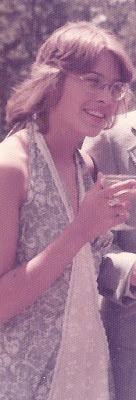 I had spent one year in college, had no idea what I wanted to do or be, and a BFF from grade school who suggested we take a "Gap Year" and backpack Europe. The year was 1974, it seemed like a great idea to me, so we made our plans.
First, we needed some money. After looking at the cost of airfare, Eurail Passes (the kind you could buy back then where you could jump on and off any train in Europe for three months from the date of your first train ride), hostel costs and food costs multiplied by 180 days, and a little extra for the splurges and souvenirs. Total budget: $2,300 apiece.
Second, we both got jobs. We decided that summer we would leave in early-January 1975, so that gave us about six months to come up with the cash. We both moved home so we didn't have to pay room and board in a college town (Boulder, CO), squirreled our pennies away, told family and friends we wanted nothing for birthdays and Christmas except money toward the trip. By late-September we had enough cash to buy the Eurail Pass ($300), our round-trip airfare (another $300), and then we were broke again but committed. By January, we had amassed our fortunes and left them in trust with our parents, who were going to wire monies to Western Unions in various cities as needed.
 IcelandThird, we needed to pack and get to the plane. Needless to say, we both took way, way too much. We had our backpacks stuffed so full we staggered under the weight. It took two weeks to send a big box home! Our worried parents had thrown in a hotel room in Reykjavik, Iceland, where we had a layover, and then in Luxembourg, where the plane landed. Bless them!
Fourth, we had to grow up. The third day dawned and we were out on the street, a few Traveler's checks in our pockets and no real plan. We had decided to go to Munich first, then Austria to ski, and we knew we wanted to save our Eurail Passes for later in the trip. We had to learn how to exchange money, then learn the hard lesson of losing money when you went to exchange it to a different currency at the various borders (there was no Euro back then). We learned to make a plan to be somewhere with a Western Union station before we ran out of money. It takes a few dollars to send a telegram. "Send money. Stop. Alive. Stop." We discovered how difficult it was to rely on the advice of each other without a wise parent to consult when one of us had to go to the hospital in Vienna and no one spoke English and our German was atrocious. We learned it cost way, way too much to call home and we had to settle for writing letters (three weeks there, three weeks back). We had to learn to be independent.
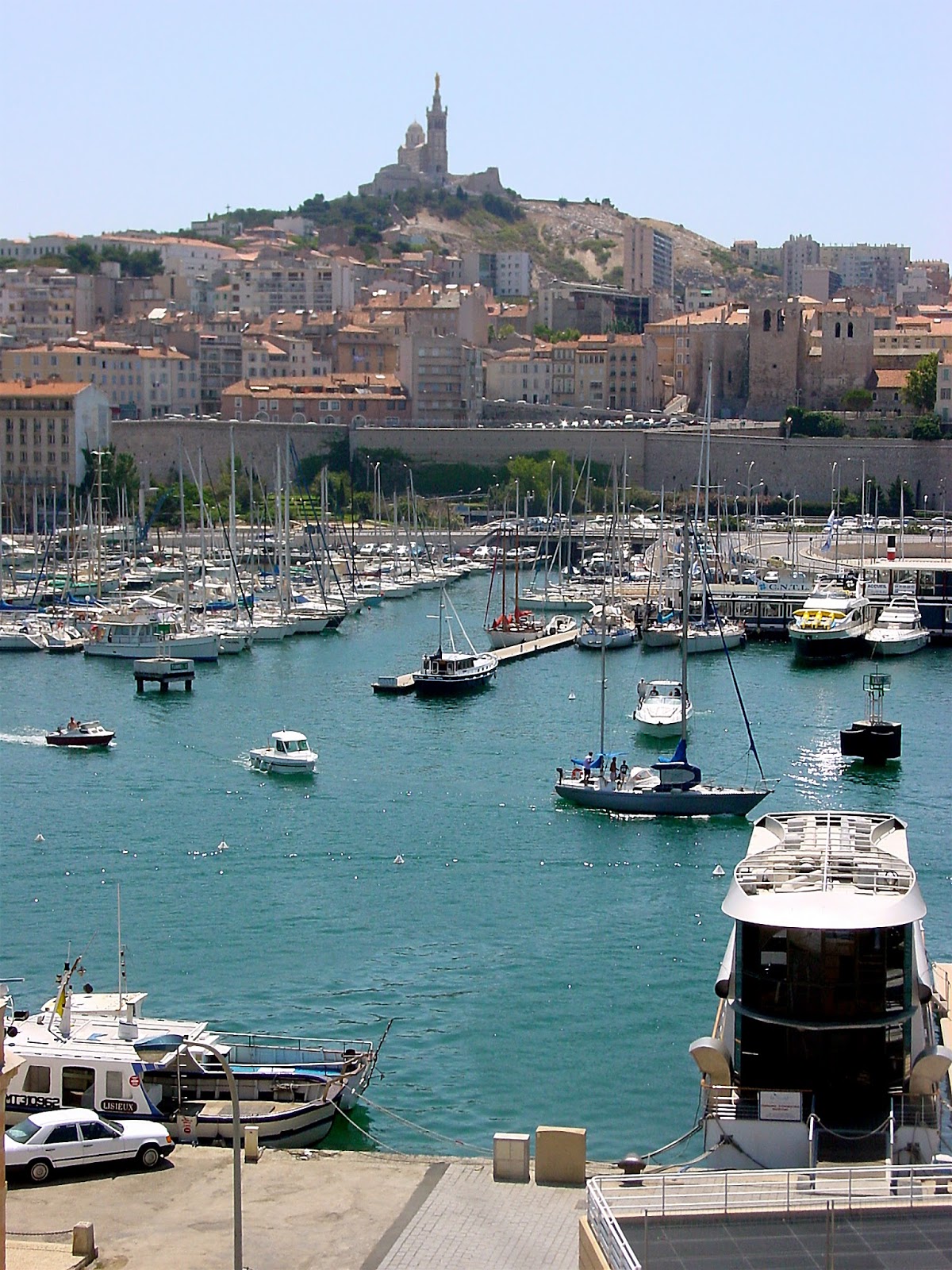
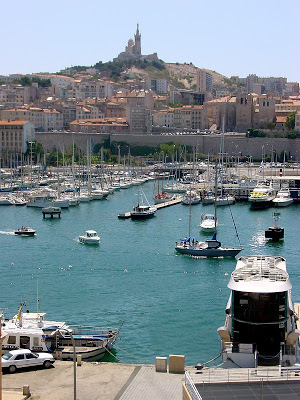 Marseille, France
There was a freedom to that trip that I've never experienced again. We were what now would be deemed "unplugged." No one knew where we were, who we were with. We could go wherever we wanted, whenever we wanted. We learned to use our wits, common sense and moxie to stay safe while exploring an--at times--dangerous world. We made some good decisions and some really bad decisions. Like drinking wine and watching the sunset on a beach in Marseille with pictures of all the women who'd gone missing from the port plastered on the sea wall. Or heading out to experience Feria in Seville with two locals we'd met in the bar. Or... We survived, and with only a few scary, uncomfortable moments and no real trauma We travelled to 13 countries, made lifelong friends, and remained BFFs for more than 55 years.
But mostly what I came home with was a sense of the world. A better understanding of what it was like to live in Europe during the war; what it was like to live under a dictatorship, in a socialist country or under communist rule; and how lucky I was to live in a place where I could take freedom for granted. Where I still can.
BE SURE YOU GET ALL THE BLOGS. Subscribe to the list by clicking here .
When I was nineteen
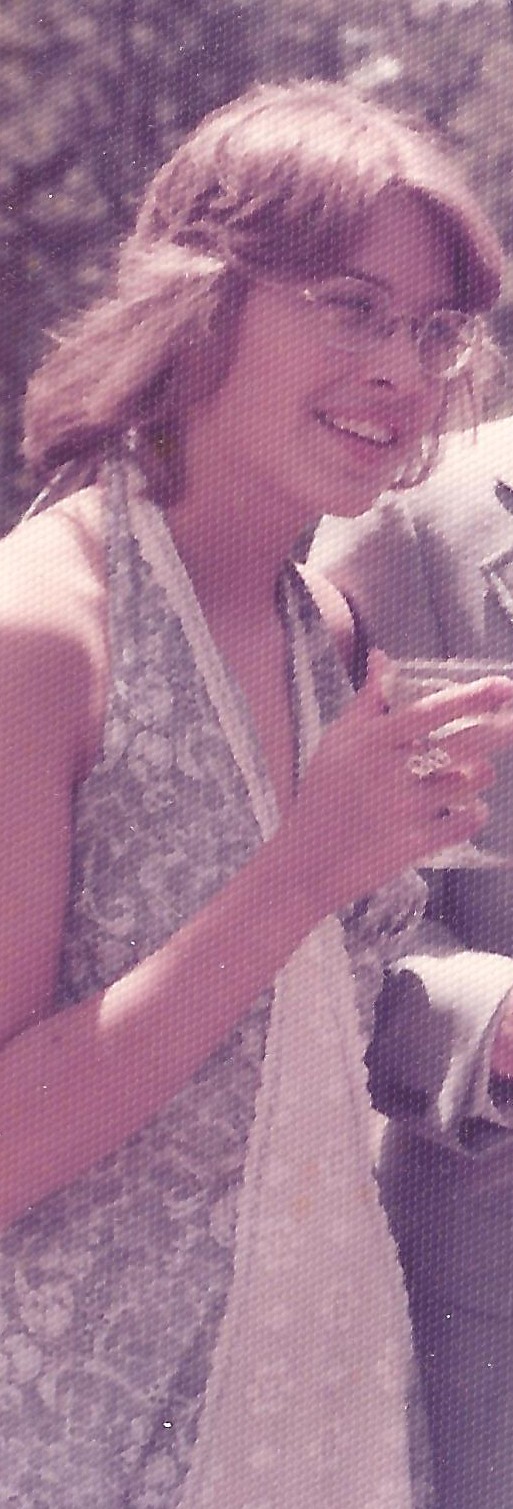 I had spent one year in college, had no idea what I wanted to do or be, and a BFF from grade school who suggested we take a "Gap Year" and backpack Europe. The year was 1974, it seemed like a great idea to me, so we made our plans.
First, we needed some money. After looking at the cost of airfare, Eurail Passes (the kind you could buy back then where you could jump on and off any train in Europe for three months from the date of your first train ride), hostel costs and food costs multiplied by 180 days, and a little extra for the splurges and souvenirs. Total budget: $2,300 apiece.
Second, we both got jobs. We decided that summer we would leave in early-January 1975, so that gave us about six months to come up with the cash. We both moved home so we didn't have to pay room and board in a college town (Boulder, CO), squirreled our pennies away, told family and friends we wanted nothing for birthdays and Christmas except money toward the trip. By late-September we had enough cash to buy the Eurail Pass ($300), our round-trip airfare (another $300), and then we were broke again but committed. By January, we had amassed our fortunes and left them in trust with our parents, who were going to wire monies to Western Unions in various cities as needed.
 IcelandThird, we needed to pack and get to the plane. Needless to say, we both took way, way too much. We had our backpacks stuffed so full we staggered under the weight. It took two weeks to send a big box home! Our worried parents had thrown in a hotel room in Reykjavik, Iceland, where we had a layover, and then in Luxembourg, where the plane landed. Bless them!
Fourth, we had to grow up. The third day dawned and we were out on the street, a few Traveler's checks in our pockets and no real plan. We had decided to go to Munich first, then Austria to ski, and we knew we wanted to save our Eurail Passes for later in the trip. We had to learn how to exchange money, then learn the hard lesson of losing money when you went to exchange it to a different currency at the various borders (there was no Euro back then). We learned to make a plan to be somewhere with a Western Union station before we ran out of money. It takes a few dollars to send a telegram. "Send money. Stop. Alive. Stop." We discovered how difficult it was to rely on the advice of each other without a wise parent to consult when one of us had to go to the hospital in Vienna and no one spoke English and our German was atrocious. We learned it cost way, way too much to call home and we had to settle for writing letters (three weeks there, three weeks back). We had to learn to be independent.
 Marseille, France
There was a freedom to that trip that I've never experienced again. We were what now would be deemed "unplugged." No one knew where we were, who we were with. We could go wherever we wanted, whenever we wanted. We learned to use our wits, common sense and moxie to stay safe while exploring an--at times--dangerous world. We made some good decisions and some really bad decisions. Like drinking wine and watching the sunset on a beach in Marseille with pictures of all the women who'd gone missing from the port plastered on the sea wall. Or heading out to experience Feria in Seville with two locals we'd met in the bar. Or... We survived, and with only a few scary, uncomfortable moments and no real trauma We travelled to 13 countries, made lifelong friends, and remained BFFs for more than 55 years.
But mostly what I came home with was a sense of the world. A better understanding of what it was like to live in Europe during the war; what it was like to live under a dictatorship, in a socialist country or under communist rule; and how lucky I was to live in a place where I could take freedom for granted. Where I still can.
BE SURE YOU GET ALL THE BLOGS. Subscribe to the list by clicking here .


September 17, 2016
2 VACATIONS FOR THE ALL-OR-NOTHING THINKER
by Sonja StonePick Your Poison: Five-Star Resort or Skin-Your-Own Dinner
 Miraval Resort, Tucson
As I’ve previously mentioned, I’m an all-or-nothing thinker.
My extreme nature also applies to vacations. I’m either digging my own latrine and building my own shelter, or I want to be at an all-inclusive five-star spa where my every desire is fulfilled before I’m consciously aware that I have one.
Go Big or Stay Home
For those of you who follow our blog, you may recall my favorite adventures are the Survival Courses I’ve taken with Boulder Outdoor Survival School (BOSS).
In case you missed it, you can read about it here: THREE SECRETS FROM A LIFELONG LEARNER (WHO HATES SCHOOL).
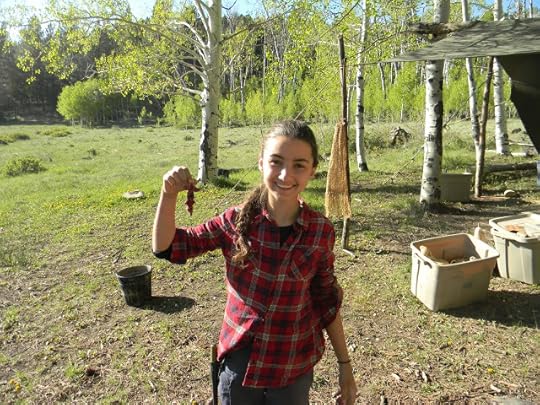 Breakfast of Champions: a freshly skinned mouseI loathe redundancy, so I won’t rehash except to say my most recently completed course was your typical family vacation: mother and child out in the wilderness fighting for survival. We learned to build a shelter that kept us warm through freezing temperatures, made fire, and flint-napped obsidian into a tiny scalpel to flay the mouse we caught in our deadfall.
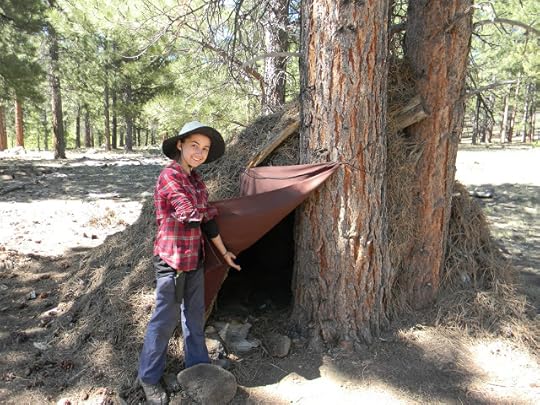 Home away from home.
At the other end of my vacation-preference spectrum is the week I spent at Miraval, one of Tucson’s all-inclusive destination resorts and spas nestled in the foothills of the Santa Catalina Mountains. I filled my days with classes: meditation, yoga, health and wellness, equine experiences. In the evening, after a sublime four-course dinner, I’d retire to the spa for facials, mud wraps, and Thai massage.
You see what’s going on here? On the one hand, I’m sucking a shard of meat off a tiny chipmunk leg; on the other, I’m ordering a second flourless chocolate torte garnished with candied violets and edible gold leaf.
Obsessive Thinking Doesn't Take a Vacation
Currently, my all-or-nothing nature has me deeply entrenched in finishing the first draft of my manuscript, the sequel to DESERT DARK. As a result, I can’t remember much about vacations. I haven’t eaten a home-cooked meal in months, I’ve only a vague memory of the warmth of the sun, and I’m forced to set daily alarms to remind me to take care of life’s little details: appointments, showering, picking my kid up at school.
 World Trade CenterThe last time I left my office was early July, when I flew to Manhattan to attend ThrillerFest, where I met my blog sisters in person for the first time! Thankfully, I traveled with a friend who had the foresight to add a few days to the end of our stay. We walked the entire island; sightseeing, people watching, enjoying the quintessential New York experience. It’s an amazing city, and so different from Phoenix, which is low and sprawling. Manhattan felt like a cocoon; a vibrant, crowded, electric cocoon.
As the manuscript deadline hurtles toward me, I must stay focused on the task at hand. I’d like to say that the second it’s done I’ll get in my car and drive somewhere—the mountains, the beach. But the accumulating list of ignored chores will take precedence, and the guilt of ignoring my family for the last six months will likely trump my obsessive desire to get out of Phoenix for a few days.
Ah, vacations.
What's the most extreme vacation you've ever taken? Do you prefer adventure, or is lounging on the beach with daiquiri and a great book your idea of the perfect week away?
 Miraval Resort, Tucson
As I’ve previously mentioned, I’m an all-or-nothing thinker.
My extreme nature also applies to vacations. I’m either digging my own latrine and building my own shelter, or I want to be at an all-inclusive five-star spa where my every desire is fulfilled before I’m consciously aware that I have one.
Go Big or Stay Home
For those of you who follow our blog, you may recall my favorite adventures are the Survival Courses I’ve taken with Boulder Outdoor Survival School (BOSS).
In case you missed it, you can read about it here: THREE SECRETS FROM A LIFELONG LEARNER (WHO HATES SCHOOL).
 Breakfast of Champions: a freshly skinned mouseI loathe redundancy, so I won’t rehash except to say my most recently completed course was your typical family vacation: mother and child out in the wilderness fighting for survival. We learned to build a shelter that kept us warm through freezing temperatures, made fire, and flint-napped obsidian into a tiny scalpel to flay the mouse we caught in our deadfall.
 Home away from home.
At the other end of my vacation-preference spectrum is the week I spent at Miraval, one of Tucson’s all-inclusive destination resorts and spas nestled in the foothills of the Santa Catalina Mountains. I filled my days with classes: meditation, yoga, health and wellness, equine experiences. In the evening, after a sublime four-course dinner, I’d retire to the spa for facials, mud wraps, and Thai massage.
You see what’s going on here? On the one hand, I’m sucking a shard of meat off a tiny chipmunk leg; on the other, I’m ordering a second flourless chocolate torte garnished with candied violets and edible gold leaf.
Obsessive Thinking Doesn't Take a Vacation
Currently, my all-or-nothing nature has me deeply entrenched in finishing the first draft of my manuscript, the sequel to DESERT DARK. As a result, I can’t remember much about vacations. I haven’t eaten a home-cooked meal in months, I’ve only a vague memory of the warmth of the sun, and I’m forced to set daily alarms to remind me to take care of life’s little details: appointments, showering, picking my kid up at school.
 World Trade CenterThe last time I left my office was early July, when I flew to Manhattan to attend ThrillerFest, where I met my blog sisters in person for the first time! Thankfully, I traveled with a friend who had the foresight to add a few days to the end of our stay. We walked the entire island; sightseeing, people watching, enjoying the quintessential New York experience. It’s an amazing city, and so different from Phoenix, which is low and sprawling. Manhattan felt like a cocoon; a vibrant, crowded, electric cocoon.
As the manuscript deadline hurtles toward me, I must stay focused on the task at hand. I’d like to say that the second it’s done I’ll get in my car and drive somewhere—the mountains, the beach. But the accumulating list of ignored chores will take precedence, and the guilt of ignoring my family for the last six months will likely trump my obsessive desire to get out of Phoenix for a few days.
Ah, vacations.
What's the most extreme vacation you've ever taken? Do you prefer adventure, or is lounging on the beach with daiquiri and a great book your idea of the perfect week away?
September 16, 2016
COMING FULL CIRCLE ON THE WRITER'S ROAD
 By Francine Mathews
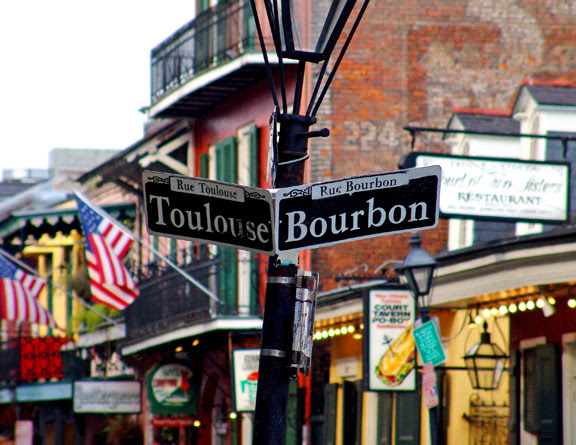
I woke up this morning in New Orleans.
The first time I saw this city, I was twenty years younger. My husband and I had been driving for weeks, heading steadily south through the summer heat from Washington, D.C.,where we had packed up our lives that June. Mark had quit his job in environmental enforcement at Justice. I'd quit mine in analysis at the CIA. An outsider named Ross Perot had recently lost his bid for the Presidency on an anti-bureaucrat ticket. We occasionally tried to explain to people we met that WE were the bureaucrats he was attacking--a nice, young married couple who'd done their best at their respective government agencies--but mostly people shook their heads and congratulated us on fleeing The System. We drove through Appalachia and the Great Smokies, through dry counties in Tennessee tenanted mostly by triple Baptist crosses. In Asheville, North Carolina, an older gentleman asked me worriedly if I was injured, as I sat stretching in a park before my morning run. He'd never seen a woman grimacing on the ground without a good reason. He was smoking a cigarette as he asked. I thanked him politely, explained that I was exercising, and he moved on--flummoxed.
We were free as birds, all responsibility behind us and the rest of our lives ahead. We had no children. Good friends had taken our dog, Clementine, to be shipped to Colorado--our ultimate destination--whenever she could get off the tarmac during the weather holds in August. We would never be quite this free again, although at the time we did not know that.
We had two primers to guide us: ROAD FOOD, by Jane and Michael Stern--a bound precursor to the sort of restaurant world later explored in "Diners, Dives, and Drive-ins"--and a list of Civil War battlefields we needed to see. We're Civil War bugs. Mark had never been so deep in Confederate territory.
 The Battle of Shiloh
If you've lived in Washington, as we had, you'd seen Bull Run and Spotsylvania and The Wilderness and The Bloody Lane. You'd made the pilgrimages to Antietam and Appomattox and Gettysurg multiple times. You had carried James McPherson's BATTLE CRY OF FREEDOM around that small town in Pennsylvania and carefully reconstructed three days of chaos, in the Peach Orchard and Devil's Den and among the last men of the 20th Maine standing on Little Roundtop. You had walked in the footsteps of Pickett's Charge, an endless mile-long march under raking rifle fire.
But on this trip, Mark and I were haunted by the ghosts of the twilight dead at Shiloh in Mississippi, the most spiritual empty field I have ever known. We examined the foxholes of Vicksburg, where Grant slowly starved a city to submission. We touched the silent cannon on the heights of Chickamauga.
And then we ate: Insanely grilled steaks at Doe's Eats in Greenville, Mississippi, where neighbors stood talking in slow clouds of midges at the kitchen's back door, and children ran with sticks and balls through the dusty alleyways. We had ham and biscuits at The Loveless Cafe in Nashville, expecting Elvis to walk through the door. We listened to ancient Elvis songs as we drove, appreciating his oeuvre as we never had before, in the setting that gave birth to it.
 We ate endless servings of coconut cream pie and slept in highway motels with rattling air conditioners at night. In Natchez we checked into a plantation house filled with priceless antiques and learned what a tester--pronounced "teester"--bed was. We walked the Natchez Trace and stood where Meriwether Lewis, of Lewis and Clark fame, shot himself to death a few years after his return from the wilderness.
And as I stood there, wondering how I had never known about this Federal-era suicide, I thought: There's a book in this.

I had recently found a literary agent to represent my first novel. I had quit my job on the strength and hope of it, my fingers crossed that I'd be allowed to write for a living. Mark was starting a new life, too, as a private sector lawyer in Denver. This was well before the time of cellphones or voicemail or even email, as it happens--so I traveled those weeks on the road in happy ignorance of my agent's efforts on my behalf. I could not be reached, and preferred it that way.
And by the time we hit New Orleans, where French and Southern cultures mingle, the Mississippi River was cresting in one of the epic floods of the last century. We raced ahead of the waters as they rose all along our route, discovering in Witchita that even land-locked Kansas can be subsumed. We made it through Little Rock and Lake of the Ozarks and a town called Hope, and eventually, not far from the Kansas-Colorado border, in a pay phone outside of a Stuckey's restaurant, I finally checked in with my agent.
He had negotiated a two-book, hard-soft deal with William Morrow and Avon, with an editor named Marjorie Bramen, and yes--I would be able to write for a living.
The road between then and now was much longer, of course, than that simple statement suggests. I was orphaned by William Morrow and Marjorie Bramen but found other editors to love. I have written twenty-six books, raised two sons, and buried generations of dogs--Clementine being the first to cross the Rainbow Bridge. Rafe is still my agent.
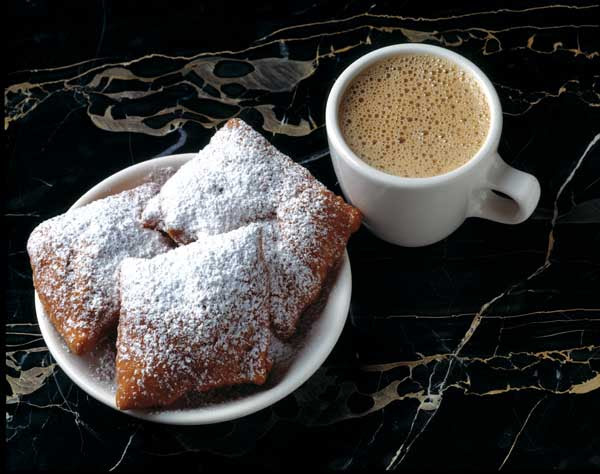
And as I ate beignets this morning with my cafe au lait, in my preferred New Orleans fashion, I realized that I had not yet written that book about Meriwether Lewis. I still may, however. The story is out there on the Trace, waiting for me. The road moves on, but sometimes it comes full circle.
What roads and stories, what battlefields and dives, call to your hearts, Readers?
Laissez les bons temps roulent --
Francine
September 13, 2016
BACK IN THE ISLANDS
 Anguilla- British West Indies
by Jamie Freveletti
I am at the wonderful Bouchercon 2016 writing conference this week, and so this is a reprint of a journal entry from my website in 2011. Back again in two weeks, but for now read about my favorite island!
August is the month of the annual trip to my favorite island: Anguilla. It's in the British West Indies, a stone's throw from St. Barth's but a whole world of difference. There is nothing to do here. If you want shopping or nightlife you'll need to leave Anguilla and head elsewhere. If you want beautiful, soft sand beaches and peace, here's your place. Getting here is the usual series of connections. Flight to Charlotte, connect to Philipsburg, St. Martin, boat to Anguilla, cab driving on the wrong side and dodging the occasional rooster, to the hotel. I stay in at the Cuisinart Resort on Rendezvous Bay beach.
The photo I've uploaded doesn't really do it justice, but you get the idea.That beach is 2.miles long and I run it, barefoot every morning. Usually it's just me and the sea, but sometimes an island dog joins, loping along and swerving off to sniff at something or another before catching up. I don't know who owns the dog, but she has a collar, so I assume she's a resident. She breaks off at the far end, where a hotel, now abandoned, sits. It was Rendezvous Villas at one point and the Brits loved it. It was a spartan, but clean hotel no AC in some units and I don't think television.
In my travels I've bumped into Brits and Germans, predominantly. Big travelers, both. The Brits are a tough breed and don't require a whole lot of luxury to be happy. I remember one woman telling me she'd been coming to Anguilla for over twenty-five years and stayed at a place without indoor plumbing. Outdoor shower and outhouse. She said it with great affection in her voice. Call me a wimp but I don't think it would be for me. I don't watch much television and don't need AC, but I do need screens or mosquito netting. Also sanitation. I've been violently ill in the islands: I think it was St. Lucia. The exact island blurs but the memory of the illness is still sharp in my mind.
The other end of the beach has Bankie Banx's place. He's Anguillan and loves music. Blues, Caribbean beats, you name it. Sunday night is a party at Bankie's. In past years there was a surge of activity on the island, but this trip I've noticed that most of that has slowed, or disappeared completely. The iffy economy has struck everywhere, I guess. But in this case it feels as though the island has reverted a bit to its true roots. Slow, quiet and peaceful. I like it. Anguilla always greeted expansion with suspicion and perhaps they were smart in that regard. I just write, lounge, run and rest.
My next book, [the fifth in the Emma Caldridge series, launches in 2017], with a tour and signings across the country and for that I'll need to get back up to mainland speed but for now it's just me and the dog, running.
September 11, 2016
The Good...The Bad...and the Saving Grace
....by Karna Small Bodman
All this week my "Rogue" colleagues have been writing great articles about enjoyable vacations that were inspiring and, in some cases, ones that changed their lives. We have read about seeing a Hindu Ceremony of Light (Guest blogger, Bryon Robinson), having a romantic interlude with her husband in Vermont (S. Lee Manning) and experiencing an enchanting time with her daughter in Greece (Gayle Lynds).
Gayle's descriptions reminded me of a vacation that wasn't completely "enjoyable." In fact, it turned out to be a bit of a challenge. It all began when my husband, Dick, and I were invited to join friends to raise money for the National Museum for Women in the Arts in Washington, D.C. We all signed up for a special charity cruise to Greece, the surrounding islands and a few other stops on board the luxurious Sea Goddess.
We had never been on a cruise (because Dick does have a problem with motion sickness), but we figured that there wouldn't be much open water, and the weather forecast looked perfect. We all met first in Athens and spent several days seeing many of their fabulous sites.
 AthensAlong the way we were told stories about how a large Hollywood contingent of producers, directors and stars had recently converged on the area, especially the island of Cephallonia, to shoot a major motion picture about what happened there during WW II when Italy's conquering army marched in and had to deal with the Nazis, the Communists and the locals all with conflicting alliances, to say nothing of conflicting love affairs.
 Greek Isles
The movie was based on a great book that had been written about those ordeals, so, of course, we bought it and then boarded the ship to go on a tour of the nearby islands. So far, so good.
Then it was time for the overnight sail to Sicily. At the beginning we saw incredible views from our state room and then began to dress in our finery to have an elegant dinner coupled with a performance by a famous opera star invited on board as the main entertainment.
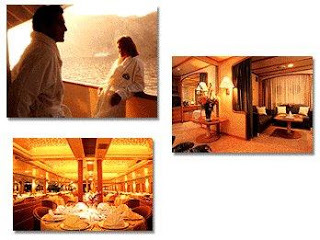 On board the Sea GoddessJust at that moment, the ship began a gentle sway, side to side. We sat down for a few minutes hoping it would subside. No such luck. Pretty soon it was obvious that this was going to go on, perhaps through the night. Dick announced that there was no way he could make the dinner. He had tried all the prescribed "cures" for motion sickness. None ever worked. Big problem. I went to find the ship's doctor who came to administer a special shot that knocked my husband out for the night and left me to wonder how to handle the rest of the trip. I searched for the Captain and asked him what the forecast was for the rest of the journey. He said, "Light chop." I replied, "If light chop is coming, what are we experiencing right now?" He said, "Oh, Madam this is gentle." I shook my head and replied, "Then we're out of here. Can someone on your staff call ahead and get us a hotel room in Sicily?" He agreed to arrange it and said we would arrive there first thing in the morning.
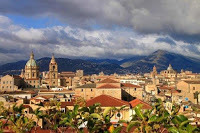 SicilyAnd so -- we jumped ship. Of course, once on dry land Dick was well enough, and we were able to see a bit of Sicily, spend the night and then decide what to do next. I discovered that there were several flights a day to Rome, and even though it was the height of the tourist season, I managed to snag a couple of tickets. But we also needed a hotel.
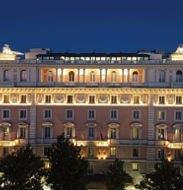 Marriott Hotel in Rome
After much frustration, I finally got a reservation for us at the Marriott. We planned to spend a couple of days there before flying to Zurich, the final city on the original tour where we had airline reservations to head back to Washington. However, when we got to Rome, there was another kind of problem. As soon as we checked into our room, Dick leaned over to grab something out of the mini-bar and put his back out. Poor dear spent the next two days in bed. At least he had a good book to read. By the third day, he said he was good to go -- so on to Zurich, the last stop on our "vacation."
As we all were boarding our flight to Switzerland, the stewardess rushed up and down the aisles to announce that the ground crews had just gone out on strike, and there was no one to haul the plane away from the gate for take-off. After a half-hour wait, she said to all of us, "This happens all the time here in Rome. But on my last flight we asked all the able-bodied men to get off and haul the plane out. Maybe we can do that again." Say again? Ask the passengers to go out and work like a chain gang to pull a jetliner out to the runway? Murmurs in the cabin ranged from "She's gotta be kidding," to "Anyone want to volunteer?" But a few minutes later, the pilot announced, "Looks like there is one brave driver who's bringing his truck over to take us out." (I always wondered what happened to that guy).
 Zurich
When we landed n Zurich, I was grateful that Dick felt fine, and we could finally have one last pleasant vacation day when we could see a great city, have a lovely romantic dinner, spend the night, and fly back to the states first thing in the morning. And so it went - that is until we got to the Zurich airport and were told that our flight to DC had been cancelled due to mechanical problems. I said to the clerk, "Is there ANY flight to ANYWHERE in the states we can get on?" She checked and got us seats on a flight to New York in a couple of hours.
After crossing the Atlantic and landing at Kennedy International, we hopped in a taxi and asked the driver to take us to LaGuardia so we could catch a shuttle to DC. I grabbed my cell and checked the airlines only to discover that all flights from LaGuardia to Washington had been cancelled due to thunderstorms, and none seemed to know when the next ones would be leaving. At that point, I made one more call to Amtrak and managed to get the last two seats on the Acela train. (Obviously all the other travelers were trying to do the same thing). And so we diverted the taxi to Penn Station.
 Acela Train NY-DC
Finally arriving home late that night, we were exhausted, but I was thankful we had made it through this "vacation" at all. And I learned a few lessons on this trip: (1) Only travel with carry-on luggage, which we did. (Thank goodness we never had to check our bags - I'm sure they would not have kept up with our trek) and (2) In the future, remember the quote from Benjamin Franklin, "If you fail to plan, you're planning to fail."
When we had occasion to see our friends in DC who had completed the cruise, they said, "So, after you left us, how was the rest of your vacation?" To which my dear husband replied, "I actually had a great time. I finally had the chance to read a really good book. It's all about when Italy tried to take over that Greek Island, but had to deal with the Nazi occupiers and then the Communist rebels and finally the local folks who didn't like any of them." I had to laugh, but then I added, "Yes, that book was the saving grace, so to speak. He's right about the story. It's about love too. A father's love for his daughter, a man's love for a woman, and a people's love for their country. We never would have read it if we hadn't taken that trip." The book was Correlli's Mandolin (the book, as usual, was much better than the movie).
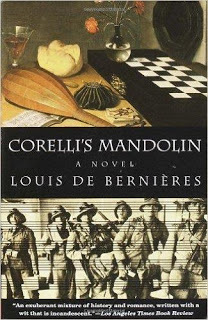
Now the question is: Have you ever taken a vacation that turned out to be "a challenge," and what books did you read along the way? Do leave a comment below -- we'd love to hear about your experiences. And thanks for visiting us Rogue Women Writers.....Karna Small Bodman
All this week my "Rogue" colleagues have been writing great articles about enjoyable vacations that were inspiring and, in some cases, ones that changed their lives. We have read about seeing a Hindu Ceremony of Light (Guest blogger, Bryon Robinson), having a romantic interlude with her husband in Vermont (S. Lee Manning) and experiencing an enchanting time with her daughter in Greece (Gayle Lynds).
Gayle's descriptions reminded me of a vacation that wasn't completely "enjoyable." In fact, it turned out to be a bit of a challenge. It all began when my husband, Dick, and I were invited to join friends to raise money for the National Museum for Women in the Arts in Washington, D.C. We all signed up for a special charity cruise to Greece, the surrounding islands and a few other stops on board the luxurious Sea Goddess.
We had never been on a cruise (because Dick does have a problem with motion sickness), but we figured that there wouldn't be much open water, and the weather forecast looked perfect. We all met first in Athens and spent several days seeing many of their fabulous sites.
 AthensAlong the way we were told stories about how a large Hollywood contingent of producers, directors and stars had recently converged on the area, especially the island of Cephallonia, to shoot a major motion picture about what happened there during WW II when Italy's conquering army marched in and had to deal with the Nazis, the Communists and the locals all with conflicting alliances, to say nothing of conflicting love affairs.
  Greek Isles
The movie was based on a great book that had been written about those ordeals, so, of course, we bought it and then boarded the ship to go on a tour of the nearby islands. So far, so good.
Then it was time for the overnight sail to Sicily. At the beginning we saw incredible views from our state room and then began to dress in our finery to have an elegant dinner coupled with a performance by a famous opera star invited on board as the main entertainment.
 On board the Sea GoddessJust at that moment, the ship began a gentle sway, side to side. We sat down for a few minutes hoping it would subside. No such luck. Pretty soon it was obvious that this was going to go on, perhaps through the night. Dick announced that there was no way he could make the dinner. He had tried all the prescribed "cures" for motion sickness. None ever worked. Big problem. I went to find the ship's doctor who came to administer a special shot that knocked my husband out for the night and left me to wonder how to handle the rest of the trip. I searched for the Captain and asked him what the forecast was for the rest of the journey. He said, "Light chop." I replied, "If light chop is coming, what are we experiencing right now?" He said, "Oh, Madam this is gentle." I shook my head and replied, "Then we're out of here. Can someone on your staff call ahead and get us a hotel room in Sicily?" He agreed to arrange it and said we would arrive there first thing in the morning.
  SicilyAnd so -- we jumped ship. Of course, once on dry land Dick was well enough, and we were able to see a bit of Sicily, spend the night and then decide what to do next. I discovered that there were several flights a day to Rome, and even though it was the height of the tourist season, I managed to snag a couple of tickets. But we also needed a hotel.
 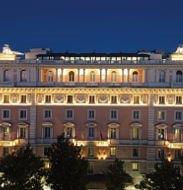 Marriott Hotel in Rome
After much frustration, I finally got a reservation for us at the Marriott. We planned to spend a couple of days there before flying to Zurich, the final city on the original tour where we had airline reservations to head back to Washington. However, when we got to Rome, there was another kind of problem. As soon as we checked into our room, Dick leaned over to grab something out of the mini-bar and put his back out. Poor dear spent the next two days in bed. At least he had a good book to read. By the third day, he said he was good to go -- so on to Zurich, the last stop on our "vacation."
As we all were boarding our flight to Switzerland, the stewardess rushed up and down the aisles to announce that the ground crews had just gone out on strike, and there was no one to haul the plane away from the gate for take-off. After a half-hour wait, she said to all of us, "This happens all the time here in Rome. But on my last flight we asked all the able-bodied men to get off and haul the plane out. Maybe we can do that again." Say again? Ask the passengers to go out and work like a chain gang to pull a jetliner out to the runway? Murmurs in the cabin ranged from "She's gotta be kidding," to "Anyone want to volunteer?" But a few minutes later, the pilot announced, "Looks like there is one brave driver who's bringing his truck over to take us out." (I always wondered what happened to that guy).
 Zurich
When we landed n Zurich, I was grateful that Dick felt fine, and we could finally have one last pleasant vacation day when we could see a great city, have a lovely romantic dinner, spend the night, and fly back to the states first thing in the morning. And so it went - that is until we got to the Zurich airport and were told that our flight to DC had been cancelled due to mechanical problems. I said to the clerk, "Is there ANY flight to ANYWHERE in the states we can get on?" She checked and got us seats on a flight to New York in a couple of hours.
After crossing the Atlantic and landing at Kennedy International, we hopped in a taxi and asked the driver to take us to LaGuardia so we could catch a shuttle to DC. I grabbed my cell and checked the airlines only to discover that all flights from LaGuardia to Washington had been cancelled due to thunderstorms, and none seemed to know when the next ones would be leaving. At that point, I made one more call to Amtrak and managed to get the last two seats on the Acela train. (Obviously all the other travelers were trying to do the same thing). And so we diverted the taxi to Penn Station.
 Acela Train NY-DC
Finally arriving home late that night, we were exhausted, but I was thankful we had made it through this "vacation" at all. And I learned a few lessons on this trip: (1) Only travel with carry-on luggage, which we did. (Thank goodness we never had to check our bags - I'm sure they would not have kept up with our trek) and (2) In the future, remember the quote from Benjamin Franklin, "If you fail to plan, you're planning to fail."
When we had occasion to see our friends in DC who had completed the cruise, they said, "So, after you left us, how was the rest of your vacation?" To which my dear husband replied, "I actually had a great time. I finally had the chance to read a really good book. It's all about when Italy tried to take over that Greek Island, but had to deal with the Nazi occupiers and then the Communist rebels and finally the local folks who didn't like any of them." I had to laugh, but then I added, "Yes, that book was the saving grace, so to speak. He's right about the story. It's about love too. A father's love for his daughter, a man's love for a woman, and a people's love for their country. We never would have read it if we hadn't taken that trip." The book was Correlli's Mandolin (the book, as usual, was much better than the movie).

Now the question is: Have you ever taken a vacation that turned out to be "a challenge," and what books did you read along the way? Do leave a comment below -- we'd love to hear about your experiences. And thanks for visiting us Rogue Women Writers.....Karna Small Bodman
September 10, 2016
REPLACE YOUR NAIL WITH A SPIKE
KJ Howe hosting Bryan E. Robinson
I'd like to welcome talented author and ace psychologist Bryan E. Robinson to Rogue Women Writers. Bryan joins us with some sage advice on how to keep writing in challenging times. His unflagging enthusiasm is just the elixir you need if you're feeling low....
 by Bryan E. Robinson
The nail in my wall would no longer support the weight of the rejection slips impaled upon it. I replaced the nail with a spike and kept on writing. —Stephen KingWhen you started writing on a regular basis, did you think it would answer all your prayers for fame and wealth, and you’d live happily ever after? Did you dream your book would appear on bookstore shelves beside Lee Child, James Patterson, or Heather Graham? That it would hit number one on the New York Times bestseller list and garner the Edgar, the Barry, the Agatha, and Thriller Awards? That Steven Spielberg would beat down your door to sign you for the screenplay?I did.Were you perplexed to discover that nightmares come with the dreams? Did an agent’s dismissal, publisher rejection, blistering reviews, no-shows at bookstore signings, deadline pressures, zero awards, or agonizing writer’s block besiege you? Did you have trouble locating your book on the shelves at Barnes and Noble? Did you make a little money but not enough to pay off the mortgage? Did you find that what few bucks you earned went toward paying a publicist? Are you still waiting for Hollywood to call?
I am.
After meteoric challenges, are you still in the writing game?
Of course, you are, so am I. We’re rogue writers. Not writing isn’t an option. We’re out of the ordinary. We behave in unexpected, unorthodox ways. We’re the ones who crash the glass ceilings and move things forward. People learn they can’t fuck with us. We don’t allow defeat to take us down. We use rejection and disappointment as fuel for our fierce determination, and we persevere through literary storms—albeit bruised, bereft, and beleaguered.
Rogue writers have a different way of looking at rejection. We consider it an honor to be in such good company—members of an exclusive club of great authors. While writing my new inspiration book for aspiring scribes (The Writer’s Daily Bounce: Meditations for Writing Resilience 365 Days a Year), I discovered that practically every successful writer from Stephen King to the Beatles to J.K. Rowling—whose Harry Potter series was rejected by twelve publishing houses—has travelled the same road we’re on hundreds of times. Steve Berry had 85 rejections over twelve years of trying before hitting it big. Janet Evanovich said she received rejection letters for ten years, one written on a napkin written in crayon. She stored all of her rejection letters in a box and when it was finally full, she took it to the curb and set it on fire. James Lee Burke said he saved all of his rejection slips because he planned someday to autograph them and auction them off. Sylvia Plath said, “I love my rejection slips. They show me I try.” And Judith Guest said, “Some of our worst rejections can help make us better writers.”
 No one can take anything from us rogue writers unless we consent. Not our writing talents, our self-respect, our persistence. Nothing. Nada. When the rejection letters arrive—and they will—we don’t have to let defeat turn us into a wreck hauled off to the scrap heap. We are creators of our writing, not victims of it. Instead of letting rejection letters prescribe our course, we prescribe theirs: haul them to the scrap heap, make a scrapbook, wallpaper a room, put them on our websites, read them at book signings, have a contest in our writing groups, use them for wrapping paper, or set them on fire.You get where I’m going? Are you feeling empowered yet?
A rogue writer—male or female—is a force to be reckoned with. Rejection is not final, nor fatal for us. It strengthens us, makes us more resilient, gives us the stamina to rise up and overcome writing roadblocks. Let’s travel the road of rejection with fierce determination, knowing we’re headed in the right direction. Let’s substitute our nails with a spike, never give up, and keep on writing.
In keeping with the theme this week of vacations that changed your life, every vacation I've had out of the country has changed me in one way or another. I have traveled all over the world to every continent except for the Arctic and Antarctica. I think it was being in Varanasi, India (also known as The City of the Dead where many come to die) that had the biggest impact. In a boat on the Ganges watching the priests waving torches of fire in the pitch blackness during Arti (the Hindu Ceremony of Light) and watching the funeral pyres burning on the banks of the river is emblazoned in my brain. It was the Tao of breathtaking beauty and sobering hard-cold reality. But it's the beauty I take away the most.
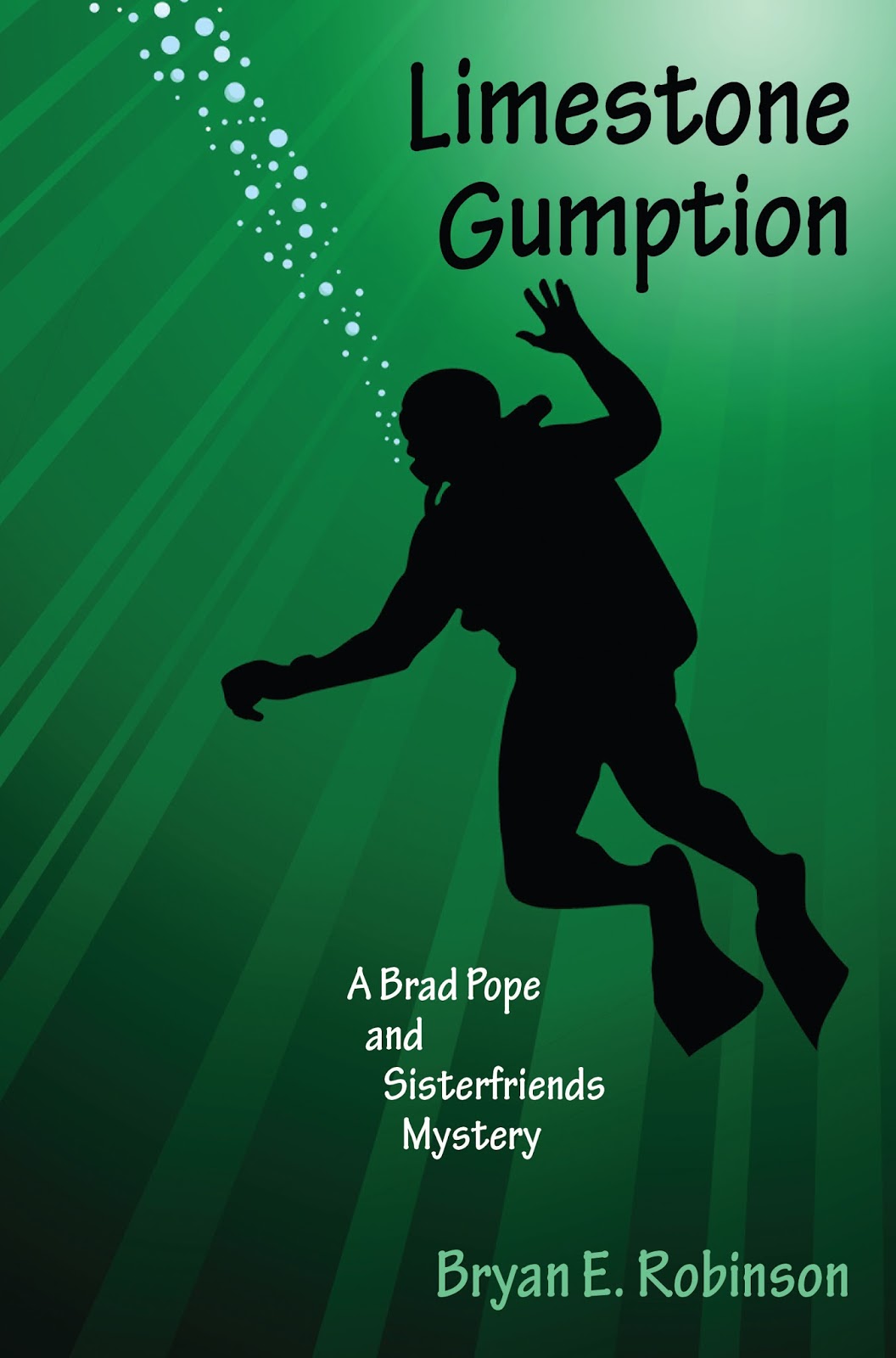
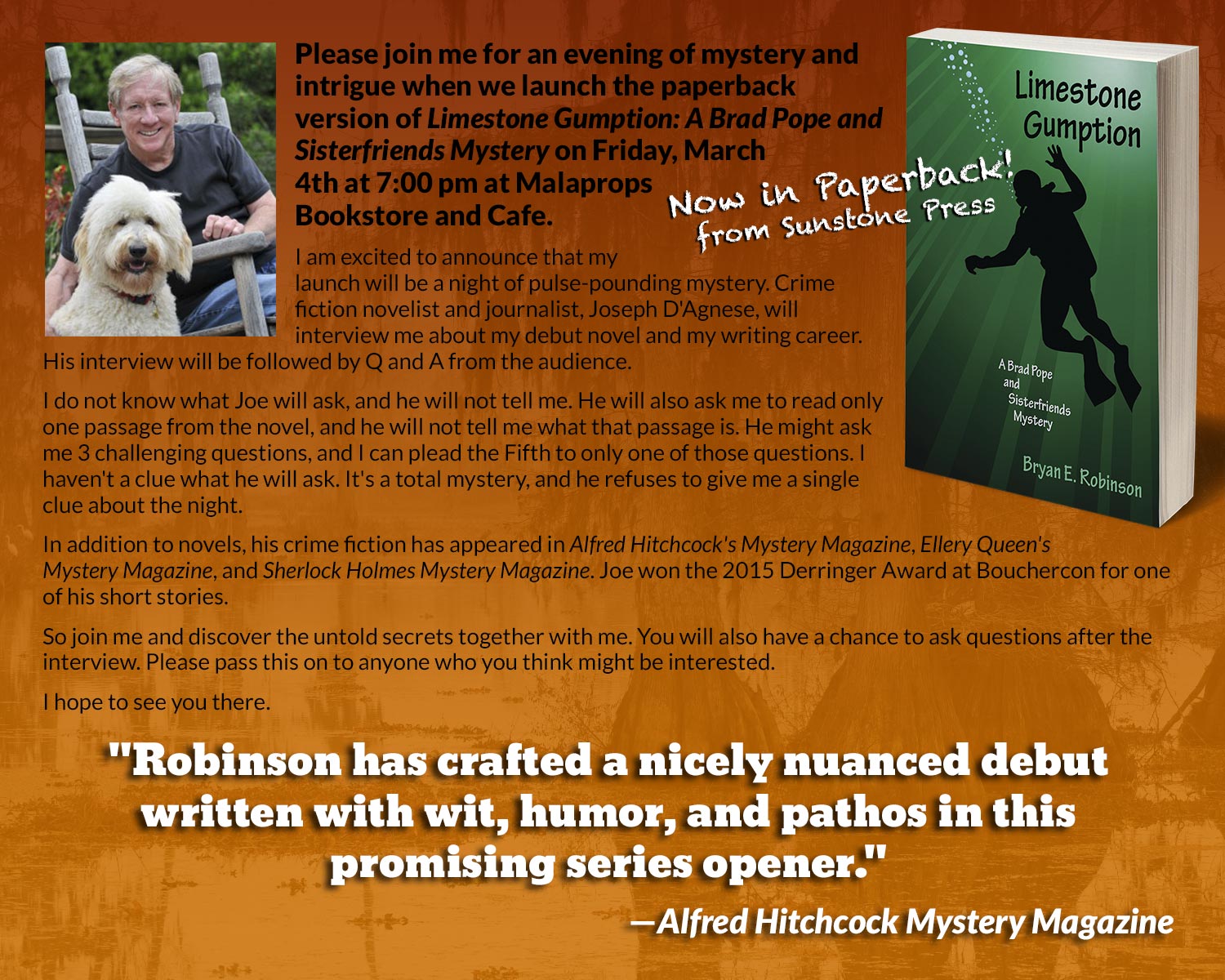
BRYAN E. ROBINSON is consulting editor for International Thriller Writers’ online magazine, The Big Thrill, and past coordinator of their Debut Author Forum. After weathering his share of rejections, Bryan authored 35 nonfiction books that were translated into thirteen languages and two mysteries. His debut novel, Limestone Gumption, was a multi-award winner for best psychological suspense. His latest books are The Writer’s Daily Bounce: Meditations for Writing Resilience 365 Days a Year (Llewellyn Worldwide, forthcoming), and the thriller, Bloody Bones (forthcoming). He maintains a private psychotherapy practice in Asheville, NC and resides in the Blue Ridge Mountains with his spouse, four dogs, and occasional bears at night. He is currently working on his third mystery/thriller, Michael Row the BODY Ashore and a memoir, Crazy Papers.
September 8, 2016
Two roads diverged – a vacation in Vermont
 S. Lee Manning: The vacation that changed my life occurred years ago when I was a brand new law school graduate working as an associate at a well-known national law firm.
 Law had not been my first choice of a career. I had wanted to be a writer, but I feared I didn’t have it in me to be a novelist – and I didn’t like being poor. After several years of working as an editor on a law enforcement trade magazine, single and broke in Manhattan, I started at Rutgers Law School.
I worked my butt off in law school, culminating in my becoming managing editor of the law review and graduating in the top ten percent, which landed me a job at a prestigious law firm.
While I was no longer either single or poor, I was driven. I was assigned to a large litigation, where I was one of twelve lawyers, the one on the bottom-most rung. We flew to California for the case and settled into temporary offices. The hours were long, and the work tedious, but I tried my best. I wanted to do well, to prove myself and to become the best possible attorney, maybe even become a partner. But everything seemed to go wrong. I took too long reviewing documents. A paralegal misinformed me, so I changed a document and it then had to be redone at the last minute, making our side late. I couldn’t blame the paralegal – I should have checked myself.
I’m getting to that vacation story, I really am.
Finally, the coup de grace. The senior partner on the case assigned me to insert citations from our opponent’s transcript of a meeting into an important brief we were preparing for court. It is critical that all statements of law or fact in a brief be supported by statutes, case law, transcripts, depositions, affidavits, etc. Our brief had made various statements of fact. We had two sets of transcripts: one from our client, one from our opponent. The senior attorney on the case decided our case would be so much stronger if we relied on our opponent’s words, instead of the words of our client, to support our argument. I was to go through the brief, insert citations to the opponent’s transcript in support, and turn the finished product over to a junior partner.
It didn’t take me long to realize that the transcript from our opponent didn’t support statements in our brief, and that citing to it would be inaccurate. I trotted into the junior partner and explained the problem. His solution: I should cite to the closest approximation in our opponent’s transcript to our brief, even if it was inaccurate. I should also put in citations to our client’s transcript that would be accurate. I did so.
The next day, all the attorneys on the case were called into the senior partner’s office, where he lambasted the shoddy work on the brief. To my horror, I realized that the junior partner had removed all the citations to our client’s transcript, leaving only the inaccurate citations to our opponent’s transcript. Everyone in the room, all twelve attorneys, looked at me. Everyone knew it was my assignment.
The junior partner looked at his hands and said nothing.
I could say nothing. I was the most junior person in the room. How could I say that I’d gone to the junior partner and that this was his fault? If I said something, I was screwed. If I said nothing, I was screwed.
Two days later, I flew home in disgrace – off the case. I was to be assigned a new partner and a new case. First, I took a week’s vacation.
Told you I’d get there.
I was a mess. I was humiliated, and disillusioned with the career I’d fought so hard to attain. I wanted to crawl under my bed and never come out.
My husband thought that a change of scenery would be better than my sulking under the bed. We both loved the country and had visited the Berkshires in Massachusetts several times. We decided to go a little farther north, into southern Vermont, where we could try cross country skiing. I had always loved snow – we rarely had it in Cincinnati when I was growing up – and it always seemed somehow magical.
Jim, our German Shepherd, Torts, and I piled into our Subaru and headed out. We spent one night in a slightly shoddy older hotel that accepted pets.
After a dinner of carryout food in our room, we crunched on snow down a shoveled path. A full moon illuminated the way. Torts bounded ahead of us, plowing his own paths through foot deep drifts, and returned, white from snow clinging to his fur.
Our reservation for the next few days was in Manchester, at a hotel that did not allow pets, and we reluctantly left Torts at a kennel dedicated to German Shepherds for the balance of the trip. Visible from our window, a mountain rose cold and white with a fresh coating of snow, and we bought wood for the fireplace a few feet from the foot of our bed.
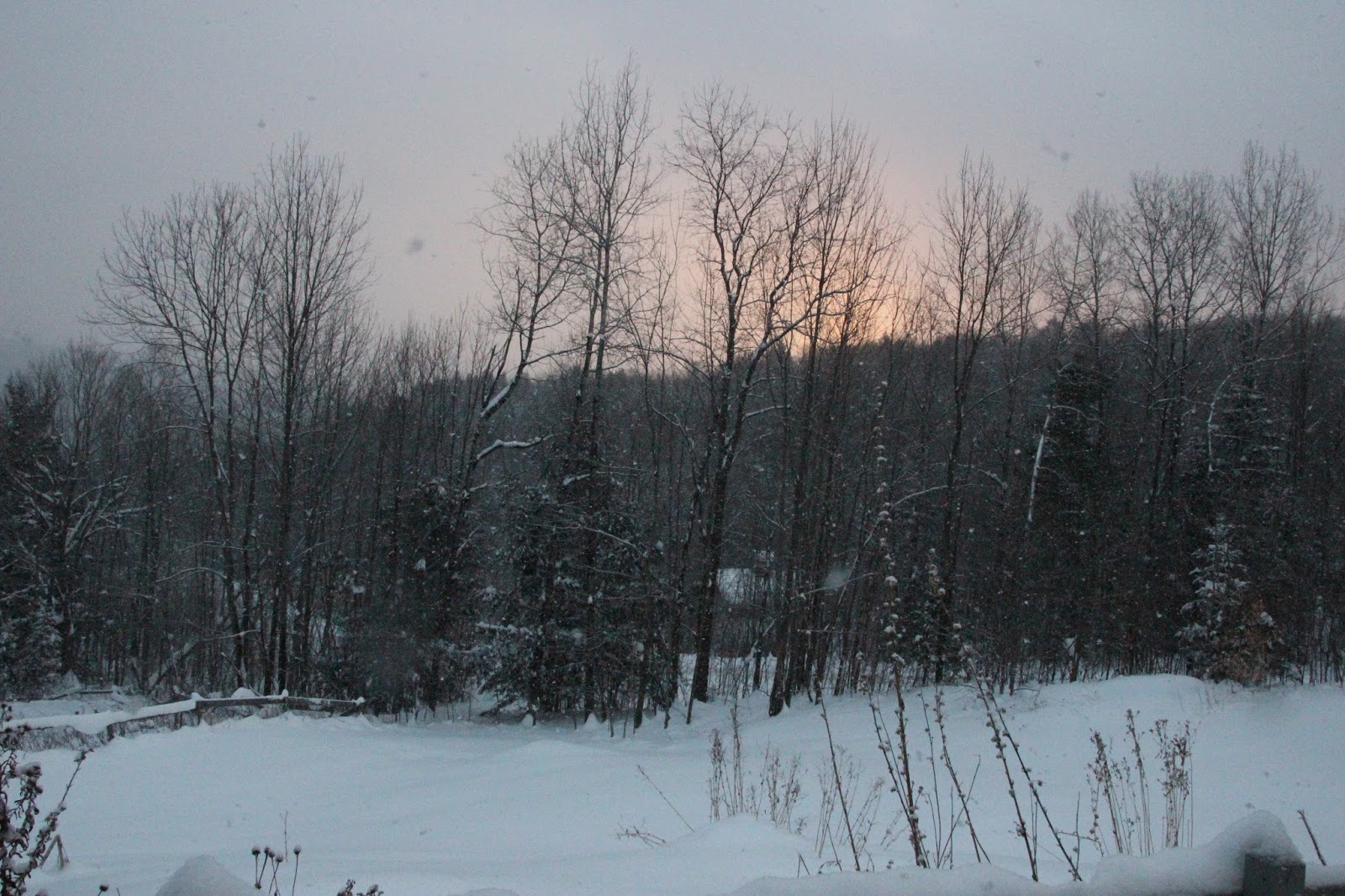
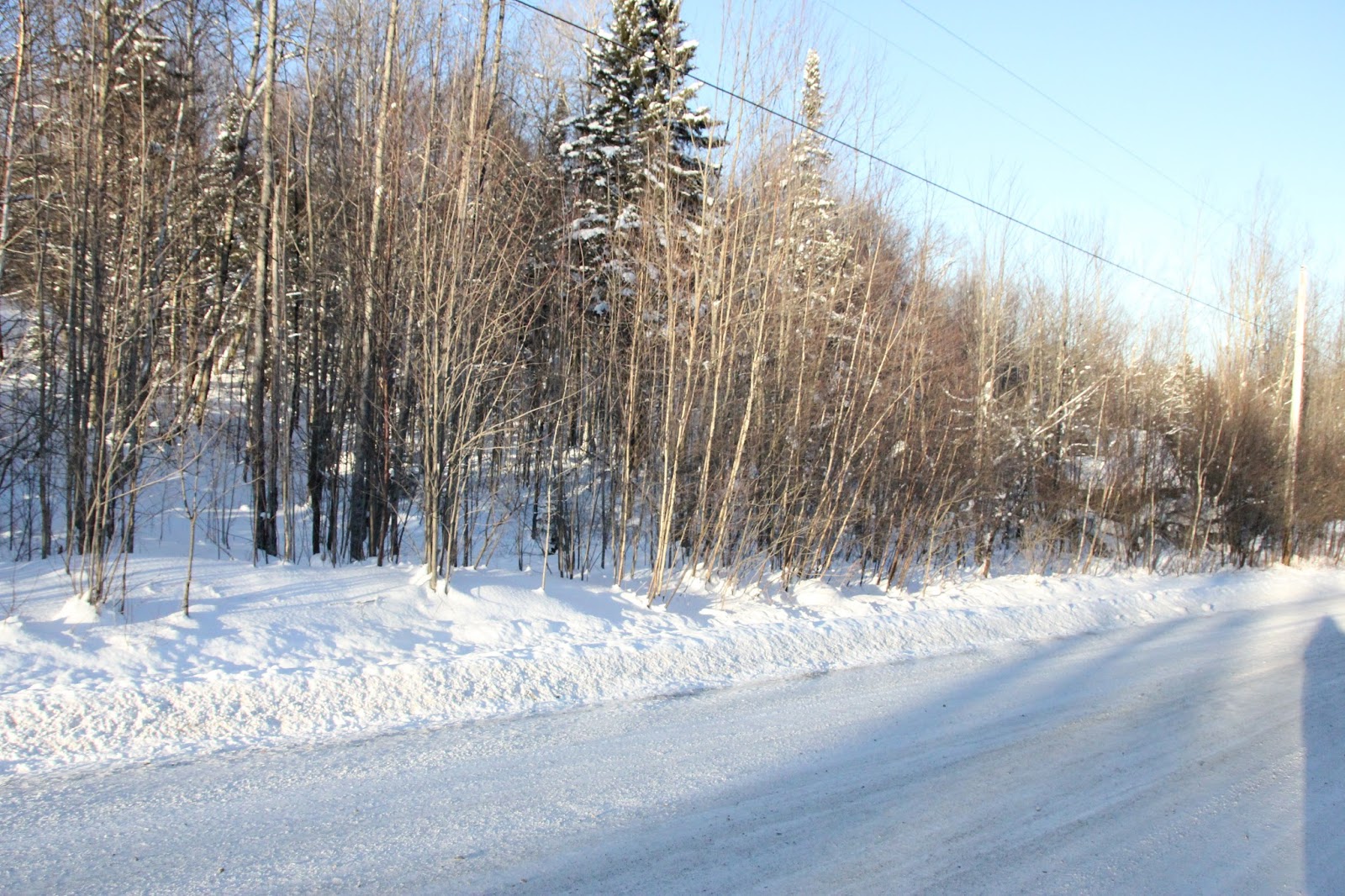
That day, we drove past Stratton mountain to a small cross country ski area. We rented skies, received a basic lesson in maneuvering, and then headed for a trail through the woods. We glided past picture perfect trees in the silence of fresh snow. When we returned, we drank hot chocolate in front of a wood-burning stove in a former barn. A lop eared rabbit hopped through the room, pausing for a brief pet.
After dinner, we walked down a street where icicles hung from eaves as snowflakes slowly drifted from heavy skies. Then we returned to our hotel, built a fire, and watched the flames until they flickered and died. We snuggled down to sleep under a comforter.
We did this for four days, four perfect days.
What I remember from that vacation was not just the beauty but the overwhelming sensation of peace. I was not the ambitious young attorney who was failing miserably at her job. I was, as we would now say, in the moment. Nothing existed but the view of the mountain as the sun rose and the sky turned pink, the snow that clung to the bare branches of the trees, the golden flames dancing in the fireplace and my wonderful husband by my side.
Then, we picked up Torts and headed back to New York. The glow did not last when I returned to the job, although things did get better. After I turned a brief in to the new partner I had been assigned, he stopped me in the hall, not only to tell me how well-written it was but how pleasantly surprised he was at the quality of my work. I knew what it meant. I knew what he’d been told - and it felt good to have surpassed the low expectations he’d had of me. I worked for him for the balance of my time at the firm, and after I left, he wrote me a glowing recommendation.
But I was no longer basing my self-worth on whether or not I succeeded as an attorney. I had come to several realizations after the Vermont vacation: First, that I really loved Vermont and wanted to go back, and, if possible, live there. Second, that I really didn’t love being an attorney – and that somehow, at some point, I would return to writing, perhaps even writing about my experiences as an attorney.
It took much longer than I thought it would, but I’ve achieved both goals. I am now living in northern Vermont, always appreciative of the beauty and peace of my surroundings.
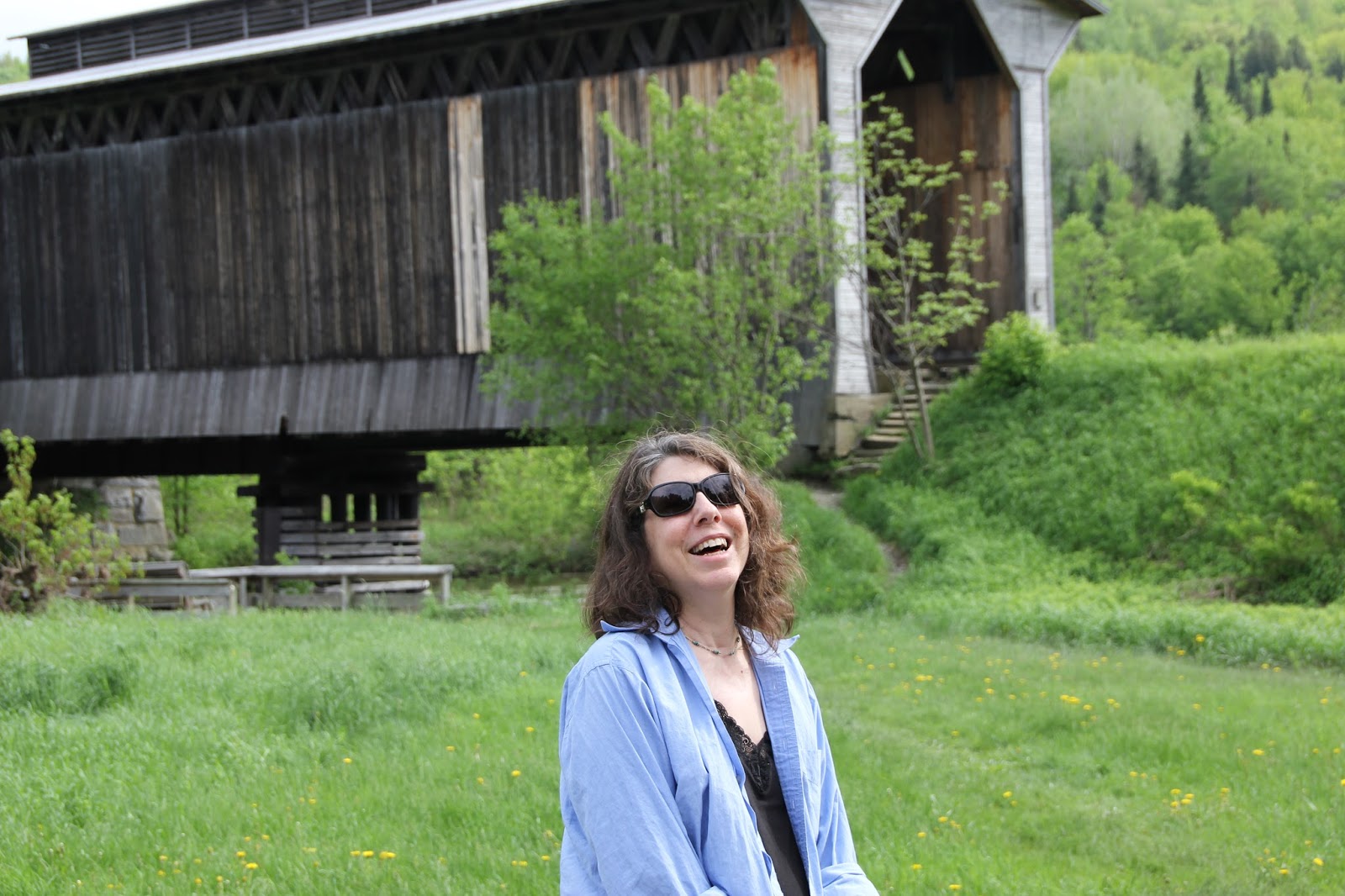 And I’m writing. I’m not writing about law, but about international espionage; however, my legal background crops up in my fiction. Alex Feinstein, one of my main characters in Trojan Horse, is an attorney, working on innocence projects. The backstory not discussed in Trojan Horse for Kolya Petrov, my protagonist and principal spy, is that he graduated from Columbia Law School but found he hated practicing law.
Kind of like me.
Would I be where I am if Jim and I had gone for a Caribbean vacation instead of a vacation to Vermont? Impossible to say. Two roads diverged in a wood….
September 6, 2016
I HEAR THAT WRITERS GO ON VACATIONS. DID YOU KNOW THAT?
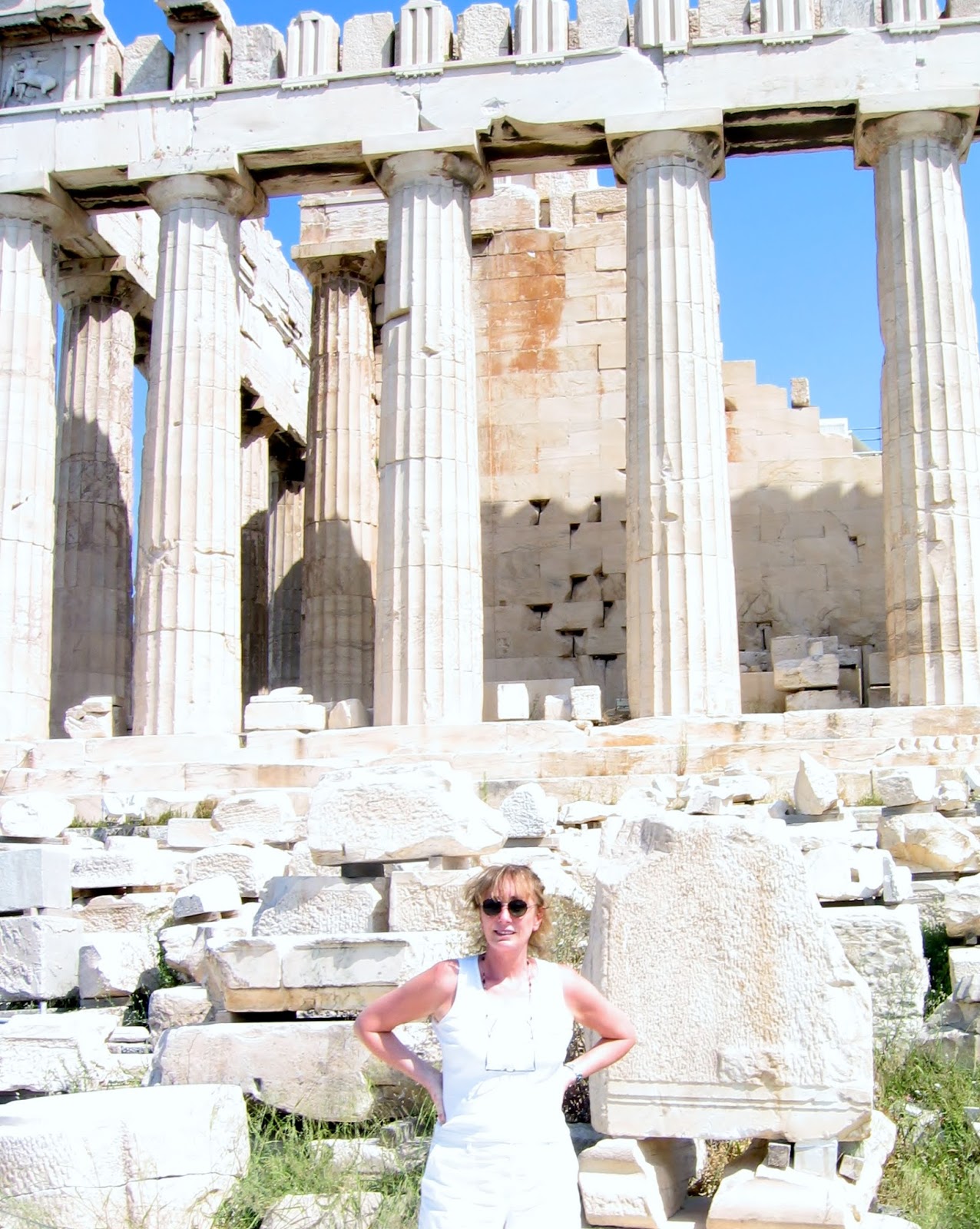 Me at the Temple of Athena Nike on the Acropolis
 BY GAYLE LYNDS ... What do you do when your life has a big hole in it? If you’re me and have a daughter with a silver tongue, you take a vacation.
Please understand that I don’t take vacations. I don’t like them. They bore me. My only trips back in those days were to gatherings of authors and readers. Book tours. Conventions. Research. You get the idea.
But then in 2005 my husband died. He was Edgar-winning author Dennis Lynds. We’d raised our children together, wrote novels side-by-side, lived in each other’s pockets through the thick and thin of life and publishing. With his death, I didn’t know who I was anymore.
Enter Julia, my daughter. “You need to go to Greece. We’ll go together. Get your passport updated.”
As you can tell, Julia is a force. Besides, I was in a weakened state. Dare I say she might be right? I bought flight tickets.
With this blog, I begin the next series of Rogue Women posts – “A Vacation that Changed Me.” You won’t want to miss these insightful stories. To get your personal subscription to our blog, just click here.
Flying into Athens International was like landing on another planet – not only a strange language, but a strange alphabet, and I hadn’t gotten enough sleep. It was March 2006. Julia was young and energetic; I was feeling old and tired. She found the puddle-jumper that would fly us into Mykonos.
After sailing through a radiant blue sky above a turquoise Aegean Sea, we landed on magical Mykonos, born of the petrified bodies of giants. Really. Hercules killed them. The landscape was dry as bones. Considering the island’s origins, it wasn't unexpected.
 The magical island of Mykonos
What is it about impossible terrains? They either conquer us, or we nestle in and find the beauty.
That’s what Mykonos turned out to be. White-washed houses with gemlike blue shutters dotted the brown hills. In the town of Mykonos, the shops, churches, and houses were also white-washed, so clean my grandmother would’ve let me eat off the stoops. They stood shoulder-to-shoulder with hardly a breath between, like close family members.
We rented a motor scooter, and Julia drove us up into the hills on winding dirt roads as narrow as ribbons. We passed goats, family chapels, horses, scrub, and wild flowers. The vistas were panoramic. The island’s peace began to seep into my soul.
We returned to our hotel, which clung like an act of faith to the side of a steep, rocky incline, and checked our email (well, some things never change). Julia spotted a sweet young cat on a rescue website who needed to be adopted. I fell asleep in my clothes.
The next day we flew back to chaotic Athens International. The constant hubbub was starting to seem almost rational. Still, I was grateful that Julia took charge, found us a real taxi, and we were off in a blaze of contrails.
Where Mykonos radiates peace, Athens thrums with motor noise, sirens, screeching tires, shouted voices. And those are the quiet moments. Still, there was something wonderfully invigorating about the place, of people fully alive with dreams for the future and
every intention of achieving them.
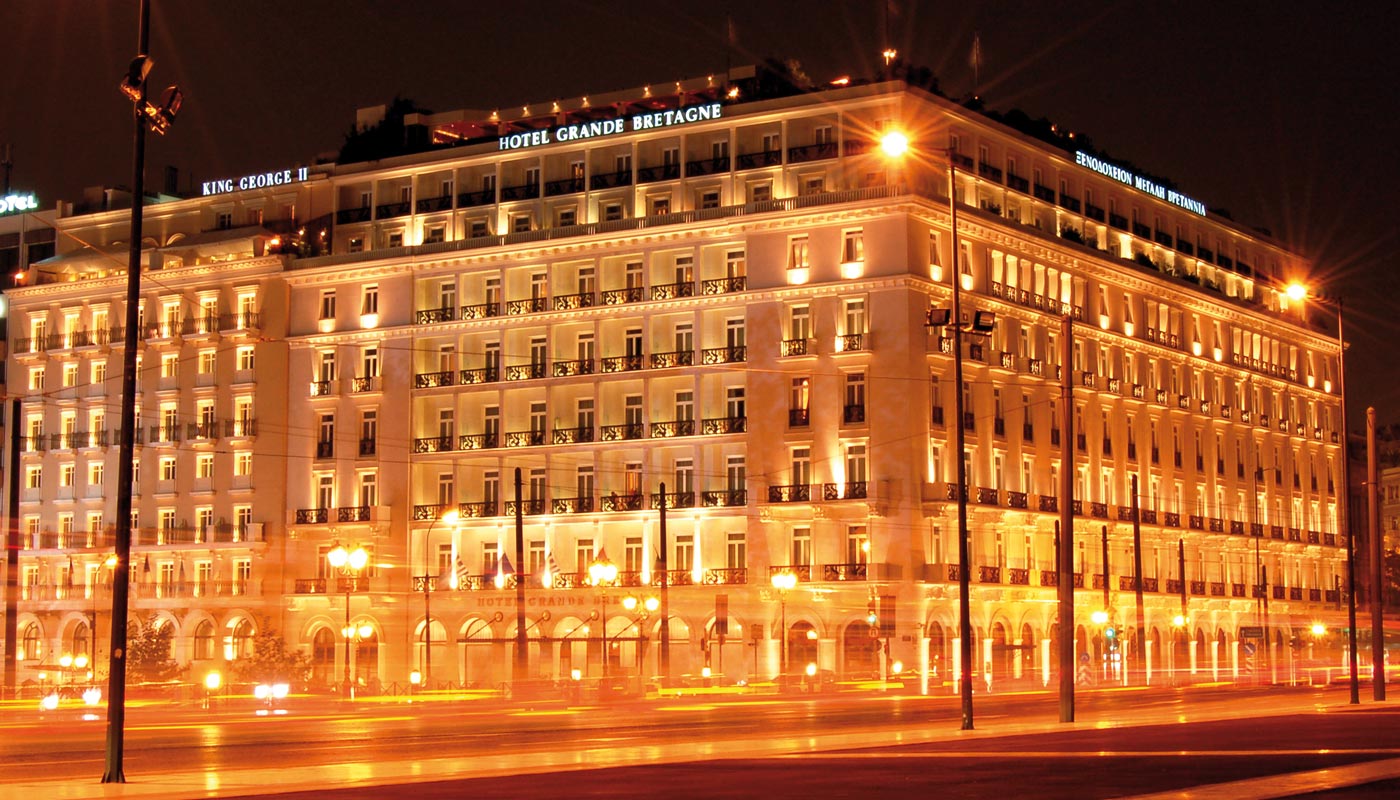 The Hotel Grande Bretagne
We stayed at one of the world’s great hostelries, the Hotel Grande Bretagne, located next to the parliament building on spacious Syntagma Square in the heart of the city. Revolutions were plotted here.
The Nazis made the hotel their Greek HQ during World War II. And today it’s the embodiment of modern luxury. Want a eucalyptus-scented shower? Hand-painted wallpaper? Pillows filled with the down of angel geese? (I’m kidding about the last, but you get the point.)
We walked everywhere. We loved the Parthenon, where ancient history seemed to ooze from both towering granite columns and fallen stones. Then there was Mount Lycabettus, the Temple of Olympian Zeus, and the ancient Agora marketplace. We investigated hidden byways and got lost several times.
And while we walked and talked and soaked in the grandeur that once was, I changed. Dennis had been terribly ill for a long time, and I began to accept his death. What were our lives after all compared to the thousands of years of history that our world embodied?
 And finally I felt an obligation to live now, in this moment. What was important to me?, I wondered.
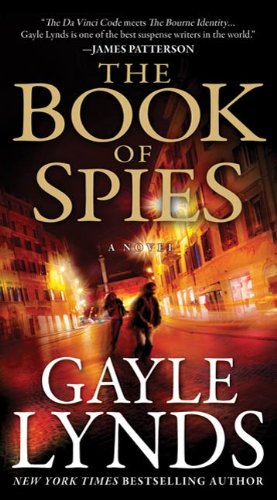
Before we left Athens, Julia made arrangements to adopt the foundling kitty on the rescue website, and I realized what I’d thought was a vacation had really been research for a new novel I all of a sudden wanted to write. I would set scenes in some of my favorite places in Athens, and I’d create an island like Mykonos. I even had a title – The Book of Spies .
All of that was ten years ago. Since then, Julia has acquired two kitties, married, and had a child of her own while continuing her career in New York. I’ve moved from California to marry another wonderful man who makes my heart sing. Oh, and I still write novels. That's a big part of who I am. Please drop by my website and say hello.
What’s your favorite vacation?
September 4, 2016
VILLAINS - SOMETHING FOR EVERYONE
by Chris Goff
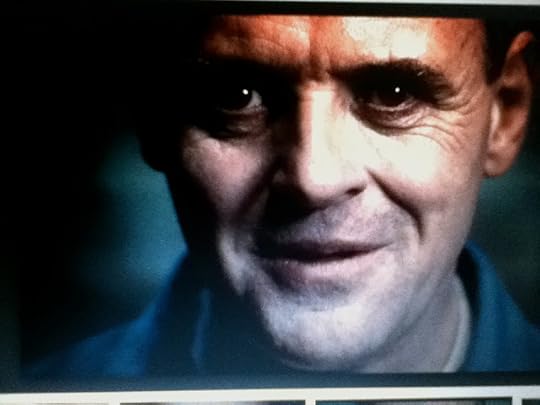 Hannibal The easy definition of a villainWe all instinctively know who the bad guy is in a novel—it's the person who's going to stop our hero from getting what he wants. He doesn't always have to be evil, but in a thriller he usually is. In a thriller, it's usually the guy who is perpetrating the most evil.
We're talking Hannibal Lecter, the cannibal from Red Dragon (in Silence of the Lambsit was Buffalo Bill); Professor Moriarty, Sherlock Holmes' old nemesis; Mr. Hyde from Dr. Jekyll and Mr. Hyde; Nils Bjurman, Lisbeth's guardian, the rapist, in The Girl With the Dragon Tattoo; Norman Bates in Psycho; Annie in Stephen King'sMisery. All of them despicable villains. And we love to hate them!
We've been taught to love villains since we were little kids. Think of the White Witch in The Lion, the Witch and the Wardrobe; Cruella De Vil from 101 Dalmatians; Agatha Trunchbull from Matilda; the un-named villain who shot Bambi's mother. We derived such satisfaction when the bad guy suffered defeat.Why the fascination with villains?Psychiatrist Carl Jung believed we need to confront our hidden nature in order to grow as human beings. Sigmund Freud would have said it’s the id still dwelling inside us that would have loved to be a super villain. Others believe that we live vicariously through our heroes—we fight the good fight, vanquish evil, and find justice for those wronged. But let's toy with what Jung and Freud thought. If what they believed has any basis in reality, then villains must also satisfy some basic need in all of us. What darkness or secret wishes do you share with a villain?A desire for:
Freedom – It seems to be a consensus. While our heroes are constrained by the edicts of society, a villain is free to do whatever they want. Admit it, that's sort of liberating.
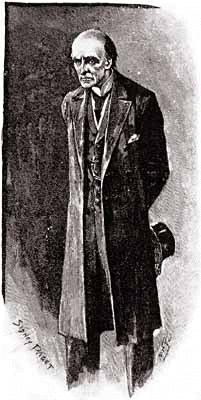 Moriarty by Sidney PagetPower – While heroes want to triumph, they don't want to take over the world. Villains, on the other hand, want to dominate. Secretly, it might be nice to be in total control.
Payback –When you were a kid and someone picked on you, did you ever dream of that bully getting his due? A hero can only take things so far. He'll stop the bully, and then try and teach him a lesson, while a villain is all "eye for an eye." Unacceptable maybe, but secretly it might be nice to exact a little revenge.
A desire to:
Triumph over fears – Through fiction it's easy to make that trek to the basement, to brave the dark, to stand up against evil. Living vicariously through our heroes confrontations with the villain, we test our own bravery and experience the worst without ever actually facing a knife-wielding maniac.
Live vicariously – Villains don't let anything get in the way of what they want. Often they drive nice cars, live in nice houses, like the finer things in life. They have a "devil-may-care" attitude that we can't help but admire. This villain is willing to put it all on the line just to get what he wants.But how can one justify a villain's behavior? Chalk this up to Human Nature. Some will blame the victim. No one really wants to believe that "bad things happen to good people," so we twist what's happening. We say the victim asked for it. I mean, only a moron goes down to the basement when the lights go out and they hear a strange noise. A sane person gets out of the house and calls the cops.
Or maybe we can rationalize the villains behavior. I mean, he's only killing other bad guys. Murder's a little extreme, but is it really so bad if a serial killer kills another serial killer?
Basically, as villains go, the more evil the better. That's because it takes a really bad villain to make a really good hero. Our main man only shines if he triumphs over someone who is as bad as he is good.A little charisma goes a long way. Cruella De VilWhile villains are evil and crazy and scary, most of them have traits we admire, traits that make them real. The truth be told, a lot of them are charismatic individuals. Think Ted Bundy. And many thriller writers will admit to basing villains and victims on people they've known. But I digress. Suffice it to say, if the villain has some degree of humanity, we like him better. The vicious serial killer who loves puppies, somehow makes him more endearing.
The truth is, most villains have some admirable traits, and they're the same traits used to create today's latest trend.Anti-heroes are their own kind of bad.Lately, in books and on television, it's the bad guys who are taking center stage. Why? Again, chalk it up to human nature. Of course, the good bad guy must face an even worse bad guy, but sometimes that worse bad guy is yesterday's hero. Confusing? Yes! But let's look at what makes the anti-hero so compelling.
They're flawed.People are more realistic these days. We all make mistakes. We're all selfish sometimes. We all know that people don't always make the right decisions. Rooting for an anti-hero can make us feel better about ourselves. And we're not so sure we like those who are being judgmental.
They're complex.Again, anti-heroes are just people. We all have different reasons for doing the things we do, making the choices we make. Besides, it's interesting to see what motivates other people.
They're strong.Anti-heroes are not going to just rollover or go quietly into the night. Just like the heroes of old, they are going to fight tooth-and-claw for what they want. It's admirable.
They have good intentions. As some wise writer once told me: the villain—or in this case anti-hero—is the hero of his own story.While we might question their methods, we don't question their motives or intent. Anti-heroes—and for that matter today's villains—aren't evil for evil's sake. They believe in what they're doing, and believe it's the only thing they can do to right a wrong or level the playing field. Villains, anti-heroes and heroes usually have one thing in common.They're smart. And the smarter the better. After all, I believe what readers want in the end is a good contest between the "good guy" and the "bad guy," and to see justice—however that looks—prevail.
Want to log in? I'd love to know your thoughts on the matter!
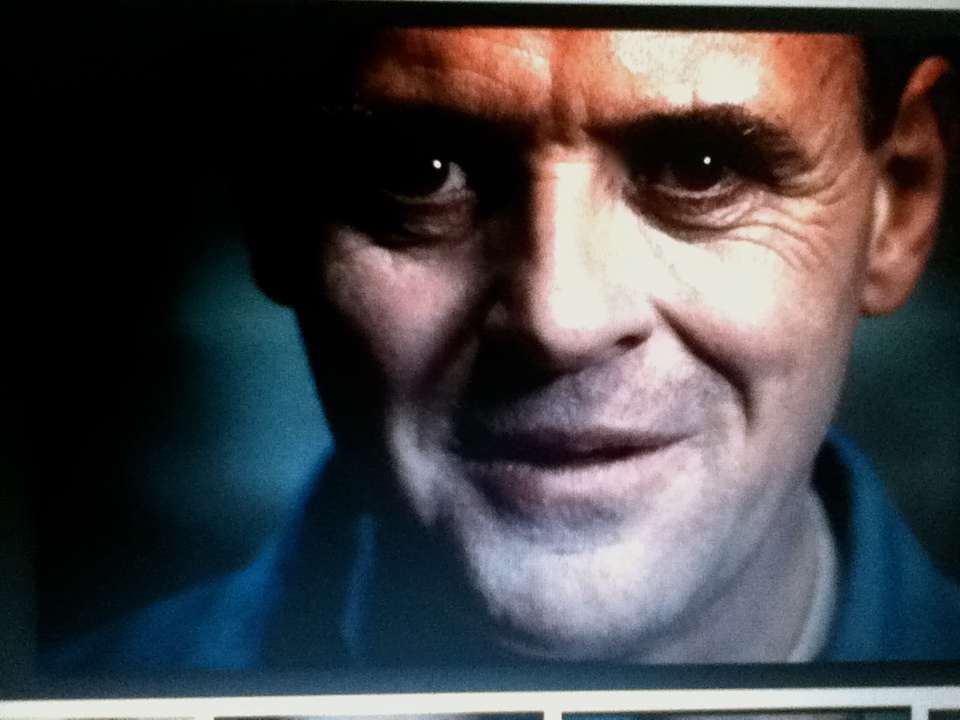 Hannibal The easy definition of a villainWe all instinctively know who the bad guy is in a novel—it's the person who's going to stop our hero from getting what he wants. He doesn't always have to be evil, but in a thriller he usually is. In a thriller, it's usually the guy who is perpetrating the most evil.
We're talking Hannibal Lecter, the cannibal from Red Dragon (in Silence of the Lambsit was Buffalo Bill); Professor Moriarty, Sherlock Holmes' old nemesis; Mr. Hyde from Dr. Jekyll and Mr. Hyde; Nils Bjurman, Lisbeth's guardian, the rapist, in The Girl With the Dragon Tattoo; Norman Bates in Psycho; Annie in Stephen King'sMisery. All of them despicable villains. And we love to hate them!
We've been taught to love villains since we were little kids. Think of the White Witch in The Lion, the Witch and the Wardrobe; Cruella De Vil from 101 Dalmatians; Agatha Trunchbull from Matilda; the un-named villain who shot Bambi's mother. We derived such satisfaction when the bad guy suffered defeat.Why the fascination with villains?Psychiatrist Carl Jung believed we need to confront our hidden nature in order to grow as human beings. Sigmund Freud would have said it’s the id still dwelling inside us that would have loved to be a super villain. Others believe that we live vicariously through our heroes—we fight the good fight, vanquish evil, and find justice for those wronged. But let's toy with what Jung and Freud thought. If what they believed has any basis in reality, then villains must also satisfy some basic need in all of us. What darkness or secret wishes do you share with a villain?A desire for:
Freedom – It seems to be a consensus. While our heroes are constrained by the edicts of society, a villain is free to do whatever they want. Admit it, that's sort of liberating.
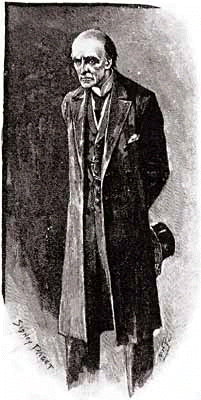 Moriarty by Sidney PagetPower – While heroes want to triumph, they don't want to take over the world. Villains, on the other hand, want to dominate. Secretly, it might be nice to be in total control.
Payback –When you were a kid and someone picked on you, did you ever dream of that bully getting his due? A hero can only take things so far. He'll stop the bully, and then try and teach him a lesson, while a villain is all "eye for an eye." Unacceptable maybe, but secretly it might be nice to exact a little revenge.
A desire to:
Triumph over fears – Through fiction it's easy to make that trek to the basement, to brave the dark, to stand up against evil. Living vicariously through our heroes confrontations with the villain, we test our own bravery and experience the worst without ever actually facing a knife-wielding maniac.
Live vicariously – Villains don't let anything get in the way of what they want. Often they drive nice cars, live in nice houses, like the finer things in life. They have a "devil-may-care" attitude that we can't help but admire. This villain is willing to put it all on the line just to get what he wants.But how can one justify a villain's behavior? Chalk this up to Human Nature. Some will blame the victim. No one really wants to believe that "bad things happen to good people," so we twist what's happening. We say the victim asked for it. I mean, only a moron goes down to the basement when the lights go out and they hear a strange noise. A sane person gets out of the house and calls the cops.
Or maybe we can rationalize the villains behavior. I mean, he's only killing other bad guys. Murder's a little extreme, but is it really so bad if a serial killer kills another serial killer?
Basically, as villains go, the more evil the better. That's because it takes a really bad villain to make a really good hero. Our main man only shines if he triumphs over someone who is as bad as he is good.A little charisma goes a long way.
 Cruella De VilWhile villains are evil and crazy and scary, most of them have traits we admire, traits that make them real. The truth be told, a lot of them are charismatic individuals. Think Ted Bundy. And many thriller writers will admit to basing villains and victims on people they've known. But I digress. Suffice it to say, if the villain has some degree of humanity, we like him better. The vicious serial killer who loves puppies, somehow makes him more endearing.
 The truth is, most villains have some admirable traits, and they're the same traits used to create today's latest trend.Anti-heroes are their own kind of bad.Lately, in books and on television, it's the bad guys who are taking center stage. Why? Again, chalk it up to human nature. Of course, the good bad guy must face an even worse bad guy, but sometimes that worse bad guy is yesterday's hero. Confusing? Yes! But let's look at what makes the anti-hero so compelling.
They're flawed.People are more realistic these days. We all make mistakes. We're all selfish sometimes. We all know that people don't always make the right decisions. Rooting for an anti-hero can make us feel better about ourselves. And we're not so sure we like those who are being judgmental.
They're complex.Again, anti-heroes are just people. We all have different reasons for doing the things we do, making the choices we make. Besides, it's interesting to see what motivates other people.
They're strong.Anti-heroes are not going to just rollover or go quietly into the night. Just like the heroes of old, they are going to fight tooth-and-claw for what they want. It's admirable.
They have good intentions. As some wise writer once told me: the villain—or in this case anti-hero—is the hero of his own story.While we might question their methods, we don't question their motives or intent. Anti-heroes—and for that matter today's villains—aren't evil for evil's sake. They believe in what they're doing, and believe it's the only thing they can do to right a wrong or level the playing field. Villains, anti-heroes and heroes usually have one thing in common.They're smart. And the smarter the better. After all, I believe what readers want in the end is a good contest between the "good guy" and the "bad guy," and to see justice—however that looks—prevail.
Want to log in? I'd love to know your thoughts on the matter!
September 3, 2016
5 BAD GUYS WE LOVE TO HATE
by Sonja StoneHow do I craft a villain? Look in the mirror.
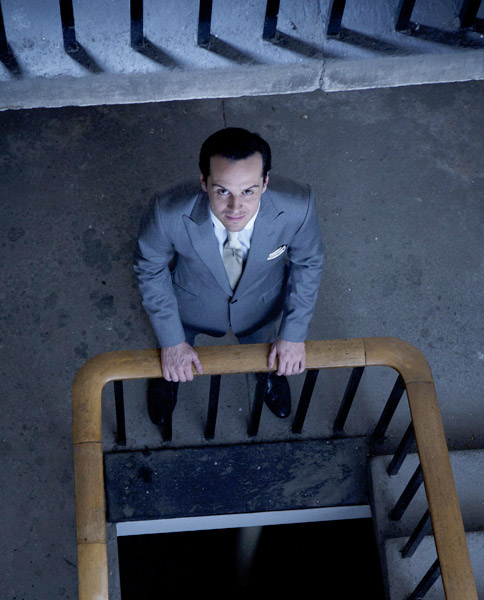
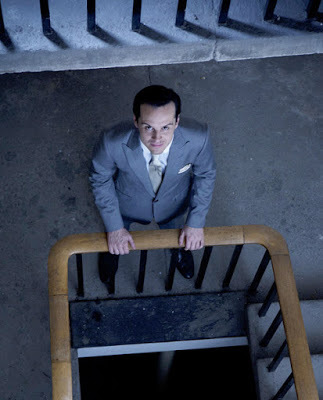 James Moriarty of the BBC's Sherlock
In the last few weeks, my blog sisters have skillfully discussed the making of a proper villain. We’ve heard about motivations, backstory, ego, acts of terror. We’ve read about the world’s most horrific villains—many of them real. Today we’re gonna talk about bad guys we love.
BE THE HERO OF YOUR OWN STORY.
We’ve all heard this, right? There’s a flip side that’s never mentioned.
I’m absolutely the hero of my own story, but I’m also the villain.
I’m my own worst enemy, loudest critic, strongest saboteur.
I find it significantly easier to write my antagonist than to write my hero. Maybe because I’m a little sociopathic (see TELLING LIES: YOUR HOW-TO GUIDE). Maybe because I’m an INTP on the Myers-Briggs Personality Inventory. For those of you not familiar with the lingo, being an INTP basically means I’m an introvert who thinks too much, overanalyzes everything, hones in on discrepancies, seeks truth above all else, and asks spectacularly inappropriate questions without realizing they might make some people uncomfortable. It also means when it comes to a discussion (debate), I’m like a dog with a bone. I present my argument, refute my companion’s (opponent’s) points, and never let anything go.
As you might imagine, this direct bluntness can strain interpersonal relationships.
As an INTP, I lean toward liberal thinking, which means I don’t see bad guys as villains so much as antagonists. My disagreeing with someone’s beliefs or moral code doesn’t necessarily make them my enemy, right? It just makes us different.
This is certainly true when it comes to espionage. Same war, different armies.
But back to me.
This past week I branched out and became an antagonist not just in my life, but in the lives of others. Not deliberately; just me and my big mouth.
My sensei informed me a few days ago that my need to be brutally honest all the time isn’t as endearing a quality as I seem to believe. The real problem with brutal honesty is this: While some truths are absolute, for the most part, truth is relative. My truth isn’t necessarily THE truth, is it? But as Jessica Rabbit says, “I’m not bad. I’m just drawn that way.”
So on to our bad guys...
BAD GUYS ARE MORE FUN.
They don’t get bogged down with sticky moral codes.
While some might argue that life without antagonists sounds sublime, I think we can all agree that FICTION without antagonists would be dreadfully dull. To that end, I’ve collected a handful of my personal favorites. Because I’m a thoughtful instigator, I’ve selected from series that are readily available on Netflix. Lock your office door, pop some popcorn, and live vicariously through these bastards. Because—take my word for it on this—playing the real-life antagonist isn’t worth the collateral damage.
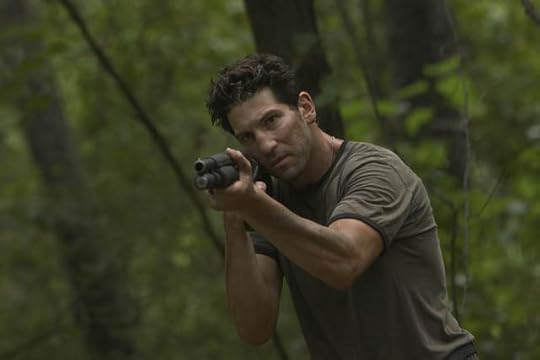 Shane Walsh and his Mossberg 590
1. Shane Walsh (The Walking Dead)Do you remember Shane? Horrible guy. He locked his best friend, Rick, in the hospital and then slept with his wife? Then killed a bunch of innocent people?
But that’s not exactly what happened. Rick was in a coma and couldn’t be moved. So Shane escorted Rick’s wife and young son, Carl, to safety. Eventually, Shane and the wife fell in love--they thought Rick was dead. Sure, Shane killed an innocent person to save his own life--but he also saved little Carl in the process. And yes, he was going to kill Rick so he and Lori could live happily ever after, but to be fair, who survives a coma in the post-apocalyptic zombie world?
Takeaway: Don’t ask a man to protect your family and then get pissed when he does.
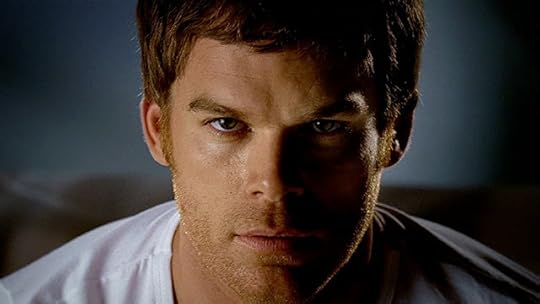 Have a killer day.
2. Dexter Morgan (Dexter)How do you make a sociopathic serial killer who is incapable of feeling emotion sympathetic to your viewers? Give him a code. He only kills people who really deserve it. Most of the time.
Dexter is a perfect example of that fine line between hero and villain. Personally, I love a vengeance killing, but I know that’s not everyone’s cup of tea.
Takeaway: Karma’s a bitch.
 Helena sestra, bad-ass assassin
3. Helena, the Ukrainian Sister-Clone (Orphan Black)Helena calls her clone sisters “sestras,” which, I assume, is Ukrainian for “sisters.” She was trained as an assassin—and she’s really good at her job. Eventually, she stops killing her sestras and joins forces with them.
She’s loyal and fierce. She fights for herself and anyone she loves. And her matter-of-fact conversational style feels so right. Here’s a snippet from a bar scene, illustrating that sometimes we (women) do like to drink alone.
Man: You broke my finger!
Helena: Don’t be baby. I only sprain. Next one I break.
Takeaway: No means no.
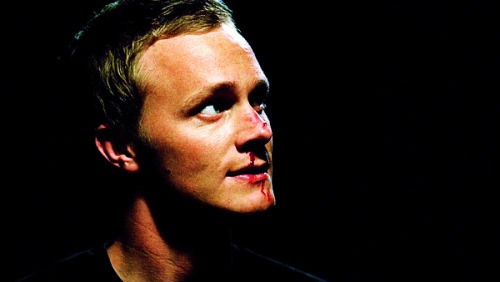 Julian Sark, in the midst of negotiating4. Julian Sark (ALIAS)Sark switches sides more often than I offend people (a lot). After he’s captured by his enemy and threatened with violence, he responds, “Not a problem, my loyalties are flexible.”
The well-known MICE acronym lists the four reasons one might become a spy: Money, Ideology, Compromise, Ego. (If you’re in the camp that feels MICE should be revised to MINCES to include Nationalism and Sex, I would argue that Nationalism is Ideology and Sex is about Ego.)
Sark is wholly motivated by fortune. And sometimes sex (ego).
Takeaway: Know what motivates your enemy. Only one of these is impenetrable (ideology).
 James Moriarty, a worthy opponent
5. James Moriarty (Sherlock)The BBC’s brilliant version of Sherlock Holmes is so perfectly cast, featuring Andrew Scott as Jim Moriarty (Sherlock's nemesis). The co-creators and writers, Mark Gatiss and Steven Moffat, have this to say about Moriarty:
So many bad guys, so little time.
Who’s your favorite villain? I’m always looking for new role models (for my writing, of course), so leave a name in the comment section below!
For those of you interested in exploring your own Myers-Briggs Personality Inventory, check out 16personalities.com. It’s a free (abbreviated) online test, and the results seem to be quite accurate.
Photo credits:
Moriarty: http://www.pbs.org/wgbh/masterpiece/sherlock/moriarty.htmlShane: http://walkingdead.wikia.com/wiki/Mossberg_590
Dexter: http://comicvine.gamespot.com/forums/battles-7/dexter-morgan-vs-jax-teller-1605382/ Sark: http://halboor.com/julian-sark
Helena:https://s-media-cache-ak0.pinimg.com/236x/ed/0c/de/ed0cde185b902c2b3740a36fc5fa54a3.jpgMoriarty: http://bakerstreet.wikia.com/wiki/Jim_Moriarty
 James Moriarty of the BBC's Sherlock
In the last few weeks, my blog sisters have skillfully discussed the making of a proper villain. We’ve heard about motivations, backstory, ego, acts of terror. We’ve read about the world’s most horrific villains—many of them real. Today we’re gonna talk about bad guys we love.
BE THE HERO OF YOUR OWN STORY.
We’ve all heard this, right? There’s a flip side that’s never mentioned.
I’m absolutely the hero of my own story, but I’m also the villain.
I’m my own worst enemy, loudest critic, strongest saboteur.
I find it significantly easier to write my antagonist than to write my hero. Maybe because I’m a little sociopathic (see TELLING LIES: YOUR HOW-TO GUIDE). Maybe because I’m an INTP on the Myers-Briggs Personality Inventory. For those of you not familiar with the lingo, being an INTP basically means I’m an introvert who thinks too much, overanalyzes everything, hones in on discrepancies, seeks truth above all else, and asks spectacularly inappropriate questions without realizing they might make some people uncomfortable. It also means when it comes to a discussion (debate), I’m like a dog with a bone. I present my argument, refute my companion’s (opponent’s) points, and never let anything go.
As you might imagine, this direct bluntness can strain interpersonal relationships.
As an INTP, I lean toward liberal thinking, which means I don’t see bad guys as villains so much as antagonists. My disagreeing with someone’s beliefs or moral code doesn’t necessarily make them my enemy, right? It just makes us different.
This is certainly true when it comes to espionage. Same war, different armies.
But back to me.
This past week I branched out and became an antagonist not just in my life, but in the lives of others. Not deliberately; just me and my big mouth.
My sensei informed me a few days ago that my need to be brutally honest all the time isn’t as endearing a quality as I seem to believe. The real problem with brutal honesty is this: While some truths are absolute, for the most part, truth is relative. My truth isn’t necessarily THE truth, is it? But as Jessica Rabbit says, “I’m not bad. I’m just drawn that way.”
So on to our bad guys...
BAD GUYS ARE MORE FUN.
They don’t get bogged down with sticky moral codes.
While some might argue that life without antagonists sounds sublime, I think we can all agree that FICTION without antagonists would be dreadfully dull. To that end, I’ve collected a handful of my personal favorites. Because I’m a thoughtful instigator, I’ve selected from series that are readily available on Netflix. Lock your office door, pop some popcorn, and live vicariously through these bastards. Because—take my word for it on this—playing the real-life antagonist isn’t worth the collateral damage.
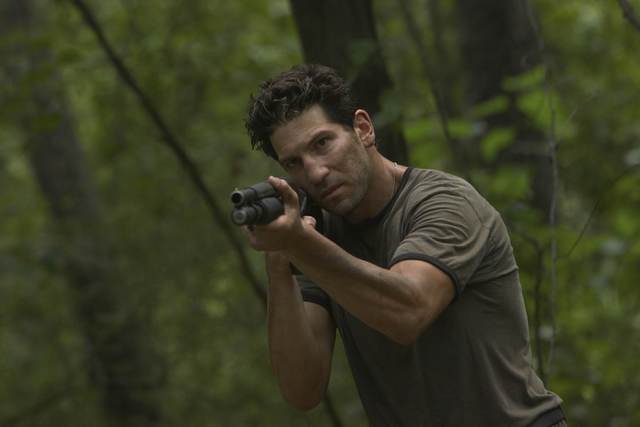 Shane Walsh and his Mossberg 590
1. Shane Walsh (The Walking Dead)Do you remember Shane? Horrible guy. He locked his best friend, Rick, in the hospital and then slept with his wife? Then killed a bunch of innocent people?
But that’s not exactly what happened. Rick was in a coma and couldn’t be moved. So Shane escorted Rick’s wife and young son, Carl, to safety. Eventually, Shane and the wife fell in love--they thought Rick was dead. Sure, Shane killed an innocent person to save his own life--but he also saved little Carl in the process. And yes, he was going to kill Rick so he and Lori could live happily ever after, but to be fair, who survives a coma in the post-apocalyptic zombie world?
Takeaway: Don’t ask a man to protect your family and then get pissed when he does.
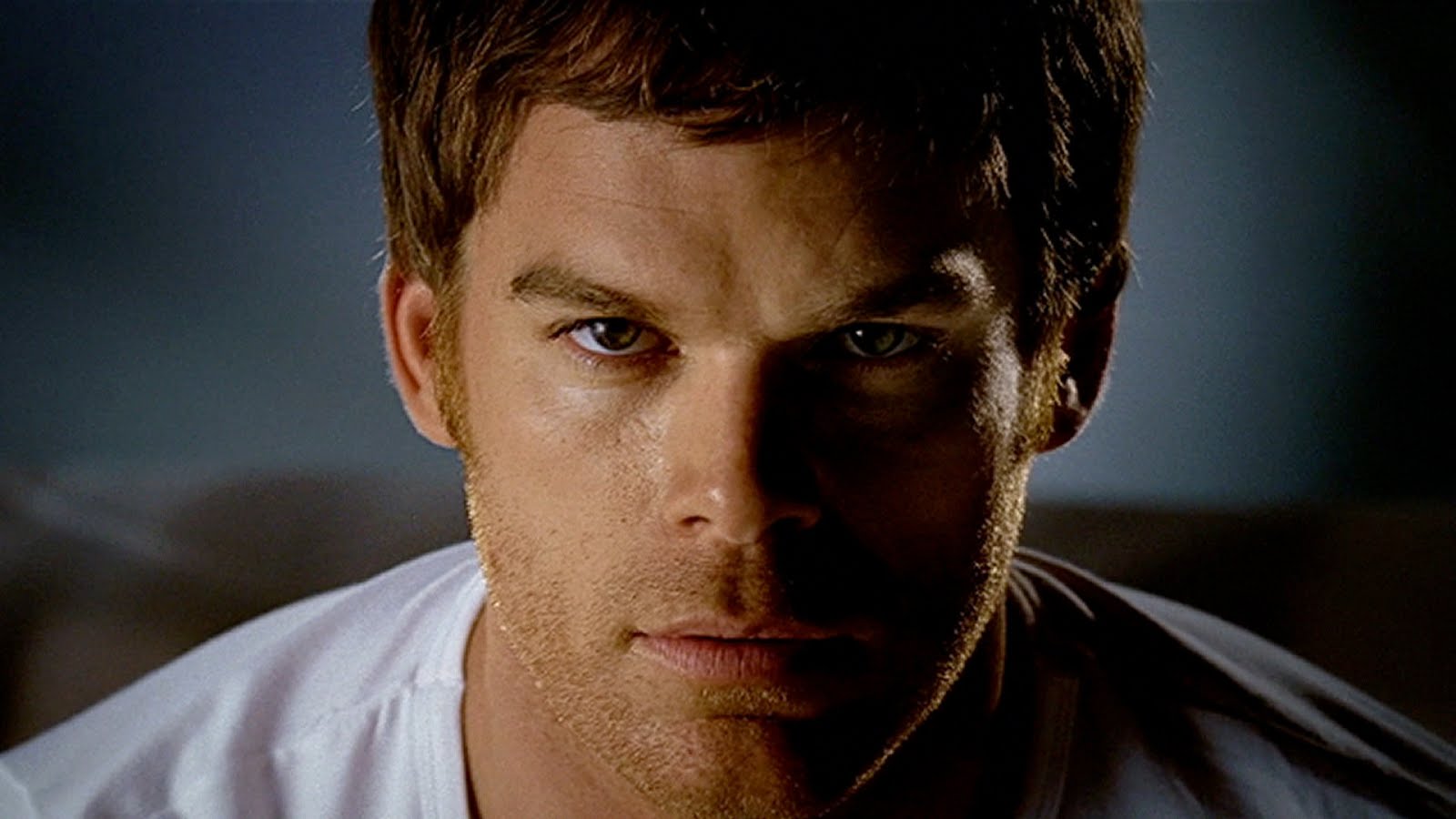 Have a killer day.
2. Dexter Morgan (Dexter)How do you make a sociopathic serial killer who is incapable of feeling emotion sympathetic to your viewers? Give him a code. He only kills people who really deserve it. Most of the time.
Dexter is a perfect example of that fine line between hero and villain. Personally, I love a vengeance killing, but I know that’s not everyone’s cup of tea.
Takeaway: Karma’s a bitch.
 Helena sestra, bad-ass assassin
3. Helena, the Ukrainian Sister-Clone (Orphan Black)Helena calls her clone sisters “sestras,” which, I assume, is Ukrainian for “sisters.” She was trained as an assassin—and she’s really good at her job. Eventually, she stops killing her sestras and joins forces with them.
She’s loyal and fierce. She fights for herself and anyone she loves. And her matter-of-fact conversational style feels so right. Here’s a snippet from a bar scene, illustrating that sometimes we (women) do like to drink alone.
Man: You broke my finger!
Helena: Don’t be baby. I only sprain. Next one I break.
Takeaway: No means no.
 Julian Sark, in the midst of negotiating4. Julian Sark (ALIAS)Sark switches sides more often than I offend people (a lot). After he’s captured by his enemy and threatened with violence, he responds, “Not a problem, my loyalties are flexible.”
The well-known MICE acronym lists the four reasons one might become a spy: Money, Ideology, Compromise, Ego. (If you’re in the camp that feels MICE should be revised to MINCES to include Nationalism and Sex, I would argue that Nationalism is Ideology and Sex is about Ego.)
Sark is wholly motivated by fortune. And sometimes sex (ego).
Takeaway: Know what motivates your enemy. Only one of these is impenetrable (ideology).
 James Moriarty, a worthy opponent
5. James Moriarty (Sherlock)The BBC’s brilliant version of Sherlock Holmes is so perfectly cast, featuring Andrew Scott as Jim Moriarty (Sherlock's nemesis). The co-creators and writers, Mark Gatiss and Steven Moffat, have this to say about Moriarty:
Mark Gatiss: Bad people don't know they're bad. They think they're RIGHT! He's just having fun. Anything to distract him from the dreary monotony of existence. If you're that terrifyingly intelligent, then what's left for you?
Steven Moffat: He's playing because he's bored—a malevolent child without limits. Psycho on a sugar rush.Takeaway: Find a hobby.
So many bad guys, so little time.
Who’s your favorite villain? I’m always looking for new role models (for my writing, of course), so leave a name in the comment section below!
For those of you interested in exploring your own Myers-Briggs Personality Inventory, check out 16personalities.com. It’s a free (abbreviated) online test, and the results seem to be quite accurate.
Photo credits:
Moriarty: http://www.pbs.org/wgbh/masterpiece/sherlock/moriarty.htmlShane: http://walkingdead.wikia.com/wiki/Mossberg_590
Dexter: http://comicvine.gamespot.com/forums/battles-7/dexter-morgan-vs-jax-teller-1605382/ Sark: http://halboor.com/julian-sark
Helena:https://s-media-cache-ak0.pinimg.com/236x/ed/0c/de/ed0cde185b902c2b3740a36fc5fa54a3.jpgMoriarty: http://bakerstreet.wikia.com/wiki/Jim_Moriarty