Chris Goff's Blog, page 57
November 27, 2016
GIVING THANKS
by Christine Goff
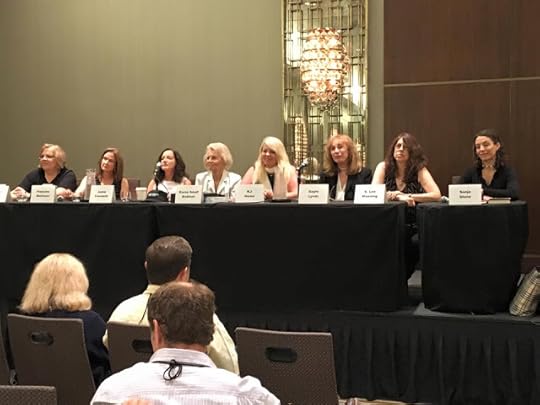 Rogue Women Writers at ThrillerFestWith Thanksgiving behind us and the holidays fast approaching, I want to take time out to say how grateful I am for my fellow Rogue Women. Writing is at times a lonely business, and it's even lonelier when you're a woman writing espionage and political thrillers. In a genre dominated by men, its true there is strength in numbers. I'm thrilled to be counted among them!
The best news is—everyone has great books out, available for holiday gift-giving!
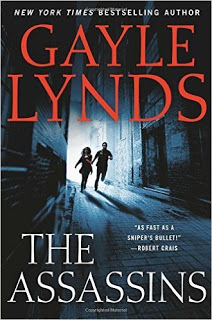 Gayle Lynds is not only a New York Times bestselling author, she is one of the most generous and genuine women you will ever meet. We first met bobbing around the Biltmore pool at the inaugural ThrillerFest, held in '06 in Phoenix, Arizona. I was published in traditional mystery, but wanted to transition thrillers. I will never forget how she helped me brainstorm that day, or mentored me over the years, or how she stepped right up and offered to read my book for a cover quote. The Associated Press aptly called her "a master of the Modern Cold War spy thriller." Her latest novel, THE ASSASSINS came out in hardcover and e-book in 2015, but the paperback just hit the stands in June.
Former spy Judd Ryder is walking home when he spots a man wearing his clothes and who looks just like him. Moments later the imposter is killed in a vicious hit-and-run that’s no accident. Was the double the intended victim, or Judd himself?
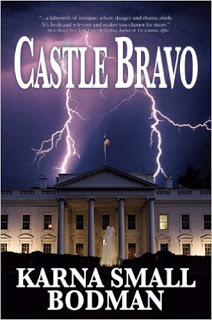 Karna Small Bodman is always quick to step up and pitch in to help in the success of Rogue Women Writers, and she's a tremendous resource for Washington "insider" information. Her books are inspired by the six years she served in the White House, first as Deputy Press Secretary, and later as Senior Director and Spokesman for the National Security Council where she was the highest-ranking woman on the White House staff. As Nelson DeMille said, her work is "frightening with the crystal ring of truth." Her latest novel, CASTLE BRAVO, deals with a threat to national security that was and still is very real.
White House Director of Homeland Security, Samantha Reid, receives intelligence about a possible new threat to the country's national security: a hostile enemy intends to detonate a small nuclear device over the U.S. that would literally send shock waves across the country, knocking out the electricity grid and setting us back to the year 1910!
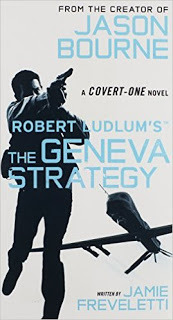 Jamie Freveletti has taught me a lot about the business end of writing—something for which my husband is eternally grateful. This Barry award winning and internationally bestselling author of the Emma Caldridge series, Jamie also writes for the Estate of Robert Ludlum's Covert One series, is smart, creative and often the voice of reason. According to Book Reporter.com, her "grasp of fast-action suspense and understanding of international politics, as well as martial arts combat training, brings real-life action to a continuance of Robert Ludlum's original creations." It's high praise for her latest novel, THE GENEVA STRATEGY.
On one evening in Washington, DC, several high-ranking members of government disappear in a mass kidnapping, including Nick Rendel, a computer software coding expert in charge of drone programming and strategy. Armed with his knowledge, the kidnappers could reprogram drones to strike targets within the United States.
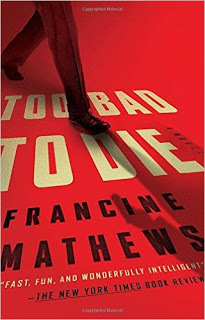 Francine Mathews has been a friend for—well, a really long time! When our children were little, we lived in the same small mountain town and our kids attended the same school. Several years before we met, I had discovered her Nantucket Mystery series and fell in love with her writing. She has always been supportive, encouraging and she sets the bar high--inspiring me to be a better writer. A former intelligence analyst at the CIA, she brings an authenticity to her work that is beyond compare. Her Nantucket series is being re-released, while her latest standalone, TOO BAD TO DIE, received a starred review in Publisher's Weekly and was a New York Times Book Review Editor's Choice pick.
November, 1943. Weary of his deskbound status in the Royal Navy, intelligence officer Ian Fleming spends his spare time spinning stories in his head that are much more exciting than his own life…until the critical Tehran Conference, when Winston Churchill, Franklin Roosevelt, and Josef Stalin meet to finalize the D-Day invasion.
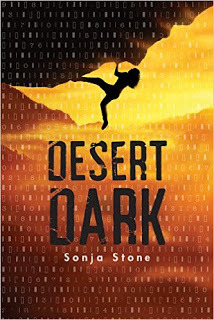 Sonja Stone writes the kind of books I wish were around when I was a young adult. I feasted on Nancy Drew before graduating to Agatha Christie and Helen MacInnes, but Sonja's book DESERT DARK is totally kick-ass. And Sonja is the most daring of us all. To get her facts right, she attended survival school (the same one where Tom Hanks prepared for Cast Away. While there she learned to throw knives, fire guns and navigate the desert—all while raising two covert agents masquerading as teenagers. She's my hero!
Blacklisted by her ex-boyfriend, sixteen-year-old Nadia Riley transfers to an elite boarding school hidden deep in the Sonoran Desert. Turns out, it's a top-secret training facility for the Black-Ops Division of the CIA. When she's framed for treason, Nadia's situation takes a deadly turn: the real double agent will stop at nothing to remain concealed—including an attempt on Nadia's life.
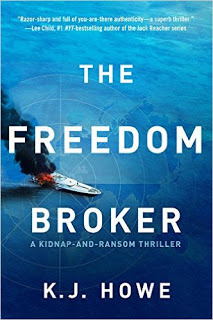 K.J. Howe has to be the most organized of all of us. She not only is launching her debut thriller, THE FREEDOM BROKER, in February, but she is the Executive Director of ThrillerFest and RWW's liaison to all thing tchotchke—hats, mugs—and she knows everybody! #1 New York Times Bestseller James Patterson says, "THE FREEDOM BROKER combines terrific thriller writing and fascinating research about hostage rescues. This is fact and fiction at its best." I couldn't agree more. This book is out in February, but it's available for pre-orders.
There are 25 elite professionals who travel undercover to the deadliest spots in the world to bring hostages home safely by any means necessary. Only one of those 25 elite response consultants is a woman. She brings everything a man does to the job as well as her intuition. She is the inspiration behind professional kidnap negotiator Thea Paris.
S. Lee Manning brings ideas and enthusiasm. She has embraced her fellow RWW members as family and keeps us on task, providing the much needed ideas for our blog posts and giveaways. Formerly the managing editor of Law Enforcement Communications, she worked as a lawyer before tackling her first in the Kolya Petrov series, TROJAN HORSE. Orphaned when her publishing house closed pre-publication, she has great quotes from the likes of Gayle Lynds and Steve Berry, and we can't wait until this book finds a home.
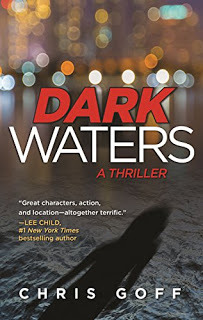 And me—my thriller, DARK WATERS, featuring DSS Agent Raisa Jordan is still on the shelves. Set in Israel in the midst of the Palestine-Israel conflict was called "Absolutely masterful" by Manhattan Book Review. The sequel, RED SKY, will be hitting the stands in June 2017. It is available to pre-order today.
More than anything, all of us are so grateful for all of you. Thank you for reading the Rogue Women Writers blog. Thank you for coming out and supporting us at events and signings. And, most of all, thank you for reading our books. We hope you'll keep coming back. We have some great things in store for you in 2017!
What has been your favorite blog topic this year? Anything you'd like us to talk about?
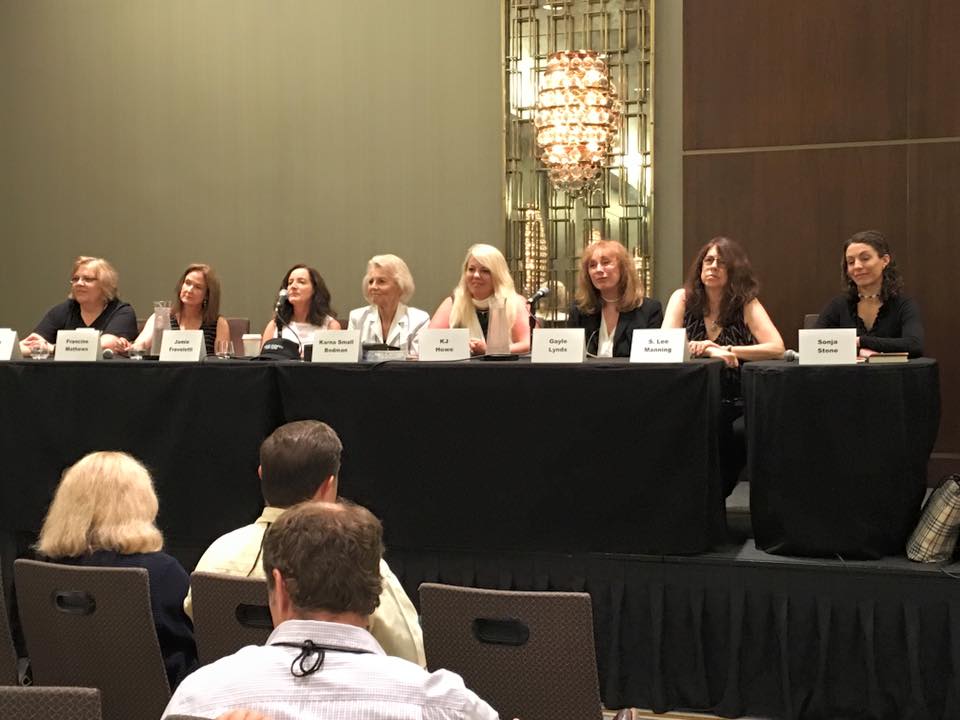 Rogue Women Writers at ThrillerFestWith Thanksgiving behind us and the holidays fast approaching, I want to take time out to say how grateful I am for my fellow Rogue Women. Writing is at times a lonely business, and it's even lonelier when you're a woman writing espionage and political thrillers. In a genre dominated by men, its true there is strength in numbers. I'm thrilled to be counted among them!
The best news is—everyone has great books out, available for holiday gift-giving!
 Gayle Lynds is not only a New York Times bestselling author, she is one of the most generous and genuine women you will ever meet. We first met bobbing around the Biltmore pool at the inaugural ThrillerFest, held in '06 in Phoenix, Arizona. I was published in traditional mystery, but wanted to transition thrillers. I will never forget how she helped me brainstorm that day, or mentored me over the years, or how she stepped right up and offered to read my book for a cover quote. The Associated Press aptly called her "a master of the Modern Cold War spy thriller." Her latest novel, THE ASSASSINS came out in hardcover and e-book in 2015, but the paperback just hit the stands in June.
Former spy Judd Ryder is walking home when he spots a man wearing his clothes and who looks just like him. Moments later the imposter is killed in a vicious hit-and-run that’s no accident. Was the double the intended victim, or Judd himself?
 Karna Small Bodman is always quick to step up and pitch in to help in the success of Rogue Women Writers, and she's a tremendous resource for Washington "insider" information. Her books are inspired by the six years she served in the White House, first as Deputy Press Secretary, and later as Senior Director and Spokesman for the National Security Council where she was the highest-ranking woman on the White House staff. As Nelson DeMille said, her work is "frightening with the crystal ring of truth." Her latest novel, CASTLE BRAVO, deals with a threat to national security that was and still is very real.
White House Director of Homeland Security, Samantha Reid, receives intelligence about a possible new threat to the country's national security: a hostile enemy intends to detonate a small nuclear device over the U.S. that would literally send shock waves across the country, knocking out the electricity grid and setting us back to the year 1910!
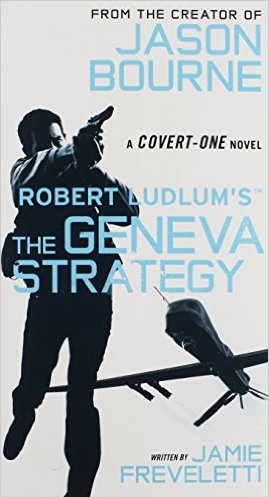 Jamie Freveletti has taught me a lot about the business end of writing—something for which my husband is eternally grateful. This Barry award winning and internationally bestselling author of the Emma Caldridge series, Jamie also writes for the Estate of Robert Ludlum's Covert One series, is smart, creative and often the voice of reason. According to Book Reporter.com, her "grasp of fast-action suspense and understanding of international politics, as well as martial arts combat training, brings real-life action to a continuance of Robert Ludlum's original creations." It's high praise for her latest novel, THE GENEVA STRATEGY.
On one evening in Washington, DC, several high-ranking members of government disappear in a mass kidnapping, including Nick Rendel, a computer software coding expert in charge of drone programming and strategy. Armed with his knowledge, the kidnappers could reprogram drones to strike targets within the United States.
 Francine Mathews has been a friend for—well, a really long time! When our children were little, we lived in the same small mountain town and our kids attended the same school. Several years before we met, I had discovered her Nantucket Mystery series and fell in love with her writing. She has always been supportive, encouraging and she sets the bar high--inspiring me to be a better writer. A former intelligence analyst at the CIA, she brings an authenticity to her work that is beyond compare. Her Nantucket series is being re-released, while her latest standalone, TOO BAD TO DIE, received a starred review in Publisher's Weekly and was a New York Times Book Review Editor's Choice pick.
November, 1943. Weary of his deskbound status in the Royal Navy, intelligence officer Ian Fleming spends his spare time spinning stories in his head that are much more exciting than his own life…until the critical Tehran Conference, when Winston Churchill, Franklin Roosevelt, and Josef Stalin meet to finalize the D-Day invasion.
 Sonja Stone writes the kind of books I wish were around when I was a young adult. I feasted on Nancy Drew before graduating to Agatha Christie and Helen MacInnes, but Sonja's book DESERT DARK is totally kick-ass. And Sonja is the most daring of us all. To get her facts right, she attended survival school (the same one where Tom Hanks prepared for Cast Away. While there she learned to throw knives, fire guns and navigate the desert—all while raising two covert agents masquerading as teenagers. She's my hero!
Blacklisted by her ex-boyfriend, sixteen-year-old Nadia Riley transfers to an elite boarding school hidden deep in the Sonoran Desert. Turns out, it's a top-secret training facility for the Black-Ops Division of the CIA. When she's framed for treason, Nadia's situation takes a deadly turn: the real double agent will stop at nothing to remain concealed—including an attempt on Nadia's life.
 K.J. Howe has to be the most organized of all of us. She not only is launching her debut thriller, THE FREEDOM BROKER, in February, but she is the Executive Director of ThrillerFest and RWW's liaison to all thing tchotchke—hats, mugs—and she knows everybody! #1 New York Times Bestseller James Patterson says, "THE FREEDOM BROKER combines terrific thriller writing and fascinating research about hostage rescues. This is fact and fiction at its best." I couldn't agree more. This book is out in February, but it's available for pre-orders.
There are 25 elite professionals who travel undercover to the deadliest spots in the world to bring hostages home safely by any means necessary. Only one of those 25 elite response consultants is a woman. She brings everything a man does to the job as well as her intuition. She is the inspiration behind professional kidnap negotiator Thea Paris.
S. Lee Manning brings ideas and enthusiasm. She has embraced her fellow RWW members as family and keeps us on task, providing the much needed ideas for our blog posts and giveaways. Formerly the managing editor of Law Enforcement Communications, she worked as a lawyer before tackling her first in the Kolya Petrov series, TROJAN HORSE. Orphaned when her publishing house closed pre-publication, she has great quotes from the likes of Gayle Lynds and Steve Berry, and we can't wait until this book finds a home.
 And me—my thriller, DARK WATERS, featuring DSS Agent Raisa Jordan is still on the shelves. Set in Israel in the midst of the Palestine-Israel conflict was called "Absolutely masterful" by Manhattan Book Review. The sequel, RED SKY, will be hitting the stands in June 2017. It is available to pre-order today.
More than anything, all of us are so grateful for all of you. Thank you for reading the Rogue Women Writers blog. Thank you for coming out and supporting us at events and signings. And, most of all, thank you for reading our books. We hope you'll keep coming back. We have some great things in store for you in 2017!
What has been your favorite blog topic this year? Anything you'd like us to talk about?


November 26, 2016
HOW TO KILL THE JOY IN YOUR HOLIDAY SEASON
By Sonja Stone
HOLIDAYS WITH A PERFECTIONIST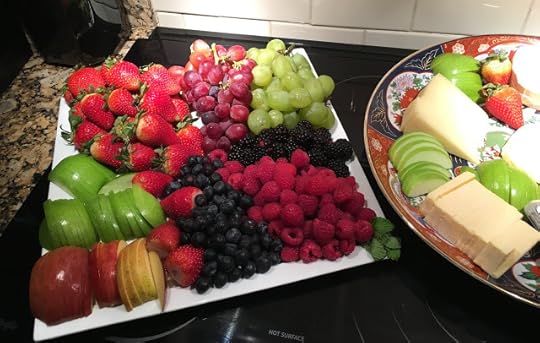 Fruit and cheese platters: the breakfast of champions
Well, the holiday season has officially begun. I know this because a few nights ago I had my recurring seasonal nightmare. It happens every year, usually not for a few more weeks, but here it is: It’s Christmas Eve, about 11:55 pm, and I’m tucked in bed. Suddenly I wake and realize that Santa forgot to fill the kids’ stockings. There are no gifts, no wrappings, no bows. They’ll be up in a few hours. They’ll pad out of their bedrooms to the Christmas tree with hopeful little faces and discover that Santa didn’t come this year.
The same dream. Every. Single. Year.
For whatever reason, I have a terrible fear that I won’t create the perfect holiday.
FIRST THINGS FIRST: THE FOOD
The seasonal festivities are launched with Thanksgiving dinner, hosted by yours truly. I prepare for days leading up to the event, usually accompanied by tears and cursing (I do the cursing, not the crying). Every year I vow, “Never again!” but by the time I’m halfway through the meal, basking in accolades, I’m planning how I can kick it up a notch the next time.
The reason I stress so much is, of course, due to my perfectionism. This year it was the pumpkin pies.
Though I carefully covered the hand-crimped edges of the pies for THE ENTIRE BAKING PROCESS, each pie came out of the oven with a half-burned crust. Maybe I wouldn’t be so obsessive if I hadn’t used fresh-roasted pumpkins, the flesh carefully scooped from the hot shells and forced through a potato ricer, then lovingly mixed and poured into my made-from-scratch crusts, the edges of which were adorned with tiny fall leaves, complete with etched veins. The pies tasted delicious, but each compliment was batted away with, “Do you not SEE the burned parts?”
Let me tell you how to suck the enjoyment out of your guests’ meal: refuse to accept compliments. Who wants to spend Thanksgiving with a neurotic chef?
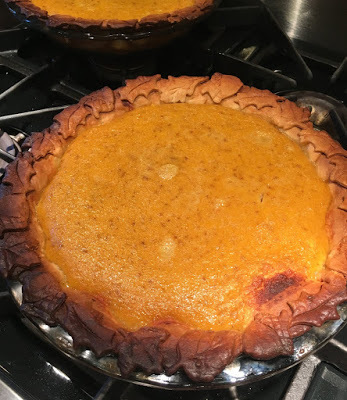 My very public humiliation: burned edges.AND THEN THERE’S THE TREE
Later today I’ll put up the tree. It’s the same one we’ve had for a decade. It’s the right height, fullness, width. The branches are strong enough to hold my heaviest ornaments. It’s the perfect shade of green. It used to be pre-lit but the lights burned out and I replaced them with spools of warm LEDs. For years I’ve searched for a suitable replacement—an easy-to-assemble, already-lighted tree. But the newer models just aren’t right.
Last year it went like this: after I assembled the tree, I decided I didn’t like its location, so I dragged it across the hardwood floor. Not far—maybe four feet; still not quite perfect. But it moved so swimmingly that I continued to drag the tree (rather than disassemble and move it properly). Except by now I’d reached the area rug. So I negotiated the flimsy stand onto the low shag, then got down on all fours to push from the base. Just so you know, a Christmas tree cannot be pushed across a carpet. The base began to buckle—which I didn’t realize until I’d stood to pull the tree toward me. It fell onto me, scratching my arms and jabbing into my eye.
After returning from Urgent Care, I decided to string the lights. I wanted a brightly lit, twinkling tree, so I painstakingly wrapped each strand around each branch as I circled the tree. More scratching of the arms, but it would be worth it. I got three-quarters of the way done and realized I was out of lights.
Here you might think, “Big deal. Go to Home Depot and get more lights.” Nay nay—my lights are from Balsam Hill. Gorgeous, ridiculously expensive, and not something I cared to reorder due to poor mathematical skills. And I CERTAINLY wasn’t going to have a Christmas tree with mismatched lights.
I’m sure you know where this is going—I ripped off the lights and had to redo the entire thing.
THE ROOT OF THE PROBLEM
As with everything that goes wrong with anyone’s life, I blame my mother. She created the most magical Christmas mornings. My sister and I continue to hold the expectation of a perfect Christmas. Sometimes we meet the mark, sometimes not so much.
It might be time for me to let go of my expectations. My kids aren’t little anymore. It probably doesn’t matter if I can’t find quince preserves for the cheese platter or the ornaments don’t hang perfectly from the tree (I like them to gently sway for passers-by). Maybe I’ll deliberately place the strawberries next to the raspberries on the fruit plate (I’m sure you know, two red fruits should be separated by a fruit of another color—blueberries, or slices of bananas sprinkled with cinnamon sugar). Perhaps I’ll purchase store-bought bows, instead of wrapping multiple colors of coordinating curling ribbon around each perfectly wrapped package.
I get it—I do. Intellectually, I completely understand that if I’m going to enjoy the holidays, I need to set aside my perfectionist tendencies. I’ll have more fun, the kids will have more fun… They’ll stop referring to me as “the big angry head.” I’m not like this the rest of the year; I don’t feel the compulsion to make people happy or comfortable or create the perfect home. So what gives?
I think that’s it—I feel like I fall short for the rest of the year, and maybe I can make it up in the six weeks between Thanksgiving and New Year’s Day. Be the perfect mom, the gracious hostess, the thoughtful friend.
You know what? I’ve just made a decision: This year will be different. This is the year I will *gasp* delegate.
Who knows… With enough therapy, I might even be able to replace my Christmas tree.
What about you? Anyone else suffer from Seasonal Neurosis? Leave your stories in the comment section below!
HOLIDAYS WITH A PERFECTIONIST
 Fruit and cheese platters: the breakfast of champions
Well, the holiday season has officially begun. I know this because a few nights ago I had my recurring seasonal nightmare. It happens every year, usually not for a few more weeks, but here it is: It’s Christmas Eve, about 11:55 pm, and I’m tucked in bed. Suddenly I wake and realize that Santa forgot to fill the kids’ stockings. There are no gifts, no wrappings, no bows. They’ll be up in a few hours. They’ll pad out of their bedrooms to the Christmas tree with hopeful little faces and discover that Santa didn’t come this year.
The same dream. Every. Single. Year.
For whatever reason, I have a terrible fear that I won’t create the perfect holiday.
FIRST THINGS FIRST: THE FOOD
The seasonal festivities are launched with Thanksgiving dinner, hosted by yours truly. I prepare for days leading up to the event, usually accompanied by tears and cursing (I do the cursing, not the crying). Every year I vow, “Never again!” but by the time I’m halfway through the meal, basking in accolades, I’m planning how I can kick it up a notch the next time.
The reason I stress so much is, of course, due to my perfectionism. This year it was the pumpkin pies.
Though I carefully covered the hand-crimped edges of the pies for THE ENTIRE BAKING PROCESS, each pie came out of the oven with a half-burned crust. Maybe I wouldn’t be so obsessive if I hadn’t used fresh-roasted pumpkins, the flesh carefully scooped from the hot shells and forced through a potato ricer, then lovingly mixed and poured into my made-from-scratch crusts, the edges of which were adorned with tiny fall leaves, complete with etched veins. The pies tasted delicious, but each compliment was batted away with, “Do you not SEE the burned parts?”
Let me tell you how to suck the enjoyment out of your guests’ meal: refuse to accept compliments. Who wants to spend Thanksgiving with a neurotic chef?
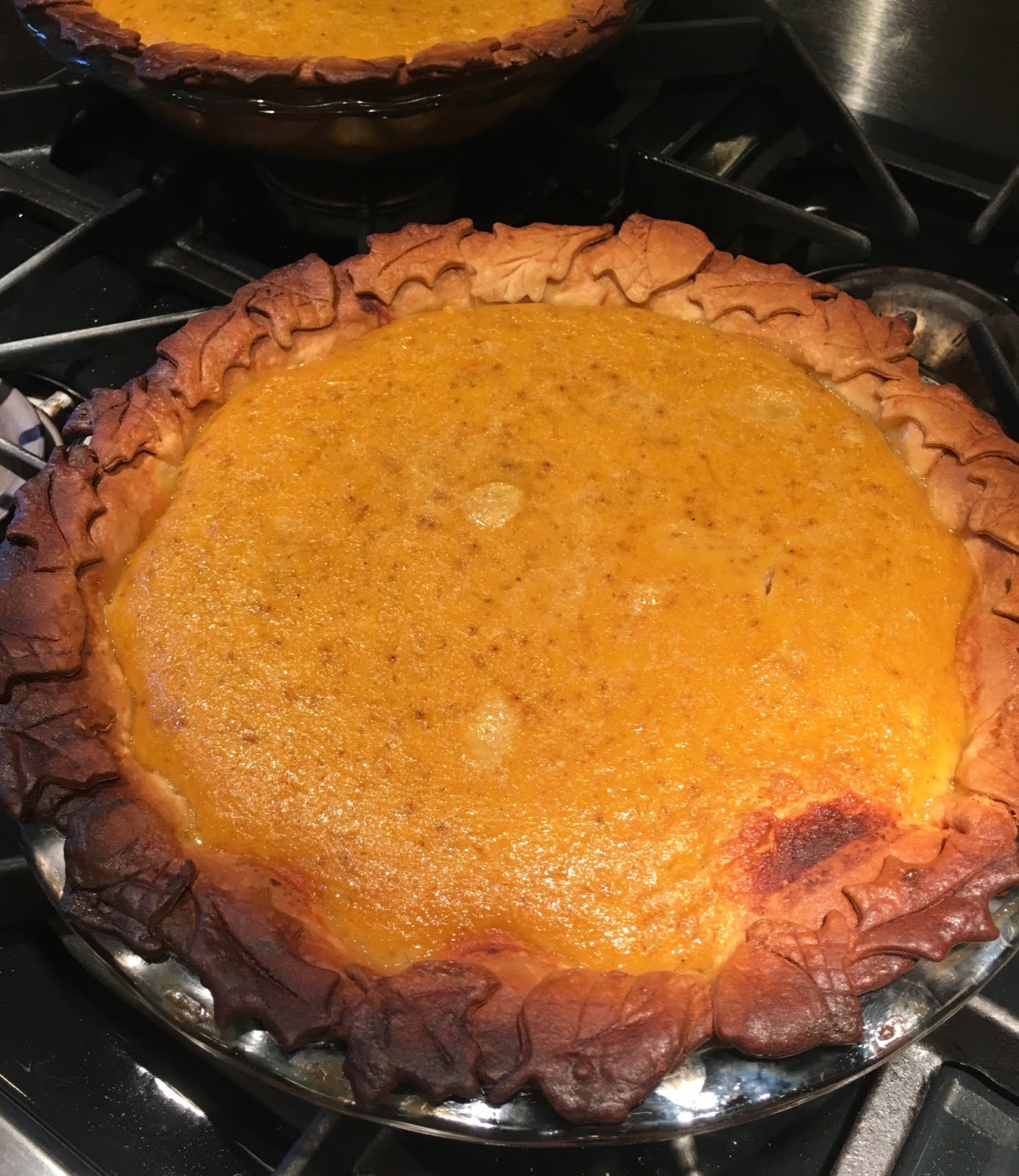 My very public humiliation: burned edges.AND THEN THERE’S THE TREE
Later today I’ll put up the tree. It’s the same one we’ve had for a decade. It’s the right height, fullness, width. The branches are strong enough to hold my heaviest ornaments. It’s the perfect shade of green. It used to be pre-lit but the lights burned out and I replaced them with spools of warm LEDs. For years I’ve searched for a suitable replacement—an easy-to-assemble, already-lighted tree. But the newer models just aren’t right.
Last year it went like this: after I assembled the tree, I decided I didn’t like its location, so I dragged it across the hardwood floor. Not far—maybe four feet; still not quite perfect. But it moved so swimmingly that I continued to drag the tree (rather than disassemble and move it properly). Except by now I’d reached the area rug. So I negotiated the flimsy stand onto the low shag, then got down on all fours to push from the base. Just so you know, a Christmas tree cannot be pushed across a carpet. The base began to buckle—which I didn’t realize until I’d stood to pull the tree toward me. It fell onto me, scratching my arms and jabbing into my eye.
After returning from Urgent Care, I decided to string the lights. I wanted a brightly lit, twinkling tree, so I painstakingly wrapped each strand around each branch as I circled the tree. More scratching of the arms, but it would be worth it. I got three-quarters of the way done and realized I was out of lights.
Here you might think, “Big deal. Go to Home Depot and get more lights.” Nay nay—my lights are from Balsam Hill. Gorgeous, ridiculously expensive, and not something I cared to reorder due to poor mathematical skills. And I CERTAINLY wasn’t going to have a Christmas tree with mismatched lights.
I’m sure you know where this is going—I ripped off the lights and had to redo the entire thing.
THE ROOT OF THE PROBLEM
As with everything that goes wrong with anyone’s life, I blame my mother. She created the most magical Christmas mornings. My sister and I continue to hold the expectation of a perfect Christmas. Sometimes we meet the mark, sometimes not so much.
It might be time for me to let go of my expectations. My kids aren’t little anymore. It probably doesn’t matter if I can’t find quince preserves for the cheese platter or the ornaments don’t hang perfectly from the tree (I like them to gently sway for passers-by). Maybe I’ll deliberately place the strawberries next to the raspberries on the fruit plate (I’m sure you know, two red fruits should be separated by a fruit of another color—blueberries, or slices of bananas sprinkled with cinnamon sugar). Perhaps I’ll purchase store-bought bows, instead of wrapping multiple colors of coordinating curling ribbon around each perfectly wrapped package.
I get it—I do. Intellectually, I completely understand that if I’m going to enjoy the holidays, I need to set aside my perfectionist tendencies. I’ll have more fun, the kids will have more fun… They’ll stop referring to me as “the big angry head.” I’m not like this the rest of the year; I don’t feel the compulsion to make people happy or comfortable or create the perfect home. So what gives?
I think that’s it—I feel like I fall short for the rest of the year, and maybe I can make it up in the six weeks between Thanksgiving and New Year’s Day. Be the perfect mom, the gracious hostess, the thoughtful friend.
You know what? I’ve just made a decision: This year will be different. This is the year I will *gasp* delegate.
Who knows… With enough therapy, I might even be able to replace my Christmas tree.
What about you? Anyone else suffer from Seasonal Neurosis? Leave your stories in the comment section below!
November 24, 2016
LOVING THE LEFTOVERS: HOW NOT TO HATE YOUR TURKEY IN THE MORNING
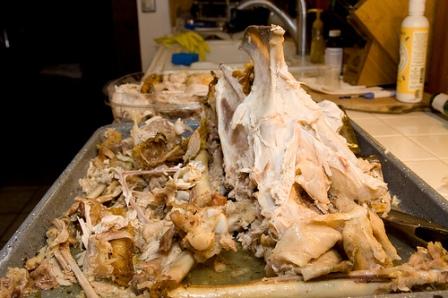 This is NOT my turkey carcass, Or my kitchen.By Francine Mathews
I cooked a sixteen pound turkey this year. That may or may not sound like a lot, depending on the nature of your holiday gatherings. Mine was eight and a half--meaning, eight adults and one five year-old who could be counted on to eat less than a chihauhau. I have a lot of turkey left over.
Growing up in a household of six daughters and extended relations who invariably relegated me to the Kids Table at holidays, I never considered the problem of leftovers. One of my cherished Thanksgiving memories is of my mother making gravy. She had beautiful hands--elegant, slender, fine-boned. As she aged her hands grew knobbier, the veins and knuckles more pronounced, but always adorned with her emerald-cut tourmaline ring and matching bracelet at special family dinners. Her nails were always polished. She was an expert gravy maker, and once while home from college I stood by and watched her swirl the pan juices into flour, cooking a roux, before adding her stock and caressing the dark brown velvet sauce until it shimmered. I remember thinking: When she is gone, I'll remember her hands doing this.
She has been gone six years. I see those hands when I sleep.
And so today, the day after Thanksgiving, I will probably do what I remember my mother doing every Black Friday of my life. I will strip the turkey carcass of meat and set it aside. I will set the bones to making turkey broth for soup on the stove and I will throw together the simplest of comfort food from the remains of our Thanksgiving feast: my mother's go-to recipe. Trend-setting foodists would have you rush out again to the grocery and buy lemon grass or rice vermicelli and turn the turkey into pho. My mother wasn't entering a grocery store the day after Thanksgiving. She grabbed what was already on the shelf--and nobody argued.
Betty Barron's Turkey Tretrazzini
I have to give you this recipe in narrative form, because it has never been written down.
Clean and thinly slice about ten medium-sized baby bella mushrooms. Saute them in a tablespoon each of olive oil and unsalted butter until they are limp and darkened and have given off their juices. Set aside.
Make a bechamel: Melt two tablespoons unsalted butter and when the foam subsides, mix in two tablespoons flour and heat the roux, stirring constantly, until it has turned golden in color about two minutes. Pour in two cups of warm milk and whisk over medium heat until thickened and coating the whisk, about 5-10 minutes. Remove from the stove and whisk in half a cup of grated Parmesan, 1/4 teaspoon nutmeg, and 1/8 teaspoon cayenne.
Cook 8 ozs of pasta until al dente and drain. My mother used spaghetti, but you can use any shape pasta you like. Fusilli works well.
 Assemble the tetrazzini: Place half the pasta on the bottom of a casserole dish, top with half the mushrooms, about one cup shredded turkey leftovers, and pour half the bechamel over all. Repeat the layers. Top the second layer of bechamel with another half cup of grated Parmesan.
 Bake at 350 for about half an hour, or until the cheese is melted and the casserole is bubbling.
Happy Black Friday!
Francine
www.francinemathews.com
November 22, 2016
Burnt Poultry and Other Disasters
 Photo of my rotisserie chicken fail
Yes, that's an actual photo of a rotisserie chicken that I'd left out on my Weber grill too long. I was planning on checking in, but got all wrapped up in writing a chapter of my latest manuscript -- I had gotten to a key action scene- and I completely forgot the chicken. I work from a corner of my bedroom with a window to my left and I happened to glance outside and saw the rising smoke. When I ran down to check, I found this. Took a photo and went to a restaurant for dinner, where the professionals who actually can cook work.
News flash: I'm not a great cook. I can bake, yes, but cook? Not so much. That's why I usually work from a recipe book, and why I'll be using some of the great recipes in Karna's last post on this blog. And having seen that chicken above I'll bet you would assume that I never host dinner parties where I cook, but no--you'd be mistaken. Because last New Year's Eve one of my resolutions was to host dinner parties in my home. I was reading Erma Bombeck's touching essay about enjoying life and this line caught me:
I would have invited friends over to dinner even if the carpet was stained, or the sofa faded.I loved Erma Bombeck's humor and insight, and I decided that she was right. What was I waiting for? I'm a glutton for punishment-or I wish to punish my friends with my cooking, however you'd like to see it, but I decided it would be fun to host a formal sit down dinner. I pulled out my mother's fancy china and crystal (I don't own any) and her silverware. I figured if the food was bad at least the table would look nice. The last thing I needed, though, was a recipe. Oh, and wine. Lots of wine, because my first party would be for moms that I had met through the kids' school or extra curricular activities, and moms so rarely get a night off that I knew we'd all be hitting the wine-- hard.
Since I expected to be drinking and hosting-with no outside catering help, I decided that whatever cookbook I got it had to be written from the perspective of a host who also wanted to enjoy her own party. To that end I got the book, Meals in Heels, by Jennifer Joyce, which I highly recommend. You can buy the book and read Ms. Joyce's wonderful blog about food and hosting here. Many of her recipes are made ahead of the actual event, and so lessen the stress on the day.
 Jennifer JoyceI hit my first snag when she recommended that the bird be "spatchcocked" before cooking. What in the world? I had no idea what this meant, but soon realized that it required cutting the bird at the spine. I was off to get some poultry shears, an item I would never have imagined needing before this little adventure. And tarragon. Never used it.
I'm happy to say that the recipe was divine, the bird perfect, the company funny and smart and the dinner a success! It was a relief to sit with friends and not have a waiter hovering, or being watched by an anxious manager with an eye to turn the table, or to worry about time ticking away as the clock struck midnight.
And while my dining room is small and space limited, I hope to host some more dinners and expand the guest list so that I get a chance to sit down with all of the wonderful people that I've met and who enrich my life now. My writing friends, work friends, neighbors, you name it, and to celebrate them and the spirit of Thanksgiving. And if you have any tips for hosting a party or recipes that you love, please leave them in the comments, I'd love to hear them!
HAPPY THANKSGIVING!
Best, Jamie
November 20, 2016
Celebrating ALL of Thanksgiving Weekend
...by Karna Small Bodman
My Rogue Writer colleagues have been writing about the coming Thanksgiving Holiday focusing on memories, reasons to give thanks, and ideas for the big dinner on Thursday. As we all look ahead to a day set aside to count our MANY blessings, especially the great opportunity to live in this wonderful country - once dubbed "A shining city on the hill -- a place for all freedom loving people"... I was thinking about how nice it is that we actually have four days to celebrate.
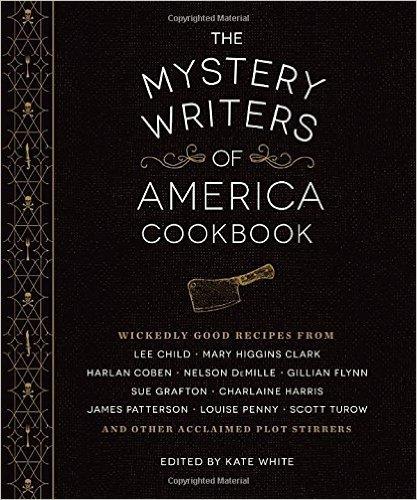
While we can open any newspaper, magazine or gourmet website all this week and find a gazillion recipes for the traditional Thanksgiving dinner, perhaps we should also think about what we might serve family and friends the rest of the weekend while watching football games, entertaining children or just snacking while reading a good novel. And with that thought in mind, I wanted to tell you about a special book put together by many fellow thriller and mystery writers, including our own Gayle Lynds. (I have a recipe in it too) Here are a few from some of our favorite authors:
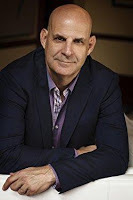 Harlan Coben
For a great appetizer, how about Myron's Crabmeat Dip named for a character in Harlan Coben's series about a sports agent (so use this one while watching that football game):
Mix together while heating on the stove and serve warm:
3 - 8 oz. packages of cream cheese 2/3 cup dry white wine
3 - 6 oz. cans crabmeat 2 teaspoons powdered sugar
1/2 cup Miracle Whip 1 teaspoon onion powder
2 teaspoons French mustard Dash Lawry's seasoned salt
Dash garlic salt
With over 60 million books in print worldwide, Harlan's stories regularly debut
on the New York Times Best-Seller List!
For the main course that night, how about Mary's Celebratory Giants Game Night Chili from the all time favorite mystery and suspense writer, Mary Higgins Clark.
 Mary Higgins Clark
In a slow cooker, sauté 4 lbs. ground beef, 1 lb. ground sausage and 1 lb. ground turkey, adding salt, black pepper and chili powder to taste.
Add 1 large can crushed tomatoes, 2 small cans diced tomatoes with jalapeno and onion, 1 small onion diced along with 1/4 bottle of beer, 2 teaspoons chili powder, 1 teaspoon cumin, pinch of cinnamon, shake of garlic powder and bit of black pepper. Let this all cook on high for 4 hours, stir well. Then set slow cooker to low and cook for 2 more hours.
Serve chili with bowls of shredded cheddar cheese, sliced red onion, sour cream and warm tortilla chips.
 Raymond BensonOf course we need something special for the Kids Table! And what better dish than Zillion Calorie Mac and Cheese submitted by our own International Thriller Writer colleague, Raymond Benson, the first American author to write official James Bond novels!
Preheat oven to 350, grease a casserole pan, bring a large pot of water to a boil and cook an 8 oz. box of macaroni (according to package directions).
In a saucepan mix: 3 tablespoons flour, 3 tablespoons butter, 2 cups milk, 1/4 teaspoon salt and 1/4 teaspoon black pepper. As it becomes hot, drop in 12 Kraft Deli Deluxe American cheese slices (or maybe a few more).
Drain macaroni and put it into the casserole pan. Pour in the hot cheesy mixture. Stir, cover with foil and bake for 20 minutes. Remove foil and bake uncovered 5 more minutes. Then as Raymond says, "Pig out."
Now how about dessert from another fellow ITW author, Joseph Finder, the New York Times Best-Selling author of eleven suspense novels. He gives us a recipe from a friend for Apple Crumble.
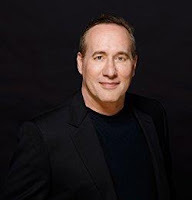 Joseph Finder
Preheat oven to 350 again, put a rack in the center, spray bottom and sides of a 9 inch square glass baking dish with cooking spray. In a bowl cut up 1 stick of unsalted butter into 2 cups of flour until the mixture resembles bread crumbs. Mix in 1/2 cup brown sugar - and put it all into the freezer while you do the next step:
Peel and slice 6 large apples, put them in another bowl and add 3 tablespoons sugar. Sprinkle 1 teaspoon ground cinnamon over the apples and add 1 teaspoon vanilla extract. Put apples in the prepared baking dish, get the crumble mixture out of the freezer and sprinkle it over the apples. Bake for 45 minutes - until the topping is golden brown.
Finally, to top it all off, we have a "contribution" by our good friend, fabulous thriller writer and original member of ITW, Lee Child, who, in what reads like a humorous aside, but graces the last page of the Mystery Writers of America Cookbook, explains Coffee, Pot of One.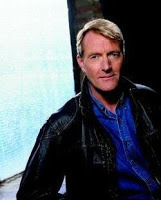 Lee Child
Lee says, "OK, this ain't exactly rocket surgery" (yes, that's his term). He instructs us to "Use a standard mid-range drip coffee maker with a gold-colored mesh filter. Fill with water...Evian works well...for every number on the side of the water jug, add that many spoons of ground coffee, less one...anything from Colombia will do (avoid all flavorings). Close the lid and hit the switch. Wait five, and you're there."
So for those of you who have NEVER made a pot of coffee, we thank Lee for these great instructions! And don't we all love Lee's novels about his character, Jack Reacher -- the second movie by the name was recently released, starring Tom Cruise.
Now from all of us, we wish you a very HAPPY THANKSGIVING with the hope that you enjoy a wonderful long weekend celebrating and giving thanks. Please leave a comment about some of the reasons you are counting your blessings this Thanksgiving.
....by Karna Small Bodman
My Rogue Writer colleagues have been writing about the coming Thanksgiving Holiday focusing on memories, reasons to give thanks, and ideas for the big dinner on Thursday. As we all look ahead to a day set aside to count our MANY blessings, especially the great opportunity to live in this wonderful country - once dubbed "A shining city on the hill -- a place for all freedom loving people"... I was thinking about how nice it is that we actually have four days to celebrate.
While we can open any newspaper, magazine or gourmet website all this week and find a gazillion recipes for the traditional Thanksgiving dinner, perhaps we should also think about what we might serve family and friends the rest of the weekend while watching football games, entertaining children or just snacking while reading a good novel. And with that thought in mind, I wanted to tell you about a special book put together by many fellow thriller and mystery writers, including our own Gayle Lynds. (I have a recipe in it too) Here are a few from some of our favorite authors:
 Harlan Coben
For a great appetizer, how about Myron's Crabmeat Dip named for a character in Harlan Coben's series about a sports agent (so use this one while watching that football game):
Mix together while heating on the stove and serve warm:
3 - 8 oz. packages of cream cheese 2/3 cup dry white wine
3 - 6 oz. cans crabmeat 2 teaspoons powdered sugar
1/2 cup Miracle Whip 1 teaspoon onion powder
2 teaspoons French mustard Dash Lawry's seasoned salt
Dash garlic salt
With over 60 million books in print worldwide, Harlan's stories regularly debut
on the New York Times Best-Seller List!
For the main course that night, how about Mary's Celebratory Giants Game Night Chili from the all time favorite mystery and suspense writer, Mary Higgins Clark.
 Mary Higgins Clark
In a slow cooker, sauté 4 lbs. ground beef, 1 lb. ground sausage and 1 lb. ground turkey, adding salt, black pepper and chili powder to taste.
Add 1 large can crushed tomatoes, 2 small cans diced tomatoes with jalapeno and onion, 1 small onion diced along with 1/4 bottle of beer, 2 teaspoons chili powder, 1 teaspoon cumin, pinch of cinnamon, shake of garlic powder and bit of black pepper. Let this all cook on high for 4 hours, stir well. Then set slow cooker to low and cook for 2 more hours.
Serve chili with bowls of shredded cheddar cheese, sliced red onion, sour cream and warm tortilla chips.
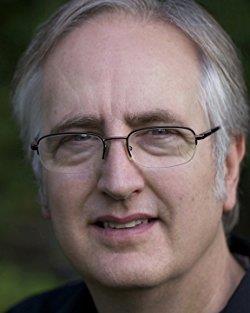 Raymond BensonOf course we need something special for the Kids Table! And what better dish than Zillion Calorie Mac and Cheese submitted by our own International Thriller Writer colleague, Raymond Benson, the first American author to write official James Bond novels!
Preheat oven to 350, grease a casserole pan, bring a large pot of water to a boil and cook an 8 oz. box of macaroni (according to package directions).
In a saucepan mix: 3 tablespoons flour, 3 tablespoons butter, 2 cups milk, 1/4 teaspoon salt and 1/4 teaspoon black pepper. As it becomes hot, drop in 12 Kraft Deli Deluxe American cheese slices (or maybe a few more).
Drain macaroni and put it into the casserole pan. Pour in the hot cheesy mixture. Stir, cover with foil and bake for 20 minutes. Remove foil and bake uncovered 5 more minutes. Then as Raymond says, "Pig out."
Now how about dessert from another fellow ITW author, Joseph Finder, the New York Times Best-Selling author of eleven suspense novels. He gives us a recipe from a friend for Apple Crumble.
 Joseph Finder
Preheat oven to 350 again, put a rack in the center, spray bottom and sides of a 9 inch square glass baking dish with cooking spray. In a bowl cut up 1 stick of unsalted butter into 2 cups of flour until the mixture resembles bread crumbs. Mix in 1/2 cup brown sugar - and put it all into the freezer while you do the next step:
Peel and slice 6 large apples, put them in another bowl and add 3 tablespoons sugar. Sprinkle 1 teaspoon ground cinnamon over the apples and add 1 teaspoon vanilla extract. Put apples in the prepared baking dish, get the crumble mixture out of the freezer and sprinkle it over the apples. Bake for 45 minutes - until the topping is golden brown.
Finally, to top it all off, we have a "contribution" by our good friend, fabulous thriller writer and original member of ITW, Lee Child, who, in what reads like a humorous aside, but graces the last page of the Mystery Writers of America Cookbook, explains Coffee, Pot of One.
 Lee Child
Lee says, "OK, this ain't exactly rocket surgery" (yes, that's his term). He instructs us to "Use a standard mid-range drip coffee maker with a gold-colored mesh filter. Fill with water...Evian works well...for every number on the side of the water jug, add that many spoons of ground coffee, less one...anything from Colombia will do (avoid all flavorings). Close the lid and hit the switch. Wait five, and you're there."
So for those of you who have NEVER made a pot of coffee, we thank Lee for these great instructions! And don't we all love Lee's novels about his character, Jack Reacher -- the second movie by the name was recently released, starring Tom Cruise.
Now from all of us, we wish you a very HAPPY THANKSGIVING with the hope that you enjoy a wonderful long weekend celebrating and giving thanks. Please leave a comment about some of the reasons you are counting your blessings this Thanksgiving.
....by Karna Small Bodman
A WRITER'S THANKSGIVING
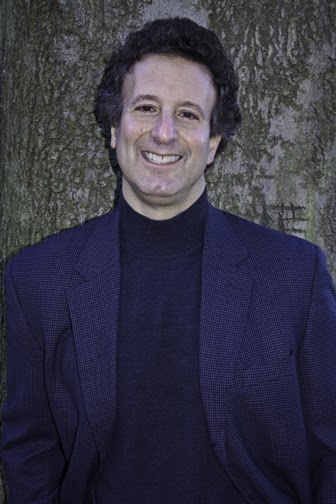
 KJ Howe here, welcoming talented author and reviewer Jon Land to the Rogue Women Writers today. I've had the pleasure of working with Jon on ThrillerFest for many years, and his enthusiasm for the genre is unsurpassed. Jon reaches out to new authors every chance he gets, offering them his sage guidance, as he has experienced everything from writing non-fiction books to bestselling thrillers to screenwriting to co-writing with the esteemed Heather Graham.
 If you're looking for a panel master extraordinaire, Jon would be a brilliant choice. His irrepressible energy, thorough research into the panelists' backgrounds, and thought-provoking questions creates a buzz in any room.
In the spirit of our theme this week, Jon pens a note to all the people and things he is thankful for in his writing life. Writers, readers--we'd love to hear what you're thankful for today. Take it away, Jon.
A WRITER’S THANKSGIVING
 In no particular order . . .
I’m thankful for being able to make a living (most of the time!) at what I love to do the most, maybe the greatest gift any person can be given.
I’m thankful for all the wonderful friends I’ve made from International Thriller Writers, an organization that’s really more of a fraternity and community and is comprised of some of my favorite people in the world.
I’m thankful for David Morrell, Gayle Lynds, Jim Rollins, MJ Rose, Kim Howe, Doug Preston, Bob Stine, Lee Child, Sandra Brown, John Lescroart, Dr. Doug Lyle, Steve Berry, Liz Berry, Kathy Antrim, Jeff Ayers and so, so many, many others who make up those favorite people.
I’m thankful for Tom Doherty and Forge Books, who’ve never given up on me and always been willing to take a chance, by rolling the publishing dice to advance my career.
I’m thankful for having a brilliant editor and agent Natalia Aponte who makes my work so much better and never stops pushing me to become a better writer tomorrow than I was yesterday.
I’m thankful for my first agent, the legendary Toni Mendez, who took a chance on me back in 1981 when no one else would and never quit trying to find me a publishing home.
I’m thankful for the late, great Walter Zacharius, founder of Kensington Books, who gave me that first publishing home.
I’m thankful for Fawcett Books and the Random House family for becoming my second publishing home.
I’m thankful for Bob Gleason, my fantastic editor at Tor/Forge and the smartest man I know, whose friendship is as important to me as his desire to see my books get the attention he believes they deserve.
I’m thankful for Heather Graham, as great a person as she is a writer, who agreed to collaborate with me on a brand new series that begins with THE RISING in January, because now I have a chance to ride her coattails to the New York Times bestseller list that I’ve failed to reach on my own.
I’m thankful for Jane Friedman and Open Road Integrated Media for giving my long out of print backlist a home and offering that part of my career a lifeline.
I’m thankful to my agent Bob Diforio for bringing me to Open Road and for placing three of my nonfiction projects.
I’m thankful for E-readers and tablets that have become a fresh lifeblood of an industry too often rooted in its ways, introducing readers to tens of thousands of books they never would’ve had access to before.
I’m thankful for the fact that print sales are going up and the reports of our industry’s death turned out to be greatly exaggerated.
I’m thankful for Brown University, whose then “New Curriculum” allowed me to stretch my wings and actually become a writer. That curriculum may not be new anymore, but it’s equally vital.
I’m thankful for all the wonderful high school teachers who laid the foundation that taught me to love learning, and reading, while laying the foundation that got me to Brown.
I’m thankful for late, great Professor Elmer Blistein, my Brown mentor, who took a chance on me by agreeing to sponsor my senior thesis which became my first novel, and thriller, that will never again see the light of day!
I’m thankful for my family, especially my parents, who swallowed their disappointment over me not going to law school and supported my dreams and efforts to become a writer in every way, shape and form.
I’m thankful for Camp Samoset, where I unwittingly first learned how to write by telling stories to kids in cabins and around campfires.
I’m thankful for all the wonderful books I read that made me want to be a writer, because before you can love writing, you have to love reading.
I’m thankful for living in a country where dreams can still come true and second chances, even third or fourth ones, still happen.
I’m thankful for all the bookstore owners and managers who weathered a storm that nearly wiped them out a few years back, continuing to fight the good fight because they know that books matter.
I’m thankful for the huge bestselling authors who keep people coming into bookstores.
I’m thankful for all the on-line stores that make buying books so easy, there’s no excuse not to read anymore.
And most of all, I’m thankful for all my readers, without whom I wouldn’t be penning this blog or living my dream.
Jon Land is the USA Today bestselling author of 39 novels, including eight titles in the critically acclaimed Caitlin Strong series: Strong Enough to Die, Strong Justice, Strong at the Break, Strong Vengeance, Strong Rain Falling (winner of the 2014 International Book Award and 2013 USA Best Book Award for Mystery-Suspense), Strong Darkness (winner of the 2014 USA Books Best Book Award and the 2015 International Book Award for Thriller and Strong Light of Day which won the 2016 International Book Award for Best Thriller-Adventure, the 2015 Books and Author Award for Best Mystery Thriller, and the 2016 Beverly Hills Book Award for Best Mystery. The latest title in the series is Strong Cold Dead, was published on October 4 and about which Booklist said, “Thrillers don’t get any better than this,” in a starred review. Land has also teamed with multiple New York Times bestselling author Heather Graham on a new sci-fi series, the first of which, The Rising, will be published by Forge in January of 2017. He is a 1979 graduate of Brown University and lives in Providence, Rhode Island.
November 17, 2016
GHOSTS OF THANKSGIVINGS PAST
S. Lee Manning: Holiday seasons can be difficult. The memories of holidays past, of family members no longer present, of times that have disappeared, can cast a pall over the present day. For some, Christmas is the hardest holiday. For me, Thanksgiving is when I most acutely feel the ghosts of what has been and what is no longer.
When I was young, Thanksgiving meant a gathering of the clan.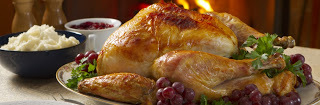 My father’s two brothers and their families lived close to our house in Cincinnati, and his sister and her family lived in Dayton. We’d drive the interminable hour to Dayton, where we’d overeat, my personal favorite being the sweet potato casserole with marshmallows. There’d be twenty or more people, enough so that we younger ones would be relegated to the kids table. Then the adults would argue about politics, sometimes in Yiddish, always loudly, and the kids would play or go for a walk. I loved the food, the parades, seeing family in my childhood days, and enduring it with the impatience of a spoiled teenager for the years between thirteen and college.
When my own kids were young, my husband and I became keepers of the flame for Thanksgiving, but the holidays were usually smaller. Other cousins, friends, nephews would expand the circle on occasion, but the core remained my husband and I, our kids, and our parents. My parents would travel to our Trenton, New Jersey house from Cincinnati, my husband’s mother, who lived four blocks away, would come, and my sister and her husband attended intermittently.
It was a family cooking affair. My husband was on turkey and gravy. I did side dishes. The first time I recreated the sweet potato favorite from my youth, I proudly placed my creation on the table. My mother leaned over to admire and promptly knocked her wine glass over, shards of glass spraying across the perfectly bronzed marshmallow top. “It’s okay, I got it all,” she said as she tried to scoop out the slivers of glass. I took it away and threw it out. In subsequent years, I made sweet potato casserole without incident.
Every year, we’d eat a large breakfast, sometimes at the local I-Hop, planning to sit down to the feast at around two. Usually we’d underestimate just how long the turkey took to cook. Most years, the button on the turkey wouldn’t pop until closer to three o’clock. The kids would be hungry and cranky; my husband and I would be annoyed at their ingratitude, and the voices in the other room would rise.
There were the usual family fights. Religion. Politics. Temperature. My parents liked the house at 80 degrees, and we accommodated, but we’d be cooking in short sleeves. “Put a sweater on,” my dad would yell as the sweat literally poured down my face. “You’ll catch a cold.”
But finally we would sit down to the feast, with glasses of Beaujolais nouveau for the adults and sparkling cider for the kids, and indulge in the comfortable and familiar food that we ate once a year. We’d take a late afternoon walk around the neighborhood. Tree branches bare of leaves, our street glowed with the fading light of late afternoon in November in New Jersey. We strolled past the brick and stone Colonials that had made this neighborhood the showpiece of Trenton when it was built, and then feeling virtuous, we’d return to eat pie and ice cream.
The older generation is mostly gone now: my parents, Jim’s mom, the aunts and uncles in Cincinnati and Dayton, alive only in our memories. Yesterday, Jim and I traveled from our current home to our old home in Trenton where our son, Dean, still lives, and we’ll be here for Thanksgiving. It will be a quiet affair. Just four of us from the family: Dean, his partner, Jim, and me. Our daughter and her husband, who live in LA and can’t afford the exorbitant plane fares this time of year, won’t be here nor will my sister nor any of my cousins who are scattered across the United States. There are good things about a society that is so very mobile, but it does mean fewer people at holidays. There will not be many more Thanksgivings in this house – we will be selling it within one or two years, once Dean is finally ready to move out.
It looks like Thanksgiving in our old neighborhood. The unraked brown leaves blow in the November wind, and here and there, a pumpkin left over from Halloween still adorns the steps of the houses that remain just as stately as when our children were small. Some of the more ambitious neighbors will be decorating their homes with lights for Christmas before the Thanksgiving leftovers are even cold.
But it doesn’t feel like Thanksgiving. It feels small and kind of sad. I am haunted by the ghosts of Thanksgivings past, by memories of the large extended family gatherings of my youth, and of the smaller but sweet celebrations here in this house. I keep remembering the end of Catcher in the Rye, “Don’t ever tell anyone anything. If you do, you start missing everybody.”
Still, things change. Life is a continual ballet, twirling between sadness at the loss of the old and joy in the new.
So it’s time to recreate the holiday. I’ll make my sweet potato casserole, this year with Vermont maple syrup instead of brown sugar, and the stuffing will be gluten free for Dean’s newly discovered gluten sensitivity. Maybe expand the circle: invite acquaintances who are feeling bereft to join us this year. And remember, even as I miss those who won’t be here, I have so many reasons to be thankful.
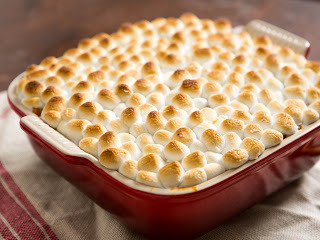
Recipe: sweet potato casserole:
Bake 6-8 sweet potatoes until soft. Peel. Mash with half a stick of butter, 1 teaspoon cinnamon, and maple syrup to taste – a minimum of a cup. Spread evenly through a greased casserole dish and top generously with marshmallows. Bake at 350 until marshmallows are brown. Avoid dropping glass into dish. Serve.
When I was young, Thanksgiving meant a gathering of the clan.
 My father’s two brothers and their families lived close to our house in Cincinnati, and his sister and her family lived in Dayton. We’d drive the interminable hour to Dayton, where we’d overeat, my personal favorite being the sweet potato casserole with marshmallows. There’d be twenty or more people, enough so that we younger ones would be relegated to the kids table. Then the adults would argue about politics, sometimes in Yiddish, always loudly, and the kids would play or go for a walk. I loved the food, the parades, seeing family in my childhood days, and enduring it with the impatience of a spoiled teenager for the years between thirteen and college.
When my own kids were young, my husband and I became keepers of the flame for Thanksgiving, but the holidays were usually smaller. Other cousins, friends, nephews would expand the circle on occasion, but the core remained my husband and I, our kids, and our parents.
 My parents would travel to our Trenton, New Jersey house from Cincinnati, my husband’s mother, who lived four blocks away, would come, and my sister and her husband attended intermittently.
It was a family cooking affair. My husband was on turkey and gravy. I did side dishes. The first time I recreated the sweet potato favorite from my youth, I proudly placed my creation on the table. My mother leaned over to admire and promptly knocked her wine glass over, shards of glass spraying across the perfectly bronzed marshmallow top. “It’s okay, I got it all,” she said as she tried to scoop out the slivers of glass. I took it away and threw it out. In subsequent years, I made sweet potato casserole without incident.
Every year, we’d eat a large breakfast, sometimes at the local I-Hop, planning to sit down to the feast at around two. Usually we’d underestimate just how long the turkey took to cook. Most years, the button on the turkey wouldn’t pop until closer to three o’clock. The kids would be hungry and cranky; my husband and I would be annoyed at their ingratitude, and the voices in the other room would rise.
There were the usual family fights. Religion. Politics. Temperature. My parents liked the house at 80 degrees, and we accommodated, but we’d be cooking in short sleeves. “Put a sweater on,” my dad would yell as the sweat literally poured down my face. “You’ll catch a cold.”
But finally we would sit down to the feast, with glasses of Beaujolais nouveau for the adults and sparkling cider for the kids, and indulge in the comfortable and familiar food that we ate once a year. We’d take a late afternoon walk around the neighborhood. Tree branches bare of leaves, our street glowed with the fading light of late afternoon in November in New Jersey. We strolled past the brick and stone Colonials that had made this neighborhood the showpiece of Trenton when it was built, and then feeling virtuous, we’d return to eat pie and ice cream.
The older generation is mostly gone now: my parents, Jim’s mom, the aunts and uncles in Cincinnati and Dayton, alive only in our memories. Yesterday, Jim and I traveled from our current home to our old home in Trenton where our son, Dean, still lives, and we’ll be here for Thanksgiving. It will be a quiet affair. Just four of us from the family: Dean, his partner, Jim, and me. Our daughter and her husband, who live in LA and can’t afford the exorbitant plane fares this time of year, won’t be here nor will my sister nor any of my cousins who are scattered across the United States. There are good things about a society that is so very mobile, but it does mean fewer people at holidays. There will not be many more Thanksgivings in this house – we will be selling it within one or two years, once Dean is finally ready to move out.
It looks like Thanksgiving in our old neighborhood. The unraked brown leaves blow in the November wind, and here and there, a pumpkin left over from Halloween still adorns the steps of the houses that remain just as stately as when our children were small. Some of the more ambitious neighbors will be decorating their homes with lights for Christmas before the Thanksgiving leftovers are even cold.
But it doesn’t feel like Thanksgiving. It feels small and kind of sad. I am haunted by the ghosts of Thanksgivings past, by memories of the large extended family gatherings of my youth, and of the smaller but sweet celebrations here in this house. I keep remembering the end of Catcher in the Rye, “Don’t ever tell anyone anything. If you do, you start missing everybody.”
Still, things change. Life is a continual ballet, twirling between sadness at the loss of the old and joy in the new.
So it’s time to recreate the holiday. I’ll make my sweet potato casserole, this year with Vermont maple syrup instead of brown sugar, and the stuffing will be gluten free for Dean’s newly discovered gluten sensitivity. Maybe expand the circle: invite acquaintances who are feeling bereft to join us this year. And remember, even as I miss those who won’t be here, I have so many reasons to be thankful.

Recipe: sweet potato casserole:
Bake 6-8 sweet potatoes until soft. Peel. Mash with half a stick of butter, 1 teaspoon cinnamon, and maple syrup to taste – a minimum of a cup. Spread evenly through a greased casserole dish and top generously with marshmallows. Bake at 350 until marshmallows are brown. Avoid dropping glass into dish. Serve.
November 15, 2016
‘TIS THE SEASON: HOLIDAYS HAPPY & OTHERWISE
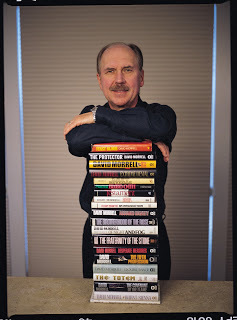 David & some of his great novels
Gayle Lynds: It’s with delight Rogue Women welcome our friend and today's guest blogger, iconic author David Morrell. David created the ground-breaking novel First Blood starring John Rambo, which became the basis of the highly successful Rambo franchise. A writer’s writer, David has won numerous awards and reached the heights of international bestsellerdom with some 30 novels over more than 40 years. His latest tale, the historical thriller Ruler of the Night, has been hailed as “fascinating” by Library Journal and “spectacular” by Publishers Weekly, in a starred review.
On a personal note, it’s been my pleasure to work with David for a dozen years on several projects, including co-founding International Thriller Writers. With David, it’s always a delight.
By David Morrell: With Thanksgiving almost here and a busy holiday season rapidly approaching afterward, I always feel a wave of unease. For some of you, I suspect it’s not unusual to feel this way. Family get-togethers can be nail-biters in terms of whether Uncle Joe will get angrily drunk again or whether Aunt Sally will again annoyingly complain about everything under the sun. Given that this year’s holidays occur after a U.S. presidential election, the chance of family arguments seems especially strong. And then there’s the anxiety of meeting the deadline for preparing get-togethers and buying presents and trying to fulfill expectations.
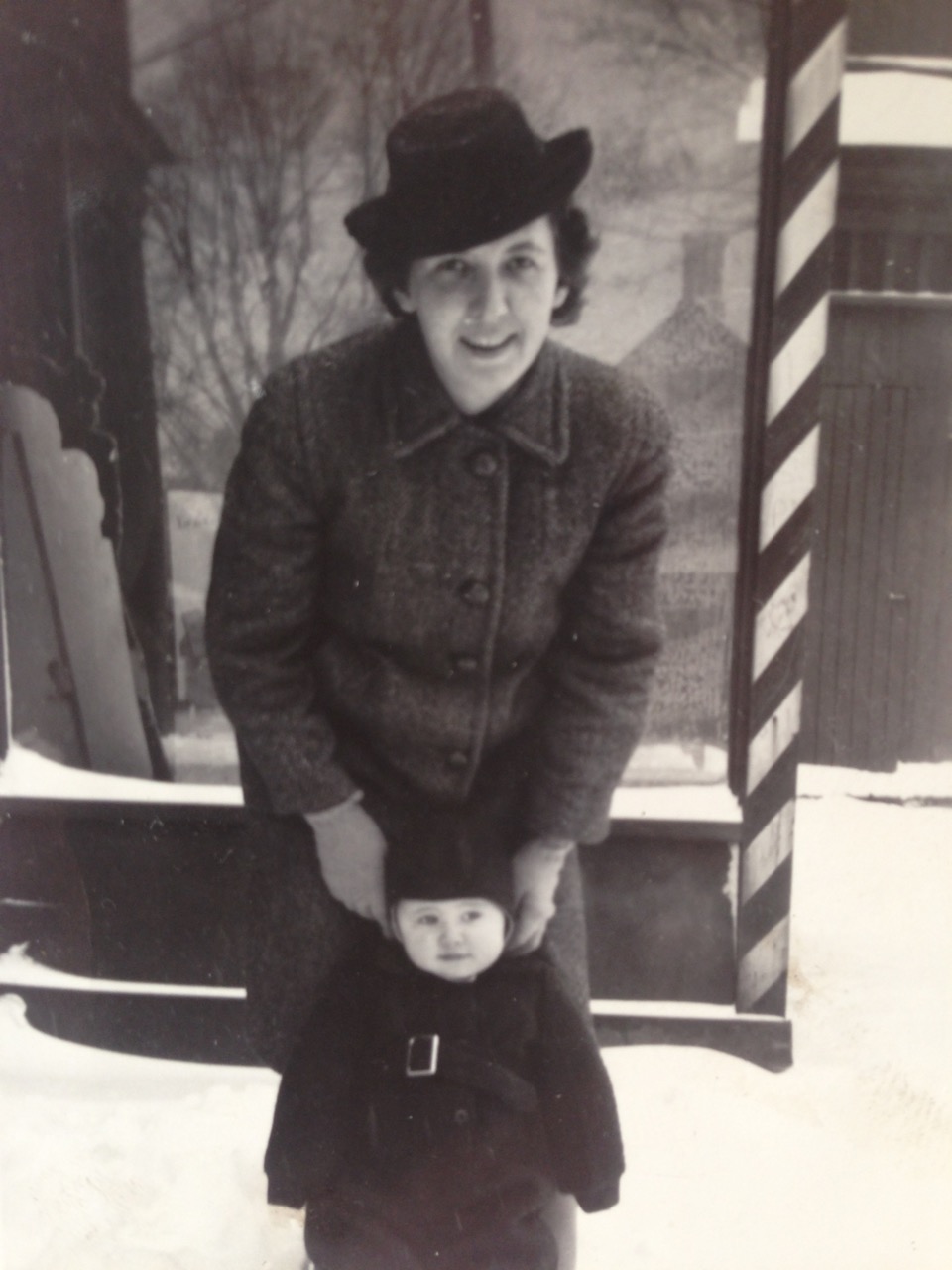 David, age 1, with mother
But that’s not the unease I’m talking about. In my boyhood years, I can’t recall a holiday that wasn’t a disaster. My biological father died in combat shortly after I was born. My mother couldn’t stay employed as a seamstress and at the same time watch over me, so she eventually had to make the painful decision to put me in an orphanage. This happened when I was two or three. After a year, my mother remarried, hoping that her new husband would serve as a father figure to me, but he turned out not to like children. Moreover, the two of them weren’t compatible and fought all the time. At night, fear often compelled me to sleep under my bed.
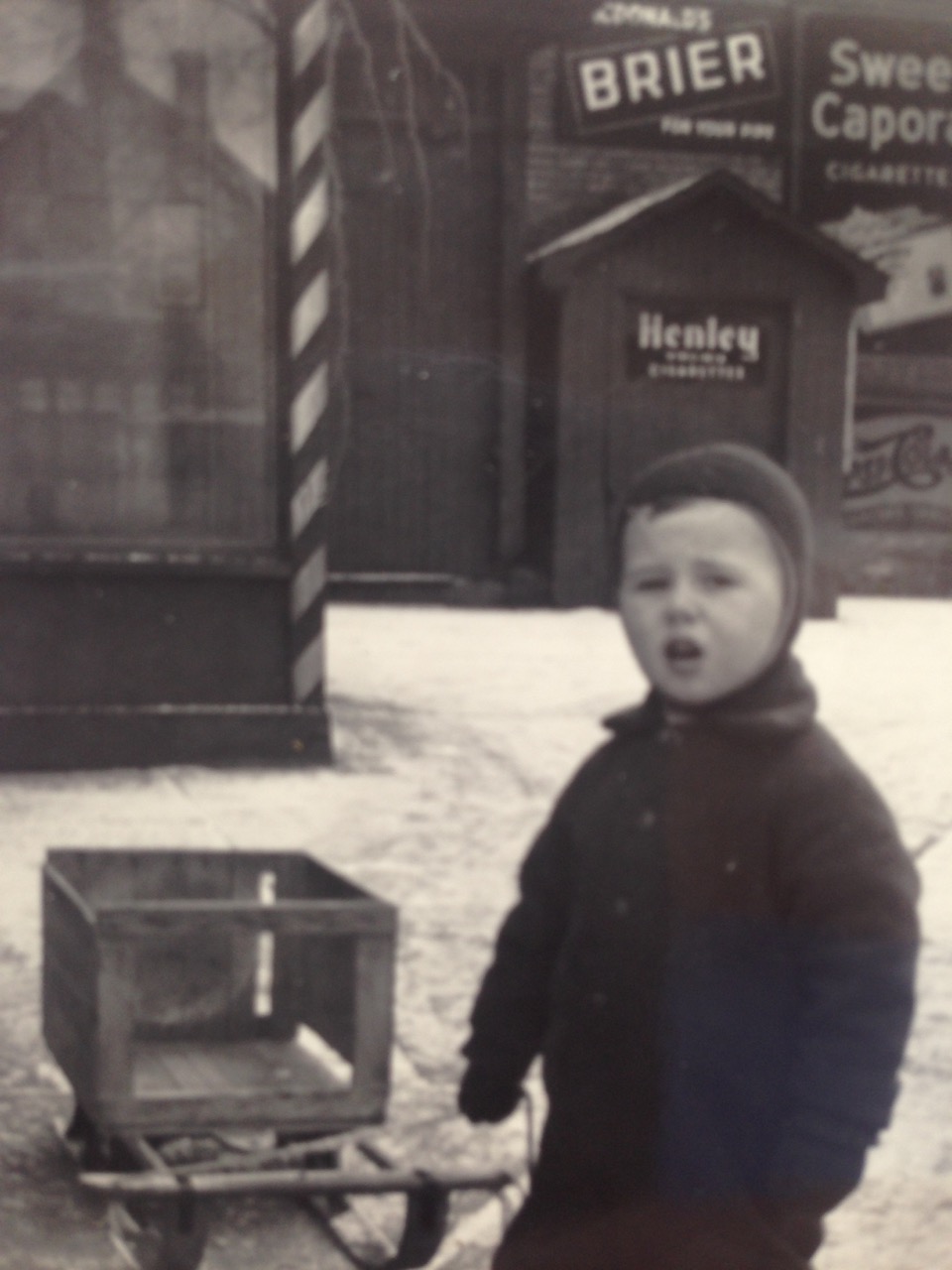 David, age 3, with sled
On every holiday, my mother would spend a lot of time preparing a festive meal. But my stepfather always found a way to start a major fight just before the meal was served. His motive? He loved to gamble, and his unmarried brothers always had a card game around dinnertime on holidays. So my stepfather would pick a fight and storm out of the house. Then my mother would collapse in tears at the kitchen table, and the two of us would do our best to eat some of the holiday meal she’d prepared. Every holiday. Every year. You might say I was programmed to feel distressed about any holiday.
David, age 3, with sled
On every holiday, my mother would spend a lot of time preparing a festive meal. But my stepfather always found a way to start a major fight just before the meal was served. His motive? He loved to gamble, and his unmarried brothers always had a card game around dinnertime on holidays. So my stepfather would pick a fight and storm out of the house. Then my mother would collapse in tears at the kitchen table, and the two of us would do our best to eat some of the holiday meal she’d prepared. Every holiday. Every year. You might say I was programmed to feel distressed about any holiday.I have two takeaways from that story. The first is that as my mother wiped tears from her eyes and poked her fork at the cold chunks of turkey on her plate, she bemoaned her life and urged me to try to make a better one for myself. I can still see her telling me, not once, not twice, but on every holiday, “Just remember, David, you can be anything you want to be as long as you work hard enough.”
Of course, this isn’t true. We all know people who worked to the point of exhaustion throughout their lives and never got anywhere. Bad health. Bad luck. Wrong time. Wrong place. Stuff happens, and hard work isn’t a guarantee of success. But if we don’t work hard, we can’t create the opportunities that can possibly move us ahead. I’ve been a published author for 44 years, and that doesn’t count the years of trying to get published. I don’t think I would have lasted this long or managed to find an agent and a publisher in the first place if not for those bad times and my mother’s bitter refrain about trying harder.
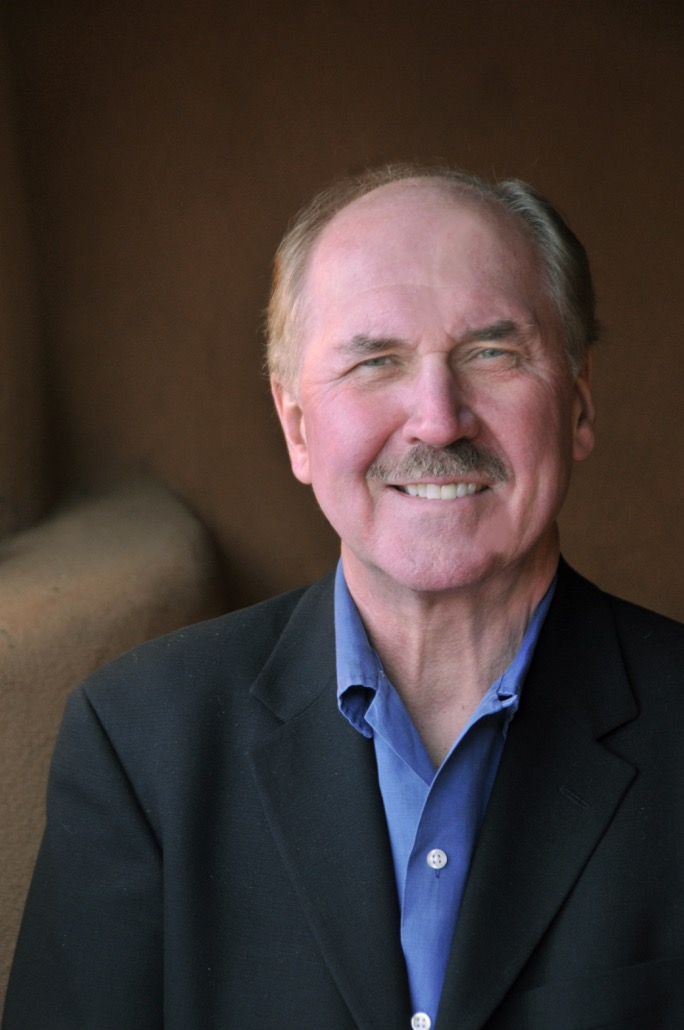 David Morrell today
My other takeaway is that if not for those holiday arguments between my mother and my stepfather, I might never have had anything to write about. One of my themes is a young man looking for a father figure worthy of respect and seldom finding one. In part, that’s the point of First Blood and the contest between Rambo and the police chief who’s old enough to be his father. It’s also the point of my espionage novel, The Brotherhood of the Rose , in which two orphans are turned into killing machines by a father figure who pretends to love them but only manipulates them.
Those aren't exactly holiday emotions, but as I explained, I was conditioned to feel stressed on days of celebration. Even so, my mood has possibly changed. My latest novel, a Victorian mystery/thriller called Ruler of the Night, features another child/father relationship, but this time the tone is no longer bitter as I explore a loving relationship between a 22-year-old daughter and her elderly father.
Maybe I'm in a holiday mood, after all. If Uncle Joe gets drunk or Aunt Sally complains about everything during a holiday dinner, just tell yourself that things could be worse. Hey, it's better to have a holiday than none at all.

David Morrell is an Edgar and Anthony finalist, an Inkpot, Macavity, Nero, and Stoker winner, and a recipient of ITW’s ThrillerMaster Award. Bouchercon gave him its Lifetime Achievement Award. Blending fact and fiction to an exceptional degree, Ruler of the Night focuses on an actual Victorian murder so startling that it changed the culture — in this case, the first murder on an English train. The murder's brutality stoked fears that the newly invented railway would, as one newspaper predicted, “annihilate time and space.”
Do you have a favorite David Morrell book or story? Please share!
November 13, 2016
KNOW THY ENEMY
by Chris Goff
I think the hardest thing to do when writing a spy novel is finding your antagonists backstory, knowing how they think, how they feel, what kind of mindset they have. It's fairly easy to understand what your protagonist thinks because often they think a lot like you. They love their families, their homes, their freedom, and their countries. But what do the bad guys their up against think and feel?
Truthfully, most villains are more like us than unlike us—they just see things differently. They have different customs, different belief systems, different ideas of duty and valor. The writer who takes the time and does the research to get into their antagonists' heads is the one who creates the villains that really stick with us. Evil for the sake of evil isn't that interesting. Evil driven by something the villain believes is much more interesting. We may not think it justifies his behavior, or agree with his ideals, but we're engaged with a complex character and interested in what our hero learns about their adversary. It's what the hero learns about the antagonist that provides the key to defeating him.
So where do you start?
Real Life.
Read the paper, watch the news, and look around. Every day we're bombarded with people doing things we don't understand. Instead of just shaking her head, a writer will try and figure out what drives people to do the things they do. Look back at history.
 Take Edward Snowden.
Born in North Carolina, his entire family was in some fashion employed by the US Government. It's said he was expected to pursue the same path, something he did, but did he want to? Snowden was a really smart guy. Quiet and thoughtful, he was deeply interested in eastern culture and became a Buddhist at age 20. By 2008, he said he planned to comment on the NSA surveillance programs, but then decided to wait until he saw what actions Obama took. An active participant in the news provider Ars Technica under a pseudonym, he expressed strong support for the US security state apparatus and said he believed leakers of classified information "should be shot in the balls."
Then, in 2013, disappointed by Obama's continuation of the NSA surveillance programs, he went to the media and disclosed 9,000 to 10,000 classified documents revealing global surveillance by the NSA that he viewed as unconstitutional. To simplify the discussion, suffice it to say, he claims he tried voicing his concerns internally before going public with the classified information. The US cries foul and sees the revelations as him compromising their ability to gather intelligence and protect its self and its allies from possible future terrorist attacks.
Whistleblower or traitor? What were his motives? He claims he didn't want to live in a world that surveilles their citizens. He also claims that he hopes his actions will embolden others to become whistleblowers and says he'd do it again. But is that he truth? Does he really think what he did was worth the consequences? Does he really like living in Russia? Or maybe he hadn't thought it out that far, but is putting on one face for the world while feeling very differently on the inside. What could that drive him to do? Or maybe he thrives on the attention and that will drive his future actions. Was it his families' service legacy that makes him see himself as a US patriot or is he simply an arrogant narcissist who sees himself as superior because of his intellect?
Take Stella Kübler-Isaacksohn.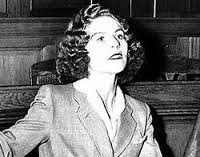
Born Goldschlag, she was a German Jewish woman who collaborated with the Gestapo during World War II. Raised in a middle-class Jewish family, she attended a Jewish school following the seizure of power by the Nazis, married a Jew, graduated with a degree in fashion design, and then was forced to work in a war plant in Berlin. Because she had an Aryan look, when the deportation of the Jews began, she was able to go underground as a non-Jew. Then in the spring of 1943, her parents were arrested by the Nazis. Stella was tortured by the Nazis and in order to save her family agreed to become what the Gestapo called a "catcher," someone who hunted down Jews hiding as non-Jews. The data varies, but it's estimated that she helped round up between 600 and 3,000 of her fellow Jews. Eventually the Nazis broke their promise and deported her parents to Theresienstadt where they were killed, and her husband and his family were deported to Auschwitz.
You'd think that would be enough to stop her. But no, she married her second husband, also Jewish and a Nazi collaborator, and continued working for the Gestapo until March 1945. After the war, she served time for her crimes, converted to Christianity and became an "open anti-Semite." And she suffered a terrible end, one many would say she deserved. She married five times, and had one daughter who was taken from her who later immigrated to Israel. Then, in 1994, Stella committed suicide by throwing herself out of a window.
Still, did she become an anti-Semite in order to justify what she had done to so many of her fellow Jews? Did she kill herself because she could no longer live with the consequences of her actions? Did she have some unknown problem with her parents, or suffer from a form of Stockholm Syndrome?
In conclusion
While we can only surmise what motivates others, each variation on the theme makes for a different novel. Regardless of what you think about Snowden or Kübler-Isaacksohn, knowing more about them makes them more interesting and adds to the layers your protagonist must peel back in order to defeat them. The best piece of writing advice I was every given was to remember: the villain is the hero of his own story. Understanding one's opponent is the key to finding their Achilles heel.

I think the hardest thing to do when writing a spy novel is finding your antagonists backstory, knowing how they think, how they feel, what kind of mindset they have. It's fairly easy to understand what your protagonist thinks because often they think a lot like you. They love their families, their homes, their freedom, and their countries. But what do the bad guys their up against think and feel?
Truthfully, most villains are more like us than unlike us—they just see things differently. They have different customs, different belief systems, different ideas of duty and valor. The writer who takes the time and does the research to get into their antagonists' heads is the one who creates the villains that really stick with us. Evil for the sake of evil isn't that interesting. Evil driven by something the villain believes is much more interesting. We may not think it justifies his behavior, or agree with his ideals, but we're engaged with a complex character and interested in what our hero learns about their adversary. It's what the hero learns about the antagonist that provides the key to defeating him.
So where do you start?
Real Life.
Read the paper, watch the news, and look around. Every day we're bombarded with people doing things we don't understand. Instead of just shaking her head, a writer will try and figure out what drives people to do the things they do. Look back at history.
 Take Edward Snowden.
 Born in North Carolina, his entire family was in some fashion employed by the US Government. It's said he was expected to pursue the same path, something he did, but did he want to? Snowden was a really smart guy. Quiet and thoughtful, he was deeply interested in eastern culture and became a Buddhist at age 20. By 2008, he said he planned to comment on the NSA surveillance programs, but then decided to wait until he saw what actions Obama took. An active participant in the news provider Ars Technica under a pseudonym, he expressed strong support for the US security state apparatus and said he believed leakers of classified information "should be shot in the balls."
Then, in 2013, disappointed by Obama's continuation of the NSA surveillance programs, he went to the media and disclosed 9,000 to 10,000 classified documents revealing global surveillance by the NSA that he viewed as unconstitutional. To simplify the discussion, suffice it to say, he claims he tried voicing his concerns internally before going public with the classified information. The US cries foul and sees the revelations as him compromising their ability to gather intelligence and protect its self and its allies from possible future terrorist attacks.
Whistleblower or traitor? What were his motives? He claims he didn't want to live in a world that surveilles their citizens. He also claims that he hopes his actions will embolden others to become whistleblowers and says he'd do it again. But is that he truth? Does he really think what he did was worth the consequences? Does he really like living in Russia? Or maybe he hadn't thought it out that far, but is putting on one face for the world while feeling very differently on the inside. What could that drive him to do? Or maybe he thrives on the attention and that will drive his future actions. Was it his families' service legacy that makes him see himself as a US patriot or is he simply an arrogant narcissist who sees himself as superior because of his intellect?
Take Stella Kübler-Isaacksohn.

Born Goldschlag, she was a German Jewish woman who collaborated with the Gestapo during World War II. Raised in a middle-class Jewish family, she attended a Jewish school following the seizure of power by the Nazis, married a Jew, graduated with a degree in fashion design, and then was forced to work in a war plant in Berlin. Because she had an Aryan look, when the deportation of the Jews began, she was able to go underground as a non-Jew. Then in the spring of 1943, her parents were arrested by the Nazis. Stella was tortured by the Nazis and in order to save her family agreed to become what the Gestapo called a "catcher," someone who hunted down Jews hiding as non-Jews. The data varies, but it's estimated that she helped round up between 600 and 3,000 of her fellow Jews. Eventually the Nazis broke their promise and deported her parents to Theresienstadt where they were killed, and her husband and his family were deported to Auschwitz.
You'd think that would be enough to stop her. But no, she married her second husband, also Jewish and a Nazi collaborator, and continued working for the Gestapo until March 1945. After the war, she served time for her crimes, converted to Christianity and became an "open anti-Semite." And she suffered a terrible end, one many would say she deserved. She married five times, and had one daughter who was taken from her who later immigrated to Israel. Then, in 1994, Stella committed suicide by throwing herself out of a window.
Still, did she become an anti-Semite in order to justify what she had done to so many of her fellow Jews? Did she kill herself because she could no longer live with the consequences of her actions? Did she have some unknown problem with her parents, or suffer from a form of Stockholm Syndrome?
In conclusion
While we can only surmise what motivates others, each variation on the theme makes for a different novel. Regardless of what you think about Snowden or Kübler-Isaacksohn, knowing more about them makes them more interesting and adds to the layers your protagonist must peel back in order to defeat them. The best piece of writing advice I was every given was to remember: the villain is the hero of his own story. Understanding one's opponent is the key to finding their Achilles heel.
November 12, 2016
PAY ATTENTION LIKE YOUR LIFE DEPENDS ON IT
by Sonja StoneBecause one day it might.
THE BASICS OF ESPIONAGE
Every spy must master a few key skills. The art of disguise, for example. Here’s the trick: Become the grey man (or woman). The less noticeable you are, the better. This video from the International Spy Museum in Washington D.C. exemplifies how a clever makeup artist can completely alter a person’s look.
Another critical skill is defense. Specifically, armed combat. If you find it necessary to carry a weapon, choose one that matches your level of lethal. What I mean is this: don’t carry a gun if you aren’t confident you could take a life. You might end up being relieved of your weapon at an unfortunate time.
The number one skill every good spy (and every cautious citizen) should master is paying careful attention to one’s environment.
SITUATIONAL AWARENESS
Everywhere we go we see the same thing: people walking, sitting, riding the bus or the subway, driving a car, all while texting. As a society, we aren’t paying attention (I’m gonna let the obvious jokes slide by…). Lawrence A. Kane and Kris Wilder talk about the levels of Situational Awareness in The Little Black Book of Violence (What Every Young Man Needs to Know About Fighting) .
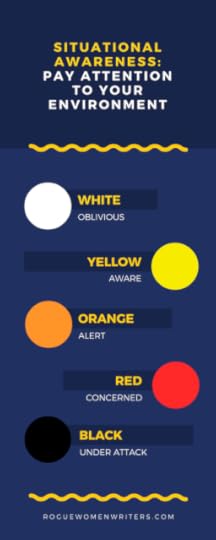
White: Oblivious to your surroundings.
You should never be on white. Ever. Not even at home. Unless you have a Doberman (or equally alert dog). White means walking through the mall looking at your phone. Or crossing the parking lot alone at night, arms laden with packages. Or jogging through the woods with the music cranking through your earbuds.
Yellow: Aware and relaxed. Live on Yellow.
Your head isn’t buried in your phone. You’re aware of the people around you. Not suspicious, just aware. You’ve perceived no immediate threat.
Orange: Alert. You’ve noticed a non-specific danger.
I believe that intuition is actually grounded in fact. The brain picks up millions of signals throughout the day that we don’t consciously register. But if the brain gathers information that it deems threatening, it sends a signal. We might have an odd feeling, a hunch that something’s about to go down. More likely, we saw (without noticing) something peculiar; irregular body language, or some other anomaly in the environment. Something put us on orange: a shout, angry voices, a threatening gesture… Check the area for cover, exits, and try to get a sense of the larger picture. If you discover the shout was a laugh and not a threat, go back to yellow. Otherwise…
Red: Concerned. Somewhere in your immediate environment, you’ve noticed a clear and present danger.
The threat may or may not involve you. Perhaps it’s directed toward the guy standing behind you in line. Either way, this is a great time to move toward the exits you’ve already identified. Know the difference between cover and concealment (cover is a brick wall, concealment is a line of bushes). GET OFF THE X. This means move immediately from the kill zone (as in the case of an active shooter). Cade Courtley’s SEAL Survival Guide has an excellent section on evading active shooters (as well as how to survive a plane crash, a nuclear bomb, getting lost in the desert… those SEALs are resourceful).
Black: Under Attack.
There’s not much to do at this point except fight back. Again, don’t carry a weapon you aren’t willing to use. Pepper spray is a good option, but only if it’s already out and in your hand (and there’s no wind). A taser is non-lethal—most of the time. Taser also sends you a replacement weapon if you’re forced to use yours to stop an attacker.
ALWAYS TRUST YOUR GUT.
This last point takes us back to my theory on intuition. If you have a funny feeling, go with it. There’s probably a legitimate reason. I prefer to err on the side of caution.
What spy tips do you incorporate into your daily life? Leave your comments below.
THE BASICS OF ESPIONAGE
Every spy must master a few key skills. The art of disguise, for example. Here’s the trick: Become the grey man (or woman). The less noticeable you are, the better. This video from the International Spy Museum in Washington D.C. exemplifies how a clever makeup artist can completely alter a person’s look.
Another critical skill is defense. Specifically, armed combat. If you find it necessary to carry a weapon, choose one that matches your level of lethal. What I mean is this: don’t carry a gun if you aren’t confident you could take a life. You might end up being relieved of your weapon at an unfortunate time.
The number one skill every good spy (and every cautious citizen) should master is paying careful attention to one’s environment.
SITUATIONAL AWARENESS
Everywhere we go we see the same thing: people walking, sitting, riding the bus or the subway, driving a car, all while texting. As a society, we aren’t paying attention (I’m gonna let the obvious jokes slide by…). Lawrence A. Kane and Kris Wilder talk about the levels of Situational Awareness in The Little Black Book of Violence (What Every Young Man Needs to Know About Fighting) .

White: Oblivious to your surroundings.
You should never be on white. Ever. Not even at home. Unless you have a Doberman (or equally alert dog). White means walking through the mall looking at your phone. Or crossing the parking lot alone at night, arms laden with packages. Or jogging through the woods with the music cranking through your earbuds.
Yellow: Aware and relaxed. Live on Yellow.
Your head isn’t buried in your phone. You’re aware of the people around you. Not suspicious, just aware. You’ve perceived no immediate threat.
Orange: Alert. You’ve noticed a non-specific danger.
I believe that intuition is actually grounded in fact. The brain picks up millions of signals throughout the day that we don’t consciously register. But if the brain gathers information that it deems threatening, it sends a signal. We might have an odd feeling, a hunch that something’s about to go down. More likely, we saw (without noticing) something peculiar; irregular body language, or some other anomaly in the environment. Something put us on orange: a shout, angry voices, a threatening gesture… Check the area for cover, exits, and try to get a sense of the larger picture. If you discover the shout was a laugh and not a threat, go back to yellow. Otherwise…
Red: Concerned. Somewhere in your immediate environment, you’ve noticed a clear and present danger.
The threat may or may not involve you. Perhaps it’s directed toward the guy standing behind you in line. Either way, this is a great time to move toward the exits you’ve already identified. Know the difference between cover and concealment (cover is a brick wall, concealment is a line of bushes). GET OFF THE X. This means move immediately from the kill zone (as in the case of an active shooter). Cade Courtley’s SEAL Survival Guide has an excellent section on evading active shooters (as well as how to survive a plane crash, a nuclear bomb, getting lost in the desert… those SEALs are resourceful).
Black: Under Attack.
There’s not much to do at this point except fight back. Again, don’t carry a weapon you aren’t willing to use. Pepper spray is a good option, but only if it’s already out and in your hand (and there’s no wind). A taser is non-lethal—most of the time. Taser also sends you a replacement weapon if you’re forced to use yours to stop an attacker.
ALWAYS TRUST YOUR GUT.
This last point takes us back to my theory on intuition. If you have a funny feeling, go with it. There’s probably a legitimate reason. I prefer to err on the side of caution.
What spy tips do you incorporate into your daily life? Leave your comments below.