Chris Goff's Blog, page 56
December 15, 2016
A Complicated Holiday Season
S. Lee Manning: It’s that time of the year. Houses decorated with lights. Christmas music everywhere. Santas in the mall. A little less omnipresent but still visible, menorahs and blue and white decorations.
As a non-observant Jew in America, my feelings about the season mirror my explanation about my religion: it’s complicated.
When I was a small child, my parents, first generation Americans and children of Russian Jews, didn’t want me to feel left out during the Christmas season as they had when young. We celebrated the secular Christmas. We hung stockings. We watched Miracle on 34th Street every year.
Presents magically appeared Christmas morning. I believed in Santa – and would listen trembling in my bedroom for the sound of his reindeer on the roof. We never had a Christmas tree, which I desperately wanted, but I was told that Jews don’t have Christmas trees. It didn’t make sense, but that was the rule. At that young age, I didn’t understand that Christmas was at its core a religious holiday for a religion that I didn’t practice or believe in. I remember turning off a television program advertised as a Christmas special because there was this a lady on a donkey and her husband, and the show didn't seem to have anything to do with Christmas. Christmas was magic and Santa and flying reindeer - until my older sister spilled the beans about Santa Claus the year I was eight, and that was it.
My father, who in his own childhood had been chased and taunted for being a Jew, later let me know how much he actually disliked the season for imposing a Christian holiday on everyone in the country. He was not a religious man, but he felt it important for Jews to retain their identity as a people. His feelings were compounded by the fact that while my parents, as American Jews, had not experienced the Holocaust, it occurred in their lifetimes, less than ten years before my birth. One uncle survived Auschwitz. Cousins disappeared into night and fog of the Eastern European killing fields. But despite all this, he and my mother still wanted me to have the experience of magic that Santa represents -until I no longer believed in Santa.
 We switched to Hanukah. Back then, Hanukah acknowledgements were pretty much confined to the Jewish community. It was rare to see decorations except in Jewish homes or synagogues. For the eight days of the holiday, changing every year with the Jewish lunar calendar, we lit Hanukah candles. We got gifts, but not in the abundance that Santa had brought them. It was lovely, but it wasn’t the same all encompassing celebration that Christmas had been.
 But neither was my attitude the same. Once I realized that my religious beliefs, and I had them back then, were different from those of Christians, Christmas became unsettling. I still liked the Santa Claus on every corner, the music, the lights and the bells, but the fact that I liked them made for internal conflict. Christmas underlined that my religion was different – that I was different. Back in those days before Supreme Court rulings, the Christmas songs at school were to welcome the arrival of the baby Jesus to save the world, a belief not shared by Jews. I sang along, enjoying the lovely melodies, but feeling slightly uncomfortable, as if I were betraying the generations of Jews who had been persecuted for having different beliefs from the Christian majority.
That uncomfortable feeling of betrayal was underlined by the real meaning of the celebration of Hanukah. Most non-Jews know that Hanukah celebrates a day’s supply of oil lasting eight days. What they don’t always know is that the holiday is a celebration of a military victory against a conqueror that wanted to force Jews to forsake their religion.
And in my school, I was singing songs to the baby Jesus.
Fast forwarding twenty years: by the time I met my non-Jewish husband, I was pretty much a cultural Jew. I’d go to services on the rare occasion I was with my parents for the High Holy Days, and I’d go to Passover Seders to celebrate freedom. But I didn’t keep kosher or Shabbat. I believed that all religions had their truths, but I didn’t (and don’t) believe that any particular religion had a monopoly on what was good. I did believe, kind of still do, in an entity that would be closer to the Force than to the traditional God of Abraham and Isaac. Still, I was and am proud of my Jewish heritage.
So in our married life, we settled into a non-religious celebration of both our traditions, and this only intensified with the birth of our children. We lit candles for Hanukah; we had a Passover Seder, and we celebrated Christmas.
 When they were children, my kids believed in Santa. I spent almost twenty years as Santa-mom, spending every spare moment from Thanksgiving to Christmas shopping and wrapping. We decorated a Christmas tree. We played Christmas music. Magic and family fun dominated. The discomfort I had a child largely dissipated – in part because our celebrations were a family affair and not a religious ceremony and in part because there was wide acknowledgement of a multi-cultural country. I liked that the holiday decorations in the mall included, even as a token, something for Hanukah. I liked displays on television that glorified multiple religious celebrations. Having fun at Christmas felt less like a betrayal when it became part of a multitude of holiday celebrations.
But lately things have gotten a little uncomfortable again.In the past year, there has been an increase in people who dislike having multiple cultures in the United States and who demand a white Christian country. There has been a noticeable rise in anti-Semitism attacks along with a rise in attacks on Muslims. While the two groups may not be the same, the increase in religious intolerance seems to accompany the increase in people who feel victimized by the words “Happy Holidays” instead of “Merry Christmas.” It’s not only that they want to say Merry Christmas themselves. They want everyone else to say it. Cups at Starbucks should say Merry Christmas. Sales staff at Macy’s should say Merry Christmas, not Happy Holidays, even if someone’s wearing a yarmulke or a hijab.
I can almost hear my adored late father raving.
And I kind of agree with him. It’s one thing for me to choose to celebrate Christmas, in my fashion, with my family. It’s another to have it forced on me – or on anyone.
Hence my complicated relationship with the holiday season continues. This year, my adult children, my husband, and I are gathering again to celebrate the holidays. We’ll have a Christmas tree. I’ll watch my favorite Christmas movies, Prancer, and The Santa Claus. We’ll sing some Christmas songs. And on Christmas Eve, we’ll light the first Hanukah candle and honor the victory over those who wanted to destroy the Jewish religion. It somehow seems appropriate that this year that the two holidays fall together.


December 13, 2016
ONE WRITER'S IDEA OF HOLIDAY MAGIC
 My granddaughter
Gayle Lynds: Yes, magic still happens at Christmas, and here’s how I know....
Some time ago I was publishing regularly but still making little money. The year of this story, I was on deadline throughout December, working long hours, from early morning until midnight. That wasn’t unusual. It seemed that year after year I’d had to work through the holidays. I always met my deadlines. I was the primary support of my family.
I’d grown up poor in Iowa, and every Christmas had been a crisis. Would my father give my mother money to buy gifts? More important — would he give her money to buy a Christmas tree? He’d been hungry during the Depression, and what little money there was, was to be held on to, not spent. The sight of an outdoor tree inside the four walls of a house didn’t capture his imagination. The fresh piney scent didn’t charm him. From his viewpoint, the popcorn strings, yarn ornaments, and school art projects decorating the tree should’ve been put to better use elsewhere.
So as an adult, living in Santa Barbara, California, I was grateful I could take care of my family, but at the same time I felt terribly guilty I wasn’t providing the kind of memorable Christmases I’d dreamed of for them.
The Christmas Eve this happened, we had two teenagers in high school and two young adults grown and gone. Through the closed door of my office, I could hear the younger two laughing and talking, and their friends arriving to visit then leaving. When I finally poked my head out, I smelled wet wool and pizza. The box of family tree ornaments was waiting by the staircase. My son and daughter were looking at it, too.
“It’s Christmas Eve,” my son reminded me. “Aren’t we going to have a tree?”
Yes, the crisis of the tree. I’d been delaying because I’d spent my allotted budget on gifts for them, and six-foot trees were a pricey $100. Then I thought of my father, who by then had died. He’d never seen any reason for a Christmas tree. But looking at their expectant faces, I knew they saw a reason. And truthfully, I did, too. I wanted a tree.
I got my purse. I had $20 left. I handed the bill to my son. “Do your best.”
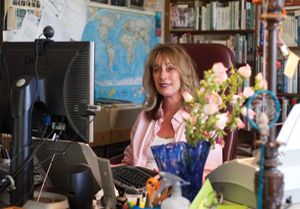 In my Santa Barbara office
With a grin, he whipped it out of my hand and went bounding upstairs to the front door, his sister on his tail.
In my Santa Barbara office
With a grin, he whipped it out of my hand and went bounding upstairs to the front door, his sister on his tail.I didn’t expect much. After all, tomorrow was Christmas. Most of the tree lots would be empty. We’d be lucky to get something with a stump and a top. Three feet tall at best, with broken branches. I cheered myself up with the thought of how wonderful it would smell, and that small trees let you crowd the decorations.
I returned to my office, thinking kind thoughts about my father and wondering whether I was getting a little tight-fisted at the wrong moments myself.
The first inkling the kids were back was a pounding on the outside door downstairs. I ran out of my office. There they stood, balancing a giant seven-foot tree. It was gorgeous, and they carried it in, the glorious aroma wrapping me in a cloud of Christmas cheer. Oh, it was beautiful — a Douglas fir with a hint of blue in the needles and so fresh a thin branch curled around my wrist without breaking.
While we put on Christmas music and decorated, they described arriving at the neighborhood lot just as it was closing. There’d been three trees left. The owner had been offered an unexpected shipment in the morning, and since his sales had been good, he’d taken all of the trees. Now he was quitting, and they could have whichever one they wanted for the biggest bill they had on them.
“The best $20 we ever spent,” my daughter assured me, beaming.
There’s something about a Christmas tree that stands in front of a window, the twinkling lights reflected in the glass. There’s joy and ritual and a promise of Christmases to come. This is one of the reasons we adults work to support our families, whether it’s by writing novels or fixing plumbing or farming the land. We do it for these moments, to be together now and to send them off into the future tomorrow. That’s magic.

With this tale I begin the next series of Rogue Women posts about the holidays, our lives, and our books. May you and yours have a season full of peace and joy.
Do you have any favorite family holiday stories? Please share!
December 12, 2016
SERIOUSLY?
by Chris Goff

On a trip to Israel, I was struck by the idea for my first thriller, DARK WATERS and started taking notes—and started taking notice of things, in a different fashion. What I discovered is that strange is relative and people believe different things. Truth is often a matter of perspective.
For instance, one evening my eleven year old daughter and I headed for the movies. The theater was small, located on the fourth floor of a narrow, tall building wedged in between the grocery store and an office building near Dizengoff Square. Danielle and I climbed the stairs and proceeded to find a seat, only to be surrounded by theater staff. We quickly learned that, unlike the theaters in the U.S. or Europe where you pay for your admission and then choose from the open seating, in Israel, you sit in the seat assigned by your ticket. Once we’d been ushered into our seats, I noticed my daughter growing increasingly agitated.
“What’s wrong,” I whispered.
She tipped her head toward the person sitting next to her: a uniformed soldier, who had his rifle propped between his knees while he made out with his girlfriend.
Hard to believe.
But when my daughter leaned over and whispered to me, I discovered she was worried about something else entirely.
“Mom, do you think they make us sit all clustered together like this so it’s easier to blow us up?”
“No!” Or was it possible? If so, who would have believed it?
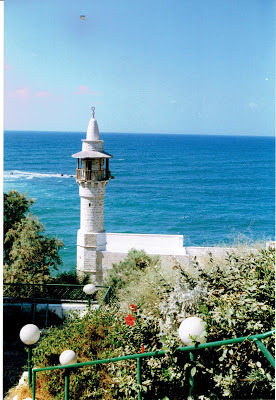 Several weeks later, my daughter and I visited the town of Tiberius, by the Sea of Galilee. Driving down to the water one morning, we saw a red car parked in the open market area. Two men sat in the front seats. The rest of the parking lot was empty, but would soon be teeming with people. I remember saying to my Danielle, “Look at those guys. Do you think they’re up to something?”That night, back in Tel Aviv, we turned on the news to see a picture of the charred remains of the red car. The two men were dead, victims of a suicide bombing, but no one else in the market area was hurt.
Was it a premonition, or had I seen something that tripped me to the idea that the men were up to no good? I say premonition, but I think most people would find it easier to accept the latter. Over the course of eight weeks, there were lots of things we experienced that people might not understand or believe.
One day we took the wrong bus and ended up in a Hasidic community south of Tel Aviv. We weren’t dressed properly, and there was only one taxi in sight. Unfortunately, the cabbie wouldn’t let us into his vehicle for fear we’d contaminate the inside and no one in the community would hire him after that. Men walking with their families spit at us. No one would speak, except for one young girl. She risked shunning in her community to tell us where to catch the northbound bus.Had she taken pity? Or was she protecting her community? Either one could be the truth.The main reason we were in Tel Aviv was to see a doctor to treat my daughter’s blood disorder. The doctor was an alternative healer—a bio energy healer. My daughter’s illness was severe. We were informed by western doctors in the States that we were looking at bone marrow transplants, isolation in ICU, possible chemo therapy treatments. We had an appointments with a hematologist and immunologist two months in the future, but Irene Kaminsky could treat my daughter right away. She held a medical degree from Kiev University, but was also trained in alternative healing methods. She treated Danielle with medications of any kind except for “energy infused” water. Danielle would have “energy treatments” two or three times a week, after which Irene would tell us to watch her for fever, which Danielle would inevitably run. After eight weeks, we returned to the States, went to see the specialists and found out that our daughter was cured. There was no indication of a blood disorder, and it was deemed “a spontaneous recovery.”
I knew that wasn’t the case. I had done extensive research on Danielle’s blood disorder, and I’d seen firsthand the way Irene had helped my daughter. I know that she is the one who healed Danielle. It’s a truth most people find hard to accept.
Fun Fact
 You never know what you’ll discover when doing research. While in Ukraine, researching RED SKY, my book that’s coming out in June, my youngest daughter and I arrived in Kiev and discovered we could take number of fabulous tours. Perhaps the most intriguing was a trip to the front lines. The tour guides provided the flak jacket, helmet, and Humvee, as well as an armed driver. I wanted to go, but saner heads prevailed.
My daughter said, “No, Mom. The answer is no!”
The question is, had we gone and I’d written about it in my book, who would have believed it?

On a trip to Israel, I was struck by the idea for my first thriller, DARK WATERS and started taking notes—and started taking notice of things, in a different fashion. What I discovered is that strange is relative and people believe different things. Truth is often a matter of perspective.
For instance, one evening my eleven year old daughter and I headed for the movies. The theater was small, located on the fourth floor of a narrow, tall building wedged in between the grocery store and an office building near Dizengoff Square. Danielle and I climbed the stairs and proceeded to find a seat, only to be surrounded by theater staff. We quickly learned that, unlike the theaters in the U.S. or Europe where you pay for your admission and then choose from the open seating, in Israel, you sit in the seat assigned by your ticket. Once we’d been ushered into our seats, I noticed my daughter growing increasingly agitated.
“What’s wrong,” I whispered.
She tipped her head toward the person sitting next to her: a uniformed soldier, who had his rifle propped between his knees while he made out with his girlfriend.
Hard to believe.
But when my daughter leaned over and whispered to me, I discovered she was worried about something else entirely.
“Mom, do you think they make us sit all clustered together like this so it’s easier to blow us up?”
“No!” Or was it possible? If so, who would have believed it?
 Several weeks later, my daughter and I visited the town of Tiberius, by the Sea of Galilee. Driving down to the water one morning, we saw a red car parked in the open market area. Two men sat in the front seats. The rest of the parking lot was empty, but would soon be teeming with people. I remember saying to my Danielle, “Look at those guys. Do you think they’re up to something?”That night, back in Tel Aviv, we turned on the news to see a picture of the charred remains of the red car. The two men were dead, victims of a suicide bombing, but no one else in the market area was hurt.
Was it a premonition, or had I seen something that tripped me to the idea that the men were up to no good? I say premonition, but I think most people would find it easier to accept the latter. Over the course of eight weeks, there were lots of things we experienced that people might not understand or believe.
One day we took the wrong bus and ended up in a Hasidic community south of Tel Aviv. We weren’t dressed properly, and there was only one taxi in sight. Unfortunately, the cabbie wouldn’t let us into his vehicle for fear we’d contaminate the inside and no one in the community would hire him after that. Men walking with their families spit at us. No one would speak, except for one young girl. She risked shunning in her community to tell us where to catch the northbound bus.Had she taken pity? Or was she protecting her community? Either one could be the truth.The main reason we were in Tel Aviv was to see a doctor to treat my daughter’s blood disorder. The doctor was an alternative healer—a bio energy healer. My daughter’s illness was severe. We were informed by western doctors in the States that we were looking at bone marrow transplants, isolation in ICU, possible chemo therapy treatments. We had an appointments with a hematologist and immunologist two months in the future, but Irene Kaminsky could treat my daughter right away. She held a medical degree from Kiev University, but was also trained in alternative healing methods. She treated Danielle with medications of any kind except for “energy infused” water. Danielle would have “energy treatments” two or three times a week, after which Irene would tell us to watch her for fever, which Danielle would inevitably run. After eight weeks, we returned to the States, went to see the specialists and found out that our daughter was cured. There was no indication of a blood disorder, and it was deemed “a spontaneous recovery.”
I knew that wasn’t the case. I had done extensive research on Danielle’s blood disorder, and I’d seen firsthand the way Irene had helped my daughter. I know that she is the one who healed Danielle. It’s a truth most people find hard to accept.
Fun Fact
 You never know what you’ll discover when doing research. While in Ukraine, researching RED SKY, my book that’s coming out in June, my youngest daughter and I arrived in Kiev and discovered we could take number of fabulous tours. Perhaps the most intriguing was a trip to the front lines. The tour guides provided the flak jacket, helmet, and Humvee, as well as an armed driver. I wanted to go, but saner heads prevailed.
My daughter said, “No, Mom. The answer is no!”
The question is, had we gone and I’d written about it in my book, who would have believed it?
December 10, 2016
6 RIDICULOUS THINGS THAT CAN'T BE TRUE
by Sonja Stone
CHECK YOUR FACTS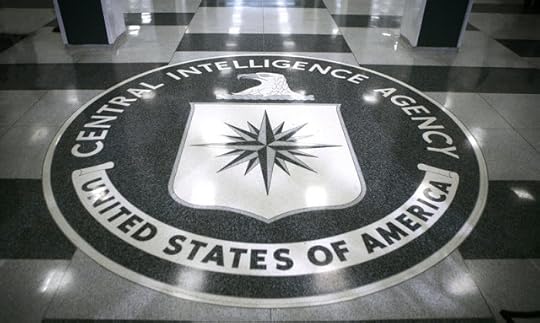 The truth, like sex, is found in shades of grey.
My blog sisters have mentioned in recent days that as fiction writers, we rigorously research our topics before putting pen to paper. If we include a plot point that seems contentious, as responsible writers we do our best to explain to you, our reader, why you should feel comfortable suspending belief. If we fail at this task, our books are subject to the dreaded deus ex machina, aka, a person or thing that suddenly appears in a novel to provide a convenient solution to an insurmountable problem. For example, if my hero kills her would-be assassin in the final scene of my novel by clubbing him over the head with a bronze bust resting on the entryway table, I better have mentioned the bust in act 1. Makes sense, right?
Every so often, I hear a story that’s so outrageous I’m sure it’s a lie. My go-to fact-checking site is snopes.com. They investigate widely circulated internet headlines, well-known rumors, urban legends. More than once I’ve directed a distraught child to snopes to research some horrific story overheard at school (I remember one in particular: something about Spongebob and a butcher knife). Why do I use snopes rather than research the facts on my own? Because I care about the truth, but I’m also very lazy.
HYPERBOLE
On the radio yesterday, I heard an interesting comment issued by Corey Lewandowski, Trump’s former campaign manager. At a Harvard University forum, he said, “You guys took everything Donald Trump said so literally. And the problem with that is the American people didn't. They understood that sometimes when you have a conversation with people, whether it's around the dinner table or it's at the bar, you're going to say something - and maybe you don't have all the facts to back that up.” The journalist reporting the story then described Trump as the first president operating in a “post-factual world.”
Something about this turn-of-phrase struck me. A post-factual world.
JUST THE FACTS, MA'AM. MORE OR LESS.
Not everyone holds themselves to the stringent standards of my sister thriller writers. In fact, not all writers feel beholden to their audience. I often find myself thoroughly agitated while watching certain TV crime shows that feature medical impossibilities (yeah, Criminal Minds, I’m looking at you).
In any case, here’s a recent lineup of snopes.com investigated facts (followed by their verdicts). To read the full stories, go here: www.snopes.com (most of the headlines and descriptions are poached directly from their site. Or plagiarized, if you really want the truth).
1. CIA: Russia Interfered With U.S. ElectionsPoliticians and pundits are calling for further investigation into the matter.
CLAIM: The CIA has determined that Russia interfered in the 2016 election with the express purpose of securing the presidency for Trump.
VERDICT: TRUE
My take: Cyberterrorism is alive and well. How long till someone takes down the grid?
2. Bloods and QuipsAre ‘Blood Type Diets’ Actually Rooted In Any Science?
CLAIM: Diets tailored to one’s specific blood type are capable of reducing myriad ailments, improving digestion, enabling weight loss, and providing increased energy.
VERDICT: UNPROVEN
My take: I, for one, am thrilled that this claim remains unproven, as someone with my blood type should supposedly eat okra, dandelion, and alfalfa sprouts (ugh), and avoid black olives, mushrooms, and peppers (all of which were conspicuously present on the pizza I had for lunch).
3. StoutbucksStarbucks is testing a new ‘beer latte.’
CLAIM: Starbucks is testing a new “beer latte,” designed to mimic the distinctive flavor profile of Guinness.
VERDICT: TRUE
My take: Coffee and beer, what’s not to love? In retrospect, this is pretty obvious. How do you get those coffee house hangers-on to stay through lunch and into happy hour? Serve booze.
4. Topiary Cats The digital artwork of Richard Saunders is often shared with the inaccurate claim that they are “real” topiary cat sculptures.
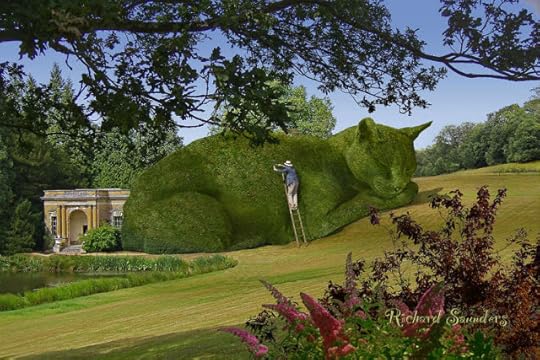 Topiary Cats: as useful as real, live cats.
CLAIM: Images show several large topiary cats created by a retiree and artist named John Brooker.
VERDICT: FALSE
My take: I warned you not to trust cats. (FYI, the images are digital art, not actual topiaries. And created by Richard Saunders, not John Brooker. But it’s nitpicking.)
5. Santa Laws A story that the former Alaska governor called for the boycott after discovering that the mall had hired its first black Santa Claus is a hoax.
CLAIM: Sarah Palin called for a Mall of America boycott over its hiring a black man to play Santa Claus.
VERDICT: FALSE
My take: Yes, the woman hunts wolves from a chopper. That doesn’t mean she’s racist.
6. Lord of the DonutsAn image purportedly showing a donut with “Muslim writing” on it actually depicts a pastry with Orkish writing in frosting.
 Orkish, not Arabic. I know, I know. Potato, potahto.
CLAIM: A photograph shows a donut with “Muslim writing” on it.
VERDICT: FALSE
(As an aside, apparently this translates to: One Ring to rule them all, One Ring to find them, One Ring to bring them all and in the darkness bind them.)
My take: Delicious pastries AND J.R.R. Tolkien? Sign me up!
There you have it.
This is Sonja Stone, reporting from our Post-Factual World.
What’s your favorite fake headline? Have you ever heard a story you knew to be false, but later found out was true? Leave your thoughts in the comments below.
PHOTO CREDITS:CIA image: Brooks Kraft/Corbis via Getty ImagesAll others: from snopes.com
CHECK YOUR FACTS
 The truth, like sex, is found in shades of grey.
My blog sisters have mentioned in recent days that as fiction writers, we rigorously research our topics before putting pen to paper. If we include a plot point that seems contentious, as responsible writers we do our best to explain to you, our reader, why you should feel comfortable suspending belief. If we fail at this task, our books are subject to the dreaded deus ex machina, aka, a person or thing that suddenly appears in a novel to provide a convenient solution to an insurmountable problem. For example, if my hero kills her would-be assassin in the final scene of my novel by clubbing him over the head with a bronze bust resting on the entryway table, I better have mentioned the bust in act 1. Makes sense, right?
Every so often, I hear a story that’s so outrageous I’m sure it’s a lie. My go-to fact-checking site is snopes.com. They investigate widely circulated internet headlines, well-known rumors, urban legends. More than once I’ve directed a distraught child to snopes to research some horrific story overheard at school (I remember one in particular: something about Spongebob and a butcher knife). Why do I use snopes rather than research the facts on my own? Because I care about the truth, but I’m also very lazy.
HYPERBOLE
On the radio yesterday, I heard an interesting comment issued by Corey Lewandowski, Trump’s former campaign manager. At a Harvard University forum, he said, “You guys took everything Donald Trump said so literally. And the problem with that is the American people didn't. They understood that sometimes when you have a conversation with people, whether it's around the dinner table or it's at the bar, you're going to say something - and maybe you don't have all the facts to back that up.” The journalist reporting the story then described Trump as the first president operating in a “post-factual world.”
Something about this turn-of-phrase struck me. A post-factual world.
JUST THE FACTS, MA'AM. MORE OR LESS.
Not everyone holds themselves to the stringent standards of my sister thriller writers. In fact, not all writers feel beholden to their audience. I often find myself thoroughly agitated while watching certain TV crime shows that feature medical impossibilities (yeah, Criminal Minds, I’m looking at you).
In any case, here’s a recent lineup of snopes.com investigated facts (followed by their verdicts). To read the full stories, go here: www.snopes.com (most of the headlines and descriptions are poached directly from their site. Or plagiarized, if you really want the truth).
1. CIA: Russia Interfered With U.S. ElectionsPoliticians and pundits are calling for further investigation into the matter.
CLAIM: The CIA has determined that Russia interfered in the 2016 election with the express purpose of securing the presidency for Trump.
VERDICT: TRUE
My take: Cyberterrorism is alive and well. How long till someone takes down the grid?
2. Bloods and QuipsAre ‘Blood Type Diets’ Actually Rooted In Any Science?
CLAIM: Diets tailored to one’s specific blood type are capable of reducing myriad ailments, improving digestion, enabling weight loss, and providing increased energy.
VERDICT: UNPROVEN
My take: I, for one, am thrilled that this claim remains unproven, as someone with my blood type should supposedly eat okra, dandelion, and alfalfa sprouts (ugh), and avoid black olives, mushrooms, and peppers (all of which were conspicuously present on the pizza I had for lunch).
3. StoutbucksStarbucks is testing a new ‘beer latte.’
CLAIM: Starbucks is testing a new “beer latte,” designed to mimic the distinctive flavor profile of Guinness.
VERDICT: TRUE
My take: Coffee and beer, what’s not to love? In retrospect, this is pretty obvious. How do you get those coffee house hangers-on to stay through lunch and into happy hour? Serve booze.
4. Topiary Cats The digital artwork of Richard Saunders is often shared with the inaccurate claim that they are “real” topiary cat sculptures.
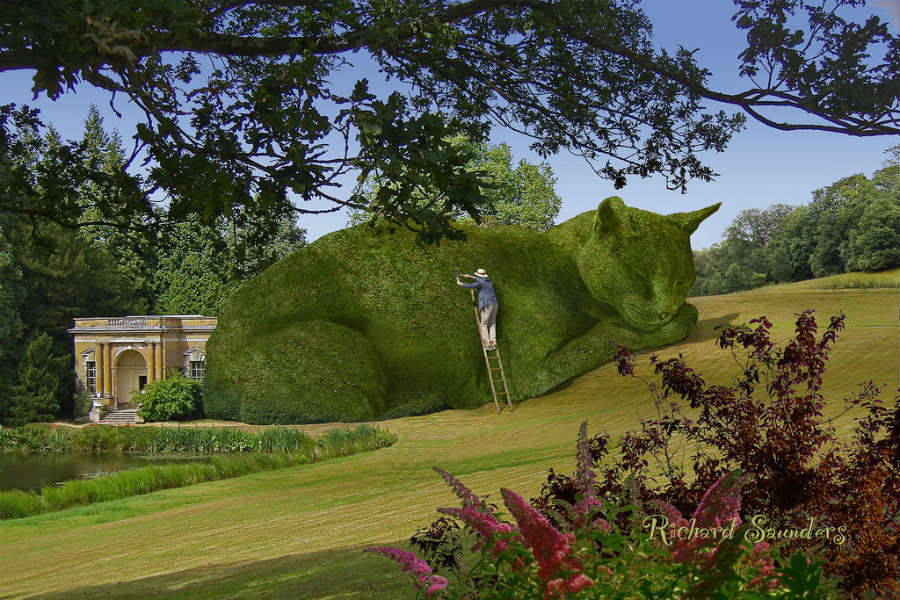 Topiary Cats: as useful as real, live cats.
CLAIM: Images show several large topiary cats created by a retiree and artist named John Brooker.
VERDICT: FALSE
My take: I warned you not to trust cats. (FYI, the images are digital art, not actual topiaries. And created by Richard Saunders, not John Brooker. But it’s nitpicking.)
5. Santa Laws A story that the former Alaska governor called for the boycott after discovering that the mall had hired its first black Santa Claus is a hoax.
CLAIM: Sarah Palin called for a Mall of America boycott over its hiring a black man to play Santa Claus.
VERDICT: FALSE
My take: Yes, the woman hunts wolves from a chopper. That doesn’t mean she’s racist.
6. Lord of the DonutsAn image purportedly showing a donut with “Muslim writing” on it actually depicts a pastry with Orkish writing in frosting.
 Orkish, not Arabic. I know, I know. Potato, potahto.
CLAIM: A photograph shows a donut with “Muslim writing” on it.
VERDICT: FALSE
(As an aside, apparently this translates to: One Ring to rule them all, One Ring to find them, One Ring to bring them all and in the darkness bind them.)
My take: Delicious pastries AND J.R.R. Tolkien? Sign me up!
There you have it.
This is Sonja Stone, reporting from our Post-Factual World.
What’s your favorite fake headline? Have you ever heard a story you knew to be false, but later found out was true? Leave your thoughts in the comments below.
PHOTO CREDITS:CIA image: Brooks Kraft/Corbis via Getty ImagesAll others: from snopes.com
December 9, 2016
THE TRUTH ABOUT WOMEN: THEY'RE STRANGER IN FICTION
By Francine Mathews
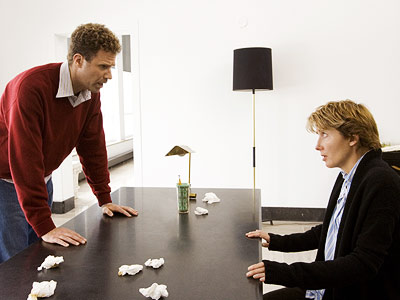
One of my all-time favorite movies is Stranger Than Fiction. Will Thompson plays an IRS auditor who wakes up one day to the truth that he is in fact a character in a book being written by Emma Thompson--and that, as she constructs her plot, he both loses control of his life and regains his personal freedom. Not everyone liked the film, but I LOVED it. Maybe because in the course of writing each of my books, I've experienced the curious phenomenon of my characters seizing control of the plot. Once they begin to speak, they become individuals who cannot be manipulated, no matter what roles I've designated for them on paper. They chart their separate courses, and if those journeys happen to align with the aims of my novel, I feel exquisite relief. This is a curious alchemy between writer and subject that I ascribe to the Creative Process, which no one entirely designs or controls. Whenever I start a book, I embark along with the people I've thought into being. We're fellow travelers. If we end up in the same chapter, that's all to the good.
But in Stranger Than Fiction, the reverse is true: Emma Thompson becomes God in Will Farrell's life, with such pervasive force that she ultimately decides whether he lives or dies. The fact that he tracks her down to plead for survival (see picture above) only makes her artistic dilemma more fraught. We know he has finally reached her when she actually hands him her manuscript so that he can read the end.
As a writer, I've faced similar issues. I've received hate mail in the past when I've killed off a beloved character. Explaining to my readers that the character himself made the decision to go, rarely helps. Obviously, that answer tells them that he was as alive in my mind as he was in theirs. Such an admission is fatal. It implies that fiction is TRUTH. Suggesting the character acted out of free will only makes me a more arbitrary and coldblooded killer.
In Don Juan, written in 1823, George Gordon, Lord Byron, wrote that:
' Tis strange - but true; for truth is always strange;
Stranger than fiction; if it could be told,
How much would novels gain by the exchange!
How differently the world would men behold!
How oft would vice and virtue places change!
The new world would be nothing to the old,
If some Columbus of the moral seas
Would show mankind their souls' antipodes.
Later, Mark Twain and W. Somerset Maugham would embroider on the same idea, as would Albert Einstein. Great minds think in similar quotes. But sometimes, they're all wrong. I come up against this nine times out of ten when I encounter a female character in a book or movie: They're nothing like the women I know or am; they never behave as we would. Invariably, women are stranger in fiction.
For instance: In my four years of training and employment as an intelligence analyst at the CIA, I was never ordered to sleep with an enemy agent. It wasn't part of the protocol. It wasn't why I was hired. This is shocking, I know. Most women who slink through spy stories are no sooner stripped of their firearm by a powerful male than they are swooning in his arms. (I except all of the characters in Zero Dark Thirty from this rule; it does not apply to women who run operational bases or dispatch Seal Team Six.) Moreover, I frequently experienced such hours of sheer boredom while dutifully employed at Langley that I ran screaming to Tysons Corner on my lunch hour to buy lipstick or browse the seasonal sales. Contrary to popular belief, the world is not about to end each day, and one woman alone cannot save it.
Similarly, when I worked as a news reporter for the Miami Herald and the San Jose Mercury News, I was never tempted to embark on an affair with a Source, as Kate Mara's character, Zoe Barnes, does in House of Cards. The fact that she is eventually pushed in front of a Metro train by her Machiavellian lover, Frank Underwood, who eventually becomes President of the United States, is no solace. Male news reporters--Woodward and Bernstein in All The President's Men come to mind--are invariably presented as driven professionals with ethics and integrity for which they'd willingly go to jail. Female reporters seem to lack so many skills that it's simply easier to trade sex for information. This is patently false and infinitely destructive to the public view of news reporting, as any journalist who happens to be a woman will tell you. Recently, in this year's revival of Gilmore Girls, a similar lament was raised among women reporters when Rory Gilmore--whose girlhood dream in the original series was to become a journalist--ends up, you guessed it, sleeping with her Source. Because when you're a romantic young soul sister, professional ethics fly out the window.
And finally, the Maggie Gyllenhaal test.
Gyllenhaal--who has a great supporting role in Stranger Than Fiction, by the way--has said that whenever she reads a script, she pays immediate attention to how the female character is introduced. There's an underlying trope in screenwriting, it seems, that every actor recognizes. Male leads may be introduced as lean and intense, focused or with an expression of obvious intelligence; they may be described as world-weary, cynical, waiting for a reason to hope--in other words, they're framed as individuals with a psychological and emotional presence. Sometimes they may also be described as "fit," or "ripped" or "ruggedly handsome," if the intent is to cast a romantic lead. But women....Female characters are all too often dropped into the script with a variation on this theme: "Wet from the shower, she is trailing through the penthouse with a towel loosely draped around her hips, her wet hair shrouding her bare breasts...She is mid-twenties, lithe, a yoga instructor with a wickedly knowing smile..." And then there's the casting problem: A young woman in her mid-twenties is usually paired with a guy in his late forties or fifties. Because everyone in Hollywood, male and female, apparently has a Daddy Complex.
Maggie says as soon as she flags this sort of intro, she tosses the script in the trash. It can offer her nothing of truth, and everything of strange fiction.
I leave you with my favorite photo essay of the year: Outdoor Research's spoof of a casually sexist GQ photoshoot of star rockclimbers, adored by winsome models, this past September.
Women. They're stranger in fiction.
Cheers,
Francine
December 6, 2016
Truth is Stranger than Fiction: Fake News, Facts and Writing
All Truths Are Easy To Understand Once They Are Discovered; The Point Is To Discover Them. Gallileo Galileiby Jamie Freveletti
We're talking about story premises or facts that are true, yet so strange that an author is unable to use them in their novel for fear that their readers will be unable to suspend their disbelief enough to read the story. I've come across many facts like these, but, sadly, with the onslaught of Fake News on the internet, many of the previously unbelievable truths can now be written about in a novel.
We've always had Fake News and unbelievable stories--just consider the tabloid newspapers that our parents and grandparents laughed at in the checkout aisle, or the use of propaganda by governments to sway the populace. All of this is fake news.The difference now is that there are masses of people creating these stories and throwing them on the internet in order to obtain money-each click and they get paid. Unlike the tabloids, the clickbait Fake News doesn't require you, the reader, to actually purchase the tabloid in order for the newspaper to make money, it only requires you to click it. And hence, the problem. As we've all heard time and time again: follow the money and you'll find the true source (in the case of fake news, figure out the angle of the person creating it-what do they want to gain?)
The answer both to fighting the Fake News phenomenon and using true- but- wild- information in a story is the same: you need to educate the reader before you hit them with the truth. For example, a disease exists that makes one suddenly fall asleep for weeks on end.The victims fall into a type of coma, yet come back awake spontaneously.This disease may have been the basis for the Sleeping Beauty folktale. It has no cure, is rare, and puzzles scientists. I used it in my fourth novel, DEAD ASLEEP. Before launching into the disease, though, I wrote in a character who is a scientist and who explains to the protagonist that the disease exists. This way the reader learns from the scientist just as I did as the author or the protagonist does.
Some things, though, a reader will not forgive, even if the fact is actually true. I read with interest this week's story about the man who bought into a fake news story regarding a restaurant in DC running a child sex ring. I had to hand it to the writers of this fake news, they managed to get a lot of people to click their story, repeat it, and try to sell it to the rest of the country as true.Then, one gullible man actually went to DC to "self-investigate" the bogus story. With a gun. To a pizza place. Looking for alleged underground tunnels.
I can't even tell you how many incredulous emails from readers I would have gotten had I written that in a book. You know what they would say? Something like this: "Really? Why didn't the protagonist simply call the DC police with his concerns and ask them to investigate? Or the FBI?"
I call this the "turn on the light" phenomenon. How many horror movies have you seen where the heroine heads into a dark room where she can't see the monster lurking? Don't you want to yell "turn on the lights!" at the television screen? It's the same thing as the question above. Protagonists can do wacky or stupid things, but you'd better set the stage beforehand or you'll be caught out writing something stereotypical and you'll lose the reader. And once you've lost the reader you'll be hard pressed to get them back again.
If you like this post click here to subscribe!
We're talking about story premises or facts that are true, yet so strange that an author is unable to use them in their novel for fear that their readers will be unable to suspend their disbelief enough to read the story. I've come across many facts like these, but, sadly, with the onslaught of Fake News on the internet, many of the previously unbelievable truths can now be written about in a novel.
We've always had Fake News and unbelievable stories--just consider the tabloid newspapers that our parents and grandparents laughed at in the checkout aisle, or the use of propaganda by governments to sway the populace. All of this is fake news.The difference now is that there are masses of people creating these stories and throwing them on the internet in order to obtain money-each click and they get paid. Unlike the tabloids, the clickbait Fake News doesn't require you, the reader, to actually purchase the tabloid in order for the newspaper to make money, it only requires you to click it. And hence, the problem. As we've all heard time and time again: follow the money and you'll find the true source (in the case of fake news, figure out the angle of the person creating it-what do they want to gain?)
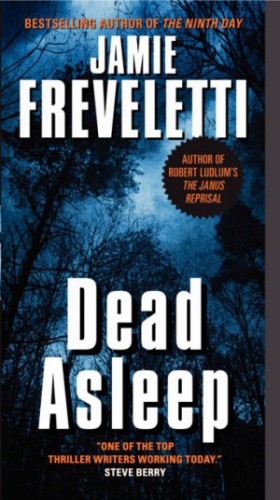
The answer both to fighting the Fake News phenomenon and using true- but- wild- information in a story is the same: you need to educate the reader before you hit them with the truth. For example, a disease exists that makes one suddenly fall asleep for weeks on end.The victims fall into a type of coma, yet come back awake spontaneously.This disease may have been the basis for the Sleeping Beauty folktale. It has no cure, is rare, and puzzles scientists. I used it in my fourth novel, DEAD ASLEEP. Before launching into the disease, though, I wrote in a character who is a scientist and who explains to the protagonist that the disease exists. This way the reader learns from the scientist just as I did as the author or the protagonist does.
Some things, though, a reader will not forgive, even if the fact is actually true. I read with interest this week's story about the man who bought into a fake news story regarding a restaurant in DC running a child sex ring. I had to hand it to the writers of this fake news, they managed to get a lot of people to click their story, repeat it, and try to sell it to the rest of the country as true.Then, one gullible man actually went to DC to "self-investigate" the bogus story. With a gun. To a pizza place. Looking for alleged underground tunnels.
I can't even tell you how many incredulous emails from readers I would have gotten had I written that in a book. You know what they would say? Something like this: "Really? Why didn't the protagonist simply call the DC police with his concerns and ask them to investigate? Or the FBI?"
I call this the "turn on the light" phenomenon. How many horror movies have you seen where the heroine heads into a dark room where she can't see the monster lurking? Don't you want to yell "turn on the lights!" at the television screen? It's the same thing as the question above. Protagonists can do wacky or stupid things, but you'd better set the stage beforehand or you'll be caught out writing something stereotypical and you'll lose the reader. And once you've lost the reader you'll be hard pressed to get them back again.
If you like this post click here to subscribe!
December 4, 2016
Welcome Our Guest: Alexandra Sokoloff
Invited by Karna Small Bodman . . .
I am delighted to welcome Bestselling and Award-winning Author Alexandra ("Alex") Sokoloff as our guest blogger. We all know Alex as a member of International Thriller Writers where she was nominated for the Thriller Award. We love her supernatural, paranormal and crime thrillers which The New York Times has called, "some of the most original and freshly unnerving work in the genre."
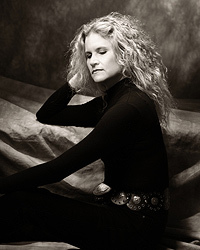 Alexandra Sokoloff
A multi-talented young woman, she majored in theater at U.C. Berkeley and wrote, directed and acted in productions from Shakespeare to street theater and later worked as a screen writer, selling suspense and horror scripts to Sony, Fox, Disney, Miramax and penned a terrific "how-to" manual in textbook format for aspiring screenwriters titled Stealing Hollywood.
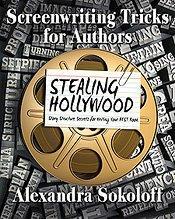 Today Alex tells us about the extensive research she does when penning her great novels:
"I love research as a discussion topic – it’s my second favorite part of writing a book (the best part, of course, is FINISHING a book).
There are two kinds of research I’m doing all the time.
One kind is very specific to the particular book I’m writing - which always includes going to key locations of the book to get a sensory feel for the place and the people who live there, so I can give my readers the real sense of the place. My Huntress Moon thrillers are an FBI procedural series, and
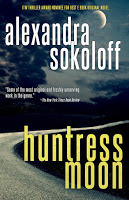 my agents are constantly working with other law enforcement agencies, so I need to do interviews and reading about how particular investigations would play out, both within the FBI and in collaboration with local agencies.
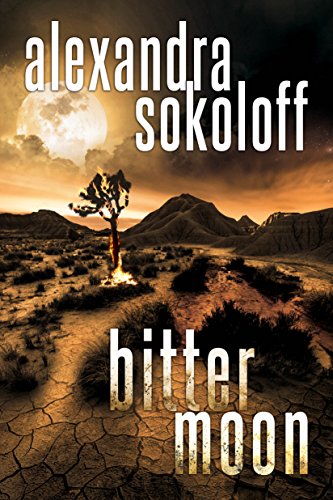
The other kind is a more general research into topics that are part of my personal thematic DNA as an author. I’m always reading broadly about forensics, criminal psychology, paranormal experiences (I have several standalone supernatural thrillers, too…), theories of evil. I’ve been researching all of these subjects for pretty much all of my adult life. And you never know when all that random reading is going to turn up story gold. I have tons of examples, but one particular nugget has turned into a five-book series , which I’m also developing for television.
Here’s how that happened.
I worked as a screenwriter for eleven years before I snapped and wrote my first novel, and in that time I worked on several film projects featuring serial killers. (Hollywood loves its serial killers…) One of my core themes as a writer is “What can good people do about the evil in the world?” – and as far as I’m concerned, serial killers are an embodiment of evil. So for several years I was doing targeted research into the subject every way I could think of besides actually putting myself in a room with one of these monsters. I tracked down the FBI’s behavioral science textbook before it was ever available to the public. I stalked psychological profilers at writing conventions and grilled them about various real life examples. I went to forensics classes and law enforcement training workshops, including Lee Lofland’s excellent Writers Police Academy.
And while I was doing all that research, one fact really jumped out at me about serial killers. They’re men. Women don’t do it. Women kill, and sometimes they kill in numbers (especially killing lovers or husbands for money – the “Black Widow” killer; or killing patients in hospitals or nursing homes: the “Angel of Death”) — but the psychology of those killers is totally different from the men who commit serial sexual homicide. Sexual homicide is about abduction, rape, torture and murder for the killer’s own sexual gratification.
I have a real problem with the way most authors portray serial killers - because it’s so incredibly dishonest. They romanticize and poeticize serial killers – portraying them as evil geniuses that play elaborate cat and mouse games with detectives and law enforcement agencies. Yeah, right. These men are not geniuses. They don’t leave poems at crime scenes or arrange their victim’s bodies in tableaux corresponding to scenes of great art or literature. They are vicious rapists who brutalize their victims because the agony of those victims gets the killer off, and a large number of them continue to have sex with the corpses of their victims because they are that addicted to absolute control and possession.
I know, I know – you’re going to bring up Aileen Wuornos, “America’s only female serial killer.” But I’ve questioned every profiler I’ve ever interviewed about exactly this, and they’ve all said the same thing: Wuornos was not committing sexual homicide; she was a spree killer with a vigilante motivation. (I write about her case, and the psychology of other real life mass killers, in the Huntress Moon series.)
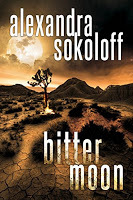
I find that psychological and sociological distinction fascinating.
So this fact, gleaned from research – that women don’t kill this way, has always been at the back of my mind while I’ve been writing other books and scripts. And finally it clicked how I could take that fact and build a series around it.
Because – also for years – I’m becomes so sick of reading crime novels and seeing movies and TV shows about women being raped, tortured, mutilated and murdered.
I’m not too happy about it happening in real life, either.
I do get that one reason novels and film and TV so often depict women as victims is that it’s the stark reality. Since the beginning of time, women haven’t been the predators — we’re the prey. But after all those years (centuries, millennia) of women being victims of the most heinous crimes out there… wouldn’t you think that someone would finally say — “Enough”?
And maybe even strike back?
Well, that’s a story, isn’t it?
So then I had my series through line. The Huntress Moon books turn the tables. The books follow a haunted FBI agent on the hunt for what he thinks may be a female serial killer, who kills men – lots of men. As a former profiler Agent Roarke knows that women don’t kill like this.
And the tension and mystery of that: Who is this killer, what is she really doing? – is what pulls both my agent/detective and my readers in.
It took me YEARS to figure out how to do that right. But it’s by far the most satisfying writing I’ve done in my life.
So do your research. Dig. You never know when you’re going to strike it big."
- Alexandra SokoloffAnd Alex tells us there is a special sale going on right now - check this out:
US Amazon Prime members can currently read HUNTRESS MOON for free: https://www.amazon.com/Huntress-Moon-FBI-Thrillers-Book-ebook/dp/B00NKTTDH4Thanks to Alexandra Sokoloff for being with us today. Leave her a comment below about her extensive research and great stories......Karna Small Bodman
I am delighted to welcome Bestselling and Award-winning Author Alexandra ("Alex") Sokoloff as our guest blogger. We all know Alex as a member of International Thriller Writers where she was nominated for the Thriller Award. We love her supernatural, paranormal and crime thrillers which The New York Times has called, "some of the most original and freshly unnerving work in the genre."
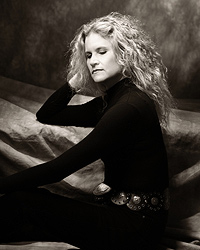 Alexandra Sokoloff
A multi-talented young woman, she majored in theater at U.C. Berkeley and wrote, directed and acted in productions from Shakespeare to street theater and later worked as a screen writer, selling suspense and horror scripts to Sony, Fox, Disney, Miramax and penned a terrific "how-to" manual in textbook format for aspiring screenwriters titled Stealing Hollywood.
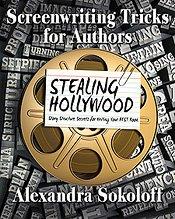 Today Alex tells us about the extensive research she does when penning her great novels:
"I love research as a discussion topic – it’s my second favorite part of writing a book (the best part, of course, is FINISHING a book).
There are two kinds of research I’m doing all the time.
One kind is very specific to the particular book I’m writing - which always includes going to key locations of the book to get a sensory feel for the place and the people who live there, so I can give my readers the real sense of the place. My Huntress Moon thrillers are an FBI procedural series, and
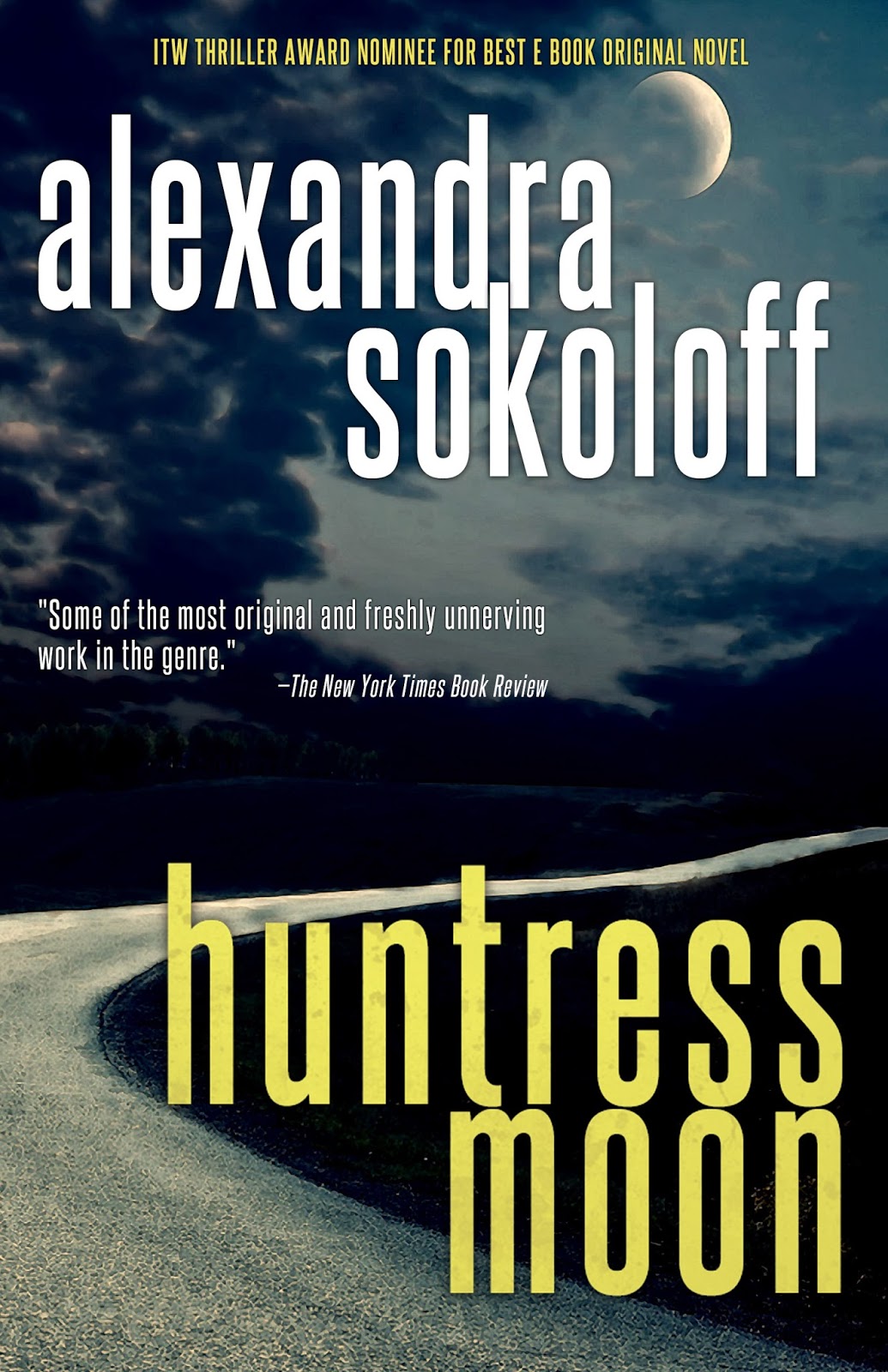 my agents are constantly working with other law enforcement agencies, so I need to do interviews and reading about how particular investigations would play out, both within the FBI and in collaboration with local agencies.
The other kind is a more general research into topics that are part of my personal thematic DNA as an author. I’m always reading broadly about forensics, criminal psychology, paranormal experiences (I have several standalone supernatural thrillers, too…), theories of evil. I’ve been researching all of these subjects for pretty much all of my adult life. And you never know when all that random reading is going to turn up story gold. I have tons of examples, but one particular nugget has turned into a five-book series , which I’m also developing for television.
Here’s how that happened.
I worked as a screenwriter for eleven years before I snapped and wrote my first novel, and in that time I worked on several film projects featuring serial killers. (Hollywood loves its serial killers…) One of my core themes as a writer is “What can good people do about the evil in the world?” – and as far as I’m concerned, serial killers are an embodiment of evil. So for several years I was doing targeted research into the subject every way I could think of besides actually putting myself in a room with one of these monsters. I tracked down the FBI’s behavioral science textbook before it was ever available to the public. I stalked psychological profilers at writing conventions and grilled them about various real life examples. I went to forensics classes and law enforcement training workshops, including Lee Lofland’s excellent Writers Police Academy.
And while I was doing all that research, one fact really jumped out at me about serial killers. They’re men. Women don’t do it. Women kill, and sometimes they kill in numbers (especially killing lovers or husbands for money – the “Black Widow” killer; or killing patients in hospitals or nursing homes: the “Angel of Death”) — but the psychology of those killers is totally different from the men who commit serial sexual homicide. Sexual homicide is about abduction, rape, torture and murder for the killer’s own sexual gratification.
I have a real problem with the way most authors portray serial killers - because it’s so incredibly dishonest. They romanticize and poeticize serial killers – portraying them as evil geniuses that play elaborate cat and mouse games with detectives and law enforcement agencies. Yeah, right. These men are not geniuses. They don’t leave poems at crime scenes or arrange their victim’s bodies in tableaux corresponding to scenes of great art or literature. They are vicious rapists who brutalize their victims because the agony of those victims gets the killer off, and a large number of them continue to have sex with the corpses of their victims because they are that addicted to absolute control and possession.
I know, I know – you’re going to bring up Aileen Wuornos, “America’s only female serial killer.” But I’ve questioned every profiler I’ve ever interviewed about exactly this, and they’ve all said the same thing: Wuornos was not committing sexual homicide; she was a spree killer with a vigilante motivation. (I write about her case, and the psychology of other real life mass killers, in the Huntress Moon series.)
I find that psychological and sociological distinction fascinating.
So this fact, gleaned from research – that women don’t kill this way, has always been at the back of my mind while I’ve been writing other books and scripts. And finally it clicked how I could take that fact and build a series around it.
Because – also for years – I’m becomes so sick of reading crime novels and seeing movies and TV shows about women being raped, tortured, mutilated and murdered.
I’m not too happy about it happening in real life, either.
I do get that one reason novels and film and TV so often depict women as victims is that it’s the stark reality. Since the beginning of time, women haven’t been the predators — we’re the prey. But after all those years (centuries, millennia) of women being victims of the most heinous crimes out there… wouldn’t you think that someone would finally say — “Enough”?
And maybe even strike back?
Well, that’s a story, isn’t it?
So then I had my series through line. The Huntress Moon books turn the tables. The books follow a haunted FBI agent on the hunt for what he thinks may be a female serial killer, who kills men – lots of men. As a former profiler Agent Roarke knows that women don’t kill like this.
And the tension and mystery of that: Who is this killer, what is she really doing? – is what pulls both my agent/detective and my readers in.
It took me YEARS to figure out how to do that right. But it’s by far the most satisfying writing I’ve done in my life.
So do your research. Dig. You never know when you’re going to strike it big."
- Alexandra SokoloffAnd Alex tells us there is a special sale going on right now - check this out:
US Amazon Prime members can currently read HUNTRESS MOON for free: https://www.amazon.com/Huntress-Moon-FBI-Thrillers-Book-ebook/dp/B00NKTTDH4Thanks to Alexandra Sokoloff for being with us today. Leave her a comment below about her extensive research and great stories......Karna Small Bodman
December 3, 2016
KIDNAPPING: FACT VS. FICTION
by KJ Howe
I equate kidnapping to purgatory. When you're a captive, you're alive, but you're not really living. You have no freedom to do as you wish, you can't work towards your life goals or have any real life at all--you are at the mercy of others for absolutely everything. The reality is you need to find a way to endure the hardships of captivity, to combat the uncertainty and boredom, get through the days, weeks, and potentially years until you are finally freed. That takes great patience, strength of character, and determination.
This week's theme involves truth vs. fiction. Many literary experts expound that truth can be stranger than fiction, and to make fiction believable, one has to offer a logical reason for events. As the following two actual kidnapping cases demonstrate, sometimes there is no logic, no easy explanation for actual human behaviour.
John Paul Getty III
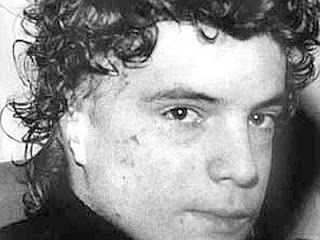 Getty Oil is an American-based company with operations across the world. J. Paul Getty III grew up in Rome in the 1960's, a rebellious young man who was expelled from his private school. His life changed instantly on July 10, 1973 when he was kidnapped.
Beware the boy who cried wolf. JPG III had often joked that he should kidnap himself for financial reasons, so when the 17 million dollar ransom demand came in, many relatives scoffed at it, thinking it had all been staged. The kidnappers sent another demand, but the Italian postal service went on strike and delayed its arrival. After several weeks, the family asked the patriarch, J. Paul for the ransom, but he refused, worried that paying it could endanger his other grandchildren, make them targets.
Frustrated, the kidnappers send a lock of JPG III's hair and his severed ear, demanding a ransom of 3 million dollars along with a note that threatened to send the rebellious young man back to his family piece by piece. J. Paul finally agreed to pay--but only agreed to send 2 million dollars, the amount that was tax deductible. And he would only loan the money, expecting repayment with interest.
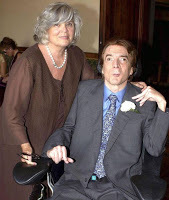
JPG III was finally released the week before Christmas. Of the dozen kidnappers who were hiding him, only two were ever convicted. JPG III had reconstructive surgery on his missing ear. But the experience scarred the young man forever. In the early 1980's, he was disabled as a result of a drug overdose, and he remained in poor health until he died in 2011.
He came from a wealthy family, became a target as a result. But when he was taken, no one believed it, and then no one wanted to part with the money. Only in extreme circumstances did he finally come home, but by then his life had been forever altered. Could a fiction writer get away with a story like this or would it be too incredulous?
Patty Hearst
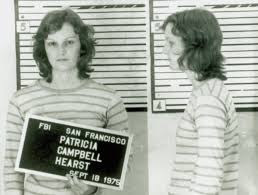 The granddaughter of William Randolph Hearst, a newspaper magnate, Patty was kidnapped from the apartment she shared with her fiancee when she was nineteen in February 1974. Her kidnappers belonged to the Symbionese Liberation Army. The term symbionese refers to symbiosis, living together in interdependence and harmony--ironic, given the circumstances. The SLA wanted to trade Patty for the freedom of certain jailed SLA members. When this failed, they demanded that the Hearst family donate hundreds of millions of dollars of food to the needy in California.
Patty's family immediately donated 6 million dollars to groups that fed the poor in the Bay area. But the SLA refused to release Patty because they felt the food was of inferior quality. Fast forward to April 1974, when the SLA release a tape featuring Patty denouncing her former western values and capitalism. She had now joined this militant group, and took on the name of "Tania" after the name of Che Guevara's comrade Tamara Bunke.
Later that month, Patty was caught on security footage participating in an SLA bank robbery in Los Angeles. The heiress toted an M-1 carbine while shouting orders at bank customers who were now her captives. After a shootout and a police siege leading to the death of many SLA members, Patty was arrested in the fall of 1975 along with several comrades. She served twenty one months of a seven year sentence. President Jimmy Carter commuted her sentence, and in 2001, she received a full pardon from President Bill Clinton.
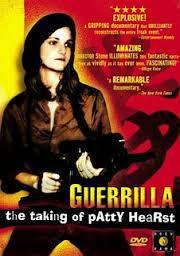 This case is a prime example of Stockholm Syndrome, where captives develop trust, affection, and empathy for their kidnappers. But would this story be believable to you as a reader? Could you imagine that an heiress with the world at her fingertips would turn on this gilded world to become a revolutionary in a few short months?
Hollywood even made a movie about Patty's experience.
There are countless true stories of kidnappings that really stretch our imagination. But in fiction, are we hemmed in by tighter standards? Only the reader can be the judge.
I equate kidnapping to purgatory. When you're a captive, you're alive, but you're not really living. You have no freedom to do as you wish, you can't work towards your life goals or have any real life at all--you are at the mercy of others for absolutely everything. The reality is you need to find a way to endure the hardships of captivity, to combat the uncertainty and boredom, get through the days, weeks, and potentially years until you are finally freed. That takes great patience, strength of character, and determination.
This week's theme involves truth vs. fiction. Many literary experts expound that truth can be stranger than fiction, and to make fiction believable, one has to offer a logical reason for events. As the following two actual kidnapping cases demonstrate, sometimes there is no logic, no easy explanation for actual human behaviour.
John Paul Getty III
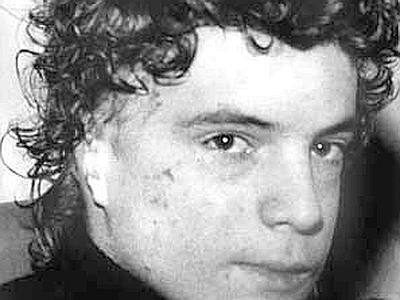 Getty Oil is an American-based company with operations across the world. J. Paul Getty III grew up in Rome in the 1960's, a rebellious young man who was expelled from his private school. His life changed instantly on July 10, 1973 when he was kidnapped.
 Beware the boy who cried wolf. JPG III had often joked that he should kidnap himself for financial reasons, so when the 17 million dollar ransom demand came in, many relatives scoffed at it, thinking it had all been staged. The kidnappers sent another demand, but the Italian postal service went on strike and delayed its arrival. After several weeks, the family asked the patriarch, J. Paul for the ransom, but he refused, worried that paying it could endanger his other grandchildren, make them targets.
Frustrated, the kidnappers send a lock of JPG III's hair and his severed ear, demanding a ransom of 3 million dollars along with a note that threatened to send the rebellious young man back to his family piece by piece. J. Paul finally agreed to pay--but only agreed to send 2 million dollars, the amount that was tax deductible. And he would only loan the money, expecting repayment with interest.

JPG III was finally released the week before Christmas. Of the dozen kidnappers who were hiding him, only two were ever convicted. JPG III had reconstructive surgery on his missing ear. But the experience scarred the young man forever. In the early 1980's, he was disabled as a result of a drug overdose, and he remained in poor health until he died in 2011.
He came from a wealthy family, became a target as a result. But when he was taken, no one believed it, and then no one wanted to part with the money. Only in extreme circumstances did he finally come home, but by then his life had been forever altered. Could a fiction writer get away with a story like this or would it be too incredulous?
Patty Hearst
 The granddaughter of William Randolph Hearst, a newspaper magnate, Patty was kidnapped from the apartment she shared with her fiancee when she was nineteen in February 1974. Her kidnappers belonged to the Symbionese Liberation Army. The term symbionese refers to symbiosis, living together in interdependence and harmony--ironic, given the circumstances. The SLA wanted to trade Patty for the freedom of certain jailed SLA members. When this failed, they demanded that the Hearst family donate hundreds of millions of dollars of food to the needy in California.
Patty's family immediately donated 6 million dollars to groups that fed the poor in the Bay area. But the SLA refused to release Patty because they felt the food was of inferior quality. Fast forward to April 1974, when the SLA release a tape featuring Patty denouncing her former western values and capitalism. She had now joined this militant group, and took on the name of "Tania" after the name of Che Guevara's comrade Tamara Bunke.
Later that month, Patty was caught on security footage participating in an SLA bank robbery in Los Angeles. The heiress toted an M-1 carbine while shouting orders at bank customers who were now her captives. After a shootout and a police siege leading to the death of many SLA members, Patty was arrested in the fall of 1975 along with several comrades. She served twenty one months of a seven year sentence. President Jimmy Carter commuted her sentence, and in 2001, she received a full pardon from President Bill Clinton.
 This case is a prime example of Stockholm Syndrome, where captives develop trust, affection, and empathy for their kidnappers. But would this story be believable to you as a reader? Could you imagine that an heiress with the world at her fingertips would turn on this gilded world to become a revolutionary in a few short months?
 Hollywood even made a movie about Patty's experience.
There are countless true stories of kidnappings that really stretch our imagination. But in fiction, are we hemmed in by tighter standards? Only the reader can be the judge.
December 1, 2016
THE ELEPHANT IN THE ROOM
S. Lee Manning: In this round of blogs, we are writing about truth stranger than fiction. Specifically, we are supposed to be writing about truth discovered through research into our novels that our readers might think is too out there to be credible.
I have a problem.
My problem is the truth that is most unbelievable but most closely related to a novel that I’m currently writing – isn’t something that I found through research. It’s been widely reported in the news.
In Ride a Red Horse, my Russian-born, American-naturalized hero, Kolya Petrov, reluctantly returns to his former agency after weaponized uranium has been smuggled into the United States. He’s the only one capable of talking to a possible source back in Russia. Not to give up too much, the plot turns on a misinformation scheme set into motion by Russian officials. Not only are American operatives fed misinformation, Russian sources plant fake news stories on line to whip up public sentiment. Purpose: confuse and mislead the United States into allowing Russia to invade and take over a country that was formerly part of the Soviet empire.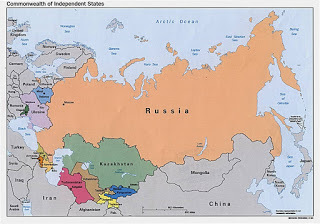
My worry in coming up with this plot was that it might not be sufficiently credible. After all, credibility is critical for espionage fiction. The reader has to feel that events put forth in the book could happen, even if they probably won’t.
Now the elephant.
When I came up with this plot about a year ago, I had no idea how close my book’s plot would be to what occurred over the past year. The American intelligence community has verified that Russia did indeed launch sophisticated cyber attacks on the United States, using hacking and misinformation, in an effort to undermine the democratic process of the presidential election.
Russia hackers invaded the e-mails of the Democratic candidate and the DNC. Russians put up fake news sites. Legions of Russian trolls and botnets tweeted false information back and forth.
Russian manipulation of social media didn’t start with this election. In 2014, researchers found various social sites advocating for the return of Alaska to Russia. The posts were traced back – you guessed it – to Russian trolls. Russia trolls also attacked people criticizing Assad in Syria. They’ve spread misinformation about a second coup in Turkey, and about Disney World. They sometimes seized on a target’s ethnicity, using that as a basis to launch personal attacks that others would join.
Russian intelligence relied not only on an army of hackers and trolls, and on sophisticated bots, but on “useful idiots” who picked up on Russian misinformation and continued to spread the false information as if it were true. The Russian campaign was further aided by news organizations that reported in-depth every e-mail released by Wikileaks, even with the knowledge provided by US intelligence that the releases were part of a cyber attack to undermine the Clinton campaign.
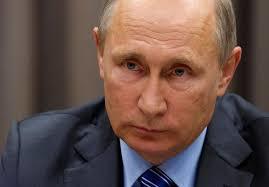
Why did this happen? Clearly, Putin preferred Donald Trump over Hillary Clinton, for reasons I will decline to explore at this point. The fact, however, that Russian cyber warfare may have been a factor, possibly the deciding factor, in a razor thin win by one side in an American Presidential campaign should be the stuff of fiction. But it’s not.
Then the question turns to Putin’s ultimate goal with this campaign in America. That’s not completely clear, but it is clear that Europe, especially Eastern Europe, is very worried. There is a lot of discussion that Putin may feel emboldened, rightly or wrongly, to advance in Europe after various statements about NATO and Putin himself made by the President-elect over the course of the past eighteen months. Clearly, Putin has had designs on Ukraine. He may also have his eye on other countries that split from Russia. Today, as I’m writing this, Marines are going into Norway, on the border with Russia, because Norway is concerned about the potential for Russian aggression. Unfortunately, this is not the terrifying stuff of fiction. This is the terrifying new reality.
On a slightly lighter note, it’s scarily close to what I’ve been plotting out and writing for a year. It has me a little worried. First, because life now seems to be paralleling my plot outline – it gives me some grandiose ideas of my ability to look into or influence the future. If everything I plot out comes true, we’re in real trouble. (I think I just came up with another idea for a novel.)
Second – I’ve put a year into working on this book. Probably have at least six months more to finish the writing, and then a minimum of a year to publication. Maybe more. At the rate we’re going, current events could overtake the events described in my novel. And that would be a bad thing for my novel.
It would be even worse for the world.
I have a problem.
My problem is the truth that is most unbelievable but most closely related to a novel that I’m currently writing – isn’t something that I found through research. It’s been widely reported in the news.
In Ride a Red Horse, my Russian-born, American-naturalized hero, Kolya Petrov, reluctantly returns to his former agency after weaponized uranium has been smuggled into the United States. He’s the only one capable of talking to a possible source back in Russia. Not to give up too much, the plot turns on a misinformation scheme set into motion by Russian officials. Not only are American operatives fed misinformation, Russian sources plant fake news stories on line to whip up public sentiment. Purpose: confuse and mislead the United States into allowing Russia to invade and take over a country that was formerly part of the Soviet empire.
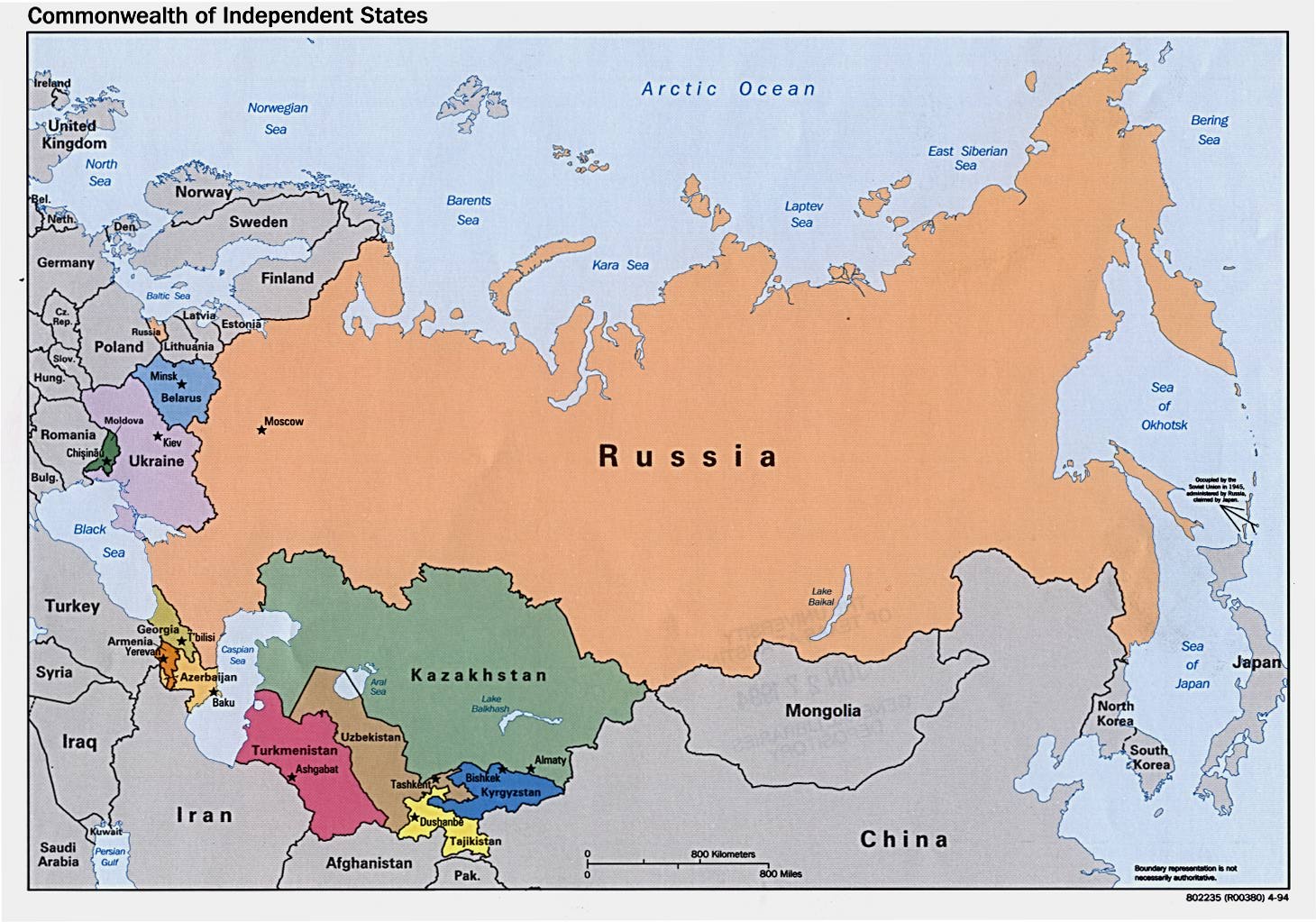
My worry in coming up with this plot was that it might not be sufficiently credible. After all, credibility is critical for espionage fiction. The reader has to feel that events put forth in the book could happen, even if they probably won’t.
Now the elephant.
When I came up with this plot about a year ago, I had no idea how close my book’s plot would be to what occurred over the past year. The American intelligence community has verified that Russia did indeed launch sophisticated cyber attacks on the United States, using hacking and misinformation, in an effort to undermine the democratic process of the presidential election.
Russia hackers invaded the e-mails of the Democratic candidate and the DNC. Russians put up fake news sites. Legions of Russian trolls and botnets tweeted false information back and forth.
Russian manipulation of social media didn’t start with this election. In 2014, researchers found various social sites advocating for the return of Alaska to Russia. The posts were traced back – you guessed it – to Russian trolls. Russia trolls also attacked people criticizing Assad in Syria. They’ve spread misinformation about a second coup in Turkey, and about Disney World. They sometimes seized on a target’s ethnicity, using that as a basis to launch personal attacks that others would join.
Russian intelligence relied not only on an army of hackers and trolls, and on sophisticated bots, but on “useful idiots” who picked up on Russian misinformation and continued to spread the false information as if it were true. The Russian campaign was further aided by news organizations that reported in-depth every e-mail released by Wikileaks, even with the knowledge provided by US intelligence that the releases were part of a cyber attack to undermine the Clinton campaign.

Why did this happen? Clearly, Putin preferred Donald Trump over Hillary Clinton, for reasons I will decline to explore at this point. The fact, however, that Russian cyber warfare may have been a factor, possibly the deciding factor, in a razor thin win by one side in an American Presidential campaign should be the stuff of fiction. But it’s not.
Then the question turns to Putin’s ultimate goal with this campaign in America. That’s not completely clear, but it is clear that Europe, especially Eastern Europe, is very worried. There is a lot of discussion that Putin may feel emboldened, rightly or wrongly, to advance in Europe after various statements about NATO and Putin himself made by the President-elect over the course of the past eighteen months. Clearly, Putin has had designs on Ukraine. He may also have his eye on other countries that split from Russia. Today, as I’m writing this, Marines are going into Norway, on the border with Russia, because Norway is concerned about the potential for Russian aggression. Unfortunately, this is not the terrifying stuff of fiction. This is the terrifying new reality.
On a slightly lighter note, it’s scarily close to what I’ve been plotting out and writing for a year. It has me a little worried. First, because life now seems to be paralleling my plot outline – it gives me some grandiose ideas of my ability to look into or influence the future. If everything I plot out comes true, we’re in real trouble. (I think I just came up with another idea for a novel.)
Second – I’ve put a year into working on this book. Probably have at least six months more to finish the writing, and then a minimum of a year to publication. Maybe more. At the rate we’re going, current events could overtake the events described in my novel. And that would be a bad thing for my novel.
It would be even worse for the world.
November 29, 2016
STRANGER THAN FICTION?

Gayle Lynds: How do you know whether what you’re reading in a novel is fact or fiction? Right now, in this very moment, I’ll bet you remember that the grand old Mississippi River flows south through the U.S.’s midsection, pouring into the Gulf of Mexico. Would you be surprised if I told you that in some authors’ spy books, real-life rivers flow in the wrong direction, international commercial jets land in small regional airports, and sound suppressors are screwed onto revolvers? Seriously.
 In my second spy thriller,
Mosaic
, my heroine is blind, regains her sight, but then loses it again. Sound like a lie? Probably, if you haven’t heard of shell shock, or battle fatigue, or conversion disorder. All refer to the same illness, in which a patient “converts” a terrible psychological trauma into a physical symptom. Blindness is at the top of the list. Can you guess what the treatment is? And it’s all true.
In my second spy thriller,
Mosaic
, my heroine is blind, regains her sight, but then loses it again. Sound like a lie? Probably, if you haven’t heard of shell shock, or battle fatigue, or conversion disorder. All refer to the same illness, in which a patient “converts” a terrible psychological trauma into a physical symptom. Blindness is at the top of the list. Can you guess what the treatment is? And it’s all true.In my third espionage novel, Mesmerized , my heroine has a heart transplant and apparently inherits tastes, ideas, even memories from her donor, a former KGB officer. Unbelievable, right? Not completely, not according to the growing scientific studies backing it up.
Then there’s the real-life global race to create the world’s first molecular — or DNA — computer, forging an unprecedented bond between life science and computational science. I wrote about that in The Paris Option . Imagine a computer so fast it’ll break any code or encryption in seconds. All of America’s missiles, NSA’s secret systems, NRO’s spy satellites, the entire ability of the navy to operate, all defense plans, our electric grids . . . anything and everything that relies on electronics would be at the mercy of the first molecular computer. Not even the largest silicon supercomputer would be able to stop it.
Oh, the grandeur of unusual ideas woven into an adventure story. Sigh of pleasure.
But this fascination of mine means I’ve failed in today’s assigned task. . . . For Rogue Women’s next series of blogs, we’re writing about “Stranger Than Fiction: What we’ve discovered in our research that’s so weird we can’t use it in a book.”
My problem is that if I can’t use it, I forget it. But at the same time, when I stumble on research that seems to me particularly juicy and challenging, it lingers in my mind, niggling, enticing. For instance, did you know there’s a spectrum in sociopathy among stone-cold killers? And did you know one of the most difficult characteristics to hide consistently is a person’s walk? Those two ideas are fundamental to my most recent spy thriller, The Assassins .
Hmm. Lately, I’ve been reading a lot about . . . No, no. Although some might find it strange, I think that’s going into my next book. Back to work!
What item or items have you found that are truly stranger than fiction?”