Chris Goff's Blog, page 54
January 16, 2017
Intelligence at work
...by Karna Small Bodman
All this week my Rogue colleagues are writing about the importance of gathering intelligence and how our brave intelligence agents work day and night to protect this country. While there have been questions from time to time about some of the methods used by our agencies, the fact is: plots have been foiled....many more than most of us could have imagined.
The Director of our National Security Agency testified before Congress that over 50 potential terrorist attacks have been thwarted by the use of two controversial programs that tracked over a billion phone calls and internet data every single day, including one plot to destroy the New York Stock Exchange.
 New York Stock Exchange Details of a plan to hit not only the exchange but the World Bank, International Monetary Fund and the Citigroup Center were declassified and made public when Dhiren Barot was arrested and sentenced to life in prison. A year before that a man was arrested, accused of giving aid to al-Quaeda and trying to destroy the Brooklyn Bridge. He was sentenced to 20 years.
Other foiled plots have targeted the Sears Tower, FBI offices, New York and New Jersey subways, JFK Airport, a Dallas skyscraper and especially locations in our nation's capital.

It was February of 2012 when FBI undercover agents arrested a Moroccan man, El Khalifi, for planning a suicide bombing of the US Capitol. Another plan discovered and thwarted by our agents involved a US convert to Islam, Christopher Lee Cornell, who was going to set off pipe bombs inside the Congress. Then when panicked members and their staffs ran out, he planned to gun them down with an assault rifle.
In fact, a former colleague of mine at the White House National Security Council who works in the intelligence field told me just this week that since 9/11 there have been 197 plots against the US homeland and 136 outside the US identified by our FBI and CIA operatives using various means of detection, infiltration, observation, research and the follow-up of tips from civilians including many called CHS's (meaning FBI Confidential Human Sources).
 James Gonzalo Medina A CHS was instrumental in the FBI's arrest of James Gonzalo Medina just last year after uncovering his plan to place an explosive device in an 800 member Jewish Center in the Miami, FL area during Passover. He was quoted as saying "Watch your back...ISIS is in the house." This "home grown" terrorist, a US citizen living in Hollywood, FL faces up to life in prison.
Of course not all plots against our country and our citizens emanate from ISIS or ISIS-inspired characters (just the majority of them now). Our agents also infiltrate and uncover plans by Neo-Nazis and militias among others. Many will recall the case of Cliven Bundy, the Nevada rancher whose group was called the Patriots Defense Force. One of his operatives was William Keebler. The group had seven members, but three clever men had infiltrated and William Keebler
were actually undercover FBI agents. These three learned about how the militia was scouting certain federal offices including National Guard facilities for possible attacks. Keebler was arrested when he tried to blow up a building in Arizona.
When I read or hear about any ONE of these cases, I thank my lucky stars that we have such hard working intelligence agents willing to risk their lives and work 24/7 to keep us and our country safe and I want to thank them for their dedication! Please leave a comment below about your views on the value of intelligence.
...submitted by Karna Small Bodman
All this week my Rogue colleagues are writing about the importance of gathering intelligence and how our brave intelligence agents work day and night to protect this country. While there have been questions from time to time about some of the methods used by our agencies, the fact is: plots have been foiled....many more than most of us could have imagined.
The Director of our National Security Agency testified before Congress that over 50 potential terrorist attacks have been thwarted by the use of two controversial programs that tracked over a billion phone calls and internet data every single day, including one plot to destroy the New York Stock Exchange.
 New York Stock Exchange Details of a plan to hit not only the exchange but the World Bank, International Monetary Fund and the Citigroup Center were declassified and made public when Dhiren Barot was arrested and sentenced to life in prison. A year before that a man was arrested, accused of giving aid to al-Quaeda and trying to destroy the Brooklyn Bridge. He was sentenced to 20 years.
Other foiled plots have targeted the Sears Tower, FBI offices, New York and New Jersey subways, JFK Airport, a Dallas skyscraper and especially locations in our nation's capital.

It was February of 2012 when FBI undercover agents arrested a Moroccan man, El Khalifi, for planning a suicide bombing of the US Capitol. Another plan discovered and thwarted by our agents involved a US convert to Islam, Christopher Lee Cornell, who was going to set off pipe bombs inside the Congress. Then when panicked members and their staffs ran out, he planned to gun them down with an assault rifle.
In fact, a former colleague of mine at the White House National Security Council who works in the intelligence field told me just this week that since 9/11 there have been 197 plots against the US homeland and 136 outside the US identified by our FBI and CIA operatives using various means of detection, infiltration, observation, research and the follow-up of tips from civilians including many called CHS's (meaning FBI Confidential Human Sources).
 James Gonzalo Medina A CHS was instrumental in the FBI's arrest of James Gonzalo Medina just last year after uncovering his plan to place an explosive device in an 800 member Jewish Center in the Miami, FL area during Passover. He was quoted as saying "Watch your back...ISIS is in the house." This "home grown" terrorist, a US citizen living in Hollywood, FL faces up to life in prison.
Of course not all plots against our country and our citizens emanate from ISIS or ISIS-inspired characters (just the majority of them now). Our agents also infiltrate and uncover plans by Neo-Nazis and militias among others. Many will recall the case of Cliven Bundy, the Nevada rancher whose group was called the Patriots Defense Force. One of his operatives was William Keebler. The group had seven members, but three clever men had infiltrated and
 William Keebler
 were actually undercover FBI agents. These three learned about how the militia was scouting certain federal offices including National Guard facilities for possible attacks. Keebler was arrested when he tried to blow up a building in Arizona.
When I read or hear about any ONE of these cases, I thank my lucky stars that we have such hard working intelligence agents willing to risk their lives and work 24/7 to keep us and our country safe and I want to thank them for their dedication! Please leave a comment below about your views on the value of intelligence.
...submitted by Karna Small Bodman


January 14, 2017
THE MOUNTIES GET THEIR MAN!
by KJ Howe

Does intelligence matter? It is a sad state of affairs when we have to even consider the self-evident answer to this question, but in the Western world we have many naysayers. One only has to look at past examples to determine that intelligence operations are absolutely vital to the success of nations, organizations, companies, and individuals involved with security issues. Unfortunately, some current political figures seem willing to undermine the value of the modern intelligence community for short-term political gain. As a society, it is important that we respect and value these agencies and operatives even if we can’t immediately realize that value.
In support of this goal, I'd like to share an amazing success story from Canadian intelligence that proves the Mounties always get their man--and that if you mess with a Canadian citizen anywhere in the world, you should be prepared to pay the price.
When we consider intelligence operations, we often think of “spy-vs-spy” scenarios where government operatives work against each other in the field, attempting to gain information to enhance national security or protect national interests. In the post 9/11 world, this model has changed to a significant degree. Now state agencies are seeking information about terrorist organizations in order to prevent attacks. Or alternatively, governments are trying to find ways to starve terrorists of resources in an attempt to degrade their capacity to generate the very fear they thrive on. But sometimes, even beyond advancing national interests or enhancing security, intelligence operations can deliver that most rare, but valuable, commodity…justice.
 Amanda LinhoutIn August of 2008, two days after arriving in Mogadishu, Somalia, Canadian journalist Amanda Lindhout and Australian photojournalist were kidnapped by teenage members of the Hisbul Islam fundamentalist group. Held captive for 460 days, Lindhout was repeatedly raped and tortured. When she was eventually returned home after the payment of a $600,000 private ransom orchestrated by the AKE international risk management company, Amanda was malnourished and battered, both physically and emotionally. Several Canadian journalist organizations complained about the federal government refusing to fund ransoms directly or indirectly, feeling that they had not done enough to bring Amanda home. Other than this mild backlash, the case seemed to be closed.
Except that it wasn’t.
Immediately after the kidnapping, the Canadian government installed covert assets on the ground in Somali, and these assets gathered intelligence, risking their lives in chaotic and dangerous circumstances to help. To give a little background, it's important to know that the Criminal Code of Canada grants extra-national jurisdiction to several Canadian law enforcement agencies over kidnappings of Canadians anywhere in the world. In this case, they began operating in a country that was in virtual anarchy, hostile to any type of western intervention. You might think that after Amanda was freed, they would shut down the operation and go home.
Except they didn’t.
Equipped with only a cell phone number and several recordings of the lead kidnapper's voice captured during calls with Amanda’s parents while conducting ransom negotiations, the team got to work. They spent years developing human sources, conducting surveillance, engaging in communications intercepts and investigations throughout the war-ravaged country until they were able to identify Ali Omar Ader as the ransom negotiator as well as one of the key players in the kidnapping. A teacher, Mr. Ader had been a member of at least one fundamentalist group, and he owned an internet cafe and a small publishing house in Mogadishu. Normally there would be nothing that could be done to punish Mr. Ader for his involvement in this horrific crime. Canada does not have an extradition treaty with Somalia. It seemed that all Canada could do with the information was to issue a warrant for his arrest and add his name to seemingly never-ending lists of wanted individuals maintained by international law enforcement organizations.
But that was not acceptable.
Seven years after the kidnapping, the announcement of Mr. Ader’s arrest in Ottawa stunned the Canadian public. How had the Mounties apprehended this fundamentalist criminal who lived across the globe?
 The would-be author, Mr. AderAfter identifying their target, the RCMP spent years building secret connections to him through his business and social circles. After working their way into his life and earning his trust, the Canadian operatives offered him the one inducement that no one can refuse, the one potential bribe so tempting that it lured him out of his safe haven right into the Canadian capital.
A book deal.
It appears that Mr. Ader fancied himself a budding author and through a front organization, he was offered a publishing contract to pen a book on Somali history. He flew to Ottawa believing that he was going to be signing a publishing contract. Imagine his surprise when he was greeted by his Mountie "publishers." Now he sits in a Canadian jail awaiting trial.
Operation Slype was a masterwork of gathering and utilizing overseas intelligence. As one Canadian government official shared, “This operation posed a number of significant challenges, as it was carried out in a extremely high risk environment in a country plagued with political instability.” It also has reflected a new and more aggressive Canadian policy towards harm directed at Canadians overseas. Recently, charges have also been filed against Syrian Colonel Sallourm for torturing Canadian engineer Mahar Arar in 2002 and 2003. The investigation in this case was expensive, complex, risky and took over a decade to complete.
So, yes, intelligence does matter. And the Mounties still get their man.

Does intelligence matter? It is a sad state of affairs when we have to even consider the self-evident answer to this question, but in the Western world we have many naysayers. One only has to look at past examples to determine that intelligence operations are absolutely vital to the success of nations, organizations, companies, and individuals involved with security issues. Unfortunately, some current political figures seem willing to undermine the value of the modern intelligence community for short-term political gain. As a society, it is important that we respect and value these agencies and operatives even if we can’t immediately realize that value.
In support of this goal, I'd like to share an amazing success story from Canadian intelligence that proves the Mounties always get their man--and that if you mess with a Canadian citizen anywhere in the world, you should be prepared to pay the price.
When we consider intelligence operations, we often think of “spy-vs-spy” scenarios where government operatives work against each other in the field, attempting to gain information to enhance national security or protect national interests. In the post 9/11 world, this model has changed to a significant degree. Now state agencies are seeking information about terrorist organizations in order to prevent attacks. Or alternatively, governments are trying to find ways to starve terrorists of resources in an attempt to degrade their capacity to generate the very fear they thrive on. But sometimes, even beyond advancing national interests or enhancing security, intelligence operations can deliver that most rare, but valuable, commodity…justice.
 Amanda LinhoutIn August of 2008, two days after arriving in Mogadishu, Somalia, Canadian journalist Amanda Lindhout and Australian photojournalist were kidnapped by teenage members of the Hisbul Islam fundamentalist group. Held captive for 460 days, Lindhout was repeatedly raped and tortured. When she was eventually returned home after the payment of a $600,000 private ransom orchestrated by the AKE international risk management company, Amanda was malnourished and battered, both physically and emotionally. Several Canadian journalist organizations complained about the federal government refusing to fund ransoms directly or indirectly, feeling that they had not done enough to bring Amanda home. Other than this mild backlash, the case seemed to be closed.
Except that it wasn’t.
Immediately after the kidnapping, the Canadian government installed covert assets on the ground in Somali, and these assets gathered intelligence, risking their lives in chaotic and dangerous circumstances to help. To give a little background, it's important to know that the Criminal Code of Canada grants extra-national jurisdiction to several Canadian law enforcement agencies over kidnappings of Canadians anywhere in the world. In this case, they began operating in a country that was in virtual anarchy, hostile to any type of western intervention. You might think that after Amanda was freed, they would shut down the operation and go home.
Except they didn’t.
Equipped with only a cell phone number and several recordings of the lead kidnapper's voice captured during calls with Amanda’s parents while conducting ransom negotiations, the team got to work. They spent years developing human sources, conducting surveillance, engaging in communications intercepts and investigations throughout the war-ravaged country until they were able to identify Ali Omar Ader as the ransom negotiator as well as one of the key players in the kidnapping. A teacher, Mr. Ader had been a member of at least one fundamentalist group, and he owned an internet cafe and a small publishing house in Mogadishu. Normally there would be nothing that could be done to punish Mr. Ader for his involvement in this horrific crime. Canada does not have an extradition treaty with Somalia. It seemed that all Canada could do with the information was to issue a warrant for his arrest and add his name to seemingly never-ending lists of wanted individuals maintained by international law enforcement organizations.
But that was not acceptable.
Seven years after the kidnapping, the announcement of Mr. Ader’s arrest in Ottawa stunned the Canadian public. How had the Mounties apprehended this fundamentalist criminal who lived across the globe?
 The would-be author, Mr. AderAfter identifying their target, the RCMP spent years building secret connections to him through his business and social circles. After working their way into his life and earning his trust, the Canadian operatives offered him the one inducement that no one can refuse, the one potential bribe so tempting that it lured him out of his safe haven right into the Canadian capital.
 A book deal.
It appears that Mr. Ader fancied himself a budding author and through a front organization, he was offered a publishing contract to pen a book on Somali history. He flew to Ottawa believing that he was going to be signing a publishing contract. Imagine his surprise when he was greeted by his Mountie "publishers." Now he sits in a Canadian jail awaiting trial.
Operation Slype was a masterwork of gathering and utilizing overseas intelligence. As one Canadian government official shared, “This operation posed a number of significant challenges, as it was carried out in a extremely high risk environment in a country plagued with political instability.” It also has reflected a new and more aggressive Canadian policy towards harm directed at Canadians overseas. Recently, charges have also been filed against Syrian Colonel Sallourm for torturing Canadian engineer Mahar Arar in 2002 and 2003. The investigation in this case was expensive, complex, risky and took over a decade to complete.
So, yes, intelligence does matter. And the Mounties still get their man.
January 12, 2017
When Stalin ignored intelligence – a cautionary tale
S. Lee Manning: We Rogue Women Writers are blogging these two weeks on why intelligence matters. In essence, it’s quite simple. The purpose of intelligence services is to give government leaders information so that they can act, well, intelligently.
One of the unfortunate things about intelligence is that we rarely see when it works. We see it when it fails. But sometimes the failure can’t be blamed on the intelligence community. Sometimes the failure lies with what a head of state does with information gathered by his intelligence services.
Case in point: Operation Barbarossa – and Stalin.
Background: Stalin was a mass murdering dictator, who ruled the Soviet Union from 1929 to 1953. Note: Under Putin, Stalin has been somewhat rehabilitated, but since I have the luxury of not living under Putin (yet), I’m calling Stalin as I see him.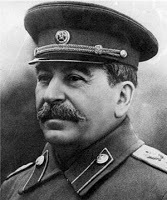
Under Stalin’s rule, millions were killed for being of the wrong class, for speaking the wrong thing, or generally just pissing Stalin off. He was paranoid and a megalomaniac. He was obsessed with the possibility of betrayal and he was suspicious of even his own followers, murdering anyone he thought might betray him, whether or not there was any basis in reality for that fear.
So, not unsurprisingly, everyone around Stalin agreed with whatever he said. Disagreeing did not lead to a long life span.
Hitler. Kind of the same as Stalin, except for being a Fascist instead of a communist, and except for murdering millions of people more for ethnic origin than class. Also murdered people for saying the wrong thing or just generally pissing him off. Along with hating communism, he also believed Slavic peoples, i.e. Russians etc., ranked somewhere between the subhuman status of Jews and gypsies and the true superiority of the Aryan race. They were slave status, not slated for automatic extermination as were the Jews, but could be killed without conscience if they were bothersome.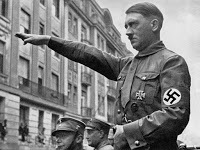
So two megalomaniac killers in charge of two powerful countries in Europe in the 1930s with starkly different views of the type of dystopian future they wanted to impose on the world led, of course, to the….
Non-Aggression Pact between Russia and Germany. Surprise! Germany and Russia signed the pact in August 1939, just prior to Germany invading Poland.
It was, for want of a better description, a marriage of convenience between true deplorables. (Yes, Virginia, there really are deplorables – and Stalin and Hitler were two of them.)
As in all marriages of convenience, they wanted different things:Hitler wanted an easy invasion of Poland. England and France might or might not do something besides talk, and Hitler didn’t want to face them AND the Soviet Union.
Stalin was enamored with the idea of the Western countries, Germany, France, Poland, England, all fighting it out and then the Soviet Union could take over in the ruins of what had been Europe. Then there were the Baltic countries. He wanted those little countries served up on his platter, with German blessing – along with a strip of Poland au juste.
Stalin was not a complete idiot. He knew this was no marriage of true love. Sooner or later, the Soviet Union and Germany would fight it out, but he believed Hitler wanted to polish off England first. He thought he would be the one to end things between them. He was wrong.
What intelligence knew
Then as now, the Russians had spies everywhere.
The Russians had one of the more developed spy networks in the world at the time – despite periodically killing off some of their best spies in political purges from time to time. And they had good information.
In 1940-41, credible intelligence from at least 87 sources came in. Agents recruited inside the German government. Diplomatic sources reaching out with the same information. The marriage had gone sour. Germany was planning an invasion.
Tanks and troops began to build up on the German ruled side of the border with the Soviet Union.
Stalin didn’t believe it.
Part of the reason he didn’t believe might be found in two letters recently found in Russia, allegedly from Hitler to Stalin, swearing that Hitler had no intention to invade.There was also a German disinformation campaign. Further, Stalin distrusted anything that came from England. And Stalin preferred to believe Hitler and the disinformation because he liked the position he thought he was in.
He thought he’d be the one to end the marriage – when the time was right.
I already mentioned that people who told Stalin things he didn’t want to hear had a short life expectancy. His head of the foreign intelligence arm of the NKVD, Pavel Fitin, knew the truth about German plans, but truth was a lot less important than agreeing with Stalin, unless you had a really strong desire for a bullet in the back of the head in the yard of the Lubyanka.
The wisdom of saying nothing was reinforced by Soviet Foreign Affairs Chairman Beria who threatened the execution of anyone forwarding information on the coming invasion.
To the extent he did speak up, Fitin was not only personally disbelieved. His sources were considered unreliable. He was ordered to check whether the Cambridge Five (British spies for the USSR – responsible for the deaths of British and American agents after the war) were double agents.
Ironically, Fitin may have been saved from execution by Operation Barbarossa – which by proving him right, also proved he was not a tool of the British.
Operation Barbarossa commenced on June 22, 1941. The Germans invaded Soviet territory in a move that was a surprise to Stalin and his close circle. They story is - Some generals in the Soviet Army were not surprised, but they knew the rule. Don’t tell Stalin what he doesn’t want to hear. They stuck to it even as the Germans swarmed over the border.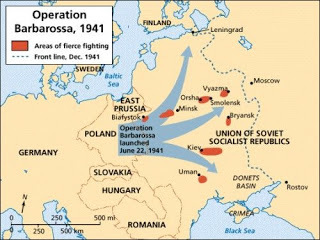
So at the start of the invasion, the Soviets were unprepared. Soviet forces at the border were overwhelmed, and German initial victories were massive.
We all know how this ended –because the Germans underestimated the Russian winter and they overestimated their Aryan prowess. But there were millions of deaths – civilians and soldiers – as a result of the German invasion. Would it have been any different if Stalin had taken the intelligence seriously instead of living in his own bubble?
Maybe not. But maybe. Maybe if the Soviets had been prepared, the Germans wouldn’t have gotten as far as they did. Maybe they could have been fought back at the border and missed the fun battle of Stalingrad and the siege of Leningrad. Maybe some of the millions of deaths could have been avoided if Hitler’s forces could have been stopped at the border. Maybe the war would have ended earlier.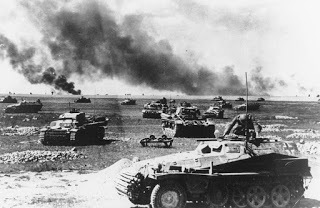
But maybe not. It’s hard to know exactly what might have been. But it is important to know that there could have been a different outcome to the German invasion – and that the bloodiest war in history might have ended sooner if Stalin had not been, well, Stalin and unwilling to listen to intelligence
The reason it’s important to know that history could have been different goes back to my original point: why intelligence matters. The surprise aspect of the invasion of the Soviet Union wasn’t a failure of intelligence.
The failure to prepare for the German invasion occurred because no one dared to tell Stalin anything that he didn’t want to hear. It was the failure of a paranoid and insecure leader, who surrounded himself only with people who agreed with him, to take credible intelligence seriously when it contradicted his preconceived notions of the world. It was the failure of a leader who didn’t want his own ambitious plans interrupted and thus chose to believe Hitler, a lying dictator and murderer, over intelligence sources. It was a failure with horrific consequences, but it was a failure of leadership, not of intelligence.
It stands as a cautionary tale of what can happen when a leader does not treat intelligence with the respect it deserves.
Of course, one needs to distinguish between a country's leader refusing to accept credible intelligence about an adversary because the intelligence does not support policies he wants and a country's leader refusing to accept credible intelligence because he is in fact in the pocket of said adversary. Both pose grave dangers to the existence of a country. I leave it to you to decide which is more dangerous, and I leave it to you to decide whether this cautionary tale has any relevance today.
One of the unfortunate things about intelligence is that we rarely see when it works. We see it when it fails. But sometimes the failure can’t be blamed on the intelligence community. Sometimes the failure lies with what a head of state does with information gathered by his intelligence services.
Case in point: Operation Barbarossa – and Stalin.
Background: Stalin was a mass murdering dictator, who ruled the Soviet Union from 1929 to 1953. Note: Under Putin, Stalin has been somewhat rehabilitated, but since I have the luxury of not living under Putin (yet), I’m calling Stalin as I see him.
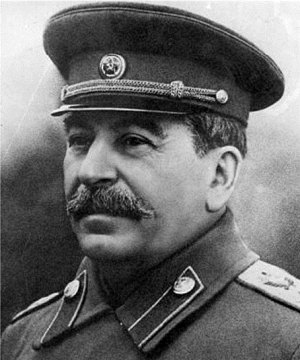
Under Stalin’s rule, millions were killed for being of the wrong class, for speaking the wrong thing, or generally just pissing Stalin off. He was paranoid and a megalomaniac. He was obsessed with the possibility of betrayal and he was suspicious of even his own followers, murdering anyone he thought might betray him, whether or not there was any basis in reality for that fear.
So, not unsurprisingly, everyone around Stalin agreed with whatever he said. Disagreeing did not lead to a long life span.
Hitler. Kind of the same as Stalin, except for being a Fascist instead of a communist, and except for murdering millions of people more for ethnic origin than class. Also murdered people for saying the wrong thing or just generally pissing him off. Along with hating communism, he also believed Slavic peoples, i.e. Russians etc., ranked somewhere between the subhuman status of Jews and gypsies and the true superiority of the Aryan race. They were slave status, not slated for automatic extermination as were the Jews, but could be killed without conscience if they were bothersome.

So two megalomaniac killers in charge of two powerful countries in Europe in the 1930s with starkly different views of the type of dystopian future they wanted to impose on the world led, of course, to the….
Non-Aggression Pact between Russia and Germany. Surprise! Germany and Russia signed the pact in August 1939, just prior to Germany invading Poland.
It was, for want of a better description, a marriage of convenience between true deplorables. (Yes, Virginia, there really are deplorables – and Stalin and Hitler were two of them.)
As in all marriages of convenience, they wanted different things:Hitler wanted an easy invasion of Poland. England and France might or might not do something besides talk, and Hitler didn’t want to face them AND the Soviet Union.
Stalin was enamored with the idea of the Western countries, Germany, France, Poland, England, all fighting it out and then the Soviet Union could take over in the ruins of what had been Europe. Then there were the Baltic countries. He wanted those little countries served up on his platter, with German blessing – along with a strip of Poland au juste.
Stalin was not a complete idiot. He knew this was no marriage of true love. Sooner or later, the Soviet Union and Germany would fight it out, but he believed Hitler wanted to polish off England first. He thought he would be the one to end things between them. He was wrong.
What intelligence knew
Then as now, the Russians had spies everywhere.
The Russians had one of the more developed spy networks in the world at the time – despite periodically killing off some of their best spies in political purges from time to time. And they had good information.
In 1940-41, credible intelligence from at least 87 sources came in. Agents recruited inside the German government. Diplomatic sources reaching out with the same information. The marriage had gone sour. Germany was planning an invasion.
Tanks and troops began to build up on the German ruled side of the border with the Soviet Union.
Stalin didn’t believe it.
Part of the reason he didn’t believe might be found in two letters recently found in Russia, allegedly from Hitler to Stalin, swearing that Hitler had no intention to invade.There was also a German disinformation campaign. Further, Stalin distrusted anything that came from England. And Stalin preferred to believe Hitler and the disinformation because he liked the position he thought he was in.
He thought he’d be the one to end the marriage – when the time was right.
I already mentioned that people who told Stalin things he didn’t want to hear had a short life expectancy. His head of the foreign intelligence arm of the NKVD, Pavel Fitin, knew the truth about German plans, but truth was a lot less important than agreeing with Stalin, unless you had a really strong desire for a bullet in the back of the head in the yard of the Lubyanka.
The wisdom of saying nothing was reinforced by Soviet Foreign Affairs Chairman Beria who threatened the execution of anyone forwarding information on the coming invasion.
To the extent he did speak up, Fitin was not only personally disbelieved. His sources were considered unreliable. He was ordered to check whether the Cambridge Five (British spies for the USSR – responsible for the deaths of British and American agents after the war) were double agents.
Ironically, Fitin may have been saved from execution by Operation Barbarossa – which by proving him right, also proved he was not a tool of the British.
Operation Barbarossa commenced on June 22, 1941. The Germans invaded Soviet territory in a move that was a surprise to Stalin and his close circle. They story is - Some generals in the Soviet Army were not surprised, but they knew the rule. Don’t tell Stalin what he doesn’t want to hear. They stuck to it even as the Germans swarmed over the border.

So at the start of the invasion, the Soviets were unprepared. Soviet forces at the border were overwhelmed, and German initial victories were massive.
We all know how this ended –because the Germans underestimated the Russian winter and they overestimated their Aryan prowess. But there were millions of deaths – civilians and soldiers – as a result of the German invasion. Would it have been any different if Stalin had taken the intelligence seriously instead of living in his own bubble?
Maybe not. But maybe. Maybe if the Soviets had been prepared, the Germans wouldn’t have gotten as far as they did. Maybe they could have been fought back at the border and missed the fun battle of Stalingrad and the siege of Leningrad. Maybe some of the millions of deaths could have been avoided if Hitler’s forces could have been stopped at the border. Maybe the war would have ended earlier.

But maybe not. It’s hard to know exactly what might have been. But it is important to know that there could have been a different outcome to the German invasion – and that the bloodiest war in history might have ended sooner if Stalin had not been, well, Stalin and unwilling to listen to intelligence
The reason it’s important to know that history could have been different goes back to my original point: why intelligence matters. The surprise aspect of the invasion of the Soviet Union wasn’t a failure of intelligence.
The failure to prepare for the German invasion occurred because no one dared to tell Stalin anything that he didn’t want to hear. It was the failure of a paranoid and insecure leader, who surrounded himself only with people who agreed with him, to take credible intelligence seriously when it contradicted his preconceived notions of the world. It was the failure of a leader who didn’t want his own ambitious plans interrupted and thus chose to believe Hitler, a lying dictator and murderer, over intelligence sources. It was a failure with horrific consequences, but it was a failure of leadership, not of intelligence.
It stands as a cautionary tale of what can happen when a leader does not treat intelligence with the respect it deserves.
Of course, one needs to distinguish between a country's leader refusing to accept credible intelligence about an adversary because the intelligence does not support policies he wants and a country's leader refusing to accept credible intelligence because he is in fact in the pocket of said adversary. Both pose grave dangers to the existence of a country. I leave it to you to decide which is more dangerous, and I leave it to you to decide whether this cautionary tale has any relevance today.
January 11, 2017
DOES U.S. INTELLIGENCE MATTER?
 Gayle Lynds:
These days, perhaps the more relevant question is — how can U.S. intelligence matter if we can’t trust it? Whoa! That’s like asking a guy being investigated for a white collar crime how long he’s been beating his wife. It’s a fallacy of relevance.
Gayle Lynds:
These days, perhaps the more relevant question is — how can U.S. intelligence matter if we can’t trust it? Whoa! That’s like asking a guy being investigated for a white collar crime how long he’s been beating his wife. It’s a fallacy of relevance. For all the detective knows, the guy has never so much as flicked the gravy from her ear. And it’s irrelevant to the crime — but the accusation will likely rattle the guy, maybe make him mad, which might be the detective’s purpose all along.
So let’s try this question — why is U.S. intelligence such a failure? Curses! Arrrgh! That’s an ad hominem attack, aiming a nuclear missile at all of the intelligence agencies. Are they really “such a failure” — because right now that’s being hotly debated. Or is the question actually about the quality of their information gathering and analyses and missions?
Spies have always been with us. The first recorded instance of espionage occurs in the Old Testament, when Moses sent out spies to scout Canaan. Queen Elizabeth I, Napoleon, Ivan the Terrible, and George Washington all used spies extensively. In some respects, at least for thriller writers who prefer clear-cut issues of black and white, good and evil, the Cold War was the modern heyday of spies and their spymasters.
Since then, our intelligence community (IC) has been through many changes. In the early '90s, Congress debated whether we really needed the CIA, and the CIA considered focusing on economic espionage. Technology seemed a cheaper and better way to go than human intelligence — “humint.” Some prescient social scientists predicted that not Communists but religious fanatics would be our next threat, our next great danger.
And then 9/11 happened, and the world changed again.
Yes, sometimes the IC gets it wrong. We hear a lot about that when it happens, and the price can be heavy. But what we seldom hear about are the times they get it right. That’s because not only is it critical they keep secret the networks, the assets and agents and fronts and operations, it’s also critical that they selflessly fall on their swords in order to keep those secrets. And that’s what they do.
Curious, I googled “CIA successes.” The result was 462,000 hits.
Then I googled “U.S. intelligence successes” and got 105 million hits.
So if you’re also curious and would like to see a few wide-ranging articles that discuss IC hits and misses, here are four:
● In finding Osama bin Laden, CIA soars from distress to success
“The first CIA officers who rushed to Afghanistan to find Osama bin Laden after the terrorist attacks of 2001 had to buy field gear at an REI camping goods store in Virginia. Some flew in on rickety, former Soviet helicopters. A few rode horses....”
● Five intelligence successes that changed the course of war
“A recent Associated Press article detailed a US Intelligence failure to recognize that an informant was also involved in planning terror attacks in 2008. This got me thinking and, for a change, I decided to research some military intelligence successes from modern history. Below are five historic intelligence coups that changed the tide of war and, in some cases, the world's balance of power.”
● 39 Terror Plots Foiled Since 9/11: Examining Counterterrorism’s Success Stories
“Since the terrorist attacks of September 11, 2001, at least 39 terror plots against the United States have been foiled thanks to domestic and international cooperation, as well as efforts to track down terror leads in local communities.”
● Operation CEDAR FALLS: an Intelligence Success Story
“It basically comes down to the idea that when intelligence is right and organizations react and stave off disaster, then [outsiders may think] that the intelligence was wrong because nothing happened.”
Let’s be grateful for the women and men who work hard for us in the intelligence community. They’re people like us, sometimes better than us. They get up in the morning, put on their clothes, and go into work to help the country — our country.
Do you have a favorite story about the IC and those who work there? Please share!
January 9, 2017
New Year's Past and Present
by Chris Goff

I'm with Sonja—I love the start of a new year. It's a time to reset, to look toward the future with renewed hope, to begin again. I also love watching the firework displays happening in countries around the world. It's the one day that most of the world shares in celebrating.
New Year's Eve PastOne of my personal favorite New Year's was spent in New York watching the ball drop. My husband and I were there with our younger daughters, visiting one of our older daughters. We were staying at the Hilton near Times Square, but there was no way to get close. People had been queued up in the cattle guards all day with cops surrounding the area. But our older daughter had a plan. She told us to order a pizza! Turns out there is a pizza place down the alley from the Hilton. We were stopped by NYPD, but my husband told the officer we were "picking up a pizza" and we were allowed to pass. We reached the corner, turned and watched the last five minutes of the ball dropping, then picked up our pizza and headed back to the Hilton.
Happy New Year!
 I also loved the New Year's Eve when my grandma got drunk. She was such a proper, stern woman, essentially a teetotaler. a staunch Methodist, and proudly Swedish. Somehow she had gotten it into her head that Glögg, an old Swedish mulled wine and beverage of her homeland, wasn't alcoholic. While my folks were out, Gram and I were watching an old movie on the black and white TV. She let me taste the Glögg. Then, while I drank sparkling juice, Gram imbibed. When my folks came home, we were still on the couch—me watching movies and sipping juice from a champagne flute; Gram snoring.
Swedish Glögg
Ingredients
2 bottles dry red wine
1 bottle sweet white wine, like sauternes or German spaetlese
1 lemon
1 orange
10 cloves
10 cardamom pods
3 cinnamon sticks
1 inch fresh ginger, thinly sliced
1 cup raisins
1 cup blanched almonds
1 cup sugar (or to taste)
1 tablespoon bitters
1 cup aquavit or vodka (optional)
Preparation
Combine wines in a large saucepan. Using a vegetable peeler, remove the zest of citrus fruits. Squeeze fruits and add juice to wine. Tie up lemon peel, orange peel and spices in cheesecloth and add to wine. Add raisins, almonds and sugar.Bring wine mixture to a boil. Reduce heat and gently simmer for 15 minutes, or until flavors are well blended and almonds are soft. Skim wine from time to time to remove any foam. Taste glogg and add sugar as necessary.Just before serving, add bitters and aquavit or vodka. Ladle glogg into mugs or cups and provide each guest a spoon for eating the raisins and almonds.New Year's Present
I like setting goals, and I'm on it. And I like learning what my friends are resolving to do in the coming year. We hold each other accountable.
I recently received a detailed how-to on setting goals from a writer I admire. J.T. Ellison has been setting goals and conducting an annual review since 2009. It looks like an amazing way to stay on task, though I have to admit. It it just might take me all year to establish my plan. Interested? Check out J.T.'s review and weep. She puts me to shame. I'm convinced I'll still be working on setting my goals when the 2017 review comes due.

Meanwhile, I've already put away most of the Christmas decorations—all except for the snowflake lights that rim my front walk. With temperatures at minus 2 earlier this week, they will likely be there until the Spring thaw. I've also gathered nearly everything I need to take with me when I go to my daughter's wedding. The fifth child and fourth daughter, she is the first girl to be married and she lives on Kauai. That means we get to go to Hawaii for two weeks.
Happy New Year!
January 7, 2017
5 TRICKS TO CRUSH YOUR GOALS IN 2017
by Sonja Stone
 I've resolved to play more in 2017. This is how.
Am I the only one ecstatic to see the end of 2016? This past year has seemed globally challenging—I don’t know anyone who had a banner year. Personally, I’m thrilled to ring in 2017.
Furthermore, I love New Year’s resolutions. I am the queen of self-improvement. I have a constant and evolving list of things I want to read, do, learn, try, study, cook, write, explore. The “self help” books on my shelf are scientifically tested and research-based: a brain surgeon’s instructional guide to neuroplasticity; a chemist’s manifesto of the why’s of baking. None of this psychobabble about exploring my childhood and blaming my parents. I am responsible for my destiny.
January rolls around about the same time every year. I anticipate the newness, the promise of a fresh start. Never mind that ‘the first day of the rest of my life’ also occurs in March (or June or August)—that won’t do at all. After the holidays I pull out my notebook and review the previous year’s resolutions: exercise regularly, eat more vegetables and less sugar, learn to type, get organized once and for all.
Creating my list of resolutions is a snap: I still have scores of unfinished tasks as recorded twelve months ago (and THEY were carried over from the twelve months prior).
It’s 2017 and I’m working from a list created in 2013.
This year I would love to check off some of those nagging tasks. Naturally, I know HOW to achieve my goals (because I’ve thoroughly researched the topic), but knowing and doing are two different things. I realized about a week ago that I needed a new plan, because copying-and-pasting my list year after year doesn’t seem to be doing the trick. Here’s how I'll reach my goals this year:
1. CREATE CONCRETE, SPECIFIC GOALSEveryone knows that attainable goals must be broken down into smaller pieces. I want to organize my house. That’s a lousy goal. What does home organization mean to me? No visual clutter? Does cramming everything into a closet or drawer make my home organized? For some people, yes; for me, not so much. An example of a specific organizing goal: I would love if all my books fit onto my bookshelves. To achieve that particular goal, I will need to pass along at least 10% of my titles (or get more shelves).
In case you’re wondering why I’m sharing this with you, here’s tip number two:
2. TELL OTHERS YOUR PLANI’ve heard that training for a marathon is easier with a friend; you hold each other accountable for showing up every day. I don’t know if this is true because I like to exercise alone (but I’m fairly antisocial). What I DO know is this: after I wrote about my perfectionism ruining holiday after holiday and publicly pledging that I would do things differently, I did things differently. I had a fantastic holiday laced with minimal stress. I’m not sure why sharing our goals with other people helps, but I’m guessing (in my case anyway) that it’s ego: if you ask me in June how my home organization project is coming along, I don’t want to have to swallow my pride and say, “Oh, yeah, I kind of dropped the ball. Again.”
3. CREATE A TIMELINEI’m trying something new this year (because nothing changes if nothing changes!). I’ve broken my organizing list down room by room. Each month, I vow to tackle a specific area of my house. January: the dining room and foyer. February: my kitchen. You get the idea. [I already anticipate moving objects from room to room until finally, come December, the last room on the list is so crammed with paraphernalia that I will be forced to nail the door shut lest it create a clear and present danger to unsuspecting passersby who venture too close.]
4. WRITE IT DOWNThis is key for me. As I’ve repeatedly mentioned, I have the attention span of a gnat. This is part of my clutter problem. When I put things away, I completely forget about them.
Having myriad and varied interests, here’s what’s currently piled on my kitchen desk: a coloring book for grown-ups and a coffee mug full of colored pencils because one of my resolutions is to play more; a stack of books I want to read but can’t read before bed because they are nonfiction and the information must be retained (which is why they aren’t piled on my nightstand); a few items to return to the hardware store which is less than a mile from my house but I’m too lazy to make a special trip; my Browning compound bow because I want to go to the archery range but don’t want to leave the bow in my car in case I forget to lock the doors and it gets stolen; a stack of important papers that must be filed for taxes; four different sweaters because the kitchen is across the house from my bedroom and I am frequently chilly; the first draft of the manuscript I submitted to my editor; a bag of stuff from my car that I need to put away but can’t be bothered to spend the five minutes it would take to actually do it.
This is just the top layer of crap. I have no recollection of what’s buried underneath.
Writing my goals down and making notes on my calendar to check in on my progress is key for me.
5. DO A LITTLE BIT EVERY DAYThis one kills me. I work obsessively on whatever I’m doing. When I’m writing, it’s for ten hours a day. I don’t have time to put my dishes in the dishwasher or do the laundry. So by the time I get to any given chore, it’s an all-day affair.
I love tackling big, sweeping projects. Landscaping the back patio, laying a hardwood floor, writing a novel. But chores requiring daily maintenance—doing the dishes, vacuuming, checking my email—they get me every time. There’s no point in organizing a room in January if I’m gonna leave a bunch of crap there in July. I’m thinking maybe I’ll set a timer every afternoon—ten minutes, tops, and then do a speed-clean. More of a speed-straighten. Just put stuff away. Easy, right?
So there it is. My publicly announced, written, well-laid plan. I’m feeling pretty confident about this, so feel free to check in with me in a few months!
Do you have a goal you carry from year to year? Leave me a note in the comment section!
 I've resolved to play more in 2017. This is how.
Am I the only one ecstatic to see the end of 2016? This past year has seemed globally challenging—I don’t know anyone who had a banner year. Personally, I’m thrilled to ring in 2017.
Furthermore, I love New Year’s resolutions. I am the queen of self-improvement. I have a constant and evolving list of things I want to read, do, learn, try, study, cook, write, explore. The “self help” books on my shelf are scientifically tested and research-based: a brain surgeon’s instructional guide to neuroplasticity; a chemist’s manifesto of the why’s of baking. None of this psychobabble about exploring my childhood and blaming my parents. I am responsible for my destiny.
January rolls around about the same time every year. I anticipate the newness, the promise of a fresh start. Never mind that ‘the first day of the rest of my life’ also occurs in March (or June or August)—that won’t do at all. After the holidays I pull out my notebook and review the previous year’s resolutions: exercise regularly, eat more vegetables and less sugar, learn to type, get organized once and for all.
Creating my list of resolutions is a snap: I still have scores of unfinished tasks as recorded twelve months ago (and THEY were carried over from the twelve months prior).
It’s 2017 and I’m working from a list created in 2013.
This year I would love to check off some of those nagging tasks. Naturally, I know HOW to achieve my goals (because I’ve thoroughly researched the topic), but knowing and doing are two different things. I realized about a week ago that I needed a new plan, because copying-and-pasting my list year after year doesn’t seem to be doing the trick. Here’s how I'll reach my goals this year:
1. CREATE CONCRETE, SPECIFIC GOALSEveryone knows that attainable goals must be broken down into smaller pieces. I want to organize my house. That’s a lousy goal. What does home organization mean to me? No visual clutter? Does cramming everything into a closet or drawer make my home organized? For some people, yes; for me, not so much. An example of a specific organizing goal: I would love if all my books fit onto my bookshelves. To achieve that particular goal, I will need to pass along at least 10% of my titles (or get more shelves).
In case you’re wondering why I’m sharing this with you, here’s tip number two:
2. TELL OTHERS YOUR PLANI’ve heard that training for a marathon is easier with a friend; you hold each other accountable for showing up every day. I don’t know if this is true because I like to exercise alone (but I’m fairly antisocial). What I DO know is this: after I wrote about my perfectionism ruining holiday after holiday and publicly pledging that I would do things differently, I did things differently. I had a fantastic holiday laced with minimal stress. I’m not sure why sharing our goals with other people helps, but I’m guessing (in my case anyway) that it’s ego: if you ask me in June how my home organization project is coming along, I don’t want to have to swallow my pride and say, “Oh, yeah, I kind of dropped the ball. Again.”
3. CREATE A TIMELINEI’m trying something new this year (because nothing changes if nothing changes!). I’ve broken my organizing list down room by room. Each month, I vow to tackle a specific area of my house. January: the dining room and foyer. February: my kitchen. You get the idea. [I already anticipate moving objects from room to room until finally, come December, the last room on the list is so crammed with paraphernalia that I will be forced to nail the door shut lest it create a clear and present danger to unsuspecting passersby who venture too close.]
4. WRITE IT DOWNThis is key for me. As I’ve repeatedly mentioned, I have the attention span of a gnat. This is part of my clutter problem. When I put things away, I completely forget about them.
Having myriad and varied interests, here’s what’s currently piled on my kitchen desk: a coloring book for grown-ups and a coffee mug full of colored pencils because one of my resolutions is to play more; a stack of books I want to read but can’t read before bed because they are nonfiction and the information must be retained (which is why they aren’t piled on my nightstand); a few items to return to the hardware store which is less than a mile from my house but I’m too lazy to make a special trip; my Browning compound bow because I want to go to the archery range but don’t want to leave the bow in my car in case I forget to lock the doors and it gets stolen; a stack of important papers that must be filed for taxes; four different sweaters because the kitchen is across the house from my bedroom and I am frequently chilly; the first draft of the manuscript I submitted to my editor; a bag of stuff from my car that I need to put away but can’t be bothered to spend the five minutes it would take to actually do it.
This is just the top layer of crap. I have no recollection of what’s buried underneath.
Writing my goals down and making notes on my calendar to check in on my progress is key for me.
5. DO A LITTLE BIT EVERY DAYThis one kills me. I work obsessively on whatever I’m doing. When I’m writing, it’s for ten hours a day. I don’t have time to put my dishes in the dishwasher or do the laundry. So by the time I get to any given chore, it’s an all-day affair.
I love tackling big, sweeping projects. Landscaping the back patio, laying a hardwood floor, writing a novel. But chores requiring daily maintenance—doing the dishes, vacuuming, checking my email—they get me every time. There’s no point in organizing a room in January if I’m gonna leave a bunch of crap there in July. I’m thinking maybe I’ll set a timer every afternoon—ten minutes, tops, and then do a speed-clean. More of a speed-straighten. Just put stuff away. Easy, right?
So there it is. My publicly announced, written, well-laid plan. I’m feeling pretty confident about this, so feel free to check in with me in a few months!
Do you have a goal you carry from year to year? Leave me a note in the comment section!
January 5, 2017
JANUARY IS MY FAVORITE MONTH
 By Francine Mathews
Years ago when I had small boys underfoot, my sister Liz sent me a slim little book entitled A Round of Applause for Mrs. Claus. It lays out the indisputable treatise that women make the holidays go round--that without us, men would wander through the soulless winter solstice without a cheering flame or the crinkle of gift wrap. In my household, this is indisputable. I appear to be the only person capable of stringing lights on an evergreen as they ought to be strung, or of filling the outdoor urns with trailing juniper and fake red hydrangeas, or of cooking a pancetta-wrapped fillet of beef with wild mushrooms as it must be cooked. I alone remember that one sister likes mail-order ice cream and another mail-order cheese. Someone has to carry the weight of civilization. In the Mathews family, it is I: Mrs. Claus.
Which is why I am generally knocked down for the count with some sort of noxious disease as the clock tolls twelve on December 25th. I'm worn out from sustaining the holidays for a multitude. This year it was double pinkeye, which my elder son brought home from the Ivy League. It made me look like Voldemort by New Year's Eve. Some years it's flu. But every year, I toddle into the cold embrace of January with as much relief as if it were England regained after four years in The Somme.
If April is the cruelest month, January is the best. If it did not exist, if it had somehow been left out of the plan for the year because it was too busy organizing its off-season getaway to Dubrovnik or Puerto Vallarta, it would be necessary for us to invent January.
We all know it's a time of fresh starts. That's obvious. Regardless of whether you keep your resolutions, it's a pause--a caesura, in fact--between the cynicism of a year played-out and the hope of a year yet begun. I wake up on New Year's day ready to strip the house of greens and red ribbons and toss everything in the trash. I strip beds. I strip my closet. I strip the dogs.
I clean out my refrigerator.
And then, once the college kid has flown back to Newark and the high school kid has schlepped off to the first day of his final semester, I walked downstairs and enter my office.
It's been quiet and dark for a few weeks, now.
But January--time of lung-stopping cold, of drifting flakes, of landscapes sunk in monochrome, of the soft swish of tires on icy streets, of the silence of a single bird call against the frigid morning branches of a bare tree--January is waiting.
It offers a clean, spare, bracing road forward. It offers lowering skies that deny any impulse to fritter away time by wandering out of doors. It offers hair pulled back and monkish discipline. January is the Marine Corps of months.
I sit down at my desk. I pull up and open a file I haven't touched in thirty days. It is the book half-gestated, almost stillborn, I left unfinished in December. But it is the book I will write and sell in the next few months.
January gives us this power: the cold, clear, commitment to hard work and good dreams. This month, I wish you discipline and focus. I wish you long hours. I wish you dedication to task and the vital things that come from it.
There's nothing going on outside except traffic accidents and blue language. Put your words to better use indoors, and write down your dreams.
Cheers,
Francine
www.francinemathews.com

January 3, 2017
New Year's Tips and Books For Writers (and Everyone) Pursuing Their Dreams
When I began my writing career I was working part time, raising two small children, and determined to try and finish a novel. I started out as most do, writing around my other obligations. For me that meant late at night after the kids were in bed. I silenced my email (lawyers have been known to email others late at night) and wrote until the wee hours. This, of course, was hell on my sleep. I stumbled around tired for most of the first year. I wrote on weekends, in the morning, and on vacation. We visited the same resort each August and the manager there told me that he would always see me tapping away on my laptop, alone, as the sun rose.
I started with some simple rules:
1. I spent no money on dodgy "services" or vanity publishers. I wanted to publish, sure, but not like that.
2. I attended only those conferences that were close and were geared to my type of writing until my manuscript was complete. Nothing requiring travel or hotel stays until I had a novel completed.
3. I'd pay for classes in my area to learn from other authors.
4. Once the manuscript was complete, I would set up a budget to travel to those conferences that I'd always dreamed of attending, but were too pricey for my wallet.
5. I'd check out books from the library on writing, but not buy any unless they merited space on my shelves. My favorites included this one and the title below: Great Advice for Writers
Making a Literary Life is a wonderful little book on writing and life by Carolyn See. Like the famous Bird By Bird by Anne Lamott (which I also own) See's book helped sustain me through those long days of doubt and rejection. I highly recommend it!
The third year in, I decided to take a sabbatical from work to finish the novel. To his credit, my husband didn't noticeably flinch when I suggested this.
I started in the New Year and was determined to budget both my time and money.
One thing about being a writer, there's no one hovering over you and forcing you to work. It becomes frighteningly easy to squander both time and money.
I'm a coffee addict and I was easily spending $30 a week on it at the specialty cafe that made a mean cup and wasting a lot of time going back and forth to the shop. The time was not a big deal before, because the cafe was on the way to my former job, but now it required a special trip. I learned, after much trial and error, how to recreate the great taste at home for a fraction of the cost and, more importantly, the time. I stopped dry cleaning and discovered that just about anything can be machine washed on the hand wash cycle. Yes, even some wools and silk. (Rayon is tricky, though, and I did shrink one wool sweater that just didn't cooperate). If you try this at home don't be shocked when you see the filthy water after you submerge your item. Apparently the word "cleaning" in dry cleaning is a misnomer.
My young daughter discovered thrift store shopping while trying to put together a costume for a school play and I joined her, and while I'm nowhere near as good at it as she is, I did score some great finds. Just this week I found a beautiful little swing coat with a deep collar. The label said Dry Clean Only, but I threw it in the washer on the hand wash cycle, hung it dry and touched it up with the iron. This photo shows the result. Not bad, eh? Swing Coat6. Once the novel was done, I would spend money on Publishersmarketplace and run deal searches for agents selling thrillers and would query them. I found this query tip book: Give "em What they Want, by Camenson & Cook at the library and I highly recommend it. While it's a bit dated in some ways (it discusses snail mail queries, which are a thing of the past) the examples of queries from first draft to third are very instructive and you MUST read the Elmore Leonard synopsis that is reproduced in it. Best synopsis I've ever read. I''m in the process of writing one now for a new manuscript and I'm sweating trying to get anywhere near his brilliance.

7. And I discovered that I loved writing so much that I decided I would never stop. It feeds my soul and brightens my day. I can't imagine not writing. It's been a wonderful addition to my life.
I hope these tips help the writers out there and I hope you find writing as satisfying as I have!
Happy New Year!
Jamie Freveletti
I started with some simple rules:
1. I spent no money on dodgy "services" or vanity publishers. I wanted to publish, sure, but not like that.
2. I attended only those conferences that were close and were geared to my type of writing until my manuscript was complete. Nothing requiring travel or hotel stays until I had a novel completed.
3. I'd pay for classes in my area to learn from other authors.
4. Once the manuscript was complete, I would set up a budget to travel to those conferences that I'd always dreamed of attending, but were too pricey for my wallet.
5. I'd check out books from the library on writing, but not buy any unless they merited space on my shelves. My favorites included this one and the title below:
 Great Advice for Writers
Making a Literary Life is a wonderful little book on writing and life by Carolyn See. Like the famous Bird By Bird by Anne Lamott (which I also own) See's book helped sustain me through those long days of doubt and rejection. I highly recommend it!
The third year in, I decided to take a sabbatical from work to finish the novel. To his credit, my husband didn't noticeably flinch when I suggested this.
I started in the New Year and was determined to budget both my time and money.
One thing about being a writer, there's no one hovering over you and forcing you to work. It becomes frighteningly easy to squander both time and money.
I'm a coffee addict and I was easily spending $30 a week on it at the specialty cafe that made a mean cup and wasting a lot of time going back and forth to the shop. The time was not a big deal before, because the cafe was on the way to my former job, but now it required a special trip. I learned, after much trial and error, how to recreate the great taste at home for a fraction of the cost and, more importantly, the time. I stopped dry cleaning and discovered that just about anything can be machine washed on the hand wash cycle. Yes, even some wools and silk. (Rayon is tricky, though, and I did shrink one wool sweater that just didn't cooperate). If you try this at home don't be shocked when you see the filthy water after you submerge your item. Apparently the word "cleaning" in dry cleaning is a misnomer.
My young daughter discovered thrift store shopping while trying to put together a costume for a school play and I joined her, and while I'm nowhere near as good at it as she is, I did score some great finds. Just this week I found a beautiful little swing coat with a deep collar. The label said Dry Clean Only, but I threw it in the washer on the hand wash cycle, hung it dry and touched it up with the iron. This photo shows the result. Not bad, eh?
 Swing Coat6. Once the novel was done, I would spend money on Publishersmarketplace and run deal searches for agents selling thrillers and would query them. I found this query tip book: Give "em What they Want, by Camenson & Cook at the library and I highly recommend it. While it's a bit dated in some ways (it discusses snail mail queries, which are a thing of the past) the examples of queries from first draft to third are very instructive and you MUST read the Elmore Leonard synopsis that is reproduced in it. Best synopsis I've ever read. I''m in the process of writing one now for a new manuscript and I'm sweating trying to get anywhere near his brilliance.
7. And I discovered that I loved writing so much that I decided I would never stop. It feeds my soul and brightens my day. I can't imagine not writing. It's been a wonderful addition to my life.
I hope these tips help the writers out there and I hope you find writing as satisfying as I have!
Happy New Year!
Jamie Freveletti
SPY BAG GIVEAWAY ... Enter to Win!
 The Rogues are hosting another terrific SPY BAG GIVEAWAY of espionage loot & our autographed books! See photo!
It's a random drawing so everyone has a chance to win. To enter, all you have to do is leave a comment HERE by midnight Tuesday, January 31st.
Plus we invite you to subscribe to our mailing list by typing your email into the box on the left. Welcome aboard for many Rogue adventures!
January 2, 2017
Millennials Resolutions
...by Karna Small Bodman
Here we are in the first week of the New Year when TV commercials are all touting the wonders of health clubs, diet plans and articles revealing the secrets of losing 20 pounds in 20 days....or whatever the promise. Sure, many of us make resolutions about improving our appearance or being more healthy, although a very small percentage of us ever carry through (I read that somewhere). But instead of resolving to do the same things again this year, I decided to ask for a new list. And since we are blessed to have a house full of family members visiting over the Holidays, I decided to raise the subject with the Millennials gathered around the breakfast table. They all quickly got into the spirit of suggesting great things they could resolve to do -- and really carry them out throughout the year. Our graduate student grabbed a tablet and pen and recorded the discussion. Here's their list:
--Be technology free for 30 minutes a day. Remember, no iPhones at meal time - don't even bring
 them to the table. Enjoy the conversation, ask questions, contribute a new fact or observation instead of staring at a screen or texting or tweeting or even thinking about face time. And hopefully that 30 minute time frame will lengthen as the year goes on.
--Sit with someone who is sitting alone. Look around the cafeteria, park or most any secluded place on campus. Check out the person sitting by themselves at the table in the lunch room, go over, ask if you can join them. You may brighten that kid's day and even make a new friend.

 --Volunteer your time with an organization or charity. Opportunities are everywhere. You can go on a regular schedule or just once in a while. If you have a special skill (like hammering nails) you might think about heading out to a Habitat for Humanity location where they are building houses for families who never had a home. Or maybe spend an hour or two at an assisted living place and tell stories to the elderly residents. Every church needs volunteers to handle the flowers or the coffee service on Sundays. There are opportunities in every community of every kind.
--Rescue an animal in a shelter. It might be tough for a student living on campus to rescue a dog or a cat, but they can implore their folks to visit the Human Society or animal shelter in their home town. There are always dozens of dogs, cats, even birds and other varieties begging for a home. You can find a list of "adoptable" pets on tons of websites. Besides, they make wonderful
 companions!
--There were several short suggestions: smile every day, take the stairs drink more water, try a new recipe, discover a new author (I suggested they first check out all of the Rogue Women Writers, of course) and I loved it when one came up with this one: Appreciate each individual's various abilities instead of concentrating on their disabilities.
And how about this last one they suggested:
--Tell your family you love them at least once a week! And we certainly did that when we all gathered to celebrate the New Year.
 Celebrating with our "Millennials"
There you have it -- great ideas from all these "kids" about things they (and the rest of us) can do during the next 12 months and beyond. A very productive and joyous 2017 to you all. Do leave a comment below if the spirit moves you -- I'm sure this gang will be checking them out.
...Submitted by Karna Small Bodman
Here we are in the first week of the New Year when TV commercials are all touting the wonders of health clubs, diet plans and articles revealing the secrets of losing 20 pounds in 20 days....or whatever the promise. Sure, many of us make resolutions about improving our appearance or being more healthy, although a very small percentage of us ever carry through (I read that somewhere). But instead of resolving to do the same things again this year, I decided to ask for a new list. And since we are blessed to have a house full of family members visiting over the Holidays, I decided to raise the subject with the Millennials gathered around the breakfast table. They all quickly got into the spirit of suggesting great things they could resolve to do -- and really carry them out throughout the year. Our graduate student grabbed a tablet and pen and recorded the discussion. Here's their list:
--Be technology free for 30 minutes a day. Remember, no iPhones at meal time - don't even bring
 them to the table. Enjoy the conversation, ask questions, contribute a new fact or observation instead of staring at a screen or texting or tweeting or even thinking about face time. And hopefully that 30 minute time frame will lengthen as the year goes on.
--Sit with someone who is sitting alone. Look around the cafeteria, park or most any secluded place on campus. Check out the person sitting by themselves at the table in the lunch room, go over, ask if you can join them. You may brighten that kid's day and even make a new friend.

 --Volunteer your time with an organization or charity. Opportunities are everywhere. You can go on a regular schedule or just once in a while. If you have a special skill (like hammering nails) you might think about heading out to a Habitat for Humanity location where they are building houses for families who never had a home. Or maybe spend an hour or two at an assisted living place and tell stories to the elderly residents. Every church needs volunteers to handle the flowers or the coffee service on Sundays. There are opportunities in every community of every kind.
--Rescue an animal in a shelter. It might be tough for a student living on campus to rescue a dog or a cat, but they can implore their folks to visit the Human Society or animal shelter in their home town. There are always dozens of dogs, cats, even birds and other varieties begging for a home. You can find a list of "adoptable" pets on tons of websites. Besides, they make wonderful
 companions!
--There were several short suggestions: smile every day, take the stairs drink more water, try a new recipe, discover a new author (I suggested they first check out all of the Rogue Women Writers, of course) and I loved it when one came up with this one: Appreciate each individual's various abilities instead of concentrating on their disabilities.

And how about this last one they suggested:
--Tell your family you love them at least once a week! And we certainly did that when we all gathered to celebrate the New Year.
 Celebrating with our "Millennials"
There you have it -- great ideas from all these "kids" about things they (and the rest of us) can do during the next 12 months and beyond. A very productive and joyous 2017 to you all. Do leave a comment below if the spirit moves you -- I'm sure this gang will be checking them out.
...Submitted by Karna Small Bodman