Chris Goff's Blog, page 65
July 12, 2016
THE SEX LIFE (OR NOT) OF A REAL ROMEO SPY
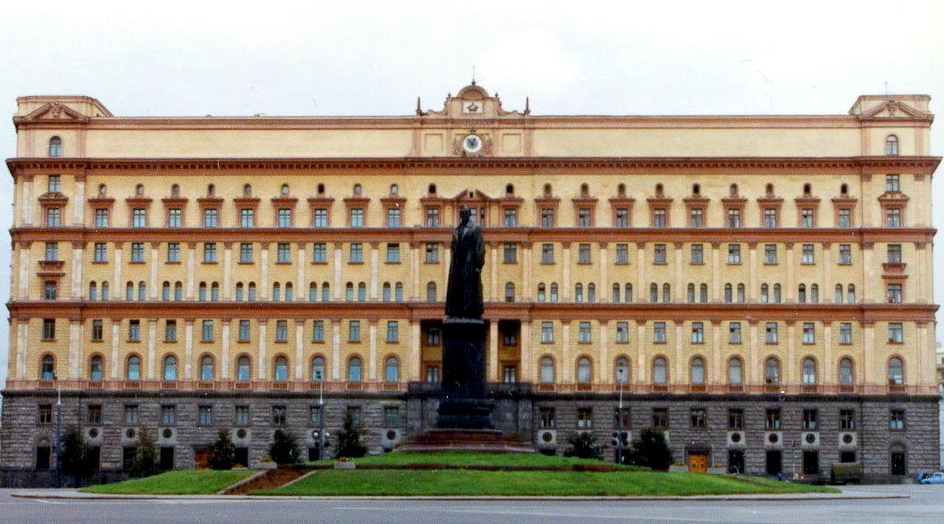 The old KGB Lubyanka headquarters & prison on Lubyanka Square in Moscow.
Gayle Lynds: Ah, the life of a Romeo spy. Not so long ago, after one of my novels was published, I received an email from a fellow who claimed to have been a great Romeo spy, bedding women on four continents for the feared KGB during the Cold War.
The following true story is the first installment of the next two weeks of blogs by Rogue Women Writers. The topic? Sex, spies, & writing.
Here’s what happened to me. . . .
It was obvious the man was proud of his career choice. It’d been a good life, he told me in his initial email. Interesting and full of adventure. There’d been so many women he’d lost count. And no, he didn't romance all of them in service to Mother Russia. Some had been for the sheer fun of it. He admitted to being handsome, something of a daredevil, and charming. Back then he chain-smoked and wore designer clothes. It’d been the 1970s, and from exclusive beaches to casinos and palaces, he always dressed in style.
He had a hell of a story to tell, he assured me. And because I had experience writing in the field, he wanted me to write it for him.
Talk to any spy writer, and you’ll hear about people who claim they’ve got a great idea for an espionage novel or that their life would make a thrilling book. I told him I was too busy, and I didn’t write nonfiction anymore. Besides, there was something faintly sinister and unbalanced about him. I couldn’t quite figure out what.
“You can’t pass this up,” he argued. “You’re my first choice.”
Did I believe that? Please. Fiction writers lie for a living. So do spies. I was polite but firm. I said no.
I thought that was the end of it.
Still, my curiosity was aroused, so I researched him. Surprisingly, I discovered he’d been the real deal. He’d had an affair with a secretary in the German Chancellor’s office, which had been productive, and also had liaisons with British, Australian, Canadian, and Austrian women, among others, in various sensitive positions.
Then in 1980, the Center gave him a new assignment — a woman who worked in a foreign embassy in Moscow. Despite the chocolates, flowers, and usual flattery, she turned him down. He’d been kicking around the world for eight years, making more and more mistakes, getting stranded, running out of money, and now he’d failed to ensnare an important target.
Why? Not only was he no longer dashing, he was often disheveled and appeared rundown. According to the Center’s psychological analysis, he’d grown emotionally unstable and suffered from a psychological disorder. He was hard to control.
Who was this artifact from the past, a disillusioned man who still believed he was a great Romeo Spy? My lips are sealed. Spies have to keep secrets. So do fiction writers.
Why do you think he fell apart? Have you known any Romeo spies? Please tell!
And drop by my website's World of Espionage anytime for other real-life spy tales.


July 10, 2016
SEEING THE WORLD WITH A TWIST
I want to welcome our Guest Blogger, Twist Phelan, who is someone who is always on the go. It's almost as if she's on permanent vacation, except that—in addition to being an intrepid traveler—she is also a publisher and a quite well-disciplined writer. But you don't have to take my word for it. Just read on!
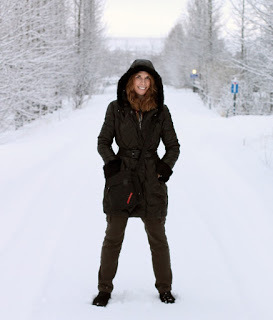 IcelandWanderlust is one of those great words borrowed from the German language (cf., schadenfreude, entlistungsfreude). Not-so-great romcom aside (sorry, Paul Rudd and Jennifer Aniston), the word gives most of us good feelings. It's that desire you feel from within to get out there and explore: to see the world, to daydream about all the places you could go.
About three years ago, I stopped daydreaming and started traveling (again, that is; I lived on a boat for ten years in my thirties and spent that time going around the world). I've visited over fifty countries, including Spain, Italy, France, Portugal, Morocco, Germany, Croatia, Iceland, Australia, Thailand, Finland, Norway, South Korea, Japan, Turkey, Greece, Ireland, India, the U.A.E., Switzerland, South Africa, Netherlands, England, and Austria, to name, well, more than a few.
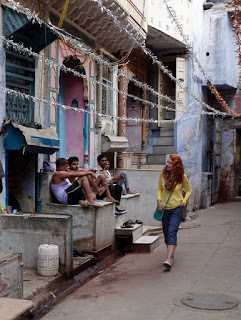 IndiaHow do I choose where to go? To me there are two kinds of destinations: On-The-Page and Off-the-Page. I try to travel to Off-The-Page places, with perhaps a two- or three-day stopover at an On-The-Page spot en route.
What in the heck am I talking about? It’s pretty well explained in the scene in The Guilt Trip (another movie reference; sorry!) where Seth Rogen and Barbra Streisand are standing in front of the Grand Canyon. Barbra exclaims, “I always wanted to see the Grand Canyon!” and Seth enthusiastically agrees. After an awkward pause, Barbra says, “Um, how long are we supposed to look at it?”
While I was pretty wowed by the Grand Canyon, I’ve had the same reaction to other landmarks. When it comes to some destinations, I can get almost as much satisfaction through reading about them or looking at pictures on the web as I do by seeing them in real life.
 For example—and I know many will disagree with me — I’m not a huge fan of the south of France. I don’t dislike it, but I don’t go out of my way to visit. I like looking at the beach at Cannes on Google Images about as much as I like looking at it in person. On the other hand, plunk me down in any town in Italy or Spain, and I am so enamored of the people/buildings/food/language/lifestyle, I immediately start trying to figure out how I can spend several months a year there, if not relocate permanently. The days fly by and too soon it is time to leave. As soon as I arrive home, I’m already planning how I’m going to return.
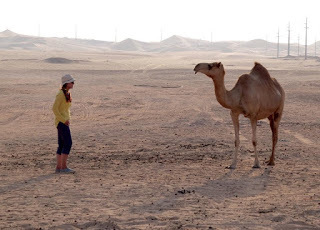
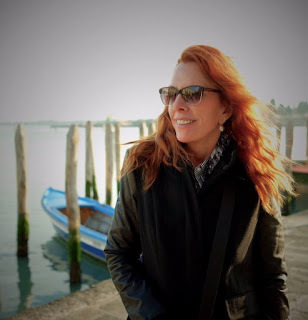 ItalyHow do I fit writing into a life of what might seem like perpetual vacation? Early on I realized it would be easy to make an excuse to not write. ("But I'm in Paris!") As a result, it has become a must-do-every-day + first-thing-in-the-morning thing. (Rather like when you're a kid, and your mother says you can go out to play after you finish your homework.)
So that's what I've done these past four years. The result? This year I launched the Finn Teller Corporate Spy mystery series. Finn Teller is a tough, funny, and independent woman with a high-risk, high-impact job. She is a corporate spy whose friends and family can never know just how dangerous a job she has.
Finn works for Strategic Information Associates, a CIA for private business. Her job ranges from ferreting out dishonest employees to discovering competitor’s plans to solving problems when the principals would rather not call law enforcement. Her biggest challenge is staying on the right side of the law—or at least not getting caught on the wrong side.
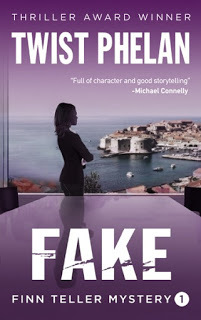 Finn's personal life is no less challenging. She favors men with jobs that take them away from home (and the relationship) as much as hers does—professional athlete, international consultant, CIA agent, and currently Luc, a Paris-based war correspondent.
The books are set in various countries around the world. The first, FAKE, is set in Italy and Croatia. The second, EXIT, takes place in Greece. I also write a travel blog at www.twistphelan.com, chronicling my adventures on the road.
So how about you? What are some of your favorite Off-The-Page places?
Thriller Award-winning author Twist Phelan is a modern nomad, telling stories as she travels the world. She is the author of FAKE, EXIT, and the soon-to-be-released DOUBT in the Finn Teller corporate spy mystery series. Follow her travels and writing news at http://twistphelan.com/ , on Facebook ( www.facebook.com/twistphelan ), or Twitter ( @twistphelan ).
 IcelandWanderlust is one of those great words borrowed from the German language (cf., schadenfreude, entlistungsfreude). Not-so-great romcom aside (sorry, Paul Rudd and Jennifer Aniston), the word gives most of us good feelings. It's that desire you feel from within to get out there and explore: to see the world, to daydream about all the places you could go.
About three years ago, I stopped daydreaming and started traveling (again, that is; I lived on a boat for ten years in my thirties and spent that time going around the world). I've visited over fifty countries, including Spain, Italy, France, Portugal, Morocco, Germany, Croatia, Iceland, Australia, Thailand, Finland, Norway, South Korea, Japan, Turkey, Greece, Ireland, India, the U.A.E., Switzerland, South Africa, Netherlands, England, and Austria, to name, well, more than a few.
 IndiaHow do I choose where to go? To me there are two kinds of destinations: On-The-Page and Off-the-Page. I try to travel to Off-The-Page places, with perhaps a two- or three-day stopover at an On-The-Page spot en route.
 What in the heck am I talking about? It’s pretty well explained in the scene in The Guilt Trip (another movie reference; sorry!) where Seth Rogen and Barbra Streisand are standing in front of the Grand Canyon. Barbra exclaims, “I always wanted to see the Grand Canyon!” and Seth enthusiastically agrees. After an awkward pause, Barbra says, “Um, how long are we supposed to look at it?”
While I was pretty wowed by the Grand Canyon, I’ve had the same reaction to other landmarks. When it comes to some destinations, I can get almost as much satisfaction through reading about them or looking at pictures on the web as I do by seeing them in real life.
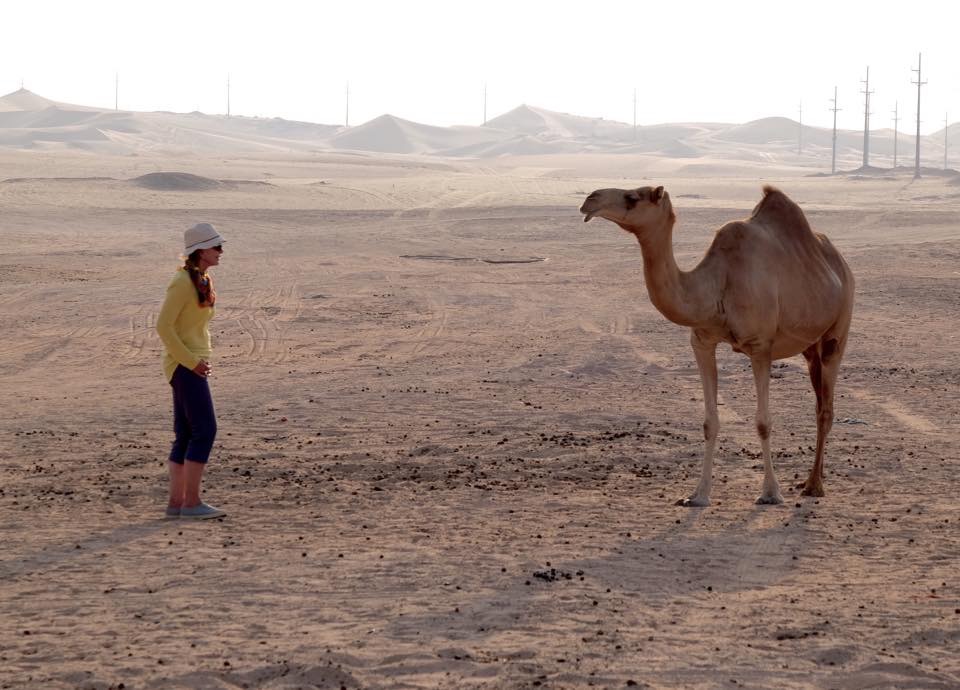 For example—and I know many will disagree with me — I’m not a huge fan of the south of France. I don’t dislike it, but I don’t go out of my way to visit. I like looking at the beach at Cannes on Google Images about as much as I like looking at it in person. On the other hand, plunk me down in any town in Italy or Spain, and I am so enamored of the people/buildings/food/language/lifestyle, I immediately start trying to figure out how I can spend several months a year there, if not relocate permanently. The days fly by and too soon it is time to leave. As soon as I arrive home, I’m already planning how I’m going to return.
 ItalyHow do I fit writing into a life of what might seem like perpetual vacation? Early on I realized it would be easy to make an excuse to not write. ("But I'm in Paris!") As a result, it has become a must-do-every-day + first-thing-in-the-morning thing. (Rather like when you're a kid, and your mother says you can go out to play after you finish your homework.)
So that's what I've done these past four years. The result? This year I launched the Finn Teller Corporate Spy mystery series. Finn Teller is a tough, funny, and independent woman with a high-risk, high-impact job. She is a corporate spy whose friends and family can never know just how dangerous a job she has.
Finn works for Strategic Information Associates, a CIA for private business. Her job ranges from ferreting out dishonest employees to discovering competitor’s plans to solving problems when the principals would rather not call law enforcement. Her biggest challenge is staying on the right side of the law—or at least not getting caught on the wrong side.
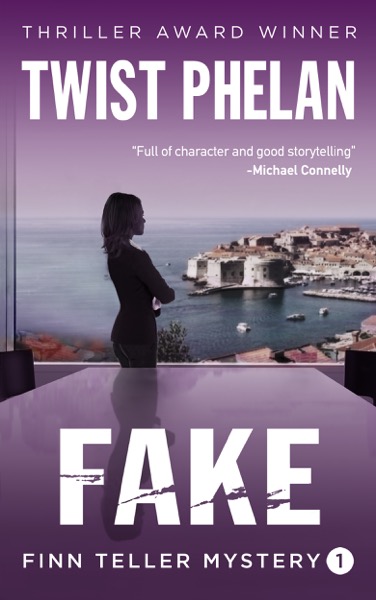 Finn's personal life is no less challenging. She favors men with jobs that take them away from home (and the relationship) as much as hers does—professional athlete, international consultant, CIA agent, and currently Luc, a Paris-based war correspondent.
The books are set in various countries around the world. The first, FAKE, is set in Italy and Croatia. The second, EXIT, takes place in Greece. I also write a travel blog at www.twistphelan.com, chronicling my adventures on the road.
So how about you? What are some of your favorite Off-The-Page places?
Thriller Award-winning author Twist Phelan is a modern nomad, telling stories as she travels the world. She is the author of FAKE, EXIT, and the soon-to-be-released DOUBT in the Finn Teller corporate spy mystery series. Follow her travels and writing news at http://twistphelan.com/ , on Facebook ( www.facebook.com/twistphelan ), or Twitter ( @twistphelan ).
July 9, 2016
WHO LIES? WRITERS AND SPIES. HERE’S HOW TO DO IT WELL.
Telling Lies: Your How-To Guide
by Sonja Stone
A few days ago, forensic psychologist Dr. Paul Lees-Haley diagnosed me as a sociopath.
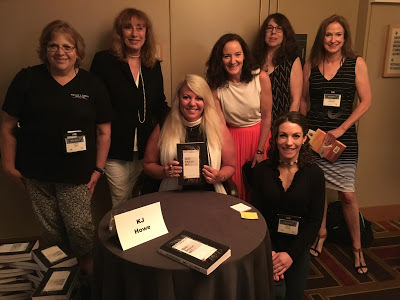 Rogue Women Writers (sans Karna) celebrating KJ HOWE'S ARC release!Here's what happened:
ThrillerFest, the annual conference of the International Thriller Writers (ITW), concluded last night. I attended many fabulous lectures, one of which was Dr. Lees-Haley's PSYCHOPATHOLOGY AS CHARACTER DEVELOPMENT. He asked a hypothetic question, I answered, and he graciously waited as long as possible to deliver his diagnosis: I'm a psychopath. (For the purposes of this post I'm using the two words interchangeably. Let's not bicker.)
His question: Imagine you're a writer. Your manuscript must mailed off TODAY. You print a fresh copy with two minutes to spare. As you're packaging your work of art, you spill coffee all over the pages. There's no time to reprint, and it MUST GO NOW. What do you do?
My hand immediately flew into the air as I confidently announced, "That's easy." Can anyone guess my answer?
"I'd package the damaged manuscript, then spill coffee on the outer envelope, making it look like someone else had done it after I'd sent it off."
Apparently, this is somewhat sociopathic. For those of you currently judging Dr. Lees-Haley's hasty diagnosis, reread the title. I'm lying; he didn't actually diagnose me. But my answer is, in fact, sociopathic. Which I'm okay with.
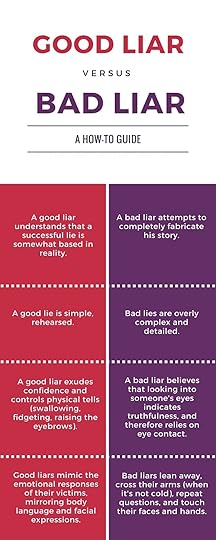 Sonja Stone's How-To Guide for Telling Lies
 I used to be a pretty good liar. But as I’ve aged, my moral flexibility has stiffened, and telling lies makes me uncomfortable. I’m interested in open, honest relationships. Discovering truth is important to me.
But I’m still fascinated by lies. Spotting them, exposing them, exploring them. That’s why I write.
Why did I reach a point in my emotional development when lying became unacceptable? Why doesn’t everyone reach that point? To be fair, it’s a good thing that not everyone is bothered by lying. Espionage would cease to exist.
What I find shocking are the number of bad liars I encounter. Here’s a cheat sheet to doing it well.
If you’re going to lie, do it properly.Becoming a competent liar isn’t easy, but it’s a skill one can learn. I’m not advocating dishonesty, but you never know when your future might depend on your ability to successfully sell a lie. Remember Argo and the embassy workers? Or the time your boss invited you over for dinner and asked if you enjoyed his wife’s cooking?
FIRST, WHAT NOT TO DO:Lying is a lot like writing a thriller: don’t use three words when one will do. Liars add superfluous detail to make their stories sound more believable. It doesn’t work.Don’t repeat the question. Repeating someone’s question looks like a stall tactic—like you’re buying time to think up your lie.Prepare in advance: have an alibi. Surely there’s a legitimate explanation as to why you’re standing outside a strip club with a fistful of dollar bills and a flask of absinthe. No doubt, you’re helping the homeless who frequent this neighborhood.
NOW, HOW TO LIE:Learn to meditate. People who meditate on a regular basis are better able to control their galvanic skin response. For those of you who’ve never been hooked up to a polygraph, you might not know the galvanic response happens unconsciously—it’s the subtle change in body temperature, the sweat glands opening just enough to trigger an alert on the machine, an increased heart rate. (Also known as the stress response.)Try Valium. Elizabeth Jennings (my favorite spy from TV’s The Americans) feeds her source a low dose of sedative before sending her off to steal secrets.Hold still. Don’t touch your face, don’t tug at your clothes, don’t scratch your nose, and don’t shrug.Practice so your words are succinct and your tone confident. When all else fails, carry a clipboard. A clipboard and a self-assured nod will take you far.
Don’t lie to me unless you’re good at it.It’s embarrassing for you, it’s embarrassing for me. Because I will call you out. It’s almost a compulsion. Generally, people have an unspoken agreement with each other that we will observe certain social niceties: you don’t tell me I’m too short for capris, I won’t tell you you’re too old to pull off a miniskirt. Not so with me and lying. I almost can’t help it.
What about you? Are you a good liar? Can you spot a lie? Add to my How-to and What-Not-to-Do lists in the comment section. I’m always looking for solid intel.
Find me here: www.sonjastone.com
Infographic: created by Sonja StoneThe Americans: https://assets.fxnetworks.com/cms/pro...
by Sonja Stone
A few days ago, forensic psychologist Dr. Paul Lees-Haley diagnosed me as a sociopath.
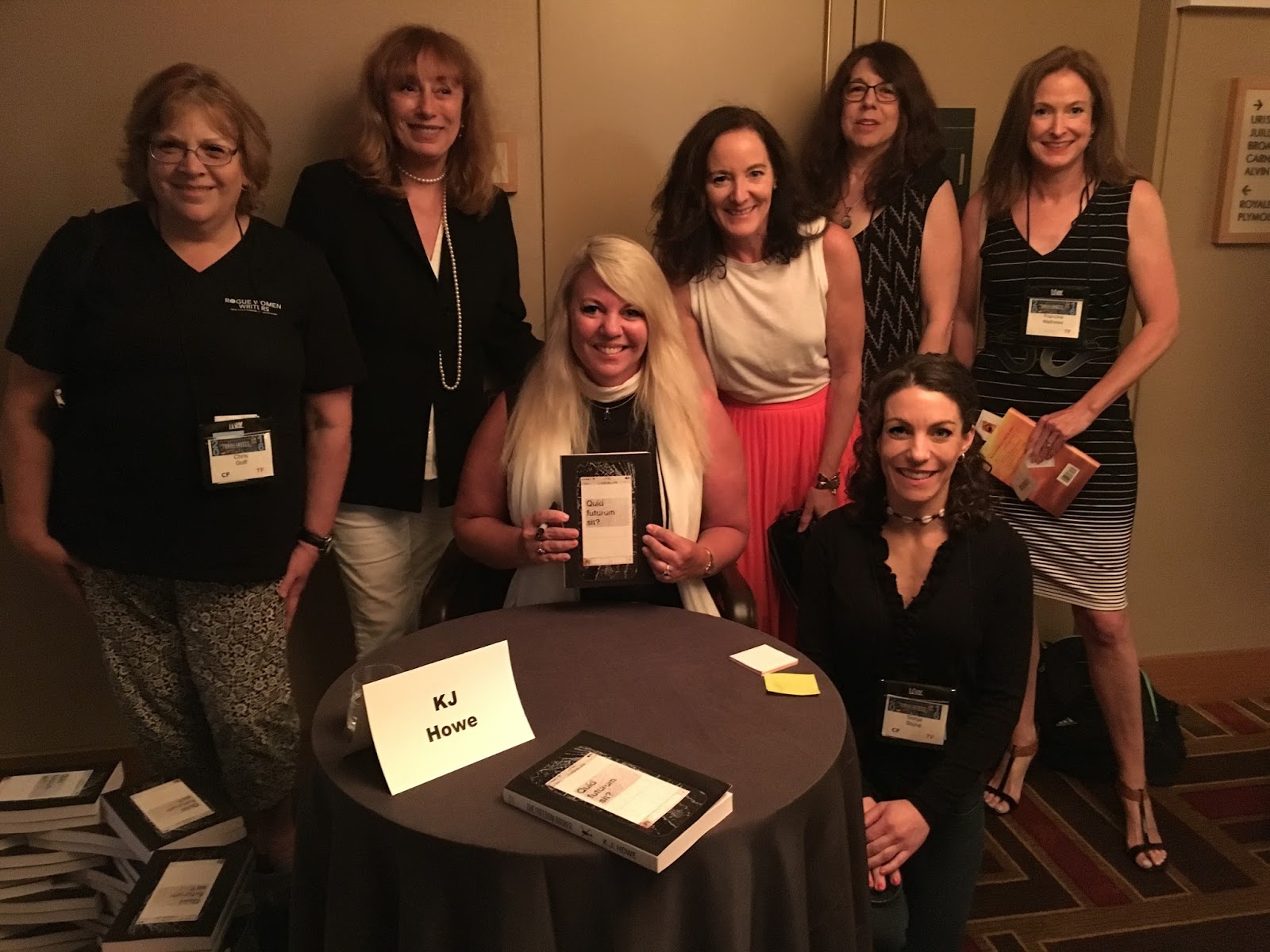 Rogue Women Writers (sans Karna) celebrating KJ HOWE'S ARC release!Here's what happened:
ThrillerFest, the annual conference of the International Thriller Writers (ITW), concluded last night. I attended many fabulous lectures, one of which was Dr. Lees-Haley's PSYCHOPATHOLOGY AS CHARACTER DEVELOPMENT. He asked a hypothetic question, I answered, and he graciously waited as long as possible to deliver his diagnosis: I'm a psychopath. (For the purposes of this post I'm using the two words interchangeably. Let's not bicker.)
His question: Imagine you're a writer. Your manuscript must mailed off TODAY. You print a fresh copy with two minutes to spare. As you're packaging your work of art, you spill coffee all over the pages. There's no time to reprint, and it MUST GO NOW. What do you do?
My hand immediately flew into the air as I confidently announced, "That's easy." Can anyone guess my answer?
"I'd package the damaged manuscript, then spill coffee on the outer envelope, making it look like someone else had done it after I'd sent it off."
Apparently, this is somewhat sociopathic. For those of you currently judging Dr. Lees-Haley's hasty diagnosis, reread the title. I'm lying; he didn't actually diagnose me. But my answer is, in fact, sociopathic. Which I'm okay with.
 Sonja Stone's How-To Guide for Telling Lies
 I used to be a pretty good liar. But as I’ve aged, my moral flexibility has stiffened, and telling lies makes me uncomfortable. I’m interested in open, honest relationships. Discovering truth is important to me.
 But I’m still fascinated by lies. Spotting them, exposing them, exploring them. That’s why I write.
Why did I reach a point in my emotional development when lying became unacceptable? Why doesn’t everyone reach that point? To be fair, it’s a good thing that not everyone is bothered by lying. Espionage would cease to exist.
What I find shocking are the number of bad liars I encounter. Here’s a cheat sheet to doing it well.
If you’re going to lie, do it properly.Becoming a competent liar isn’t easy, but it’s a skill one can learn. I’m not advocating dishonesty, but you never know when your future might depend on your ability to successfully sell a lie. Remember Argo and the embassy workers? Or the time your boss invited you over for dinner and asked if you enjoyed his wife’s cooking?
FIRST, WHAT NOT TO DO:Lying is a lot like writing a thriller: don’t use three words when one will do. Liars add superfluous detail to make their stories sound more believable. It doesn’t work.Don’t repeat the question. Repeating someone’s question looks like a stall tactic—like you’re buying time to think up your lie.Prepare in advance: have an alibi. Surely there’s a legitimate explanation as to why you’re standing outside a strip club with a fistful of dollar bills and a flask of absinthe. No doubt, you’re helping the homeless who frequent this neighborhood.
NOW, HOW TO LIE:Learn to meditate. People who meditate on a regular basis are better able to control their galvanic skin response. For those of you who’ve never been hooked up to a polygraph, you might not know the galvanic response happens unconsciously—it’s the subtle change in body temperature, the sweat glands opening just enough to trigger an alert on the machine, an increased heart rate. (Also known as the stress response.)Try Valium. Elizabeth Jennings (my favorite spy from TV’s The Americans) feeds her source a low dose of sedative before sending her off to steal secrets.Hold still. Don’t touch your face, don’t tug at your clothes, don’t scratch your nose, and don’t shrug.Practice so your words are succinct and your tone confident. When all else fails, carry a clipboard. A clipboard and a self-assured nod will take you far.
Don’t lie to me unless you’re good at it.It’s embarrassing for you, it’s embarrassing for me. Because I will call you out. It’s almost a compulsion. Generally, people have an unspoken agreement with each other that we will observe certain social niceties: you don’t tell me I’m too short for capris, I won’t tell you you’re too old to pull off a miniskirt. Not so with me and lying. I almost can’t help it.
What about you? Are you a good liar? Can you spot a lie? Add to my How-to and What-Not-to-Do lists in the comment section. I’m always looking for solid intel.
Find me here: www.sonjastone.com
Infographic: created by Sonja StoneThe Americans: https://assets.fxnetworks.com/cms/pro...
July 7, 2016
SEX AND THE CITY: ROGUE GIRLS TAKE THRILLERFEST
 Toby Stephens, Rosamund Pike, Madonna, and Pierce Brosnan in Die Another Day
By Francine Mathews
A few days ago, I was sitting in Dallas while my son fenced in Division 1 Saber at US Fencing Summer Nationals. I don't know why we got on the topic, but at a certain point--we were crossing a street, as I recall--Stephen said, "So, Mom. You can break down an AK in the dark, right?"
And I replied, "Anybody can break down an AK-47 in the dark, Steve. That's the point. They're the weapon of choice among Third World insurgencies because they're incredibly forgiving. They have only a few moveable parts, they don't jam, and you can clean them if necessary from the inside of a storm drain, or a safehouse closet, while tanks are crossing overhead. Can't do that with an M16, buddy. The sophistication of American weaponry was undercut by Soviet common sense. Which is why Russian product rules the gray arms markets of the world."
I don't own an AK or any other kind of gun. Truth be told, I think weapons belong solely in the hands of professionals. I simply learned to operate a variety of them while training with the CIA. My boys regard me as a font of privileged information. It gives me leverage. If you've ever raised teenaged boys, you know how precious leverage is.
This is part of why I enjoy my guys. They ask different questions, quite often, than girls do. I have two sons, aged twenty-two and eighteen, and they were as alien to me when I gave birth to them as though I'd hatched starfish. I am the last of six daughters. Our Catholic family was a matriarchy in thrall to a father who died too young. Under my other incarnation, as the writer Stephanie Barron, I devote myself to Jane Austen's world--because that is the dulcet sphere in which I grew up: tea and conversation, elaborate patterns of dance and conversation, flirtation and conversation. But then I went Rogue and joined the CIA, where all kinds of personal revelations about my own capabilties abounded. They did not end with motherhood. When I realized I was pregnant with a boy, I absolutely panicked. Who would I teach to needlepoint? Who would garden or cook with me? You can laugh at my gender stereotypes if you wish, but the thoughts recurred.
The truth is, I learned quite fast that parenting wasn't about what I had to teach my sons. As with all children, it was about what they had to teach me.
From my boys I learned about dinosaurs and mass excavators, jet engines and pandemics, World War II tanks and cyber-security, Roman civilization and Magic: The Gathering. I learned about the fear of peer criticism and low self-esteem. About sports rivalry and fantasy leagues and tentative forays into the emotional world of women they understood less well than I understood men. We had much to teach other; we always will. But I think of them most often, surprisingly, when I write.
At least every other year, I set out to frame a spy story, often in a historical context, and most often with male protagonists. I've written about Jack Kennedy, Ian Fleming, Allen Dulles and (under a different character name) the extraordinary silk trader and CIA NOC, Jim Thompson, who disappeared without a trace in 1967. When I write about men, I find that I am constantly searching for the boy in each of them--the tentative, unschooled, self-conscious and vulnerable creature on the verge of discovering a powerful male self.
Look at the picture of Jack Kennedy that inspired my novel--he was 20 when it was taken in 1937, a street busker juggling oranges in Nuremberg, Germany, in the height of the Nazi buildup.
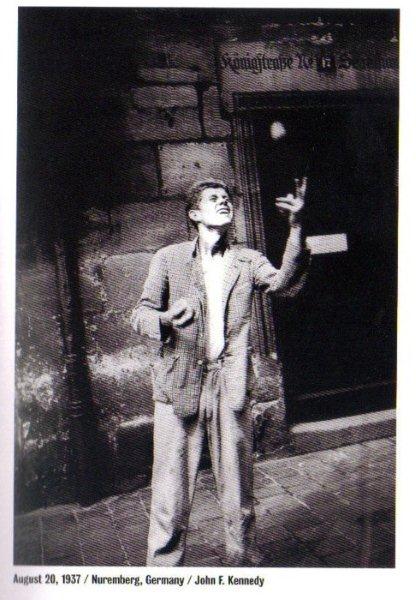 From the John F. Kennedy Presidential LibraryIn his face is a crazy youth, a belief in his own immortality, and a gawky unrealized maturity that is poignant even as he grins. This is the character that spoke to me, the one I had to find. My own sons have been my guides, in an important sense; but I realize, as I write, that I am striving for something more universal--an essential portrait of what it means to be human: to suffer, to rise to a challenge, to overcome vicious odds, to grieve and to triumph. I find all those emotions in espionage stories, regardless of whether I'm speaking with a male or female voice; and I hope that my readers do, too.
At this point in the summer, I have just arrived in New York at ThrillerFest 2016, the annual gathering sponsored by the International Thriller Writers. ITW is a conclave of storytellers, male and female, who revel in a sense of jeopardy. One of the side aspects of this yearly meeting is the joy of connecting with my fellow Rogue Women Writers, all of us spinning tales in a genre generally regarded as the province of men. Most writers of international thrillers like to set traps for readers--traps of intrigue, deceit, doublecross and revelation. There's a fascination to that game. I like to think it's gender-neutral.
But I have a question for all of you:
What do you readers, men and women alike, crave in your spy novels, international intrigue, or historical espionage? Do you love strong male characters? Do you look for great women, too? Are you engaged by the political drama or the sense of peril? Do you want romance? Character development? Is it solely jeopardy you're looking for? A twisting, puzzle plot that upends your expectations?
We Rogue Women are gathering on a panel at ThrillerFest today to talk about all of this. We'd love your input. So set down your thoughts in the Comments section--and we'll gladly plunge into the conversation.
All the best,
Francine
www.francinemathews.com
July 5, 2016
SUMMER TRAVEL: First up: THRILLERFEST 2016
 by Jamie Freveletti
My first business trip this summer takes me to the International Thriller Writers' THRILLERFEST 2016 writing conference. This annual conference located in New York City draws a large contingent of industry professionals, authors, aspiring writers and agents and editors. Begun in 2004, both ITW and Thrillerfest have grown every year since then. For a writer, both published and unpublished, Thrillerfest provides a whole host of interesting panels, classes and social events. I met my agent at the annual Agentfest luncheon. She accepted several authors that year and we're all well published and still with her today.
So you can see, this conference (and ITW) is beneficial for anyone who wants to write in the Thriller genre. I've been coming to this conference since its inception, and I have some tips and tricks to offer for those who intend to attend.
If your're unpublished but have a manuscript completed or nearly so, go to Pitchfest
As mentioned above, I met my agent in person for the first time at Thrillerfest. I had started the standard query process, writing a query letter and submitting to my top "dream" agencies, and I had received several requests for partials and two requests for fulls. Barbara Poelle, my agent was one of the full requests. When we met at Agentfest (now called Pitchfest), we discussed the manuscript, saw that we clicked, and I walked away sure that she was the agent I wanted to represent me. I notified the other agents, withdrew the manuscript and signed with Barbara. Pitchfest provided me with the opportunity to meet her in person and gave me the confidence that I was making the right choice. The reason I suggest that you go to this part of the conference once you are finished or almost finished, is that you should be able to give an "elevator pitch" to the agents about your manuscript when you see them. Doing it too far in advance is not that beneficial, because agents will want to know that you're on the path to completion before seriously considering signing you. Save your big guns for when you are confident that the manuscript is in the shape you like before pitching it here.
If you're working on a manuscript, whether unpublished or a new book, go to Craftfest.
Craftfest is taught by published authors who can help you with various aspects of your work, whether you are an unpublished author working on a manuscript or a published author writing another. I find that I always come away from Craftfest with a cool tip or trick that always helps me in my writing. Everyone's process is different, and it pays to hear how others work. I'm always looking to improve, and listening to others talk about writing helps me to do so.
Spend the rest of your time at Thrillerfest.
Spend the last couple of days at Thrillerfest, where the panels continue, you'll hear more tips and tricks, and you'll get to hang out with others in the writing world. Thrillerfest provides a wonderful opportunity to mingle with others that love writing, love the Thriller genre, and enjoy getting out of their quiet writing space. Writers work in solitude and it's refreshing and revitalizing to be surrounded by others in the same genre. I always leave Thrillerfest with a renewed excitement and new ideas.I'll be tweeting pictures and hopefully a short video or two both to my twitter account and to the Rogue Women Writers account. My username is @jamiefreveletti and the blog's is @roguewomenwrite if you wish to follow along. And if you're heading to the conference, don't hesitate to say hello!
Best, Jamie Freveletti
July 3, 2016
Summer Travel Inspires Thrillers
 Gambit
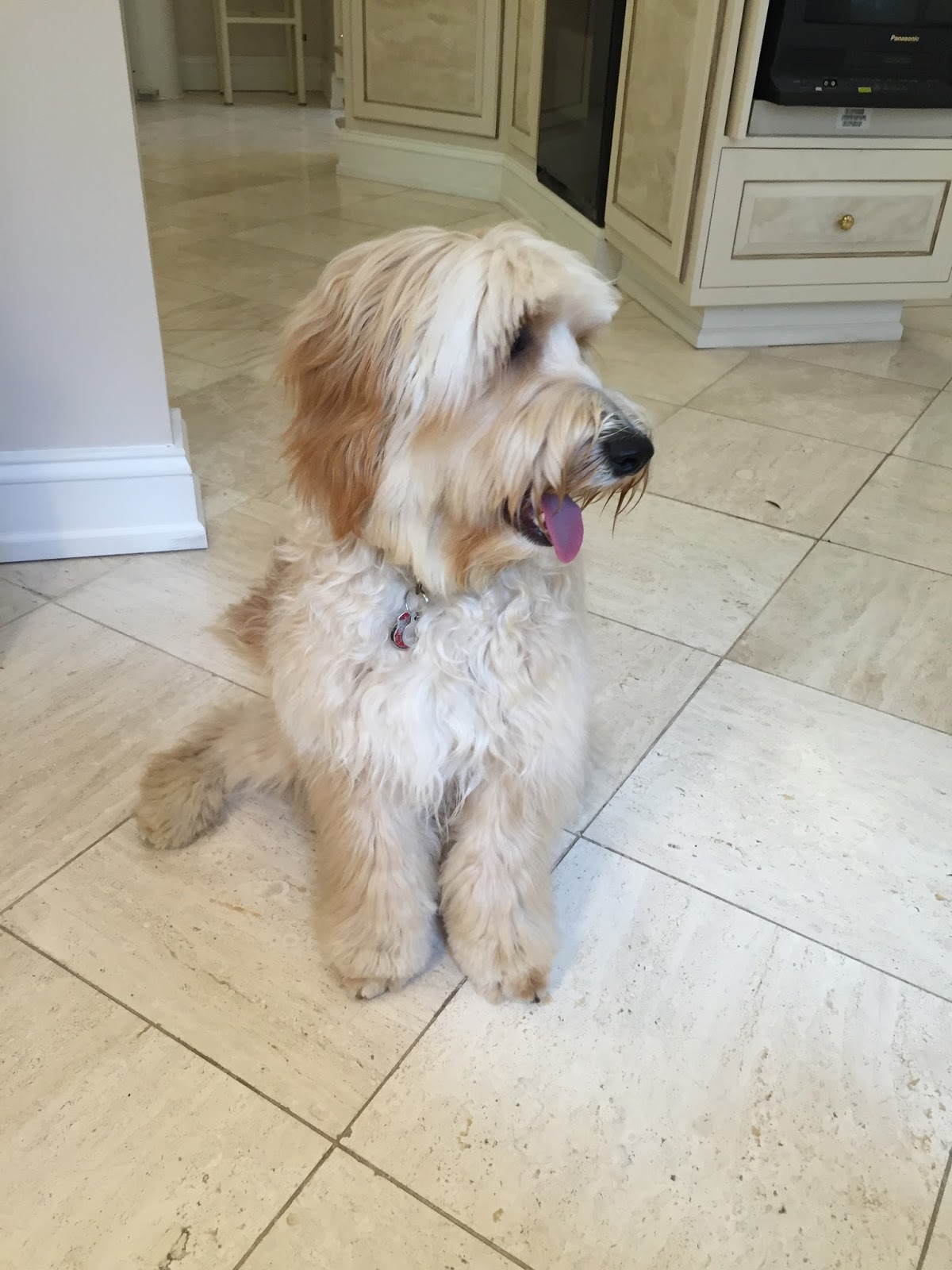
 First - a very HAPPY FOURTH OF JULY to you! All this week my Rogue Women Writer colleagues have been discussing summer projects and showing how many of our travel experiences have inspired the international thrillers we all write. This summer I have been writing and editing two more novels while enjoying a lovely summer in Southern California with family -- and a new addition to the family -- "Gambit" (we named him after the title of my second thriller). He is a bit of a distraction from my work routine, but how can you ignore a little guy like this?
 But back to the novels. When I served in The White House and the President was spending time at Camp David one summer, I was sent to South America to give speeches to various business and student groups explaining the President's policies. That exciting trip included time in several cities including Salvador, Recife, Sao Paulo along with the Capital City of Brasilia and everyone's favorite vacation spot, Rio de Janeiro. These last two cities provide most of the settings for my new novel, Affairs of State, about a young woman on the President's Council of Economic Advisors who is sent to a conference in Brasilia and meets a man introduced as the Assistant Chief of Protocol at the State Department. But that's only his cover. He's actually a Special Agent on a mission to prevent a national crisis. And while he initially just talks about arranging proper seating charts, does she ever figure out who he really is? And when she is in danger, can he rescue her while he's been assigned to handle a completely different potential disaster?
 Brasilia, Capital of Brazil
 Brasilia's "Crown of Thorns" CathedralEven though Brasilia was built over a half century ago in an effort to develop more of the interior regions of Brazil, the famed architect, Oscar Niemeyer, designed a city filled with "futuristic designs" that made me feel like I was an actress in a Science Fiction movie. How's this location for an international thriller filled with tension and intrigue?
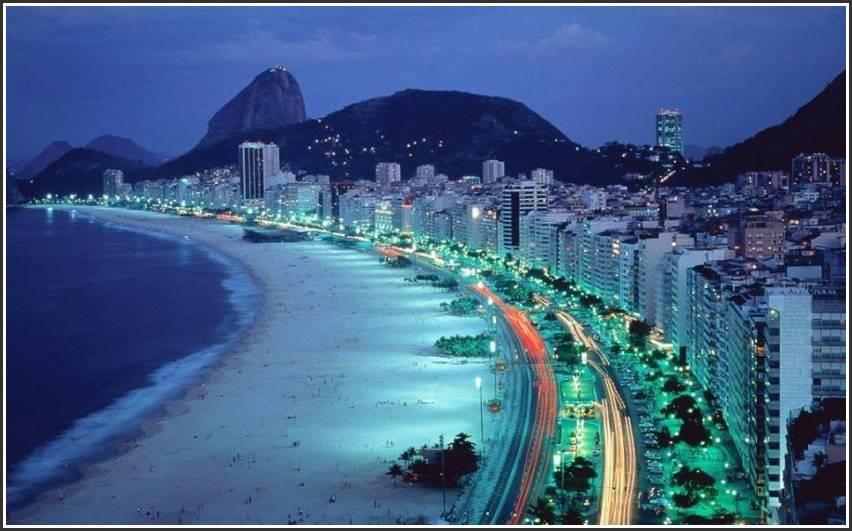
In the story, the economist and the agent take a side trip to the gorgeous city of Rio de Janeiro and stay at the famous Copacabana Hotel across the road from the beach of the same name. It's romantic and yet dangerous as Rio is known as the home to a number of drug king-pins, kidnappers and other nefarious characters who all show up in Affairs of State. And yet, imagine yourself taking a vacation here:
 Copacabana Beach, Rio de Janeiro When I finished that story, I edited another thriller this summer, Trust but Verify, about two Russian oligarchs who devise a deadly scheme to make a fortune. Much of the action takes place in Jackson, Wyoming where we had a summer home for many years. While you would naturally associate Jackson Hole with challenging ski slopes, a new tram (that holds up to 100 people) and gorgeous scenery of the Tetons and nearby Yellowstone, in this thriller, the tram could be a target. Would you ride to the top of Rendezvous Mountain on this one?
 Jackson Hole
 Teton Village Tram
 As for the characters, this time it's the White House Director or Homeland Security paired with an FBI Special Agent who must figure out how to pinpoint and stop an incredible plot.
So the question for you readers (and writers): how are you spending your summer? Are you traveling to any exotic locales -- places where you could envision some unique characters becoming entangled in a threat to our national security perhaps? Let us know -- we'd love to hear your plans and ideas. Also, to find out the publication dates for Affairs of State and Trust but Verify -- I will announce them later on my website: www.karnabodman.com. Thanks for visiting us here....and do keep in touch.
Karna Small Bodman
July 2, 2016
RESEARCH INTO THE DARK WORLD OF KIDNAPPING
by KJ Howe
My character Thea Paris is a response consultant, which is the industry term for kidnap negotiator. One of only 25 elite consultants, she traverses the globe to the deadliest hotspots in the world to bring hostages home safely by any means necessary. She leaves her base of London, England for weeks or even months at a time to help the captive's family at the height of the crisis. Taking control of the response, she chooses the best family representative to interact with the kidnappers, direct life or death negotiations, and when all else fails, she plans and leads rescue operations.
Kidnapping is a complicated business. To make sure I have the facts right, I've completed extensive research into this dark world. First I headed to Miami, one of the hubs of this industry where I attended an in-depth conference about K&R. You may ask, why Miami? Over 60% of kidnaps take place in Latin America, especially Colombia and Venezuela. In fact, speaking fluent Spanish is a key skill when working in this zone. And language skills from schooling aren't enough. Negotiators need to understand every nuance of slang or dialect because a hostage's life could depend upon it.
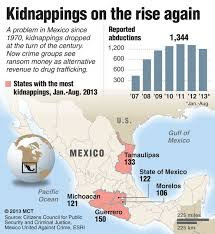 Mexico has become a booming industry for kidnapping. The drug wars have a lot to do with the rising incidents. So do corrupt police officers who are sometimes the brains behind these kidnaps. In the past, the crime tended to target the rich. Now it has become more egalitarian. Victims these days are often shopkeepers, taxi drivers, service employees, parking attendants and taco vendors who work in cash or in Mexico's informal economy. Targets also tend to be young--students with parents willing to pay for the return of their loved ones. Ransoms can be as low as $500, quick transactions for kidnappers to make a buck.
And there are cross-border kidnaps where criminal gangs travel to the U.S. and bring back hostages to Mexico, demanding a ransom. The land of sunshine and salsa has become a high risk location for both locals and tourists. And this trouble has been brewing for many years. Back in 2008, response consultant Felix Batista was taken hostage. No ransom demand came in. Felix Batista never came home.
 Mexico has one of the wealthiest football leagues in the hemisphere, and its high salaries tend to keep players at home. Ciudad Victoria has been ranked the second most dangerous city in the country for kidnappings because two factions of Los Zetas are squabbling over the territory. They need money to keep fighting and kidnapping is an easy way to get it. Recently, football (soccer) star Alan Pulido was kidnapped in Mexico. His story had a happier ending than Batista's, as Pulido is now back safe.
My research continues, as there are many hotspots around the globe. Criminal and political kidnaps abound, and the work of a response consultant becoming increasingly important. I look forward to sharing more information in other blogs. In the meantime, I do have a question for you. When you're planning business trips or holidays, do you consider the security risks of your destination?
Thanks for stopping by today.
My character Thea Paris is a response consultant, which is the industry term for kidnap negotiator. One of only 25 elite consultants, she traverses the globe to the deadliest hotspots in the world to bring hostages home safely by any means necessary. She leaves her base of London, England for weeks or even months at a time to help the captive's family at the height of the crisis. Taking control of the response, she chooses the best family representative to interact with the kidnappers, direct life or death negotiations, and when all else fails, she plans and leads rescue operations.
Kidnapping is a complicated business. To make sure I have the facts right, I've completed extensive research into this dark world. First I headed to Miami, one of the hubs of this industry where I attended an in-depth conference about K&R. You may ask, why Miami? Over 60% of kidnaps take place in Latin America, especially Colombia and Venezuela. In fact, speaking fluent Spanish is a key skill when working in this zone. And language skills from schooling aren't enough. Negotiators need to understand every nuance of slang or dialect because a hostage's life could depend upon it.
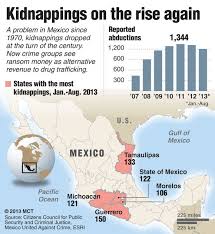 Mexico has become a booming industry for kidnapping. The drug wars have a lot to do with the rising incidents. So do corrupt police officers who are sometimes the brains behind these kidnaps. In the past, the crime tended to target the rich. Now it has become more egalitarian. Victims these days are often shopkeepers, taxi drivers, service employees, parking attendants and taco vendors who work in cash or in Mexico's informal economy. Targets also tend to be young--students with parents willing to pay for the return of their loved ones. Ransoms can be as low as $500, quick transactions for kidnappers to make a buck.
 And there are cross-border kidnaps where criminal gangs travel to the U.S. and bring back hostages to Mexico, demanding a ransom. The land of sunshine and salsa has become a high risk location for both locals and tourists. And this trouble has been brewing for many years. Back in 2008, response consultant Felix Batista was taken hostage. No ransom demand came in. Felix Batista never came home.
 Mexico has one of the wealthiest football leagues in the hemisphere, and its high salaries tend to keep players at home. Ciudad Victoria has been ranked the second most dangerous city in the country for kidnappings because two factions of Los Zetas are squabbling over the territory. They need money to keep fighting and kidnapping is an easy way to get it. Recently, football (soccer) star Alan Pulido was kidnapped in Mexico. His story had a happier ending than Batista's, as Pulido is now back safe.
My research continues, as there are many hotspots around the globe. Criminal and political kidnaps abound, and the work of a response consultant becoming increasingly important. I look forward to sharing more information in other blogs. In the meantime, I do have a question for you. When you're planning business trips or holidays, do you consider the security risks of your destination?
Thanks for stopping by today.
June 30, 2016
My Vermont Summer
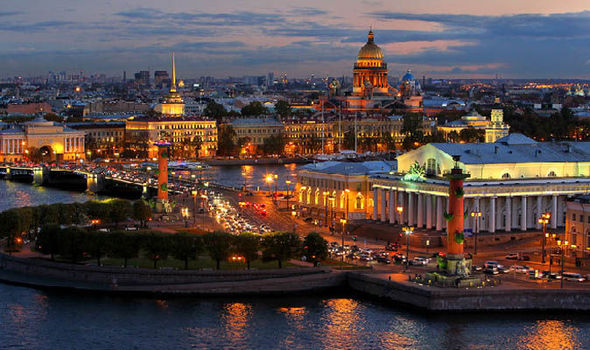 St. Petersburg, RussiaS. Lee Manning: American agent Kolya Petrov has returned to his childhood home in St. Petersburg, not knowing if his childhood best friend intends to gut him and leave him on the side of the road. He needs me to get him home in the new novel I’m working on, and I’d planned to spend the summer doing just that.
It’s late June as I write this. I turn on my computer to start my day. I’m alternating writing this blog for Rogue Women Writers with writing my novel in progress, where Kolya is once again figuratively hanging by his fingertips. Working title for the new novel: Red Horse Rider, and it’s the sequel to Trojan Horse. I type a few words, and then I go for more coffee. From there to outside. It’s gorgeous. From my screened-in porch, I breathe in the scent of fresh grass and flower nectar. The morning air is crisp and cool but will warm up to the higher 70s. Quite a contrast from last week when I made a fire in our wood stove with temperatures bottoming in the 40s.
I should go back to writing, but I’m captured by the lushness of summer in Vermont. My garden is a riot of purple, yellow, and pink flowers. A hummingbird in a blur of green wings investigates the new
 My yard in Vermont roses. Our house is tucked into a small clearing, surrounded by maples, spruce, and oaks, invisible to neighbors or the cars on the road. The top of a mountain rises just above the fluttering leaves of the trees. A brown and white sparrow perches on the edge of the barn roof, resting before another foray to feed hungry fledgings in a hidden nest.
 My garden beckons. The grass has sprung up around the perennials, and purple and red impatiens wait in their containers for me to plant them. Kolya casts a cold eye on me. “Impatiens? Really? Get me the f*** out of this.” (Kolya tends to curse too much.)
At my desk, I put aside the blog and reread pages in Red Horse Rider I wrote yesterday where he’s talking with his former best friend who might or might not be planning to kill him. I add details about Kolya’s life with his mother before her death. Then I watch a black and yellow monarch butterfly land on the tiny white flowers of the raspberry bushes that grow up the side of the mountain behind our house. Another butterfly joins, and for a few moments, they dance a duet of fluttering wings. I feel a little like the dog in the animated movie, Up, except it’s not a SQUIRREL that keeps diverting my attention.
 The butterfly is in the middle of the bush. Look closely.
I should find it easy to write this new novel. I love my characters, and they are in danger. Terrorists have smuggled weaponized uranium into the United States, and I’m building to the ultimate confrontation. But still it’s summer. In Vermont, summers are sweet – and short.
Sort of like life.
I need to get Kolya through this new scene. He’s moved from the conversation with his possibly murderous friend to a confrontation with a Russian mafiya head, but there’s a brown and black stripped chipmunk scampering across the rocks underneath the raspberry bushes, investigating last year’s leaves. He’s a frequent visitor, so much so that I feel I should name him. The cool silence of the woods stretches upwards, patches of sun breaking through the leaves. There’s reputedly a bear that lives somewhere in our woods, but I haven’t seen her, even when I’ve hiked up the mountain to a ledge that overlooks the valley.
“Yob tvoyu mat, S. Lee. Stop with the digressions.” He’s really annoyed now, perching on the chair at the other end of my desk. Well, okay, he’s not really there; he is a creation of my imagination, but for all that, he has an oddly solid presence here in my office.
I’ve written in beautiful summer weather in Vermont before, and I should be able to do it now. My goal is a complete draft of Rider by the middle of September, which should be doable, since I have already written 247 pages. It should be doable even though I have summer trips planned. Washington D.C. over the Fourth of July to visit my remarkable 94-year-old Aunt Annie, who is still teaching every day. New York for Thrillerfest in the beginning of July. Nashville for Killer Nashville, in the middle of August.
 Elmore Lake, Elmore State ParkAll I need to do is ignore the call of woods, fields, and mountains. There is so much to do here in the summer. Mountain trails leading to hidden falls are five minutes away, in Elmore State Park. Fifteen minutes from our house, there’s a newly opened seventeen mile bike trail along a former rail line, from Morrisville to Cambridge. I pumped up the tires on my bike yesterday, and my husband put the bike rack on the car. It’s Saturday morning, and there’s a farmer’s market in Montpelier, although it’s unlikely that there would be much in the way of produce this early in the season. Still, there’re food trucks, and sometimes live music, and always good people watching.
Vermont is fighting for my full attention this summer, but I’m fighting back. I’m carving out writing time in the morning, in between visits outside and chipmunk sightings, and slowly but surely, the words are coming.
And now that the blog is finished, it’s time to rescue Kolya.
June 28, 2016
FIVE FABULOUS LOST TREASURES OF THE OLD WORLD
 Gayle Lynds:
One of my fondest memories growing up is of the apple tree in my father’s garden. In the summer I’d lie under the tree, eat green apples, and read armloads of books from the library. Every book was a treasure hunt. What wonderful people would I meet? What adventures would I have? Oh, the exotic places I’d visit!
Gayle Lynds:
One of my fondest memories growing up is of the apple tree in my father’s garden. In the summer I’d lie under the tree, eat green apples, and read armloads of books from the library. Every book was a treasure hunt. What wonderful people would I meet? What adventures would I have? Oh, the exotic places I’d visit!Treasure is a wonderful word. It makes one think of jewels and gold and coin of the realm. It adorns classic novels like Treasure Island and classic movies like Treasure of the Sierra Madre. And if we add a second word to create the evocative phrase “treasure hunt,” then heroes, heroines, and the Walter Mitty’s among us just might throw ourselves into an adventure.
I love this stuff. Because I write international spy thrillers, I'm also writing about geopolitics, culture, romance, secrets, and, whenever I can, missing treasures. Here are five of my favorites lost treasures. I’ve written extensively about three of them in my books. Do you know which three? The answer is at the end of my blog. Happy hunting!
 The Amber Room
It was said that when the afternoon light shone through the tall windows of the Amber Room, the walls shimmered and glowed as if alive. The reason? A fortune in amber mosaics and carved amber figurines blanketed every square inch, while gold-encrusted mirrors reflected the lush beauty back upon itself. Created in the early 1700s in Prussia, the Amber Room grew politically important in 1716 when Frederick William I gave it to Peter the Great of Russia to memorialize their alliance against Sweden. Some 200 years later, the room became prize World War II plunder, stolen by the Germans and shipped off to Königsberg Castle. But then, at the war’s end, it disappeared. Some believe the room was destroyed when the Allies bombed the castle, while others think it was dismantled and hidden in a salt mine or cave, where the right humidity and temperature would preserve it. Today the Amber Room remains one of the world’s most significant and stunning vanished treasures.
 The Treasure on the Mary Dear
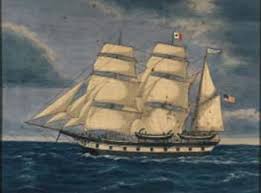
In 1820, the rich city of Lima, Peru, boasted treasures valued at some $60 million, including a life-size gold statue of Mary holding baby Jesus. But the city was near revolt. So the Spanish viceroy hired William Thompson, captain of the merchantman Mary Dear, to transport the city's wealth to Mexico for safekeeping. Instead, as soon as they were on the high seas, Thompson ordered the viceroy’s guards killed and thrown overboard. Sailing on to the Cocos Islands, the crew anchored and buried the treasure. Not long afterward, the ship was captured, and the crew was convicted of piracy. All but Thompson and his first mate were hanged. To save their lives, the two promised to reveal where the treasure was buried and led their captors back to the island. But once in the jungle, they escaped. Since then, more than 300 expeditions have tried and failed to locate the lost treasure of the Mary Dear.
 Ivan the Terrible’s Library of Gold
Known for his horrific temper and paranoia, Ivan the Terrible of Russia had another side: He built the eternal St. Basil’s Cathedral, introduced the printing press, and kept artists, craftsmen, and poets on staff. He allegedly also inherited from his grandmother Sophia some 800 illuminated manuscripts covered with gold and gems. Sophia was an heir to the last Byzantine emperor, and her priceless collection was all that remained of the legendary Constantinople Library, saved before the Turks routed the city. Over the years, Ivan invited luminaries from Europe to view it, and they returned home to spread word of its magnificence. But when Ivan died in 1584, the library disappeared. Although there has been debate whether the library ever existed, historians and notables have searched for it for centuries. Among them were Peter the Great, Napoleon, Vatican emissaries, and even Vladimir Putin.
 The Secret Grave of Genghis Khan
When the fabled warrior died in 1227, his body was returned to Mongolia, probably close to his birthplace near the Onon River. According to legend, the funeral escort killed anyone who saw the body being transported, and when the tomb was finished, the slaves who built it were murdered, too. Nothing was left to mark the grave, even though Genghis Khan had founded the Mongol Empire and conquered most of Eurasia. For centuries the hunt for his tomb has attracted those fascinated by his remarkable life and accomplishments. One was Maury Kravitz, the famous Wall Street commodities trader, who financed and led four excursions into Mongolia. Still, the Great Khan’s final resting place is unlikely to be found because, if legend is to be believed, the soldiers who murdered everyone who might know about the tomb also killed one another, the last man taking his own life.
 Saddam Hussein’s Missing Multibillion-dollar fortune
Few people know that Saddam Hussein’s first job in politics was as an assassin for Iraq’s Baath Party. He was only 20 years old but soon was known as a shaqawah, a man to be feared. By the time he was 42, he was president. He nationalized the banks and oil companies and skimmed profits. His wealth grew from bribes and kickbacks on contracts to build superhighways, hospitals, schools, hotels, shopping malls, and office complexes. At the time of his execution, his fortune was estimated to be between $40 and $70 billion, but the United States and its allies have been able to recover only a few billion. Sources believe the money is hidden in dummy corporations in Switzerland, Japan, and Germany, and as cash and diamonds in numbered bank accounts in Europe and the Middle East. The search for Saddam’s vanished billions is considered by some to be the greatest treasure hunt since the post–World War II pursuit of Nazi gold.
And there you have my choices of favorite lost treasures. They may be missing, but their stories remain with us, and all are rich in culture and history and adventure.
And FYI . . .
The Amber Room appears in Mosaic
Ivan the Terrible's Library of Gold appears in The Book of Spies
Saddam Hussein's Missing Multibillion-dollar fortune appears in The Assassins
June 26, 2016
Spies, Spies and more Spies
After realizing that I’d posted my last blog a week early, I decided to do a little more research on additional female spies-of-note for my actual blog day. What I found was a plethora of candidates worthy of mention.
 There are a few spies whose names are familiar to everyone:
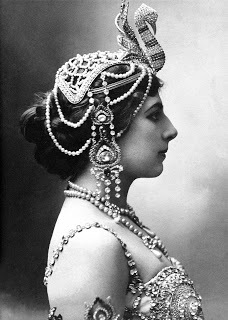
Mata Hari, a professional dancer and mistress, who accepted an assignment to spy for France in 1916. She was later accused of being a German spy and executed by firing squad; and
Josephine Baker, a black American entertainer living in France, who—through notes written in invisible ink on her sheet music—carried information about airfields, harbors, and German troop concentrations for the Brits.
But—regardless of your politics—there are quite a few other women worthy of note. Here are just a few to consider:
Noor Inayat Khan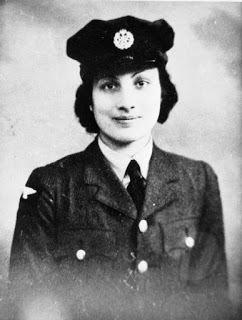 The daughter of an Indian Muslim father and an American mother, Kahn grew up in France, where she studied child psychology at the Sorbonne, music at the Paris Conservatory, and later pursued a career writing poetry and children’s stories. After the outbreak of World War II, she and her brother decided to help the Allied cause, in part to fight the Nazis and in part hoping that by distinguishing themselves in the war they could help bridge relations between English and Indian peoples. Joining the Women's Auxiliary Air Force, Kahn trained as a wireless operator, then traveled to Nazi-occupied Paris where she transmitted messages to London. Sadly, she was betrayed to the Germans and arrested. She never revealed any secrets under interrogation. Unfortunately, she had copied the messages she’d sent into her notebooks, which made it possible for the Germans to successfully impersonate her in further messages to London. The end result was the capture of three more of London's operatives, before Khan was moved to the Dachau Concentration Camp, where she was executed.
Nancy Wake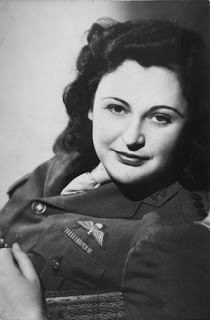 Born in Wellington in 1912, she trained herself as a journalist and, by the time World War II broke out, she worked for Hearst newspapers as a European correspondent. Joining the French Resistance, she worked as a courier. Using flirtatious charm to throw off Gestapo members, she joined an escape network helping Allied military personnel to flee Marseille. Known as the "White Mouse" for her ability to evade capture, Wake became the Gestapo's “most wanted” person with a five million-franc price on her head. Fleeing France, she joined the SOE where she turned out to be a crack shot in training and was assigned to work in Auvergne. After parachuting into the province, she became responsible for organizing weapons and supply drops. She even engaged in combat, lead guerrilla attacks and sabotaged missions, and even once killed an SS officer with a judo chop to the throat. At the end of the war, she became one of England’s most decorated servicewomen.
Mary Bowser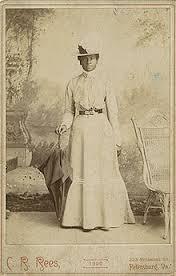 A slave, she was educated in the north and later freed by her master. Her former master’s daughter, Elizabeth "Bet" Van Lew, became an abolitionist famous for running a spy ring for the Union during the American Civil War. Browser, a brilliant woman with a photographic memory, posed as a slow-witted, but competent servant in order to infiltrate the household of Jefferson Davis. Assuming she could neither read nor write, important papers were left out in the open. Bowser read the papers, memorized them and fed the information to Van Lew's spy network. Toward the end of the war, members of the household became suspicious. Bowser fled, trying unsuccessfully to burn the house down on her way out. She survived the war, living to write about and give lectures on her wartime activities.
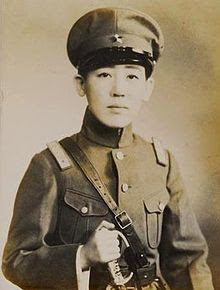 Yoshiko KawashimaJapanese spy, Yoshiko Kawashima, was actually Chinese by birth. The daughter of a member of the Manchu imperial family, when she was eight her biological parents died and she was adopted by the Japanese spy and adventurer, Naniwa Kawashima. Strikingly beautiful, Kawashima was sent to Tokyo. Trained in both Eastern and Western martial arts, she became something of a pulp heroine thanks to her exploits as a Japanese spy in the Japanese-controlled state of Manchukuo. Her outspoken criticism of the practices of the Kwantung Army in Manchukuo caused friction between Kawashima and her employers; after all, a famous spy isn't of much use. That didn’t stop Kawashima. In 1945, she was captured in Peking by Chinese counter-intelligence officers and executed as a traitor by the Nationalist Government.
Catherine de' Medici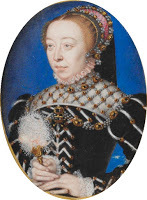 Many historians have pointed to the 16th century noblewoman as the leader of her very own spy ring—L'escadron volant, or the Flying Squadron. She is suspected of recruiting beautiful women to form sexual liaisons with powerful men at court, so that they could learn the men's secrets. Alleged members of the Flying Squadron include Charlotte de Sauve, who was supposed to have spied on François, Duke of Alençon, and Isabelle de Limeuil, who claimed to have a son by Louis, Prince of Condé.
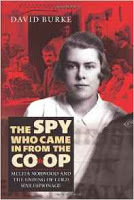 Melita NorwoodOne of the KBG's most valuable spies, she started spying in the 1930s and didn't retire until 1972, at the age of 60. A Brit, she was a communist sympathizer. Using her job at the British Non-Ferrous Metals Research Association, Norwood passed documents related to the nuclear weapons program, purportedly speeding up Soviet nuclear progress. After the defection of KBG archivist Vasili Mitrokhin in 1992, British intelligence became aware of Norwood's role in the Cold War. Never tried for spying in her home country, she received a Soviet pension for her service and became infamous at the end of her life. She was known as the "granny spy."
Marthe Cnockaert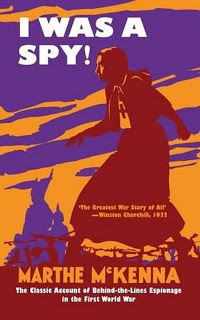 A World War I spy, she was also the writer of spy novels. In 1915, she worked as a nurse in a German military hospital, when a friend recruited her as a British intelligence agent. She spied on German military personnel alongside other female spies. In addition, she sabotaged a telephone line being used by a priest who was spying for the Germans, which is what led to her eventual capture. Sneaking into an abandoned sewer system, Cnockaert placed explosives beneath a German ammunition depot and lost her watch, which was engraved with her initials, during the mission. She was arrested and served two years in a prison in Ghent. Released at the end of the war, she married a British army officer, who ghostwrote her memoir, I Was a Spy! She later went on to publish a slew of spy novels.
While I’m sure there are spies among us, the Rogue Women Writers have chosen to write about spies. I wonder if we wrote the truth instead of fiction, if readers would believe the stories. Or maybe they would just declare, “No way that could possible happen.”
What do you think is more believable—truth or fiction?
 There are a few spies whose names are familiar to everyone:
 Mata Hari, a professional dancer and mistress, who accepted an assignment to spy for France in 1916. She was later accused of being a German spy and executed by firing squad; and
Josephine Baker, a black American entertainer living in France, who—through notes written in invisible ink on her sheet music—carried information about airfields, harbors, and German troop concentrations for the Brits.
But—regardless of your politics—there are quite a few other women worthy of note. Here are just a few to consider:
Noor Inayat Khan
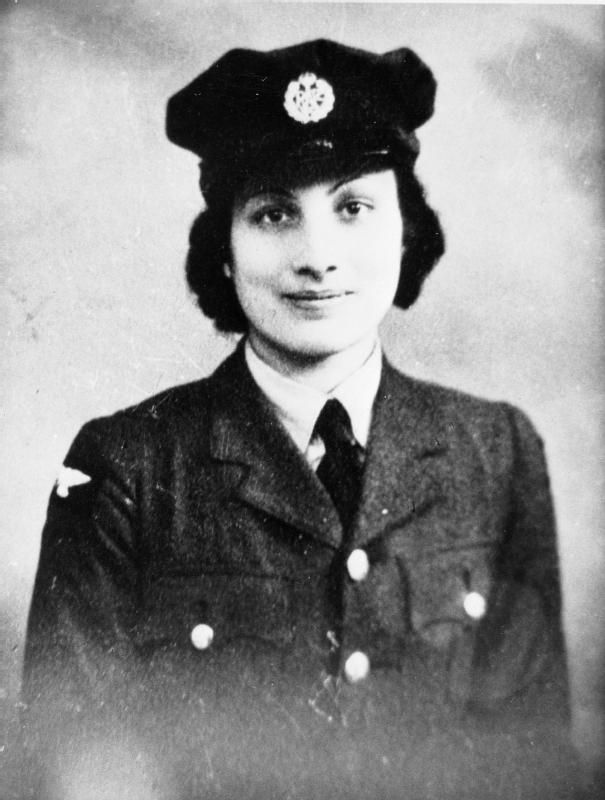 The daughter of an Indian Muslim father and an American mother, Kahn grew up in France, where she studied child psychology at the Sorbonne, music at the Paris Conservatory, and later pursued a career writing poetry and children’s stories. After the outbreak of World War II, she and her brother decided to help the Allied cause, in part to fight the Nazis and in part hoping that by distinguishing themselves in the war they could help bridge relations between English and Indian peoples. Joining the Women's Auxiliary Air Force, Kahn trained as a wireless operator, then traveled to Nazi-occupied Paris where she transmitted messages to London. Sadly, she was betrayed to the Germans and arrested. She never revealed any secrets under interrogation. Unfortunately, she had copied the messages she’d sent into her notebooks, which made it possible for the Germans to successfully impersonate her in further messages to London. The end result was the capture of three more of London's operatives, before Khan was moved to the Dachau Concentration Camp, where she was executed.
Nancy Wake
 Born in Wellington in 1912, she trained herself as a journalist and, by the time World War II broke out, she worked for Hearst newspapers as a European correspondent. Joining the French Resistance, she worked as a courier. Using flirtatious charm to throw off Gestapo members, she joined an escape network helping Allied military personnel to flee Marseille. Known as the "White Mouse" for her ability to evade capture, Wake became the Gestapo's “most wanted” person with a five million-franc price on her head. Fleeing France, she joined the SOE where she turned out to be a crack shot in training and was assigned to work in Auvergne. After parachuting into the province, she became responsible for organizing weapons and supply drops. She even engaged in combat, lead guerrilla attacks and sabotaged missions, and even once killed an SS officer with a judo chop to the throat. At the end of the war, she became one of England’s most decorated servicewomen.
Mary Bowser
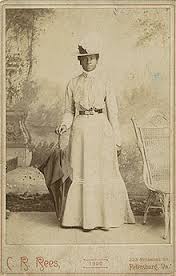 A slave, she was educated in the north and later freed by her master. Her former master’s daughter, Elizabeth "Bet" Van Lew, became an abolitionist famous for running a spy ring for the Union during the American Civil War. Browser, a brilliant woman with a photographic memory, posed as a slow-witted, but competent servant in order to infiltrate the household of Jefferson Davis. Assuming she could neither read nor write, important papers were left out in the open. Bowser read the papers, memorized them and fed the information to Van Lew's spy network. Toward the end of the war, members of the household became suspicious. Bowser fled, trying unsuccessfully to burn the house down on her way out. She survived the war, living to write about and give lectures on her wartime activities.
 Yoshiko KawashimaJapanese spy, Yoshiko Kawashima, was actually Chinese by birth. The daughter of a member of the Manchu imperial family, when she was eight her biological parents died and she was adopted by the Japanese spy and adventurer, Naniwa Kawashima. Strikingly beautiful, Kawashima was sent to Tokyo. Trained in both Eastern and Western martial arts, she became something of a pulp heroine thanks to her exploits as a Japanese spy in the Japanese-controlled state of Manchukuo. Her outspoken criticism of the practices of the Kwantung Army in Manchukuo caused friction between Kawashima and her employers; after all, a famous spy isn't of much use. That didn’t stop Kawashima. In 1945, she was captured in Peking by Chinese counter-intelligence officers and executed as a traitor by the Nationalist Government.
Catherine de' Medici
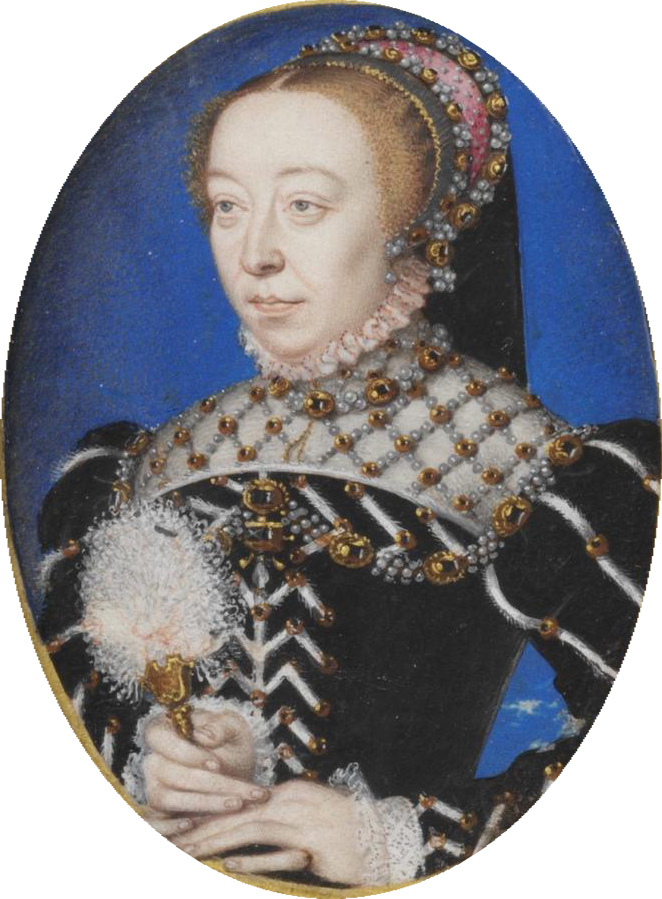 Many historians have pointed to the 16th century noblewoman as the leader of her very own spy ring—L'escadron volant, or the Flying Squadron. She is suspected of recruiting beautiful women to form sexual liaisons with powerful men at court, so that they could learn the men's secrets. Alleged members of the Flying Squadron include Charlotte de Sauve, who was supposed to have spied on François, Duke of Alençon, and Isabelle de Limeuil, who claimed to have a son by Louis, Prince of Condé.
  Melita NorwoodOne of the KBG's most valuable spies, she started spying in the 1930s and didn't retire until 1972, at the age of 60. A Brit, she was a communist sympathizer. Using her job at the British Non-Ferrous Metals Research Association, Norwood passed documents related to the nuclear weapons program, purportedly speeding up Soviet nuclear progress. After the defection of KBG archivist Vasili Mitrokhin in 1992, British intelligence became aware of Norwood's role in the Cold War. Never tried for spying in her home country, she received a Soviet pension for her service and became infamous at the end of her life. She was known as the "granny spy."
Marthe Cnockaert
 A World War I spy, she was also the writer of spy novels. In 1915, she worked as a nurse in a German military hospital, when a friend recruited her as a British intelligence agent. She spied on German military personnel alongside other female spies. In addition, she sabotaged a telephone line being used by a priest who was spying for the Germans, which is what led to her eventual capture. Sneaking into an abandoned sewer system, Cnockaert placed explosives beneath a German ammunition depot and lost her watch, which was engraved with her initials, during the mission. She was arrested and served two years in a prison in Ghent. Released at the end of the war, she married a British army officer, who ghostwrote her memoir, I Was a Spy! She later went on to publish a slew of spy novels.
While I’m sure there are spies among us, the Rogue Women Writers have chosen to write about spies. I wonder if we wrote the truth instead of fiction, if readers would believe the stories. Or maybe they would just declare, “No way that could possible happen.”
What do you think is more believable—truth or fiction?