
Find & Share Quotes with Friends
Deportation Quotes
Quotes tagged as "deportation"
Showing 1-30 of 34

“When all this is over, people will try to blame the Germans alone, and the Germans will try to blame the Nazis alone, and the Nazis will try to blame Hitler alone. They will make him bear the sins of the world. But it's not true. You suspected what was happening, and so did I. It was already too late over a year ago. I caused a reporter to lose his job because you told me to. He was deported. The day I did that I made my little contribution to civilization, the only one that matters.”
― The Dream of Scipio
― The Dream of Scipio

“If we bend over backwards to help immigrants and they throw that assistance back in our faces by committing crime then the punitive sentences should be double what would normally be expected, and upon serving their sentence they should be deported immediately.”
― 100 Common Sense Policies to make BRITAIN GREAT again
― 100 Common Sense Policies to make BRITAIN GREAT again
“The Home Office informs us that there are around 400 ex-offenders from overseas currently seeking refuge in this country. One geezer, who has 78 offences to his name, managed to escape deportation on the grounds that he’s an alcoholic! Drinking alcohol, it seems, is illegal in his homeland, so because he claims he’ll be persecuted and tortured we’ve said, “Oh, bad show, old chap. Tough call that. Enjoy a spot of scotch myself from time to time. Quite understandable. Well why don’t you stay here at our expense? You’ll be able to fondle and grope any woman you like. We’d never deport you for that, I can assure you. You’ll be perfectly safe here.”
― 100 Common Sense Policies to make BRITAIN GREAT again
― 100 Common Sense Policies to make BRITAIN GREAT again

“There are white moms who threw stones at the little girls in Little Rock and there are white moms who wish Andres and Omar and Elias and Greta's mom will be deported too.”
― The Undocumented Americans
― The Undocumented Americans


“The act of deporting people who in many cases have left their own land for reasons of extreme poverty, insecurity, exploitation, persecution or serious deterioration of the environment, damages the dignity of many men and women, and of entire families, and places them in a state of particular vulnerability and defenselessness.
What is built on the basis of force, and not on the truth about the equal dignity of every human being, begins badly and will end badly.”
―
What is built on the basis of force, and not on the truth about the equal dignity of every human being, begins badly and will end badly.”
―

“You fooled us. Render your work, not your lives.
This seems like the newest answer to an old question.
Cheap muscle and blood to build you an Empire-
that we can't stay in. Gran's gone missing from
Saturday morning. Brixton Market? No one is frowning at
the quality of the yams, or asking how the snapper's
eye so cloudy. There'll be no Saturday soup tonight.”
― A Portable Paradise
This seems like the newest answer to an old question.
Cheap muscle and blood to build you an Empire-
that we can't stay in. Gran's gone missing from
Saturday morning. Brixton Market? No one is frowning at
the quality of the yams, or asking how the snapper's
eye so cloudy. There'll be no Saturday soup tonight.”
― A Portable Paradise

“I remember wondering what it must feel like to belong to American whiteness and to know you can do whatever you want because nobody you love is deportable. Your worst crime might get you locked up forever but they'll never take away your claim to this country.”
― Infinite Country
― Infinite Country
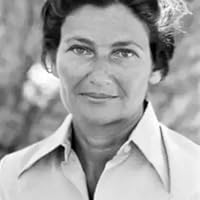
“Cette image d'enfant favorite, voire un peu capricieuse, m'a longtemps collé à la peau. A tel point qu'à notre retour de déportation, lorsque ma soeur aîné a revu une amie, celle-ci a eu l'inconscience de lui lancer: "J'espère qu'au moins la déportation aura mis un peu de plomb dans la cervelle de Simone!" Losque Milou m'a rapporté la réflexion, j'ai été abasourdie. Quelle bizarre époque que ces années-là, où les gens n'avaient pas toujours conscience de l'impact de leurs propos.”
― Une vie
― Une vie

“Dusk had fallen, and shadows loomed larger than life. An eerie mask of quiet enveloped the houses like some foreboding fog. Anyone hiding within nearby walls hardly dared to breathe, fearing getting dragged from their homes and added to the forced deportation march.”
―
―
“Since 2003, ICE has locked up over two million people. If the FIRRP data hold across detention centers and one percent of these occupants are U.S. citizens, then since 2003, ICE has incarcerated over 20,000 U.S. citizens, and deported thousands more.”
― U.S. Government Unlawfully Detaining and Deporting U.S. Citizens as Aliens
― U.S. Government Unlawfully Detaining and Deporting U.S. Citizens as Aliens

“For eighty years convicts had been shipped to Australia, and a total of 163000 had set out on that voyage from which few returned. In the modern history of Europe there was rarely a planned deportation on a more ambitious scale until the era of Stalin and Hitler.”
― The Story of Australia’s People Vol. I: The Rise and Fall of Ancient Australia
― The Story of Australia’s People Vol. I: The Rise and Fall of Ancient Australia
“I had been terrified of Arizona cops since high school when more than one threatened to deport me during traffic stops. Being a US citizen didn't mean anything to them when my complexion wasn't light enough. I was always scared that they wouldn't bother with the paperwork and instead would take matters into their own hands to get rid of me.”
― Thinning Blood: A Memoir of Family, Myth, and Identity
― Thinning Blood: A Memoir of Family, Myth, and Identity

“the town had been the arrival port for thousands of Yoeme people, deported from Sonora in the first years of the twentieth century, under the regime of Porfirio Díaz. People who had been forcibly removed from their homes and villages because of their resistance to the opening of their ancestral land — the largest, most fertile river valley in Mexico — to make way for Mexican and American venture capitalists.”
― The White Rock
― The White Rock

“God is a Gypsy* (Sonnet)
Kindness is my constitution,
selflessness is divine sanity.
To be human takes no scripture,
living gospel takes humanity.
Men of ritual, men of blind worship,
will never know the breath of life,
which in a way, is animal blessing,
to know life is to be restless with light.
To know light is to be restless,
to know life is to be breathless,
only those without life can sit still,
for blindness is boon to the savages.
The name is *Gitano - Abigitano;
accused of freedom by alien hunters.
War is legal, human trafficking is legal,
genocide is legal, child-bombing is legal,
and you call this civilized and religious!”
― The God Sonnets: Naskar Art of Theology
Kindness is my constitution,
selflessness is divine sanity.
To be human takes no scripture,
living gospel takes humanity.
Men of ritual, men of blind worship,
will never know the breath of life,
which in a way, is animal blessing,
to know life is to be restless with light.
To know light is to be restless,
to know life is to be breathless,
only those without life can sit still,
for blindness is boon to the savages.
The name is *Gitano - Abigitano;
accused of freedom by alien hunters.
War is legal, human trafficking is legal,
genocide is legal, child-bombing is legal,
and you call this civilized and religious!”
― The God Sonnets: Naskar Art of Theology
“An American Prayer (Divine Comedy, Sonnet)
The other day I was having a chat with God,
she was telling me about the prayers flooding
in from America, all claiming extreme religiousness:
let our wall stand bold and tall,
fighting off all indigenous impurities,
let us paint it pitch black,
so it's too hot to be climbed by the savages;
now let us deport every last trace of sense,
let us deport all who defy our holy faith -
let us ban all blacks, whites, muslims alike,
whoever talks the nonsense of tolerance.
Then the Holy Mother sighed in despair, and said,
"and to think they are doing all that in my name!"
So I paused for a moment, then I grinned -
why not grant their wishes, then flood the entire Eden!”
― Sonnets From The Mountaintop
The other day I was having a chat with God,
she was telling me about the prayers flooding
in from America, all claiming extreme religiousness:
let our wall stand bold and tall,
fighting off all indigenous impurities,
let us paint it pitch black,
so it's too hot to be climbed by the savages;
now let us deport every last trace of sense,
let us deport all who defy our holy faith -
let us ban all blacks, whites, muslims alike,
whoever talks the nonsense of tolerance.
Then the Holy Mother sighed in despair, and said,
"and to think they are doing all that in my name!"
So I paused for a moment, then I grinned -
why not grant their wishes, then flood the entire Eden!”
― Sonnets From The Mountaintop
“În vara anului 1940, teritoriile Basarabiei şi Bucovinei de Nord au fost anexate de URSS. Ca urmare a politicii staliniste de epurare etnică, noile autorităţi de ppe teretoriile Basarabiei şi Bucovinei de Nord au început să pregătească deportarea românilor şi a polonezilor din teritoriile anexate.
Structurile NKVD-ului au stat la baza acestui mecanism. NKVD-ul a făcut listele cu deportaţi ţinând cont de pregătirea şi activitatea capului familiei, de averea pe care o avea şi dacă a colaborat cu administraţia românească. Ordinele veneau de la Moscova, cei care le îndeplineau erau din Basarabia şi Bucovina de Nord.”
― 20 de ani în Siberia
Structurile NKVD-ului au stat la baza acestui mecanism. NKVD-ul a făcut listele cu deportaţi ţinând cont de pregătirea şi activitatea capului familiei, de averea pe care o avea şi dacă a colaborat cu administraţia românească. Ordinele veneau de la Moscova, cei care le îndeplineau erau din Basarabia şi Bucovina de Nord.”
― 20 de ani în Siberia
“În vara anului 1940, teritoriile Basarabiei şi Bucovinei de Nord au fost anexate de URSS. Ca urmare a politicii staliniste de epurare etnică, noile autorităţi de ppe teretoriile Basarabiei şi Bucovinei de Nord au început să pregătească deportarea românilor şi a polonezilor din teritoriile anexate.
Structurile NKVD-ului au stat la baza acestui mecanism. NKVD-ul a făcut listele cu deportaţi ţinând cont de pregătirea şi activitatea capului familiei, de averea pe care o avea şi dacă a colaborat cu administraţia românească. Ordinele veneau de la Moscova, cei care le îndeplineau erau din Basarabia şi Bucovina de Nord.”
―
Structurile NKVD-ului au stat la baza acestui mecanism. NKVD-ul a făcut listele cu deportaţi ţinând cont de pregătirea şi activitatea capului familiei, de averea pe care o avea şi dacă a colaborat cu administraţia românească. Ordinele veneau de la Moscova, cei care le îndeplineau erau din Basarabia şi Bucovina de Nord.”
―
“În vara anului 1940, teritoriile Basarabiei şi Bucovinei de Nord au fost anexate de URSS. Ca urmare a politicii staliniste de epurare etnică, noile autorităţi de ppe teretoriile Basarabiei şi Bucovinei de Nord au început să pregătească deportarea românilor şi a polonezilor din teritoriile anexate.
Structurile NKVD-ului au stat la baza acestui mecanism. NKVD-ul a făcut listele cu deportaţi ţinând cont de pregătirea şi activitatea capului familiei, de averea pe care o avea şi dacă a colaborat cu administraţia românească. Ordinele veneau de la Moscova, cei care le îndeplineau erau din Basarabia şi Bucovina de Nord.”
―
Structurile NKVD-ului au stat la baza acestui mecanism. NKVD-ul a făcut listele cu deportaţi ţinând cont de pregătirea şi activitatea capului familiei, de averea pe care o avea şi dacă a colaborat cu administraţia românească. Ordinele veneau de la Moscova, cei care le îndeplineau erau din Basarabia şi Bucovina de Nord.”
―
“⦁ Deportaţii aveau 15 minute să se îmbrace şi să părăsească casa cu câteva bagaje (maximum 10 kg). La ieşirea din casă erau încărcaţi în camioane sau căruţe şi transportaţi la gară. Aici familiile erau separate: capul familiei într-o parte, femeile cu copii mici şi bătrânii în altă parte. Vagoanele de marfă erau încărcate cu deportaţi, câte 70-100 de oameni în fiecare vagon, fără apă şi alimente.”
― 20 de ani în Siberia
― 20 de ani în Siberia
“Deportaţii aveau 15 minute să se îmbrace şi să părăsească casa cu câteva bagaje (maximum 10 kg). La ieşirea din casă erau încărcaţi în camioane sau căruţe şi transportaţi la gară. Aici familiile erau separate: capul familiei într-o parte, femeile cu copii mici şi bătrânii în altă parte. Vagoanele de marfă erau încărcate cu deportaţi, câte 70-100 de oameni în fiecare vagon, fără apă şi alimente.”
―
―
“Familia lui Chirică Cudla nu era pe lista de deportaţi.
Una dintre familiile din satul Mahala, nu ştiu cum, a reuşit să scape de deportare, şi cum numărul de familii deportate trebuia respectat, autorităţile au fabricat procesul în grabă, lăsând datele celeilalte familii şi schimbând numai numele.”
― 20 de ani în Siberia
Una dintre familiile din satul Mahala, nu ştiu cum, a reuşit să scape de deportare, şi cum numărul de familii deportate trebuia respectat, autorităţile au fabricat procesul în grabă, lăsând datele celeilalte familii şi schimbând numai numele.”
― 20 de ani în Siberia
“Alături de sclăvie, terorism şi holocaust, comucidul nu trebuie să scape memoriei posterităţii şi judecăţii istoriei pentru a nu se repeta.”
― 20 de ani în Siberia
― 20 de ani în Siberia

“Avea miliţia o maşină neagră acoperită şi închisă, fără fereşti. Venea în timpu nopţii, întra în casă şi îl lua pe om, aşa ca pe o pradă, fără să ştie ceva, să fie ameninţat cu ceva, să fi fost chemat la cercetări. Absolut pe neştiute îl lua pe om, îl punea în maşină şi nu ştia numeni unde îl duce.”
― 20 de ani în Siberia
― 20 de ani în Siberia
“Şediam cu lumina stinsă. Copiii au adormit, dar noi amîndoi şi mama şediam şi vorbiam prin întuneric. Cînd deodată a început cînelc să latre. Ne uităm pe feriastră, de la poartă, a întrat o ciată niagră în ogradă. Cînd i-am văzut, parcă ni-a luat toată puteria şi am zis unu către altu: de acuma e gata cu noi. Peste cîtcva secunde au înconjurat casa, cum le era obiceiu lor, şi alţii o bătut în uşc să le deschidem. Bărbatu a aprins întîi lampa şi pe urmă a deschis uşa. Cînd a deschis uşia, au întrat vro patru bărbaţi străini îmbrăcaţi în negru şi cu dînşii un om de sat Cum au întrat în casă, s-au făcut că vrau să caute dacă nu avem armă. Au sculat copiii, au rădicat pemile, au scuturat aşternutu şi pe urmă ni-a pus pe toţi şi ni-a spus să stăm nemişcaţi. Ei s-au pus la masă, au scos nişte hîrtii, au mai scris nu ştiu ce într-însele, pe urmă ni-a cetit pe toţi. Mama, copiii, noi, dacă sîntem toţi care ne avia scris. După ce ni-a cetit, ni-a spus: de acuma îmbrăcaţi-vă, în 15 minute să fiţi gata şi plecaţi cu noi. Bagaj nu aveţi voie nimic de luat.”
― 20 de ani în Siberia
― 20 de ani în Siberia
“Ni-a trîntit ca pe vite în vagon. Nu era laiţă, scaun, deloc. Şedia toată lumea jos la pâmînt. Eu am căutat încetişor şi m-am sunit şi m-am aşezat cu copiii în dreptul ferestuicii, căci era vagonul cu două ferestuici mici, aşa cum sînt vagoanele pentru vite. Ni-a ţinut o zi în gară la Sadagura. S-a strîns sute de lume împrejurul vagoanelor, familiile celor din vagoane. Răcniau şi eştia din vagoane şi ceia de jos. Să mai apropia, care şi cum putia, pe lîngă vagoane, pe la ferestuici şi le da cîte ceva de mîncare.”
― 20 de ani în Siberia
― 20 de ani în Siberia
“Şi aşa am stat vro douăzeci de zile în vagoane. La început sa mai ţinut lumia, dar mai pe urmă vedeai cînd să opria trenul, îl scotia cîte pe unul leşinat şi îl ţinea să ia oliacă de aier. Pe altu îl scoţia mort şi rămînia pe pironu gării. Ce facia pe urmă cu el, noi nu ştim. La altă gară vedeai că îl scoţia pe unu eşit din minte. Răcnia, cînta, săria, aşa ca omul stricat de cap. Se lua mult pe gînduri şi îndată îşi tulbura capul. Şediam şi cu tristă, mă uitam la copii şi mă gîndiam numai la Dumnezeu. Şi mă rugam să-mi dăruiască putere să pot rezista la toate cîte vin înainte.”
― 20 de ani în Siberia
― 20 de ani în Siberia

“get out
of your
bubble
i
am
hitting the
button
what
button
the
deportation
button
wow
you hear
me
wow
i am hitting
it”
― Every Day We Get More Illegal
of your
bubble
i
am
hitting the
button
what
button
the
deportation
button
wow
you hear
me
wow
i am hitting
it”
― Every Day We Get More Illegal
All Quotes
|
My Quotes
|
Add A Quote
Browse By Tag
- Love Quotes 102.5k
- Life Quotes 81k
- Inspirational Quotes 77.5k
- Humor Quotes 45.5k
- Philosophy Quotes 32k
- Inspirational Quotes Quotes 28.5k
- God Quotes 27k
- Wisdom Quotes 25.5k
- Romance Quotes 25k
- Truth Quotes 25k
- Poetry Quotes 24.5k
- Life Lessons Quotes 23k
- Quotes Quotes 21.5k
- Death Quotes 21k
- Happiness Quotes 19k
- Hope Quotes 19k
- Faith Quotes 18.5k
- Inspiration Quotes 18k
- Relationships Quotes 16k
- Spirituality Quotes 16k
- Motivational Quotes 16k
- Religion Quotes 15.5k
- Life Quotes Quotes 15.5k
- Writing Quotes 15k
- Love Quotes Quotes 15k
- Success Quotes 14.5k
- Motivation Quotes 14k
- Time Quotes 13k
- Science Quotes 12.5k
- Motivational Quotes Quotes 12k