
David Allen Sibley's Blog, page 17
March 27, 2012
Identification of female bluebirds by wing structure
A pale and grayish female bluebird found in North Carolina recently (March 2012) provided a very interesting identification challenge. The plumage colors were a good match for a typical female Mountain Bluebird, and that is how it was first identified. North Carolina has only one previous report of Mountain Bluebird, so this bird received a lot of scrutiny. On closer inspection the color was not quite right for Mountain, and the shape seemed more like the expected Eastern Bluebird. A lengthy discussion on the ID-Frontiers listserve eventually came to a consensus of an abnormally colored Eastern Bluebird.
I agreed with the consensus, but it was mostly a subjective interpretation of shape and proportions, and I wanted to learn if the bird could be identified more objectively. I had a chance to check specimens at Harvard's MCZ, along with a lot of photographs on the internet, and found a few things that, I think, confirm the identification as Eastern Bluebird.
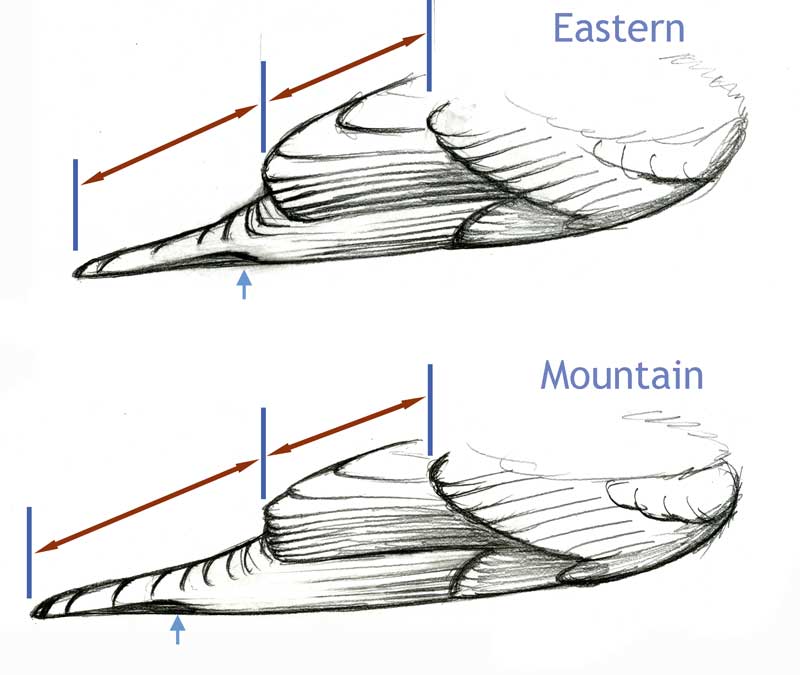
Wings of Eastern Bluebird (above) and Mountain Bluebird. Red arrows compare the relative lengths of the secondaries and the primary projection – about equal on Eastern and obviously unequal on Mountain. Small blue arrows point to the emarginations on the outer primaries of each species, and the position of these relative to the secondaries is also distinctive. Original pencil drawing copyright David Sibley.
It has long been known that Mountain Bluebird has a longer primary projection than Eastern, with no overlap in measurements, but Eastern has a very long primary projection for a songbird, and the difference can be hard to judge. I found that comparing the length of the primary projection to the length of the folded secondaries beyond the scapulars and greater coverts made things easier. On Eastern Bluebird these two lengths are about equal, while on Mountain the primary projection is obviously longer than the secondaries.
In addition, the length of the exposed tail beyond the primary tips is quite different: about equal to the length of the primary projection on Eastern, but on Mountain the exposed tail is much shorter than the primary projection.
Both species have three emarginated primaries, easily visible in good photos on the lower edge of the folded wingtip. On Eastern these fall just beyond the tips of the tertials, and on Mountain they are about halfway between the tertial tips and the tips of the primaries.
Bill shape is also distinctly different, much thicker on Eastern, and Eastern has obvious yellow on the gape that is lacking or very inconspicuous on Mountain.
Head shape is variable depending on posture, but Eastern consistently has a high forehead and very rounded crown, while Mountain has a lower forehead sloping up to a peak on the rear crown.
In all of these features the North Carolina bluebird fits Eastern, and must be a female Eastern with pigment abnormalities, perhaps lacking the reddish brown melanin that would normally be responsible for the reddish breast and a lot of rich gray-brown colors on the wings and back.
Links
The best photos of the tricky North Carolina bluebird are here: http://www.carolinabirdclub.org/gallery/Derb_Carter/mobl.html
Details of North Carolina's previous report of Mountain Bluebird here: http://nature123.net/ncbirds/view.php?sort_order=3130
Discussion of this bird on ID-Frontiers begins here: http://listserv.arizona.edu/cgi-bin/wa?A2=ind1203C&L=BIRDWG01&P=R3338&I=-3
For more on melanin pigment deficiencies see my post here: http://www.sibleyguides.com/2011/08/abnormal-coloration-in-birds-melanin-reduction/


March 15, 2012
Quiz 20: Wings, long and narrow
This quiz groups some relatively long and narrow wings. Pay special attention to subtle differences in shape, and bold white patterns.
With thanks to the online wing collection of the Slater Museum of Natural History, University of Puget Sound for allowing the use of these photos.
Long wings quiz
Please wait while the activity loads. If this activity does not load, try refreshing your browser. Also, this page requires javascript. Please visit using a browser with javascript enabled.
If loading fails, click here to try again
Congratulations - you have completed Long wings quiz.
You scored %%SCORE%% out of %%TOTAL%%.
Your performance has been rated as %%RATING%%
Your answers are highlighted below.
Question 1
 Red PhalaropeBar-tailed GodwitRuddy TurnstoneWhite-winged DoveQuestion 2
 Common TernLaughing GullBlack-tailed GodwitRuddy TurnstoneQuestion 2 Explanation:A trick question, this is the underside of the wing, and not easy to identify. Lots of sandpipers, gulls, and terns have long pointed wings that are mostly white below. The very long tertials (innermost secondary feathers) mark this as a shorebird of some kind, not a gull or tern, and Black-tailed Godwit would show a somewhat better-defined dark trailing edge than this, and slightly broader wings proportionally. Turnstones have some of the whitest underwings of any shorebird.Question 3
 Ruddy TurnstoneAmerican OystercatcherWilletBlack-bellied PloverQuestion 3 Explanation:Not a trick question. Willet has one of the most obvious white wingstripe patterns of any sandpiper, and has relatively broad and rounded wings. Black-bellied Plover would have much narrower and more pointed wings. American Oystercatcher would have a simpler tricolored pattern of dark brown, black, and white.Question 4
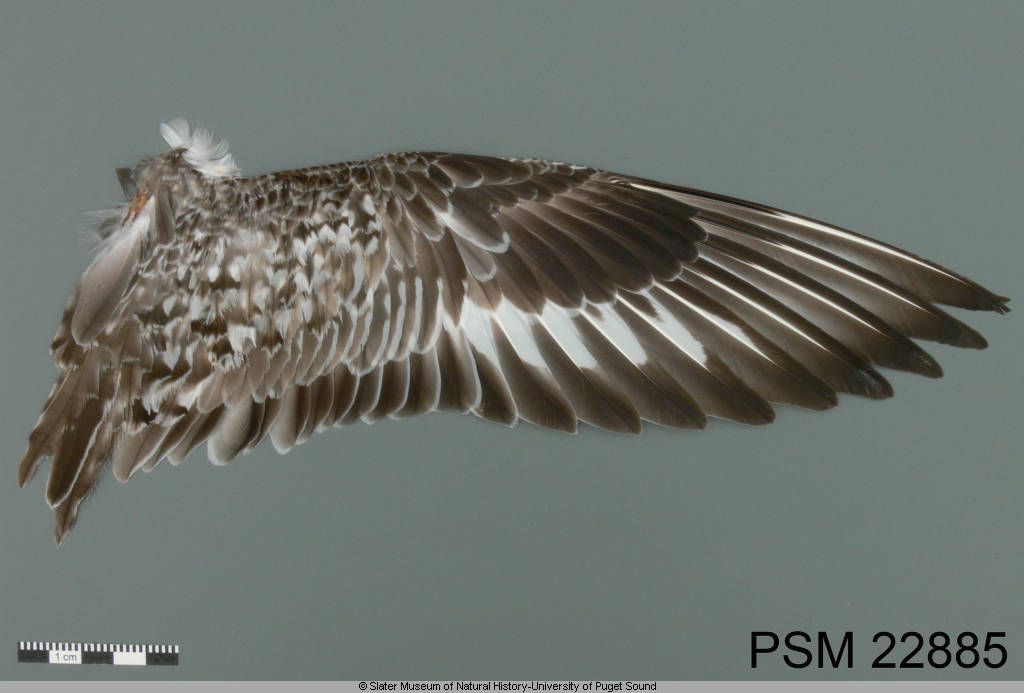 WilletRuddy TurnstoneAmerican Golden-PloverBlack-bellied PloverQuestion 4 Explanation:White at the bases of the primaries and secondaries form a pale wingstripe, and this pattern – with more white on the primaries than on the secondaries – is typical of plovers and not sandpipers. Golden-Plovers show less white, and would have some golden color on the wing coverts.
 Once you are finished, click the button below. Any items you have not completed will be marked incorrect.
Get Results
There are 4 questions to complete.
You have completed
questions
question
Your score is
Correct
Wrong
Partial-Credit
You have not finished your quiz. If you leave this page, your progress will be lost.
Correct Answer
You Selected
Not Attempted
Final Score on Quiz
Attempted Questions Correct
Attempted Questions Wrong
Questions Not Attempted
Total Questions on Quiz
Question Details
Results
Date
Score
Time allowed
minutes
seconds
Time used
Answer Choice(s) Selected
Question Text
All doneNeed more practice!Keep trying!Not bad!Good work!Perfect!
$gf_formid_number
March 13, 2012
All wings are the same, in some ways
Here is a quiz with three very different wings, and a detailed explanation follows (don't peek).
With thanks to the online wing collection of the Slater Museum of Natural History, University of Puget Sound for allowing the use of these photos.
Quiz 19: All wings are the same?
Please wait while the activity loads. If this activity does not load, try refreshing your browser. Also, this page requires javascript. Please visit using a browser with javascript enabled.
If loading fails, click here to try again
Congratulations - you have completed Quiz 19: All wings are the same?.
You scored %%SCORE%% out of %%TOTAL%%.
Your performance has been rated as %%RATING%%
Your answers are highlighted below.
Question 1
 White-throated SwiftWhite-winged ScoterLaughing GullBlack SkimmerQuestion 2
 Wood DuckAllen's HummingbirdTennessee WarblerChimney SwiftQuestion 3
 Mexican Whip-poor-willNorthern FlickerMarbled GodwitBewick's Wren
 Once you are finished, click the button below. Any items you have not completed will be marked incorrect.
Get Results
There are 3 questions to complete.
You have completed
questions
question
Your score is
Correct
Wrong
Partial-Credit
You have not finished your quiz. If you leave this page, your progress will be lost.
Correct Answer
You Selected
Not Attempted
Final Score on Quiz
Attempted Questions Correct
Attempted Questions Wrong
Questions Not Attempted
Total Questions on Quiz
Question Details
Results
Date
Score
Time allowed
minutes
seconds
Time used
Answer Choice(s) Selected
Question Text
All doneNeed more practice!Keep trying!Not bad!Good work!Perfect!
$gf_formid_number
Discussion
Wings come in a tremendous array of sizes and shapes, but they all share the same basic structure. The primaries are the long feathers that form the wingtip, and are attached to the "hand" bones. The secondaries are the big feathers forming the inner part of the wing, attached to the "arm" bones. Each of these big flight feathers has a greater covert, and each greater covert has a smaller median covert, and so on up to the very small coverts at the leading edge of the wing.
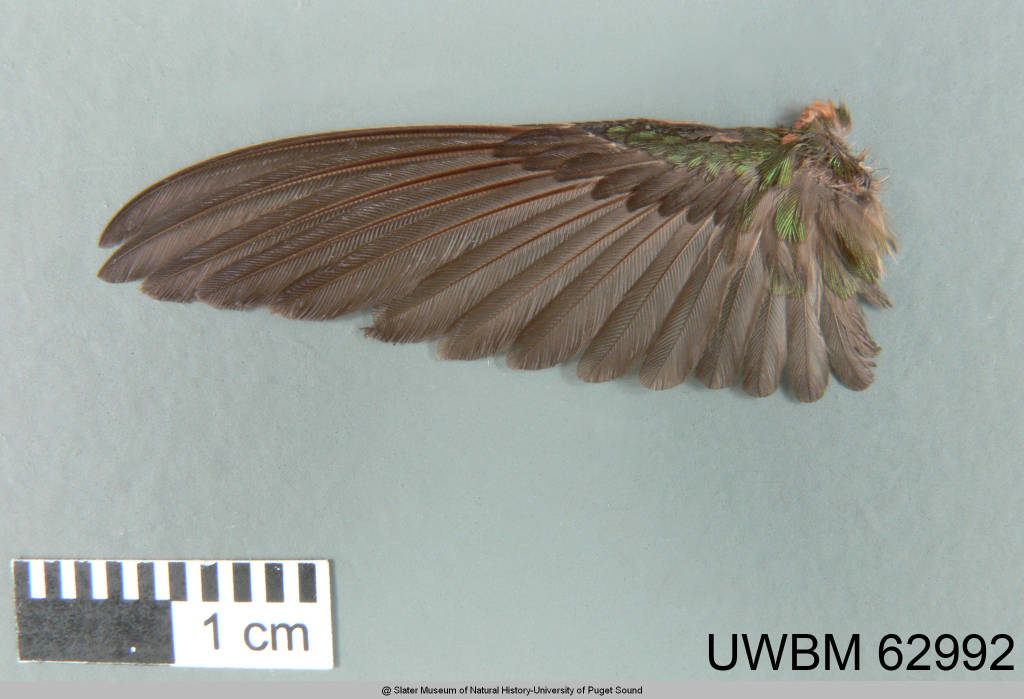
The three species shown here – Black Skimmer, Allen's Hummingbird, and Northern Flicker – all have ten primaries (the outermost primary on the flicker is very small and nearly hidden). The secondaries always differ slightly in shape and color from the primaries, and you can probably guess where the change happens just by looking. To confirm, try counting the ten primary feathers back from the leading edge of the wing, and you will be able to see the subtle shift to the secondaries.
The number of secondaries is much more variable. Small land birds like flickers have about ten (passerines have nine), hummingbirds (with a very short "arm") have only six, while long-armed species like Black Skimmer can have twenty or more.
To understand wings and appreciate the differences more, try studying these three wings and thinking about the things they all have in common.
March 12, 2012
Quiz 18: Blue bird parts
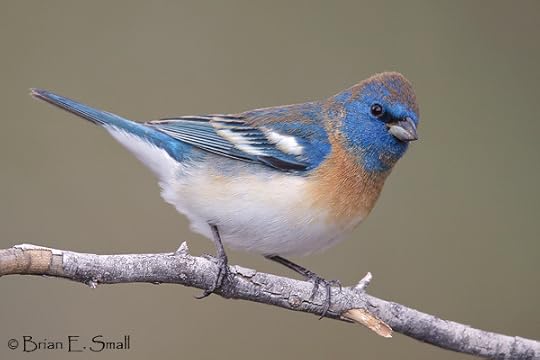
This quiz shows just parts of three different blue birds. Try to identify the species while seeing only part of the body.
With thanks, again, to Brian E. Small for providing the beautiful photos. You can see lots more at his website, and clicking any photo links there as well.
Blue birds: partial cues
Please wait while the activity loads. If this activity does not load, try refreshing your browser. Also, this page requires javascript. Please visit using a browser with javascript enabled.
If loading fails, click here to try again
Congratulations - you have completed Blue birds: partial cues.
You scored %%SCORE%% out of %%TOTAL%%.
Your performance has been rated as %%RATING%%
Your answers are highlighted below.
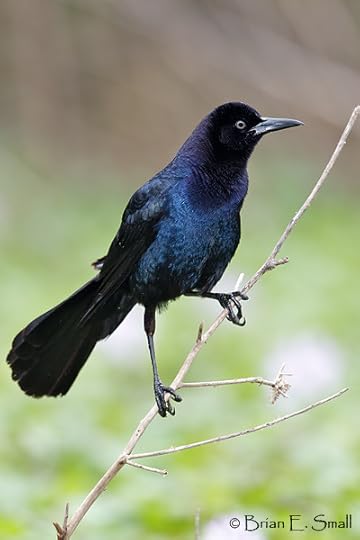
Question 1
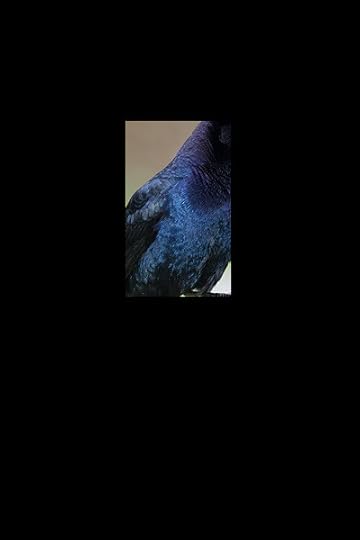
Boat-tailed GrackleBlue GrosbeakPurple MartinSteller's JayQuestion 1 Explanation:
 Question 2
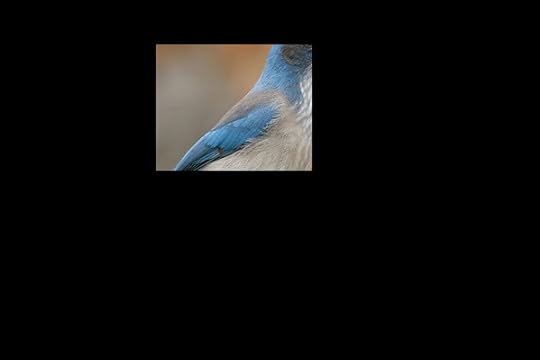
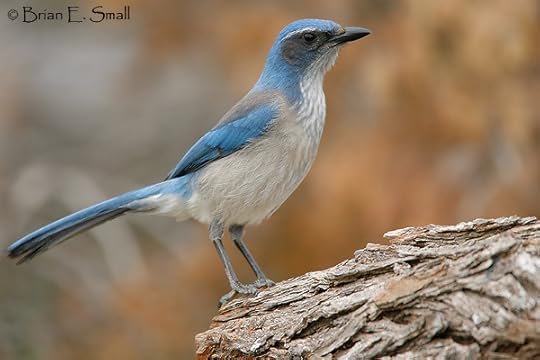
Lazuli BuntingBlue JayWestern Scrub-JayEastern BluebirdQuestion 2 Explanation:
 Question 3
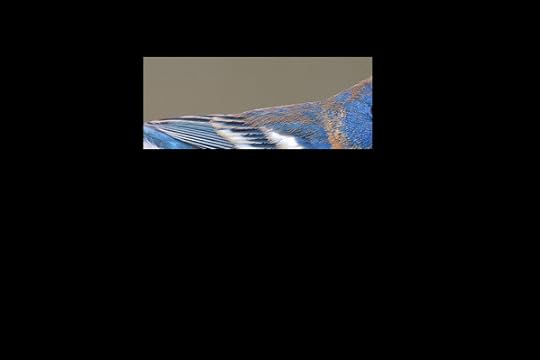 Lazuli BuntingBlue GrosbeakEastern BluebirdWestern Scrub-JayQuestion 3 Explanation:
Once you are finished, click the button below. Any items you have not completed will be marked incorrect.
Get Results
There are 3 questions to complete.
You have completed
questions
question
Your score is
Correct
Wrong
Partial-Credit
You have not finished your quiz. If you leave this page, your progress will be lost.
Correct Answer
You Selected
Not Attempted
Final Score on Quiz
Attempted Questions Correct
Attempted Questions Wrong
Questions Not Attempted
Total Questions on Quiz
Question Details
Results
Date
Score
Time allowed
minutes
seconds
Time used
Answer Choice(s) Selected
Question Text
All doneNeed more practice!Keep trying!Not bad!Good work!Perfect!
$gf_formid_number
March 11, 2012
Off to Belize
I'll be away in Belize for the next week or so, leading a trip for Mass Audubon, and in anticipation of that I've posted a photo of one of the most iconic birds of Belize, taken on my last trip there in 2009.
Waders of Belize
Please wait while the activity loads. If this activity does not load, try refreshing your browser. Also, this page requires javascript. Please visit using a browser with javascript enabled.
If loading fails, click here to try again
Congratulations - you have completed Waders of Belize.
You scored %%SCORE%% out of %%TOTAL%%.
Your performance has been rated as %%RATING%%
Your answers are highlighted below.
Question 1Wading birds at Crooked Tree in Belize, April 2009. Click all species that are present.
 Wood StorkLittle Blue HeronCattle EgretGreat Blue HeronWhite IbisGreat EgretJabiruSnowy Egret
 Once you are finished, click the button below. Any items you have not completed will be marked incorrect.
Get Results
There is 1 question to complete.
You have completed
questions
question
Your score is
Correct
Wrong
Partial-Credit
You have not finished your quiz. If you leave this page, your progress will be lost.
Correct Answer
You Selected
Not Attempted
Final Score on Quiz
Attempted Questions Correct
Attempted Questions Wrong
Questions Not Attempted
Total Questions on Quiz
Question Details
Results
Date
Score
Time allowed
minutes
seconds
Time used
Answer Choice(s) Selected
Question Text
All doneNeed more practice!Keep trying!Not bad!Good work!Perfect!
$gf_formid_number
March 10, 2012
Wings, above and below
Most birds have a very different pattern on the upperside and underside of their wings. On the coverts (the leading edge of the wing) this is easily explained because we are looking at entirely different feathers above and below. On the primaries and secondaries, however, there is just a single layer of feathers. How can they look so different?
With thanks to the online wing collection of the Slater Museum of Natural History, University of Puget Sound for allowing the use of these photos.

Belted Kingfisher wing from below.
There is a slight difference in color between the upper and under surface of each feather, as a rule they are darker above and paler below. Turkey Vulture is a good example of this, with wing feathers that are dark blackish-brown above and pale silvery gray below.
A more important point of difference is the fact that from below we see mainly the inner webs of the feathers, and from above mainly the outer webs. The feathers are stacked up, and slide across each other like certain folding fans. Comparing the upper and underside of these Belted Kingfisher wings, you can see that the white patch visible on the upper surface at the base of the outer primaries is only the edge of a much larger white patch on the inner webs of those feathers. Therefore, when viewing from below we see mainly the white parts of the feathers, and from above we see mainly the dark parts of the feathers.
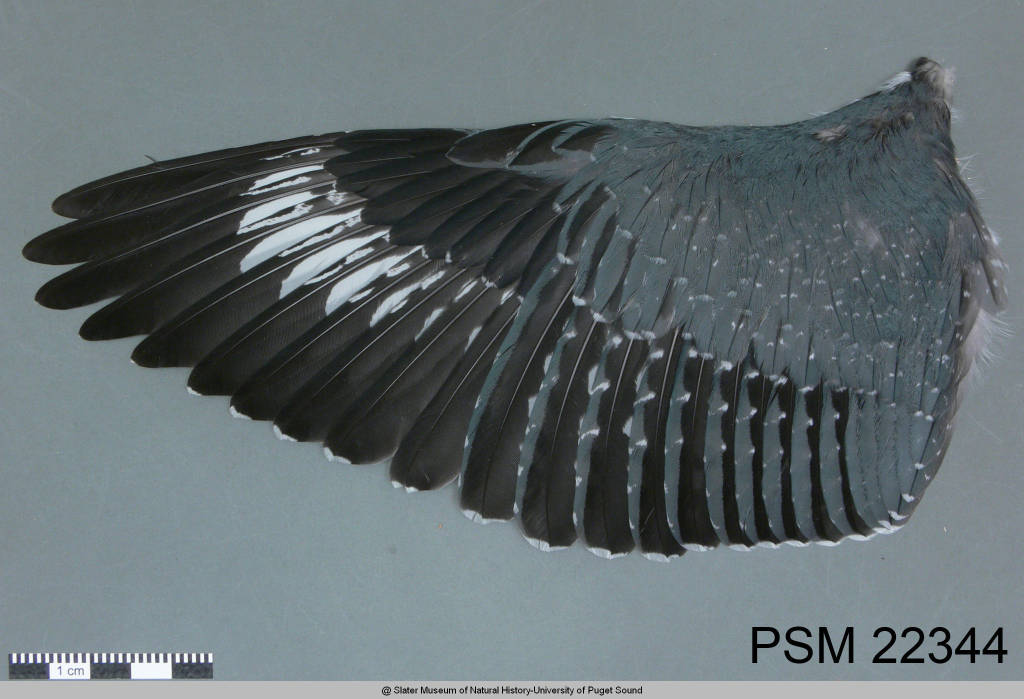
Belted Kingfisher wing from above
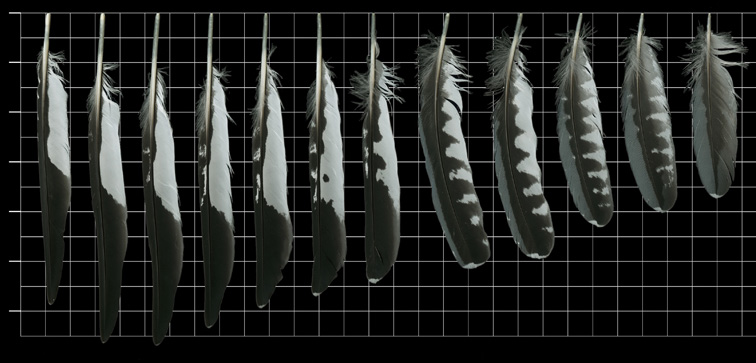
Belted Kingfisher wing feathers viewed from above.
Feathers image from the US Fish and Wildlife Service Feather Atlas project
March 9, 2012
Quiz 17: Western birds in part
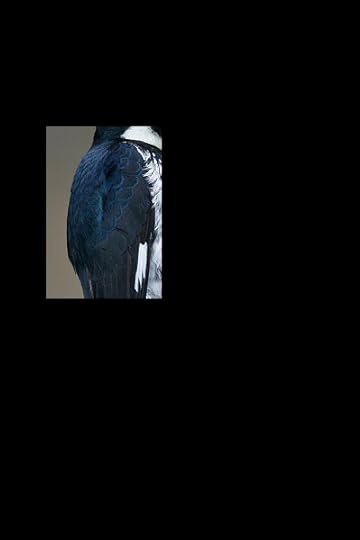
Here's a new variation for an ID quiz. Birds in these photos are mostly masked by black. See if you can identify the species without seeing the whole bird.
With thanks, again, to Brian E. Small for providing the beautiful photos. You can see lots more at his website, and clicking any photo links there as well.
Western Backyard Birds - partial cues
Please wait while the activity loads. If this activity does not load, try refreshing your browser. Also, this page requires javascript. Please visit using a browser with javascript enabled.
If loading fails, click here to try again
Congratulations - you have completed Western Backyard Birds - partial cues.
You scored %%SCORE%% out of %%TOTAL%%.
Your performance has been rated as %%RATING%%
Your answers are highlighted below.
Question 1
 Acorn WoodpeckerBlack-billed MagpieSpotted TowheeTree SwallowQuestion 1 Explanation:
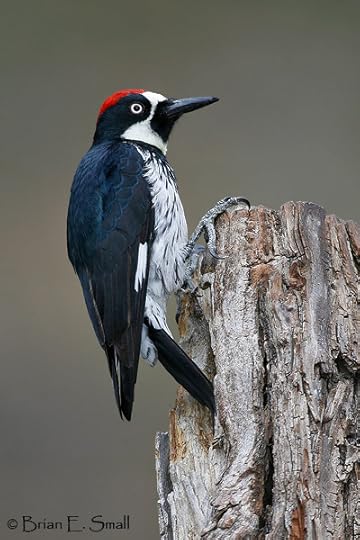 Question 2
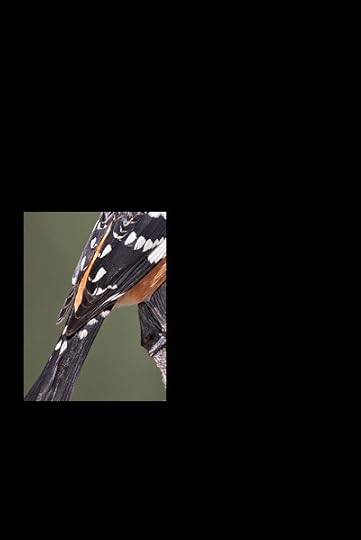 Bullock's OrioleHouse FinchAcorn WoodpeckerBlack-headed GrosbeakQuestion 2 Explanation:
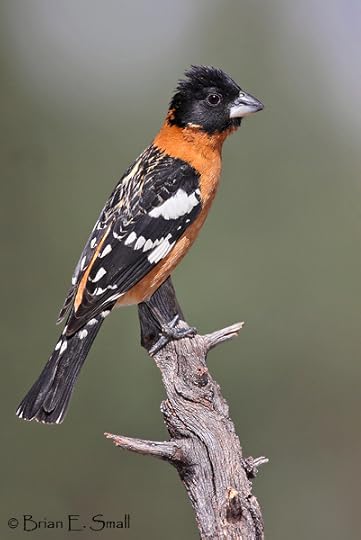 Question 3
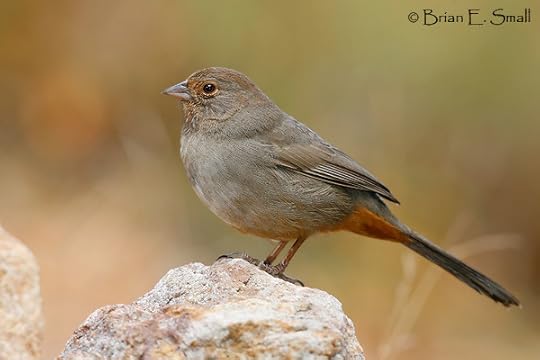
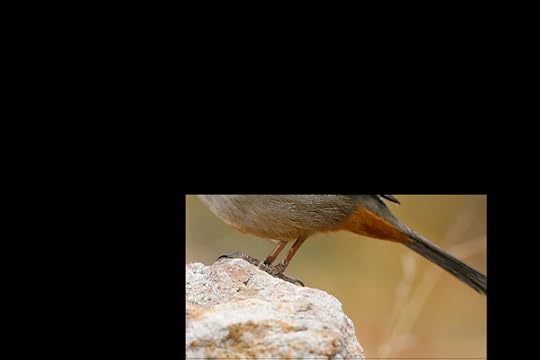 Curve-billed ThrasherGolden-crowned SparrowCalifornia TowheeGray CatbirdQuestion 3 Explanation:
Once you are finished, click the button below. Any items you have not completed will be marked incorrect.
Get Results
There are 3 questions to complete.
You have completed
questions
question
Your score is
Correct
Wrong
Partial-Credit
You have not finished your quiz. If you leave this page, your progress will be lost.
Correct Answer
You Selected
Not Attempted
Final Score on Quiz
Attempted Questions Correct
Attempted Questions Wrong
Questions Not Attempted
Total Questions on Quiz
Question Details
Results
Date
Score
Time allowed
minutes
seconds
Time used
Answer Choice(s) Selected
Question Text
All doneNeed more practice!Keep trying!Not bad!Good work!Perfect!
$gf_formid_number
March 8, 2012
Quiz 16: Identifying blue wings
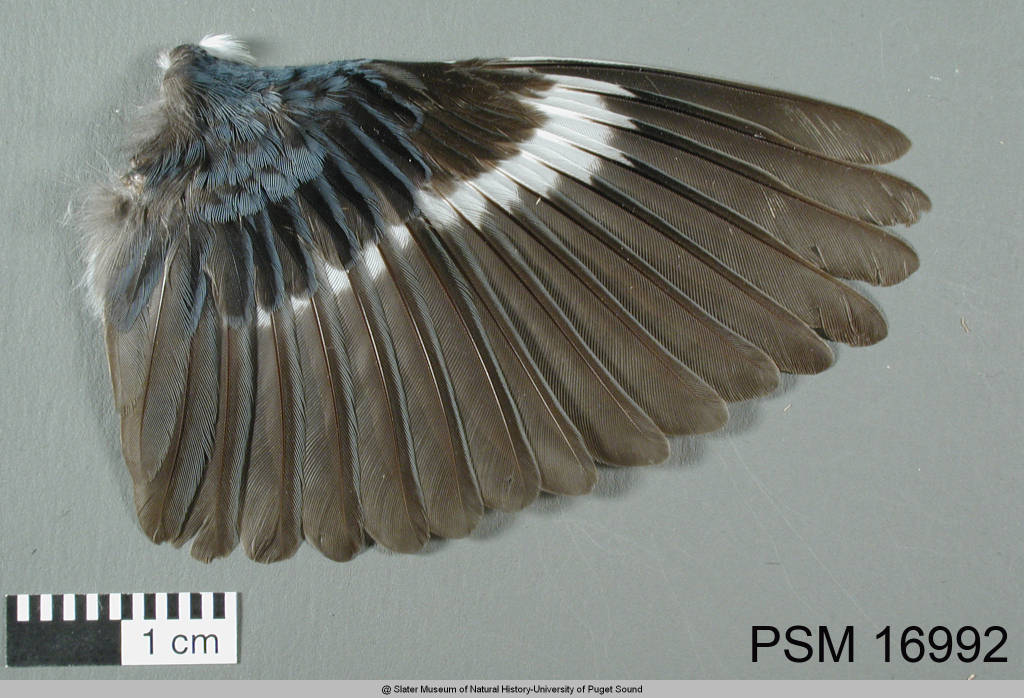
Wings are amazing. Marvels of engineering, with intricate and changeable color patterns, they offer endless avenues for study. But seeing the details of a wing in the field can be extremely difficult. Feathers are constantly shifting across each other, the wings are moving up and down, in and out, and the bird is usually traveling at high speed. That is why having a collection of spread wing specimens can be extremely useful, and luckily the Slater Museum at the University of Puget Sound has created just such a collection.
I've selected a few wings here for a quiz to test your knowledge of wing patterns and shapes. In the future I plan to create more wing quizzes and cover wing structure and pattern in more detail using images from this collection.
With special thanks to the online wing collection of the Slater Museum of Natural History, University of Puget Sound, for providing such an awesome resource and for allowing me to use some photos here.
Wings
Please wait while the activity loads. If this activity does not load, try refreshing your browser. Also, this page requires javascript. Please visit using a browser with javascript enabled.
If loading fails, click here to try again
Congratulations - you have completed Wings.
You scored %%SCORE%% out of %%TOTAL%%.
Your performance has been rated as %%RATING%%
Your answers are highlighted below.
Question 1
 Black-billed MagpieBelted KingfisherBlue JayBlack-throated Blue WarblerQuestion 2
Red-bellied WoodpeckerBelted KingfisherBlue JayBlack-throated Blue WarblerQuestion 3
Black-billed MagpieBelted KingfisherBlue JayBlack-throated Blue WarblerQuestion 2
Red-bellied WoodpeckerBelted KingfisherBlue JayBlack-throated Blue WarblerQuestion 3
 Black-throated Blue WarblerLoggerhead ShrikeBlue JayBelted Kingfisher
 Once you are finished, click the button below. Any items you have not completed will be marked incorrect.
Get Results
There are 3 questions to complete.
You have completed
questions
question
Your score is
Correct
Wrong
Partial-Credit
You have not finished your quiz. If you leave this page, your progress will be lost.
Correct Answer
You Selected
Not Attempted
Final Score on Quiz
Attempted Questions Correct
Attempted Questions Wrong
Questions Not Attempted
Total Questions on Quiz
Question Details
Results
Date
Score
Time allowed
minutes
seconds
Time used
Answer Choice(s) Selected
Question Text
All doneNeed more practice!Keep trying!Not bad!Good work!Perfect!
$gf_formid_number
Photos from the online wing collection of the Slater Museum of Natural History, University of Puget Sound
March 7, 2012
Sibley eGuide for Windows Phone 7 – now available
 Just released and available for download at the Windows Phone Marketplace – The Sibley eGuide can now be used on any device running Windows Phone 7. All of the features of the eGuide on other platforms are included here:
compare any two images, maps, or sounds on a single screen
filter by state and by common species
view any of the over 6000 images of over 800 species and enlarge/reduce with a tap
over 2300 audio clips
and more
Click here to check it out at the Windows Phone Marketplace
… and stay tuned for the imminent release of the Blackberry Playbook version
A head feather survey
I thought it would be interesting to create a survey to find out where birders stand on the issue of head feather terminology (something I take very seriously  ). The questions below should be self-explanatory. If you want to read more about this issue before you cast a vote please see my recent post on the subject and related posts and quizzes.
You can vote as often as you like, just be sure to click the "submit" button to enter your vote and see the results.
Head Feathers
How comfortable are you with all of the current head feather terms - moustachial stripe, auriculars, etc?
I know the head feathers very well.
I can use the terms with a little bit of thought and study.
I struggle to figure out the right terms.
I'm totally baffled.
Do you currently use the term "malar stripe"?
Yes, for the feathers on the side of the lower jaw.
Yes, for a stripe on the side of the throat.
No, I use submoustachial stripe and lateral throat stripe.
No, this is all Greek to me.
What term do you think should be the standard for the feathers on the side of the lower jaw?
malar stripe
submoustachial stripe
jaw stripe
don't know/don't care
David Allen Sibley's Blog

- David Allen Sibley's profile
- 151 followers

